Medical Healthcare PH Test Strip Suppliers and Manufacturers
Source 19 verified Medical Healthcare PH Test Strip suppliers from Guangdong, China. Compare Class II instruments, CE certifications, lead times, and MOQs. Contact suppliers directly to request samples and pricing; review the available evidence before requesting comparable quotations from suitable candidates.
Updated
Suppliers List
Shenzhen Hongyi Bio-Tech Co., Ltd.
- Manufacturer, Trading Company
- Guangdong, China
- Lead time15 days
- Avg. response≤ 3h
Main productswater test strips,urine test strips,urine analyzers,rapid test kits,food safety test kits
Main marketsNorth America(40.00%), Northern Europe(10.00%), Eastern Europe(10.00%), Western Europe(10.00%), Mid East(5.00%), Southeast Asia(5.00%), South America(5.00%), Central America(3.00%), Domestic Market(2.00%), South Asia(2.00%), Southern Europe(2.00%), Oceania(2.00%), Eastern Asia(2.00%), Africa(2.00%)
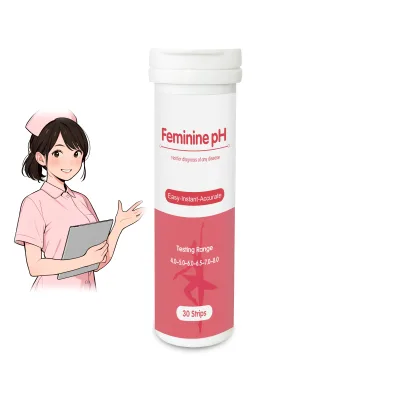
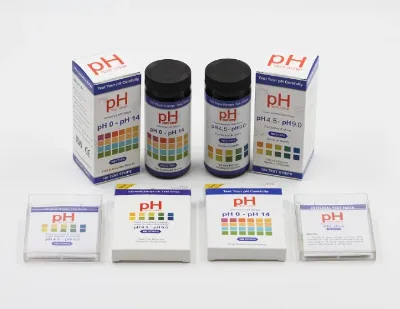
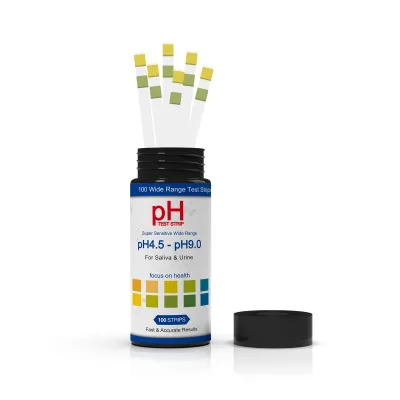
$0.7241 - $0.8273
MOQ: 100 barrels
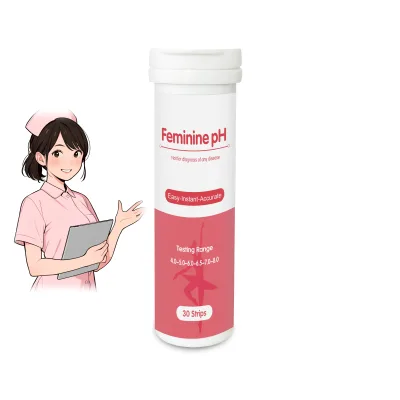
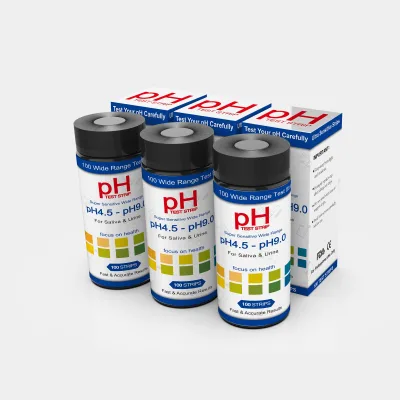
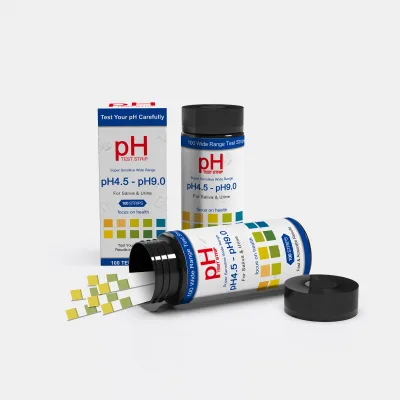
Professional Manufacture Feminine Health Monitor Feminine PH Test Strips Support OEM
$0.56 - $0.58
MOQ: 100
Changchun Wancheng Bio-Electron Co., Ltd.
- Verified by SGS Group
- Manufacturer, Trading Company
- Lead time7 days
- Avg. response≤ 4h
Main productsUrine (Saliva) Test Strip, Rapid test Strip, Urine Analyzer, Hematology Analyzer, Water Test Strip
Main marketsNorth America(50%), Western Europe(25%), South America(15%)
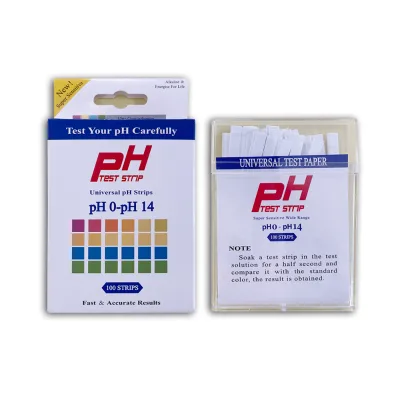
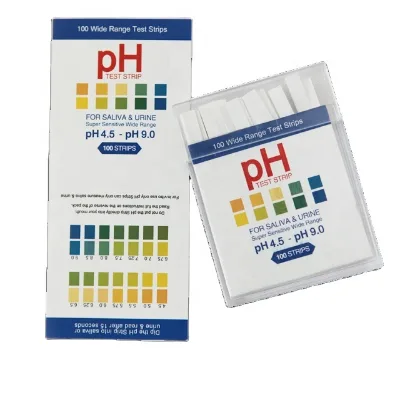
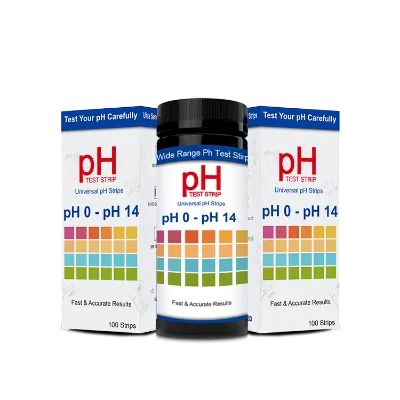
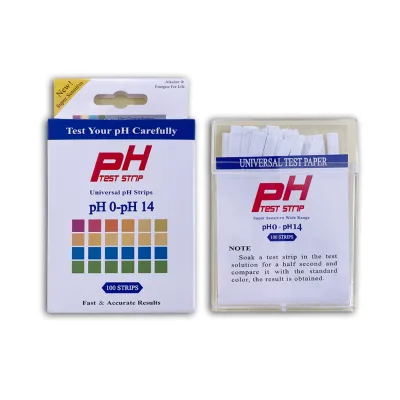
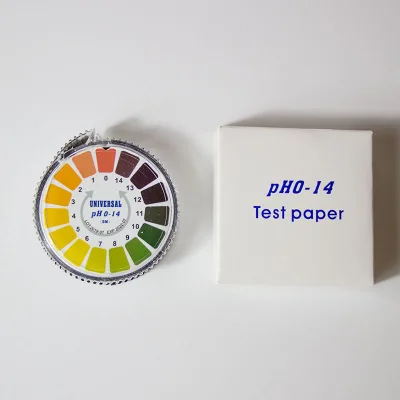
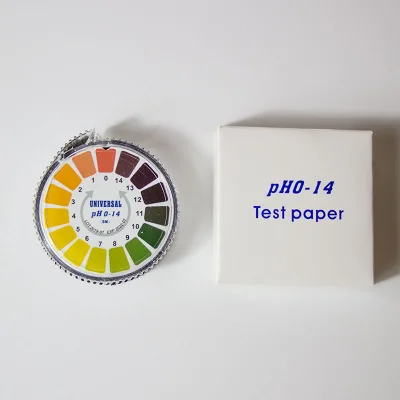
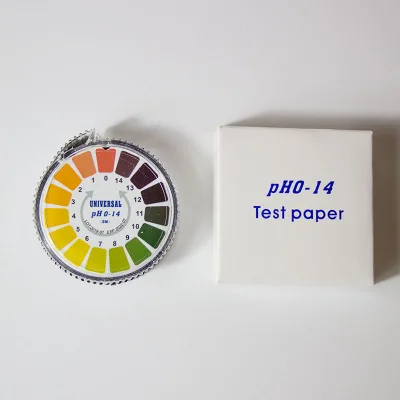
Universal PH Strips 0-14 test for Urine and Saliva ph test Strip ph test Strips
$0.60 - $0.77
MOQ: 500 boxes
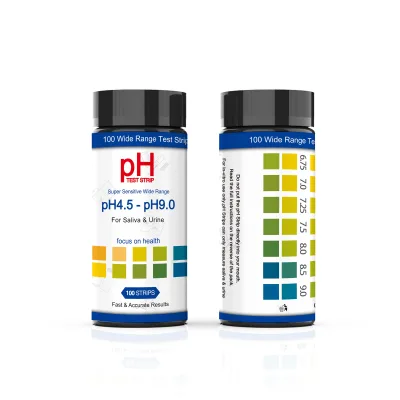
$0.8198 - $1.2297
MOQ: 100 Minimum
Jilin Hongyi Bio-Tech Co., Ltd.
- Verified by TüVRheinland
- Trading Company
- Lead time15 days
- Avg. response≤ 3h
Main productsUrine Test Strips, Water Test Strips, Urine Analyzer, Rapid Test Kit, Home Health Test Kit
Main marketsNorth America(40%), Eastern Europe(15%), South America(10%)
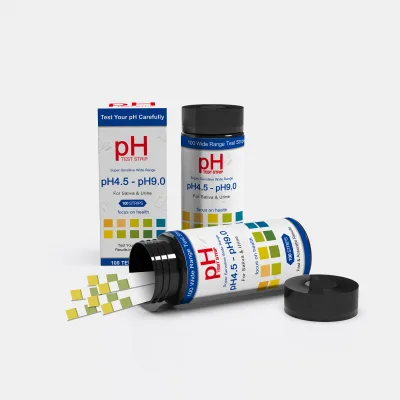
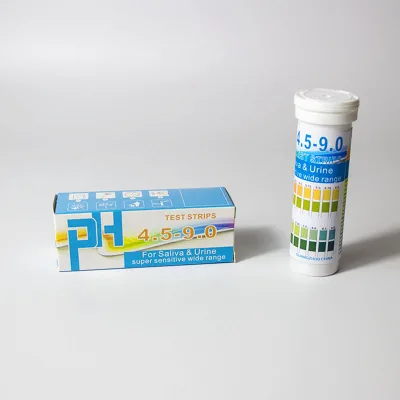
Factory Price pH Test Strips 4.5-9.0 Universal for Urine and Saliva Testing Focus on Health
$1.10 - $1.20
MOQ: 10 barrels
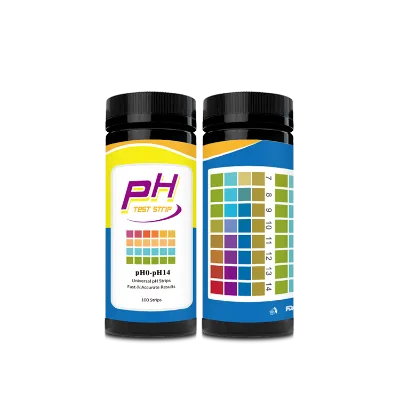
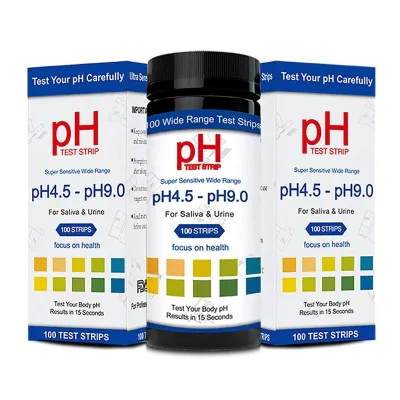
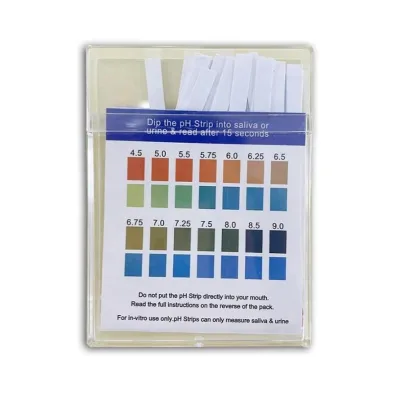
- Manufacturer, Trading Company
- Lead time旺季: "1 - 1000000":31,"> 1000000":"To be negotiated", 淡季: "1 - 1000000":31,"> 1000000":"To be negotiated"
- Avg. response≤ 2h
Main productsMedical Supplies, Laboratory Consumables, Medical Equipment

Henan Bingsheng Industrial Co., Ltd.
- Verified by SGS
- Combined
- China Henan
- Lead time15 days
- Avg. response≤ 2h
Main productsSensor
Main marketsSouth America,Southeast Asia/ Mideast,Domestic,Europe,North America

Testing Needs Strips for Comprehensive pH Measurement Solutions Comprehensive pH Strips
$1.19 - $1.30
MOQ: 5 Pieces

Laboratory pH Indicator Paper Strips for 0-14 Testing Range Laboratory pH Strips
$1.19 - $1.30
MOQ: 5 Pieces


Changchun Merydi Bio-Tech Co., Ltd.
- Verified by SGS Group
- Trading Company
- Lead time10 days
- Avg. response≤ 4h
Main productsUrine (Saliva) Test Strip, Rapid test Strip, Urine Analyzer, Hematology Analyzer, Water Test Strip
Main marketsNorth America(51%), Western Europe(19%), Northern Europe(14%)
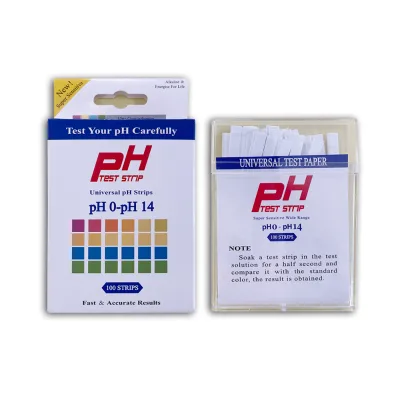
0-14 pH Test Strips, pH Rapid Test Paper, Chemical Dry pH Urine/Slave/Water Test Strip
$0.8303 - $1.1414
MOQ: 2 barrels
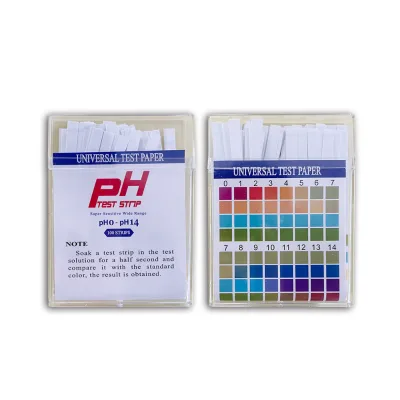
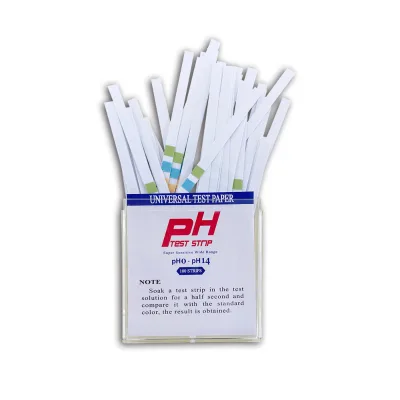
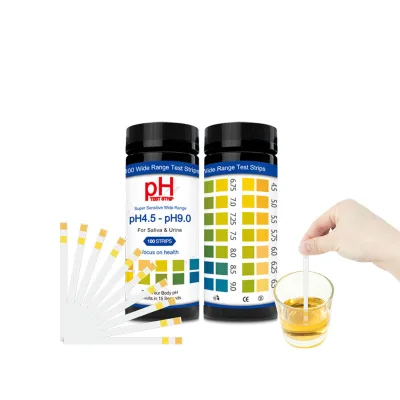
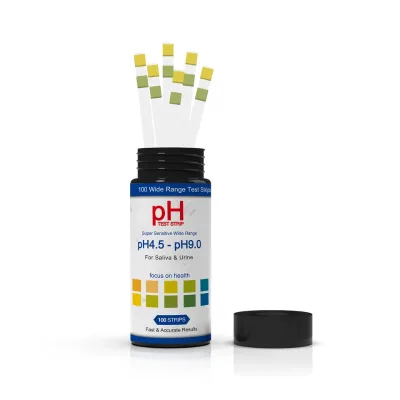
Best Seller pH Paper Test Strip for Urine and Saliva 100 Strips Rapid pH Test Kit
$2.00 - $2.20
MOQ: 100 boxes
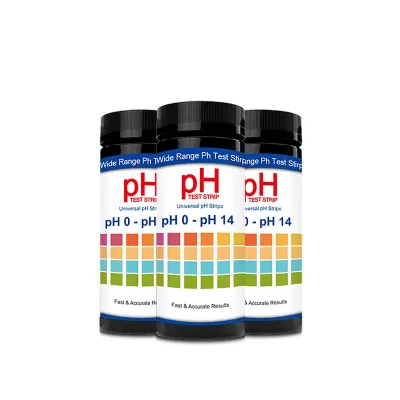
Aoke Bioengineering (Yangzhou) Co., Ltd.
- Manufacturer
- Jiangsu, China
- Lead time10 days
- Avg. response≤ 2h
Main productsPH Test Paper,Qualitative Filter Paper,Quantitative Filter Paper,Chemical Analysis Test Paper,Bunsen Beaker
Main marketsDomestic Market(50.00%), North America(20.00%), South Asia(15.00%), Eastern Europe(5.00%), Mid East(5.00%), South America(3.00%), Africa(2.00%)
Guangzhou Juanjuan Electronic Technology Co., Ltd.
- Verified by TüVRheinland
- Trading Company
- Lead time10 days
- Avg. response≤ 3h
Main productsRefractometer, Thermometer, Dog Training Collar, Laboratory Scale, Laboratory Centrifuge
Main marketsAfrica(18%), Mid East(12%), North America(10%)
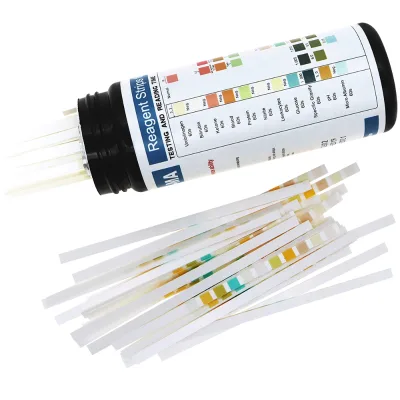
11 Parameters H11-MA Health Care Reagent pH Test Strips Paper for Urinalysis
$2.77 - $3.17
MOQ: 50 pieces
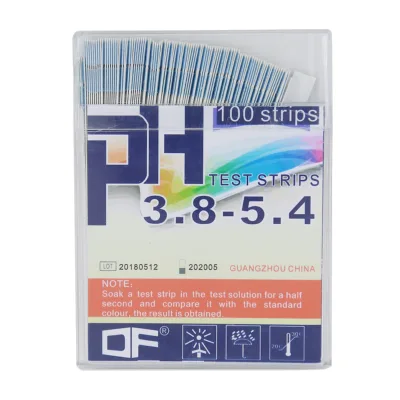
3.8-5.4 Urine Saliva Acid Alkaline ph test Strips PH Litmus Paper Test Kit
$0.96 - $1.20
MOQ: 1 pieces
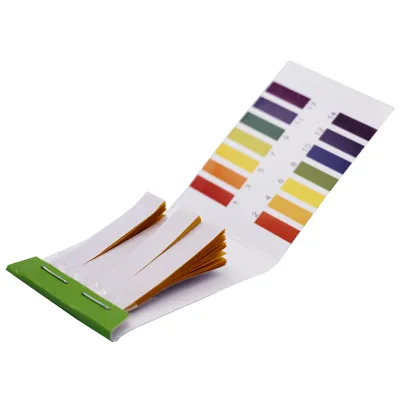

SHANGHAI SNWI MEDICAL CO., LTD.
- Verified by TUVRHEINLAND
- Trading Company,Manufacturer/Factory
- China Shanghai
- Lead time0 days
- Avg. response≤ 6h
Main productsDisposable Syringe, Gauze Roll, Non-Woven Products, Medical Supply, Surgical Sutures

Hot Sale High Accurate Rapid Urine Dipstick Analysis pH Paper Test Strips
$0.98 - $3.60
MOQ: 1000 Bottles

Medical Reagent Strips for Urinalysis Urine Test Strip Urine Glucose Test Strip CE ISO Rapid Test
$0.50 - $3.60
MOQ: 1000 bottle

China Tianjin Recare Co., Ltd.
- Verified by TUVRHEINLAND
- Combined
- China Tianjin
- Lead time15 days
- Avg. response≤ 5h
Main productsCondom, Rapid Test, Lubricant, Wipe, Probe Cover, Band-Aid, Gauze, Cotton Wool, Glove
Main marketsSouth America,Africa,Others(foreignTradeCapacity.exportBusinessCapacityMarketOther),Southeast Asia/ Mideast,Europe,Australia
- Manufacturer, Trading Company
- Jilin, China
- Lead time5 days
- Avg. response≤ 2h
Main productswater test strips,swimming pool test strips,drinking water test strips,aquarium test strips,urine test strips
Main marketsNorthern Europe(12.00%), North America(11.00%), Central America(9.00%), South America(8.00%), Western Europe(8.00%), Domestic Market(8.00%), South Asia(8.00%), Southern Europe(8.00%), Eastern Asia(6.00%), Eastern Europe(6.00%), Mid East(6.00%), Southeast Asia(5.00%), Africa(3.00%), Oceania(2.00%)
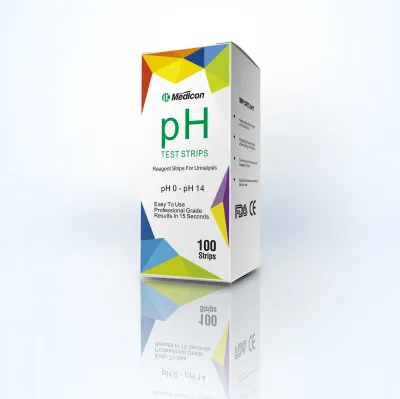
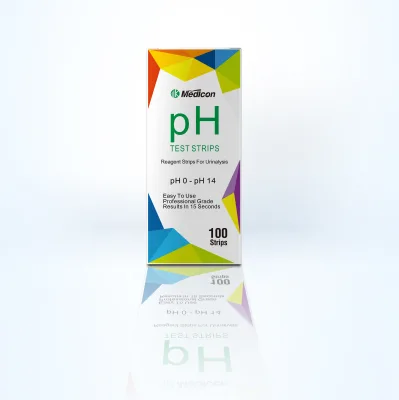
Medicon Universal pH test Strips 0-14 for Liquid
$0.85 - $1.00
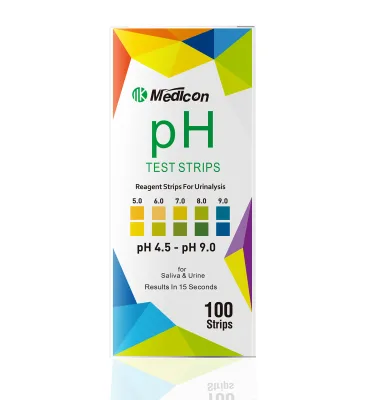
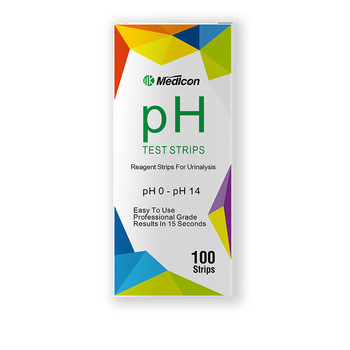
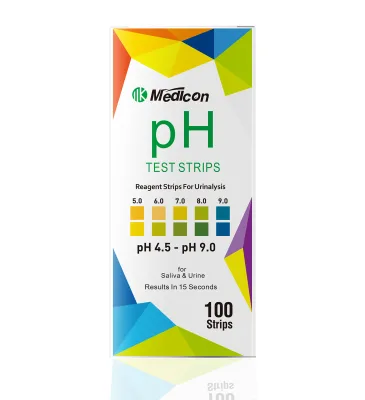
Pee Check Rapid Ph 0-14 test Strips for Urine and Saliva Made in China
$0.8198 - $1.0248
MOQ: 1 Minimum
Gemc Technology (zhengzhou) Co., Ltd
- Trading Company
- Henan, China
- Lead time5 days
- Avg. response≤ 5h
Main productsHCG Pregnancy Rapid Test,Infectious Diseases Test,Drug of Abuse Test,water analyzer,urinary strips
Main marketsWestern Europe(30.00%), North America(30.00%), Southeast Asia(20.00%), Africa(10.00%), Southern Europe(5.00%), Northern Europe(5.00%)
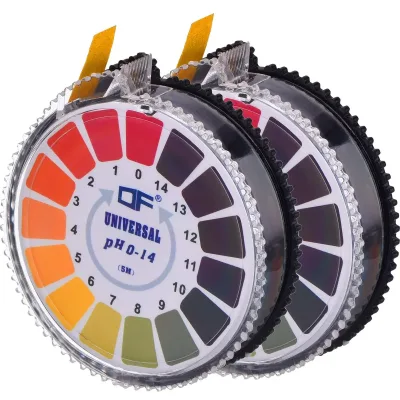
$1.0876 - $1.14
MOQ: 500 pieces
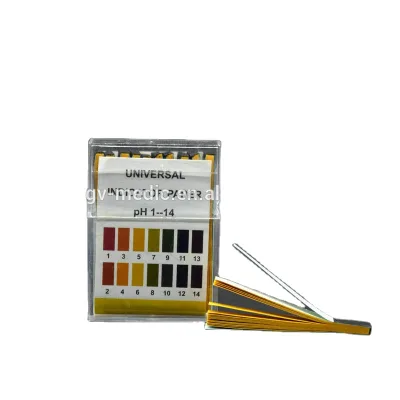

Changchun Lyz Technology Co., Ltd.
- Manufacturer, Trading Company
- Jilin, China
- Lead time15 days
- Avg. response≤ 3h
Main productsUrine Test Strips, Water Test Strips, Pet Test Strips, Soil Test Strips, Rapid Test Kits
Main marketsNorth America(50.00%), Western Europe(10.00%), Southern Europe(10.00%), Northern Europe(10.00%), South America(5.00%), South Asia(3.00%), Oceania(3.00%), Eastern Asia(3.00%), Africa(3.00%), Southeast Asia(3.00%)
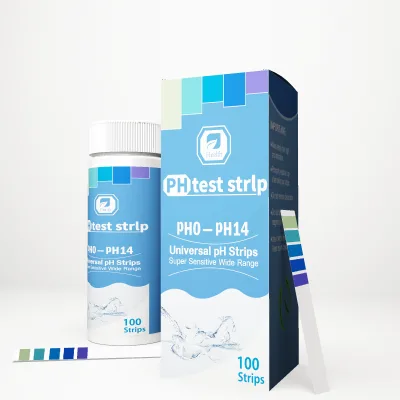
LYZ Universal 0-14 pH Test Strips for Water Urine Serum Monitoring Household Medical Device
$0.5655 - $1.2327
MOQ: 1 pieces
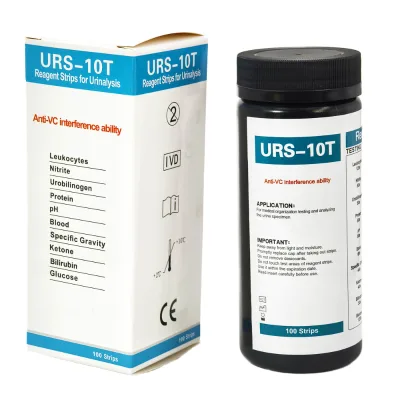
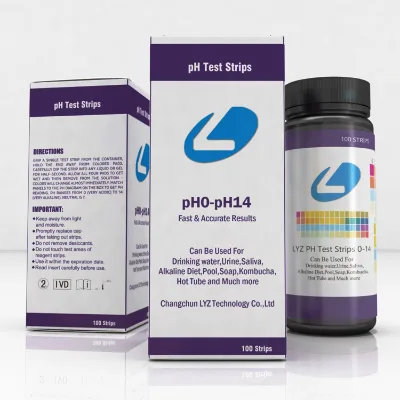
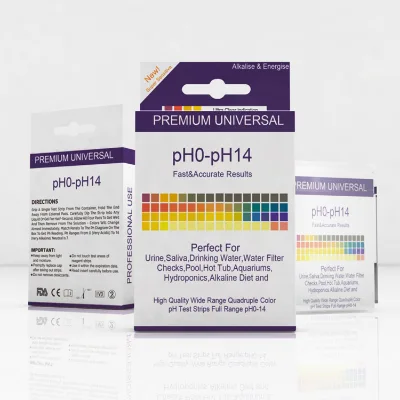
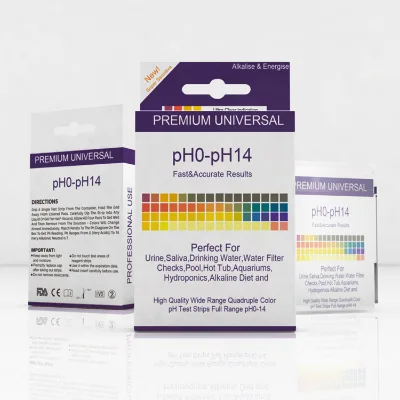
factory water hotsale cheap ph test strips 0-14 measuring range 0-14
$0.8737 - $1.1818
MOQ: 100 barrels

Chongqing New World Trading Co., Ltd.
- Trading Company
- China Chongqing
- Lead time15 days
- Avg. response≤ 5h
Main productsFlocked Swab, Pipette Filter Tips, Vtm Kits, Blood Collection Tubes, Face Mask, Pipette Tips, Microscope Slides, Centrifuge Tube, Cryotube, Petri Dish
Main marketsSouth America,Africa,Southeast Asia/ Mideast,East Asia(Japan/ South Korea),Europe,Australia,North America

Laboratory Consumables pH Indicator Strips pH Test Strip pH Test Paper 0-14
$0.92 - $1.10
MOQ: 250 Box

pH Indicator Strips 0-14 Diagnostic pH 0-14 Test Paper Easy to Use 0-14 pH Strips Paper
$0.76 - $1.30
MOQ: 200 box
Henan Yuenai Trading Co., Ltd.
- Trading Company
- Henan, China
- Lead time5 days
- Avg. response≤ 2h
Main productsMedical consumables,safety butterfly needle,Vacuum blood collection,wheelchair,Medical equipment
Main marketsEastern Asia(30.00%), Southeast Asia(20.00%), Western Europe(20.00%), Africa(20.00%), Mid East(10.00%)
- Manufacturer, Trading Company
- Shaanxi, China
- Lead time7 days
- Avg. response≤ 6h
Main productsFilter Tips/Syringe Filter/PCR Tube/Filter Paper/Filter Membrane
Main marketsNorth America(35.00%), South America(10.00%), South Asia(5.00%), Southern Europe(5.00%), Northern Europe(5.00%), Central America(5.00%), Western Europe(5.00%), Eastern Asia(5.00%), Mid East(5.00%), Oceania(5.00%), Africa(5.00%), Southeast Asia(5.00%), Eastern Europe(5.00%)
Shaoxing Kere Import & Export Co., Ltd.
- Trading Company
- Zhejiang, China
- Lead time0 days
- Avg. response≤ 7h
Main productsLab equipments,Lab plastic ware,Lab glassware,Teaching aids,Medical consumables
Main marketsNorth America(18.00%), Northern Europe(15.00%), Western Europe(12.00%), South America(12.00%), Eastern Europe(12.00%), South Asia(8.00%), Eastern Asia(8.00%), Africa(6.00%), Mid East(3.00%), Southeast Asia(2.00%), Central America(2.00%), Southern Europe(1.00%)
- Manufacturer, Trading Company
- Lead time旺季: "1 - 100000":15,"> 100000":"To be negotiated", 淡季: "1 - 100000":15,"> 100000":"To be negotiated"
- Avg. response≤ 8h
Main productsSyringe FIlter,Lab Filter Paper,Filter Tips,Membrane Filter
Shaoxing Beant Import & Export Co., Ltd.
- Trading Company
- Zhejiang, China
- Lead time0 days
- Avg. response≤ 1h
Main productsLab equipments,Lab plastic ware,Lab glassware,Teaching aids,Medical consumables
Main marketsNorth America(13.00%), Eastern Asia(12.00%), Southeast Asia(11.00%), Western Europe(9.00%), Central America(9.00%), South Asia(9.00%), South America(8.00%), Eastern Europe(7.00%), Africa(6.00%), Domestic Market(5.00%), Southern Europe(3.00%), Northern Europe(3.00%), Mid East(3.00%), Oceania(2.00%)
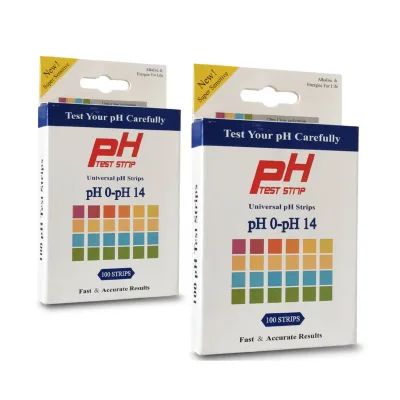
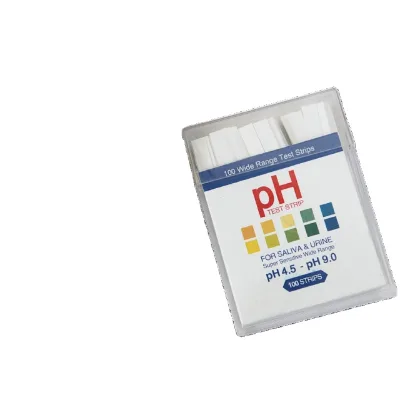
Rapid pH test Strips Wide Range ph 4.5-9.0-14 Urine & Saliva ph test Strips Customizable
$1.95 - $2.45
MOQ: 100 boxes
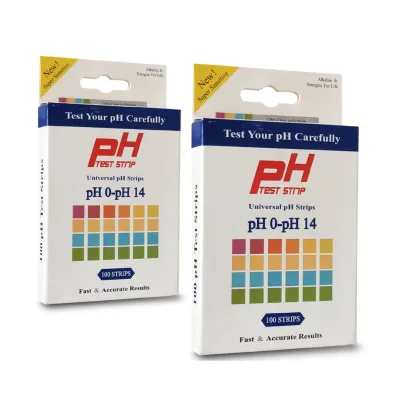
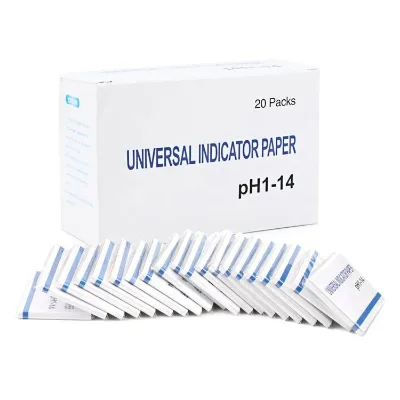
Universal pH Test Paper 0 - 14 Test Strips for Swimming Pool, Acid Alkaline Test Drinking Water
$2.0046 - $2.5178
MOQ: 100 boxes


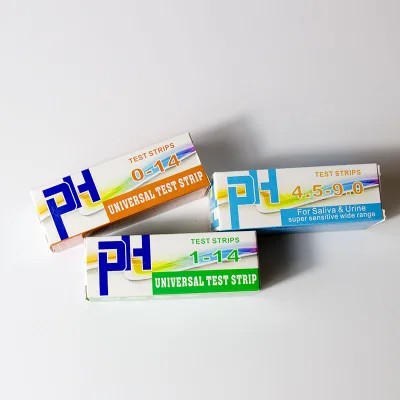
Comprehensive Sourcing Guide
Medical Healthcare PH Test Strip Supplier Concentration and Factory Types
Suppliers offering medical healthcare pH test strips in current results are concentrated in Guangdong, China, which appears consistently as the place of origin across product listings. This province is a practical starting point for buyer searches, but concentration alone should not be treated as a guarantee of quality; the buyer still needs to verify each factory individually. When no verified location is shown for a listing, buyers should identify clusters by checking the place of origin attribute, asking the supplier directly for the manufacturing address, and confirming that the address matches the registered business license rather than a sales office.
The supplier base mixes two business types that must be distinguished early. Some companies list themselves as both manufacturer and trading company, which means the buyer should ask which items are produced in-house and which are resold, since pricing, lead times, and quality control differ between the two. Main product lines in this category commonly include water test strips, urine test strips, urine analyzers, rapid test kits, and food safety test kits, so a supplier already producing urine or water diagnostics is more likely to have relevant reagent-handling capability. Buyers should prioritize suppliers whose core catalog overlaps with pH test strips, ask for the specific production line used, and request documentation tying the product to the factory rather than an intermediary, because reagent consistency depends heavily on the actual manufacturing environment.
How to Verify Medical Healthcare PH Test Strip Suppliers
Verification should begin with third-party status and system certifications. In current results, at least one supplier is SGS-verified and holds ISO 9001 and ISO 13485 system certifications, the latter being the quality management standard specific to medical devices. Buyers should not assume every listing carries these credentials; each supplier must be asked for certificate copies, and the certificates should be checked for scope, validity dates, and whether the issuing body is accredited. CE marking appears as a quality certification attribute on several pH test strip products, but a CE claim on a product page is not the same as a CE certificate the buyer has reviewed.
Product-level attributes provide a second verification layer. Listings in this category commonly declare Class II instrument classification, manual power source, a two-year shelf life, and safety standards such as GB15979-2002 on some items, while other listings show no safety standard at all, which is a signal to ask questions. Buyers should request the technical file behind these claims, including the declared pH range, for example 4.5 to 9.0, and test reports proving color-chart accuracy. Because these are medical-adjacent diagnostic products, the buyer should also confirm the registration or regulatory pathway required in the destination market before ordering. A practical verification routine: shortlist suppliers with verifiable medical-device certification, request samples from each, test the strips against buffer solutions, and compare the delivered sample against the declared specifications before committing to a production order.
What to Compare Across Medical Healthcare PH Test Strip Suppliers
Comparison should use the attributes actually displayed on supplier and product pages, without assuming every listing carries the same data. Useful dimensions include lead time, with a 15-day lead time appearing in current results; response time, where a 3-hour response figure is shown for at least one supplier; minimum order quantity, which ranges across listings with examples of 10 units on one product and 100 units on another; and location, where Guangdong, China is the consistent origin. Establishment year and escrow or trade-assurance status are additional labels that may appear on some supplier profiles, so buyers should record which suppliers display them and verify claims directly where they do not.
Product-level comparison matters just as much as supplier-level comparison. Listed prices in this category span roughly 0.56 to 0.98 USD per unit across different pH strip products, and price should be compared alongside specification: pH range, strips per bottle, shelf life, packaging format, and after-sale service, which varies between "online technical support" and none. Some listings declare supply ability, such as 8000 barrels per day, sample availability, and OEM or neutral packaging options, all of which affect scalability and private-label plans. Build a comparison table covering lead time, MOQ, response speed, unit price at your target volume, certification evidence, packaging options, and warranty terms, then weight columns by what your channel actually requires rather than treating the lowest quoted price as the default winner.
Common Medical Healthcare PH Test Strip Sourcing Risks
The most frequent risk is treating product-page attributes as verified facts. Claims such as 99.96% accuracy or CE certification can appear as listing text, but reagent strips for medical or home health use require the buyer to confirm accuracy independently with buffer solutions across the declared pH range, especially near the 4.5 and 9.0 extremes where color differentiation is hardest. A second risk is specification drift between sample and bulk production, since reagent coating batches can vary; buyers should define an acceptance testing procedure in the purchase contract and reserve the right to reject out-of-spec batches.
Other risks are structural. Listings sometimes show missing safety standards or absent after-sale service fields, indicating thin documentation that becomes a problem when the destination market's regulator or a retail platform asks for compliance files. Mixed manufacturer-trading companies create a transparency risk: the buyer may believe it is dealing with the factory while actually paying an intermediary margin and inheriting communication delays. Short shelf life matters too, since two-year shelf life means slow-moving inventory expires, so buyers should ask about production date at shipment. Warranty terms differ between one year and two years across listings, and ambiguity over what the warranty covers for consumable strips should be resolved in writing. Finally, relying on a single supplier for a medically sensitive consumable concentrates risk; qualifying a second source is a sensible mitigation for ongoing programs.
Medical Healthcare PH Test Strip Regional Sourcing and Logistics
The verified regional signal in this category is Guangdong, China, as the declared place of origin across product listings and the stated location of listed suppliers. Sourcing within a single concentrated province simplifies logistics: buyers consolidating multiple strip products, urine analyzers, or rapid test kits can often combine shipments, inspect goods at one point, and reduce internal freight costs. When evaluating suppliers that do not display a location, the buyer should request the factory address and cross-check it against business registration documents before assuming the supplier sits inside this cluster.
Logistics planning should reflect the physical profile of the products. Current listings show single package sizes around 4.6 by 4.6 by 10.8 cm to 5.3 by 5.3 by 14.4 cm, with single gross weights ranging from about 0.05 kg to 0.5 kg depending on packaging format, and packing configurations such as 100 strips per bottle and 100 bottles per carton. These small, light cartons make air freight feasible for samples and urgent replenishment, while sea freight suits volume orders; buyers should calculate cost per strip landed, not just per carton. Packaging details matter for medical consumables: barrels plus carton packing is declared on some listings, and the buyer should confirm moisture protection and temperature tolerance in transit, since reagent strips degrade in humidity. A 15-day production lead time gives a baseline for planning, but buyers should confirm whether it applies to first orders, reorders, and custom OEM packaging separately.
Medical Healthcare PH Test Strip Commercial Terms and Order Planning
Commercial negotiation should start from the data visible in listings and then push for improvements at the buyer's target volume. Unit prices across current pH strip products range from roughly 0.56 to 0.98 USD, with MOQs shown as low as 10 units on one listing and 100 on another, so buyers should quote their intended annual volume and ask for tiered pricing rather than accepting the published range. Private-label buyers should confirm OEM or neutral packaging availability early, since at least one listing declares it explicitly, and branding changes can affect both price and lead time. Payment protection varies by supplier; where escrow or trade assurance is displayed, prefer it, and where it is not, ask what secure payment options the supplier accepts and verify any claim before wiring funds.
Order planning should align order size with shelf life and lead time. With a declared two-year shelf life and a 15-day production lead time, buyers can schedule smaller, more frequent orders to keep inventory fresh rather than committing to a single large batch, provided unit freight economics still work. Confirm production date at shipment, agree on the acceptance-testing protocol before the deposit, and define warranty coverage in the contract, since listings show warranty terms of either one or two years. Also confirm sample policies, noting that at least one listing states samples are available, and clarify who pays sample and courier costs. Finally, document after-sale expectations, because support levels range from online technical support to none across listings.
FAQs
What is the price range for medical pH test strips?
Prices typically range from $0.56 to $0.98 per unit depending on specifications. Buyers can find options starting at $0.56 for basic feminine pH strips up to $0.98 for specialized liquid testing strips. Costs vary based on accuracy, packaging, and certification requirements.
What certifications do these test strips hold?
Manufacturers hold CE quality certifications for individual products and ISO 9001 and ISO 13485 system certifications. Some listings also mention CE ISO combined certificates. These credentials ensure compliance with medical device standards and quality management systems for reliable diagnostic results.
What is the minimum order quantity for these strips?
Minimum order quantities vary significantly by supplier and product type. Some suppliers require a minimum of 10 units, while others set the threshold at 100 units. Buyers should verify specific MOQ requirements with each manufacturer before placing orders to ensure alignment with their procurement needs.
Where are these medical test strips manufactured?
All observed suppliers are located in Guangdong, China. This region is a major hub for medical device manufacturing. Buyers sourcing from this location benefit from established supply chains and specialized expertise in producing diagnostic test strips and related medical equipment efficiently.
How long does production take for these orders?
Standard lead times are approximately 15 days for production. Buyers should confirm specific delivery schedules with suppliers as timelines may vary based on order volume and customization requirements. Prompt communication helps ensure timely delivery for urgent medical supply needs.
What after-sales support is available for these products?
Most manufacturers provide online technical support for troubleshooting and usage guidance. Some suppliers offer no specific after-sales service, so buyers should verify support options beforehand. Online assistance helps resolve questions regarding test strip accuracy, storage, and interpretation of results effectively.