Cutting Stainless Steel Roller Suppliers and Manufacturers
Source Cutting Stainless Steel Roller options from 15 verified suppliers in China. Compare key dimensions including Hebei and Shandong locations, ISO certifications, and lead times. Contact suppliers directly to request custom quotes and verify material specifications; review the available evidence before requesting comparable quotations from suitable candidates.
Updated
Suppliers List
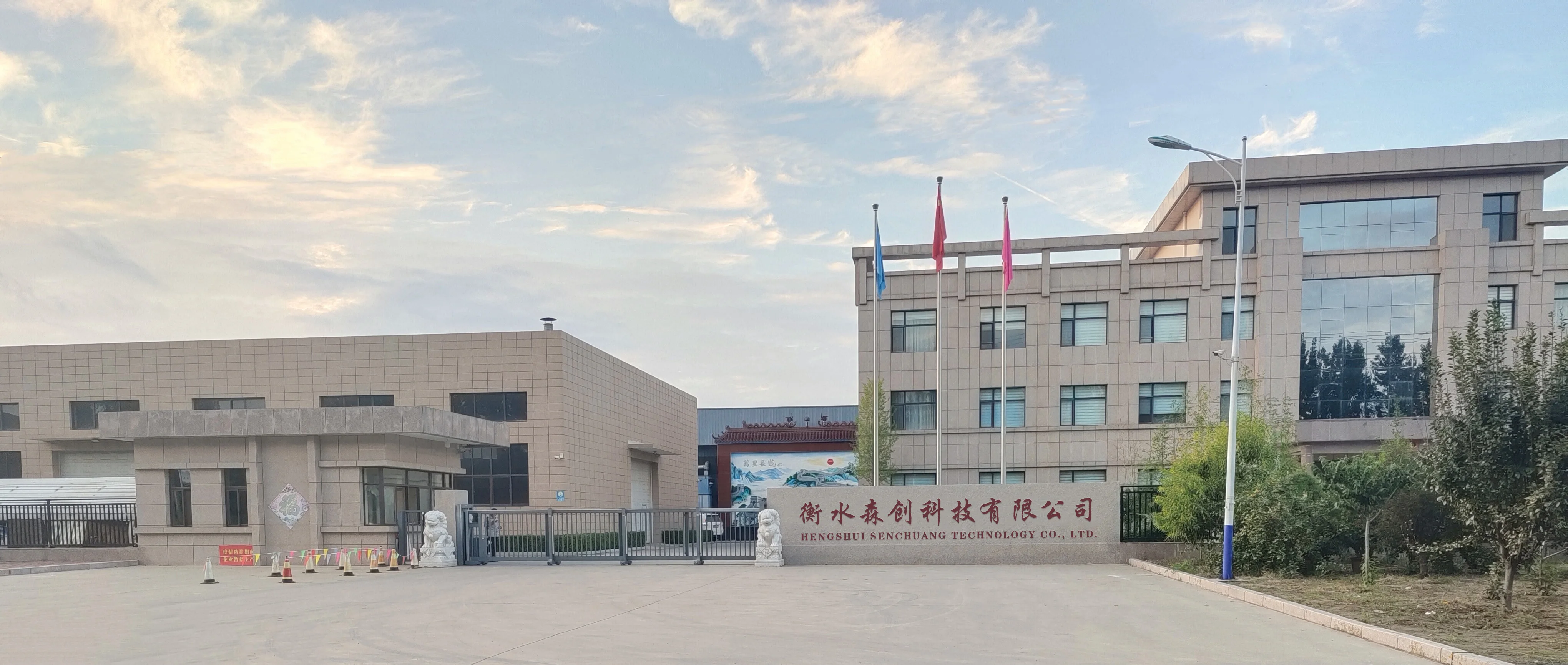
Hengshui Senchuang Technology Co., Ltd.
- Trading Company
- Hebei Province, China
- Lead time15 days
- Avg. response≤ 1h
Main productsRoller,Rubber roller,Caster Wheels,Packing box,PP PET sheet material
Main marketsDomestic Market(75.00%), Mid East(8.00%), South Asia(2.00%), Southern Europe(2.00%), Central America(2.00%), Western Europe(2.00%), South America(2.00%), North America(2.00%), Southeast Asia(2.00%), Eastern Europe(2.00%), Africa(1.00%)
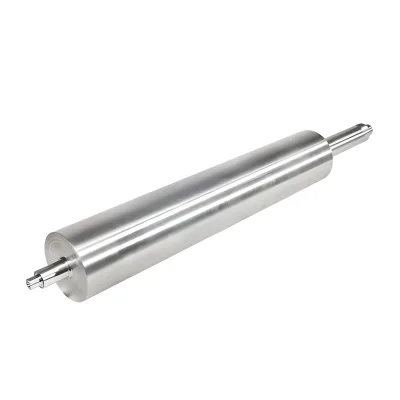
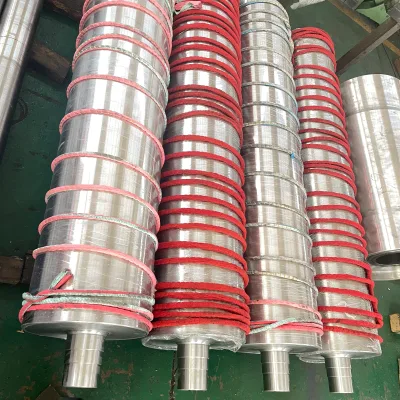
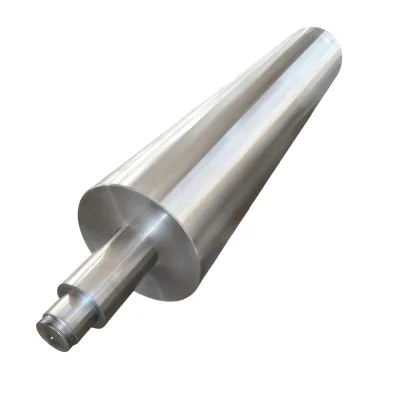
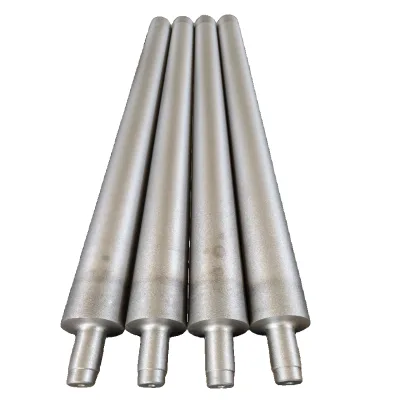
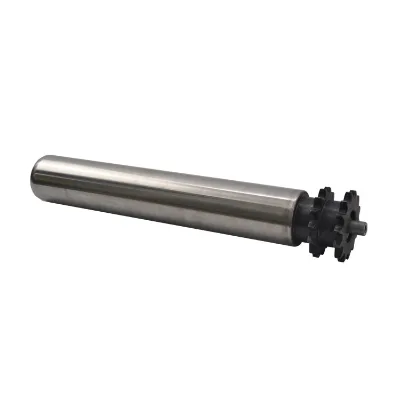
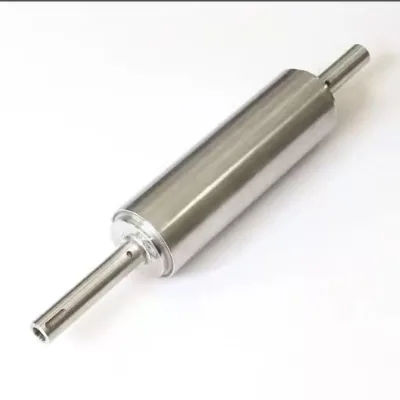
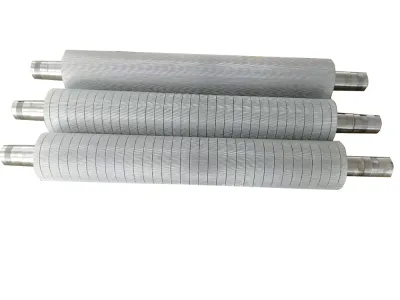
Wear-resistant Stainless Steel Roller,Suitable for Textile,Logistics Printing Industry
$2.9606 - $8.6753
MOQ: 1 pieces
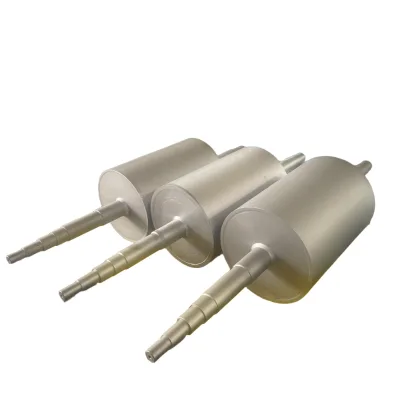
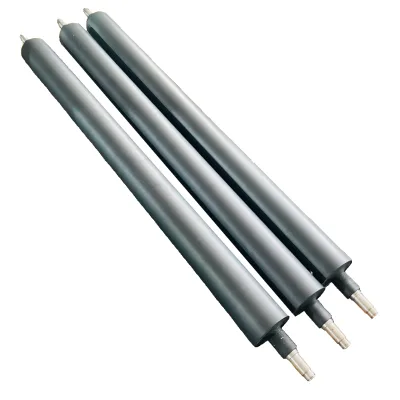
$2.9606 - $8.6753
MOQ: 1 pieces

Qingdao Yuanding Group Co., Ltd.
- Verified by BV
- Combined
- China Shandong
- Lead time90 days
- Avg. response≤ 12h
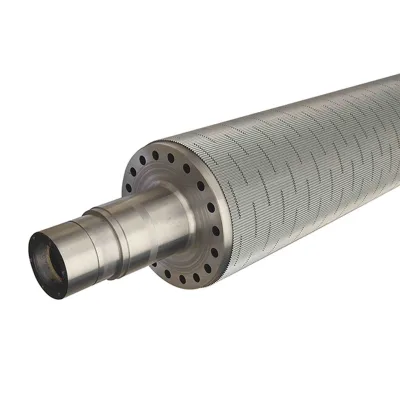
Main productsRadiant Tube, Hearth Roll, Annealing Lehr Roller, Alloy Castings, Pattern Roller, Heat Resistant Fiber, Heat Resistant Composite Material
Main marketsSouth America,Southeast Asia/ Mideast,East Asia(Japan/ South Korea),Europe
Shanghai Maxsen Machinery Co., Ltd.
- Verified by SGS Group
- Manufacturer, Trading Company
- Lead time15 days
- Avg. response≤ 4h
Main productsSpiral conveyor, Modular belt conveyor, Top chain conveyor, Flexible chain conveyor, Other conveyor spare parts
Main marketsDomestic Market(30%), North America(18%), Southeast Asia(18%)

CNBM International Corporation
- Trading Company,Manufacturer/Factory,Group Corporation
- China Beijing
- Lead time30 days
- Avg. response≤ 19h
Main productsSpecialty Graphite, Graphite Electrode, Refractory, Pipe and Fittings, Manhole Cover, Slag Pot, Prefabricated House
Main marketsSouth America,Mid East,North America,Southeast Asia,Oceania,Western Europe,Africa

Huzhou Tengfon Intelligent Equipment Co., Ltd.
- Combined
- China Zhejiang
- Lead time30 days
- Avg. response≤ 1h
Main productsConveyer, Roller, Belt Conveyor, Roller Conveyor, Chain Conveyor, Elevator, Flexible Roller Conveyor, Telescopic Belt Conveyor, Rgv
Main marketsDomestic

Shenzhen Eternal Technology Co., Ltd
- Verified by SGS
- Manufacturer/Factory
- China Guangdong
- Lead time15 days
- Avg. response≤ 1h
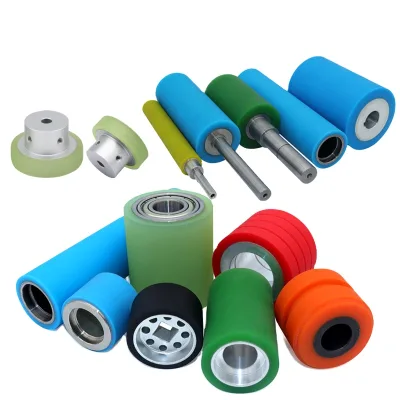
Main productsPVA/PP/PVC/PU Sponge Rollers, Rubber Rollers, Plastic Rollers, Metal Rollers, Conveyor Shaft, Ball Valves & Pipes & Pipe Fittings, Flow Meter, Pressure Gauge, Filters, Pumps
Main marketsSouth America,Eastern Europe,Mid East,North America,Southeast Asia,Eastern Asia,Oceania,Western Europe,Africa
Henan Jingjiang Industrial Automation Co., Ltd.
- Trading Company
- Henan, China
- Lead time15 days
- Avg. response≤ 1h
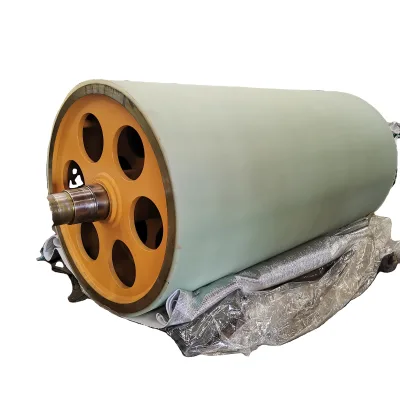
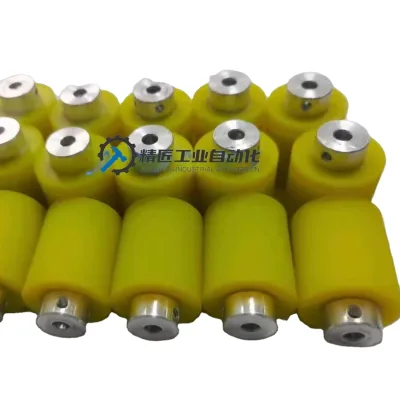
Main productsMechanical equipment and mechanical parts,Pneumatic power unit,Transmission transportation component,Polyurethane rubber lined roller,Construction machinery air conditioning system
Main marketsNorth America(20.00%), Mid East(18.00%), Africa(11.00%), South America(10.00%), Southeast Asia(10.00%), Central America(5.00%), South Asia(5.00%), Eastern Asia(5.00%), Eastern Europe(5.00%), Northern Europe(5.00%), Western Europe(2.00%), Oceania(2.00%), Domestic Market(1.00%), Southern Europe(1.00%)
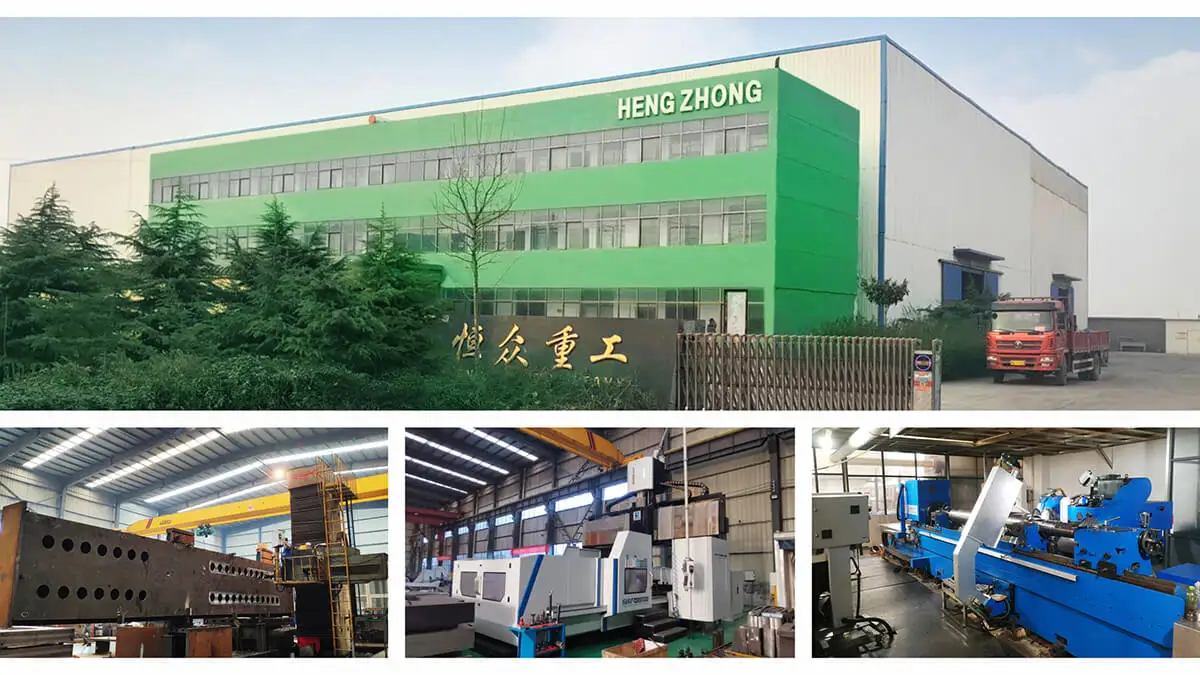
Zhengzhou Hengzhong Heavy Machinery Manufacturing Co., Ltd.
- Manufacturer, Trading Company
- Henan, China
- Lead time60 days
- Avg. response≤ 18h
Main productsRolling Mill,Roll,Rolling Mill Accessories,Metallurgical Accessories,Customized Manufacturing
Main marketsDomestic Market(39.00%), Eastern Europe(25.00%), Mid East(10.00%), Eastern Asia(5.00%), Oceania(5.00%), North America(3.00%), South America(3.00%), Southeast Asia(3.00%), Southern Europe(2.00%), Africa(1.00%), South Asia(1.00%), Western Europe(1.00%), Northern Europe(1.00%), Central America(1.00%)
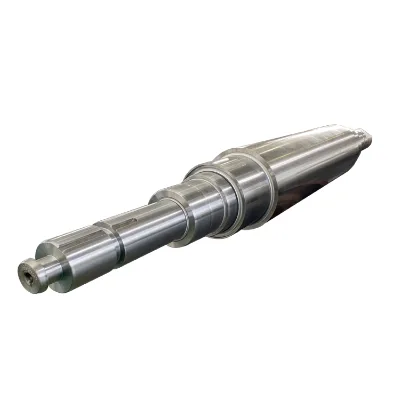
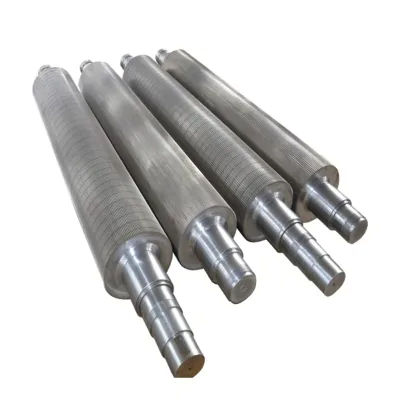
Cold Rolling Work Roll for Stainless Steel Strip Production Line
$5300.00 - $6000.00
Luoyang Deyu Machinery& Technology Co., Ltd.
- Verified by SGS Group
- Manufacturer, Trading Company
- Lead time30 days
- Avg. response≤ 5h
Main productsGear, Shaft, Mill Roller, Coupling, Mining Machinery Parts
Main marketsDomestic Market(50%), Eastern Europe(23%), South Asia(13%)
Qingdao Jinhecheng Machinery Co., Ltd.
- Manufacturer, Trading Company
- Shandong, China
- Lead time20 days
- Avg. response≤ 4h
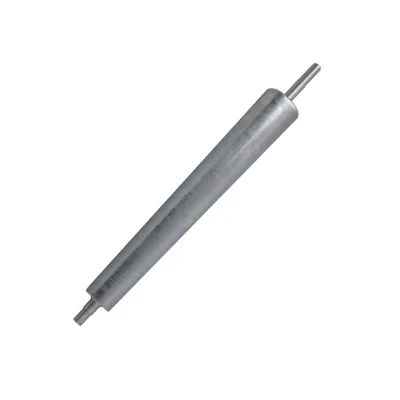
Main productsChrome Plated Roller, Mining Machinery Roller, Rubber Coated Roller, Unpowered Roller, Stainless Steel Drum
Main marketsDomestic Market(100.00%)

Cangzhou Longway Imp & Exp Co., Ltd.
- Trading Company
- Hebei, China
- Lead time20 days
- Avg. response≤ 2h
Main productsFilling Machine/Strapping Machine/Bottle Labeling Machine/Sealing Machine/Carton Machine,strapping machine,packing machine,printing machine,mixing machine
Main marketsWestern Europe(14.00%), Southeast Asia(9.00%), Mid East(9.00%), Southern Europe(9.00%), Eastern Asia(8.00%), Eastern Europe(8.00%), Northern Europe(8.00%), South Asia(8.00%), Domestic Market(7.00%), North America(5.00%), Africa(5.00%), South America(4.00%), Oceania(3.00%), Central America(3.00%)

Shanxi Fuding International Trade Co.,Ltd.
- Manufacturer/Factory
- China Shanxi
- Lead time23 days
- Avg. response≤ 3h
Main productsCNC Parts, Fabrication Assembly, Stamped Parts, Mold Injection, Forging, Hydraulic Components, Bollard, Dice
Main marketsSouth America,Eastern Europe,Mid East,North America,Southeast Asia,Eastern Asia,Oceania,Western Europe,Africa

Hebei Juxin Conveyor Engineering Co., Ltd.
- Verified by TUVRHEINLAND
- Manufacturer/Factory
- China Hebei
- Lead time23 days
- Avg. response≤ 4h
Main productsIdler, Roller, Belt Conveyor, Pulley, Frame, Bracket, Conveyor Roller, Conveyor Idler, Idler Roller, Drum
Main marketsSouth America,Eastern Europe,Mid East,North America,Southeast Asia,Eastern Asia,Oceania,Western Europe,Africa
Zaozhuang Ruixing Machinery Manufacturing Co., Ltd.
- Manufacturer, Trading Company
- Shandong Province, China
- Lead time60 days
- Avg. response≤ 9h
Main productsHigh Speed Steel Roller, Cast Iron Roller, Cast Iron Roller Ring, High Speed Steel Roller Ring, Support Roller
Main marketsDomestic Market(100.00%)

CHANGSHA YUXIN STEEL CO., LTD.
- Verified by TUVRHEINLAND
- Trading Company,Manufacturer/Factory
- China Hunan
- Lead time23 days
- Avg. response≤ 7h
Main productsSteel Rod Bar, Steel Sheet Plate, Forged Steel, Special Steel, Stainless Steel, Alloy Steel, Super Alloy, Steel Machinery, Machinery Parts, Casting
Main marketsSouth America,Eastern Europe,Mid East,North America,Southeast Asia,Eastern Asia,Oceania,Western Europe,Africa








Comprehensive Sourcing Guide
Cutting Stainless Steel Roller Supplier Concentration and Factory Types
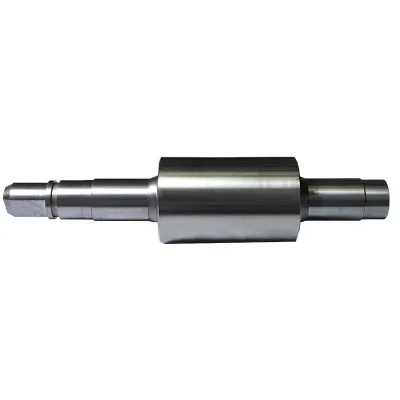
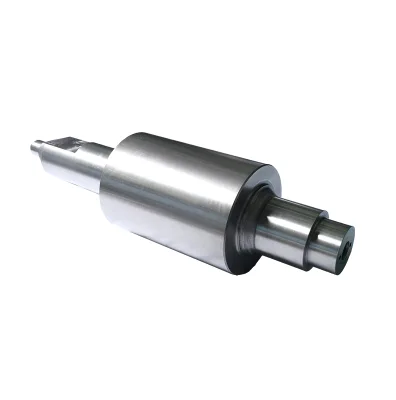
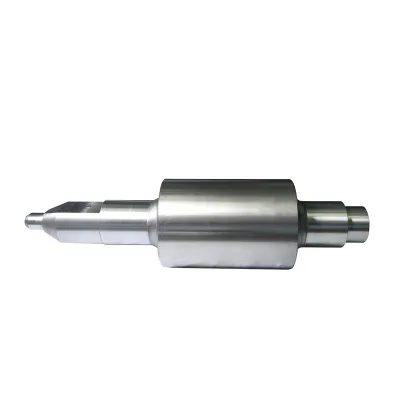
The current supplier landscape for cutting stainless steel rollers reveals a distinct concentration in Hebei Province, China, where multiple entities operate as trading companies rather than direct manufacturers. These trading firms often aggregate products from various local workshops, offering a wide array of roller types including those with customized sizes and specific surface treatments like polishing. The primary materials cited for these rollers include carbon steel, stainless steel, and various rubber compounds such as NR, NBR, EPDM, and PU, indicating a broad capability to serve different industrial environments. Buyers should note that while the location is clearly identified as Hebei, the company type is explicitly listed as a trading company, which may imply an intermediary role in the supply chain rather than direct factory ownership. This distinction is crucial for understanding the margin structure and the directness of communication regarding technical specifications.
In contrast to the Hebei-based trading entities, other suppliers in the results are located in Shandong Province and are classified as combined manufacturers or direct producers. These entities often hold more robust certification profiles, such as ISO9001:2015 and ISO14001:2015, and undergo third-party verification by organizations like BV. Their product focus often shifts toward specialized applications, such as heat-resistant rollers for glass annealing lehrs or heavy-duty industrial components, suggesting a higher level of technical specialization compared to the general-purpose rollers found in Hebei. The presence of both trading companies and combined manufacturers in the search results highlights the importance of verifying the actual production capability of the supplier. Buyers must determine whether they are dealing with a direct factory that controls the entire production process or a trading company that sources from multiple smaller workshops, as this affects quality control consistency and lead time reliability.
How to Verify Cutting Stainless Steel Roller Suppliers
Verifying the authenticity and capability of a supplier requires a multi-layered approach that goes beyond simple profile reviews. Buyers should prioritize suppliers who display third-party verification badges, such as BV verification, which indicates that an independent agency has inspected the company’s business license and operational premises. Additionally, checking for specific system certifications like ISO9001:2015 and ISO14001:2015 provides evidence of standardized quality management and environmental practices. These certifications are particularly relevant for suppliers claiming to produce specialized rollers for industries like glass manufacturing or heavy industry, where consistency and material integrity are paramount. Buyers should request copies of these certificates and verify their validity through the issuing bodies to ensure they are current and not expired. This step is essential for mitigating the risk of engaging with entities that may lack the necessary infrastructure for high-quality production.
Beyond certifications, buyers must assess the supplier’s response time and communication efficiency, as these are strong indicators of operational maturity. A response time of one day or less suggests a dedicated sales team and streamlined internal processes, which is critical for resolving technical queries regarding custom dimensions or material specifications. Conversely, longer response times may indicate a lack of dedicated resources or a high volume of unqualified inquiries. Buyers should also examine the detailed product attributes provided, such as shaft connection types, hardness degrees, and application environments, to gauge the supplier’s technical depth. Suppliers that provide comprehensive data on processing services like molding and cutting, along with specific material grades, are more likely to be capable of fulfilling complex custom orders. This level of detail serves as a proxy for the supplier’s engineering support capabilities and their ability to handle bespoke requirements effectively.
What to Compare Across Cutting Stainless Steel Roller Suppliers
When evaluating multiple suppliers, lead time is a critical differentiator that directly impacts production scheduling and inventory management. Some suppliers in the Hebei region offer a lead time of approximately 15 days, which is suitable for standard or semi-custom orders, while others, particularly those in Shandong focusing on specialized glass industry rollers, may quote lead times of up to 90 days. This significant variance reflects the complexity of the manufacturing process, the availability of raw materials, and the scale of the order. Buyers must align their procurement timelines with these lead times to avoid production delays. It is also important to inquire whether the quoted lead time includes material procurement, machining, surface treatment, and final inspection, as these stages can vary in duration depending on the supplier’s internal workflow. Understanding the breakdown of the lead time helps in identifying potential bottlenecks and negotiating more realistic delivery schedules.
Another key comparison point is the Minimum Order Quantity (MOQ) and pricing structure, which vary significantly based on the supplier type and product complexity. For general-purpose stainless steel rollers, some suppliers offer an MOQ of just one unit, catering to small-scale testing or low-volume needs, with prices ranging from approximately $2.90 to $8.50 per unit. In contrast, specialized heat-resistant rollers for glass annealing lehrs may have higher price points, ranging from $100.00 to $5,000.00, reflecting the use of advanced materials and centrifugal casting techniques. Buyers should compare these price ranges against their budget constraints and volume requirements. Additionally, the availability of OEM and ODM services should be assessed, as this indicates the supplier’s flexibility in adapting products to specific brand or technical requirements. Suppliers that support personalized customization and offer technical support are often better equipped to handle unique project specifications, providing greater value despite potentially higher initial costs.
Common Cutting Stainless Steel Roller Sourcing Risks
One of the primary risks in sourcing cutting stainless steel rollers is the discrepancy between advertised material specifications and actual product quality. Suppliers may list materials such as stainless steel or carbon steel, but the specific grade or alloy composition can vary widely, affecting durability and corrosion resistance. Buyers must request detailed material test reports or certificates of analysis to verify that the rollers meet the required standards for their specific application environment, whether it be a clean room, wet area, or heavy industry setting. Without this verification, there is a risk of receiving rollers that fail prematurely due to inadequate material strength or poor surface treatment. This risk is particularly prevalent when dealing with trading companies that may source from multiple suppliers with varying quality standards, making it difficult to ensure consistency across large orders.
Another significant risk is the lack of clarity regarding customization capabilities and technical support. While many suppliers claim to offer customized sizes and surface treatments, the actual feasibility of these modifications depends on their manufacturing equipment and engineering expertise. Buyers may encounter issues where the supplier cannot achieve the desired hardness, shaft connection, or dimensional tolerance, leading to project delays or product incompatibility. Additionally, the absence of clear warranty terms or after-sales support can leave buyers vulnerable if the rollers fail during operation. It is crucial to establish clear communication channels and technical agreements before placing an order, ensuring that both parties have a mutual understanding of the product specifications and performance expectations. Buyers should also be cautious of suppliers who do not provide detailed information on their processing services, as this may indicate a lack of in-house manufacturing capabilities.
Cutting Stainless Steel Roller Regional Sourcing and Logistics
Sourcing from Hebei Province offers logistical advantages due to its proximity to major industrial hubs and ports in Northern China, facilitating efficient transportation for standard roller products. Suppliers in this region often benefit from established supply chains for raw materials like steel and rubber, which can help stabilize production costs and lead times. However, buyers should consider the potential for higher shipping volumes and the need for robust packaging to prevent damage during transit, especially for rollers with polished surfaces or delicate shaft connections. The concentration of trading companies in Hebei also means that buyers may have access to a wider variety of product options, but they must carefully manage logistics coordination to ensure timely delivery. Understanding the local logistics infrastructure and working with suppliers who have experience in international shipping can help mitigate delays and reduce overall transportation costs.
In contrast, sourcing from Shandong Province may involve different logistical considerations due to the specialized nature of the products, such as heat-resistant rollers for glass manufacturing. These products often require careful handling and specialized packaging to protect their sensitive surfaces and complex structures. The longer lead times associated with these suppliers may also impact logistics planning, requiring buyers to order further in advance. Additionally, the presence of combined manufacturers in Shandong suggests a higher level of vertical integration, which can simplify logistics by reducing the number of intermediaries involved in the supply chain. Buyers should evaluate the supplier’s export experience and their ability to handle customs documentation and international shipping requirements. Working with suppliers who have a proven track record in exporting similar products can help ensure a smoother logistics process and reduce the risk of customs-related delays or additional fees.
Cutting Stainless Steel Roller Commercial Terms and Order Planning
Commercial terms such as payment methods and trade terms play a crucial role in the final cost and risk allocation of a Cutting Stainless Steel Roller order. Suppliers may offer various payment terms, including FOB, CIF, or CNF, each carrying different implications for shipping costs and insurance responsibilities. Buyers should carefully review these terms to determine the most cost-effective and secure option for their specific situation. For instance, FOB terms place the responsibility for shipping and insurance on the buyer after the goods are loaded onto the vessel, while CIF terms include these costs in the supplier’s quote. Understanding these distinctions is essential for accurate budgeting and risk management. Additionally, buyers should inquire about the supplier’s policy on sample orders and prototype development, as this can provide valuable insights into their production capabilities and quality control processes before committing to a large-scale order.
Order planning must also account for the supplier’s capacity to handle customizations and volume fluctuations. Suppliers that support OEM and ODM services are often better equipped to adapt to changing requirements, but buyers should confirm the supplier’s production capacity and lead time flexibility. It is advisable to establish a clear communication protocol for updates on production status and potential delays, ensuring that any issues are addressed promptly. Buyers should also consider the long-term relationship with the supplier, as consistent ordering can lead to better pricing and priority treatment. By carefully evaluating commercial terms and planning orders strategically, buyers can optimize their procurement process and ensure a steady supply of high-quality cutting stainless steel rollers for their operations. This proactive approach helps mitigate risks and enhances overall supply chain resilience.
FAQs
What is the price range for cutting stainless steel rollers?
Prices for cutting stainless steel rollers typically range from $2.90 to $79.90 per unit depending on material and customization. Basic steel shaft rollers start near $2.90, while heavy-duty industrial options with specific hardness ratings can reach up to $79.90. Glass annealing lehr rollers are priced higher, ranging from $100.00 to $5,000.00. Buyers should verify exact costs based on size and quantity.
What is the minimum order quantity for these rollers?
The minimum order quantity for cutting stainless steel rollers is one unit. Suppliers offer single-item selling units, allowing buyers to test quality before placing larger orders. This low MOQ supports prototyping and small-scale production needs. Buyers can request customized sizes and colors without being forced to purchase bulk quantities initially, making it accessible for diverse industrial applications.
How long does production take for custom rollers?
Production lead times for custom cutting stainless steel rollers vary by supplier type. Trading companies typically require 15 days for processing, while combined manufacturers may need up to 90 days. Delivery times for specialized glass annealing lehr rollers are often negotiable. Buyers should confirm specific timelines with suppliers to ensure alignment with project schedules and avoid delays in material handling operations.
Where are these stainless steel rollers manufactured?
Cutting stainless steel rollers are primarily manufactured in Hebei Province, China, and Shandong, China. Suppliers in these regions offer various processing services like moulding and cutting. The products are designed for diverse environments, including cold storage, clean rooms, and heavy industry. Buyers can source from these locations to access customized sizes and materials such as carbon steel or stainless steel.
What certifications do these roller suppliers hold?
Some suppliers of cutting stainless steel rollers hold ISO9001:2015 and ISO14001:2015 certifications. Others may have ISO 9001 and CE certifications. These standards indicate adherence to quality management and environmental practices. Buyers should verify specific certifications with suppliers to ensure compliance with industry requirements. Verified suppliers may also undergo BV inspections for additional assurance of product quality and reliability.
What materials are used for these rollers?
Cutting stainless steel rollers are made from carbon steel, stainless steel, or castable materials. Rubber materials like NR, NBR, EPDM, VMQ, PU, and IIR are also used for specific applications. Hardness ratings range from 30 to 95 Shore degrees. Wall thicknesses are customizable from 1.5mm to 12mm. Buyers can select materials based on application needs, such as wear resistance or heat resistance.