Dairy Cow Baby Potty Chair Suppliers and Manufacturers
Explore 23 verified options for Dairy Cow Baby Potty Chair suppliers and manufacturers in China. Compare lead times, certifications like EN 71 and CE, response times, and product specifications to find the right fit. Contact suppliers directly to request samples or custom quotes.
Updated
Suppliers List

HANGZHOU WEIZE IMP & EXP CO., LTD.
- Verified by TUVRHEINLAND
- Trading Company
- China Zhejiang
- Lead time30 days
- Avg. response≤ 3h
Main productsProtective Mask
Main marketsAfrica,Southeast Asia/ Mideast,Europe,North America

Portable Travel Baby Potty Toilet Baby Potty Training Seat Baby Potty Chair
$5.00 - $7.50
MOQ: 500 Pieces

Cute Design Eco Plastic Baby Potty Toilet Training Seat Easy Use Baby Potty Chair
$3.50 - $5.20
MOQ: 500 Pieces


High Quality Cute Kids Toilet Baby Potty Training PP Plastic Potty Chair
$5.50 - $6.70
MOQ: 200 Pieces


Yiwu Doublecare Baby Products Co., Ltd.
- Verified by SGS Group
- Trading Company
- Lead time7 days
- Avg. response≤ 3h
Main productsBaby Products, Baby Bathtubs, Baby Potty Toilets , Baby Feeding Chairs, Baby bottle brushes
Main marketsNorth America(20%), Eastern Europe(20%), Western Europe(15%)
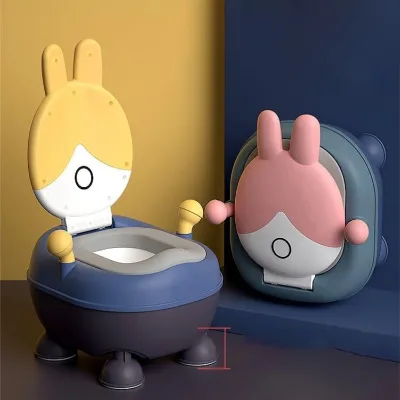
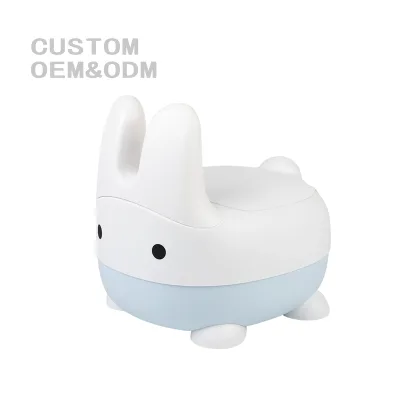
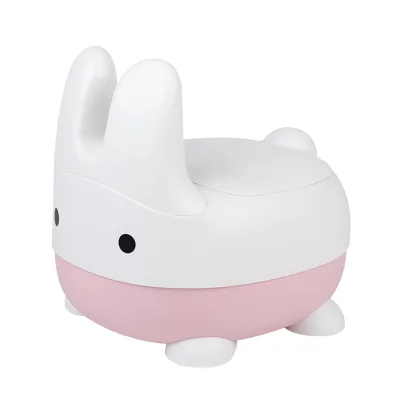
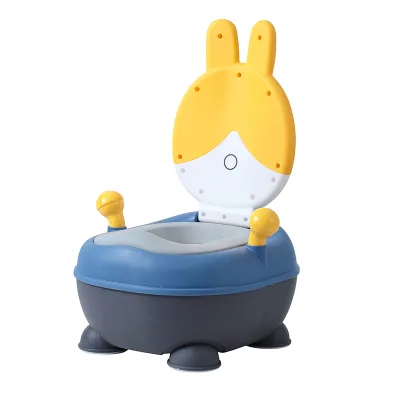
Home Use Chair Split Structure Baby Potty Toilet Baby Children Bunny Shape Toilet Baby Potty Chair
$6.9116 - $9.3383
MOQ: 50 pieces
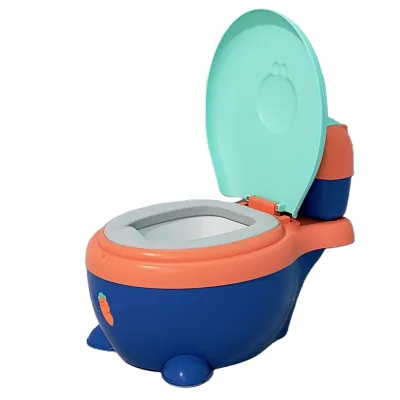
Baby Potty Chair Lovely PP PVC PU Pad Rabbit Shaped Portable Potty Seat Baby Potty Training
$5.7545 - $7.7066
MOQ: 50 Minimum
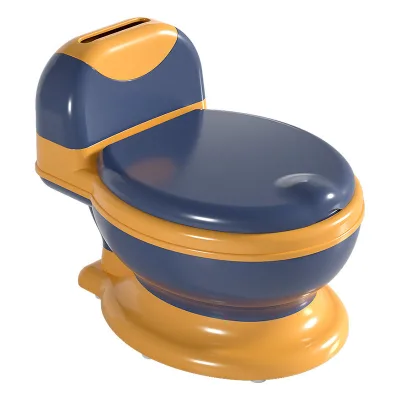
Factory Wholesale OEM Custom Cheap Price Hot Sale Plastic Simulation Baby Potty Chair
$4.5015 - $5.5284
MOQ: 50 pieces
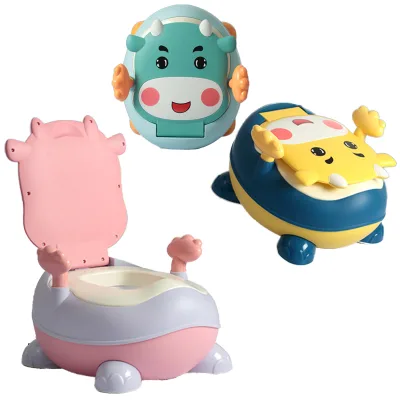
$4.9221 - $7.1826
MOQ: 50 pieces
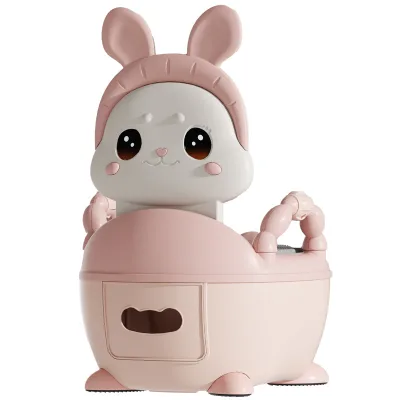
$3.4087 - $4.6527
MOQ: 50 pieces
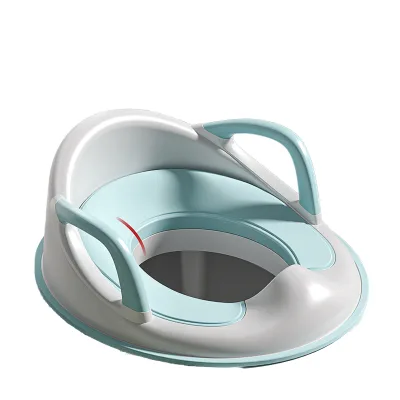
$3.1138 - $5.3338
MOQ: 50 pieces

Hebei Miaoou Trading Co., Ltd.
- Trading Company,Manufacturer/Factory
- China Hebei
- Lead time23 days
- Avg. response≤ 8h
Main productsRoad Bike, Mountain Bike, Children Bicycle, Kids Balance Bike, Children Tricycle, Baby Stroller, Children's Electric Cars, Children Scooter, Tyre and Saddle, Snow Bike
Main marketsSouth America,Eastern Europe,Mid East,North America,Southeast Asia,Eastern Asia,Oceania,Western Europe,Africa

Home Use Chair Split Structure Baby Potty Toilet, Baby Children Toilet Baby Potty Chair
$5.90 - $7.80
MOQ: 10 Pieces


Taizhou Baby Joyce Kid Products Co., Ltd.
- Verified by Intertek
- Trading Company
- Lead time30 days
- Avg. response≤ 3h
Main productsPotty Training Toilet, Potty Training Seat, Baby Step Stool, Baby Bathtub, Baby Bath Support
Main marketsEastern Europe(25%), Oceania(20%), Eastern Asia(20%)
Taizhou Doit & Baby Kid Products Co., Ltd.
- Trading Company
- Lead time旺季: "1 - 6000":30,"> 6000":"To be negotiated", 淡季: "1 - 6000":30,"> 6000":"To be negotiated"
- Avg. response≤ 4h
Main productsBaby Potty, Baby Bathtub, Kids Lunch Box, Baby Chair, Bottle Drying Rack
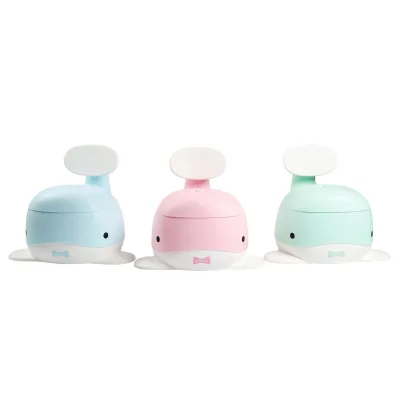
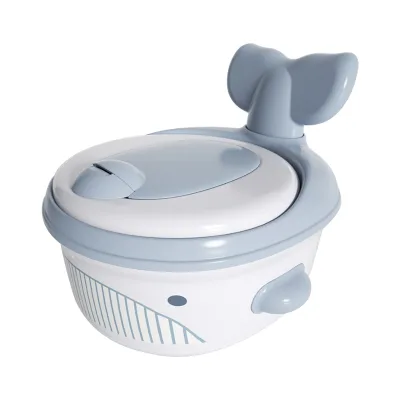
Carton Lovely Boy Girl Baby Potty Seat Children's Training Potty Chairs Whale Shape Baby Potty
$6.6422 - $6.744
MOQ: 600 sets
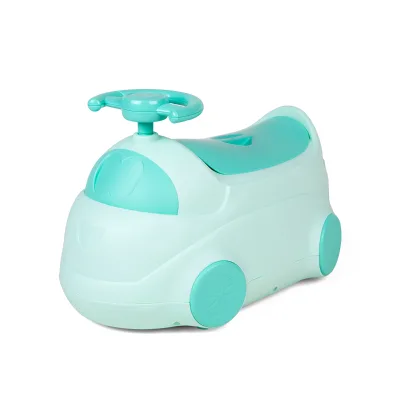
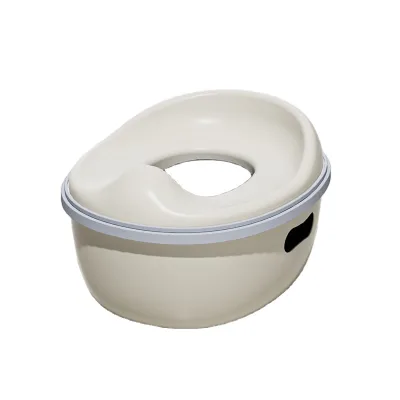
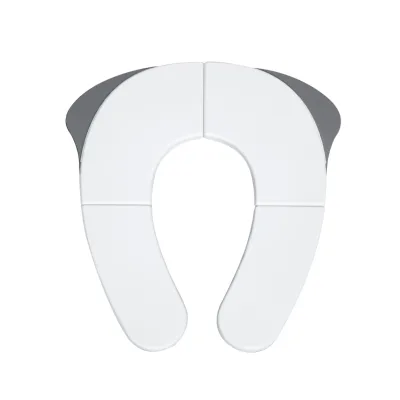
$3.5898 - $3.8967
MOQ: 500 pieces
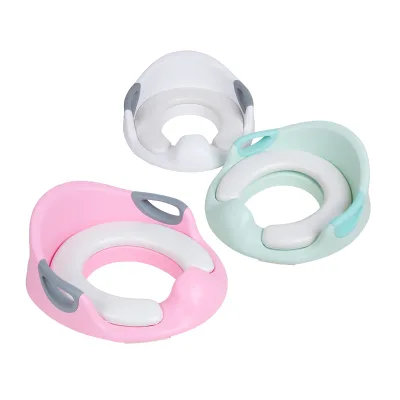
Market Trend Best Potty Seat Kids Toilet Training Seat for Girls Toddler Potty Training Seat
$4.10 - $4.50
MOQ: 500 pieces
Taizhou Eiffel Mould & Plastic Co., Ltd.
- Verified by SGS Group
- Manufacturer, Trading Company
- Lead time45 days
- Avg. response≤ 6h
Main productsBaby Chair, Bath Tub/Baby Potty/Baby Products
Main marketsSouth America(25%), Southeast Asia(20%), Mid East(15%)
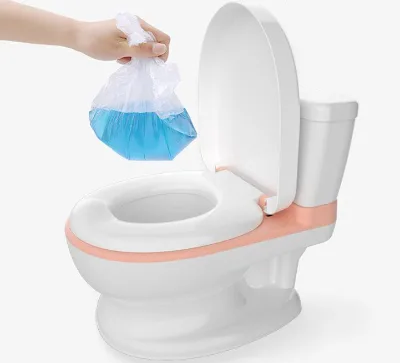
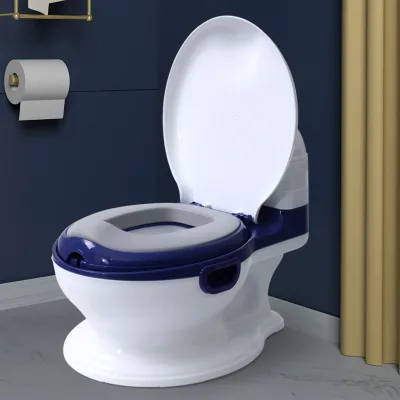
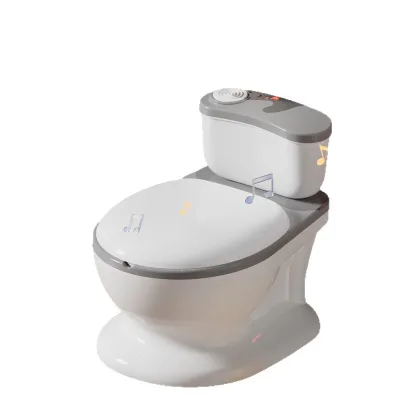
Oem Animal Hippo Plastic Baby Squatty Potty,Kids Toddler Travel Training Toilet Potty Chair
$12.98 - $14.17
MOQ: 100 pieces
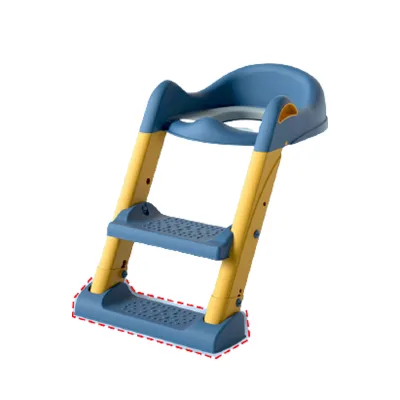
$5.6557 - $6.6841
MOQ: 1 pieces
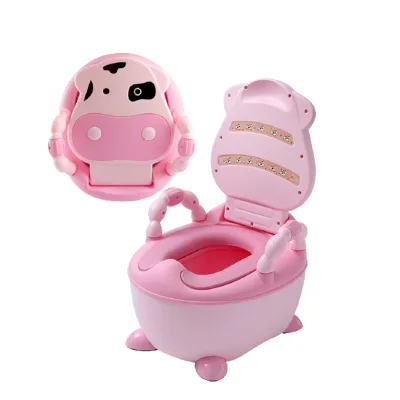
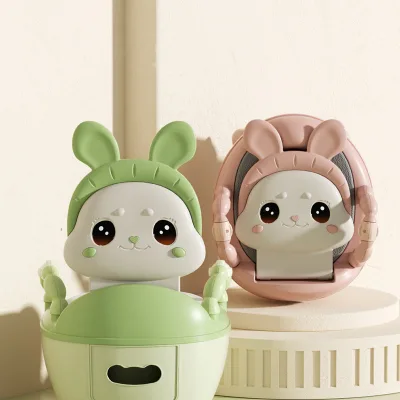
$5.1377 - $6.1661
MOQ: 10 pieces

Ningbo Jiangbei Ringlong Import & Export Co., Ltd.
- Verified by BV
- Combined
- China Zhejiang
- Lead time23 days
- Avg. response≤ 2h
Main productsKitchenware, Textile, Memory Foam Series, Household Items, Outdoor Products, Packing Box, Air Conditioning System, TV Products, Fitness, Baby Products
Main marketsEurope

Cixi Saiturn Leisure Products Co., Ltd.
- Verified by SGS
- Trading Company,Manufacturer/Factory
- China Zhejiang
- Lead time60 days
- Avg. response≤ 2h
Main productsBaby Car Seat, Casino Products, Poker Chip, Poker Table, Bath Tub, Baby Feeding Chair, Poker Chip Set, Baby High Chair, Game Table, Game Set
Main marketsSouth America,Eastern Europe,Mid East,Southeast Asia,Eastern Asia,Western Europe,Africa


2025 New Potty Training Seat Toilet Training Seat Baby Potty Chair Kid Potty Chair
$6.20 - $6.50
MOQ: 100 Pieces

Anti-Truth Baby Plastic Potty Training Chair with Soft Cushion Kids Toilet Trainer Seat Baby Potty
$6.20 - $6.50
MOQ: 100 Pieces


Ningbo Coooko Imp. & Exp. Co., Ltd.
- Verified by TUVRHEINLAND
- Trading Company
- China Zhejiang
- Lead time45 days
- Avg. response≤ 10h
Main productsBaby Mirror, Potty Training, Baby Car Mirror, Stroller Hook, Portable Potty, Step Stool, Car Headrest Pillow, Faucet Extender, Spout Cover, Makeup Kits
Main marketsEastern Europe,Mid East,North America
Ningbo E-Shine Daily Product Co., Ltd.
- Trading Company
- Zhejiang, China
- Lead time15 days
- Avg. response≤ 17h
Main productsBaby Product,toys,plastic product,rubber product,gift
Main marketsWestern Europe(11.11%), Eastern Asia(11.11%), Mid East(11.11%), Oceania(11.11%), Africa(11.11%), Southeast Asia(11.11%), Eastern Europe(11.11%), South America(11.11%), North America(11.11%)

Anhui Talent Baby Products Co., Ltd.
- Verified by TUVRHEINLAND
- Trading Company
- China Anhui
- Lead time23 days
- Avg. response≤ 6h
Main productsBaby Stroller, Baby Side Rails, Corset Belt, Meternity Bra, Baby Walker, Baby Tricycle, Baby Play Pen, Baby Chair, Baby Car Seat, Baby Cot
Main marketsOthers(foreignTradeCapacity.exportBusinessCapacityMarketOther),Southeast Asia/ Mideast,Domestic

Baby Goods Simple Eco-Friendly Baby Potty Chair Seat PP Kids Toilet Potty
$40.00 - $50.00
MOQ: 200 Pieces

New Style Design Baby Potty Chair Kids Toilet Trainer Best Sell Baby Potty
$4.00 - $10.00
MOQ: 200 Pieces

Comfortable Child Kids Pink Toilet Seat Potty Training Chair Baby Travel Potty
$6.00 - $10.00
MOQ: 200 Pieces

Baby Care PP PU PVC Toilet Potty Training Mini Toilet Chair Seat Potty for Kids
$8.00 - $10.00
MOQ: 200 Pieces

Safety Baby Potty Chair Bathroom Kids Toilet Simulation Eco Friendly Toddler Potty
$5.00 - $10.00
MOQ: 200 Pieces


- Verified by SGS
- Trading Company
- China Zhejiang
- Lead time15 days
- Avg. response≤ 16h
Main productsMop, Kitchen Knife, Chopping Board, Blanket, Mosquito Net, Cushion, Slipper, Broom, Luggage, Educational Toy
Main marketsEurope,Australia

Multicolor High Quality Infant Toilet Baby Trainer Tiny Toilet Potty Chair
$1.70 - $1.73
MOQ: 570 Pieces

Taizhou Lebixiong Baby Product Co., Ltd.
- Trading Company
- Zhejiang, China
- Lead time10 days
- Avg. response≤ 3h
Main productsbaby potty,baby bathtub,baby high chair,baby bath cushion,step stool
Main marketsDomestic Market(50.00%), South America(30.00%), South Asia(5.00%), Eastern Asia(5.00%), North America(1.00%), Southeast Asia(1.00%), Southern Europe(1.00%), Northern Europe(1.00%), Central America(1.00%), Western Europe(1.00%), Eastern Europe(1.00%), Mid East(1.00%), Oceania(1.00%), Africa(1.00%)

Xiamen Jieente Import and Export Co., Ltd.
- Verified by SGS
- Manufacturer/Factory
- China Fujian
- Lead time23 days
- Avg. response≤ 7h
Main productsToilet Seat, Water Tank, Toilet Tank Fitting, Flush Tank, Inlet Valve, Outlet Valve, Toilet Cover, Fill Valve, Button, Intelligent Toilet Seat
Main marketsSouth America,Eastern Europe,Mid East,North America,Southeast Asia,Eastern Asia,Oceania,Western Europe,Africa
Ningbo Jintong Baby Products Co., Ltd.
- Trading Company
- Zhejiang, China
- Lead time30 days
- Avg. response≤ 3h
Main productsBaby Products
Main marketsNorth America(21.00%), Western Europe(16.00%), South America(10.00%), Mid East(9.00%), Southeast Asia(9.00%), Eastern Europe(8.00%), Eastern Asia(7.00%), Southern Europe(6.00%), Northern Europe(5.00%), Africa(3.00%), South Asia(2.00%), Oceania(2.00%), Central America(2.00%)

NINGBO EAST ISLAND IMPORT & EXPORT CO., LTD.
- Trading Company
- China Zhejiang
- Lead time30 days
- Avg. response≤ 17h
Main productsPromotion Gift, Umbrella, Charger Plate, Plastic Tray, Picnic Blanket, Manicure Set, Mirror, Pill Box
Main marketsSouth America,Europe,North America

Eco-Friendly Potty Training Seat Portable Potty Chair Baby Toilet Seat with Handle
$2.10 - $2.15
MOQ: 2000 Pieces


XINGTAI REITERSTON VEHICLE CO., LTD.
- Combined
- China Hebei
- Lead time23 days
- Avg. response≤ 3h
Main productsChildrens Scooters, Kick Scooter, Bike, Children's Electric Cars, Mountain Biking, Scooter, Children's Balancing Car, Electric Motorcycle, Electric Car Toys, Juguetes Para Vehiculos Electricos
Main marketsDomestic


Wholesale of Baby Products/Baby Toilet Chairs/Children's Potty/Toilet Training Chairs
$6.20 - $8.20
MOQ: 1200 piece


Simple and Easy to Clean Baby Potty Chair/with Handle/Children's Training Bedpan
$5.00 - $7.00
MOQ: 1200 piece


Shantou Hongxing Commodity Co., Ltd.
- Verified by Intertek
- Manufacturer, Trading Company
- Lead time25 days
- Avg. response≤ 3h
Main productsPlastic Daily-Used Household Products
Main marketsSouth Asia(20%), South America(19%), Mid East(18%)
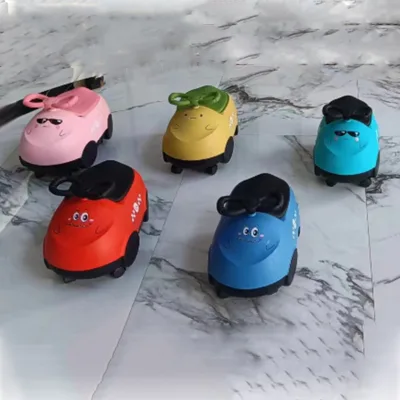
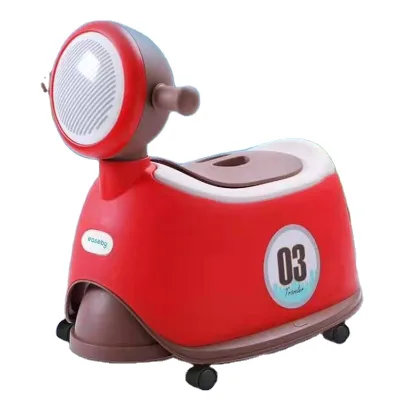
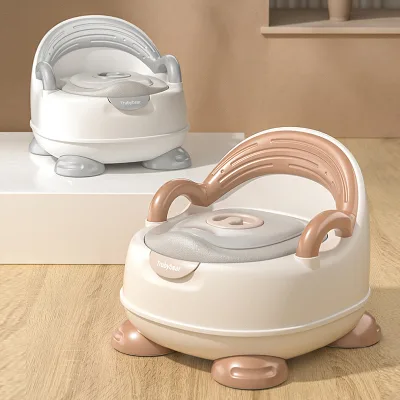
New Creative Motorbike Style Baby Potty Training Toilet Seat
MOQ: 45 Minimum
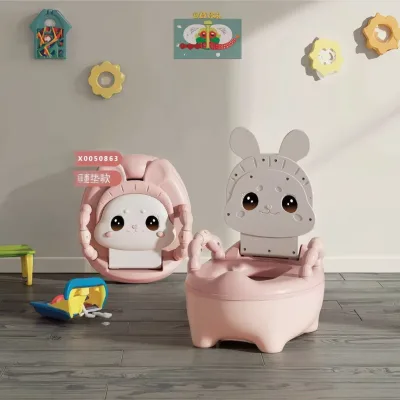
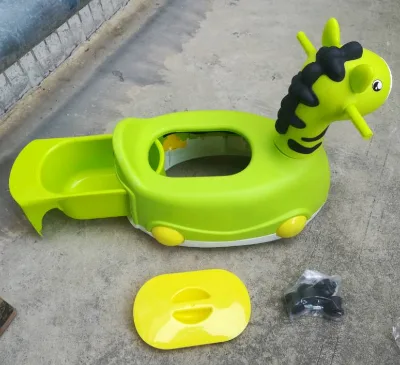
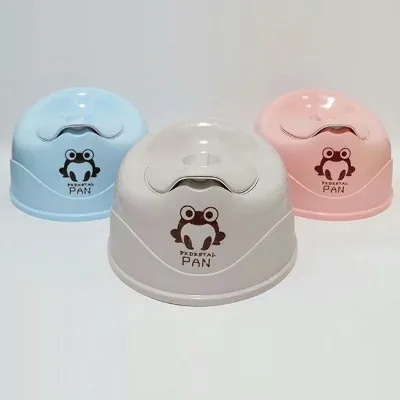
Baby Products Simple Baby Potty with Lid
MOQ: 96 Minimum
Taizhou Fenglilai Technology Co., Ltd.
- Manufacturer
- Zhejiang, China
- Lead time30 days
- Avg. response≤ 4h
Main productsBaby Feeding Chair,Baby High Chair,Baby Potty,Baby Bathtub,Bebe Product
Main marketsWestern Europe(29.47%), Southern Europe(10.65%), Eastern Europe(10.21%), Domestic Market(8.77%), South Asia(8.15%), Oceania(5.98%), Eastern Asia(4.87%), Southeast Asia(4.22%), North America(4.19%), South America(3.28%), Mid East(3.15%), Central America(2.67%), Northern Europe(2.61%), Africa(1.78%)
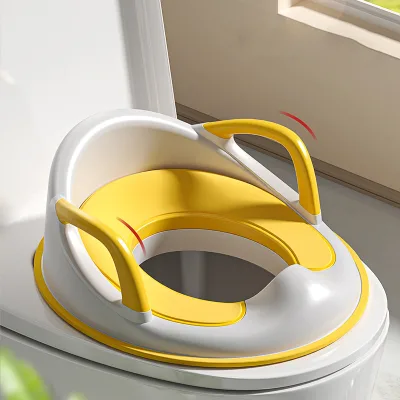
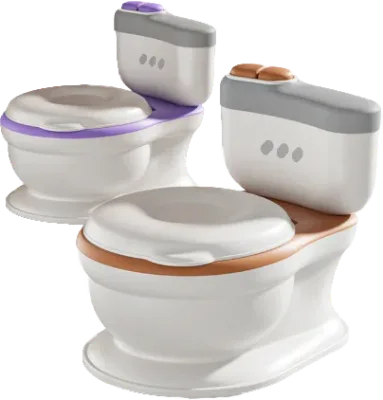
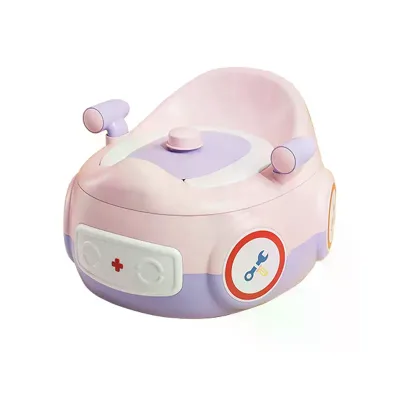
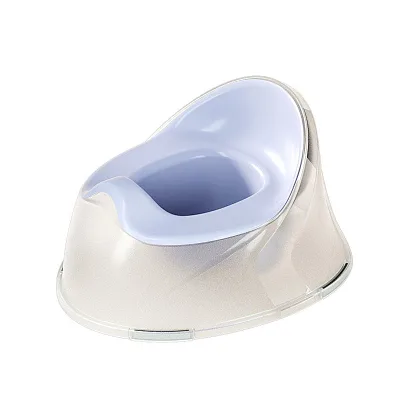
Easy Cute Cartoon Cushion Toilet Seat Toddler Chair Portable Urinal Baby Potty Training Seat
$4.1108 - $6.6796
MOQ: 100 pieces

Dongguan Julisheng New Material Technology Co., Ltd.
- Verified by BV
- Combined
- China Guangdong
- Lead time30 days
- Avg. response≤ 3h
Main productsPU Foam, PU Corner Guard, Accessories PU Armrest, PU Self-Skinning, PU High Rebound, PU Slow Rebound, PU Imitation Wood Hard Foam, PU Foam Rugby, PU Traction Pillow, PU Foam Wheel
Main marketsDomestic
Xiamen Baby Pretty Products Co., Ltd.
- Verified by TüVRheinland
- Manufacturer, Trading Company
- Lead time45 days
- Avg. response≤ 6h
Main productsBaby Playpen, Baby Cribs
Main marketsWestern Europe(30%), Southeast Asia(15%), North America(10%)
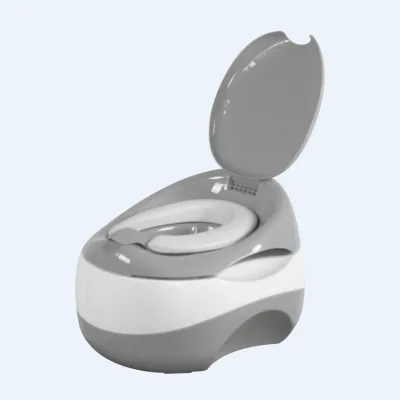
Factory Wholesale OEM Custom Cheap Price Hot Sale Plastic Simulation Baby Potty Chair
$7.717 - $8.7455
MOQ: 800 pieces
Taizhou Doit & Baby Kid Products Co., Ltd.
- Verified by Intertek
- Trading Company
- Lead time30 days
- Avg. response≤ 2h
Main productsBaby Potty, Step Stool, Potty Seat, Bath Tub, Baby Feeding
Main marketsNorth America(25%), Southeast Asia(17%), Western Europe(15%)
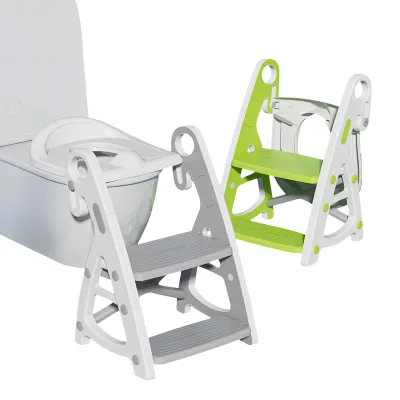
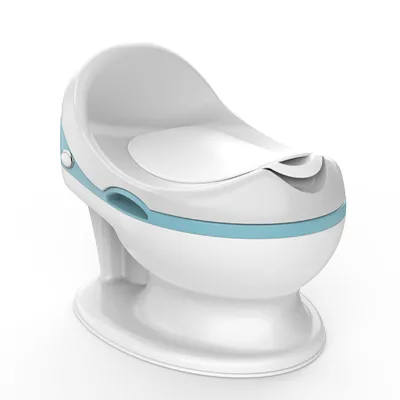
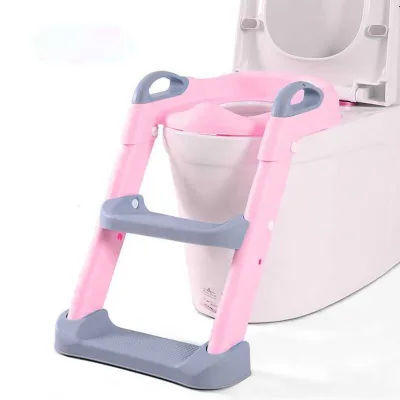
Stable Toilet Potti Child Large Triangle Step Stool Adjustable Height Baby Potty Training Chair
$7.0449 - $7.5628
MOQ: 500 pieces
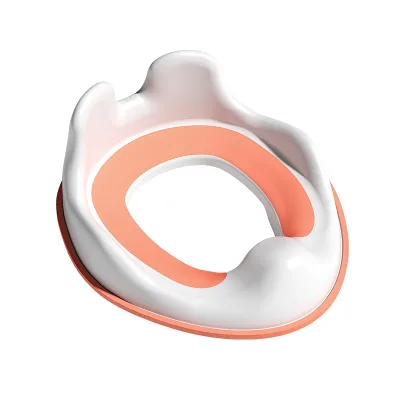
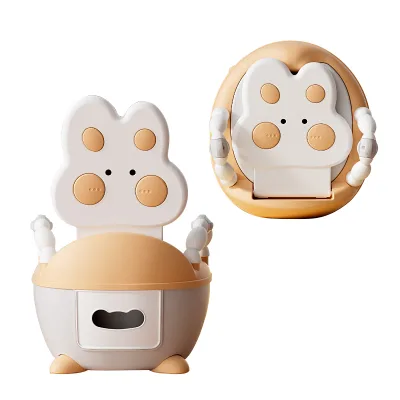
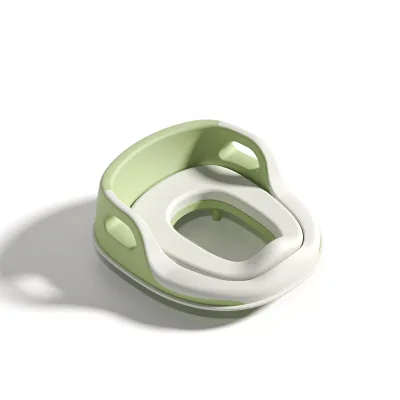
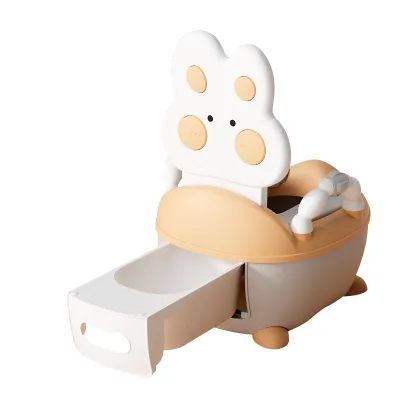
$4.1572 - $6.0928
MOQ: 500 pieces
Zhejiang Babyhood Baby Products Co., Ltd.
- Verified by SGS Group
- Manufacturer, Trading Company
- Lead time30 days
- Avg. response≤ 21h
Main productsBaby Potty/ Baby Bathtub/ Baby Care, Baby Chair
Main marketsDomestic Market(45%), Southeast Asia(12%), North America(10%)
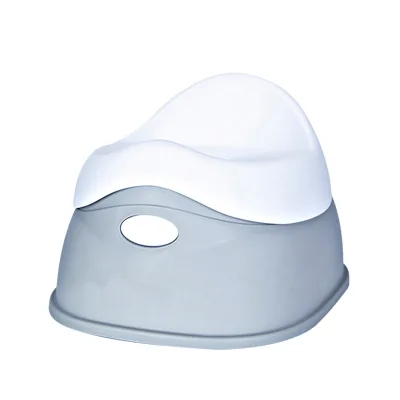
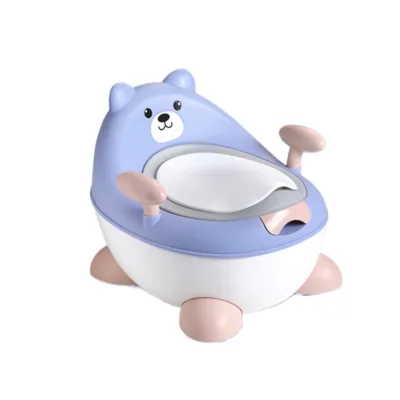
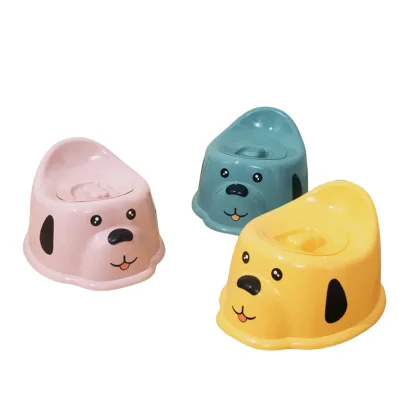
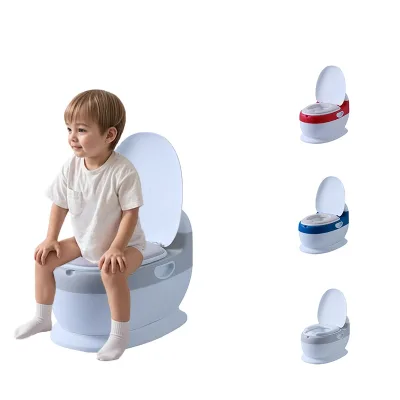
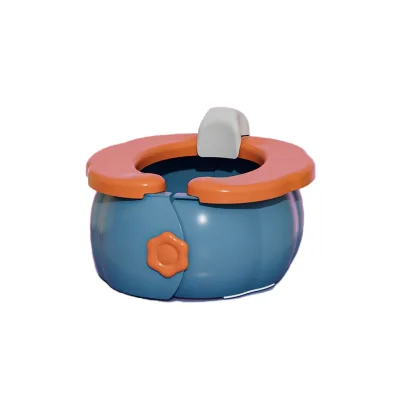
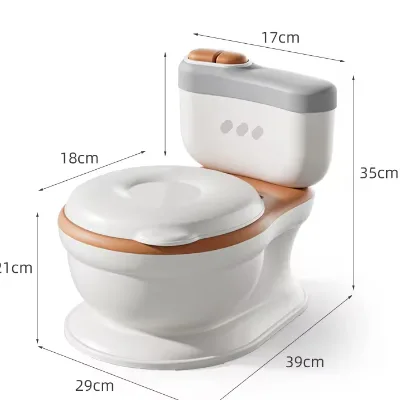


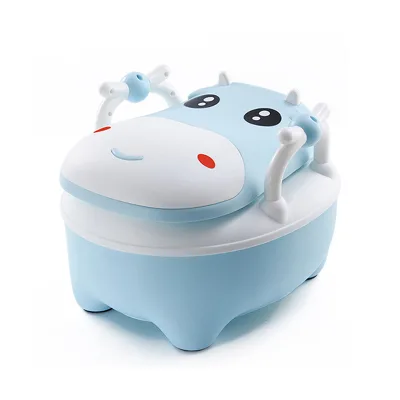





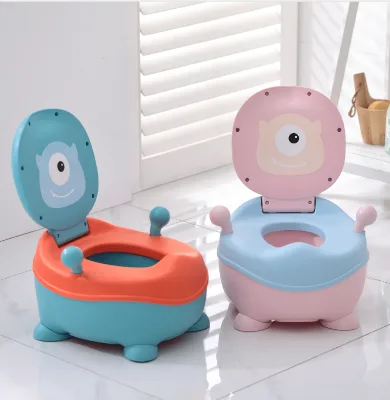
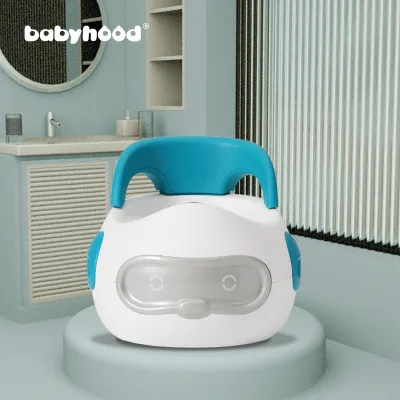
Comprehensive Sourcing Guide
Dairy Cow Baby Potty Chair Supplier Concentration and Factory Types
The current supplier landscape for baby potty chairs reveals a distinct concentration of manufacturing and trading entities within China, specifically in the Zhejiang province. This regional clustering suggests a mature supply chain ecosystem where raw material sourcing, injection molding capabilities, and logistics infrastructure are highly optimized for plastic-based infant care products. Buyers evaluating potential partners should recognize that Zhejiang-based suppliers often benefit from proximity to major ports and established industrial zones, which can streamline the export process for heavy or bulky items like potty chairs. However, it is crucial to distinguish between pure manufacturing factories and trading companies, as the latter may offer broader product assortments but potentially less direct control over production quality and lead times. The presence of trading companies indicates a market segment focused on aggregation and convenience, while factory-direct suppliers typically emphasize customization capabilities and cost efficiency for larger volume orders.
Supplier types vary significantly in their operational focus, with some entities specializing exclusively in baby supplies while others maintain broader portfolios including bathtubs and feeding chairs. This diversification can be advantageous for buyers seeking a single-source solution for multiple infant product categories, reducing the administrative burden of managing numerous vendor relationships. Conversely, specialized manufacturers may possess deeper technical expertise in specific product lines, such as ergonomic potty training seats or portable travel toilets. When assessing factory types, buyers should examine the company’s primary product listings to determine if baby potty chairs are a core competency or a peripheral offering. Companies listing protective masks or unrelated goods alongside baby products may indicate a flexible manufacturing setup, but this does not necessarily guarantee superior quality control for infant-specific items. Understanding the supplier’s structural type helps in predicting their responsiveness to custom design requests and their ability to scale production during peak seasons.
How to Verify Dairy Cow Baby Potty Chair Suppliers
Verification of supplier credentials is a critical step in mitigating risk when sourcing baby potty chairs, particularly given the stringent safety standards required for infant products. Buyers should prioritize suppliers who hold recognized third-party certifications such as SGS Group verification or TÜV Rheinland certification, as these indicate a commitment to independent quality assurance and compliance with international safety benchmarks. The presence of specific product certifications like EN 71, CPC, or CE marks further validates that the manufacturer adheres to rigorous testing protocols for materials and structural integrity. These certifications are not merely decorative; they serve as essential documentation for customs clearance and retail compliance in many target markets. Buyers must request valid certificate copies and verify their authenticity through the issuing body’s database to ensure they are current and applicable to the specific products being ordered.
Beyond certifications, verifying the supplier’s operational reliability involves assessing their response times and historical performance metrics. A supplier with a rapid response time, such as those averaging under three days, often demonstrates a more agile and customer-centric approach, which is vital for resolving issues quickly during the procurement process. Additionally, buyers should inquire about the supplier’s verification status and any on-site audit results provided by third-party inspection agencies. These audits provide tangible evidence of the factory’s production capacity, quality control procedures, and working conditions. It is also advisable to check for any discrepancies between the supplier’s claimed capabilities and their actual product listings, ensuring that the items advertised are indeed manufactured or sourced by the verified entity. This due diligence helps establish a foundation of trust and reduces the likelihood of encountering fraudulent or unreliable partners.
What to Compare Across Dairy Cow Baby Potty Chair Suppliers
When comparing suppliers, buyers must evaluate a range of operational metrics including lead times, minimum order quantities (MOQs), and pricing structures to determine the best fit for their business model. Lead times can vary significantly, with some suppliers offering rapid turnaround times of around seven days, while others may require up to thirty days for production and shipping. This variance is often influenced by the complexity of the product, the availability of raw materials, and the supplier’s current order backlog. Buyers should align their inventory planning with these lead times to avoid stockouts or excessive holding costs. Similarly, MOQs can range from low thresholds suitable for testing the market to high volumes required for cost-effective production runs. Understanding these constraints helps buyers negotiate terms that balance risk and efficiency, particularly for new product introductions or seasonal campaigns.
Pricing and customization options are also key differentiators among suppliers, with costs varying based on material quality, design complexity, and order volume. For instance, basic plastic potty chairs may start at lower price points, while those with additional features like step stools or premium cushioning may command higher prices. Buyers should request detailed quotations that break down costs for tooling, molding, and assembly, especially if custom designs are required. Many suppliers offer customization services, allowing for branding, color variations, or structural modifications, but these often come with additional fees or higher MOQs. Comparing the total cost of ownership, including shipping and potential tariffs, provides a more accurate picture of profitability. Additionally, evaluating the supplier’s main product focus can reveal their expertise; those specializing in baby products may offer better value and support for potty chairs than generalist traders.
Common Dairy Cow Baby Potty Chair Sourcing Risks
One of the primary risks in sourcing baby potty chairs is the potential for non-compliance with safety standards, which can lead to product recalls, legal liabilities, and reputational damage. Manufacturers may use substandard materials or omit critical safety features to reduce costs, posing hazards to infants. Buyers must ensure that all products meet the specific regulatory requirements of their target markets, such as BPA-free certifications or impact resistance tests. Failure to verify these aspects can result in significant financial losses and legal complications. Additionally, intellectual property risks are prevalent, particularly when dealing with custom designs or branded products. Suppliers may unauthorizedly replicate designs or sell identical products to competitors, undermining the buyer’s market position. Implementing strict confidentiality agreements and conducting regular audits can help mitigate these risks.
Another significant risk is the inconsistency in product quality and delivery timelines, which can disrupt supply chain operations and customer satisfaction. Variations in manufacturing processes, such as differences in plastic molding or assembly techniques, can lead to defects like sharp edges, unstable structures, or unpleasant odors. Buyers should establish clear quality control protocols and consider third-party inspections before shipment to catch issues early. Delays in production or shipping can also occur due to raw material shortages, labor disputes, or logistical bottlenecks, particularly during peak seasons. These disruptions can lead to missed sales opportunities and increased costs for expedited shipping. To manage these risks, buyers should diversify their supplier base and maintain open communication channels to stay informed about potential issues. Regular performance reviews and feedback loops can also help identify and address recurring problems.
Dairy Cow Baby Potty Chair Regional Sourcing and Logistics
Sourcing from regional clusters like Zhejiang, China, offers logistical advantages due to the area’s robust infrastructure and proximity to major shipping routes. This location facilitates efficient export operations, reducing transit times and costs for international buyers. However, buyers must account for the complexities of international shipping, including customs clearance, documentation requirements, and potential tariffs. Understanding the specific logistics capabilities of each supplier is essential, as some may offer door-to-door delivery services while others require buyers to arrange their own freight forwarding. Buyers should also consider the environmental impact of shipping and explore options for consolidating shipments to reduce carbon footprints. Additionally, seasonal variations in weather and port congestion can affect delivery schedules, so planning for buffer times is advisable.
Logistics planning also involves evaluating the supplier’s packaging standards to ensure products arrive in pristine condition. Baby potty chairs, being relatively bulky, require careful packaging to prevent damage during transit. Suppliers should use durable materials and secure packing methods to minimize the risk of breakage or deformation. Buyers should request packaging specifications and conduct sample tests to verify their effectiveness. Furthermore, understanding the supplier’s export experience is crucial, as they should be familiar with international trade regulations and documentation. This includes providing accurate commercial invoices, packing lists, and certificates of origin. Buyers should also consider the total landed cost, including insurance and handling fees, to make informed decisions. Collaborating with experienced freight forwarders can help navigate these complexities and ensure smooth delivery.
Dairy Cow Baby Potty Chair Commercial Terms and Order Planning
Commercial terms such as payment methods, warranty policies, and after-sales support are critical components of any sourcing agreement. Buyers should negotiate favorable payment terms, such as partial upfront payments with the balance due upon shipment, to balance risk and cash flow. Understanding the supplier’s warranty policy for defects or damages is also important, as it provides recourse in case of quality issues. After-sales support, including technical assistance and replacement parts, can enhance customer satisfaction and reduce return rates. Buyers should clarify these terms in writing to avoid misunderstandings and ensure both parties are aligned on expectations. Additionally, considering the supplier’s flexibility in handling order modifications or cancellations can provide valuable contingency options.
Order planning requires a strategic approach to inventory management and demand forecasting. Buyers should analyze historical sales data and market trends to estimate future demand accurately, avoiding overstocking or stockouts. Collaborating with suppliers on production schedules can help align manufacturing with sales cycles, ensuring timely availability of products. Buyers should also consider the supplier’s capacity to handle rush orders or volume spikes, which may be necessary during promotional periods or seasonal peaks. Establishing a long-term partnership with reliable suppliers can lead to better pricing, priority production slots, and improved service levels. Regular communication and performance reviews help maintain a healthy business relationship and drive continuous improvement. By integrating these commercial and planning strategies, buyers can optimize their sourcing operations and achieve sustainable growth.
FAQs
What is the price range for baby potty chairs?
Prices typically range from $3.50 to $9.23 per unit depending on the model and customization options. Basic PP plastic seats start around $3.50, while specialized designs with ladders or specific features may cost up to $9.23. Buyers should check specific product listings for exact pricing tiers based on order volume.
What materials are used in these potty chairs?
Manufacturers primarily use durable PP (polypropylene) and ABS plastic materials. These materials are selected for their BPA-free safety, durability, and ease of cleaning. Some models feature additional cushioning options like PP, PVC, or PU cushions to enhance comfort for toddlers during the potty training process.
What is the minimum order quantity for these products?
MOQs vary by supplier and product model, generally ranging from 100 to 500 units. Some suppliers offer lower MOQs of 100 pieces for specific models, while others require 200 or 500 units. Buyers should verify the specific MOQ for their chosen model to ensure it aligns with their procurement needs.
How long does production take for these items?
Lead times vary significantly between suppliers, ranging from 7 to 30 days. Some manufacturers offer faster turnaround times of 7 days, while others may require up to 30 days for production. Buyers should confirm the specific lead time with the supplier before placing orders to manage inventory effectively.
Are these products certified for safety?
Many suppliers hold relevant safety certifications such as EN 71, CPC, CE, and EMC. These certifications ensure the products meet international safety standards for children's items. Buyers should request certification documents to verify compliance with their local market regulations before finalizing purchases.
Can I customize the design or branding?
Customization is available for many models, including OEM branding and design adjustments. Suppliers offer options for custom packaging, colors, and specific product features. Buyers should discuss their customization requirements with the supplier to ensure the manufacturer can accommodate their specific branding and design needs.