Damascus Steel Carving Knife Suppliers and Manufacturers
Source a Damascus Steel Carving Knife from 14 suppliers on SourcingX. Compare grounded dimensions including location, company type, lead times, minimum order quantities, response times, verification status, and OEM or ODM capability. Review listed product specifications and prices, then request quotes and samples from shortlisted suppliers.
Suppliers List

Yangjiang Selectedhardware Enterprise Co., Ltd.
- Trading Company
- China Guangdong
- Lead time30 days
- Avg. response≤ 1h
Main productsCommercial Knives, Industrial Knives, Kitchen Knives, Scissors
Main marketsSouth America,Africa,Southeast Asia/ Mideast,Europe,North America

Yangjiang Gelaiya Industry & Trade Co., LTD
- Verified by TUVRHEINLAND
- Trading Company,Manufacturer/Factory
- China Guangdong
- Lead time30 days
- Avg. response≤ 8h
Main productsCutting Board, Kitchen Knife, Scissors, Kitchenware, Houseware, Bakeware, Outdoor Knife, Digital Products
Main marketsSouth America,Eastern Europe,Mid East,North America,Southeast Asia,Eastern Asia,Oceania,Western Europe,Africa

Yangjiang Vigor Trade Co., Ltd.
- Verified by BV
- Trading Company,Manufacturer/Factory,Group Corporation
- China Guangdong
- Lead time45 days
- Avg. response≤ 9h
Main productsKnife, Multi Tools, Pocket Knife, Fixed Blade Knife, Folding Knife, Hunting Knife, Multipurpose Pliers, Wine Corkscrew, Bottle Opener, Watch Repair Tools
Main marketsSouth America,Eastern Europe,Mid East,North America,Southeast Asia,Eastern Asia,Oceania,Western Europe,Africa

Yangjiang Feehome Tech Co., LTD
- Verified by TUVRHEINLAND
- Trading Company,Manufacturer/Factory,Group Corporation,Other
- China Guangdong
- Lead time23 days
- Avg. response≤ 3h
Main productsKitchen Knives, Outdoor Knives, Nail Clippers, Kitchen Ware, Tea Infuser, BBQ Tools, Multi Function Tools, Kitchen Tools, Baking Tools, Coffee Tools
Main marketsSouth America,Eastern Europe,Mid East,North America,Southeast Asia,Eastern Asia,Oceania,Western Europe,Africa


Wholesale Wood Handle Knife Pocket Folding Knives Damascus Outdoor Folding Knife
Contact supplier
MOQ: 500 Pieces

Seer Hardware Industry&Trade Co., Ltd.
- Combined
- China Guangdong
- Lead time30 days
- Avg. response≤ 6h
Main productsKnife, Camping Knife, Folding Knife, Kitchen Knife, Hunting Knife, BBQ Tools, Laguiole Knife, Manicure Set, Knife Set, ODM OEM Knife
Main marketsSouth America,Southeast Asia/ Mideast,East Asia(Japan/ South Korea),Europe,North America


8.1"High quality Damascus Steel Blade Pocket Knife with Ebony Wood Handle (SE-K41)
$8.00 - $10.00
MOQ: 100 Pieces


High Quality Kitchen Knife OEM/Damascus Knife/Hammered Knife/Janpenese Knife (SE-K-0618)
$10.00 - $16.00
MOQ: 200 Sets

High Quality Damascus Steel Blade Folding Pocket Knife with Wooden Handle (SE-FK102)
$3.00 - $7.00
MOQ: 100 Pieces

Yueqing Hongqiao showhigh cutlery Factory
- Verified by SGS
- Trading Company
- China Zhejiang
- Lead time15 days
- Avg. response≤ 16h
Main productsMovie Swords, Fantasy Swords, Larp Toy Swords, Cane Swords, Handmade Katana, Daggers Fantasy Knife, Hunting Knife, Medieval Shields, Daggers
Main marketsSoutheast Asia/ Mideast,Europe,North America

Plenty Harvest Manufacturing Limited
- Manufacturer/Factory
- China Guangdong
- Lead time45 days
- Avg. response≤ 10h
Main productsMulti Tool, Pocket Knife LED, Wine Corkscrew Opener, Multi Function Pliers, Multi Function Knife
Main marketsNorth America,Oceania,Western Europe


Stainless Steel Pocket Knife Folding Knife with Stainless Steel Handle (#31180)
$2.00 - $10.00
MOQ: 1200 Pieces

Stainless Steel Pocket Knife Folding Knife with Stainless Steel Handle (#31179)
$2.00 - $10.00
MOQ: 1200 Pieces

Stainless Steel Folding Knife Pocket Knife with Wooden Handle (#31053W)
$2.00 - $10.00
MOQ: 1200 Pieces


Chengdu Rise Win International Trade Co., Ltd.
- Trading Company
- Sichuan, China
- Lead time35 days
- Avg. response≤ 4h
Main productsTools,Machinery,Hardware,Power tool accessories,Machine tools
Main marketsWestern Europe(30.00%), Oceania(20.00%), North America(20.00%), Northern Europe(10.00%), Eastern Europe(10.00%), Eastern Asia(10.00%)

Anhui Ucut Precision Machinery Co., Ltd.
- Verified by TUVRHEINLAND
- Combined
- China Anhui
- Lead time23 days
- Avg. response≤ 9h
Main productsCarbide Blades, Carbide Tipped Blade, Tct Planer Blades, Log Saw Blades, Circular Knives, Slitting Knives, Straight Knives, Pelletizing Knives, Granulator Blades, Cardboard Cutting Blade
Main marketsDomestic
Chaozhou Bailiful Trading Company Limited
- Trading Company
- Guangdong, China
- Lead time15 days
- Avg. response≤ 3h
Main productsLeather tools,hand tools,hardware tools,Crafts
Main marketsEastern Europe(20.00%), South America(20.00%), North America(20.00%), Central America(10.00%), Africa(10.00%), Southeast Asia(10.00%), South Asia(5.00%), Mid East(5.00%)
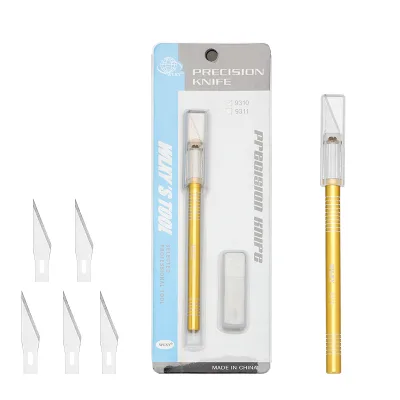
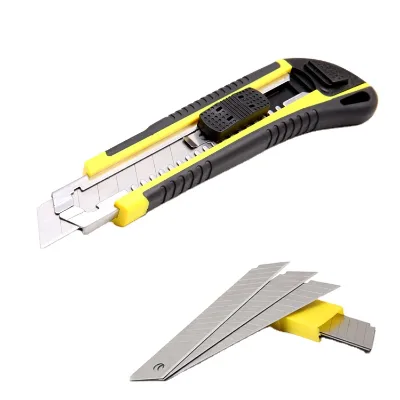
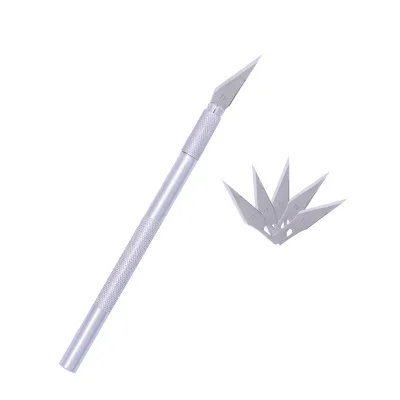
Multi-function Aluminium Leather Working Tools Carving Knifes With 3Pcs Blade Cutter
$0.42 - $0.48
MOQ: 10 pieces

- Combined
- China Zhejiang
- Lead time30 days
- Avg. response≤ 11h
Main productsButcher Knife, Meat Grinder Knife, Commercial Kitchen Knives, Slaughtering Knives, Butchery Supply Knives Tools, Meat Mincer Knives Blades
Main marketsSouth America,Africa,Southeast Asia/ Mideast,East Asia(Japan/ South Korea),Domestic,Europe,Australia,North America

Nanjing Hangjin Machinery Equipment Co., Ltd.
- Verified by CTI
- Trading Company
- China Jiangsu
- Lead time30 days
- Avg. response≤ 7h
Main productsBlade, Knife, Machine Cutter, Rubber Blade, Machine Knife, Circle Blade, Cutting Tools Knife, Cutting Tools Blade, Processing Knives, Cutting Blade
Main marketsSouth America,Southeast Asia/ Mideast,Europe


Carbide Metal Cutting Blade Precision Cutter Blade Metal Knife for Cutting Machine
$3.00 - $60.00
MOQ: 1 Pieces

Hangzhou Accurate International Co., Ltd.
- Trading Company,Manufacturer/Factory
- China Zhejiang
- Lead time23 days
- Avg. response≤ 4h
Main productsCold Saw Blades, HSS Saw Blades, PCD Saw Blades, Diamond Cutting Discs, Tct Circular Saw Blades, Industrial Machine Blades, Band Saw Blade, Grinding Machines
Main marketsSouth America,Eastern Europe,Mid East,North America,Southeast Asia,Eastern Asia,Oceania,Western Europe,Africa

Ningbo Strong Bolt Trade Co., Ltd.
- Verified by SGS
- Trading Company
- China Zhejiang
- Lead time23 days
- Avg. response≤ 3h
Main productsHex Bolt Hex Cap Screw, Hex Lag Screw, Hex Heavy Structual Bolt, CNC Machining Parts, Machine Screw, Hex Socket Cap Screw, Carriage Bolt, Self Drilling Screw Drywall Screw, Hex Nylon Lock Nut, Spring Lock Washer Flat Washer
Main marketsSouth America,Europe,Australia,North America




Comprehensive Sourcing Guide
Damascus Steel Carving Knife Supplier Concentration and Factory Types
The available data indicates a concentration of suppliers in China Guangdong, a region known for its extensive manufacturing ecosystem. This location hosts a mix of trading companies and manufacturers, offering buyers a diverse range of sourcing options for Damascus steel carving knives. Some entities operate as trading companies, while others function as manufacturers or factories, and a few are structured as group corporations. This variety allows buyers to select partners based on their specific needs for direct production access versus streamlined procurement services. The presence of both company types in the same region suggests a mature supply chain where trading companies may source directly from local factories to offer competitive pricing and faster logistics.
When evaluating the factory types, buyers should note that some suppliers list OEM and ODM capabilities, indicating they can customize designs and handle private labeling. This is particularly relevant for buyers seeking specific blade materials or handle configurations, such as composite materials or wood. However, not all suppliers in the region may offer these services, and the distinction between a pure trading company and a manufacturer is critical for understanding production control. Buyers must verify whether a supplier is the actual producer or an intermediary, as this impacts lead times and the ability to inspect the manufacturing process directly. The concentration in Guangdong provides a logistical advantage, but the specific factory type determines the depth of customization and quality assurance available for each order.
How to Verify Damascus Steel Carving Knife Suppliers
Verification of suppliers requires a careful examination of their certification status and response metrics. The current data shows that some suppliers have no listed system certifications, while others display verification from TUVRHEINLAND. This discrepancy highlights the necessity for buyers to request specific proof of quality management systems rather than relying on general platform badges. A supplier claiming high standards should be able to provide valid documentation for their certifications, especially when dealing with specialized products like Damascus steel knives where material integrity is paramount. Buyers should treat the absence of listed certifications as a signal to request this information directly before proceeding with any significant order.
Response time is another critical metric for assessing supplier reliability and communication efficiency. The observed response times vary significantly, with some suppliers showing a response time of 0.89 while others are recorded at 7.61. A lower response time generally indicates a more active sales team and a higher likelihood of quick issue resolution. However, buyers should not assume that a fast response guarantees product quality; it merely suggests operational readiness. To fully verify a supplier, buyers should initiate contact with multiple candidates and compare their responsiveness alongside their willingness to provide detailed product specifications. This dual approach of checking certifications and testing communication speed helps build a reliable shortlist of partners capable of meeting strict sourcing requirements.
What to Compare Across Damascus Steel Carving Knife Suppliers
Comparing suppliers requires a detailed analysis of their product attributes, pricing structures, and minimum order quantities. The data reveals a wide range of prices, from as low as 0.47 to as high as 23.00, depending on the specific model and material composition. Some listings feature high-carbon steel blades with Damascus patterns, while others offer standard stainless steel options. Buyers must carefully match these product details to their specific market needs, as the price difference often reflects the quality of the steel, the complexity of the forging process, and the type of handle material used. Additionally, the minimum order quantities vary, with some suppliers requiring 500 units while others demand 2000, which significantly impacts the initial investment and inventory risk for the buyer.
Lead times and customization options are equally important factors in the comparison process. The observed lead time is 30 days for some suppliers, which sets a baseline for production planning. Buyers should also verify if customization is available, as the data indicates that many suppliers offer this service for blade materials, sizes, and packaging. However, the extent of customization can vary, and some suppliers may only offer limited options despite claiming "Available" status. By comparing these specific attributes across different suppliers, buyers can identify those that align best with their budget, timeline, and product requirements. This granular comparison ensures that the selected supplier can deliver the exact specifications needed without compromising on quality or delivery schedules.
Common Damascus Steel Carving Knife Sourcing Risks
One significant risk in sourcing Damascus steel carving knives is the potential mismatch between product descriptions and actual material quality. The data shows various blade materials listed, including stainless steel and high-carbon steel, but the term "Damascus" can sometimes be used loosely to describe patterned finishes rather than true layered steel. Buyers must be vigilant in verifying the actual composition of the blade, as the visual appearance of a Damascus pattern does not guarantee the structural integrity or sharpness retention associated with genuine Damascus steel. Without clear evidence of the steel's origin and forging process, there is a risk of receiving products that do not meet the expected performance standards, leading to customer dissatisfaction and potential returns.
Another risk involves the variability in packaging and handling standards, which can affect the condition of the knives upon arrival. The data indicates different packaging types, ranging from single packaging to box packaging, with some suppliers specifying "Safe Pack" or "Safe Package." However, the lack of standardized packaging protocols across suppliers means that damage during transit is a possibility, especially for sharp, heavy items like carving knives. Buyers should explicitly request detailed packaging specifications and consider adding protective measures to their orders. Furthermore, the absence of standardized certifications for some suppliers increases the risk of inconsistent quality control. Mitigating these risks requires clear communication and strict adherence to quality assurance protocols before finalizing any purchase agreement.
Damascus Steel Carving Knife Regional Sourcing and Logistics
Sourcing from China Guangdong offers distinct logistical advantages due to the region's established infrastructure and proximity to major shipping ports. The concentration of suppliers in this area facilitates efficient coordination between manufacturers and logistics providers, potentially reducing transit times and shipping costs. Buyers can leverage this regional cluster to streamline the supply chain, ensuring that products move quickly from the factory floor to the port of departure. However, the specific logistics capabilities of each supplier may vary, and buyers should confirm the shipping terms and responsibilities with their chosen partner. Understanding the local logistics landscape helps in planning for potential delays and ensuring that the supply chain remains resilient against external disruptions.
Despite the logistical benefits, buyers must remain aware of the potential for variability in shipping times and costs depending on the supplier's specific location within the region. While the general location is known, individual factories may have different relationships with freight forwarders, affecting the final delivery schedule. Buyers should request detailed shipping estimates and clarify who is responsible for customs clearance and duties. Additionally, the distance between the factory and the port can influence the overall lead time, so it is crucial to factor this into the production schedule. By carefully managing these regional logistics factors, buyers can optimize their supply chain efficiency and ensure timely delivery of their Damascus steel carving knives to their target markets.
Damascus Steel Carving Knife Commercial Terms and Order Planning
Commercial terms for Damascus steel carving knives vary significantly based on the supplier's size, product type, and negotiation leverage. The data shows a wide range of prices, from 0.47 to 23.00, which suggests that buyers must be prepared to negotiate based on volume and specific product requirements. Some suppliers offer customization, which may come with additional costs or longer lead times. Buyers should clearly define their expectations regarding payment terms, delivery schedules, and quality guarantees before placing an order. Understanding these commercial terms is essential for avoiding unexpected expenses and ensuring that the final agreement aligns with the buyer's budget and operational constraints.
Order planning must account for the minimum order quantities and lead times observed in the market. With MOQs ranging from 500 to 2000 units and lead times of approximately 30 days, buyers need to plan their inventory carefully to avoid stockouts or overstocking. The variability in lead times and MOQs means that buyers should maintain a buffer in their planning to accommodate potential delays or changes in production schedules. Additionally, the availability of customization options should be factored into the timeline, as custom orders may require additional time for design approval and production. By integrating these commercial and logistical factors into their order planning, buyers can create a robust strategy that minimizes risk and maximizes the efficiency of their sourcing operations.
FAQs
What is the price range for Damascus steel carving knives?
Prices for these knives vary significantly based on specifications and order volume. Some models start as low as 0.47 dollars per unit, while premium sets can reach 23 dollars. Buyers should verify specific pricing tiers with suppliers before placing orders to ensure accurate budgeting.
What are the minimum order quantities for these knives?
Minimum order quantities differ by product type and supplier. Some listings require orders of 500 units, while others may demand 2000 units for specific stainless steel models. Always confirm the exact MOQ with the supplier to avoid order rejection or unexpected costs during the procurement process.
How long does it take to receive these knives?
Standard lead times for these products are typically around 30 days from order confirmation. This duration allows for manufacturing and quality checks before shipment. Buyers should plan their inventory accordingly and discuss potential expedited options directly with the supplier if urgent delivery is required.
Are customization options available for these knives?
Yes, customization is available for many of the listed Damascus steel carving knives. Suppliers offer options for blade materials, handle types, and packaging configurations. Buyers can request specific modifications to meet their branding or functional needs by contacting the supplier directly for detailed specifications.
Where are these knives manufactured?
The majority of these knives are manufactured in China, specifically in the Guangdong region. This location is a major hub for knife production. Buyers should verify the specific factory location and origin details with the supplier to ensure compliance with any regional trade requirements or preferences.
What certifications do these suppliers hold?
Certification status varies among suppliers, with some holding TÜV Rheinland verification while others may not list specific system certifications. Buyers must request current certification documents directly from the supplier to confirm compliance with international safety and quality standards before finalizing any purchase agreements.
What materials are used for the knife handles?
Handle materials vary across the product range, including composite materials, wood, plastic, and G10. Some models feature olive wood or ebony handles for aesthetic appeal. Buyers should specify their preferred handle material when inquiring to ensure the final product meets their ergonomic and design requirements.