Digital Panel Orbital Linear Shaker Suppliers and Manufacturers
Source 29 verified suppliers for Digital Panel Orbital Linear Shaker units. Compare key dimensions including ISO and CE certifications, Jiangsu origins, and pricing from $328 to $500. Request quotes directly to evaluate lead times and MOQs; review the available evidence before requesting comparable quotations from suitable candidates.
Updated
Suppliers List
- Verified by TüVRheinland
- Trading Company
- Lead time25 days
- Avg. response≤ 5h
Main productsCentrifuge, Microscope, Autoclave, Incubator, Spectrophotometer
Main marketsAfrica(50%), North America(20%), South America(20%)

- Verified by SGS
- Trading Company
- China Shandong
- Lead time23 days
- Avg. response≤ 6h
Main productsComplete Biobanking Solutions, General Laboratory Supplies, Laboratory Instruments, Pipet Tips, Celll Culture Products, PCR Products, Microbiology Products, Centrifuge Tube, Filter Tips, Petri Dishes
Main marketsOthers(foreignTradeCapacity.exportBusinessCapacityMarketOther),Europe,North America

Qingdao Hiprove Medical Technologies Co., Ltd.
- Trading Company,Manufacturer/Factory,Group Corporation
- China Shandong
- Lead time15 days
- Avg. response≤ 14h
Main productsAlcohol Swabs, Blood Mixer, Blood Collection Tube, Infusion Sets, Syringe, Blood Transfusion Sets, Bandage, Infusion Pump, Gauze Rolls, Bottle Preforms
Main marketsSouth America,Eastern Europe,Mid East,North America,Southeast Asia,Eastern Asia,Oceania,Western Europe,Africa
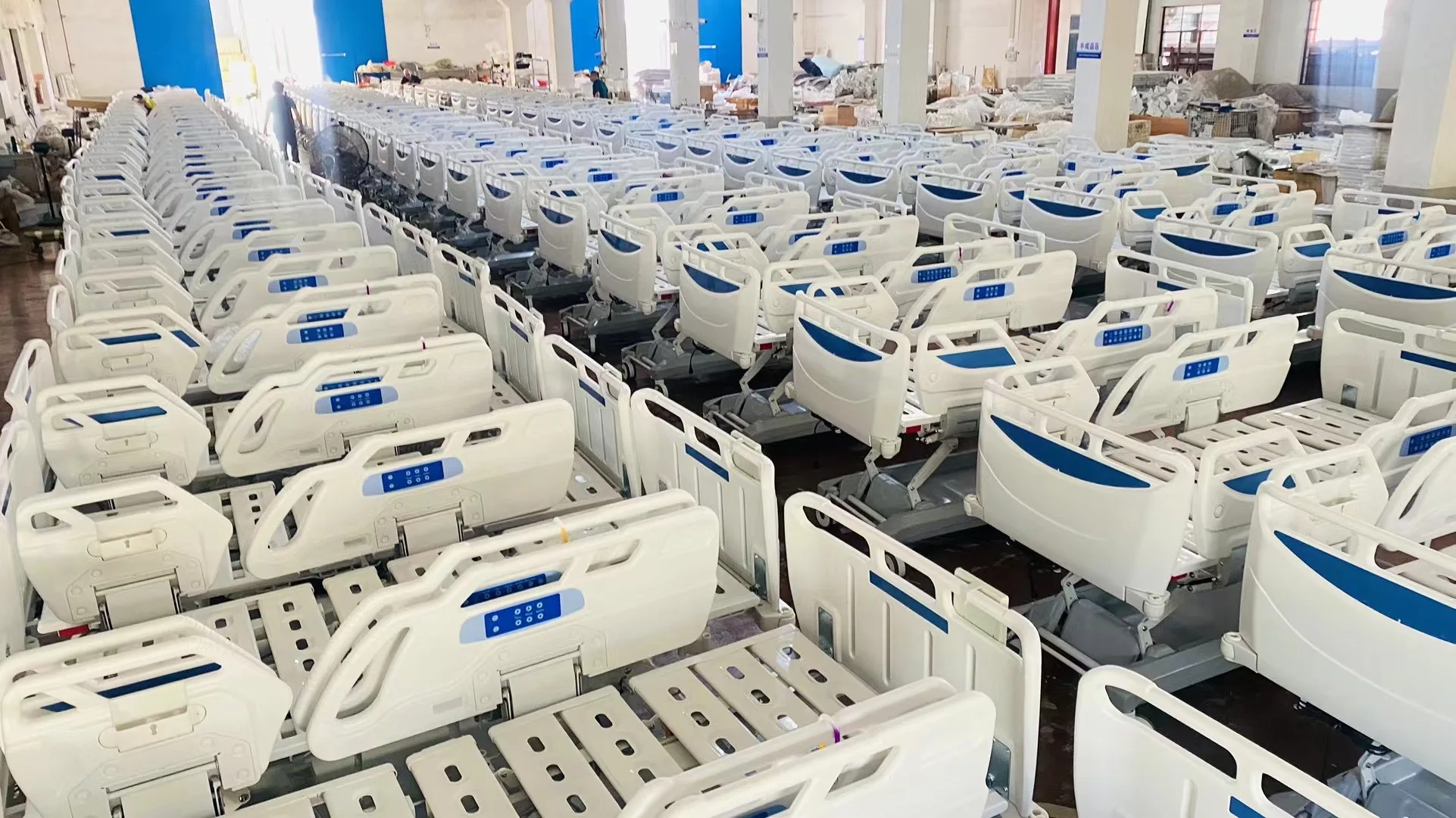
Nanjing Long Medical Technology Co., Ltd.
- Trading Company
- Jiangsu, China
- Lead time15 days
- Avg. response≤ 2h
Main productsSurgery & ICU Equipment Anesthesia Unit Ventilator Oxygen blender Defibrillator Patient Monitor Vital Sign Monitor ECG/EMG Infusion Pump Syringe Pump Operation Lamp Operation Table Suction Machine,X-ray Series Mobile X-ray Equipment C-arm Unit DR system Automatic Film Processor Ultrasound Scanner/Printer,Lab Device Automatic Hematology Analyzer Electrolyte Analyzer Blood Coagulation Analyzer Centrifuge Machine Urine Analyzer Spectrometer Microscope Semi-Biochemistry Analyzer Auto-Biochemistry Analyzer Elisa Reader Bath Incubator,Sterilizers Autoclave Jaundice Tester Infant Radiant Warmer Infant Incubator Medical Furniture Blood Bank Refrigerator Ultra Low Temperature Freezer Pharmaceutical Refrigerator Mortuary Freezer,Medical Consumables
Main marketsDomestic Market(12.50%), South Asia(12.50%), Eastern Asia(12.50%), Mid East(12.50%), Africa(12.50%), Southeast Asia(12.50%), South America(12.50%), North America(12.50%)

GUANGZHOU GLORIA LIFE SCIENCES CO., LTD.
- Verified by TUVRHEINLAND
- Trading Company
- China Guangdong
- Lead time30 days
- Avg. response≤ 1h
Main productslaboratory centrifuge
Main marketsDomestic

Xi'an Heb Biotechnology Co., Ltd.
- Trading Company,Manufacturer/Factory
- China Shaanxi
- Lead time15 days
- Avg. response≤ 6h
Main productsRotary Evaporator, Jacketed Glass Reactor, Chiller, Heating Circulation Bath, Diaphragm Vacuum Pump, Water Aspirator, Drying Oven, Magnetic Stirrer, Mechanical Stirrer, Vacuum Controller
Main marketsSouth America,Eastern Europe,Mid East,North America,Southeast Asia,Western Europe,Africa

Faithful lnstrument (Hebei) Co., Ltd.
- Verified by BV
- Combined
- China Hebei
- Lead time15 days
- Avg. response≤ 6h
Main productsIncubator, Magnetic Stirrer, Drying Oven, Heating Mantle, Water Bath, Laminar Flow Cabinet, Stainless Steel Water Still, Disintegrator, Furnace, Vortex Mixer
Main marketsSouth America,Africa,Southeast Asia/ Mideast,Europe,Australia,North America


Labortatory Portable Digital Orbital Shaker 50-300rpm Oscillator Orbital Shaking
$380.00
MOQ: 1 Pieces

Labortatory Portable Digital Orbital Shaker 50-300rpm Oscillator Orbital Shaking
$380.00
MOQ: 1 Pieces


Biobase Biodustry (Shandong) Co., Ltd.
- Verified by BV
- Combined
- China Shandong
- Lead time15 days
- Avg. response≤ 3h
Main productsLaminar Flow Cabinet, Fume Hood, Biosafety Cabinet, Clean Bench, Fume Cupboard, Safety Cabinet, Laminar Airflow, Laboratory Equipments, Autoclave, Centrifuge
Main marketsEurope


Biobase China Shaker Bottle Mixing Machine Orbital and Linear Shaker for Labs
$180.00 - $320.00
MOQ: 1 Pieces

- Verified by BV
- Combined
- China Jiangsu
- Lead time15 days
- Avg. response≤ 4h
Main productsOven, Incubator, Baby Incubator, Vacuum Oven, Biological Safety Cabinet, Cooling Incubator, CO2 Incubator, Orbital Shaker, Clean Bench, Vacuum Pump
Main marketsSouth America,Africa,Southeast Asia/ Mideast,Europe,North America
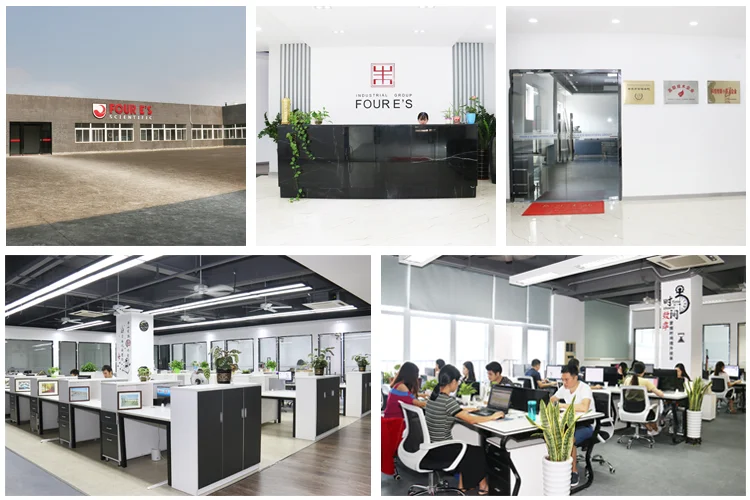
Guangzhou Four E's Scientific Co., Ltd.
- Manufacturer, Trading Company
- Guangdong, China
- Lead time7 days
- Avg. response≤ 4h
Main productsPipette,Centrifuge,Stirrer,PCR Machine,Spectrophotometer
Main marketsWestern Europe(65.00%), Domestic Market(12.00%), North America(11.00%), Mid East(2.00%), South America(1.00%), South Asia(1.00%), Southern Europe(1.00%), Northern Europe(1.00%), Eastern Europe(1.00%), Central America(1.00%), Southeast Asia(1.00%), Eastern Asia(1.00%), Oceania(1.00%), Africa(1.00%)

- Verified by CTI
- Trading Company
- China Zhejiang
- Lead time30 days
- Avg. response≤ 7h
Main productsPipette Tip, Nasal Swab, Oral Swab, PCR Plate, Cryo Vial, Face Mask, Virus Transport Medium, Centrifuge Tube, Robotic Tip, PCR Tube
Main marketsEurope

- Verified by BV
- Combined
- China Jiangsu
- Lead time15 days
- Avg. response≤ 17h
Main productspharmaceutical
Main marketsSouth America,Africa,Southeast Asia/ Mideast,East Asia(Japan/ South Korea),Domestic,Europe,Australia,North America

Benemed (Hongkong) Industry Co., Limited
- Verified by TUVRHEINLAND
- Trading Company,Manufacturer/Factory
- China Henan
- Lead time23 days
- Avg. response≤ 6h
Main productsHematology Analyzer, Ultrasound Scanner, Patient Monitor, Chemistry Analyzer, Electrolyte Analyzer, Urine Analyzer, ECG Machine, Pulse Oximeter, Ot Light, X-ray Film Viewer
Main marketsSouth America,Eastern Europe,Mid East,Southeast Asia,Eastern Asia,Western Europe,Africa


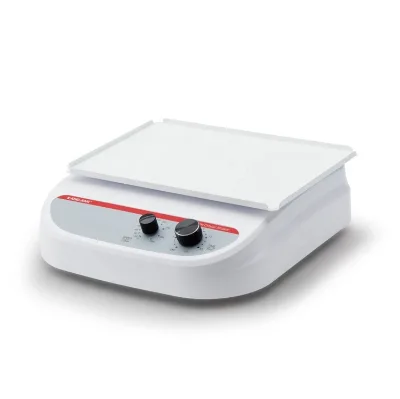
Laboratory Orbital Digital Shaker Orbital Shaker Laboratory Instrument Orbital Shaker
$100.00 - $200.00
MOQ: 1 Pieces


Portable LED Digital Orbital Shaker Laboratory Numerical Control Shaker
$100.00 - $200.00
MOQ: 1 Pieces

Oscillator Digital Orbital Shaker Orbital Shaker Machine Micro Oscillator
$80.00 - $110.00
MOQ: 10 Pieces

Guangzhou Iclear Healthcare Limited
- Manufacturer, Trading Company, Distributor/Wholesaler
- Guangdong, China
- Lead time7 days
- Avg. response≤ 9h
Main productsVeterinary products,Medical Products,Lab analyzer,Surgical products,Medical educational equipment
Main marketsAfrica(22.00%), Western Europe(18.00%), South Asia(10.00%), Eastern Asia(10.00%), Northern Europe(5.00%), Central America(5.00%), South America(5.00%), Eastern Europe(5.00%), Mid East(5.00%), Oceania(5.00%), Southern Europe(5.00%), Southeast Asia(2.00%), North America(2.00%), Domestic Market(1.00%)
Jiangsu Kangjian Medical Apparatus Co., Ltd.
- Verified by SGS Group
- Manufacturer, Trading Company
- Lead time20 days
- Avg. response≤ 11h
Main productsVacuum Blood Collection System/Serological Pipette/Sample Container, Serological Pipette, Laboratory Instrument, Test Tube, Sterile Petri Dish
Main marketsDomestic Market(60%), South America(6%), Southeast Asia(6%)

Zhejiang Top Cloud-Agri Technology Co., Ltd.
- China Zhejiang
- Lead time0 days
- Avg. response≤ 8h
Main productsSoil Nutrient Analyzer, Seed Tester Meter, Chlorophyll Meter, Leaf Area Meter, Fat Analyzer, Fruit Hardness Tester, Incubator, Grain Testing Meter Tester, Plant Physical Tester, Flour and Oil Testing Instrument

- Verified by BV
- Combined
- China Shandong
- Lead time15 days
- Avg. response≤ 3h
Main productsRefrigeration Equipment, Autoclave, Chemistry Analyzer
Main marketsSouth America,Africa,Southeast Asia/ Mideast,Europe,Australia,North America

Zhengzhou Bioda Instrument Co., Ltd.
- Trading Company
- Henan, China
- Lead time20 days
- Avg. response≤ 1h
Main productsGlass Reactor,Rotary Evaporator,Water Analyzer,Agricultural Equipment,Centrifuge
Main marketsNorth America(30.00%), Southeast Asia(20.00%), Western Europe(15.00%), Africa(15.00%), South America(15.00%), Mid East(5.00%)

Nanjing Long Medical Technology Co., Ltd.
- Verified by TUVRHEINLAND
- Trading Company
- China Jiangsu
- Lead time15 days
- Avg. response≤ 3h
Main productsUltrasound Equipment, Laboratory Machine, Medical X-ray Machine, Operation Room Equipment, Dental Equipment, Autoclave Sterilizer, Disposable Material, Veterinary Equipment, Ophthalmic Equipment, Gynaecology & Neonatal Equipment
Main marketsAfrica,Others(foreignTradeCapacity.exportBusinessCapacityMarketOther),Southeast Asia/ Mideast,Europe,North America

LED Digital Orbital Lab Electronic Portable and Linear 3D and Rocking Shaker
$95.00 - $105.00
MOQ: 1 set


- Manufacturer, Trading Company
- Guangdong, China
- Lead time0 days
- Avg. response≤ 6h
Main productsLiquid Handling,Incubator,Thermal Control,Distilling & Mixing,Centrifuge
Main marketsNorth America(30.00%), Southeast Asia(25.00%), Western Europe(20.00%), South America(10.00%), Eastern Asia(5.00%), South Asia(5.00%), Mid East(3.00%), Oceania(2.00%)
Guangzhou Juanjuan Electronic Technology Co., Ltd.
- Verified by TüVRheinland
- Trading Company
- Lead time10 days
- Avg. response≤ 3h
Main productsRefractometer, Thermometer, Dog Training Collar, Laboratory Scale, Laboratory Centrifuge
Main marketsAfrica(18%), Mid East(12%), North America(10%)
- Verified by SGS Group
- Manufacturer, Trading Company
- Lead time25 days
- Avg. response≤ 1h
Main productsChemistry Analyzer, Autoclave, Centrifuge, Refrigerator, Biological Safety Cabinet
Main marketsSoutheast Asia(20%), Africa(17%), South America(15%)
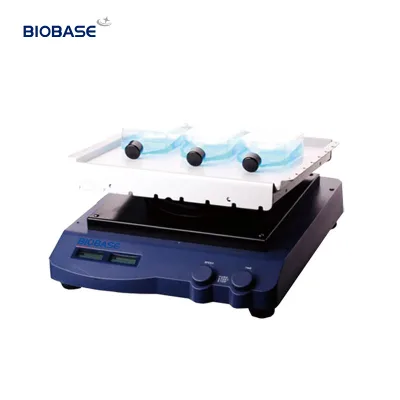
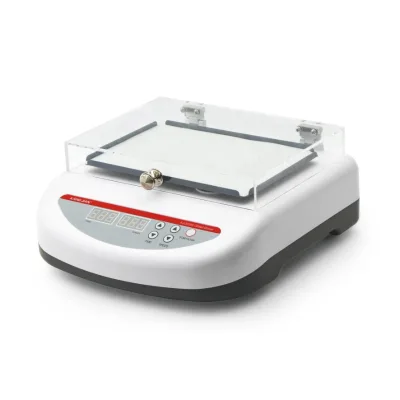
BIOBASE Hot Sale Shaker Digital Orbital Shaker Lab Portable and Linear 3D and Rocking Shaker for Lab
$287.8932 - $411.2743
MOQ: 1 Minimum
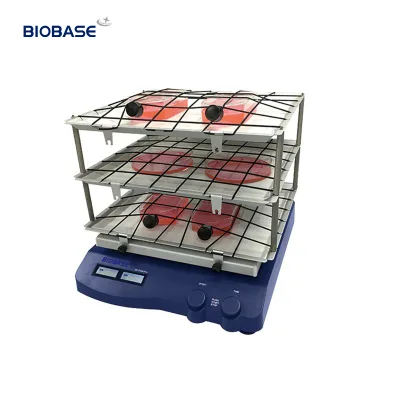
BIOBASE China Mixer Shaker 100-350rpm Over Speed Detection PC Control Linear Shaker for Lab
$315.3314 - $412.5145
MOQ: 1 Minimum
Hebei Zhongke Beigong Testing Instrument Co., Ltd.
- Verified by TüVRheinland
- Manufacturer, Trading Company
- Lead time7 days
- Avg. response≤ 2h
Main productsSoil Direct Shear Apparatus, Mechanical Testing Machine, Asphalt Penetration Tester, Drilling Fluid Viscosity Meter, Wear Tester
Main marketsDomestic Market(60%), South America(15%), North America(10%)
- Verified by TüVRheinland
- Manufacturer, Trading Company
- Lead time7 days
- Avg. response≤ 2h
Main productsIncubator And Oven, Centrifuge, Air Protection Products, Clinical & Analytical Products, Freezer And Refrigerator
Main marketsSoutheast Asia(27%), Africa(25%), Western Europe(19%)
Henan Chengyi Laboratory Equipment Co., Ltd.
- Manufacturer, Trading Company
- Henan, China
- Lead time15 days
- Avg. response≤ 3h
Main productsTube Furnace,Muffle Furnace,CVD system,Hydraulic press,Vacuum oven
Main marketsWestern Europe(15.00%), Eastern Europe(15.00%), South America(15.00%), North America(15.00%), Mid East(10.00%)
Cangzhou Labotery Instrument Co., Ltd.
- Trading Company
- Hebei, China
- Lead time15 days
- Avg. response≤ 3h
Main productsdrying oven,contant temperature and humidity incubator,shaking incubator,muffle furnace,lab incubator
Main marketsSouth Asia(20.00%), Central America(20.00%), Mid East(20.00%), Southeast Asia(20.00%), North America(20.00%)

Hangzhou Allsheng Instruments Co., Ltd.
- Manufacturer
- Zhejiang, China
- Lead time10 days
- Avg. response≤ 1h
Main productsAutomatic Nucleic Acid Extraction System,Automated NGS Library Preparation Workstation,Laboratory Instrument,Life Science Detection Product,Molecular POCT Detection
Main marketsEastern Asia(20.00%), North America(20.00%), South America(15.00%), Northern Europe(10.00%), South Asia(5.00%), Southern Europe(5.00%), Southeast Asia(5.00%), Central America(5.00%), Western Europe(5.00%), Eastern Europe(5.00%), Africa(5.00%)
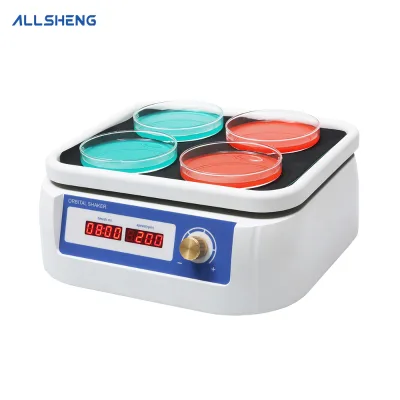
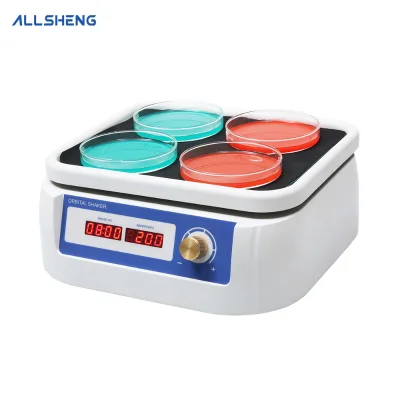
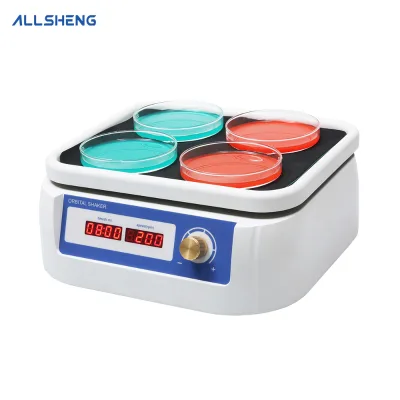
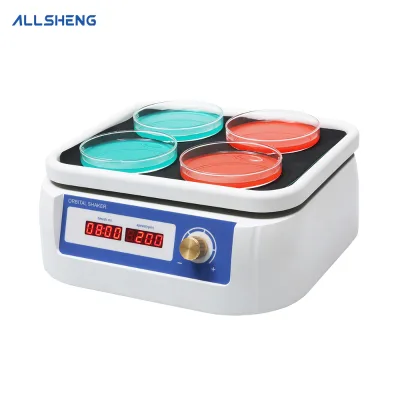
ALLSHENG 3kg Capacity Lab Orbital Shaker, 50-300 Rpm, With Microprocessor Control
$539.99
MOQ: 5 Minimum

SHANGHAI KMINDA TECH. CO., LTD
- Verified by BV
- Trading Company
- China Shanghai
- Lead time23 days
- Avg. response≤ 10h
Main productsVibrating Screen, Wear-Resistant Screen Products, Polyurethane (PU) Screen Mesh, Spare Parts, Stack Screen, Composite Vibrating Screen, Banana Screen, Scalping Screen, Electromagnetic Screen
Main marketsSouth America,Africa,Southeast Asia/ Mideast,Domestic,Europe,Australia
Biobase Biotech (jinan) Co., Ltd.
- Verified by SGS Group
- Manufacturer, Trading Company
- Lead time7 days
- Avg. response≤ 2h
Main productsMedical Diagnostic Analysis Equipment, Autoclave, Centrifuge, Biolgical Safety Cabinet, Laboratory Equipment
Main marketsWestern Europe(16%), South America(13%), Africa(13%)
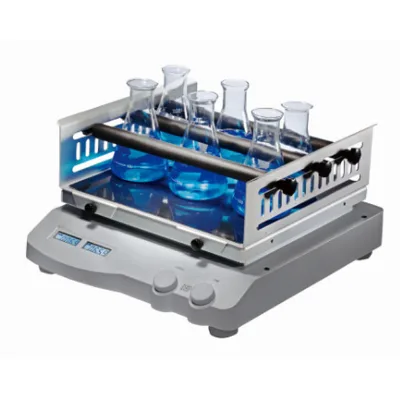
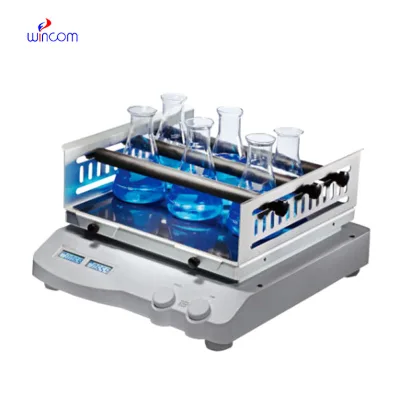
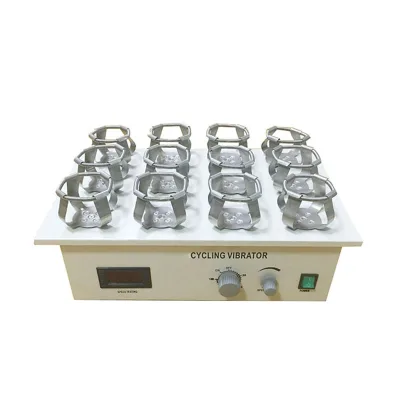


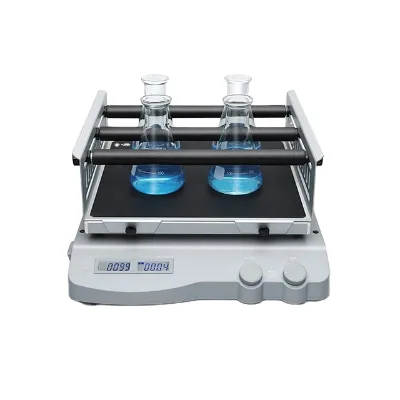
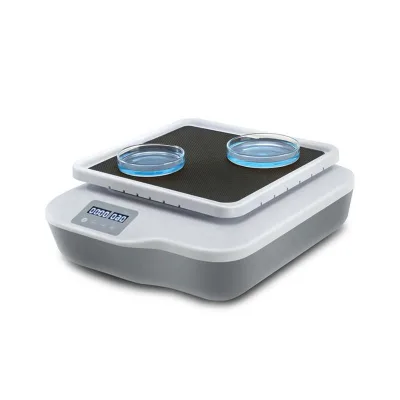


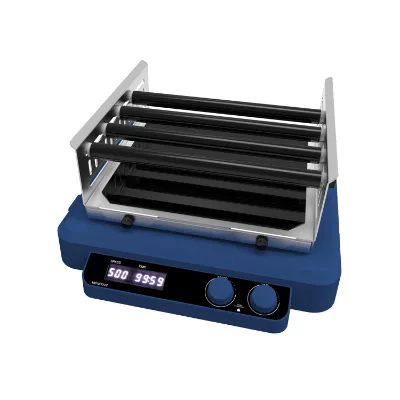
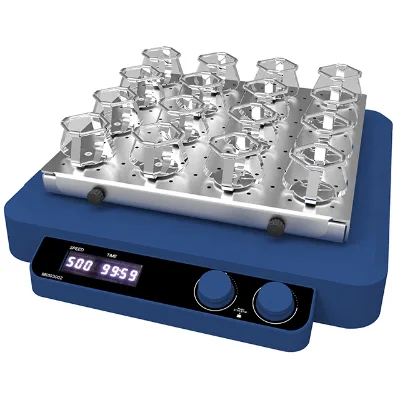
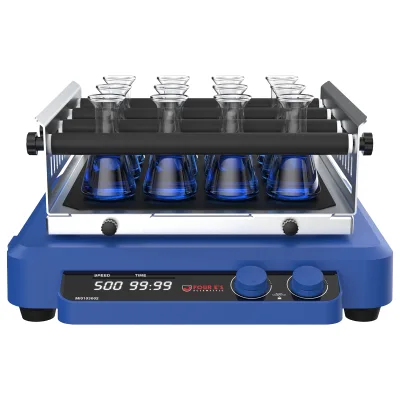




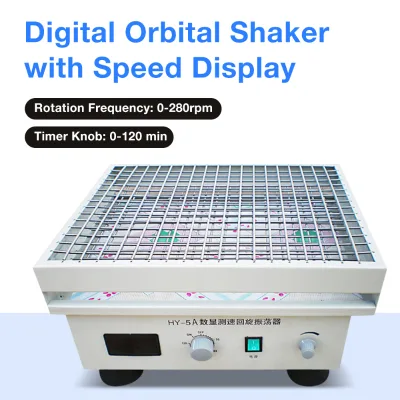
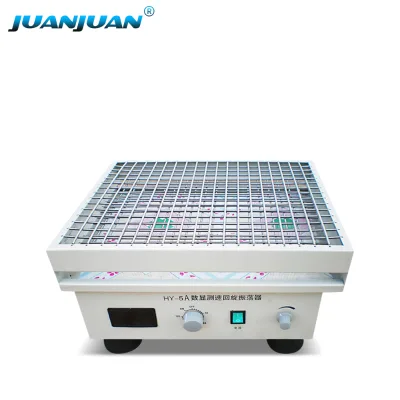
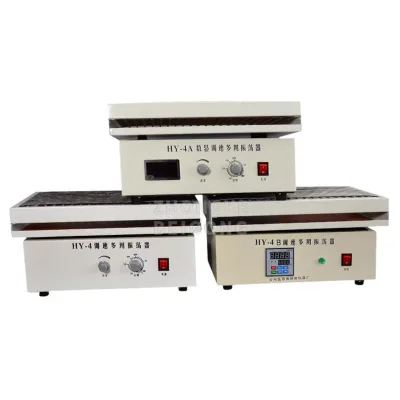
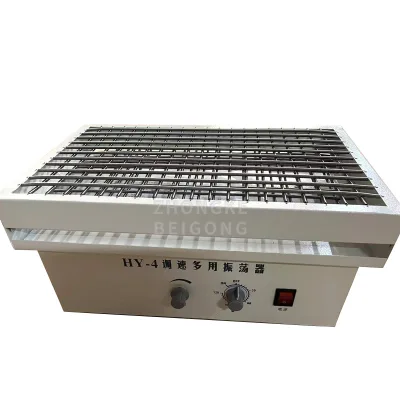
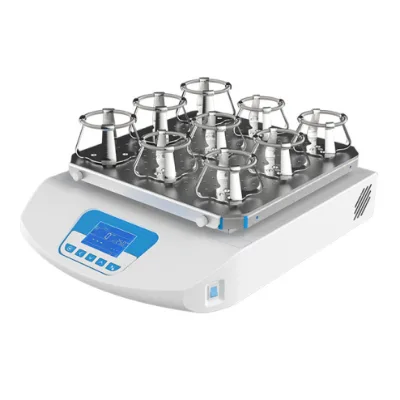
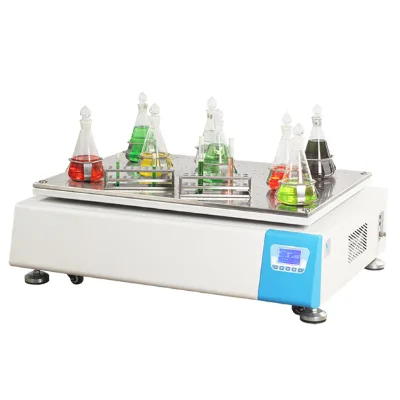
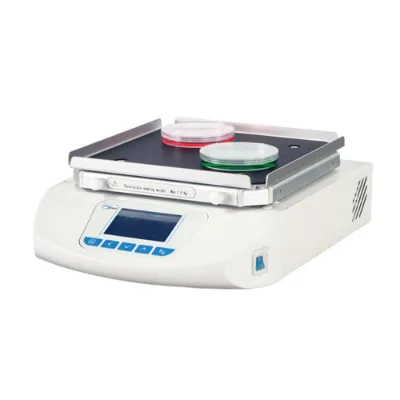
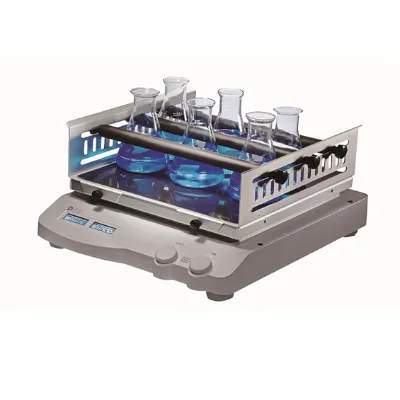


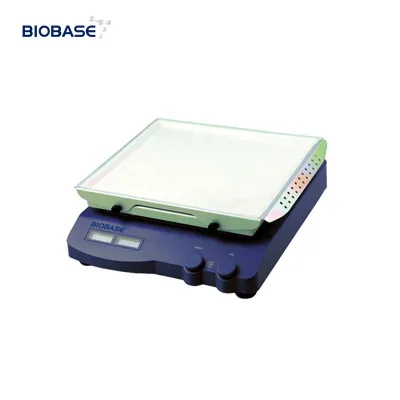
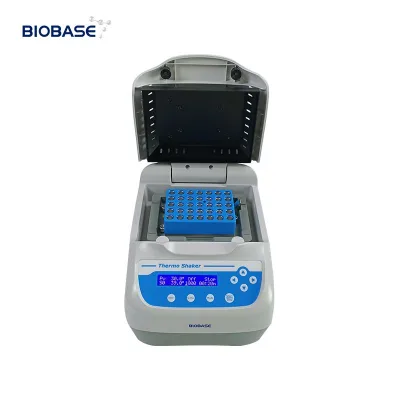
Comprehensive Sourcing Guide
Digital Panel Orbital Linear Shaker Supplier Concentration and Factory Types
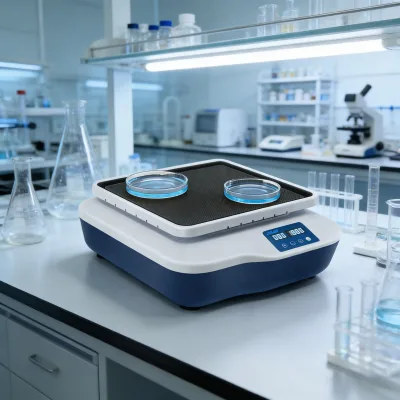
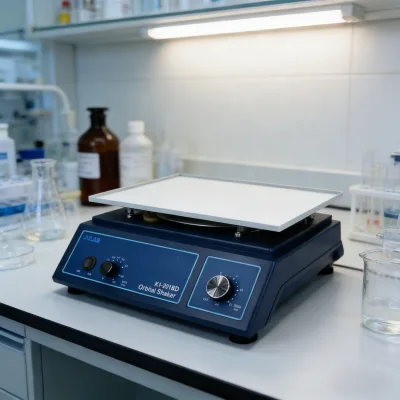
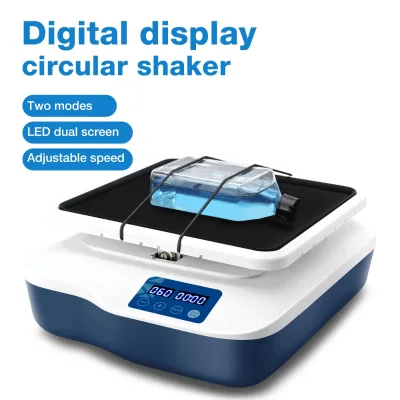
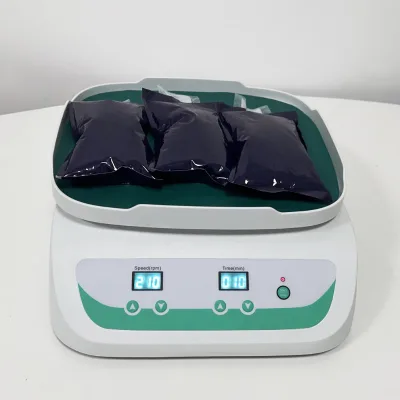
The current supplier landscape for digital panel orbital linear shakers is dominated by trading companies rather than direct manufacturers, a structural detail that significantly influences procurement strategy and cost structures. Buyers evaluating these suppliers must recognize that the primary entity type listed is a trading company, which acts as an intermediary between the factory floor and the international buyer. This configuration often simplifies communication and order management for smaller volume purchases but may introduce additional layers of markup and potential communication delays compared to dealing directly with a manufacturing plant. The concentration of these entities suggests a mature supply chain where specialized production is aggregated by traders who manage quality control, logistics, and customer service on behalf of multiple factories. Understanding this dynamic is crucial for setting realistic expectations regarding price negotiation power and the ability to request custom engineering changes, as trading companies may have less direct influence over production line modifications than original equipment manufacturers.
Despite the prevalence of trading companies, the actual production of these instruments is concentrated in specific industrial hubs, with Jiangsu Province in China emerging as a key origin point for many listed models. Factories in this region, particularly in cities like Changzhou and general Jiangsu areas, are equipped to produce the mechanical and electronic components required for linear and orbital shakers, including brushless DC motors and LCD display panels. The presence of suppliers listing their place of origin as Jiangsu, China, indicates a localized ecosystem for laboratory equipment manufacturing that benefits from established supply chains for plastics, metals, and electronic displays. Buyers should verify whether the trading company they are engaging with has a direct partnership with these Jiangsu-based facilities or if they are sourcing from a broader, less transparent network. This geographic concentration allows for efficient consolidation of shipments but requires buyers to be diligent about verifying the actual manufacturing location to ensure consistency in build quality and material standards across different orders.
How to Verify Digital Panel Orbital Linear Shaker Suppliers
Verification of suppliers requires a multi-layered approach that goes beyond simple profile reviews, focusing on third-party certifications and independent audit results to establish trust. Many suppliers in this category display system certifications such as ISO 9001 and EMC, which are critical for ensuring that the manufacturing processes meet international quality and electromagnetic compatibility standards. However, buyers must distinguish between self-declared certifications and those verified by recognized bodies. For instance, some suppliers are verified by TüV Rheinland, while others hold SGS verification, indicating that an independent third party has inspected their operations or products. These verifications provide a higher degree of confidence in the supplier’s ability to deliver consistent quality compared to suppliers with only generic "Others" certification listings. Buyers should prioritize suppliers with these robust verification badges, as they have undergone rigorous scrutiny regarding their business legitimacy and production capabilities, reducing the risk of engaging with fraudulent or substandard entities.
In addition to certifications, buyers should assess the supplier’s responsiveness and operational transparency as indicators of reliability. The response time metric, often displayed in hours, serves as a practical gauge of the supplier’s customer service efficiency, with some suppliers showing response times around five hours. A quicker response time often correlates with better communication throughout the order lifecycle, from quotation to post-sales support. Furthermore, buyers should examine the detailed product attributes provided, such as the specific motor type (e.g., Brushless DC motor) and warranty terms (typically one year), to ensure they align with technical requirements. Suppliers that provide comprehensive data sheets, including speed ranges, load capacities, and platform dimensions, demonstrate a higher level of professionalism and product knowledge. Buyers are advised to request additional documentation, such as test reports or detailed wiring diagrams, to further validate the supplier’s technical competence before committing to a purchase, ensuring that the digital panel and shaker mechanisms meet their specific laboratory needs.
What to Compare Across Digital Panel Orbital Linear Shaker Suppliers
When evaluating multiple suppliers, buyers must systematically compare key commercial and operational metrics to identify the most suitable partner for their specific needs. Lead time is a critical factor, with observed values ranging from 23 to 25 days, which impacts inventory planning and project timelines. Buyers should align their order schedules with these lead times to avoid production delays, especially if they require urgent delivery for laboratory setup or research projects. Additionally, the minimum order quantity (MOQ) varies, with some suppliers offering an MOQ of just one unit, which is ideal for small labs or trial orders, while others may have higher thresholds. Comparing these MOQs allows buyers to determine the most cost-effective entry point for their procurement, balancing the need for sample testing against the desire for bulk pricing advantages. Suppliers with lower MOQs offer greater flexibility, enabling buyers to test product quality and supplier reliability before committing to larger volumes.
Price and supply ability are also essential comparison points, with unit prices for digital panel orbital linear shakers ranging from approximately $328 to $500 depending on the model and specifications. Buyers should analyze the price range in conjunction with the supply ability, which is listed as 1000 pieces per month for some suppliers, to ensure that the supplier can meet their volume requirements without compromising quality or delivery schedules. Furthermore, the customization support offered, such as OEM or ODM services, varies among suppliers, with some providing flexible branding and design options while others offer standard products only. Buyers requiring specific branding or custom platform attachments should prioritize suppliers that explicitly list OEM support. Comparing these attributes holistically, including warranty terms and after-sales support, helps buyers make informed decisions that balance cost, quality, and service, ensuring they select a supplier that can reliably meet their long-term laboratory equipment needs.
Common Digital Panel Orbital Linear Shaker Sourcing Risks
One of the primary risks in sourcing digital panel orbital linear shakers is the potential discrepancy between advertised specifications and actual product performance, particularly regarding motor durability and speed accuracy. Suppliers may list broad speed ranges, such as 100-350 rpm or 0-360 rpm, but the actual stability and precision of these ranges can vary significantly between manufacturers. Buyers must be cautious of suppliers who do not provide detailed technical data or test results for their motor types, such as brushless DC motors, which are preferred for their longevity and low maintenance. Without verified performance data, there is a risk of receiving units that suffer from premature motor failure or inconsistent shaking speeds, which can compromise experimental results in laboratory settings. To mitigate this risk, buyers should request sample units for testing or ask for detailed performance certificates that validate the speed accuracy and load capacity under real-world conditions.
Another significant risk is the variability in warranty and after-sales support, which can be difficult to enforce across international borders. While many suppliers offer a one-year warranty, the practical implementation of this warranty can be challenging if the supplier lacks a local service network or clear return policies. Buyers may face difficulties in obtaining replacement parts or technical support if a unit fails after the warranty period or if the supplier becomes unresponsive. Additionally, the risk of receiving products with non-compliant electrical components, such as incorrect voltage ratings or lack of proper EMC shielding, exists if the supplier’s certifications are not rigorously verified. Buyers should ensure that the supplier provides clear instructions for warranty claims and has a transparent process for handling defective units. It is also advisable to use secure payment methods that offer buyer protection, ensuring that funds are only released upon satisfactory receipt and inspection of the goods, thereby reducing financial exposure in case of product defects or non-delivery.
Digital Panel Orbital Linear Shaker Regional Sourcing and Logistics
Sourcing digital panel orbital linear shakers from China, particularly from regions like Jiangsu and Shandong, offers logistical advantages due to the proximity to major shipping ports such as Shanghai and Shenzhen. These ports facilitate efficient export processes, allowing for relatively quick dispatch of goods once production is complete. Buyers should consider the port of dispatch when calculating total landed costs, as shipping fees can vary depending on the destination country and the chosen shipping method. The standard export packaging provided by suppliers helps protect the shakers during transit, but buyers should still verify that the packaging is robust enough to prevent damage to sensitive components like the LCD display and motor assembly. Understanding the logistics chain from the factory in Jiangsu to the final destination is crucial for planning inventory and ensuring timely delivery, especially for time-sensitive laboratory projects.
However, buyers must also account for potential customs and regulatory hurdles in their home country, which can impact the overall sourcing timeline. Import duties, taxes, and compliance with local safety standards, such as CE or FCC certifications, can add complexity to the procurement process. Suppliers listing certifications like ISO and CE indicate that their products meet certain European standards, which may simplify the import process for buyers in regions with similar regulatory frameworks. Buyers should verify that the supplier provides all necessary documentation, including commercial invoices, packing lists, and certificates of origin, to facilitate smooth customs clearance. Additionally, considering the environmental impact and sustainability of the shipping process can be beneficial for organizations with green procurement policies. By carefully planning the logistics and ensuring compliance with all regulatory requirements, buyers can minimize delays and unexpected costs associated with international shipping of laboratory equipment.
Digital Panel Orbital Linear Shaker Commercial Terms and Order Planning
Effective order planning for digital panel orbital linear shakers requires a clear understanding of commercial terms, including payment methods, pricing structures, and delivery schedules. Buyers should negotiate favorable payment terms, such as partial upfront payments with the balance due upon shipment, to balance risk and cash flow. The price range of $328 to $500 per unit provides a baseline for budgeting, but buyers should also consider volume discounts for larger orders, especially if the supplier has a high supply ability. Clear communication regarding the total cost, including shipping, insurance, and any applicable taxes, is essential to avoid hidden costs that can impact the project budget. Buyers should also establish a detailed timeline for the order, accounting for production lead times, shipping duration, and customs clearance, to ensure that the shakers arrive when needed for laboratory setup or research activities.
Furthermore, buyers should prioritize suppliers that offer flexible customization options, such as OEM branding or custom platform attachments, to meet specific laboratory requirements. The ability to customize the shaker can add value by ensuring that the equipment integrates seamlessly with existing lab infrastructure and branding guidelines. Buyers should discuss customization details early in the procurement process to avoid delays or additional costs later on. Additionally, establishing a strong relationship with the supplier through consistent communication and clear expectations can lead to better service and support in the long term. Buyers should also consider the supplier’s responsiveness and willingness to address concerns, as these factors contribute to a smoother procurement experience. By carefully planning the commercial terms and fostering a collaborative relationship with the supplier, buyers can ensure a successful sourcing outcome that meets their technical and operational needs.
FAQs
What is the price range for digital linear shakers?
Prices for digital linear shakers typically range from $328 to $500 per unit. This variation depends on specific features such as speed control, load capacity, and platform size. Buyers should verify exact pricing with suppliers based on their required model specifications and order volume.
What is the minimum order quantity for these shakers?
The minimum order quantity is generally one piece, allowing for single-unit purchases. This low MOQ supports testing and small-scale laboratory needs. Buyers can order individual units without needing to meet bulk thresholds, making it accessible for initial procurement or replacement purposes.
How long does delivery take for these instruments?
Lead times for these laboratory shakers are approximately 23 to 25 days. This timeframe covers production and preparation for shipment. Buyers should confirm specific delivery schedules with suppliers, as actual times may vary based on stock availability and shipping method selection.
What certifications do these shakers hold?
These shakers commonly hold ISO 9001, EMC, and CE certifications. Some models also display ISO and CE marks for quality and safety compliance. Buyers should request valid certification documents from suppliers to ensure the equipment meets specific regulatory standards for their laboratory operations.
Where are these shakers manufactured?
Manufacturing locations include Jiangsu Province and Shandong Province in China. Specific origins may vary by supplier, with some listing Changzhou City or general mainland China. Buyers should verify the exact place of origin to assess logistics costs and supply chain reliability for their orders.
What speed ranges are available for digital shakers?
Speed ranges vary by model, typically spanning from 40 to 360 rpm. Some units offer adjustable speeds between 100 and 350 rpm. Buyers should select models based on their specific mixing requirements, ensuring the speed range aligns with the viscosity and volume of their samples.