Source High Borosilicate Glass Laboratory Bottle for Reagent Storage
Compare 30 High Borosilicate Glass Laboratory Bottle options from verified Chinese suppliers. These reusable bottles feature ISO and CE certifications, autoclavable designs, and capacities ranging from 2ml to 2000ml for diverse reagent and sampling needs; compare the available evidence and request quotations based on your requirements.
Updated
Key considerations
Products List


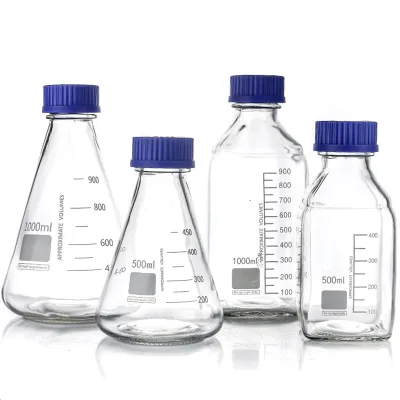


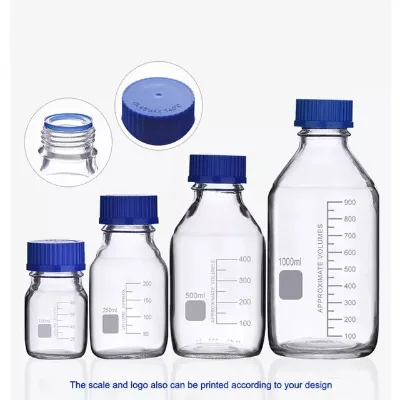
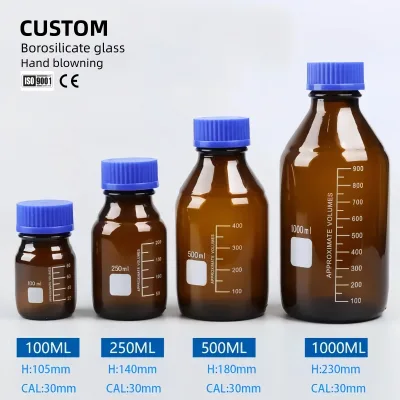
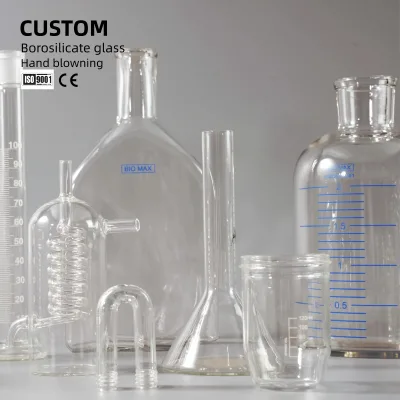
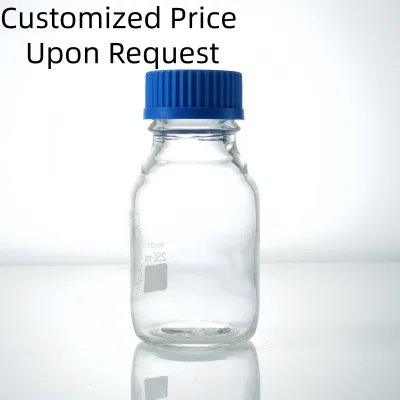
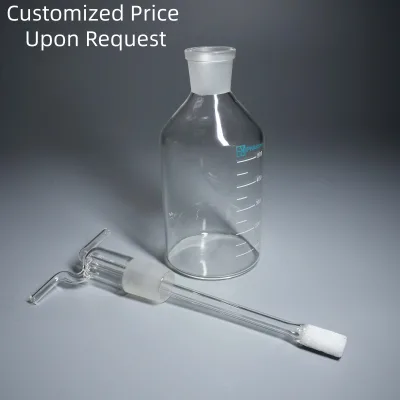
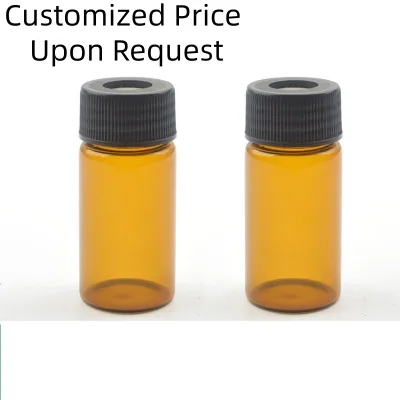
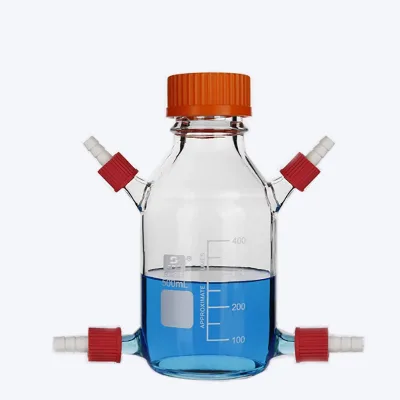


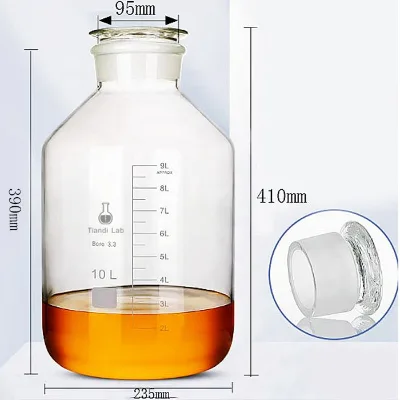
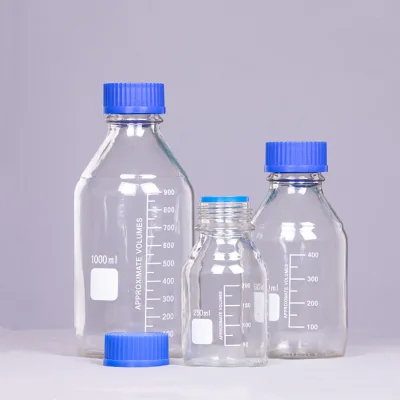
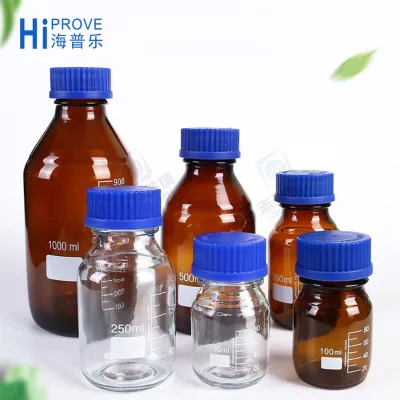


Comprehensive Sourcing Guide
High Borosilicate Glass Laboratory Bottle Sourcing Guide
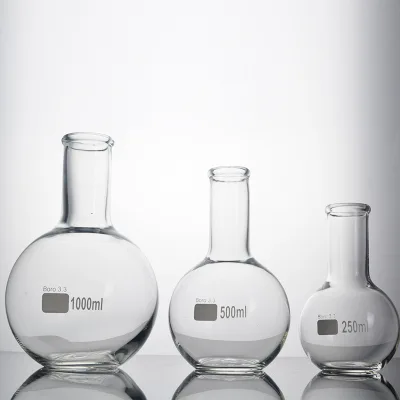
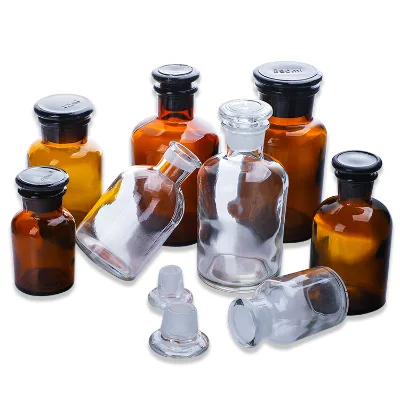
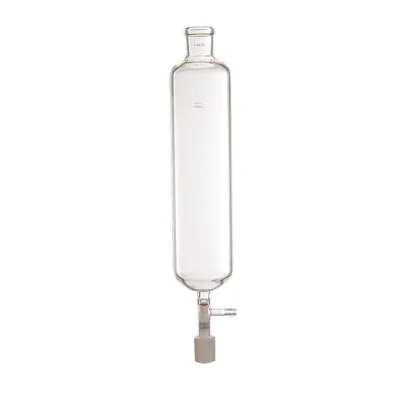
Procuring high borosilicate glass laboratory bottles requires a disciplined approach to material verification and specification alignment. Buyers must distinguish between standard soda-lime glass and true borosilicate variants, as the latter offers superior thermal shock resistance and chemical durability essential for rigorous laboratory environments. The observed market signals indicate a strong presence of products explicitly labeled as "Good Quality Borosilicate Glass" or simply "Glass," necessitating careful scrutiny of supplier claims. Sourcing decisions should prioritize suppliers who provide transparent material certifications and clear product naming conventions, such as "Lab Glass Reagent Bottle" or "Lab Glass Sampling Bottles," to ensure the acquired inventory meets specific experimental requirements.
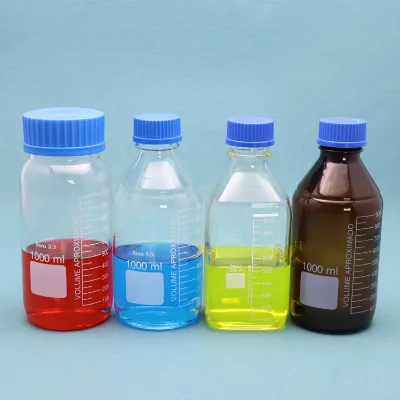
The available product range spans various capacities, from small 2ml sampling vessels to large 2000ml reagent containers, catering to diverse storage and handling needs. Observations show that these bottles are generally non-disposable and reusable, emphasizing their role in long-term laboratory operations rather than single-use scenarios. Buyers should note that while some listings mention "Other" colors, the predominant attribute is "Transparent/Clear," which is critical for visual inspection of contents. Understanding the specific shape, often described as "Long Shape," and the bottle top configuration, typically "Screw Top," is vital for ensuring compatibility with existing lab shelving and sealing mechanisms.
Product Scope and Observed Listing Signals
The current market landscape for high borosilicate glass bottles presents a wide array of options, primarily centered around reagent storage and sampling applications. Listings frequently highlight features such as "High Transparency" and "Autoclavable" capabilities, which are crucial for sterilization processes in medical and biological labs. The observed product names, including "media storage bottles" and "Laboratory Bottles," suggest a broad utility across different scientific disciplines. Buyers should recognize that while the core material is glass, the specific grade—whether standard borosilicate or higher-tier variants—must be confirmed through direct supplier inquiry, as generic terms may not guarantee the desired thermal or chemical resistance properties.
Commercial signals indicate that stock availability is common, with many suppliers offering immediate shipment for standard sizes. The packaging methods observed, such as "10PCS/Pack" or "80PCS/Box," often utilize multi-layer cardboard cartons to protect the fragile glassware during transit. Some suppliers provide free samples, which serves as a valuable tool for buyers to physically assess the glass quality, thickness, and finish before committing to larger orders. This availability of samples allows procurement teams to verify the "High Temperature Resist" advantage and ensure the bottles can withstand autoclaving without cracking or degrading, a critical test for long-term usability in high-throughput laboratories.
Technical Specifications to Verify
Thickness and dimensional accuracy are paramount when evaluating glass laboratory bottles, as these factors directly impact durability and volume precision. The observed specification of 0.5 cm thickness suggests a robust construction capable of withstanding mechanical stress, but buyers must verify if this applies to all sizes or only specific models. Volume capacities listed range from 2ml to 2000ml, with common increments like 100ml, 250ml, 500ml, and 1000ml. It is essential to confirm that the stated volumes adhere to standard laboratory tolerances, ensuring that measurements taken from these containers are reliable for quantitative experiments. Discrepancies in size specifications, such as those listing "100-2000ml" versus specific discrete sizes, should be clarified to avoid procurement errors.
The bottle top design, typically a screw top, must be evaluated for its sealing integrity and compatibility with standard lab caps or stoppers. Buyers should inspect the thread quality and material consistency to prevent leaks or cross-contamination during storage. Additionally, the "Long Shape" attribute observed in many listings affects the center of gravity and shelf stability, which is important for high-density storage racks. Verification of the reactant state compatibility is also necessary; while the bottles are designed for holding solid or liquid reagents, the specific chemical resistance of the borosilicate glass should be confirmed against the intended contents to prevent degradation or leaching over time.
Compliance and Safety Documentation
Certification status is a critical differentiator in the laboratory glassware market, with ISO and CE marks being the most commonly observed credentials. These certifications indicate that the manufacturing processes and product safety meet international standards, providing buyers with a baseline level of assurance. Some listings also mention FDA certification, which is particularly relevant for products intended for use in pharmaceutical or food-related research environments. Buyers must request valid certification documents to verify their current status and scope, ensuring that the supplier’s claims are backed by accredited third-party assessments rather than self-declaration.
Safety documentation should also include information on the glass composition and any potential leaching risks, although borosilicate glass is generally inert. The "Autoclavable" feature implies that the bottles can withstand high-pressure steam sterilization, but buyers should verify the maximum temperature and pressure ratings specified by the manufacturer. This information is crucial for maintaining sterility protocols without compromising the integrity of the glassware. Additionally, understanding the packaging standards, such as the use of five-layer cardboard cartons, helps in assessing the product's protection during shipping, which indirectly impacts safety by reducing the risk of breakage and injury during handling.
Cost Drivers and Commercial Terms
Pricing for high borosilicate glass bottles varies significantly based on volume, customization, and order quantity. The observed price range of 0.1 to 23 USD reflects the diversity in product sizes and quality tiers, with smaller sampling bottles typically costing less than larger reagent containers. Minimum Order Quantities (MOQs) range from 1 piece to 5000 pieces, offering flexibility for both small research labs and large industrial purchasers. Buyers should analyze the cost per unit in the context of the total order value, considering that higher MOQs may yield better economies of scale but require greater storage capacity and capital outlay.
Lead times and delivery terms are also key commercial factors, with common delivery windows of 7-10 days for standard items and up to 30 days for larger or customized orders. The availability of stock can significantly reduce lead times, making it a valuable attribute for urgent procurement needs. Customization options, including OEM and ODM support, may incur additional costs and longer lead times, so buyers should plan accordingly if branding or specific design modifications are required. Understanding these commercial dynamics allows for more accurate budgeting and inventory planning, ensuring that procurement activities align with laboratory operational timelines.
Supplier Qualification and Quality Control
Supplier origin and manufacturing capability are important indicators of product consistency and reliability. Many observed suppliers are located in regions like Hunan and Jiangsu in China, which are known for their glass manufacturing expertise. Buyers should evaluate the supplier’s production capacity and quality control processes to ensure that the "Good Quality Borosilicate Glass" claim is substantiated by rigorous internal testing. The availability of customization support, such as OEM and ODM services, suggests that these suppliers have the flexibility to meet specific buyer requirements, but this should be balanced with an assessment of their ability to maintain quality standards across customized batches.
Quality control measures should include checks for visual defects, dimensional accuracy, and thermal resistance. Buyers may request sample batches to perform their own testing, such as autoclaving cycles or chemical exposure tests, to verify the product’s performance. The observation that samples are provided free of charge facilitates this due diligence process. Additionally, understanding the supplier’s return policy and warranty terms for defective goods is essential for mitigating risk. Establishing a clear communication channel for quality issues ensures that any discrepancies can be addressed promptly, maintaining the integrity of the laboratory’s operations.
Long-Term Procurement Checks
Sustainability and lifecycle management are increasingly important considerations for laboratory procurement. The non-disposable and reusable nature of these glass bottles aligns with efforts to reduce single-use plastic waste in laboratories. Buyers should consider the long-term cost savings associated with reusable glassware compared to disposable alternatives, factoring in cleaning and sterilization costs. The durability of borosilicate glass means that these bottles can withstand repeated use over many years, provided they are handled correctly and stored appropriately to prevent breakage.
Regular review of supplier performance and product quality is essential for maintaining a reliable supply chain. Buyers should track metrics such as delivery punctuality, defect rates, and responsiveness to quality issues. As laboratory needs evolve, the ability of suppliers to offer new sizes or improved designs becomes valuable. Staying informed about industry trends and technological advancements in glass manufacturing can help buyers make proactive decisions about their inventory. By maintaining a strategic approach to procurement, laboratories can ensure they have access to high-quality, reliable glassware that supports their research and operational goals.
FAQs
What materials are used for these lab bottles?
The bottles are made from high-quality borosilicate glass, ensuring high transparency and durability. This material offers high temperature resistance and is autoclavable, making it suitable for rigorous laboratory environments. The glass construction supports both reagent storage and sampling applications effectively.
What sizes are available for reagent bottles?
Reagent bottles are available in sizes of 100, 250, 500, 1000, and 2000 ml. Sampling bottles come in smaller capacities of 2, 4, 10, and 20 ml. These options cover a wide range of laboratory storage needs with precise volume specifications.
Can I get samples before placing an order?
Yes, samples are provided free of charge to potential buyers. This allows you to verify the product quality and specifications before committing to a larger purchase. Stock is available, ensuring that you can receive these samples quickly for evaluation purposes.
What certifications do these glass bottles have?
The products hold ISO, CE, and FDA certifications. These credentials confirm compliance with international quality and safety standards. The certifications ensure that the bottles are suitable for professional laboratory use and meet regulatory requirements for material safety and manufacturing quality.
What is the typical delivery time for orders?
Delivery is based on order quantity, commonly within 30 days. For some specific items, delivery may occur within 7 to 10 days. The exact timeline depends on the volume ordered and current stock availability, ensuring timely fulfillment for your laboratory needs.
Are these bottles reusable and autoclavable?
Yes, the bottles are non-disposable and reusable. They are designed to be autoclavable, allowing for sterilization between uses. The high borosilicate glass construction ensures they can withstand repeated heating and cooling cycles without cracking or compromising integrity.