Eco Design Inverter Compressor Suppliers and Manufacturers
Compare 19 verified suppliers offering eco design inverter compressors with details on location, lead times, response times, and certifications. Review product specifications like voltage and cooling systems, then request quotes to proceed; review the available evidence before requesting comparable quotations from suitable candidates.
Updated
Suppliers List
Wuhu Techsun Import & Export Co., Ltd.
- Trading Company
- Anhui, China
- Lead time25 days
- Avg. response≤ 6h
Main productsdrain pump,ac dc motor,washing machine,vacuum cleaner,compressor
Main marketsMid East(30.00%), Eastern Europe(30.00%), Western Europe(10.00%), Africa(10.00%), North America(10.00%), South America(1.00%)

Kangpusi Compressor (Shijiazhuang) Co., Ltd.
- Verified by TUVRHEINLAND
- Combined
- China Hebei
- Lead time30 days
- Avg. response≤ 13h
Main productsAir Compressor, Screw Compressor, Screw Air Compressor, Portable Air Compressor, Diesel Driven Portable Screw Air Compressor, Explosive-Proof Screw Air Compressor, Electric Driven Portable Screw Air Compressor, Permanent Magnet Screw Air Compressor, Oil Free Screw Air Compressors, Motor Driven Compressor
Main marketsDomestic,Europe

Energy Saving Stationary Permanent magnet Integrated inverter air compressor
$2500.00 - $35000.00
MOQ: 1 Pieces


High Effciency and Energy Saving Stationary Permanent magnet Integrated inverter air compressor
$2500.00 - $35000.00
MOQ: 1 Pieces


- Verified by TUVRHEINLAND
- Trading Company
- China Zhejiang
- Lead time23 days
- Avg. response≤ 1h
Main productsDC Compressor, 12V Compressor, Stirling Cryocooler, Small Air Conditioner, Liquid Chiller, Miniature Compressor, Small Cooling System, Condensing Unit, Refrigeration Unit, Fluid Chiller
Main marketsEast Asia(Japan/ South Korea),Domestic,Europe,North America


39. DC Inverter Compressor for High-Efficiency Refrigeration Systems 48V R134A
$240.00 - $390.00
MOQ: 1 Pieces
Vestar International Industry Co., Ltd.
- Verified by Intertek
- Trading Company
- Lead time30 days
- Avg. response≤ 1h
Main productsCompressors, Air Filters, Capacitors, Inverters, Controllers
Main marketsNorthern Europe(13%), South America(12%), Central America(12%)
Liaoning Icekey Refrigeration Co., Ltd.
- Verified by TüVRheinland
- Trading Company
- Lead time20 days
- Avg. response≤ 2h
Main productsCapacitor, Refrigerant Gas, Compressor, Protector, Copper Tube
Main marketsSouth America(35%), North America(15%), Eastern Europe(15%)
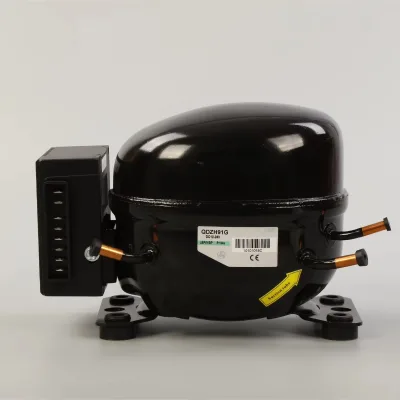
Inverter Compressor for Refrigerator and Ice Machine R134a M/HBP 220-240V~50Hz
$31.7436 - $34.8149
MOQ: 80 pieces
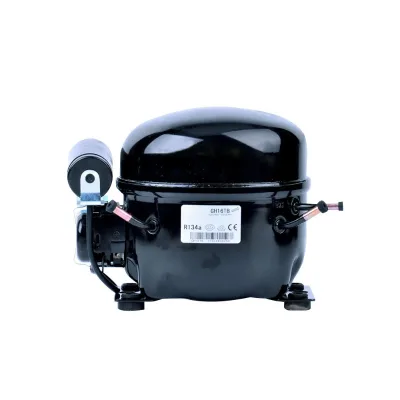
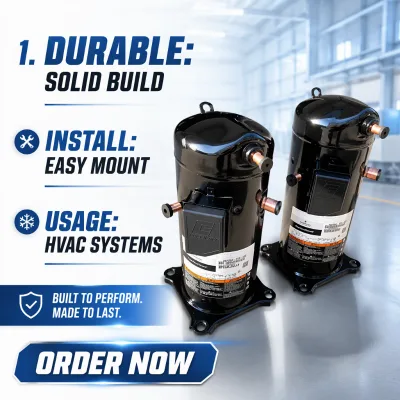
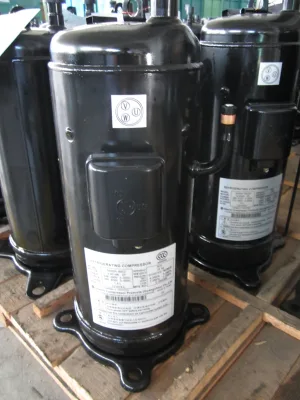
AC Compressor Low Noise DC Inverter Home air Conditioning Refrigeration System
$35.8636 - $51.2335
MOQ: 150 pieces
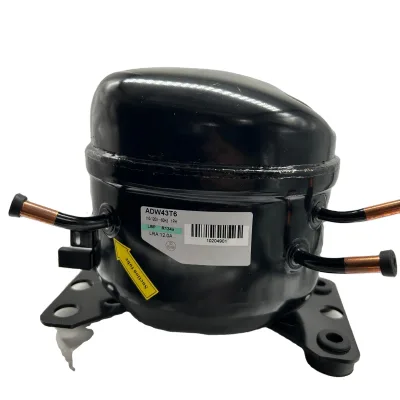
Compresor Rotary Air Conditioner
$33.84 - $34.68

Kopa Trading (Shanghai) Co., Ltd.
- Verified by BV
- Combined
- China Shanghai
- Lead time30 days
- Avg. response≤ 1h
Main productsRotary Screw Compressor, Oil Free Screw Air Compressor, Rotary Screw Air Compressor, Oil Free Scroll Air Compressor, Oil Free Water Lubricated Screw Air Compressor, Centrifugal Air Compressor, Air Bearing Centrifugal Blower, Screw Air Blower, Low Pressure Oil Free Screw Air Blower
Main marketsSouth America,Europe

Linyi Hongxiang Machinery Technology Co., Ltd.
- Trading Company,Manufacturer/Factory
- China Shandong
- Lead time60 days
- Avg. response≤ 2h
Main productsLoader Spare Parts, Mini Excavator
Main marketsSouth America,Eastern Europe,Mid East,North America,Southeast Asia,Eastern Asia,Oceania,Western Europe,Africa


Inverter Air Conditioner Rotary Compressors Rotary Compressor 50Hz for Air Conditioner
$147.13 - $158.45
MOQ: 10 Pieces

$98.33 - $107.27
MOQ: 10 Pieces
Bobiller (guangzhou) Refrigeration Equipment Co., Ltd.
- Trading Company
- Guangdong, China
- Lead time30 days
- Avg. response≤ 3h
Main productsRefrigeration Compressor
Main marketsMid East(50.00%), Southeast Asia(20.00%), South America(10.00%), North America(5.00%), Oceania(5.00%), Africa(5.00%)

NINGBO SANHE REFRIGERATION CO., LTD.
- Verified by BV
- Trading Company
- China Zhejiang
- Lead time30 days
- Avg. response≤ 4h
Main productsCompressor, Refrigerant, Copper Tube & Coil, Air Conditioner Parts, Refrigeration Parts, Refrigerator Parts, Service Tools, Buildings Automation, Washing Machine Parts, Car Air Conditioning Parts
Main marketsSouth America,Africa,Southeast Asia/ Mideast,East Asia(Japan/ South Korea),Europe,Australia,North America

Zhejiang Maidi Refrigeration Technology Co., Ltd.
- Verified by TUVRHEINLAND
- Combined
- China Zhejiang
- Lead time15 days
- Avg. response≤ 8h
Main productsRefrigeration Parts, Refrigerant, Refrigerator Compressor, Filter Drier, Liquid Accumulator, Liquid Receiver, Oil Separator, Heating Exchanger, Compressor, Refrigerant Gas
Main marketsDomestic,Europe

Zhejiang Damai Cold Chain Equipment Co., Ltd.
- Verified by CTI
- Trading Company
- China Zhejiang
- Lead time15 days
- Avg. response≤ 11h
Main productsCold Room, Condensing Unit, Air Cooler, Evaporator, Condenser, Cold Room Panel, Compressor, Cold Room Door, Refrigeration Part, Valve
Main marketsSouth America,Africa,Southeast Asia/ Mideast,Europe,North America

High Efficiency OEM Factory Eco- Friendly Customized Design Compressors
$457.00 - $500.00
MOQ: 1 Pieces

Eco-Friendly Refrigeration Compressor Air Conditon Compressor for Cold Room
$457.00 - $500.00
MOQ: 1 Pieces


Professional Customized Cooling System Factory Price Eco-Friendly Refrigerator Compressor
$457.00 - $500.00
MOQ: 1 Pieces

High Quality Compressor Refrigeration Air Conditioning Compressor Refrigeration Compressor
$457.00 - $500.00
MOQ: 1 Pieces

Eco-Friendly Good Stability Refrigeration Equipment Compressor for Cold Room
$457.00 - $500.00
MOQ: 1 Pieces
- Verified by TüVRheinland
- Trading Company
- Zhejiang, China
- Lead time15 days
- Avg. response≤ 2h
Main productsCompressor, Fan, Refrigerant Oil, Capacitor, Copper Fitting And Tube
Main marketsSoutheast Asia(26%), Mid East(26%), South America(21%)
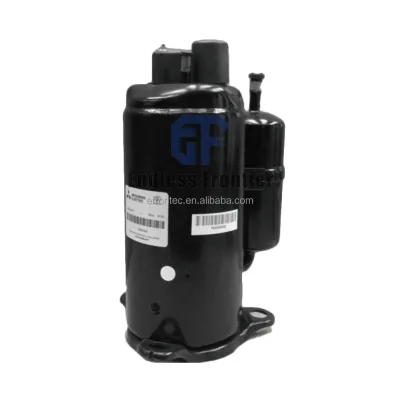
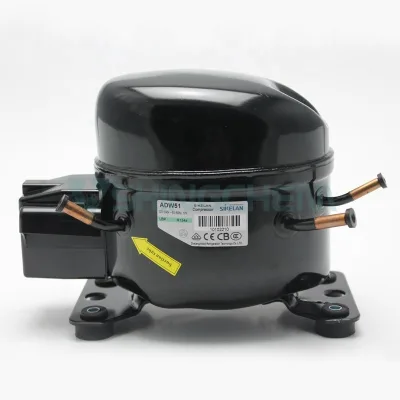
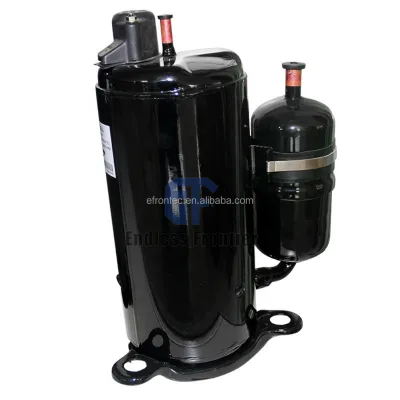
Hot Sale R290 / R407C / R410A DC Inverter Rotary Compressor 1HP 2HP for Air Conditioner
$17.80 - $18.80
MOQ: 100 pieces

Borui Si Refrigeration Technology (Shengzhou) Co., Ltd
- Verified by BV
- Combined
- China Zhejiang
- Lead time30 days
- Avg. response≤ 5h
Main marketsSoutheast Asia/ Mideast


Semi-Enclosed Refrigeration Compressor with Reliable Performance and Compact Design
$1180.00 - $1200.00
MOQ: 1 Pieces


Energy Saving Semi-Enclosed Compressor with Compact Design for Versatile Use
$1180.00 - $1200.00
MOQ: 1 Pieces


Advanced Eco-Friendly Refrigeration Compressors for Efficient Cooling Needs
$529.45 - $549.45
MOQ: 1 Pieces

Tianjin Great Air Compressor Co., Ltd.
- Verified by TUVRHEINLAND
- Manufacturer/Factory
- China Tianjin
- Lead time23 days
- Avg. response≤ 13h
Main productsScrew Air Compressor, Oil Injected Screw Compressor, Fsd Screw Air Compressor, VSD Screw Air Compressor, Pm VSD Screw Air Compressor, 2 Stage Compression Screw Compressor, Portable Screw Air Compressor, Low Pressure Screw Compressor, Air Dyer, Air Tanker
Main marketsSouth America,Eastern Europe,Mid East,North America,Southeast Asia,Eastern Asia,Oceania,Western Europe,Africa

Zhejiang Briliant Refrigeration Equipment Co., Ltd
- Verified by BV
- Combined
- China Zhejiang
- Lead time30 days
- Avg. response≤ 8h
Main productsRefrigeration Compressor, Check Valve, Refrigeration Ball Valve, Ammonia Globe Valve, Cast Steel Valve, Safety Valve, Semi-Hermetic Piston Compressor, Ammonia Check Valve, Condensing Unit, Air Cooler
Main marketsSouth America,Africa,Southeast Asia/ Mideast,East Asia(Japan/ South Korea),Domestic,Europe,North America

- Verified by TUVRHEINLAND
- Combined
- China Jiangsu
- Lead time60 days
- Avg. response≤ 1h
Main productsSteam Compressor, Centrifugal Fan, Centrifugal Blower, Regenerated Fan, Low Temperature Rise Steam Compressor, High -Speed Direct Drive Steam Compressor, Magnetic Steam Compressor, High Efficient Centrifugal Fan, Single-Stage High Speed Centrifugal Blower, Multi-Stage Centrifugal Blower
Main marketsSoutheast Asia/ Mideast,Europe

Reliable Low Temperature Rise Compressor with Frequency Conversion and Adjustment
$65000.00 - $95000.00
MOQ: 1 Pieces

Split Base Compressor with Frequency Conversion and Adjustable Speed
$65000.00 - $95000.00
MOQ: 1 Pieces

Versatile Steam Compressor with Speed Regulation and Frequency Conversion
$65000.00 - $95000.00
MOQ: 1 Pieces

Shandong Dukas Machinery Manufacturing Co., Ltd.
- Verified by TUVRHEINLAND
- Trading Company,Manufacturer/Factory
- China Shandong
- Lead time15 days
- Avg. response≤ 2h
Main productsAir Compressor, Screw Air Compressor, Air Dryer, Air Tank, Air Compressor Parts, Oil Free Air Compressor, Portable Screw Air Compressor, Pm VSD Air Compressor, 4 in 1 Air Compressor, Diesel Screw Air Compressor
Main marketsSouth America,Eastern Europe,Mid East,North America,Eastern Asia,Africa

Shenzhen Sino-Australia Refrigeration Equipment Co., Ltd.
- Trading Company
- China Guangdong
- Lead time23 days
- Avg. response≤ 2h
Main productsCondensing Units, Compressor, Evaporator/Air Cooler, Condenser, Refrigeration Parts, Boat A/C Units, Cold Room, Thermostatic Expansion Valve, Freezer, Chiller
Main marketsAfrica,Southeast Asia/ Mideast,East Asia(Japan/ South Korea),Europe,Australia

Zhejiang Kaidi Refrigeration Equipment Co., Ltd
- Verified by TUVRHEINLAND
- Combined
- China Zhejiang
- Lead time30 days
- Avg. response≤ 8h
Main productsCondensing Unit, Condenser, Air Cooler, Evaporator, Refrigeration Fittings, Compressor Unit, Freezer, Chiller, Evaporative Condensers, Receivers
Main marketsSoutheast Asia/ Mideast

Energy-Saving Green Air-Cooled Compressor for Optimal Cooling Solutions
$700.00 - $3500.00
MOQ: 1 Pieces





Comprehensive Sourcing Guide
Eco Design Inverter Compressor Supplier Concentration and Factory Types
The current supplier landscape for eco design inverter compressors reveals a distinct geographic and structural diversity that buyers must navigate carefully. Evidence indicates that suppliers are concentrated in specific manufacturing hubs within China, with notable presence in Anhui, Hebei, and Zhejiang provinces. These regions serve as primary clusters for different types of compressor technologies. For instance, suppliers in Anhui are observed to specialize in products such as inverter compressors for refrigeration parts, with specific product attributes like copper material construction and a place of origin clearly marked as Anhui, China. This suggests a localized supply chain for refrigeration components where raw material sourcing and assembly are integrated. Similarly, Zhejiang-based suppliers are identified with main products including DC compressors, 12V compressors, and miniature compressors, indicating a cluster focused on smaller, portable, or specialized cooling systems. Meanwhile, Hebei suppliers are associated with larger industrial air compressors, including screw types and permanent magnet inverter models. This geographic segmentation implies that buyers should align their sourcing strategy with the specific technical requirements of their project, as the regional concentration often correlates with specialized manufacturing capabilities and supply chain efficiencies.
Beyond geography, the types of companies operating in this sector vary significantly, influencing the nature of the engagement and the product offering. The data shows a mix of Trading Companies, Combined entities, and manufacturers with specific capabilities. For example, one supplier type is explicitly listed as a Trading Company, which may offer a broader range of products but potentially less direct control over manufacturing processes. In contrast, other suppliers are categorized as Combined or possess specific R&D capacities such as ODM, OEM, and Own brand capabilities. This distinction is crucial for buyers seeking custom eco design solutions. Suppliers with OEM and ODM capacities, such as those in Hebei offering customization for twin-screw compressors, are better positioned for buyers who need tailored specifications for energy efficiency or specific mounting configurations. Conversely, suppliers with only Own brand capabilities, like those in Zhejiang, may offer standardized products that are ready for immediate deployment but less flexible for unique engineering requirements. Understanding these company types helps buyers determine whether they need a direct factory relationship for customization or a trading partner for consolidated sourcing of standard components.
How to Verify Eco Design Inverter Compressor Suppliers
Verifying the legitimacy and capability of Eco Design Inverter Compressor suppliers requires a multi-layered approach that goes beyond basic profile reviews. One critical step is to examine the verification status and third-party certifications associated with the supplier. For instance, some suppliers in the current results are verified by TÜV Rheinland, a globally recognized testing and certification body. This verification provides a higher level of confidence regarding the supplier’s business legitimacy and operational standards. Additionally, system certifications such as ISO9001:2015 and ISO14001:2015 are present in the data for certain suppliers, particularly those in Hebei. These certifications indicate adherence to international quality management and environmental management standards, which are essential for eco design products. Buyers should prioritize suppliers who display these verifications and certifications, as they serve as objective evidence of the supplier’s commitment to quality and environmental responsibility. However, it is important to note that not all suppliers display these credentials; some may have NIL certification status, which requires further due diligence to ensure they meet the buyer’s specific compliance requirements.
Another vital aspect of verification is assessing the supplier’s responsiveness and the transparency of their product information. The response time metric provides insight into the supplier’s operational efficiency and customer service quality. For example, some suppliers demonstrate a response time of 0.04, indicating a highly responsive team, while others may have longer response times such as 6 or 12.44 hours. A faster response time often correlates with better communication throughout the procurement process, which is crucial for resolving technical queries related to eco design specifications. Furthermore, buyers should scrutinize the product evidence provided, including detailed attributes like material composition, warranty terms, and test reports. For instance, products from Anhui suppliers include specific attributes such as a 1-year warranty and copper material, along with video outgoing-inspection provisions. These details offer tangible proof of product quality and after-sales support. Buyers should also check for the availability of machinery test reports, noting that some products currently list this as "Not Available." In such cases, buyers must request additional documentation or samples to verify performance claims, ensuring that the Eco Design Inverter Compressor meets the required efficiency and durability standards before committing to an order.
What to Compare Across Eco Design Inverter Compressor Suppliers
When evaluating multiple suppliers for eco design inverter compressors, buyers must systematically compare key operational and commercial metrics to identify the most suitable partner. One of the primary dimensions for comparison is the lead time, which directly impacts inventory management and project timelines. The data shows a range of lead times, with some suppliers offering 23 days, others 25 days, and some up to 30 days. For projects with tight deadlines, suppliers with shorter lead times, such as those in Zhejiang with a 23-day lead time, may be preferable. However, buyers should also consider the complexity of the order and the customization requirements, as these factors can influence the actual delivery schedule. Additionally, the minimum order quantity (MOQ) is a critical factor, especially for small to medium-sized enterprises. Some suppliers, such as those in Hebei, have an MOQ of 1, offering flexibility for trial orders or small batches. In contrast, other suppliers may have higher MOQs, which could be a barrier for buyers testing the market or requiring limited quantities. Comparing these metrics helps buyers align their procurement strategy with their operational capacity and financial constraints.
Another essential aspect of comparison is the price range and the specific product attributes that justify the cost. The price data reveals significant variation, with some products priced as low as $30.00 for mini rotary compressors and others reaching up to $35,000.00 for large industrial air compressors. Buyers must ensure they are comparing like-for-like products, considering factors such as power source, cooling system, and type of compressor. For example, DC power compressors from Zhejiang suppliers may have different pricing structures compared to AC power twin-screw compressors from Hebei suppliers. Additionally, product attributes such as warranty period, material quality, and customization availability should be weighed against the price. Suppliers offering customization, such as those in Hebei with available customization options, may command higher prices but provide greater value through tailored solutions. Buyers should also consider the response time as an indicator of service quality, as faster responses can lead to smoother negotiations and quicker issue resolution. By systematically comparing lead times, MOQs, prices, and product attributes, buyers can make informed decisions that balance cost, quality, and service efficiency.
Common Eco Design Inverter Compressor Sourcing Risks
Sourcing eco design inverter compressors involves several inherent risks that buyers must proactively manage to ensure a successful procurement outcome. One significant risk is the variability in product quality and performance, particularly when dealing with suppliers who do not provide comprehensive test reports or certifications. For instance, some products in the current results list machinery test reports as "Not Available," which raises concerns about the verified performance of the eco design features. Without independent verification, buyers may receive products that do not meet the expected energy efficiency or durability standards. This risk is compounded by the fact that not all suppliers display third-party verifications or system certifications, such as ISO standards. Buyers must therefore conduct additional due diligence, such as requesting sample units for testing or verifying the supplier’s manufacturing processes through virtual or on-site audits. Failing to address this risk can lead to operational inefficiencies and increased maintenance costs, undermining the benefits of choosing eco design products.
Another common risk is the potential for miscommunication regarding product specifications and customization capabilities. The data shows that some suppliers offer customization, while others may have limited or no customization options. For example, suppliers in Hebei explicitly state that customization is available for their twin-screw compressors, whereas other suppliers may not highlight this capability. If buyers assume that a supplier can accommodate specific eco design requirements without confirming this in advance, they may face delays or receive non-compliant products. Additionally, the variation in response times among suppliers can indicate differences in communication efficiency. Suppliers with slower response times, such as those with a response time of 12.44 hours, may be less responsive to urgent queries or changes in order specifications. This can lead to misunderstandings and errors in the final product delivery. To mitigate these risks, buyers should establish clear communication channels, request detailed technical specifications, and confirm customization capabilities before placing orders. Regular follow-ups and clear documentation of requirements are essential to ensure that the supplier’s output aligns with the buyer’s expectations.
Eco Design Inverter Compressor Regional Sourcing and Logistics
The geographic location of suppliers plays a crucial role in determining logistics costs, lead times, and overall supply chain resilience for eco design inverter compressors. The current results highlight suppliers located in Anhui, Hebei, and Zhejiang provinces in China, each offering distinct logistical advantages. Suppliers in Anhui, for example, are associated with refrigeration parts and inverter compressors, with products weighing around 20 kg. This suggests a focus on smaller, lighter components that may be easier and less expensive to ship. In contrast, suppliers in Hebei offer larger industrial air compressors, with dimensions such as 720x720x1120mm and weights that are likely significantly higher. The logistics for these heavier, bulkier items will require more robust packaging and potentially higher shipping costs. Buyers must consider the weight and dimensions of the products when calculating total landed costs, as these factors can significantly impact the overall budget. Additionally, the proximity of the supplier to major shipping ports or logistics hubs can influence transit times and availability of freight options.
Regional sourcing also affects the ability to manage inventory and respond to market demands. Suppliers in Zhejiang, for instance, are noted for their fast response times and focus on DC compressors and miniature systems. This region’s specialization in smaller, high-efficiency products may allow for more flexible inventory management, as these items can be stored more easily and shipped in smaller batches. On the other hand, suppliers in Hebei offering large-scale industrial compressors may require more advanced logistics planning, including the coordination of heavy freight and specialized handling. Buyers should evaluate the logistical capabilities of each region in the context of their own distribution network. For example, if a buyer has a distribution center near a major port, sourcing from suppliers in Hebei might be more efficient for large orders. Conversely, for buyers requiring frequent, smaller replenishments, suppliers in Zhejiang with faster response times and smaller product sizes may be more suitable. Understanding these regional logistical dynamics helps buyers optimize their supply chain and reduce the risk of delays or excessive shipping costs.
Eco Design Inverter Compressor Commercial Terms and Order Planning
Effective order planning for eco design inverter compressors requires a thorough understanding of the commercial terms offered by suppliers, including pricing structures, warranty policies, and payment conditions. The price data indicates a wide range, from $30.00 for mini rotary compressors to $35,000.00 for large industrial units. Buyers must carefully analyze these prices in the context of the product specifications, such as power source, cooling system, and type of compressor. For instance, DC power compressors from Zhejiang suppliers may have different pricing dynamics compared to AC power twin-screw compressors from Hebei suppliers. Additionally, buyers should consider the warranty terms, which are explicitly stated for some products. For example, products from Anhui suppliers offer a 1-year warranty, providing
FAQs
What is the price range for inverter compressors?
Inverter compressor prices vary significantly by type and application. Mini rotary compressors for windows AC units start at $30, while larger stationary permanent magnet integrated inverter air compressors range from $2,500 to $35,000. Specific models like the SPM140 fall within this higher tier, reflecting industrial capacity and energy-saving features.
Where are these compressors manufactured?
Manufacturing locations for these compressors include Anhui, China, and Hebei, China. Some suppliers also operate in Zhejiang, China. These regions specialize in different compressor types, from refrigeration parts to industrial air compressors, ensuring diverse production capabilities for various buyer requirements and supply chain needs.
What certifications do suppliers hold?
Certification status varies by supplier. Some manufacturers hold ISO9001:2015 and ISO14001:2015 certificates, with verification by TÜV Rheinland. Other suppliers may have no listed system certifications. Buyers should verify specific compliance documents directly with suppliers to ensure alignment with local regulatory standards and quality expectations.
How fast do suppliers respond?
Response times differ among suppliers, ranging from 0.04 hours to 12.44 hours. Some trading companies respond within six hours, while others may take longer. Faster response times often indicate higher availability and readiness to engage, which is crucial for urgent sourcing needs and quick project initiation.
What are the typical lead times?
Lead times generally range from 23 to 30 days depending on the supplier and product complexity. Some manufacturers offer a 23-day turnaround, while others require up to 30 days for production and shipping. These timelines apply to standard orders and may vary based on customization or volume.
What is the minimum order quantity?
Minimum order quantities can be as low as one unit for certain industrial air compressors. This flexibility allows buyers to test products or order small batches without significant commitment. However, specific MOQs may vary by product type, so confirming details with the supplier is recommended for accurate planning.
What warranty is provided?
Many inverter compressors come with a one-year warranty. This coverage typically applies to standard models like the TECHSUN inverter compressor. Buyers should verify warranty terms, including coverage scope and claim procedures, directly with the supplier to ensure adequate protection for their investment and operational continuity.