eco-friendly bamboo cake stands Suppliers and Manufacturers
Compare 32 verified suppliers offering eco-friendly bamboo cake stands with FSC and BSCI certifications. Review response times, lead times, and MOQs to source customized wooden cake displays from Guangdong or Fujian factories; review the available evidence before requesting comparable quotations from suitable candidates.
Updated
Suppliers List
Jiangmen Expands Handicraft Co.,Ltd
- Verified by Intertek
- Manufacturer, Trading Company
- Lead time25 days
- Avg. response≤ 2h
Main productsWood Box, Pepper Mill, Wooden Bowl, Cutting Board, Wooden Tray
Main marketsNorth America(50%), Domestic Market(28%), Eastern Europe(12%)

Fujian Hoyee Household Items Co., Ltd.
- Verified by BV
- Manufacturer/Factory
- China Fujian
- Lead time0 days
- Avg. response≤ 6h
Main productsBamboo Products, Cutting Board, Bathtub Caddy, Bath Mat, Bath Towel Rack, Shoes Rack, Office Organizer, Desk Organizer, Cheese Board, Serving Tray


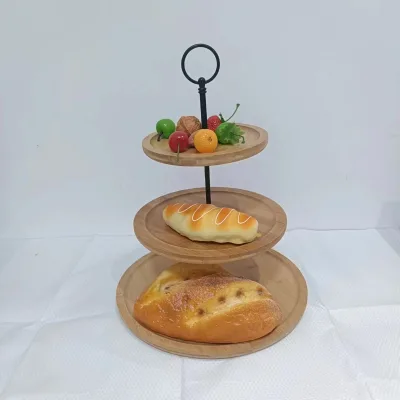
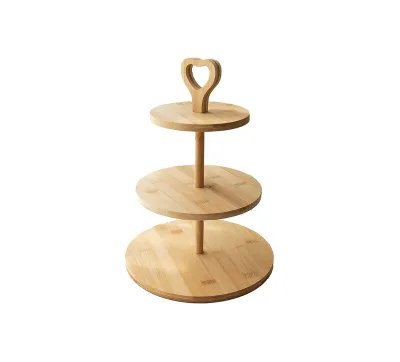
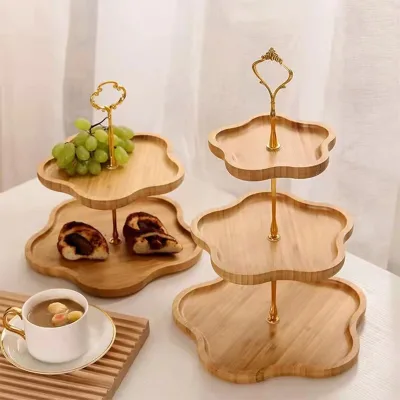
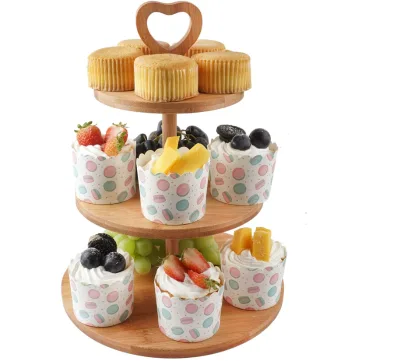
3-Tier Wood Cake Stand Dessert Stand Cupcake Stand Tea Party Serving Platter
$15.30 - $16.70
MOQ: 1000 Pieces

Fujian Hoyee Household Items Co., Ltd.
- Manufacturer, Trading Company
- Fujian, China
- Lead time30 days
- Avg. response≤ 2h
Main productsWood & Bamboo Products
Main marketsWestern Europe(30.00%), North America(30.00%), Northern Europe(15.00%), Southeast Asia(15.00%), South Asia(5.00%), South America(5.00%)

- Verified by BV
- Trading Company
- China Zhejiang
- Lead time30 days
- Avg. response≤ 12h
Main productsLunch Box
Main marketsSouth America,Africa,Southeast Asia/ Mideast,East Asia(Japan/ South Korea),Europe,Australia,North America
Xiamen Eco Go Industry Co., Ltd.
- Verified by Intertek
- Trading Company
- Lead time0 days
- Avg. response≤ 4h
Main productsBamboo and Wooden Kitchenware, Bamboo and Wooden Office Items, Bamboo and Wooden Bathroom Items, Bamboo and Wooden Household Items
Main marketsNorth America(50%), Western Europe(38%), Northern Europe(5%)
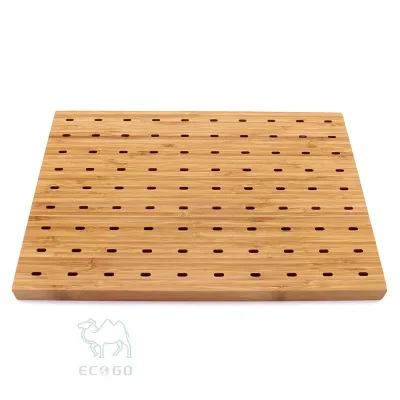
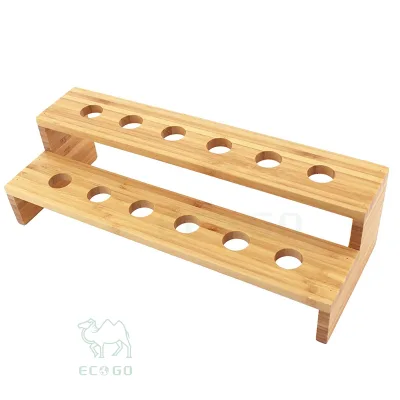
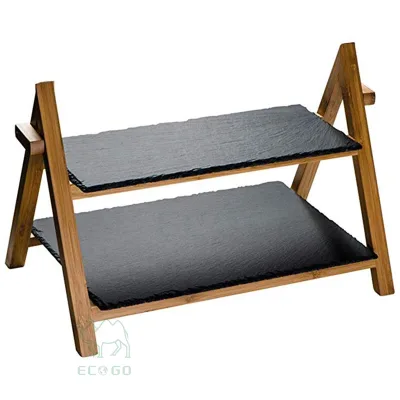
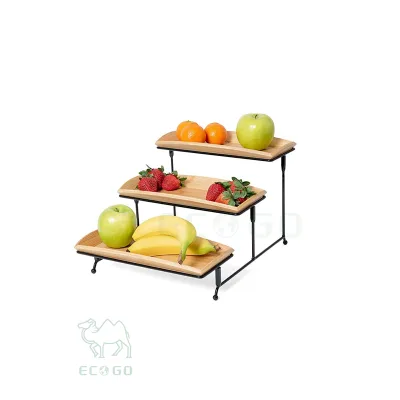
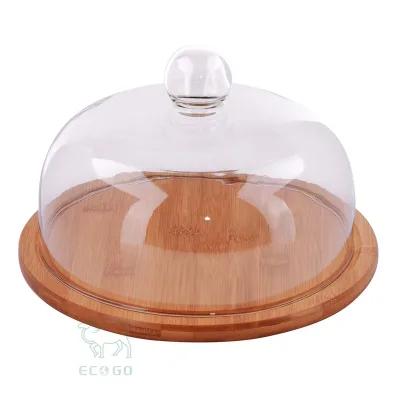
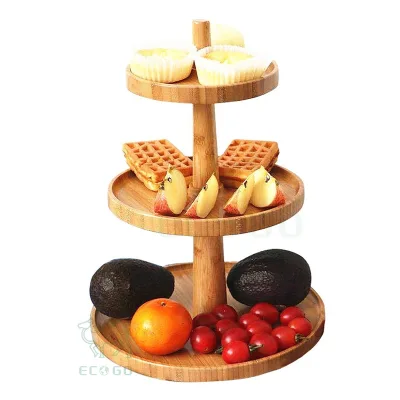
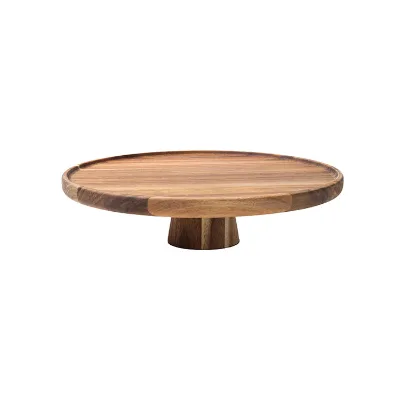
Medium - Sized Round Bamboo Cake Stand for Home Baking Show
MOQ: 500 Minimum
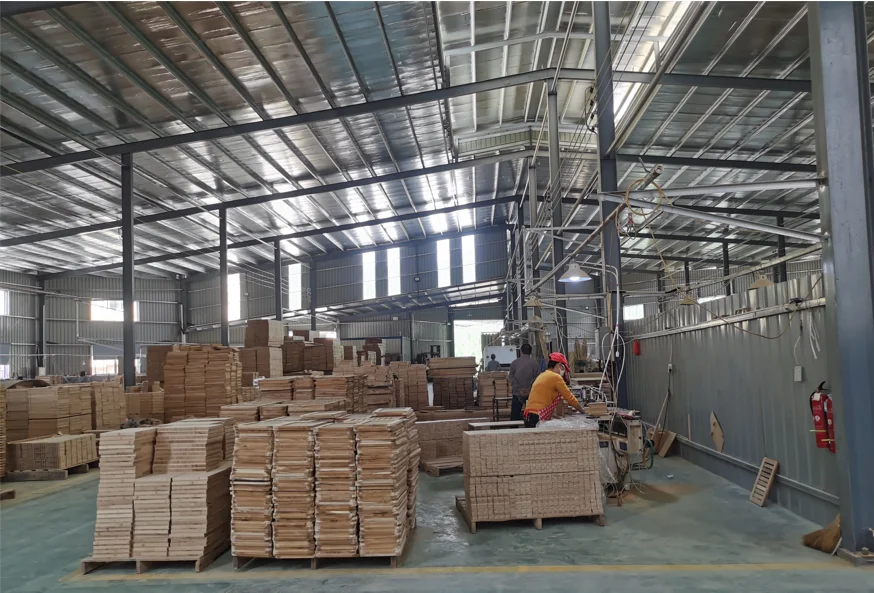
Fujian Fuboo Bamboo And Wood Products Co., Ltd.
- Trading Company
- Fujian, China
- Lead time30 days
- Avg. response≤ 12h
Main productsBamboo Kitchen Products,Bamboo Office Organizer,Bamboo Bathroom Accessories,Bamboo Household Products
Main marketsNorth America(60.00%), Western Europe(10.00%), Oceania(10.00%), Southern Europe(5.00%), Northern Europe(5.00%), Eastern Europe(5.00%), South America(5.00%)

Shaowu City Nafu Bamboo and Wood Industry Co., Ltd.
- Manufacturer
- China Fujian
- Lead time15 days
- Avg. response≤ 16h
Main productsBamboo and Wood Cutting Board Cheese Board, Bamboo and Wood Storage Box, Bamboo and Wood Plate, Bamboo and Wood Tray, Marble Wood Cheese Board, Bamboo and Wood Table, Bamboo and Wood Bathroom Products, Bamboo and Wood Shelf, Bamboo and Wood Kitchen Utensil, Bamboo and Wood Bowl
Main marketsEast Asia(Japan/ South Korea),Domestic,Europe,Australia,North America


Three Layer Bamboo and Wood Dried Fruit Tray Compartment Snack Cake Tray Cake Stand for Wedding
$2.00 - $5.00
MOQ: 300 Pieces

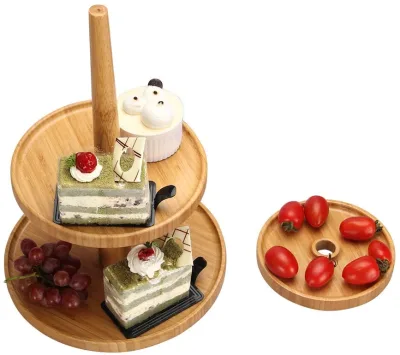
2 Tier Wood Cup Cake Stand Acacia Cake Stand Fruit Dessert Display for Wedding
$2.00 - $4.00
MOQ: 300 Pieces


Wood Candy Dessert Cupcake Cake Stand Tiered Serving Tray Cake Plate Stand
$5.50 - $6.50
MOQ: 300 Pieces
Fujian Sanming Zhimei Houseware Co., Ltd.
- Verified by TüVRheinland
- Manufacturer, Trading Company
- Lead time40 days
- Avg. response≤ 5h
Main productsBamboo Household Products
Main marketsNorth America(85%), Western Europe(15%)
$7.89 - $8.50
MOQ: 300 pieces
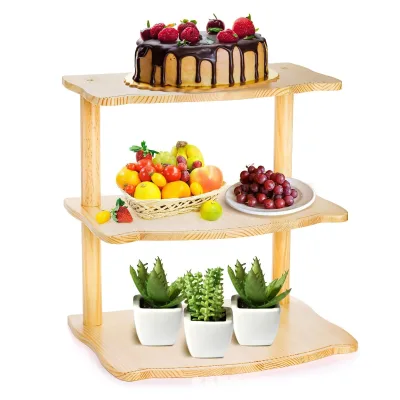
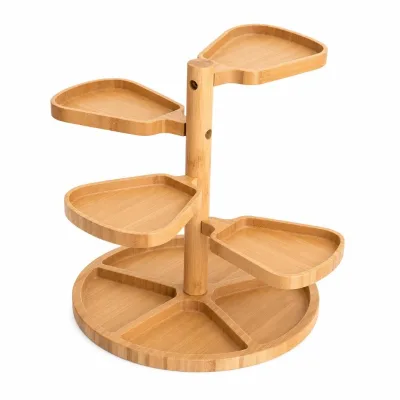
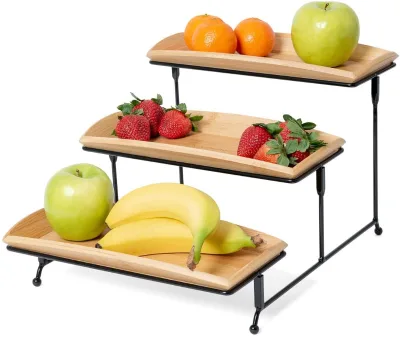
Hot Selling 3-Tier Irregular Classic Bamboo Wood Cake Stand Multifunctional Use Cupcake Display Tray
$10.50 - $11.20
MOQ: 300 pieces

XIAMEN TWO CITY IMP AND EXP CO., LTD.
- Verified by SGS
- Trading Company
- China Fujian
- Lead time30 days
- Avg. response≤ 7h
Main productsBamboo Panel, Bamboo Plywood, Bamboo Cutting Board, Bamboo Chopping Board, Bamboo Products, Bamboo Kitchenware, Bamboo Tableware, Bamboo Furniture, Wood Product, Wood Root Carving Product
Main marketsSoutheast Asia/ Mideast,Europe,North America

Bamboo Cupcake Stand 4 Tiered Tray Stand, Cupcake Tower Stand 50 Cupcakes, Wood Cake Stand
$5.05 - $6.63
MOQ: 500 Pieces

Wholesale 2 Tier Bamboo Cake Stand Restaurant Tiered Serving Tray Cupcake Stand
$3.05 - $4.42
MOQ: 500 Pieces

Acacia Wood Round Wooden Cupcake Tower Stand Rustic Dessert Cake display Stands
$5.05 - $7.63
MOQ: 500 Pieces

Factory Price Bamboo Cake Stand Serving Tray Table Centerpiece Display Stand
$3.05 - $4.42
MOQ: 500 Pieces

Cheap Price Natural Rustic Cake Stand Wooden Cake Stand Slab Slice Tray Wood Slice Cake Stand
$3.05 - $4.63
MOQ: 500 Pieces

Xiamen Homex Houseware Co., Ltd.
- Verified by TüVRheinland
- Manufacturer, Trading Company
- Lead time60 days
- Avg. response≤ 5h
Main productsBamboo & Wood Bathroom Items, Bamboo & Wood Housewares, Bamboo & Wood Kitchenware, Bamboo & Wood Home Furniture, Bamboo & Wood Drawer Organizer
Main marketsNorth America(80%), Western Europe(20%)
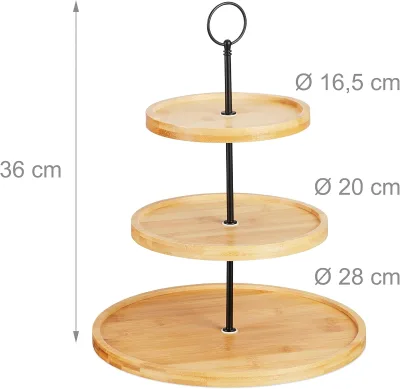
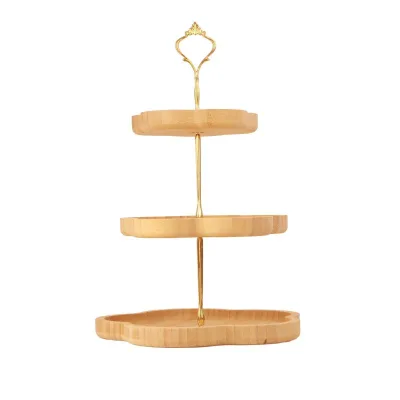
3 Tier Bamboo Cake Snacks Fruit Metal Handle Serving Stand Cake Carrier for Desserts
$4.50 - $5.50
MOQ: 500
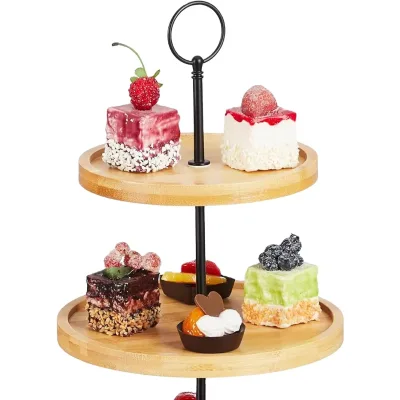
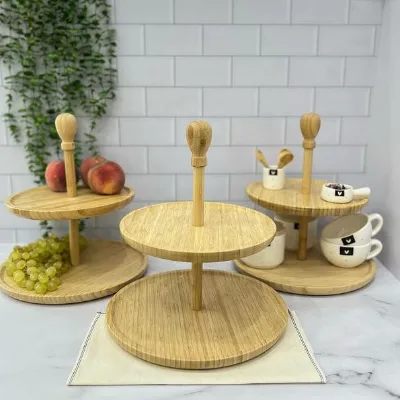
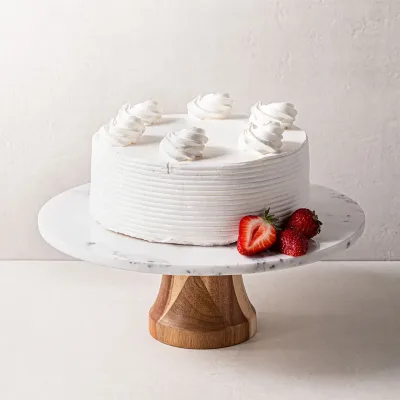
Free Standing Portable Bamboo Cake Stand with Handle for Party Wedding Decorative
$4.6153 - $5.6407
MOQ: 500 pieces
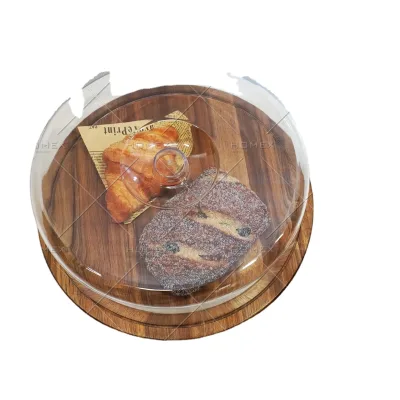
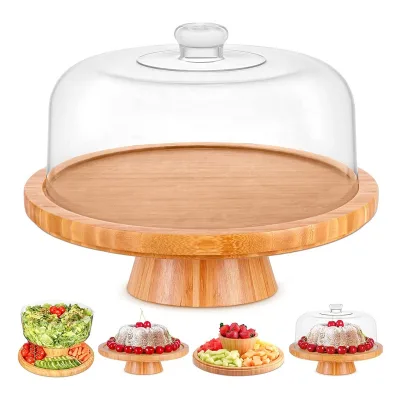
2024 New Arrivals Wood Cake Plate with Acrylic Lid Cake Stand with Lid for Birthday Party
$4.3173 - $10.1407
MOQ: 500 pieces
Fujian Bamboo Element Industry And Trade Co., Ltd.
- Trading Company
- Fujian, China
- Lead time35 days
- Avg. response≤ 7h
Main productsBamboo And Wood Organization,Kitchenware accessories,Bamboo plate&dish,Bathroom products,Bamboo cutting board
Main marketsSouth America(70.00%), Western Europe(10.00%), Eastern Europe(10.00%), Oceania(5.00%)
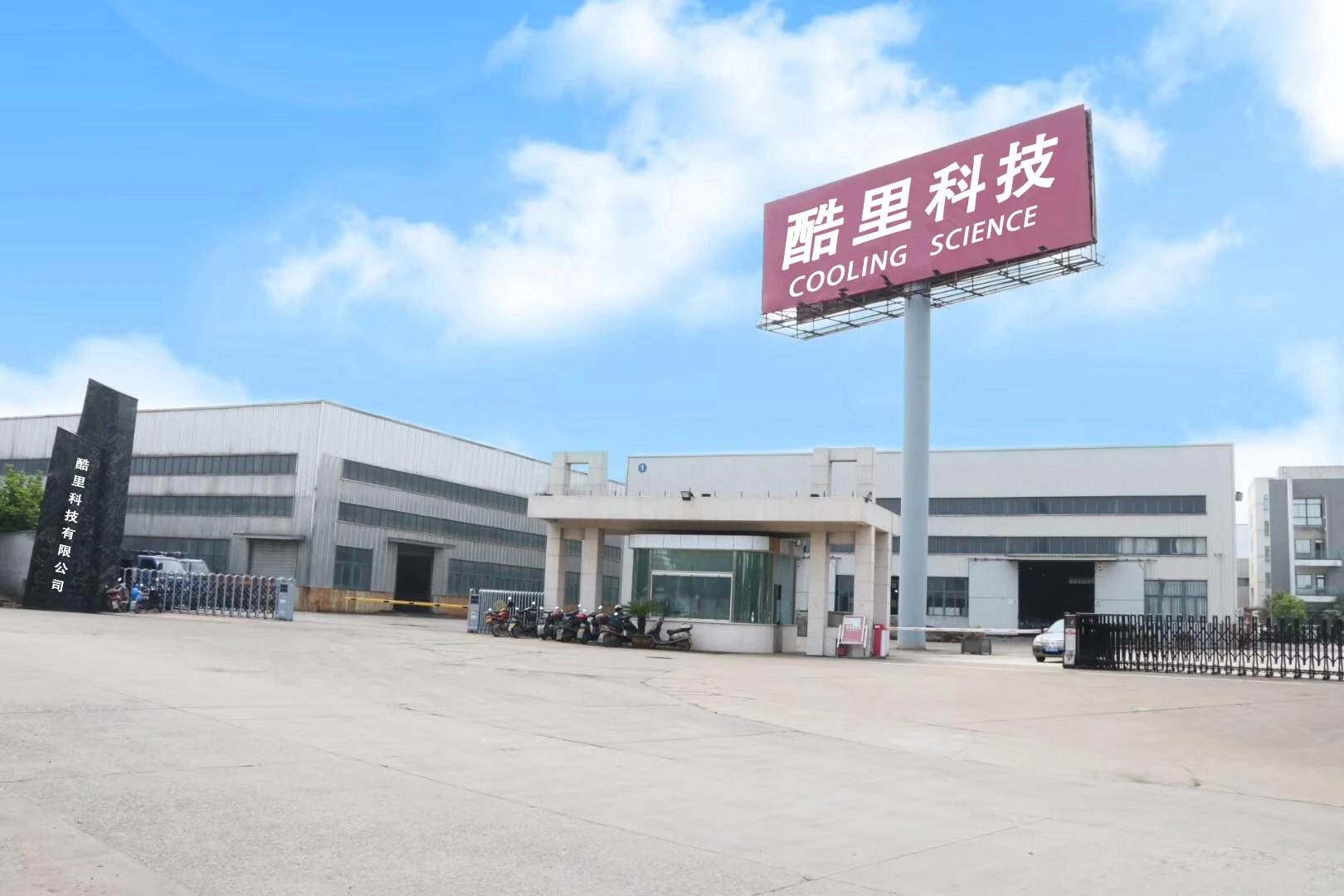
Hefei Cooling Science And Technology Co., Ltd.
- Manufacturer, Trading Company
- Anhui, China
- Lead time50 days
- Avg. response≤ 9h
Main productsTableware,Organizer,Home decoration,Kitchenware,Servingware
Main marketsEastern Europe(25.00%), Western Europe(15.00%), Southern Europe(15.00%), North America(12.00%), Northern Europe(11.00%), Central America(9.00%), Southeast Asia(8.00%), South America(5.00%)
Fujian Bridge Style Furnishings Co., Ltd.
- Verified by TüVRheinland
- Trading Company
- Lead time45 days
- Avg. response≤ 2h
Main productsCutting Board, Cheese Board, Bamboo Drawer Organizer, Bath Tray, Bamboo Storage Box
Main marketsNorth America(60%), Western Europe(40%)

Shuifu Huiyang Agricultural Technology Co., Ltd.
- Verified by SGS
- Trading Company
- China Yunnan
- Lead time23 days
- Avg. response≤ 3h
Main productsBamboo Products, Bamboo Crafts, Bamboo Chopsticks, Bamboo Skewers, Bamboo Weaving, Bamboo Tray, Bamboo Box, Bamboo Placemat, Bamboo Fruit Bowl, Lamp Shades
Main marketsDomestic

Guangzhou Yinhao Hotel Equipment Co., Ltd.
- Verified by SGS
- Trading Company
- China Guangdong
- Lead time15 days
- Avg. response≤ 9h
Main productsChafing Dish
Main marketsDomestic

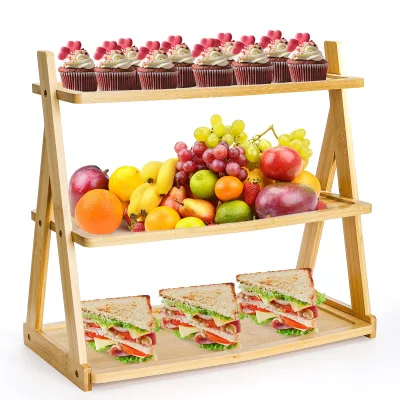
Eco-Friendly Three-Layer Shallow Dessert Rack Afternoon Tea Cake Display Stand
$22.00 - $32.00
MOQ: 1 Pieces

Ningbo Green Time Commodity Co., Ltd.
- Trading Company
- Zhejiang, China
- Lead time45 days
- Avg. response≤ 6h
Main productsBamboo Fiber Trash Can,Bamboo Fiber Kitchenware,PLA Kitchenware,Bamboo Kitchenware,Plastic Storage Box
Main marketsNorth America(40.00%), Western Europe(20.00%), Northern Europe(20.00%), Southern Europe(10.00%), South America(10.00%)
Cao County Jinpengyuan Container Packaging Co., Ltd.
- Verified by SGS Group
- Manufacturer, Trading Company
- Lead time30 days
- Avg. response≤ 4h
Main productsOak Barrel, Wooden Box, Wood Tray, Fumigator, Cutting Board
Main marketsDomestic Market(30%), North America(15%), South America(10%)
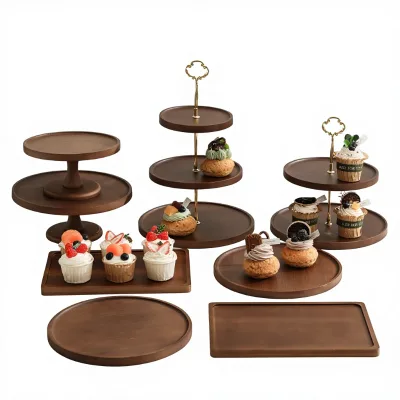
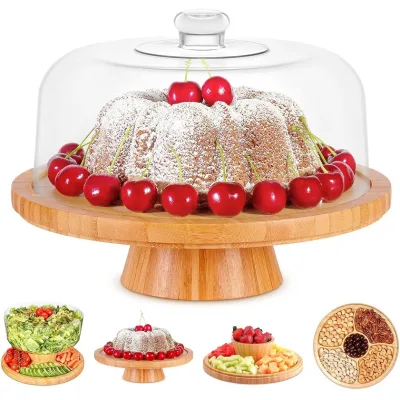
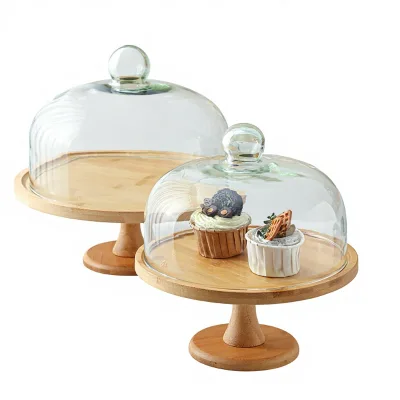
$5.00 - $6.20
MOQ: 200 pieces
Fuzhou Jiashu Import And Export Co.,ltd.
- Trading Company
- Fujian, China
- Lead time40 days
- Avg. response≤ 5h
Main productsWood/Bamboo Cutting Board, Wood/Bamboo Cheese Board Set, Wood/Bamboo Tray, Wood/Bamboo Bowls, Wood/Bamboo Cake Stand
Main marketsNorth America(35.00%), Western Europe(35.00%), Mid East(30.00%)
Cao County Kailiyang Handicrafts Co., Ltd.
- Manufacturer, Trading Company
- Shandong, China
- Lead time0 days
- Avg. response≤ 1h
Main productsWood Box,Wood Tray,Wood Shelf,Wood Craft
Main marketsNorth America(45.00%), Oceania(15.00%), Domestic Market(10.00%), Eastern Europe(5.00%), Southeast Asia(5.00%), Eastern Asia(5.00%), Western Europe(5.00%), Northern Europe(5.00%), South Asia(5.00%)
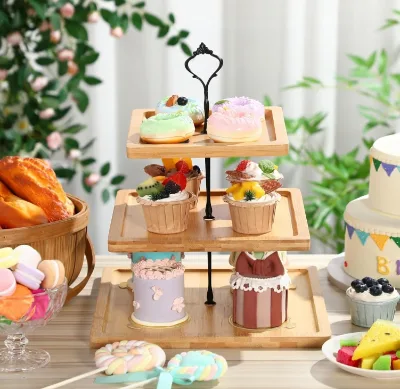
$4.512 - $4.717
MOQ: 300 pieces
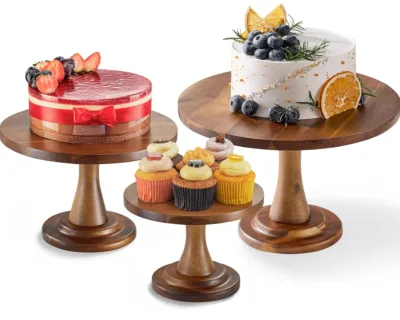
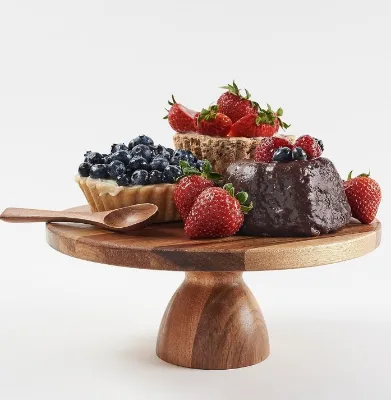
$4.8203 - $5.0254
MOQ: 300 pieces
Shandong Lufan Trading Co., Ltd.
- Verified by SGS Group
- Manufacturer, Trading Company
- Lead time25 days
- Avg. response≤ 4h
Main productsWooden Products, Home Decorations, Outdoor Garden Furniture, Kitchen Home Storage, Hotel and Bar Supplies
Main marketsWestern Europe(20%), Southern Europe(20%), North America(10%)
Wuyuan Meimei Houseware Co., Ltd.
- Verified by Intertek
- Manufacturer, Trading Company
- Lead time15 days
- Avg. response≤ 2h
Main productsWood Rolling Pin, Wood Cutting Board, Wood Lemon Juicer, Wood Meat Hammer, Wood Tray
Main marketsDomestic Market(72%), North America(25%), Mid East(3%)

Foshan Ron Hospitality Supplies Co., Ltd.
- Verified by BV
- Manufacturer/Factory,Group Corporation
- China Guangdong
- Lead time45 days
- Avg. response≤ 2h
Main productsRestaurant Furniture, Restaurant Booth, Restaurant Chair, Restaurant Table, Bar Stools, Wedding Chairs, Flatware Sets, Dinnerware Sets, Garden Chairs, Disposable Dinnerware & Tableware
Main marketsSouth America,Eastern Europe,Mid East,North America,Southeast Asia,Eastern Asia,Oceania,Western Europe,Africa

Eagle Catering Equipment Co., Ltd.
- Manufacturer/Factory
- China Guangdong
- Lead time30 days
- Avg. response≤ 10h
Main productsTrolleys, Gastronorm Containers, Table, Shelves, Sink, Barrier Post, Cookware, Buffetware, Barware, Kitchen Utensils
Main marketsSouth America,Eastern Europe,Mid East,North America,Southeast Asia,Eastern Asia,Oceania,Western Europe,Africa
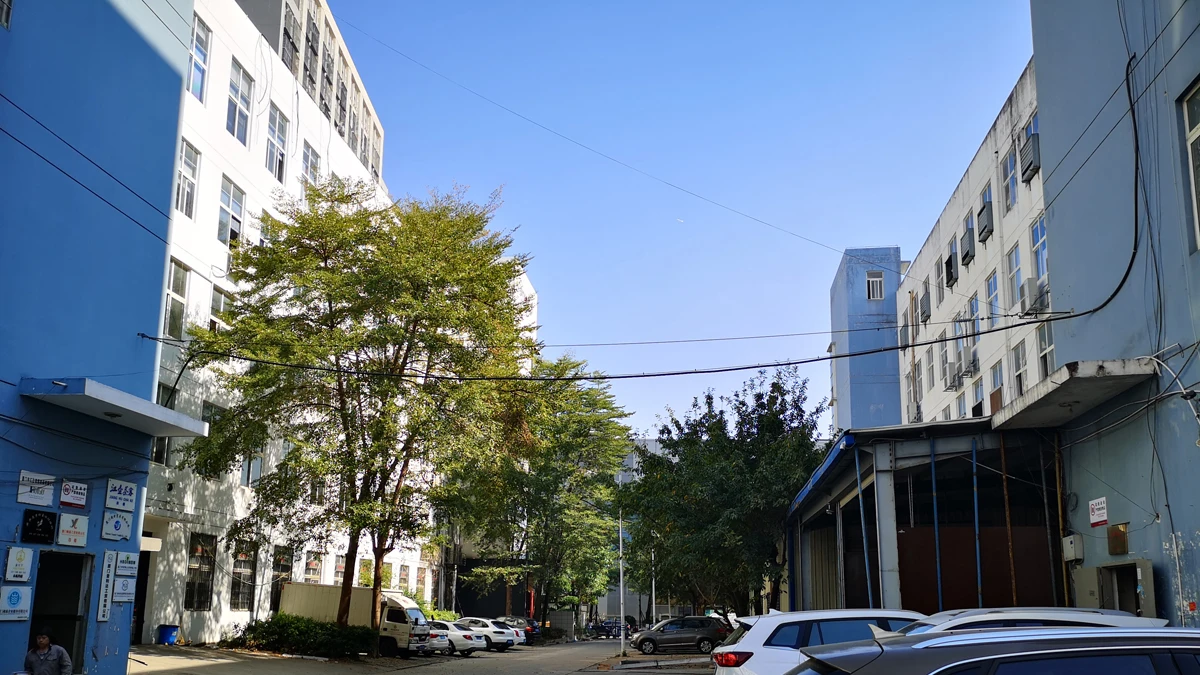
Xiamen Ehang Household Products Co., Ltd.
- Trading Company
- Fujian, China
- Lead time37 days
- Avg. response≤ 5h
Main productsKitchenware,bamboo and wooden products,Houseware,Kitchen gadgets,Garden
Main marketsSoutheast Asia(20.00%), North America(20.00%), Southern Europe(10.00%), Northern Europe(10.00%), Western Europe(10.00%), South America(10.00%), Eastern Europe(10.00%), Central America(5.00%), Domestic Market(1.00%), Mid East(1.00%), Oceania(1.00%), Eastern Asia(1.00%), Africa(1.00%)
Heze Longyipan Crafts Co., Ltd.
- Verified by SGS Group
- Manufacturer, Trading Company
- Lead time45 days
- Avg. response≤ 2h
Main productsKitchenware, Pet Supplies, Storage Box, Wooden Storage Shelf
Main marketsNorth America(50%), South America(15%), Eastern Europe(15%)
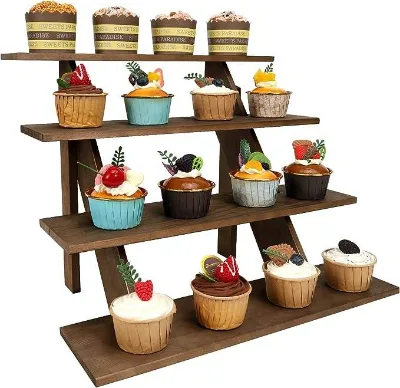
$6.1108 - $7.1287
MOQ: 300 pieces
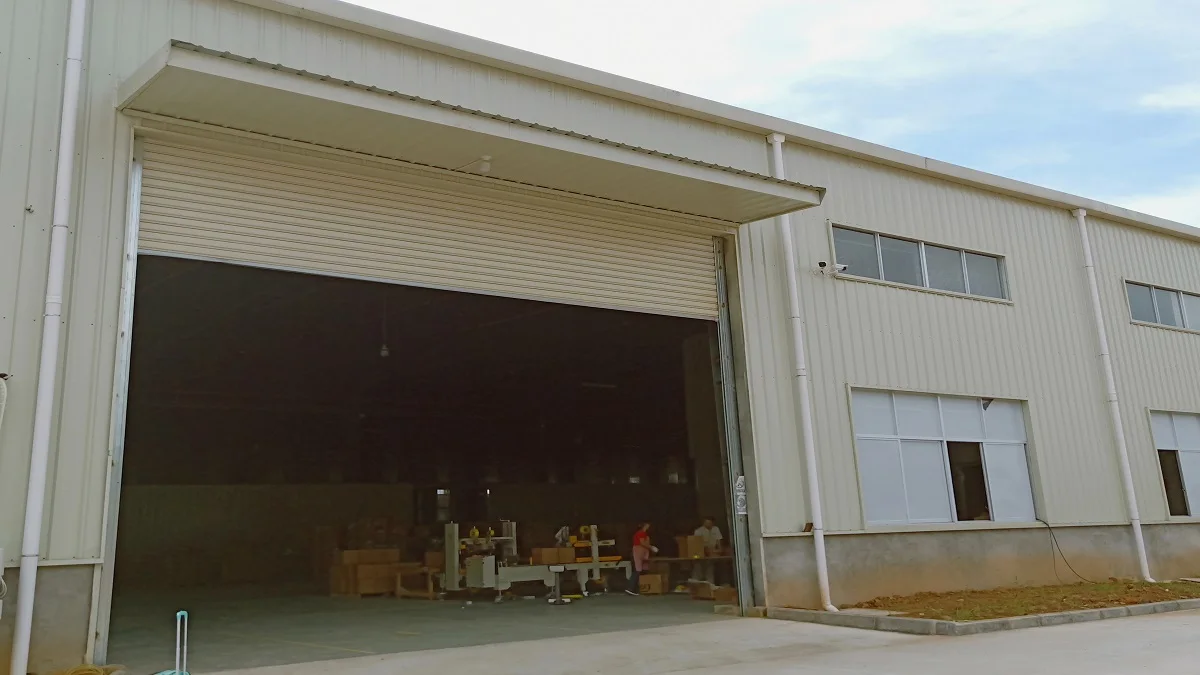
Zhangzhou Addreen Bamboo Co., Ltd.
- Manufacturer, Trading Company
- Fujian, China
- Lead time30 days
- Avg. response≤ 3h
Main productsBathroom rack,Bamboo Cutlery Tray,Bamboo Stash Box,Bamboo Cheese Board Set,Chopping board
Main marketsNorth America(35.00%), South America(22.00%), Mid East(15.00%), Eastern Europe(13.00%), Western Europe(8.00%), Northern Europe(4.00%), Southern Europe(3.00%)

- Verified by BV
- Manufacturer/Factory
- China Fujian
- Lead time15 days
- Avg. response≤ 25h
Main productsWater Bottle, Kitchen Ware, Shoes, Plastic Product, Bag, Toy
Main marketsSouth America,Eastern Europe,Mid East,North America,Southeast Asia,Eastern Asia,Oceania,Western Europe,Africa
Caoxian Kangyi Wood Products Co., Ltd.
- Manufacturer, Trading Company
- Lead time旺季: "1 - 2000":35,"> 2000":"To be negotiated", 淡季: "1 - 2000":35,"> 2000":"To be negotiated"
- Avg. response≤ 2h
Main productsWooden Tableware, Serving Trays, Small Furniture, Wooden Outdoor Goods
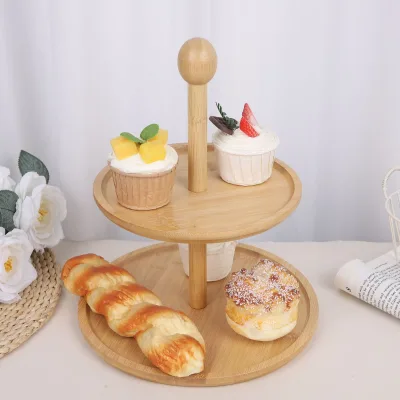
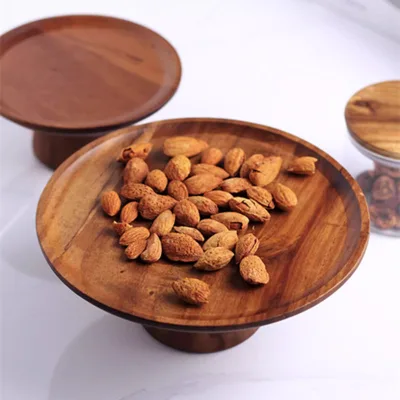
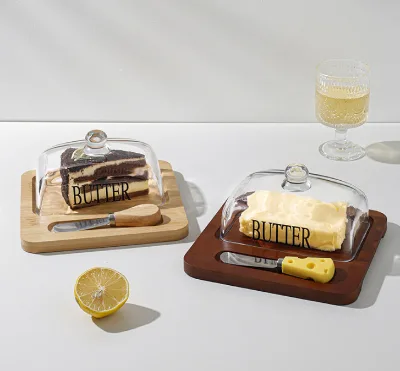
Hot Selling Unique Bamboo Rectangular Cake Holder Dessert Table Display Set & Charcuterie Board
$2.9715 - $4.1497
MOQ: 500 pieces
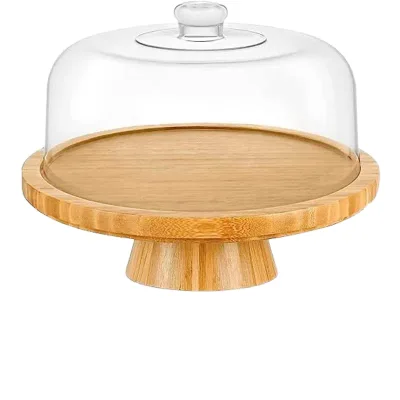
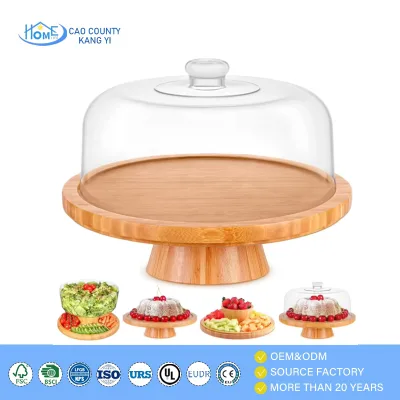
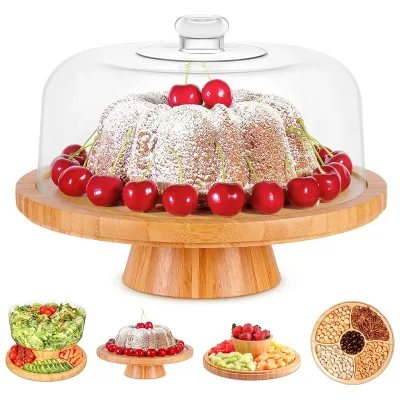
Fancy Wedding Round Bamboo Cake Display With Acrylic Lid Very Suitable for Holding Cakes
$7.4491
MOQ: 10 Minimum

Lihao Houseware (Guangzhou) Co., Ltd
- Verified by SGS
- Manufacturer/Factory,Other
- China Guangdong
- Lead time23 days
- Avg. response≤ 2h
Main productsHotel Restaurant Supplies, Hotel & Restaurant Essentials, Catering Equipment, Commercial Catering Equipment, Chafing Dishes & Food Warmers, Hotelware, Buffet Serving Ware, Tableware (Dinnerware / Cutlery), Glassware, Food Display Stand
Main marketsSouth America,Eastern Europe,Mid East,North America,Southeast Asia,Eastern Asia,Oceania,Western Europe,Africa
Jiangmen HC Koinen Hardware Factory
- Manufacturer
- China Guangdong
- Lead time30 days
- Avg. response≤ 3h
Main productsStainless Steel and Wood Kitchenware, Coffee Maker, Camping Product, Chafing Dish, Cutting Board, Buffet Products
Main marketsSoutheast Asia/ Mideast,Europe,North America

Dongguan Welm Eco Packaging Tech Co., Ltd.
- Verified by BV
- Combined
- China Guangdong
- Lead time30 days
- Avg. response≤ 3h
Main productsPizza Box, Gift Box, Burger Box, Takeaway Box, Kraft Paper Bag, Greaseproof Paper, Gift Paper Bag, Fries Box, Mailer Box, Fried Chicken Box
Main marketsSouth America,Africa,Others(foreignTradeCapacity.exportBusinessCapacityMarketOther),Southeast Asia/ Mideast,Europe,Australia,North America

Custom Eco Friendly Christmas Fashion Afternoon Tea Cake Dessert Display Stand with Cover
$0.50 - $2.00
MOQ: 3000 Pieces

New Fashion 4-Pack Cardboard Cupcake Stand Dessert Paper Cake Display Stand
$0.50 - $2.00
MOQ: 3000 Pieces

$0.50 - $2.00
MOQ: 3000 Pieces

High Quality Round Paperboard 4 Layer Dessert Cake Cupcake Stand with Transparent and Paper Cover
$0.50 - $2.00
MOQ: 3000 Pieces

Yiwu Tengsheng Paper Products Co., Limited
- Verified by BV
- Combined
- China Zhejiang
- Lead time23 days
- Avg. response≤ 4h
Main productsPaper Cupcake Liners, Paper Doilies, Paper Cupcake Boxes, Paper Plates, Cupcake Toppers, Paper Straws
Main marketsSoutheast Asia/ Mideast,Domestic,Europe,Australia,North America








Comprehensive Sourcing Guide
Eco-Friendly Bamboo Cake Stands Supplier Concentration and Factory Types
The current supplier landscape for eco-friendly bamboo cake stands reveals a mix of manufacturer and trading company entities, with a total of thirty-two active results available for evaluation. These suppliers primarily operate as manufacturers or factories, indicating a direct production capability rather than pure intermediation. The main product portfolios consistently feature items such as wooden bowls, cutting boards, and various serving trays alongside the core cake stand offerings. This concentration suggests that specialized production lines exist for bamboo and wood processing, allowing for integrated manufacturing of related kitchenware items. Buyers should note that the company types listed include both pure manufacturers and trading companies, which may influence the depth of technical support and customization flexibility available during the sourcing process.
Geographic concentration is a critical factor when assessing these suppliers, as specific regions often host clusters of expertise. One verified location identified in the results is Guangdong, China, where several products originate, while another entry points to Fujian, specifically Fuzhou, as a production hub. These regions are known for their established wood and bamboo processing industries, which can impact material quality and shipping logistics. When a specific location is not explicitly confirmed in the search results, buyers must verify the factory's actual address to determine if they are operating within a recognized industrial cluster. Understanding the factory type and location helps in predicting lead times and the ability to handle complex customization requests, as manufacturers in these clusters often possess the necessary machinery for light and graphic processing.
How to Verify Eco-Friendly Bamboo Cake Stands Suppliers
Verification of supplier credibility relies heavily on third-party audit reports and system certifications rather than self-declared claims. In the current results, specific verification bodies such as Intertek and BV have been noted as having conducted assessments on certain suppliers. These external validations provide a higher degree of confidence regarding the supplier's operational stability and compliance with international standards. Additionally, system certifications like FSC and BSCI are present in the data, indicating that some suppliers adhere to forest management standards and social compliance requirements. Buyers should prioritize suppliers who can present these specific certificates, as they serve as tangible proof of ethical sourcing and quality management systems.
Beyond certifications, the response time and verification status offer immediate indicators of supplier reliability. The data shows response times ranging from two hours to over five hours, with some suppliers demonstrating faster engagement capabilities. A shorter response time often correlates with a more active sales team and better communication channels, which is crucial for resolving issues during the sampling phase. Buyers must also check if the supplier is marked as verified by the platform, as this status often requires meeting specific criteria regarding business license validity and transaction history. When verification details are missing or ambiguous, the buyer should request direct copies of the certificates and ask for a video tour of the facility to confirm the existence of the claimed manufacturing capabilities before proceeding with any order.
What to Compare Across Eco-Friendly Bamboo Cake Stands Suppliers
Comparing suppliers requires a detailed analysis of key operational metrics such as lead time, minimum order quantity, and pricing structures. The observed data indicates lead times can vary significantly, with some entries showing a standard twenty-five-day window while others list zero days, likely indicating sample availability or immediate stock. Minimum order quantities (MOQ) also differ, ranging from one hundred pieces for certain cake stands to five hundred or even one thousand pieces for larger serving trays. Buyers must align these MOQs with their inventory needs, as ordering below the threshold may not be feasible, while exceeding it could tie up capital unnecessarily. Pricing is another variable, with unit costs observed between $2.50 and $16.80 depending on the product complexity, tier count, and material composition.
Beyond the basic metrics, customization capabilities and product attributes are essential comparison points. The results highlight that many suppliers offer OEM and ODM services, with features like custom logos, laser engraving, and specific size adjustments available. Some suppliers support graphic processing and sample processing, which is vital for brands requiring unique designs. Buyers should compare the sample lead times, which range from three to seven working days, to gauge how quickly they can validate product quality. Additionally, the main product lists vary, with some suppliers focusing exclusively on bamboo items while others offer a broader range of wooden kitchenware. Evaluating these factors helps in selecting a partner that can scale with the buyer's specific branding and volume requirements without compromising on the eco-friendly nature of the materials.
Common Eco-Friendly Bamboo Cake Stands Sourcing Risks
One significant risk in sourcing eco-friendly bamboo products involves the inconsistency of material quality and the potential for misrepresentation of the "eco-friendly" claim. While certifications like FSC are present, buyers must ensure that the bamboo used is sustainably harvested and that the processing does not involve harmful chemicals that would negate the environmental benefits. The product attributes often list materials as bamboo or wood, but the specific species, such as acacia or teak, can vary and affect durability and appearance. Without a clear specification, a buyer might receive a product that does not meet their aesthetic or functional standards, leading to returns or reputational damage. It is crucial to request detailed material specifications and test reports to confirm the composition and safety of the finished goods.
Another risk relates to the reliability of lead times and the ability to meet production schedules. The data shows a wide variance in lead times, with some suppliers listing zero days while others require twenty-five days. This inconsistency can disrupt supply chains, especially for time-sensitive events like weddings or seasonal promotions. If a supplier fails to meet the agreed-upon delivery date, the buyer may face stockouts or increased shipping costs to expedite orders. Furthermore, the presence of trading companies alongside manufacturers introduces a layer of complexity where communication gaps can occur. Buyers should verify the actual production capacity and request a written production schedule to mitigate the risk of delays. Ensuring that the supplier has the capacity for light customization and sample processing is also key to avoiding bottlenecks during the initial development phase.
Eco-Friendly Bamboo Cake Stands Regional Sourcing and Logistics
Regional sourcing decisions are heavily influenced by the specific locations of the manufacturing facilities, which dictate shipping costs and transit times. The search results identify Guangdong and Fujian as key production areas, with Fuzhou specifically noted as an origin point for several bamboo products. These regions in China have well-established logistics networks for exporting wooden and bamboo goods, which can facilitate smoother shipping processes. However, buyers must verify the exact port of loading for each supplier, as this affects the final landed cost and delivery timeline. If a supplier's location is not explicitly confirmed, the buyer should request the full address to determine the proximity to major shipping hubs and to assess the feasibility of air or sea freight options.
Logistics planning also involves understanding the packaging standards and single package dimensions, which impact container loading efficiency. The product data includes specific package sizes, such as 18x15x10 cm for smaller items and larger dimensions for multi-tier stands. These dimensions are critical for calculating the number of units that can fit into a standard shipping container, directly influencing the cost per unit. Buyers should compare the packing methods, such as single shrink wrap or carton packaging, to ensure the products are protected during transit. Additionally, the single gross weight, ranging from 0.5 kg to 3.0 kg, must be factored into freight calculations. By analyzing these logistical details, buyers can optimize their shipping strategy and avoid unexpected costs that might arise from inefficient packing or distant factory locations.
Eco-Friendly Bamboo Cake Stands Commercial Terms and Order Planning
Commercial terms and order planning are fundamental to securing a successful partnership with a bamboo cake stand supplier. The data indicates that payment terms and order structures vary, with some suppliers requiring a minimum order of one hundred pieces while others demand five hundred or one thousand. Buyers must carefully review these MOQs to ensure they align with their budget and storage capacity. Additionally, the availability of custom packing and logo services, such as laser engraving, often comes with specific terms regarding sample fees and production lead times. Understanding these commercial conditions early prevents misunderstandings and ensures that the final order meets all branding and volume requirements.
Order planning also requires a clear strategy for sample acquisition and quality assurance. The results show sample times ranging from three to seven working days, which is a critical factor in the timeline for product development. Buyers should plan their schedule to accommodate these sample periods, allowing sufficient time for evaluation and potential revisions before committing to a full production run. The presence of features like eco-friendly certification and specific material attributes should be verified against the sample to ensure consistency with the bulk order. Furthermore, buyers should confirm the return policy and warranty terms, as these are often overlooked in initial negotiations. By establishing a robust order plan that accounts for sample lead times, MOQs, and customization requirements, buyers can streamline the procurement process and minimize the risk of delays or quality issues.
FAQs
What is the price range for eco-friendly bamboo cake stands?
Prices for eco-friendly bamboo cake stands typically range from $2.50 to $16.80 per unit. The cost varies based on tier height, material thickness, and customization options. Buyers should expect higher prices for multi-tier designs or those with domes, while basic single-tier stands remain more affordable for bulk orders.
What are the minimum order quantities for bamboo cake stands?
Minimum order quantities generally start at 100 pieces for standard items. Some suppliers require 500 or 1000 units for specific models or custom packaging. Buyers should verify the exact MOQ with the supplier, as it depends on the product complexity and whether OEM branding is requested for the order.
How long does production take for bamboo cake stands?
Standard lead times are approximately 25 days for production. Sample processing usually takes 3 to 7 working days. Buyers should confirm specific timelines with the supplier, as rush orders or complex custom designs may extend the production schedule beyond the standard delivery window for bulk shipments.
Are bamboo cake stands certified for food safety?
Many suppliers hold FSC and BSCI certifications, ensuring sustainable sourcing and ethical manufacturing. Products are often labeled eco-friendly and made from natural bamboo or acacia wood. Buyers should request current certification documents to verify compliance with international food safety and environmental standards before placing large orders.
Can I customize the logo on bamboo cake stands?
Yes, most suppliers support OEM services and offer custom logo options. Laser engraving is a common method for branding on wood and bamboo surfaces. Buyers can request custom packaging and specific sizes, ensuring the final product aligns with their brand identity and retail requirements for the marketplace.
Where are these bamboo cake stands manufactured?
Manufacturing locations include Guangdong and Fujian provinces in China. These regions are known for producing high-quality wooden and bamboo kitchenware. Buyers should verify the specific factory location to assess shipping logistics and potential tariffs, ensuring the origin aligns with their supply chain preferences and cost targets.