eco-friendly anti-take-out cat litter mat Suppliers and Manufacturers
Compare 23 verified suppliers offering eco-friendly anti-take-out cat litter mats with details on location, lead times, and response times. Review product specifications like material and dimensions to select the right factory for your needs; review the available evidence before requesting comparable quotations from suitable candidates.
Updated
Suppliers List
Quanzhou Ziyi Advanced Materials Technology Co., Ltd.
- Manufacturer, Trading Company
- Fujian, China
- Lead time15 days
- Avg. response≤ 3h
Main productsRubber Stable Mat,Horse Stable Mat,Horse Stall Mat,Cattle Mat,EVA Stable Mat
Main marketsSoutheast Asia(15.00%), Eastern Europe(15.00%), Northern Europe(15.00%), North America(15.00%), Mid East(10.00%), Western Europe(10.00%), Domestic Market(7.00%), Southern Europe(5.00%), Africa(3.00%), South America(3.00%), Eastern Asia(2.00%)

Changzhou Galaxy Rubber and Plastic Technology Co., Ltd.
- Verified by TUVRHEINLAND
- Combined
- China Jiangsu
- Lead time15 days
- Avg. response≤ 9h
Main productsPE Foam, EVA Foam, PE Roll, EVA Roll, EVA Packing, EVA Mat
Main marketsSoutheast Asia/ Mideast,Europe

EVA Non-Slip Cat Litter Mat Double Layer Anti-Take out Pet Cat Litter Box Filter Mat
$3.00 - $5.00
MOQ: 10 Pieces


$3.00 - $5.00
MOQ: 10 Pieces

EVA Pet Cat Mat Double-Layer Mats with Waterproof Bottom Layer Easy Cleaning Cat Litter Mat
$3.00 - $5.00
MOQ: 10 Pieces
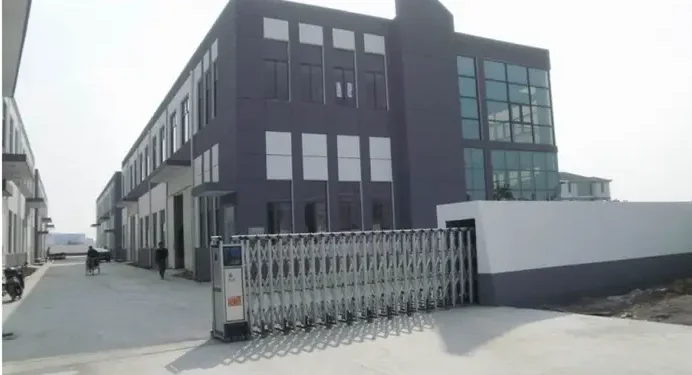
Ningbo Culi Electronics Co., Ltd.
- Manufacturer, Trading Company
- Zhejiang, China
- Lead time15 days
- Avg. response≤ 7h
Main productsmilk frother,soap dispenser,jet hand dryer,vegetable chopper,bubble gun
Main marketsNorth America(50.00%), Eastern Europe(40.00%), Southeast Asia(10.00%)

Changzhou Dengyue Polymer Group Co., Ltd.
- Verified by CTI
- Combined
- China Jiangsu
- Lead time15 days
- Avg. response≤ 3h
Main productsFoam, Sponge, Foam Rubber, EPDM, Cr, PVC, PU, Filter Foam, PE/EVA, NBR
Main marketsSouth America,Africa,Southeast Asia/ Mideast,East Asia(Japan/ South Korea),Domestic,Europe,Australia,North America

Shandong Memizo New Material Technology Co.,Ltd.
- Verified by BV
- Trading Company
- China Shandong
- Lead time15 days
- Avg. response≤ 10h
Main productsPlay Mat, EVA Mat, Foam Mat
Main marketsSouth America,Southeast Asia/ Mideast,Europe

Waterproof Washable Double Layer Pet Litter Mat Anti-Slip Cat Litter Mat
$0.50 - $10.00
MOQ: 100 Pieces


Black Eco-Friendly Non-Slip Trapper Mat Waterproof and Scratch Resistant Cat Litter Mat
$0.50 - $10.00
MOQ: 100 Pieces


$0.50 - $10.00
MOQ: 100 Pieces

Eco-Friendly Purple Double Layer Cat Litter Mat - Customizable and Waterproof
$0.50 - $10.00
MOQ: 100 Pieces
Shenzhen Hengmingjia Sponge Product Co., Ltd.
- Manufacturer
- Guangdong, China
- Lead time20 days
- Avg. response≤ 7h
Main productsPU Polyurethane foam,memory pillow,seat cushion,car seat,EVA lining
Main marketsDomestic Market(60.00%), Southeast Asia(15.00%), North America(15.00%), Africa(5.00%), Eastern Europe(5.00%)
Faith (xiamen) Import & Export Co., Ltd.
- Verified by Intertek
- Manufacturer, Trading Company
- Lead time25 days
- Avg. response≤ 2h
Main productsBaby Floor Mat
Main marketsWestern Europe(43%), North America(11%), Domestic Market(11%)

Hangzhou Tianyuan Pet Products Co., Ltd.
- Verified by TUVRHEINLAND
- Combined
- China Zhejiang
- Lead time30 days
- Avg. response≤ 14h
Main productsPet Beds, Cat Trees, Pet Products, Pet Accessories, Pet Supplies, Pet Collar, Pet Toy, Pet Brush, Pet Bowl, Pet Clothes
Main marketsEurope,North America

Ningbo ZNZ Leisure Products Co., Ltd.
- Verified by CTI
- Manufacturer/Factory
- China Zhejiang
- Lead time45 days
- Avg. response≤ 12h
Main productsPVC Coated Woven Fabric, Siwmming Pool Fence, Outdoor RV Patio Mat, PE Rattan/Rattan Furniture, PVC Yarn, Outdoor Webbing/Rope for Outdoor Funture, Outdoor Beach Picnic Mat, Placemat, Door Mat, Outdoor PVC Mesh Sunscreen Fabric
Main marketsSouth America,Eastern Europe,North America,Oceania,Western Europe

Shanghai Jolly Industrial Co., Ltd.
- Verified by SGS
- Manufacturer/Factory
- China Shanghai
- Lead time15 days
- Avg. response≤ 4h
Main productsBandages and Tapes, Medical Consumables, Wound Dressing, First Aid Kit, Dental Products, Sports Products
Main marketsSouth America,Eastern Europe,Mid East,North America,Southeast Asia,Eastern Asia,Oceania,Western Europe,Africa
Xiamen Jieyu Plastic Products Co., Ltd.
- Verified by SGS Group
- Manufacturer, Trading Company
- Lead time20 days
- Avg. response≤ 2h
Main productsChair Mat, Kitchen Mat, Faucet Mat, Cat Litter Mat, PVC Floor Mat
Main marketsDomestic Market(55%), North America(10%), Oceania(10%)
Dongyang Hanhanle Pet Products Co., Ltd.
- Manufacturer, Trading Company
- Zhejiang, China
- Lead time25 days
- Avg. response≤ 6h
Main productspet products
Main marketsDomestic Market(65.00%), North America(8.00%), Southern Europe(7.00%), Southeast Asia(6.00%), Western Europe(4.00%), South America(3.00%), Eastern Asia(3.00%), Central America(2.00%), Oceania(2.00%)
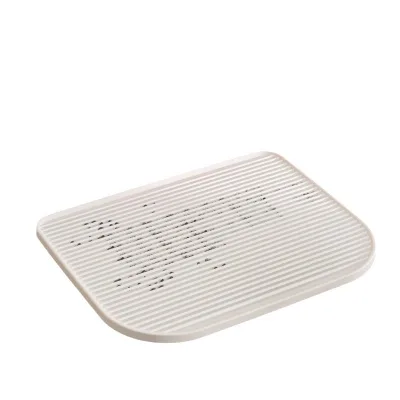
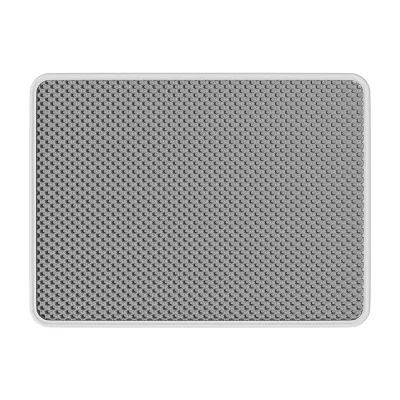
Anti-Extrusion Anti-Splash Anti-Dirt Double Layer Cat & Dog Litter Mat Filter Box Pet Mat
$0.8323 - $3.3907
MOQ: 50 Minimum
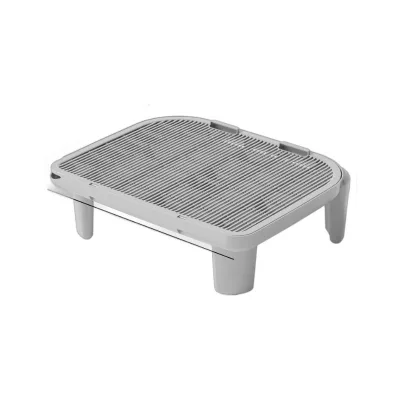
Cat Litter Mat Anti-removal Double Litter Control Mat Cat Toilet Foot Rub Control Table
$3.83 - $4.15
MOQ: 5 Minimum

Guangdong Yuanhua New Material Industry Co., Ltd.
- Verified by SGS
- Combined
- China Guangdong
- Lead time15 days
- Avg. response≤ 10h
Main productsPVC Flooring, Non Slip Mat/Anti Slip Mat, Yoga Mat, EVA Anti Slip Mat, Shower Curtain, PVC Transparent Film, PVC Leather, Bath Pillow, Bathtub Mat, Jump Rope Mat&Fitness Mat
Main marketsEurope,North America

Wholesale Factory Supply Pet Cat Waterproof Anti Slip Pet Mat Eco-Friendly Cat Litter Mat
$0.50 - $3.00
MOQ: 3000 Pieces


Xiamen Artes Plasti Products Co., Ltd.
- Verified by CTI
- Combined
- China Fujian
- Lead time15 days
- Avg. response≤ 3h
Main marketsSouth America,Southeast Asia/ Mideast,East Asia(Japan/ South Korea),Domestic,Europe,Australia,North America
Shanghai Allife Industry Co., Ltd.
- Verified by SGS Group
- Manufacturer, Trading Company
- Lead time30 days
- Avg. response≤ 6h
Main productsFloor mats, Home products, Office products, Electrical Connection Box, Interlocking tiles
Main marketsNorth America(35%), Western Europe(30%), Mid East(20%)
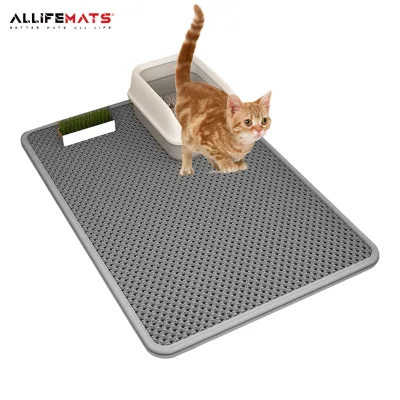
$0.8787 - $0.9311
MOQ: 300 pieces
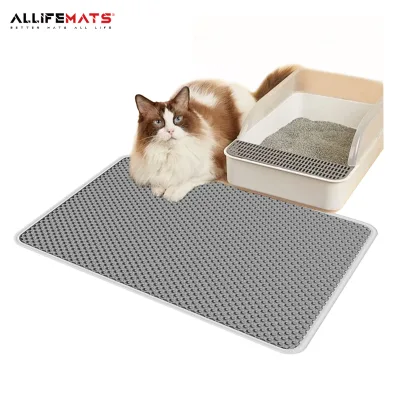
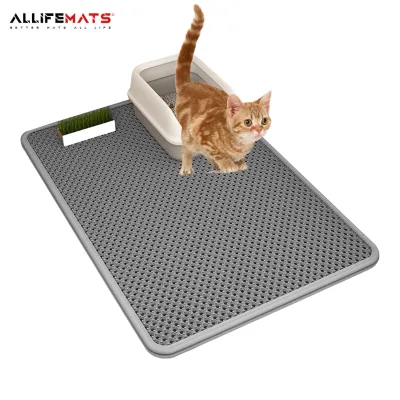
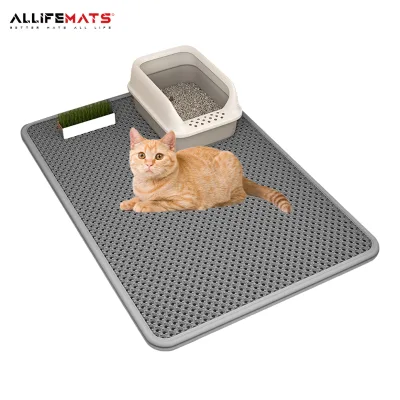
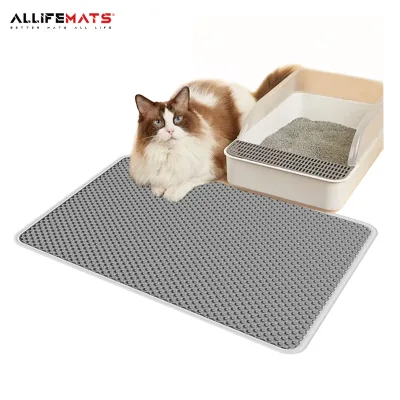
2024 New Eco Friendly Double Layer Floor Non-Slip Eva Waterproof Cats
$0.8847 - $0.9371
MOQ: 300 pieces

Sansd (Jiangsu) Environmental Technology Co., Ltd.
- Verified by BV
- Combined
- China Jiangsu
- Lead time15 days
- Avg. response≤ 4h
Main productsEVA Foam, EVA Mat, EVA Sheet, EVA Roll, EVA, Yoga Mat, EVA Foam Sheet, PE Foam, EVA Foam Ma, EVA Products
Main marketsDomestic


Waterproof Easy Clean EVA Double Layer Cat Litter Trapping Mat Pet Litter Box Mat
$11.00 - $12.00
MOQ: 200 piece

Custom Honeycomb Design Waterproof Easy Clean Non Slip Double Layer EVA Cat Litter Mat
$11.00 - $12.00
MOQ: 200 piece
Guangzhou Doglemi Pet Product Ltd.
- Manufacturer, Trading Company
- Lead time旺季: "1 - 1500":35,"> 1500":"To be negotiated", 淡季: "1 - 1500":35,"> 1500":"To be negotiated"
- Avg. response≤ 5h
Main productsPet Clothes, Pet Collars Leash And Harness, Pet Carriers, Pet Snuffle Mat, Pet Toys

Dongguan Chengda Rubber and Plastic Co., Ltd
- Verified by SGS
- Trading Company,Manufacturer/Factory
- China Guangdong
- Lead time23 days
- Avg. response≤ 7h
Main productsSilicone Products, Machnie Part, Silicone Gifts, Silicone Bag, Medicial Products, Silicone Bra, Custom Silicone Product, Silicone Toy
Main marketsEastern Europe
Xiamen Artes Plasti Products Co., Ltd.
- Verified by TüVRheinland
- Manufacturer, Trading Company
- Lead time20 days
- Avg. response≤ 2h
Main productsCar Mats, PVC Mats, TPE Car Mats
Main marketsDomestic Market(44%), North America(20%), Oceania(15%)
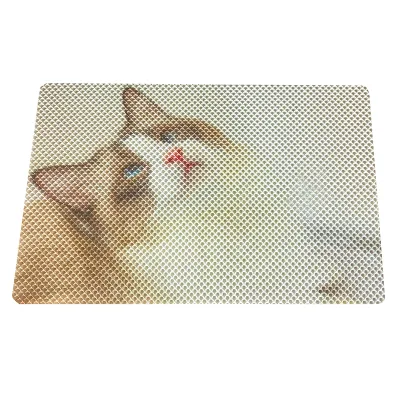
$2.0853 - $3.1227
MOQ: 100 pieces

Qingdao Yuanche International Trade Co., Ltd.
- Verified by SGS
- Trading Company,Manufacturer/Factory
- China Shandong
- Lead time15 days
- Avg. response≤ 4h
Main productsPet Supply, Dog Harness, Pet Bed, Pet Toys, Pet Bowl, Pet Grooming Tools, Pet Clothes, Pet Carrier, Pet Cage, Aquarium Supplies
Main marketsSouth America,Eastern Europe,Mid East,North America,Southeast Asia,Eastern Asia,Oceania,Western Europe,Africa
Taizhou Hengming Plastics & Mould Technology Co., Ltd.
- Trading Company
- Lead time旺季: "1 - 1000":20,"> 1000":"To be negotiated", 淡季: "1 - 1000":20,"> 1000":"To be negotiated"
- Avg. response≤ 3h
Main productsplastic dog house,dog bowl,cat litter box,dog toilet,pet toy
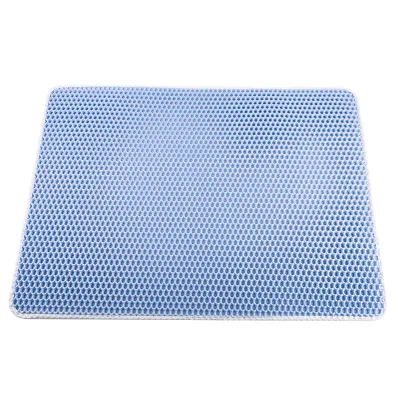
Eco-Friendly Double Layer EVA Waterproof Cat Litter Box Mat Easy Clean Floor Cat Litter Mat Pad
$2.6542 - $3.7171
MOQ: 1000 pieces
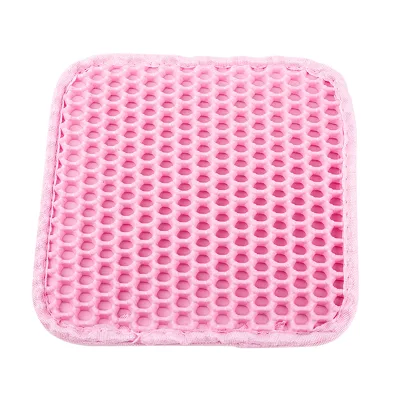
Everfriend Pet Products Manufacturer
- Manufacturer
- Guangdong, China
- Lead time0 days
- Avg. response≤ 9h
Main productsPet Products
Main marketsNorth America(40.00%), Western Europe(20.00%), South America(10.00%), Eastern Europe(10.00%), Southern Europe(5.00%), Northern Europe(5.00%), Oceania(5.00%), Eastern Asia(5.00%)
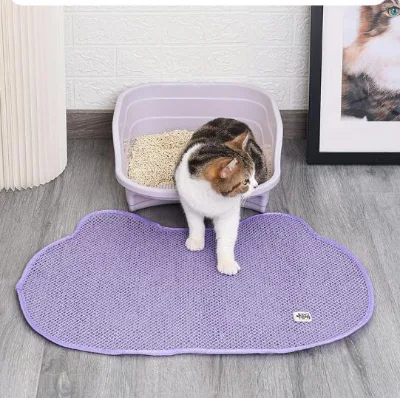
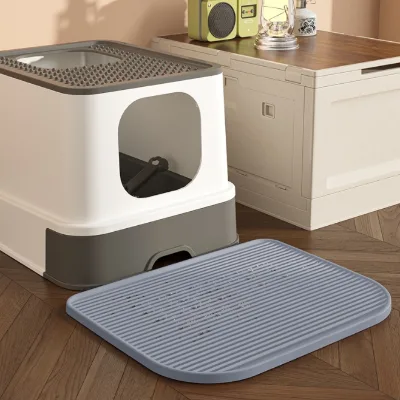
$2.45 - $2.66
MOQ: 100 pieces

- Verified by SGS
- Trading Company
- China Zhejiang
- Lead time15 days
- Avg. response≤ 15h
Main productsPet Harness, Pet Collar, Pet Leash, Pet Feeder, Pet Carries, Pet Toy, Pet Bed, Pet Grooming, Pet Accessories
Main marketsEurope,Australia


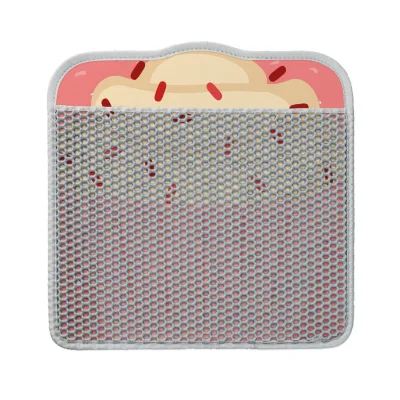
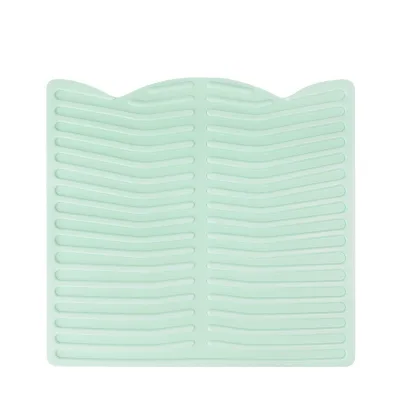
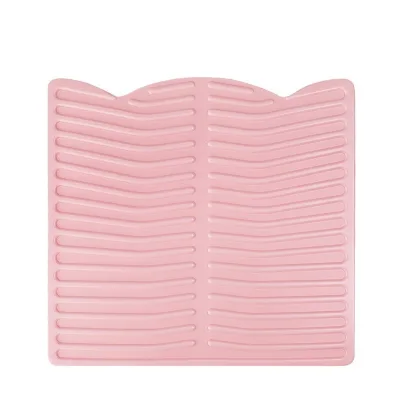
Hot Sell EVA Pet Cat Mat Water Proof Easy Clean Double-Layer Cat Litter Mats Protect Floor Cat Bed
$4.00 - $4.90
MOQ: 500 Pieces

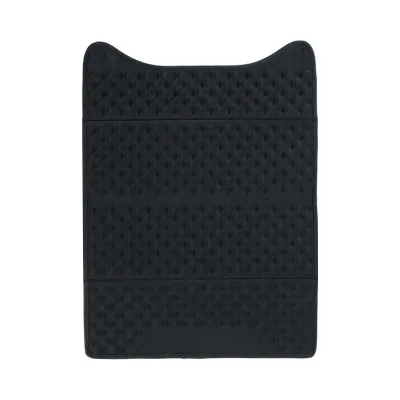
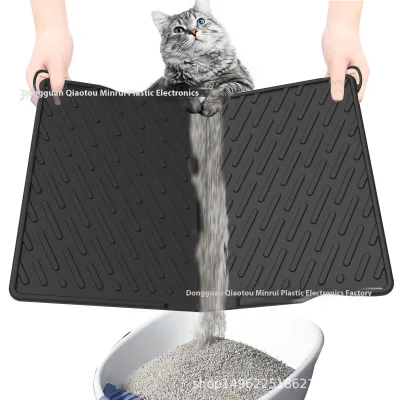


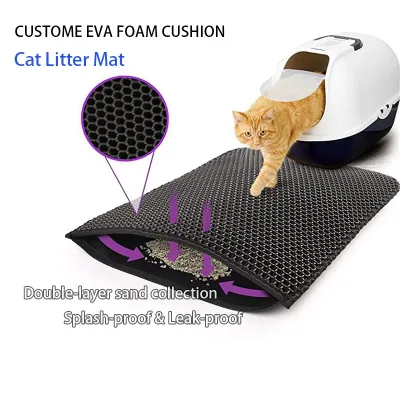
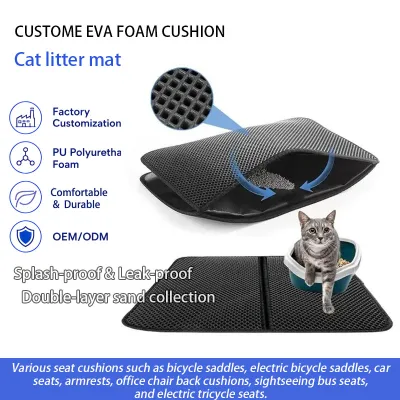
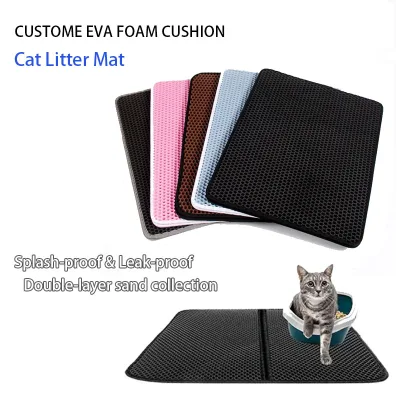
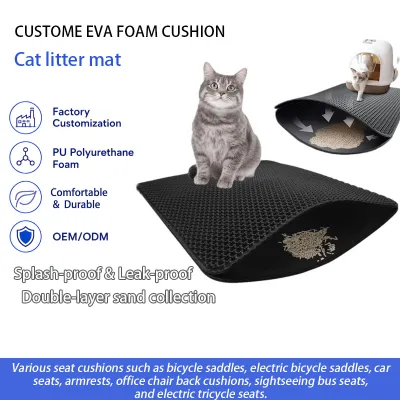
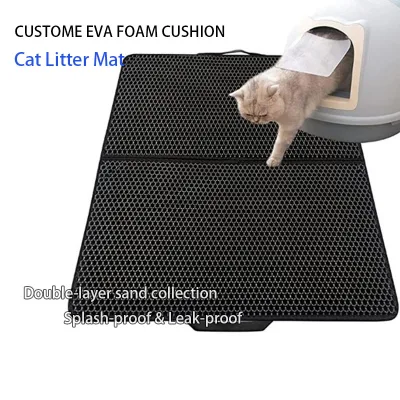
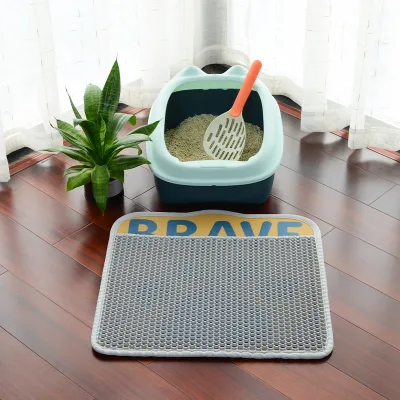
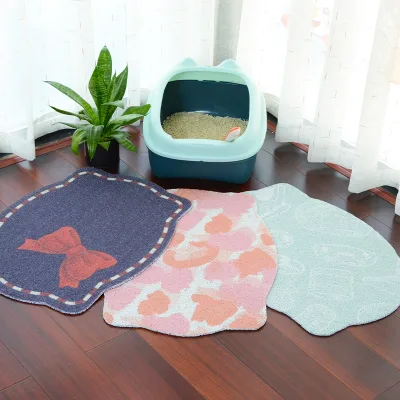
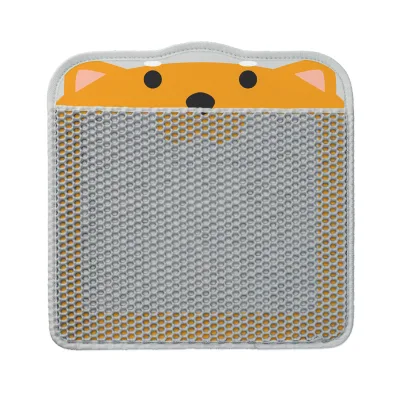
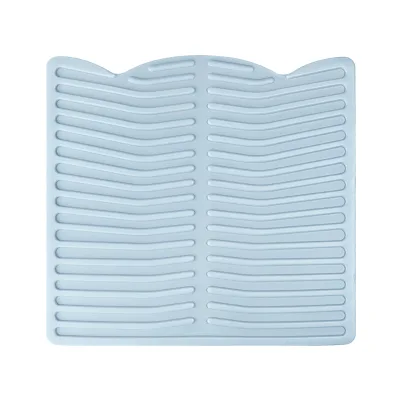
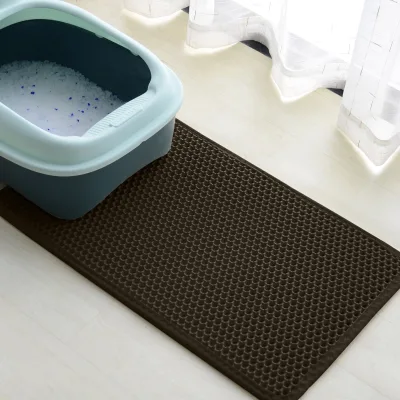


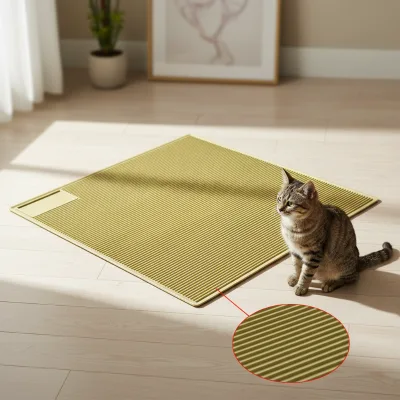
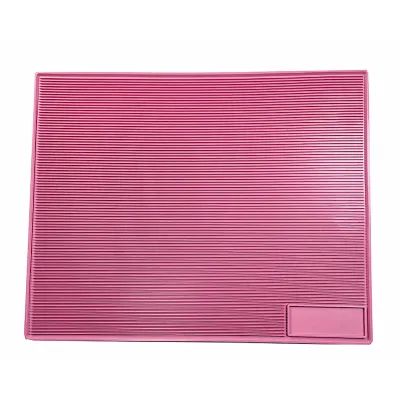


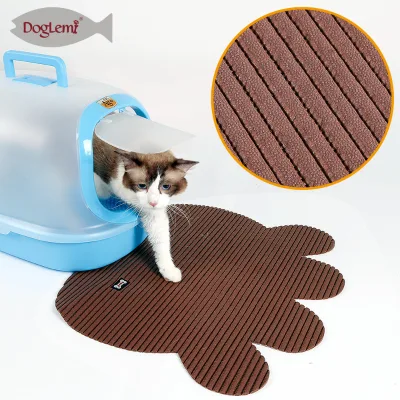
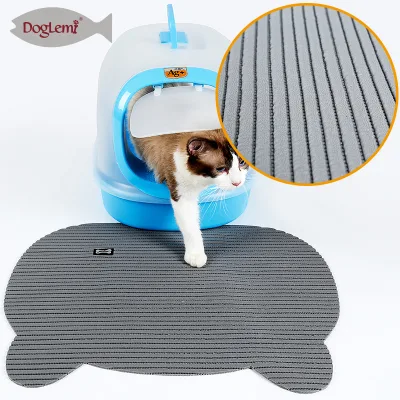


Comprehensive Sourcing Guide
Eco-Friendly Anti-Take-Out Cat Litter Mat Supplier Concentration and Factory Types
Current data indicates a significant concentration of manufacturers and trading companies operating within Fujian, China, specifically producing rubber stable mats, horse stable mats, and various EVA stable mats alongside the requested pet products. Several observed product listings explicitly state Fujian as the place of origin for items such as UV color anti-take-out cat litter filters and eco-friendly printed mats. This geographic clustering suggests a specialized industrial hub where raw material processing for EVA and PVC materials is established, facilitating the production of non-slip, anti-splash, and eco-friendly pet accessories. Buyers should prioritize verifying the specific factory address within this region to confirm the physical presence of the manufacturing capability rather than relying solely on the trading company designation.
In addition to the Fujian cluster, some supplier profiles list Jiangsu, China, as a location, though the primary product focus there appears to be on PE foam, EVA rolls, and packing materials rather than finished cat litter mats. The supplier types observed include both direct manufacturers and trading companies, with some entities holding combined status. When evaluating these entities, it is crucial to distinguish between a factory that produces the EVA or PVC mat layers and a trading company that aggregates goods from multiple sources. The presence of specific model numbers like ZY-20240319 or FM-CLM-22 in the product attributes often correlates with a manufacturing origin, whereas generic descriptions may indicate a trading intermediary. Buyers must confirm whether the supplier controls the molding and cutting processes for the 10mm inner space designs or simply sources them from third parties.
How to Verify Eco-Friendly Anti-Take-Out Cat Litter Mat Suppliers
Verification of supplier credibility begins with examining specific product attributes that align with the eco-friendly and anti-take-out requirements. Buyers should look for explicit mentions of materials such as EVA or PVC in the product specifications, as these are the primary components for the observed 10mm inner space and anti-splash designs. The presence of detailed attributes like "Eco-friendly" features, "Waterproof" characteristics, and specific dimensions such as 61x47x2 cm or 54x57x1 cm provides a baseline for authenticity. If a supplier claims to be a manufacturer, they should be able to provide technical data sheets for the specific model numbers listed, such as the "Printed cat litter mat" or "Round plate ring wire cat litter pad," rather than generic product images.
Beyond product details, buyers should scrutinize verification badges and response metrics to assess operational reliability. Some supplier profiles display verification statuses like TUVRHEINLAND, which serves as a tangible indicator of third-party assessment, though this specific credential was observed on a profile focused on foam rolls rather than the litter mats. Response times vary significantly, with observed data showing figures like 3 hours or 8.79 hours, which can indicate the efficiency of the communication channel. Buyers must verify if the supplier maintains a consistent response time across different product inquiries and confirm the establishment year if available. It is essential to request proof of the specific certifications claimed for the eco-friendly mats, as general company verification does not automatically extend to every product line in their catalog.
What to Compare Across Eco-Friendly Anti-Take-Out Cat Litter Mat Suppliers
When comparing potential partners, the primary dimensions to evaluate include lead times, minimum order quantities, and response speeds, as these directly impact supply chain stability. Observed data reveals a lead time of 15 days for certain products, while response times can range from 3 hours to nearly 9 hours depending on the supplier's current workload. Buyers should compare these metrics against their own inventory requirements, noting that some suppliers offer a minimum order quantity of just one unit, while others, particularly for silicone or specific PVC models, may require a MOQ of 50 pieces. This variance in MOQ is critical for small-scale buyers versus those planning bulk procurement, and it often correlates with the supplier's classification as a manufacturer or a trading company.
Material composition and pricing structures also require careful comparison to ensure value alignment with the eco-friendly claim. Product attributes indicate materials ranging from EVA to PVC and Silicone, with prices observed between 2.64 and 5.12 units of currency for certain models, while others are listed at a flat rate of 3.80. Buyers must verify if the price includes the specific packaging details, such as the 61x41cm box containing 40 pieces, or if it is a single unit price. Additionally, the shape and size variations, such as square, round, or rectangular designs with different inner space dimensions, must be matched against the specific needs of the target market. A supplier offering a lower price might use a different material grade or lack the specific anti-take-out features, so the comparison must extend beyond cost to include the functional specifications of the 10mm inner space and non-slip grip capabilities.
Common Eco-Friendly Anti-Take-Out Cat Litter Mat Sourcing Risks
One significant risk involves the discrepancy between claimed material properties and actual product composition, particularly regarding the "eco-friendly" designation. While many listings specify EVA or PVC materials, some product attributes contain conflicting data, such as listing Silicone as the primary material while simultaneously noting PVC in the material field. This inconsistency can lead to receiving products that do not meet the expected durability or safety standards for pet use. Buyers must request physical samples to verify the material composition and ensure that the "anti-take-out" and "anti-splash" features are genuinely engineered into the design, rather than being marketing terms applied to standard mats.
Another critical risk is the variability in lead times and the potential for delays in production or shipping. Although a standard lead time of 15 days is observed, this figure may not apply to all suppliers or all product configurations, especially for customized orders or specific color variations. The response time data shows a wide range, suggesting that some suppliers may be slow to address production bottlenecks or quality issues. Furthermore, the lack of standardized certification across all product lines means that a supplier verified for one product type may not have the necessary approvals for another. Buyers should explicitly confirm the production capacity and current order backlog before committing to large orders to mitigate the risk of delayed delivery affecting their market availability.
Eco-Friendly Anti-Take-Out Cat Litter Mat Regional Sourcing and Logistics
Sourcing from the identified cluster in Fujian, China, offers logistical advantages due to the concentration of manufacturers specializing in EVA and PVC pet products. The proximity of these factories to major shipping ports in the region can streamline the export process for international buyers. However, buyers must verify the specific port of loading for each supplier, as logistics costs and transit times can vary significantly depending on the exact location within the province. The observed product dimensions, such as 61x47x2 cm or 54x57x1 cm, indicate that packaging efficiency is a key factor in shipping costs, and buyers should negotiate packaging standards to maximize container utilization.
For suppliers located in other regions like Jiangsu, the logistics chain may differ, potentially involving different freight forwarders or transit routes. Buyers should assess the supplier's experience with international shipping, particularly for heavy or bulky items like the 0.5kg weight EVA folding mats. The single gross weight and package size data provided in the product attributes are essential for calculating accurate freight charges. It is advisable to request a detailed breakdown of shipping costs, including insurance and customs duties, to avoid unexpected expenses. Additionally, buyers should confirm the supplier's ability to handle customs documentation for eco-friendly products, ensuring that all necessary declarations regarding material composition and origin are accurate to prevent delays at the destination port.
Eco-Friendly Anti-Take-Out Cat Litter Mat Commercial Terms and Order Planning
Commercial terms for these products often include specific payment structures and delivery conditions that must be clearly defined before order placement. Observed data shows a wide range of minimum order quantities, from single items to 50-piece batches, which influences the pricing strategy and payment terms. Buyers should negotiate payment milestones that align with production progress, such as a deposit followed by a balance upon completion or before shipment. The presence of escrow services or trade assurance options can provide an additional layer of security, ensuring that funds are released only when the product meets the agreed-upon specifications and quality standards.
Order planning requires a detailed understanding of the customization options available, such as color variations and specific model numbers like ZY-0000 or FM-CLM-22. Some suppliers offer customization for colors and shapes, while others may have fixed designs. Buyers must confirm the lead time for customized orders, as these often take longer than standard stock items. It is also crucial to verify the packaging requirements, including the number of pieces per box and the type of protective material used, to ensure the products arrive in perfect condition. Finally, buyers should establish a clear communication channel for post-order support, ensuring that any issues regarding the eco-friendly features or anti-take-out functionality can be addressed promptly and effectively.
FAQs
What materials are used for eco-friendly anti-take-out cat litter mats?
Manufacturers primarily use EVA foam and PVC for these mats. EVA options often feature a 10mm inner space to trap litter effectively. Some silicone variants are also available, offering waterproof and non-toxic properties. Buyers should check specific product attributes to confirm the material composition and ensure it meets their durability and safety requirements.
What is the typical lead time for ordering these mats?
The standard lead time for production is approximately 15 days. This duration allows manufacturers to process orders efficiently. Buyers should confirm exact timelines with suppliers, as rush orders or custom designs may require additional time. Planning production schedules around this baseline ensures timely delivery for retail or wholesale inventory needs.
What is the minimum order quantity for these products?
Minimum order quantities vary significantly by supplier and product type. Some listings accept orders as low as one unit, while others require a minimum of 50 pieces. Buyers should review the specific MOQ for each item to determine feasibility for small trials or large bulk purchases. Confirming this detail prevents unexpected order rejections.
Where are these cat litter mats typically manufactured?
Most suppliers are located in Fujian, China, with some operations in Jiangsu. These regions specialize in pet supplies and foam manufacturing. Buyers can verify the place of origin on product pages to ensure alignment with sourcing preferences. Geographic proximity to ports often facilitates efficient logistics and shipping arrangements for international orders.
How quickly do suppliers typically respond to inquiries?
Response times generally range from 3 to 8.79 hours. Faster response rates indicate active customer service teams ready to assist with specifications. Buyers should prioritize suppliers with quicker response times for smoother communication. Checking response metrics helps identify reliable partners for urgent sourcing needs or detailed product customization requests.
What price range can buyers expect for these mats?
Prices typically range from $2.64 to $5.12 per unit. Silicone variants may cost around $3.80. Costs depend on material, size, and customization options. Buyers should request detailed quotes to understand final pricing. Comparing multiple suppliers ensures competitive rates while maintaining quality standards for eco-friendly and anti-take-out features.