Eco-Friendly Bamboo Coffee Tamper Station Suppliers and Manufacturers
Source 24 verified suppliers for Eco-Friendly Bamboo Coffee Tamper Station products. Compare key dimensions including ISO certifications, lead times, and MOQs to find the right partner. Review detailed product specifications and request quotes directly from the platform; review the available evidence before requesting comparable quotations from suitable candidates.
Suppliers List

Foshan Ciray Household Products Co., Ltd.
- Trading Company,Manufacturer/Factory
- China Guangdong
- Lead time45 days
- Avg. response≤ 19h
Main productsCeramic Plate, Ceramic Bowl, Ceramic Tray, Stainless Steel Tray, Stainless Steel Cutlery, Stainless Steel Plate, Coffee-Related Products, Ceramic Ornaments, Ceramic Tableware, Glass Tableware
Main marketsSouth America,Eastern Europe,North America,Oceania,Western Europe
Fuzhou Xianxu Trading Co., Ltd.
- Verified by TüVRheinland
- Manufacturer, Trading Company
- Lead time60 days
- Avg. response≤ 5h
Main productsBamboo Wood Products
Main marketsNorth America(55%), Western Europe(35%), Southeast Asia(10%)
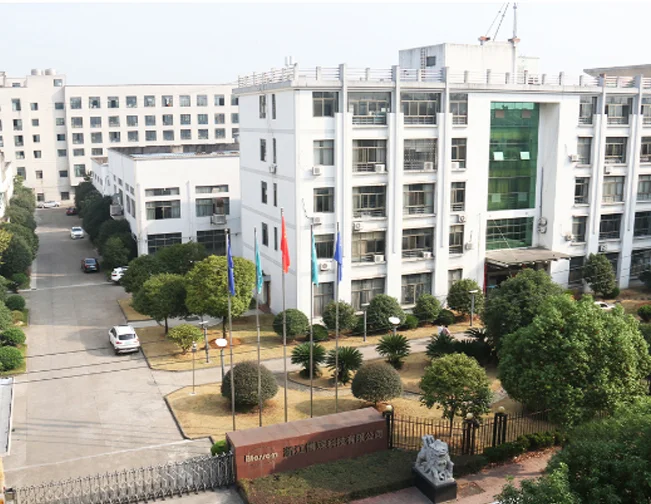
Ningbo Hoomee Daily Necessities Co., Ltd.
- Trading Company
- Zhejiang, China
- Lead time15 days
- Avg. response≤ 2h
Main productskitchen tools,bar tools,led flashlight,eco friendly products,home tools
Main marketsNorth America(32.0%), Eastern Europe(22.0%), South America(12.0%), Southeast Asia(10.0%), Western Europe(5.0%), Africa(5.0%), Northern Europe(4.0%), South Asia(3.0%), Southern Europe(3.0%), Oceania(1.0%), Eastern Asia(1.0%), Mid East(1.0%), Central America(1.0%)

Guangzhou Tenyu Coffee Electrical Appliance Co., Ltd
- Verified by SGS
- Trading Company
- China Guangdong
- Lead time23 days
- Avg. response≤ 2h
Main productsCoffee Equipment, Coffee Machine, Coffee Grinder, Coffee Tamper, Coffee Tools, Coffee Accessories
Main marketsSouth America,Eastern Europe,Mid East,North America,Southeast Asia,Eastern Asia,Oceania,Western Europe,Africa
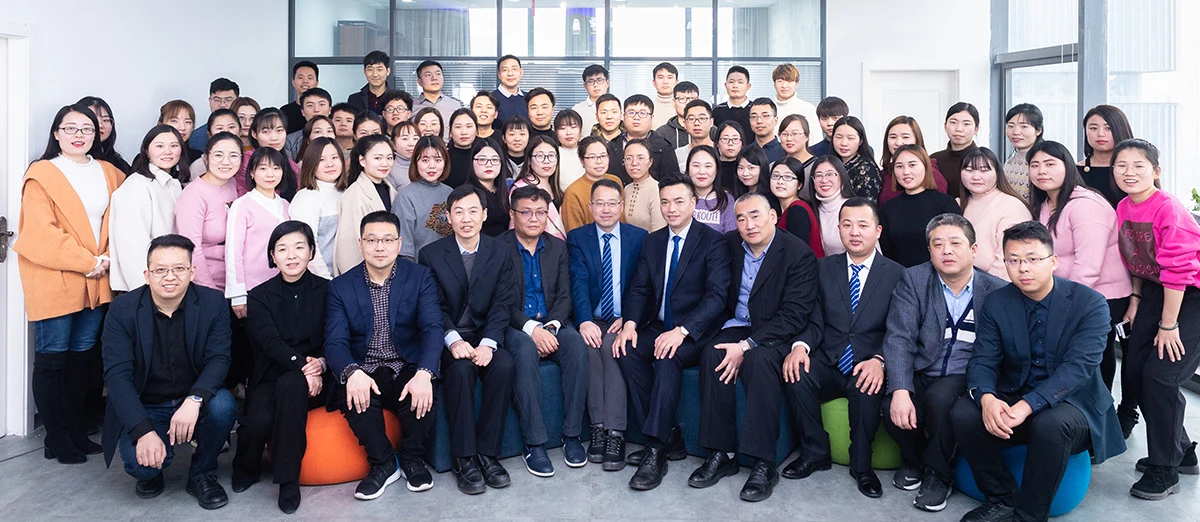
Henan Zlovy Enterprise Co., Ltd.
- Trading Company
- Henan, China
- Lead time1 days
- Avg. response≤ 7h
Main productsCoffee Pot,Coffee Tools,Water Bottle,Home Appliances,Baking Tools
Main marketsNorth America(35.0%), Western Europe(20.0%), Mid East(20.0%), Southeast Asia(15.0%), South America(10.0%)
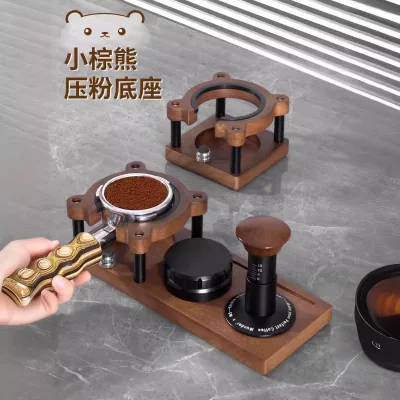
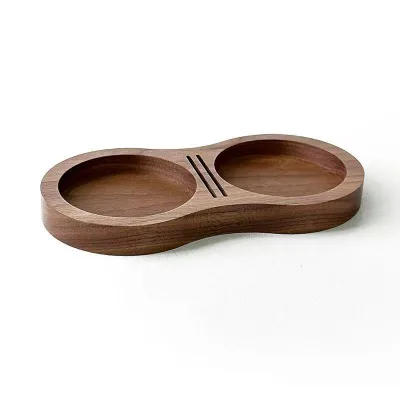
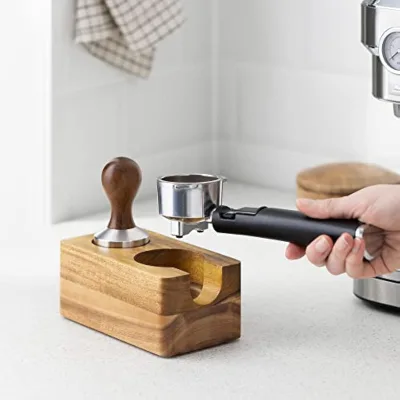
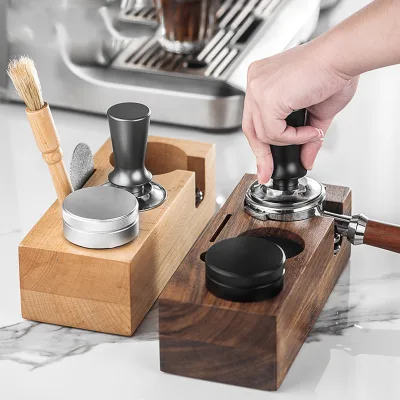
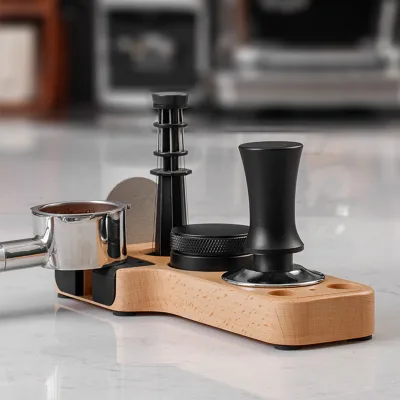
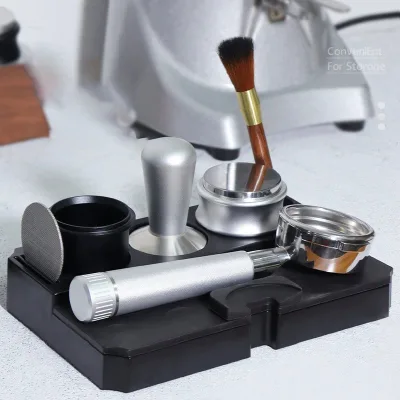
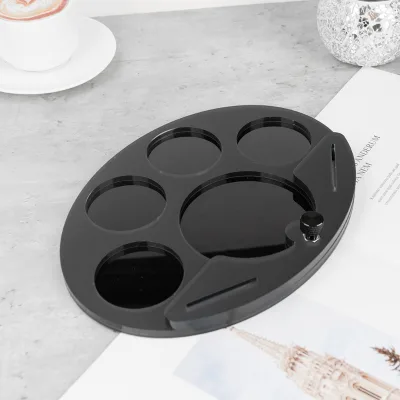
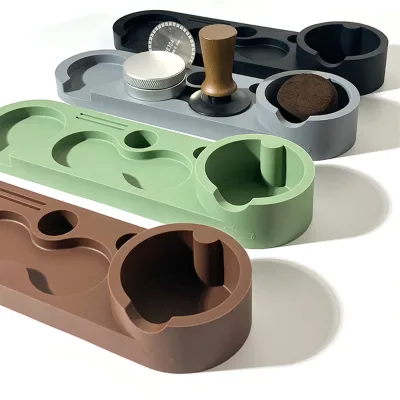
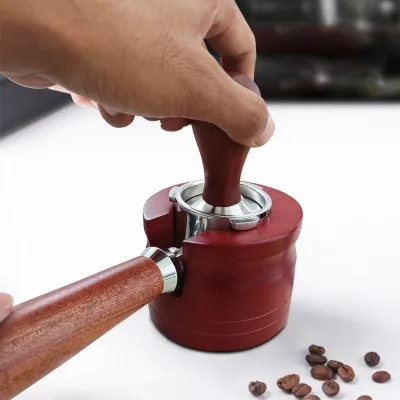
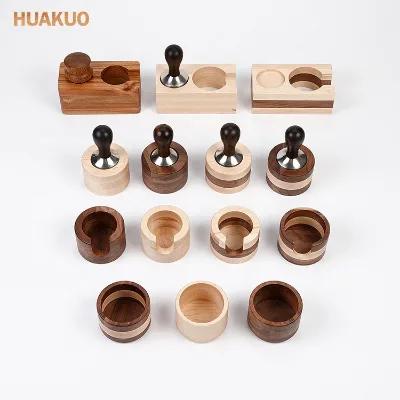
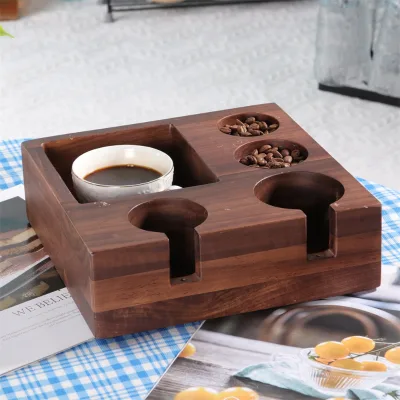
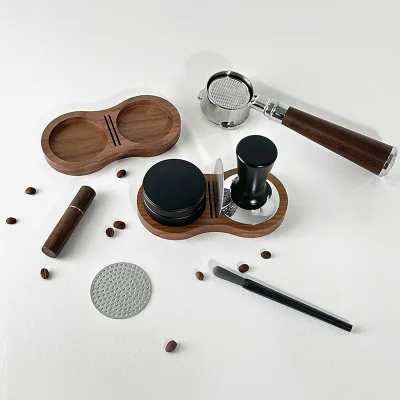
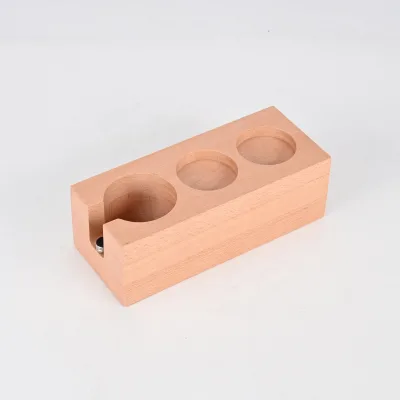
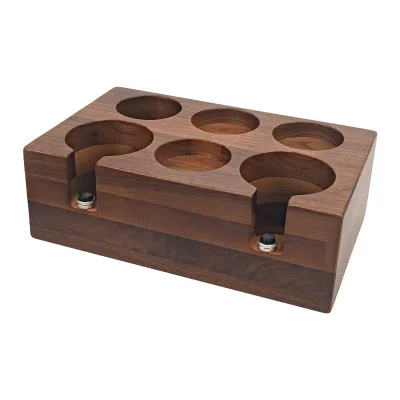
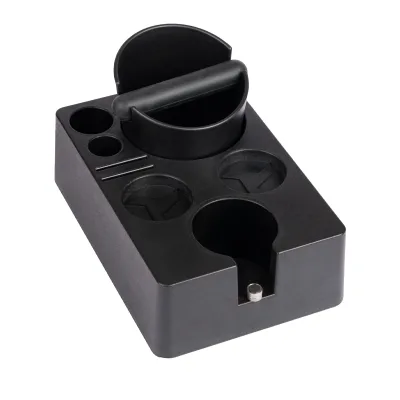
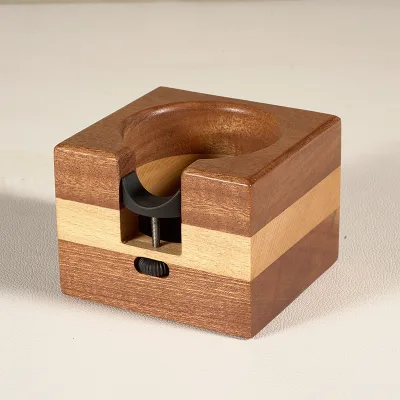
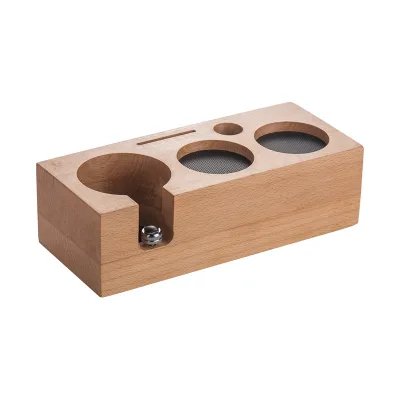
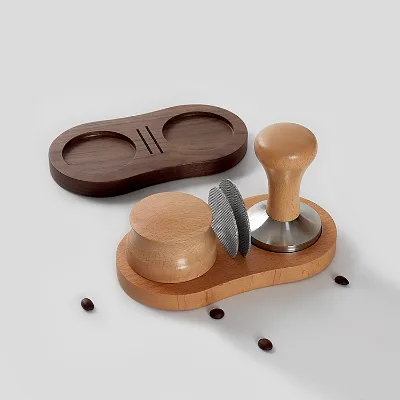
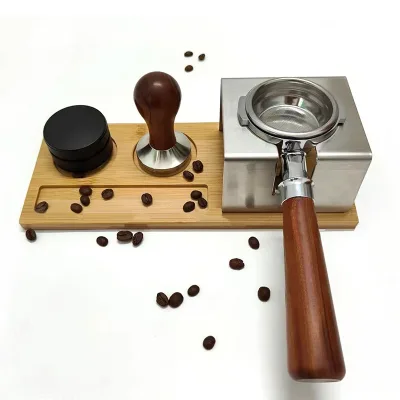
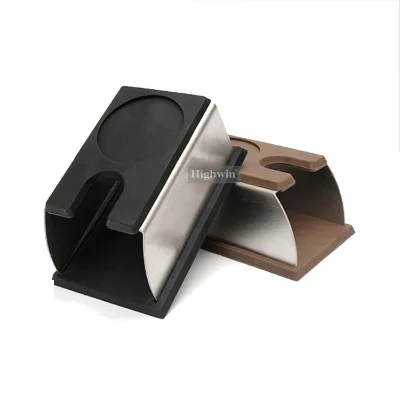
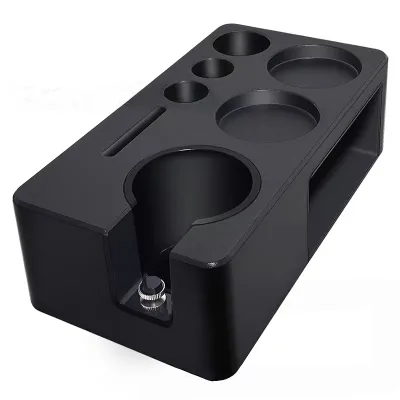
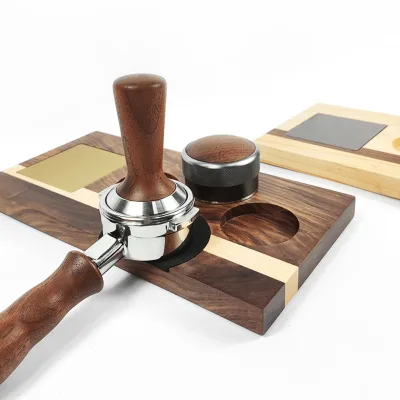
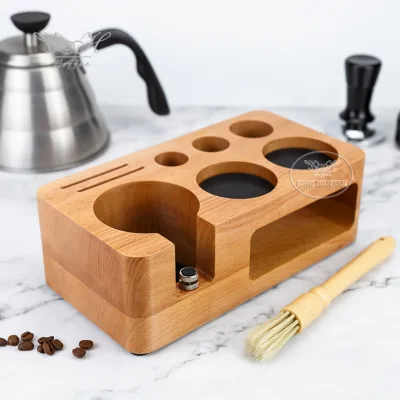
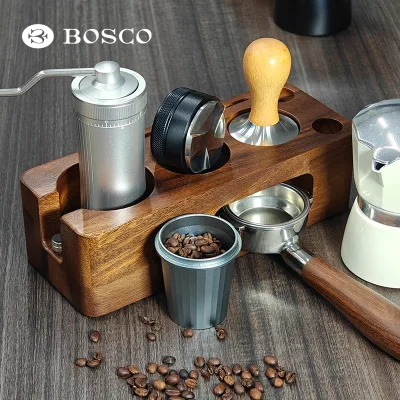
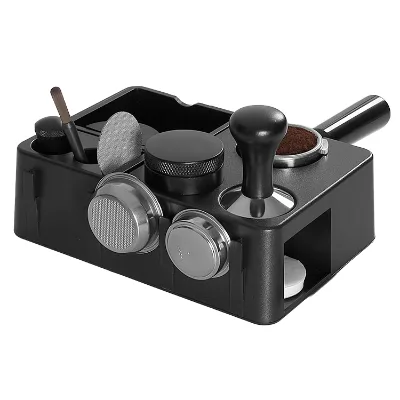
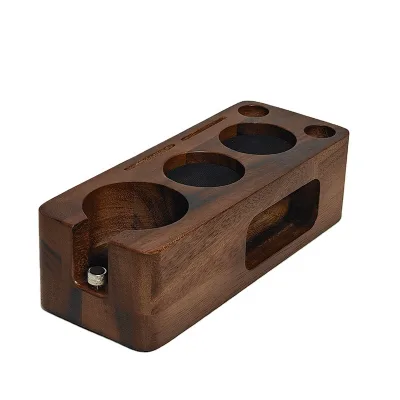
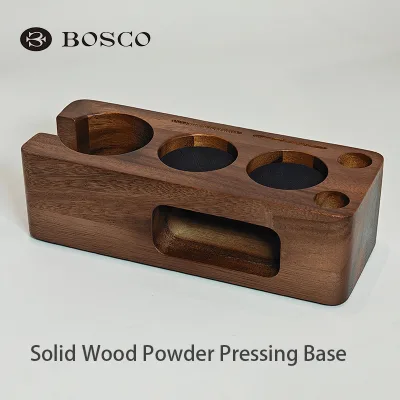
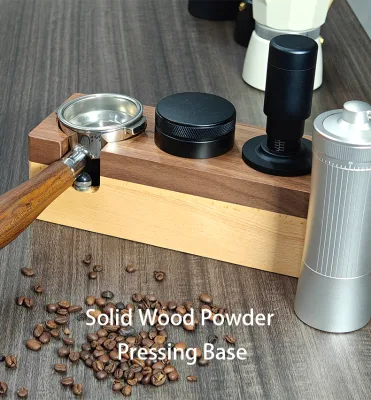
Tamper Holder Portafilter Stand Wooden Coffee Tamping Espresso Tamper Holder Station
$11.50 - $13.40
Moq: 1
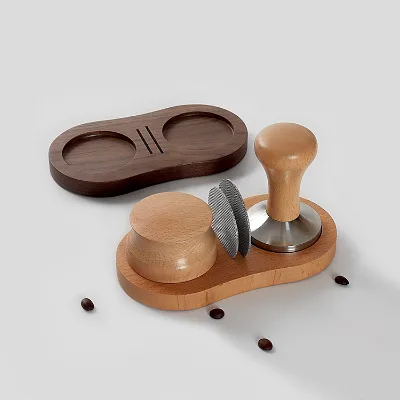

Jiangmen Xinxin Houseware Co., Ltd.
- Verified by BV
- Trading Company,Manufacturer/Factory
- China Guangdong
- Lead time30 days
- Avg. response≤ 5h
Main productsLunch Box, Coffeeware, Kitchenware, Chafing Dishes, Gn Pan, Juice Dispenser, Trolley, Stock Pot, Bar Sets, Storages Box
Main marketsEastern Europe,Mid East,North America,Southeast Asia,Eastern Asia,Oceania,Western Europe


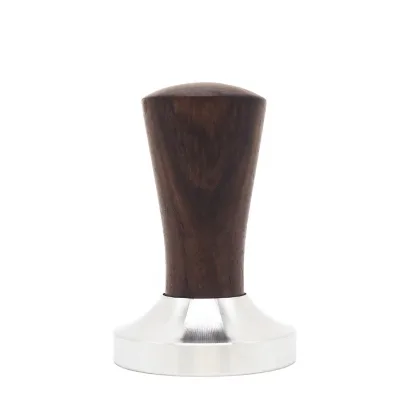
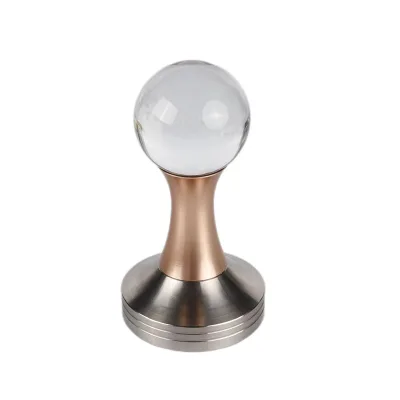
Press Espresso Coffee Tamper Flat 58mm Base Stainless Steel Barista Coffee Tamper
$5.12 - $5.69
Moq: 600


Eagle Catering Equipment Co., Ltd.
- Manufacturer/Factory
- China Guangdong
- Lead time30 days
- Avg. response≤ 7h
Main productsTrolleys, Gastronorm Containers, Table, Shelves, Sink, Barrier Post, Cookware, Buffetware, Barware, Kitchen Utensils
Main marketsSouth America,Eastern Europe,Mid East,North America,Southeast Asia,Eastern Asia,Oceania,Western Europe,Africa
Dongguan Esunse Metal Plastic Product Co., Ltd.
- Manufacturer, Trading Company
- Guangdong, China
- Lead time7 days
- Avg. response≤ 7h
Main productsHardware Parts,Furniture Hardware,Hardware Electric Parts,Coffee Ware Parts,Hardware Home House Parts
Main marketsNorth America(40.0%), Domestic Market(30.0%), South America(10.0%), Eastern Europe(10.0%), Southeast Asia(5.0%), Northern Europe(3.0%), Oceania(2.0%)

- Verified by TUVRHEINLAND
- Trading Company
- China Anhui
- Lead time30 days
- Avg. response≤ 15h
Main productsCoffee Syphon, Coffee Grinder, Coffee Tampers, Coffee Dripper, Iced Brewer, Coffee Mugs, Coffee Pitcher, Tamper Mat, Coffee Mug, Coffee Maker
Main marketsSoutheast Asia/ Mideast,North America
Jiangmen Expands Handicraft Co.,Ltd
- Verified by Intertek
- Manufacturer, Trading Company
- Lead time25 days
- Avg. response≤ 2h
Main productsWood Box, Pepper Mill, Wooden Bowl, Cutting Board, Wooden Tray
Main marketsNorth America(50%), Domestic Market(28%), Eastern Europe(12%)
Guangzhou Mojae Technology Co., Ltd.
- Manufacturer, Trading Company
- Guangdong, China
- Lead time30 days
- Avg. response≤ 6h
Main productsCoffee Grinder, Tamper, Pitcher, Coffee Kettle, Coffee Scale
Main marketsMid East(30.0%), Domestic Market(25.0%), Southeast Asia(20.0%), North America(5.0%), Oceania(5.0%), South Asia(4.0%), Eastern Asia(3.0%), Africa(2.0%), South America(1.0%), Western Europe(1.0%), Southern Europe(1.0%), Central America(1.0%), Northern Europe(1.0%), Eastern Europe(1.0%)
Zhengzhou Estarlink coffee Co., Ltd
- Trading Company
- Henan, China
- Lead time0 days
- Avg. response≤ 3h
Main productsCoffee Grinder,Coffee Pot,Coffee Machine,Coffee Makers,Coffee Tools
Main marketsNorth America(21.0%), Mid East(17.0%), Western Europe(15.0%), Oceania(10.0%), Southeast Asia(10.0%), Domestic Market(7.000000000000001%), Northern Europe(5.0%), Eastern Asia(5.0%), South America(4.0%), Eastern Europe(3.0%), Southern Europe(3.0%)
Xiamen Huidongxin Industry and Trade Co., Ltd.
- Verified by TüVRheinland
- Trading Company
- Fujian, China
- Lead time25 days
- Avg. response≤ 8h
Main productsMatcha Set, Coffee Accessories, Kitchen Accessories, Bar Accessories, Stainless Steel Part
Main marketsNorth America(20%), Mid East(20%), Western Europe(20%)
Shenzhen Bogart Kitchenware Co., Ltd.
- Verified by TüVRheinland
- Trading Company
- Lead time15 days
- Avg. response≤ 2h
Main productsCoffee & Tea Sets, Matcha Tools, Portable Coffee Maker, Coffee Tumbler & Mugs, Coffee Accessories
Main marketsMid East(30%), North America(20%), Western Europe(13%)

- Verified by SGS
- Trading Company,Manufacturer/Factory,Other
- China Zhejiang
- Lead time38 days
- Avg. response≤ 16h
Main productsBath Mat, Cushion, Wooden Toys, Fitness Equipment, Cosmetic Bag, Luggage, Festival Products, Gym Items, Face Mask, Paracord Bracelet
Main marketsSouth America,Eastern Europe,Mid East,North America,Southeast Asia,Eastern Asia,Oceania,Western Europe,Africa
Jiangmen Highwin Industrial Ltd.
- Manufacturer, Trading Company
- Lead time旺季: "1 - 10000":45,"> 10000":"To be negotiated", 淡季: "1 - 10000":45,"> 10000":"To be negotiated"
- Avg. response≤ 3h
Main productsFrench Press, Coffee Grinder, Coffee Set, Moka Pot, Espresso Accessories

Shenzhen Cen Hong Technology Co., Ltd
- Verified by SGS
- Trading Company
- China Guangdong
- Lead time23 days
- Avg. response≤ 4h
Main productsCoffee Accessories, Consumer Electronics, GPS, Remote Control
- Verified by TüVRheinland
- Trading Company
- Lead time10 days
- Avg. response≤ 6h
Main productsCoffee Grinder, Coffee Dripper, Coffee Syphon, Coffee Tamper, Coffee Filter
Main marketsMid East(30%), Oceania(20%), North America(10%)
Xiamen Cacocina Coffee International Co., Ltd.
- Verified by TüVRheinland
- Trading Company
- Lead time45 days
- Avg. response≤ 2h
Main productsKitchenware, Cookware, Tableware, Flatware, Coffeeware
Main marketsEastern Asia(40%), Eastern Europe(20%), Mid East(20%)
Jiangmen Hoffee Houseware Company Ltd.
- Manufacturer
- Guangdong, China
- Lead time35 days
- Avg. response≤ 3h
Main productsCoffee Accessories, Bar Tools, Kitchenware
Main marketsNorth America(30.0%), South America(15.0%), Oceania(10.0%), Northern Europe(10.0%), Domestic Market(9.0%), Western Europe(8.0%), Eastern Europe(5.0%), Mid East(5.0%), Southeast Asia(5.0%), Eastern Asia(3.0%)

Xiamen Ebei Import & Export Co., Ltd.
- Verified by CTI
- Trading Company,Manufacturer/Factory
- China Fujian
- Lead time45 days
- Avg. response≤ 2h
Main productsEco-Friendly Products, Bamboo Tableware, Bamboo Furniture, Bamboo Kitchenware, Bamboo Office Supply, Bamboo Fibre Products, Biodegradable Products, Bamboo Towel, Solar Energy Products, Bamboo Garden Products
Main marketsSouth America,Eastern Europe,Mid East,North America,Southeast Asia,Eastern Asia,Oceania,Western Europe,Africa
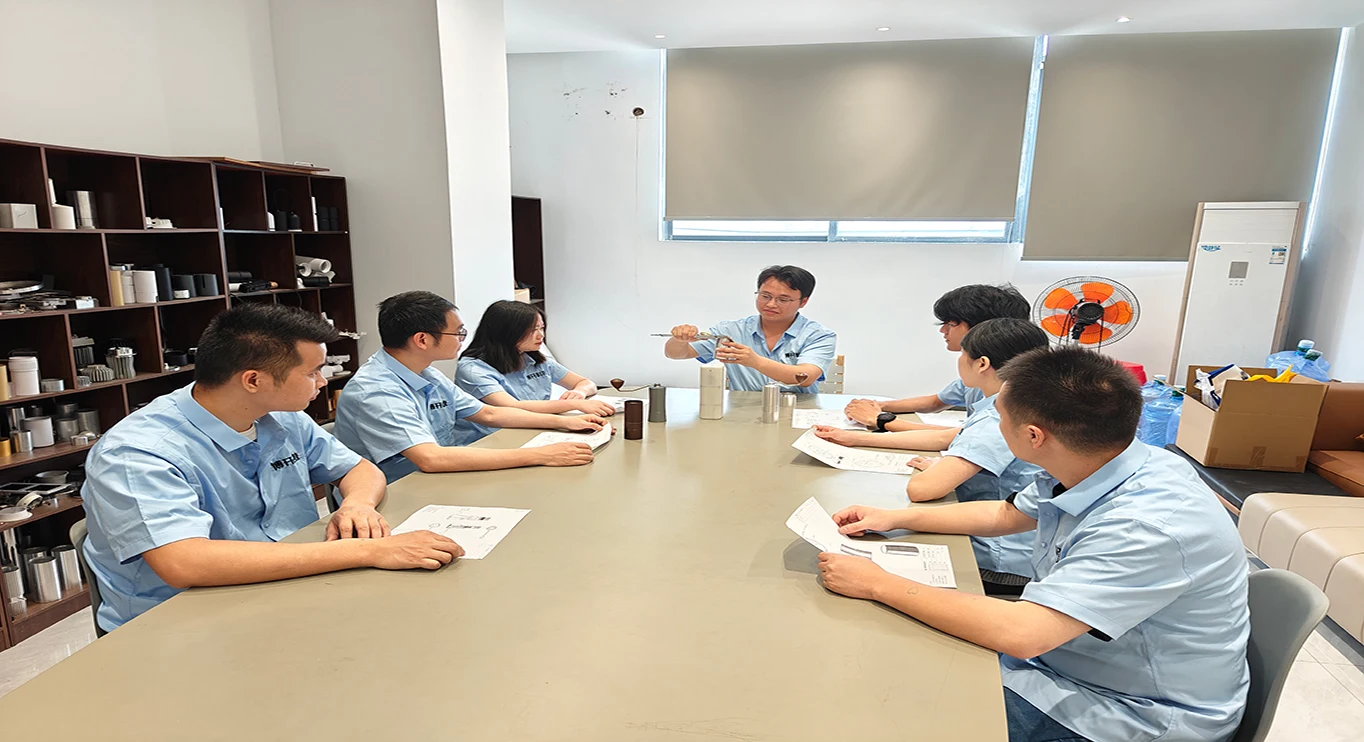
Foshan Bokai Technology Co., Ltd.
- Manufacturer, Trading Company
- Guangdong, China
- Lead time40 days
- Avg. response≤ 3h
Main productsManual Coffee Grinder
Main marketsEastern Asia(30.0%), North America(20.0%), South America(10.0%), Western Europe(10.0%), Northern Europe(10.0%), Mid East(10.0%), Southeast Asia(10.0%)

- Verified by SGS
- Manufacturer/Factory
- China Guangdong
- Lead time45 days
- Avg. response≤ 5h
Main productsTable Leg, Handle, Bolt, Screw, Shelf Support, Knob, Connectors, Castor, Furniture Hardware Fitting, Furniture Hardware
Main marketsSouth America,Eastern Europe,Mid East,North America,Eastern Asia,Oceania,Western Europe
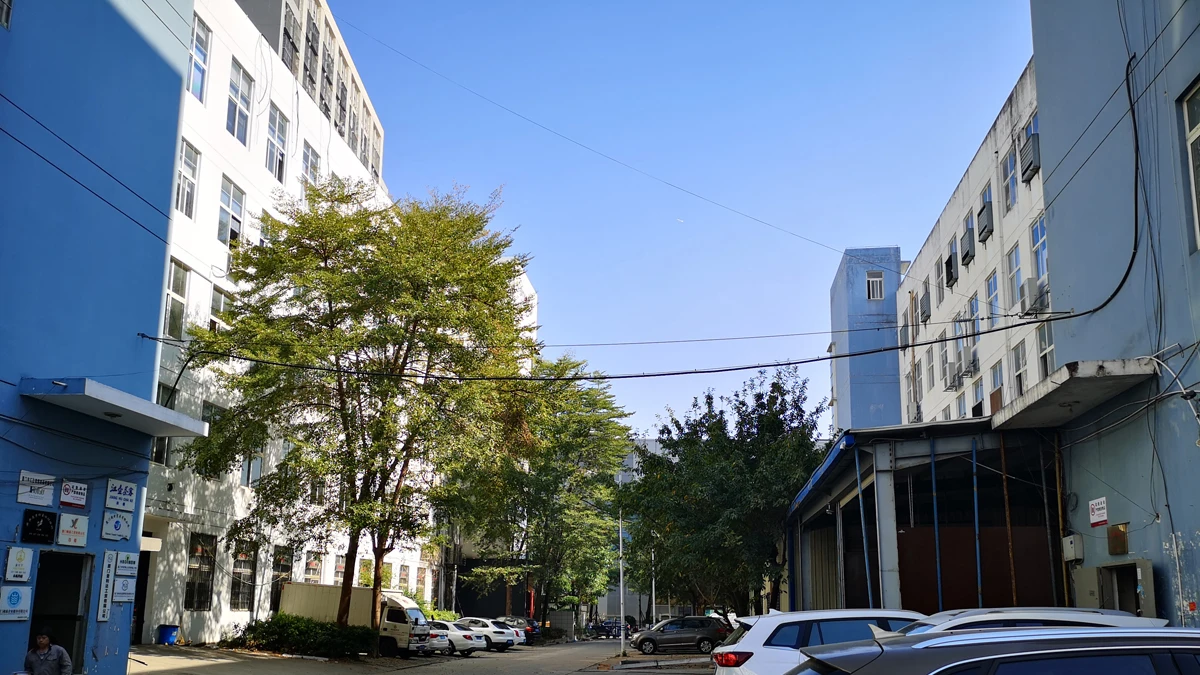
Xiamen Ehang Household Products Co., Ltd.
- Trading Company
- zhejiang, China
- Lead time37 days
- Avg. response≤ 7h
Main productsKitchenware,bamboo and wooden products,Houseware,Kitchen gadgets,Garden
Main marketsSoutheast Asia(20.0%), North America(20.0%), Southern Europe(10.0%), Northern Europe(10.0%), Western Europe(10.0%), South America(10.0%), Eastern Europe(10.0%), Central America(5.0%), Domestic Market(1.0%), Mid East(1.0%), Oceania(1.0%), Eastern Asia(1.0%), Africa(1.0%)


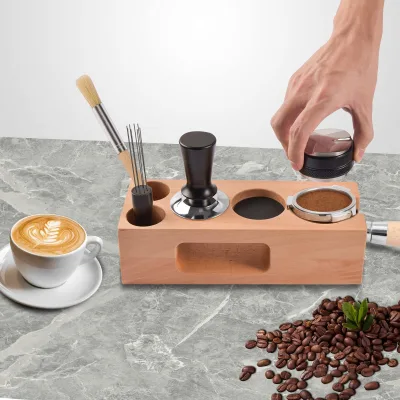
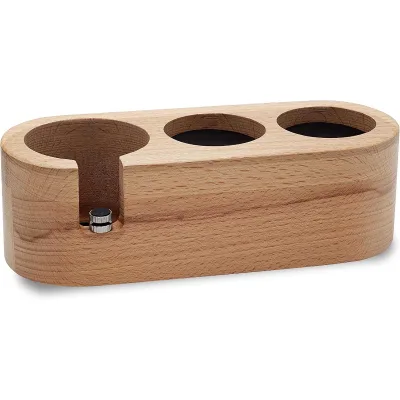




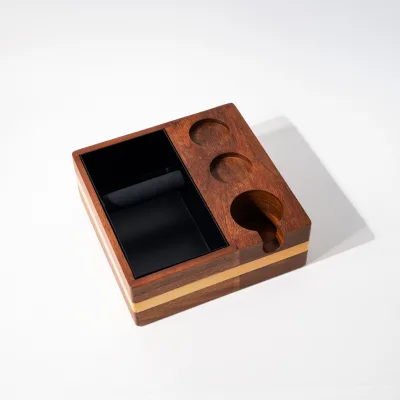
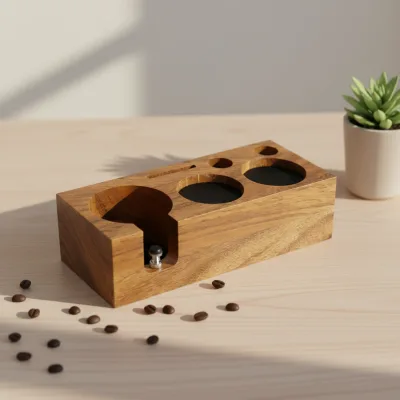
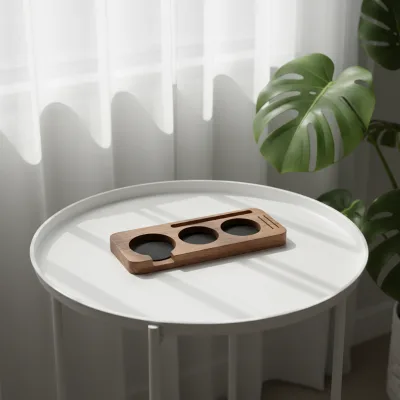
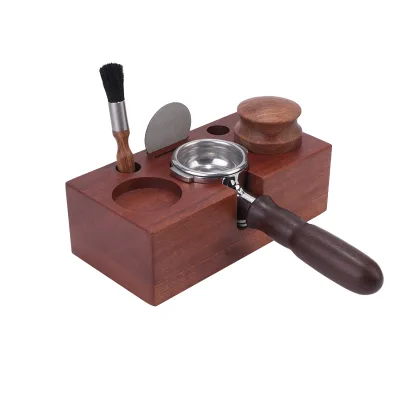
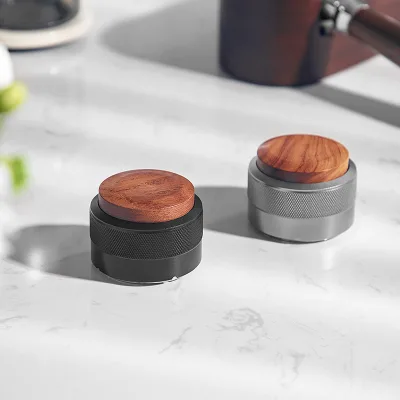


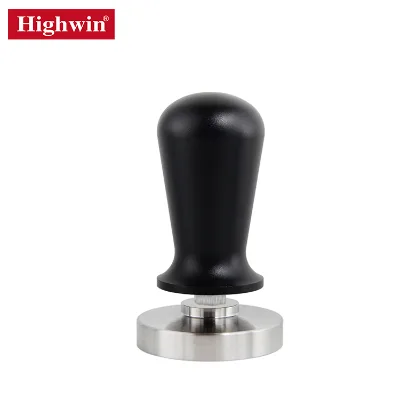


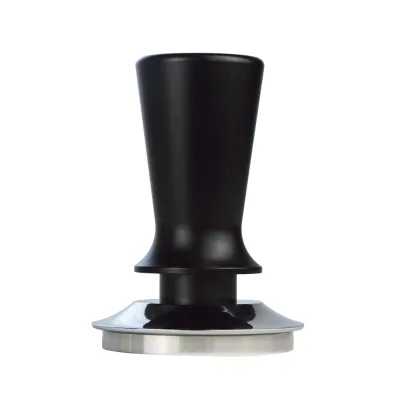




Comprehensive Sourcing Guide
Eco-Friendly Bamboo Coffee Tamper Station Supplier Concentration and Factory Types
Current data indicates that suppliers offering eco-friendly bamboo coffee tamper stations are primarily located in China, with specific clusters identified in Guangdong and Fujian provinces. These regions host a mix of trading companies and manufacturers capable of producing ceramic, stainless steel, and wood-based barista tools. The presence of facilities in Guangdong suggests a concentration of general tableware and metal processing capabilities, while Fujian appears to be a hub for bamboo and wood product manufacturing. Buyers should verify if a specific factory operates within these provinces by checking the "place of origin" field in product attributes, as this is the only high-confidence location data available for this category.
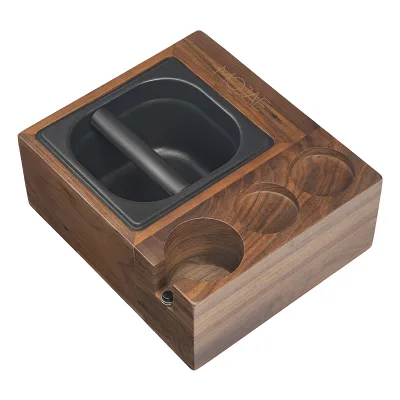
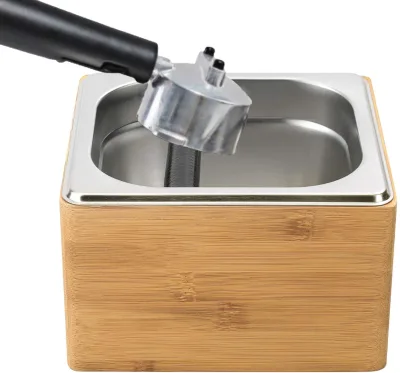
The supplier landscape includes both trading companies and direct manufacturers, each offering distinct advantages for sourcing. Some entities list their company type as a Manufacturer/Factory, indicating direct control over the production line for items like wooden knock boxes and tamper holders. Others operate as Trading Companies, which may aggregate products from multiple factories to offer a broader range of coffee accessories. When evaluating potential partners, buyers must distinguish between these types by reviewing the "company_type" field. A manufacturer might offer more flexibility for customizing the "Metal Type" or "Material" specifications, whereas a trading company might provide faster access to a wider variety of finished goods like silicone mats or stainless steel tampers.
How to Verify Eco-Friendly Bamboo Coffee Tamper Station Suppliers
Verification of supplier credibility relies heavily on checking for specific third-party certifications and verification badges rather than relying on general claims. The available data shows that some suppliers hold ISO 9000, ISO 14001, and ISO 9001 certifications, which indicate adherence to quality and environmental management standards. More specialized suppliers may possess FSC, LFGB, EN 71, or REACH certifications, which are critical for bamboo and wood products intended for food contact. Buyers should explicitly request proof of these certifications, such as the TüVRheinland verification badge mentioned in the data, to ensure the bamboo is sourced sustainably and meets international safety requirements.
Response time and verification status are also key indicators of a supplier's reliability and operational efficiency. The observed data reveals response times ranging from 5 to 18.35 hours, suggesting that some suppliers are significantly more responsive than others. A supplier with a response time of 5 hours may be better equipped to handle urgent inquiries regarding custom logos or material changes. Additionally, buyers should look for suppliers marked as "is_verified" to ensure they have undergone a background check. It is essential to confirm that the supplier's claimed capabilities, such as "sample processing" or "graphic processing," align with the specific customization needs of the eco-friendly bamboo tamper station project before proceeding with any order.
What to Compare Across Eco-Friendly Bamboo Coffee Tamper Station Suppliers
When comparing suppliers, the primary focus should be on lead times, minimum order quantities (MOQ), and pricing structures, as these vary significantly across the market. Lead times for these products can range from 15 days to 60 days, depending on the complexity of the customization and the supplier's current capacity. Some suppliers offer a lead time of 15 days for standard metal tampers, while others require up to 60 days for complex bamboo assemblies. Buyers must carefully review the "Lead Time" attribute in product details to ensure it aligns with their inventory planning. Similarly, MOQs can vary from as low as 1 piece for certain custom items to 500 pieces for standard bamboo knock boxes, directly impacting the initial investment required.
Pricing and material specifications are another critical area for comparison. The data indicates price ranges for similar products, such as wooden tamper holders ranging from $9.50 to $21.78, and silicone mats from $3.50 to $4.00. Buyers should compare the "price_min" and "price_max" fields to understand the cost structure for different materials like iron, wood, or silicone. It is also vital to compare the "prod_standard" dimensions and "prod_model" numbers to ensure the physical specifications match the design requirements. Additionally, suppliers may offer different packaging details, such as "Polybag+Inner Box+Carton" versus "Color Box," which can affect the final landed cost and presentation of the product.
Common Eco-Friendly Bamboo Coffee Tamper Station Sourcing Risks
One significant risk in sourcing eco-friendly bamboo products is the inconsistency in material quality and sustainability claims. While some suppliers list "Eco-Friendly" as a feature and hold FSC or REACH certifications, others may not provide verifiable proof of sustainable sourcing. Buyers must be cautious of suppliers who claim "Environmental" or "Sustainable" features without backing them up with recognized standards like EN 71 or FDA 21 CFR 175. The risk of receiving substandard bamboo that fails to meet food safety regulations is real if the supplier cannot demonstrate compliance with these specific standards. Therefore, verifying the "prod_origin" and the specific certifications associated with the bamboo material is essential to mitigate this risk.
Another risk involves the discrepancy between advertised lead times and actual delivery schedules. The data shows lead times varying from 15 to 60 days, and some suppliers may quote shorter times to secure an order while failing to meet them in practice. This inconsistency can disrupt supply chains, especially for businesses relying on just-in-time inventory. Buyers should also be wary of suppliers with high response times, as they may struggle to communicate effectively during production issues. To mitigate these risks, buyers should prioritize suppliers with verified response times and clear, documented lead times in their product attributes, ensuring that the "Lead Time" field reflects a realistic production schedule rather than an optimistic estimate.
Eco-Friendly Bamboo Coffee Tamper Station Regional Sourcing and Logistics
Sourcing from China, specifically from Guangdong and Fujian provinces, offers access to a robust supply chain for coffee barista tools. Guangdong is known for its metal and ceramic manufacturing capabilities, while Fujian specializes in bamboo and wood products. Buyers should verify the "place of origin" for each product to ensure it matches the desired regional expertise. For instance, a bamboo tamper station originating from Fujian is likely to have better quality control for wood processing than one from a region focused on metal goods. Understanding these regional specializations helps buyers select suppliers who are best equipped to handle the specific material requirements of their eco-friendly bamboo products.
Logistics planning must account for the varying packaging details and dimensions provided by different suppliers. The data shows packaging options ranging from simple "Polybag+Inner Box+Carton" to more elaborate "Color Box" or "shrink wrap" configurations. These differences impact shipping costs and the efficiency of container loading. Buyers should calculate the "Single package size" and "Single gross weight" to optimize freight costs. Additionally, the "prod_standard" dimensions, such as 27.52813cm or 26.510.58.5cm, must be considered when planning storage and display. Ensuring that the packaging is robust enough to protect the bamboo during transit is crucial, as damage to the wood can render the product unsellable.
Eco-Friendly Bamboo Coffee Tamper Station Commercial Terms and Order Planning
Commercial terms, particularly payment methods and customization options, play a vital role in order planning. The data indicates that some suppliers accept T/T (Telegraphic Transfer) as a payment term, which is a standard practice in international trade. Buyers should confirm the specific payment terms before placing an order to avoid any financial misunderstandings. Furthermore, the availability of customization is a key factor, with many suppliers offering "Customized Logo Acceptable" and "Customization: Available" options. Buyers must clearly define their customization requirements, such as specific logo placements or material finishes, to ensure the supplier can meet these needs within the agreed lead time.
Order planning should also consider the scalability of the supplier's production capacity. The data shows that some suppliers have "rd_capacity" for OEM and ODM services, allowing for significant customization and volume scaling. However, the MOQs can be restrictive, with some products requiring 500 pieces while others allow for single-piece orders. Buyers need to balance their initial order size with the supplier's MOQ to avoid overstocking or underutilizing production capacity. Additionally, the "Season" attribute, listed as "All Season" for some products, suggests that these items are not subject to seasonal demand fluctuations, allowing for more stable long-term planning. Buyers should align their order quantities with their sales forecasts to maintain a healthy inventory turnover.
FAQs
What is the typical lead time for eco friendly bamboo coffee tamper stations?
Lead times vary by supplier, with observed ranges from 15 to 60 days. Some manufacturers offer expedited production within 15 days, while others require up to 60 days for custom orders. Buyers should confirm specific timelines based on their order volume and customization needs before placing a purchase.
What are the minimum order quantities for these coffee tamper stations?
Minimum order quantities differ significantly across suppliers, ranging from 1 piece to 500 pieces. Some vendors accept single-piece orders for sampling, while others require bulk purchases of 50 or more units. Buyers must verify the specific MOQ for their chosen product model and material type.
Are these coffee tamper stations available with custom branding options?
Yes, customization is widely available for eco friendly bamboo coffee tamper stations. Suppliers offer custom logos, colors, and packaging details like polybags or cartons. Many manufacturers support OEM and ODM services, allowing buyers to tailor product features and branding to meet specific market requirements.
What certifications do suppliers of these products typically hold?
Suppliers often hold certifications such as ISO 9001, ISO 14001, and FSC for sustainable materials. Additional standards include LFGB, REACH, and FDA compliance for food safety. Buyers should verify specific certifications relevant to their target market, as not all suppliers possess every listed standard.
How quickly do suppliers typically respond to sourcing inquiries?
Response times vary, with some suppliers replying within 5 hours and others taking up to 18 hours. Faster response rates often indicate higher availability or dedicated sales teams. Buyers seeking urgent quotes should prioritize suppliers with documented quick response times to ensure timely project progress.
What materials are commonly used for these coffee tamper stations?
Common materials include solid wood, bamboo, iron, and silicone. Products often combine wood with metal components for durability. Eco-friendly features are standard, with many items made from sustainable bamboo or beechwood to align with environmental standards and consumer preferences for green products.
What is the price range for eco friendly bamboo coffee tamper stations?
Prices typically range from 3.50 to 21.78 USD per unit depending on material and design. Basic silicone mats start lower, while complex wooden organizers with multiple functions cost more. Buyers should compare specific product models to find the best value within their budget constraints.