Eco-Friendly Baby Picture Frame Suppliers and Manufacturers
Compare 29 verified suppliers offering eco friendly baby picture frames with certifications like BSCI and ISO 9001. Review lead times, MOQs, and customization options to source suitable manufacturers in China Fujian and Zhejiang for your next project; review the available evidence before requesting comparable quotations from suitable candidates.
Suppliers List

Quanzhou Wutongcrafts Co., Ltd.
- Verified by CTI
- Manufacturer/Factory
- China Fujian
- Lead time30 days
Main productsResin Figurine, Snow Globe, Fridge Magnets, Tourist Souvenirs, Garden Ornaments, Holiday Decorations, Madonna Statue, Bobble Head, Polyresin Statue, Polyresin Flower Pot
Main marketsSouth America,Eastern Europe,North America,Oceania,Western Europe,Africa

NINGBO BOHONGCHUANGYI INTERNATIONAL CO., LTD.
- Trading Company,Manufacturer/Factory
- China Zhejiang
- Lead time30 days
Main productsWooden Photo Frame, Photo Frame, Wooden Box, PVC Photo Frame, Baby Toy, Plastic Photo Frame, Glass Photo Frame, Polyresin Photo Frame, Wooden Toy, Leather Frame
Main marketsSouth America,Eastern Europe,Mid East,North America,Southeast Asia,Eastern Asia,Oceania,Western Europe,Africa
Dalian Ruisen Framing Co., Ltd.
- Verified by SGS
- Trading Company
- China Liaoning
- Lead time15 days
Main productsPS Frame Moulding, Wood Frame Moulding, Frame Jointing Machine, Frame Cutting Machine, Photo Frame, Canvas Floating Frame, Shadow Box Frame
Main marketsSouth America,Africa,Southeast Asia/ Mideast,East Asia(Japan/ South Korea),Domestic,Europe,Australia,North America


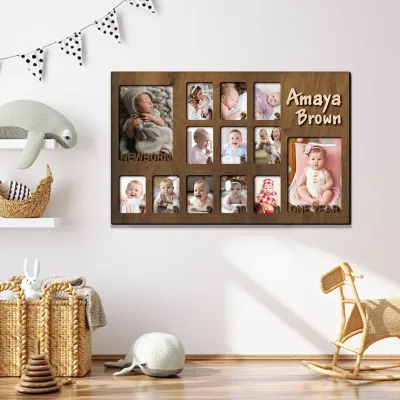
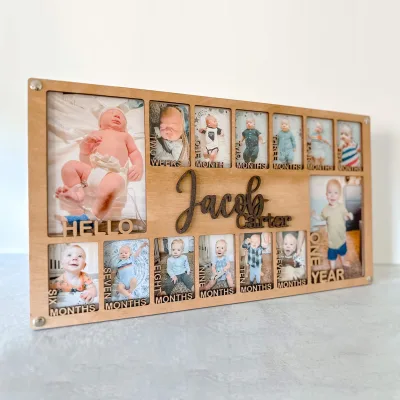
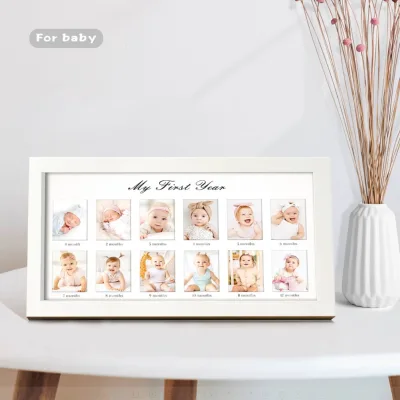
Black White Natural Color My Baby First Year 12 Months Newborn Wood Photo Frame
$4.10 - $5.40
MOQ: 500 Pieces

Zhejiang Fengyuan Industrial Co., Ltd.
- Verified by SGS Group
- Manufacturer, Trading Company
- Lead time45 days
- Avg. response≤ 3h
Main productsPhoto Frames, Wall Decors, Lap Tray, Wood Crafts, Memo Board
Main marketsNorth America(30%), Eastern Asia(15%), Western Europe(15%)
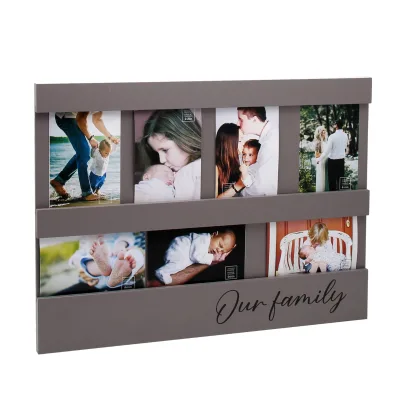
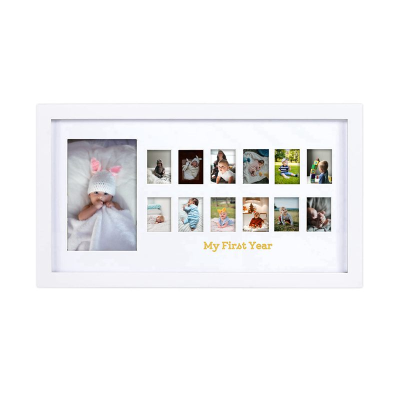
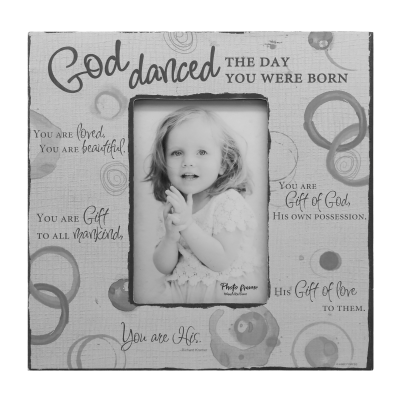
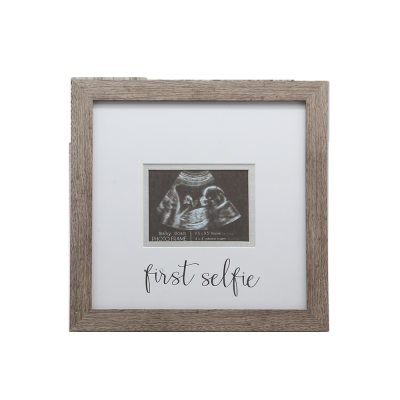
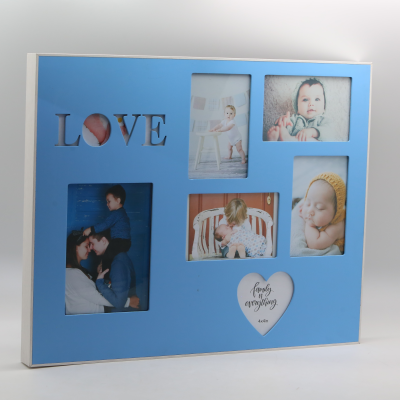
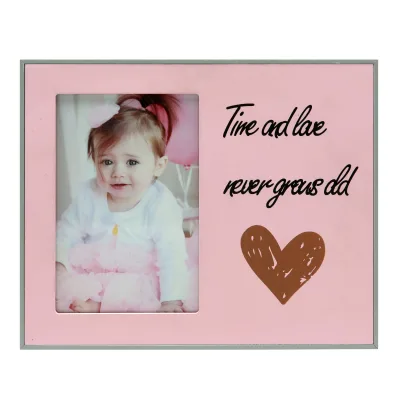
Customizable Logo Classical Picture Frame for Newborns Hot Standing Print Baby Frame
$1.10 - $1.30
MOQ: 300
Ningbo Jinn Home Decoration Co., Ltd.
- Verified by TüVRheinland
- Trading Company
- Lead time30 days
- Avg. response≤ 3h
Main productsPhoto Frame, Mirror, Service Tray, Jewelry Boxes, Wood Crafts
Main marketsWestern Europe(27%), North America(18%), Domestic Market(16%)
Shenzhen Xinsichuang Arts And Crafts Co., Ltd.
- Manufacturer, Trading Company
- Lead time旺季: "1 - 36":31,"> 36":"To be negotiated", 淡季: "1 - 36":31,"> 36":"To be negotiated"
- Avg. response≤ 4h
Main productsHandmade Oil Painting, Art Print, Frame, Painting By Number, Diamond Painting
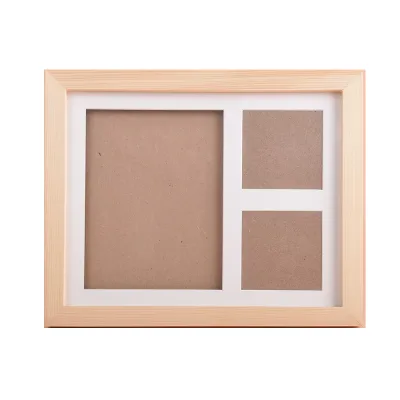
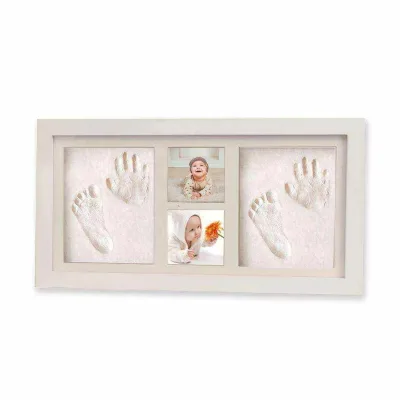
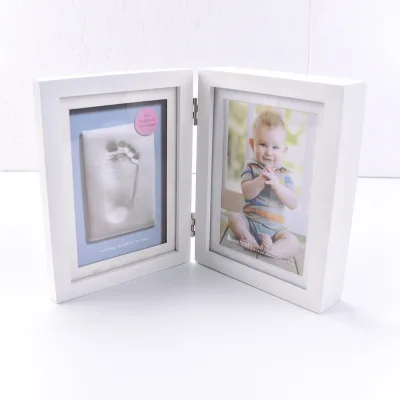
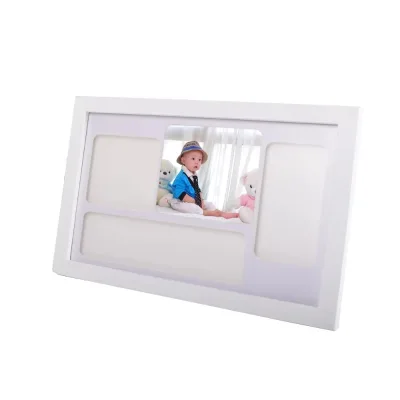
Baby Picture Frame with Three Openings, Minimalist Wood Frame, Ideal for Infant Photos Display
$2.65 - $2.85
MOQ: 36 pieces
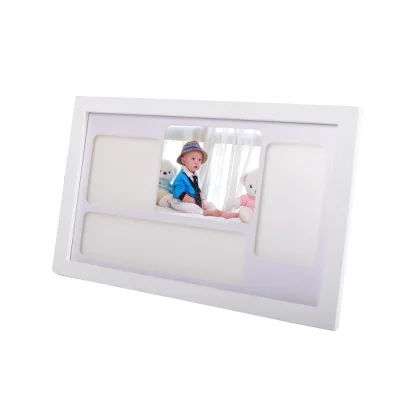
Wooden Baby Photo Frame for 100 Days Safe & Eco-Friendly, Rounded Corners, Newborn Keepsake Display
$2.65 - $2.85
MOQ: 36 pieces

Ningbo Yinzhou Wenhui Paper Co., Ltd.
- Verified by TUVRHEINLAND
- Manufacturer/Factory
- China Zhejiang
- Lead time45 days
Main productsStationery Gifts Promotional Homeware, Pen, Pet Products, Board Game, Paper Tube, Notebook, Wooden Toys, DIY Toy, Puzzle, Gift Bag
Main marketsSouth America,Eastern Europe,Mid East,North America,Southeast Asia,Eastern Asia,Oceania,Western Europe,Africa

Ningbo Hi-Tech Zone Yihai Int'l Trading Co., Ltd.
- Trading Company
- China Zhejiang
- Lead time30 days
Main productsStorage Bag, Laundry Baskets, Laundry Bags, Storage Baskets, Pedal Bin, Ashtray, Household Items
Main marketsEast Asia(Japan/ South Korea),Europe,Australia

Ningbo Hongchuang Commodity Co., Ltd.
- Verified by SGS
- Trading Company,Manufacturer/Factory
- China Zhejiang
- Lead time45 days
Main productsStorage, Home Decoration, Kitchenware, Housewares, Gifts & Crafts, Office & School, Beauty & Personal Care, Festival Items, Wooden Photo Frame, Garden Tools
Main marketsSouth America,Eastern Europe,Mid East,North America,Southeast Asia,Eastern Asia,Oceania,Western Europe,Africa


Eco-Friendly Sustainable Lightweight PS Picture Photo Frame for Home Decor
$0.50 - $1.99
MOQ: 1000 Pieces

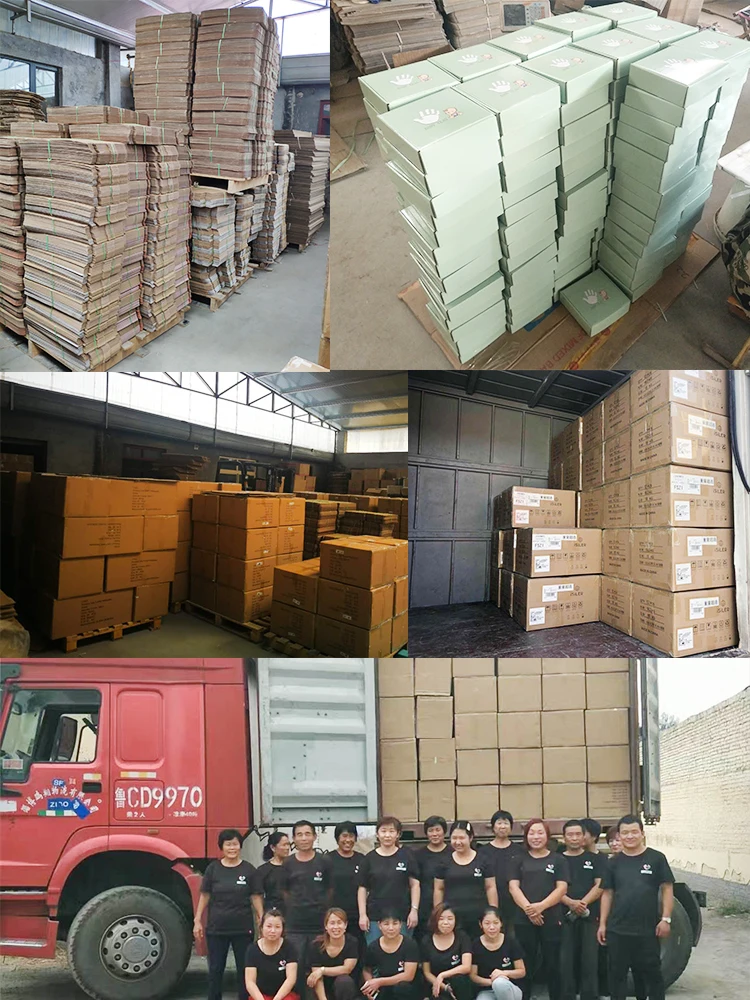
Zouping Aizhiyin Industry and Trade Co., Ltd.
- Manufacturer, Trading Company
- Shandong, China
- Lead time10 days
- Avg. response≤ 3h
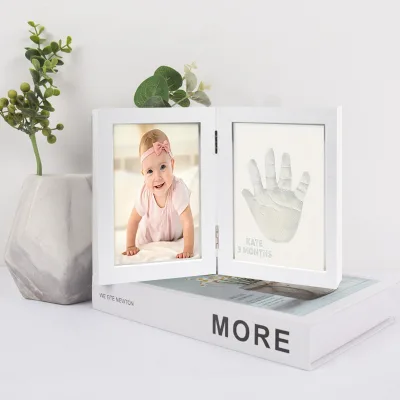
Main productsBaby Hand And Foot Print Frame,Pet Paw Print Photo Frame,Baby Clay
Main marketsWestern Europe(50.00%), North America(30.00%), Eastern Europe(10.00%), Domestic Market(10.00%)
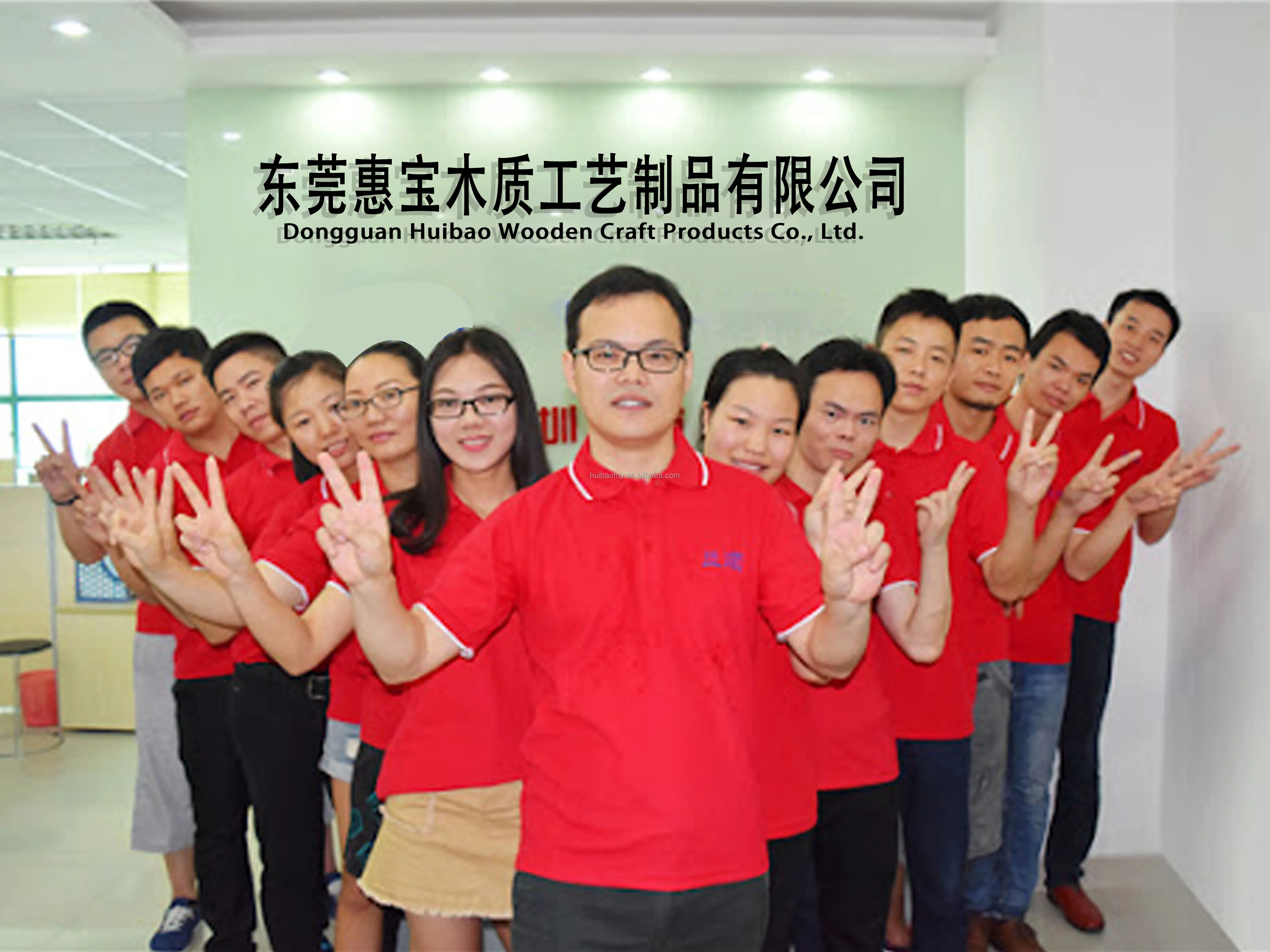
Dongguan Huibao Wooden Craft Products Co., Ltd.
- Manufacturer, Trading Company
- Guangdong, China
- Lead time15 days
- Avg. response≤ 3h
Main productsWooden Rfid/Nfc Card,Wooden Crafts,Holiday Gifts,Wood Plywood,Wood Laser Cutting
Main marketsNorth America(20.00%), Domestic Market(10.00%), Mid East(10.00%), Oceania(10.00%), Eastern Europe(8.00%), Southeast Asia(5.00%), Southern Europe(5.00%), Northern Europe(5.00%), Central America(5.00%), Western Europe(5.00%), Eastern Asia(5.00%), Africa(5.00%), South America(5.00%), South Asia(2.00%)

Xiamen Ebei Import & Export Co., Ltd.
- Verified by CTI
- Trading Company,Manufacturer/Factory
- China Fujian
- Lead time45 days
Main productsEco-Friendly Products, Bamboo Tableware, Bamboo Furniture, Bamboo Kitchenware, Bamboo Office Supply, Bamboo Fibre Products, Biodegradable Products, Bamboo Towel, Solar Energy Products, Bamboo Garden Products
Main marketsSouth America,Eastern Europe,Mid East,North America,Southeast Asia,Eastern Asia,Oceania,Western Europe,Africa


Wooden Photo Frame, Pet Memorial Natural Wood Picture Frame
MOQ: 1000 Pieces

- Verified by TUVRHEINLAND
- Combined
- China Fujian
- Lead time15 days
Main productsFridge Magnet, Decorative Hook, Metal Plaque, Wood Plaque, Wooden Photo Frame, Wood Chalkboard, Book Mark, Linen Painting, Canvas Box, Cup Coasters
Main marketsSouth America,Africa,Southeast Asia/ Mideast,East Asia(Japan/ South Korea),Europe,Australia,North America

Ningbo Shone Med-Tech Co., Ltd.
- Verified by SGS
- Trading Company,Manufacturer/Factory,Group Corporation
- China Zhejiang
- Lead time23 days
Main productsWooden Games, Wooden Toys, Bingo Games, Wooden Sport Items, Wooden Box
Main marketsSouth America,Eastern Europe,Mid East,North America,Southeast Asia,Eastern Asia,Oceania,Western Europe,Africa

Promotion Gift Modern Style Heart Shape Children Wooden Photos Frame for Kids
$0.80 - $10.00
MOQ: 200 Pieces


Yiwu Miaoyu Arts & Crafts Co., Ltd.
- Trading Company
- Zhejiang, China
- Lead time25 days
- Avg. response≤ 8h
Main productsPhoto Albums,Photo Frame,NoteBooks,Wall Clock,Home Decor
Main marketsEastern Europe(35.00%), North America(30.00%), Mid East(10.00%), Domestic Market(5.00%), Southern Europe(5.00%), Northern Europe(5.00%), Western Europe(5.00%), Africa(5.00%)
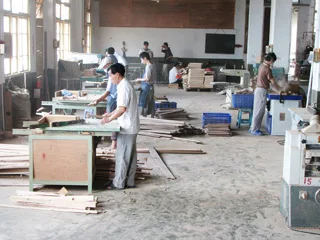
Fuzhou Kenaisi Home Decor Co., Ltd.
- Trading Company
- Fujian, China
- Lead time35 days
- Avg. response≤ 3h
Main productstray,blackboard,mirror,shelf,photo frame
Main marketsNorth America(40.00%), Western Europe(20.00%), Oceania(20.00%), Southern Europe(10.00%), Northern Europe(10.00%)

- Verified by BV
- Manufacturer/Factory
- China Shandong
- Lead time23 days
Main productsShopping Bag, Cotton Bag, Cooler Bag, Wooden Box, Promotional Item, Promotional Product, PVC Bag, Suit Cover, RPET Bag, PP Woven Bag
Main marketsSouth America,Eastern Europe,Mid East,North America,Southeast Asia,Eastern Asia,Oceania,Western Europe,Africa

Yiwu City Haochang Arts&crafts Co., Ltd.
- Trading Company
- Zhejiang, China
- Lead time10 days
- Avg. response≤ 3h
Main productsFelt letter board,Plastic letters,Wooden poster hanger,Easel
Main marketsNorth America(30.00%), Western Europe(20.00%), Domestic Market(10.00%), South America(10.00%), Southern Europe(5.00%), Northern Europe(5.00%), South Asia(5.00%), Oceania(5.00%), Eastern Asia(4.00%), Southeast Asia(2.00%), Eastern Europe(2.00%), Mid East(1.00%), Africa(1.00%)

Guangzhou Glory Advertising Signs Co., Ltd.
- Manufacturer/Factory
- China Guangdong
- Lead time15 days
Main productsCast Acrylic Sheet, Crystal Light Box, Vacuum Light Box, Acrylic Sheet, PVC Foam Board, Slim Light Box, Outdoor Scrolling Light Box, Acrylic Craft, Mould Sucking Signage, Resin Signage
Main marketsSouth America,Eastern Europe,Mid East,North America,Southeast Asia,Eastern Asia,Oceania,Western Europe,Africa

Ningbo Paiaopai Display Co., Ltd
- Verified by TUVRHEINLAND
- Combined
- China Zhejiang
- Lead time30 days
Main productsMakeup Cosmetic Display Organizer Beauty, Jewelry Display Stand for Necklace Breclet Tray, Counter Display for Retial Store Sunglass, Buffet Display for Cake Dessert Party Stand, Funko Pop Acrylic Box Pokemon Etb Booster Pack, Acrylic Sign Label Price Tag Display Holder Fram, Juice Wine Display Racking Shelf Showcase, Acrylic Floor Display Pop up Display Side Table, House Decoration Display Stand Desktop Vase, Store Display Rack Supermarket Metal Acrylic PVC
Main marketsDomestic,North America

Dongguan Chaofan Lamp Manufacturing Co., Ltd.
- Verified by SGS
- Combined
- China Guangdong
- Lead time15 days
Main productsNeon Sign, Neon Light, Felxible Light Strip, Custom Neon Lamp, Customized Arrylic Panel Neon Sign
Main marketsDomestic

WENZHOU TIMES ARTS&CRAFTS CO., LTD.
- Verified by SGS
- Manufacturer/Factory
- China Zhejiang
- Lead time23 days
Main productsToys, Montessori Toys, Wooden Toy, Educational Toy, Role Play Toys, Children Furniture, Puzzle, Kid Bike, Musical Toy, Wooden Blocks
Main marketsSouth America,Eastern Europe,Mid East,North America,Southeast Asia,Eastern Asia,Oceania,Western Europe,Africa

$0.50 - $2.00
MOQ: 1000 Pieces

$2.00 - $7.00
MOQ: 1000 Pieces


- Verified by TUVRHEINLAND
- Trading Company
- China Hunan
- Lead time15 days
Main productsFridge Magnet, Acrylic Magnet, Resin Crafts, Playing Cards, Tote Bag, Custom Keychains, Acrylic Shakers, Snow Globe, Bottle Openers, Metal Crafts
Main marketsSouth America,Africa,Southeast Asia/ Mideast,East Asia(Japan/ South Korea),Europe,Australia,North America

Customized Size Printing Picture Acrylic Photo Frames for Home Decoration
$1.65 - $2.12
MOQ: 100 Pieces

Hot Sale Custom Size Picture Acrylic Photo Frame for Desktop Display Promotion
$1.65 - $2.12
MOQ: 100 Pieces
Shenzhen Hantang Grand Tech. Co., Ltd.
- Manufacturer
- Guangdong, China
- Lead time10 days
- Avg. response≤ 4h
Main productsMetal Plastic Pipes tubes,Boards,Plastic OEM products,Hardware OEM products,Design
Main marketsNorth America(40.00%), South America(15.00%), Western Europe(10.00%), Eastern Europe(8.00%), Northern Europe(5.00%), Oceania(5.00%), Central America(5.00%), Mid East(3.00%), Domestic Market(2.00%), Africa(2.00%), Southern Europe(2.00%), Eastern Asia(1.00%), South Asia(1.00%), Southeast Asia(1.00%)
Caoxian Huashen Arts & Crafts Co., Ltd.
- Manufacturer, Trading Company
- Shandong, China
- Lead time25 days
- Avg. response≤ 2h
Main productsWooden box wine box,wooden pet product,wooden shelf,wooden garden plant box,Wooden toy
Main marketsNorth America(60.00%), Domestic Market(20.00%), Oceania(5.00%), Eastern Europe(3.00%), South America(3.00%), Southeast Asia(2.00%), Western Europe(2.00%), Eastern Asia(1.00%), Southern Europe(1.00%), Northern Europe(1.00%), Central America(1.00%), Mid East(1.00%)

Yangzhou Meiyi Machinery Technology Co., Ltd.
- Verified by SGS
- Combined
- China Jiangsu
- Lead time15 days
Main marketsDomestic


$0.65 - $50.00
MOQ: 50 Pieces

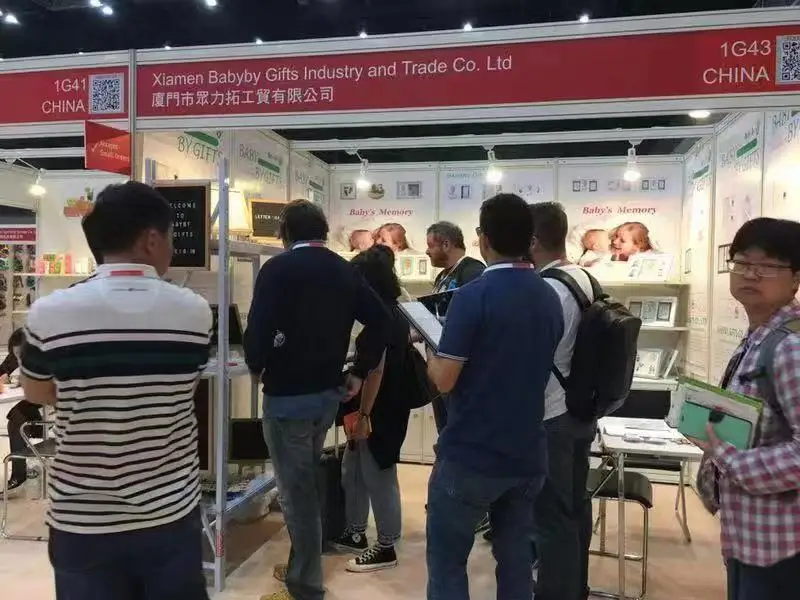
Xiamen Babyby Gifts Industry And Trade Co., Ltd.
- Manufacturer, Trading Company
- Fujian, China
- Lead time15 days
- Avg. response≤ 2h
Main productsBaby handprint and footprint kit,Handprint Clay,Photo Frame,Paint footprint kit,Baby gifts
Main marketsWestern Europe(30.00%), North America(30.00%), Eastern Europe(10.00%), Mid East(5.00%), South America(5.00%), Africa(5.00%), Southeast Asia(5.00%), Northern Europe(2.00%), Oceania(2.00%), Eastern Asia(2.00%), Domestic Market(1.00%), South Asia(1.00%), Southern Europe(1.00%), Central America(1.00%)
Jinhua Hofine Household Products Co., Ltd.
- Verified by TüVRheinland
- Manufacturer, Trading Company
- Lead time35 days
- Avg. response≤ 12h
Main productsPhoto Frame, Mirror Frame, Picture Frame
Main marketsSouthern Europe(44%), Domestic Market(30%), North America(5%)
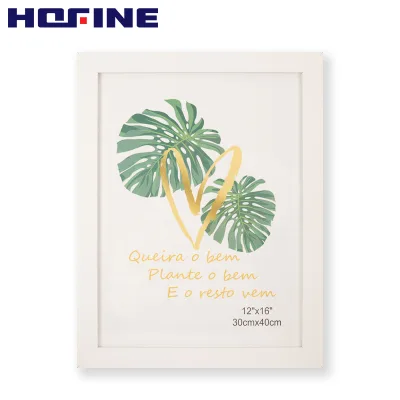
High Quality Custom White Made to Display Pictures With Mat or Without Mat Picture Photo Frame
$0.90 - $1.80
MOQ: 200 pieces

Shenzhen E-Yue Manufacturer Co., Ltd.
- Verified by TUVRHEINLAND
- Manufacturer/Factory
- China Guangdong
- Lead time23 days
Main productsCar Air Freshener, Paper Packaging Box, Can Air Freshener, Paper Flower, Promotion Gifts, Cotton Shopping Bag, Plaster Pendant Aroma Diffuser, Scetned Candles, Scented Bag for Home & Car, Gift Box
Main marketsSouth America,Mid East,North America,Southeast Asia,Eastern Asia,Oceania,Western Europe,Africa






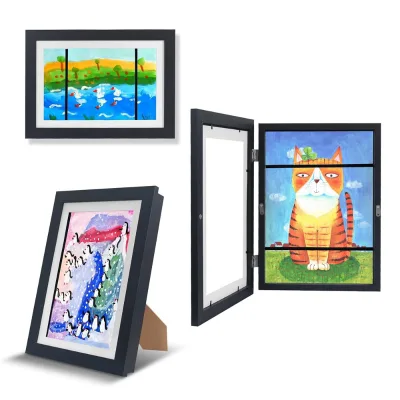
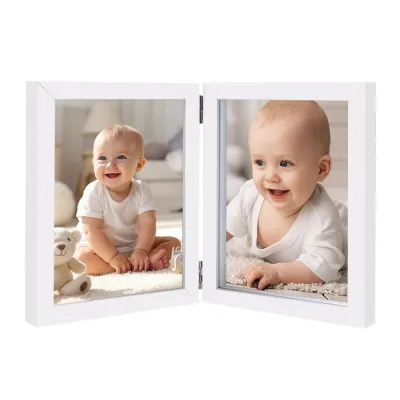
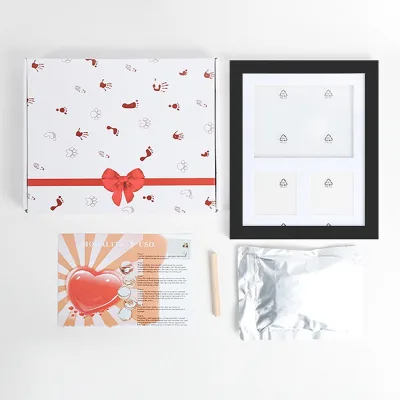
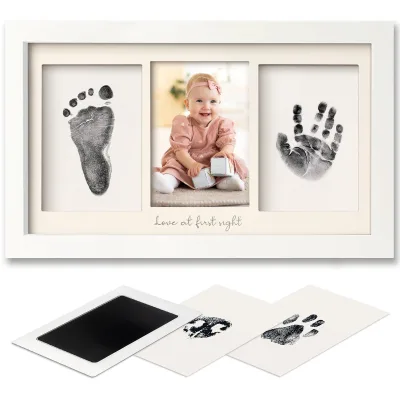






Comprehensive Sourcing Guide
Eco-Friendly Baby Picture Frame Supplier Concentration and Factory Types
Current data indicates a concentration of manufacturers and factories located in China, specifically within the Fujian and Zhejiang provinces. These regions host suppliers whose main product lines include resin figurines, polyresin statues, and various photo frame types such as wooden, plastic, and glass frames. The presence of both manufacturer and trading company entities suggests a diverse supply chain where some suppliers handle direct production while others manage distribution. Buyers should verify if a specific supplier operates as a factory or a trading company, as this distinction impacts direct communication with production lines and potential cost structures. The Fujian location is associated with resin-based products like snow globes and garden ornaments, while Zhejiang suppliers often list wooden and plastic frames alongside baby toys.
When assessing supplier types, buyers must look for explicit declarations of company type rather than inferring capabilities from product catalogs alone. Some suppliers in the results list themselves as manufacturers with OEM and ODM capacities, indicating they can customize designs and manage production runs. Others may be trading companies that aggregate products from multiple factories, which can offer a wider variety of materials like wood or plastic but might introduce additional layers in the supply chain. It is crucial to confirm the specific nature of the entity before proceeding, as factory-direct relationships often allow for more flexible customization of eco-friendly features. Buyers should not assume all listed suppliers have identical production capabilities, even if they appear in the same regional cluster.
How to Verify Eco-Friendly Baby Picture Frame Suppliers
Verification of supplier credibility relies heavily on third-party audit reports and system certifications rather than self-declared claims. The available data shows that some suppliers hold BSCI, ISO 9000, ISO 9001, and HSE certifications, which are critical indicators of management systems and social compliance. Additionally, verification status from entities like CTI provides an external layer of trust regarding the supplier's operational legitimacy. Buyers should request current audit reports to confirm that these certifications are active and cover the specific facilities producing the eco-friendly frames. The presence of SGS, CE, and Sct certificates on product attributes further suggests that specific items have undergone safety and quality testing, which is vital for baby products.
Beyond certifications, buyers must verify the actual production environment and material sourcing to ensure genuine eco-friendly claims. Product attributes indicate that some frames are hand-made and labeled as eco-friendly, but this requires physical inspection or video verification of the manufacturing process. Buyers should ask for evidence of material safety, such as non-toxic paints or sustainably sourced wood, to align with the "Eco-Friendly" safety attribute found in product data. It is also necessary to confirm the supplier's response time and lead time consistency, as these operational metrics reflect their reliability. Without concrete proof of these standards, buyers should treat eco-friendly claims as unverified until independent testing or on-site audits confirm the materials and processes used in production.
What to Compare Across Eco-Friendly Baby Picture Frame Suppliers
Comparing suppliers requires a detailed analysis of lead times, minimum order quantities, and pricing structures to determine the best fit for specific project needs. Lead times in the observed data vary, with some suppliers indicating a standard 30-day production window while others specify 35 to 45 days for delivery. Minimum order quantities also differ significantly, ranging from 500 units for certain resin frames to 1000 or 1500 units for plastic and wooden variants. Buyers must weigh these constraints against their inventory requirements, as higher MOQs may reduce unit costs but increase storage risks. Price ranges observed span from approximately $0.10 to $3.45 per unit, depending on the material, customization level, and order volume, necessitating a clear budget strategy.
In addition to logistics and cost, buyers should compare the scope of customization and product attributes offered by different suppliers. Some suppliers offer full OEM and ODM services, allowing for custom shapes, sizes, and surface treatments like painting, while others may have limited options. The product attributes reveal variations in material, such as plastic, wood, or resin, and specific features like hand-made processing or eco-friendly safety ratings. Buyers should also evaluate the packaging standards, which range from simple PP bags to more protective polyfoam boxes and shrink wraps, as this affects shipping costs and product integrity. A comprehensive comparison must include the supplier's ability to handle custom orders and their track record for meeting specific design requirements without compromising on quality or safety standards.
Common Eco-Friendly Baby Picture Frame Sourcing Risks
One significant risk in sourcing eco-friendly baby picture frames is the potential discrepancy between claimed materials and actual product composition. While product attributes list items as eco-friendly or made from wood and plastic, buyers must verify that these materials meet specific safety standards for children's products. The presence of certifications like SGS or CE is a positive indicator, but without regular re-testing, there is a risk that materials may change or fail to meet updated regulations. Buyers should be cautious of suppliers who claim eco-friendly status without providing recent, verifiable test reports for the specific batch of goods being ordered. This verification is essential to prevent recalls or safety issues that could damage the buyer's brand reputation.
Another risk involves the reliability of lead times and the consistency of production quality across different batches. The data shows varying lead times, from 30 days to 45 days, which can be impacted by raw material availability or production bottlenecks. If a supplier promises a short lead time but consistently delivers late, it can disrupt the buyer's supply chain and sales schedule. Additionally, the complexity of custom orders, such as specific sizes or unique designs, can introduce delays if the supplier lacks the necessary capacity or expertise. Buyers should establish clear communication channels and set realistic expectations regarding production timelines. It is also important to have a contingency plan for quality control, ensuring that any deviations from the agreed-upon specifications are addressed immediately to avoid receiving substandard products.
Eco-Friendly Baby Picture Frame Regional Sourcing and Logistics
Sourcing from China, particularly from Fujian and Zhejiang provinces, offers access to a robust manufacturing ecosystem for resin, wood, and plastic frames. These regions are known for their specialized production capabilities, with Fujian focusing on resin-based items and Zhejiang offering a mix of wooden and plastic products. Logistics from these areas typically involve shipping from major ports like Ningbo, which is frequently cited as the FOB port in supplier data. Buyers should consider the distance and shipping routes when calculating total landed costs, as freight rates can fluctuate based on global market conditions. Understanding the specific port of origin helps in planning the logistics chain and estimating transit times accurately.
When planning logistics, buyers must account for the packaging requirements specified by suppliers, which can vary from simple PP bags to more complex polyfoam and inner box combinations. Proper packaging is crucial for protecting fragile items like resin or glass frames during transit, especially for international shipping. Buyers should verify if the supplier's packaging meets the necessary standards for durability and safety, as inadequate packaging can lead to product damage and increased return rates. Additionally, the choice of shipping method, whether by sea or air, will impact the overall cost and delivery speed. Buyers should work closely with their logistics partners to optimize the shipping process, ensuring that goods arrive on time and in good condition while minimizing unnecessary expenses.
Eco-Friendly Baby Picture Frame Commercial Terms and Order Planning
Commercial terms for eco-friendly baby picture frames often include specific payment structures and delivery conditions that buyers must carefully review. The data indicates that suppliers may offer FOB terms from ports like Ningbo, which places the responsibility for freight and insurance on the buyer once goods leave the port. Buyers should clarify Incoterms to understand their obligations regarding shipping costs and risk transfer. Additionally, payment terms such as deposits and balance payments upon shipment are common, and buyers should negotiate these terms to align with their cash flow needs. It is also important to confirm the supplier's policy on sample lead times, which can range from 2 to 15 days, to ensure timely product approval before full production begins.
Order planning requires a strategic approach to managing MOQs and production schedules to avoid stockouts or overstocking. With MOQs ranging from 500 to 1500 units, buyers need to forecast demand accurately to determine the optimal order size. Larger orders may offer better unit prices but require significant storage capacity and capital investment. Buyers should also consider the lead time variability, which can extend up to 45 days, and plan their inventory accordingly to maintain a steady supply. Establishing a long-term relationship with a reliable supplier can help in securing better terms and more consistent delivery schedules. By carefully analyzing commercial terms and planning orders based on realistic demand forecasts, buyers can mitigate risks and ensure a smooth procurement process for eco-friendly baby picture frames.
FAQs
What is the minimum order quantity for eco friendly baby picture frames?
The minimum order quantity typically ranges from 500 to 1500 pieces depending on the specific product design and material. Buyers should verify the exact MOQ for their chosen style, as custom orders may have different thresholds. Confirming this detail ensures accurate cost calculation and production planning for bulk purchases.
How long does production take for custom resin photo frames?
Production lead times generally range from 30 to 45 days for standard orders. Some suppliers offer sample lead times of 2 to 15 days for approval before mass production begins. Buyers should confirm the exact timeline with the supplier to align with their delivery schedule and avoid delays.
Are eco friendly baby picture frames available with OEM customization?
Yes, many manufacturers offer OEM and ODM services for custom designs. Buyers can request specific styles, colors, and packaging options to match their brand requirements. Customization is available for various materials including resin and plastic, allowing for unique product differentiation in the market.
What certifications do these suppliers hold for product safety?
Suppliers often hold certifications such as BSCI, ISO 9001, and SGS for quality and safety compliance. Product attributes may also include CE and other relevant standards. Buyers should verify specific certificates for their target market to ensure regulatory compliance and product safety for children.
Where are these suppliers located and what is the FOB port?
Suppliers are primarily located in China, specifically in Fujian and Zhejiang provinces. The FOB port for shipments is often Ningbo, China. Buyers should confirm the exact shipping port and logistics arrangements with the supplier to ensure efficient delivery and accurate freight cost estimation.