Eco Friendly Cartoon Cat Carrier Suppliers and Manufacturers
Compare 30 verified suppliers offering Eco Friendly Cartoon Cat Carrier options with varying lead times, certifications, and response speeds. Review their ISO9001:2015 status and MOQ requirements before requesting quotes for your specific pet carrier needs; review the available evidence before requesting comparable quotations from suitable candidates.
Updated
Suppliers List

PUYANG SELFAIDING INDUSTRIAL CO., LTD.
- Verified by SGS
- Manufacturer
- China Henan
- Lead time15 days
- Avg. response≤ 3h
Main productsAdult Bib, Pet Pad, Underpad, Baby Bib, Protective Panties, Washable Sanitary Pad, Compression Stockings, Patient Care Clothing, Pet Nest, Pet Toy

WOR-BIZ INDUSTRAL PRODUCT CO., LIMITED (ANHUI)
- Verified by TUVRHEINLAND
- Trading Company
- China Anhui
- Lead time45 days
- Avg. response≤ 8h
Main productsPet Products, Pet Harness, Pet Collar, Pet Leash, Pet Carrier, Pet Toy, Pet Bed, Pet Clothes, Pet Accessory, Pet Feeder
Main marketsSouth America


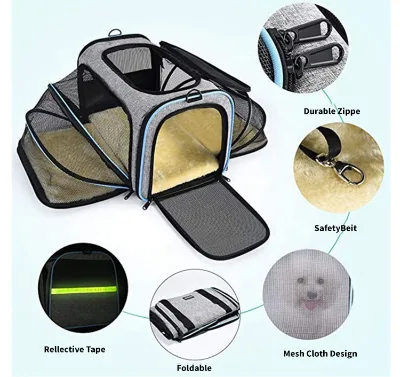
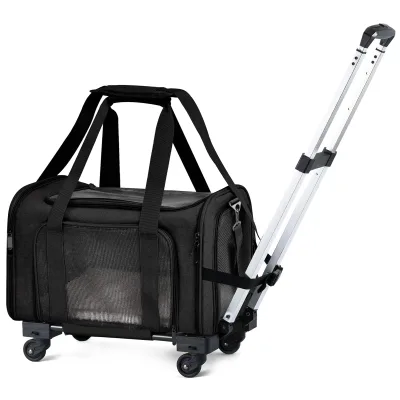
Small Pet Carrier/Cat Carrier/Kitten Carrier/Pet Pursetravel Foldable Pet Carrier
$8.80 - $10.00
MOQ: 500 Pieces


Small Pet Carrier/Cat Carrier/Kitten Carrier/ Dog Breed Carrier/Portable
$8.80 - $10.00
MOQ: 500 Pieces
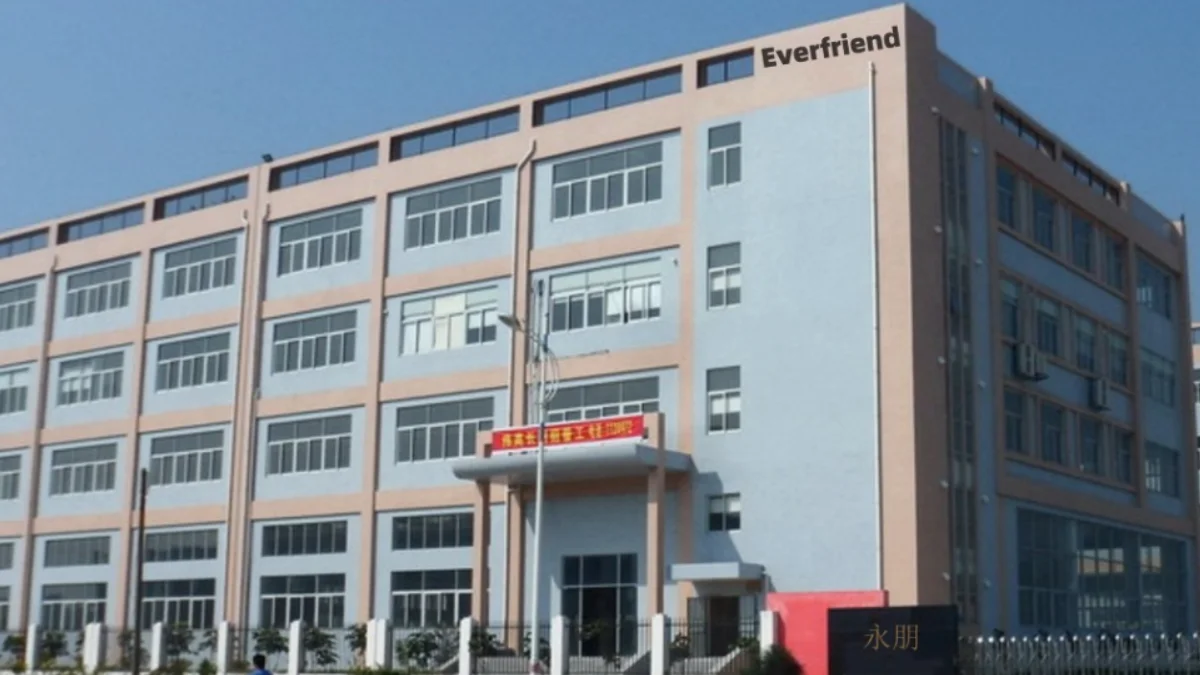
Everfriend Pet Products Manufacturer
- Manufacturer
- Guangdong, China
- Lead time0 days
- Avg. response≤ 9h
Main productsPet Products
Main marketsNorth America(40.00%), Western Europe(20.00%), South America(10.00%), Eastern Europe(10.00%), Southern Europe(5.00%), Northern Europe(5.00%), Oceania(5.00%), Eastern Asia(5.00%)

Xiamen Furvorite Pet Supplies Co., Ltd.
- Manufacturer, Trading Company, Distributor/Wholesaler
- Fujian, China
- Lead time35 days
- Avg. response≤ 2h
Main productsDog Brace,Dog Harness,Pet Clothes,Pet Accessories,Pet Toys
Main marketsNorth America(50.00%), Southern Europe(5.00%), Northern Europe(5.00%), Central America(5.00%), Western Europe(5.00%), Mid East(5.00%), Oceania(5.00%), Africa(5.00%), Southeast Asia(5.00%), Eastern Europe(5.00%), South America(5.00%)

Tianjin Star Pet Tech Co., Ltd.
- Verified by TUVRHEINLAND
- Manufacturer/Factory
- China Tianjin
- Lead time23 days
- Avg. response≤ 4h
Main productsDog Harness, Dog Bed, Bird Cage, Dog Bowl, Dog Cage, Pet Toys, Dog Clothes, Pet Carrier, Pet Product, Cat Product
Main marketsSouth America,Eastern Europe,Mid East,North America,Southeast Asia,Eastern Asia,Oceania,Western Europe,Africa

Jiangmen Muyjis Pet Products Co., Ltd.
- Verified by SGS
- Combined
- China Guangdong
- Lead time15 days
- Avg. response≤ 9h
Main productsPet, Pet Travel Carrier, Pet Harness, Pet Supplies, Pet Accessories, Pet Clothes, Pet Shoes
Main marketsEast Asia(Japan/ South Korea),Europe,North America
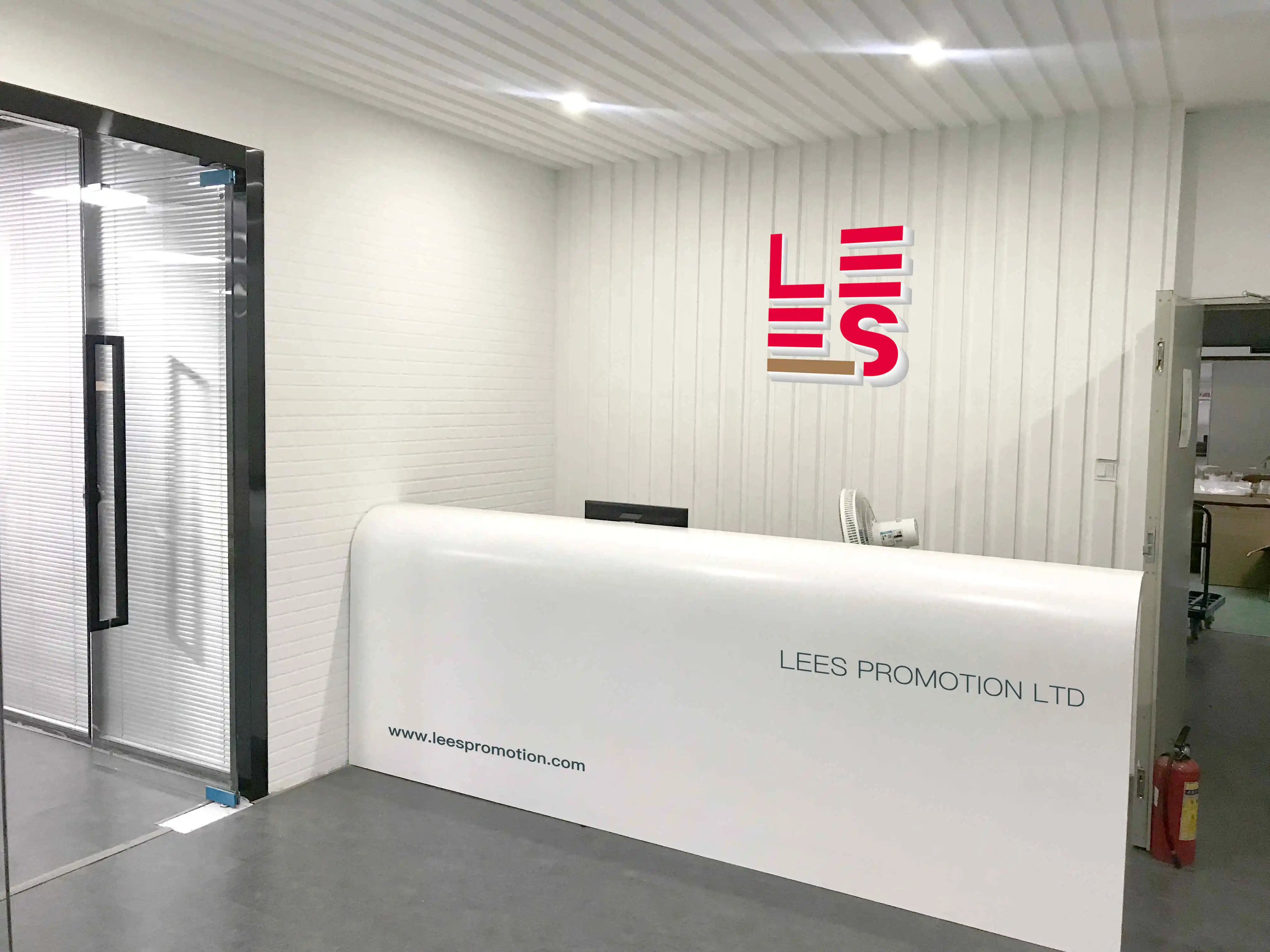
Dongguan Lees Promotion Co., Ltd.
- Manufacturer, Trading Company
- GuangDong, China
- Lead time15 days
- Avg. response≤ 2h
Main productscosmetic bag,makeup tools,wine bags
Main marketsNorth America(21.00%), Western Europe(16.00%), Oceania(14.00%), Southern Europe(13.00%), South America(5.00%), Eastern Asia(5.00%), Domestic Market(5.00%), Southeast Asia(5.00%), Northern Europe(5.00%), Africa(4.00%), South Asia(3.00%), Mid East(2.00%), Eastern Europe(2.00%)
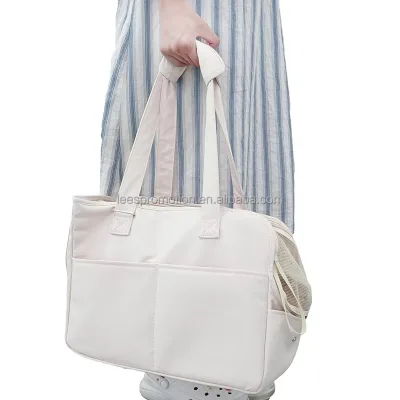
Wholesale Pet Carrier Bag New Eco-Friendly Travel Portable Pet Bag Carrier for Cats and Dogs
$7.50 - $9.00
MOQ: 500 pieces
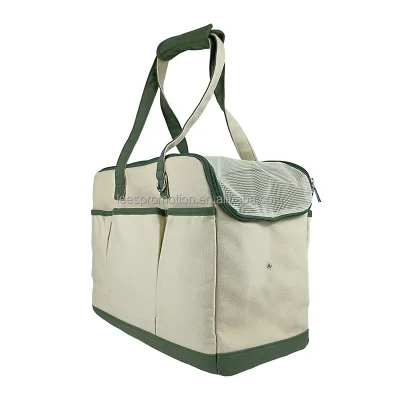
Durable Pet Carrier High Quality Breathable Canvas Travel Carrier Outdoor Dog Cat Bags
$10.60 - $13.80
MOQ: 500 pieces
- Verified by SGS Group
- Trading Company
- Lead time15 days
- Avg. response≤ 3h
Main productsPet Cages House Carriers, Pet Collars Harness Leashes, Pet Toys, Pet Bowls Feeder, Pet Beds
Main marketsNorth America(35%), Western Europe(15%), Mid East(15%)
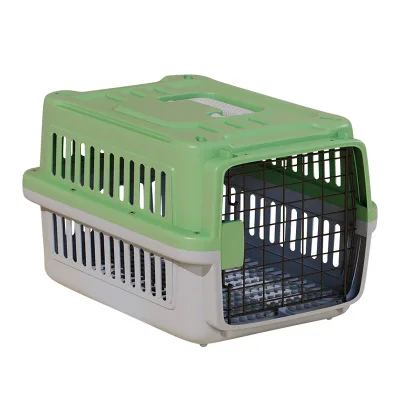
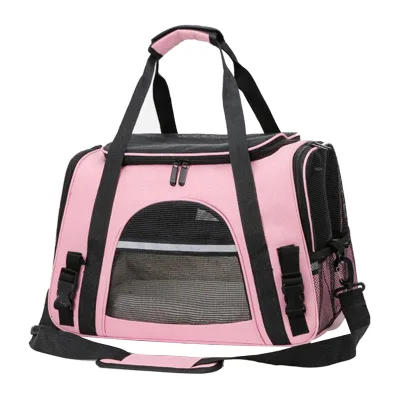
Lightweight Durable Pet Carrier Wholesale Pet Carrier Cardboard Pet Carrier for Cat
$5.83 - $6.62
MOQ: 100 pieces
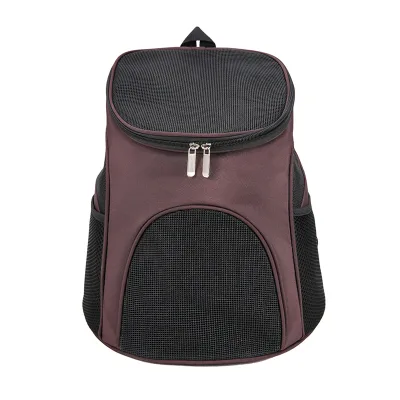
Wholesale Portable Pet Rabbit Carrier Portable Pet Carrier Bike Pet Carrier Outdoors
$2.94 - $3.35
MOQ: 100 pieces
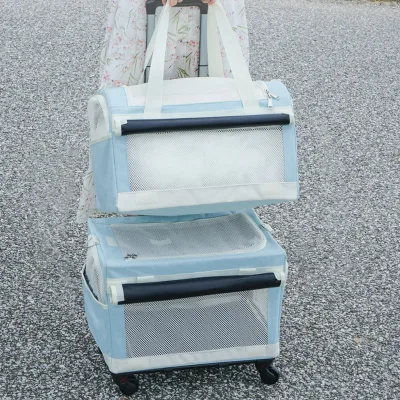
Customization Luxury Cat Backpack Carrier Super Ventilated Design,Ideal for Traveling Outside
$24.48 - $27.82
MOQ: 30 pieces
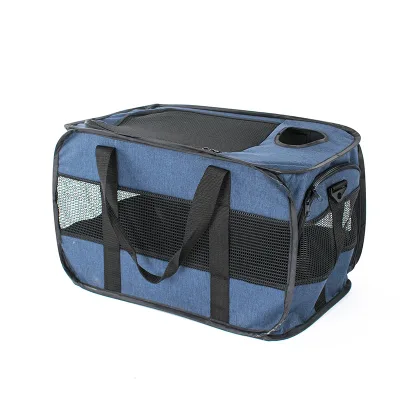

Rizhao Spring Trading Co., Ltd.
- Verified by CTI
- Manufacturer/Factory
- China Shandong
- Lead time15 days
- Avg. response≤ 4h
Main productsWalnut, Pet House, Peanut, Cat Litter, Pet Products, Pet Food, Cat Food, Pet Treats, Dog Food, Pet Toys
Main marketsMid East,North America,Western Europe
Suzhou Innovation Packaging Materials Co., Ltd.
- Verified by Intertek
- Trading Company
- Lead time15 days
- Avg. response≤ 3h
Main productsPlastic Containers, Household Containers, Outdoor Containers, Folding Containers
Main marketsOceania(35%), North America(30%), South America(8%)
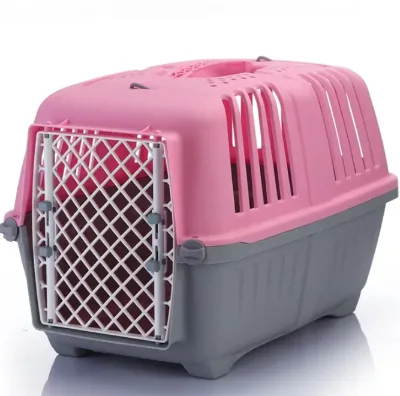
Purple High Quality Plastic Pet Crate M/L Pet-friendly Cat Outing Carrier Pet Cage /Flight case
$5.50 - $6.45
MOQ: 100 pieces
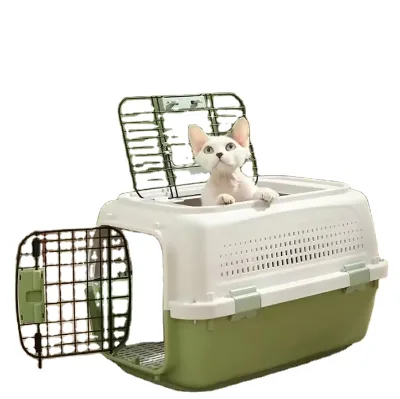
Plastic Pet Transport Boxes in Various Colors for Small to Medium-sized Dogs and Cats
$4.39 - $5.00
MOQ: 100 pieces

QUANZHOU DANKIN IMP AND EXP CO., LTD.
- Manufacturer/Factory
- China Fujian
- Lead time45 days
- Avg. response≤ 3h
Main productsBackpack, Cooler Bag, Tool Bag, Laptop Bag, Gun Bag, Travel Bag, Hiking Bag, Tennis Bag, Running Bag, Diaper Bag
Main marketsSouth America,Eastern Europe,Mid East,North America,Southeast Asia,Eastern Asia,Oceania,Western Europe,Africa

- Verified by TUVRHEINLAND
- Trading Company
- China Jiangsu
- Lead time30 days
- Avg. response≤ 3h
Main productsPet Products, Pet Food, Pet House, Pet Plush Toy, Pet Clothes, Pet Collar, Cat Litter, Pet Leash, Pet Harness
Main marketsNorth America

Xiamen Ederbou Industry&Trade Co., Ltd.
- Verified by CTI
- Combined
- China Fujian
- Lead time30 days
- Avg. response≤ 5h
Main productsCooler Insulated Bags, Backpacks, Delivery Bags, Travel Bags, Sports Bags, Picnic Bags
Main marketsSouth America,Southeast Asia/ Mideast,East Asia(Japan/ South Korea),Europe,Australia,North America


Soft Pet Carrier for Cats Puppy Travel Dogs Carrier Bags Durable Portable
$7.25 - $8.49
MOQ: 300 Pieces



- Trading Company
- Zhejiang, China
- Lead time15 days
- Avg. response≤ 10h
Main productsPet toy,Pet clothes,Pet harness,Dog leashes,Dog collar
Main marketsEastern Europe(20.00%), South America(20.00%), North America(20.00%), Southeast Asia(10.00%), Western Europe(10.00%), Northern Europe(10.00%), Southern Europe(10.00%)
Shandong Longyuan Home Furnishing Co., Ltd.
- Manufacturer, Trading Company
- Shandong, China
- Lead time15 days
- Avg. response≤ 2h
Main productsPet supplies,Pigeon supplies,Bird supplies,Other pet products,Reptile supplies
Main marketsDomestic Market(60.00%), North America(15.00%), Southeast Asia(10.00%), Mid East(5.00%), Oceania(4.00%), South America(2.00%), Western Europe(2.00%), Eastern Asia(1.00%), Africa(1.00%)

Xiamen Daysun Industrial Co., Ltd.
- Verified by SGS
- Trading Company
- China Fujian
- Lead time30 days
- Avg. response≤ 5h
Main productsBackpack, Travel Bag, Sports Bag, Laptop Bag, Shopping Bag, Cosmetic Bag, Cooler Bag, RPET Bag, Clothing, Neoprene Case
Main marketsEurope,Australia,North America
Yiwu Changrong Pet Products Co., Ltd.
- Manufacturer
- Zhejiang, China
- Lead time15 days
- Avg. response≤ 4h
Main productsPet Products
Main marketsNorth America(65.00%), Eastern Europe(15.00%), Domestic Market(10.00%), Northern Europe(10.00%)
Shenzhen D-Jeesian Bags Co., Ltd.
- Verified by TüVRheinland
- Manufacturer, Trading Company
- Lead time25 days
- Avg. response≤ 4h
Main productsLunch Cooler Bags, Travel Bags, Cosmetic Bags, Tote Bag, Picnic Blanket
Main marketsNorth America(40%), Domestic Market(25%), Oceania(10%)

- Verified by SGS
- Trading Company
- China Hebei
- Lead time15 days
- Avg. response≤ 19h
Main productsPet Stroller, PE Coated Paper, Pet Canned Food, Pet Food
Main marketsDomestic

Guangdong Langzhijia Technology Co., Ltd.
- Manufacturer, Trading Company
- Guangdong, China
- Lead time15 days
- Avg. response≤ 5h
Main productsStainless Steel Pet Bowl, Stainless Steel Cat Litter Box, Stainless Steel Pet Water Fountain
Main marketsNorth America(40.00%), Oceania(40.00%), Mid East(20.00%)
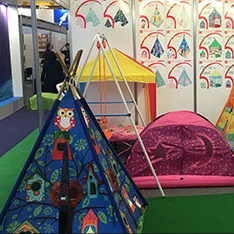
Taizhou Flourish Leisure Co., Ltd.
- Trading Company
- Zhejiang, China
- Lead time30 days
- Avg. response≤ 4h
Main productspet tent,pet product,pet toys,kids toys tent,leisure product
Main marketsSouthern Europe(11.00%), Northern Europe(11.00%), Western Europe(11.00%), Eastern Asia(11.00%), South Asia(11.00%), Southeast Asia(11.00%), Eastern Europe(11.00%), South America(11.00%), North America(11.00%), Oceania(1.00%)

Hangzhou Tianyuan Pet Products Co., Ltd.
- Verified by TUVRHEINLAND
- Combined
- China Zhejiang
- Lead time30 days
- Avg. response≤ 13h
Main productsPet Beds, Cat Trees, Pet Products, Pet Accessories, Pet Supplies, Pet Collar, Pet Toy, Pet Brush, Pet Bowl, Pet Clothes
Main marketsEurope,North America

- Manufacturer/Factory
- China Fujian
- Lead time30 days
- Avg. response≤ 22h
Main productsBag, Polyester Bag, Promotion Gift, School Bag, Outdoor Backpack, Backpack, Rucksack, Laptop Bag, Yoga Bag, Sport Bag
Main marketsSouth America,Eastern Europe,Mid East,North America,Southeast Asia,Eastern Asia,Oceania,Western Europe,Africa


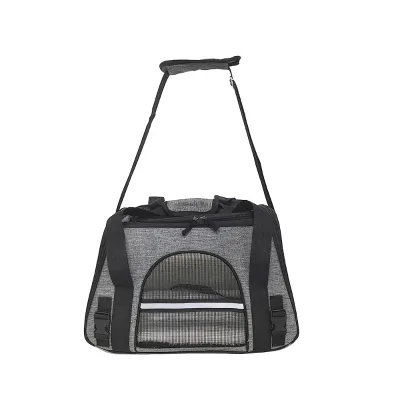
Pet Carrier Soft-Sided Cat Dog Carrier Bag Small Dog Carrier Basket Puppy Bag
$7.55 - $7.88
MOQ: 500 Pieces

Fuzhou Haomin Imp. & Exp. Co., Ltd.
- Verified by SGS
- Trading Company
- China Fujian
- Lead time30 days
- Avg. response≤ 4h
Main productsBackpacks, Beach Bags, School Bags, Shopping Bags, Canvas Bags, Sports Bags, Cosmetic Bags, Pet Bags, Cotton Bag, Travel Bag
Main marketsEast Asia(Japan/ South Korea),Europe,North America


Breathable Portable Backpack Carrier for Travel with Small Dogs and Cats
$6.30 - $10.00
MOQ: 500 Pieces

Ergonomic Design Pet Carrier for Comfortable Travel with Your Furry Friend
$4.20 - $8.50
MOQ: 500 Pieces
Shenzhen Babai Leather Co., Ltd.
- Verified by SGS Group
- Manufacturer, Trading Company
- Lead time30 days
- Avg. response≤ 2h
Main productsCooler Bag, Sports Bag, Travel Bag, Pet Bag, Diaper Backpacks
Main marketsNorth America(40%), Western Europe(20%), Oceania(11%)

Xiamen Chuanghuasheng Imp.& Exp.Co., Ltd.
- Verified by BV
- Manufacturer/Factory
- China Fujian
- Lead time15 days
- Avg. response≤ 9h
Main productsBackpack, School Bag, Cooler Bag, Duffle Bag, Sporting Bag, Laptop Bag, Mommy Bag, Hydration Backpack, Cosmetic Bag, Promotion Bag
Main marketsSouth America,Eastern Europe,Mid East,North America,Southeast Asia,Eastern Asia,Oceania,Western Europe,Africa

Dog Backpack Carrier, Front Chest Carrier for Cat Small Dogs, Pet Carrying Bag
$7.00 - $8.00
MOQ: 1000 Pieces


Hot Sale Foldable Cat, Dog Carrier for Small Medium Pet Carriers up To15lbs
$4.90 - $5.50
MOQ: 1000 Pieces

Haisen Pet Technology (Inner Mongolia) Co., Ltd.
- Verified by SGS
- Combined
- China InnerMongolia
- Lead time15 days
- Avg. response≤ 6h
Main productsCat Litter, Pet Food, Pet Supplies
Main marketsSouth America,Africa,Southeast Asia/ Mideast,East Asia(Japan/ South Korea),Europe,North America

Custom Logo Various Size Portable Handle Airline Approved Cat Pet Travel Carriers
$4.50 - $5.19
MOQ: 50 Piece/Pieces

Custom Logo Pet Carriers Various Size Portable Plastic Airline Approved Cat Dog Travel Carriers
$4.50 - $5.19
MOQ: 50 Piece/Pieces
Suzhou Brilliance Pet Products Co., Ltd.
- Manufacturer, Trading Company
- Jiangsu, China
- Lead time35 days
- Avg. response≤ 9h
Main productsPet Cage,Pet Carrier,Pet Crate,Pet Playpen,Pet Agility Products
Main marketsWestern Europe(36.00%), North America(30.00%), Domestic Market(10.00%), Eastern Europe(8.00%), Southern Europe(5.00%), Oceania(5.00%), South America(2.00%), Mid East(1.00%), Southeast Asia(1.00%), Eastern Asia(1.00%), Africa(1.00%)
Qingdao Etrip Smart Home Co., Ltd.
- Manufacturer, Trading Company
- Lead time旺季: "1 - 20000":31,"> 20000":"To be negotiated", 淡季: "1 - 20000":31,"> 20000":"To be negotiated"
- Avg. response≤ 4h
Main productsPet Beds, Pet Mats & Pads, Pet Blanket & Throws, Pet Clothes, Pet Carrier


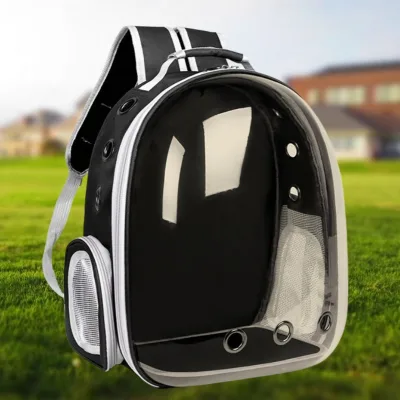
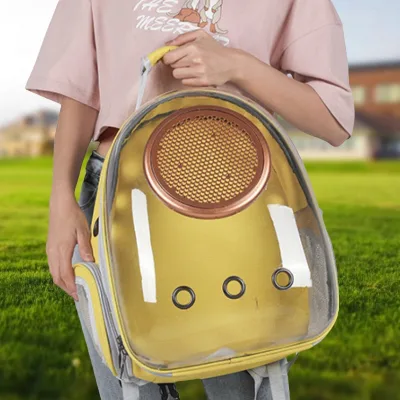
$3.3937 - $4.5839
MOQ: 1 pieces
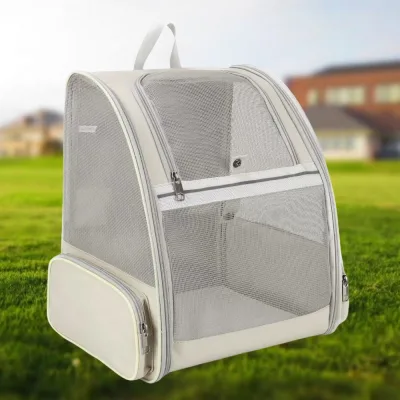
Anhui Color Travel Products Co., Ltd.
- Verified by SGS Group
- Trading Company
- Lead time20 days
- Avg. response≤ 4h
Main productsBackpacks, Duffel Bags, Trolley Bags, Trolley Cases, School Bags
Main marketsWestern Europe(35%), North America(30%), South America(15%)


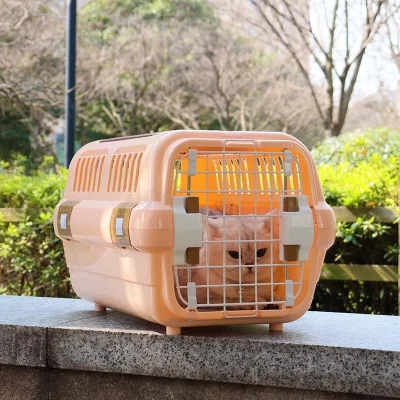
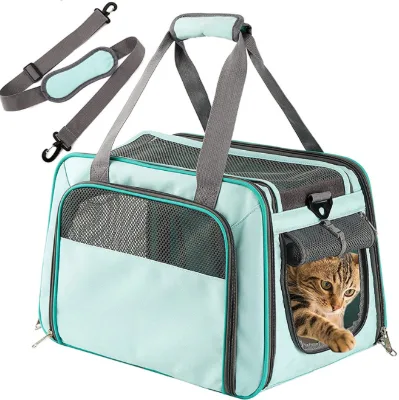
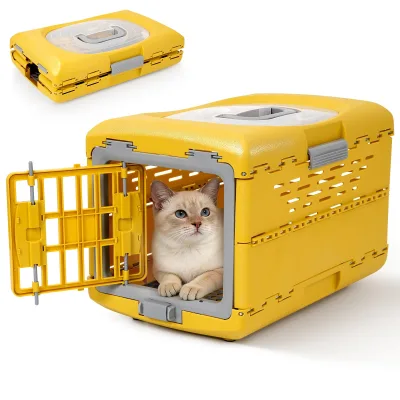
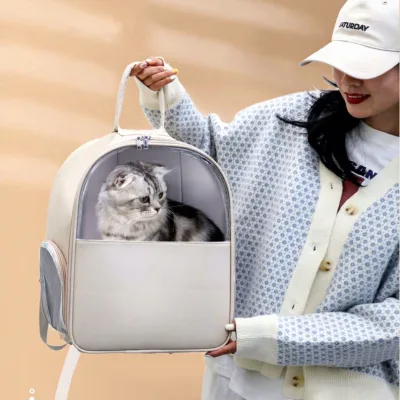
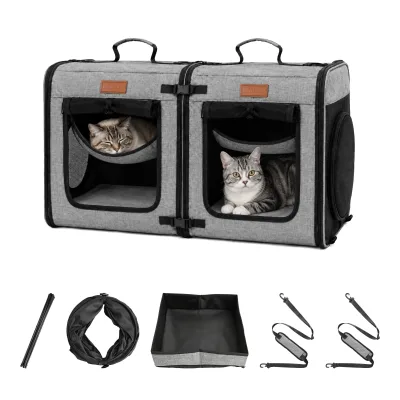
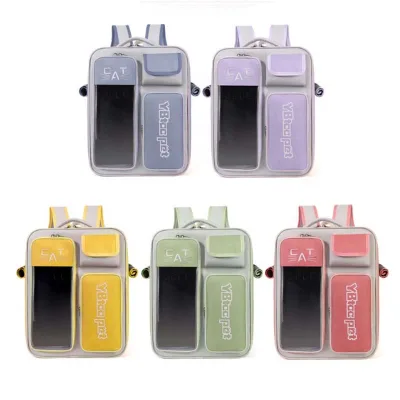
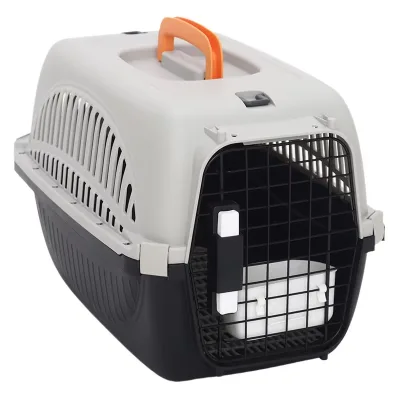
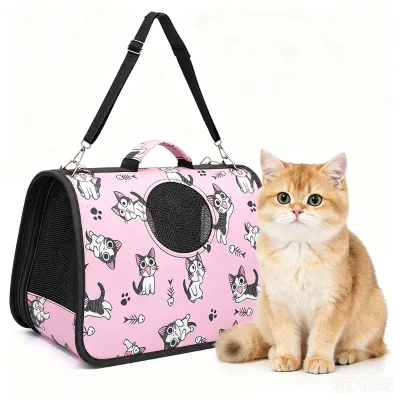


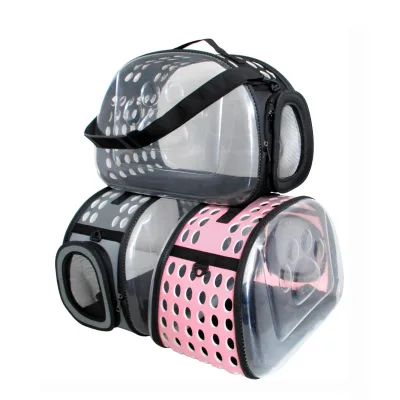
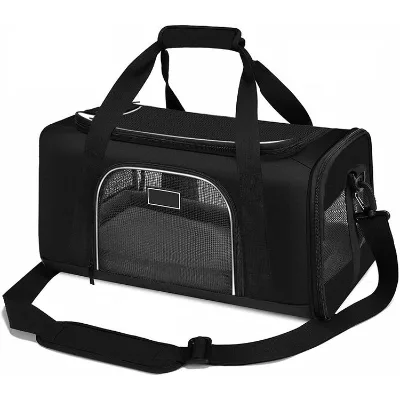
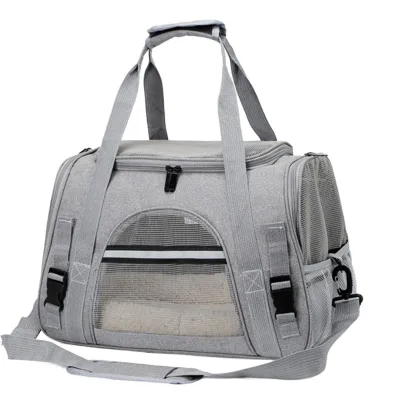
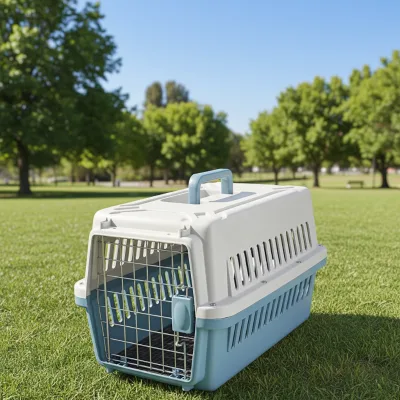


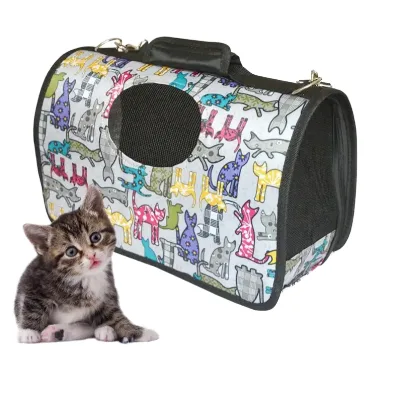
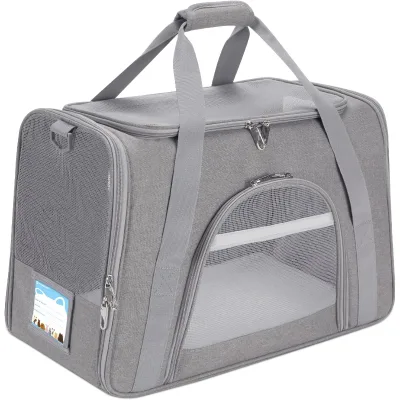
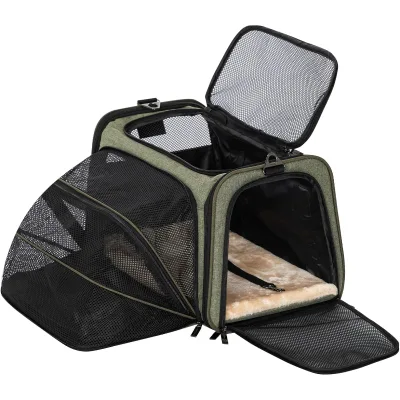
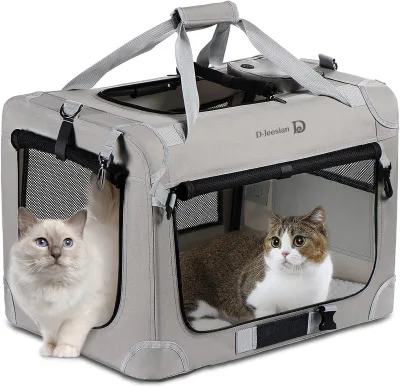


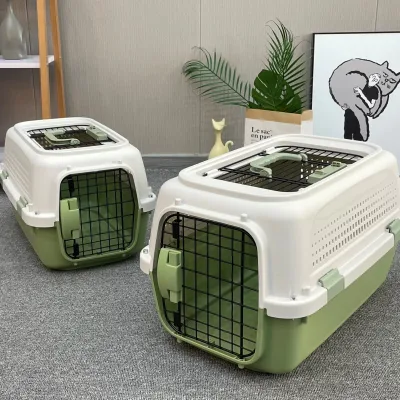
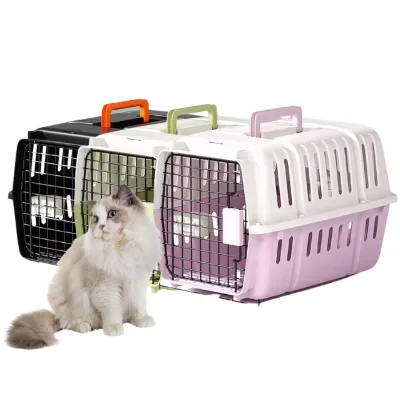
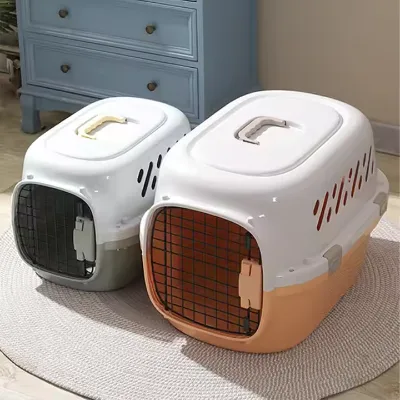
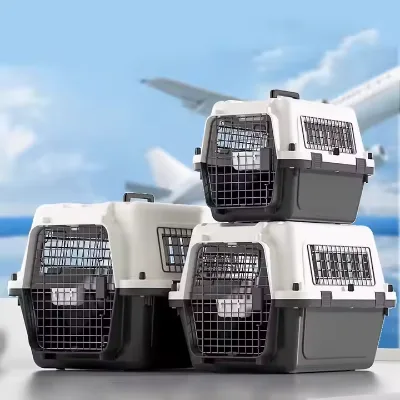
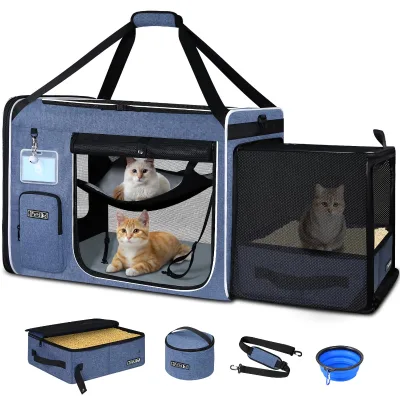
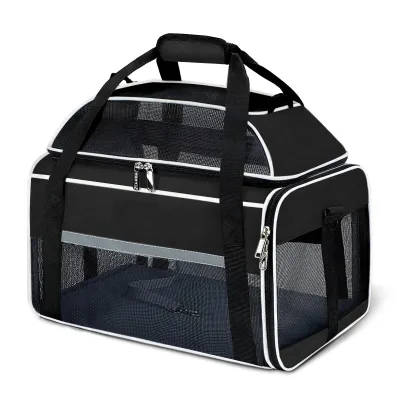


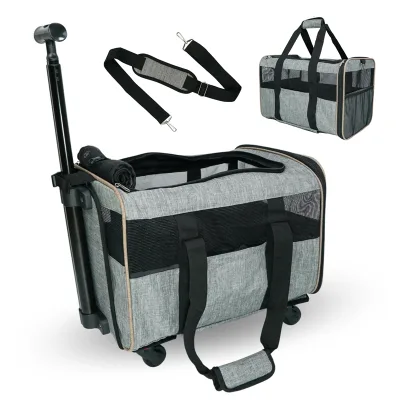
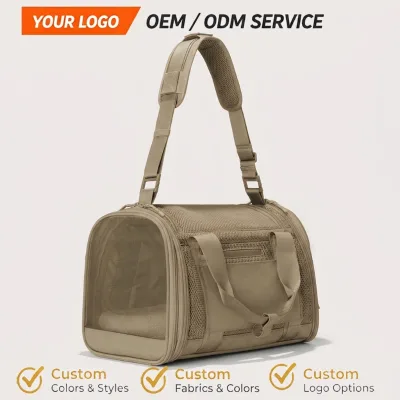
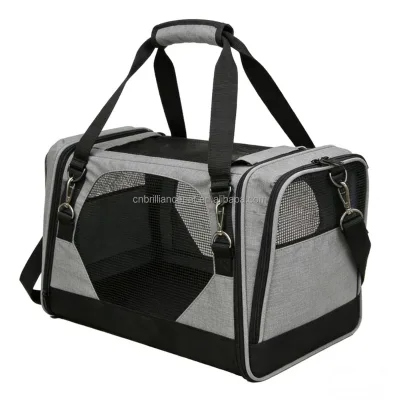
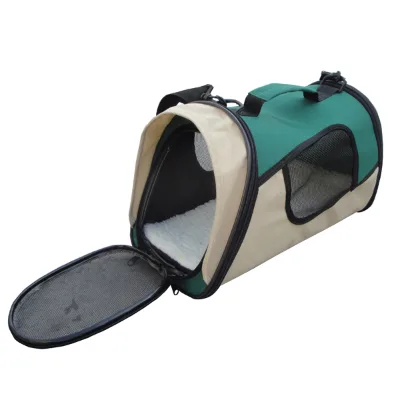
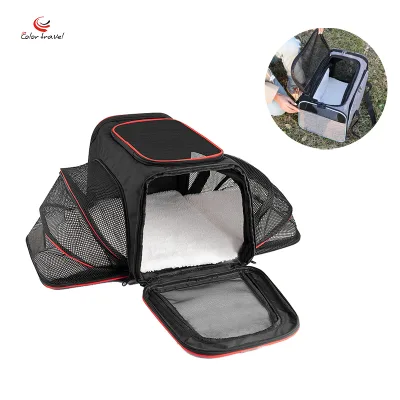
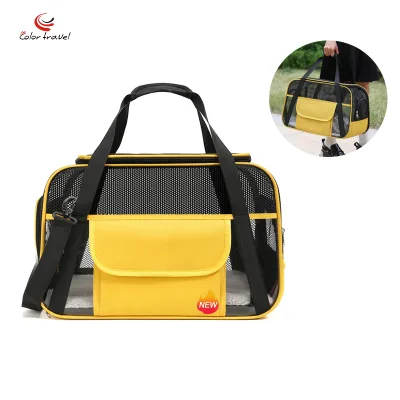
Comprehensive Sourcing Guide
Eco Friendly Cartoon Cat Carrier Supplier Concentration and Factory Types
The current supplier landscape for eco-friendly cartoon cat carriers reveals a distinct split between manufacturing capabilities and trading operations, primarily concentrated in specific Chinese provinces. Data indicates that manufacturers are located in Henan, China, while trading companies operate out of Anhui, China. This geographic separation is critical for buyers to understand, as it directly influences the type of service, pricing structure, and production control available for custom pet carrier orders. Manufacturers in Henan are identified as the primary source for OEM and ODM services, meaning they have the direct capacity to design and produce custom eco-friendly materials and cartoon designs from scratch. These entities hold ISO9001:2015 certification and undergo SGS verification, providing a baseline of quality assurance for buyers seeking direct factory engagement. The presence of these certified manufacturers suggests that buyers looking for deep customization, such as specific eco-friendly fabric blends or unique cartoon character licensing, will find the most direct support in this cluster. The manufacturer’s ability to handle both design and production internally reduces communication layers, potentially speeding up the prototyping phase for novel carrier designs.
Conversely, trading companies based in Anhui, China, offer a different value proposition focused on aggregation and variety rather than direct manufacturing. These entities are verified by TÜV Rheinland, indicating a robust third-party audit of their business operations and product compliance. While they do not manufacture the goods themselves, they curate a wide range of existing stock and potentially source from multiple factories to offer diverse cartoon styles and eco-friendly options. This model is advantageous for buyers who need a mix of products, such as combining cat carriers with other pet accessories like harnesses or beds, which are listed as main products for these trading companies. The trading company model allows for lower minimum order quantities in some cases, as they can consolidate orders from various sources. However, buyers must recognize that the "eco-friendly" claim and cartoon design specifications may be sourced from different underlying factories, requiring more rigorous verification of the final product’s material composition and ethical sourcing claims. Understanding this dichotomy helps buyers align their sourcing strategy with their specific needs for customization versus variety.
How to Verify Eco Friendly Cartoon Cat Carrier Suppliers
Verifying the authenticity of eco-friendly claims and cartoon design rights is paramount when sourcing cat carriers, as these attributes are often marketing terms rather than certified standards. Buyers must prioritize suppliers who display third-party verification badges, such as SGS for manufacturers in Henan or TÜV Rheinland for trading companies in Anhui. These verifications confirm the legitimacy of the business entity and often include audits of production facilities or quality management systems. For manufacturers, the presence of an ISO9001:2015 certificate is a strong indicator of a structured quality control process, which is essential when producing custom items like cartoon carriers where consistency in print quality and material durability is required. Buyers should request copies of these certificates and verify their validity through the issuing bodies. Additionally, the response time metric provides insight into the supplier’s operational efficiency; a faster response time, such as the 2.09 hours observed for some manufacturers, suggests a more agile team capable of addressing specific design queries or material concerns promptly. This agility is crucial when negotiating the specifics of eco-friendly materials, such as recycled polyester or organic cotton, which may have limited availability or higher costs.
Beyond certifications and response times, buyers should scrutinize the product attributes and evidence provided in supplier listings to ensure alignment with eco-friendly and cartoon design requirements. Look for detailed material specifications, such as "Polyester" or "Plastic," and check if these materials are explicitly described as recycled or sustainable in the product description. For cartoon carriers, verify that the "Customization" attribute is marked as "Available" or "Customized," indicating the supplier’s willingness to accommodate specific design requests. It is also important to check the "Feature" attribute; while some products are listed as "Stocked," others may highlight "Eco-Friendly" as a key feature, which should be corroborated with supplier communication. Buyers should ask for material safety data sheets or test reports for dyes and fabrics to ensure they meet international environmental standards. Furthermore, verifying the supplier’s main products can reveal their expertise; a supplier listing "Pet Carrier" as a main product is more likely to have specialized knowledge in this niche than a general pet accessory trader. This multi-layered verification process helps mitigate the risk of receiving products that do not meet the promised eco-friendly or design standards.
What to Compare Across Eco Friendly Cartoon Cat Carrier Suppliers
When evaluating potential suppliers for eco-friendly cartoon cat carriers, buyers must compare key operational metrics such as lead time, minimum order quantity (MOQ), and pricing to determine the best fit for their business model. Lead times vary significantly between supplier types; manufacturers in Henan may offer a lead time of 15 days, which is suitable for planned production runs, while trading companies in Anhui might have a longer lead time of 45 days due to their aggregation model. This difference is critical for buyers with tight inventory deadlines or seasonal demand spikes. Similarly, MOQs can range widely, with some products requiring as few as 100 units, while others may demand 500 or more. Buyers should assess whether their order volume aligns with these thresholds to avoid excessive inventory costs or stockouts. Pricing is another crucial factor, with costs varying based on material complexity, customization level, and order volume. For instance, basic polyester carriers may start at lower price points, while more complex designs with eco-friendly certifications may command higher prices. Comparing these metrics across multiple suppliers allows buyers to identify the most cost-effective and efficient partner for their specific needs.
In addition to operational metrics, buyers should compare the range of customization options and product attributes offered by different suppliers. Manufacturers often provide more extensive OEM and ODM capabilities, allowing for deep customization of materials, colors, and cartoon designs. Trading companies, on the other hand, may offer a wider variety of pre-existing designs and styles, which can be beneficial for buyers looking to test the market with diverse options. Buyers should also consider the supplier’s response time, as a quicker response can facilitate faster decision-making and problem-solving during the sourcing process. The location of the supplier is another comparative factor, as it can impact shipping costs and lead times. Suppliers in Henan and Anhui are both in China, but their proximity to major ports or logistics hubs may differ, affecting overall delivery efficiency. By systematically comparing these factors, buyers can create a shortlist of suppliers that best match their requirements for quality, cost, and delivery speed, ensuring a successful sourcing outcome for their eco-friendly cartoon cat carrier products.
Common Eco Friendly Cartoon Cat Carrier Sourcing Risks
One of the primary risks in sourcing eco-friendly cartoon cat carriers is the potential discrepancy between claimed environmental attributes and actual product composition. Suppliers may use terms like "eco-friendly" without providing verifiable certifications or test results for the materials used. Buyers must be vigilant in requesting detailed material specifications and third-party test reports to confirm that fabrics are indeed recycled, biodegradable, or free from harmful chemicals. Without this verification, buyers risk receiving products that do not meet their sustainability goals, leading to reputational damage and potential regulatory issues in target markets. Additionally, the complexity of cartoon designs introduces risks related to print quality and durability. Custom printing on fabrics can be prone to fading, cracking, or peeling, especially if low-quality inks or improper curing processes are used. Buyers should request samples to assess the print quality and durability before placing large orders. It is also important to verify that the cartoon designs do not infringe on intellectual property rights, as unauthorized use of popular characters can lead to legal disputes and product seizures.
Another significant risk is the variability in product quality and consistency across different production batches. This is particularly relevant when working with trading companies that may source from multiple factories. Inconsistent stitching, zipper quality, or material thickness can lead to customer complaints and returns. Buyers should establish clear quality control standards and consider hiring third-party inspection services to verify product quality before shipment. Furthermore, the lead time variability, especially with trading companies, can disrupt supply chain planning. Delays in production or shipping can result in stockouts and missed sales opportunities. Buyers should maintain open communication with suppliers and establish clear timelines and penalties for delays. Additionally, the risk of currency fluctuation and shipping cost increases can impact the final landed cost of the products. Buyers should consider hedging strategies or negotiating fixed-price contracts to mitigate these financial risks. By proactively identifying and addressing these risks, buyers can ensure a smoother sourcing process and deliver high-quality eco-friendly cartoon cat carriers to their customers.
Eco Friendly Cartoon Cat Carrier Regional Sourcing and Logistics
Sourcing eco-friendly cartoon cat carriers from China involves navigating the logistical advantages and challenges associated with specific manufacturing and trading hubs. Manufacturers in Henan and trading companies in Anhui are located in central and eastern China, respectively, which can impact shipping routes and costs. Henan’s inland location may require longer overland transport to coastal ports like Shanghai or Ningbo, potentially increasing transit times and costs. In contrast, Anhui’s proximity to major logistics hubs may offer more efficient shipping options. Buyers should work with freight forwarders to optimize shipping routes and consolidate shipments to reduce costs. Understanding the lead times associated with each region is crucial for inventory planning. Manufacturers in Henan may offer faster production times, but the additional transit time to ports must be factored into the overall delivery schedule. Trading companies in Anhui may have longer production lead times but could benefit from more streamlined logistics due to their location. Buyers should also consider the impact of seasonal factors, such as holidays or weather conditions, on shipping schedules and plan accordingly to avoid delays.
Logistics planning also involves considering the packaging and handling requirements for eco-friendly cartoon cat carriers. These products are often bulky and require careful packaging to prevent damage during transit. Buyers should ensure that suppliers use appropriate packaging materials, such as sturdy cartons or polybags, to protect the products. Additionally, the weight and dimensions of the carriers will affect shipping costs, so buyers should optimize product design and packaging to minimize volumetric weight. For buyers importing into markets with strict environmental regulations, such as the EU or North America, it is essential to ensure that the packaging materials themselves are also eco-friendly and compliant with local standards. This may involve using recycled cardboard or biodegradable plastics for packaging. Buyers should also consider the carbon footprint of their shipping choices and explore options for sea freight or rail transport to reduce emissions. By carefully planning logistics and considering regional advantages, buyers can optimize their supply chain and ensure timely delivery of high-quality eco-friendly cartoon cat carriers to their customers.
Eco Friendly Cartoon Cat Carrier Commercial Terms and Order Planning
Effective order planning for eco-friendly cartoon cat carriers requires a thorough understanding of commercial terms, including payment methods, pricing structures, and after-sales support. Buyers should negotiate clear payment terms, such as a deposit followed by balance payment upon shipment, to mitigate financial risk. It is also important to clarify the pricing structure, including any additional costs for customization, tooling, or sample production. For manufacturers, the ability to offer OEM and ODM services may involve upfront tooling costs, which should be factored into the overall budget. Trading companies may offer more flexible pricing for smaller orders but may have higher unit costs due to their aggregation model. Buyers should compare these costs across multiple suppliers to identify the most competitive option. Additionally, buyers should establish clear quality assurance protocols, including inspection rights and return policies, to ensure that products meet their specifications. This includes defining acceptable defect rates and procedures for handling non-conforming goods.
Order planning also involves forecasting demand and managing inventory levels to avoid stockouts or excess inventory. Buyers should analyze market trends and customer feedback to estimate demand
FAQs
What is the typical lead time for pet carriers?
Manufacturers in China Henan typically require 15 days for production, while trading companies in China Anhui may need up to 45 days. Buyers should confirm specific timelines with suppliers before placing orders to ensure timely delivery for their inventory needs.
What are the minimum order quantities for carriers?
Minimum order quantities vary significantly by supplier and product type. Some manufacturers require 500 units, while others accept orders as low as 100 units. Trading companies may also offer flexible MOQs around 200 units depending on the specific carrier model selected.
Are these carriers customizable for branding?
Yes, customization is available for many pet carriers. Suppliers offer OEM and ODM services, allowing buyers to customize logos and designs. Materials like polyester and plastic are commonly used, and colors such as white, green, and black are often available for branding.
What certifications do these suppliers hold?
Suppliers in this category hold various certifications to ensure quality and safety. For instance, some manufacturers possess ISO9001:2015 certificates, while others are verified by SGS or TÜV Rheinland. Buyers should request these documents to verify compliance with international standards.
What materials are used in pet carriers?
Pet carriers are commonly made from polyester or plastic materials. Polyester options often feature breathable mesh for comfort, while plastic variants provide durability. Buyers can choose based on their preference for weight, breathability, and specific application requirements for dogs, cats, or small animals.
How quickly do suppliers respond to inquiries?
Response times vary among suppliers, with some responding within 2.09 hours and others taking up to 7.08 hours. Faster response times are often associated with manufacturers, while trading companies may have slightly longer delays. Buyers should prioritize suppliers with quicker response rates for efficient communication.
What is the price range for pet carriers?
Prices for pet carriers range from approximately $3.60 to $30.32 per unit, depending on size, material, and features. Basic polyester carriers start at lower prices, while larger, more complex models with additional features command higher costs. Buyers should compare quotes for accurate budgeting.