Eco-Friendly Cat Tree Suppliers and Manufacturers
Source 11 verified suppliers for Eco-Friendly Cat Tree products. Compare key dimensions including location, lead time, MOQ, and response time to find the right partner. Review product specifications and pricing details to make an informed sourcing decision; review the available evidence before requesting comparable quotations from suitable candidates.
Suppliers List

FUZHOU SHOO-IN IMP & EXP CO., LTD.
- Verified by SGS
- Trading Company
- China Fujian
- Lead time15 days
- Avg. response≤ 8h
Main productsSports Wear, Promotional Gift, Lanyards, Badges, Caps, Sports Training Products, Sports Balls, Tennis Accessories, Golf Accessories, Pet Products
Main marketsEast Asia(Japan/ South Korea),North America
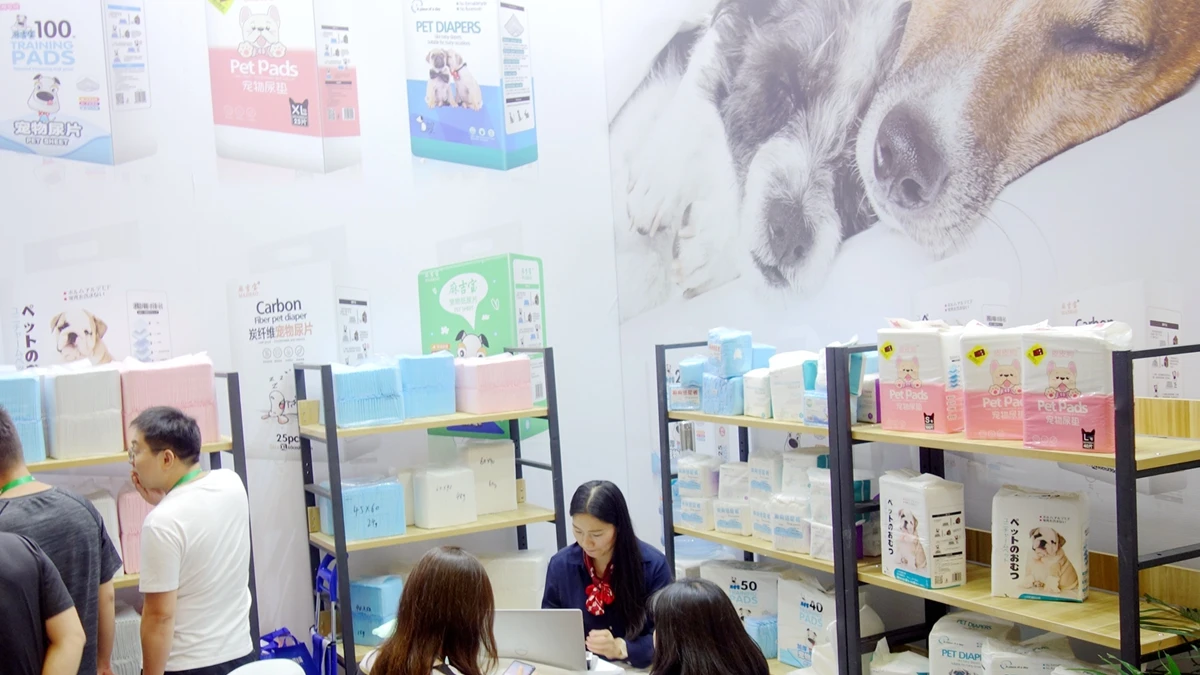
- Trading Company
- Jiangsu, China
- Lead time21 days
- Avg. response≤ 15h
Main productsPet Pad,Dog Diaper,Toilet Paper,Cat Litter,Dog Leash
Main marketsSouth Asia(100.00%), Domestic Market(100.00%), Eastern Asia(25.00%), South America(15.00%), North America(15.00%), Southeast Asia(10.00%), Southern Europe(5.00%), Northern Europe(5.00%), Central America(5.00%), Western Europe(5.00%), Eastern Europe(5.00%), Mid East(5.00%), Africa(4.00%), Oceania(1.00%)
Hebei Saiweisi International Trade Co., Ltd.
- Trading Company
- Hebei, China
- Lead time0 days
- Avg. response≤ 3h
Main productsCat Litter,Pet Food,Pet Supplies,Pet Toys,Pet Clothing
Main marketsSoutheast Asia(70.00%), Domestic Market(30.00%)
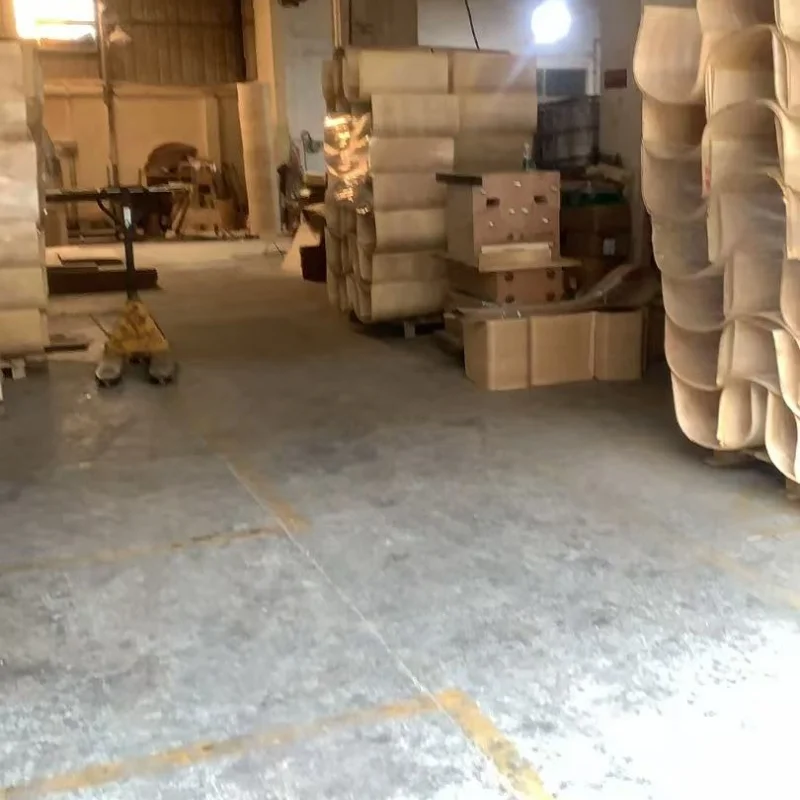
Dongguan Fangjin Wood Industry Co., Ltd.
- Manufacturer, Trading Company
- Guangdong, China
- Lead time15 days
- Avg. response≤ 2h
Main productsOEM/ODM Custom Wood Products,wood crafts,wooden home decor,custom wooden box,sporting goods
Main marketsNorth America(15.00%), Southeast Asia(12.00%), Eastern Europe(12.00%), South America(12.00%), Central America(8.00%), Western Europe(8.00%), Southern Europe(6.00%), Mid East(6.00%), Northern Europe(5.00%), South Asia(5.00%), Domestic Market(4.00%), Eastern Asia(3.00%), Oceania(2.00%), Africa(2.00%)
Shaoxing Senmao Pet Products Co., Ltd.
- Verified by TüVRheinland
- Manufacturer, Trading Company
- Lead time0 days
Main productsCat Tree, Cat Scratcher, Pet Bed
Main marketsNorth America(70%), Eastern Europe(20%), Southeast Asia(10%)
Shanxi Yongjiechang Technology Co., Ltd.
- Trading Company
- Shanxi, China
- Lead time0 days
- Avg. response≤ 17h
Main productsPet feeding,Pet bed,Pet toy,Pet outdoor,Pet cleaning
Main marketsNorth America(45.00%), Northern Europe(12.00%), Western Europe(10.00%), Eastern Asia(10.00%), Southeast Asia(10.00%), Eastern Europe(10.00%), South Asia(2.00%), South America(1.00%)

Hangzhou Tianyuan Pet Products Co., Ltd.
- Verified by TUVRHEINLAND
- Combined
- China Zhejiang
- Lead time30 days
- Avg. response≤ 10h
Main productsPet Beds, Cat Trees, Pet Products, Pet Accessories, Pet Supplies, Pet Collar, Pet Toy, Pet Brush, Pet Bowl, Pet Clothes
Main marketsEurope,North America

Suzhou Becpet E-commerce Co.,Ltd.
- Verified by BV
- Trading Company
- China Jiangsu
- Lead time15 days
- Avg. response≤ 2h
Main productsPet Food Container, Storage Container, Pet Bowls, Pet Toys, Pet Feed Bins, Pet Feeder, Dog Leash, Pet Bed
Main marketsSouth America,Europe,North America

FUZHOU SHOO-IN IMP & EXP CO., LTD.
- Verified by SGS
- Trading Company
- China Fujian
- Lead time15 days
- Avg. response≤ 3h
Main productsPadel Ball, Tennis Ball, Hat, Pet Leash, Pickleball, Yoga Mat, Sports Towel
Main marketsEast Asia(Japan/ South Korea),North America

Shengzhou Tuoke Industry and Trade Co., Ltd.
- Verified by SGS
- Trading Company
- China Zhejiang
- Lead time30 days
- Avg. response≤ 2h
Main productsDog Crate, Pet Cages, Pet Playpens, Pet Beds, Pet House, Cat Trees, Cat Scratchers, Dog Collar, Dog Leash, Dog Harness
Main marketsSouth America,Southeast Asia/ Mideast,Europe,Australia

Jiangmen Muyjis Pet Products Co., Ltd.
- Verified by SGS
- Combined
- China Guangdong
- Lead time15 days
- Avg. response≤ 6h
Main productsPet, Pet Travel Carrier, Pet Harness, Pet Supplies, Pet Accessories, Pet Clothes, Pet Shoes
Main marketsEast Asia(Japan/ South Korea),Europe,North America


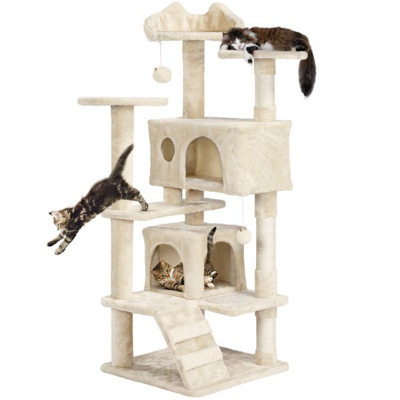
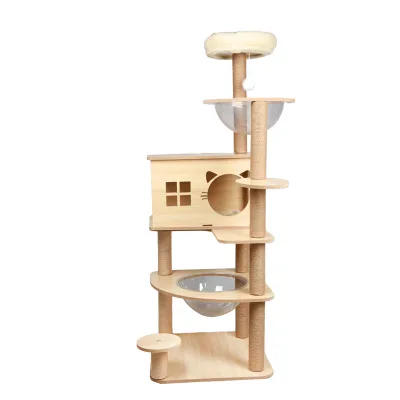
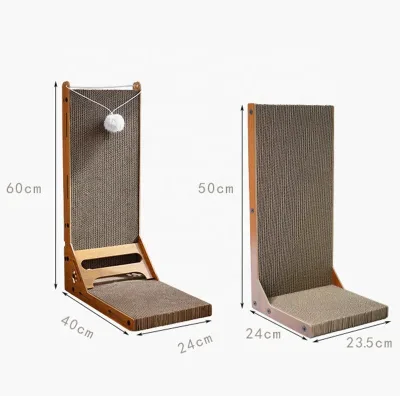


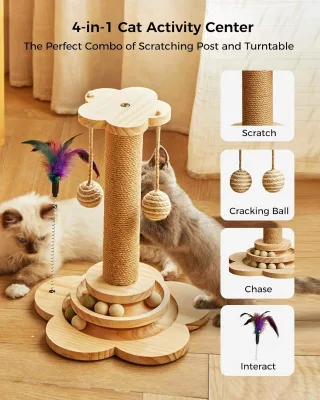
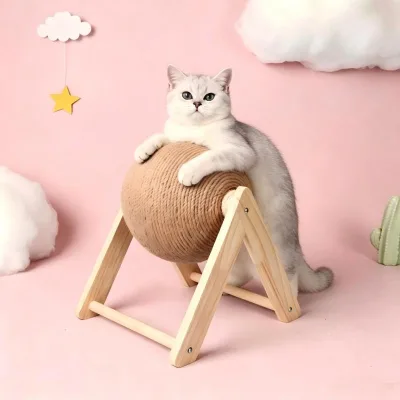


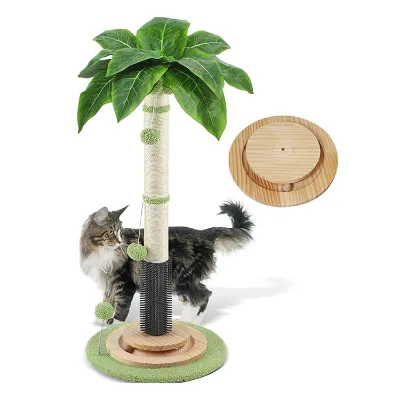
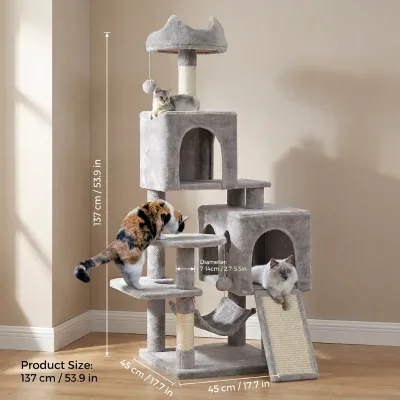

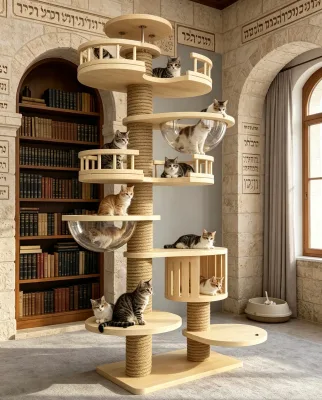



Comprehensive Sourcing Guide
Eco-Friendly Cat Tree Supplier Concentration and Factory Types
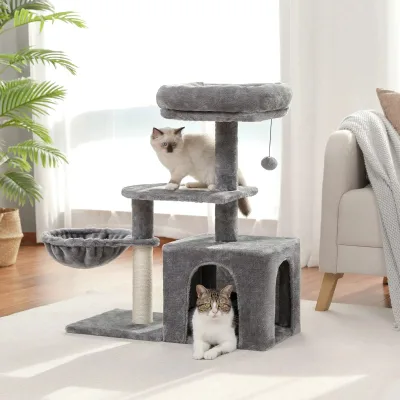
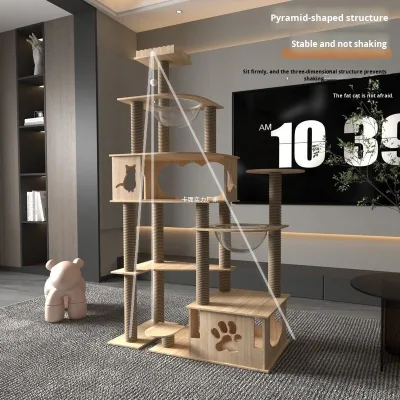
The current supplier landscape for Eco-Friendly Cat Tree products reveals a distinct concentration of manufacturing and trading entities within specific Chinese provinces, primarily Fujian, Jiangsu, and Hebei. These regions serve as key hubs for pet product manufacturing, offering varying degrees of vertical integration and supply chain maturity. In Fujian, suppliers are predominantly identified as trading companies, which suggests a model focused on aggregating diverse product lines rather than direct factory ownership. This structure often allows for greater flexibility in sourcing materials like solid wood, MDF, and rattan, which are commonly cited in product specifications for these items. The presence of SGS verification among some of these entities indicates a baseline level of quality assurance and operational transparency, which is critical when evaluating the reliability of trading companies that may not control the entire production process from raw material to finished goods.
In contrast, suppliers located in Jiangsu and Hebei present different operational profiles, with some listing main products that include pet pads, litter, and toys alongside cat trees. This diversification suggests that many manufacturers in these regions operate as comprehensive pet supply providers rather than specialized cat furniture factories. The variation in company types, ranging from pure trading entities to those with broader manufacturing capabilities, impacts the buyer’s ability to negotiate customizations and verify production standards. While some suppliers highlight OEM capabilities and eco-friendly materials such as sisal rope and solid wood, others focus on corrugated cardboard or wool-based structures. Understanding these factory types is essential for determining whether a supplier can meet specific sustainability claims or if they are merely reselling products from other manufacturers. Buyers must carefully distinguish between direct manufacturers and trading companies to ensure they are dealing with the actual source of production, which directly influences quality control, lead times, and the ability to implement custom eco-friendly design requirements.
How to Verify Eco-Friendly Cat Tree Suppliers
Verifying the authenticity and capabilities of Eco-Friendly Cat Tree suppliers requires a multi-layered approach that goes beyond basic profile reviews. Buyers should prioritize suppliers who display third-party verification badges, such as SGS, which serves as an external validation of the company’s operational legitimacy and adherence to certain quality standards. However, verification badges alone are insufficient; buyers must cross-reference these credentials with specific product evidence and material declarations. For instance, claims of eco-friendly construction should be supported by detailed product attributes listing materials like solid wood, bamboo, or sisal rope, rather than generic descriptions. It is crucial to examine the product prop data for specific material compositions, such as the presence of MDF, particle board, or rattan, to assess the true environmental impact of the finished product. Buyers should request detailed material safety data sheets or certifications for adhesives and finishes, especially when products are described as paint-free or using natural textures, to ensure that no harmful volatile organic compounds are present.
Furthermore, buyers should actively engage with suppliers to test their responsiveness and technical knowledge, which are strong indicators of their operational maturity. The response time metric, which can vary significantly from a few hours to over a week, provides insight into the supplier’s communication efficiency and potential for resolving issues during production. A rapid response time, such as three hours, often correlates with a more agile and customer-centric operation, whereas longer response times may indicate bureaucratic delays or limited staffing. Buyers should also inquire about the supplier’s ability to provide samples and conduct factory audits, particularly if the supplier is a trading company. Direct communication allows buyers to assess whether the supplier has genuine access to production facilities or if they are acting as an intermediary. Additionally, verifying the supplier’s main product range can reveal their expertise; a supplier specializing exclusively in cat trees may offer deeper technical insights into structural stability and material durability compared to a generalist pet supply trader. This due diligence ensures that the supplier can reliably deliver on eco-friendly promises and maintain consistent quality across orders.
What to Compare Across Eco-Friendly Cat Tree Suppliers
When evaluating multiple suppliers for Eco-Friendly Cat Tree products, buyers must systematically compare key operational metrics to identify the most suitable partner for their specific needs. Lead time is a critical factor, with observed ranges varying from zero days for immediate stock availability to fifteen or twenty-one days for custom production. Suppliers with shorter lead times may offer faster turnaround for urgent orders, but buyers should verify if these times apply to standard items or require expedited fees. Similarly, the minimum order quantity (MOQ) varies significantly, with some suppliers requiring as few as six pieces, while others set thresholds at ten, fifty, or fifty-five pieces. Lower MOQs are advantageous for testing market response or managing inventory risk, whereas higher MOQs may offer better unit pricing for large-scale deployments. Buyers should also compare the customization options available, such as the ability to modify dimensions, colors, or structural designs, as this flexibility can be crucial for meeting specific retail or branding requirements.
Another vital dimension for comparison is the supplier’s response speed and the breadth of their product portfolio. Suppliers with rapid response times, such as those reporting within three hours, are often more reliable for addressing last-minute changes or quality concerns. Additionally, the main products listed by each supplier provide context for their expertise; a supplier focusing on pet toys and litter may have different capabilities compared to one specializing in sports wear and promotional gifts. Buyers should also assess the stability of the supplier’s pricing structure, noting that price ranges can span from low-cost options to premium offerings, reflecting differences in material quality and construction complexity. By comparing these attributes side-by-side, buyers can create a weighted scoring matrix that balances cost, speed, and flexibility. This structured approach ensures that the selected supplier aligns with the buyer’s strategic goals, whether they prioritize rapid delivery, low entry costs, or high levels of customization and quality assurance.
Common Eco-Friendly Cat Tree Sourcing Risks
Sourcing Eco-Friendly Cat Tree products involves several inherent risks that buyers must proactively manage to avoid supply chain disruptions and quality issues. One significant risk is the discrepancy between claimed eco-friendly materials and actual product composition. Suppliers may advertise products as made from solid wood or bamboo, but the final product might contain high levels of MDF or particle board, which often rely on formaldehyde-based adhesives. This mismatch can lead to regulatory non-compliance in target markets with strict environmental standards, such as the EU or North America. Buyers must insist on detailed material breakdowns and third-party testing reports to verify that the products meet specific sustainability certifications and safety regulations. Additionally, the risk of structural instability is prevalent, especially with multi-tier cat trees that must support the weight of multiple cats. Buyers should review product specifications for stability features, such as triangular supports or double posts, and request structural integrity test results to ensure the products are safe and durable.
Another common risk is the variability in lead times and production capacity, which can impact inventory planning and customer satisfaction. Suppliers may quote short lead times initially but fail to meet them due to material shortages or production bottlenecks. This is particularly relevant for trading companies that rely on multiple factories, where coordination challenges can lead to delays. Buyers should establish clear communication protocols and regular production updates to monitor progress and address potential issues early. Furthermore, the risk of inconsistent quality across batches is a concern, especially when working with suppliers who have high MOQs or complex customization requirements. Buyers should implement strict quality control measures, including pre-shipment inspections and sample approvals, to ensure that each batch meets the agreed-upon standards. By identifying and mitigating these risks through rigorous due diligence and contractual safeguards, buyers can protect their brand reputation and ensure a smooth sourcing experience.
Eco-Friendly Cat Tree Regional Sourcing and Logistics
The geographic location of suppliers plays a crucial role in determining logistics costs, lead times, and overall supply chain efficiency for Eco-Friendly Cat Tree products. Suppliers located in Fujian, Jiangsu, and Hebei provinces offer distinct logistical advantages depending on the buyer’s target market and shipping preferences. Fujian, being a coastal province with major ports, often provides efficient access to international shipping routes, which can reduce transit times and costs for overseas buyers. However, buyers should verify the specific port of loading and any associated surcharges, as these can impact the final landed cost. Jiangsu and Hebei, located in northern and eastern China, may have different logistical profiles, with Jiangsu benefiting from proximity to Shanghai and other major logistics hubs. Buyers should assess the supplier’s experience with international shipping and their ability to handle complex documentation and customs clearance processes.
Logistics planning also involves considering the packaging and dimensions of the products, which directly affect shipping volume and costs. Cat trees are typically bulky items, and their packaging dimensions, such as 53x53x20 cm or 60x40x40 cm, can significantly impact the number of units that fit into a container. Buyers should work with suppliers to optimize packaging designs to maximize container utilization and reduce freight costs. Additionally, buyers should evaluate the supplier’s ability to provide flexible shipping options, such as sea freight, air freight, or express courier services, depending on the urgency and value of the order. Understanding the regional logistics landscape allows buyers to make informed decisions about supplier selection and inventory management, ensuring that products are delivered efficiently and cost-effectively to their final destinations.
Eco-Friendly Cat Tree Commercial Terms and Order Planning
Effective commercial terms and order planning are essential for managing the financial and operational aspects of sourcing Eco-Friendly Cat Tree products. Buyers should carefully review the pricing structures, which can range from low-cost options to premium offerings, depending on the materials and customization levels. It is crucial to understand whether the quoted prices include packaging, labeling, and other value-added services, as these can impact the total cost. Buyers should also negotiate clear payment terms, such as deposits and balance payments upon shipment, to mitigate financial risk. Additionally, buyers should establish clear quality assurance clauses and return policies to address any issues that may arise during production or delivery.
Order planning involves aligning production schedules with market demand and inventory requirements. Buyers should consider the supplier’s lead times and MOQs when planning orders, ensuring that they have sufficient stock to meet customer demand without overstocking. For suppliers with longer lead times, buyers should place orders well in advance to avoid stockouts. Additionally, buyers should plan for potential variations in production capacity and material availability, which can impact delivery schedules. By developing a robust order planning strategy that accounts for these variables, buyers can ensure a steady supply of Eco-Friendly Cat Tree products and maintain a competitive edge in the market. This proactive approach helps minimize disruptions and maximizes the efficiency of the sourcing process.
FAQs
What is the price range for eco-friendly cat trees?
Prices for eco-friendly cat trees typically range from $2.59 to $99.00 per unit. This wide range reflects variations in materials, such as solid wood or bamboo, and structural complexity. Buyers should verify specific pricing based on their chosen model and customization requirements before placing an order.
What is the minimum order quantity for these products?
The minimum order quantity varies by supplier, with options starting as low as 6 pieces. Some suppliers require a minimum of 10 units, while others may set the threshold at 50 or 55 pieces. Buyers must check the specific MOQ for each product model to ensure it fits their procurement needs.
How long does production take for custom orders?
Production lead times generally range from 15 to 21 days for standard orders. Some suppliers may offer faster turnaround times, while others might have longer processing periods depending on complexity. Buyers should confirm the exact lead time with the supplier before finalizing the purchase agreement to avoid delays.
Where are these cat trees manufactured?
Manufacturing locations include Fujian, Jiangsu, and Hebei provinces in China. These regions are known for producing various pet supplies, including cat trees made from materials like solid wood, bamboo, and wool. Buyers can filter suppliers by location to align with their logistical preferences or regional sourcing strategies.
Do suppliers offer OEM customization services?
Yes, many suppliers offer OEM customization services for cat trees. Buyers can request custom sizes, colors, and designs to match their brand requirements. Some suppliers also provide ODM services. It is advisable to confirm customization options and any associated costs directly with the supplier before placing an order.
What materials are used in eco-friendly cat trees?
Common materials include solid wood, bamboo, MDF, particle board, rattan, and metal. Sisal rope is often used for scratching posts. Some models feature wool or faux rabbit fur covers. Buyers should verify material specifications to ensure they meet their sustainability and durability requirements for the final product.