Eco Friendly Ceramic Cake Plate Suppliers and Manufacturers
Find 26 verified suppliers offering eco friendly ceramic cake plates with customizable designs and certifications like CE, FDA, and CIQ. Compare lead times, response rates, and MOQs to source the right factory for your needs today; review the available evidence before requesting comparable quotations from suitable candidates.
Updated
Suppliers List

- Verified by BV
- Trading Company
- China Shandong
- Lead time30 days
- Avg. response≤ 2h
Main productsCeramic Mugs, Ceramic Dinnerware, Ceramic Tea Set, Ceramic Kitchen Ware, Custom Drum Shape Ceramic Coffee Mug, 24oz Large Capacity 3D Embossed Mug, Porcelain Cappuccino Cup and Saucer, 14oz Custom Souvenirs Ceramic Mug, 12 Sets Vintage Reactive Glazed Tableware, Custom Royal White Ceramic Milk Jar
Main marketsNorth America

Eco-Friendly Healthy Dessert Plate Round White Custom Printing Ceramic Cake Plate
$0.90 - $2.00
MOQ: 5000 Pieces


Eco-Friendly Porcelain Tableware White Rectangular Plate Ceramic Dinner Plate
$0.60 - $1.50
MOQ: 5000 Pieces


Ins Style Dessert Plate Round Ceramic Salad Plate 7.5inch Kitchen Ceramic Plate
$0.50 - $1.50
MOQ: 5000 Pieces

Shenzhen Hejia Industry Co., Ltd.
- Verified by SGS Group
- Trading Company
- Lead time0 days
- Avg. response≤ 7h
Main productsAluminium Tin, Pill Box , Vials Box, LED Stick
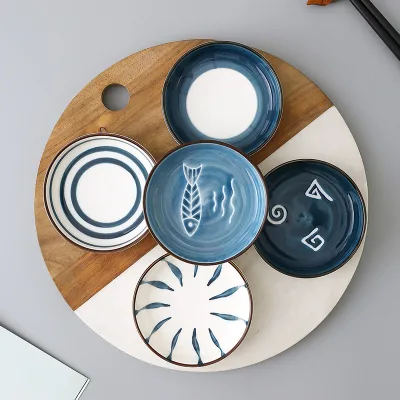
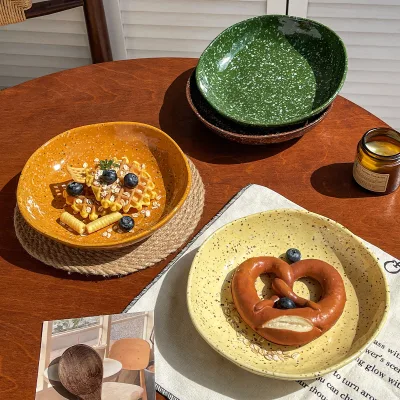
Breakfast Ceramic Plate Home Cake Dessert Ceramic Plate Fruit Dessert Plate for Home Use
$1.6647 - $2.0539
MOQ: 50 pieces

Anhui Taicheng Paper & Plastic Technology Co., Ltd.
- Verified by SGS
- Trading Company
- China Anhui
- Lead time30 days
- Avg. response≤ 5h
Main productsDisposable Paper Cups, Compostable Lids, Disposable Cutlery, Biodegradable Tableware, Disposable Food Box, Disposable Plate, Disposable Tableware, Kraft Paper Food Container, Sugarcane Tableware, Cornstarch Tableware
Main marketsSouth America,Africa,Southeast Asia/ Mideast,Europe,North America

Eco Friendly Cornstarch Biodegradable Disposable Cake Plates Dinner Plate
$0.039 - $0.0405
MOQ: 30000 Pieces

Hangzhou Jade New Materials Co., Ltd
- Trading Company
- Zhejiang, China
- Lead time30 days
- Avg. response≤ 1h
Main productsHome decoration,Coffee&Tea Cup,Kitchenware Set,Glassware,Dinnerware Set
Main marketsWestern Europe(40.00%), North America(30.00%), Mid East(20.00%), South America(15.00%), Africa(15.00%), South Asia(10.00%), Eastern Asia(10.00%), Southeast Asia(10.00%)
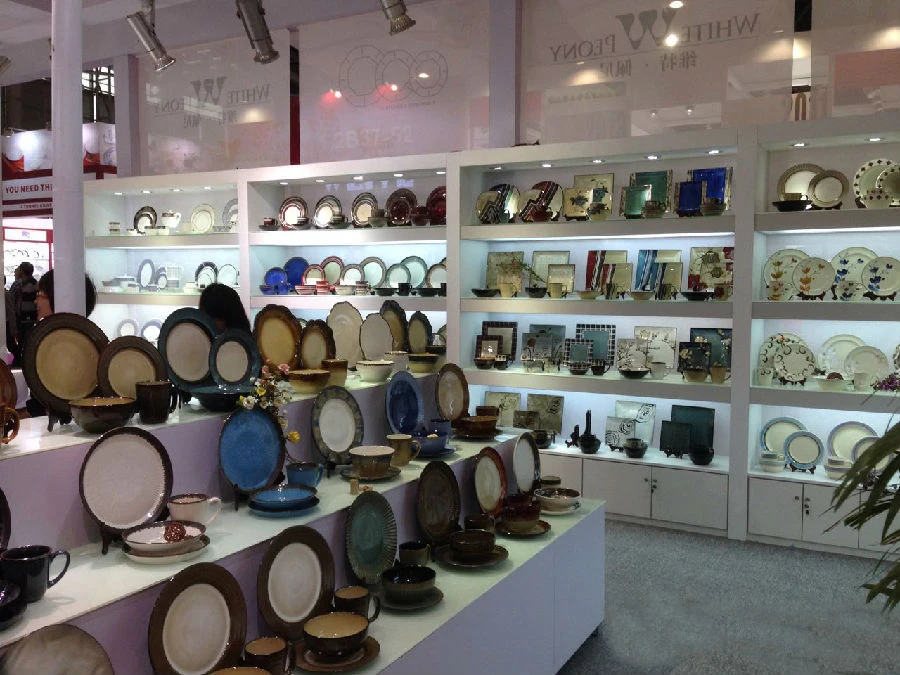
Chaozhou Sanding Pottery Co., Ltd.
- Trading Company
- Guangdong Province, China
- Lead time3 days
- Avg. response≤ 3h
Main productsPromotional Ceramic Mugs,Stainless Steel Tumblers,Enamel Mugs,Ceramic Dinner Set,Ceramic Soup Pot
Main marketsNorth America(35.00%), Mid East(10.00%), Western Europe(10.00%), Eastern Europe(10.00%), Northern Europe(10.00%), Southeast Asia(6.00%), Eastern Asia(5.00%), Southern Europe(5.00%), Oceania(3.00%), South America(2.00%), Domestic Market(1.00%), South Asia(1.00%), Africa(1.00%), Central America(1.00%)
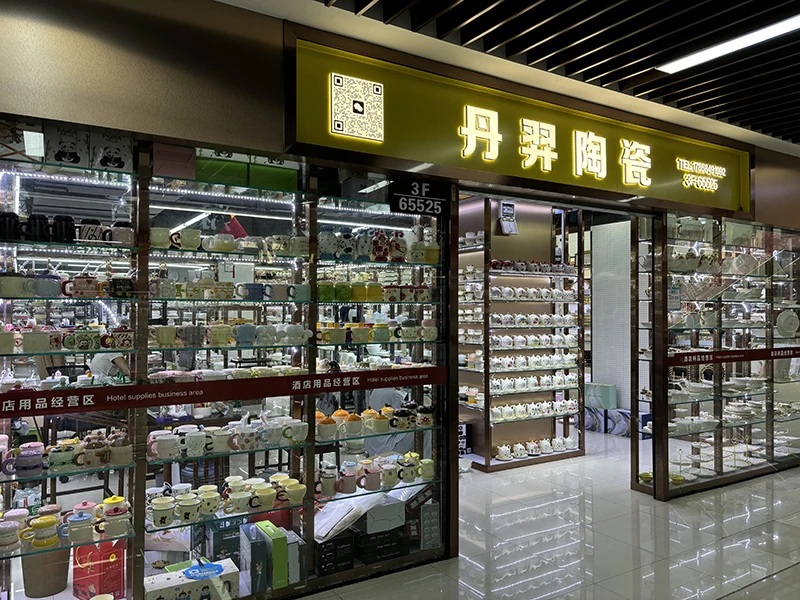
Yiwu Danyi Import And Export Co., Ltd.
- Trading Company
- Zhejiang, China
- Lead time30 days
- Avg. response≤ 4h
Main productsTableware,Coffee Cup
Main marketsCentral America(100.00%), Northern Europe(100.00%), Domestic Market(100.00%), South Asia(100.00%), Africa(100.00%), Eastern Europe(100.00%), Southern Europe(100.00%), North America(40.00%), Western Europe(20.00%), Mid East(15.00%), Oceania(10.00%), Eastern Asia(5.00%), Southeast Asia(5.00%), South America(5.00%)

Lihao Houseware (Guangzhou) Co., Ltd
- Verified by SGS
- Manufacturer/Factory,Other
- China Guangdong
- Lead time23 days
- Avg. response≤ 2h
Main productsHotel Restaurant Supplies, Hotel & Restaurant Essentials, Catering Equipment, Commercial Catering Equipment, Chafing Dishes & Food Warmers, Hotelware, Buffet Serving Ware, Tableware (Dinnerware / Cutlery), Glassware, Food Display Stand
Main marketsSouth America,Eastern Europe,Mid East,North America,Southeast Asia,Eastern Asia,Oceania,Western Europe,Africa
Hangzhou Qianghua Cup Industry Co., Ltd.
- Verified by TüVRheinland
- Manufacturer, Trading Company
- Lead time15 days
- Avg. response≤ 2h
Main productsCeramic Mug, Glass Cup, Water Bottle, Thermos Series, Stylish Vase
Main marketsNorth America(25%), Eastern Europe(15%), South America(10%)
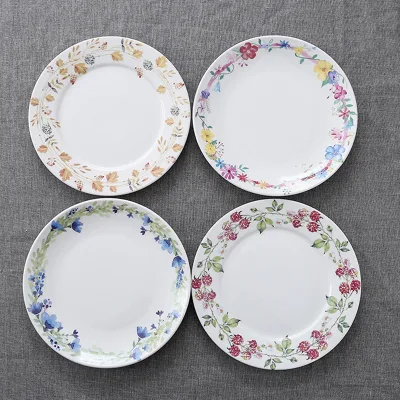
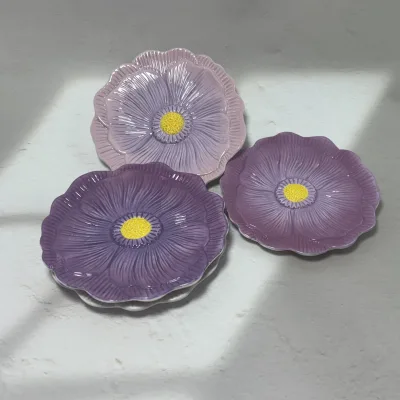
Creative Little Flower Ceramic Dessert Cake Plate Girl Heart 8 Inch Flower Ceramic Plate
$1.1901 - $2.3278
MOQ: 20 pieces
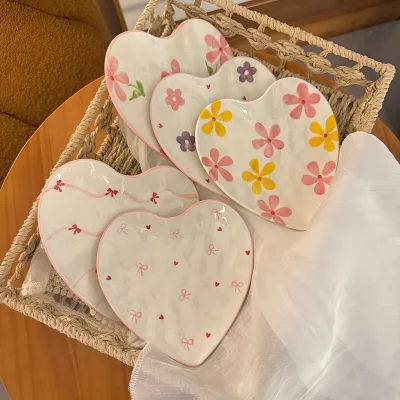
$2.4236 - $3.0943
MOQ: 20 pieces

Creative Flower and Bird Pattern Ceramic Dessert Cake Plate 8inch Lace Plate
$3.0209 - $3.8188
MOQ: 20 Minimum

Ins Hand Made Bow Ceramic Dessert Cake Plate Creative Hand Painted Pasta Plate
$2.3802 - $3.0209
MOQ: 40 Minimum
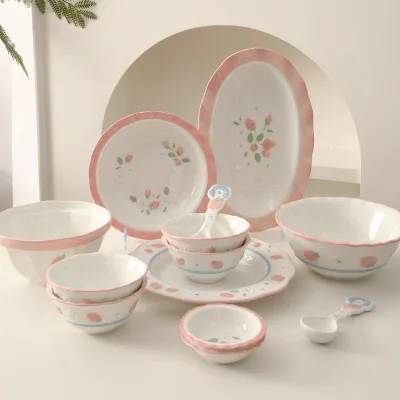
$0.9835 - $3.5075
MOQ: 20 Minimum
Xiamen Dashing Jewelry Co., Ltd.
- Trading Company
- Lead time旺季: "1 - 200":15,"> 200":"To be negotiated", 淡季: "1 - 200":15,"> 200":"To be negotiated"
- Avg. response≤ 5h
Main productsDrinkware, Party Supplies, Home Decoration, Garden Supplies
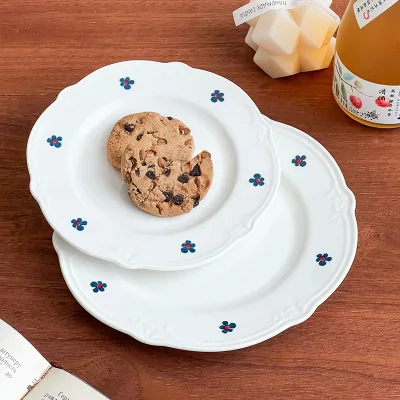
$1.6931 - $1.9281
MOQ: 25 Minimum
Xiamen Yoyo Ceramic Trading Co., Ltd.
- Manufacturer, Trading Company
- Lead time旺季: "1 - 3000":55,"> 3000":"To be negotiated", 淡季: "1 - 3000":55,"> 3000":"To be negotiated"
- Avg. response≤ 6h
Main productsCandle Jar, Daily Ceramic Ware, Home Decoration, Garden Decoration, Bathroom Accessory
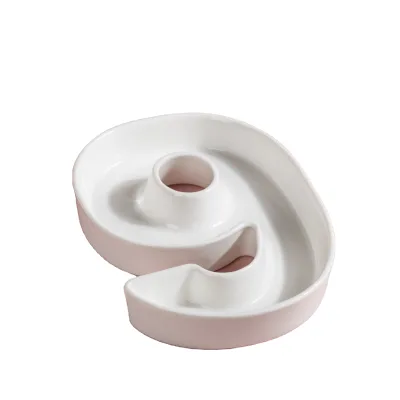
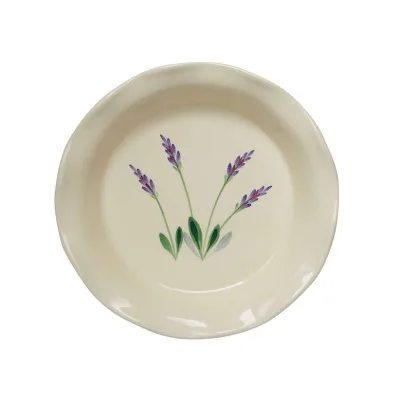
Custom Decorative Ceramic Dinner Plate for Nut Sugar Dessert Eco-Friendly Custom Dinnerware
$3.0763 - $4.3997
MOQ: 1 pieces
Xiamen Joinste Arts & Crafts Co., Ltd.
- Trading Company
- Fujian, China
- Lead time45 days
- Avg. response≤ 3h
Main productsCeramic Coffee Mug, Ceramic Cookie Jar, Ceramic Salt and Pepper Shakers, Ceramic Candle Jar, Ceramic Coin Bank
Main marketsNorth America(40.00%), South America(20.00%), Western Europe(10.00%), Eastern Asia(10.00%), Oceania(5.00%), Southern Europe(5.00%), Central America(5.00%), Northern Europe(5.00%)
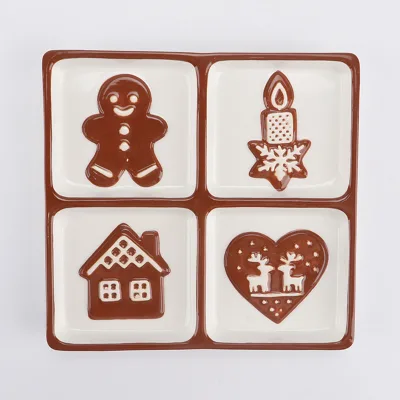
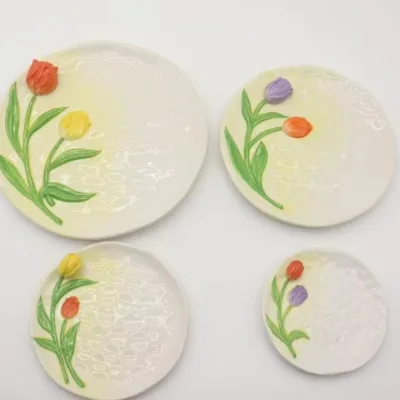
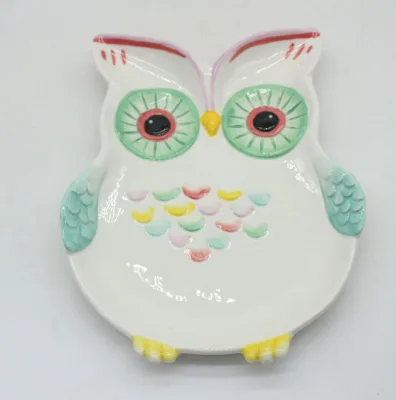
Owl plates, Hand made Cute Ceramic dinner plates for kids ,Dessert Biscuit Cake plates
$3.20
MOQ: 1000 Minimum

Rollin Porcelain Industrial Co., Ltd.
- Verified by BV
- Manufacturer/Factory
- China Guangdong
- Lead time45 days
- Avg. response≤ 5h
Main productsPorcelain Dinnerware, Tableware, Dinner Set, Dinner Plate, Hotel and Restaurant Tableware, Bone China, Cutlery, Glassware, Ceramic Plate, Porcelain
Main marketsEastern Europe,Mid East,North America,Southeast Asia,Eastern Asia,Oceania,Western Europe


$2.91 - $6.98
MOQ: 100 Sets

$2.31 - $9.91
MOQ: 100 Sets


- Verified by TUVRHEINLAND
- Trading Company
- China Hunan
- Lead time45 days
- Avg. response≤ 1h
Main productsCeramic Mug, Vacuum Flask, Dinner Set, Cup, Mug, Thermal Bottle, Ceramic Dinner Set, Glass Jar, Glass Cup, Wine Cup
Main marketsSoutheast Asia/ Mideast

Eco-Friendly Dinner Dessert Plate Pad Printing Porcelain Ceramic Plate Tableware
$0.25 - $0.90
MOQ: 5000 Pieces


Shenzhen Dwax Home Supplies Co., Ltd.
- Manufacturer, Distributor/Wholesaler
- Guangdong, China
- Lead time7 days
- Avg. response≤ 3h
Main productsKitchen Product,Wedding Product,Decor Product,Pet Product,Vase Product
Main marketsNorth America(40.00%), Northern Europe(20.00%), South America(10.00%), Western Europe(10.00%), Eastern Europe(10.00%), Mid East(5.00%), Southeast Asia(5.00%)
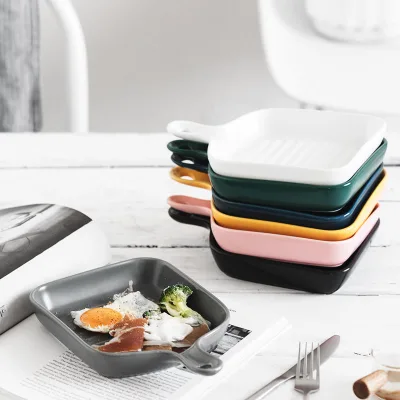
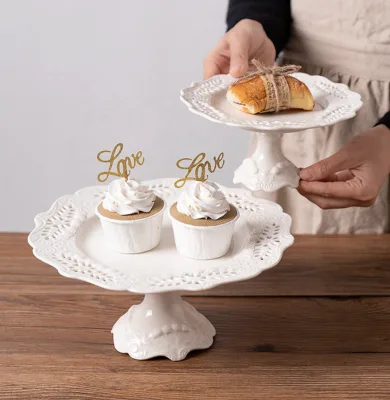
High-quality Kitchenware Ceramic Bakeware Color Cake Tray Non-stick Bakeware Round Plate
$2.00 - $2.40
MOQ: 10 pieces

Linyi Longying International Trade Co., Ltd.
- Verified by TUVRHEINLAND
- Trading Company
- China Shandong
- Lead time15 days
- Avg. response≤ 4h
Main productsTableware, Dinnerware, Porcelainware, Dinner Set, Hotel Porcelain, Ceramic Dinner Set, Ceramic Plate and Bowl, Tableware Plate and Bowl, Stoneware, Glassware
Main marketsOthers(foreignTradeCapacity.exportBusinessCapacityMarketOther),Europe

Eco-Friendly Dinner Dessert Plate Pad Printing Porcelain Ceramic Plate Tableware
$0.33
MOQ: 4000 Pieces


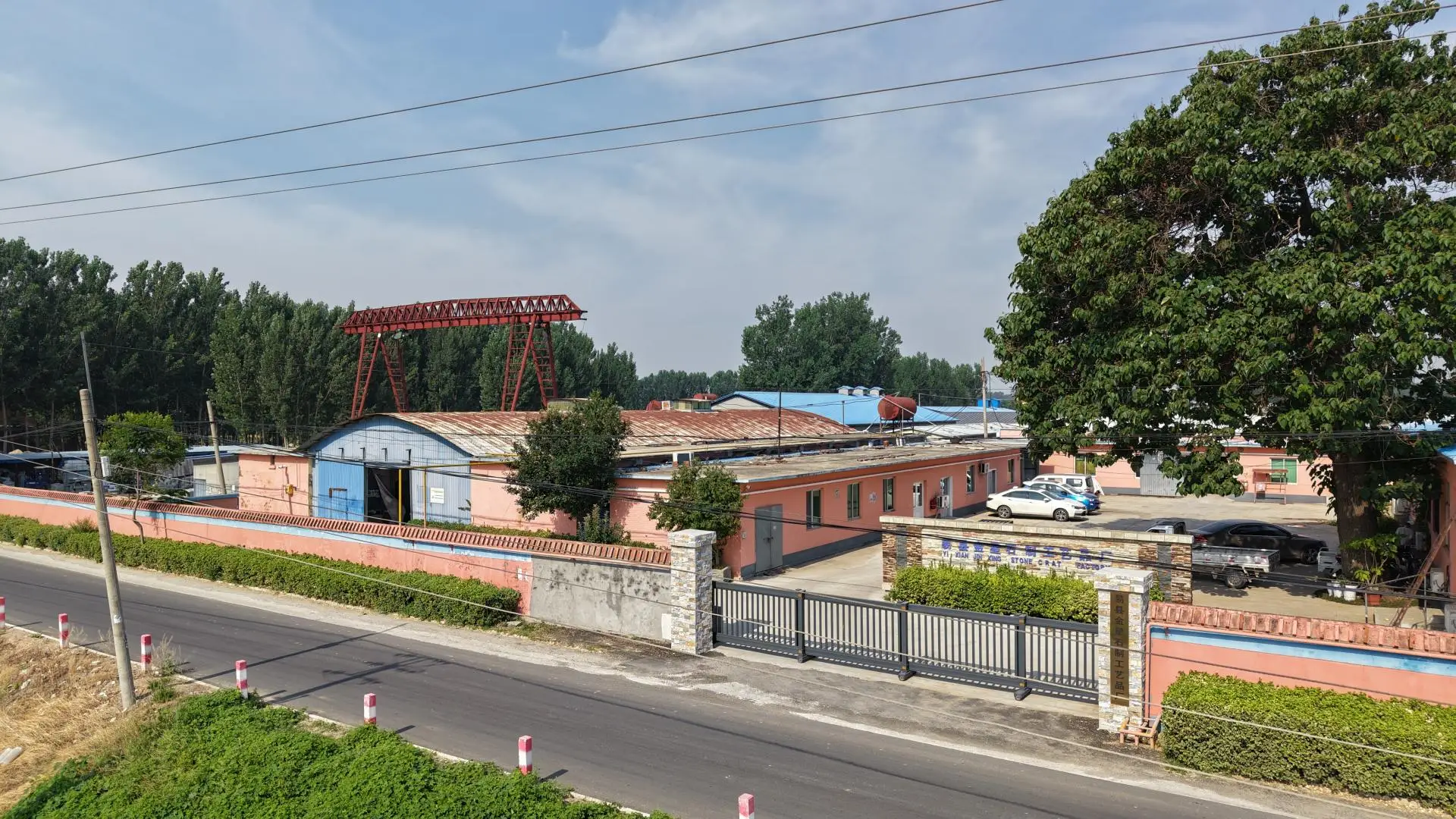
Yixian Jinxing Stone Craft Factory
- Manufacturer, Trading Company
- Hebei, China
- Lead time35 days
- Avg. response≤ 4h
Main productsMortar&Pestle,Cake plate,Steak Stone,Marble tray,Coaster
Main marketsOceania(25.00%), South America(25.00%), North America(25.00%), Southern Europe(5.00%), Western Europe(5.00%), Northern Europe(5.00%), Eastern Europe(5.00%), Mid East(3.00%), Central America(2.00%)
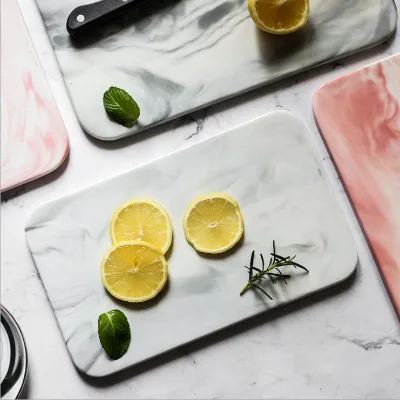
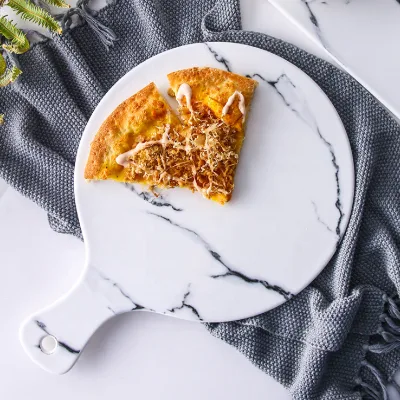
$5.4132 - $5.9236
MOQ: 500 pieces

Dongguan Disheng Houseware Trading Co., Ltd.
- Trading Company
- Guangdong, China
- Lead time30 days
- Avg. response≤ 2h
Main productsHome Decor,Kitchen Supplies,Home Storage,Tabletop&Dining,Bathroom Storage & Acc
Main marketsCentral America(30.00%), Oceania(30.00%), North America(20.00%), Northern Europe(10.00%), Eastern Europe(10.00%)
Shanghai Fine-V Intl Trade Co., Ltd.
- Manufacturer, Trading Company
- Shanghai, China
- Lead time45 days
- Avg. response≤ 14h
Main productsTea Pot Set,Coffee Cup,Ceramic Mugs,Handicraft Ceramics,Decorative Porcelain
Main marketsNorth America(20.00%), Mid East(10.00%), Domestic Market(10.00%), Northern Europe(10.00%), Eastern Europe(10.00%), Western Europe(10.00%), Oceania(5.00%), Southern Europe(5.00%), Southeast Asia(5.00%), Central America(5.00%), South America(5.00%), Eastern Asia(5.00%)
Fujian Dehua County Wanliyang Ceramics Co., Ltd
- Manufacturer
- Fujian, China
- Lead time50 days
- Avg. response≤ 1h
Main productsHome vase,Ceramic Vase,Home life ceramic decorations and accessories,Flower pot and flower implement,Christmas Halloween supplies
Main marketsNorthern Europe(20.00%), North America(20.00%), Southern Europe(10.00%), South America(10.00%), Western Europe(10.00%), Africa(10.00%), Domestic Market(5.00%)
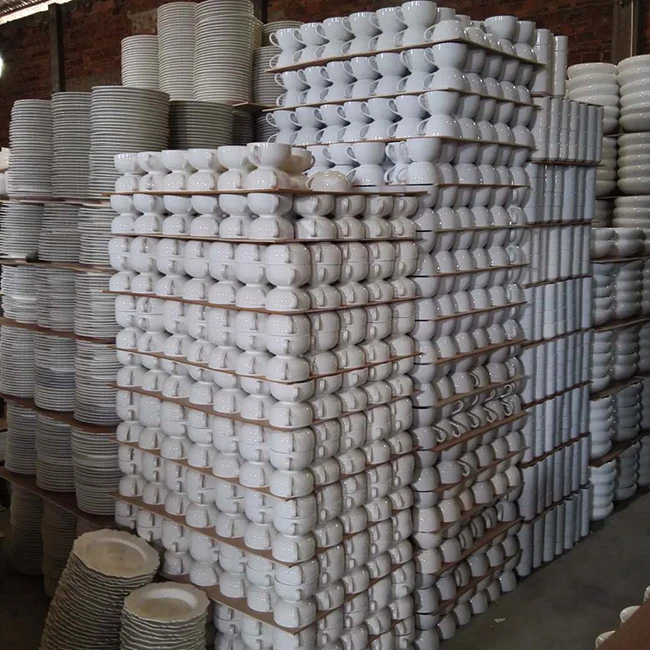
Shenzhen Sanbo Home And Garden Manufacturing Co., Ltd.
- Manufacturer, Trading Company
- Gaungdong, China
- Lead time15 days
- Avg. response≤ 3h
Main productsstainless steel dinnerware,metal cake holder,glass cake holder,cake tools,ceramic dinnerware
Main marketsAfrica(20.00%), Southeast Asia(10.00%), Eastern Europe(10.00%), Oceania(10.00%), Southern Europe(9.00%), Central America(8.00%), Northern Europe(8.00%), South Asia(6.00%), South America(4.00%), Western Europe(4.00%), Eastern Asia(3.00%), Mid East(3.00%), North America(3.00%), Domestic Market(2.00%)

Guangdong Hongdahuang Ceramics Co. Ltd
- Verified by SGS
- Combined
- China Guangdong
- Lead time45 days
- Avg. response≤ 9h
Main marketsDomestic,North America

Beautiful Environmentally Friendly Ceramic Soup Plate for BBQ Restaurants
$1.30 - $8.00
MOQ: 100 Pieces

Not Easily Broken Convenient Ceramic Dessert Plates for Buffet Restaurants
$1.30 - $8.00
MOQ: 100 Pieces


Environmentally Friendly Exquisite Ceramic Restaurant Plate for Farewell Banquets
$1.30 - $8.00
MOQ: 100 Pieces

Shenzhen Daily Fun Technology Co., Ltd.
- Manufacturer, Business Service (Transportation, finance, travel, Ads, etc)
- Guangdong, China
- Lead time15 days
- Avg. response≤ 2h
Main productsTableware,Kitchenware,Ceramics bowl,Ceramic vase,Ceramic articles
Main marketsDomestic Market(55.00%), North America(18.00%), Eastern Europe(8.00%), Western Europe(7.00%), Southern Europe(5.00%), South America(4.00%), South Asia(2.00%), Africa(1.00%)

Chaozhou Chaoan Chaoda Ceramics Co., Ltd.
- Manufacturer
- Guangdong, China
- Lead time7 days
- Avg. response≤ 6h
Main productsCeramic Plates,Ceramic Bowls,Ceramic Cups
Main marketsWestern Europe(50.00%), North America(25.00%), Southeast Asia(15.00%), South America(10.00%)
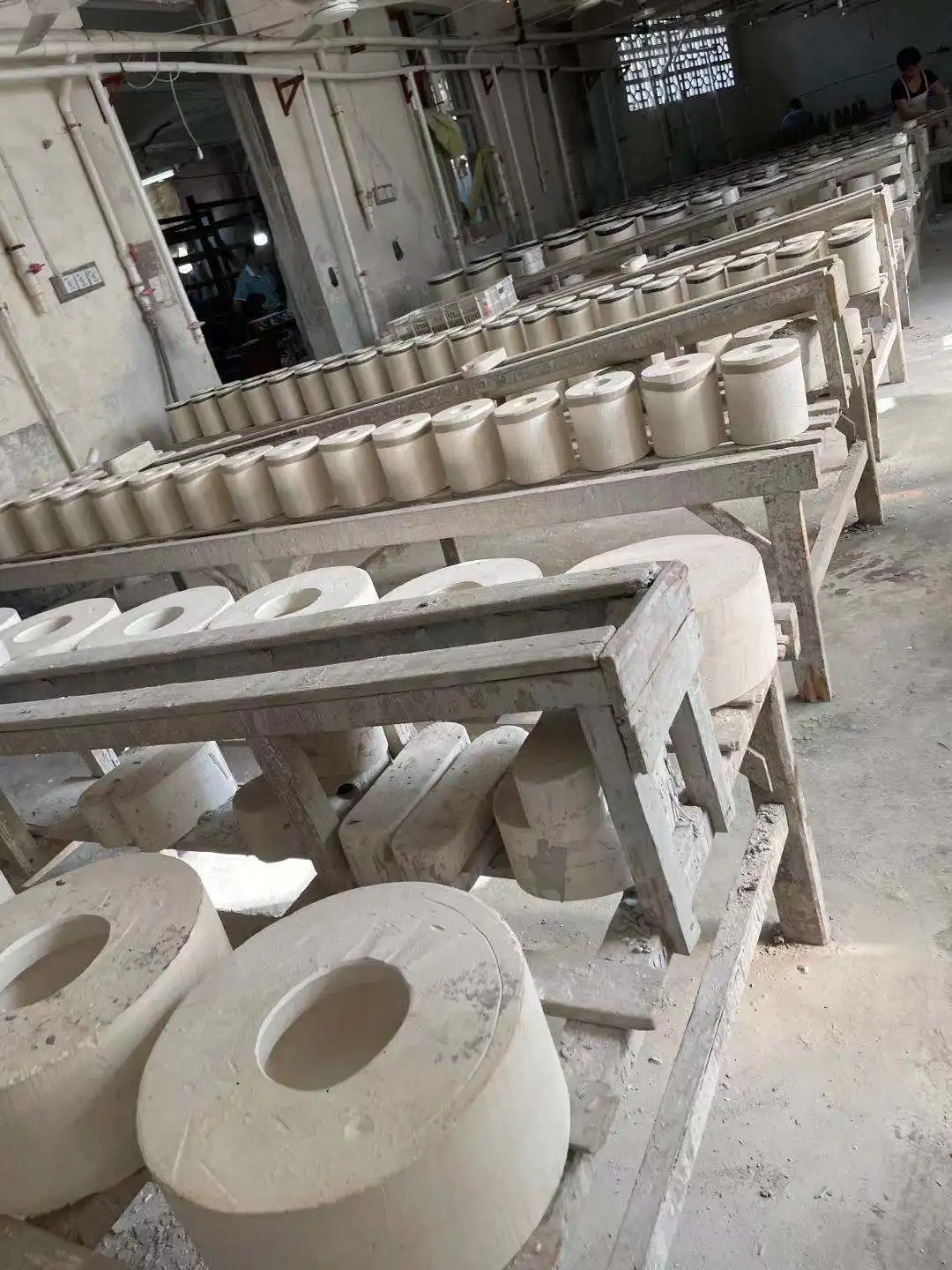
Fujian Dehua Chiyitang Ceramics Co., Ltd.
- Trading Company
- Fujian, China
- Lead time30 days
- Avg. response≤ 4h
Main productsCeramic Plate,Ceramic Cup,Ceramic Vase,Ceramic planter,Mug Cup
Main marketsNorth America(30.00%), Mid East(25.00%), Western Europe(20.00%), Domestic Market(10.00%), Eastern Asia(10.00%), Northern Europe(5.00%)

Foshan Ron Hospitality Supplies Co., Ltd.
- Verified by BV
- Manufacturer/Factory,Group Corporation
- China Guangdong
- Lead time45 days
- Avg. response≤ 2h
Main productsRestaurant Furniture, Restaurant Booth, Restaurant Chair, Restaurant Table, Bar Stools, Wedding Chairs, Flatware Sets, Dinnerware Sets, Garden Chairs, Disposable Dinnerware & Tableware
Main marketsSouth America,Eastern Europe,Mid East,North America,Southeast Asia,Eastern Asia,Oceania,Western Europe,Africa

Green Eco-Friendly Round Ceramic Dinner Plate Set Used for Parties Events
$0.40 - $0.50
MOQ: 50 Pieces

Low Price Eco-Friendly Irregular Round Ceramic Dinner Plate Set Used for Hotels
$0.40 - $0.50
MOQ: 50 Pieces

Guangzhou Nantian Sources Co., Ltd.
- Manufacturer/Factory
- China Guangdong
- Lead time15 days
- Avg. response≤ 6h
Main productsKitchen Equipment, Kitchenware, Food Machine, Kitchen Appliance, Glassware, Food Machinery, Bakery Equipment, Dinnerware, Kitchen Utensils, Food Processor
Main marketsSouth America,Mid East,Southeast Asia,Eastern Asia,Oceania,Africa
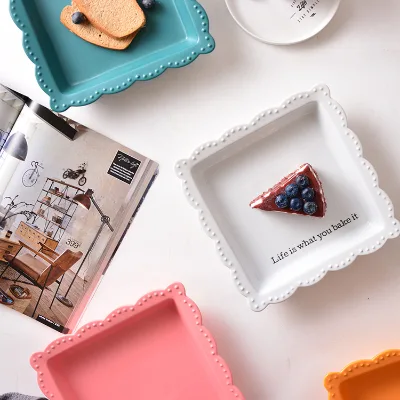
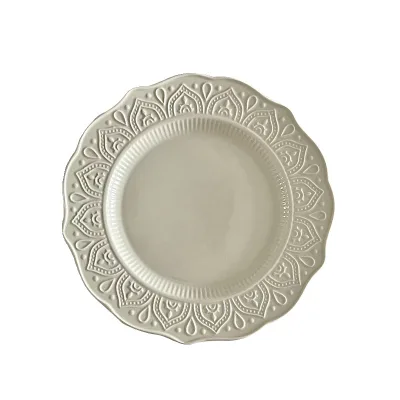
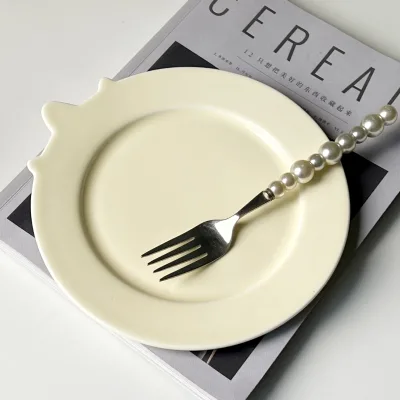
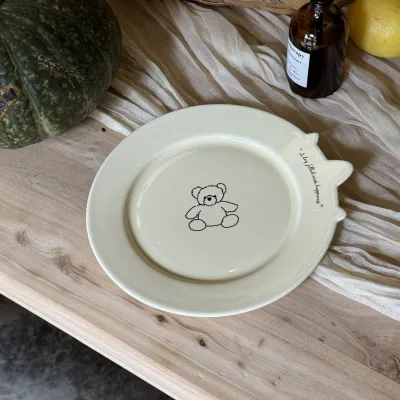
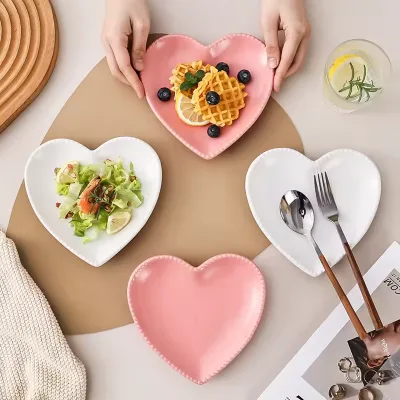
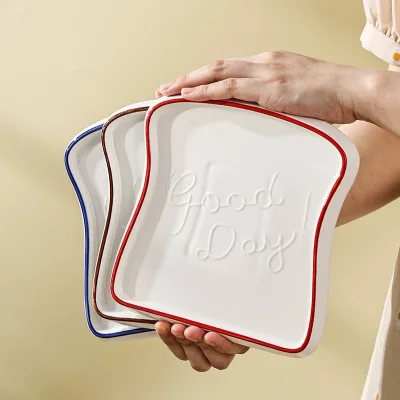






Comprehensive Sourcing Guide
Eco Friendly Ceramic Cake Plate Supplier Concentration and Factory Types
The current supplier landscape for eco-friendly ceramic cake plates reveals a concentration of manufacturing and trading entities primarily located in China, with specific clusters identified in Shandong and Anhui provinces. These regions host a mix of trading companies and factories that specialize in ceramic dinnerware, including custom drum-shaped mugs, reactive glazed tableware, and various dessert plates. The presence of suppliers in Shandong suggests a strong industrial base for porcelain production, while Anhui-based entities often focus on broader tableware solutions that may include biodegradable alternatives alongside traditional ceramics. Buyers should recognize that the majority of verified suppliers in this category operate as trading companies, which can streamline the sourcing process by aggregating products from multiple factories rather than managing direct factory relationships.
When evaluating the factory types, it is crucial to distinguish between pure manufacturers and trading intermediaries based on their main product lines and verification status. Some suppliers list extensive ranges of ceramic items such as milk jars, cappuccoon cups, and vintage tableware, indicating a broad manufacturing capability, while others focus on specific niches like custom printing or eco-friendly features. The verification badges, such as BV or SGS, provide a layer of confidence regarding the company's operational legitimacy, but they do not guarantee that the specific factory producing the ceramic plates is the same entity listed. Buyers must investigate whether the supplier's main products align with their specific needs for custom printing, specific glazes, or unique shapes like square or round dessert plates to ensure the supplier has the requisite production capacity.
How to Verify Eco Friendly Ceramic Cake Plate Suppliers
Verification of suppliers for eco-friendly ceramic cake plates requires a multi-layered approach that goes beyond simple badge checks. The current data indicates that suppliers may hold certifications from bodies like BV, SGS Group, or SGS, which serve as initial indicators of business legitimacy. However, buyers must also scrutinize product-specific certifications such as CE/EU, FDA, and CIQ, which are explicitly listed for certain ceramic cake plates and dinnerware items. These certifications confirm that the materials used, including ceramic and porcelain, meet international safety standards for food contact, ensuring the products are non-toxic and suitable for kitchen, hotel, and restaurant applications. Relying solely on a general company verification without checking product-level compliance can lead to sourcing items that do not meet specific regulatory requirements for the target market.
In addition to certifications, buyers should assess the supplier's response time and the depth of their product attributes to gauge reliability. A response time of 1.90 hours suggests a highly active and responsive team, whereas a response time of 7 hours or 5 hours indicates varying levels of operational efficiency that could impact communication during the sourcing process. Buyers should verify that the supplier explicitly states customization availability, as many ceramic cake plates offer options for logo printing, color customization, and specific dimensions like a top diameter of 21cm or a rectangular shape of 19.7x12.3cm. Confirming that the supplier can provide detailed product attributes, such as microwave safety, dishwasher compatibility, and specific material compositions like ceramic and porcelain, is essential to ensure the final product matches the buyer's quality expectations and functional requirements.
What to Compare Across Eco Friendly Ceramic Cake Plate Suppliers
Comparing suppliers requires a systematic evaluation of key operational metrics such as lead time, minimum order quantity (MOQ), and pricing structures. The data shows significant variation in lead times, with some suppliers indicating a 30-day production window while others list zero days, which may imply stock availability or a different production model. Buyers must carefully interpret these figures, as a zero-day lead time might refer to sample processing or graphic design rather than full-scale manufacturing. Similarly, MOQs range widely, with some suppliers requiring orders as high as 5000 units for custom ceramic plates, while others accept orders as low as 50 units for specific designs. This disparity means that buyers with smaller volume needs must identify suppliers with lower thresholds to avoid excessive inventory costs.
Pricing and product features also vary considerably across the supplier base, necessitating a detailed comparison of unit costs and value-added attributes. Unit prices for ceramic cake plates can range from as low as $0.50 to as high as $15.00, depending on factors like size, complexity, and customization level. For instance, a simple round dessert plate may cost significantly less than a large porcelain cake stand with intricate embossing. Buyers should compare not just the base price but also the included features such as eco-friendly certifications, custom printing capabilities, and special features like microwave or oven safety. Additionally, the main products listed by each supplier, such as whether they focus on ceramic dinnerware or disposable alternatives, will influence the overall value proposition and the suitability of the supplier for a specific project scope.
Common Eco Friendly Ceramic Cake Plate Sourcing Risks
One of the primary risks in sourcing eco-friendly ceramic cake plates is the potential mismatch between claimed eco-friendly attributes and actual product composition. While many suppliers list features like "Eco-Friendly" and "Biodegradable," these terms can be ambiguous when applied to ceramic materials, which are inherently durable and non-disposable. Buyers must verify that the "eco-friendly" claim refers to the manufacturing process, the glaze materials, or the packaging rather than the product itself, as ceramic plates are typically non-disposable and designed for long-term use. Confusion may arise if a supplier mixes ceramic products with biodegradable alternatives like cornstarch plates, leading to incorrect expectations about the product's lifecycle and disposal characteristics.
Another significant risk involves the reliability of customization claims and the consistency of quality standards. Suppliers often state that customization is available for logos, colors, and shapes, but the actual execution depends on the supplier's technical capability and quality control processes. The risk of receiving products that do not meet the specified quality standard, such as "According to Your Requirements," is heightened if the supplier lacks a robust verification process or if the communication regarding design specifications is unclear. Furthermore, the variation in response times and lead times can lead to supply chain disruptions, especially if a supplier promises a short turnaround but fails to deliver within the agreed timeframe. Buyers should mitigate these risks by requesting samples and verifying the supplier's ability to meet specific technical requirements before committing to large orders.
Eco Friendly Ceramic Cake Plate Regional Sourcing and Logistics
Regional sourcing strategies for eco-friendly ceramic cake plates are heavily influenced by the geographic concentration of suppliers in China, particularly in provinces like Shandong and Anhui. These regions offer established logistics networks and manufacturing ecosystems that support the production and export of ceramic tableware. However, buyers must be aware that the specific location of the factory can impact shipping costs and delivery times, as well as the availability of local raw materials. For instance, suppliers in Shandong may have different logistical advantages compared to those in Anhui, depending on the proximity to major ports and the efficiency of their local supply chains. Understanding these regional nuances helps buyers optimize their sourcing strategy to minimize transit times and costs.
Logistics planning also involves considering the packaging and handling requirements for fragile ceramic items. The product attributes often include specific dimensions and weights, such as a single gross weight of 0.080 kg or a package size of 9x9x2 cm, which are critical for calculating shipping volumes and costs. Buyers should verify that the supplier uses appropriate packaging to prevent breakage during transit, especially for items like large porcelain cake stands or rectangular dinner plates. Additionally, the origin of the product, typically listed as China, affects import regulations and duties in the buyer's destination country. Buyers must ensure that the supplier provides accurate documentation regarding the product's origin and material composition to facilitate smooth customs clearance and compliance with local import standards.
Eco Friendly Ceramic Cake Plate Commercial Terms and Order Planning
Commercial terms for eco-friendly ceramic cake plates vary significantly based on the supplier's policies regarding payment, customization, and order volume. Buyers should expect to encounter a range of MOQs, from 50 units for smaller orders to 5000 units for bulk customizations, which directly impacts the financial planning and inventory management strategies. The pricing structure, which can range from $0.50 to $15.00 per unit, must be evaluated in the context of the total order value, including any additional costs for custom printing, logo placement, or special packaging. Understanding these commercial terms is essential for negotiating favorable conditions and ensuring that the total cost of ownership aligns with the buyer's budget constraints.
Order planning must also account for the lead times and response times provided by the supplier, as these factors determine the overall timeline from order placement to delivery. A lead time of 30 days suggests a standard production cycle, while a zero-day lead time might indicate immediate availability of stock or a different production model. Buyers should plan their orders well in advance to accommodate potential delays, especially when dealing with custom designs that require graphic processing or sample approval. Additionally, the supplier's response time, which can range from 1.90 hours to 7 hours, affects the speed of communication and issue resolution. Buyers should prioritize suppliers with faster response times to ensure efficient coordination and timely delivery of their eco-friendly ceramic cake plate orders.
FAQs
What certifications do eco friendly ceramic cake plates have?
Suppliers offer plates certified under CE/EU, FDA, and CIQ standards to ensure food safety and regulatory compliance. These certifications verify that the ceramic and porcelain materials meet strict health requirements. Buyers should confirm specific certificates match their target market regulations before placing orders.
What is the typical lead time for ceramic cake plates?
Manufacturers in China Shandong typically require 30 days to produce and ship ceramic cake plates. This timeframe covers material preparation, molding, glazing, and firing processes. Buyers should account for this duration when planning inventory, as production schedules may vary based on order volume and customization complexity.
What is the minimum order quantity for custom ceramic plates?
The standard minimum order quantity is 5000 pieces for most ceramic cake plate suppliers. Some manufacturers offer lower MOQs of 50 units for specific designs or samples. Buyers seeking smaller batches should verify availability directly, as bulk discounts usually apply to larger orders meeting the primary threshold.
Are ceramic cake plates safe for microwave and dishwasher use?
Yes, most ceramic and porcelain cake plates are designed to be microwave, oven, and dishwasher safe. These features make them durable for commercial and home use. Buyers should check product specifications to confirm heat resistance levels, ensuring the plates withstand high temperatures without cracking or releasing harmful substances.
How quickly do suppliers respond to sourcing inquiries?
Response times vary, with some suppliers replying within 1.90 hours and others taking up to 7 hours. Faster response rates indicate active sales teams ready to assist with quotes and samples. Buyers should prioritize suppliers with quicker response times to streamline communication and accelerate the procurement process effectively.
What is the price range for eco friendly ceramic cake plates?
Prices typically range from $0.50 to $2.00 per unit for standard ceramic cake plates. Larger or custom-designed plates may cost between $7.00 and $15.00. Costs depend on material quality, customization options, and order volume. Buyers should request detailed quotes to understand pricing structures and potential bulk discounts.
Can I customize the logo and design on ceramic plates?
Yes, customization is available for logos, colors, and shapes on ceramic cake plates. Suppliers offer options for multicolor or unicolor designs with custom printing techniques. Buyers can specify unique requirements to match brand identity. Confirm customization capabilities and associated costs with suppliers to ensure the final product meets expectations.