Eco Friendly Can Cooler Suppliers and Manufacturers
Find 20 verified suppliers offering Eco Friendly Can Cooler options with ISO9001:2015 certification and ODM/OEM capabilities. Compare response times, lead times, and pricing to select a partner for custom neoprene or foam designs; review the available evidence before requesting comparable quotations from suitable candidates.
Updated
Suppliers List

Zhongshan Artigifts Premium Metal & Plastic Co., Ltd.
- Verified by BV
- Combined
- China Guangdong
- Lead time15 days
- Avg. response≤ 3h
Main productsPin, Key Chain, Label, Coin, Lanyard, Purse Hanger, PVC Key Holder, Button Badge, Trolley Coin, Medal
Main marketsSouth America,Africa,Others(foreignTradeCapacity.exportBusinessCapacityMarketOther),Southeast Asia/ Mideast,East Asia(Japan/ South Korea),Europe,Australia,North America

Chenzhou Qunyao Sports Goods Co., Ltd.
- Verified by SGS
- Manufacturer
- China Hunan
- Lead time38 days
- Avg. response≤ 1h
Main productsIndustrial Anti-Collision Strip, NBR Foam Rubber Sleeve, Handle Grip Cover, Corner Guard, Foam Tube
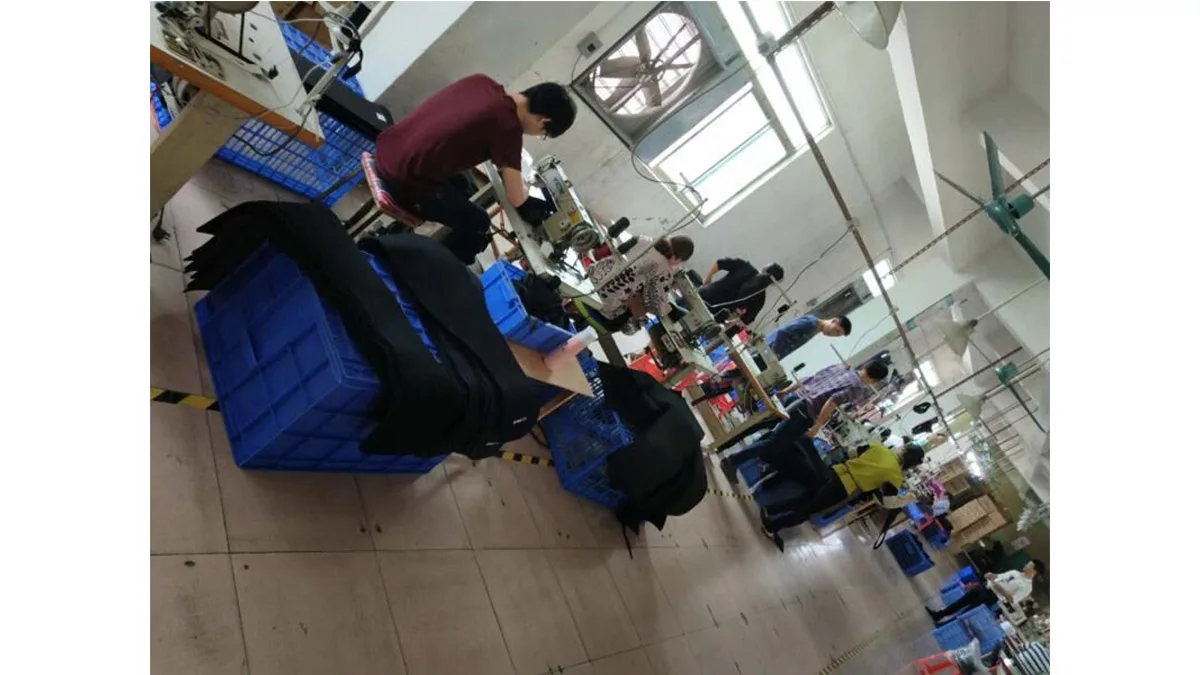
Dongguan Xingke Gift Co., Ltd.
- Manufacturer, Trading Company
- Guangdong, China
- Lead time15 days
- Avg. response≤ 4h
Main productsCan Cooler,neoprene bag,bottle holder,cosmetic bag,Mousepad
Main marketsNorth America(30.00%), Eastern Europe(20.00%), Central America(10.00%), Western Europe(10.00%), Oceania(10.00%), South America(10.00%), Southern Europe(5.00%), Northern Europe(5.00%)

Zhejiang Daian Commodity Co., Ltd.
- Verified by TUVRHEINLAND
- Combined
- China Shanghai
- Lead time45 days
- Avg. response≤ 8h
Main productsTumbler, Water Bottle, Stainless Steel Water Bottle, Travel Mug, Coffee Mug, Stainless Steel Tumbler, Mug, Plastic Cup, Barware, Pet Bowl
Main marketsSouth America,East Asia(Japan/ South Korea),Australia,North America


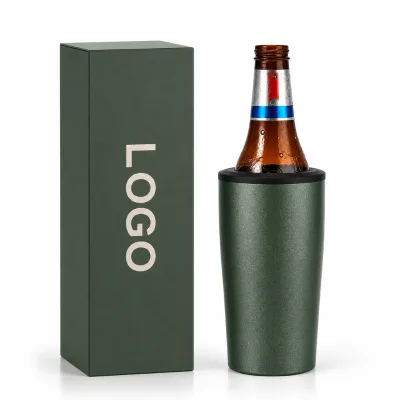
12oz Wholesale Insulation Eco-Friendly Stainless Steel Can Cooler with Customized Logo
$2.14 - $2.49
MOQ: 1000 pieces

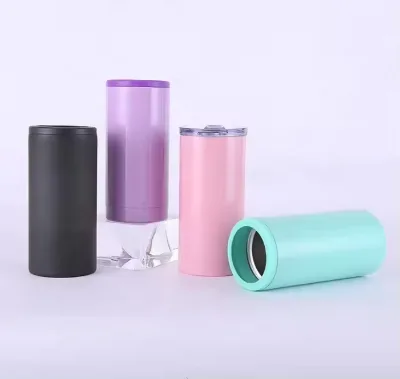
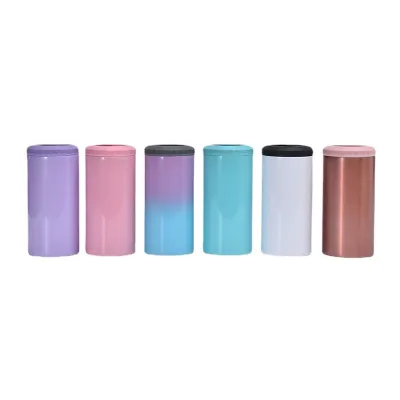
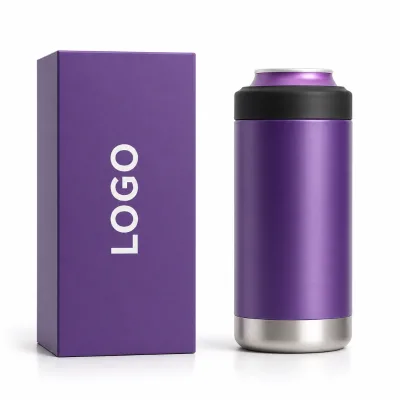
Durable Stainless Steel 12oz Beer Can Cooler with Thermal Insulation and BPA-Free Design
$1.20 - $2.50
MOQ: 500 pieces


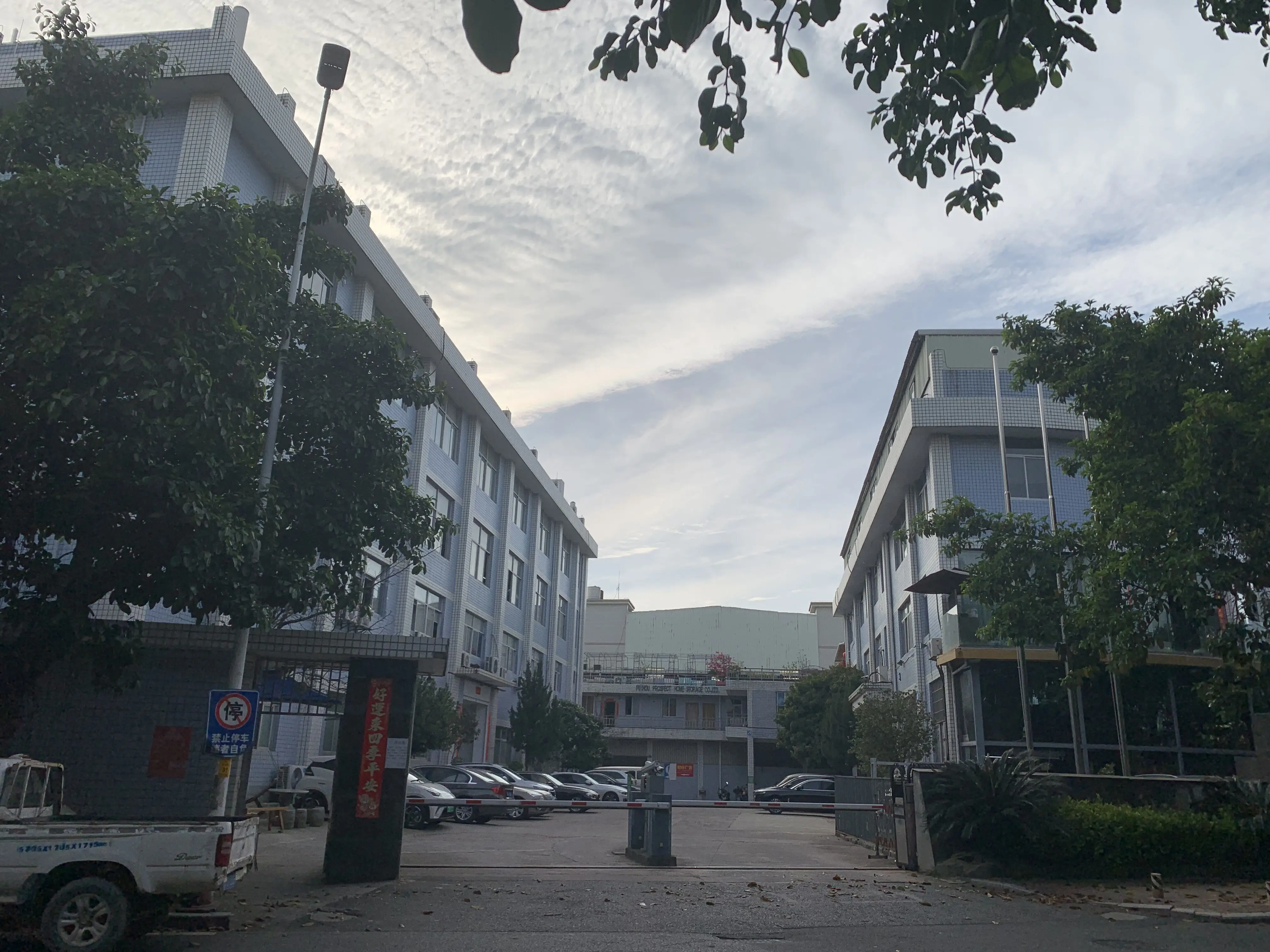
Fuzhou Xingxingda Trading Co., Ltd.
- Trading Company
- Fujian, China
- Lead time0 days
- Avg. response≤ 3h
Main productsSTUBBY HOLDER,CAN COOLER,BASEBALL CAP,MOUSE PAD,STRAW CAP
Main marketsOceania(40.00%), North America(20.00%), Eastern Asia(10.00%), Southern Europe(5.00%), Northern Europe(5.00%), Western Europe(5.00%), Eastern Europe(5.00%), Mid East(5.00%), South America(5.00%)
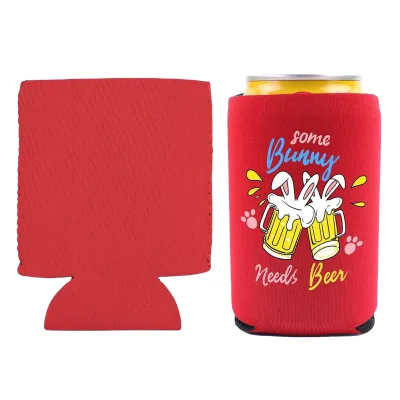
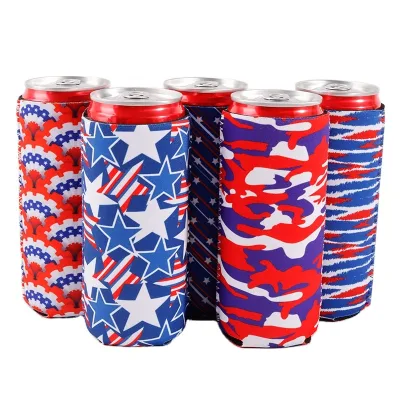
Wholesales Custom 16oz Can Cooler Reusable Beer Cans Cooler Sleeve Can Cooler
$0.2379 - $0.6523
MOQ: 50 pieces

Fuzhou Tengchuan International Trading Co., Ltd.
- Verified by BV
- Trading Company
- China Fujian
- Lead time23 days
- Avg. response≤ 8h
Main productsBikini, Baseball Cap, Can Cooler, Perfume Bottle, Car Air Freshener, Lazy Bag, Umbrella, T-Shirt, Scarf, Beach Towel
Main marketsSouth America,Africa,Southeast Asia/ Mideast,East Asia(Japan/ South Korea),Europe,Australia,North America

Neoprene Beer Can Cooler Sleeve Logo Printed Can Cooler with Rubber Bottom
$0.18 - $0.68
MOQ: 100 Pieces

Custom Magnetic Can Cooler Neoprene Magnet Beer Can Cooler with Rubber Bottom
$0.15 - $0.68
MOQ: 100 Pieces

Customize Durable Can Coolers Neoprene and Foam Full Color Bottle Bag Cooler
$0.15 - $0.68
MOQ: 100 Pieces

Anhui YOTO Import & Export Co., Ltd.
- Verified by SGS
- Manufacturer/Factory
- China Anhui
- Lead time23 days
- Avg. response≤ 2h
Main productsWater Bottle, Vacuum Flask, Cup & Mugs, Thermos, Plastic Water Bottles, Kid's Bottles, Tumblers, Sports Bottles
Main marketsSouth America,Eastern Europe,Mid East,North America,Southeast Asia,Eastern Asia,Western Europe,Africa

Suzhou TopRising International Trade Co., Ltd
- Verified by BV
- Trading Company
- China Jiangsu
- Lead time15 days
- Avg. response≤ 2h
Main productsStainless Steel Tumbler, Ceramic Coffee Mug, Pop It Fidget Sensory Toy, Inflatable Mattress, Anti Stress Silicone Toy, Bivy Sack, Water Bottle, Self Stiring Coffee Mug, Vacuum Insulated Tumbler, Non Tipping Suction Mug
Main marketsSouth America,North America
Jiangmen Cool-Bey Crafts Factory
- Manufacturer, Trading Company
- Guangdong, China
- Lead time15 days
- Avg. response≤ 2h
Main productsPolyester Lanyard, Waist Bags, Laptop Bags & Covers, Cooler Bags, Promotional Towel
Main marketsNorth America(50.00%), Domestic Market(30.00%), Eastern Europe(10.00%), Southeast Asia(10.00%)
Ningbo General Union Co., Ltd.
- Trading Company
- Lead time旺季: "1 - 3000":15,"> 3000":"To be negotiated", 淡季: "1 - 3000":15,"> 3000":"To be negotiated"
- Avg. response≤ 10h
Main productsHousehold Products, Cleaning Tools, Disposable Tableware, Kitchen Tableware, Kitchen Accessories
Dongguan Yuntu Travel Products Co., Ltd.
- Manufacturer, Trading Company
- Guandong, China
- Lead time7 days
- Avg. response≤ 2h
Main productsgun holster,weight bangle,diving glove,Sleeping mat,posture corrector
Main marketsEastern Asia(50.00%), North America(20.00%), Domestic Market(10.00%), Western Europe(10.00%), Eastern Europe(10.00%)
- Verified by TüVRheinland
- Trading Company
- Lead time30 days
- Avg. response≤ 8h
Main productsPromotional Office Products, Promotional Gifts, Promotional Bags, Promotional Drinkware, Promotional Apparel And Accessories
Main marketsNorth America(75%), Western Europe(10%), Mid East(5%)

Zhejiang Cibola Products Co., Ltd.
- Verified by SGS
- Manufacturer/Factory
- China Zhejiang
- Lead time23 days
- Avg. response≤ 11h
Main productsVacuum Flask, Stainless Steel Insulated Water Bottle, Tumbler/Coffee Cup, Cup, Coffee Pot, Stainless Steel Shaker, Stainless Steel Mug, Stainless Steel Single Wall Bottle, Water Jug, Children Bottle
Main marketsSouth America,Eastern Europe,Mid East,North America,Southeast Asia,Eastern Asia,Oceania,Western Europe,Africa

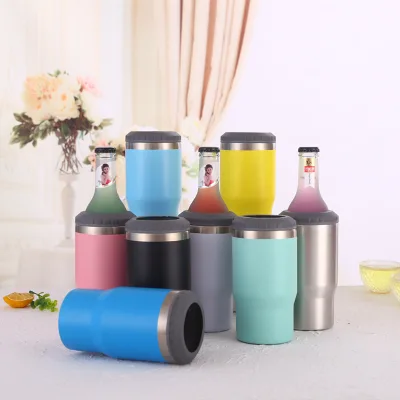
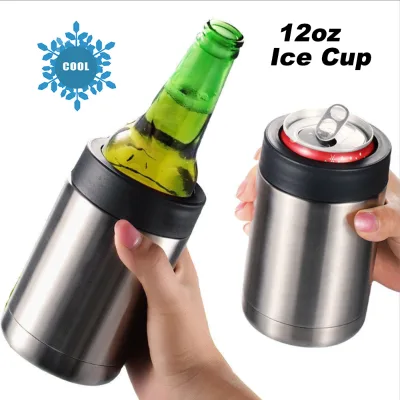
12oz Hot-Sale Double Wall Stainless Steel Can Cooler for Storage Drinking
$2.30 - $5.00
MOQ: 1000 Pieces

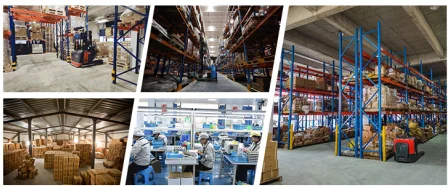
Chengdu Gensda Technology Co., Ltd.
- Trading Company
- Sichuan, China
- Lead time15 days
- Avg. response≤ 7h
Main productstumbler with straw,water bottle,Stainless Steel Cup,Car Mug,Vacuum Flasks & Thermoses
Main marketsNorth America(65.00%), Southern Europe(5.00%), Northern Europe(5.00%), Central America(5.00%), Western Europe(5.00%), Mid East(5.00%), Eastern Europe(5.00%), South America(5.00%)
- Manufacturer, Trading Company
- Lead time旺季: "1 - 1000":10,"1001 - 5000":15,"> 5000":"To be negotiated", 淡季: "1 - 1000":10,"1001 - 5000":15,"> 5000":"To be negotiated"
- Avg. response≤ 3h
Main productsCustom Flags And Banners, Promotion Gifts, Promotion Apparel And Accessories, Advertising Display, Fashion Accessories
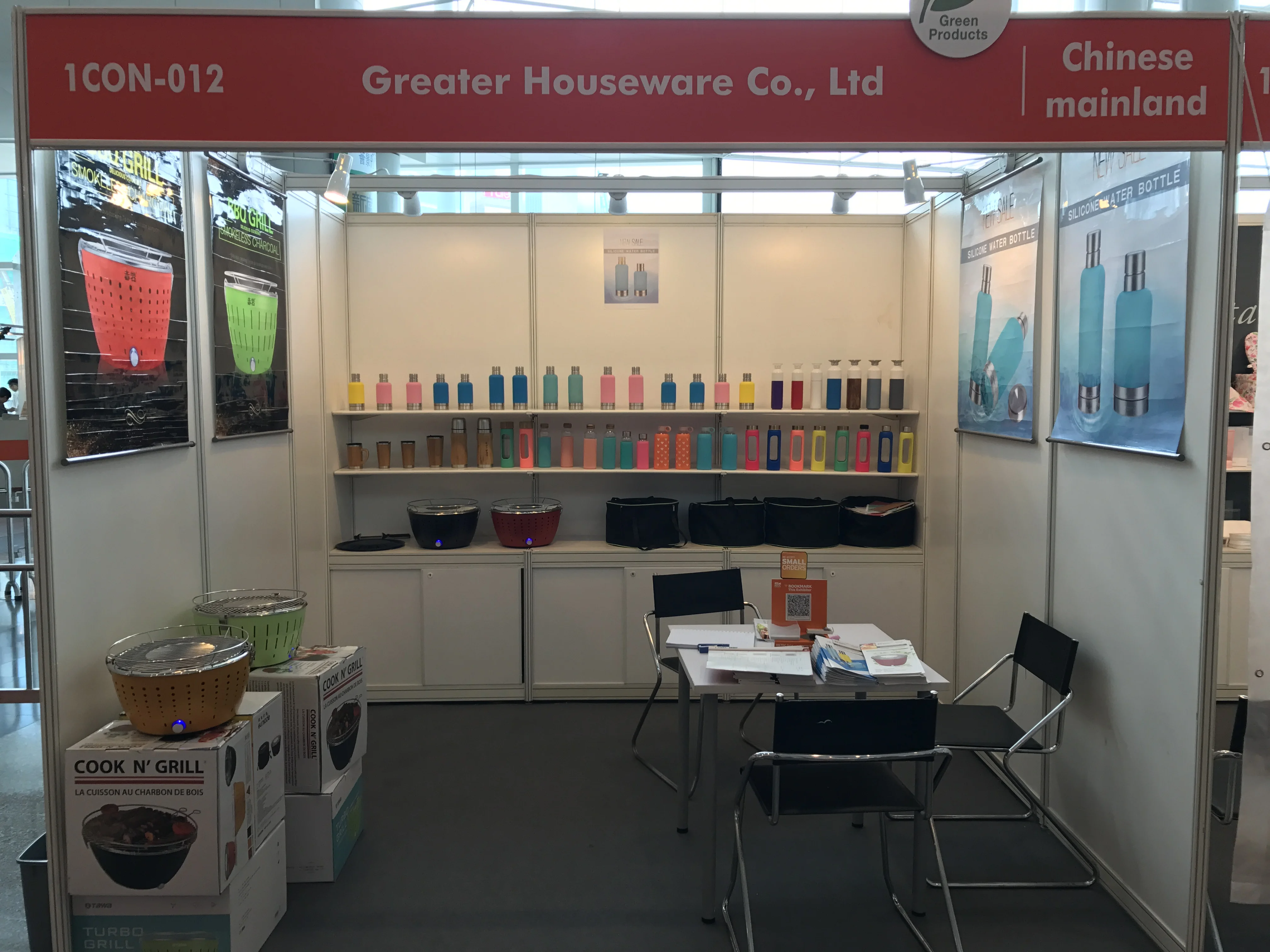
Yongkang Greater Houseware Co., Ltd.
- Trading Company
- Zhejiang, China
- Lead time30 days
- Avg. response≤ 4h
Main productsWater Bottle,Coffee Mug,Vacuum Flask,Pet Bottle,Tumbler
Main marketsEastern Europe(43.00%), Western Europe(13.00%), Oceania(12.00%), Eastern Asia(11.00%), Northern Europe(8.00%), Africa(5.00%), North America(3.00%), Southeast Asia(2.00%), Mid East(2.00%), South America(1.00%)
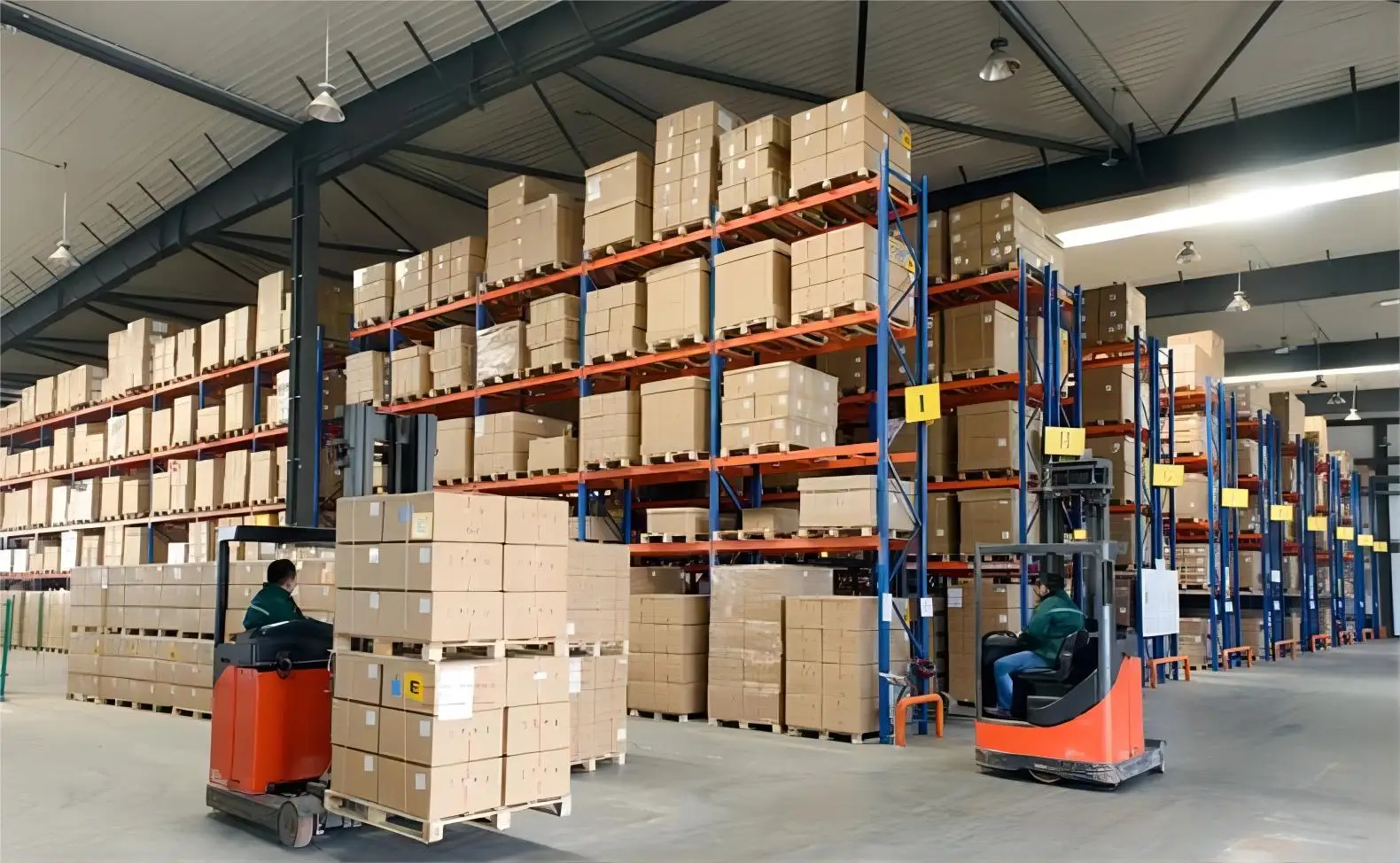
Henan Willan E-Commerce Co., Ltd.
- Trading Company
- Henan, China
- Lead time30 days
- Avg. response≤ 2h
Main productsScented candles,Wax materials,Tools,OEM,Cool cup
Main marketsWestern Europe(30.00%), North America(30.00%), Southern Europe(10.00%), South America(10.00%), Eastern Asia(10.00%), Eastern Europe(10.00%)

Shanghai Touch Industrial Development Co., Ltd.
- Verified by TUVRHEINLAND
- Combined
- China Shanghai
- Lead time15 days
- Avg. response≤ 5h
Main productsInstant Hot Pack, Hot Cold Pack, Gel Eye Mask, Gel Ice Pack, Gel Bottle Cooler, Instant Ice Pack, Hand Warmer, Heat Pack, Cooling Scarf, Gel Beads
Main marketsSouth America,Others(foreignTradeCapacity.exportBusinessCapacityMarketOther),Southeast Asia/ Mideast,East Asia(Japan/ South Korea),Domestic,Europe,Australia,North America

Shanghai David International Trade Co., Ltd.
- Verified by TUVRHEINLAND
- Combined
- China Shanghai
- Lead time15 days
- Avg. response≤ 9h
Main productsPromotional Gifts, Gift Sets, Tshirts, Hats, Hot Packs, Hot Cold Packs, Ice Packs, Bags, Umbrellas, Water Bottles
Main marketsSouth America,Africa,Southeast Asia/ Mideast,East Asia(Japan/ South Korea),Domestic,Europe,Australia,North America
Hangzhou Lionprint Houseware Co., Ltd.
- Verified by Intertek
- Trading Company
- Lead time15 days
- Avg. response≤ 5h
Main productsTumbler, Clothes, Holiday Gift, Kids Clothes&Toys
Main marketsNorth America(80%), Oceania(10%), Eastern Europe(10%)
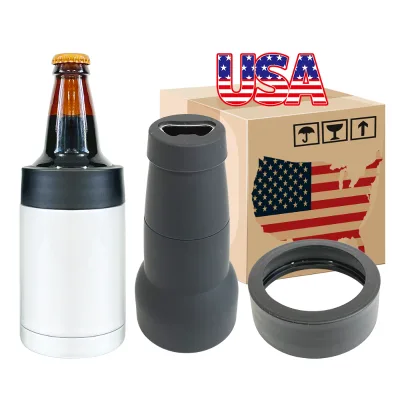
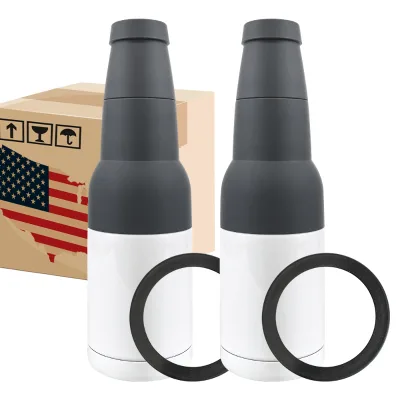
$2.2141 - $5.1133
MOQ: 50 pieces




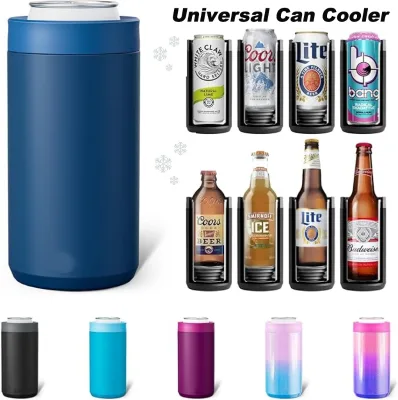


Comprehensive Sourcing Guide
Eco Friendly Can Cooler Supplier Concentration and Factory Types
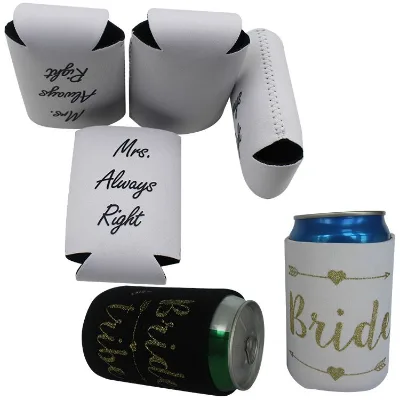
Current data indicates a concentration of manufacturing activity in China, specifically within the Guangdong province, where suppliers list locations as Guangdong, China. These entities often operate as combined entities, functioning as both manufacturers and trading companies to offer broader product ranges. The primary product portfolios observed in this region include pin, key chains, labels, coins, lanyards, purse hangers, PVC key holders, button badges, trolley coins, and medals, alongside the specific eco-friendly can coolers requested. This diversification suggests that many factories in this cluster possess the flexibility to handle multiple promotional item categories, potentially streamlining logistics for buyers sourcing a mix of branded goods.
In contrast, other verified suppliers in the dataset are located in Hunan, China, and operate strictly as manufacturers. These facilities focus on industrial anti-collision strips, NBR foam rubber sleeves, handle grip covers, corner guards, and foam tubes, which are technically related to the insulation materials used in can coolers. The distinction between combined entities and pure manufacturers is critical for buyers, as combined suppliers may offer more design flexibility through OEM and ODM services, while pure manufacturers might provide deeper technical expertise in material sourcing and production efficiency. Buyers should verify the specific company type listed for each supplier to align with their strategic need for either broad product variety or specialized manufacturing depth.
How to Verify Eco Friendly Can Cooler Suppliers
Verification status is a primary indicator of supplier reliability, with current results showing specific third-party validations such as BV and SGS. A supplier marked with BV verification has undergone business verification processes, while those with SGS certification have passed specific quality or safety assessments. These credentials are not merely marketing claims but represent external audits that buyers should prioritize when filtering potential partners. The presence of these verification badges reduces the risk of engaging with fraudulent entities, though buyers must still confirm that the specific product line, such as the eco-friendly can cooler, falls within the scope of the verified certification.
Beyond verification badges, buyers should examine the response time metrics provided in supplier profiles to gauge operational efficiency. The observed data shows response times ranging from 0.32 to 4.0 hours, with some suppliers responding in under half an hour while others take up to four hours. A faster response time often correlates with a more active sales team and better communication channels, which is vital for resolving issues regarding customization or production delays. Buyers should not assume all suppliers have the same responsiveness; instead, they should compare these specific time metrics to ensure the supplier can meet the urgency of their project timeline before initiating detailed negotiations.
What to Compare Across Eco Friendly Can Cooler Suppliers
When evaluating suppliers, the minimum order quantity (MOQ) is a decisive factor that varies significantly across the market. Current product listings show MOQs ranging from 500 units to 10,000 units, with some suppliers offering lower thresholds for specific models while others require bulk commitments. This variance directly impacts the financial feasibility for small to medium-sized enterprises, as a supplier with a 10,000-unit MOQ may be unsuitable for a pilot launch. Buyers must carefully review the specific MOQ attached to each product model, such as the 12oz eco-friendly can cooler, to ensure it aligns with their inventory strategy and cash flow capabilities before committing to an order.
Lead time and pricing structures also require direct comparison to assess total cost of ownership and delivery feasibility. The observed lead times span from 15 days to 38 days, indicating that production schedules differ based on factory capacity and current order backlogs. Simultaneously, unit prices fluctuate between 0.25 and 1.35 USD depending on the customization level, material type, and order volume. A supplier offering a lower price might have a longer lead time, while a faster turnaround could command a premium. Buyers should create a comparison matrix that weighs the trade-off between cost, speed, and quality certifications like ISO9001:2015 to select the most balanced option for their specific requirements.
Common Eco Friendly Can Cooler Sourcing Risks
One significant risk involves the discrepancy between product descriptions and actual material composition, particularly regarding eco-friendly claims. While many listings highlight features like "Eco-Friendly," "Neoprene," or "NBR Foam," the specific environmental standards or certifications backing these claims are not always explicitly detailed in the product attributes. Buyers must verify if the materials used meet specific international environmental standards or if the "eco-friendly" label is a general marketing term without third-party validation. Relying solely on the product title without confirming the material safety data sheets or environmental compliance certificates can lead to regulatory issues in the destination market.
Another critical risk is the potential for inconsistent quality control across different production batches, especially when dealing with combined suppliers who manage diverse product lines. The product attributes indicate features like "Non-Slip," "Thermal Insulated," and "Custom Printing," but the consistency of these attributes depends heavily on the factory's internal quality assurance processes. Without a clear record of past performance or specific quality test results for the exact model number, buyers face the risk of receiving goods that do not meet the promised specifications. It is essential to request pre-shipment samples and verify the factory's quality control protocols to mitigate the risk of receiving substandard or non-compliant inventory.
Eco Friendly Can Cooler Regional Sourcing and Logistics
The geographic location of the supplier significantly influences logistics costs and lead times, with current data pointing to major manufacturing hubs in Guangdong and Hunan, China. Suppliers in Guangdong, such as those offering neoprene bags and cosmetic bags, are often situated near major ports, which can facilitate faster shipping and lower freight costs for international buyers. In contrast, suppliers in Hunan may have different logistical advantages depending on the specific shipping routes and the proximity to rail or road networks. Buyers should consider the specific province listed in the supplier profile to estimate transit times and calculate the total landed cost, including inland transportation fees from the factory to the port of export.
Logistics planning must also account for the packaging specifications provided in the product attributes, which vary by supplier. Some listings indicate packaging as "1PC/Polybag; 100PCS/Bigbag," while others specify "Box" packaging, which affects the volume and weight of the shipment. These packaging details directly impact the number of containers required and the overall shipping cost, as denser packaging can reduce the number of units per container. Buyers should request detailed packing lists and dimensions to optimize container loading and ensure that the eco-friendly can coolers are protected during transit without incurring unnecessary freight charges due to inefficient packing arrangements.
Eco Friendly Can Cooler Commercial Terms and Order Planning
Commercial terms regarding customization and design capabilities are central to the order planning process for eco-friendly can coolers. The data shows that customization is available across multiple suppliers, with options for OEM design, custom printing logos, and tailored dimensions such as 30mm diameter or specific model numbers like AG-BAN_473. However, the extent of customization varies, with some suppliers offering "Western, Chinese" style options while others focus on specific functional attributes like "Hot Water Bottle" types. Buyers must clearly define their design requirements early in the negotiation to ensure the supplier has the technical capacity to execute the custom design without compromising the eco-friendly integrity of the product.
Payment terms and escrow services are also critical components of the commercial agreement that protect both parties during the transaction. While specific payment terms are not explicitly detailed in the current facts, the presence of verification badges like BV and SGS suggests that these suppliers are likely to engage in secure transaction methods. Buyers should inquire about the availability of escrow services to ensure funds are only released upon satisfactory delivery of the goods. Additionally, understanding the return policy and warranty terms for defective items is essential, as the soft hardness and non-disposable nature of the coolers require specific handling instructions to maintain their thermal insulation properties throughout the product lifecycle.
FAQs
What is the price range for eco friendly can coolers?
Prices typically range from $0.25 to $1.35 per unit depending on customization and material quality. Buyers can find options starting at $0.25 for basic neoprene sleeves or up to $1.35 for premium designs. Costs vary based on order volume and specific feature requirements.
What is the minimum order quantity for these products?
Minimum order quantities vary significantly by supplier, ranging from 100 to 10,000 units. Some manufacturers accept orders as low as 100 pieces, while others require bulk purchases of 10,000 units. Buyers should verify specific MOQs with suppliers to ensure alignment with their procurement needs.
How long does production take for custom orders?
Lead times generally range from 15 to 38 days depending on the supplier and order complexity. Some manufacturers offer faster turnaround times of 15 days, while others may require up to 38 days for production. Buyers should confirm specific timelines with their chosen supplier before placing orders.
Are these can coolers customizable for branding?
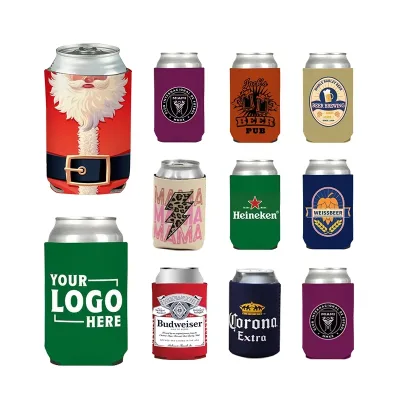
Yes, customization is widely available, including logo printing and custom designs. Many suppliers offer OEM services with options for Western or Chinese styles. Buyers can request specific colors, patterns, and materials to match their brand identity, ensuring a personalized product for promotional or retail purposes.
What materials are used for eco friendly can coolers?
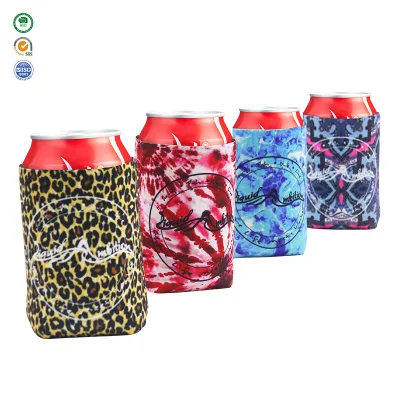
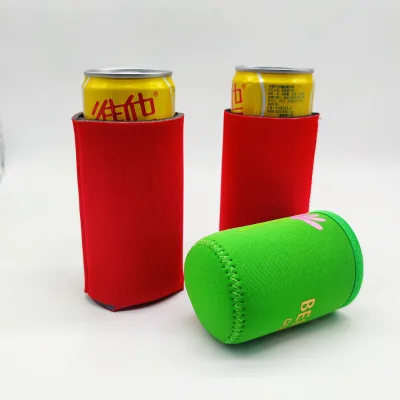
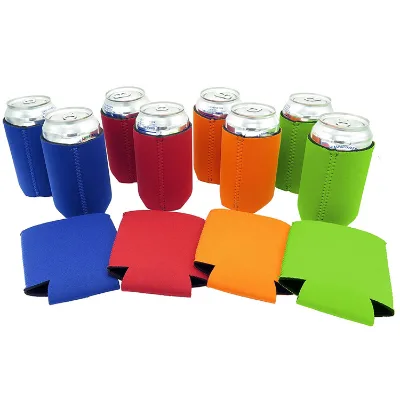
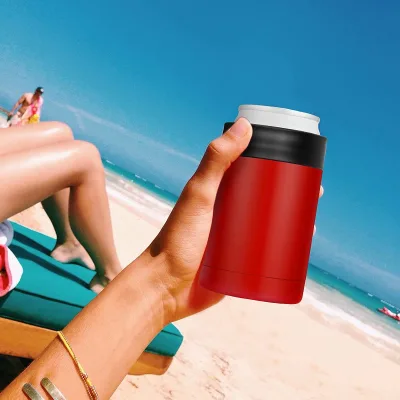
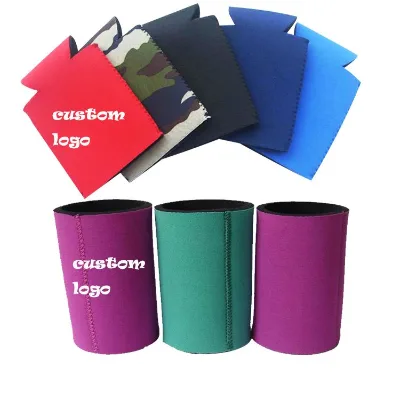
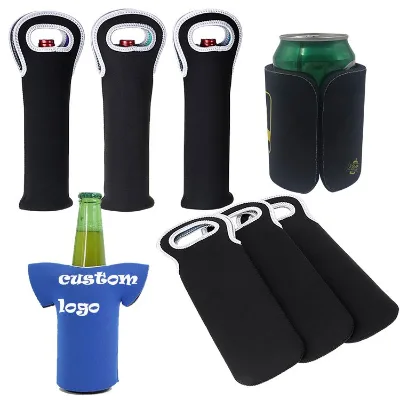
Common materials include neoprene, NBR foam, and eco-friendly fabrics. These materials provide thermal insulation and durability while being environmentally conscious. Suppliers often highlight features like non-slip surfaces and heat insulation, ensuring the coolers keep beverages cold or warm effectively for daily use or promotional events.
Where are these suppliers located?
Suppliers are primarily located in China, specifically in Guangdong and Hunan provinces. These regions are known for manufacturing capabilities in promotional items and lifestyle bags. Buyers can source products directly from these locations, ensuring access to a wide range of manufacturers and trading companies.
How quickly do suppliers respond to inquiries?
Response times vary, with some suppliers responding within 0.32 hours and others taking up to 4 hours. Faster response times indicate efficient communication channels, which is crucial for timely order processing. Buyers should prioritize suppliers with quicker response rates for smoother collaboration and faster project initiation.