Heart Shaped Gift Box Suppliers and Manufacturers in China
Explore 25 verified suppliers offering Heart Shaped Gift Box options with varying lead times, response speeds, and certifications. Buyers can compare ISO standards, customization capabilities, and pricing ranges before requesting samples or placing orders; review the available evidence before requesting comparable quotations from suitable candidates.
Updated
Suppliers List

Shantou Eastcross Technology Co., Ltd
- Verified by SGS
- Combined
- China Guangdong
- Lead time45 days
- Avg. response≤ 4h
Main productsGift Box, Storage Box, Courragate Box, Jewelry Box, Skincare Product Box, Office Storage
Main marketsEurope
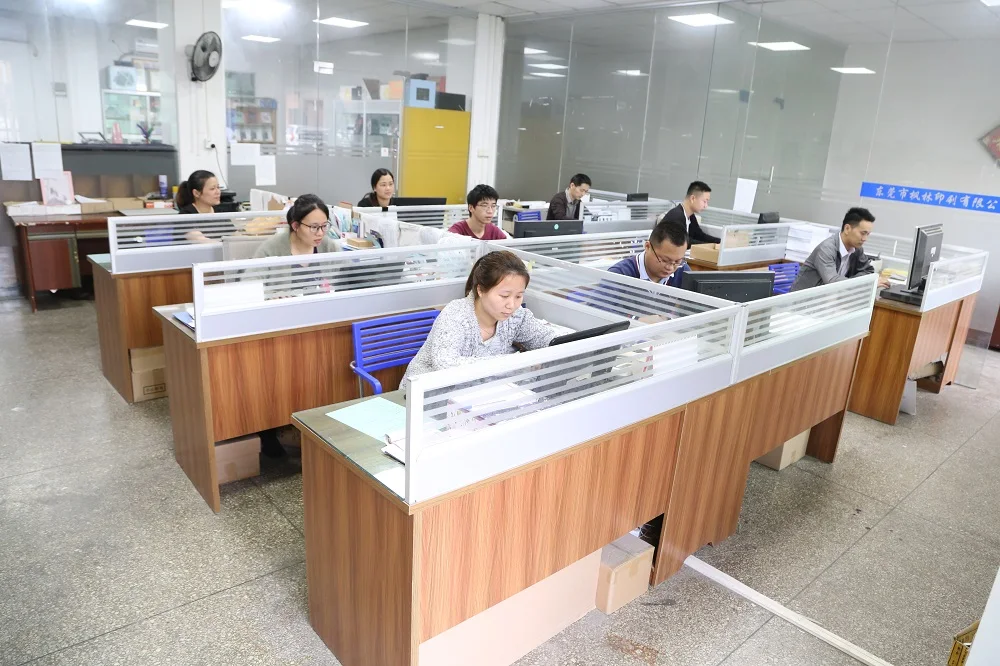
Dongguan Fenglin Printing Co., Ltd.
- Manufacturer, Trading Company
- Guangdong, China
- Lead time15 days
- Avg. response≤ 3h
Main productsColor box, Color Card Manual, Sticker, Paper Bag, Puzzle Paper Products
Main marketsWestern Europe(33.00%), Domestic Market(30.00%), North America(15.00%), Eastern Asia(12.00%), South America(5.00%), Eastern Europe(5.00%)

Yiwu Yuanfa Packaging Co., Ltd
- Verified by SGS
- Combined
- China Zhejiang
- Lead time15 days
- Avg. response≤ 2h
Main productsPacking Bag, Packing Box, Wine Gift Box, Jewelry Box, Christmas Gift Box, Gift Box, Folding Box, Perfume Box, Gift Bag, Corrugated Paper Box
Main marketsDomestic

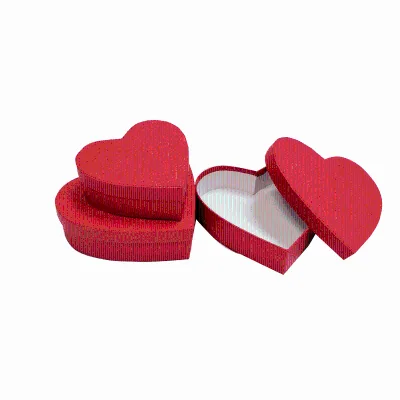
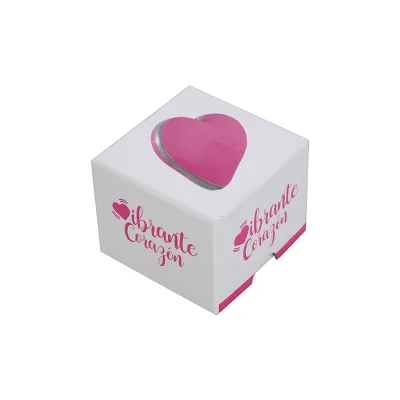
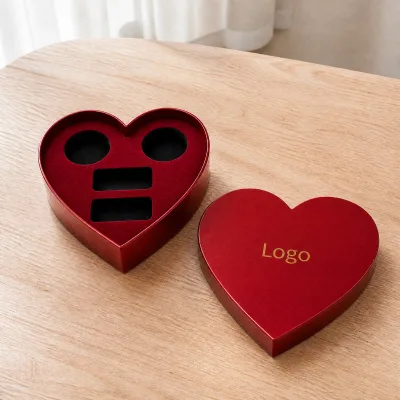
Customized 27-Compartment Heart-Shaped Bow Chocolate Gift Box Heart-Shaped Box
$1.18 - $1.66
MOQ: 1000 Pieces


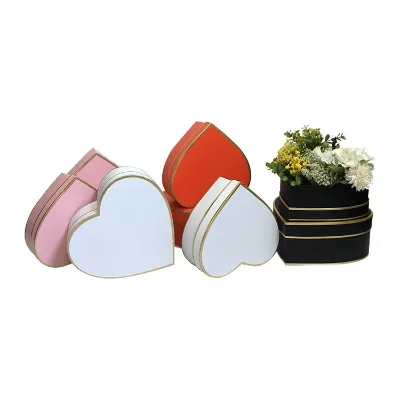
Customized Heart-Shaped Gift Box Set for Valentine's Day Love Gift Storage Box
$14.60 - $15.90
MOQ: 1000 Sets

Custom Heart-Shaped Top and Bottom Cover 6-Piece Gift Storage Box and Gift Box
$14.60 - $15.90
MOQ: 1000 Sets

Hangzhou Iforest Electronic Commerce Co., Ltd.
- Verified by BV
- Trading Company
- China Shanghai
- Lead time23 days
- Avg. response≤ 7h
Main productsPaper Box, Paper Bag, Paper Tube
Main marketsSouth America,Southeast Asia/ Mideast,Domestic,Europe,Australia,North America
Dongguan Chongrui Packaging Product Co., Ltd.
- Verified by TüVRheinland
- Manufacturer, Trading Company
- Lead time15 days
- Avg. response≤ 1h
Main productsPaper Box, Gift Box, Jewelry Box
Main marketsDomestic Market(35%), North America(20%), South America(10%)

Huizhou Green Foil Insulation Co., Ltd.
- Verified by BV
- Combined
- China Guangdong
- Lead time15 days
- Avg. response≤ 2h
Main productsCooler Bag, Gift Bag, Gift Box, Insulated Bag, Color Printed Box, Jewelry Box, Paper Bag, Paper Box, Packaging Box, Insulated Mailer
Main marketsEast Asia(Japan/ South Korea),Europe,North America

Shaoxing Shecan Packaging Material Co., Ltd.
- Verified by BV
- Trading Company
- China Zhejiang
- Lead time30 days
- Avg. response≤ 4h
Main productsFlower Paper, Flower Wrapping Film, Ribbon, Flower Bag, Flower Box
Main marketsSouth America,Southeast Asia/ Mideast,Europe,North America

GUANGZHOU MIYI PRINTING CO., LTD
- Verified by BV
- Trading Company,Manufacturer/Factory
- China Guangdong
- Lead time0 days
- Avg. response≤ 8h
Main productsBook Printing, Custom Magazine, Catalog, Paper Bag, Paper Box, Packageing Box, Toy Box, Sticker, Label, School Supplies
Main marketsSouth America,Eastern Europe,Mid East,North America,Southeast Asia,Eastern Asia,Oceania,Western Europe,Africa
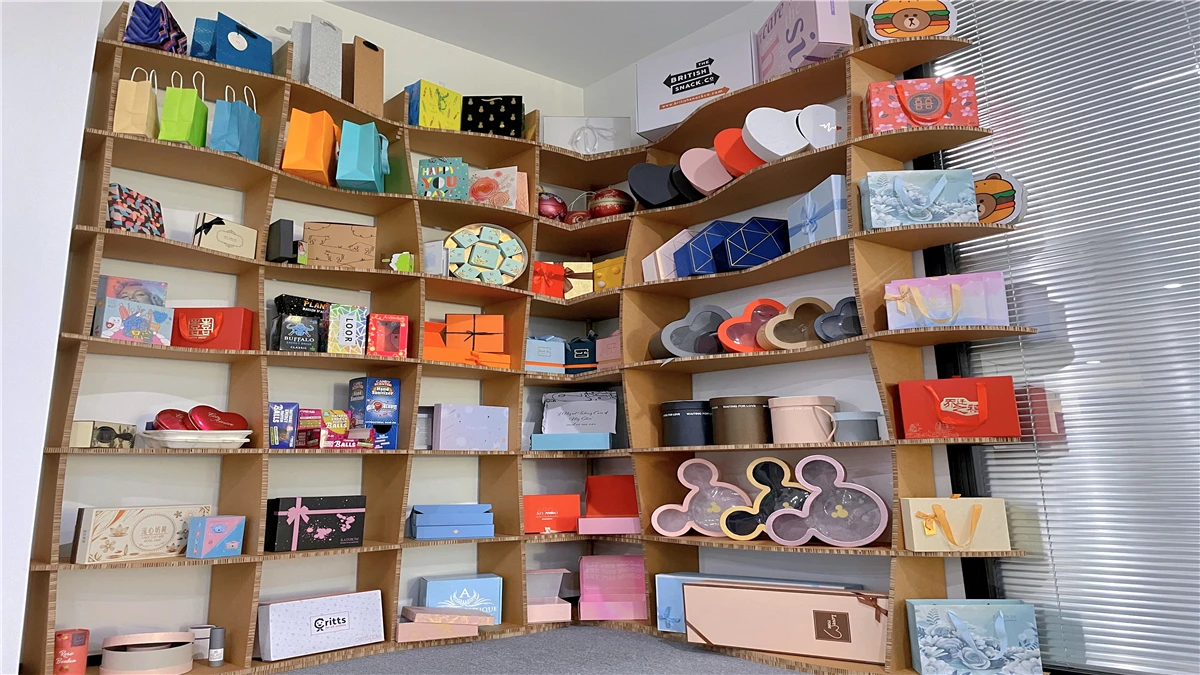
Shenzhen Leader Industrial Co., Ltd.
- Manufacturer, Trading Company
- Guangdong, China
- Lead time7 days
- Avg. response≤ 4h
Main productsGift Boxes,Gift Bags,Paper Card Boxes,Carton Boxes,Cardboard Display Boxes
Main marketsNorth America(35.00%), Western Europe(20.00%), Oceania(20.00%), South America(10.00%), Eastern Europe(5.00%), Mid East(5.00%), Southeast Asia(5.00%)
- Manufacturer, Trading Company
- Zhejiang, China
- Lead time0 days
- Avg. response≤ 4h
Main productsFlower Wrapping Paper,Packaging Gift Box,Ribbon,Florist Supplies,Holiday Supplies
Main marketsSoutheast Asia(30.00%), North America(25.00%), South America(15.00%), Southern Europe(10.00%), Northern Europe(10.00%), Mid East(10.00%)
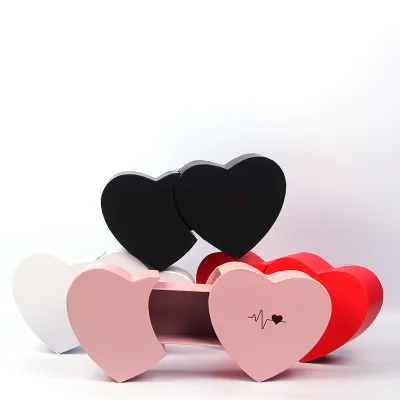
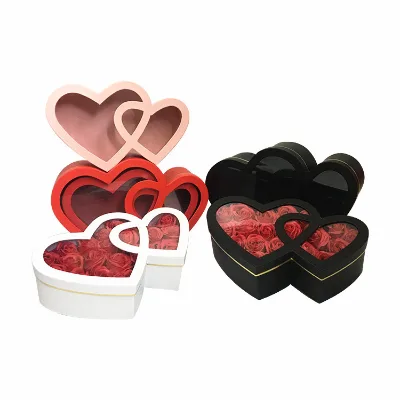
$7.3289 - $8.2714
MOQ: 16 pieces
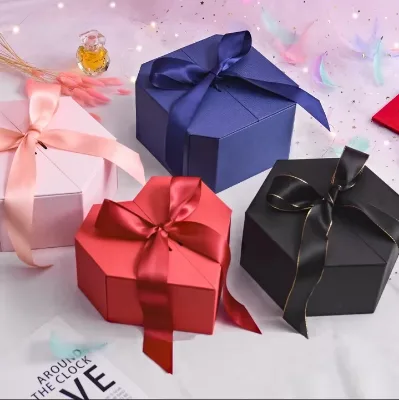
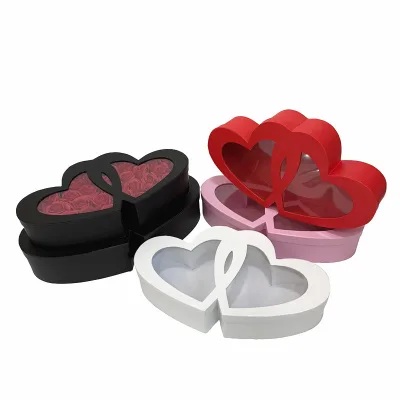

Shenzhen Daohua Industrial Co., Ltd.
- Verified by TUVRHEINLAND
- Manufacturer/Factory
- China Guangdong
- Lead time15 days
- Avg. response≤ 4h
Main productsPackaging Material, Gift Box, Paper Box, Wooden Box, Watch Box, Jewelry Box, Carton, Packing Box
Main marketsEastern Europe,North America,Southeast Asia,Eastern Asia,Oceania,Western Europe
Yiwu Huaban Packaging Technology Co., Ltd.
- Trading Company
- Zhejiang, China
- Lead time10 days
- Avg. response≤ 7h
Main productsFlower wrapping paper,Gift wrapping paper,Gift box,Flower Box,Ribbon
Main marketsSouth America(15.00%), North America(15.00%), Northern Europe(10.00%), Eastern Europe(10.00%), Southeast Asia(8.00%), South Asia(5.00%), Southern Europe(5.00%), Africa(5.00%), Central America(5.00%), Western Europe(5.00%), Eastern Asia(5.00%), Domestic Market(5.00%), Oceania(5.00%), Mid East(2.00%)

Qingdao Jiayinda Packaging Co., Ltd.
- Verified by BV
- Combined
- China Shandong
- Lead time15 days
- Avg. response≤ 10h
Main productsFoldable Box, Gift Box, Gift Bag, Printed Tissue Paper, Printing & Packaging, Hangtag, Label, Box, Product Catalog, Display Box
Main marketsSoutheast Asia/ Mideast,East Asia(Japan/ South Korea),Europe,North America
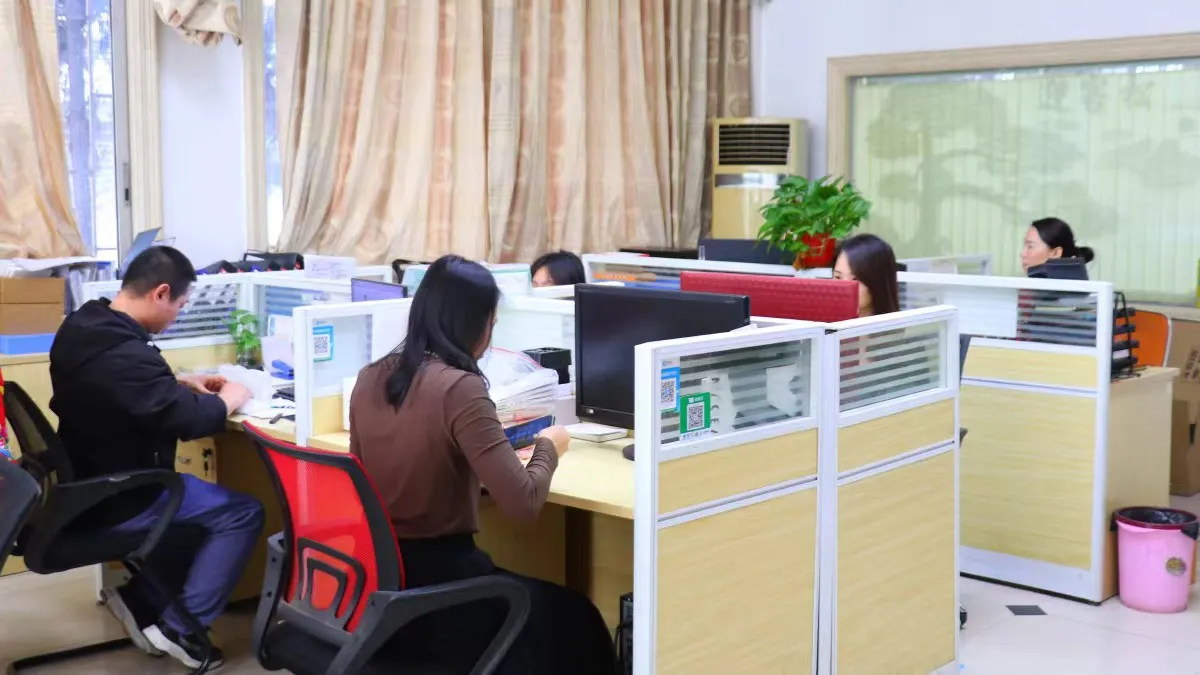
Dongguan Shidai Paper Co., Ltd.
- Trading Company
- Guangdong, China
- Lead time7 days
- Avg. response≤ 4h
Main productsShipping box,Mailer box,Folding Carton,Rigid box,Paper bag
Main marketsNorth America(30.00%), South America(20.00%), Eastern Europe(10.00%), Western Europe(6.00%), Central America(5.00%), Domestic Market(5.00%), South Asia(5.00%), Mid East(5.00%), Southern Europe(5.00%), Northern Europe(5.00%), Southeast Asia(1.00%), Eastern Asia(1.00%), Oceania(1.00%), Africa(1.00%)

Shijiazhuang Blue Morpho Import And Export Co., Ltd.
- Trading Company
- Hebei, China
- Lead time5 days
- Avg. response≤ 6h
Main productsPlastic packing products,Kraft paper bagsgs,Take out products,Cornstarch container,Paper box
Main marketsEastern Europe(20.00%), Southeast Asia(15.00%), Northern Europe(10.00%), Western Europe(10.00%), Eastern Asia(10.00%), Southern Europe(10.00%), South America(10.00%), North America(10.00%), Africa(5.00%)
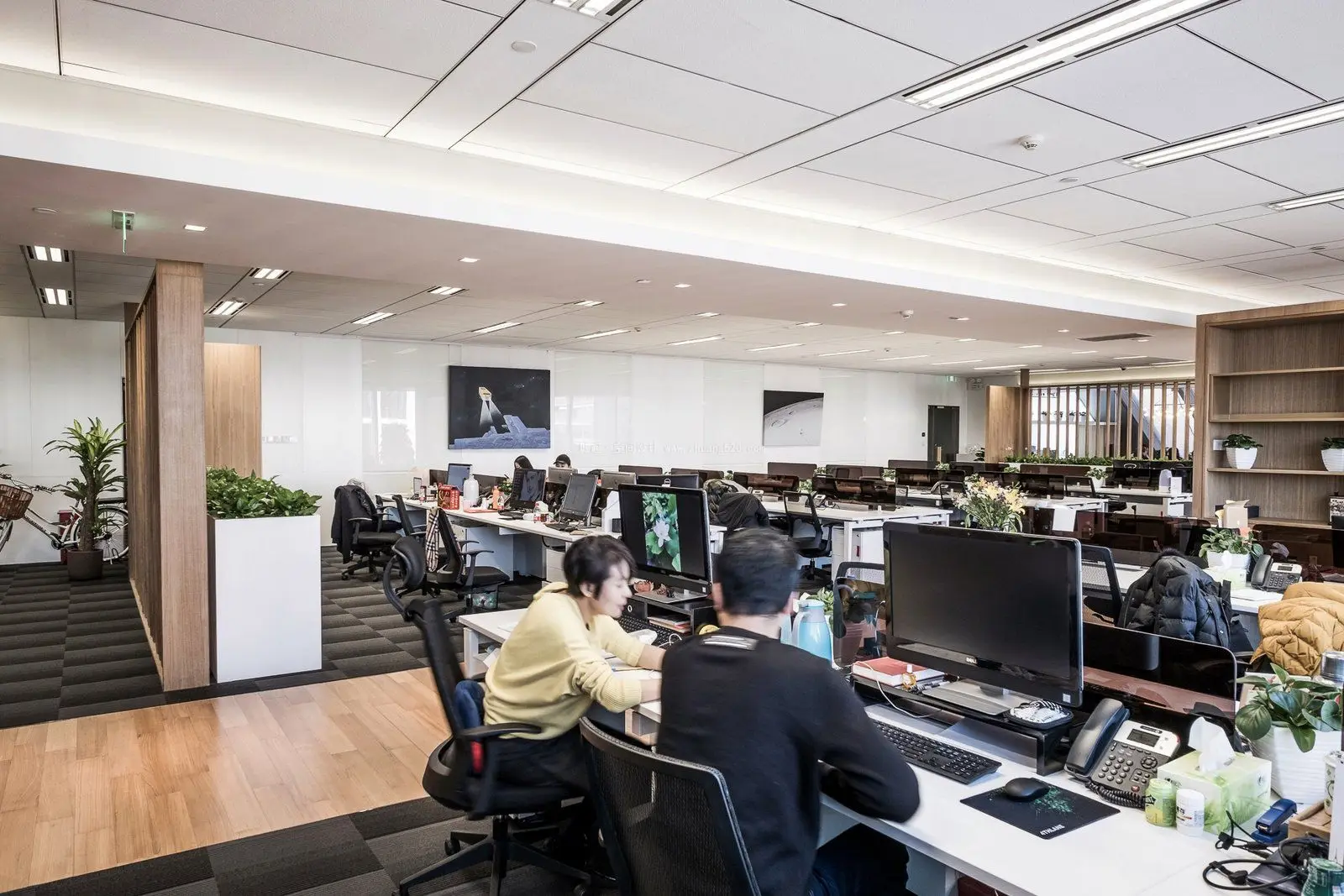
Yiwu Chuanghui Import And Export Co., Ltd.
- Trading Company
- Zhejiang, China
- Lead time10 days
- Avg. response≤ 8h
Main productsFestival gifts,Party supplies,Houseware,decorative flower,candle
Main marketsNorth America(20.00%), South America(15.00%), Southeast Asia(10.00%), Southern Europe(10.00%), Eastern Asia(8.00%), Northern Europe(6.00%), South Asia(5.00%), Central America(5.00%), Western Europe(5.00%), Africa(5.00%), Eastern Europe(5.00%), Oceania(3.00%), Mid East(3.00%)

Xiamen Yixin Printing Co., Ltd.
- Verified by SGS
- Combined
- China Fujian
- Lead time15 days
- Avg. response≤ 4h
Main productsPackaging Boxes Packaging Bags
Main marketsEurope

Shanghai Woods Packaging Co., Ltd.
- Verified by CTI
- Combined
- China Shanghai
- Lead time15 days
- Avg. response≤ 10h
Main productsGift Box, Paper Box, Carton Box, Pizza Box, Paper Gift Box, Carton Cardboard Box
Main marketsAustralia,North America
Yiwu Fulai Paper Products Co., Ltd.
- Manufacturer, Trading Company
- Zhejiang, China
- Lead time10 days
- Avg. response≤ 4h
Main productsGift Bag,Gift Box,Food Package,Party Products,Mailer Box
Main marketsNorth America(30.00%), Northern Europe(20.00%), South America(20.00%), Eastern Europe(10.00%), South Asia(8.00%), Africa(5.00%), Mid East(5.00%), Domestic Market(2.00%)
Shanghai Huixiong Packaging Co., Ltd.
- Verified by SGS Group
- Manufacturer, Trading Company
- Lead time3 days
- Avg. response≤ 9h
Main productsPaper Boxes, Paper Bags
Main marketsSoutheast Asia(30%), Northern Europe(30%), North America(20%)
Guangdong Jinguan Technology Company Limited
- Manufacturer, Trading Company
- Guangdong, China
- Lead time12 days
- Avg. response≤ 6h
Main productsPaper Box/Book/Anti Fake Bill/Corrugated Box/Gift Box
Main marketsDomestic Market(89.00%), North America(4.00%), Western Europe(4.00%), Oceania(1.00%), South America(1.00%), Eastern Asia(1.00%)

Shanghai Coffe Packing Group Co., Ltd.
- Verified by CTI
- Combined
- China Shanghai
- Lead time15 days
- Avg. response≤ 8h
Main productsPaper Gift Box, Carton Cardboard Box, Gift Box, Paper Box, Carton Box, Cardboard Box, Corrugated Box, Packaging Box, Paper Packaging, Paper Carton
Main marketsDomestic,Europe,Australia,North America

- Verified by TUVRHEINLAND
- Trading Company,Manufacturer/Factory,Other
- China Guangdong
- Lead time0 days
- Avg. response≤ 15h
Main productsCandy, Lollipop, Biscuit, Chewing Gum, Olivary Gum, Pectol Mint Candy, Bubble Gum, Toy Candy, Hard Candy, Jelly
Shenzhen Betterlife Technology Co., Ltd.
- Verified by Intertek
- Trading Company
- Lead time5 days
- Avg. response≤ 4h
Main productsPackaging, Accessories, Plastic Tube, Mylar Bag
Main marketsWestern Europe(45%), North America(15%), Eastern Europe(10%)

Shanghai J&D International Co., Ltd.
- Trading Company
- China Shanghai
- Lead time23 days
- Avg. response≤ 18h
Main productsShirts, Necktie, Ties, Scarves, Waistcoat, Cufflink, Neckwear, Accessories
Main marketsSoutheast Asia/ Mideast,Domestic,Europe,Australia,North America







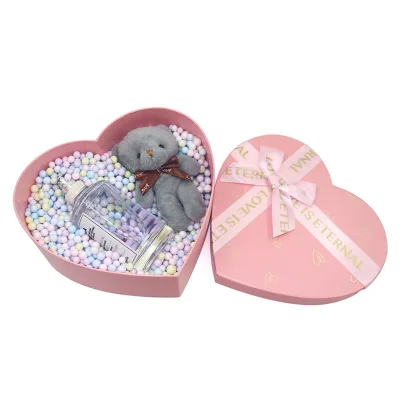
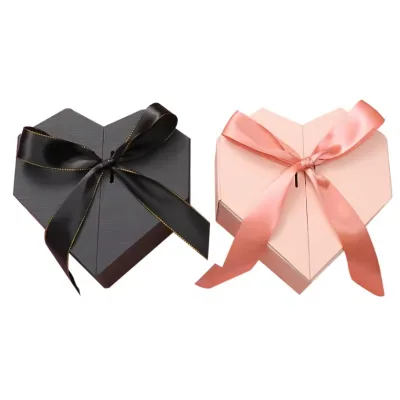


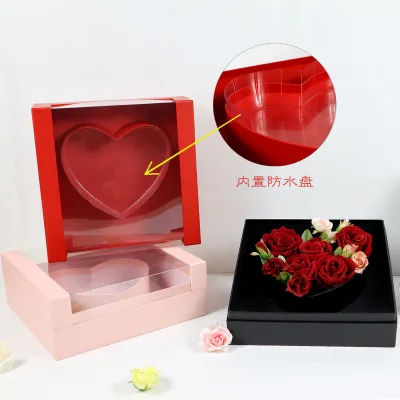
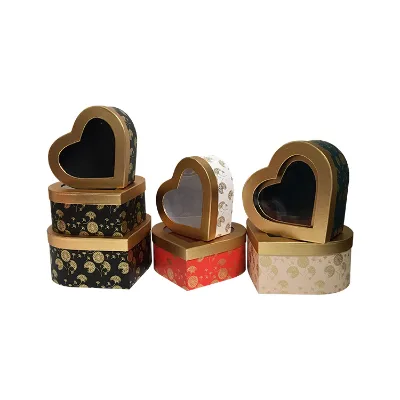
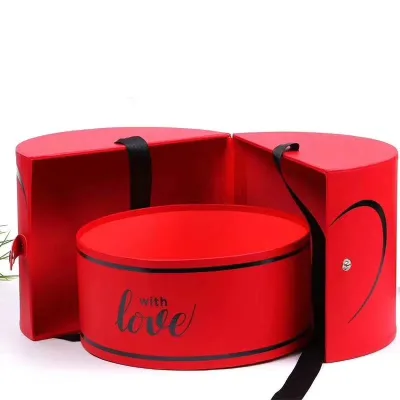


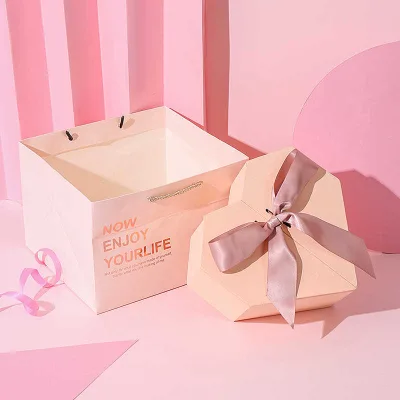
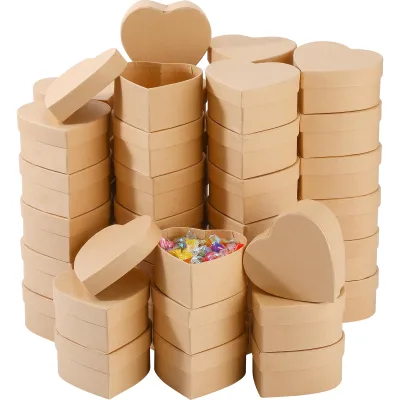
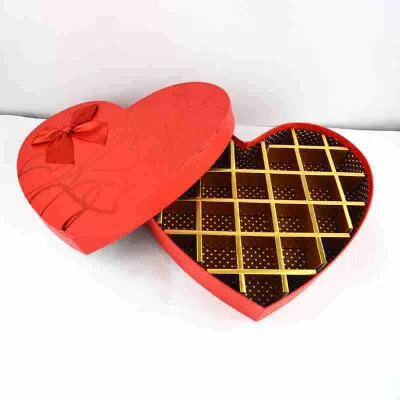
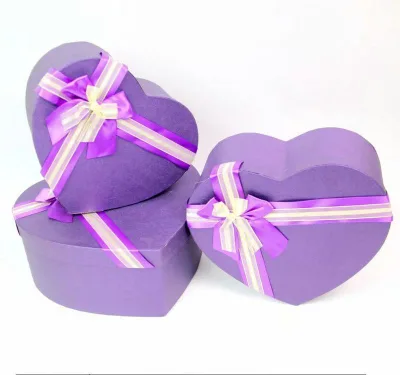
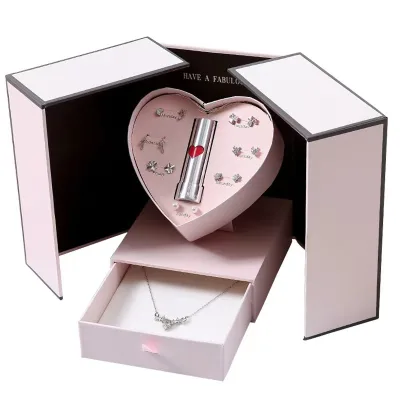
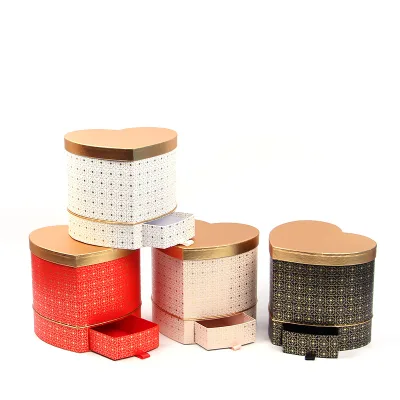
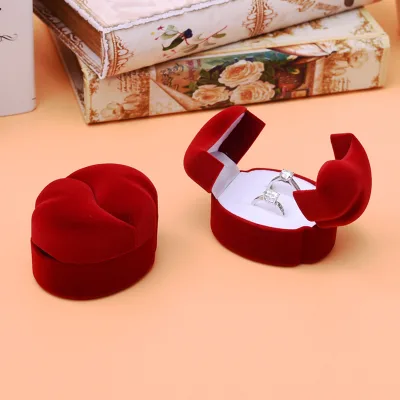






Comprehensive Sourcing Guide
Heart Shaped Gift Box Supplier Concentration and Factory Types
The geographic distribution of suppliers for heart-shaped gift boxes reveals distinct manufacturing clusters that influence sourcing strategies and logistical efficiency. Current data indicates a significant concentration of production facilities in Guangdong, China, a region renowned for its robust packaging industry infrastructure. This area hosts a mix of combined entities that operate as both manufacturers and trading companies, allowing for flexible engagement models depending on the buyer’s specific volume requirements and customization needs. The presence of these combined company types suggests that buyers may encounter suppliers who handle internal production while also managing external trade logistics, potentially streamlining communication but requiring careful verification of actual factory capabilities. Additionally, some suppliers are located in Zhejiang, China, offering an alternative sourcing hub with its own specialized capabilities in packaging and printing. Understanding these regional concentrations helps buyers assess the likelihood of finding suppliers with specific expertise in rigid boxes, corrugated materials, or intricate folding structures commonly used in heart-shaped designs. The density of suppliers in these provinces often correlates with the availability of raw materials and skilled labor, which can impact both lead times and final product quality. Buyers should consider how these geographic factors might affect shipping costs and delivery schedules, particularly when sourcing from multiple regions to mitigate risk or access different material qualities.
Supplier types vary significantly across the available results, ranging from pure manufacturers to trading companies and combined entities. This diversity impacts the level of control a buyer has over the production process and the flexibility offered in terms of customization. Manufacturers typically provide direct access to production lines, which can be advantageous for large orders requiring strict quality control and consistent output. Trading companies, on the other hand, may offer a broader range of products and services, including sourcing assistance and consolidated shipping, which can be beneficial for smaller buyers or those with diverse packaging needs. Combined entities attempt to bridge this gap by offering both manufacturing capabilities and trading services, potentially providing a one-stop solution for complex orders. However, this hybrid model requires buyers to verify whether the supplier is primarily a factory or a middleman, as this distinction affects pricing structures and communication efficiency. The presence of OEM and ODM capabilities among these suppliers indicates a high level of customization potential, allowing buyers to develop unique heart-shaped gift box designs tailored to their brand identity. It is crucial for buyers to understand the specific role of each supplier to ensure alignment with their operational goals and quality expectations.
How to Verify Heart Shaped Gift Box Suppliers
Verification is a critical step in ensuring that suppliers meet quality and reliability standards before committing to large orders. One key indicator of supplier credibility is the possession of relevant system certifications, such as ISO9001:2015 and ISO14001:2015, which demonstrate adherence to international quality and environmental management standards. These certifications provide assurance that the supplier has established processes for maintaining product consistency and minimizing environmental impact, which is increasingly important for brands focused on sustainability. Additionally, third-party verification services like SGS can offer an independent assessment of a supplier’s capabilities and compliance with industry regulations. Buyers should prioritize suppliers who display these verifications, as they reduce the risk of encountering unqualified or non-compliant manufacturers. However, not all suppliers may have these certifications readily available, so buyers must be prepared to request documentation or conduct their own audits if necessary. The absence of visible certifications does not necessarily indicate poor quality, but it does require additional due diligence to confirm the supplier’s operational standards and reliability.
Beyond certifications, buyers should evaluate the supplier’s response time and communication efficiency as indicators of their professionalism and customer service quality. A response time of under four hours, as observed in some results, suggests a high level of responsiveness and readiness to address buyer inquiries promptly. This speed can be crucial during the negotiation and sampling phases, where quick feedback can accelerate the production timeline. Buyers should also assess the supplier’s willingness to provide detailed product information, including material specifications, customization options, and production processes. Suppliers that offer comprehensive details about their heart-shaped gift boxes, such as paper type, printing techniques, and structural design, are more likely to be transparent and reliable. Additionally, buyers should verify the supplier’s ability to handle custom orders and provide samples, as this demonstrates their flexibility and commitment to meeting specific buyer requirements. By combining certification checks with communication assessments, buyers can build a more complete picture of a supplier’s reliability and suitability for their sourcing needs.
What to Compare Across Heart Shaped Gift Box Suppliers
When evaluating multiple suppliers, buyers should compare key operational metrics such as lead times, minimum order quantities (MOQs), and pricing structures to determine the best fit for their business needs. Lead times vary significantly among suppliers, with some offering production cycles as short as 15 days, while others may require up to 45 days. This difference can impact inventory management and time-to-market strategies, making it essential for buyers to align supplier lead times with their sales forecasts and promotional calendars. Similarly, MOQs can range from 500 units to higher thresholds, depending on the supplier’s production capacity and business model. Buyers with smaller order volumes may need to seek suppliers with lower MOQs or consider trading companies that can consolidate orders from multiple manufacturers. Pricing is another critical factor, with costs varying based on material quality, customization complexity, and order volume. Buyers should request detailed quotes that break down costs for materials, printing, and assembly to ensure transparency and avoid hidden fees. Comparing these metrics across suppliers allows buyers to identify the most cost-effective and efficient partners for their specific requirements.
In addition to operational metrics, buyers should compare the range of products and customization options offered by each supplier. Some suppliers specialize in heart-shaped gift boxes with specific features, such as pull-out openings, luxury styles, or eco-friendly materials, while others offer a broader range of packaging solutions. Buyers should assess whether the supplier’s product portfolio aligns with their brand’s aesthetic and functional needs. For instance, suppliers offering ODM and OEM services can provide greater flexibility in design and branding, allowing buyers to create unique packaging that stands out in the market. It is also important to compare the supplier’s ability to handle different materials, such as paperboard, corrugated board, or coated paper, as this can affect the durability and appearance of the final product. Buyers should request samples to evaluate the quality of materials and craftsmanship, ensuring that the supplier can meet their quality standards. By systematically comparing these factors, buyers can make informed decisions that balance cost, quality, and customization potential.
Common Heart Shaped Gift Box Sourcing Risks
One of the primary risks in sourcing heart-shaped gift boxes is the potential for quality inconsistencies, particularly when dealing with complex shapes and intricate designs. Heart-shaped boxes often require precise cutting and folding techniques, which can be challenging to maintain consistently across large production runs. Buyers may encounter issues such as misaligned edges, uneven printing, or structural weaknesses if the supplier lacks advanced machinery or experienced labor. This risk is heightened when working with suppliers who have limited experience in rigid box manufacturing or those who outsource parts of the production process. To mitigate this risk, buyers should request detailed product specifications and conduct thorough quality checks on samples before approving mass production. Additionally, buyers should consider working with suppliers who have established quality control processes and certifications, as these indicators suggest a higher level of operational discipline. Regular communication and clear expectations regarding quality standards can also help reduce the likelihood of receiving subpar products.
Another significant risk is the potential for delays in production and delivery, which can disrupt supply chains and impact sales timelines. Lead times can be affected by various factors, including raw material availability, production capacity, and logistical challenges. Buyers should be aware that some suppliers may have longer lead times due to high demand or limited resources, which can result in missed deadlines. This risk is particularly relevant for buyers with tight promotional schedules or seasonal product launches. To manage this risk, buyers should establish clear communication channels with suppliers and request regular updates on production progress. It is also advisable to build buffer time into the procurement plan to account for potential delays. Additionally, buyers should consider diversifying their supplier base to reduce dependency on a single source, which can provide greater flexibility and resilience in the face of unexpected disruptions. By proactively addressing these risks, buyers can ensure a smoother sourcing process and maintain consistent product availability.
Heart Shaped Gift Box Regional Sourcing and Logistics
Sourcing heart-shaped gift boxes from specific regions like Guangdong and Zhejiang offers distinct logistical advantages and challenges that buyers must consider. Guangdong, as a major manufacturing hub, provides access to a wide range of suppliers with diverse capabilities, from small-scale custom producers to large-volume manufacturers. This concentration of suppliers can facilitate easier comparison and negotiation, but it also means that buyers may face higher competition for production slots, potentially leading to longer lead times during peak seasons. Logistics from Guangdong are generally well-developed, with efficient port infrastructure and shipping routes that can support both domestic and international distribution. However, buyers should be mindful of potential congestion at ports and the need for advance booking to secure timely shipments. Additionally, the proximity of suppliers to raw material sources in Guangdong can reduce material costs and improve production efficiency, making it an attractive option for cost-conscious buyers.
In contrast, sourcing from Zhejiang offers access to suppliers with specialized expertise in certain packaging types, such as folding boxes and printed materials. This region may have a different logistical profile, with varying port capacities and shipping options that could impact delivery schedules. Buyers should evaluate the specific logistical requirements of each region, including customs clearance procedures, import duties, and transportation costs, to determine the most cost-effective sourcing strategy. The distance between the supplier’s location and the buyer’s destination also plays a crucial role in determining shipping times and costs. Buyers should work with freight forwarders who have experience in handling packaging products to ensure proper handling and protection during transit. Additionally, buyers should consider the environmental impact of their sourcing decisions, as some regions may have stricter regulations regarding sustainable packaging practices. By carefully assessing regional logistics, buyers can optimize their supply chain and minimize potential disruptions.
Heart Shaped Gift Box Commercial Terms and Order Planning
Commercial terms and order planning are essential components of a successful sourcing strategy for heart-shaped gift boxes. Buyers should negotiate clear payment terms, such as deposits and balance payments, to manage cash flow and reduce financial risk. It is advisable to use secure payment methods, such as escrow services, to protect against fraud and ensure that funds are released only upon satisfactory delivery of goods. Additionally, buyers should establish clear agreements regarding quality standards, return policies, and dispute resolution mechanisms to address any potential issues that may arise during the production or delivery process. These terms should be documented in a formal contract to provide legal protection and clarity for both parties. Buyers should also consider the supplier’s ability to handle custom orders and provide samples, as this demonstrates their flexibility and commitment to meeting specific buyer requirements. By establishing robust commercial terms, buyers can create a stable and predictable sourcing environment.
Order planning involves forecasting demand, managing inventory, and coordinating with suppliers to ensure timely delivery. Buyers should develop a detailed production schedule that accounts for lead times, sampling periods, and potential delays. It is important to communicate order volumes and delivery deadlines clearly to suppliers to avoid misunderstandings and ensure that production aligns with business needs. Buyers should also consider the impact of seasonal fluctuations on production capacity and pricing, as some suppliers may adjust their terms during peak periods. Additionally, buyers should plan for contingencies, such as backup suppliers or alternative shipping routes, to mitigate the risk of disruptions. Regular communication with suppliers and proactive management of the supply chain can help buyers maintain control over their sourcing process and ensure that heart-shaped gift boxes are delivered on time and to specification. By integrating commercial terms with strategic order planning, buyers can optimize their sourcing operations and achieve their business objectives.
FAQs
What is the price range for heart shaped gift boxes?
Prices typically range from $0.35 to $3.50 per unit depending on material and customization. Basic paperboard options start near $0.35, while luxury rigid boxes with complex printing can reach $3.50. Buyers should verify specific quotes based on order volume and design requirements.
What is the minimum order quantity for these boxes?
The minimum order quantity is generally 500 units for standard heart shaped gift boxes. This threshold ensures cost-effective production for custom printing and assembly. Buyers seeking smaller quantities may need to inquire about sample orders or adjusted pricing tiers directly with suppliers.
How long does production take for custom orders?
Lead times vary significantly, ranging from 15 to 45 days depending on the supplier and order complexity. Some manufacturers offer faster turnaround times of 15 days, while others with larger capacities may require up to 45 days. Sampling usually takes 5-7 working days.
Are suppliers certified for quality and environmental standards?
Many suppliers hold ISO9001:2015 and ISO14001:2015 certifications, ensuring quality management and environmental responsibility. Some products are verified by SGS for reliability. Buyers should request current certificates to confirm compliance with specific international standards and sustainability requirements for their packaging needs.
What materials are used for heart shaped gift boxes?
Common materials include paperboard, coated art paper, corrugated board, and kraft paper. Options range from eco-friendly folding designs to luxury rigid boxes. Buyers can choose based on durability needs, with materials selected to support various printing techniques like UV coating, embossing, or gold foil stamping.
Can suppliers handle OEM and ODM custom orders?
Yes, most suppliers accept OEM and ODM orders, allowing for custom logos, sizes, and designs. Many offer own brand services and flexible customization options. Buyers can specify unique shapes, colors, and printing methods to create distinctive packaging that aligns with their brand identity and product requirements.