Eco Friendly Ceramic Mug Suppliers and Manufacturers
Source 20 verified Eco Friendly Ceramic Mug suppliers from China Guangdong, Fujian, and Zhejiang. Compare response times, lead times, MOQs, and certifications like ISO 9001 and CTI. Contact suppliers directly to request quotes and samples for your custom needs; review the available evidence before requesting comparable quotations from suitable candidates.
Suppliers List

Chaozhou City Cha'an District Fengtang Town Sai Si Ceramics Factory
- Verified by CTI
- Combined
- China Guangdong
- Lead time30 days
- Avg. response≤ 6h
Main productsMugs, Ceramic Tissue Boxes, Ceramic Pet Bowls, Ceramic Vases
Main marketsDomestic

Jinjiang Jiaxing Import and Export Co., Ltd.
- Verified by CTI
- Manufacturer/Factory
- China Fujian
- Lead time120 days
- Avg. response≤ 1h
Main productsShoes, Slipper, Clothes, Promotion Gifts, Silicone Products, Outdoor Sports Products, Bags, Fashion Accessories, Consumer Electronics
Main marketsSouth America,Eastern Europe,Mid East,North America,Southeast Asia,Eastern Asia,Oceania,Western Europe,Africa

- Verified by TUVRHEINLAND
- Trading Company
- China Zhejiang
- Lead time15 days
- Avg. response≤ 3h
Main productsLanyard, Promotional Gift, Baseball Cap, Bags, T-Shirt, Ceramic Mug, Sport Water Bottle, PU Toys
Main marketsEurope,Australia,North America


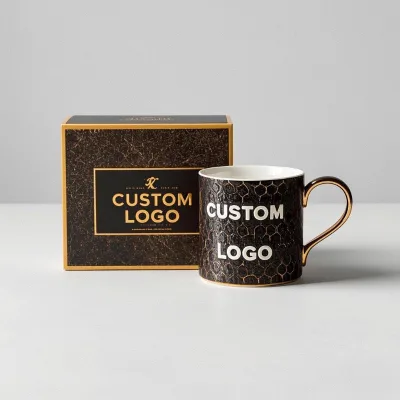
Eco-Friendly Customized Printed Coffee Mug Promotion Quality Ceramic Mug with Customized Logo
$0.60 - $1.00
MOQ: 1000 Pieces


Yiwu Sunmeta Technology Co., Ltd.
- Manufacturer
- China Zhejiang
- Lead time0 days
- Avg. response≤ 17h
Main productsHeat Press Machine, 3D Sublimation Machine, Sublimation Mugs, Sublimation Glass, Rock Slate, Sublimation Crystals, Sublimation Aluminium Sheet, Sublimation Aluminium Bottle, Sublimation Tshirt, Sublimation Pillow
Suzhou Boce Culture Promotion Gifts Co., Ltd.
- Verified by SGS Group
- Trading Company
- Lead time7 days
- Avg. response≤ 2h
Main productsPromotion Gifts, Sport Event Gifts, Election Gifts, Business Gifts, Holiday Gifts
Main marketsNorth America(60%), Eastern Europe(5%), Southeast Asia(5%)

Foshan Ciray Household Products Co., Ltd.
- Trading Company,Manufacturer/Factory
- China Guangdong
- Lead time45 days
- Avg. response≤ 19h
Main productsCeramic Plate, Ceramic Bowl, Ceramic Tray, Stainless Steel Tray, Stainless Steel Cutlery, Stainless Steel Plate, Coffee-Related Products, Ceramic Ornaments, Ceramic Tableware, Glass Tableware
Main marketsSouth America,Eastern Europe,North America,Oceania,Western Europe
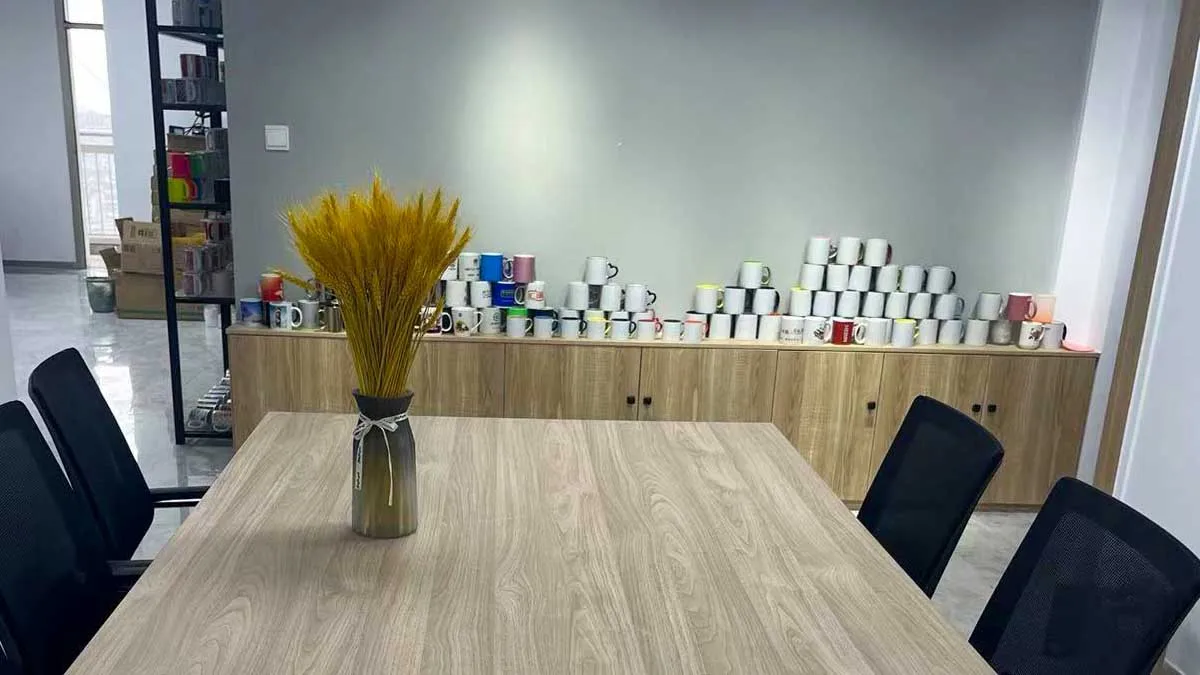
- Manufacturer, Trading Company
- Shandong, China
- Lead time30 days
- Avg. response≤ 3h
Main productsMug,Sublimaion mug,Coffee mug,Ceramic mug,Decal mug
Main marketsWestern Europe(30.0%), North America(30.0%), Southern Europe(10.0%), Northern Europe(10.0%), Eastern Europe(10.0%), Oceania(10.0%)

Shanghai David International Trade Co., Ltd.
- Verified by TUVRHEINLAND
- Combined
- China Shanghai
- Lead time15 days
- Avg. response≤ 7h
Main productsPromotional Gifts, Gift Sets, Tshirts, Hats, Hot Packs, Hot Cold Packs, Ice Packs, Bags, Umbrellas, Water Bottles
Main marketsSouth America,Africa,Southeast Asia/ Mideast,East Asia(Japan/ South Korea),Domestic,Europe,Australia,North America

Zibo Timestone International Co., Ltd.
- Manufacturer/Factory
- China Shandong
- Lead time45 days
- Avg. response≤ 14h
Main productsCeramic Dinnerware, Ceramic Mugs, Stainless Steel Bottles Mugs and Tumblers, Glass Bottles Mugs and Tumblers, Dinnerware, Tableware, Glassware, Kitchenware, Household Items, Ceramic Granding Balls and Filters
Main marketsSouth America,Eastern Europe,Mid East,North America,Southeast Asia,Eastern Asia,Oceania,Western Europe,Africa

- Verified by BV
- Trading Company
- China Shandong
- Lead time30 days
- Avg. response≤ 2h
Main productsCeramic Mugs, Ceramic Dinnerware, Ceramic Tea Set, Ceramic Kitchen Ware, Custom Drum Shape Ceramic Coffee Mug, 24oz Large Capacity 3D Embossed Mug, Porcelain Cappuccino Cup and Saucer, 14oz Custom Souvenirs Ceramic Mug, 12 Sets Vintage Reactive Glazed Tableware, Custom Royal White Ceramic Milk Jar
Main marketsNorth America

Promotional 20oz Hot Change Color Mug Pattern Mug Sublimation Black Ceramic Color Change Mug
$0.30 - $1.20
MOQ: 5000 Pieces


Longyan Zhanling Industry and Trade Co., Ltd.
- Manufacturer/Factory
- China Fujian
- Lead time150 days
- Avg. response≤ 4h
Main productsStainless Steel Cup, Customized Cup, Stainless Steel Cup & Mug, Double Wall Stainless Steel Cup, Customized Stainless Steel Cup, Water Bottle, Tumbler, Stainless Steel Water Bottle, Stainless Steel Bottle, Whiskey Glass
Main marketsSouth America,Eastern Europe,Mid East,North America,Southeast Asia,Eastern Asia,Oceania,Western Europe,Africa

Shanghai Touch Industrial Development Co., Ltd.
- Verified by TUVRHEINLAND
- Combined
- China Shanghai
- Lead time15 days
- Avg. response≤ 5h
Main productsInstant Hot Pack, Hot Cold Pack, Gel Eye Mask, Gel Ice Pack, Gel Bottle Cooler, Instant Ice Pack, Hand Warmer, Heat Pack, Cooling Scarf, Gel Beads
Main marketsSouth America,Others(foreignTradeCapacity.exportBusinessCapacityMarketOther),Southeast Asia/ Mideast,East Asia(Japan/ South Korea),Domestic,Europe,Australia,North America

Ningbo Yinzhou Wenhui Paper Co., Ltd.
- Verified by TUVRHEINLAND
- Manufacturer/Factory
- China Zhejiang
- Lead time45 days
- Avg. response≤ 10h
Main productsStationery Gifts Promotional Homeware, Pen, Pet Products, Board Game, Paper Tube, Notebook, Wooden Toys, DIY Toy, Puzzle, Gift Bag
Main marketsSouth America,Eastern Europe,Mid East,North America,Southeast Asia,Eastern Asia,Oceania,Western Europe,Africa

Chinapack Ningbo Import & Export Co., Ltd.
- Verified by SGS
- Trading Company,Manufacturer/Factory
- China Zhejiang
- Lead time23 days
- Avg. response≤ 18h
Main productsSnowboard, Water Bottle, Promotional Hats, Glass Bottle, Ski Set, Snowboot, Snowboard Binding, Home Sock, Hood, Scarf
Main marketsSouth America,Eastern Europe,North America,Southeast Asia,Eastern Asia,Oceania,Western Europe

Rollin Porcelain Industrial Co., Ltd.
- Verified by BV
- Manufacturer/Factory
- China Guangdong
- Lead time45 days
- Avg. response≤ 6h
Main productsPorcelain Dinnerware, Tableware, Dinner Set, Dinner Plate, Hotel and Restaurant Tableware, Bone China, Cutlery, Glassware, Ceramic Plate, Porcelain
Main marketsEastern Europe,Mid East,North America,Southeast Asia,Eastern Asia,Oceania,Western Europe
Liling Huarui Ceramic Co., Ltd.
- Verified by Intertek
- Manufacturer, Trading Company
- Lead time40 days
- Avg. response≤ 3h
Main productsCeramic Mug, Ceramic Bowl, Ceramic Cup and Saucer, Ceramic Plate, Ceramic Tableware
Main marketsDomestic Market(50%), North America(20%), South America(20%)
Foshan Ron Hospitality Supplies Co., Ltd.
- Verified by BV
- Manufacturer/Factory,Group Corporation
- China Guangdong
- Lead time45 days
- Avg. response≤ 2h
Main productsRestaurant Furniture, Restaurant Booth, Restaurant Chair, Restaurant Table, Bar Stools, Wedding Chairs, Flatware Sets, Dinnerware Sets, Garden Chairs, Disposable Dinnerware & Tableware
Main marketsSouth America,Eastern Europe,Mid East,North America,Southeast Asia,Eastern Asia,Oceania,Western Europe,Africa
Qingdao Haojian Import And Export Co., Ltd.
- Verified by TüVRheinland
- Manufacturer, Trading Company
- Lead time15 days
- Avg. response≤ 3h
Main productsCeramic Mug, Stainless Mug, Enamel Mug, Juice Mug
Main marketsNorth America(30%), Western Europe(30%), Domestic Market(6%)

Guangzhou Unique Hotel Supplies Co., Ltd.
- Verified by CTI
- Trading Company,Manufacturer/Factory
- China Guangdong
- Lead time15 days
- Avg. response≤ 15h
Main productsServing Tray, Ice Bucket, Gn Pan, Kitchenware, Water /Beer Cup, Plastic Products, Pitchers/Kettles, Food Plate Cover, Bowls, Organizer and Holder
Main marketsSouth America,Eastern Europe,Mid East,North America,Southeast Asia,Eastern Asia,Africa

Guangzhou Nantian Sources Co., Ltd.
- Manufacturer/Factory
- China Guangdong
- Lead time15 days
- Avg. response≤ 6h
Main productsKitchen Equipment, Kitchenware, Food Machine, Kitchen Appliance, Glassware, Food Machinery, Bakery Equipment, Dinnerware, Kitchen Utensils, Food Processor
Main marketsSouth America,Mid East,Southeast Asia,Eastern Asia,Oceania,Africa


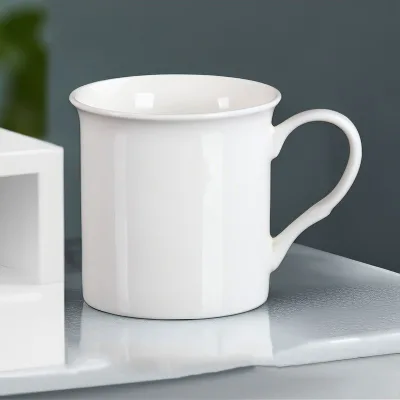
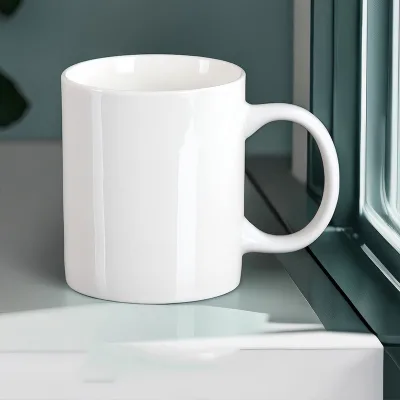


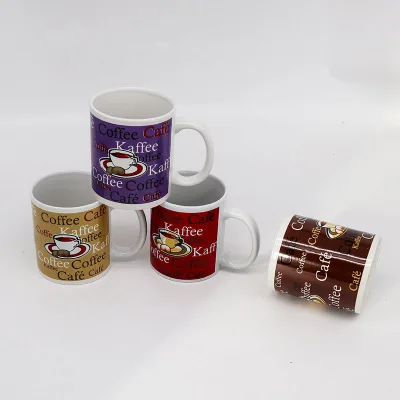






Comprehensive Sourcing Guide
Eco Friendly Ceramic Mug Supplier Concentration and Factory Types
The current supplier landscape for eco-friendly ceramic mugs reveals a diverse mix of manufacturing capabilities concentrated in specific Chinese provinces. Results indicate that suppliers are located in Guangdong, Fujian, and Zhejiang, each offering distinct operational profiles. Guangdong-based entities are identified as combined companies, suggesting a hybrid model that may blend manufacturing oversight with trading functions. These suppliers list main products including mugs, ceramic tissue boxes, pet bowls, and vases, indicating a broad ceramic production capability. In contrast, Fujian suppliers are explicitly categorized as manufacturers or factories, with a wider product range that includes shoes, clothes, and consumer electronics alongside ceramic items. This suggests that some ceramic production in Fujian may be part of a larger, diversified manufacturing operation rather than a specialized ceramic-only facility. Zhejiang suppliers appear as trading companies, verified by TÜV Rheinland, and focus on promotional gifts, lanyards, and bags, with ceramic mugs being one of many items in their portfolio. This variety in company types means buyers must carefully distinguish between pure factories, combined entities, and trading companies to understand who holds the actual production control. The presence of ODM and OEM capabilities across these regions confirms that customization is a standard offering, but the degree of direct factory involvement varies significantly by location and company structure.
Understanding these factory types is critical for assessing quality control and communication efficiency. Combined companies in Guangdong may offer streamlined communication but could introduce layers between the buyer and the actual production line. Manufacturer/factory entities in Fujian, such as those holding ISO 9001 certification, provide direct access to production processes, which can be advantageous for complex customizations or strict quality audits. Trading companies in Zhejiang, while verified, act as intermediaries, which might simplify logistics for small orders but could limit direct technical support for ceramic-specific issues. The main products listed for each type highlight their core competencies; for instance, a supplier listing ceramic mugs alongside shoes may have less specialized ceramic expertise than one listing only ceramic home goods. Buyers should prioritize suppliers whose main products align closely with ceramic ware to ensure deeper technical knowledge. The verification status, such as CTI for Guangdong suppliers or TÜV Rheinland for Zhejiang traders, adds a layer of trust regarding business legitimacy, but it does not guarantee production quality. Therefore, evaluating the company type alongside the verification badge helps in predicting the reliability of the supply chain and the ease of resolving production-related disputes.
How to Verify Eco Friendly Ceramic Mug Suppliers
Verification of suppliers requires a multi-layered approach that goes beyond basic business licenses to include technical and operational checks. The current results show varying verification badges, such as CTI and TÜV Rheinland, which confirm the legal existence and basic operational compliance of the entities. However, these badges do not automatically certify the eco-friendly nature of the ceramic materials or the safety of the glazes used. Buyers must independently verify material certifications, such as FDA or LFGB compliance for food-contact surfaces, as these are not explicitly listed in the provided supplier facts. Additionally, the presence of ISO 9001 certification for some manufacturers indicates a standardized quality management system, which is a positive indicator for consistent production quality. Buyers should request copies of these certificates and verify their validity through the issuing bodies. It is also crucial to check for specific eco-friendly claims, such as lead-free glazes or sustainable firing processes, which are not covered by general business verifications. The response time metrics, ranging from 0.77 to 5.42 hours, can serve as a proxy for operational efficiency, but they do not replace direct communication about technical specifications.
Beyond certifications, buyers should assess the supplier’s ability to provide product evidence and detailed specifications. The available product data includes attributes like "Eco-Friendly" features, "Hand-painted" techniques, and "Customized Logo" options, which suggest a capacity for personalized and potentially sustainable production. However, buyers must request physical samples to verify these claims, as digital descriptions can be misleading. The "Stock: No" attribute for some products indicates a make-to-order model, which is common for customized ceramic mugs but requires careful planning for lead times. Buyers should also inquire about the supplier’s testing procedures for thermal shock resistance and durability, as these are critical for ceramic drinkware. The "Standard Export Carton" packing mentioned for some items suggests a level of professionalism in logistics, but buyers should confirm if the packaging is also eco-friendly to align with their sustainability goals. Furthermore, checking the supplier’s history of similar orders and requesting references can provide insights into their reliability. The absence of specific test results in the current data means buyers must proactively ask for third-party lab reports to ensure the mugs meet international safety standards. This due diligence is essential to mitigate risks associated with non-compliant or unsafe ceramic products.
What to Compare Across Eco Friendly Ceramic Mug Suppliers
When evaluating multiple suppliers, buyers should compare key operational metrics such as lead time, minimum order quantity (MOQ), and response speed to determine the best fit for their business needs. The current data shows a wide range in lead times, from 15 days for Zhejiang trading companies to 120 days for Fujian manufacturers, highlighting the impact of company type and location on production schedules. MOQs also vary significantly, with some suppliers requiring as few as 100 units while others demand 1000 or more, which affects inventory management and cash flow. Response times, measured in hours, range from less than one hour to over five hours, indicating differences in customer service efficiency. Buyers should prioritize suppliers with faster response times for better communication, especially when dealing with custom designs or urgent orders. Price ranges are another critical factor, with costs varying from $0.46 to $8.00 per unit depending on customization, material, and order volume. These price differences reflect the complexity of the product and the supplier’s cost structure, so buyers should request detailed quotes that break down costs for molding, painting, and packaging.
In addition to operational metrics, buyers should compare the customization capabilities and product features offered by each supplier. The available product attributes include options for hand-painted designs, color-changing features, and customized shapes, which allow for unique branding opportunities. Suppliers in Guangdong and Fujian both offer OEM and ODM services, but the extent of customization may differ based on their technical expertise. Buyers should assess the quality of previous custom work by requesting portfolios or samples of past projects. The "Customized Logo Acceptable" and "Accept Customized Designs" attributes indicate flexibility, but buyers should confirm the additional costs and time required for these services. Furthermore, the material types, such as porcelain or stone ware, should be compared for durability and aesthetic appeal. Suppliers listing "Eco-Friendly" features should be asked to specify what makes their products eco-friendly, whether it is through sustainable sourcing, energy-efficient production, or non-toxic materials. By systematically comparing these factors, buyers can identify suppliers that offer the best balance of cost, quality, and service for their specific requirements.
Common Eco Friendly Ceramic Mug Sourcing Risks
Sourcing eco-friendly ceramic mugs involves several risks that buyers must proactively manage to ensure product quality and supply chain stability. One significant risk is the discrepancy between claimed eco-friendly attributes and actual product composition. Without third-party testing, it is difficult to verify if the glazes are truly lead-free or if the production processes are genuinely sustainable. Buyers may encounter suppliers who use the term "eco-friendly" loosely without providing concrete evidence, leading to potential compliance issues in target markets. Another risk is the variability in lead times, especially for customized orders. The data shows lead times ranging from 15 to 120 days, which can disrupt inventory planning and delay product launches. Delays may occur due to production bottlenecks, material shortages, or logistical challenges, particularly for suppliers in different regions. Buyers should establish clear communication channels and regular updates to monitor production progress and mitigate the impact of delays.
Quality control is another major concern, as ceramic products are prone to defects such as cracks, chips, or uneven glazing. The "Hand-painted" technique mentioned for some products introduces human variability, which can lead to inconsistencies in design and finish. Buyers should implement strict quality inspection protocols, including pre-shipment inspections, to ensure that the products meet their specifications. The "Stock: No" attribute for many items indicates a make-to-order model, which increases the risk of errors in customization. If the initial samples are not approved, rework can further delay production and increase costs. Additionally, the reliance on trading companies for some orders may introduce communication gaps between the buyer and the actual manufacturer, potentially leading to misunderstandings about technical requirements. Buyers should verify the direct involvement of manufacturers in the production process to ensure accountability. Finally, logistical risks, such as damage during shipping, should be addressed by using robust packaging and insurance. The "Standard Export Carton" packing is a good start, but buyers should confirm if additional protective measures are available for fragile ceramic items.
Eco Friendly Ceramic Mug Regional Sourcing and Logistics
The geographic distribution of suppliers in China offers buyers access to diverse manufacturing clusters, each with its own logistical advantages. Guangdong, Fujian, and Zhejiang are the primary locations identified, each contributing to the supply chain in different ways. Guangdong suppliers, often combined companies, benefit from the region’s advanced manufacturing infrastructure and proximity to major ports like Shenzhen and Guangzhou. This location facilitates efficient export logistics, particularly for air and sea freight. Fujian, known for its ceramic industry, offers direct factory access, which can reduce lead times for standard products but may involve longer times for complex customizations due to the larger scale of operations. Zhejiang suppliers, primarily trading companies, leverage the region’s strong export-oriented economy and access to Ningbo-Shanghai port, providing flexible shipping options including sea, air, and express courier services. Buyers should consider the proximity of the supplier to their target market to optimize shipping costs and transit times.
Logistics planning must also account for the specific requirements of ceramic products, which are fragile and require careful handling. The "Standard Export Carton" packing mentioned for some suppliers is a baseline, but buyers should inquire about additional protective measures such as foam inserts or reinforced corners. The choice of shipping method, whether by sea, air, or DHL, depends on the urgency of the order and the budget constraints. Sea freight is cost-effective for large volumes but has longer transit times, while air freight and express services offer speed at a higher cost. Buyers should negotiate clear terms regarding shipping responsibilities, such as Incoterms, to avoid unexpected costs. The response time of the supplier can also impact logistics, as faster communication allows for quicker resolution of shipping issues. Additionally, buyers should consider the environmental impact of their logistics choices, aligning with the eco-friendly theme of the product by selecting carriers with sustainable practices. By carefully planning regional sourcing and logistics, buyers can ensure a smooth and efficient supply chain for their ceramic mug orders.
Eco Friendly Ceramic Mug Commercial Terms and Order Planning
Commercial terms and order planning are essential for successful procurement of eco-friendly ceramic mugs, requiring careful attention to pricing, MOQs, and payment structures. The price range of $0.46 to $8.00 per unit reflects the variability in customization and material quality, so buyers should request detailed quotes that include all costs, such as tooling, sampling, and shipping. MOQs ranging from 100 to 1000 units mean that buyers must balance order size with inventory needs, considering the make-to-order nature of many products. For smaller orders, buyers may need to accept higher per-unit costs or seek suppliers with lower MOQs. Payment terms should be negotiated to protect both parties, with options like escrow services providing security for
FAQs
What is the price range for eco friendly ceramic mugs?
Prices for eco friendly ceramic mugs typically range from 0.46 to 8.00 dollars per unit. Specific costs depend on customization options, material type, and order volume. Buyers should verify exact pricing based on their required quantity and design specifications before placing an order.
What are the minimum order quantities for these mugs?
Minimum order quantities vary significantly among suppliers, ranging from 100 to 1000 units. Some manufacturers require 500 units for specific porcelain models, while others accept orders as low as 100 units. Always confirm the specific MOQ with the supplier to ensure it meets your needs.
How long does it take to receive these ceramic mugs?
Lead times for eco friendly ceramic mugs generally range from 15 to 120 days depending on the supplier. Some manufacturers in Guangdong offer faster turnaround times around 15 days, while others may require up to 120 days for production and shipping. Check specific timelines with your chosen vendor.
Can I customize the logo and design on these mugs?
Yes, customization is widely available for eco friendly ceramic mugs including logos, colors, and shapes. Suppliers accept custom designs and offer hand-painted or printed options. Most vendors support customized logos and can produce mugs in various colors to match your brand identity or event theme.
Where are the suppliers of these mugs located?
Suppliers for eco friendly ceramic mugs are primarily located in China, specifically in Guangdong, Fujian, and Zhejiang provinces. These regions host manufacturers and trading companies specializing in ceramic drinkware. Buyers should verify the exact location to assess shipping costs and logistics efficiency for their specific order.
What certifications do these ceramic mug suppliers hold?
Some suppliers hold ISO 9001 certification, while others may have verification from CTI or TÜV Rheinland. Not all suppliers list specific system certifications, so it is essential to request proof of compliance. Verify any required standards directly with the supplier to ensure they meet your quality expectations.
What materials are used to make these eco friendly mugs?
These mugs are commonly made from porcelain, stone ware, and high-quality ceramic materials. Many products feature single-layer structures designed to withstand high temperatures. Some suppliers also offer eco-friendly features like color-changing capabilities or heat preservation properties depending on the specific model selected.
How quickly do suppliers respond to inquiries?
Response times for supplier inquiries vary, with some vendors replying within less than one hour while others take over five hours. Specific response times recorded include 0.77 hours and 5.42 hours. Buyers should expect varying speeds and may need to follow up to ensure timely communication regarding their orders.