Eco-Friendly Classic Baking Dish Suppliers and Manufacturers
Explore 32 verified options for Eco-Friendly Classic Baking Dish from China Shandong and Fujian. Compare ISO 9001 certifications, CE standards, lead times, and MOQs directly. Contact suppliers to request samples and confirm customization details; review the available evidence before requesting comparable quotations from suitable candidates.
Suppliers List

Jinan Honhai Glass Company Limited
- Manufacturer/Factory,Group Corporation
- China Shandong
- Lead time23 days
- Avg. response≤ 13h
Main productsBorosilicate Glass Tube Tubing Rod, Glass Ceramic Pyroceram Ceran Neoceram, Lamp Lantern Lighting Glass Chimney Cover Shade, Neutral Pharmaceutical Glass Vial & Ampoule, Borofloat Borosilicate Glass Sheet Corning Pyrex, Heat Resistant Glass Baking Dish Casserole Bowl, Glass Cosmetic Container Perfume Glass, Glass Tableware Kitchenware Tabletop, Soda Lime Glass Tube Tubing Rod, Lead Free Glass Tube Tubing
Main marketsSouth America,Eastern Europe,Mid East,North America,Southeast Asia,Eastern Asia,Oceania,Western Europe

Jinjiang Jiaxing Import and Export Co., Ltd.
- Verified by CTI
- Manufacturer/Factory
- China Fujian
- Lead time120 days
- Avg. response≤ 1h
Main productsShoes, Slipper, Clothes, Promotion Gifts, Silicone Products, Outdoor Sports Products, Bags, Fashion Accessories, Consumer Electronics
Main marketsSouth America,Eastern Europe,Mid East,North America,Southeast Asia,Eastern Asia,Oceania,Western Europe,Africa
Yongkang Befair Kitchenware Co., Ltd.
- Verified by Intertek
- Manufacturer, Trading Company
- Lead time25 days
- Avg. response≤ 5h
Main productsColander, Bakeware
Main marketsEastern Europe(57%), Domestic Market(20%), North America(10%)
Guangdong Qunfa Ceramics Co., Ltd.
- Manufacturer, Trading Company
- Guangdong Province, China
- Lead time55 days
- Avg. response≤ 2h
Main productsMug,Pet Bowls,Bakeware,Tableware,Flower Pot
Main marketsSouth America(42.50%), North America(42.50%), Southeast Asia(5.00%), Central America(5.00%), Northern Europe(2.50%), Eastern Europe(2.50%)
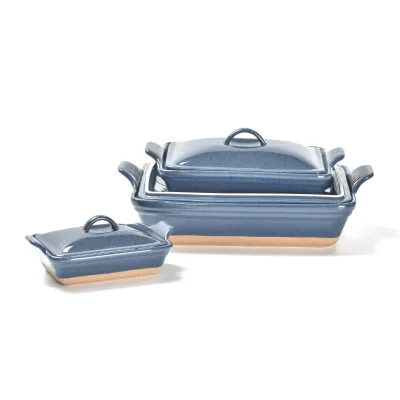
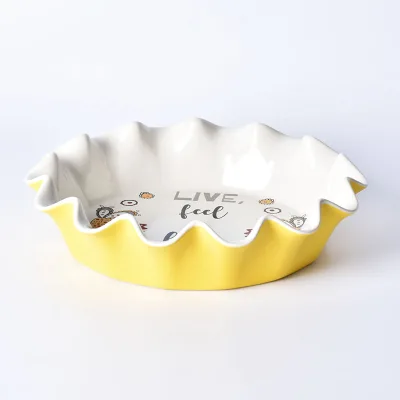
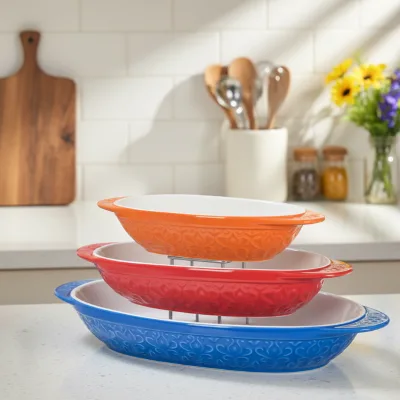
Factory Direct Handle Ceramic Bakeware Solid Color Baking Dish with Lid
$5.76 - $6.40
MOQ: 1000 pieces
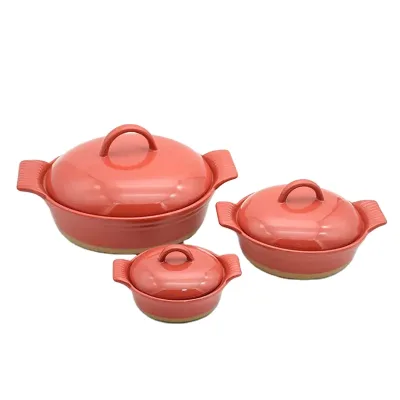
Oven Safe Custom Colorful Handle Round Tray Hot-selling Ceramic Baking Dish With Red Lid
$5.40 - $6.00
MOQ: 1000 pieces
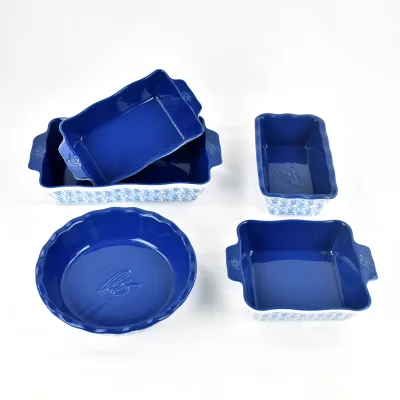
Glaze Blue Top Grade Rectangular Round Square Kitchenware Bakeware Set Household Baking Dish Ceramic
$10.80 - $12.00
MOQ: 1000 pieces
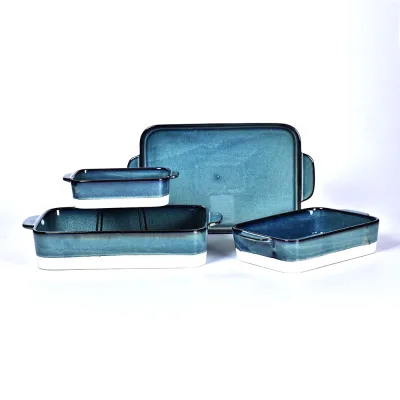
- Verified by BV
- Trading Company
- China Shandong
- Lead time30 days
- Avg. response≤ 2h
Main productsCeramic Mugs, Ceramic Dinnerware, Ceramic Tea Set, Ceramic Kitchen Ware, Custom Drum Shape Ceramic Coffee Mug, 24oz Large Capacity 3D Embossed Mug, Porcelain Cappuccino Cup and Saucer, 14oz Custom Souvenirs Ceramic Mug, 12 Sets Vintage Reactive Glazed Tableware, Custom Royal White Ceramic Milk Jar
Main marketsNorth America
Hunan Hualian China Industry Co., Ltd.
- Verified by SGS Group
- Manufacturer, Trading Company
- Lead time7 days
- Avg. response≤ 5h
Main productsCeramic Dinnerware Set, Ceramic Mugs, Ceramic Bowls, Ceramic Plates, Dental Zirconia BLock
Main marketsNorth America(36%), Western Europe(15%), Eastern Europe(9%)
Fujian Dehua Dome Arts&crafts Co., Ltd.
- Verified by TüVRheinland
- Trading Company
- Lead time60 days
- Avg. response≤ 6h
Main productsCeramic Crafts, Resin Crafts
Main marketsWestern Europe(45%), North America(35%), Mid East(10%)

Guangzhou Bakestar Machinery Co.,Ltd
- Combined
- China Guangdong
- Lead time15 days
- Avg. response≤ 24h
Main productsBaking Ovens, Bakery Equipments, Bakery Machines, Rotary Ovens, Moulders, Bread Machine, Pizza Oven, Pita Bread Machine, Tunnel Ovens, Baking Oven
Main marketsDomestic
- Verified by CTI
- Combined
- China Guangdong
- Lead time45 days
- Avg. response≤ 4h
Main productsCasserole, Dish, Bowl, Mug
Main marketsEast Asia(Japan/ South Korea),Domestic,Europe,North America


Ceramic Bakeware Round Plate Baking Dish Set Ceramic Tray with Double Handles
$2.00 - $3.76
MOQ: 500 Pieces


Jinan Perfect Life International Trade Co., Ltd.
- Verified by TUVRHEINLAND
- Trading Company,Manufacturer/Factory
- China Shandong
- Lead time23 days
- Avg. response≤ 11h
Main productsFood Container, PP Lunch Container, Storage Jar, Food Jar, Food Cabinet
Main marketsSouth America,Eastern Europe,North America,Southeast Asia,Eastern Asia,Oceania,Western Europe,Africa

Glass Baking Dish, Rectangular Baking Dishes for Oven, Tempered Glass Casserole Dish
$1.00 - $5.00
MOQ: 100 Pieces


Glass Baking Dish with Lids Rectangular Glass Baking Pan Bakeware Wholesale
$1.00 - $5.00
MOQ: 100 Pieces

Xiamen Plant-Port Technology Co., Ltd.
- Verified by TUVRHEINLAND
- Trading Company,Manufacturer/Factory
- China Fujian
- Lead time45 days
- Avg. response≤ 3h
Main productsDinner Plates, Ceramic Plates, Ceramic Tableware, Pet Feeders, Glass Bottles, Pet Clothing, Perfume Bottles, Pet Toys, Parfum Bottles, Pet Beauty Tools
Main marketsSouth America,Eastern Europe,Mid East,North America,Southeast Asia,Eastern Asia,Western Europe,Africa
Shenzhen Sanbo Home And Garden Manufacturing Co., Ltd.
- Manufacturer, Trading Company
- Gaungdong, China
- Lead time15 days
- Avg. response≤ 2h
Main productsstainless steel dinnerware,metal cake holder,glass cake holder,cake tools,ceramic dinnerware
Main marketsAfrica(20.00%), Southeast Asia(10.00%), Eastern Europe(10.00%), Oceania(10.00%), Southern Europe(9.00%), Central America(8.00%), Northern Europe(8.00%), South Asia(6.00%), South America(4.00%), Western Europe(4.00%), Eastern Asia(3.00%), Mid East(3.00%), North America(3.00%), Domestic Market(2.00%)
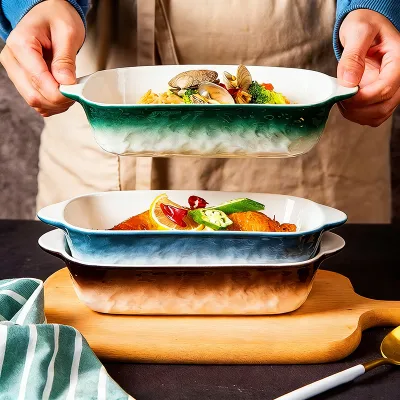
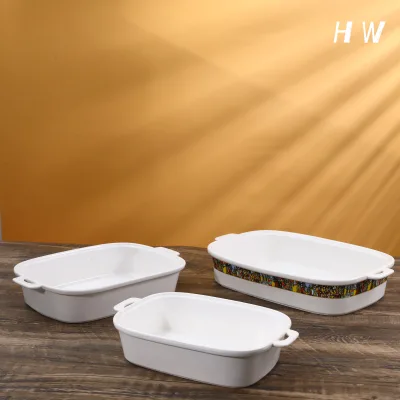
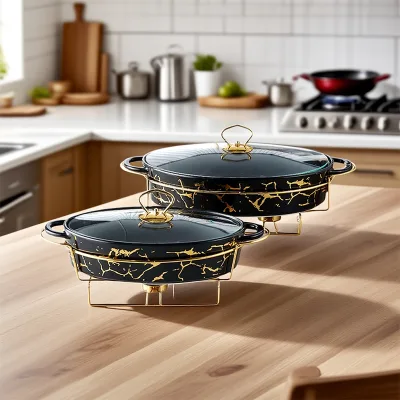
Modern Gold Marbling Luxury Ceramic Bakeware Oven Safety Customized Oval Baking Pan Set with Lid
$9.43 - $10.38
MOQ: 100 sets
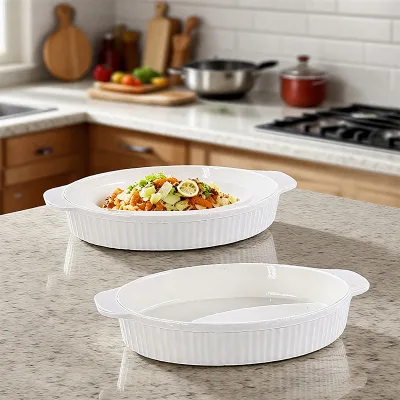
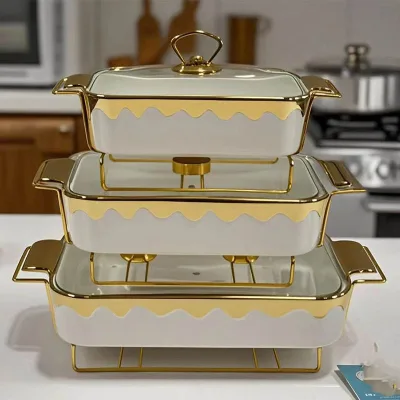
![Wholesale OEM] 3-Piece Glass Lid Bakeware Set logo Custom White Ceramic Baking Dishes Pans](https://file.focusaim.com/api/image/preview/05b67853bf3ffb9130e44a97236fd309.png?bi=true&local=true)
Wholesale OEM] 3-Piece Glass Lid Bakeware Set logo Custom White Ceramic Baking Dishes Pans
$5.35 - $6.09
MOQ: 300 sets

Shanxi Midas Industrial Co., Ltd.
- Verified by TUVRHEINLAND
- Trading Company
- China Shanxi
- Lead time15 days
- Avg. response≤ 7h
Main productsWine Glass, Glass Plate, Wooden Tray, Scented Candle, Plastic Water Bottle, Stainless Steel Water Bottle, Dinnerware Set, Beer Glass
Main marketsEurope,North America

$2.51 - $3.41
MOQ: 300 Pieces

Modern Design Baking Dishes Stoneware Baking Tray Frosted Black Ceramic Bakeware
$3.14 - $4.48
MOQ: 200 Pieces
Chaozhou Jiesheng Ceramics Co., Ltd.
- Verified by TüVRheinland
- Manufacturer, Trading Company
- Lead time20 days
- Avg. response≤ 2h
Main productsDinnerware, Stoneware, Ceramic Plate, Kitchenware, Bakeware
Main marketsNorth America(40%), Western Europe(25%), South America(10%)
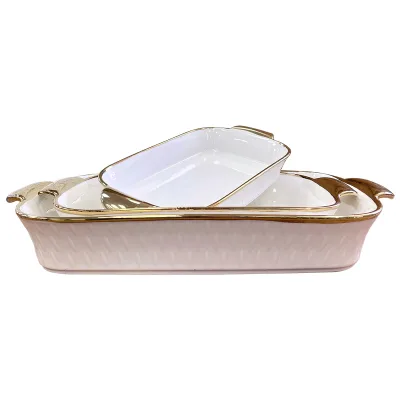
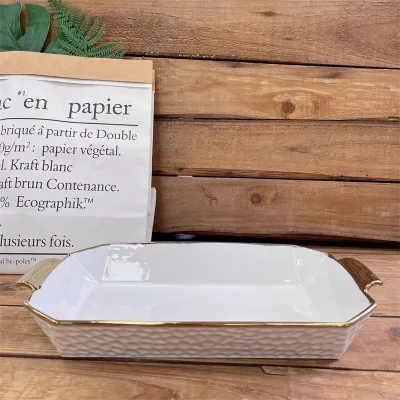
Wholesale Creative Design Rectangle Baking Plate Ceramic Bakeware With Gold Rim
$3.68 - $4.23
MOQ: 200 pieces
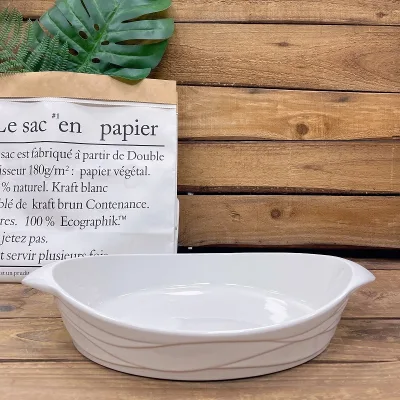
Heat Resistant Baking Utensil White Porcelain Baking Dish Ceramic Baking Utensil
$1.91 - $2.14
MOQ: 1000
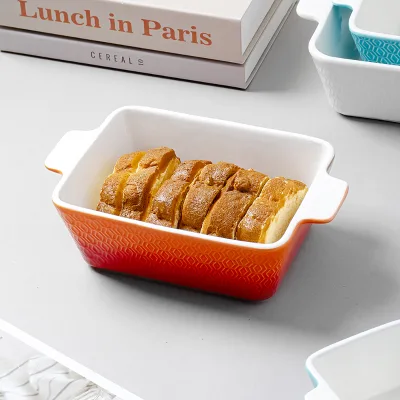
- Verified by SGS Group
- Trading Company
- Lead time20 days
- Avg. response≤ 10h
Main productsKitchenware, Coffee French Maker, Plastic Bento Box, Bamboo Wooden Kitchen Items, Ceramic & Glass Products
Main marketsNorthern Europe(20%), South Asia(20%), North America(10%)
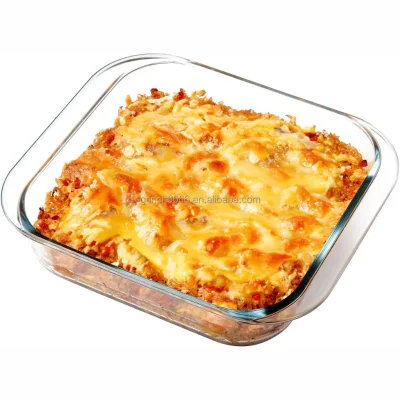
2.4QT Square Glass Baking Dishes, 9x9In Square Baking Dish, Glass Baking Dish for Oven
$1.99 - $2.38
MOQ: 1000
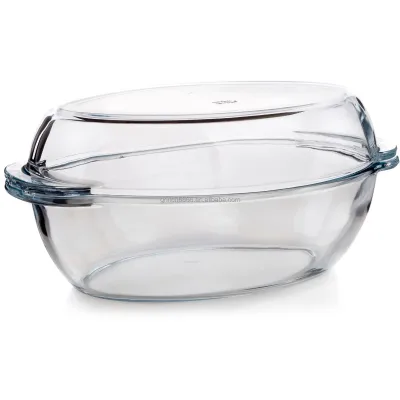
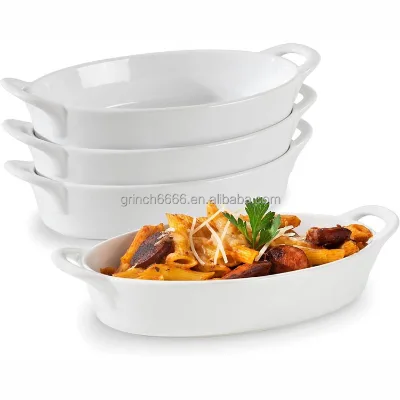
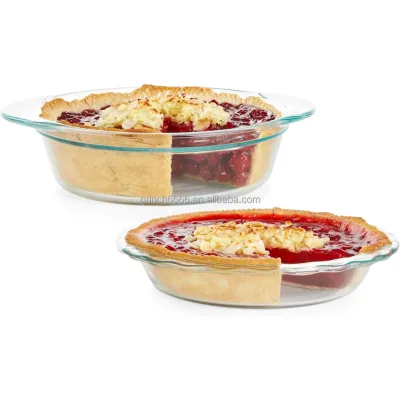
Deep Glass Baking Dish Set Round Pie Glass Bakeware Deep 9.5" Round Glass Pie Baking Dish
$1.99 - $2.88
MOQ: 1000 pieces
Shandong Consing Material Technology Co., Ltd.
- Verified by SGS
- Manufacturer
- China Shandong
- Lead time23 days
- Avg. response≤ 5h
Main productsGlass Container, Glass Baking Dish, Glass Mixing Bowl, Glass Measuring Cup, Glass Casserole, Glass Canister, Double Wall Glass Cup, Glass Drinkware
Main marketsSoutheast Asia/ Mideast,North America

Changsha Happy Go Products Developing Co., Ltd.
- Trading Company
- China Hunan
- Lead time45 days
- Avg. response≤ 6h
Main productsCoffee Mug, Dinner Set, Bowl, Mug, Dinnerware, Tableware, Plate, Porcelain, Crockery, Coffee Cup
Main marketsSouth America,Africa,Southeast Asia/ Mideast,East Asia(Japan/ South Korea),Europe,Australia,North America

Guangzhou Wei Ge Machinery Equipment Co., Ltd.
- Verified by CTI
- Trading Company,Manufacturer/Factory
- China Guangdong
- Lead time15 days
- Avg. response≤ 21h
Main productsBaking Equipment, Deck Oven, Convection Oven, Rotary Oven, Bakery Equipment, Dough Mixer, Tunnel Oven, Dough Moulder, Proofer, Planetary Mixer
Main marketsSouth America,Eastern Europe,Mid East,North America,Southeast Asia,Eastern Asia,Oceania,Western Europe,Africa


Commercial Bakery Dishes Non-Stick Pans Bread Tray Baking Accessories Baking Pan
$10.50 - $12.00
MOQ: 50 Pieces
Yangjiang Gemhye Trading Co., Ltd.
- Trading Company
- Guangdong, China
- Lead time40 days
- Avg. response≤ 6h
Main productsBaking Set/Baking Accessories/Cookie Cutters, Measuring Cups & Spoons/Kitchen Utensils
Main marketsNorth America(45.00%), Western Europe(30.00%), Oceania(5.00%), Southern Europe(5.00%), Northern Europe(5.00%), Southeast Asia(5.00%), South America(3.00%), Domestic Market(2.00%)

Guangzhou Garbo International Trading Co., Ltd.
- Verified by TUVRHEINLAND
- Trading Company,Manufacturer/Factory
- China Guangdong
- Lead time45 days
- Avg. response≤ 6h
Main productsGlassware, Glass Cup, Glass Mug, Glass Bowl, Glass Candy Jar, Glass Pitcher, Glass Ice Cream Cup and Ice Bucket, Opal Glassware, Stainless Steel Cutlery, Ceramic Dinnerware
Main marketsSouth America,Eastern Europe,Mid East,North America,Southeast Asia,Eastern Asia,Oceania,Western Europe,Africa

Oval Shape Glass Toast Baking Tray Heat Resistant Plate Dish Glassware Bake Dishes with Bamboo Tray
$13.03 - $13.64
MOQ: 3000 Pieces

Durable China Baking Dish with Handle for Oven Safe for sale
Contact supplier

- Manufacturer, Trading Company
- Guangdong, China
- Lead time45 days
- Avg. response≤ 1h
Main productsFondue Set,Cup & Saucer,Dinnerware,Kitchenware,Bathroom Set
Main marketsWestern Europe(36.00%), Oceania(10.00%), Southern Europe(8.00%), North America(8.00%), Eastern Europe(6.25%), Mid East(5.00%), Central America(5.00%), Northern Europe(4.52%), South Asia(4.50%), South America(3.65%), Southeast Asia(3.48%), Domestic Market(2.43%), Africa(1.82%), Eastern Asia(1.35%)
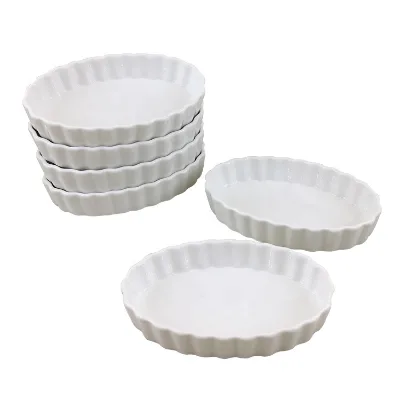
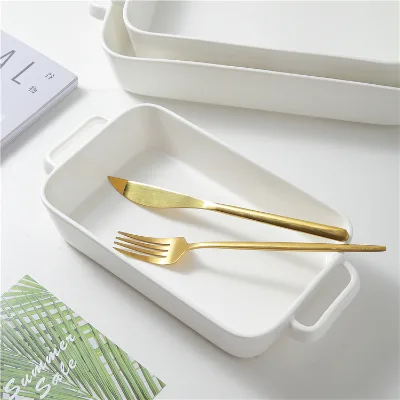
Wholesale Hotel White Rectangle Porcelain Baking Dish Cheap Kitchen Cookware Ceramic Bakeware
$2.41 - $4.79
MOQ: 2000 Minimum
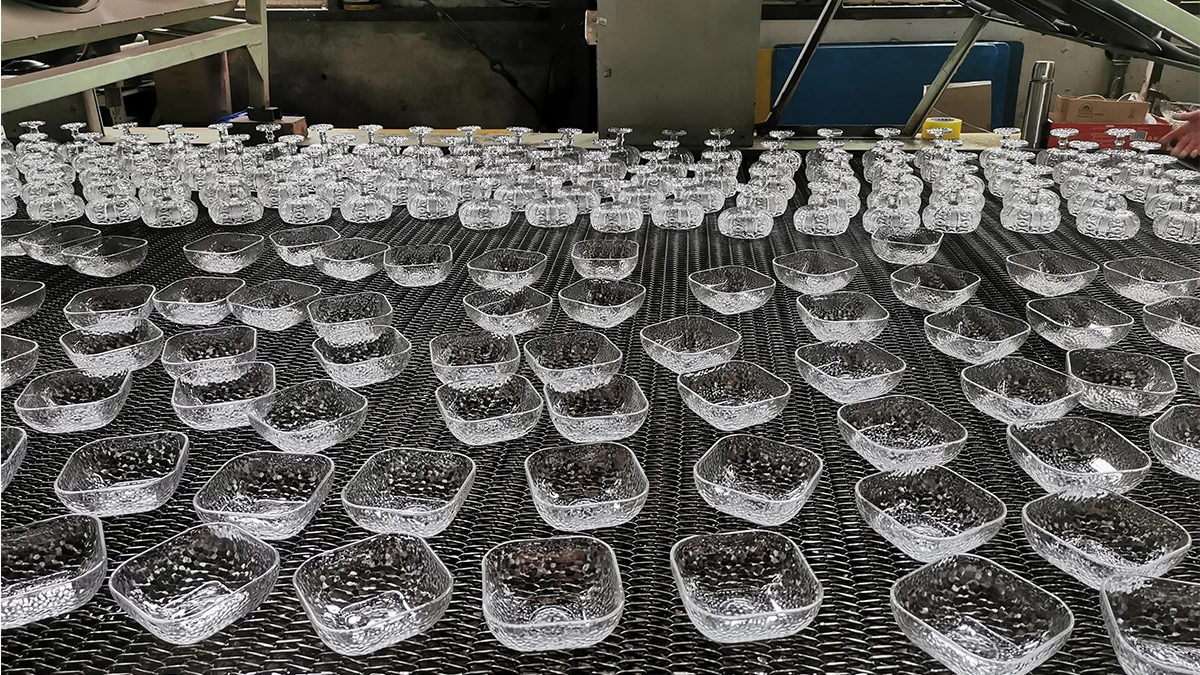
Hefei reihey Imp.&Exp. Co.,Ltd
- Trading Company
- Anhui, China
- Lead time10 days
- Avg. response≤ 6h
Main productsDrinkware,Barware,Dinnerware,Glass packing,Cookware
Main marketsEastern Europe(30.00%), North America(30.00%), Western Europe(12.00%), Southern Europe(10.00%), Oceania(10.00%), Eastern Asia(10.00%)
Uniflow International Trade Co., Ltd.
- Verified by SGS
- Trading Company
- China Guangdong
- Lead time15 days
- Avg. response≤ 1h
Main productsDisposable Tableware, Disposable Plate, Lunch Box, Disposable Cup, Sustainable Disposable Tableware, Sugarcane Fiber Tableware, Compostable Sugarcane Dinnerware, Renewable Resource Kitchenware, Eco-Friendly Plant-Based Cutlery, Disposable Pizza Pan
Main marketsSoutheast Asia/ Mideast
Guangdong Huaxing Ceramics Co., Ltd.
- Manufacturer, Trading Company
- Guangdong, China
- Lead time45 days
- Avg. response≤ 6h
Main productsPorcelain Dinnerware, Colour Glazed Dinnerware, Bone China Dinnerware
Main marketsDomestic Market(40.00%), Western Europe(15.00%), Mid East(15.00%), North America(6.00%), Eastern Europe(6.00%), Eastern Asia(3.00%), Southern Europe(3.00%), Northern Europe(3.00%), Southeast Asia(3.00%), South Asia(2.00%), Oceania(2.00%), Central America(1.00%), Africa(1.00%)
- Verified by TUVRHEINLAND
- Trading Company
- China Hunan
- Lead time45 days
- Avg. response≤ 2h
Main productsCeramic Mug, Vacuum Flask, Dinner Set, Cup, Mug, Thermal Bottle, Ceramic Dinner Set, Glass Jar, Glass Cup, Wine Cup
Main marketsSoutheast Asia/ Mideast

Tempered Versatile Glass Bake Dish for Perfectly Baked Meals Every Time
$0.70 - $1.20
MOQ: 1000 Pieces

2200ml Large Chafing Bakeware Baking Dish Borosilicate Glass Pan Rectangle Glass Plate
$0.70 - $1.39
MOQ: 1000 Pieces
Chaozhou Chaoan Zhenxin Ceramics Factory (Sole Proprietorship)
- Verified by Intertek
- Manufacturer, Trading Company
- Guangdong, China
- Lead time0 days
- Avg. response≤ 4h
Main productsTeapot Set, Fruit Plate, Baking Plate, Ceramic Flower Pot
Main marketsDomestic Market(30%), North America(20%), Mid East(15%)

Yangjiang C&B Consumer Product Limited
- Verified by CTI
- Trading Company
- China Guangdong
- Lead time15 days
- Avg. response≤ 5h
Main productsBarbecue Tongs, Grilling Brushes, Outdoor Shovel, Grilling Tools, Kitchen Ware, Outdoor Products, Pizza Tools, Knife Set
Main marketsSouth America,Africa,Southeast Asia/ Mideast,Europe,Australia,North America

Rollin Porcelain Industrial Co., Ltd.
- Verified by BV
- Manufacturer/Factory
- China Guangdong
- Lead time45 days
- Avg. response≤ 6h
Main productsPorcelain Dinnerware, Tableware, Dinner Set, Dinner Plate, Hotel and Restaurant Tableware, Bone China, Cutlery, Glassware, Ceramic Plate, Porcelain
Main marketsEastern Europe,Mid East,North America,Southeast Asia,Eastern Asia,Oceania,Western Europe
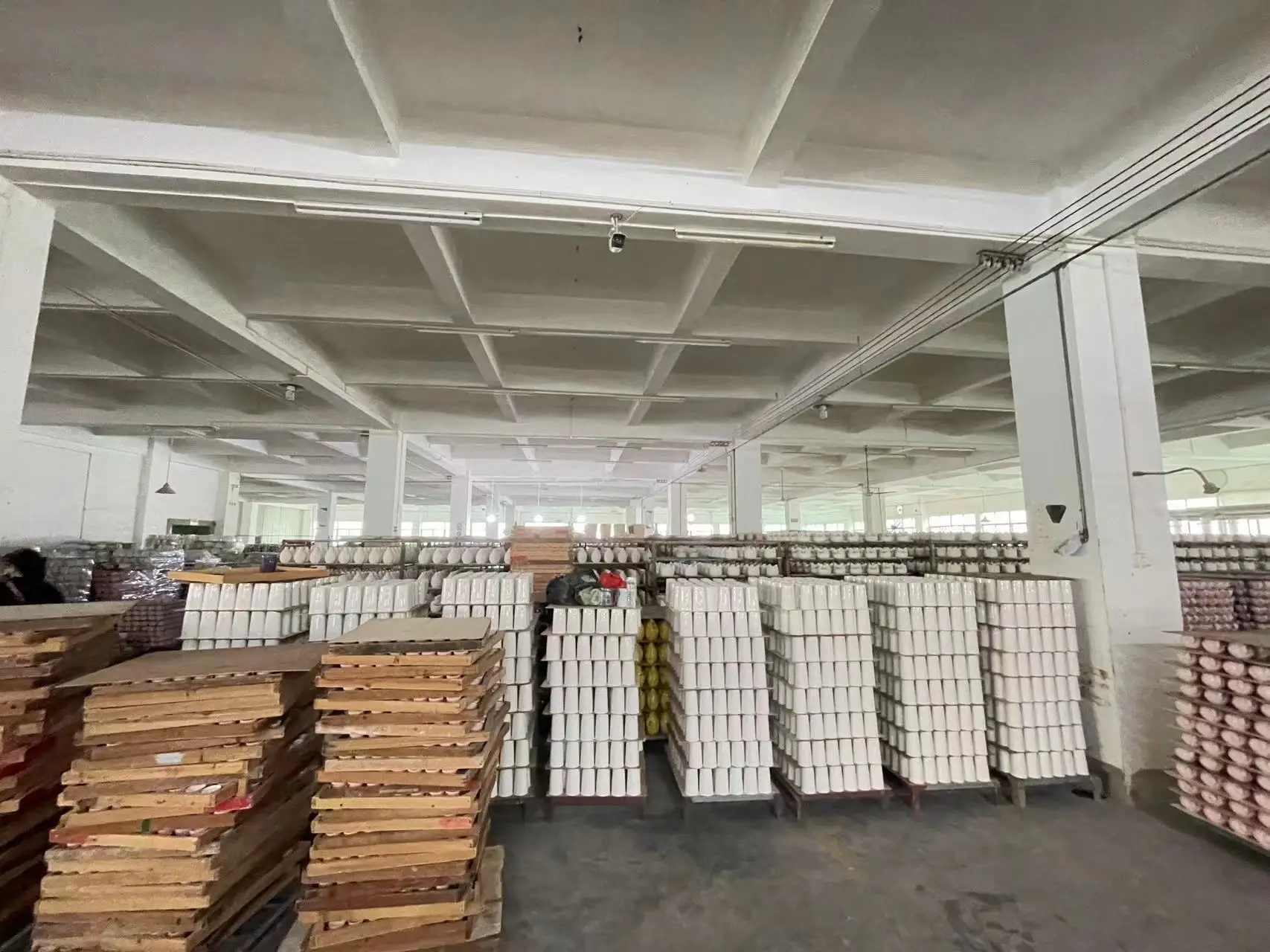
Shenzhen Hongweida Gifts Co., Ltd.
- Manufacturer
- Guangdong, China
- Lead time50 days
- Avg. response≤ 5h
Main productsCeramic Mug Cup,Ceramic plate,Ceramic plaque,Ceramic jars,ceramic money bank
Main marketsNorth America(25.00%), Southern Europe(10.00%), Northern Europe(10.00%), Western Europe(10.00%), Eastern Europe(10.00%), South America(10.00%), Oceania(5.00%), Africa(5.00%), Central America(5.00%), Southeast Asia(5.00%), Mid East(5.00%)
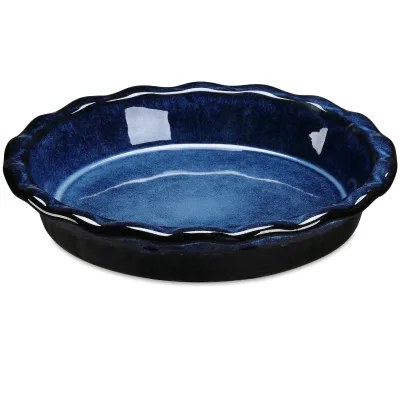
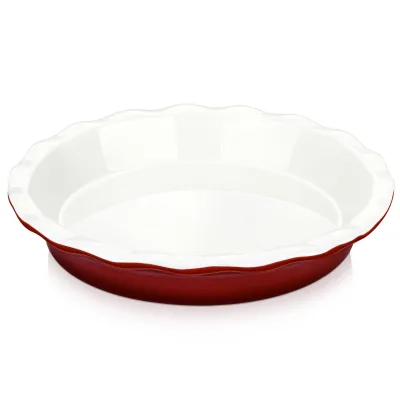
High Quality Nordic Style Ceramic Deep Pie Plate Serving Dish Round Pizza Baking Pan
$1.99 - $2.59
MOQ: 600
Yongkang Guangxiao Trade Co., Ltd.
- Verified by Intertek
- Trading Company
- Lead time45 days
- Avg. response≤ 8h
Main productsBakeware Set, Cookware Set, Pan, Wok, Pot
Main marketsNorth America(20%), Western Europe(20%), Eastern Europe(20%)

Yangzhou Muhe Trading Co., Ltd.
- Trading Company
- China Jiangsu
- Lead time15 days
- Avg. response≤ 2h
Main productsHeadband, Bamboo Fiber Scrunchie, Bamboo Cotton Make up Removers Pads, Silk Scrunchie, Hair Claw Clip, Bow Hair Clip, Cellulose Acetate Hair Claw Clip, Fashion Hair Accessories, Flannel Wristband & Headband
Main marketsSoutheast Asia/ Mideast,Europe

Eagle Catering Equipment Co., Ltd.
- Manufacturer/Factory
- China Guangdong
- Lead time30 days
- Avg. response≤ 9h
Main productsTrolleys, Gastronorm Containers, Table, Shelves, Sink, Barrier Post, Cookware, Buffetware, Barware, Kitchen Utensils
Main marketsSouth America,Eastern Europe,Mid East,North America,Southeast Asia,Eastern Asia,Oceania,Western Europe,Africa


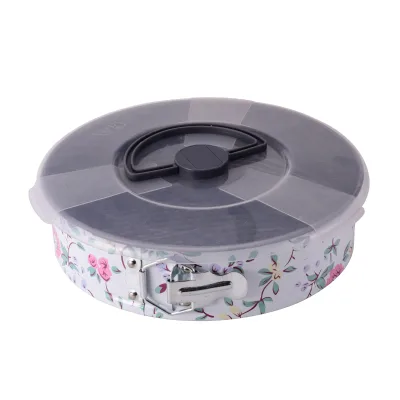
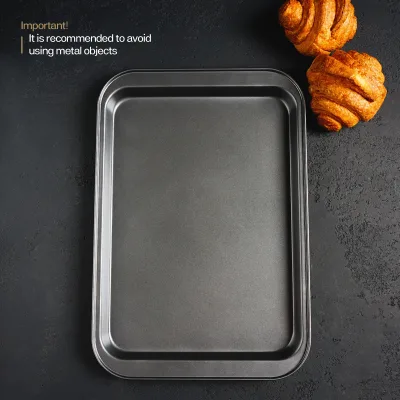
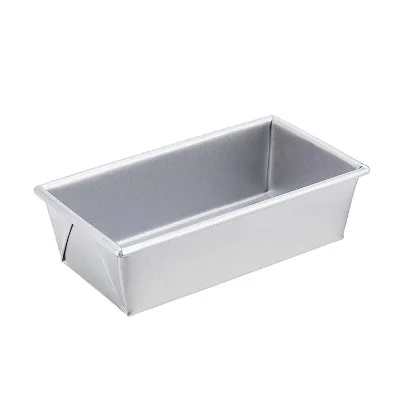
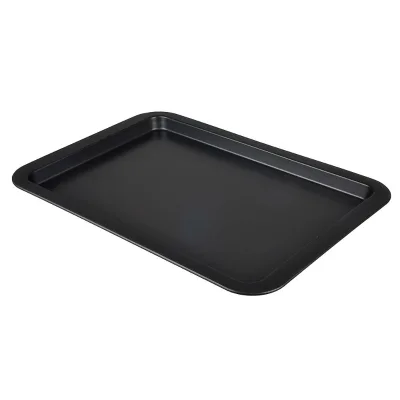




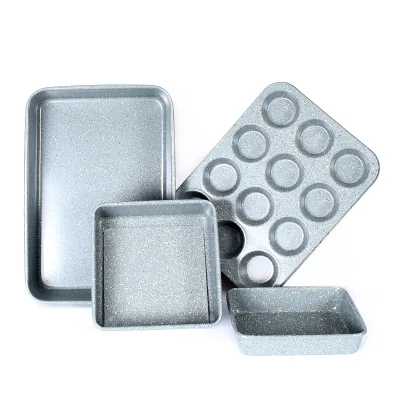
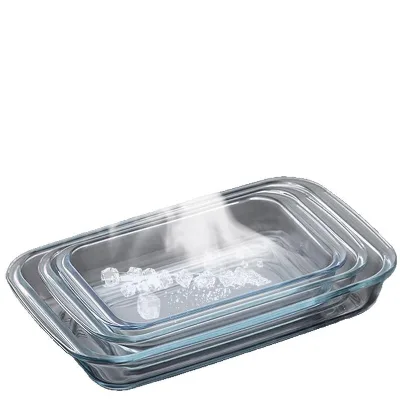
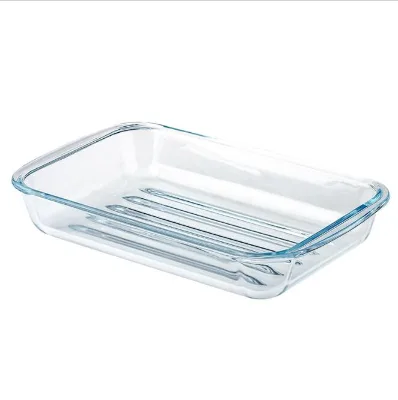


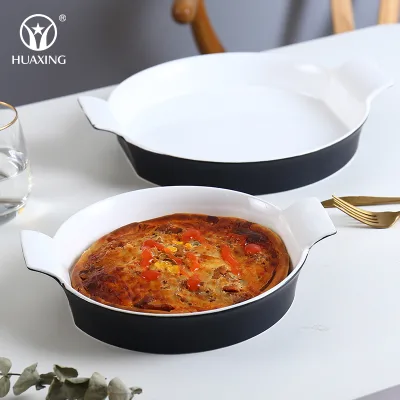
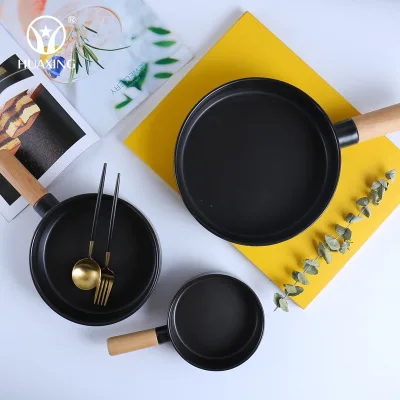
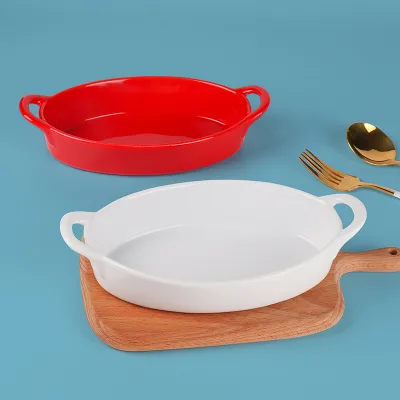
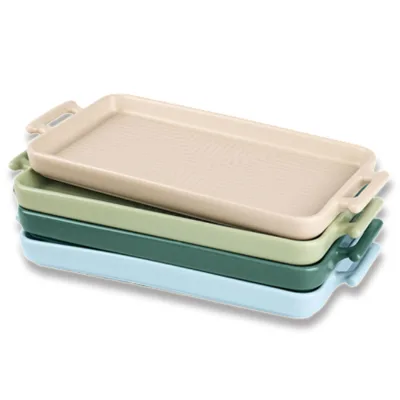


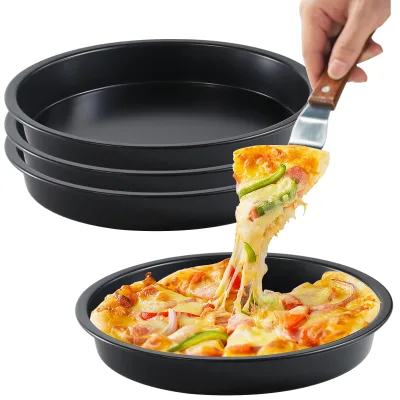
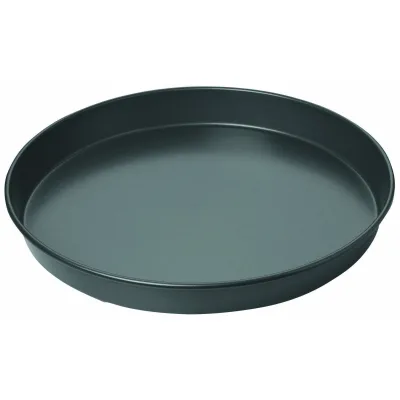
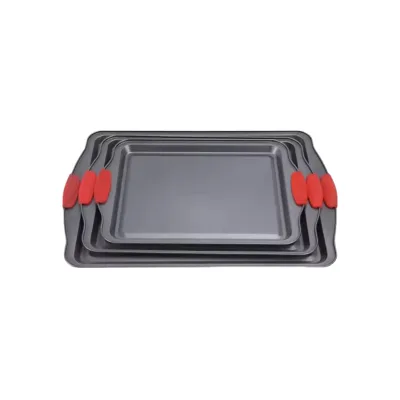


Comprehensive Sourcing Guide
Eco-Friendly Classic Baking Dish Supplier Concentration and Factory Types
When you begin searching for an Eco-Friendly Classic Baking Dish supplier, the first thing to understand is that the results you see usually mix several very different business models. In current results, some listings come from manufacturer factories and group corporations whose main product lines are dominated by borosilicate glass tubes, heat resistant glass baking dishes and casseroles, pharmaceutical vials and lamp glass — clearly glass-specialist operations. Others are carbon steel and stainless steel bakeware producers, and some are diversified factories whose main products include shoes, silicone products, outdoor goods and consumer electronics, with baking dishes appearing as only one item among many. Recognizing this mix matters, because a glass-focused factory and a multi-category trading outfit will differ sharply in tooling, material knowledge and quality control.
Geographic concentration is real but must be confirmed rather than assumed. The observed results place baking dish and bakeware suppliers in Shandong and Fujian provinces, with some product listings declaring "China" as origin. Shandong entries cluster around borosilicate and heat-resistant glass, while Fujian entries lean toward metal bakeware and diversified goods. Where a listing does not show a province, treat the origin as unverified and ask the supplier directly for the factory city. For an Eco-Friendly Classic Baking Dish made of glass, prioritize suppliers whose main product lists visibly center on borosilicate and heat-resistant glass, since such specialization usually indicates established furnaces and food-contact experience rather than opportunistic reselling.
How to Verify Eco-Friendly Classic Baking Dish Suppliers
Verification starts with the credentials a supplier actually displays, and you must check each one rather than assuming they apply across the board. In the observed results, some suppliers hold ISO 9001 and, in one glass-focused case, GMP system certification; one metal bakeware supplier shows a third-party verification badge from CTI, and another from Intertek. Product-level claims differ too: one glass baking dish listing cites CE as its standard, while another 4-piece borosilicate set lists CE/EU, FDA and CIQ certifications plus FDA, LFGB and SGS attributes. None of these should be taken at face value — request the certificate documents, check the certificate number, scope and expiry, and confirm the certification covers bakeware in food contact rather than a different product family.
Beyond paperwork, verify the factory itself. Company type labels in the results range from Manufacturer/Factory and Group Corporation to Manufacturer combined with Trading Company, so ask each candidate whether you would be dealing with the producing plant or an intermediary. One listing identifies an own brand plus OEM and ODM capability, which is useful evidence of real production, and customization is marked as available on multiple dish listings. Ask for a live video walkthrough of the furnace or coating line, a sample from current production, and the product model number — observed examples include model 50859 for a glass baking dish and BF-85 to BF-87 for carbon steel toast molds — so you can trace exactly what was quoted.
What to Compare Across Eco-Friendly Classic Baking Dish Suppliers
Build a comparison table using the attributes that genuinely appear on supplier pages, and leave cells blank where a value is not shown rather than guessing. Useful dimensions include lead time, MOQ, response speed, verification badge, company type, location and main products. The observed spread is wide: one supplier lists a 23-day lead time, another 25 days, and a third as long as 120 days — a five-fold difference that will dominate your planning. Response times also vary dramatically, from under one hour to nearly 13 hours and five hours elsewhere. On MOQ, glass bakeware listings show anything from 100 pieces, to 3,000 sets for a four-piece borosilicate set, to 10,000 units for carbon steel baking pans, so the minimum commitment depends heavily on material and set configuration.
Price must be compared only against like-for-like specifications. Observed unit prices range from around 0.50 for a basic heat-resistant glass dish to about 14.50 for a customized carbon steel baking pan and 10.00 for the borosilicate four-piece set, but these reflect different materials, sizes and order quantities. Compare also customization depth: one supplier advertises light customization, sample processing, graphic processing and customized-on-demand services; another offers OEM and ODM; a third lists custom design and OEM with printing and acid-etch decoration options. Weigh these against main-product focus, since a supplier whose catalog is dominated by bakeware will usually serve an Eco-Friendly Classic Baking Dish buyer better than a generalist.
Common Eco-Friendly Classic Baking Dish Sourcing Risks
The most frequent risk is certification confusion. Bakeware suppliers display a patchwork of claims — CE, CE/EU, FDA, CIQ, LFGB, SGS, ROHS, ISO 9001, GMP — and a listing may cite one standard while the market you sell into requires another. A CE-marked glass dish, for example, does not automatically satisfy food-contact rules in every destination, and a supplier whose system certification is ISO 9001 has not necessarily obtained food-contact product testing. Always map each claim to your target market's requirements, request test reports tied to the actual model number, and check whether reports are recent and issued by a recognized body rather than a self-declared statement.
Material and capability mismatch is the second major risk. Because some suppliers' main products span shoes, silicone goods, electronics and bags, a baking dish may be a minor catalog line with no real production behind it, and the listing may actually be fulfilled by a partner factory. Long lead times — the observed 120-day figure versus 23 or 25 days elsewhere — can also signal third-party manufacturing, port congestion or capacity that is committed elsewhere. Additional risks to probe include customization fees not shown in the base price, minimum order quantities that jump once you request custom printing or acid etching, and sample quality that differs from bulk production. Mitigate by ordering a pre-production sample, confirming the model number in writing, and stating inspection rights in the contract.
Eco-Friendly Classic Baking Dish Regional Sourcing and Logistics
Region shapes both product type and logistics for this category. The observed results identify Shandong and Fujian as supplier locations, and this pattern is worth exploiting deliberately: Shandong listings concentrate on borosilicate glass tubes, heat-resistant baking dishes, casseroles and glass sheets, which indicates access to glass melting infrastructure, while Fujian entries skew toward metal bakeware, silicone products and diversified export goods. If your Eco-Friendly Classic Baking Dish is glass, a Shandong-centered search will likely surface more specialist factories; if it is coated carbon steel, the Fujian-side listings deserve attention. Where a page shows only "China" as origin, ask the supplier for the factory province before planning any visit.
Logistics planning must absorb the lead-time differences visible in the data. Glass bakeware suppliers in the observed set quote roughly 23 to 25 days, including one explicit 25-day delivery commitment for a four-piece set, whereas a Fujian supplier shows a 120-day lead time — long enough to affect seasonal ordering windows. Packaging also varies in ways that affect freight: observed listings describe carton package, corrugated export cartons and individual polybag packing. Glass is heavier and more fragile than carbon steel, so confirm drop-test and packing methods early, ask whether inner cartons are partitioned, and request freight estimates for both full-container and consolidated loads. Sea freight suits most bakeware volumes, but confirm the supplier's export experience and nearest port before committing to a schedule.
Eco-Friendly Classic Baking Dish Commercial Terms and Order Planning
Commercial terms should be negotiated against the data each supplier discloses. Observed MOQs span 100 pieces for a heat-resistant glass baking dish, 3,000 sets for a borosilicate four-piece set, 500 units listed on one carbon steel pan page, and 10,000 units on another, so your pilot order size is largely determined by which material and supplier you select. Sample availability also differs: one glass listing states samples are available upon request, while others are silent — always confirm sample cost, freight and whether the sample fee is credited against the first bulk order. Pricing quotes observed range from roughly 0.50 to 14.50 depending on material and set content, so anchor negotiations to a detailed specification sheet rather than the advertised figure.
Order planning should account for response behavior and verification status. A supplier answering in under an hour is easier to coordinate with than one averaging nearly 13 hours, especially during trial production, and third-party verified suppliers — CTI or Intertek badges appear in the current results — offer a baseline of trust that unverified profiles do not. Structure the first order with clear milestones: deposit on specification sign-off, sample approval against the stated model number, mass-production inspection, then balance payment. Confirm customization terms in writing, since printing, acid-etch decoration and OEM labeling are advertised by several listings but priced differently. Finally, build your calendar around the quoted lead time — whether 23, 25 or 120 days — and add buffer for glass quality checks and seasonal freight pressure.
Word count check: Section 1 ~229, Section 2 ~233, Section 3 ~232, Section 4 ~233, Section 5 ~232, Section 6 ~233. Total approximately 1392 words, within the 1350–1450 range.
FAQs
What materials are common for eco friendly classic baking dishes?
Buyers most often choose borosilicate glass or carbon steel for this category. Glass bakeware offers heat resistance, transparency, and compatibility with CE, FDA, and LFGB testing expectations. Carbon steel suits non-stick coated pans and perforated pizza dishes. Confirm which material matches your market, since certification requirements and customization options differ between the two.
What is the typical MOQ for glass baking dishes?
Listed products in this category range from 100 units for a heat resistant glass baking dish to 3000 sets for a borosilicate four-piece set, and one metal baking pan listing shows 10000 units. Treat these as reference points only. Always request the current MOQ for your specific model, size, and packaging configuration before placing an order.
Can suppliers customize classic baking dishes with my branding?
Yes, customization is widely available in this category. Listings explicitly state customization is available, with services including custom design, OEM, ODM, printing, and acid etch decoration. Sample availability is also offered upon request on some products. Share your artwork and logo files early so the factory can confirm feasibility, tooling costs, and realistic production timelines.
How long does production usually take?
Observed lead times vary considerably. One supplier listing states a 25-day delivery time, while general supplier lead times on this page range from 23 days to 120 days depending on the factory and product type. Your final timeline depends on order quantity, decoration steps, and packaging. Ask each supplier to confirm production and shipping time before committing.
Which certifications should I verify before ordering?
Look for CE marking as a baseline for baking dishes, and ask about FDA, LFGB, SGS, CIQ, and ROHS test reports for food-contact glass. One supplier also holds ISO 9001 and GMP system certification. Request recent, product-specific certificates rather than company-wide documents, and verify report numbers with the issuing laboratory where possible.
How are baking dishes packed for export?
Listings show carton packaging and corrugated export cartons as standard, with individual polybag packing on some metal bakeware items. Glass requires stronger protection, so confirm inner boxes, dividers, and drop-test results for your design. Discuss carton dimensions, gross weight, and container loading quantities early, since packaging directly affects your landed cost and breakage rate.
Do suppliers offer samples before mass production?
Yes, at least one listing states samples are available upon request, and several suppliers support sample processing as a capability. Expect to pay sample and courier fees, which may be credited against later bulk orders. Evaluate the sample for heat resistance, coating quality, and finish consistency, then confirm the bulk production matches the approved sample.
Which supplier locations are represented in this category?
The suppliers on this page are located in China, with manufacturing concentrated in Shandong and Fujian provinces. Shandong suppliers focus on borosilicate glass products including baking dishes, while Fujian suppliers cover broader kitchenware and bakeware. Location affects shipping ports and freight costs, so confirm the nearest export port when comparing quotations.