eco-friendly cotton hanging tags Suppliers and Manufacturers
Find 27 verified suppliers offering eco-friendly cotton hanging tags with customizable designs and low MOQs. Compare response times, lead times, certifications like ISO9001:2015, and pricing ranges from 0.01 to 0.50 USD per unit. Contact suppliers directly to request samples and finalize orders.
Updated
Suppliers List
Guangzhou Langyin Network Technology Co., Ltd.
- Verified by SGS Group
- Manufacturer
- Lead time0 days
- Avg. response≤ 2h
Main productsHang Tag, Woven Label, Plastic Seal Tag, Hang Tag String, Patches
Main marketsSouth America(30%), Eastern Europe(20%), Southeast Asia(20%)
Guangzhou Xiangtengyun Paper & Plastic Products Co., Ltd.
- Trading Company
- Lead time旺季: "1 - 10000":7,"> 10000":"To be negotiated", 淡季: "1 - 10000":7,"> 10000":"To be negotiated"
- Avg. response≤ 3h
Main productsMailing Bag,Packaging Bag,Paper Box,Paper Card,Shopping Bag

Hangzhou Fuhan Garment Accessories Co., Ltd.
- Verified by BV
- Combined
- China Zhejiang
- Lead time15 days
- Avg. response≤ 4h
Main productsGarment Woven Label Tag, Packaging Box, Embroidery Patch, PVC Rubber Patch, Garment Accessories, Adhesive Sticker Print Label, Packaging Bag, Leather Labels, Scented Sachet, Ribbon
Main marketsEurope

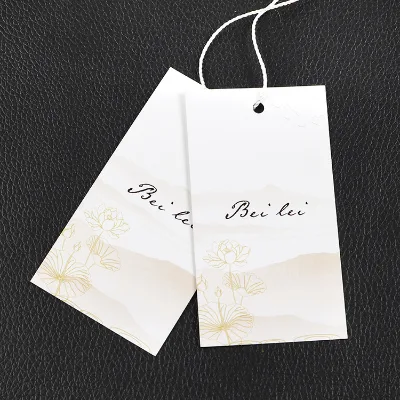
Export Colorful Printed Kids Garment Eco Friendly Cotton Hang Tag with Ribbon
$0.03 - $0.10
MOQ: 1000 Pieces


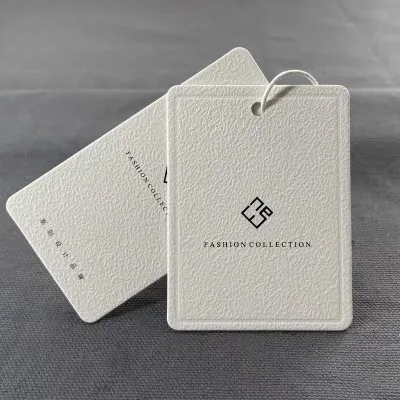
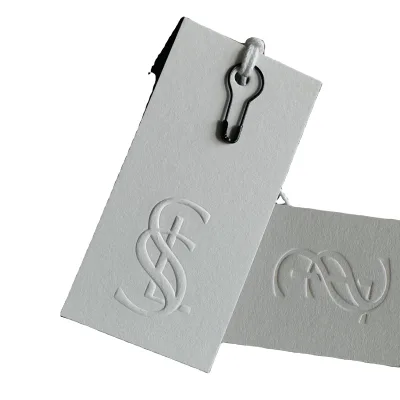
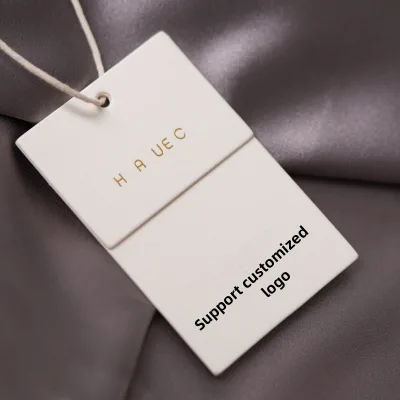
Professional Embossed Logo Special White Clothing Paper Hang Tag with Cotton Strings
$0.07 - $0.19
MOQ: 3000 Pieces

Ningbo Yinzhou Wenhui Paper Co., Ltd.
- Verified by TUVRHEINLAND
- Manufacturer/Factory
- China Zhejiang
- Lead time45 days
- Avg. response≤ 8h
Main productsStationery Gifts Promotional Homeware, Pen, Pet Products, Board Game, Paper Tube, Notebook, Wooden Toys, DIY Toy, Puzzle, Gift Bag
Main marketsSouth America,Eastern Europe,Mid East,North America,Southeast Asia,Eastern Asia,Oceania,Western Europe,Africa


Custom Printed Golden Colors Garment Swing Tag String Hang Tags Plastic Tag
$0.05 - $0.12
MOQ: 3000 Pieces

Luxury Fashion Paper Hang Tag Garment Clothing Paper Tag Hang String1 Buyer
$0.06 - $0.12
MOQ: 3000 Pieces

New Clothing Hang Tags Clothes Label Garment Hangtags Design Recycled Paper Label
$0.18
MOQ: 30000 Pieces

Hot Custom Printed Logo Luxury Hanging Labels Clothing Tags Small Price Tags
$0.06 - $0.12
MOQ: 3000 Pieces
HonorHope (Zhengzhou) Technology Industrial Co., Ltd.
- Manufacturer, Trading Company
- Henan, China
- Lead time15 days
- Avg. response≤ 14h
Main productsPaper Bag,Gift Box,Calendar,Nowoven bag,Notebook
Main marketsMid East(30.00%), North America(20.00%), Western Europe(15.00%), South America(10.00%), Eastern Europe(5.00%), Eastern Asia(5.00%), Southeast Asia(5.00%), Oceania(5.00%), Africa(5.00%)

Wenzhou Yigou Trading Co., Ltd
- Verified by CTI
- Trading Company
- China Zhejiang
- Lead time30 days
- Avg. response≤ 5h
Main productsClothing Accessories, Label Printing Material, Polyester Satin, Seal Tag, Rubber Label, Plastic Seal Tag, Woven Label, Label Ribbon TTR Ribbon, Cotton Tape, Woven Edge Satin Ribbon
Main marketsSoutheast Asia/ Mideast,Europe


Cheap Custom Printing Name Logo Paper Hang Tag Garment Hang Tags with String
$0.005 - $0.20
MOQ: 1000 Sets


Custom Hang Tags Clothing Tag Custom Eco-Firendly String Plastic Seal Tag
$0.009 - $0.10
MOQ: 1000 Pieces


Guangzhou Blf Packing Co., Ltd.
- Verified by TUVRHEINLAND
- Combined
- China Guangdong
- Lead time15 days
- Avg. response≤ 13h
Main productsPaper Bag, Paper Box, Gift Box, Non Woven Bag, Book, Tag, Sticker, Air Freshener, Cards, Jewelry Box
Main marketsOthers(foreignTradeCapacity.exportBusinessCapacityMarketOther),Europe,North America

Wenzhou Quanfeng Garment Accessories Co., Ltd.
- Trading Company,Manufacturer/Factory
- China Zhejiang
- Lead time23 days
- Avg. response≤ 8h
Main productsLabel Printing Material, Polyester Satin, Seal Tag, Rubber Label, Plastic Seal Tag, Woven Label, Label Ribbon, TTR Ribbon, Woven Edge Satin Ribbon, Cotton Tape
Main marketsSouth America,Eastern Europe,Mid East,North America,Southeast Asia,Eastern Asia,Oceania,Western Europe,Africa
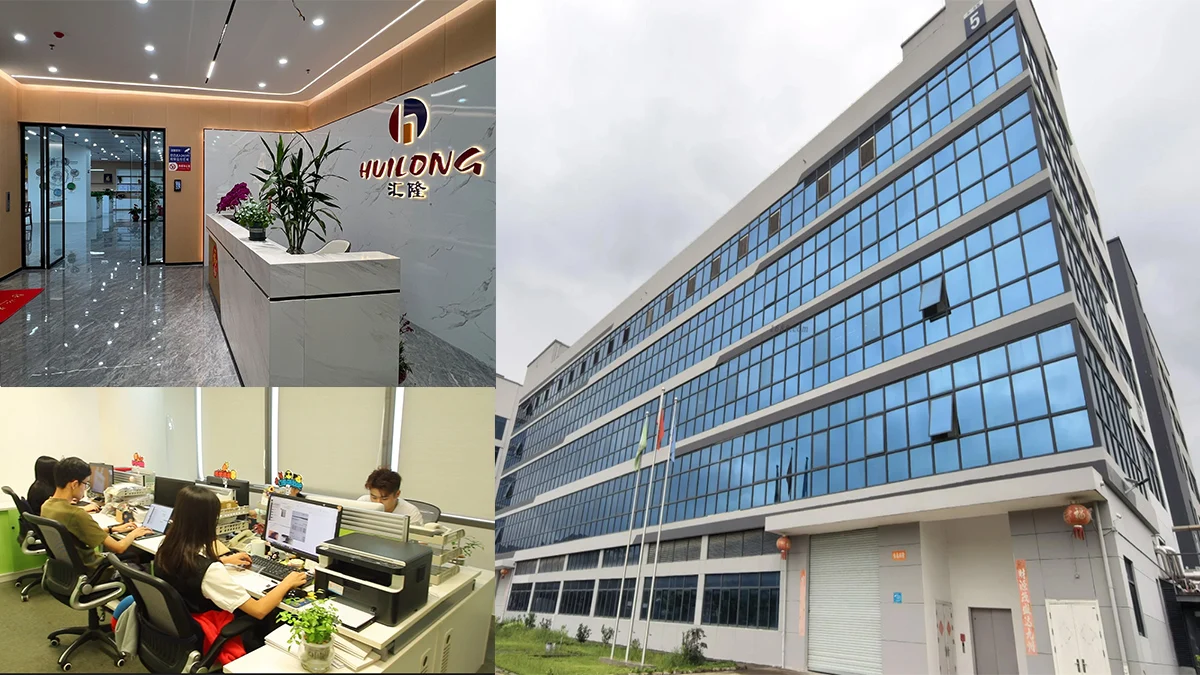
Fogang Hui Long Accessories Co., Ltd.
- Manufacturer
- Guangdong, China
- Lead time12 days
- Avg. response≤ 5h
Main productsCotton String Plastic Fastener,Hang tag String orang,Wax String Plastic Fastener,plastic hook for garment,seal tag
Main marketsDomestic Market(31.00%), Central America(23.00%), Eastern Asia(16.00%), South Asia(15.00%), North America(7.00%), Eastern Europe(2.00%), Mid East(1.00%), Southeast Asia(1.00%), Northern Europe(1.00%), South America(1.00%)

Chongqing Colorful Technology Co., Ltd.
- Verified by BV
- Combined
- China Chongqing
- Lead time15 days
- Avg. response≤ 5h
Main productsSmart Card, PVC Card, Bisiness Card, Metal Card, Gift Card, Thank You Card, Plastic Card
Main marketsSoutheast Asia/ Mideast,Europe,North America

Huizhou Green Foil Insulation Co., Ltd.
- Verified by BV
- Combined
- China Guangdong
- Lead time15 days
- Avg. response≤ 2h
Main productsCooler Bag, Gift Bag, Gift Box, Insulated Bag, Color Printed Box, Jewelry Box, Paper Bag, Paper Box, Packaging Box, Insulated Mailer
Main marketsEast Asia(Japan/ South Korea),Europe,North America
REUNERS ENTERPRISES (HONG KONG) LIMITED
- Verified by SGS Group
- Manufacturer, Trading Company
- Lead time5 days
- Avg. response≤ 3h
Main productsWoven Label, Woven Patches, Embroidery Patches, Hang Tags, Plastic Seal Tags
Main marketsDomestic Market(50%), North America(23%), Eastern Europe(10%)
Guangzhou Blf Packing Co., Ltd.
- Verified by SGS Group
- Manufacturer, Trading Company
- Lead time7 days
- Avg. response≤ 3h
Main productsGift Box, Paper Box, Packaging Box, Jewelry Box, Paper Bag
Main marketsNorth America(20%), Southeast Asia(16%), South America(10%)

Dongguan FengSuer Textile Co., Ltd
- Verified by TUVRHEINLAND
- Trading Company
- China Guangdong
- Lead time23 days
- Avg. response≤ 4h
Main productsWoven Patches, Woven Labels, Embroidery Patch, Keychians, Hantags, Printing Labels, Printing Patches, Woven Tape, Ribbon
Main marketsEurope

Brand Logo Tags Paper Hangtags Clothing Hang Tags Custom Design Printing with Brown String
$0.01 - $0.80
MOQ: 100 Pieces


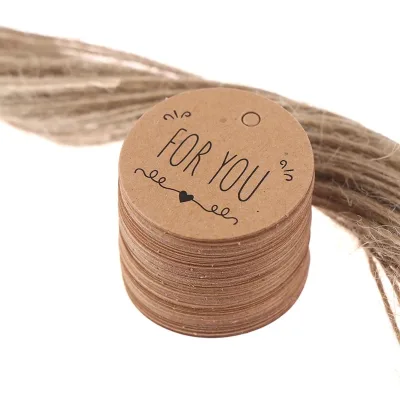
Custom Eco Friendly Recycle Brown Kraft Paper Hang Tags for Clothing with String
$0.005 - $0.50
MOQ: 100 Pieces

Hangzhou Fuyang Hongwei Garment Accessories Co., Ltd.
- Manufacturer, Trading Company
- Zhejiang, China
- Lead time15 days
- Avg. response≤ 10h
Main productsleather patch,rubber logo patch,embroidery patch,trademark,color box
Main marketsSouth America(20.00%), North America(20.00%), Northern Europe(10.00%), Western Europe(10.00%), Southern Europe(10.00%), Mid East(10.00%), Eastern Europe(10.00%), South Asia(5.00%), Eastern Asia(5.00%)
Shenzhen Jinheng Technology Co., Ltd.
- Manufacturer, Trading Company, Distributor/Wholesaler
- Guangdong, China
- Lead time0 days
- Avg. response≤ 2h
Main productsTPU Patches,Embroidery Patches,Woven labels/patches,Printed Labels,Leather Patches
Main marketsNorth America(30.00%), Western Europe(20.00%), Northern Europe(10.00%), South America(10.00%), Southeast Asia(10.00%)
Guangzhou Yi-Yang Paper & Plastic Products Co., Ltd
- Manufacturer, Trading Company, Distributor/Wholesaler
- Guangdong, China
- Lead time10 days
- Avg. response≤ 3h
Main productsPlastic Packaging Bag,Hang Tag,Poly Mailer Bag,Card,Tissue Paper
Main marketsNorth America(30.00%), South America(20.00%), Central America(15.00%), Eastern Europe(15.00%), Northern Europe(5.00%), Africa(3.00%), Southeast Asia(3.00%), Southern Europe(3.00%), South Asia(3.00%), Western Europe(2.00%), Eastern Asia(1.00%)
- Verified by SGS Group
- Manufacturer, Trading Company
- Lead time7 days
- Avg. response≤ 2h
Main productsGarment Accessories, Gifts & Crafts / Bar Accessories, Packaging & Printing, Printing Consumables
Main marketsNorth America(30%), Western Europe(23%), Oceania(10%)

Shanghai Yini Printing Co., Ltd.
- Verified by SGS
- Trading Company
- China Shanghai
- Lead time15 days
- Avg. response≤ 1h
Main productsPaper Gift Box, Custom Paper Box, Cosmetic Box, Corrugated Box, Paper Bag, Folding Box, Magnetic Box, Drawer Box, Mailer Box, Shipping Box
Main marketsDomestic

Shenzhen Ali God Technology Co., Ltd.
- Manufacturer
- Guangdong, China
- Lead time4 days
- Avg. response≤ 6h
Main productsWoven labels/patches,Washing care Labels,Hang tag/Seal tag,Metal label/Leather label,Tissue Paper/box/bag/stickers
Main marketsNorth America(40.00%), Western Europe(15.00%), Mid East(13.00%), Central America(10.00%), South America(10.00%), Eastern Europe(3.00%), Southeast Asia(3.00%), South Asia(2.00%), Southern Europe(2.00%), Northern Europe(2.00%)

Dongguan Fanyuan Trading Co., Ltd.
- Verified by BV
- Manufacturer/Factory
- China Guangdong
- Lead time23 days
- Avg. response≤ 5h
Main productsWoven Label/Patch/Badge, Embroidered Patch/Badge, PVC/Silicone Label, 3D PVC Keychains, Action Figure, Handicrafts, Statue, Cartoon Toys, Promotional Gifts, Fridge Magnet
Main marketsSouth America,Eastern Europe,Mid East,North America,Southeast Asia,Eastern Asia,Oceania,Western Europe,Africa

Customized Stickers Clothing Hangtags Customized Logo Printed Clothing Hangtag Tags
$0.1412 - $1.42
MOQ: 100 Pieces

Custom Printable Paper Tags or Labels with Hanging String for Clothing
$0.1412 - $1.42
MOQ: 100 Pieces
Dongguan Caifeng Garment Accessories Co., Ltd.
- Verified by TüVRheinland
- Manufacturer, Trading Company
- Lead time0 days
- Avg. response≤ 3h
Main productsRubber Patch, Silicone Heat Transfer Label, Silk Screen Printing Silicone Label, Zipper Puller, TPU Patch
Main marketsDomestic Market(80%), North America(5%), Eastern Europe(5%)

Hangzhou Jiugui Garment Accessories Co., Ltd.
- Verified by BV
- Trading Company,Manufacturer/Factory
- China Zhejiang
- Lead time15 days
- Avg. response≤ 10h
Main productsWoven Label, Hang Tag, Embroidery Patch, Leather Patch, Stickers, Seal Tag, Grosgrain Ribbon, Tote Bag, Printing Label
Main marketsSouth America,Eastern Europe,Mid East,Southeast Asia,Eastern Asia,Oceania,Western Europe,Africa


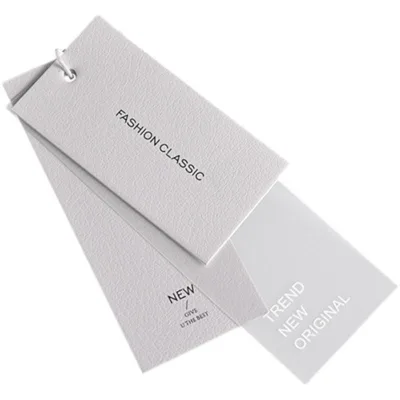
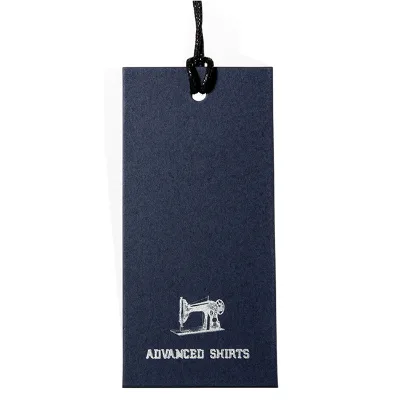
Fashionable Paper Cardboard Hang Tag with Custom Logo for Garment Accessories
$0.01 - $0.02
MOQ: 1000 Pieces


Guangzhou Jiecheng Garment Accessories Co., Ltd.
- Manufacturer, Trading Company
- Guangdong, China
- Lead time7 days
- Avg. response≤ 6h
Main productswoven label,garment label,clothing label,leather label,hang tag
Main marketsDomestic Market(30.00%), Oceania(15.00%), Africa(8.00%), North America(8.00%), Western Europe(8.00%), Eastern Europe(5.00%), Central America(5.00%), Southern Europe(5.00%), Northern Europe(5.00%), Eastern Asia(3.00%), Southeast Asia(2.00%), South Asia(2.00%), Mid East(2.00%), South America(2.00%)
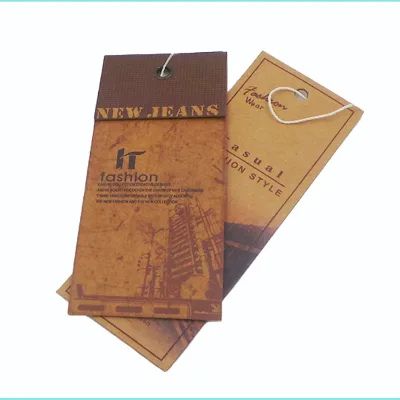

$0.2051 - $0.6153
MOQ: 100 pieces


Guangzhou Shangpin Clothing Accessories Co., Ltd.
- Trading Company
- China Guangdong
- Lead time15 days
- Avg. response≤ 15h
Main productsWoven Label, Hang Tag, Printing Label, Woven Patch, Printing Ribbon, Embroidery Patch, Leather Patch, Silicone Patch, Zipper, Button
Main marketsSouth America,Africa,Southeast Asia/ Mideast,Domestic,Europe,Australia,North America


Price Tags Chic Hang Tags Blank Tags DIY Product Tags Gifts Parties Blank Sturdy Labels
$0.01 - $0.07
MOQ: 1000 Pieces


Guangzhou Igiftbox Printing & Packaging Co., Ltd
- Verified by SGS
- Trading Company
- China Guangdong
- Lead time15 days
- Avg. response≤ 6h
Main productsPaper Gift Box, Paper Box, Paper Bags, Gift Box, Packaging Box, Chocolate Box, Cosmetic Box, Sticker Label, Cardboard Box, Book Printing
Main marketsSouth America,Southeast Asia/ Mideast,Europe,North America
Dongguan Caidi Printing Co., Ltd.
- Verified by TüVRheinland
- Manufacturer, Trading Company
- Lead time8 days
- Avg. response≤ 1h
Main productsHang Tag, Paper Card, Wash Label, Sticker, Paper Box
Main marketsDomestic Market(40%), North America(25%), South America(10%)
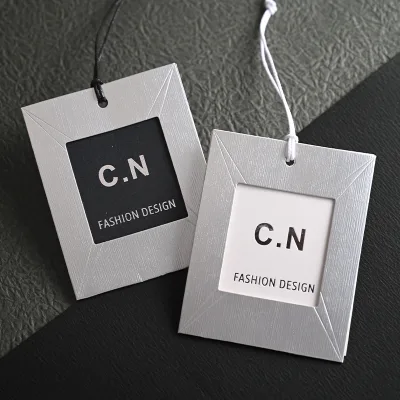











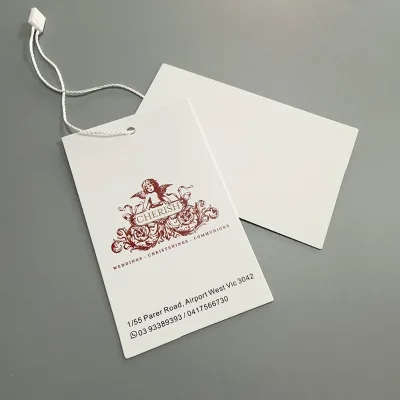
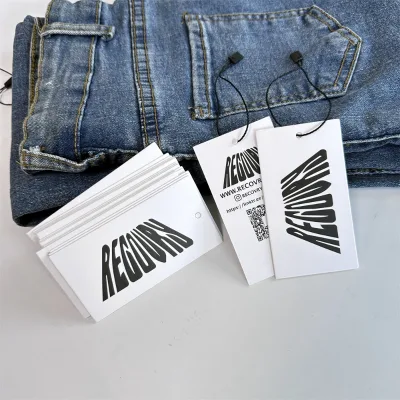

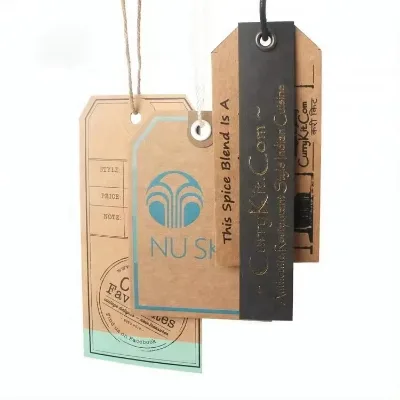
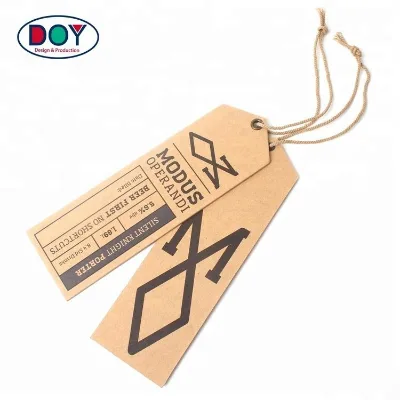





Comprehensive Sourcing Guide
Eco-Friendly Cotton Hanging Tags Supplier Concentration and Factory Types
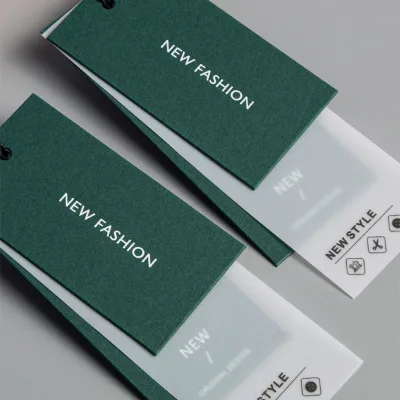
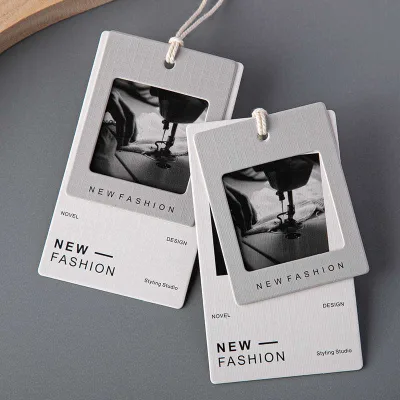
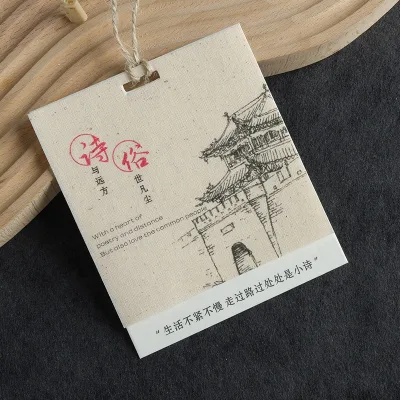
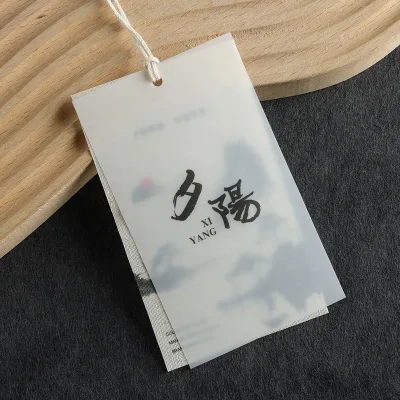
The current supplier landscape for eco-friendly cotton hanging tags reveals a mix of manufacturer and trading company profiles, with some entities operating as combined entities offering diverse product ranges. Evidence indicates that manufacturers often possess specific capabilities in sample processing, graphic processing, and customized on-demand production, which are critical for bespoke garment accessories. These suppliers frequently list main products including woven labels, plastic seal tags, and various patch types alongside the primary hanging tags, suggesting a broader capacity for garment processing accessories. The presence of combined suppliers indicates a market where some vendors integrate manufacturing with trading services, potentially offering a wider array of packaging solutions like mailing bags and paper boxes alongside the core cotton tags.
When assessing supplier concentration, buyers must look for specific location data to understand manufacturing clusters. While some product evidence points to origins in Guangdong, China, and Zhejiang, China, these are specific product attributes rather than definitive factory locations for every vendor. Without a confirmed high-confidence location fact for the entire supplier pool, buyers should not assume a single cluster dominates. Instead, the focus should be on verifying the actual place of origin listed for specific product orders. This distinction is vital because a trading company might source from a different region than a direct manufacturer, affecting logistics and quality control. Buyers should prioritize suppliers who explicitly state their production base to ensure alignment with their supply chain requirements.
How to Verify Eco-Friendly Cotton Hanging Tags Suppliers
Verification of supplier credibility relies heavily on third-party audit reports and specific certification data rather than general claims. Available evidence shows that some suppliers hold verification from SGS Group, while others display BV certification, indicating a tiered approach to trust assessment. Additionally, system certifications such as ISO9001:2015 are present for certain combined suppliers, providing a baseline for quality management systems. Buyers must actively request and validate these specific documents rather than accepting general statements about quality. The presence of these distinct verification bodies suggests that not all suppliers undergo the same rigorous checks, making it essential to confirm which specific audit applies to the intended order.
Beyond certifications, response times and sample capabilities serve as practical indicators of supplier reliability. Data indicates response times can vary, with some suppliers showing a response time of 2 units while others show 3 units, reflecting differences in operational efficiency. Furthermore, the ability to support sample orders within seven days is a documented feature for several product listings, highlighting a standard for rapid prototyping. Buyers should verify if the specific supplier they are engaging can meet these sample lead times and response speed expectations. It is crucial to confirm that the supplier's stated capabilities match the actual product requirements, as a mismatch in sample processing speed can delay the entire production cycle.
What to Compare Across Eco-Friendly Cotton Hanging Tags Suppliers
Comparing suppliers requires a detailed analysis of minimum order quantities, pricing structures, and lead time flexibility. Evidence shows that MOQs can be as low as 100 pieces for certain custom clothing labels, while other listings may have different thresholds. Pricing data indicates a range from 0.01 to 0.25 per unit depending on the specific product configuration, such as material weight or finishing techniques. Buyers must compare these specific price points against their volume requirements to determine cost efficiency. It is important to note that price ranges are product-specific and may not apply uniformly across all suppliers or product variations, necessitating a line-item comparison for accurate budgeting.
Lead times and production capacity are equally critical dimensions for comparison. Some suppliers offer a lead time of zero for specific sample processing, while others specify a seven-day lead time for sample orders. For bulk production, lead times may vary based on order volume, with some suppliers indicating negotiation for orders exceeding 10,000 units. Buyers should compare these timelines against their project schedules to ensure feasibility. Additionally, the main products offered by each supplier, such as whether they focus solely on tags or include related accessories like ribbons and stickers, should be evaluated to ensure the supplier can meet all packaging needs in a single transaction.
Common Eco-Friendly Cotton Hanging Tags Sourcing Risks
One significant risk involves the variability in material specifications and product attributes across different suppliers. Evidence shows that while some products are explicitly labeled as cotton, others may be made from paper or PVC, or a combination of materials. This inconsistency can lead to confusion regarding the actual composition of the eco-friendly tags. Buyers must carefully review the material attributes listed for each specific product to ensure they match the required eco-friendly standards. Relying on general product titles without verifying the specific material composition can result in receiving non-compliant goods that do not meet sustainability goals.
Another risk pertains to the reliability of lead times and the potential for delays in sample or bulk production. While some suppliers support seven-day sample orders, others may have different timelines that are not immediately visible without direct inquiry. The data suggests that lead times can be "to be negotiated" for large orders, introducing uncertainty into the planning process. Buyers should verify the specific lead time commitments for their order size before finalizing agreements. Additionally, the lack of standardized response times across the supplier pool means that communication delays could impact the speed of issue resolution, making it essential to establish clear communication protocols early in the sourcing process.
Eco-Friendly Cotton Hanging Tags Regional Sourcing and Logistics
Regional sourcing strategies must account for the specific origins of the products rather than assuming a uniform manufacturing base. Evidence points to origins in Guangdong, China, and Zhejiang, China, for specific product listings, but these are not guaranteed for all suppliers. Buyers should verify the place of origin for each item to understand the logistics implications, such as shipping distances and customs requirements. The presence of suppliers in different regions can affect the overall cost and delivery speed, making it necessary to map out the supply chain based on verified location data. This approach ensures that the logistics plan aligns with the actual production sites of the selected suppliers.
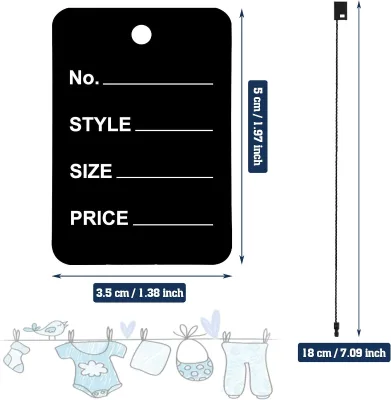
Logistics planning should also consider the packaging and shipping specifications provided in the product attributes. Data indicates that single package sizes can be as small as 0.1x0.1x0.2 cm, with single gross weights around 0.1 kg. These dimensions are crucial for calculating shipping costs and optimizing container space. Buyers should use these specific attributes to estimate freight charges accurately. Furthermore, the availability of products in stock or the need for customized production will impact the lead time and shipping schedule. Understanding these logistical details allows buyers to plan their inventory levels and delivery timelines more effectively, reducing the risk of stockouts or delays.
Eco-Friendly Cotton Hanging Tags Commercial Terms and Order Planning
Commercial terms for eco-friendly cotton hanging tags often include specific conditions regarding sample orders and bulk production. Evidence shows that sample orders are supported with a seven-day lead time for many suppliers, which is a key factor in the planning phase. Buyers should confirm the specific terms for sample costs and shipping, as these can vary. For bulk orders, lead times may be subject to negotiation, particularly for volumes exceeding 10,000 units. Understanding these terms is essential for creating a realistic production schedule and ensuring that the supplier can meet the required delivery dates without compromising quality.
Order planning must also account for customization requirements and design flexibility. Suppliers offer various finishing options such as embossing, laminating, and hot-stamping, along with custom shapes and sizes. Buyers should verify the specific design capabilities and turnaround times for these customizations. The ability to accept customized logos and designs is a common feature, but the specific implementation details can vary. By clearly defining the design requirements and confirming the supplier's capacity to execute them, buyers can avoid potential delays and ensure that the final product meets their brand standards. This proactive approach to order planning helps mitigate risks associated with customization and ensures a smooth procurement process.
FAQs
What is the price range for eco-friendly cotton hang tags?
Prices typically range from $0.01 to $0.25 per unit depending on material thickness and customization. Basic cotton tags start near the lower end, while premium options with special finishes or complex printing commands higher rates. Buyers should request quotes for specific volume tiers to secure accurate pricing.
What is the minimum order quantity for custom cotton tags?
The minimum order quantity is generally 100 pieces for most suppliers. This low MOQ allows small brands to test designs without large inventory commitments. Some manufacturers may offer flexible terms for standard sizes, but custom shapes or specific materials often require meeting this baseline threshold for production.
How long does sample processing take for these tags?
Sample processing is supported with a lead time of seven days. Suppliers typically provide quick turnaround for design proofs and physical samples to ensure quality before mass production. This allows buyers to verify material feel, print accuracy, and eco-friendly claims before committing to larger orders.
Are these suppliers verified for quality and compliance?
Yes, suppliers are verified by SGS Group and Bureau Veritas. These certifications ensure that manufacturing processes meet international standards for quality and safety. Buyers can rely on these verifications to confirm that the eco-friendly claims and material specifications are backed by independent third-party assessments.
What customization options are available for cotton hang tags?
Options include custom sizes, shapes, logos, and eco-friendly finishes. Suppliers offer graphic processing and on-demand customization to match brand identities. Materials range from standard cotton to linen blends, with finishing techniques like embossing, laminating, or hot stamping available to enhance the tag's aesthetic appeal.
Where are these eco-friendly tags manufactured?
Manufacturing locations include Guangdong and Zhejiang provinces in China. These regions are known for their robust textile and packaging industries, ensuring efficient production and logistics. Buyers can specify origin preferences to align with supply chain strategies or regional trade requirements.