Eco-Friendly Egg Slicer Suppliers and Manufacturers
Compare 32 verified suppliers offering Eco-Friendly Egg Slicer products from Jiangsu and Guangdong, China. Review response times, lead times, and MOQs to select a partner. Contact suppliers directly to request samples and confirm pricing details; review the available evidence before requesting comparable quotations from suitable candidates.
Suppliers List
Suzhou Sunrise Technologies Ltd.
- Trading Company
- Jiangsu, China
- Lead time15 days
- Avg. response≤ 3h
Main productsTumblers, Bartender Kits, Lunch Box, Pizza Peel, BBQ Tools
Main marketsNorth America(50.0%), Western Europe(15.0%), South America(10.0%), Southern Europe(5.0%), Northern Europe(5.0%), Eastern Europe(5.0%), Southeast Asia(5.0%), Oceania(3.0%), Eastern Asia(2.0%)
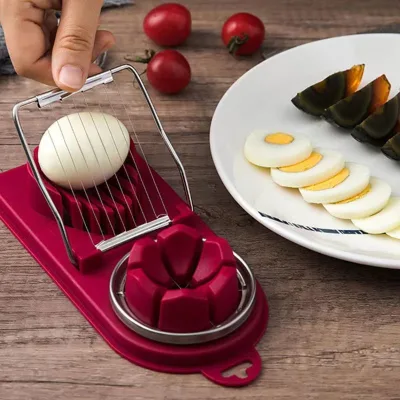
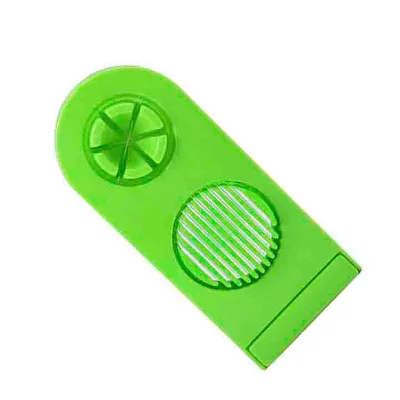
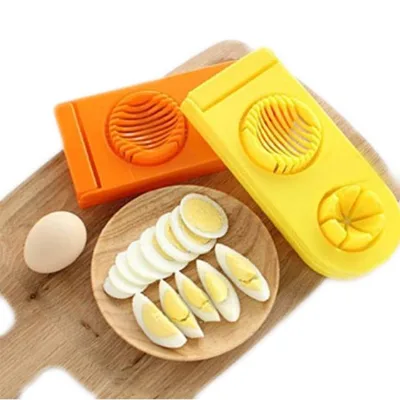
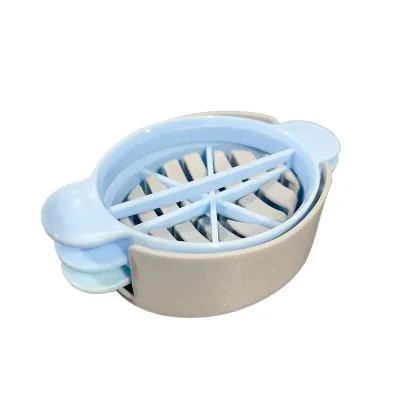
High Quality Multi-Purpose Stainless Steel Blades Plastic Egg Slicer and Cutter
$1.37
MOQ: 100 Minimum
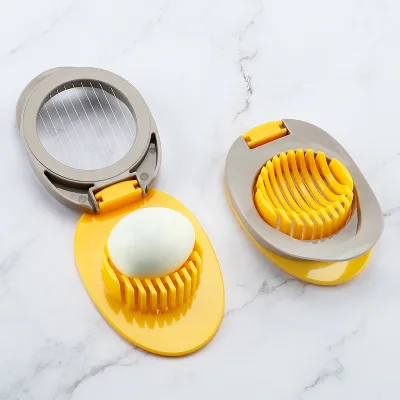
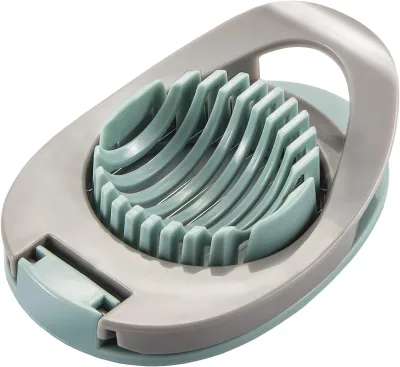
Favourable Price Stainless Steel Handheld Non Electric Cutter Single Egg Slicer Grey
$0.70 - $0.75
MOQ: 500 pieces
Huorun Import & Export Co., Ltd. (ASIA BEST BRANCH)
- Trading Company
- Guangdong, China
- Lead time30 days
- Avg. response≤ 6h
Main productsKitchen Knife & Scissor,Kitchen Tools,BBQ Tools,Wooden Cutting Boards,Manicure & Beauty Tools
Main marketsWestern Europe(45.0%), South America(20.0%), Eastern Asia(10.0%), Northern Europe(10.0%), Eastern Europe(5.0%), Central America(5.0%), North America(5.0%)
Yangjiang Jiangcheng EGO Houseware Limited
- Trading Company
- Guangdong, China
- Lead time0 days
- Avg. response≤ 2h
Main productsBathroom Rack And Hook,BBQ Grill Basket,Cooling Rack,Storage Basket,Cake Baking Pan
Main marketsNorth America(50.0%), Western Europe(15.0%), Oceania(14.000000000000002%), Northern Europe(9.0%), Domestic Market(8.0%), Southern Europe(4.0%)
Yangjiang Ronghong Houseware Co., Ltd.
- Verified by SGS Group
- Manufacturer, Trading Company
- Lead time35 days
- Avg. response≤ 6h
Main productsBaking Tool/Kitchenware/BBQ Tool/Bar Tool/Knife Set
Main marketsNorth America(20%), Western Europe(20%), South America(15%)
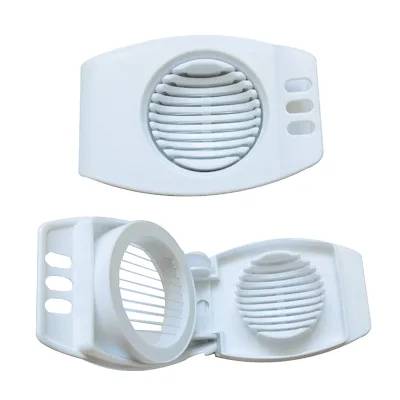
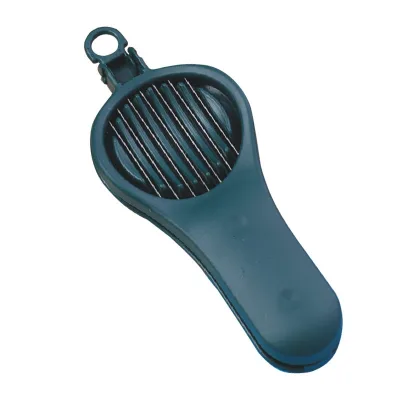
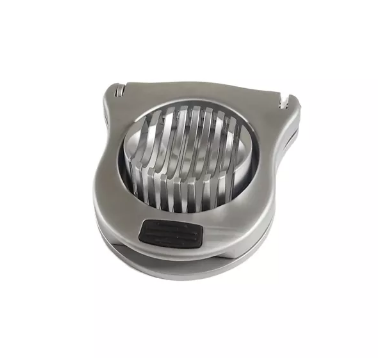
$2.10 - $2.20
MOQ: 3600 pieces
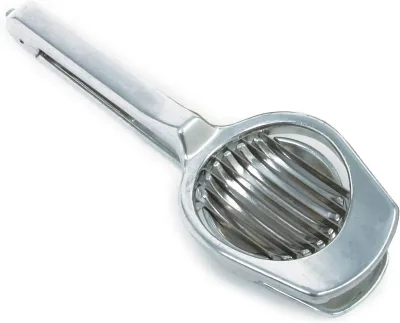

GuangDong Infull Industrial Co., Ltd.
- Verified by TUVRHEINLAND
- Manufacturer/Factory
- China Guangdong
- Lead time45 days
- Avg. response≤ 3h
Main productsCutlery & Flatware, Dinnerware&Tableware, Tray&Lunch Plate, Ceramic Dinnerware, Kitchenware, Baking & Pastry Tools, Kitchen Knife, Kitchen Gadgets, Barware, Drinkware
Main marketsSouth America,Eastern Europe,Mid East,North America,Southeast Asia,Eastern Asia,Oceania,Western Europe,Africa


Kitchen Gadget Slice Hand Tool Segmented Eggs Cutter Stainless Steel Egg Slicer
$2.71 - $3.18
MOQ: 100 Pieces


Taizhou Shangyi Plastic Co., Ltd.
- Verified by TUVRHEINLAND
- Trading Company
- China Zhejiang
- Lead time23 days
- Avg. response≤ 20h
Main productsFood Container, Storage Container, Lunch Box, Bento Box, Plastic Laundry Basket, Plastic Storage Container, Plastic Cutting Board
Main marketsSouth America,Southeast Asia/ Mideast

Chicken Shape Cute Boiled Egg Slicer Cutter with 2 Slicing Styles Plastic Egg Slicer
$0.89
MOQ: 3000 Pieces

Jinhua Hengyang Cross-Border Trade Limited Liability Company
- Verified by SGS
- Trading Company
- China Zhejiang
- Lead time15 days
- Avg. response≤ 7h
Main productsCoffee Maker Air Fryer Storage Box Knife Set, Silicone Baking Mold Robot Vacuum Cleaning Table, Shower Head Non-Slip Shower Curtain Vacuum Stora, Collapsible Laundry Basket Bohemian Wall Tapestr, Fringe Pillow Cover Bedding Set Memory Foam Pill, Bamboo Tissue Biodegradable Trash Bags LED Fair, Smart Plug Fairy Lights Pet Food Bowl, Household Daily Necessities Kitchen Cleaning, Bathroom Storage and Care Fabric Home Decor, Bedding Daily Chemical Paper Products
Main marketsEurope

Stainless Steel Egg Slicer Egg Splitting Slicer Originality Kitchen Gadgets
$0.70 - $0.88
MOQ: 360 Pieces


- Verified by SGS
- Trading Company
- China Zhejiang
- Lead time15 days
- Avg. response≤ 15h
Main productsMop, Kitchen Knife, Chopping Board, Blanket, Mosquito Net, Cushion, Slipper, Broom, Luggage, Educational Toy
Main marketsEurope,Australia

Stainless Steel Wire Meat Egg Slicers Vegetable Fruit Slicer Multipurpose Slicer
$0.83 - $0.87
MOQ: 1150 Pieces

Vegetable Chopper Slicer Dicer Egg Vegetable Chopper Cutter Food Cutter Chopper
$2.69 - $2.73
MOQ: 366 Pieces

$1.33 - $1.37
MOQ: 730 Pieces

Jiangmen Liyuan Household Goods Co., Ltd.
- Verified by SGS
- Combined
- China Guangdong
- Lead time30 days
- Avg. response≤ 3h
Main productsIce Scoop, Lemon Squeezer, Ice Shovel, Garlic Press, Walnut Clip, Meat Hammer, Egg Slicer, Rolling Pin
Main marketsDomestic,Europe


Kitchen Tools Egg Slicing Cutter Tool Stainless Steel Wire Egg Slicer for Hard Boiled Eggs
$2.35 - $2.88
MOQ: 500 Pieces


Guangdong Jinda Hardware Products Co., Ltd.
- Verified by SGS Group
- Manufacturer, Trading Company
- Lead time35 days
- Avg. response≤ 3h
Main productsVegetable Chopper, Kitchen Utensil, Kitchen Knife & Scissors, Opener, Peelers
Main marketsNorth America(25%), Southeast Asia(20%), Mid East(10%)

Changsha Chengtong Technology Co., Ltd.
- Verified by SGS
- Trading Company
- China Hunan
- Lead time15 days
- Avg. response≤ 5h
Main productsCutting Board, Vegetable Chopper, Measuring Cup, Milk Frother, Measuring Spoon, Vegetable Peeler, Kitchen Scissors, Knife Sharpener
Main marketsSoutheast Asia/ Mideast

Kitchen Essential Wire Egg Cutter Eggslice Easy Clean 2 Piece Soft Boiled Egg Slicer Chopper
$2.99 - $3.49
MOQ: 100 Pieces

Cheap Egg Slicer Wholesale Price Stainless Steel Multi Purpose Egg Cutter Slicer
$2.99 - $3.49
MOQ: 100 Pieces

$2.99 - $3.49
MOQ: 100 Pieces

Kitchen Cooking Aid Poached Egg Cutter Scissors Wedger Mushroom Egg Slicer for Hard Boiled Eggs
$2.99 - $3.49
MOQ: 100 Pieces
Taizhou Qihe New Materials Co., Ltd.
- Manufacturer, Trading Company
- Zhejiang, China
- Lead time30 days
- Avg. response≤ 5h
Main productsSilicone water bottle,Kitchen accessories,Pet supplies,Mother and baby
Main marketsNorthern Europe(50.0%), North America(50.0%)
Yangjiang Golden View Economic Trading Co., Ltd.
- Verified by Intertek
- Manufacturer, Trading Company
- Lead time45 days
- Avg. response≤ 3h
Main productsKitchen Utensil, Bakeware, Ice Mold, Kitchen Gadgets, Baking Tools
Main marketsNorth America(35%), Oceania(15%), Western Europe(15%)
Yangjiang Ceasen Industry & Trade Co., Ltd.
- Manufacturer, Trading Company
- Guangdong, China
- Lead time35 days
- Avg. response≤ 8h
Main productsBakeware,Barware,Kitchen gadgets,Kitchen utensil,Barbecue tools
Main marketsWestern Europe(20.7%), Eastern Europe(15.2%), Northern Europe(14.000000000000002%), Southern Europe(10.1%), South America(10.0%), Domestic Market(5.8%), Mid East(5.6%), North America(5.3%), Central America(5.0%), Southeast Asia(4.4%), South Asia(2.1%), Africa(1.0%), Eastern Asia(0.4%), Oceania(0.4%)
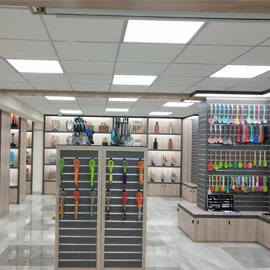
- Manufacturer, Trading Company
- Guangdong, China
- Lead time35 days
- Avg. response≤ 1h
Main productsKitchen Knives,Kitchen Utensils,Kitchen Gadgets,Scissors,Bakeware
Main marketsNorth America(30.0%), Western Europe(18.0%), South America(10.0%), Eastern Europe(10.0%), Oceania(9.0%), Southern Europe(4.0%), Eastern Asia(4.0%), Northern Europe(4.0%), Southeast Asia(4.0%), South Asia(3.0%), Africa(2.0%), Mid East(2.0%)
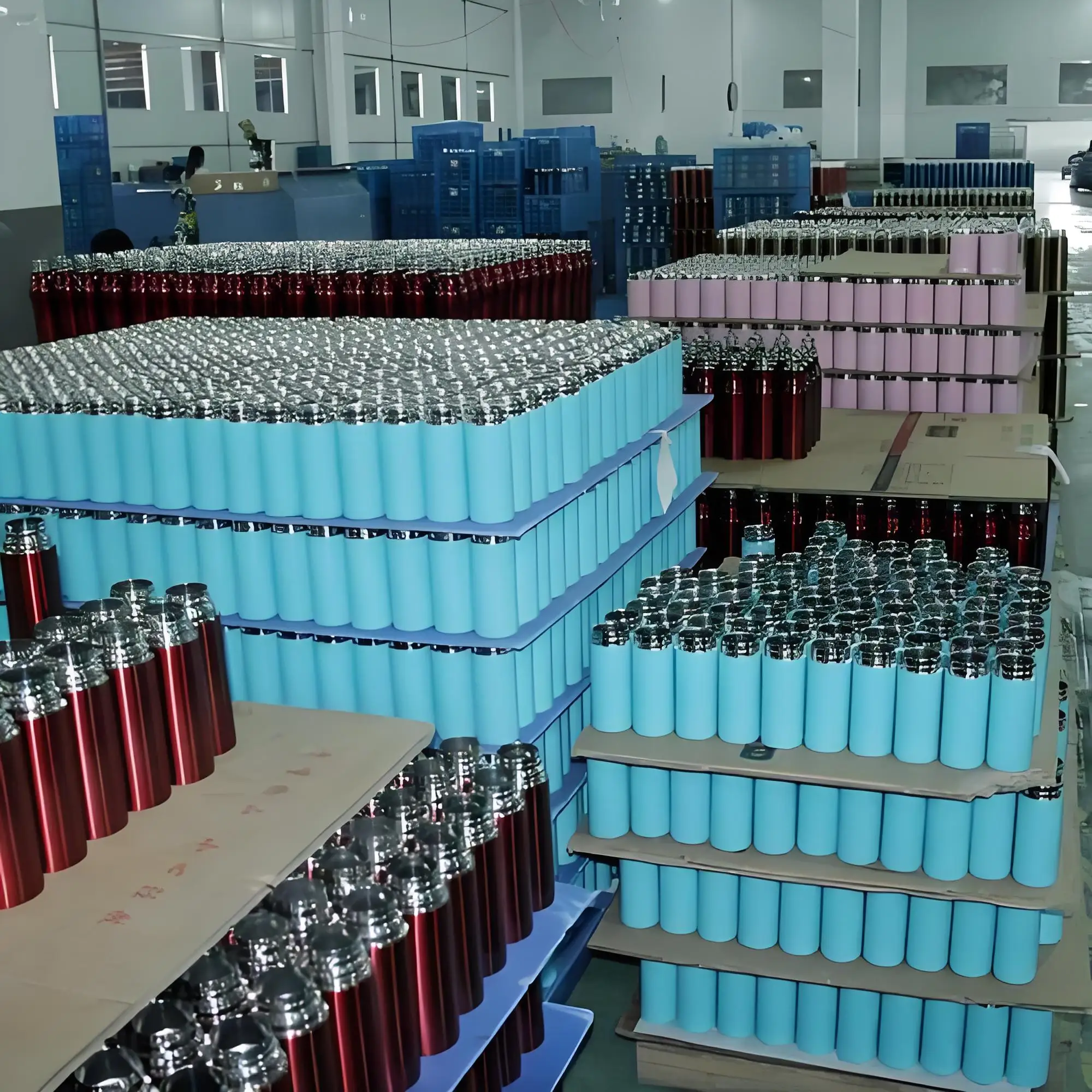
Yiwu Changhong Trading Co., Ltd.
- Trading Company
- Zhejiang, China
- Lead time7 days
- Avg. response≤ 2h
Main productsDrinking utensils,Drinking utensils accessories,Pickleball accessory products,Fitness and shaping
Main marketsNorth America(30.0%), Africa(15.0%), Western Europe(15.0%), Mid East(15.0%), Central America(10.0%), Southern Europe(10.0%), Eastern Asia(10.0%), Northern Europe(10.0%), South Asia(5.0%), Southeast Asia(5.0%), Eastern Europe(5.0%)

Yangjiang C&B Consumer Product Limited
- Verified by CTI
- Trading Company
- China Guangdong
- Lead time15 days
- Avg. response≤ 5h
Main productsBarbecue Tongs, Grilling Brushes, Outdoor Shovel, Grilling Tools, Kitchen Ware, Outdoor Products, Pizza Tools, Knife Set
Main marketsSouth America,Africa,Southeast Asia/ Mideast,Europe,Australia,North America


Stainless Steel Manual Slicer - for Eggs, Fruits & Veggies (Mushrooms, Strawberries, Kiwis)
$0.67 - $0.75
MOQ: 1000 Pieces

Multi-Purpose Wire Slicer (Stainless Steel) - for Eggs, Fruits & Veggies
$0.67 - $0.75
MOQ: 1000 Pieces



Shenzhen Baibanfengxing Technology Co., Ltd.
- Manufacturer, Trading Company
- Guangdong Province, China
- Lead time5 days
- Avg. response≤ 6h
Main productshousehold products,Kitchen supplies
Main marketsDomestic Market(20.0%), Eastern Europe(15.0%), North America(15.0%), Western Europe(10.0%), Southern Europe(10.0%), Northern Europe(10.0%), South America(5.0%), Mid East(5.0%), Southeast Asia(5.0%), Central America(5.0%)
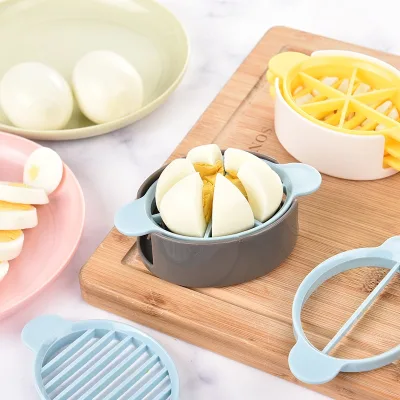
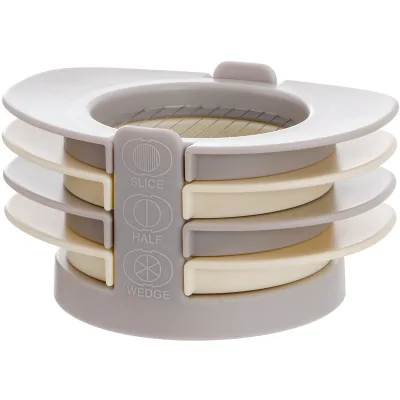
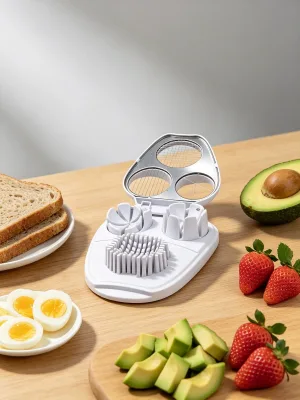
Stainless Steel Egg Cutter Easy Slicing Tool Multifunctional Home Egg Slicer 4-in-1 Fancy Egg Slicer
Contact supplier
MOQ: 30 Minimum


Hunan Dongfanghong Electromechanical Manufacturing Co., Ltd.
- Combined
- China Hunan
- Lead time30 days
- Avg. response≤ 12h
Main productsChaff Cutter, AC Motor, Corn Sheller, Feed Pellet Machine, Rice Milling Machine, Potato Grater, Feed Granulator, Fodder Chopper, Grinder Machine
Main marketsSoutheast Asia/ Mideast,Domestic,North America
Ningbo Aggpo Import And Export Co., Ltd.
- Verified by SGS Group
- Trading Company
- Lead time5 days
- Avg. response≤ 5h
Main productsHousehold daily goods, Consumer goods, Pet goods, Sports goods, Hardware goods
Main marketsNorth America(30%), South America(30%), Western Europe(25%)
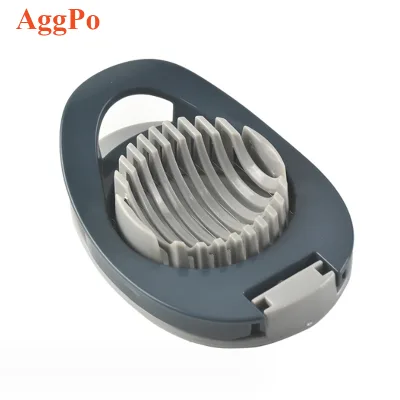
Plastic Egg Cutter Stainless Steel Tangent 304 Egg Slicer Preserved Egg Divider Kitchen Tool
$0.51 - $0.62
MOQ: 100 pieces
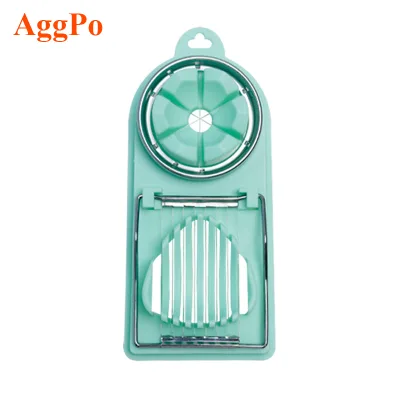
Hangzhou Bangyun Lianyue Trading Co., Ltd.
- Verified by Intertek
- Trading Company
- Lead time15 days
- Avg. response≤ 4h
Main productsStainless Steel Mesh Leak, Vegetable Chopper, Cake Mould, Cake Pan
Main marketsMid East(30%), Eastern Europe(20%), North America(15%)
Shenzhen Hanchuan Industrial Co,.Ltd
- Verified by Intertek
- Manufacturer, Trading Company
- Lead time3 days
- Avg. response≤ 2h
Main productsSilicone Baby Placemat, Silicone Ice Tray, Silicone Collapsible Lunch Box, Silicone BBQ Gloves, Silicone Baby Bib
Main marketsNorth America(40%), Western Europe(30%), Eastern Europe(10%)
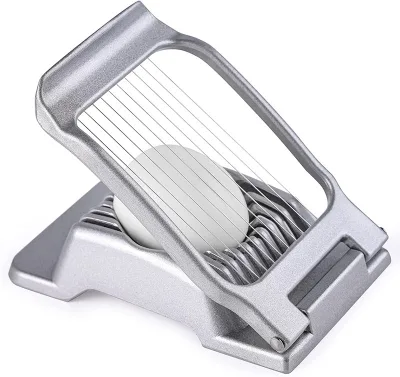
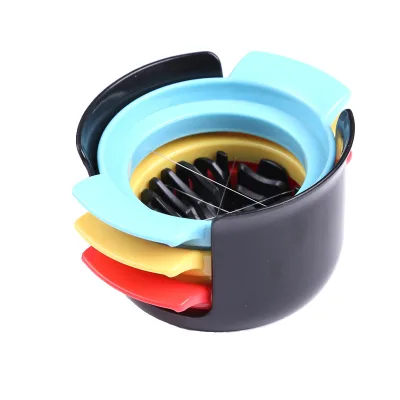
$2.41 - $2.54
MOQ: 50 pieces
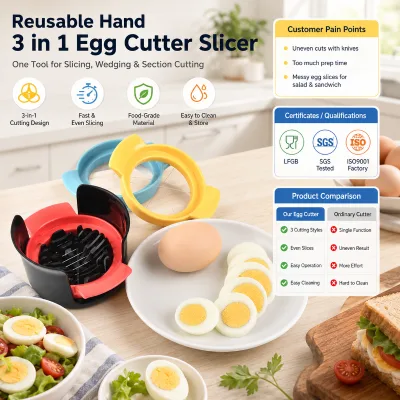
$1.27 - $1.34
MOQ: 100 pieces
Yangjiang Echoes Industrial Co., Ltd.
- Trading Company
- Guangdong, China
- Lead time25 days
- Avg. response≤ 3h
Main productsKitchen Utensils,Nylon Kitchen utensils,Silicone Kitchen Utensils,Silicone Kitchen Gadgets,Nylon Kitchen Gadgets
Main marketsNorth America(30.0%), Northern Europe(12.0%), Southern Europe(9.0%), Southeast Asia(9.0%), Western Europe(8.0%), Africa(8.0%), Oceania(6.0%), Eastern Europe(6.0%), Mid East(5.0%), South America(3.0%), Eastern Asia(2.0%), South Asia(1.0%), Central America(1.0%)

Henan Zlovy Enterprise Co., Ltd.
- Trading Company
- Henan, China
- Lead time1 days
- Avg. response≤ 7h
Main productsCoffee Pot,Coffee Tools,Water Bottle,Home Appliances,Baking Tools
Main marketsNorth America(35.0%), Western Europe(20.0%), Mid East(20.0%), Southeast Asia(15.0%), South America(10.0%)
Shenzhen Hui Shi Da Technology Co., Ltd.
- Manufacturer, Trading Company, Agent
- Guangdong, China
- Lead time0 days
- Avg. response≤ 2h
Main productsComputer accessories,LED Series,Consumer Electronics,Auto and motorcycle parts,Cars motorcycles
Main marketsEastern Europe(22.1%), North America(20.5%), Western Europe(15.6%), South Asia(12.3%), South America(10.4%), Africa(9.5%), Northern Europe(8.6%), Southern Europe(1.0%)
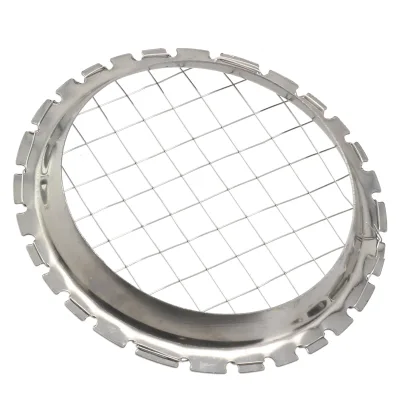
$0.37 - $0.41
MOQ: 100 pieces
Ningbo General Union Co., Ltd.
- Trading Company
- China Zhejiang
- Lead time30 days
- Avg. response≤ 15h
Main productsKitchen Appliance, Camping Supplies, Gift, Kitchen Utensil, Educational Toy, Promotional Mug, Aromatherapy Diffuser, Smoothie Blender, Backpack Cooler
Main marketsSouth America,Africa,Southeast Asia/ Mideast,East Asia(Japan/ South Korea),Europe,Australia,North America
- Verified by TüVRheinland
- Trading Company
- Lead time30 days
- Avg. response≤ 10h
Main productsDaily Necessities, Kitchen Item, Home Decor, Storage Item, Pet Products
Main marketsNorth America(30%), Eastern Europe(13%), Mid East(12%)

Zhengzhou Bogen Machinery Equipment Co., Ltd.
- Verified by CTI
- Trading Company
- China Henan
- Lead time30 days
- Avg. response≤ 3h
Main productsPeanut Butter Machine, Spice Grinder, Meat Grinder, Meat Slicer, Meat Chopper, Potato Washing and Peeling Machine, Vegetables and Fruits Cutting Machine, Sausage Stuffer, Sausage Filler, Sausage Making Machine
Main marketsAfrica,Europe,North America

Shenzhen Etop Electronic Business Co., Ltd.
- Trading Company
- Guangdong, China
- Lead time15 days
- Avg. response≤ 5h
Main productsHome Appliance, Air Fryer, Water Dispenser, Water Kettle, Air Purifier
Main marketsMid East(30.0%), North America(20.0%), Western Europe(10.0%), Southern Europe(10.0%), Eastern Asia(10.0%), Southeast Asia(10.0%), South Asia(5.0%), Eastern Europe(5.0%)
Foshan Nanhai Sunleaf Metal Products Co., Ltd.
- Verified by SGS
- Combined
- China Guangdong
- Lead time30 days
- Avg. response≤ 2h
Main marketsEurope,North America

Ergonomic Light Green Vegetable Slicer for Effortless Salad Preparation
$58.00 - $62.00
MOQ: 50 Pieces


Ergonomic Vegetable Slicer with Comfort Grip Handle for Easy Salad Preparation
$65.00 - $70.00
MOQ: 50 Pieces
Changzhou Jinkun Food Machinery Co., Ltd.
- Verified by SGS
- Combined
- China Jiangsu
- Lead time15 days
- Avg. response≤ 4h
Main productsMeat Slicer, Bone Saw, Hamburger Press, Meat Mincer, Vegetable Cutter, Juicer Series, Meat Grinder, Sausage Machine, Machine Accessories
Main marketsSouth America,Europe

Zhucheng Shuke Machinery Technology Co., Ltd.
- Verified by TUVRHEINLAND
- Combined
- China Shandong
- Lead time15 days
- Avg. response≤ 2h
Main productsFood Machine, Meat Grinder, Sausage Stuffer, Smoker Oven, Meat Chopper Machine, Meat Cutter Machine, Meat Vacuum Tumbler, Shape Cutting Machine, Meat Cutting Machine, Stuffing Mixer
Main marketsAustralia
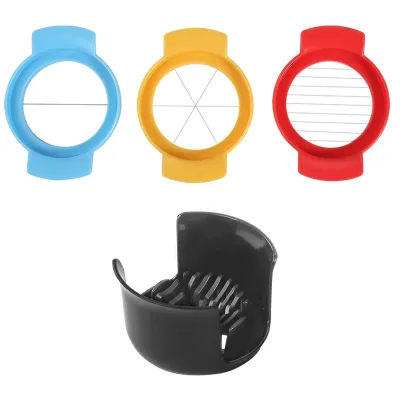


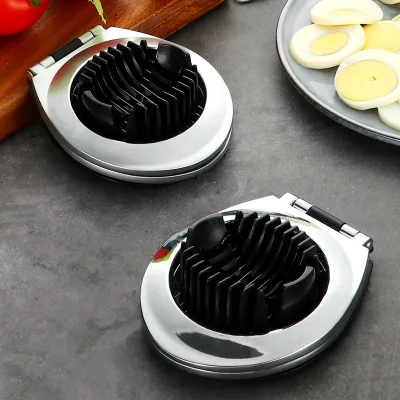
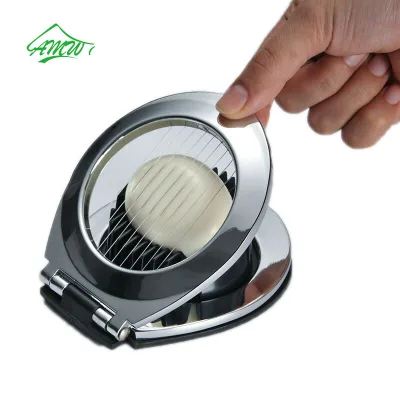
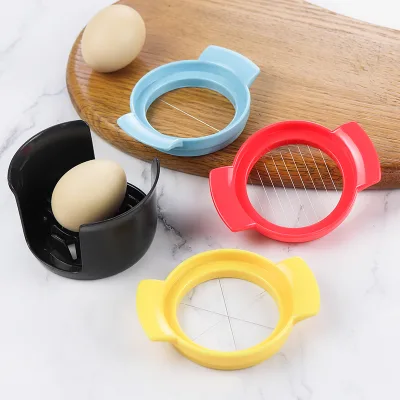




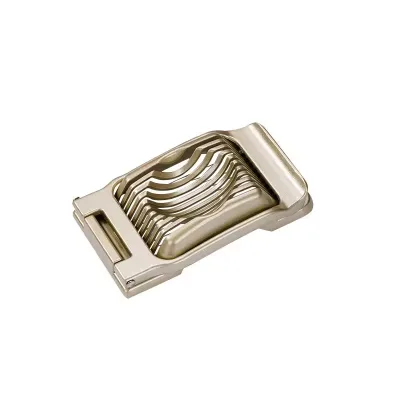


Comprehensive Sourcing Guide
Eco-Friendly Egg Slicer Supplier Concentration and Factory Types
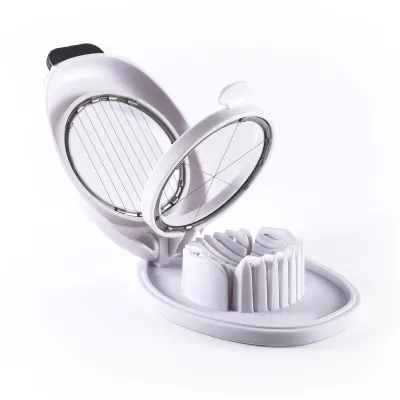
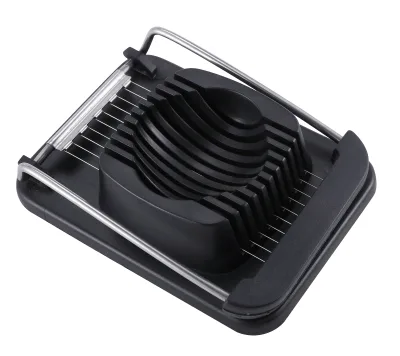
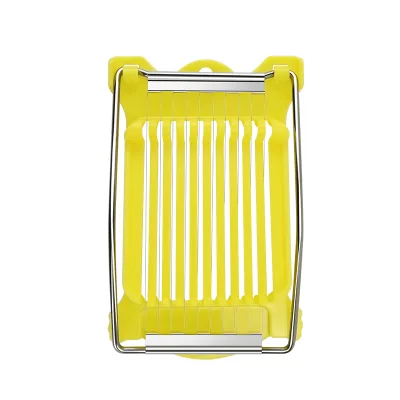
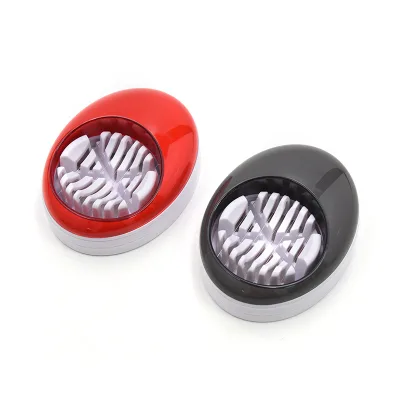
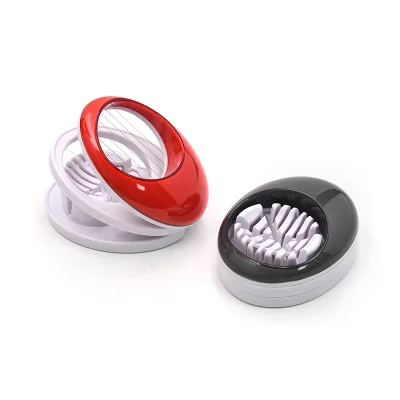
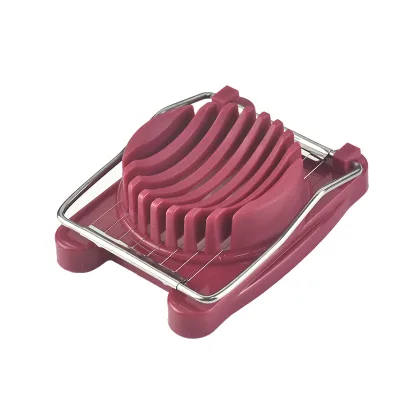
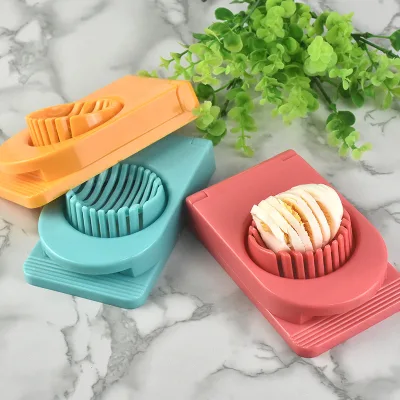
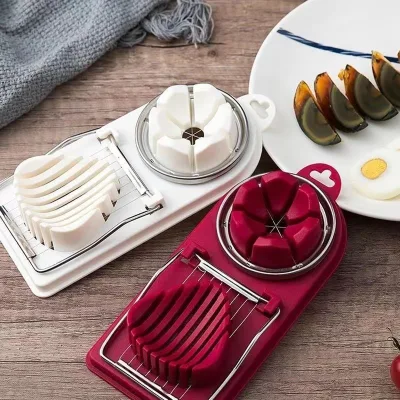
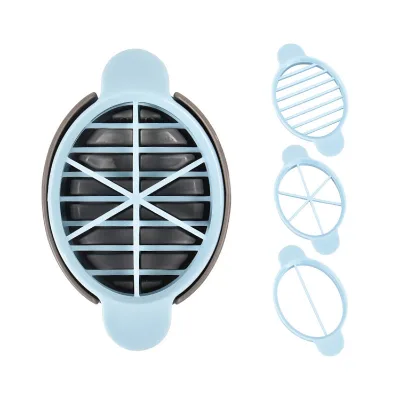
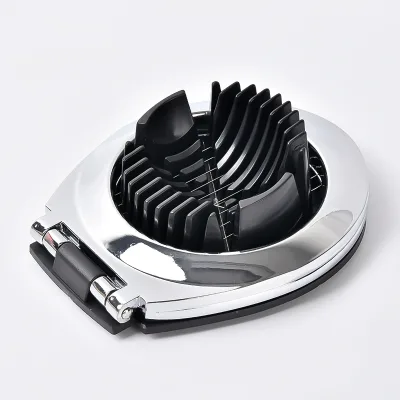
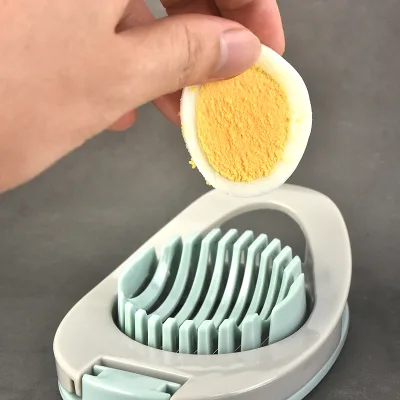
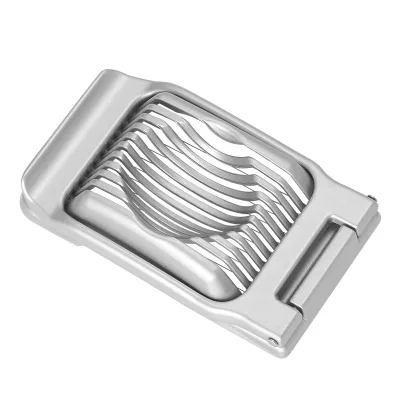
When buyers search for an Eco-Friendly Egg Slicer, the supplier results on this page cluster around two Chinese provinces. One group of listings originates from Jiangsu, China, where the company type is explicitly labeled as a trading company and the main product range spans tumblers, bartender kits, lunch boxes, pizza peels and BBQ tools — a classic multi-category kitchenware portfolio in which egg slicers sit alongside related kitchen gadgets. A second group comes from Guangdong, China, where the main products include kitchen knives and scissors, kitchen tools, BBQ tools, wooden cutting boards and manicure and beauty tools. This spread matters because an egg slicer is rarely a factory's flagship product; it is usually one item within a broader small-houseware catalog.
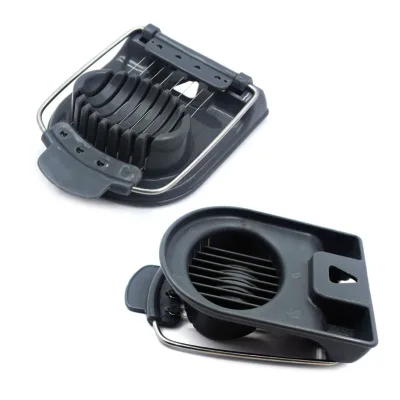
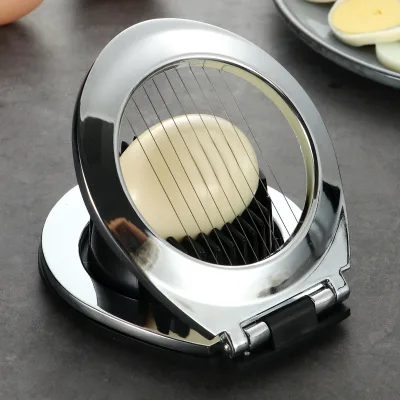
The supplier types you encounter also differ. A trading company, such as the Jiangsu-based result, may consolidate output from several workshops and offer convenience, while factories in Guangdong's kitchen-tool listings may control production directly. The product listings themselves signal construction approaches: stainless steel combined with PP plastic in one egg slicer, ABS plus stainless steel 304 in another, and metal-bodied designs in a third. When identifying clusters beyond this page, buyers should map where egg slicer, egg tool and multi-function fruit cutter listings concentrate, then note whether each listing is labeled as manufacturer or trading company before shortlisting.
How to Verify Eco-Friendly Egg Slicer Suppliers
Verification starts with matching the claims in a listing to documents the supplier can produce. For an Eco-Friendly Egg Slicer, ask which component carries the eco claim — the PP or ABS plastic body, the stainless steel cutting wires, or the packaging — and request material declarations for each. The listings on this page already disclose useful checkpoints: one product specifies stainless steel plus PP, another ABS plus stainless steel 304, and a third PP plus stainless steel with a dishwasher-safe rating. Ask suppliers to confirm in writing that the exact model you order uses the stated materials, since a listing's attributes describe one SKU and not necessarily every variant offered.
Second, verify operational identity. The Jiangsu result identifies itself as a trading company, so confirm which factory actually molds the plastic and assembles the wires, and whether you may audit or at least video-inspect that line. The Guangdong result lists a six-hour response time and a thirty-day lead time; the Jiangsu result lists a three-hour response time and a fifteen-day lead time. Treat these displayed figures as starting points, then test them: send a technical question about wire tension or food-contact plastic and measure how quickly and how specifically the supplier replies. Finally, check whether the platform supports escrow or trade assurance for the transaction, because payment protection is easier to confirm before negotiating than after. Do not assume any displayed certification exists; ask for the certificate file itself.
What to Compare Across Eco-Friendly Egg Slicer Suppliers
Build a comparison table using the dimensions the supplier results actually display, and leave cells blank where evidence is missing rather than guessing. Useful columns include location, company type, main products, response time, lead time, MOQ, price range, materials and OEM acceptance. On this page, the contrast is instructive: the Jiangsu trading company shows a three-hour response time, a fifteen-day lead time, and an egg slicer with a 500-piece MOQ, while the Guangdong kitchen-tool supplier shows a six-hour response time, a thirty-day lead time, and a different product mix. Neither figure is better by itself; a faster response matters most during sampling, while lead time dominates replenishment planning.
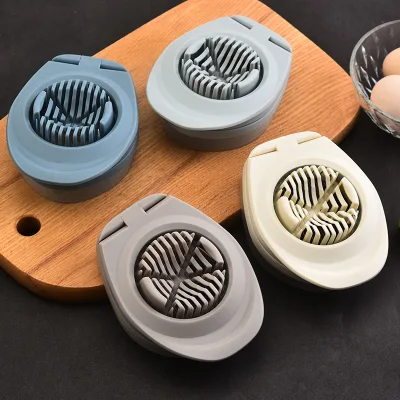
Compare product-level economics next. The egg slicer listings here span a wide band: one multi-function fruit and egg cutter is quoted at roughly 0.35 dollars per piece at 500 pieces, a handheld grey slicer at roughly 0.70 to 0.75 dollars, a twin-blade plastic slicer at about 1.37 dollars at a 100-piece MOQ, and a larger kitchen slicer and fruit garnish tool at about 1.00 dollar. Weight also varies from 63 grams to 87 grams in the disclosed attributes, which affects freight. Finally, compare customization signals: one listing states OEM accepted and offers your logo, red, white or pink colors, while another lists blue with optional colors and customized packing. Weigh these together rather than ranking suppliers on any single number.
Common Eco-Friendly Egg Slicer Sourcing Risks
The first recurring risk is material substitution. An Eco-Friendly Egg Slicer typically combines stainless steel wires with a plastic body, and the listings here name PP, ABS and stainless steel 304 in different models. The risk arises when a supplier ships a cheaper grade of plastic or lower-grade steel than quoted, which is hard to detect from a photo. Mitigate this by writing the exact materials into the purchase contract, requesting a pre-shipment sample cut from production tooling, and specifying which grades qualify as eco friendly for your market.
The second risk is misjudging supplier capability based on company type. The Jiangsu listing is a trading company whose main products are tumblers, bartender kits, lunch boxes and BBQ tools, meaning egg slicers may be brokered rather than produced in-house; quality escalations can slow down through an intermediary. The Guangdong supplier's core range is knives, scissors and cutting boards, so verify egg-tool assembly experience directly. A third risk is specification drift: one model here measures 19.9 by 8.9 by 1.5 centimeters and weighs 63 grams, another 20 by 9 centimeters at 87 grams, and a third 28 by 12 by 4 centimeters — small size differences change packaging dimensions, carton counts and freight cost. Finally, watch lead-time assumptions: displayed values of fifteen and thirty days are likely production-only, excluding shipping, inspection and holidays, so confirm the full timeline before promising delivery dates to your own customers.
Eco-Friendly Egg Slicer Regional Sourcing and Logistics
Both regions represented on this page are in China, which shapes logistics planning in similar ways. The Jiangsu listings place the origin in Jiangsu, China, and the Guangdong listings in Guangdong, China; buyers should treat the province as the first logistics variable because it determines the nearest deep-water port, typical consolidation options and inland trucking distance. Jiangsu shipments commonly route through the Yangtze Delta port complex, while Guangdong shipments commonly route through the Pearl Delta ports, but you should confirm the actual load port with each supplier rather than assuming from geography. Ask whether the supplier quotes FOB the named port or an ex-works price that leaves freight arrangement to you.
Product weight and volume drive unit economics for this category. The disclosed egg slicer weights of 63 and 87 grams and single-package sizes such as 22 by 10 by 3 centimeters mean these are light, compact items where carton cube, not weight, usually fills a container first. Packaged in OPP bags, white boxes or neutral color boxes per the listings, the goods stack easily but can deform if over-cartoned. The displayed process time of fifteen days for one model and thirty-day lead times elsewhere suggest planning sample approval, production and booking as sequential steps. Request carton dimensions, pieces per carton and gross carton weight before comparing freight quotes across the two provinces.
Eco-Friendly Egg Slicer Commercial Terms and Order Planning
Commercial terms should be negotiated against the concrete numbers these listings display. On pricing, the egg slicer products here range from about 0.35 dollars to about 1.37 dollars per unit, with one handheld model quoted between 0.70 and 0.75 dollars. Use this spread as a negotiating frame: ask each supplier what drives their price — material grade, wire count, blade configuration or packaging — rather than simply pushing for a discount. On MOQ, the disclosed values run from 100 pieces on a plastic twin-blade model to 200 pieces and 500 pieces on other models, which makes trial orders realistic even for small buyers. Confirm whether the MOQ applies per color, since one listing offers red, white and pink and another lists blue with optional colors.
Order planning should also lock down branding and packaging early. One listing states OEM accepted with your logo available, and packaging options across the listings include OPP bags, white boxes, neutral color boxes and export-worthy customized packing — decide which you need before the proforma invoice is issued, as these choices affect both price and the fifteen-day or thirty-day lead times shown. Confirm sample availability in writing; one listing explicitly marks samples as available. Finally, agree on payment structure and whether escrow-style protection through the platform is possible, and set a production checkpoint — such as a mid-run photo of assembled slicers — so quality issues surface before shipment rather than after payment.
FAQs
What materials are typical for an Eco-Friendly Egg Slicer?
Most eco friendly egg slicers use stainless steel cutting wires or blades combined with a plastic frame such as PP or ABS. Listings in this category commonly describe the products as eco-friendly and stocked, with stainless steel and PP being the most frequent material pairing. Confirm food-safety compliance and material grades with each supplier before ordering.
What is the typical minimum order quantity for egg slicers?
Minimum order quantities for egg slicers vary widely by model. Examples in current listings range from 100 pieces for a plastic twin-blade slicer to 500 pieces for a multi-function cutter, with another model listed at 200 pieces. Always confirm the MOQ for your chosen model and customization level directly with the supplier before placing an order.
How much does a bulk egg slicer cost per unit?
Bulk unit prices for egg slicers generally fall between roughly 0.35 and 1.40 US dollars depending on design, materials and order size. Listings on this page show prices from about 0.35 for a basic multi-function cutter to about 1.37 for a twin-blade plastic slicer. Prices change with volume, so request current quotations.
Can I customize an egg slicer with my own logo and packaging?
Yes, customization is commonly offered for egg slicers. Listings indicate that logos can be applied, OEM orders are accepted, and customized or export-worthy packaging such as OPP bags, white boxes or neutral color boxes is available. Ask each supplier about logo printing methods, packaging options, any extra tooling fees and how customization affects MOQ and lead time.
How long does production take after I place an order?
Production lead times depend on the supplier and order complexity. Current supplier results show lead times of 15 to 30 days, and one egg slicer listing states a process time of 15 days. Simpler stocked items may ship faster, while customized logo or packaging requirements can extend the timeline, so confirm the schedule before ordering.
Do suppliers provide samples before bulk production?
Samples are available from at least some suppliers in this category, with one listing explicitly marking samples as available. Sampling lets you check blade tension, slicing performance and build quality before committing to bulk. Expect to pay sample and shipping costs, and ask whether sample fees are credited against a subsequent bulk order.
Are egg slicers dishwasher safe?
Some egg slicers are dishwasher safe while others require hand washing. At least one listing on this page explicitly marks the product as dishwasher safe, and many use stainless steel wires with PP or ABS frames. Because care instructions differ by model, verify the cleaning method and any material limitations with the supplier for the exact item you plan to buy.
Which egg slicer designs suit different kitchen tasks?
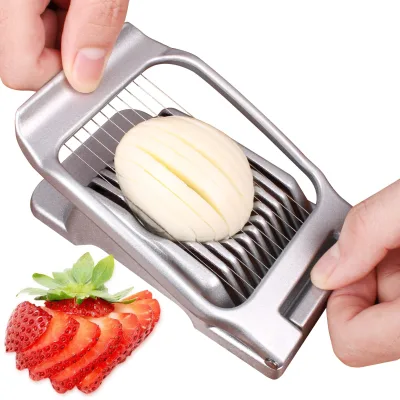
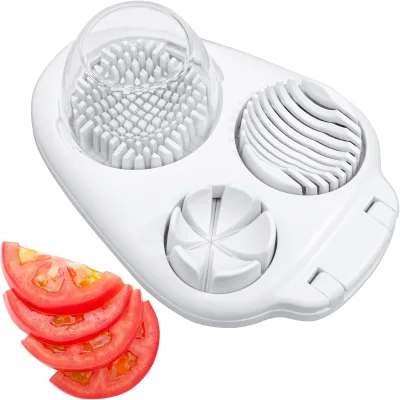
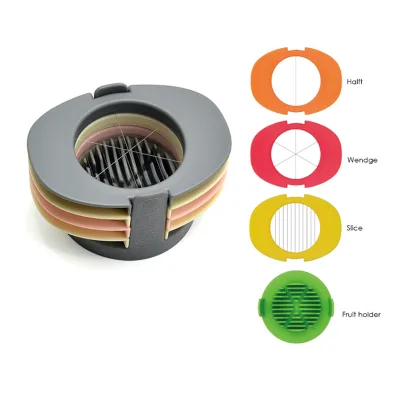
Designs range from basic single-egg slicers to multi-function cutters that also handle strawberries, boiled eggs and fruit garnishes. Compact handheld models around 12 to 20 centimeters suit small kitchens, while larger multi-blade versions around 28 centimeters handle bigger garnish work. Consider wire count, frame material and whether you need fried egg separation when choosing a model.