Multicolored Magnetic Rod Building Toys Suppliers and Manufacturers
Compare 25 verified suppliers of Multicolored Magnetic Rod Building Toys by location, lead time, and certifications. Review product specifications and response times to select a manufacturer for your order; review the available evidence before requesting comparable quotations from suitable candidates.
Updated
Suppliers List

Ningbo DSW International Co., Ltd.
- Verified by CTI
- Trading Company
- China Zhejiang
- Lead time30 days
- Avg. response≤ 13h
Main productsOxygen Cylinder, Oxygen Regulator, Gas Cylinder, Oxygen Gas Cylinder, Oxygen Tank, Storage Tank, Cryogenic Tank, Oxygen Plant, Gas Regulator, Eo Gases
Main marketsSouth America,Southeast Asia/ Mideast


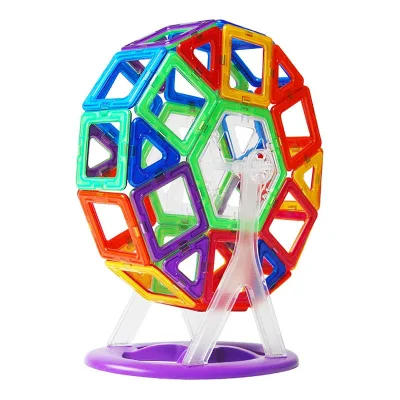
Colorful Magnetic Children's Educational Toy Creative Magnet Building Blocks Toys
$22.00
MOQ: 100 Pieces

Hangzhou Strong Magnet & Assembly Co., Ltd.
- Manufacturer
- Zhejiang, China
- Lead time35 days
- Avg. response≤ 6h
Main productsMagnetic Tiles; Magnetic Toys; Magnetic Blocks; Magnetic Cubes; Educational Toys
Main marketsNorth America(30.00%), Eastern Europe(15.00%), South America(10.00%), Western Europe(10.00%), South Asia(5.00%), Southern Europe(5.00%), Eastern Asia(5.00%), Africa(5.00%), Domestic Market(5.00%), Mid East(5.00%), Southeast Asia(5.00%)
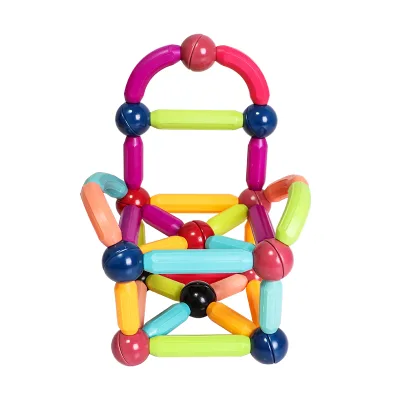
$12.8267 - $13.2366
MOQ: 500 boxes
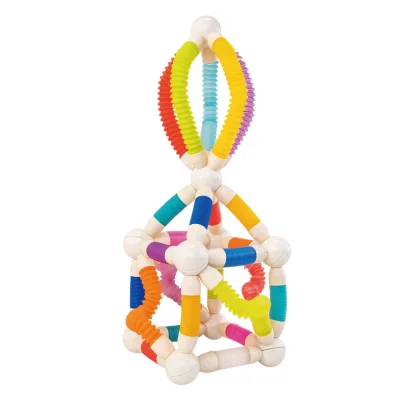
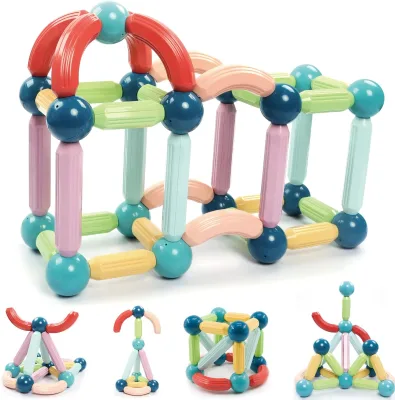
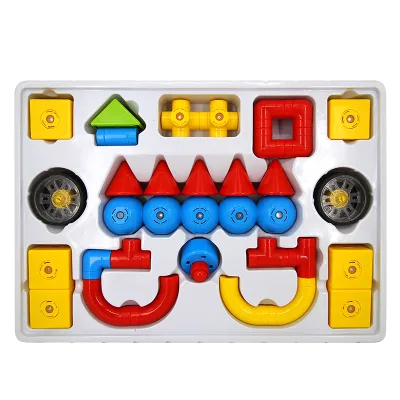
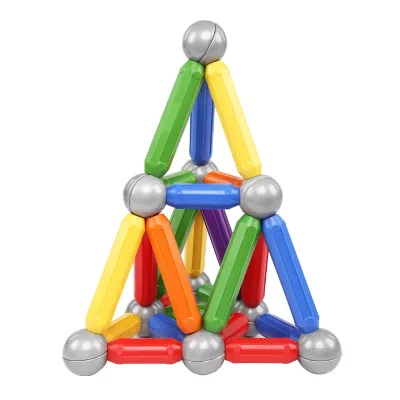

- Verified by BV
- Combined
- China Zhejiang
- Lead time30 days
- Avg. response≤ 1h
Main productsChildren Toys, Educational Toys, Magnetic Toys, Magnetic Blocks
Main marketsSouth America,Southeast Asia/ Mideast,East Asia(Japan/ South Korea),Europe,North America

Magnetic Sticks Toy Magnetic Toy with Multi-Level Building Stem Learning Activity
$8.45 - $11.45
MOQ: 100 Sets

Magnetic Building Sticks Set Multi-Shape Pieces Stem Educational Toy for Kids
$10.80 - $13.80
MOQ: 100 Sets

Magnetic Building Sticks Educational Magnetic Toy with Screen-Free Play Kindergarten
$8.45 - $11.45
MOQ: 100 Sets

Customized Magnetic Building Sticks Educational Toy with Multi-Shape Pieces Stem Learning Activity
$8.45 - $11.45
MOQ: 100 Sets


Customized Magnetic Building Sticks Magnetic Toy with Hands-on Learning Preschool
$8.45 - $11.45
MOQ: 100 Sets

- Verified by SGS
- Trading Company
- China Guangdong
- Lead time15 days
- Avg. response≤ 3h
Main productsPlastic Toys, Educational Toys, Baby Toys, RC Toys, Pretend Play Toys, Doll Toys, Robot Toys, Summer Toys, Sport Toys
Main marketsSoutheast Asia/ Mideast,Europe
Shantou Chenghai Eli Toy Factory
- Verified by Intertek
- Manufacturer, Trading Company
- Guangdong, China
- Lead time20 days
- Avg. response≤ 1h
Main productsPlastic Toys
Main marketsNorth America(55%), Western Europe(14%), South America(8%)
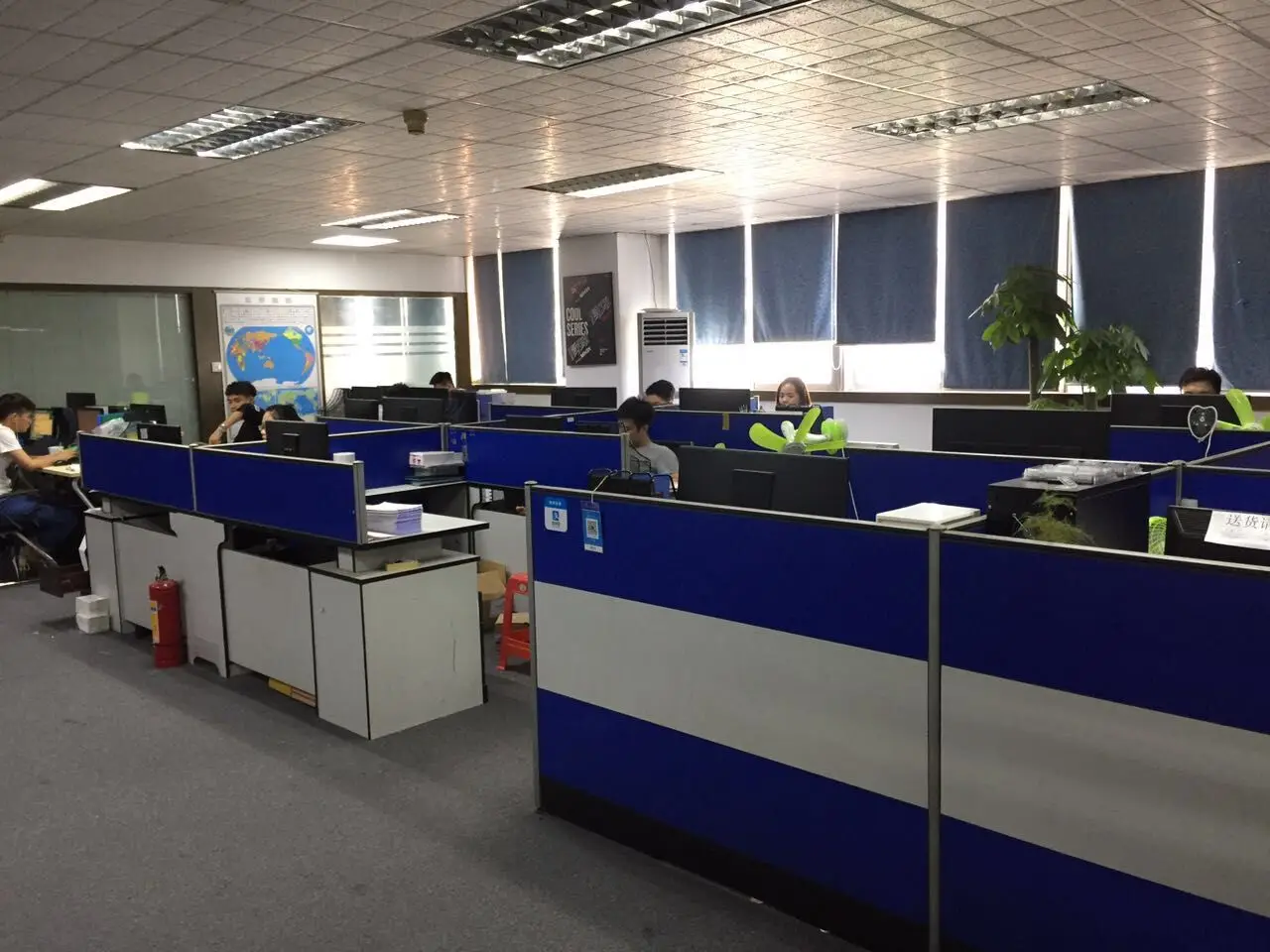
Shenzhen Huanouya Technology Co., Ltd.
- Manufacturer, Trading Company, Distributor/Wholesaler
- Guangdong, China
- Lead time3 days
- Avg. response≤ 1h
Main products3D Pen,Educational Toys,Board Games,Drawing Toys,Party Mask
Main marketsDomestic Market(30.00%), North America(30.00%), Western Europe(20.00%), Eastern Europe(10.00%), Southeast Asia(5.00%), Central America(5.00%)

$1.9448 - $2.4564
MOQ: 108 pieces
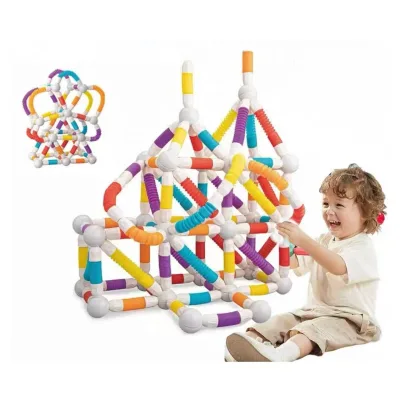
$6.9639 - $8.1921
MOQ: 36 pieces

YOPO SCIENCE & TECHNOLOGY (NINGBO) CO., LTD.
- Verified by BV
- Trading Company,Manufacturer/Factory
- China Zhejiang
- Lead time45 days
- Avg. response≤ 18h
Main productsNdFeB Magnet, Flexible Magnet, AlNiCo Magnets, Ferrite Magnets, Magnetic Toys, Magnetic Tools, Magnetic Artwares, Magnetic Assembly, Magnetic Lifter, Magnetic Chuck
Main marketsSouth America,Eastern Europe,Mid East,North America,Southeast Asia,Eastern Asia,Oceania,Western Europe,Africa

Magnetic Toys Children's Magnetic Patch Toy Puzzle Magnetic Building Blocks
$3.95 - $16.99
MOQ: 100 Sets


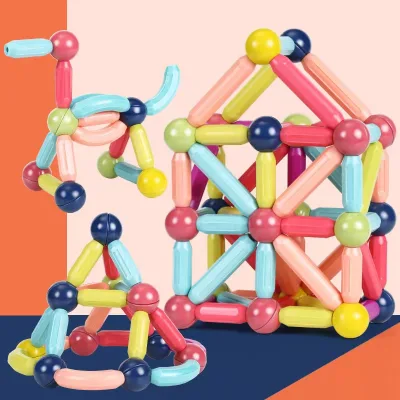
Magnetic Building Blocks and DIY Educational Toys with Magnetic Bars and Balls
$4.62 - $4.75
MOQ: 100 Pieces

Magnetic Balls and Rods Set Colorful DIY Stem Building Blocks for Children
$4.62 - $4.75
MOQ: 100 Pieces

DIY Magnetic Building Blocks Creative Assembly for Children Toy for Developing Creativity
$3.95 - $9.90
MOQ: 100 Sets

Building Blocks Toys Plastic Magnet Cube Building Block Stem for Kids Educational Toys
$11.60 - $12.60
MOQ: 100 Sets
Shantou Chenghai Hua Nuo Intelligent Technology Co., Ltd.
- Verified by SGS Group
- Manufacturer, Trading Company
- Lead time20 days
- Avg. response≤ 4h
Main productsKid Makeup Toy, Educational Toy, Water Gun, RC Toy-RC Car, Bubble Toys
Main marketsNorth America(40%), Eastern Europe(20%), South America(10%)
Yongkang Zhihao Technology Co., Ltd.
- Verified by TüVRheinland
- Manufacturer, Trading Company
- Lead time14 days
- Avg. response≤ 2h
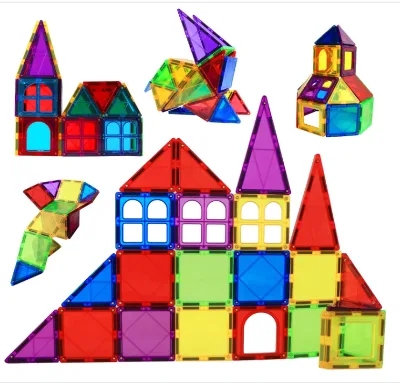
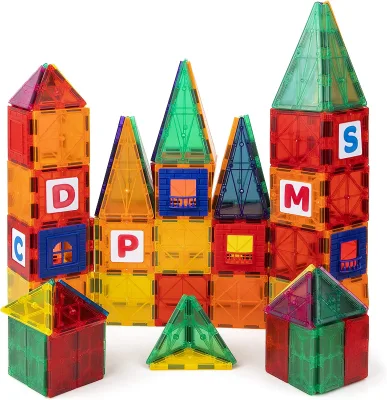
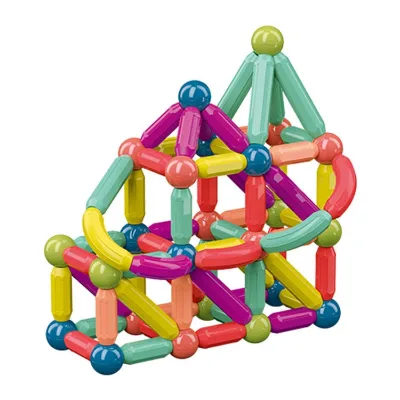
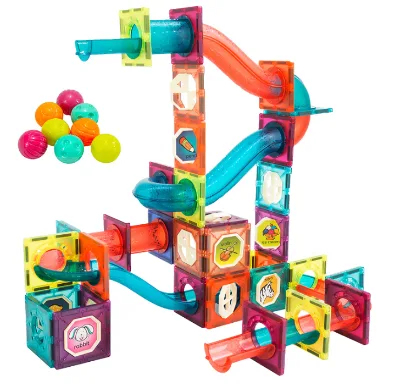
Main productsEducational Toys, Magnetic Tiles, Magnetic Rods And Balls, Magnetic Marble Run, Magnetic Blocks
Main marketsDomestic Market(50%), North America(30%), South America(3%)
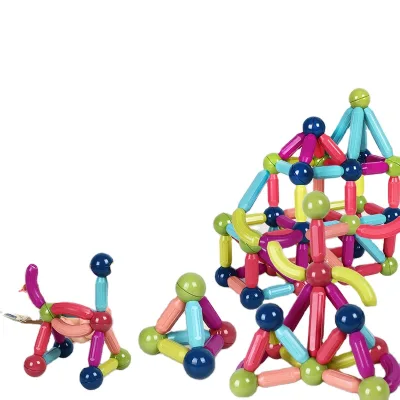
$4.2471 - $4.6271
MOQ: 100 pieces
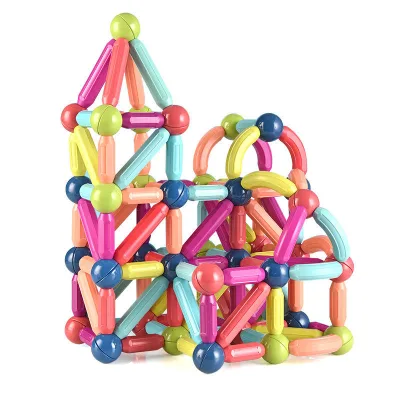
Dailymag Magnetic Technology (Ningbo) Limited
- Verified by TüVRheinland
- Manufacturer, Trading Company
- Lead time15 days
- Avg. response≤ 6h
Main productsMagnetic Tools, Linear Actuator, Sharps Container, Neodymium Magnets, Magnetic Assembles
Main marketsNorth America(35%), Western Europe(24%), South America(8%)
Longbohang (hangzhou) Technology Co., Ltd.
- Trading Company
- Zhejiang, China
- Lead time35 days
- Avg. response≤ 24h
Main productsmagnetic tiles,magnetic toys,marble run magnetic tile,educational magnetic toys
Main marketsSouth America(20.00%), North America(20.00%), Oceania(10.00%), Southeast Asia(10.00%), Mid East(10.00%), South Asia(5.00%), Central America(5.00%), Southern Europe(5.00%), Eastern Asia(5.00%), Eastern Europe(5.00%), Western Europe(3.00%), Northern Europe(2.00%)
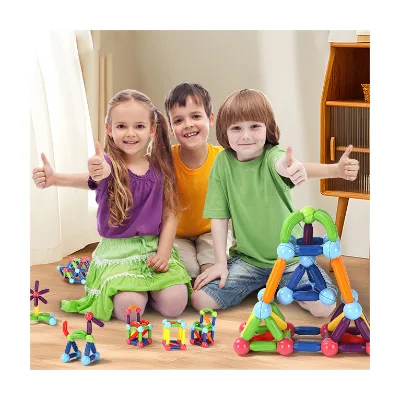
3D Colorful Magic Magnet Stick Toy Educational Magnet Plastic Building Sticks & Balls Kit Toy
$14.0774 - $14.6832
MOQ: 500 sets
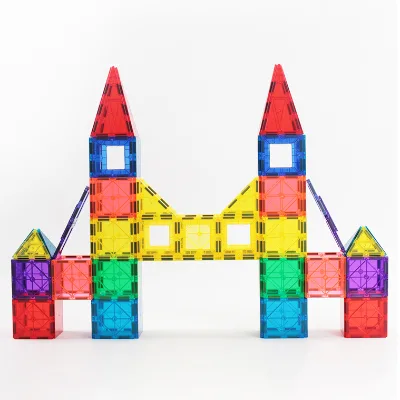
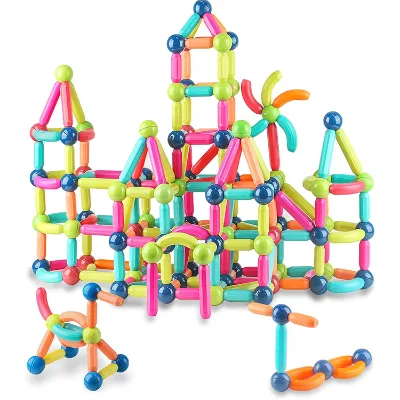
Creative Magnetic Building Sticks Toys Magnetic Construction Toys Castle Magnetic Toy for Children
$10.20 - $10.70
MOQ: 500 sets

$7.20 - $7.74
MOQ: 500 sets
Zhejiang Top Teaching Holding Group Co., Ltd.
- Verified by SGS Group
- Manufacturer, Trading Company
- Lead time25 days
- Avg. response≤ 2h
Main productsMagnetic Toys, Educational Toys, Toys, STEAM Teaching Aids, Building Block
Main marketsNorth America(49%), Domestic Market(20%), Mid East(19%)
$0.114 - $0.1347
MOQ: 18 pieces
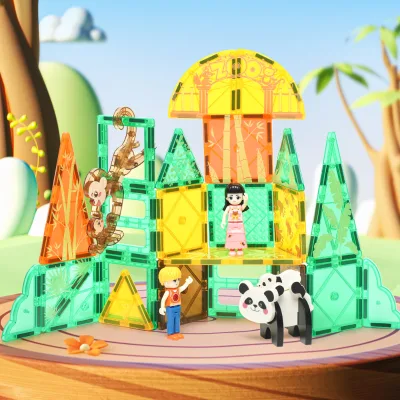
$9.5295 - $15.3699
MOQ: 1 sets
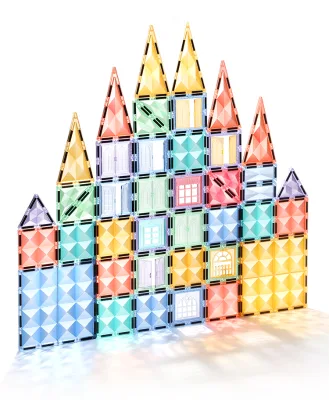
$15.2173 - $16.0266
MOQ: 50 sets

- Manufacturer
- Zhejiang, China
- Lead time10 days
- Avg. response≤ 3h
Main productsPermanent Magnet,Rare earth material,Ferrite Magnet,Neodymium magnet,Application magnet
Main marketsSouth America(36.00%), Eastern Europe(12.00%), Southeast Asia(12.00%), North America(10.00%), Western Europe(8.00%), Eastern Asia(8.00%), Southern Europe(8.00%), Northern Europe(3.00%), South Asia(1.00%), Mid East(1.00%), Central America(1.00%)
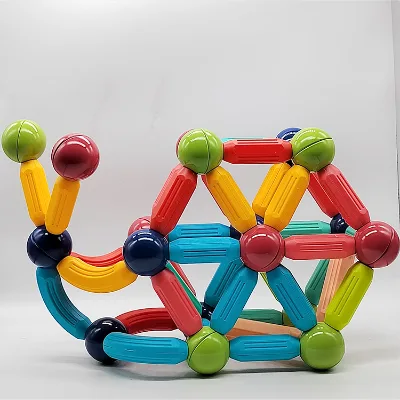
$0.0512 - $0.0615
MOQ: 1 pieces
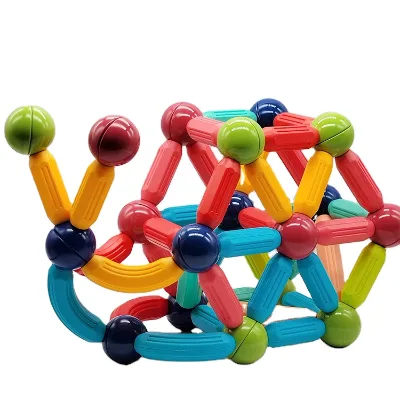
$6.0049 - $6.8592
MOQ: 9 pieces
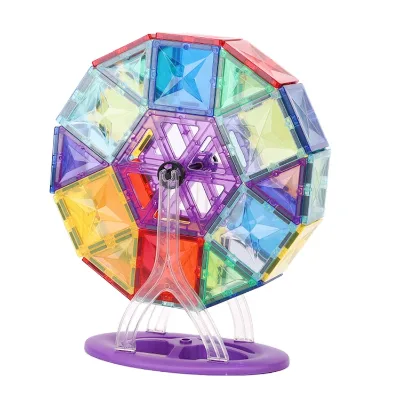
Creative 3D DIY Puzzles Magnetic Block Building Toys for Kids and Adults
$0.1025 - $0.3082
MOQ: 1 pieces

Ruijin Baibaole E-Commerce Co., Ltd.
- Verified by BV
- Trading Company
- China Jiangxi
- Lead time15 days
- Avg. response≤ 8h
Main productsToy, Educational Toy, Bubble Toy, Radio Control Toy, Building Block Toy, Children Toy, Plastic Toy, Outdoor Toy, Drawing Toy, DIY Toys
Main marketsNorth America
Shantou Capable Toys Co., Ltd.
- Manufacturer, Trading Company
- Lead time旺季: "1 - 80":7,"> 80":"To be negotiated", 淡季: "1 - 80":7,"> 80":"To be negotiated"
- Avg. response≤ 9h
Main productseducational toys,RC drone,RC Toy,Wooden toy,Plastic toy
Zhejiang Kuhui Technology Co., Ltd.
- Manufacturer
- Zhejiang, China
- Lead time7 days
- Avg. response≤ 3h
Main productsmagnetic building blocks, magnetic tiles, educational magnet toys, magnetic children DIY toys
Main marketsNorth America(25.00%), Oceania(20.00%), Western Europe(8.00%), Eastern Europe(3.00%), Mid East(3.00%), South America(2.00%), Southern Europe(2.00%), Northern Europe(2.00%), South Asia(1.00%), Central America(1.00%)

Shantou Limei International Limited
- Trading Company
- Guangdong, China
- Lead time15 days
- Avg. response≤ 15h
Main productsBuilding Block Toys, Dolls, Educational Toys
Main marketsWestern Europe(30.00%), North America(25.00%), Southern Europe(10.00%), Eastern Europe(10.00%), South America(5.00%), Oceania(5.00%), Eastern Asia(5.00%), Northern Europe(5.00%), Southeast Asia(5.00%)
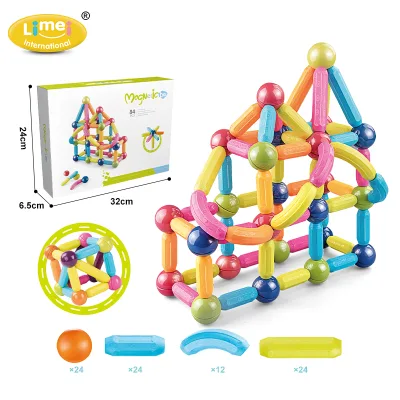
25 Pieces Magnetic Sticks Toy Set 3D Construction Magnetic and Building Blocks Toy for Kids
$3.749 - $4.0572
MOQ: 5 pieces
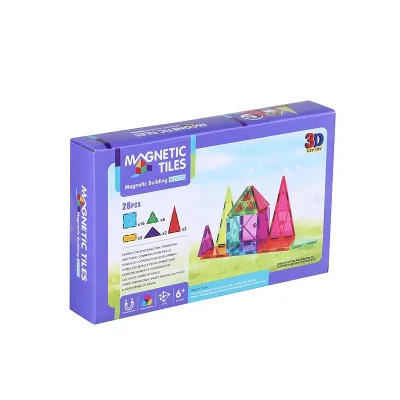
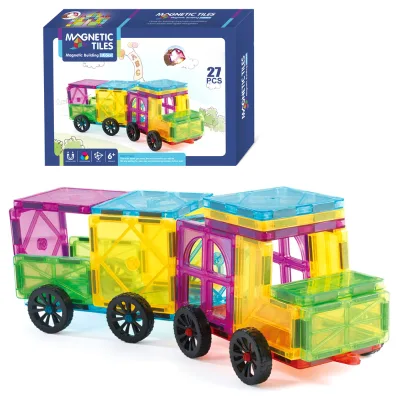
$5.1762 - $5.3602
MOQ: 120 pieces
Hangzhou Jinjuyou Technology Co., Ltd.
- Verified by SGS Group
- Trading Company
- Lead time15 days
- Avg. response≤ 6h
Main productsMagnetic Toy, Magnetic Blocks, Magnetic Tiles, Educational Toy
Main marketsNorth America(30%), Oceania(24%), Western Europe(15%)
Ji'an Zhicai Packing Products Co., Ltd.
- Manufacturer
- Jiangxi, China
- Lead time15 days
- Avg. response≤ 4h
Main productsBuilding Block Set,DIY Block,Play Mat,Foam Toy,Yoga Item
Main marketsDomestic Market(40.00%), North America(10.00%), South Asia(10.00%), Southern Europe(10.00%), Western Europe(10.00%), Southeast Asia(10.00%), Eastern Europe(10.00%)
Yuyao Jumbo Toys Technology Co., Ltd.
- Verified by SGS Group
- Manufacturer, Trading Company
- Lead time0 days
- Avg. response≤ 3h
Main productsMagnetic Blocks
Main marketsNorth America(60%), Mid East(23%), South America(10%)

Shantou Denko Toys Co., Limited
- Manufacturer, Trading Company
- Guangdong, China
- Lead time30 days
- Avg. response≤ 11h
Main productsEducational Toys,Baby Toys,R/C Toys,Sport Toys,Plastic Toys
Main marketsWestern Europe(18.00%), Mid East(15.00%), South America(14.00%), Southeast Asia(13.00%), South Asia(11.00%), Domestic Market(8.00%), Oceania(8.00%), Eastern Asia(5.00%), North America(5.00%), Africa(3.00%)

Shantou Chenghai Xaqi Toys Industrial Co., Limited
- Verified by BV
- Combined
- China Guangdong
- Lead time23 days
- Avg. response≤ 4h
Main productsRemote Control Car, Educational Toy, Sport Toy, Pretend Play Toys, Remote Contro Toy, Baby Toy, Summer Toy, B/O Toy
Main marketsSoutheast Asia/ Mideast,Domestic,Europe

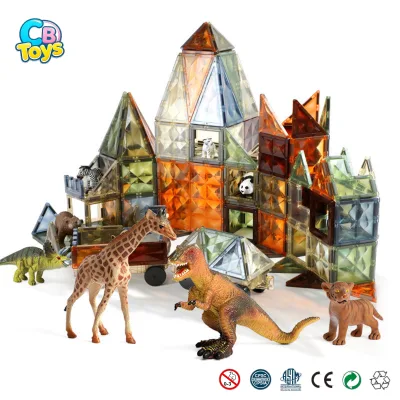
Educational Toy 326PCS Castle Construction Plastic Magnetic Toys Building Block
$7.36 - $8.36
MOQ: 120 Pieces

Montessori Toys Educational DIY Assembly Toys Magnetic Balls and Rods Magnetic Blocks for Kids
$5.60 - $15.60
MOQ: 240 Pieces

Dalian Cooler Baby International Trade Co., Ltd.
- Verified by TüVRheinland
- Trading Company
- Lead time0 days
- Avg. response≤ 1h
Main productsMagnetic Tiles, Magnetic Building Blocks, Magnetic Cube, Education Toys, Magnetic Toys
Main marketsWestern Europe(39%), North America(20%), Eastern Europe(10%)
Hangzhou Times Industrial Co., Ltd.
- Manufacturer, Trading Company
- Lead time旺季: "1 - 500":7,"501 - 1000":10,"1001 - 3000":15,"> 3000":"To be negotiated", 淡季: "1 - 500":7,"501 - 1000":10,"1001 - 3000":15,"> 3000":"To be negotiated"
- Avg. response≤ 2h
Main productsMagnetic Intelligent Toy, Magnetic Tiles Toy, Magnetic Building Blocks Toy, Magnetic Cubes, Educational Toy
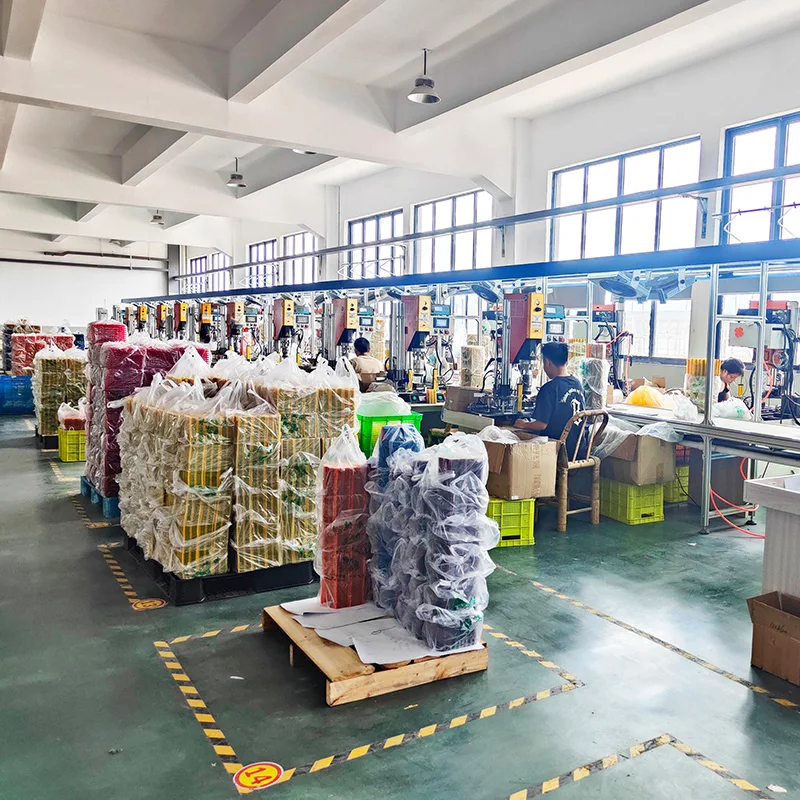
- Manufacturer, Trading Company
- Zhejiang, China
- Lead time25 days
- Avg. response≤ 2h
Main productsmagnetic cube,Magnetic toy,Magnetic block,magnetic tiles,magnetic building blocks
Main marketsEastern Europe(20.00%), South America(20.00%), North America(20.00%), Southern Europe(10.00%), Northern Europe(10.00%), Central America(10.00%), Western Europe(10.00%)
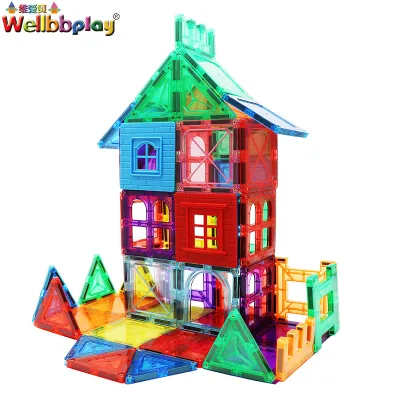
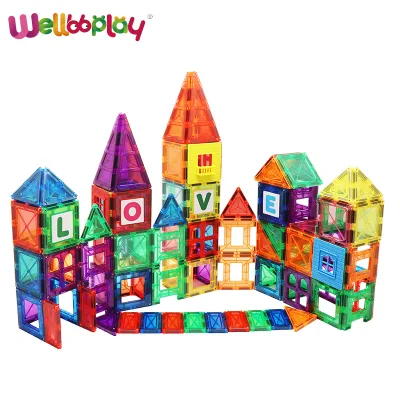
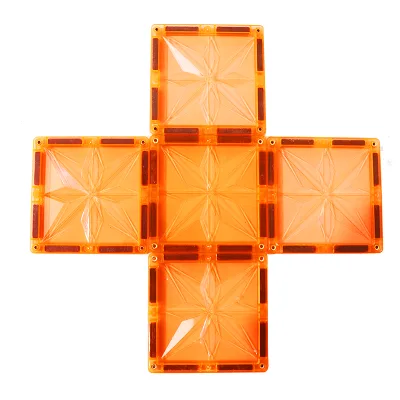
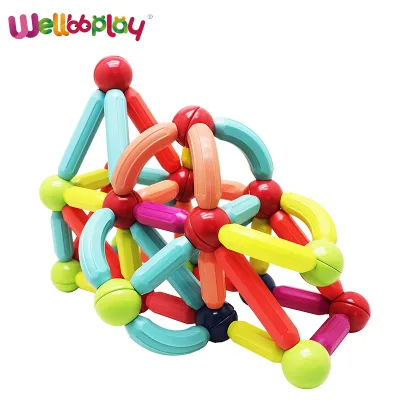
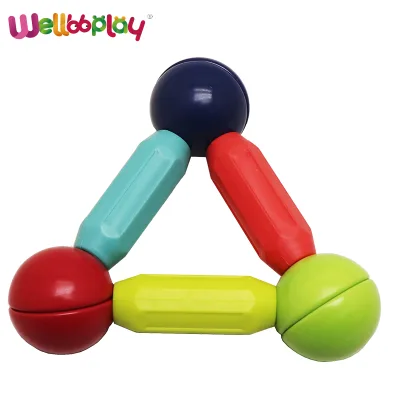
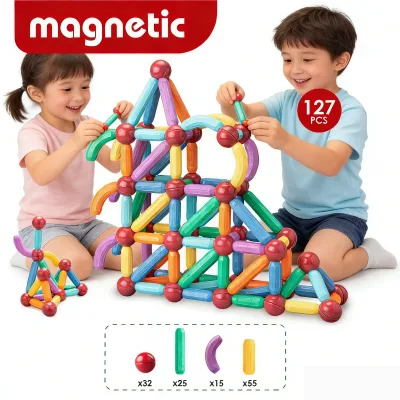
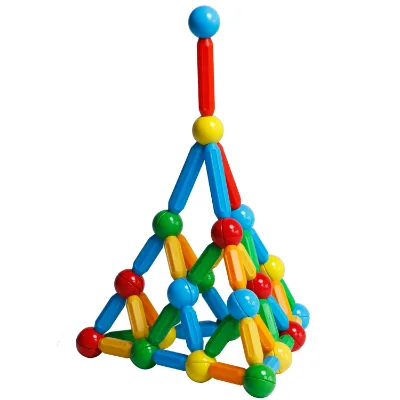
Funny Magnetic Building Sticks and Balls128pcs Construction Educational Toys Sticks Set
$17.50 - $20.00
MOQ: 1 sets


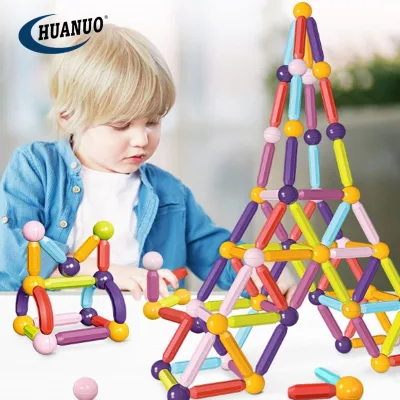
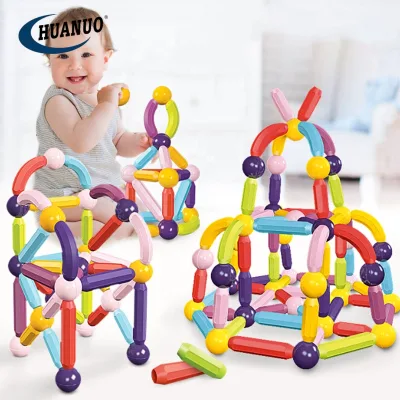
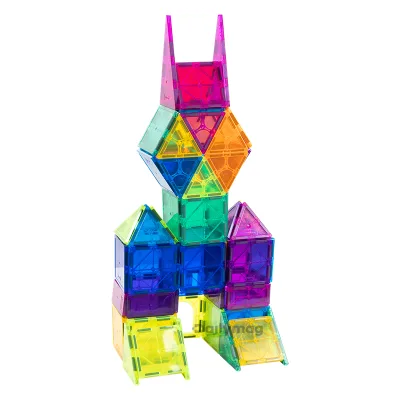
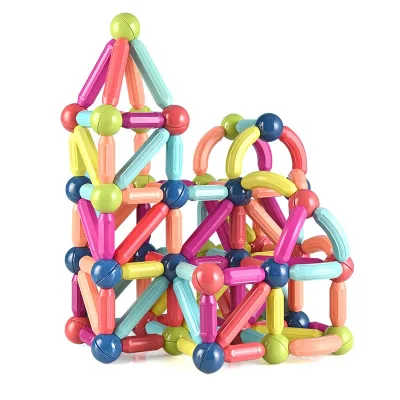



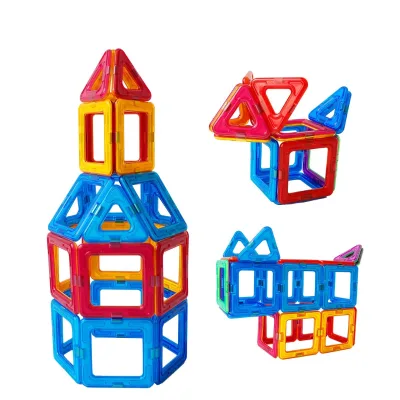
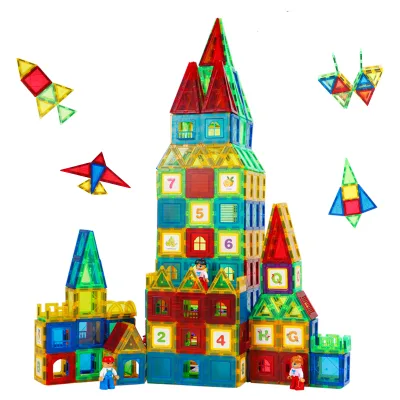
Comprehensive Sourcing Guide
Multicolored Magnetic Rod Building Toys Supplier Concentration and Factory Types
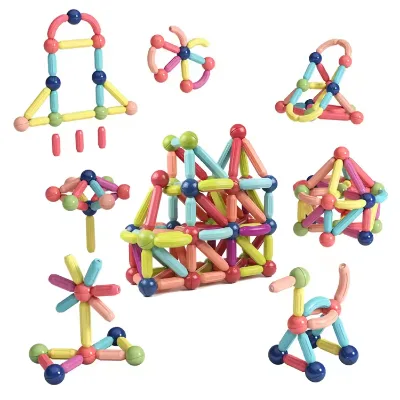
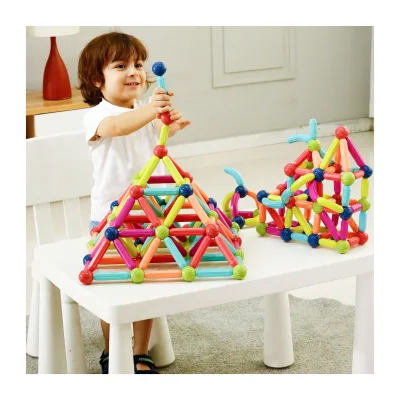
The sourcing landscape for Multicolored Magnetic Rod Building Toys reveals a distinct concentration of manufacturing activity within specific industrial hubs in China, particularly in Zhejiang province. This regional clustering is not accidental but stems from established supply chains for ABS plastic injection molding and magnet sourcing, which are critical for producing durable and safe magnetic building components. Buyers evaluating suppliers will often find that factories located in this region possess the specialized infrastructure required to handle the precise tolerances needed for magnetic rods and connecting balls. The presence of these manufacturers in Zhejiang suggests a mature ecosystem where raw material procurement, tooling, and assembly are optimized for high-volume production runs. This geographic concentration allows for efficient logistics and reduced lead times, as suppliers can quickly source components from nearby vendors. However, it is essential for buyers to recognize that not all entities in this region are original equipment manufacturers. Some listings may represent trading companies that aggregate products from multiple smaller workshops. Understanding the distinction between a direct factory and a trading intermediary is crucial for negotiating better prices and ensuring direct communication regarding custom design requirements. The concentration of these suppliers in Zhejiang provides a reliable baseline for finding partners who understand the technical nuances of magnetic toy construction, from the strength of the embedded magnets to the safety of the plastic casing.
Within this regional cluster, the supplier base is divided between pure manufacturers and trading companies, each offering different advantages for sourcing Multicolored Magnetic Rod Building Toys. Manufacturers typically hold system certifications such as CE, which indicates compliance with European safety standards for toys, a critical factor for international buyers. These factories often display main products that include magnetic tiles, cubes, and educational toys, suggesting a broad capability in plastic-based playsets. In contrast, trading companies may offer a wider variety of styles or lower minimum order quantities, acting as a bridge for smaller buyers who cannot commit to large factory runs. The verification status of suppliers, such as CTI verification, provides an additional layer of confidence, confirming that the business entity has undergone third-party inspection. Buyers should carefully review the company type listed for each supplier to determine if they are seeking a direct production partner or a flexible sourcing agent. Manufacturers often have longer lead times, sometimes around thirty-five days, due to the complexity of setting up molds and ensuring quality control for magnetic components. Trading companies might offer faster response times, potentially under twelve hours, but may have less direct control over the production schedule. This dichotomy requires buyers to align their sourcing strategy with their specific needs for volume, customization, and speed, ensuring they select a partner whose operational model matches their commercial goals.
How to Verify Multicolored Magnetic Rod Building Toys Suppliers
Verifying the legitimacy and capability of suppliers for Multicolored Magnetic Rod Building Toys requires a meticulous examination of their verification badges and certification documents. Buyers should prioritize suppliers who display third-party verification marks, such as CTI, which indicates that an independent agency has audited the company’s business license and operational capabilities. This verification is a strong indicator that the supplier is a legitimate entity rather than a shell company. Beyond basic business verification, it is imperative to request and validate specific product certifications, particularly CE, CPC, and CCC marks. These certifications are not merely decorative; they represent compliance with rigorous safety standards regarding material toxicity, magnet strength, and physical durability. For magnetic toys, the risk of magnet ingestion is a significant safety concern, so certifications that attest to secure magnet embedding are non-negotiable. Buyers should ask for copies of these certificates and verify their validity with the issuing bodies. Additionally, checking the supplier’s response time can provide insight into their operational efficiency. A supplier with a response time of six hours or less is likely to have a dedicated customer service team, which is crucial for resolving issues quickly during the sourcing process. Conversely, slower response times may indicate a lack of resources or poor management practices.
In addition to certifications and response metrics, buyers must scrutinize the product attributes and specifications provided by the supplier to ensure they align with safety and quality expectations. The material composition of the toys, typically ABS plastic, should be clearly stated, as this material is known for its durability and safety in children’s products. Buyers should verify that the supplier explicitly lists the age range for their products, such as 3 years and above, which helps in assessing the appropriateness of the design for the target market. The presence of customization options, such as OEM or ODM services, indicates that the supplier has the flexibility to adapt products to specific brand requirements. However, buyers should be cautious of suppliers who claim customization without providing evidence of their engineering capabilities. It is also advisable to check the supplier’s main product list to ensure they specialize in magnetic toys rather than offering them as a minor category. A supplier whose main products include magnetic tiles, blocks, and educational toys is more likely to have the expertise and quality control measures necessary for producing reliable magnetic rod building sets. By combining verification of business credentials with a detailed review of product specifications, buyers can significantly reduce the risk of partnering with unreliable suppliers.
What to Compare Across Multicolored Magnetic Rod Building Toys Suppliers
When evaluating multiple suppliers for Multicolored Magnetic Rod Building Toys, buyers must systematically compare key operational metrics to identify the most suitable partner for their specific needs. One of the primary factors to compare is the minimum order quantity, or MOQ, which can vary significantly between manufacturers and trading companies. For instance, some suppliers may require an MOQ of 500 units, which is typical for factory direct orders to ensure production efficiency, while others might accept lower quantities to accommodate smaller buyers. Understanding these MOQ requirements is essential for budgeting and inventory planning, as ordering in bulk often reduces the per-unit cost. Buyers should also compare the price ranges offered by different suppliers, keeping in mind that lower prices may sometimes correlate with lower quality materials or less rigorous safety testing. It is crucial to request detailed quotations that break down costs, including packaging and shipping, to make accurate comparisons. Additionally, the lead time for production is a critical variable, with some suppliers offering turnaround times of thirty days and others requiring up to thirty-five days. Faster lead times may come at a premium, so buyers must balance speed with cost to find the optimal solution for their supply chain requirements.
Beyond pricing and lead times, buyers should compare the response times and communication styles of potential suppliers to assess their reliability and professionalism. A supplier with a response time of twelve hours or less is likely to be more responsive to inquiries and quicker to resolve any issues that arise during the ordering process. This responsiveness is particularly important when dealing with custom orders or when troubleshooting production delays. Buyers should also compare the customization options available, such as the ability to modify colors, packaging, or product designs. Suppliers that offer extensive customization capabilities, such as OEM services, are better suited for brands looking to create unique products. However, buyers should verify that the supplier has the necessary tools and expertise to execute these customizations without compromising quality. Another important aspect to compare is the packaging specifications, including the use of standard cartons or color boxes, which can impact shipping costs and product presentation. By systematically comparing these operational metrics, buyers can make informed decisions that align with their strategic goals, ensuring they select a supplier who offers the best combination of cost, quality, and service.
Common Multicolored Magnetic Rod Building Toys Sourcing Risks
Sourcing Multicolored Magnetic Rod Building Toys from international suppliers introduces several risks that buyers must proactively manage to ensure product safety and supply chain stability. One of the most significant risks is the potential for non-compliance with safety standards, particularly regarding the strength and security of embedded magnets. If magnets are not securely encased in ABS plastic, they can become loose and pose a serious ingestion hazard to children. Buyers must mitigate this risk by demanding rigorous quality control reports and third-party testing results that verify magnet strength and material safety. Another common risk is the discrepancy between the samples provided and the final bulk production. Suppliers may provide high-quality samples but cut corners during mass production to reduce costs, leading to inferior products. To address this, buyers should implement strict quality assurance protocols, including pre-shipment inspections and random sampling checks. Additionally, there is a risk of intellectual property infringement if buyers work with suppliers who copy existing designs without authorization. Buyers should ensure that their custom designs are protected and that suppliers adhere to confidentiality agreements to prevent unauthorized replication.
Logistical and communication risks also pose significant challenges in the sourcing process, particularly when dealing with suppliers in different time zones and cultural contexts. Miscommunication regarding product specifications, packaging requirements, or delivery schedules can lead to costly errors and delays. Buyers should establish clear and detailed communication channels, using written confirmations for all critical agreements to avoid misunderstandings. Another risk is the potential for supply chain disruptions due to raw material shortages or production bottlenecks. Suppliers in manufacturing hubs like Zhejiang may face fluctuations in the availability of ABS plastic or magnets, which can impact lead times. Buyers should maintain open dialogue with their suppliers to stay informed about potential delays and have contingency plans in place. Furthermore, there is a risk of financial loss if buyers engage with unverified suppliers who may not deliver products or may engage in fraudulent activities. To mitigate this, buyers should use secure payment methods and verify the legitimacy of suppliers through third-party verification services. By identifying and addressing these common risks, buyers can protect their interests and ensure a smooth sourcing experience.
Multicolored Magnetic Rod Building Toys Regional Sourcing and Logistics
Sourcing Multicolored Magnetic Rod Building Toys from regional hubs in China, particularly Zhejiang, offers distinct logistical advantages that can streamline the procurement process. The concentration of manufacturers in this region facilitates efficient transportation of goods, as many suppliers are located near major ports and logistics centers. This proximity reduces transit times and shipping costs, allowing buyers to receive their orders more quickly. Additionally, the established infrastructure in Zhejiang supports the handling of large volumes of goods, making it easier to manage bulk shipments. Buyers should consider the impact of regional logistics on their overall supply chain strategy, as faster transit times can improve inventory turnover and reduce storage costs. However, buyers must also be aware of potential logistical challenges, such as customs clearance delays and fluctuating freight rates. To mitigate these risks, buyers should work with experienced freight forwarders who can navigate the complexities of international shipping. It is also advisable to plan shipments around peak seasons to avoid congestion and ensure timely delivery. By leveraging the logistical advantages of regional sourcing, buyers can optimize their supply chain and enhance their competitiveness in the market.
In addition to transportation efficiency, buyers should consider the environmental and regulatory aspects of sourcing from specific regions. Zhejiang province has implemented various environmental regulations that affect manufacturing processes, which can impact the sustainability of the products. Buyers who prioritize eco-friendly sourcing should inquire about the supplier’s environmental practices and certifications. Furthermore, regional trade policies and tariffs can influence the cost of importing goods, so buyers should stay informed about any changes in trade regulations that may affect their shipments. Understanding the regional context of sourcing helps buyers make more informed decisions about their supply chain strategy. Buyers should also consider the cultural and business practices of the region, as these can influence negotiation styles and relationship building. By taking a holistic approach to regional sourcing, buyers can not only optimize logistics but also align their procurement practices with broader sustainability and compliance goals. This comprehensive perspective ensures that buyers can navigate the complexities of international sourcing with confidence and efficiency.
Multicolored Magnetic Rod Building Toys Commercial Terms and Order Planning
Effective order planning for Multicolored Magnetic Rod Building Toys requires careful consideration of commercial terms, including payment methods, pricing structures, and delivery schedules. Buyers should negotiate clear payment terms that protect their interests, such as using secure payment platforms or escrow services to ensure funds are released only upon satisfactory delivery. Understanding the pricing structure is also crucial, as buyers should compare unit costs across different suppliers while accounting for additional fees such
FAQs
What certifications do magnetic building block toys have?
The available magnetic building block toys hold CE, CPC, and CCC certifications. These credentials ensure the products meet specific safety and quality standards for children's educational toys. Buyers should verify these documents directly with the supplier to confirm compliance with local import regulations and safety requirements before placing orders.
What is the minimum order quantity for these toys?
The minimum order quantity varies by supplier, with options starting at 100 units for some trading companies and 500 units for manufacturers. Buyers should check the specific product listing to determine the exact MOQ. Lower MOQs may be suitable for testing market demand, while higher volumes often secure better pricing tiers.
What material are the magnetic building blocks made of?
The magnetic building blocks are primarily constructed from ABS plastic combined with internal magnets. This material choice ensures durability and safety for children aged three and above. The ABS plastic provides a smooth finish and resistance to impact, making the toys suitable for educational play and creative construction activities.
How long does production take for these orders?
Production lead times typically range from 30 to 35 days depending on the supplier type. Trading companies may offer slightly faster turnaround times compared to manufacturers. Buyers should confirm the exact lead time with their chosen supplier, as peak seasons or custom orders might extend the production schedule significantly.
What is the average response time for suppliers?
Supplier response times vary, with some companies responding within 6 hours and others taking up to 12.25 hours. Faster response times indicate a more active sales team ready to assist with inquiries. Buyers should prioritize suppliers with quicker response rates to ensure smooth communication throughout the sourcing and negotiation process.
Where are these magnetic toys manufactured?
These magnetic building toys are manufactured in Zhejiang, China. This region is known for its robust manufacturing infrastructure for plastic toys and educational products. Buyers sourcing from this location can benefit from established supply chains and specialized expertise in producing high-quality ABS plastic toys with magnetic components.