Eco Friendly Inflatable Ice Bar Suppliers and Manufacturers
Compare 20 verified suppliers offering Eco Friendly Inflatable Ice Bar products from Guangdong and Zhejiang. Review response times, lead times, and material specs like PVC before contacting factories for quotes; review the available evidence before requesting comparable quotations from suitable candidates.
Updated
Suppliers List

Shenzhen Enqiao Technology Co., Limted
- Manufacturer
- Guangdong, China
- Lead time30 days
- Avg. response≤ 7h
Main productsPool float,beach mattress,air bed,travel neck pillow,inflatable sofa
Main marketsNorth America(45.00%), Western Europe(18.00%), South Asia(10.00%), Domestic Market(10.00%), Eastern Europe(6.50%), Northern Europe(5.00%), Eastern Asia(3.00%), South America(2.50%)
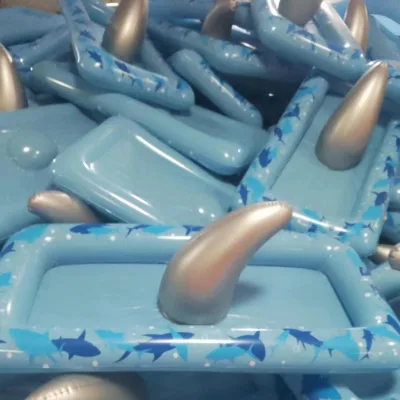
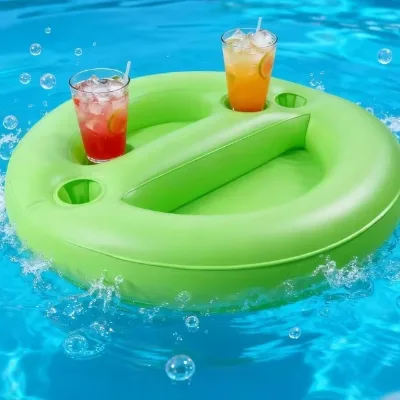
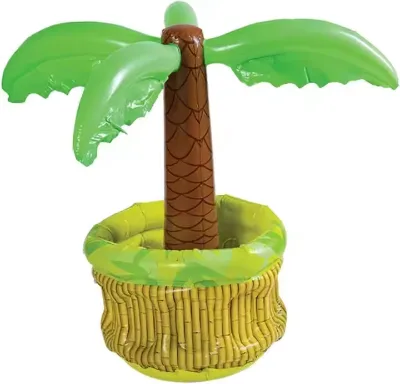
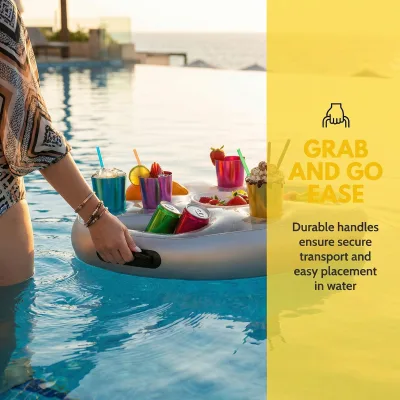
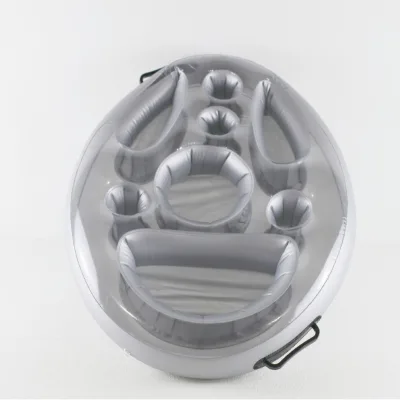
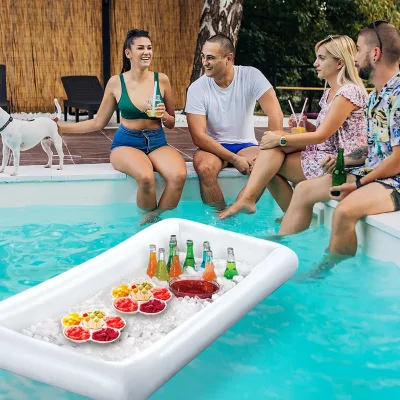
Custom Inflatable Ice Bar, Inflatable Drink Holder
$1.10 - $1.60
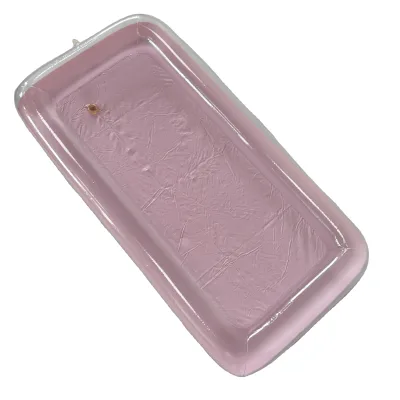
$2.40 - $2.80
MOQ: 1000 pieces
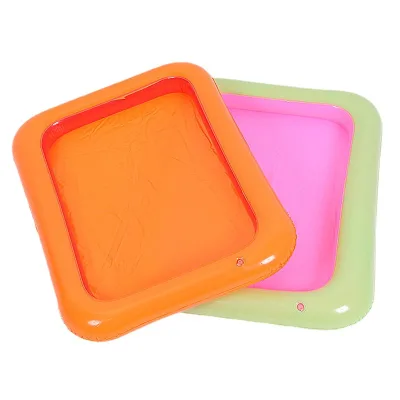
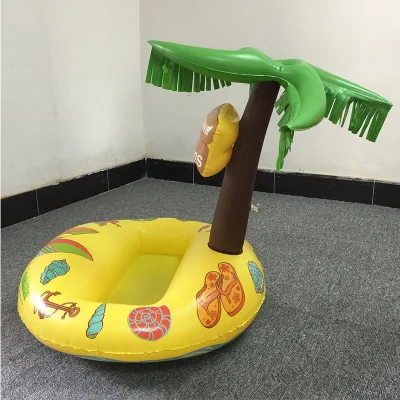
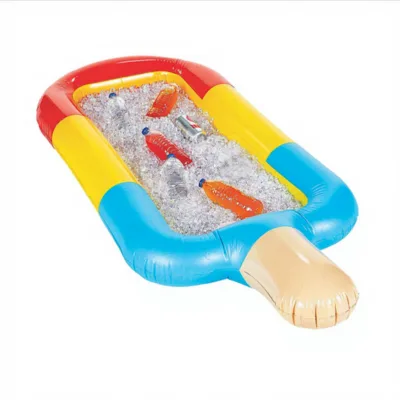

- Verified by TUVRHEINLAND
- Trading Company
- China Zhejiang
- Lead time15 days
- Avg. response≤ 7h
Main marketsEurope

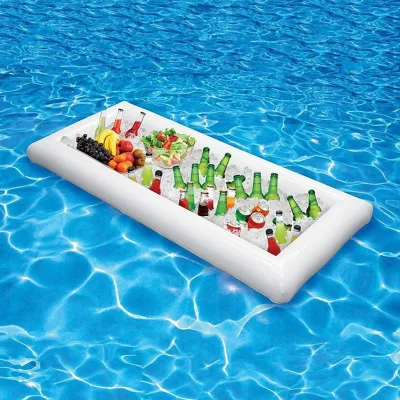
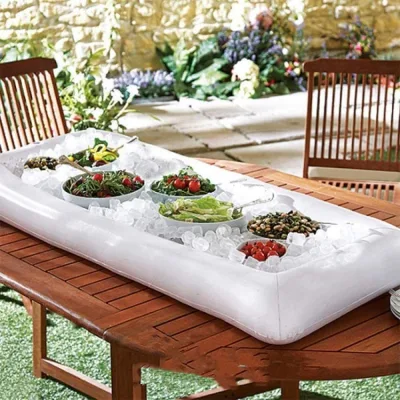
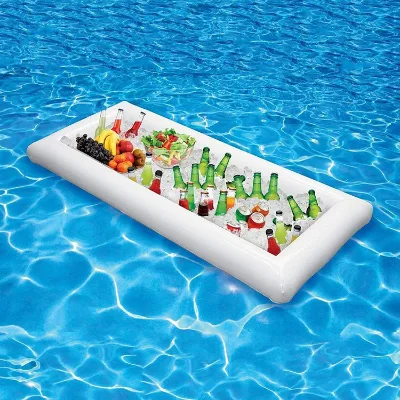
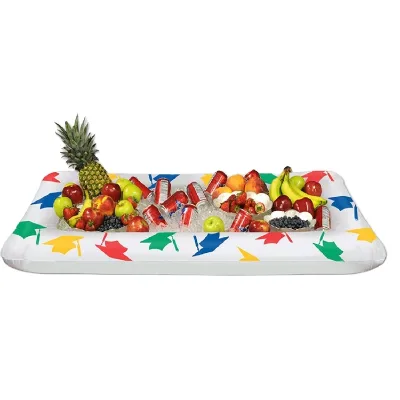
PVC Inflatable Fruit Ice Salad Bar for Water Drinks Rectangular Inflatable Ice Bar
$5.00 - $6.00
MOQ: 5 Pieces


Ningbo Wonderful Plastic Industry and Trade Co., Ltd.
- Verified by TUVRHEINLAND
- Combined
- China Zhejiang
- Lead time30 days
- Avg. response≤ 9h
Main productsAir Bed, Swimming Pool, Inflatable Boat &Kayak, Inflatable Toys, Inflatable Pool Float, Inflatable Swim Rings, Snow Tube, Inflatable Party Decoration
Main marketsNorth America

Dongguan Fuduosheng Plastic Products Co., Ltd.
- Manufacturer, Trading Company
- Guangdong, China
- Lead time30 days
- Avg. response≤ 3h
Main productsInflatable pool floats,Inflatable Dog Collar,Air Bed,Towable tubes,Inflatable sport toys
Main marketsNorth America(60.00%), Western Europe(15.00%), Eastern Europe(5.00%), Eastern Asia(5.00%), Domestic Market(3.00%), Mid East(3.00%), South America(2.00%), Southern Europe(2.00%), Southeast Asia(2.00%), Oceania(2.00%), Northern Europe(1.00%)
- Manufacturer
- Guangdong, China
- Lead time30 days
- Avg. response≤ 10h
Main productsinflatable swimming pool,Inflatable boxing bag,Cushion Seat Cushion,Water inflatable bed,Baby Sitting Chair
Main marketsNorth America(25.00%), South America(17.00%), Southeast Asia(15.00%), Western Europe(12.00%), Eastern Europe(12.00%), Northern Europe(7.00%), Mid East(7.00%), Domestic Market(5.00%)

Sunway Amusement Equipment Guangzhou Limited
- Manufacturer, Trading Company
- Guangdong, China
- Lead time10 days
- Avg. response≤ 1h
Main productsInflatable Tent /Advertising Inflatable,Inflatable Bouncer,Inflatable Water Float,Inflatable slide,Inflatable model
Main marketsWestern Europe(60.00%), North America(11.00%), Oceania(10.00%), Eastern Asia(10.00%), Mid East(5.00%), Domestic Market(1.00%), South Asia(1.00%), Africa(1.00%), Southeast Asia(1.00%)
Taizhou Happy Technology Co,. Ltd.
- Verified by TüVRheinland
- Trading Company
- Lead time15 days
- Avg. response≤ 5h
Main productsInflatable craft, Wooden toy, Plastic household, Promotional souvenirs, Education toy
Main marketsNorth America(40%), Western Europe(40%), Mid East(20%)
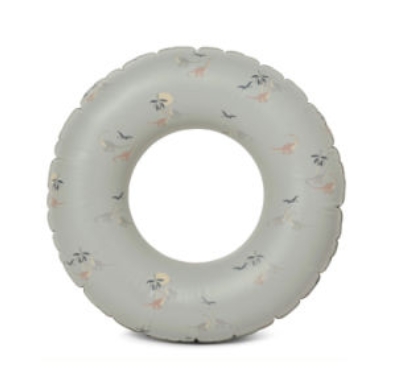
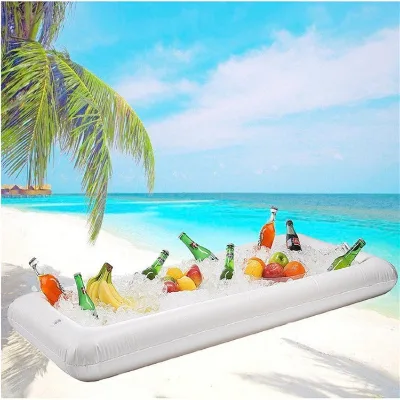
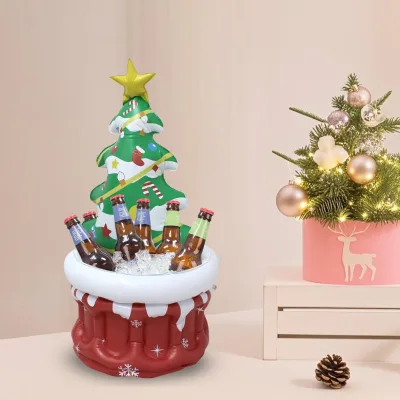
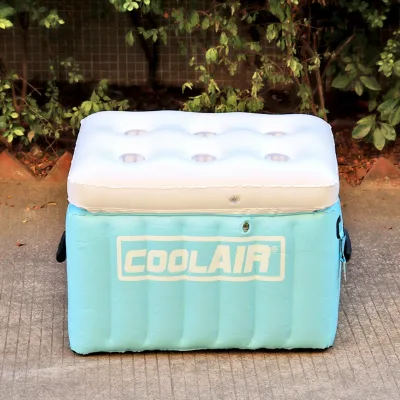
Inflatable Ice Bucket Drink Cooler for Party Outdoor & Ice Bar Use-PVC Material
$3.011
MOQ: 500 Minimum
- Manufacturer, Trading Company
- Zhejiang, China
- Lead time25 days
- Avg. response≤ 6h
Main productsInflatable Air Mattress,Inflatable Beach Ball,Inflatable Toys,Inflatable Swimming,Inflatable Promotional Hand
Main marketsWestern Europe(30.00%), North America(30.00%), South America(15.00%), Central America(10.00%), Northern Europe(10.00%), Africa(5.00%)
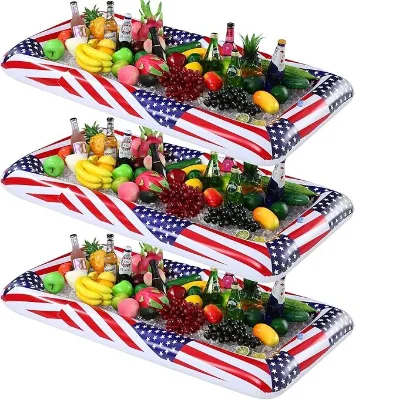
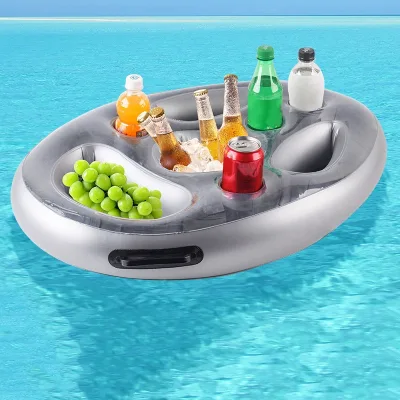
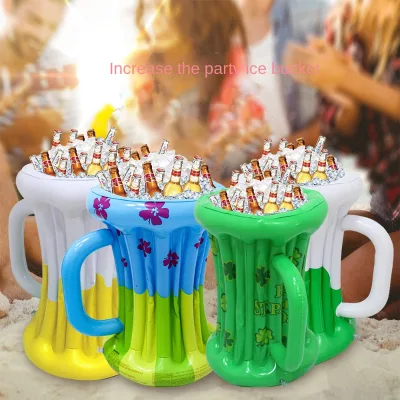
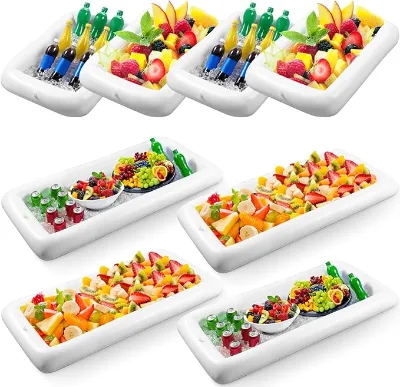
Hot Wholesale 6 P Eco Friendly PVC Inflatable Ice bar with Double Handles for the Beach
$0.4299 - $0.6951
MOQ: 100 pieces
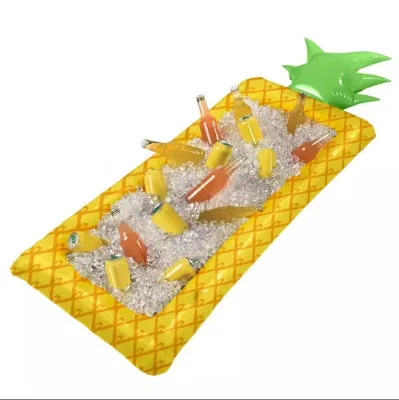
$0.4314 - $0.6981
MOQ: 100 pieces
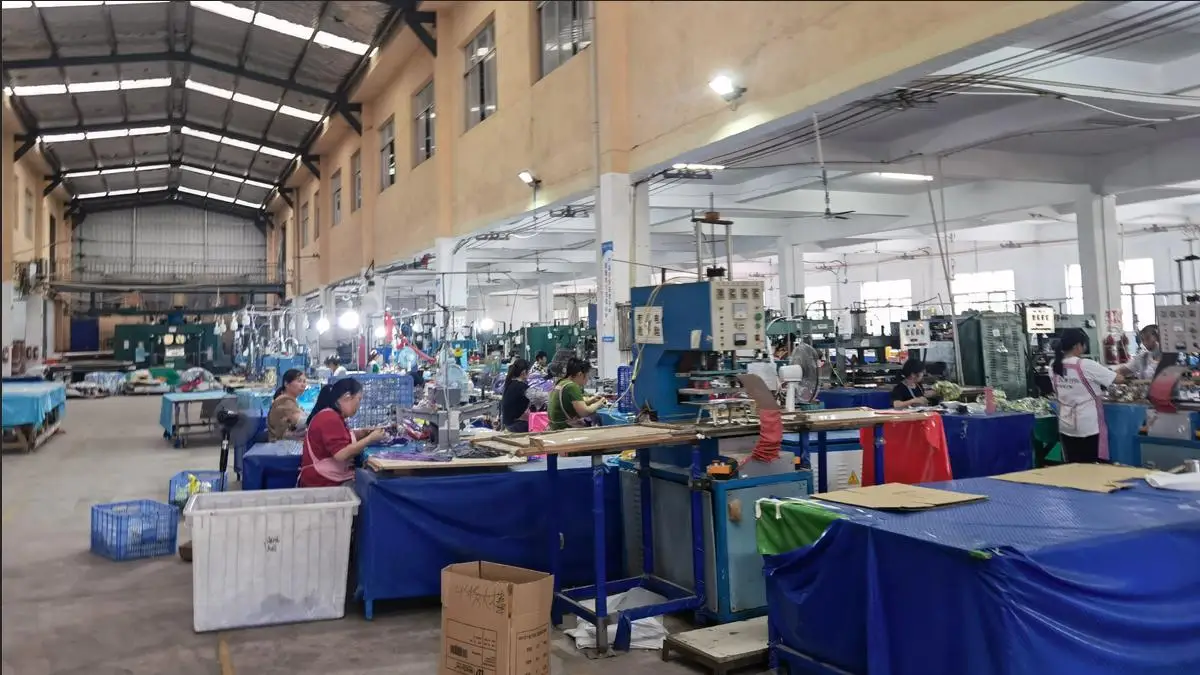
Shenzhen IHOME Inflatables Co., Ltd.
- Verified by SGS Group
- Manufacturer, Trading Company
- Guangdong, China
- Lead time7 days
- Avg. response≤ 3h
Main productsInflatable Pool Float & Pool; Air track; Inflatable air mattress & funiture; Water Floating Mat & Towable Tube; Inflatable Sup Board & Boat,Summer Leisure & Pool Fun,Inflatable Camping Tents & Air Beds & Mattresses& air sofas,Commercial Bouncers&Christmas Inflatables,Specialty Mats
Main marketsNorth America(35%), South America(20%), Eastern Europe(5%)
Jiangxi Gongmei Plastic Toys Co., Ltd.
- Manufacturer, Trading Company
- Jiangxi, China
- Lead time35 days
- Avg. response≤ 13h
Main productsInflatable Children Toys, Inflatable Promotion Gifts, Inflatable Water Float Mat, Inflatable Festival Series Product, Inflatable Sports Products
Main marketsNorth America(26.00%), Eastern Europe(15.00%), Eastern Asia(15.00%), Domestic Market(10.00%), Northern Europe(8.00%), Southern Europe(5.00%), Central America(5.00%), Western Europe(5.00%), South Asia(4.00%), Southeast Asia(4.00%), South America(3.00%)

Ningbo Inchoi International Trading Co., Ltd
- Verified by SGS
- Trading Company
- China Zhejiang
- Lead time30 days
- Avg. response≤ 22h
Main marketsEurope


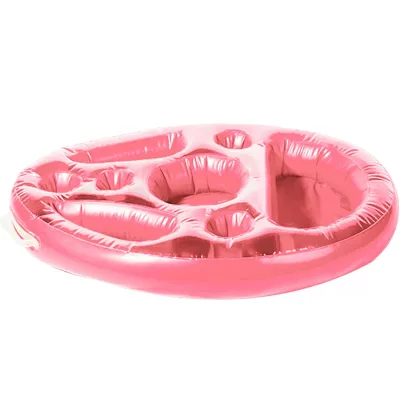
Avocado Inflatable Ice Bar Pool Floating Beverage Tray with Drink Holder
$1.80 - $2.20
MOQ: 3000 Pieces

Ningbo Ags Imp. & Exp. Co., Ltd.
- Verified by TüVRheinland
- Manufacturer, Trading Company
- Zhejiang, China
- Lead time50 days
- Avg. response≤ 3h
Main productsInflatable Pool Float, Pool Loungers, Inflatable Swimming Pool, Inflatable furniture, Airbeds
Main marketsEastern Europe(26%), North America(21%), Western Europe(17%)
- Manufacturer
- Guangdong, China
- Lead time0 days
- Avg. response≤ 4h
Main productsAqua Park,Floating Leisure Platform,Sea Pool,Floating Platform,Inflatable Boat
Main marketsWestern Europe(20.00%), North America(15.00%), Mid East(10.00%), Southeast Asia(10.00%), Eastern Europe(10.00%), Oceania(7.00%), Eastern Asia(5.00%), Northern Europe(5.00%), South America(3.00%), Domestic Market(2.00%), South Asia(2.00%), Southern Europe(1.00%), Africa(1.00%)
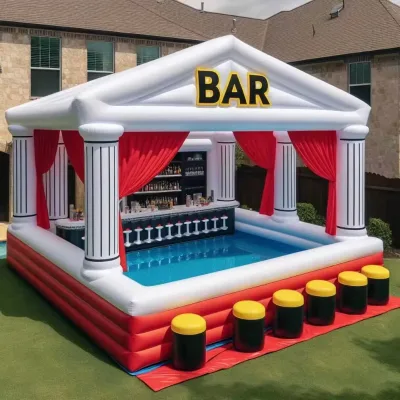
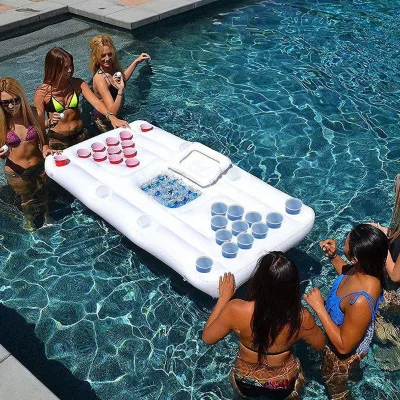
Home Use Relieving Summer-heat Backyard Party Partner Inflatable Ice Pool Bar for Summer
$798.00 - $1588.00
MOQ: 1 pieces
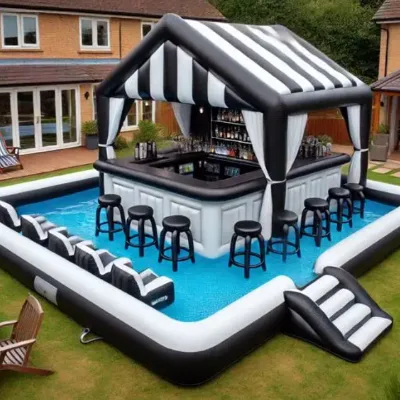
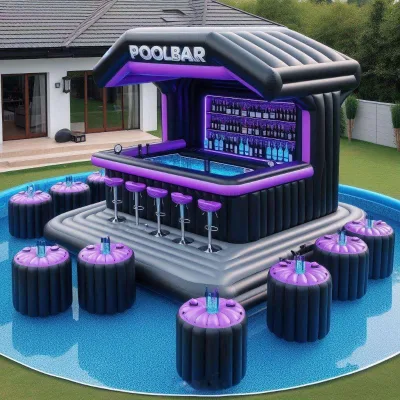
$899.00 - $1099.00
MOQ: 1 bags
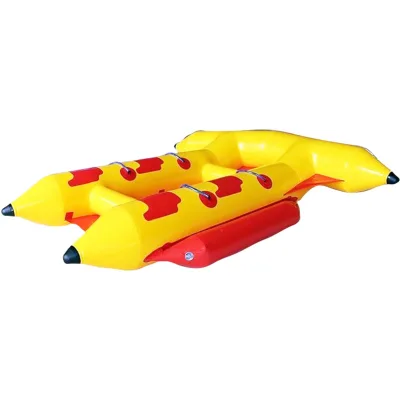
$899.00 - $1099.00
MOQ: 1 bags
Jiangmen Xinhui Haizhiyuan Plastic Products Factory
- Manufacturer, Trading Company
- Guangdong, China
- Lead time30 days
- Avg. response≤ 3h
Main productsSauna suit,Inflatable Toys,Pet Pool,Advertising Inflatables
Main marketsNorth America(30.00%), Eastern Asia(20.00%), Domestic Market(17.00%), Northern Europe(10.00%), Southern Europe(10.00%), Western Europe(8.00%), South America(5.00%)
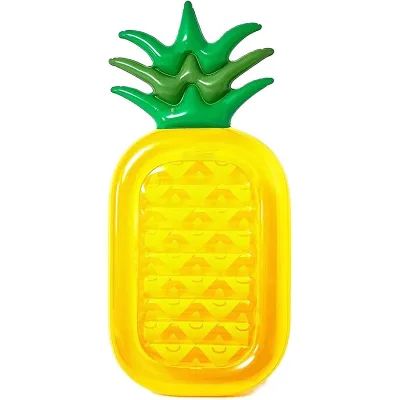
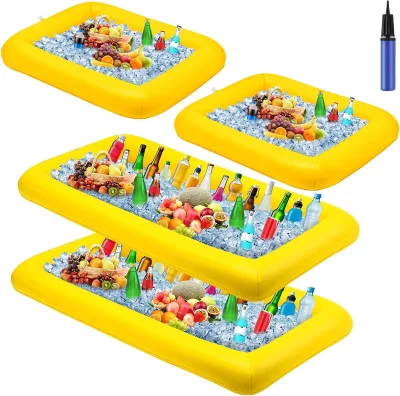
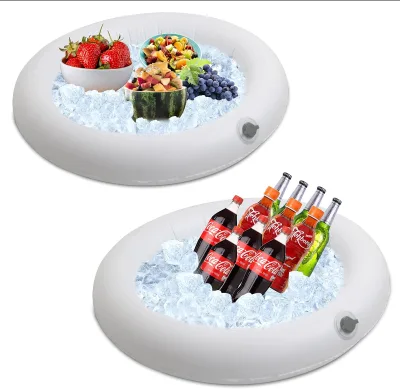
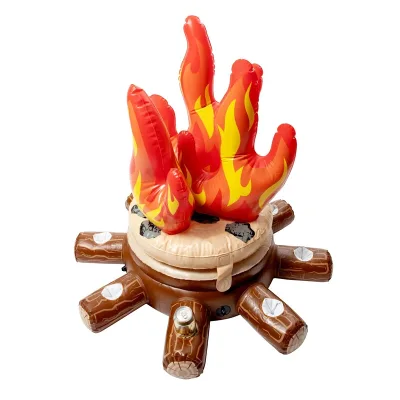
New Design Wholesale Inflatable Ice Bar Party Decorations Bar Colorful Party Decorations
$3.20 - $4.00
MOQ: 1000
Yushan Yijia Inflatable Products Co., Ltd.
- Manufacturer, Trading Company
- Lead time旺季: "1 - 1":15,"2 - 20":30,"> 20":"To be negotiated", 淡季: "1 - 1":15,"2 - 20":30,"> 20":"To be negotiated"
- Avg. response≤ 4h
Main productsInflatable swimming pool, Inflatable Sea Pool,Water hammock, Floating Platform for pool,Inflatable pool cover, pool accessories
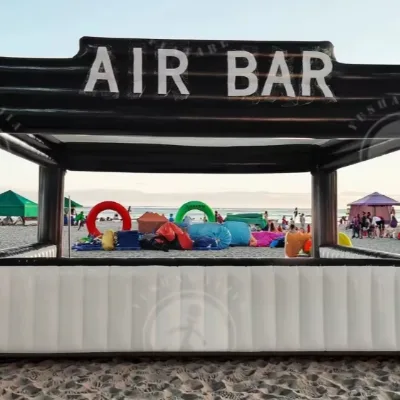
Versatile Inflatable Pool Bar with Removable Ice Bucket and Cooler with LED Lighting
$890.00 - $1250.00
MOQ: 1
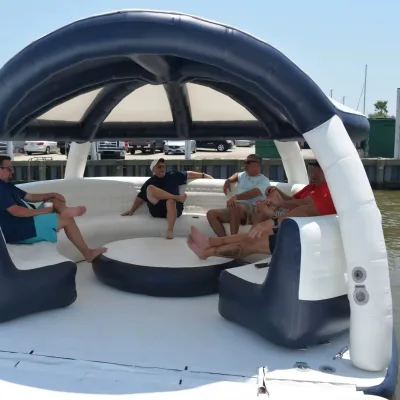
Inflatable Bar for Backyard and Poolside Fun Portable and Stylish for Any Occasion
$350.00 - $450.00
MOQ: 1 pieces
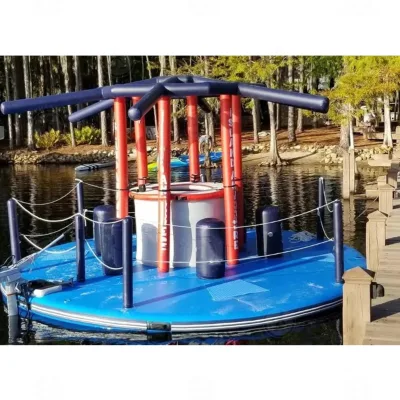
Luxury Inflatable Water Bar for Outdoor Water Float Island Ideal for Parties and Lounging
$500.00 - $1900.00
MOQ: 1 pieces
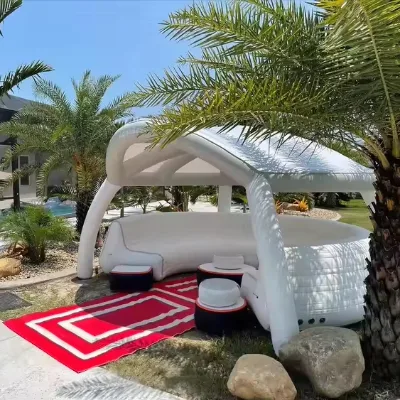
Inflatable Bar for Outdoor Events and Parties Easy to Set up and Durable for Entertainment
$350.00 - $450.00
MOQ: 1 pieces

- Verified by BV
- Combined
- China Jiangxi
- Lead time23 days
- Avg. response≤ 3h
Main productsInflatable Tent, Advertising Inflatables, Inflatable Games, Inflatable Toys, Inflatable
Main marketsSouth America,Africa,Southeast Asia/ Mideast,East Asia(Japan/ South Korea),Europe,Australia,North America

Outdoor Advertising Inflatable Tiki Bar Custom Coconut Tree Inflatable Bar for Party & Celebration
$500.00 - $1500.00
MOQ: 1 Sets

Custom Logo Inflatable Tiki Bar for Brand Promotion and Beverage Sales
$600.00 - $1200.00
MOQ: 1 Pieces

Commercial Grade Inflatable Pool Bar with Canopy Custom Printed Floating Water Bar Station
$800.00 - $2000.00
MOQ: 1 Sets
Ningbo Marazual Houseware Co., Ltd.
- Verified by Intertek
- Manufacturer, Trading Company
- Lead time0 days
- Avg. response≤ 3h
Main productsSolar Pool Ionizer , Pool Surface Skimmer
Main marketsNorth America(32%), South America(30%), Western Europe(15%)

Guangzhou Barry Industrial Co., Ltd.
- Verified by CTI
- Combined
- China Guangdong
- Lead time15 days
- Avg. response≤ 1h
Main productsInflatable Water Park, Inflatable Sport Game, Inflatable Water Slide, Swimming Pool, Bouncy Castle, Inflatable Dock, Air Track, Inflatable Theme Park, Inflatable Tent, Inflatable Obstacle Course
Main marketsSouth America,Southeast Asia/ Mideast,East Asia(Japan/ South Korea),Domestic,Europe,Australia,North America

$999.00 - $1999.00
MOQ: 1 Pieces

New Design Water Swimming Pool Bar Leisure Inflatable Water Swimming Pool Pub Bar
$999.00 - $1999.00
MOQ: 1 Pieces

Custom Size PVC Material Commercial Grade Inflatable Bar with Swim Pool
$999.00 - $1699.00
MOQ: 1 Pieces

New Design Customized Outdoor Pool Inflatable Floating Pool Bar with Seats for Backyard
$999.00 - $1999.00
MOQ: 1 Pieces
Dongguan Bestfun Toys Co., Ltd.
- Manufacturer
- Guangdong, China
- Lead time30 days
- Avg. response≤ 10h
Main productsPVC TPU Flocked PVC products,customized inflatable advertising products,customized inflatable promotional products,inflatable beach items,inflatable water toys
Main marketsNorth America(50.00%), Northern Europe(10.00%), Western Europe(5.00%), South Asia(5.00%), Southern Europe(5.00%), South America(5.00%), Central America(5.00%), Southeast Asia(5.00%), Eastern Europe(5.00%), Domestic Market(1.00%), Eastern Asia(1.00%), Mid East(1.00%), Oceania(1.00%), Africa(1.00%)
Yushan Yijia Inflatable Products Co., Ltd.
- Manufacturer, Trading Company
- Lead time旺季: "1 - 1":15,"> 1":"To be negotiated", 淡季: "1 - 1":15,"> 1":"To be negotiated"
- Avg. response≤ 4h
Main productsInflatable Air Track,Inflatable Ice Bath,Inflatable Tent,Inflatable DWF Water Play,Inflatable Toys
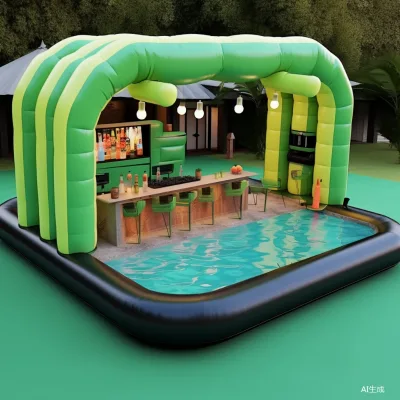
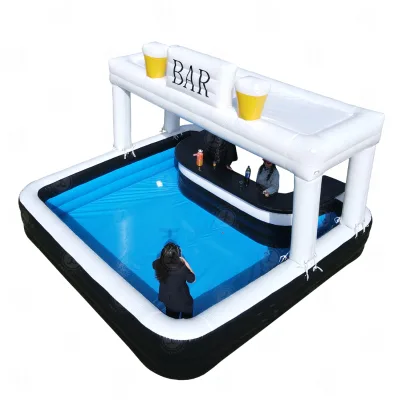
Outdoor Inflatable Pool Bar for Adults Floating Water Bar for School Pool Parties
$850.00
MOQ: 1 Minimum


Comprehensive Sourcing Guide
Eco Friendly Inflatable Ice Bar Supplier Concentration and Factory Types
The current supplier landscape for eco-friendly inflatable ice bars reveals a distinct concentration of manufacturing capabilities within specific industrial regions of China. Evidence indicates that a significant portion of these suppliers are located in Guangdong, a province renowned for its robust plastic manufacturing infrastructure and established supply chains for PVC-based products. This geographic clustering suggests that buyers seeking high-volume production or specialized material sourcing may find the most competitive options in this area. The presence of manufacturers in Guangdong implies access to mature raw material suppliers, particularly those dealing in environmental protection PVC, which is frequently cited in product specifications for these items. This concentration allows for efficient logistics and potentially faster turnaround times due to the density of related industries, such as packaging and shipping, which are critical for bulky inflatable goods.
In addition to the manufacturing hubs, the market also includes trading companies that serve as intermediaries between factories and international buyers. These entities, often located in regions like Zhejiang, provide a different value proposition by aggregating products from multiple sources or offering broader catalog selections. While manufacturers focus on production efficiency and customization, trading companies may offer more flexible order structures or additional services such as quality control consolidation. The distinction between a manufacturer and a trading company is crucial for buyers, as it impacts pricing structures, communication channels, and the ability to implement specific eco-friendly material requirements. Understanding whether a supplier is a direct factory or a trading entity helps buyers assess the true cost of goods and the level of control they have over the production process, especially when dealing with complex specifications like environmental certifications or custom mold designs.
How to Verify Eco Friendly Inflatable Ice Bar Suppliers
Verifying the legitimacy and capability of suppliers requires a multi-layered approach that goes beyond simple profile reviews. Buyers should prioritize suppliers who display third-party verification badges, such as those from TÜV Rheinland, which indicate that an independent audit has been conducted to assess business practices and operational standards. This verification is particularly important for eco-friendly products, as it provides a layer of assurance regarding the supplier’s compliance with international trade regulations and ethical manufacturing practices. Additionally, response time metrics serve as a practical indicator of supplier reliability and engagement. A supplier with a rapid response time, such as under seven hours, is likely to have a dedicated customer service team that can address technical queries regarding material safety or production timelines efficiently. This responsiveness is a strong proxy for the supplier’s overall operational health and commitment to client satisfaction.
Beyond verification badges and response speeds, buyers must scrutinize the specific product attributes listed in supplier catalogs to ensure alignment with eco-friendly claims. Key details to examine include the material composition, such as whether the product is made from environmental protection PVC or standard PVC, and the presence of OEM/ODM capabilities which suggest a willingness to customize materials. Buyers should also look for evidence of past performance, such as consistent lead times and clear product specifications like ice detention time and capacity. For instance, some products specify an ice detention time of up to 20 days, which indicates a certain level of insulation quality and material thickness. By cross-referencing these technical details with the supplier’s verification status, buyers can build a more accurate picture of the supplier’s ability to deliver high-quality, environmentally conscious products. This due diligence helps mitigate the risk of partnering with suppliers who may lack the necessary technical expertise or ethical standards required for sustainable manufacturing.
What to Compare Across Eco Friendly Inflatable Ice Bar Suppliers
When evaluating multiple suppliers, buyers should focus on comparing key operational metrics that directly impact cost and delivery efficiency. Lead time is a critical factor, with some suppliers offering production cycles as short as 15 days, while others may require up to 30 days. This variance can significantly influence inventory planning and market launch strategies, making it essential to align supplier capabilities with project timelines. Similarly, minimum order quantities (MOQ) vary across the market, with some suppliers requiring orders of 1,000 pieces or more, which may be prohibitive for smaller buyers or those testing new markets. Comparing these thresholds helps buyers determine which suppliers are compatible with their volume requirements and budget constraints. Additionally, price ranges for similar products can differ, with some items priced between $1.10 and $1.60, while others may range from $2.40 to $2.80, reflecting differences in material quality, size, and customization options.
Another important dimension for comparison is the range of main products and customization capabilities offered by each supplier. Suppliers that specialize in a broad range of inflatable products, such as pool floats, beach mattresses, and travel neck pillows, may offer better economies of scale or bundled shipping options. Conversely, suppliers focusing on niche items like custom inflatable ice bars may provide more specialized expertise and design flexibility. Buyers should also consider the supplier’s location, as this affects shipping costs and lead times. For example, suppliers in Guangdong may offer different logistical advantages compared to those in Zhejiang. By systematically comparing these factors, buyers can identify suppliers that not only meet their technical requirements but also offer the best overall value proposition in terms of cost, speed, and service quality. This comparative analysis ensures that buyers make informed decisions based on concrete data rather than assumptions.
Common Eco Friendly Inflatable Ice Bar Sourcing Risks
One of the primary risks in sourcing eco-friendly inflatable ice bars is the potential discrepancy between claimed environmental standards and actual product composition. Buyers must be cautious of vague terminology such as "environmental protection PVC" without supporting documentation or third-party certifications. Without clear evidence of material safety and recyclability, suppliers may be using standard PVC materials that do not meet genuine eco-friendly criteria. This risk is compounded by the lack of standardized industry definitions for "eco-friendly" in the inflatable goods sector, making it difficult for buyers to verify claims without direct engagement with the supplier. Additionally, the complexity of the supply chain for PVC products means that raw material sources may vary, introducing uncertainty about the sustainability of the final product. Buyers should request detailed material safety data sheets and inquire about the specific additives and processing methods used in production to mitigate this risk.
Another significant risk is the variability in product quality and durability, which can impact customer satisfaction and brand reputation. Inflatable ice bars are subject to rigorous use conditions, including exposure to sunlight, water, and physical stress, which can lead to premature wear or failure if the material quality is subpar. Buyers should pay close attention to product specifications such as single gross weight and package dimensions, as these can indicate the thickness and robustness of the material. For instance, a product with a higher single gross weight may suggest a more durable construction, but this is not always a reliable indicator without physical inspection. Furthermore, the risk of inconsistent lead times can disrupt supply chains, especially if suppliers fail to meet promised delivery dates. Buyers should establish clear communication channels and set realistic expectations regarding production schedules to avoid delays that could result in missed market opportunities or increased storage costs.
Eco Friendly Inflatable Ice Bar Regional Sourcing and Logistics
Sourcing from specific regions in China offers distinct logistical advantages and challenges that buyers must consider when planning their supply chain. Suppliers located in Guangdong benefit from proximity to major ports and established manufacturing ecosystems, which can facilitate faster shipping and lower freight costs. This region’s infrastructure supports efficient handling of bulky items like inflatable products, which require careful packaging to prevent damage during transit. Buyers should evaluate the supplier’s packaging specifications, such as single package size and weight, to estimate shipping volumes and costs accurately. For example, a product with a single package size of 35x35x30 cm and a gross weight of 3.0 kg will have different shipping implications compared to larger items. Understanding these logistical details helps buyers optimize their freight strategies and minimize overall procurement costs.
In contrast, suppliers in other regions, such as Zhejiang, may offer different logistical profiles that could be advantageous for certain buyers. Trading companies in these areas might provide consolidated shipping options or access to a wider network of suppliers, which can simplify the sourcing process for buyers with diverse product requirements. However, this convenience may come at the cost of higher prices or less direct control over production quality. Buyers should weigh these trade-offs carefully, considering factors such as order volume, product complexity, and time sensitivity. Additionally, regional differences in labor costs and regulatory environments can impact pricing and compliance requirements. By analyzing the logistical implications of sourcing from different regions, buyers can make more informed decisions that align with their strategic goals and operational capabilities. This regional analysis is crucial for building a resilient and cost-effective supply chain.
Eco Friendly Inflatable Ice Bar Commercial Terms and Order Planning
Effective order planning requires a thorough understanding of the commercial terms offered by suppliers, including pricing structures, payment terms, and customization policies. Buyers should negotiate clear agreements on price ranges, which can vary significantly based on order volume and product specifications. For instance, some suppliers may offer lower prices for larger orders, while others may have fixed pricing regardless of volume. Understanding these pricing dynamics helps buyers forecast costs more accurately and identify opportunities for savings. Additionally, buyers should clarify the supplier’s policies on customization, such as logo printing and color options, as these can impact production time and cost. Suppliers that accept OEM/ODM requests may offer greater flexibility but could also have higher minimum order quantities or longer lead times.
Payment terms and escrow services are also critical components of commercial planning that can protect buyers from financial risks. Using escrow services can provide an additional layer of security by holding funds until the buyer confirms receipt and quality of the goods. Buyers should inquire about the supplier’s acceptance of such services and any associated fees. Furthermore, understanding the supplier’s return and refund policies is essential for managing potential issues related to product defects or shipping damages. By establishing clear commercial terms and leveraging protective mechanisms like escrow, buyers can mitigate financial risks and ensure a smoother transaction process. This proactive approach to order planning helps buyers build stronger relationships with suppliers and fosters a more reliable and transparent procurement environment.
FAQs
What is the price range for eco friendly inflatable ice bars?
Prices typically range from $0.30 to $2.80 per unit depending on specifications. Custom designs and larger capacities often command higher rates. Buyers should verify exact costs based on material thickness and order volume to ensure accurate budgeting for their specific procurement needs.
What is the minimum order quantity for these products?
The minimum order quantity is generally set at 1000 pieces for standard inflatable ice bars. This threshold ensures manufacturing efficiency and cost-effectiveness for bulk orders. Buyers requiring smaller quantities should contact suppliers directly to discuss potential exceptions or alternative sourcing options.
How long does production take for custom orders?
Production lead times vary between 15 and 30 days depending on the supplier type and order complexity. Trading companies may offer faster turnaround times compared to manufacturers. Buyers should confirm specific schedules with their chosen supplier to align with their project deadlines effectively.
What materials are used for eco friendly inflatable ice bars?
Manufacturers primarily use environmental protection PVC and standard PVC materials for these products. These materials ensure durability and water resistance for outdoor use. Buyers should request material safety data sheets to verify compliance with specific environmental standards and regulatory requirements for their target markets.
Where are these suppliers located?
Suppliers are primarily located in Guangdong, China, with some trading companies based in Zhejiang, China. These regions are known for strong manufacturing capabilities in inflatable products. Buyers can leverage this geographic concentration to streamline logistics and reduce shipping costs for their international orders.
What is the response time for supplier inquiries?
Supplier response times typically range from 6.74 to 7 hours for initial inquiries. This indicates a relatively quick communication cycle for potential buyers. Prompt responses help facilitate efficient negotiation and clarification of product details during the early stages of the sourcing process.
Can suppliers provide custom logos and designs?
Yes, suppliers accept OEM and ODM services for custom logos and designs. Buyers can request personalized branding to match their marketing strategies. This flexibility allows for unique product differentiation in competitive markets while maintaining the functional integrity of the inflatable ice bar.