eco-friendly hot-fix motif rhinestone transfers Suppliers and Manufacturers
Source 24 verified suppliers for eco-friendly hot-fix motif rhinestone transfers. Compare grounded dimensions including Guangdong and Zhejiang locations, ISO9001:2015 certifications, and pricing from $0.50 to $3.65. Review lead times and MOQs to identify the right partner for your production needs.
Updated
Suppliers List
Shenzhen Aprise Trading Co., Ltd.
- Manufacturer, Trading Company
- Guangdong, China
- Lead time2 days
- Avg. response≤ 3h
Main productsGarments Accessories,rhinestone transfer,t shirt,vinyl print transfer,embroidery
Main marketsNorthern Europe(20.00%), North America(15.00%), South America(15.00%), Africa(10.00%), Eastern Europe(10.00%), Domestic Market(5.00%), Southeast Asia(5.00%), Mid East(5.00%), Southern Europe(5.00%), Central America(4.00%), Oceania(3.00%), Western Europe(2.00%), South Asia(1.00%)


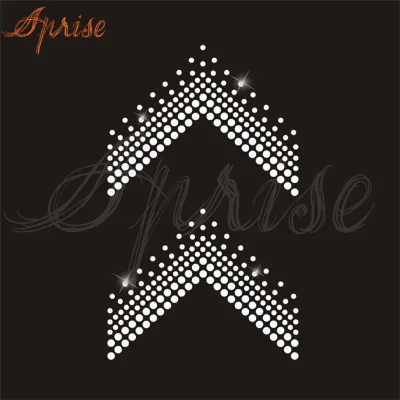
dove Rhinestone Heat Transfer dove Peace Iron on Rhinestone Hotfix Motif
$1.2836 - $1.9313
MOQ: 25 pieces

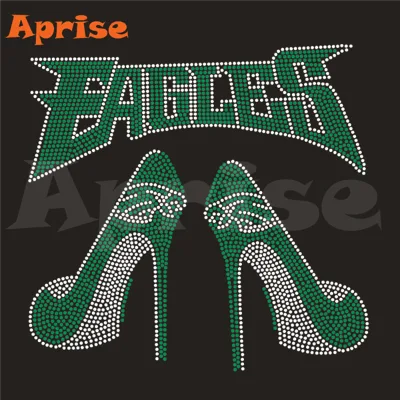
Factory Philadelphia Rhinestone Custom Design Eagle Rhinestone Transfer Iron on Heat Printing
$2.6195 - $3.6458
MOQ: 25 pieces

$1.3868 - $2.6195
MOQ: 25 pieces

- Verified by TUVRHEINLAND
- Combined
- China Zhejiang
- Lead time30 days
- Avg. response≤ 8h
Main productsThread, Zipper, Lace, Button, Webbing & Tape, Ribbon, Interlining, Fabric, Tailoring Materials, Hook & Loop
Main marketsSouth America,Africa,Europe,Australia


Garment Accessories Rhinestones Strass Peacock Hotfix Rhinestone Transfer Iron on Sticker
$0.50 - $2.00
MOQ: 500 Bags
Yiwu Dansilin Trading Co., Ltd.
- Verified by TüVRheinland
- Trading Company
- Lead time7 days
- Avg. response≤ 7h
Main productsCeramic Pearl, Rhinestone, Heat Transfer, Crystal Medley
Main marketsNorth America(38%), Western Europe(28%), Mid East(17%)
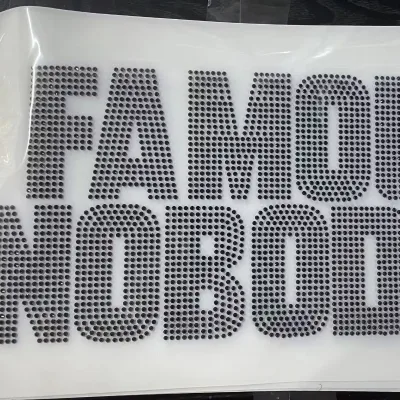



Diamond Hot Transfer Printing for All Your Garment and Bag Needs: Customizable, Affordable, and Fast
$0.68 - $0.99
MOQ: 3 pieces
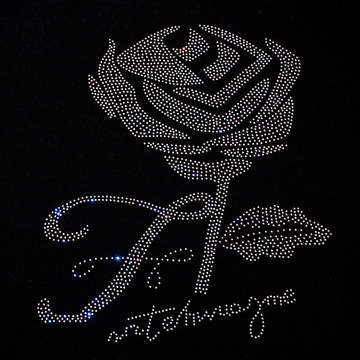
Unique Diamond Transfers for Garments and Bags: Tailored to Fit Your Style and Budget
$0.68 - $0.99
MOQ: 3 pieces

Custom Diamond Transfers for Garments and Accessories: Perfect for Any Occasion
$0.68 - $0.99
MOQ: 3 pieces
Shenzhen Tehe Packing & Accessories Co., Ltd.
- Verified by Intertek
- Trading Company
- Lead time3 days
- Avg. response≤ 2h
Main productsMen's T Shirt, Men's Sweatshirt and hoodies, Rhinestone Transfer
Main marketsNorth America(46%), Western Europe(29%), Southeast Asia(5%)

Hangzhou Hongshi Industry and Trade Co., Ltd.
- Verified by TUVRHEINLAND
- Combined
- China Zhejiang
- Lead time15 days
- Avg. response≤ 1h
Main productsPatch Cloth Print Label, Embriodery Badge, Woven Label, Hangtag, Care Label, Leather Badge, Garment Tag, Sticker, 3D TPU Embossed Patch, Rubber Patch
Main marketsEurope


Iron on Clothing Rhinestone Elegant Rhinestone Transfers for Cloth with Custom Motif Designs
$0.025 - $0.05
MOQ: 1000 Pieces

Designs Glamorous Rhinestone Transfer for Fashion Apparel and Accessories
$0.025 - $0.05
MOQ: 1000 Pieces

China Supplier Personalized Hot Fix Rhinestone Transfers for Customized Fashion Items
$0.025 - $0.05
MOQ: 1000 Pieces


Dongguan FengSuer Textile Co., Ltd
- Verified by TUVRHEINLAND
- Trading Company
- China Guangdong
- Lead time23 days
- Avg. response≤ 4h
Main productsWoven Patches, Woven Labels, Embroidery Patch, Keychians, Hantags, Printing Labels, Printing Patches, Woven Tape, Ribbon
Main marketsEurope

Yiwu Gillian Clothing Accessories Co., Ltd.
- Trading Company
- Zhejiang, China
- Lead time7 days
- Avg. response≤ 1h
Main productsRaised Silicone Heat Transfer,3D Puff Embroidery Patch,Silicone Clothing Label,Embossed Silicone Logo,3D Silicone Patch
Main marketsNorth America(25.00%), Northern Europe(15.00%), Southeast Asia(10.00%), Africa(5.00%), Eastern Asia(5.00%), Oceania(5.00%), Eastern Europe(5.00%), Mid East(5.00%), Central America(5.00%), South Asia(5.00%), Domestic Market(5.00%), Southern Europe(4.00%), South America(3.00%), Western Europe(3.00%)
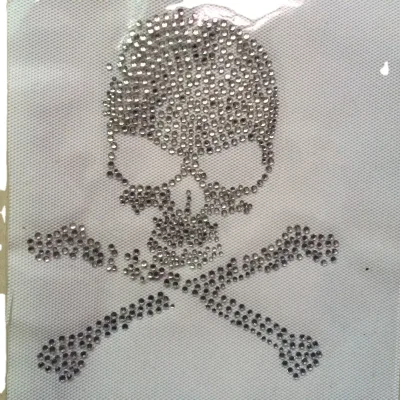
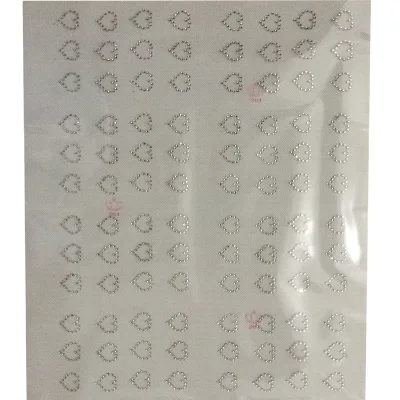
Factory Direct Animal Rhinestone Transfer Rhinestone Heat Transfers Rhinestones Transfer
$0.2603 - $0.6029
MOQ: 200 Minimum

Ningbo Yue Na Import & Export Co., Ltd.
- Verified by TUVRHEINLAND
- Trading Company
- China Zhejiang
- Lead time23 days
- Avg. response≤ 3h
Main productsLace, Thread, Button, Ribbon, Zipper, Tailors Materials, Fabric, Reflective Materials, Sewing Machine Part, Bra Parts
Main marketsSouth America,Africa,Southeast Asia/ Mideast,Europe,North America


Our Factories 20 Years'experience Various Colors Rhinestone Hotfix Transfer
$2.00 - $5.00
MOQ: 100 Pieces

Manufacuring Oeko-Tex Standard Various Colors Rhinestone Hotfix Transfer
$2.00 - $5.00
MOQ: 100 Pieces
Dongguan Topaz Costume Co., Ltd.
- Manufacturer, Trading Company
- Guangdong, China
- Lead time20 days
- Avg. response≤ 5h
Main productsRhinestone Transfer,Iron on Patch,Face Gems Sticker,T Shirts with rhinestone,Sew on Crystal
Main marketsNorth America(72.00%), Western Europe(10.00%), Domestic Market(5.00%), Oceania(4.00%), South America(3.00%), Eastern Europe(3.00%), Mid East(2.00%), Africa(1.00%)
Guangzhou Jingmao Garment Accessories Co., Ltd.
- Manufacturer, Trading Company, Distributor/Wholesaler
- Guangdong, China
- Lead time7 days
- Avg. response≤ 3h
Main productsrhinestone,rhinestone transfer,rhinestone trimming,rhinestone sheets,chenille embroidery patches
Main marketsSouth America(30.00%), North America(30.00%), Eastern Europe(20.00%), Africa(10.00%), Southeast Asia(10.00%)


$0.98 - $0.99
MOQ: 100 pieces
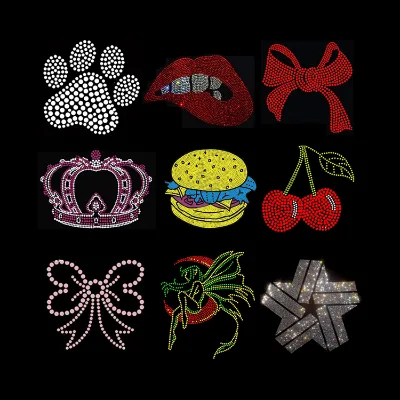
$1.0068 - $1.0173
MOQ: 100 pieces
Dongguan Ruiyan Garment Accessories Co., Ltd.
- Verified by Intertek
- Manufacturer, Trading Company
- Lead time7 days
- Avg. response≤ 4h
Main productsGarment Labels, Leather Luggage Tag, Leather Patch, Garment Tags
Main marketsDomestic Market(85%), North America(10%), Western Europe(5%)

Kingswick Technology Group Limited
- Trading Company,Manufacturer/Factory,Group Corporation,Other
- China Guangdong
- Lead time15 days
- Avg. response≤ 15h
Main productsHotfix Rhinestones, Nail Rhinestones, Flat Back Rhinestones, Sew on Rhinestones, Hot Fix Rhinestone Machines, Rhinestone Appliques, Glass Crystal Beads, Rhinestone Ribbons, Jewelry Beads, Pearl Beads
Main marketsSouth America,Eastern Europe,Mid East,North America,Southeast Asia,Eastern Asia,Oceania,Western Europe,Africa

Wholesale Crystal Glass Hot Fix Rhinestone Glitter Hotfix Rhinestones Transfer Motif for Clothes
$0.50 - $5.00
MOQ: 10 Bags

Ss16 Crystal Hotfix Rhinestones Transfer Rhinestone Motifs Iron-on Transfers for T-Shirts
$12.00 - $32.00
MOQ: 1 Bags

Customized Designs Heat Transfers Pattern Hotfix Rhinestones Motif for Clothes DIY Decoration
$1.00 - $2.00
MOQ: 1000 Pieces

Custom Rhinestone Heat Transfer Designs Hotfix Crystal Designs for Clothes
$16.00 - $25.00
MOQ: 10 Pieces

$12.00 - $32.00
MOQ: 1 Bags
- Trading Company
- Zhejiang, China
- Lead time10 days
- Avg. response≤ 2h
Main productscheerleading uniforms,gymnastics leotards,rhinestone transfers,practice wear
Main marketsNorth America(80.00%), Northern Europe(15.00%)
Harmony Fashion Jewelry Co., Ltd.
- Manufacturer, Trading Company
- Guangdong, China
- Lead time15 days
- Avg. response≤ 6h
Main productsHotfix Stone, Hotfix Transfer, Claw Rhinestone, Crystal Cupchain, Sew On Stone
Main marketsNorth America(15.00%), Western Europe(15.00%), Eastern Asia(10.00%), Southeast Asia(10.00%), South Asia(9.00%), South America(8.00%), Eastern Europe(7.00%), Oceania(6.00%), Southern Europe(5.00%), Central America(5.00%), Northern Europe(4.00%), Mid East(4.00%), Domestic Market(2.00%)

Guangzhou Govolon Trade Co., Ltd.
- Trading Company,Manufacturer/Factory
- China Guangdong
- Lead time15 days
- Avg. response≤ 24h
Main productsGarment Accessories, Lace, Button, Zipper, Fringe and Tassels, Belt Ribbon, Garment Trimming, Patch Badge, Buckle, Hotfix
Main marketsSouth America,Mid East,North America,Southeast Asia,Western Europe,Africa

Fashion Crystal Heat Transfer Rhinestone Hot Fix for Garment Clothing Decoration
$3.80 - $4.50
MOQ: 500 Pieces

Fashion Crystal Heat Transfer /Rhinestone Hot Fix for Garment Clothing Decoration
$3.80 - $4.50
MOQ: 500 Pieces



Guizhou Catch Fashion E-commerce Co., Ltd.
- Trading Company
- Guizhou, China
- Lead time5 days
- Avg. response≤ 2h
Main productsRhinestone Heat Transfer,Embroidery Patches,Printing Heat Transfer,Lace Collar,Elastic Band
Main marketsNorth America(40.00%), South America(20.00%), Central America(10.00%), Western Europe(8.00%), South Asia(5.00%), Eastern Europe(5.00%), Southern Europe(4.00%), Eastern Asia(2.00%), Northern Europe(2.00%), Southeast Asia(2.00%), Africa(2.00%)

Guangzhou JingPin Garment Accessory Co., Ltd.
- Verified by BV
- Trading Company
- China Guangdong
- Lead time15 days
- Avg. response≤ 4h
Main productsHot Fix Rhinestone Iron on Crystal, Hot Fix Rhinestuds Octagon Studs, Heat Transfer Motifs Iron on Motifs, Strass Motifs Heat Transfer Motifs, Iron on Studs Dome Studs Metallic Stud, Cup Chain Rhinestone Mesh Trimming Stone, Point Back Rhinestones DMC Rhinestones, Lead Free Rhinestones, DMC Rhinestone Epoxy Stone Hot Fix Epoxy, Nailheads Hotfix Hot Fix Nailheads
Main marketsSouth America,Africa,Southeast Asia/ Mideast,East Asia(Japan/ South Korea),Europe,Australia,North America

Custom Design Pattern Rhinestone Heat Transfer Hotfix Rhinestone Heat Transfers for T-Shirt
$2.59 - $4.68
MOQ: 20 PCS

$2.10 - $4.50
MOQ: 30 Pieces

$2.75 - $3.50
MOQ: 100 Pieces

Hotfix Crystal Stones Ss6 Ss10 Ss16 Ss20 Ss30 Rhinestone Transfer Logos Design
$15.00 - $25.00
MOQ: 1 Bags

PU Leather High Quality Hot Fix Rhinestones Transfer Logo Design Wholesale Supplier
$20.70 - $29.15
MOQ: 10 Bags

Guangzhou Yiyun Clothing Co., Ltd.
- Manufacturer, Trading Company
- Guandong, China
- Lead time0 days
- Avg. response≤ 2h
Main productsrhinestone transfer,rhinestone tshirt,glitter,hot fix tape,Tpu
Main marketsWestern Europe(22.80%), Central America(16.00%), South America(12.80%), Eastern Europe(11.00%), North America(10.00%), Mid East(9.00%), Southern Europe(8.00%)
Dongguan Jinwo Garment Accessories Co., Ltd.
- Verified by SGS Group
- Manufacturer, Trading Company
- Lead time2 days
- Avg. response≤ 5h
Main productsRhinestone Transfer, Vinyl Heat Transfer
Main marketsDomestic Market(50%), North America(30%), Eastern Europe(5%)

Guangzhou Harmony Fashion Jewelry Co., Ltd.
- Verified by SGS
- Trading Company,Manufacturer/Factory
- China Guangdong
- Lead time23 days
- Avg. response≤ 6h
Main productsRhinestone, Claw Setting Rhinestone, Hotfix Rhinestone, Apparel & Accessories, Sewing Accessories, Crystal Transfers, Crystal Loose Stone, Fashion Jewelry, Flatback Rhinestones, Crystal Craft Figurines
Main marketsSouth America,Eastern Europe,Mid East,North America,Southeast Asia,Eastern Asia,Oceania,Western Europe,Africa

Rhinestone Crystal Transfer for Garment Delicate Arrangment and Superb Alignment
$5.40 - $6.10
MOQ: 100 Pieces

Hotfix Rhinestones European Quality Standard for High-End Hotfix Transfers
$16.20 - $57.40
MOQ: 10 Bags


Hangzhou Yuming Garment Accessories Co., Ltd.
- Verified by BV
- Trading Company
- China Zhejiang
- Lead time30 days
- Avg. response≤ 3h
Main productsButton, Patch, Rivet, Eyelet, Zipper, Zipper Puller, Resin Buckle, Underwear Accessories, Snap Hook, Garment Hook
Main marketsSouth America,Southeast Asia/ Mideast,Europe,North America
Guangzhou fulfill garment accessories ltd
- Verified by Intertek
- Trading Company
- Lead time15 days
- Avg. response≤ 2h
Main productsApparel & Garments, Knitted & Woven Fabric, Lace Trim Fabric, Garment Packaging Kit, Embroidered Patch
Main marketsMid East(46%), North America(20%), Africa(9%)
Pujiang Yantuo Crystal Co., Ltd.
- Trading Company
- Lead time旺季: "1 - 100":7,"> 100":"To be negotiated", 淡季: "1 - 100":7,"> 100":"To be negotiated"
- Avg. response≤ 2h
Main productsQuartz Glass Ornament, Rhinestones, Hot Fix Rhinestones, Nail Rhinestones, Rhinestones Sheet, Half Pearls
Guangzhou Jingpin Garment Accessory Co., Ltd.
- Verified by SGS Group
- Manufacturer, Trading Company
- Lead time3 days
- Avg. response≤ 1h
Main productsCrystal Rhinestone, Sew On Stone, Rhinestone Trimming, Customized Stone Transfer Design, Rhinestone Applique
Main marketsNorth America(30%), Oceania(15%), Eastern Europe(10%)
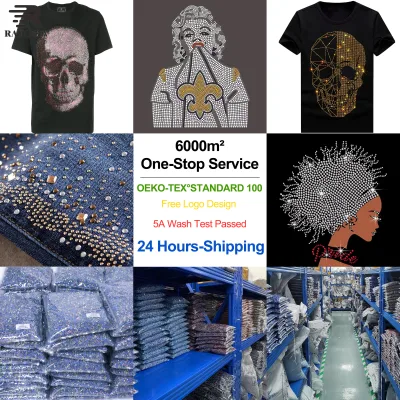
$2.63 - $4.6915
MOQ: 50 pieces












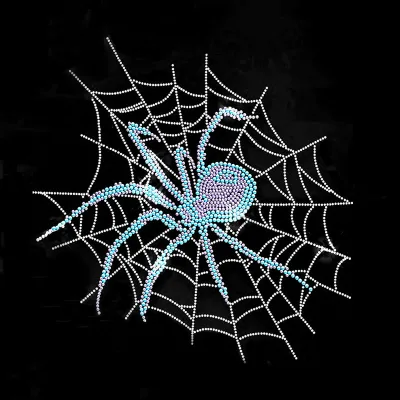
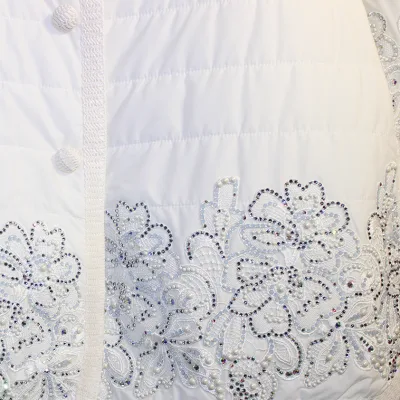
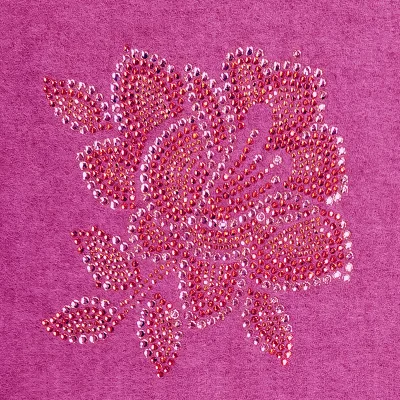
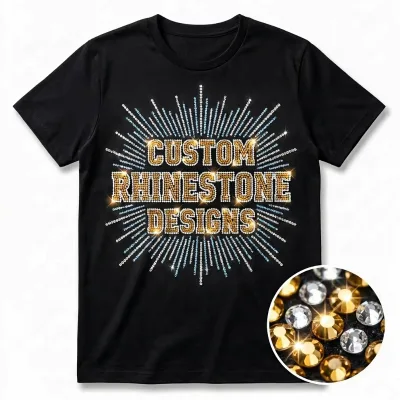



Comprehensive Sourcing Guide
Eco-Friendly Hot-Fix Motif Rhinestone Transfers Supplier Concentration and Factory Types
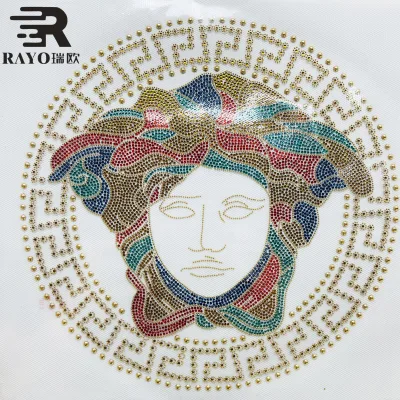
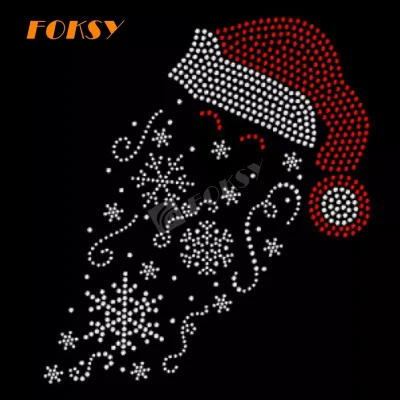
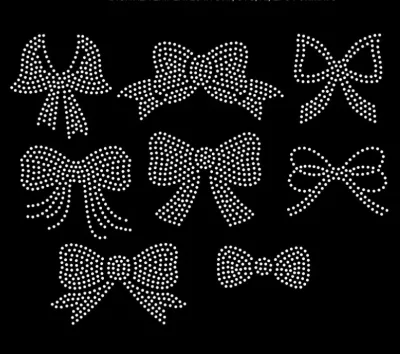
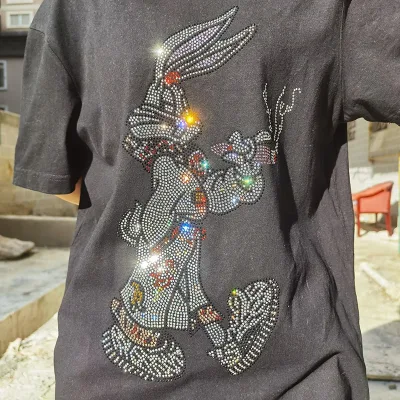
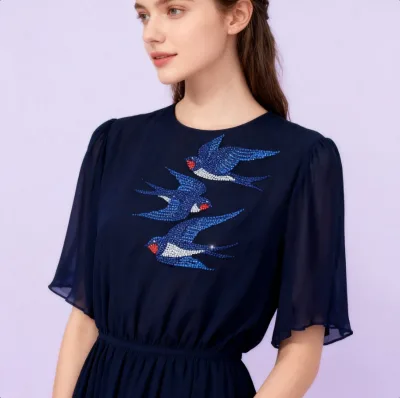
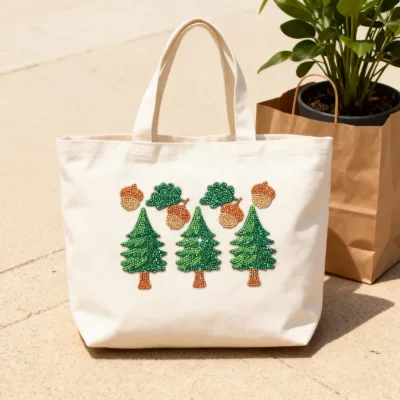
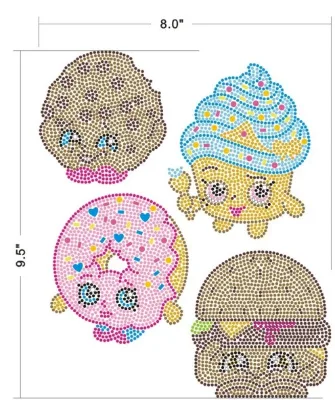
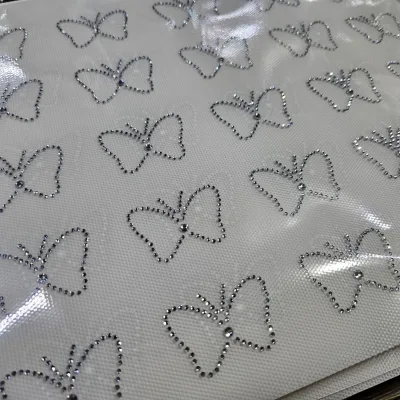
The sourcing landscape for hot-fix motif rhinestone transfers reveals distinct manufacturing clusters, with Guangdong, China, emerging as a primary hub for specialized production. Suppliers in this region frequently operate as both manufacturers and trading companies, offering a hybrid model that combines direct factory capabilities with flexible commercial services. This dual structure allows buyers to access a wide variety of designs, including custom eagle motifs, peace dove symbols, and cheer bow patterns, while maintaining competitive pricing structures. The concentration of these entities in Guangdong suggests a mature supply chain ecosystem where raw materials, such as glass rhinestones and adhesive backing sheets, are readily available, reducing logistical friction for bulk orders. Buyers evaluating this region should note that the presence of trading companies does not necessarily indicate a lack of manufacturing control; rather, it often reflects a streamlined approach to handling diverse client requirements and international shipping logistics.
In contrast to the Guangdong cluster, other regions like Zhejiang, China, present a different operational profile, often characterized by combined supplier types that may integrate thread, zipper, and lace production alongside rhinestone transfers. This diversification can be advantageous for buyers seeking a one-stop solution for garment accessories, although it may require closer scrutiny of specific product lines to ensure specialized expertise in hot-fix applications. The presence of ISO9001:2015 and ISO14001:2015 certifications in some Zhejiang-based suppliers indicates a commitment to quality management and environmental standards, which aligns with the "eco-friendly" aspect of the keyword, even if specific eco-certifications for the rhinestones themselves are not explicitly detailed in all listings. Buyers should assess whether the supplier’s broader product range dilutes their focus on rhinestone transfers or if it enhances their ability to provide complementary services. Understanding these structural differences helps in selecting a partner that matches the specific scale and customization needs of the project, whether it involves high-volume standard motifs or low-volume, highly customized designs.
How to Verify Eco-Friendly Hot-Fix Motif Rhinestone Transfers Suppliers
Verification begins with examining the supplier’s response time and lead time metrics, which serve as indirect indicators of operational efficiency and reliability. A response time of three days or less, as observed in some Guangdong-based suppliers, suggests a responsive sales team capable of addressing technical queries regarding pressing temperatures and adhesive compatibility promptly. Conversely, a response time exceeding seven days, as seen in some Zhejiang suppliers, may indicate a slower communication loop that could delay critical decision-making during the sampling phase. Buyers should also scrutinize the lead time for sample orders, with some suppliers offering support for seven-day sample lead times, which is crucial for rapid prototyping and design validation. These metrics are not just administrative details but reflect the supplier’s capacity to handle urgent requests and maintain a steady workflow, which is essential for maintaining production schedules in the fast-paced apparel industry.
Beyond speed, verifying the supplier’s verification status and certification claims is paramount for ensuring product quality and ethical manufacturing practices. Suppliers verified by third-party inspection agencies like TÜV Rheinland provide an additional layer of trust, confirming that the factory’s operations have been independently assessed. Buyers should request copies of ISO9001:2015 and ISO14001:2015 certificates to verify compliance with international quality and environmental management standards, which are particularly relevant for the "eco-friendly" positioning of the product. It is also important to confirm the material composition, such as glass rhinestones, and the specific technics used, like hot-fix application, to ensure they meet the desired aesthetic and durability standards. Buyers should not rely solely on marketing claims but should ask for detailed product attributes, including facet counts, size specifications, and pressing temperature ranges, to validate the supplier’s technical expertise and product consistency.
What to Compare Across Eco-Friendly Hot-Fix Motif Rhinestone Transfers Suppliers
When comparing suppliers, the minimum order quantity (MOQ) and price ranges are critical factors that influence the feasibility of different order sizes. Some suppliers offer an MOQ of 25 pieces, which is ideal for small businesses or custom design trials, while others require 50 or 30 pieces, catering to slightly larger batches. Price variations are also significant, with costs ranging from approximately $0.50 to $3.65 per piece, depending on the complexity of the design, the number of facets, and the size of the rhinestones. Buyers should compare these costs against the supply ability, which can range from standard production levels to 100,000 pieces per day, to ensure the supplier can meet volume demands without compromising quality. It is essential to calculate the total landed cost, including shipping and tariffs, rather than just the unit price, to make an accurate comparison.
Customization capabilities and sample policies are another key area for comparison, as they directly impact the ability to create unique products. Suppliers that accept OEM designs and offer free samples provide greater flexibility for brand differentiation, allowing buyers to test the product before committing to large orders. The availability of customized sizes, such as 1.5mm steel sheets or 2mm glass stones, and specific colors like green, white, black, or red, should be evaluated against the buyer’s design requirements. Additionally, the pressing time and temperature specifications, such as 15-20 seconds at 150-180℃, are crucial for ensuring the transfers adhere correctly to various fabrics, including t-shirts, hoodies, and bags. Buyers should request detailed technical sheets for each motif to verify compatibility with their production equipment and to avoid issues during the heat press application process.
Common Eco-Friendly Hot-Fix Motif Rhinestone Transfers Sourcing Risks
One significant risk in sourcing hot-fix rhinestone transfers is the inconsistency in adhesive quality and pressing performance, which can lead to product failure during application. If the pressing temperature or time is not strictly adhered to, the rhinestones may detach from the fabric, resulting in customer complaints and returns. Buyers must ensure that the supplier provides clear and accurate technical specifications for each motif, including the recommended pressing parameters, to minimize this risk. Additionally, the durability of the rhinestones themselves, particularly the facet count and material quality, can vary between suppliers. Glass rhinestones with 12 facets may offer superior brilliance compared to lower-quality alternatives, but this must be verified through physical samples. Buyers should conduct rigorous testing on their own equipment to validate the supplier’s claims before placing bulk orders.
Another risk is the potential for delays in production and shipping, which can disrupt the buyer’s supply chain and miss critical market windows. While some suppliers boast short delivery times of 1-3 days, these may only apply to sample orders or small batches, and bulk production lead times can be significantly longer. Buyers should clarify the exact production timeline for their specific order size and design complexity to avoid misunderstandings. Furthermore, the risk of intellectual property infringement exists when sourcing custom designs, especially if the supplier is not bound by strict confidentiality agreements. Buyers should ensure that their custom motifs, such as specific eagle or dove designs, are protected and that the supplier does not share these designs with competitors. Clear contractual terms regarding IP rights and quality standards are essential to mitigate these risks and protect the buyer’s brand integrity.
Eco-Friendly Hot-Fix Motif Rhinestone Transfers Regional Sourcing and Logistics
Sourcing from Guangdong, China, offers logistical advantages due to its proximity to major ports like Shenzhen, which facilitates efficient export operations. Suppliers in this region often have established relationships with freight forwarders, enabling faster and more cost-effective shipping solutions for international buyers. The concentration of manufacturers in this area also allows for easier quality control visits and faster communication, which is beneficial for managing complex orders. Buyers should consider the impact of shipping distances on lead times and costs, especially if they are located in Europe or the Americas. While air freight may be necessary for urgent samples, sea freight is often more economical for bulk orders, and buyers should plan their inventory accordingly to balance cost and speed.
In contrast, sourcing from Zhejiang, China, may involve different logistical considerations, as the region is also well-connected but may have different port access and shipping routes. Buyers should evaluate the supplier’s packaging details, such as vacuum packaging followed by carton packing, to ensure the rhinestone transfers arrive in pristine condition, free from damage or moisture. The port of dispatch, whether Shenzhen or another location, can affect transit times and customs clearance processes. Buyers should work with their freight forwarders to determine the most efficient shipping method based on the supplier’s location and the order’s urgency. Additionally, understanding the local regulations and export requirements of the supplier’s region can help avoid unexpected delays or additional costs. By carefully planning the logistics, buyers can optimize their supply chain and ensure timely delivery of their products to the market.
Eco-Friendly Hot-Fix Motif Rhinestone Transfers Commercial Terms and Order Planning
Commercial terms, including payment methods and escrow services, play a crucial role in securing transactions and protecting buyer interests. Buyers should prioritize suppliers that offer secure payment options, such as escrow services, which hold funds until the goods are received and verified. This protects buyers from fraud and ensures that suppliers are motivated to deliver on their promises. It is also important to clarify the terms for sample orders, including whether samples are free or charged, and how these costs are handled in subsequent bulk orders. Some suppliers may deduct sample costs from the final invoice, which can be a beneficial arrangement for buyers who proceed with large orders. Understanding these financial terms helps in budgeting accurately and avoiding unexpected expenses.
Order planning should also account for the supplier’s supply ability and production capacity, especially for large-volume orders. Suppliers with a supply ability of 100,000 pieces per day can handle significant demand, but buyers should confirm this capacity during the negotiation phase to ensure it is reserved for their order. It is also advisable to discuss the packaging requirements in detail, as custom packaging may incur additional costs or require longer lead times. Buyers should plan for potential variations in production, such as slight differences in color or size, by ordering a small buffer stock. Clear communication regarding delivery schedules, quality control checkpoints, and after-sales support is essential for a successful partnership. By carefully planning the commercial aspects of the order, buyers can minimize risks and ensure a smooth procurement process.
FAQs
What is the typical lead time for custom rhinestone transfers?
Manufacturers in Guangdong, China, generally offer a lead time of 2 days for standard orders. Some suppliers support a 7-day sample order lead time for custom designs. Buyers should verify specific delivery windows with the supplier before placing bulk orders to ensure timely production.
What is the minimum order quantity for these transfers?
The minimum order quantity varies by supplier, ranging from 25 pieces to 50 pieces. Some providers accept orders as low as 30 pieces for custom motifs. Buyers should check the specific MOQ listed for each product to determine the best fit for their initial purchase volume.
What materials are used for hot-fix rhinestone transfers?
Most hot-fix rhinestone transfers are made from glass material. They feature a flatback style with round shapes and are available in various colors like green, white, or black. The transfers utilize a hot-fix technics for easy application onto fabrics using heat pressing equipment.
Are custom designs and OEM services available?
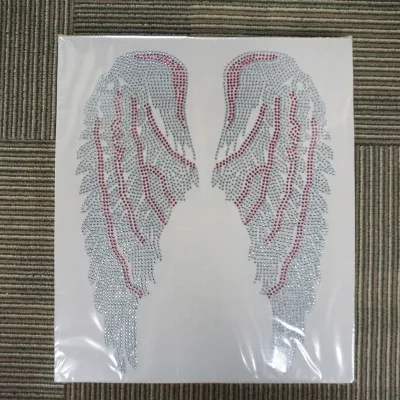
Yes, OEM acceptable customized designs are widely available from these suppliers. Buyers can request specific motifs, such as eagles, wings, or bows, with custom sizes. Suppliers typically provide free samples or provided samples to verify the design before proceeding with mass production orders.
What is the price range for these transfers?
Prices for rhinestone transfers typically range from $0.50 to $3.65 per piece. The cost depends on the design complexity, size, and quantity ordered. For example, basic motifs may start around $0.50, while intricate custom designs can cost up to $3.65. Bulk orders often reduce the unit price.
How quickly do suppliers respond to inquiries?
Response times vary, with some suppliers responding within 3 hours. Others may take up to 7.27 hours to reply to initial inquiries. Buyers should prioritize suppliers with faster response times to ensure efficient communication regarding custom requirements, pricing, and production schedules for their orders.
What certifications do the suppliers hold?
Some suppliers hold ISO9001:2015 and ISO14001:2015 certificates for quality and environmental management. Verification services like TÜV Rheinland may also be available for certain manufacturers. Buyers should request these certification documents to ensure the supplier meets international standards for production quality and operational compliance.