Eco-Friendly Lightweight Hoodie Suppliers and Manufacturers
Compare 18 verified suppliers offering Eco-Friendly Lightweight Hoodie options with varying lead times, response speeds, and certifications. Review product attributes like material blends and customization availability to select the right partner for your needs; review the available evidence before requesting comparable quotations from suitable candidates.
Suppliers List
Guangzhou Tianyuan Clothing Co., Ltd
- Verified by SGS
- Combined
- China Guangdong
- Lead time30 days
- Avg. response≤ 2h
Main productsPolo Shirt, Shirt, Suit, T-Shirt, School Uniform, Hooded Sweatshirt, Medical Uniform, Chef's Uniform, Trousers, Work Clothes
Main marketsDomestic


Sustainable Recycled Polyester Hooded Sweatshirt Eco-Conscious Pullover Hoodie
$6.95 - $8.95
MOQ: 100 Pieces


Wujiang Hailihong Textile Co., Ltd.
- Verified by CTI
- Combined
- China Jiangsu
- Lead time15 days
- Avg. response≤ 9h
Main productsKnitted Textiles, Chemical Fibers, Home Textiles, Clothing and Accessories, Swim Trunks, T-Shirt, Hawaiian Shirt, Beach Pants, Bikini, Hoodie
Main marketsAfrica,Southeast Asia/ Mideast,East Asia(Japan/ South Korea),Domestic,Europe,Australia,North America

- Verified by CTI
- Trading Company
- China Anhui
- Lead time23 days
- Avg. response≤ 1h
Main productsFurniture, Home Furniture
Main marketsSoutheast Asia/ Mideast

Dongguan Humen Hucai Garment Co., Ltd.
- Verified by TUVRHEINLAND
- Combined
- China Guangdong
- Lead time15 days
- Avg. response≤ 4h
Main productsSportswear, Yoga Pants, Sports Bra, T Shirt, Tank Top, Jogger Pants, Tracksuit, Hoodies, Shorts, Leggings
Main marketsAustralia,North America

Shanghai Easun Group Imp & Exp Co., Ltd.
- Verified by BV
- Trading Company
- China Shanghai
- Lead time15 days
- Avg. response≤ 18h
Main productsHoodies, Pajamas, T-Shirt, Bath Robe, Sleepwear, Polo Shirts, Safety Shoes
Main marketsAfrica


Custom Embroidered Hoodie Custom Embroidered Sweatshirt Custom Embroidery Hoodie
$4.00 - $7.50
MOQ: 300 Pieces


Dongguan Senzhou Garment Co., Ltd.
- Verified by TüVRheinland
- Manufacturer, Trading Company
- Lead time15 days
- Avg. response≤ 2h
Main productsTracksuit, T-Shirts, Hoodie, Shorts, Jacket
Main marketsNorth America(28%), Western Europe(22%), Domestic Market(20%)
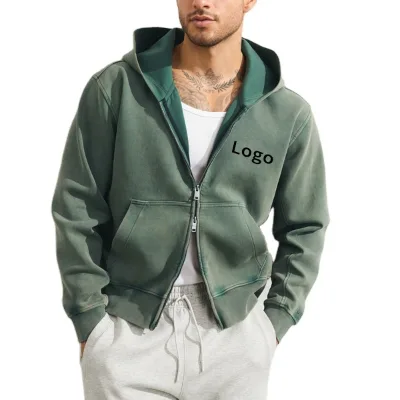
$19.55 - $22.64
MOQ: 50 pieces
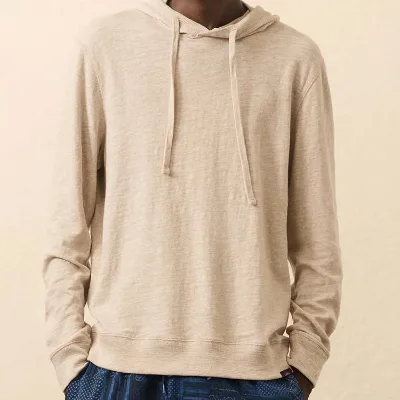
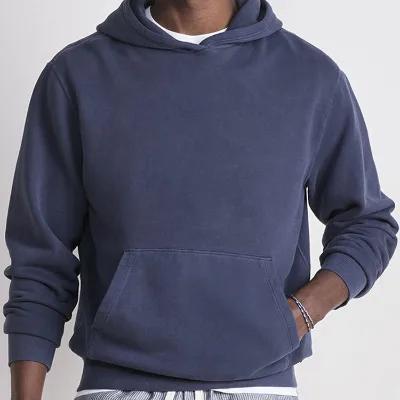

Guangdong Mingyang Garment Industry Co., Ltd.
- Verified by BV
- Combined
- China Guangdong
- Lead time23 days
- Avg. response≤ 3h
Main productsGarment, Office Equipment, Bags & Gifts, Sports Fitness and Leisure, Toys, Uniform, Clothing Accessories, Workwear, Jacket, Outdoor Clothing
Main marketsSouth America,Southeast Asia/ Mideast,Europe,Australia
Zhousi (Shenzhen) Clothing Co., Ltd.
- Verified by CTI
- Trading Company
- China Guangdong
- Lead time23 days
- Avg. response≤ 1h
Main marketsDomestic

Guangzhou Yuchen Clothing Co., Ltd
- Verified by TUVRHEINLAND
- Combined
- China Guangdong
- Lead time30 days
- Avg. response≤ 3h
Main productsCustom Made; Custom-Tailor; , T-Shirt, Polo Shirt, Uniforme, Wholeale T-Shirt, Hoody, Sportswear, Shool Uniform, Workclothes, Medical Scrubs
Main marketsDomestic

Unisex Minimalist Loose Fit Cotton Blend with Soft Touch Comfort Hoodie
$12.80 - $30.80
MOQ: 100 Pieces

Comfortable Casual Sweatshirt with Premium Finish for Daily Outdoor Activities Hoodie
$15.60 - $33.70
MOQ: 100 Pieces

Custom Logo Full Zip for Streetwear Breathable Durable Unisex Casual Hoodie
$12.80 - $22.50
MOQ: 100 Pieces

Shanghai David International Trade Co., Ltd.
- Verified by TUVRHEINLAND
- Combined
- China Shanghai
- Lead time15 days
- Avg. response≤ 7h
Main productsPromotional Gifts, Gift Sets, Tshirts, Hats, Hot Packs, Hot Cold Packs, Ice Packs, Bags, Umbrellas, Water Bottles
Main marketsSouth America,Africa,Southeast Asia/ Mideast,East Asia(Japan/ South Korea),Domestic,Europe,Australia,North America
Jurong Mujie Apparel Co., Ltd.
- Verified by TUVRHEINLAND
- Combined
- China Jiangsu
- Lead time23 days
- Avg. response≤ 8h
Main productsJersey Beanie, Knitting Beanie, Knitting Scarf, Bandana
Main marketsDomestic

Guangzhou Hengyu Sports Co., Ltd.
- Manufacturer, Trading Company, Distributor/Wholesaler
- Guangdong, China
- Lead time7 days
- Avg. response≤ 8h
Main productsjerseys,shorts,jackets,windbreakers,hoodies
Main marketsNorth America(60.0%), Eastern Asia(15.0%), Oceania(10.0%), Western Europe(5.0%), Northern Europe(5.0%), Southern Europe(3.0%), Africa(2.0%)

Yancheng Chimei Apparel Co., Ltd.
- Verified by CTI
- Trading Company
- China Jiangsu
- Lead time30 days
- Avg. response≤ 3h
Main productsT Shirt, Hoodie, Jacket
Main marketsSouth America,Europe,Australia,North America


Organic Cotton Basic Custom Hoodie - Eco-Friendly Unisex for Sustainable Branding
$8.00 - $15.00
MOQ: 100 Pieces


Guangzhou Shangshang Industrial Co., Ltd.
- Combined
- China Guangdong
- Lead time15 days
- Avg. response≤ 22h
Main productsHoodies, T Shirt, Sweatpant, Shorts, Jacket
Main marketsDomestic
Shenzhen Chenxi Lingdong Technology Co., Ltd.
- Verified by BV
- Trading Company
- China Guangdong
- Lead time15 days
- Avg. response≤ 11h
Main marketsSoutheast Asia/ Mideast,Europe,North America


Logo Design Hoodie Custom High Frequency Manufacturer Heavyweight Oversized
$20.00 - $25.00
MOQ: 2 Pieces
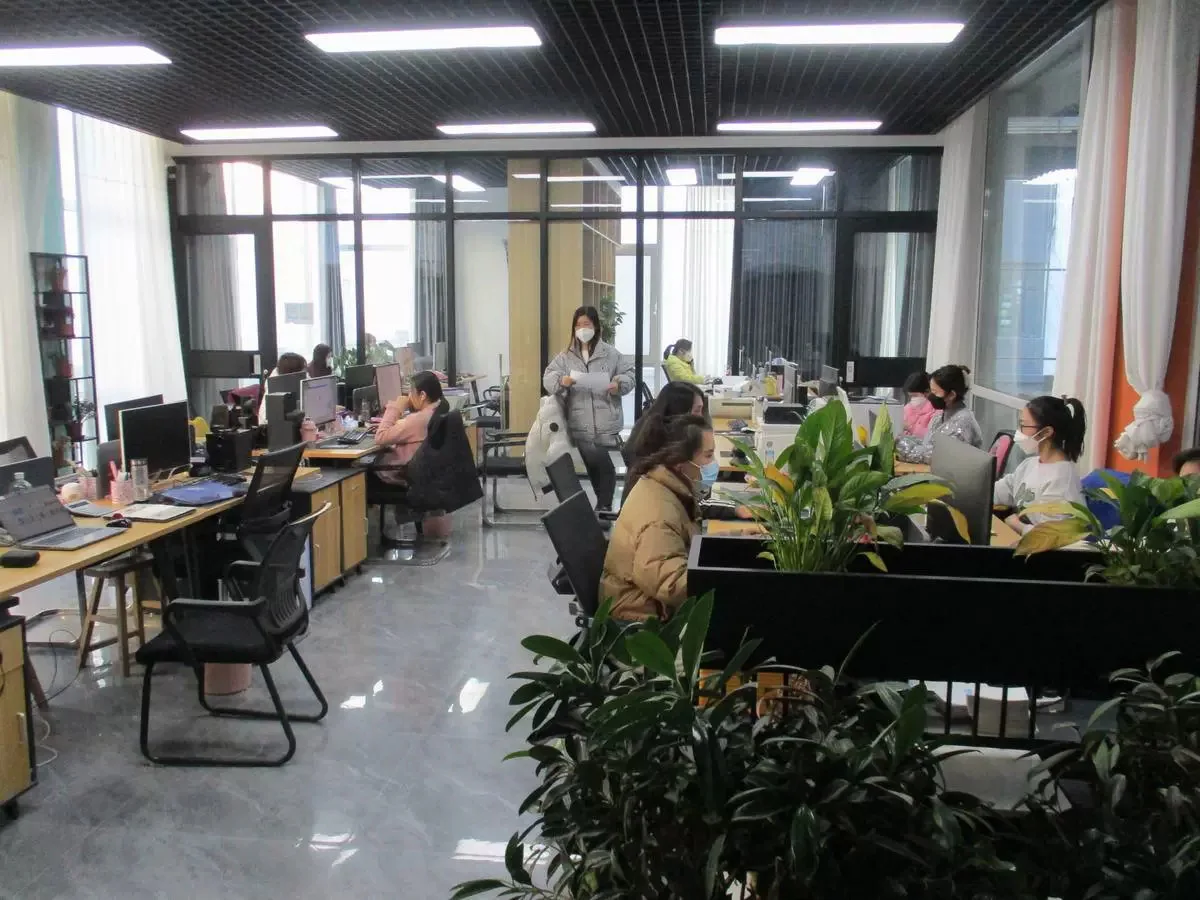
Dongguan Xingyaoda Trading Co., Ltd.
- Trading Company
- Guangdong, China
- Lead time7 days
- Avg. response≤ 7h
Main productsMen's Clothing,Women's Clothing,Sportswear,Customize Garment,Hats & Caps
Main marketsNorth America(40.0%), Eastern Europe(10.0%), Oceania(10.0%), Southern Europe(5.0%), Northern Europe(5.0%), Central America(5.0%), Western Europe(5.0%), Mid East(5.0%), South America(5.0%), Africa(5.0%), Southeast Asia(5.0%)

Goldleaf (Shenzhen) Sports Co., Ltd.
- Verified by TUVRHEINLAND
- Trading Company,Manufacturer/Factory
- China Guangdong
- Lead time15 days
- Avg. response≤ 5h
Main productsHockey Uniform, Sports Uniform, Polo/Tshirt/Fishing Shirt, Lacrosse Uniform, Baseball Uniform, Basketball Uniform, Rugby Uniform, Racing Shirt, Cricket Uniform, Footy Shorts
Main marketsSouth America,Eastern Europe,Mid East,North America,Southeast Asia,Eastern Asia,Oceania,Western Europe,Africa

Full Sublimation Men Hoodies Pullover Regular Custom Color Men Sublimation Hoodies
$10.00 - $20.00
MOQ: 5 piece


Yancheng City Zhou Chi Imp. & Exp. Co. Ltd.
- Verified by TUVRHEINLAND
- Trading Company
- China Jiangsu
- Lead time23 days
- Avg. response≤ 11h
Main productsApparel, T Shirt, Hoodies, Shorts, Leggings, Jackets, Woven Shirts
Main marketsSoutheast Asia/ Mideast,Europe,North America






Comprehensive Sourcing Guide
Eco-Friendly Lightweight Hoodie Supplier Concentration and Factory Types
Current data indicates a concentration of suppliers in China Guangdong, where combined company types offer a mix of manufacturing and trading capabilities. These entities often list main products including polo shirts, suits, and various uniform types alongside hoodies, suggesting a diversified production base. The presence of ODM and own-brand capabilities within these facilities allows for significant customization, which is critical for buyers seeking eco-friendly lightweight options. When evaluating these clusters, buyers should verify if the specific factory holds the necessary capacity for sustainable materials rather than assuming all listed apparel manufacturers can produce recycled polyester blends.
In contrast, suppliers located in China Jiangsu and China Anhui present different operational profiles. The Jiangsu-based entities often focus on knitted textiles and chemical fibers, which may provide a direct supply chain advantage for fabric sourcing. Meanwhile, the Anhui location lists furniture as a primary product, indicating that any hoodie offerings there likely come from a trading company rather than a dedicated textile factory. Buyers must distinguish between these factory types to ensure the supplier has the specific technical expertise for lightweight, moisture-wicking fabrics. Without explicit confirmation of textile manufacturing capabilities, a trading company may add layers of cost and communication complexity that delay the sourcing process.
How to Verify Eco-Friendly Lightweight Hoodie Suppliers
Verification is a critical step when sourcing eco-friendly apparel, as not all suppliers possess the necessary credentials to validate their sustainability claims. The current results show specific verification statuses such as SGS and CTI, which serve as third-party validations of a supplier's operational integrity. Buyers should prioritize suppliers with these active verification badges, as they indicate a higher level of scrutiny regarding business practices and product quality. It is essential to confirm that the verification covers the specific eco-friendly attributes of the hoodie, such as the use of recycled polyester or organic cotton blends, rather than just general business compliance.
Beyond verification badges, buyers must examine the detailed product attributes provided in the supplier listings to ensure alignment with eco-friendly standards. Evidence shows specific product features like moisture-wicking properties and customized labels, which are common in lightweight hoodies. However, the presence of a "Customized" brand or logo does not automatically confirm the material is sustainable. Buyers should request specific test reports or certification documents that prove the recycled content percentage and the absence of harmful chemicals. If a supplier cannot provide these specific material proofs, the buyer should treat the eco-friendly claim with caution and seek alternative vendors who can substantiate their environmental assertions with concrete documentation.
What to Compare Across Eco-Friendly Lightweight Hoodie Suppliers
When comparing potential partners, lead time and minimum order quantity (MOQ) are primary differentiators that impact inventory planning and cash flow. The observed data reveals a wide range in lead times, with some suppliers offering a 15-day turnaround while others require up to 30 days. Similarly, MOQs vary significantly, with some listings accepting orders as low as two pieces, while others mandate a minimum of 500 units. Buyers must align these figures with their specific business needs; a startup might prioritize low MOQs, whereas a large retailer may prefer the economies of scale offered by higher volume suppliers with longer lead times.
Response time and product customization capabilities also form a crucial comparison matrix for selecting the right supplier. The data indicates response times ranging from 0.60 to 8.93, which can significantly affect the speed of negotiation and problem resolution. A faster response time often correlates with better communication and quicker turnaround on sample requests. Additionally, the availability of customization options, such as pattern selection, logo printing, and label customization, varies by supplier. Buyers should compare these features to ensure the supplier can meet their specific design requirements without incurring excessive costs or delays. Evaluating these dimensions together helps identify a partner that balances speed, flexibility, and volume requirements effectively.
Common Eco-Friendly Lightweight Hoodie Sourcing Risks
One significant risk involves the discrepancy between claimed eco-friendly materials and actual product composition. While some listings mention recycled polyester or cotton blends, the lack of standardized certification data in the initial search results creates ambiguity. Buyers face the risk of receiving products that do not meet their sustainability standards if they rely solely on marketing keywords like "Eco-Conscious" without verifying the underlying material specifications. This gap can lead to reputational damage and potential returns if the final product fails to deliver on its environmental promises.
Another risk stems from inconsistent quality control and production standards across different supplier types. The data shows a mix of combined companies and trading companies, each with varying levels of direct oversight over the manufacturing process. Trading companies, in particular, may have less control over the factory floor, increasing the likelihood of quality inconsistencies in the final hoodie. Furthermore, the variation in product attributes, such as size availability and fabric weight, suggests that buyers must rigorously test samples before committing to large orders. Failure to conduct thorough sample testing can result in receiving garments that are not truly lightweight or lack the intended moisture-wicking features, leading to customer dissatisfaction.
Eco-Friendly Lightweight Hoodie Regional Sourcing and Logistics
Regional sourcing decisions are heavily influenced by the specific location of the supplier and its impact on logistics and shipping costs. The current results highlight suppliers in Guangdong, Jiangsu, and Anhui, each presenting different logistical profiles. Guangdong, being a major manufacturing hub, often offers established supply chains and efficient port access, which can streamline the export process for lightweight hoodies. However, buyers must verify the specific port of loading and the shipping terms to accurately calculate the total landed cost, as these factors can vary even within the same province.
Logistics efficiency is also tied to the supplier's ability to handle packaging and standardization. The data indicates specific packing dimensions and standard weights for various hoodie models, which are critical for optimizing container space and reducing freight costs. For instance, some products are packed in OPP bags with specific dimensions, while others may have different packaging requirements. Buyers should compare these packaging details to ensure they can maximize container utilization. Additionally, the origin of the product, consistently listed as China, means that buyers must account for international shipping times and potential customs delays. Understanding these regional logistics nuances is essential for planning a reliable supply chain that meets delivery deadlines.
Eco-Friendly Lightweight Hoodie Commercial Terms and Order Planning
Commercial terms, particularly pricing and payment structures, vary widely among suppliers and must be carefully analyzed during the planning phase. The observed price ranges for lightweight hoodies span from approximately $6.00 to $20.00, depending on factors like material composition, customization level, and order volume. Buyers should not assume that a lower price point guarantees better value, as the cost may reflect lower quality materials or less rigorous quality control. It is vital to request detailed price breakdowns that account for customization fees, tooling costs, and any additional charges for eco-friendly certifications.
Order planning must also consider the specific commercial terms regarding minimum order quantities and production lead times. The data shows MOQs ranging from 2 to 500 units, which directly influences the financial risk and inventory strategy for the buyer. High MOQs may require significant upfront capital, while low MOQs might result in higher per-unit costs. Buyers should align their order quantities with their sales forecasts to avoid overstocking or stockouts. Furthermore, understanding the lead time variations, which range from 15 to 30 days, is crucial for scheduling production and ensuring timely market entry. By carefully balancing these commercial terms, buyers can develop a robust order plan that mitigates financial risk and ensures a steady supply of eco-friendly lightweight hoodies.
FAQs
What is the price range for lightweight hoodies?
Suppliers offer lightweight hoodies between $6.00 and $20.00 per unit. Prices vary based on material composition, customization options, and order volume. Buyers should expect lower costs for basic cotton blends and higher rates for specialized eco-friendly or color-changing features.
What is the minimum order quantity for hoodies?
Minimum order quantities range from 2 to 500 pieces depending on the supplier. Some manufacturers accept small batches of just two units, while others require 100 or 500 pieces for custom branding. Buyers should verify specific MOQs before placing orders.
How long does production take for hoodies?
Production lead times typically range from 15 to 30 days. Faster turnaround options are available from certain suppliers, while others may require up to a month for manufacturing. Buyers should confirm exact timelines with suppliers to ensure timely delivery for their projects.
Are custom logos and branding available?
Yes, most suppliers offer customization for logos, labels, and brands. Options include printed designs, embroidered logos, and custom tags. Buyers can request tailored branding solutions to match their specific requirements, ensuring their products stand out in the market with unique visual identities.
What materials are used for lightweight hoodies?
Common materials include pure cotton, recycled polyester, and cotton blends. Some hoodies feature moisture-wicking properties or warm fleece linings. Buyers can choose from various fabric compositions based on comfort, durability, and sustainability preferences for their specific product needs.
Where are hoodie suppliers located?
Suppliers are primarily located in China, including Guangdong, Jiangsu, and Anhui provinces. These regions offer diverse manufacturing capabilities and supply chain efficiencies. Buyers can access a wide range of options from different geographic locations to meet their sourcing requirements.