Eco Friendly Latte Art Pen Suppliers and Manufacturers
Source 24 verified suppliers for Eco Friendly Latte Art Pen tools. Compare grounded dimensions including Guangdong origin, BSCI ISO certifications, and 30-day lead times. Review product specs and request samples to verify quality; review the available evidence before requesting comparable quotations from suitable candidates.
Suppliers List
Jiangmen Banyan Metal Co., Ltd.
- Verified by SGS Group
- Manufacturer, Trading Company
- Lead time30 days
- Avg. response≤ 2h
Main productsKitchen Tools & Storage, Coffee accessories, Bathroom Accessory, Storage Rack & Hooks, Grills and Tools
Main marketsNorth America(25%), Eastern Europe(25%), Western Europe(25%)
Jiangmen Highwin Industrial Ltd.
- Manufacturer, Trading Company
- Lead time旺季: "1 - 10000":30,"> 10000":"To be negotiated", 淡季: "1 - 10000":30,"> 10000":"To be negotiated"
- Avg. response≤ 3h
Main productsFrench Press, Coffee Grinder, Coffee Set, Tea Pot, Espresso Accessories
Zhengzhou Estarlink coffee Co., Ltd
- Trading Company
- Henan, China
- Lead time0 days
- Avg. response≤ 4h
Main productsCoffee Grinder,Coffee Pot,Coffee Machine,Coffee Makers,Coffee Tools
Main marketsNorth America(21.00%), Mid East(17.00%), Western Europe(15.00%), Oceania(10.00%), Southeast Asia(10.00%), Domestic Market(7.00%), Northern Europe(5.00%), Eastern Asia(5.00%), South America(4.00%), Eastern Europe(3.00%), Southern Europe(3.00%)
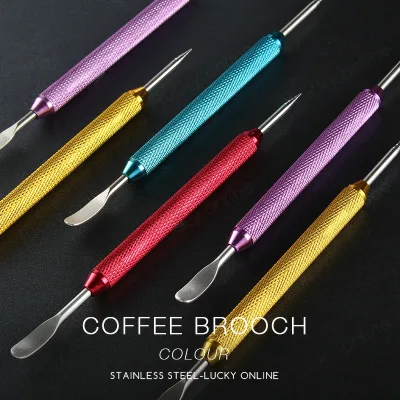
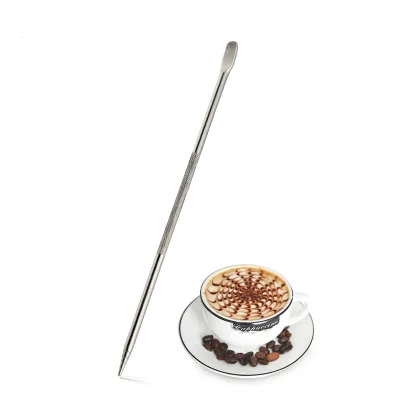
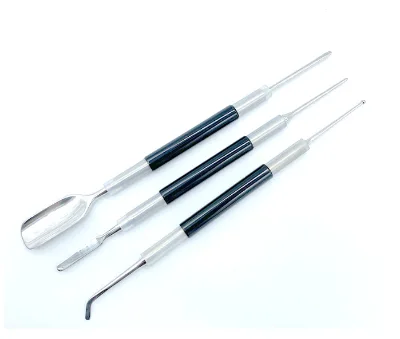
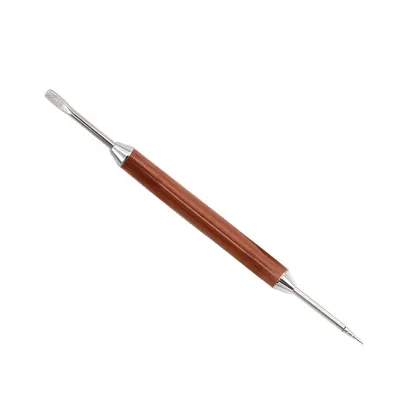
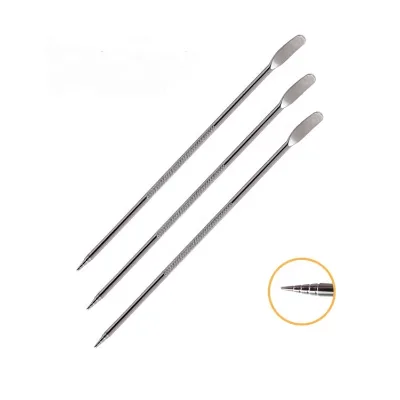
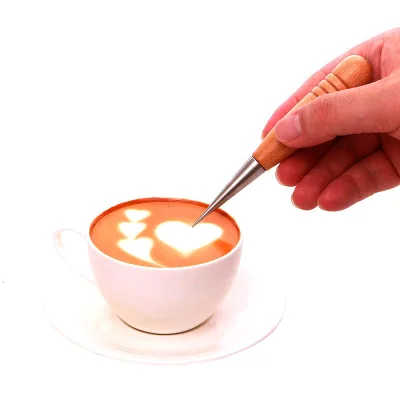
Premium Colorful Stainless Steel Non-Slip Thread Coffee Needle Decorating Latte Art Pen
$0.36 - $0.72
MOQ: 50 pieces
Henan Zlovy Enterprise Co., Ltd.
- Trading Company
- Henan, China
- Lead time1 days
- Avg. response≤ 8h
Main productsCoffee Pot,Coffee Tools,Water Bottle,Home Appliances,Baking Tools
Main marketsNorth America(35.00%), Western Europe(20.00%), Mid East(20.00%), Southeast Asia(15.00%), South America(10.00%)
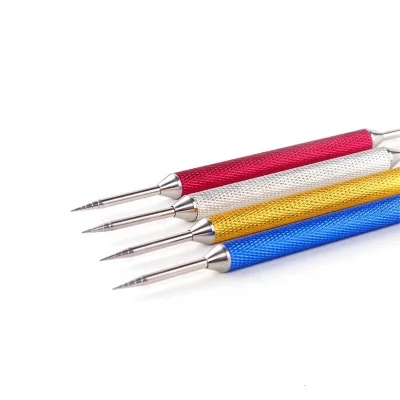
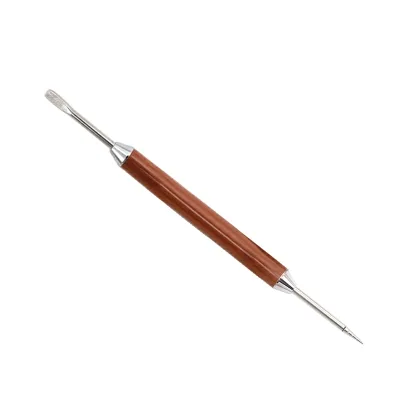
Premium Colorful Stainless Steel Non-Slip Thread Coffee Needle Decorating Latte Art Pen
$0.37 - $0.74
MOQ: 50 pieces
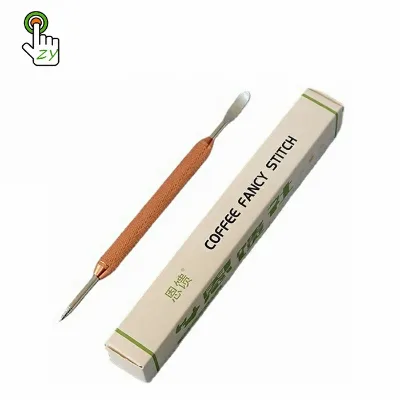
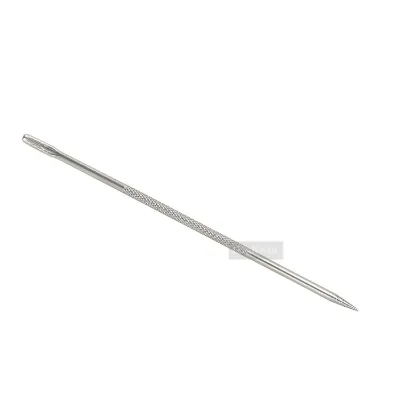
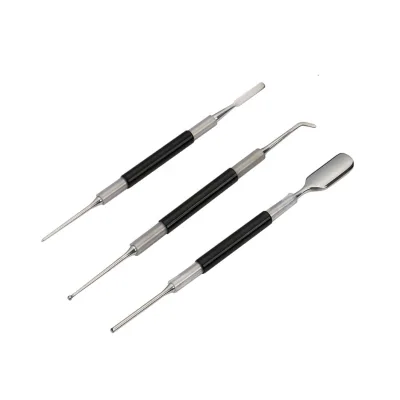
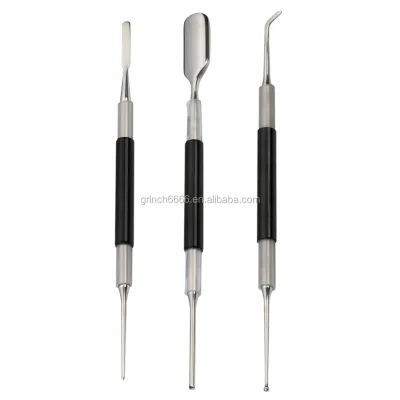
Barista Tools Drawing Decorative Patterns Latte Art Spoon Stainless Steel Coffee Latte Art Pen Set
$0.58 - $0.90
MOQ: 50 pieces

Ningbo Becol Stationery & Gifts Co., Ltd.
- Verified by BV
- Trading Company
- China Zhejiang
- Lead time23 days
- Avg. response≤ 8h
Main productsPromotion Pen, Ball Pen, Marker Pen, Highlighter, Gel Pen, Cutter Knife, File Folder, Stapler, Scissor, Stamp
Main marketsSouth America,Africa,Southeast Asia/ Mideast,East Asia(Japan/ South Korea),Europe,Australia,North America

Promotional Cheap Engraved Recycled Pen Eco-Friendly Natural Bamboo Pen
$0.18 - $0.40
MOQ: 2000 Pieces


Heleyou Cultural and Creative(Wuxi) Co., Ltd.
- Verified by TUVRHEINLAND
- Trading Company
- China Jiangsu
- Lead time23 days
- Avg. response≤ 3h
Main productsBall Pen, Gel Pen, Customized Pen, Gift Pen, Signature Pen, Creative Stationery, Office School Supply, Bamboo Wooden Pen, Stationery Gift Box, Promotional Pen
Main marketsSouth America,Eastern Europe,Mid East,North America,Southeast Asia,Eastern Asia,Oceania,Western Europe,Africa


Kraft Paper Creative Ball Pen Eco-Friendly Recyclable Customized Ballpoint Pens
$0.12 - $0.16
MOQ: 49 Pieces


Jiangmen Chang Kun Industrial Co., Ltd.
- Verified by SGS Group
- Manufacturer, Trading Company
- Lead time0 days
- Avg. response≤ 4h
Main productsCoffee Tool (Glass Rinser/Milk Jug/Coffee Kettle/Coffee Tamper/Knock Box/Coffee Maker/Drip Stand) / Kitchenware (Utensils/Coco Shaker/French Press/Powder Sifter/Oil Can/Ice Scoop), Kitchenware
Main marketsEastern Asia(25%), Mid East(15%), Western Europe(15%)

Changsha Sofly Industry Co.,Ltd
- Verified by BV
- Trading Company
- China Hunan
- Lead time15 days
- Avg. response≤ 6h
Main productsPower Bank, Digital Luggage Scale, USB Flash Drive, LED Light, LED, Mobile Battery Charger, USB Stick, USB 2.0 USB 3.0, Digital Hanging Portable Scale, Digital Scale
Main marketsEurope

Eco Friendly Wood Ballpoint Pen Gift Promotional Custom High Quality Recycled Bamboo Pen
$0.18 - $0.27
MOQ: 500 Pieces

Eco Friendly Bamboo Pen Promotional Ballpoint Pen with Custom Logo Recycle Pen
$0.16 - $0.20
MOQ: 500 Pieces

Advertising Pen Customized Pen Logo Signature Pen Macaroon Cartoon Fountain Pen Stationery
$0.12 - $0.20
MOQ: 1000 Pieces

Paper Tube Pen Environmentally Friendly and Recyclable Pen Push-Button Signature Pen
$0.16 - $0.20
MOQ: 10000 Pieces


Promo Eco Friendly Wood Ball Pen with Custom Logo Signature Ballpoint Stylus Plain Bamboo Pen
$0.15 - $0.23
MOQ: 500 Pieces

- Verified by TUVRHEINLAND
- Trading Company
- China Zhejiang
- Lead time15 days
- Avg. response≤ 4h
Main productsLanyard, Promotional Gift, Baseball Cap, Bags, T-Shirt, Ceramic Mug, Sport Water Bottle, PU Toys
Main marketsEurope,Australia,North America


Biodegradable Bamboo Wheat Straw Ballpoint Pen, Eco-Friendly Promotional Advertising Ballpen
$0.10 - $0.12
MOQ: 10000 Pieces


Ningbo Blue Bridge Import & Export Co.,Ltd
- Verified by TUVRHEINLAND
- Trading Company
- China Zhejiang
- Lead time15 days
- Avg. response≤ 4h
Main productsBall Point Pen, Gel Pen, Ball Pen, Highlighter, Stylus Pen, Phone Holder Pen, Eco Friendly Pen, Table Pen, Pen Box, Banner Pen
Main marketsSouth America,Africa,Southeast Asia/ Mideast,Europe,Australia,North America

Classic Gift Promotional Eco Friendly Coffee Grounds Fast Writing Twist Ballpoint Pen
$0.06 - $0.07
MOQ: 10000 PC

Student Gift Colored Recyclable Sustainable Eco Friendly Wheat Straw Ball Point Pen
$0.07 - $0.08
MOQ: 10000 PC


- Trading Company,Manufacturer/Factory
- China Zhejiang
- Lead time23 days
- Avg. response≤ 10h
Main productsNotebook, White Board, Stationery, Ball Pen, Sticky Notes, Promotion Gifts, Staple, Color Pencils, Pencil Case, Water Bottle
Main marketsSouth America,Eastern Europe,Mid East,North America,Southeast Asia,Eastern Asia,Oceania,Western Europe,Africa


Promotion Eco Friendly Recycled Paper Ballpoint Pen with Logo Printing
$0.02 - $0.02
MOQ: 10000 Pieces

Shuifu Huiyang Agricultural Technology Co., Ltd.
- Verified by SGS
- Trading Company
- China Yunnan
- Lead time23 days
- Avg. response≤ 3h
Main productsBamboo Products, Bamboo Crafts, Bamboo Chopsticks, Bamboo Skewers, Bamboo Weaving, Bamboo Tray, Bamboo Box, Bamboo Placemat, Bamboo Fruit Bowl, Lamp Shades
Main marketsDomestic


Bamboo Ballpoint Pen Custom Logo Promotional Writing Pen Eco Friendly Office Gift
$0.98
MOQ: 1000 Pieces

Xiamen Ebei Import & Export Co., Ltd.
- Verified by CTI
- Trading Company,Manufacturer/Factory
- China Fujian
- Lead time45 days
- Avg. response≤ 2h
Main productsEco-Friendly Products, Bamboo Tableware, Bamboo Furniture, Bamboo Kitchenware, Bamboo Office Supply, Bamboo Fibre Products, Biodegradable Products, Bamboo Towel, Solar Energy Products, Bamboo Garden Products
Main marketsSouth America,Eastern Europe,Mid East,North America,Southeast Asia,Eastern Asia,Oceania,Western Europe,Africa

Promotional Gift Eco-Friendly Recycled Paper Tube Ballpen Ballpoint Pen
$0.06 - $0.06
MOQ: 2000 Pieces


Ningbo Inmax Cultural Technology Co., Ltd
- Verified by SGS
- Trading Company,Manufacturer/Factory
- China Zhejiang
- Lead time45 days
- Avg. response≤ 3h
Main productsPen, Stationery, Pencils, Ballpoint Pens, Highlighter, Notebook, Marker, Erasers, Rulers, School Stationery
Main marketsSouth America,Eastern Europe,Mid East,North America,Southeast Asia,Eastern Asia,Oceania,Western Europe,Africa
- Verified by TüVRheinland
- Trading Company
- Lead time10 days
- Avg. response≤ 6h
Main productsCoffee Grinder, Coffee Dripper, Coffee Syphon, Coffee Tamper, Coffee Filter
Main marketsMid East(30%), Oceania(20%), North America(10%)

NINGBO WILSHINE STATIONERY CO., LTD.
- Trading Company
- China Zhejiang
- Lead time30 days
- Avg. response≤ 1h
Main productsBall Pen, Pencils, Paper Products, Notebook, Note Pad, Eraser, School Bag, Measuring Tape, Roller Ball Pen, Sticky Note
Main marketsSoutheast Asia/ Mideast,Europe,North America

Shandong Xinshun Jiade Technology Co., Ltd
- Verified by SGS
- Trading Company
- China Shandong
- Lead time15 days
- Avg. response≤ 1h
Main productsA4 Paper, Copy Paper, Offset Paper, Carbonless Paper, Thermal Paper, Art Paper, Pen
Main marketsSouth America,Others(foreignTradeCapacity.exportBusinessCapacityMarketOther),Southeast Asia/ Mideast

Business Gifts Black Neutral Pen Signature Pen Customized Advertising Fountain Pen
$0.05
MOQ: 5000 Pieces

- Verified by SGS Group
- Trading Company
- Lead time20 days
- Avg. response≤ 10h
Main productsKitchenware, Coffee French Maker, Plastic Bento Box, Bamboo Wooden Kitchen Items, Ceramic & Glass Products
Main marketsNorthern Europe(20%), South Asia(20%), North America(10%)

Ningbo Klaid Imp & Exp Co., Ltd.
- Verified by TUVRHEINLAND
- Trading Company
- China Zhejiang
- Lead time30 days
- Avg. response≤ 3h
Main productsChafing Fuel, Gel Fuel, Wire Chafing Dish Racks, Butane Gas Refill, Lighter Gas Refill, Chafing Fuel Cans, Disposable Biodegradable Packaging
Main marketsSouth America,Southeast Asia/ Mideast,Europe,North America
Ningbo Hollan Stationery Co., Ltd.
- Trading Company
- Zhejiang, China
- Lead time30 days
- Avg. response≤ 18h
Main productsStationery,Office Suppliers
Main marketsSouth America(25.00%), North America(21.00%), Africa(15.00%), Western Europe(7.00%), Oceania(6.00%), Mid East(5.00%), Eastern Europe(5.00%), Northern Europe(4.00%), Central America(3.00%), Eastern Asia(3.00%), South Asia(2.00%), Southern Europe(2.00%), Southeast Asia(2.00%)

Ningbo Taiyu Stationery Co., Ltd.
- Combined
- China Zhejiang
- Lead time30 days
- Avg. response≤ 14h
Main productsShaking Pencil, Mechanical Pencil, Automa Pencil, Office Use Pencil, Student Pencil, Ball Pen, Gel Ink Pen, Pencil Case, Marker Pen, Highlighter Pen
Main marketsSouth America,Africa,Southeast Asia/ Mideast,East Asia(Japan/ South Korea),Domestic,Europe,Australia,North America

NINGBO SEVEN STAR STATIONERY & GIFT CO., LTD.
- Verified by SGS
- Trading Company
- China Zhejiang
- Lead time60 days
- Avg. response≤ 5h
Main productsPen, Pencil, Box, Mug, Water Bottle, Stationery, Highlighter Pen, Permanet Marker
Main marketsSouth America
Xiamen Jin Hong Technology Co., Ltd.
- Trading Company
- Fujian, China
- Lead time15 days
- Avg. response≤ 2h
Main productsGel pen,notebook,Colored pen,silicone bead,Beadable Pen
Main marketsNorth America(60.00%), South America(40.00%)

Ningbo Hi-Tech Zone Sengfeng Imp. & Exp. Co., Ltd.
- Trading Company,Manufacturer/Factory
- China Zhejiang
- Lead time23 days
- Avg. response≤ 11h
Main productsPen, Notebook, Ball Pen, Keychain, Shopping Bag, Promotional Gifts, Pen Box, Pen Set, Touch Screen Pen, Metal Pen
Main marketsEastern Europe,Mid East,North America,Southeast Asia










Comprehensive Sourcing Guide
Eco Friendly Latte Art Pen Supplier Concentration and Factory Types
The current supplier landscape for eco-friendly latte art pens reveals a mix of manufacturers and trading companies operating within the kitchen tools and coffee accessories sector. Evidence indicates that production facilities are concentrated in specific regions, with Guangdong, China, appearing as a documented place of origin for multiple product listings. This concentration suggests a localized manufacturing cluster where raw materials like stainless steel and wood are readily available for processing. Buyers should verify if a supplier's stated location matches their actual factory address, as trading companies may list a different city than their production base. The presence of both manufacturer and trading company types implies that buyers can source directly from production lines or through intermediaries who manage logistics and quality control.
When evaluating the factory type, it is essential to distinguish between entities that handle the physical production and those that facilitate trade. Manufacturers typically offer greater control over customization, such as graphic processing and on-demand design, which is a noted capability in the current results. Trading companies often provide a broader range of main products, including French presses and coffee grinders, alongside the specific latte art tools. This diversification can be advantageous for buyers seeking a single source for multiple coffee accessories. However, the distinction matters for lead times and communication speed, as manufacturers may have different internal workflows compared to trading firms that aggregate orders from various factories.
How to Verify Eco Friendly Latte Art Pen Suppliers
Verification of supplier credibility relies heavily on third-party audit reports and system certifications rather than self-declared claims. The available data shows that some suppliers have undergone verification by SGS Group, a recognized international inspection body. Buyers should prioritize suppliers with this specific verification status to ensure that the factory's operational capabilities and quality management systems have been independently assessed. Additionally, system certifications such as SVHC, RoHS, and LFGB provide evidence that the materials used, particularly the stainless steel and wood components, meet specific safety and environmental standards. These certifications are critical for eco-friendly products to confirm that the items are free from harmful substances and comply with international regulations.
Beyond certifications, buyers must scrutinize the response time and sample processing capabilities to gauge operational reliability. Current records indicate response times ranging from two to four days, which serves as a baseline for communication efficiency. A supplier that can process samples within seven days demonstrates a flexible production line capable of handling custom requests. Buyers should request proof of these sample turnaround times and verify the specific certifications listed, such as BSCI ISO or FDA 21 CFR 175, to ensure they align with the buyer's market requirements. It is also necessary to confirm the validity of the verification status, as third-party audits can expire or be updated, requiring buyers to check the current date of the report before proceeding with any order.
What to Compare Across Eco Friendly Latte Art Pen Suppliers
Comparing suppliers requires a detailed analysis of key operational metrics including minimum order quantities, lead times, and pricing structures. The data reveals significant variation in MOQs, with some suppliers requiring 500 pieces while others accept orders as low as 50 pieces. This difference is crucial for buyers with varying inventory needs, as a high MOQ might tie up capital for small businesses, whereas a low MOQ offers flexibility for testing the market. Lead times also fluctuate, with standard production windows around 30 days, though some listings note specific delivery days of 35 days or negotiate timelines for larger volumes exceeding 10,000 units. Buyers must calculate the total cost of ownership by factoring in these lead times against their sales cycles to avoid stockouts or overstocking.
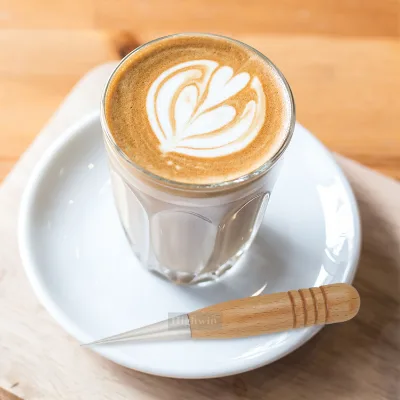
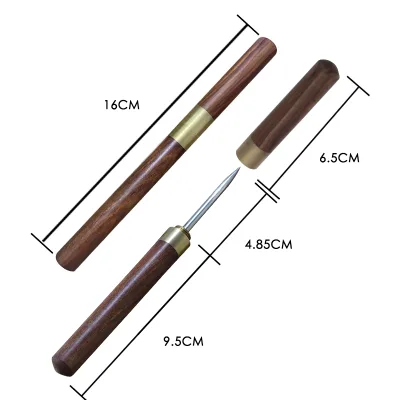
Pricing and material specifications form another critical comparison point. Unit prices for similar stainless steel latte art pens range from approximately $0.18 to $2.40, depending on the material composition, such as SUS 304 combined with wood, or simple metal constructions. Buyers should compare the material grade and finish, noting that some products feature eco-friendly branding while others emphasize stock availability. The single package size and gross weight also impact shipping costs, with dimensions varying from compact 16x16x6 cm packages to larger 30x30x30 cm boxes. A thorough comparison involves mapping these attributes against the supplier's main product range to ensure they can support future orders for related coffee tools without needing to switch vendors.
Common Eco Friendly Latte Art Pen Sourcing Risks
One primary risk in sourcing eco-friendly latte art pens is the discrepancy between claimed environmental features and actual material composition. While many listings highlight "Eco-Friendly" as a key feature, the material specifications vary from stainless steel and wood to simple metal alloys. Buyers must verify that the wood used is sustainably sourced and that the metal does not contain prohibited substances, despite the presence of certifications like LFGB or RoHS. There is a risk that a supplier may use the term "eco-friendly" loosely without providing the necessary documentation to substantiate the claim, especially if the product relies on generic metal components rather than certified sustainable materials. This ambiguity can lead to compliance issues in markets with strict environmental regulations.
Another significant risk involves the reliability of delivery timelines and the potential for negotiation on large orders. While standard lead times are often cited as 30 days, some suppliers indicate that volumes exceeding 10,000 units require separate negotiation, which can introduce uncertainty into the supply chain. If a buyer places a large order based on the standard 30-day estimate, they may face delays if the supplier's capacity is already stretched. Furthermore, the variation in response times, ranging from two to four days, suggests that communication bottlenecks could occur, delaying the resolution of quality issues or customization requests. Buyers should mitigate this by establishing clear communication protocols and requesting written confirmation of lead times before finalizing payment terms.
Eco Friendly Latte Art Pen Regional Sourcing and Logistics
Regional sourcing strategies should focus on the documented production hubs, with Guangdong, China, emerging as a primary manufacturing cluster for these coffee accessories. The concentration of suppliers in this region suggests a mature supply chain with established logistics networks for exporting kitchen tools. Buyers sourcing from this area can expect efficient access to raw materials like stainless steel and wood, which are processed locally before packaging. However, buyers must verify the specific location of the factory, as some suppliers may list a different city or province, such as Henan, which could imply a different logistical setup or a trading company operating from a different region. Understanding the specific origin is vital for calculating accurate shipping costs and transit times.
Logistics planning must account for the varying package dimensions and weights associated with different product models. Some items are packaged in compact OPP bags with a single gross weight of 0.5 kg, while others are shipped in larger boxes weighing up to 1.5 kg. These differences directly impact freight costs and container utilization. Buyers should request detailed packing lists that specify the single package size and gross weight for each SKU to optimize their shipping strategy. Additionally, the availability of customized packaging options, such as color boxes or white boxes, can affect the overall volume and weight of the shipment. Planning for these variables ensures that the buyer can select the most cost-effective shipping method while maintaining the integrity of the eco-friendly branding on the final product.
Eco Friendly Latte Art Pen Commercial Terms and Order Planning
Commercial terms for eco-friendly latte art pens typically include payment methods such as T/T, PayPal, and trade assurance, which offer varying levels of protection for the buyer. Trade assurance is particularly valuable as it provides a mechanism for dispute resolution and ensures that funds are released only when the order meets the agreed specifications. Buyers should prioritize suppliers who offer these secure payment options to mitigate financial risk. Additionally, the acceptance of customized logos and OEM/ODM services indicates that suppliers are willing to adapt their production lines to meet specific branding needs. However, buyers must confirm the specific terms for logo customization, including any additional costs or minimum order requirements associated with these services.
Order planning must align with the supplier's capacity for light customization and sample processing. The ability to handle graphic processing and on-demand customization allows buyers to create unique products, but it requires careful scheduling to accommodate the sample approval phase. With sample support available within seven days, buyers can quickly validate the product quality before committing to a full production run. However, the lead time for bulk orders, often around 30 days, must be factored into the overall project timeline. Buyers should also consider the seasonal variations in lead times, as some suppliers note different timelines for peak and off-peak seasons. Planning for these fluctuations ensures that the buyer can maintain a steady supply of eco-friendly latte art pens without disruption.
FAQs
What is the minimum order quantity for eco friendly latte art pens?
The minimum order quantity varies by supplier, with some listing 50 pieces while others require 500 pieces. Buyers should verify the specific MOQ for their chosen product model before placing an order to ensure it meets their volume needs.
How long does it take to receive an order for these coffee tools?
Standard lead times are typically around 30 days for most suppliers. Some manufacturers indicate that orders exceeding 10,000 units may require negotiation for delivery schedules, so confirm the timeline based on your specific order volume.
Are these latte art pens made from food safe materials?
Yes, many products use SUS 304 stainless steel and wood, which are eco-friendly and suitable for kitchen use. Suppliers often hold certifications like FDA, LFGB, and RoHS to ensure the materials meet international food safety standards for coffee accessories.
Can I get a custom logo printed on the latte art pen?
Custom logo printing is available on many models, with some suppliers supporting graphic processing and customized packaging. Buyers can request this service, but they should confirm the specific design requirements and any additional costs with the manufacturer directly.
What is the price range for stainless steel latte art pens?
Prices generally range from 0.18 to 2.40 US dollars per unit depending on the material and design. Basic metal models start lower, while options with wood handles or specific eco-friendly features may cost slightly more per piece.
Do suppliers offer sample processing for these coffee decorating tools?
Yes, sample processing is supported by several manufacturers, with some offering samples within seven days. Buyers can request samples to verify quality before committing to a larger order, ensuring the product meets their specific design and material expectations.
Where are these coffee accessories manufactured?
Most products originate from Guangdong, China, with some suppliers located in Henan. Buyers should check the specific place of origin listed for each product to understand the manufacturing location and potential shipping logistics for their region.