Eco-Friendly Lightweight Crepe Fabric Suppliers and Manufacturers
Compare 22 verified suppliers offering Eco-Friendly Lightweight Crepe Fabric with details on location, lead times, and MOQ. Review product attributes like material composition and customization options before contacting factories in China Jiangsu for quotes; review the available evidence before requesting comparable quotations from suitable candidates.
Suppliers List

Wujiang First Textile Co., Ltd.
- Verified by CTI
- Combined
- China Jiangsu
- Lead time23 days
- Avg. response≤ 6h
Main productsSilk Pillow Silk Pillowcase Silk Bonnet, Silk Garment Silk Pajama Silk Dress, Silk Eye Mask Silk Mask Silk Sleeping Cap, Silk Scarf Silk Hair Band, Silk Fabric Silk Jacquard Fabric, Silk Knitted Silk Jersey Fabric, Viscose Rayon Fabric, Loycell Acetate Curpro Fabric, Polyester Fabric Recycled Fabric, Velvet Fabric Burnout Velour Fabric
Main marketsSouth America,Africa,Southeast Asia/ Mideast,Domestic,Europe,Australia,North America


Oeko Tex 100 Certificate Long Sleeve 100% Silk Crepe Fabric Long Dress
$35.00 - $75.00
MOQ: 100 Pieces

$2.35 - $2.95
MOQ: 1000 meters

Dongguan Xinlang Textile Technology Co., Ltd.
- Verified by BV
- Combined
- China Guangdong
- Lead time15 days
- Avg. response≤ 5h
Main marketsSoutheast Asia/ Mideast,Domestic,Europe,Australia,North America

Ningbo Yuena Import & Export Co., Ltd.
- Verified by TUVRHEINLAND
- Trading Company
- China Zhejiang
- Lead time23 days
- Avg. response≤ 3h
Main productsLace, Thread, Button, Ribbon, Zipper, Tailors Materials, Fabric, Reflective Materials, Sewing Machine Part, Bra Parts
Main marketsSouth America,Africa,Southeast Asia/ Mideast,Europe,North America

Suzhou Quality Fiber Technology Co., Ltd.
- Trading Company,Manufacturer/Factory
- China Jiangsu
- Lead time23 days
- Avg. response≤ 2h
Main productsPolyester Fabric, Imitation Silk Fabric for Dress, Nylon Fabric, Spandex Fabric, Tr/Tc Fabric, Linen Fabric, Home Textile, Polyester Material
Main marketsSouth America,Eastern Europe,North America,Southeast Asia,Eastern Asia,Western Europe


Soft Eco-Friendly Printed 70%Rayon 30%Linen Crepe Fabric for Garment Textile
$4.53 - $4.78
MOQ: 2000 Meters


Anti-Crinkle Crepe Polyester Four Way Spandex Fabric for Garment Textile
$3.10 - $3.36
MOQ: 1200 Meters

Shaoxing Keqiao Yigao Textile Co., Ltd.
- Verified by BV
- Trading Company,Manufacturer/Factory
- China Zhejiang
- Lead time23 days
- Avg. response≤ 7h
Main productsKnitting Fabric, Printed Fabric, Single Jersey Jabric, Ponti Roma Fabric, Jacquard Fabric, Rib Fabric, Sports Wear Fabric, Suiting Fabric, Velvet Fabric, Yummy Fabric
Main marketsSouth America,Eastern Europe,Mid East,North America,Southeast Asia,Eastern Asia,Oceania,Western Europe,Africa

Shaoxing Yewang Textile Co., Ltd.
- Trading Company
- China Zhejiang
- Lead time15 days
- Avg. response≤ 15h
Main productsRayon Print&Dye Fabric, Cotton Print&Dyed Fabric, Polyester Print and Dyed Fabric, Digital Printing Fabric, Nida Fabric and Abaya Fabric, Garment Fabric and Knitted Fabric, Linen Fabric and Hawaii Design Fabric, Velvet Fabric and Cey Fabric, Flano Fabric and Denim Fabric, Woven Fabric
Main marketsOthers(foreignTradeCapacity.exportBusinessCapacityMarketOther),Southeast Asia/ Mideast,East Asia(Japan/ South Korea)


Eco Friendly 100% Cotton Soft Double Layer Crinkle Gauze Muslin Crepe Fabric
$1.42 - $1.52
MOQ: 1000 Meters


High Quality Tencel Linen Crepe Fabric Eco-Friendly Breathable Fabric for Women
$4.40 - $4.50
MOQ: 1000 Meters

Shaoxing Keqiao Creative Textile Co., Ltd.
- Trading Company
- Zhejiang, China
- Lead time25 days
- Avg. response≤ 1h
Main productsoxford,taffeta,neoprene sheet,air mesh,micro peach skin
Main marketsSouth Asia(50.00%), Africa(20.00%), South America(15.00%), Mid East(15.00%)
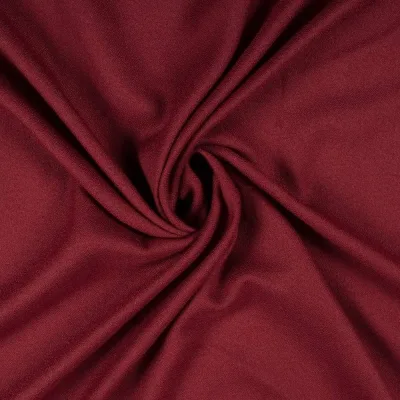
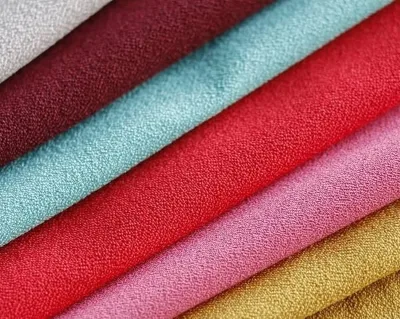
Como Crepe Fabric - Textured Polyester for Dresses & Blouses | Custom Printing
Contact supplier
MOQ: 2000

- Manufacturer/Factory
- China Jiangsu
- Lead time30 days
- Avg. response≤ 10h
Main productsPolyester Fabric, Nylon Fabric, Down Proof Fabric, Printing Fabric, Coating Fabric, Fme Covers, Customized Bags, Laminated Fabric
Main marketsSouth America,Eastern Europe,North America,Western Europe

Jibei Textile (Shaoxing) Co., Ltd.
- Verified by SGS
- Trading Company
- China Zhejiang
- Lead time30 days
- Avg. response≤ 3h
Main productsHigh-End Clothing Fabrics, Printed Fabrics, Homefabrics, Functional Fabric
Main marketsDomestic


Gentle and Breathable 100% Cotton Printed Strong Knit Crepe Fabric for Clothing
$1.70 - $2.10
MOQ: 1000 Meters


Soft and Breathable Double-Layered Cotton Crepe Fabric for Home Wear with Embroidered Dyeing
$1.25 - $3.00
MOQ: 1 Meters
Weihai Sisco International Trade Co., Ltd
- Verified by SGS
- Trading Company
- China Shandong
- Lead time23 days
- Avg. response≤ 16h
Main marketsSoutheast Asia/ Mideast,East Asia(Japan/ South Korea)

Suzhou Jinghua Textile Technology Co., Ltd.
- Verified by TUVRHEINLAND
- Trading Company
- China Jiangsu
- Lead time15 days
- Avg. response≤ 7h
Main productsChiffon, Georgette, Koshibo, Satin, Bonding, Taffeta Pongee Micro PNP Moss Nylon, Nylon Cotton Poly Cotton, Oxford 150d 200d 300d 400d 500d 600d 1680d, PVC Silver Coated, Metallic
Main marketsSoutheast Asia/ Mideast

Suzhou Passion Textile Technology Co., Ltd.
- Manufacturer/Factory
- China Jiangsu
- Lead time30 days
- Avg. response≤ 2h
Main productsRipstop Nylon Fabric, Ripstop Polyester Fabric, Polyester Spandex Fabric, Nylon Spandex Fabric, Nylon Taffeta, Polyester Taslon
Main marketsEastern Europe,North America,Southeast Asia,Eastern Asia,Western Europe

Wujiang Win Game I/E Co., Ltd.
- Verified by TUVRHEINLAND
- Trading Company,Manufacturer/Factory
- China Jiangsu
- Lead time45 days
- Avg. response≤ 10h
Main productsAcupuncture Needle, Vacuum Cupping Set, Kinesio Tape, Pre-Made Tattoo Needle, Disposabletattoo Needles Cartradge, Disposable Tattoo Grips and Tubes, 100% Linen(Flax) Fabrics, Linen Cotton Fabrics, Linen Silk Fabric, Linen Ramie and Hemp Fabric
Main marketsEastern Europe,North America,Southeast Asia,Western Europe

SUZHOU WANGFENG TEXTILE CO., LTD.
- Trading Company
- China Jiangsu
- Lead time15 days
- Avg. response≤ 5h
Main productsPolyester Fabric, Spandex Fabric, Coated Fabric, Nylon Fabric, Knite Fabric
Main marketsSoutheast Asia/ Mideast,Europe,North America
Suzhou Bulink Textile Co., Ltd.
- Trading Company
- Jiangsu, China
- Lead time15 days
- Avg. response≤ 2h
Main productsPolyester Fabric,Nylon Fabric,Outdoor Fabric,Stretch fabric,Oxford Fabric
Main marketsDomestic Market(80.00%), Southeast Asia(9.00%), Africa(5.00%), North America(2.00%), Western Europe(2.00%), South America(2.00%)
Shaoxing Huichao Textile Co., Ltd.
- Trading Company,Manufacturer/Factory
- China Zhejiang
- Lead time15 days
- Avg. response≤ 8h
Main productsFabric, Jacquard Fabric, Stretch Crepe Fabric, Twill Fabric, Polyester Cotton Like Fabric, Slub Fabric, Memory-Like Fabric, DTY Fabric, Cey 4-Way Stretch Fabric, Skirts Fabric
Main marketsSouth America,Eastern Europe,Mid East,North America,Southeast Asia,Eastern Asia,Oceania,Western Europe,Africa

$0.85 - $1.95
MOQ: 1000 Meters

$0.85 - $1.95
MOQ: 1000 Meters

Ningbo Wokailian Textile Co., Ltd.
- Verified by BV
- Combined
- China Zhejiang
- Lead time30 days
- Avg. response≤ 6h
Main productsFunctional Fabric, Jacquard Fabric, Hacci Fabric, Scuba Fabric, Pique Fabric, Terry&Fleece Fabric, Jersey Fabric, Interlock Fabric, Tweed Fabric, Rib Fabric
Main marketsSouth America,Africa,Southeast Asia/ Mideast,East Asia(Japan/ South Korea),Europe,Australia,North America

Suzhou Zhengkai Textile Co., Ltd.
- Verified by BV
- Trading Company,Manufacturer/Factory
- China Jiangsu
- Lead time15 days
- Avg. response≤ 15h
Main productsPolyester Fabric, Oxford Fabrics, Coated Fabric, Nylon Fabric, Lining Fabric, Satin Fabric, Microfiber Peach Skin, Chiffon Fabric, Anti-Static Fabric, Pongee Fabric
Main marketsEastern Europe,North America,Southeast Asia,Eastern Asia,Oceania,Western Europe,Africa

Custom Dye Crepe Chiffon Fabric for Dress in Ombre Color Gradient Colors
$1.05 - $2.66
MOQ: 1000 Meters

Haining Dingda Textile Co., Ltd.
- Manufacturer, Trading Company
- Zhejiang Province, China
- Lead time30 days
- Avg. response≤ 9h
Main productsSofa Fabric,Curtain Fabric,Holland Velvet Fabric,Minky Dot Fabric,Plush Fabric
Main marketsDomestic Market(40.00%), Northern Europe(20.00%), North America(8.00%), South America(5.00%), Central America(3.00%), Africa(3.00%), Eastern Europe(3.00%), South Asia(2.00%), Eastern Asia(2.00%), Oceania(2.00%), Western Europe(2.00%), Mid East(2.00%), Southeast Asia(2.00%), Southern Europe(1.00%)

Hebei Shuolan Industrial Co., Ltd.
- Verified by BV
- Combined
- China Hebei
- Lead time15 days
- Avg. response≤ 6h
Main productsCotton Tc CVC Fabric & Greige, Shirt Fabric, Pocketing/Lining Fabric, Uniform Fabric, Medical Fabric, Mask, Home Textile, Towel
Main marketsOthers(foreignTradeCapacity.exportBusinessCapacityMarketOther),Domestic

Double Layers Crepe Fabric 100%Cotton 130GSM Breathable Fabric for Baby
$1.24 - $1.30
MOQ: 2000 Meters


Hebei Wangbei Textile Trading Co., Ltd.
- Verified by SGS
- Trading Company,Manufacturer/Factory
- China Hebei
- Lead time15 days
- Avg. response≤ 3h
Main productsGreige Fabric, Polyester Viscose Uniform Fabric, Shirt Fabric, Muslin Fabric, Linen Fabric, Sheet Fabric, 100% Cotton Fabric, Tr Suit Fabric, Thobe Fabric, Tc Poplin Fabric
Main marketsSouth America,Eastern Europe,Mid East,North America,Southeast Asia,Eastern Asia,Oceania,Western Europe,Africa

Printing 100% Cotton Crepe Printed Floral Poplin Fabric for Dresses Shirt Fabric
$0.70 - $0.90
MOQ: 5000 Meters

Nantong Oulai Trading Co., Ltd.
- Verified by SGS
- Combined
- China Jiangsu
- Lead time23 days
- Avg. response≤ 1h
Main productsHome Textile Fabric, Cotton Fabric, Tencel Fabric, Washed Cotton, Double-Layer Yarn Fabric, Polyester Fabric, Nylon Fabric, Knitted Fabric, Woven Fabric, Jacquard Fabric
Main marketsSoutheast Asia/ Mideast,Australia

Natural Pure Safe Skin Friendly Hypoallergenic Eco Friendly Easy Care Reusable 100% Cotton Fabric
$2.20 - $2.40
MOQ: 200 Meters

Durable Long Lasting Premium Natural Pure Eco Friendly Easy Clean 100% Cotton Fabric
$2.20 - $2.40
MOQ: 200 Meters

Eco Friendly Pure Organic Safe Skin Friendly Breathable Soft Comfortable 100%Cotton Fabric
$2.20 - $2.40
MOQ: 200 Meters




Comprehensive Sourcing Guide
Eco-Friendly Lightweight Crepe Fabric Supplier Concentration and Factory Types
Sourcing for Eco-Friendly Lightweight Crepe Fabric begins with understanding where suppliers actually cluster and what kinds of businesses you are dealing with. In this category, results visibly point to Jiangsu, China, as a supplier location, which fits the province's known role in textile production. Rather than assuming every supplier sits in the same cluster, buyers should read each listing's stated origin and company type individually. On this page, the company type shown is "Combined," a label that typically signals a business operating as both manufacturer and trader. That distinction matters: a combined operation may control weaving or printing for some items while outsourcing others, so the factory behind your specific crepe order may not be the entity you are messaging.
The supplier set here also spans a wide product range. One company lists silk pillows, bonnets, eye masks, scarves, pajamas, jacquard fabric, knitted silk jersey, viscose rayon, lyocell acetate cupro, and recycled polyester fabrics — a breadth suggesting a diversified textile house rather than a crepe specialist. Others list narrow product evidence such as printed viscose crepe or rayon crepe in specific constructions. When mapping the landscape, build your own concentration picture: record stated locations, main products, and whether each supplier's fabric evidence (for example, 100% viscose crepe or recycled polyester stretch crepe) actually matches the eco friendly lightweight crepe you need, rather than trusting category placement alone.
How to Verify Eco-Friendly Lightweight Crepe Fabric Suppliers
Verification starts with the credentials and signals actually displayed, then fills the gaps with questions. On this results page, one supplier shows a verification badge (CTI) while another shows system certification listed as NIL — a useful reminder that verified status and certified management systems are different checks. Neither signal tells you whether a specific crepe fabric is genuinely eco friendly. For claims like recycled polyester or lyocell content, ask each supplier for composition documentation and, where relevant, recognized chain-of-custody or fiber-content paperwork for the exact fabric lot, not just marketing copy. Treat any certificate a supplier emails you as a document to validate with the issuing body.
The second verification layer is capability evidence. Several listings here state customization is available, one notes ODM, OEM, and own-brand capacity, and one fabric is described as make-to-order with OEM design accepted. Confirm these by requesting sample-yard development or a small pilot run before committing. Product evidence helps you probe specifics: one listing claims 100% viscose with a raw silk grade field filled in, which is internally inconsistent and worth clarifying directly. Another lists a stretch crepe described both as knitted and as a satin-type product — ask for construction details, weight, and width confirmation. Finally, verify factory identity versus trading identity by asking for the production address, business license details, and whether the entity answering your messages operates the machines that will weave and finish your fabric.
What to Compare Across Eco-Friendly Lightweight Crepe Fabric Suppliers
Comparison should be built on the dimensions suppliers actually display, without assuming every field is populated for every company. On this page, response time is shown for one supplier at 5.70 (hours, in the typical scale of such listings) — a meaningful speed signal, but only one data point. Lead time appears for one supplier as 23 (days), while another product listing states lead time "Can Be Negotiated." Do not generalize either figure; compare per supplier and per fabric. MOQs here vary dramatically: one printed crepe listing shows MOQ of 1, another shows 300, a rayon crepe shows 1000 meters, and a silk crepe dress shows 100 units. These differences shape which suppliers suit sampling versus bulk.
Beyond these operational fields, compare product fit and commercial posture. Price evidence ranges from about 2.35 for a recycled polyester stretch crepe to 3.30–3.50 for printed crepe fabrics, 5.50–6.50 for rayon crepe blends, and 35–75 for a finished silk crepe dress — different tiers of product, not a single price band. Compare width (listings show 47/48" and 57/58"), fiber type (filament versus staple), features such as anti-pilling or anti-static claims, packing format (rolled, roll, carton box), and customization willingness. Also compare establishment-year data if a supplier displays it, and note that absence of a field is not a red flag — it is simply a gap to close by asking.
Common Eco-Friendly Lightweight Crepe Fabric Sourcing Risks
The most common risk in this category is composition ambiguity. Several listings blur fiber identities: one product is keyworded across viscose, rayon, polyester, and chiffon simultaneously; another's standard field reads "100%polyester viscose silk rayon," which cannot describe a single fabric. If you order "eco friendly crepe" without pinning down whether you are buying viscose, recycled polyester, silk, or a blend, you may receive whatever the mill had running. Insist on a signed composition specification, a physical reference sample, and agreed test methods before production.
Other risks are visible in the evidence itself. Inconsistent attributes within one listing — a fabric labeled 100% viscose yet carrying raw-silk grade fields, or "knitted" stretch crepe typed as satin — signal data-entry noise or mixed product lines, so confirm every attribute verbally or in writing. Certification gaps are another risk: with system certification shown as NIL for at least one supplier, you cannot assume environmental management credentials exist; verify any eco claim independently. MOQ misunderstandings are a practical trap when one listing shows MOQ of 1 (likely sample-friendly) while comparable fabrics require 300 to 1000 meters. Finally, watch usage-fit claims: several crepe listings cite usage including concrete, spinning, and non-woven fabric — generic boilerplate that tells you little about dressmaking performance. Test drape, shrinkage, and colorfastness on real cuts rather than trusting listing features like "radiation-resistant fiber," which are irrelevant to apparel.
Eco-Friendly Lightweight Crepe Fabric Regional Sourcing and Logistics
Regionally, the strongest concrete signal on this page is Jiangsu, China, given both as a supplier location and as product origin for listed fabrics. Jiangsu sits within China's Yangtze Delta textile belt, where weaving, dyeing, printing, and finishing capacity sit close together, which typically shortens internal supply chains for a fabric like crepe that requires multiple finishing steps. Another listing states origin simply as "China" or "Cn," so confirm the actual production province before planning visits or audits. Do not assume all 22 suppliers on a results page share one location; some may be trading entities sourcing from multiple provinces.
Logistically, the practical details that matter for lightweight crepe are packing and roll format, which listings here show as rolled, roll, or carton box — confirm roll lengths and cores, since short rolls complicate cutting-room efficiency. Width differences between 47/48" and 57/58" affect marker planning and effective cost per garment. For international shipping, lightweight crepe is low-weight but volumetrically awkward on rolls; clarify whether quotes are FOB or include inland freight to port, and who handles export documentation. Lead-time evidence on this page includes a 23-day figure for one supplier and "negotiable" for another, so build your logistics calendar from confirmed production plus transit times per supplier, not category averages. If you source from a combined manufacturer-trader, ask whether stock fabric ships faster than make-to-order production, since at least one listing is explicitly make-to-order.
Eco-Friendly Lightweight Crepe Fabric Commercial Terms and Order Planning
Commercial planning should start from the price and MOQ evidence, then structure negotiations around it. Observed price points span roughly 2.35 (recycled polyester stretch crepe), 3.30 (printed polyester crepe), 3.50 (printed viscose crepe), 5.50 (high-grade rayon crepe), 6.50 (rayon stretch crepe), and 35–75 (finished silk crepe dress). These are not comparable products; they mark tiers. Anchor negotiations per fabric tier, and remember prices shown are typically per meter or per unit under ideal conditions — confirm currency, unit, and validity period in writing. MOQs observed include 1, 100, 300, and 1000, so plan sampling around the suppliers whose thresholds match your stage: low-MOQ listings for prototypes, higher-MOQ suppliers for bulk.
Order planning should reflect the supply types on display. With make-to-order and OEM-accepted listings, expect color development, lab dips, and approval rounds to extend timelines; one supplier's lead time is quoted at 23 days while another says negotiable, so negotiate milestones — fabric approval date, production start, ship date — rather than a single delivery promise. Ask about payment protection options such as escrow where the platform supports it, since none of the visible fields here confirm escrow status. A sensible structure for this category: pay a sample fee, approve a bulk-top reference, split payment against production milestones, and reserve a retention until goods pass your incoming inspection for weight, width, composition, and shade consistency across rolls.
FAQs
What counts as Eco-Friendly Lightweight Crepe Fabric for garment sourcing?
Eco-Friendly Lightweight Crepe Fabric typically includes recycled polyester crepe and viscose or rayon crepe made from cellulose fibers. Buyers should confirm fiber composition, such as 100% polyester recycled content or 100% viscose, and request certifications rather than relying on marketing claims. Weight, width like 57/58 inches, and finishing should also be specified in your inquiry.
What is the typical minimum order quantity for crepe fabric orders?
Minimum order quantities vary by material and printing method. Results in this category show MOQs ranging from as low as 1 meter for certain viscose crepe listings to 300 meters for printed crepe and 1000 meters for stretch rayon crepe. Always confirm the MOQ for your chosen colorway, width, and custom print before placing a trial order.
How long does production take for lightweight crepe fabric?
Published lead times in this category average around 23 days, though some listings state lead time can be negotiated. Actual production time depends on order quantity, custom dyeing or printing, and current mill capacity. Ask each supplier to confirm the lead time for your specific composition, color, and quantity in writing before you commit.
How much does eco friendly crepe fabric cost per meter?
Prices observed in this category range from roughly $2.35 per meter for recycled polyester stretch crepe to $6.50 per meter for stretch rayon crepe, with printed viscose crepe around $3.30 to $3.50. Price depends on fiber content, printing method, and order volume. Request a formal quotation based on your exact specification and quantity.
Can I order samples before committing to bulk production?
Many crepe fabric suppliers list samples as available, and customization is commonly offered, so sampling is usually possible. Confirm whether sample fees and courier costs are charged, and how long sampling takes. Before bulk production, verify the sampled fabric matches your target weight, hand feel, drape, and shade on the actual production line.
Where are these crepe fabric suppliers located?
Suppliers in this listing are based in China, with the observed location being Jiangsu province, a well-known textile manufacturing region. Working with Jiangsu-based mills offers access to dyeing, printing, and finishing capacity nearby. Clarify whether the supplier is a manufacturer or trading company and where your fabric would actually be woven and finished.
What certifications should I verify for eco friendly crepe fabric?
Some products in this category reference an Oeko-Tex Standard 100 certificate, which addresses harmful substances in finished textiles. For sustainability claims, ask specifically for recycled content documentation or fiber origin proof. System certifications are not listed for all suppliers, so treat certification claims as items to request copies of and validate directly with the issuing body.
How should I evaluate a crepe fabric supplier before ordering?
Check verification status, such as third-party verification shown in listings, and review response speed, with observed average response times around 5.7 hours. Confirm business type, whether they offer OEM, ODM, or own-brand production, and request recent references. Then compare quoted lead times, MOQs, and prices against your specification before committing to a first order.