Eco Friendly Meat Hammer Suppliers and Manufacturers
Source 25 verified Eco Friendly Meat Hammer suppliers from Guangdong, China. Compare key dimensions including response times, lead times, MOQs, and certifications like FDA and ISO9001. Review product specifications and pricing to identify suitable partners for your procurement needs; review the available evidence before requesting comparable quotations from suitable candidates.
Suppliers List
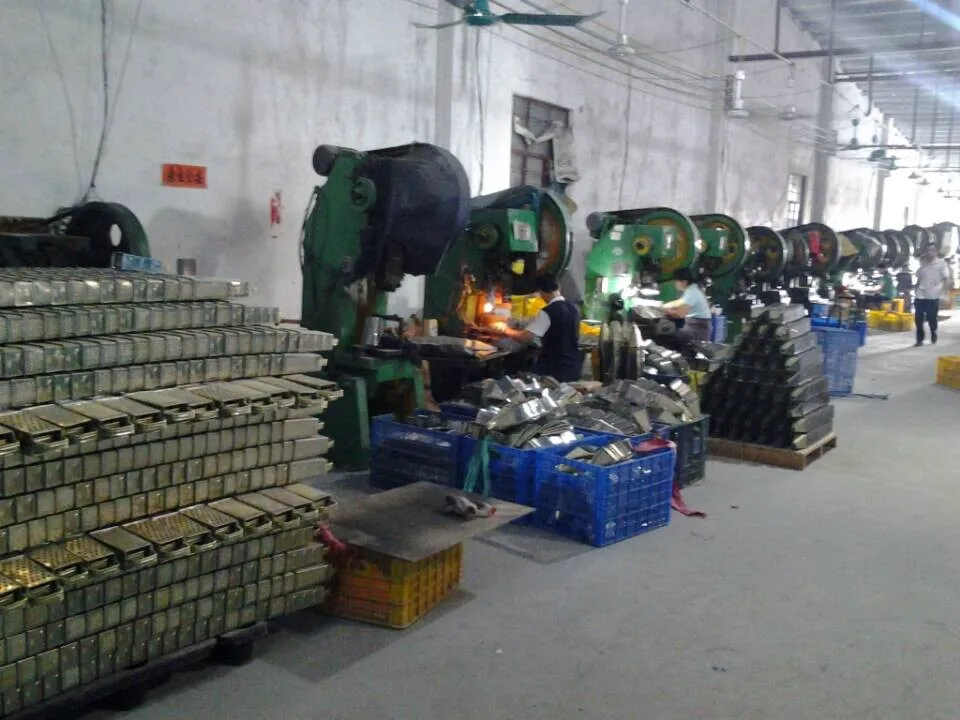
Huorun Import & Export Co., Ltd. (ASIA BEST BRANCH)
- Trading Company
- Guangdong, China
- Lead time30 days
- Avg. response≤ 6h
Main productsKitchen Knife & Scissor,Kitchen Tools,BBQ Tools,Wooden Cutting Boards,Manicure & Beauty Tools
Main marketsWestern Europe(45.00%), South America(20.00%), Eastern Asia(10.00%), Northern Europe(10.00%), Eastern Europe(5.00%), Central America(5.00%), North America(5.00%)

Yangjiang C&B Consumer Product Limited
- Verified by CTI
- Trading Company
- China Guangdong
- Lead time15 days
- Avg. response≤ 6h
Main productsBarbecue Tongs, Grilling Brushes, Outdoor Shovel, Grilling Tools, Kitchen Ware, Outdoor Products, Pizza Tools, Knife Set
Main marketsSouth America,Africa,Southeast Asia/ Mideast,Europe,Australia,North America

Stainless Steel Meat Tenderizer Needle, Kitchen Cooking Tools, Chopping Hammer
$0.59 - $0.64
MOQ: 1000 Pieces


Meat Tenderizing Hammer - Double-Side Beef Mallet for Steak & Kitchen Use
$2.30 - $3.50
MOQ: 1000 Pieces

Jiangmen Liyuan Household Goods Co., Ltd.
- Verified by SGS
- Combined
- China Guangdong
- Lead time30 days
- Avg. response≤ 4h
Main productsIce Scoop, Lemon Squeezer, Ice Shovel, Garlic Press, Walnut Clip, Meat Hammer, Egg Slicer, Rolling Pin
Main marketsDomestic,Europe

$3.10 - $3.50
MOQ: 500 Pieces

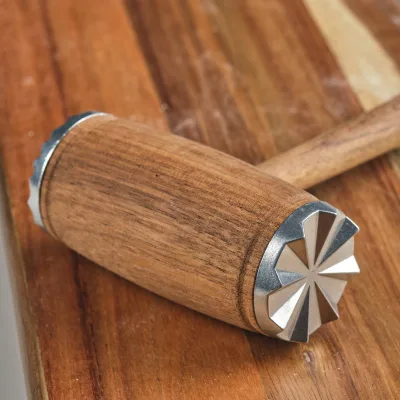
Meat Hammer Aluminium Meat Hammer Tenderizer Beef Hammer with Wooden Handle Double Side
$3.33 - $3.75
MOQ: 500 Pieces


Meat Hammer, Meat Steak Tenderizing Hammer, Double Side Beef Mallet, Meat Pounde, Kitchenware
$3.86 - $4.50
MOQ: 500 Pieces


Aluminium Alloy Meat Hammer Meat Mallet Steak Tenderizer Hammer Mallet Steak Tenderizer Hammer
$4.20 - $4.70
MOQ: 500 Pieces

Jinhua Hengyang Cross-Border Trade Limited Liability Company
- Verified by SGS
- Trading Company
- China Zhejiang
- Lead time15 days
- Avg. response≤ 7h
Main productsCoffee Maker Air Fryer Storage Box Knife Set, Silicone Baking Mold Robot Vacuum Cleaning Table, Shower Head Non-Slip Shower Curtain Vacuum Stora, Collapsible Laundry Basket Bohemian Wall Tapestr, Fringe Pillow Cover Bedding Set Memory Foam Pill, Bamboo Tissue Biodegradable Trash Bags LED Fair, Smart Plug Fairy Lights Pet Food Bowl, Household Daily Necessities Kitchen Cleaning, Bathroom Storage and Care Fabric Home Decor, Bedding Daily Chemical Paper Products
Main marketsEurope


Stainless Steel Bear Claw Meat Remover Household Wooden Handle Meat Divider
$0.64 - $0.80
MOQ: 380 Pieces

Household Stainless Steel Meat Hammer Tendon Breake Tenderizer 48 Needle
$1.21 - $1.51
MOQ: 210 Pieces

Multifunctional Aluminum Alloy Axe Type Meat Chopping Hammer Kitchen Meat Tenderizer
$1.99 - $2.48
MOQ: 150 Pieces

Plastic Burger Press Multifunctional Meat Kitchen Supplies Appliances Storage
$1.43 - $1.79
MOQ: 200 Pieces
Ningbo Yinzhou Tingbin International Trade Co., Ltd.
- Verified by TüVRheinland
- Trading Company
- Lead time30 days
- Avg. response≤ 5h
Main productsHome Electric Appliances, Household Supplies, Home Decoration
Main marketsNorth America(38%), Africa(25%), South America(7%)
- Trading Company
- Zhejiang, China
- Lead time35 days
- Avg. response≤ 7h
Main productsBalloon, Birthday andles, Cake Decoration, Wedding Decoration, Party Supplies
Main marketsNorth America(35.00%), Western Europe(17.00%), Northern Europe(11.00%), Africa(8.00%), Eastern Europe(8.00%), South America(6.00%), Central America(6.00%), South Asia(3.00%), Oceania(3.00%), Southern Europe(3.00%)

Eagle Catering Equipment Co., Ltd.
- Manufacturer/Factory
- China Guangdong
- Lead time30 days
- Avg. response≤ 9h
Main productsTrolleys, Gastronorm Containers, Table, Shelves, Sink, Barrier Post, Cookware, Buffetware, Barware, Kitchen Utensils
Main marketsSouth America,Eastern Europe,Mid East,North America,Southeast Asia,Eastern Asia,Oceania,Western Europe,Africa
Jiangmen Mingkai Metal Product Co., Ltd.
- Verified by SGS Group
- Manufacturer, Trading Company
- Lead time15 days
- Avg. response≤ 2h
Main productsSqueegee, Ashtray, Soap Dispenser, Wine Glass Rack, Kitchen Tools
Main marketsDomestic Market(50%), Western Europe(15%), North America(10%)
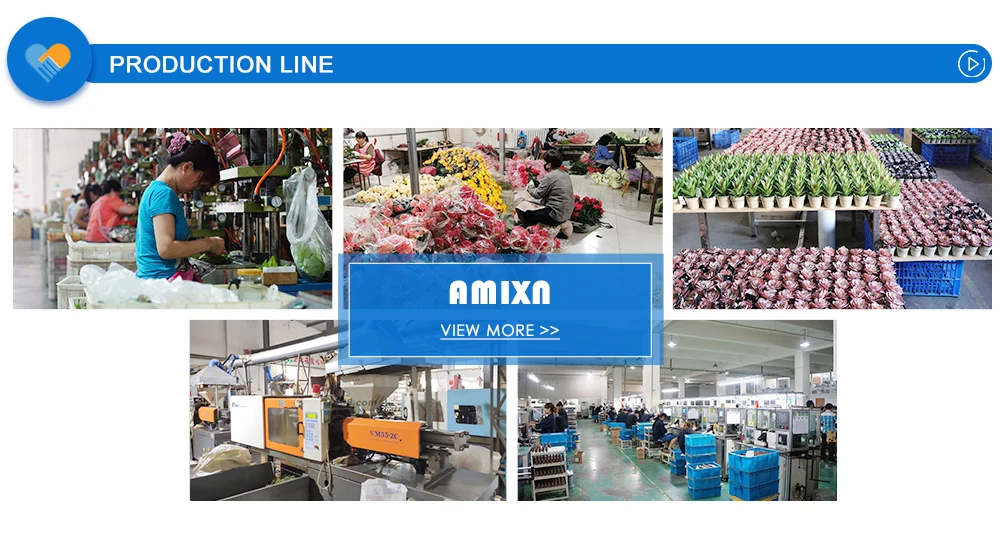
Hefei Amixn E-Commerce Co., Ltd.
- Trading Company
- Anhui, China
- Lead time25 days
- Avg. response≤ 2h
Main productsParty Decor,Garden,Metal Raised Garden Beds,Hydroponic Planters,Macrame Planters
Main marketsNorth America(60.00%), Eastern Europe(30.00%), South America(5.00%)
Henan Chengbai Network Technology Co., Ltd.
- Trading Company
- Henan, China
- Lead time7 days
- Avg. response≤ 3h
Main productsKitchen supplies,Toy,Arts and Crafts,Home textiles,Consumer electronics
Main marketsNorth America(19.00%), South America(14.80%), Eastern Europe(12.10%), Northern Europe(8.30%), Southern Europe(7.30%), Western Europe(7.20%), Africa(6.00%), Central America(5.30%), Eastern Asia(5.30%), Southeast Asia(4.80%), Domestic Market(4.20%), Oceania(2.10%), South Asia(1.90%), Mid East(1.70%)

- Combined
- China Zhejiang
- Lead time30 days
- Avg. response≤ 11h
Main productsButcher Knife, Meat Grinder Knife, Commercial Kitchen Knives, Slaughtering Knives, Butchery Supply Knives Tools, Meat Mincer Knives Blades
Main marketsSouth America,Africa,Southeast Asia/ Mideast,East Asia(Japan/ South Korea),Domestic,Europe,Australia,North America
Wuyuan Meimei Houseware Co., Ltd.
- Verified by Intertek
- Manufacturer, Trading Company
- Lead time15 days
- Avg. response≤ 2h
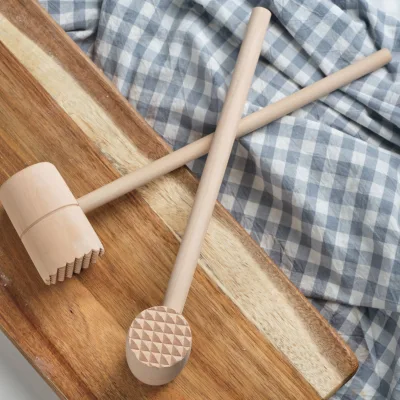
Main productsWood Rolling Pin, Wood Cutting Board, Wood Lemon Juicer, Wood Meat Hammer, Wood Tray
Main marketsDomestic Market(72%), North America(25%), Mid East(3%)
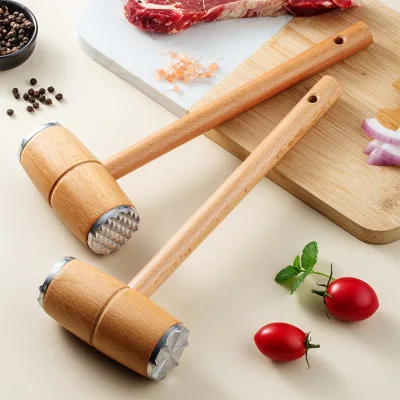
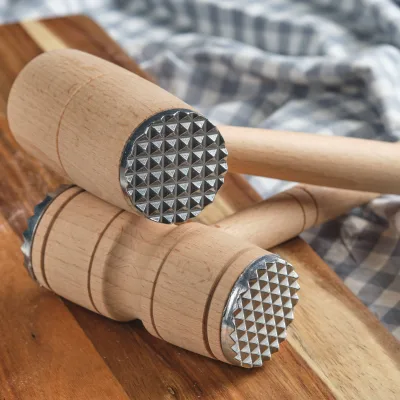
$0.87 - $1.04
MOQ: 1000 pieces

- Verified by SGS
- Trading Company
- China Zhejiang
- Lead time0 days
- Avg. response≤ 18h
Main productsTents, BBQ Grill, Luggage, Kids Toy, Fitness Equpments, Cookware, Kitchen Utensils and Gadgets, Yoga Mat, Bathroom Rugs, Pets Items
Main marketsSouth America,Eastern Europe,Mid East,North America,Southeast Asia,Eastern Asia,Oceania,Western Europe,Africa

Popular Home Loosening Tendon Breaker Slapping Pork Chop Knocking Hammer Specialized Tools
$1.01 - $1.13
MOQ: 900 Pieces

Popular Stainless Steel Steak Hammer Loose Meat Needle Tie Hole Tendon Breaker
$0.23 - $0.25
MOQ: 4000 Pieces

Henan Superfit Technology Co., Ltd.
- Verified by SGS Group
- Trading Company
- Henan, China
- Lead time旺季: "1 - 200":7,"> 200":"To be negotiated", 淡季: "1 - 200":7,"> 200":"To be negotiated"
- Avg. response≤ 6h
Main productsBakeware,Kitchen Gadget,Coffee Tools,Household appliances,Silicone Items
Main marketsNorth America(30%), Western Europe(15%), Eastern Europe(10%)

Jinjiang Lingyuan Suiquan Crafts Firm
- Verified by BV
- Trading Company
- China Fujian
- Lead time23 days
- Avg. response≤ 4h
Main productsPromotional Gift Products, Timing Belt, Diamond Tools
Main marketsSouth America,Eastern Europe,Mid East,North America,Southeast Asia,Eastern Asia,Oceania,Western Europe,Africa

- Verified by SGS
- Trading Company,Manufacturer/Factory
- China Zhejiang
- Lead time23 days
- Avg. response≤ 5h
Main productsTent, Project Screen, Bicycle, Trampoline, Backpack, Kitchenware, Hammock, Pet Accessories, Garden Products
Main marketsSouth America,Eastern Europe,Mid East,North America,Southeast Asia,Eastern Asia,Oceania,Western Europe,Africa

Heavy Duty Double-Sided Meat Tenderizer Roller Hammer for Beef Pork Chicken Esg12233
$2.80 - $3.36
MOQ: 100 Pieces


Shenzhen Hui Shi Da Technology Co., Ltd.
- Manufacturer, Trading Company, Agent
- Guangdong, China
- Lead time0 days
- Avg. response≤ 2h
Main productsComputer accessories,LED Series,Consumer Electronics,Auto and motorcycle parts,Cars motorcycles
Main marketsEastern Europe(22.10%), North America(20.50%), Western Europe(15.60%), South Asia(12.30%), South America(10.40%), Africa(9.50%), Northern Europe(8.60%), Southern Europe(1.00%)
Henan Jbett Industrial Technology Co., Ltd.
- Trading Company
- Henan, China
- Lead time0 days
- Avg. response≤ 6h
Main productsBBQ Grills,Smoking Accessories,Bar tools,kitchen gadgets,Cigar accessories
Main marketsNorth America(80.00%), Western Europe(20.00%)
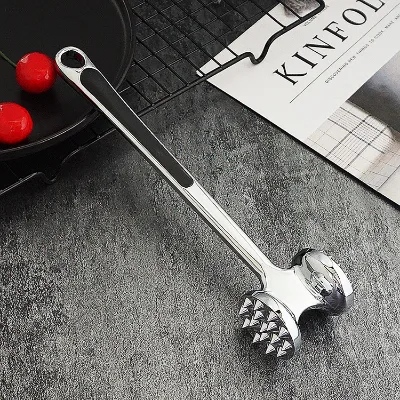
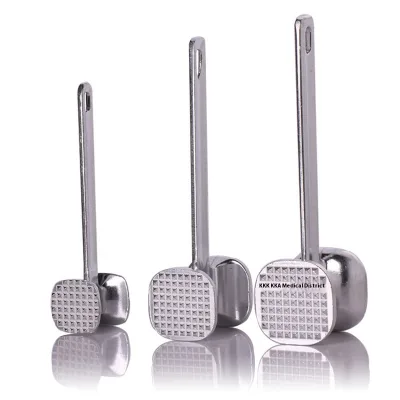
Large Double-Sided Meat Beef Hammer Household Metal Tool Aluminum Alloy Steak Hammer Wholesale
$0.62 - $1.55
MOQ: 2 Minimum

Wenzhou Joint Swords Co., Ltd.
- Combined
- China Zhejiang
- Lead time30 days
- Avg. response≤ 24h
Main productsSwords, Katana, Samurai Swords, Movie Swords, Shields, Axe, Medieval Helmets, Tanto, Lord of Ring, Key Ring
Main marketsDomestic

MOQ: 60 Pieces

MOQ: 60 Pieces
Yangjiang Feeton Home Products Co., Ltd.
- Verified by SGS Group
- Manufacturer, Trading Company
- Lead time30 days
- Avg. response≤ 3h
Main productsKitchen Gadgets, BBQ Tools, Kitchen Knife
Main marketsWestern Europe(40%), North America(30%), South America(30%)

Zhengzhou Bogen Machinery Equipment Co., Ltd.
- Verified by CTI
- Trading Company
- China Henan
- Lead time30 days
- Avg. response≤ 4h
Main productsPeanut Butter Machine, Spice Grinder, Meat Grinder, Meat Slicer, Meat Chopper, Potato Washing and Peeling Machine, Vegetables and Fruits Cutting Machine, Sausage Stuffer, Sausage Filler, Sausage Making Machine
Main marketsAfrica,Europe,North America

Hebei Debien Technology Co., Ltd.
- Verified by TUVRHEINLAND
- Trading Company
- China Hebei
- Lead time30 days
- Avg. response≤ 5h
Main productsCast Iron Pulley, Taper Lock Bush, Transmission Pulley, Casting Part, Cast Iron Cookware, Dutch Oven
Main marketsSouth America,Africa,Southeast Asia/ Mideast,East Asia(Japan/ South Korea),Europe,Australia,North America

Meat Steak Burger Press Rectangle Heavy Duty Cast Iron Griddle Smash Bacon Press with Wood Handle
$3.50 - $4.50
MOQ: 100 Pieces

Hot Sale Wooden Handle Round Hamburger Press Patty Maker Burger Press Smasher Bacon Meat Press
$3.50 - $4.50
MOQ: 100 Pieces

$3.50 - $4.50
MOQ: 100 Pieces
Zhucheng Avis Machinery Co., Ltd.
- Verified by TUVRHEINLAND
- Combined
- China Shandong
- Lead time15 days
- Avg. response≤ 2h
Main productsMeat Machine, Vegetable Machine, Fruit Washing Machine, Frying Machine, Smoked Furnace, Bubble Washing Machine, Meat Grinder, Box Cleaning Machine, Potato Peeler, Air Dryer
Main marketsDomestic

Premium Quality Smash Meat Grinder for Efficient Meat Processing Machine
$800.00 - $6000.00
MOQ: 1 Pieces

Great Quality High-Efficiency Smash Meat Grinder for Meat Processing Machine
$650.00 - $35000.00
MOQ: 1 Pieces
Yongkang Js Houseware Products Co., Ltd.
- Trading Company
- Zhejiang, China
- Lead time35 days
- Avg. response≤ 4h
Main productsStainless steel mesh strainer,stainless steel mesh basket,stainless steel baking tools,stainless steel cream whipper,stainless steel kitchen tools
Main marketsWestern Europe(30.00%), North America(20.00%), Domestic Market(20.00%), Southern Europe(15.00%), Northern Europe(7.00%), Eastern Europe(6.00%), South Asia(2.00%)

Ningbo Happy Valley Household Co., Ltd.
- Verified by SGS
- Trading Company
- China Zhejiang
- Lead time30 days
- Avg. response≤ 13h
Main productsPot Lid, Glass Pot Lid, Kitchen Utensil Set, Kitchen Tool, Bento Box, Lunch Box, Plastic Lunch Box, Silicone Lunch Box, Collapsible Bucket, Plastic Bucket
Main marketsEurope
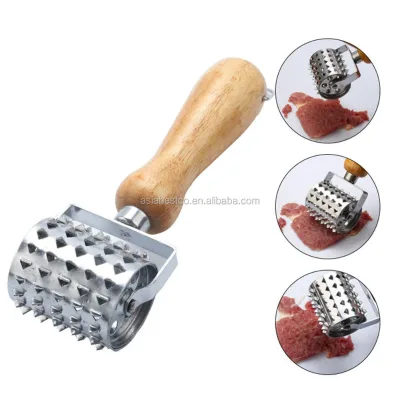
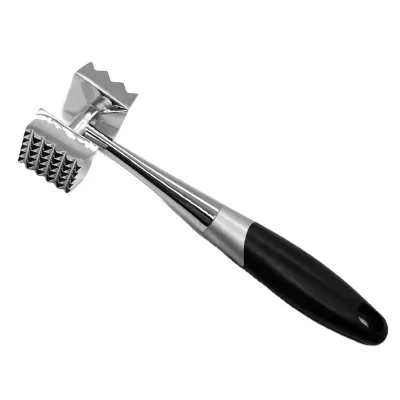
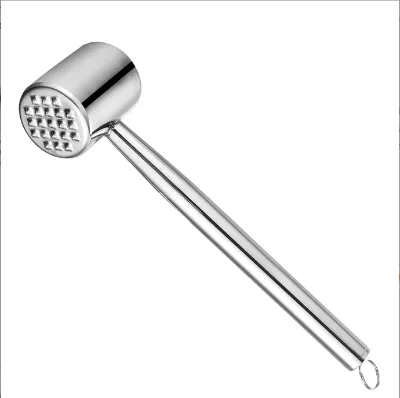
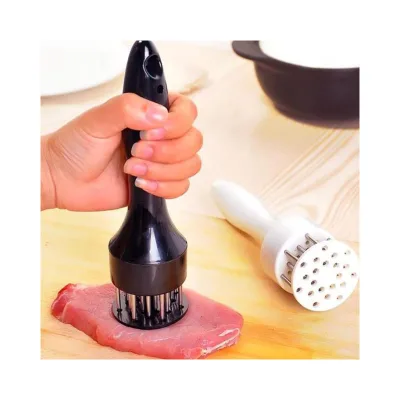
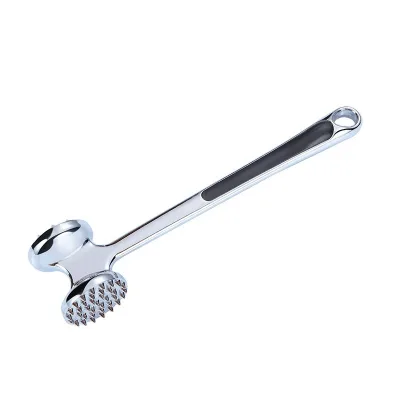


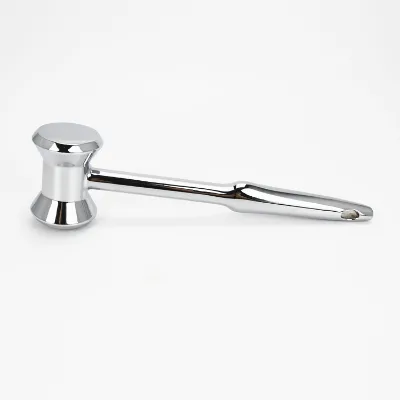
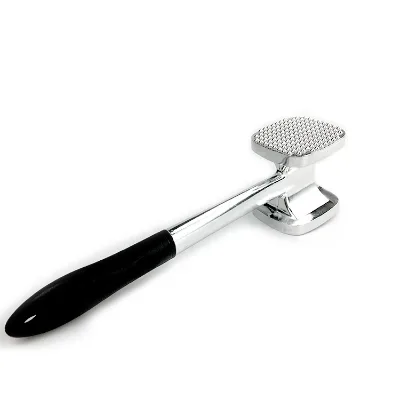
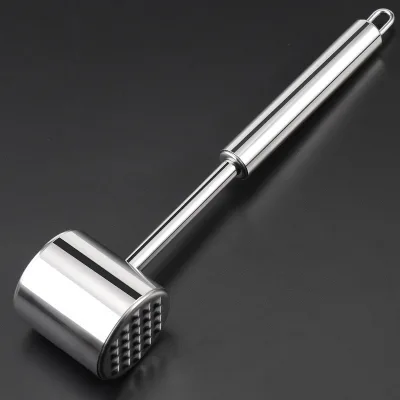
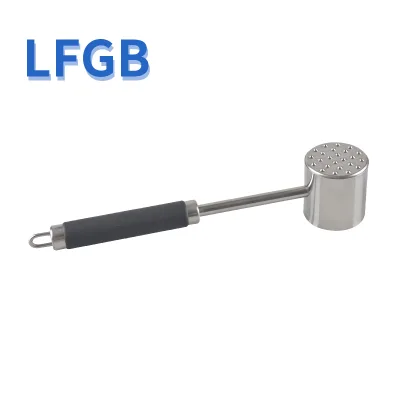
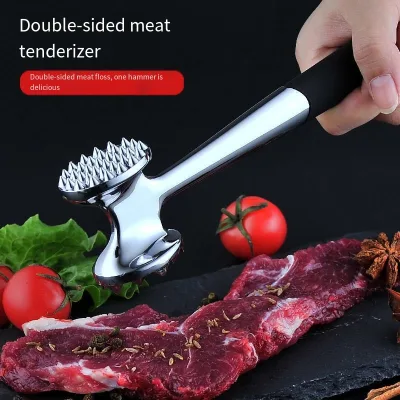
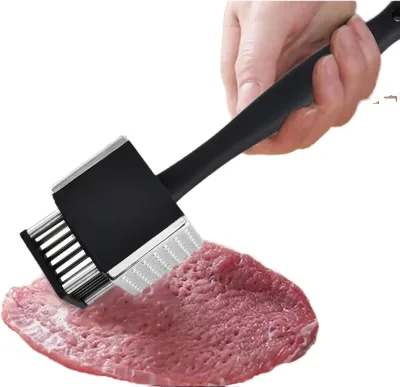
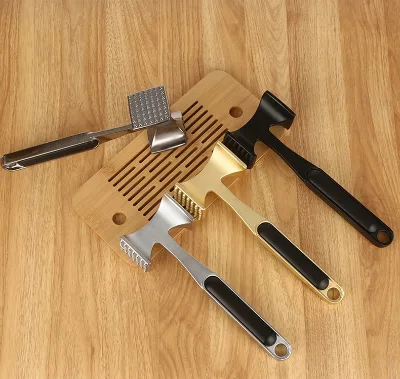
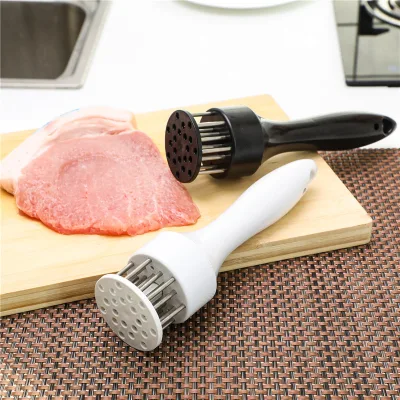
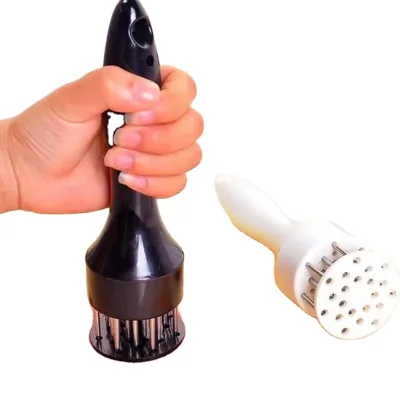


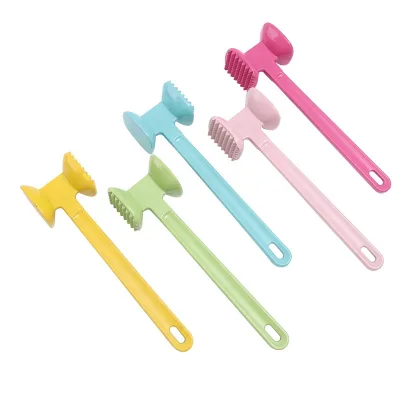
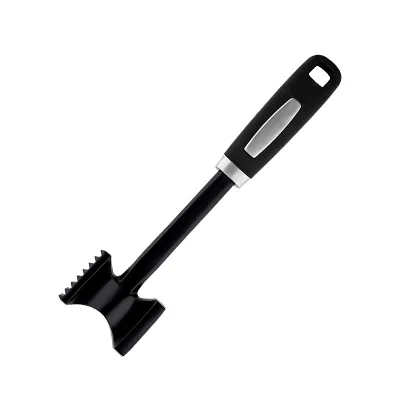


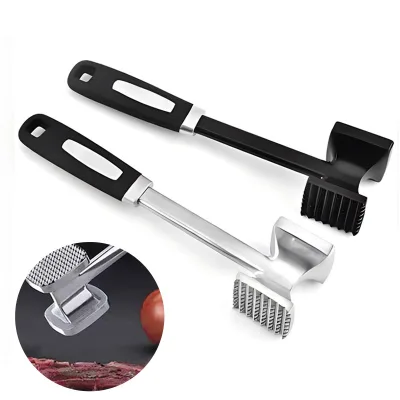


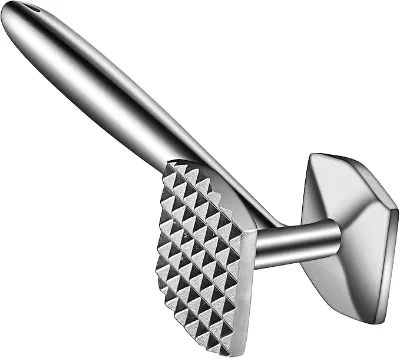
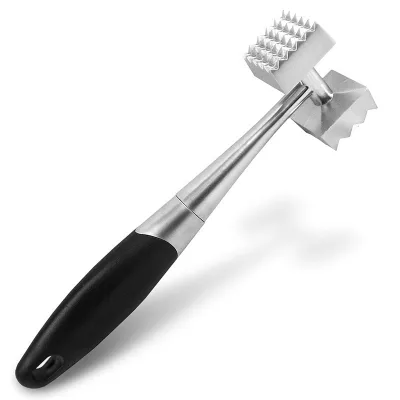


Comprehensive Sourcing Guide
Eco Friendly Meat Hammer Supplier Concentration and Factory Types
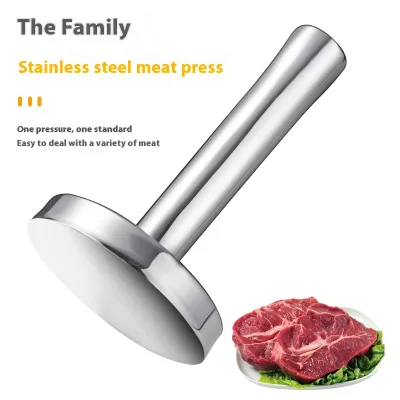
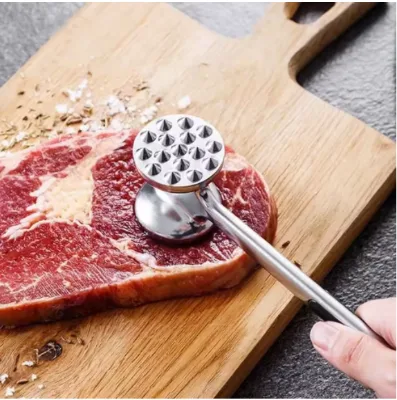
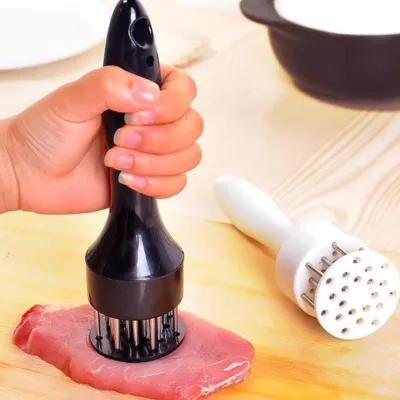
Current data indicates a significant concentration of manufacturers and trading companies operating within Guangdong, China, specifically for eco-friendly meat hammers and related kitchen tools. This region serves as a primary hub for producing items such as stainless steel meat hammers and plastic tenderizers, with specific product attributes like "Eco-Friendly" features and materials ranging from stainless steel to plastic clearly documented in supplier listings. The presence of these specific product attributes confirms that the supply chain for these kitchen utensils is heavily centralized in this southern province, where factories specialize in both metal and plastic processing for home and garden applications.
When evaluating the types of entities in this cluster, buyers will encounter a mix of trading companies and combined suppliers that manage diverse product lines including barbecue tools, kitchenware, and beauty tools. Some suppliers are identified as trading companies, which may streamline the sourcing process by aggregating products from various factories, while others operate as combined entities capable of handling complex manufacturing requirements. The main products listed often extend beyond meat hammers to include items like wooden cutting boards and manicure tools, suggesting that these facilities possess versatile production capabilities. Buyers should verify if a specific supplier is a direct factory or a trading intermediary to understand the depth of their manufacturing control and the potential for customization on eco-friendly meat hammer models.
How to Verify Eco Friendly Meat Hammer Suppliers
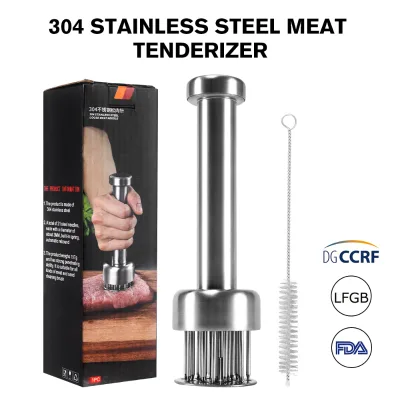
Verification of supplier credibility relies heavily on checking for specific third-party certifications and response metrics that indicate operational reliability. Several product listings in the current results explicitly display FDA certification, which is a critical standard for food-contact kitchen tools like meat tenderizers. Additionally, some suppliers hold ISO9001:2015 system certifications, providing evidence of a structured quality management system. Buyers must confirm that these certifications are current and applicable to the specific meat hammer models being sourced, as the presence of a certification on one product line does not automatically guarantee compliance for all items offered by the same entity.
Beyond certifications, response times and verification badges serve as practical indicators of a supplier's engagement and trustworthiness. Data shows response times ranging from approximately 5.88 to 6 hours, which suggests a generally active communication channel for potential buyers. Some suppliers display verification statuses such as CTI, which adds a layer of confidence regarding their business legitimacy. When assessing a supplier, buyers should look for these specific verification markers and compare the stated response times against their own project timelines. A supplier with a fast response time and verified status is more likely to provide accurate information regarding lead times and production capabilities, reducing the risk of miscommunication during the sourcing process.
What to Compare Across Eco Friendly Meat Hammer Suppliers
Comparing suppliers requires a detailed analysis of key operational metrics such as minimum order quantities, lead times, and pricing structures to ensure alignment with procurement goals. Current product data reveals a wide variance in minimum order quantities, with some listings requiring 3,000 units while others accept orders as low as 1,000 units. Lead times also fluctuate significantly, ranging from 15 days to 35 days depending on the specific product model and customization requirements. Buyers must carefully review these figures for each potential supplier, as a lower price point might be offset by a longer lead time or a higher minimum order threshold that strains inventory budgets.
Pricing and material composition are equally critical factors when comparing different eco-friendly meat hammer options. The observed price range for these tools spans from approximately $0.40 to $3.50 per unit, heavily influenced by the material used, such as stainless steel versus plastic, and the complexity of the design. Stainless steel models often command higher prices due to material costs and durability, while plastic options may offer a more budget-friendly alternative. Additionally, buyers should compare the specific product attributes, such as care instructions and size dimensions, to ensure the selected hammer meets functional requirements. A comprehensive comparison should weigh the total cost of ownership, including shipping and potential customization fees, against the quality and specifications of the meat hammer.
Common Eco Friendly Meat Hammer Sourcing Risks
One significant risk in sourcing eco-friendly meat hammers involves the discrepancy between claimed environmental features and actual material composition. While many product listings highlight "Eco-Friendly" as a key feature, the materials vary from stainless steel to plastic, and the specific environmental impact of these materials may differ. Buyers must verify that the "Eco-Friendly" claim is substantiated by the material properties, such as reusability or recyclability, rather than being a generic marketing term. Without clear evidence of the material's lifecycle or specific eco-certifications beyond general product descriptions, there is a risk of receiving products that do not meet the buyer's sustainability standards.
Another critical risk is the potential for inconsistency in product specifications and quality control across different batches or suppliers. Product attributes such as size, color, and packing methods can vary, with some items packed in polybags and others in color boxes. For instance, one model might be described as "Hand Wash Only" while another is "Dishwasher Safe," which could lead to confusion if the buyer does not specify these requirements clearly. Furthermore, customization options like logo printing and color selection are available, but the sample times and lead times for these customizations can extend the overall production schedule. Buyers must ensure that all specifications are explicitly defined in the purchase agreement to avoid receiving products that deviate from the expected quality or design.
Eco Friendly Meat Hammer Regional Sourcing and Logistics
Sourcing from the identified region of Guangdong, China, offers logistical advantages due to the high concentration of manufacturers and established export infrastructure. The proximity of factories to major ports in this province typically facilitates efficient shipping and reduces transit times for international orders. However, buyers must account for the specific lead times associated with production, which can range from 15 to 35 days, and factor these into their overall logistics planning. Understanding the local manufacturing ecosystem allows buyers to better estimate the time required from order placement to shipment, ensuring that inventory levels are maintained without interruption.
Logistics planning also involves considering the specific packaging and handling requirements of the meat hammers to prevent damage during transit. Product attributes indicate that items are often packed individually in polybags or color boxes, which provides a baseline for shipping volume and weight calculations. Buyers should verify the packing details with each supplier to ensure that the packaging is robust enough to protect the product, especially for stainless steel models that may have sharp edges or delicate prongs. Additionally, the origin of the product, consistently listed as Guangdong or China, means that buyers must be aware of any regional trade regulations or tariffs that could affect the final landed cost of the goods.
Eco Friendly Meat Hammer Commercial Terms and Order Planning
Commercial terms for eco-friendly meat hammers often include specific conditions regarding customization, sample times, and payment structures that must be clearly defined before placing an order. Many suppliers offer customization options for logos and colors, with sample times typically around 7 days, which is a crucial detail for buyers planning product launches. The lead times for production can vary significantly, with some suppliers offering 15-day turnaround while others require up to 35 days. Buyers must align these timelines with their sales forecasts to avoid stockouts or excess inventory, ensuring that the production schedule matches their market demands.
Order planning should also account for the minimum order quantities and pricing tiers to optimize cost efficiency. With MOQs ranging from 1,000 to 3,000 units, buyers need to calculate the total investment required to meet these thresholds while maintaining a healthy profit margin. The price per unit can vary based on material and design, so buyers should request detailed quotes that include all potential costs, such as tooling fees for custom molds or additional charges for expedited shipping. By carefully reviewing the commercial terms and planning the order volume strategically, buyers can secure favorable pricing and ensure a smooth procurement process for their eco-friendly meat hammer inventory.
FAQs
What is the price range for eco friendly meat hammers?
Prices for eco friendly meat hammers range from 0.40 to 3.50 USD per unit depending on material and specifications. Stainless steel models typically cost between 0.40 and 0.64 USD, while metal variants with FDA certification may reach up to 3.50 USD. Buyers should verify specific unit costs based on their chosen model and quantity requirements.
What are the minimum order quantities for these products?
Minimum order quantities vary significantly by product type and supplier. Some stainless steel meat hammers require a minimum of 3000 units, while other models like needle hammers start at 1000 units. Plastic tenderizers may have different thresholds. Buyers must confirm the exact MOQ for their selected item before placing an order.
How long does it take to receive an order?
Lead times for eco friendly meat hammers generally range from 15 to 35 days depending on the supplier and product complexity. Some suppliers offer a 15-day lead time, while others may require up to 35 days for production. Sample times are often around 7 days. Buyers should confirm the specific timeline with their chosen vendor.
Are these meat hammers certified for food safety?
Yes, several eco friendly meat hammers carry FDA certification to ensure food safety compliance. These metal tools are designed for home kitchen use and meet specific environmental protection standards. Buyers should verify the certification status for each specific model to ensure it meets their regulatory requirements before purchasing.
Where are these meat hammers manufactured?
These eco friendly meat hammers are manufactured in Guangdong, China. The products originate from this region, which is a major hub for kitchenware and metal tool production. Buyers can expect the place of origin to be listed as Guangdong, China for most of the available stainless steel and plastic meat hammer models.
What materials are used to make these hammers?
Eco friendly meat hammers are primarily made from stainless steel or plastic materials. Stainless steel versions are often described as eco-friendly and reusable, while plastic models may feature dual sides for tenderizing. Some metal variants are explicitly labeled as metal or stainless steel, ensuring durability and ease of cleaning for kitchen use.
Can I customize the logo on these meat hammers?
Yes, customization is available for many Eco Friendly Meat Hammer models. Suppliers offer OEM logo services and allow for customized branding on the product surface. Buyers can request specific logo placements and designs, though they should confirm the customization details and any associated costs with the supplier before finalizing their order.