Hotfix Motif Rhinestone Mesh Fabric Suppliers and Manufacturers
Compare 16 suppliers of Hotfix Motif Rhinestone Mesh Fabric by verified location, lead time, response rate, MOQ, customization capability and certifications such as ISO 9000 and 16 CFR 1610. Shortlist manufacturers and send an RFQ to request samples and confirm current pricing before ordering.
Updated
Suppliers List

Kingswick Technology Group Limited
- Trading Company,Manufacturer/Factory,Group Corporation,Other
- China Guangdong
- Lead time15 days
- Avg. response≤ 15h
Main productsHotfix Rhinestones, Nail Rhinestones, Flat Back Rhinestones, Sew on Rhinestones, Hot Fix Rhinestone Machines, Rhinestone Appliques, Glass Crystal Beads, Rhinestone Ribbons, Jewelry Beads, Pearl Beads
Main marketsSouth America,Eastern Europe,Mid East,North America,Southeast Asia,Eastern Asia,Oceania,Western Europe,Africa

Luxury Rhinestone Fish Fabric Mesh Shining Crystal Hotfix Rhinestone Mesh for Garment Accessories
$9.50 - $15.00
MOQ: 10 Yards

$1.92 - $2.50
MOQ: 100 Pieces

Customized Designs Heat Transfers Pattern Hotfix Rhinestones Motif for Clothes DIY Decoration
$1.00 - $2.00
MOQ: 1000 Pieces

$7.32 - $12.00
MOQ: 25 Pieces

$9.50 - $15.00
MOQ: 10 Pieces

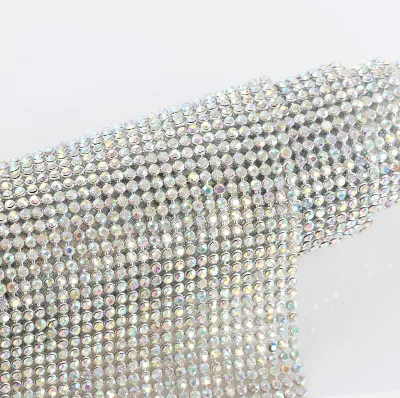
Crystal Ab Hotfix Rhinestones Sheet 3mm Iron on Adhesive Rhinestone Mesh Silver Base Strass Trims
$7.32 - $12.00
MOQ: 25 Pieces
Guangzhou Horae Industrial Co., Ltd.
- Verified by SGS Group
- Manufacturer, Trading Company
- Lead time7 days
- Avg. response≤ 6h
Main productsrhinestone clothing, performance wear, Rhinestone fabric mesh, swimwear, streetwear
Main marketsNorth America(36%), Mid East(16%), Southeast Asia(10%)


N001 Factory Rhinestone Mesh Fabric Stretchy Hot Fix Glass Fishnet Mesh Fabric for Cloth
$11.0044 - $16.4026
MOQ: 5 Minimum
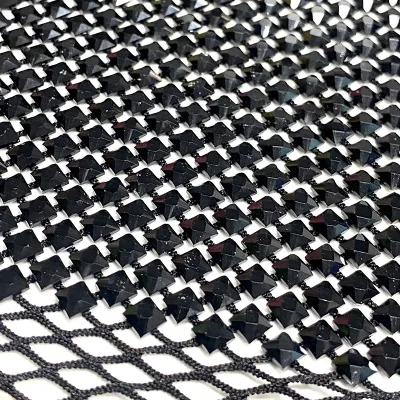
High Quality Rhinestone Mesh Cover up Rhinestones Fabric Mesh Elastic for Clothing
$38.50 - $51.30
MOQ: 2

$47.1765 - $77.1793
MOQ: 2 Minimum


Guangzhou Jiayuan Clothing Co., Ltd.
- Manufacturer, Trading Company, Distributor/Wholesaler
- Guangdong, China
- Lead time20 days
- Avg. response≤ 2h
Main productsrhinestones fabric,diamante fabric,embroidery lace,3D lace,lace trimming
Main marketsEastern Europe(20.00%), North America(15.00%), Western Europe(15.00%), Southern Europe(10.00%), South America(10.00%), Central America(6.00%), Oceania(5.00%), Domestic Market(5.00%), Eastern Asia(5.00%), Mid East(5.00%), Africa(3.00%), Southeast Asia(1.00%)
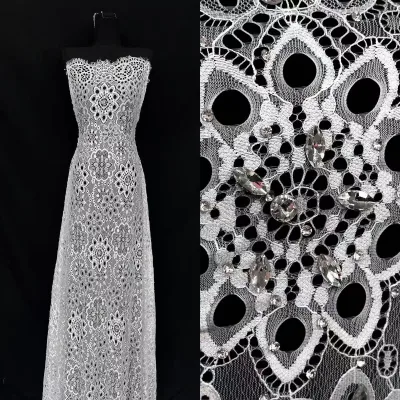


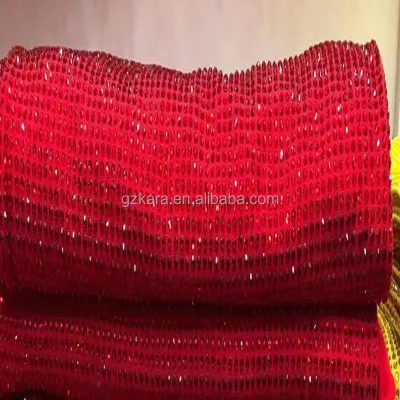
Hot Black Fabric Red AB Crystal Spandex Rhinestone Fabric Lace Mesh Crystal Fabric
$52.00 - $55.00
MOQ: 5
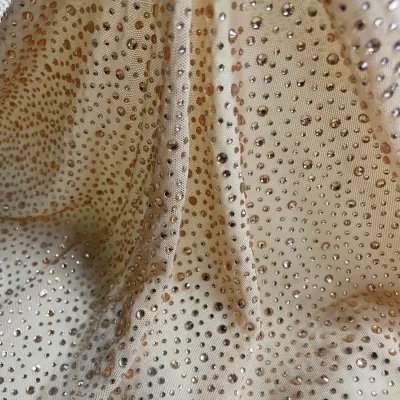
Hot Rhinestone Crystal Fabric Elastic Mesh Material for Fashionable Dress Customization by the Yard
$30.00 - $35.00
MOQ: 5 yards

New Design Shiny Rhinestone Power Mesh Fabric With Square Crystal for Couture Dresses
$55.00 - $65.00
MOQ: 5 yards

Shaoxing Keqiao Yansang Textile Co., Ltd.
- Trading Company,Manufacturer/Factory
- China Zhejiang
- Lead time38 days
- Avg. response≤ 5h
Main productsFabric, Embroidery Fabric, Sequins Fabric, Knit Fabric, Chiffon Fabric, Cotton Fabric, Wool Blended Fabric, PU Fabric, Polyester Fabric, Foil Fabric
Main marketsSouth America,Eastern Europe,Mid East,North America,Southeast Asia,Eastern Asia,Oceania,Western Europe,Africa
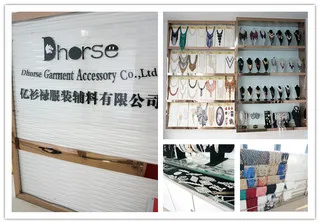
Guangzhou Dhorse Garment Accessory Firm
- Trading Company
- Guangdong, China
- Lead time5 days
- Avg. response≤ 4h
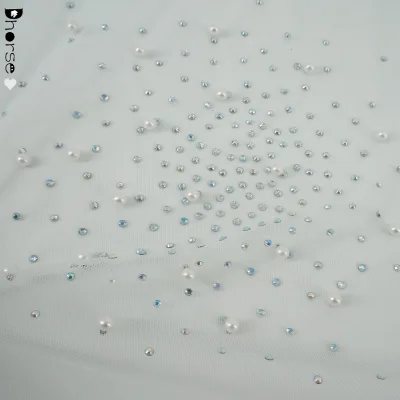
Main productsEmbroidery Lace Fabric,Beaded Lace Trim,Beaded Lace Applique,Glitter Tulle,Garment Patch
Main marketsNorth America(30.00%), Western Europe(15.00%), South America(15.00%), Southeast Asia(10.00%), South Asia(5.00%), Eastern Europe(5.00%), Eastern Asia(5.00%), Mid East(5.00%), Oceania(5.00%), Africa(5.00%)

Guangzhou Xinran Trading Co., Ltd.
- Manufacturer, Trading Company, Distributor/Wholesaler
- Guangdong, China
- Lead time7 days
- Avg. response≤ 4h
Main productscrystal rhinestone garment,rhinestone trimming,rhinestone mesh fabric,rhinestone chain,rhinestone appliques
Main marketsNorth America(30.00%), Southern Europe(10.00%), Africa(10.00%), South America(10.00%), Domestic Market(5.00%), South Asia(5.00%), Southeast Asia(5.00%), Northern Europe(5.00%), Western Europe(5.00%), Eastern Asia(5.00%), Oceania(5.00%), Eastern Europe(5.00%)
Guangzhou Bodu Hardware Crafts Co., Ltd.
- Manufacturer, Trading Company
- Guangdong, China
- Lead time0 days
- Avg. response≤ 9h
Main productsMetal Mesh Fabrics,Clothes,Evening Bags,Metal Mesh Curtains,Crystal Mesh Fabrics
Main marketsWestern Europe(25.00%), Southern Europe(25.00%), South America(8.00%), North America(8.00%), Southeast Asia(5.00%), Eastern Europe(5.00%), South Asia(5.00%), Northern Europe(5.00%), Eastern Asia(3.00%), Oceania(3.00%), Central America(2.00%), Domestic Market(2.00%), Mid East(2.00%), Africa(2.00%)
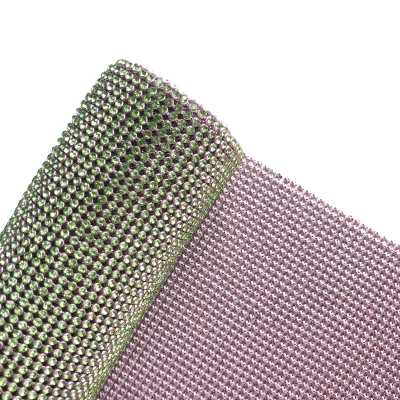
Spring Style Pink Mesh Green Crystal Rhinestone Mesh Fabric for Curtain and Theme Party
$50.00 - $55.00
MOQ: 1 sheets

Guangzhou Govolon Trade Co., Ltd.
- Trading Company,Manufacturer/Factory
- China Guangdong
- Lead time15 days
- Avg. response≤ 24h
Main productsGarment Accessories, Lace, Button, Zipper, Fringe and Tassels, Belt Ribbon, Garment Trimming, Patch Badge, Buckle, Hotfix
Main marketsSouth America,Mid East,North America,Southeast Asia,Western Europe,Africa
Guangdong Honglong Textile Co., Ltd.
- Manufacturer, Trading Company, Distributor/Wholesaler
- Guangdong, China
- Lead time15 days
- Avg. response≤ 4h
Main productsBeaded Lace Fabric
Main marketsDomestic Market(40.00%), North America(30.00%), Western Europe(30.00%)

- Trading Company
- China Fujian
- Lead time15 days
- Avg. response≤ 7h
Main productsTulle Fabric, Mesh Fabric, Lace Fabric, Knitted Fabric, Recycle Fabric
Main marketsSouth America,Others(foreignTradeCapacity.exportBusinessCapacityMarketOther),Southeast Asia/ Mideast,Europe,Australia,North America

NINGBO HOBA INTERNATIONAL TRADING CO., LTD.
- Verified by BV
- Trading Company
- China Zhejiang
- Lead time30 days
- Avg. response≤ 3h
Main productsThread, Button, Lace Tape, Zipper, Hot Fix Stone, Crystal, Rope, Jewelry Accessory, Ribbon, Reflecting Material
Main marketsSouth America,Africa,Southeast Asia/ Mideast,East Asia(Japan/ South Korea),Europe,Australia,North America

Anping County Dinghe Wire Mesh Co., LTD
- Verified by CTI
- Manufacturer/Factory
- China Hebei
- Lead time23 days
- Avg. response≤ 8h
Main productsStainless Steel Wire Mesh, Wire Mesh Curtain, Wire Mesh Belt, Expanded Metal Mesh, Pleating Machine, Baling Wire, Binding Wire, Filter Disc, Knitted Wire Mesh, Woven Wire Mesh
Main marketsMid East,North America,Southeast Asia,Western Europe,Africa


Rhinestone Crystal Mesh Metallic Chainmail Fabric for Lady Dress
$28.00 - $30.00
MOQ: 10 Square Meters

Ningbo Yue Na Import & Export Co., Ltd.
- Verified by TUVRHEINLAND
- Trading Company
- China Zhejiang
- Lead time23 days
- Avg. response≤ 3h
Main productsLace, Thread, Button, Ribbon, Zipper, Tailors Materials, Fabric, Reflective Materials, Sewing Machine Part, Bra Parts
Main marketsSouth America,Africa,Southeast Asia/ Mideast,Europe,North America

Our Factories 20 Years'experience Various Colors Rhinestone Hotfix Transfer
$2.00 - $5.00
MOQ: 100 Pieces


Manufacuring Oeko-Tex Standard Various Colors Rhinestone Hotfix Transfer
$2.00 - $5.00
MOQ: 100 Pieces


Marigold Garment Accessories Co., Ltd.
- Trading Company
- China Guangdong
- Lead time15 days
- Avg. response≤ 12h
Main productsLace, Lace Trimming, Rhinestone Trimming, Embroidery, Patches, Elastic Trim, Brooches, Button, Rhinestone Patch, Lace Fabric
Main marketsSouth America,Africa,Southeast Asia/ Mideast,Europe,North America

- Verified by SGS
- Trading Company
- China Guangdong
- Lead time15 days
- Avg. response≤ 4h
Main productsCup, Water Bottle, Candle Holder, Oil Burner, Coffee Peripherals, Holiday Party Gifts
Main marketsEurope

Ningbo DH Textile Industry&Trade Co., Ltd.
- Verified by TUVRHEINLAND
- Trading Company
- China Zhejiang
- Lead time15 days
- Avg. response≤ 7h
Main productsLace, Interlining, Embroidery Thread, Poplin, Hook and Loop, Satin Ribbon, Sewing Thread, Button, Zipper, Lace Fabric
Main marketsAfrica,Southeast Asia/ Mideast,North America




Comprehensive Sourcing Guide
Hotfix Motif Rhinestone Mesh Fabric Supplier Concentration and Factory Types
Sourcing for Hotfix Motif Rhinestone Mesh Fabric concentrates around suppliers based in Guangdong, China, with Guangzhou appearing as an origin for specific mesh banding products. This cluster is significant because it combines decorative stone production with garment-accessory processing in one region, making it practical for buyers to source mesh sheets, loose flatback stones, and motif transfers from the same supply base. When beginning a search, use origin labels on listing pages as your primary cluster signal: check where the listed product itself is produced rather than only where a company is registered. Many listings in this category also list multiple product families, including hotfix rhinestones, nail stones, sew-on stones, hotfix machines, rhinestone appliques, glass crystal beads, pearl beads, and rhinestone ribbons, which indicates a broad decorative-trim supplier rather than a narrow specialist.
Supplier types vary. Some companies identify as trading companies, some as manufacturers or factories, and some as group corporations, while others list combined manufacturer and trading company roles. This distinction matters because factory-direct sources typically control stone-setting and hotfix adhesive application internally, whereas trading companies aggregate from several workshops and add a coordination layer. Neither model is inherently better: factories may offer deeper technical control over stone size ranges and mesh backing, while trading companies can consolidate mixed orders. Ask each candidate to state directly which stage of production it performs in-house and which it outsources before you judge pricing quotes.
How to Verify Hotfix Motif Rhinestone Mesh Fabric Suppliers
Verification starts with the attributes a platform actually displays, not with assumptions. Some suppliers in this category carry third-party verification, for example through an SGS Group check, and some list system certifications such as ISO 9000 or product compliance references like 16 CFR 1610 for fabric flammability. Do not assume every supplier has a certification displayed; absence of a label is a prompt to request documents, not proof of a problem. For rhinestone mesh fabric aimed at apparel, ask specifically whether the base fabric has been tested to the standard claimed in the listing, because a certification attached to one product does not automatically cover your chosen material.
Beyond paperwork, verification should confirm the supplier's actual role and capability. Request evidence of hotfix capability, such as photos or samples showing the glue-back layer on stone backs, since listings may describe pointback, flatback, or glue-on variants. Test responsiveness before ordering: some suppliers in the results respond in hours while others list average response times measured in days, so send a technical question and measure the reply quality, not just speed. Also confirm customization capacity directly; several listings state customization is available and accept OEM and ODM work with sampling, but you should verify who designs the motif, who sets the stones, and who controls adhesive curing before you rely on a custom transfer program.
What to Compare Across Hotfix Motif Rhinestone Mesh Fabric Suppliers
Build a comparison table using the supplier-label dimensions visible on sourcing pages. Compare lead times, which range widely across this category: some suppliers list roughly seven days, others around fifteen days, and individual products state delivery windows from three to five work days up to five to fifteen days depending on the order. Compare MOQs equally carefully, because they differ by product type within the same supplier: mesh banding may carry an MOQ as low as ten pieces, aluminium-based mesh trim around one hundred units, and custom heat-transfer motifs at one thousand pieces. A supplier with a low MOQ on stock mesh may still require a high MOQ for your custom motif.
Also compare main product lists, company type, and capacity labels. A supplier whose main products center on rhinestone clothing and performance wear interprets your mesh fabric order through a garment lens, while one listing beads, machines, and ribbons operates as a trim specialist. Check response time, location, and whether escrow or platform-protected payment is offered. Add establishment year where displayed, since tenure signals stability, but weight it alongside verified status rather than alone. Finally, compare price bands per product, not per company, because a supplier offering mesh sheets at one price point may quote custom motifs in a completely different range based on stone size, density, and motif size.
Common Hotfix Motif Rhinestone Mesh Fabric Sourcing Risks
The most frequent risk is confusing product variants. Within this category, listings cover crystal hotfix mesh, glass rhinestone sheet trim, elastic stretch mesh fabric, aluminium-based rhinestone mesh, non-hotfix resin rhinestone fabric, and heat-transfer motifs. A buyer ordering "mesh fabric" may receive a rigid aluminium sheet when they expected elastic spandex-based material, or pointback stones when flatback was required. Mitigate this by specifying, in writing, the material (crystal, glass, or resin), the style (flatback or pointback), the backing (glue, iron-on, or none), the base color, and the sheet dimensions, which in listings range from sizes like 24x40cm up to 115cm by 45cm panels.
The second risk cluster involves specification drift on custom motifs. Customized heat-transfer products typically quote stone size "as required" and motif size "custom," which shifts the burden of definition onto the buyer; without a dimensioned artwork file and approved sample, production can deviate in stone density or adhesive coverage. Also watch for MOQ surprises on customization: stock mesh may ship in single-yard or ten-piece quantities, but the customized transfer line often carries a one-thousand-piece MOQ. Finally, verify that quoted certifications apply to the exact fabric base and stone batch you receive, and request retain samples from both production start and end so claims about wash durability and glue integrity can be checked against delivered goods.
Hotfix Motif Rhinestone Mesh Fabric Regional Sourcing and Logistics
The evidence base for this category points to Guangdong, China, as the operative sourcing region, with Guangzhou named as a product origin for rhinestone net banding. This concentration benefits buyers in two ways: dense local competition supports rapid sampling, and proximity between stone suppliers, mesh backing producers, and motif converters shortens internal logistics. When evaluating any supplier, confirm the actual production origin on the specific product listing rather than assuming a company address equals a factory address; some listings state "China" broadly while others name Guangzhou specifically, and that difference affects freight collection points.
For logistics, match the shipping mode to product characteristics. Rhinestone mesh and sheet trims are compact but heavy for their value when ordered in volume, and several listings reference courier channels including DHL, UPS, FedEx, TNT, and EMS alongside air cargo and sea freight. Small sample or low-MOQ orders, such as ten-piece mesh banding, suit express couriers; bulk custom motif runs at thousand-piece MOQs usually justify sea freight once timing allows. Lead-time disclosure matters here: some suppliers state three-to-five-work-day or five-to-fifteen-day delivery windows while others list standardized lead times around seven or fifteen days, so align your quoted production lead time with your freight booking and confirm who arranges export documentation before confirming the order.
Hotfix Motif Rhinestone Mesh Fabric Commercial Terms and Order Planning
Plan orders around the MOQ structure unique to this category rather than negotiating a single company-wide minimum. Expect tiered minimums: approximately ten pieces for certain mesh banding and sheet products, one yard for some elastic rhinestone mesh fabric, around twenty-five pieces for specific resin rhinestone trimming products, one hundred units for glass hotfix mesh trim, and up to one thousand pieces for customized heat-transfer motifs. Price bands follow the same tiers, with listings in this category spanning roughly one to two units for custom motifs, around two units for glass mesh trim, and higher bands for crystal mesh sheets. Confirm which price within a listed range applies to your stone size, sheet dimension, and density.
On commercial terms, prioritize payment protection and staged commitments. Check whether a supplier supports escrow or platform-protected payment, and use it at least for the first order. Sequence sampling before bulk: several suppliers accept sampling with a three-to-five-day sample time, which is cheap insurance against motif and adhesive errors. Confirm packing terms in writing, since listings describe one-piece packing, OPP bag packing with cartons, and courier-specific dispatch. Finally, lock the delivery window, packing spec, and shipping channel into the purchase contract, then plan reorders against the supplier's stated lead time plus freight, keeping a buffer for custom motif approval cycles.
FAQs
What is the minimum order quantity for hotfix rhinestone mesh fabric?
The minimum order quantity varies by product type. Loose rhinestones and mesh bands start at 10 pieces, while mesh sheets require 100 pieces. Custom heat transfer motifs have a higher threshold of 1000 pieces. Buyers should check specific product listings to confirm the exact MOQ before placing an order.
What materials are used in hotfix rhinestone mesh fabrics?
Manufacturers use crystal and glass for the stones. The mesh backing is typically made from aluminum or elastic materials like spandex and polyester. Some products feature flatback or pointback styles with adhesive glue for iron-on application. The base colors include silver, gun black, and gold to suit different design needs.
How long does production take for custom rhinestone motifs?
Standard mesh sheets have a lead time of 3 to 5 working days. Custom heat transfer motifs require 5 to 15 days for production. Sampling takes 3 to 5 days. The exact delivery time depends on the order size and specific customization requirements agreed upon with the supplier.
What certifications do these suppliers hold?
Suppliers hold ISO 9000 system certification for quality management. Some manufacturers also comply with 16 CFR 1610 standards for flammability of clothing textiles. Verification services like SGS Group may also be involved in the supplier assessment process to ensure product quality and manufacturing standards are met.
Where are these suppliers located?
The suppliers are located in Guangdong, China, with specific origins noted as Guangzhou. This region is a major hub for garment accessories and rhinestone manufacturing. Buyers can expect products to originate from this area, which is known for its extensive supply chain in fashion and textile accessories.
What is the price range for rhinestone mesh fabric?
Prices vary significantly based on the product type. Loose rhinestone mesh bands range from 9.50 to 15.00. Glass hotfix rhinestone trim chains cost between 1.92 and 2.50. Custom heat transfer motifs are priced from 1.00 to 2.00. Square resin trimming ranges from 7.32 to 12.00.
Can suppliers provide OEM and ODM services?
Yes, many suppliers offer both OEM and ODM capabilities. Customization is available for loose rhinestones, mesh fabrics, and heat transfer motifs. Buyers can request custom sizes, colors, and designs. Sampling is also accepted for custom orders, allowing buyers to verify quality before committing to larger production runs.