Eco-Friendly Wooden Sorting Toy Suppliers and Manufacturers
Compare 15 verified suppliers offering eco friendly wooden sorting toys with varying lead times, certifications, and response speeds. Review product specs like CE and ASTM standards, then request quotes to confirm pricing and MOQ details; review the available evidence before requesting comparable quotations from suitable candidates.
Suppliers List

Ningbo Shone Med-Tech Co., Ltd.
- Verified by SGS
- Trading Company,Manufacturer/Factory,Group Corporation
- China Zhejiang
- Lead time23 days
- Avg. response≤ 4h
Main productsWooden Games, Wooden Toys, Bingo Games, Wooden Sport Items, Wooden Box
Main marketsSouth America,Eastern Europe,Mid East,North America,Southeast Asia,Eastern Asia,Oceania,Western Europe,Africa


Wooden Cartoon Animal Five-Color Positioning Game Puzzle Color Sorting Toy
$0.99 - $3.20
MOQ: 200 Pieces


- Verified by TUVRHEINLAND
- Trading Company
- China Zhejiang
- Lead time15 days
- Avg. response≤ 12h
Main productsWooden Toy, Outdoor Product, Kitchen Item, Personal Care Tool, Painting Set, Disk Rack, Yoga, Garden
Main marketsSouth America,Europe,North America


Early Development&Activity Toys, Sorting, Stacking and Plugging Educational Wooden Toys
$2.69 - $3.09
MOQ: 10 Pieces


- Verified by TUVRHEINLAND
- Trading Company
- China Zhejiang
- Lead time23 days
- Avg. response≤ 7h
Main productstoys
Main marketsSoutheast Asia/ Mideast,Europe,Australia


Wooden Montessori Educational Color and Shape Sorter Toys Recognition Learning Kids Toy Preschool
$1.56 - $1.64
MOQ: 100 sets


New Kids Wooden Toys Animal Shape Sorter Games Cube Educational Toys for Children
$5.66 - $6.05
MOQ: 18 sets
Yunhe Jincheng Wood Industry Company Limited
- Manufacturer
- Zhejiang, China
- Lead time45 days
- Avg. response≤ 9h
Main productsToys
Main marketsWestern Europe(60.00%), North America(30.00%), Eastern Asia(10.00%)
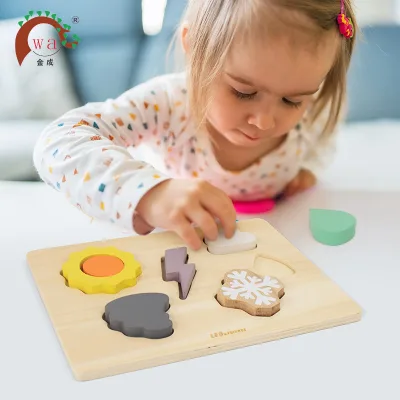
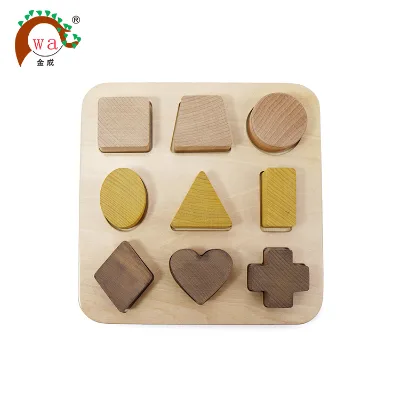
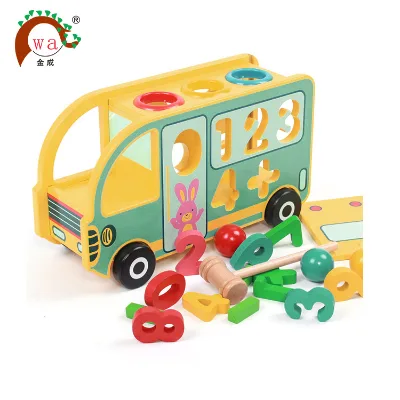
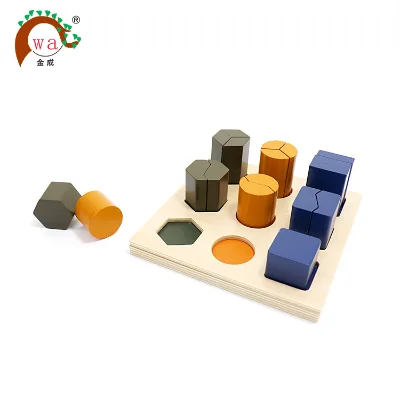
Wooden Puzzle Educational Shape Sorter Blocks Toy
$2.75 - $2.96

Ningbo Wisdom Kids International Co., Ltd.
- Trading Company,Manufacturer/Factory
- China Zhejiang
- Lead time90 days
- Avg. response≤ 9h
Main productsWooden Toy, Kid Toys, Children Toy, Toy, Game, Gift, Wooden Products, Eduction Toy; Intelletual Toy, Puzzle, Indoor Toy; Toddler Toys
Main marketsEastern Europe,North America,Southeast Asia,Oceania,Western Europe


Educational Shape Color Sorter Wooden Toy with Storage Board for Baby Boys Girls
$6.00
MOQ: 1000 Pieces


Ningbo Tonglu Children Products Co., Ltd.
- Manufacturer
- China Zhejiang
- Lead time30 days
- Avg. response≤ 8h
Main productsKids Tricycle, Kids Furniture, Kids Table, Kids Chair, Kids Balance Bike, Kids Scooter, Kids Bookshelf, Kids Storage Cabinet, Kids Educational Toys, Kids Sofe
Main marketsSouth America,Europe,North America
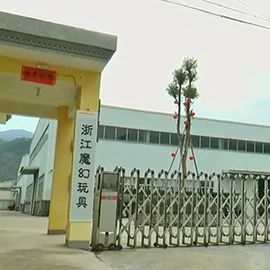
Wenzhou Magic Color Technology Co., Ltd.
- Manufacturer, Trading Company
- Zhejiang, China
- Lead time40 days
- Avg. response≤ 4h
Main productstoy,wooden toy,children toy,kids toy,baby toy
Main marketsNorthern Europe(30.00%), North America(10.00%), Eastern Europe(10.00%), Western Europe(10.00%), Southeast Asia(7.00%), Africa(7.00%), Domestic Market(6.00%), Mid East(6.00%), Eastern Asia(4.00%), South America(4.00%), Oceania(2.00%), South Asia(2.00%), Southern Europe(2.00%)
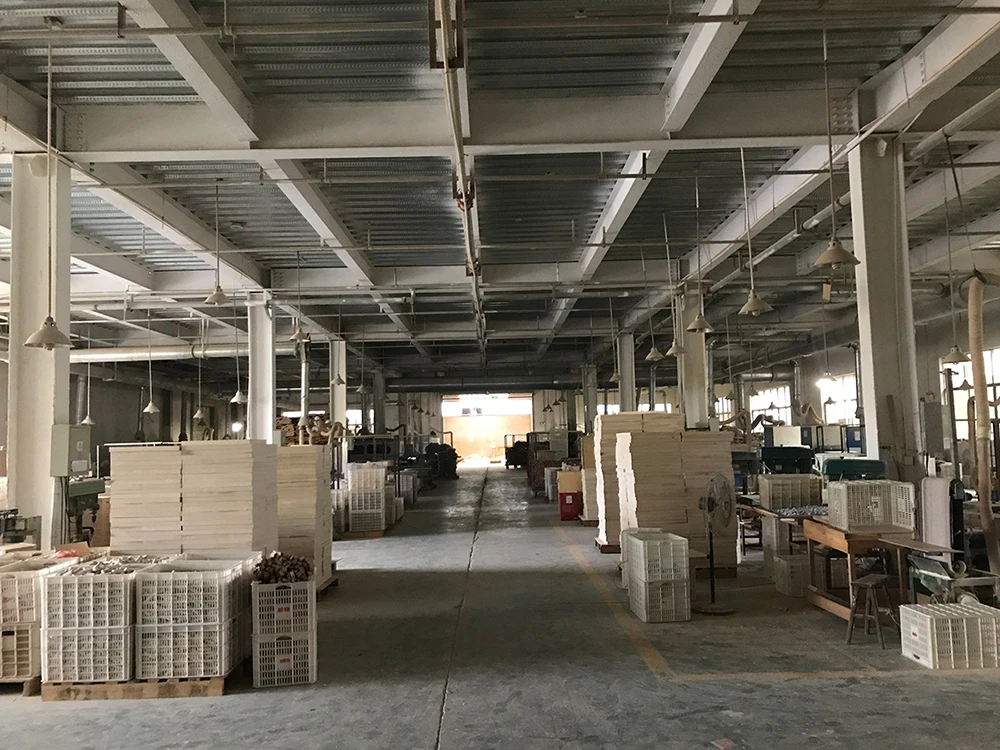
- Trading Company
- Zhejiang, China
- Lead time0 days
- Avg. response≤ 4h
Main productsWooden Kitchen,Wooden Dollhouse,Wooden Dresser,Wooden Educational Toys,Wooden Montessori Toys
Main marketsSoutheast Asia(30.00%), North America(20.00%), South America(20.00%), Mid East(10.00%), Southern Europe(5.00%), Northern Europe(5.00%), Western Europe(5.00%), Africa(5.00%)
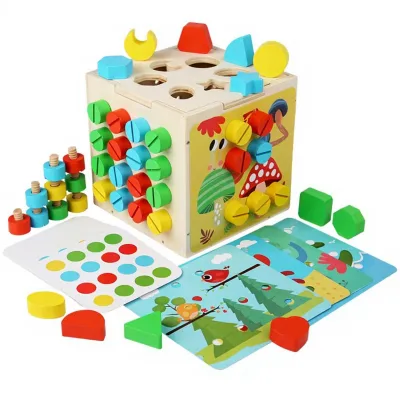
CPC CE EN71 Wooden Shape Sorter Box Screw Nut Shape Matching Wooden Kids Toys
$6.03 - $6.48
MOQ: 24 pieces
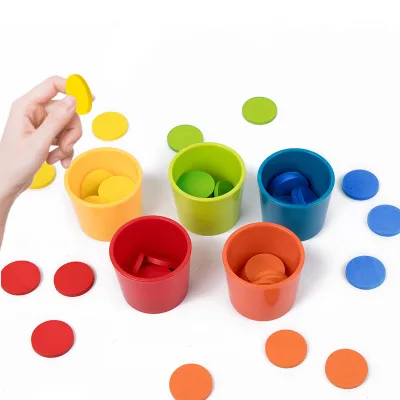
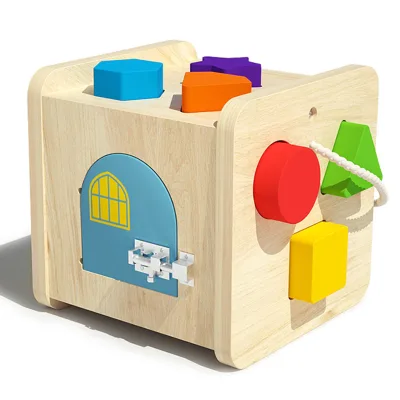
Shape Sorter Cube Toys Blocks Classic Wooden Toys Matching Blocks Shape Sorting Cube Toy Box
$4.13 - $4.37
MOQ: 24 sets

PIN INTERNATIONAL (NINGBO) LTD.
- Verified by TUVRHEINLAND
- Manufacturer/Factory
- China Zhejiang
- Lead time90 days
- Avg. response≤ 4h
Main productsWooden Toys Kids Toys Educational Toys, Arts and Crafts, Stem Toys, DIY Products, Subscription Box for Kids
Main marketsSouth America,Eastern Europe,North America,Eastern Asia,Western Europe
Cao County Jinpengyuan Container Packaging Co., Ltd.
- Verified by SGS Group
- Manufacturer, Trading Company
- Lead time30 days
- Avg. response≤ 4h
Main productsOak Barrel, Wooden Box, Wood Tray, Fumigator, Cutting Board
Main marketsDomestic Market(30%), North America(15%), South America(10%)
- Manufacturer, Trading Company
- Zhejiang, China
- Lead time0 days
- Avg. response≤ 5h
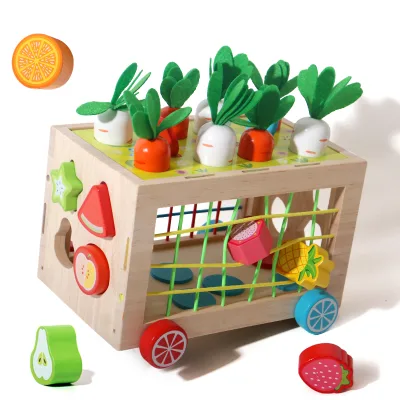
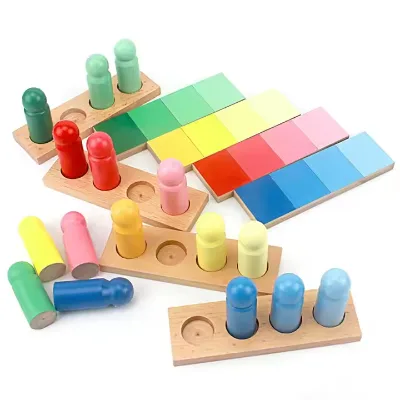
Hot Selling High Quality Children Educational Toy 2-4 Kids Gift Wooden Shape Sorting Toy
$6.93 - $8.12
MOQ: 2 pieces
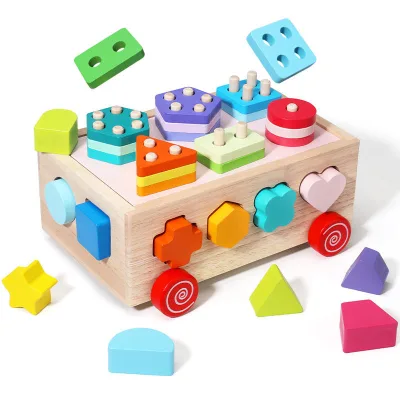
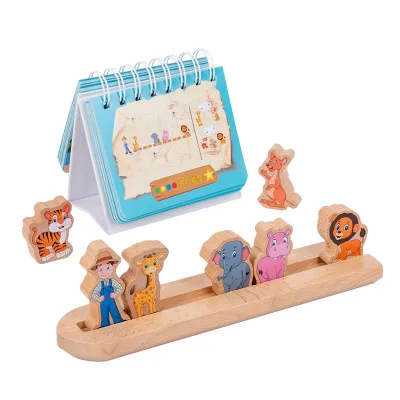
Multifunctional Wood Kids Geometric Shape Color Sorter Matching Blocks Car Educational Learning Toy
$6.06 - $6.26
MOQ: 10 pieces
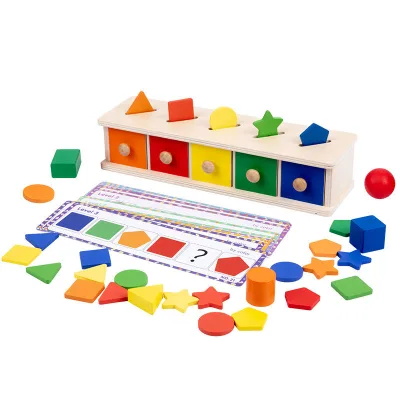
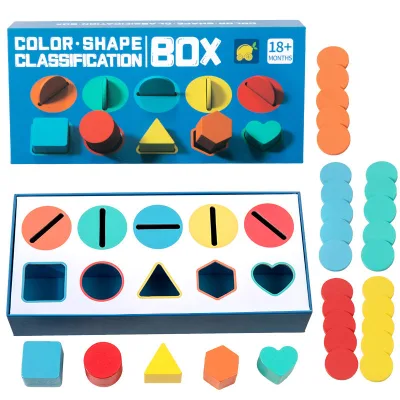
Wooden Color & Shape Sorter Box Set for Toddlers 2 to 4 Years Cognitive Development Children's Gift
$5.85 - $6.68
MOQ: 10 pieces

Lishui Zhangzhongbao Toys Co., Ltd.
- Trading Company,Manufacturer/Factory
- China Zhejiang
- Lead time30 days
- Avg. response≤ 5h
Main productsWooden Toys, Educational Toys, Doll House, Kitchen Toy, Wooden Bike
Main marketsSouth America,Eastern Europe,Mid East,North America,Southeast Asia,Eastern Asia,Oceania,Western Europe,Africa

Popular Counting Game Wooden Math Game Color Sorting Toys for Kids Z12135f
$3.00 - $5.00
MOQ: 1000 Pieces

Hot Selling Multifunction Educational Wooden Shape Sorting Toy for Kids Z01566A
$3.00 - $8.00
MOQ: 1000 Pieces

Early Educational Color Number Sorting Wooden Cow Stacking Toy for Kids Z03128b
$3.00 - $8.00
MOQ: 1000 Pieces

Customize Educational Blocks Shape Sorting Wooden Stacking Ring Toy for Kids Z13439d
$2.00 - $8.00
MOQ: 1000 Pieces


Early Educational Shape Sorting Game Wooden Harvest Carrots Toy for Kids Z01565A
$3.00 - $8.00
MOQ: 1000 Pieces
Hangzhou Xihuage Cultural Creativity Co., Ltd.
- Verified by Intertek
- Trading Company
- Lead time90 days
- Avg. response≤ 5h
Main productsEducational Toys, Building Block, Role Play & Pretend Play Toy, Stress-Relief Toys, Pen
Main marketsNorth America(50%), Western Europe(20%), Eastern Europe(15%)

WENZHOU TIMES ARTS&CRAFTS CO., LTD.
- Verified by SGS
- Manufacturer/Factory
- China Zhejiang
- Lead time23 days
- Avg. response≤ 4h
Main productsToys, Montessori Toys, Wooden Toy, Educational Toy, Role Play Toys, Children Furniture, Puzzle, Kid Bike, Musical Toy, Wooden Blocks
Main marketsSouth America,Eastern Europe,Mid East,North America,Southeast Asia,Eastern Asia,Oceania,Western Europe,Africa

Best Sale Educational Wooden Shape Sorting Box Toy for Children W12D423
$3.00 - $8.00
MOQ: 1000 Pieces


Customize Educational Sorter Wooden Shape Recognition Toy for Kids W12D378
$1.00 - $5.00
MOQ: 1000 Pieces

Popular Educational Cognitive Toy Farm Animal Wooden Shape Sorter for Kids W06A579
$5.00 - $10.00
MOQ: 2000 Pieces

New Arrival Educational Wooden Shape Sorter for 9 Month Baby Toys W13e085
$2.00 - $8.00
MOQ: 100 Pieces


Ningbo General Union Co., Ltd.
- Trading Company
- China Zhejiang
- Lead time30 days
- Avg. response≤ 17h
Main productsKitchen Appliance, Camping Supplies, Gift, Kitchen Utensil, Educational Toy, Promotional Mug, Aromatherapy Diffuser, Smoothie Blender, Backpack Cooler
Main marketsSouth America,Africa,Southeast Asia/ Mideast,East Asia(Japan/ South Korea),Europe,Australia,North America


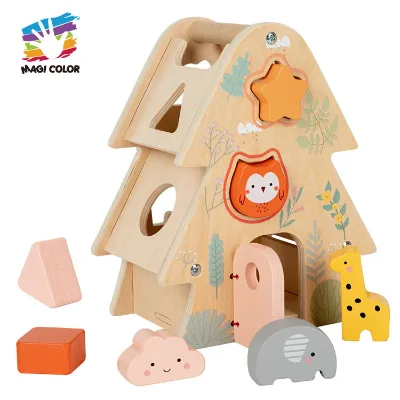


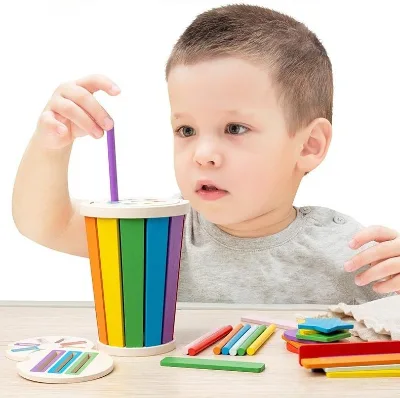
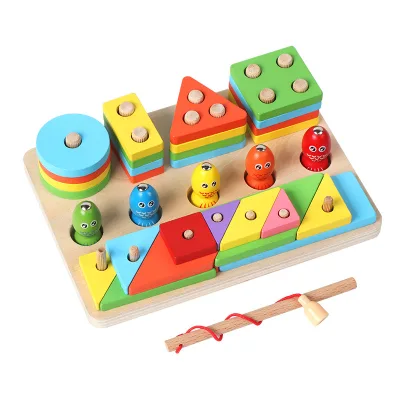
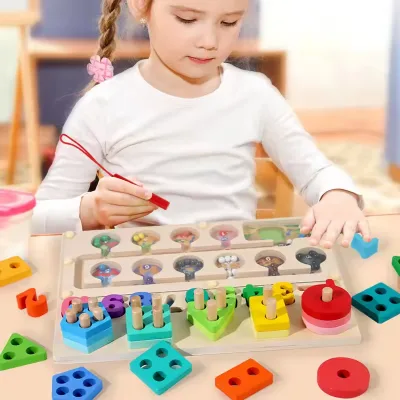
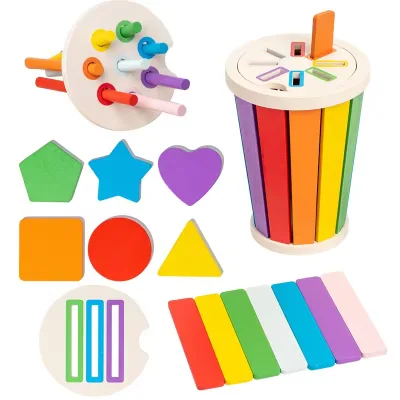


Comprehensive Sourcing Guide
Eco-Friendly Wooden Sorting Toy Supplier Concentration and Factory Types
The current supplier landscape for eco-friendly wooden sorting toys shows a distinct concentration in China, specifically within the Zhejiang province. This region hosts a mix of company types including trading companies, manufacturers, and group corporations, offering buyers a range of operational models. Some entities operate as pure trading firms, while others function as integrated factories with their own production lines. This diversity allows purchasers to select partners based on whether they require direct manufacturing control or a broader sourcing network. The presence of group corporations suggests larger scale operations capable of handling significant volume orders, whereas trading companies may offer more flexibility in sourcing from multiple smaller workshops.
When evaluating these entities, buyers should note that the primary product focus often extends beyond sorting toys to include wooden games, sports items, and general wooden boxes. This indicates that many suppliers possess broad woodworking capabilities rather than specializing exclusively in educational sorting puzzles. The verification status of these suppliers varies, with some holding SGS verification and others carrying TÜV Rheinland credentials. This variation in third-party validation is a critical factor when assessing the reliability of the supply chain. Buyers must understand that the factory type directly influences the ability to customize products, manage quality control, and scale production volumes efficiently without compromising the eco-friendly standards required for children's educational items.
How to Verify Eco-Friendly Wooden Sorting Toy Suppliers
Verification of suppliers in this category requires a multi-layered approach focusing on system certifications and product-specific compliance. Many suppliers in the current results display BSCI, ISO 9001, and SEDEX certifications, which indicate adherence to social and environmental management standards. However, specific product certifications such as CE, ASTM, EN71, and EN are equally critical for wooden toys intended for children. Buyers must cross-reference the system-level certifications with the actual product attributes listed, ensuring that the specific sorting toy models carry the necessary safety marks for their target markets. The presence of an SGS or TÜV Rheinland verification badge adds a layer of trust regarding the supplier's business legitimacy and operational history.
Response time and verification status serve as immediate indicators of supplier reliability and engagement levels. Data shows response times ranging from approximately 3 hours to 12 hours, which can significantly impact the speed of the sourcing process. A faster response time often correlates with a more active sales team and better communication channels, essential for resolving technical queries about material safety or customization options. Buyers should also look for explicit statements regarding customization availability and ODM/OEM acceptance. The ability to accept logo customization and specific design modifications is a strong signal of a supplier's flexibility. Always request proof of the specific certifications listed for the exact product model, as general company certifications do not automatically guarantee that every item in their catalog meets the same rigorous safety standards.
What to Compare Across Eco-Friendly Wooden Sorting Toy Suppliers
Comparing suppliers requires a detailed analysis of lead times, minimum order quantities, and pricing structures to ensure alignment with project requirements. Lead times in the current market vary, with some suppliers indicating a 15-day production window while others suggest 23 days. This difference can be decisive for time-sensitive orders or seasonal product launches. Minimum order quantities also differ significantly, ranging from as low as 10 units to 200 units per order. Buyers must calculate the total cost of ownership, considering that a lower unit price might be offset by a higher MOQ that ties up capital in inventory. The price range for similar wooden sorting toys can span from under one dollar to nearly seven dollars, reflecting differences in material quality, complexity, and packaging standards.
Beyond logistics and cost, the scope of main products and customization capabilities must be weighed carefully. Some suppliers focus heavily on wooden toys and educational games, while others list diverse categories like kitchen items or yoga equipment, which may dilute their expertise in the specific niche of sorting toys. The availability of customization is a key differentiator; many suppliers offer options for custom shapes, colors, and packaging, but the extent of these services varies. Buyers should compare the specific product attributes, such as material type (e.g., lotus wood vs. general wood), scale, and shape, to ensure the final product matches the intended educational and safety criteria. Evaluating the response time alongside these factors helps determine which supplier can best support the buyer's specific operational needs and timeline constraints.
Common Eco-Friendly Wooden Sorting Toy Sourcing Risks
One of the primary risks in sourcing eco-friendly wooden sorting toys involves the discrepancy between claimed certifications and actual product compliance. While suppliers may list broad system certifications like ISO 9001, the specific safety standards for children's toys, such as ASTM or EN71, must be verified for each individual product model. There is a risk that a supplier might possess general factory certifications but fail to apply the correct safety testing to specific toy designs, particularly those with small parts or complex moving mechanisms. Buyers must demand test reports for the exact product model they intend to purchase, rather than accepting generic certification documents that may not cover the specific item's design or material composition.
Another significant risk relates to the variability in lead times and the potential for production delays. The observed lead times of 15 to 23 days indicate a standard production cycle, but external factors can extend these periods. If a supplier is also handling diverse product lines like outdoor products or personal care tools, capacity constraints may arise, leading to delays in fulfilling wooden toy orders. Additionally, the reliance on specific materials like lotus wood or other eco-friendly sources introduces supply chain vulnerabilities. If the raw material supply is disrupted, production halts, affecting the delivery schedule. Buyers should mitigate these risks by establishing clear communication channels and verifying the supplier's capacity to handle their specific order volume without compromising on quality or safety standards.
Eco-Friendly Wooden Sorting Toy Regional Sourcing and Logistics
Sourcing from the identified region in China, specifically Zhejiang, offers logistical advantages due to established manufacturing clusters and port access. The concentration of suppliers in this area facilitates efficient coordination between factories and shipping logistics, potentially reducing transit times for international orders. However, buyers must account for the specific shipping requirements associated with wooden products, which can be heavy and bulky compared to plastic alternatives. The packaging standards vary, with some suppliers using packing bags while others utilize cartons of specific dimensions, impacting the total volume and shipping costs. Understanding the standard packaging dimensions, such as 21x13x4 cm or 31x31x11 cm, is essential for accurate freight calculations and warehouse planning.
Logistics planning must also consider the origin of the materials and the final destination of the goods. Since the products are manufactured in China, buyers need to navigate import regulations and customs duties specific to wooden toys in their target markets. The eco-friendly nature of the products may qualify them for certain trade benefits, but this depends on the specific certifications and documentation provided by the supplier. Buyers should verify the origin details and ensure that all necessary export documentation is in place to prevent delays at customs. Additionally, the response time of the supplier can influence the speed of logistics coordination, as quick communication is necessary to resolve any shipping discrepancies or last-minute changes to the order specifications.
Eco-Friendly Wooden Sorting Toy Commercial Terms and Order Planning
Commercial terms for eco-friendly wooden sorting toys often include flexible customization options and varying minimum order quantities. Many suppliers accept OEM and ODM requests, allowing buyers to tailor the product design, branding, and packaging to their specific market needs. The price ranges observed, from approximately $0.99 to $6.80, suggest that buyers can find options suitable for different budget levels, but the final cost will depend on the complexity of the design and the quantity ordered. Buyers should plan their orders by balancing the unit price against the MOQ, ensuring that the total investment aligns with their sales projections and inventory management strategies. The availability of in-stock items can also provide a faster route to market for urgent orders, though customization may require a longer lead time.
Order planning must also factor in the specific product attributes and standards to ensure compliance with safety regulations. The product models often come with detailed specifications regarding dimensions, materials, and age recommendations, which are crucial for marketing and safety compliance. Buyers should verify the age suitability, such as ">3 Years" or "3-8 Years," to ensure the toys meet the intended demographic's safety requirements. Furthermore, the inclusion of features like music or specific shapes adds value but may impact production complexity and lead time. By carefully reviewing the product attributes and commercial terms, buyers can develop a robust sourcing strategy that minimizes risk and maximizes the potential for successful market entry with high-quality, eco-friendly wooden sorting toys.
FAQs
What certifications do these wooden toys have?
Products carry CE, ASTM, EN71, and ISO 9001 certifications. Some listings also mention BSCI, SEDEX, and ISO 14001 standards. Verify specific product tags for exact compliance details before ordering to ensure safety requirements are met.
What is the typical lead time for orders?
Lead times vary between 15 and 23 days depending on the supplier and order volume. Some manufacturers offer faster turnaround for standard items. Confirm the exact delivery schedule with the supplier before finalizing payment terms.
What is the minimum order quantity for these toys?
Minimum order quantities range from 10 to 200 units per product model. Some suppliers accept small batches of 10 pieces for custom designs. Check individual product listings to find the specific MOQ that fits your budget.
Are these toys made from eco-friendly materials?
Many items are described as 100% eco-friendly and made from lotus wood or standard wood. Features often highlight non-toxic finishes suitable for children. Always request material safety data sheets to confirm the specific eco-friendly claims for your order.
Do suppliers offer customization services?
Customization is available for logos, packaging, and product designs on many listings. Suppliers support OEM and ODM services for branding needs. Inquire about specific customization options and any additional costs associated with modifying the standard product.
Where are these suppliers located?
Most suppliers are located in Zhejiang, China. This region is known for its manufacturing capabilities in wooden toys. Verify the specific factory address and shipping origin with the supplier to ensure accurate logistics planning.
What is the price range for these toys?
Prices typically range from 0.01 to 6.80 USD per unit depending on the model and quantity. Specific items like sorting games often fall between 1.19 and 3.99 USD. Request a detailed quote based on your target volume for accurate pricing.