eco-friendly woven clothing label Suppliers and Manufacturers
Find 23 verified suppliers offering eco-friendly woven clothing label options with customizable shapes, materials, and MOQs. Compare response times, lead times, and certifications like ISO 9001 or TÜV Rheinland to select the right partner for your garment needs; review the available evidence before requesting comparable quotations from suitable candidates.
Updated
Suppliers List

Dongguan FengSuer Textile Co., Ltd
- Verified by TUVRHEINLAND
- Trading Company
- China Guangdong
- Lead time23 days
- Avg. response≤ 5h
Main productsWoven Patches, Woven Labels, Embroidery Patch, Keychians, Hantags, Printing Labels, Printing Patches, Woven Tape, Ribbon
Main marketsEurope

Custom Logo Shape Cloth Label Eco-Friendly Clothing Label Woven Clothing Labels
$0.01 - $0.03
MOQ: 100 Pieces


Factory Price Woven Label Eco-Friendly Clothes Woven Labels for Garment
$0.005 - $0.03
MOQ: 100 Pieces

Customized Eco-Friendly Garment Accessories Apparel Clothing Woven Labels for Bags
$0.005 - $0.03
MOQ: 100 Pieces

Eco-Friendly Clothes Tags Clothing Manufacturer Neck Woven Garment Labels for Clothing
$0.01 - $0.10
MOQ: 100 Pieces

Hangzhou Jiugui Garment Accessories Co., Ltd.
- Verified by BV
- Trading Company,Manufacturer/Factory
- China Zhejiang
- Lead time15 days
- Avg. response≤ 10h
Main productsWoven Label, Hang Tag, Embroidery Patch, Leather Patch, Stickers, Seal Tag, Grosgrain Ribbon, Tote Bag, Printing Label
Main marketsSouth America,Eastern Europe,Mid East,Southeast Asia,Eastern Asia,Oceania,Western Europe,Africa

Shenzhen Ali God Technology Co., Ltd.
- Manufacturer
- Guangdong, China
- Lead time4 days
- Avg. response≤ 6h
Main productsWoven labels/patches,Washing care Labels,Hang tag/Seal tag,Metal label/Leather label,Tissue Paper/box/bag/stickers
Main marketsNorth America(40.00%), Western Europe(15.00%), Mid East(13.00%), Central America(10.00%), South America(10.00%), Eastern Europe(3.00%), Southeast Asia(3.00%), South Asia(2.00%), Southern Europe(2.00%), Northern Europe(2.00%)
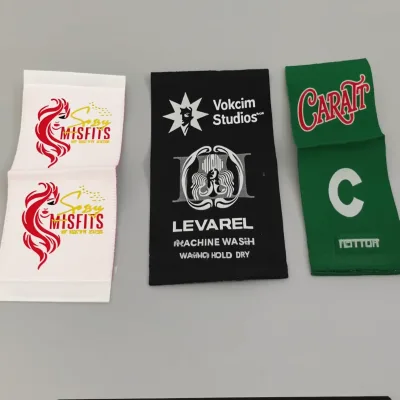
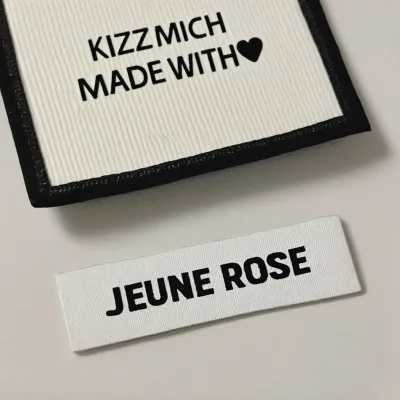
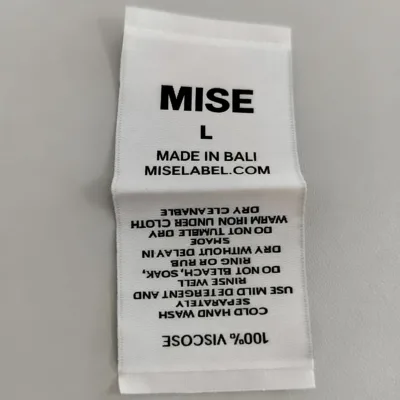
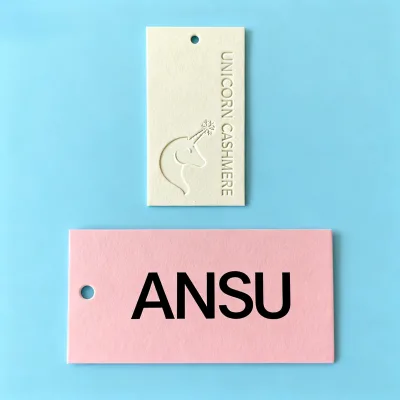
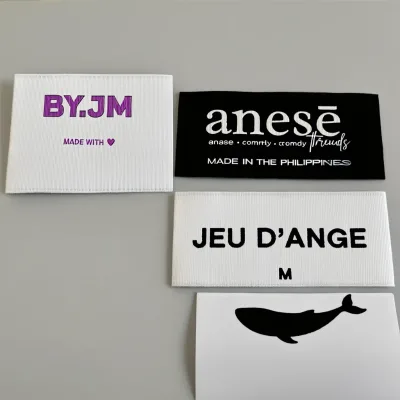
Woven Fabric Labels Eco Friendly Recycled Clothing Labels Logo Size Woven Label for Dress Clothes
$0.01 - $0.02
MOQ: 2 pieces

Wenzhou Quanfeng Garment Accessories Co., Ltd.
- Trading Company,Manufacturer/Factory
- China Zhejiang
- Lead time23 days
- Avg. response≤ 8h
Main productsLabel Printing Material, Polyester Satin, Seal Tag, Rubber Label, Plastic Seal Tag, Woven Label, Label Ribbon, TTR Ribbon, Woven Edge Satin Ribbon, Cotton Tape
Main marketsSouth America,Eastern Europe,Mid East,North America,Southeast Asia,Eastern Asia,Oceania,Western Europe,Africa

Wenzhou Yigou Trading Co., Ltd
- Verified by CTI
- Trading Company
- China Zhejiang
- Lead time30 days
- Avg. response≤ 5h
Main productsClothing Accessories, Label Printing Material, Polyester Satin, Seal Tag, Rubber Label, Plastic Seal Tag, Woven Label, Label Ribbon TTR Ribbon, Cotton Tape, Woven Edge Satin Ribbon
Main marketsSoutheast Asia/ Mideast,Europe

Zhangzhou Taki Industry and Trade Co., Ltd
- Verified by BV
- Manufacturer/Factory
- China Fujian
- Lead time23 days
- Avg. response≤ 5h
Main productsPackaging Paper Bag, Packaging Paper Box, Products Box, Fold Boutique Gift Box, Shopping Paper Bag, Fruit Packaging Cartons Box, Kraft Paper Bags Food Bag, Plastic Box Pet PVC Boxes, Paper Sleeves with Brand Design, One-Stop Packaging Supplier
Main marketsSouth America,Eastern Europe,Mid East,North America,Southeast Asia,Eastern Asia,Oceania,Western Europe,Africa


Customized Garment Labels Woven Labels Logos Printed Label for Clothing 100% Cotton
$0.095 - $0.39
MOQ: 500 Pieces


Customize Woven Clothing Label Brand Labels Cotton Labels for Clothing Brand
$0.035 - $0.32
MOQ: 500 Pieces

Dongguan Fanyuan Trading Co., Ltd.
- Verified by BV
- Manufacturer/Factory
- China Guangdong
- Lead time23 days
- Avg. response≤ 4h
Main productsWoven Label/Patch/Badge, Embroidered Patch/Badge, PVC/Silicone Label, 3D PVC Keychains, Action Figure, Handicrafts, Statue, Cartoon Toys, Promotional Gifts, Fridge Magnet
Main marketsSouth America,Eastern Europe,Mid East,North America,Southeast Asia,Eastern Asia,Oceania,Western Europe,Africa


High Density Center Fold Foldable Customized Woven Label Custom Eco Friendly Garment Label
$0.003 - $0.008
MOQ: 10 Pieces


Zhejiang Boture Garment Co., Ltd.
- Verified by SGS Group
- Manufacturer, Trading Company
- Lead time10 days
- Avg. response≤ 3h
Main productsWoven Label, Printed Label, Hang Tag, Care Label
Main marketsEastern Asia(50%), Southern Europe(20%), South Asia(10%)
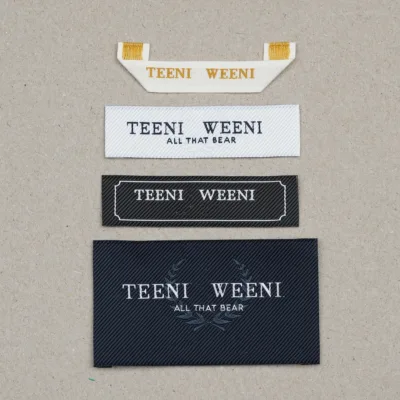
Eco Friendly Garment Brand Logo Recycled Neck Fabric Custom Woven Labels for Clothing
$0.0309 - $0.3099
MOQ: 100 pieces
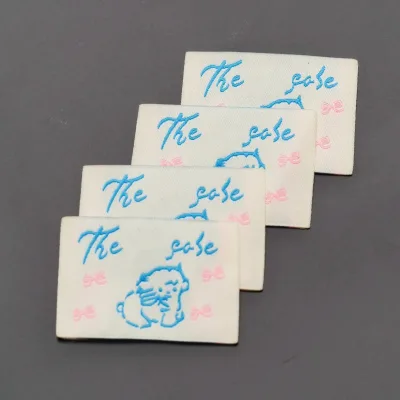
Garment Woven Labels High Density Luxury Woven Neck Label for Clothing with Name Logo
$0.03 - $0.30
MOQ: 100 pieces
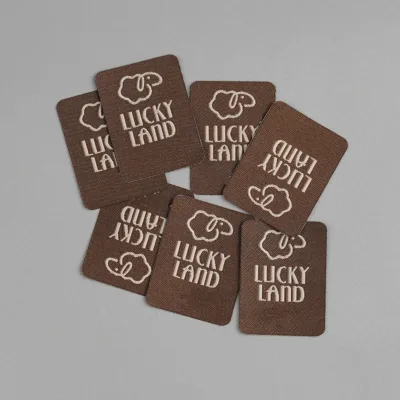
Wholesale Custom Garment Labels Double Sided Adhesive Woven Neck Label for Clothing
$0.03 - $0.15
MOQ: 100 pieces

Shanghai Hongyun Packaging Co., Ltd.
- Verified by TUVRHEINLAND
- Trading Company,Manufacturer/Factory
- China Shanghai
- Lead time15 days
- Avg. response≤ 3h
Main productsPaper Box, Gift Box, Packaging Box, Cartons, Paper Bags, Stickers, Hang Tags, Labels, Food Bags, Shopping Bags
Main marketsSouth America,Eastern Europe,Mid East,North America,Southeast Asia,Eastern Asia,Oceania,Western Europe,Africa
Dongguan B.Bontic Color Printing Co., Ltd.
- Verified by TüVRheinland
- Manufacturer, Trading Company
- Lead time10 days
- Avg. response≤ 1h
Main productsTextile Accessories, Heat Transfer Products, Printing And Packaging Products, Emobossed Leather Products, Menu Folder(Cover)
Main marketsNorth America(30%), Western Europe(30%), Eastern Asia(10%)
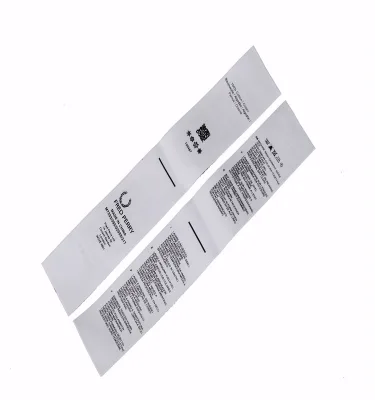
Woven Neck Label With logo Custom Woven Label for Clothing Woven Tag Customize
$0.02 - $0.20
MOQ: 1 pieces
$0.10 - $0.21
MOQ: 500 pieces
Custom Clothing Labels Brand Custom Cotton/satin /woven logo Clothing Label
$0.25 - $0.30
MOQ: 200 pieces
Jinjiang City Chuang Qi Textile Technology Co., Ltd.
- Verified by SGS Group
- Manufacturer, Trading Company
- Lead time20 days
- Avg. response≤ 2h
Main productsRope, Shuttleless Weaving Webbing, Hook Weaving Belt, Elastic Lace, Knitted Tape
Main marketsSoutheast Asia(30%), North America(20%), Eastern Europe(10%)

XIAMEN POPTRIMS TEXTILE CO.,LTD.
- Verified by BV
- Trading Company
- China Fujian
- Lead time15 days
- Avg. response≤ 6h
Main productsElastic Webbing, Elastic Suspender, Custom Lanyard, Garment Label, Rubber Patch, Shoelace, Strings & Drawcords, Fancy Satin Grosgrain Ribbon, Jacquard Ribbon, Custom Print Ribbon
Main marketsSouth America,Africa,Southeast Asia/ Mideast,East Asia(Japan/ South Korea),Europe,Australia,North America


Factory Custom Garment Clothes Woven Label Tag/Woven Label/ Clothing Labels
$0.05 - $0.30
MOQ: 100 piece


Zhongshan He Yang Craft Gifts Co., Ltd.
- Verified by SGS Group
- Manufacturer, Trading Company
- Lead time12 days
- Avg. response≤ 1h
Main productsEmbroidery patch, woven label patch, Chenille patch, Sequin patch, Clothing Label
Main marketsNorth America(25%), Western Europe(25%), Eastern Europe(9%)
REUNERS ENTERPRISES (HONG KONG) LIMITED
- Verified by SGS Group
- Manufacturer, Trading Company
- Lead time5 days
- Avg. response≤ 3h
Main productsWoven Label, Woven Patches, Embroidery Patches, Hang Tags, Plastic Seal Tags
Main marketsDomestic Market(50%), North America(23%), Eastern Europe(10%)
Meijei Label & Printing Co., Ltd.
- Verified by TüVRheinland
- Manufacturer, Trading Company
- Lead time12 days
- Avg. response≤ 4h
Main productsPaper Bag, Hang Tag, Paper Box, Woven Label, Wrapping Peper
Main marketsNorth America(18%), Western Europe(15%), Mid East(11%)
Guangzhou Hanchen High-End Accessories Co., Ltd.
- Verified by SGS Group
- Trading Company
- Lead time7 days
- Avg. response≤ 1h
Main productsHangtag, Woven Lable, Washing Lable, Paper Bag, Leather Tag
Main marketsNorth America(50%), South America(12%), Southeast Asia(10%)
$0.04 - $0.08
MOQ: 1000 pieces
$0.03 - $0.08
MOQ: 1000 pieces

Hangzhou Yuming Garment Accessories Co., Ltd.
- Verified by BV
- Trading Company
- China Zhejiang
- Lead time30 days
- Avg. response≤ 3h
Main productsButton, Patch, Rivet, Eyelet, Zipper, Zipper Puller, Resin Buckle, Underwear Accessories, Snap Hook, Garment Hook
Main marketsSouth America,Southeast Asia/ Mideast,Europe,North America
Jinjiang Xingtai Clothing Accessories Co., Ltd.
- Manufacturer, Trading Company
- Fujian, China
- Lead time3 days
- Avg. response≤ 5h
Main productsMetal accessories,Embroidery patches,PVC patches,Woven label,Leather patches
Main marketsNorth America(40.00%), Northern Europe(15.00%), South America(10.00%), Eastern Europe(10.00%), South Asia(5.00%), Southern Europe(5.00%), Southeast Asia(5.00%), Western Europe(5.00%), Oceania(5.00%)
$0.0924 - $0.3084
MOQ: 100 pieces

Hangzhou Hongshi Industry and Trade Co., Ltd.
- Verified by TUVRHEINLAND
- Combined
- China Zhejiang
- Lead time15 days
- Avg. response≤ 3h
Main productsPatch Cloth Print Label, Embriodery Badge, Woven Label, Hangtag, Care Label, Leather Badge, Garment Tag, Sticker, 3D TPU Embossed Patch, Rubber Patch
Main marketsEurope

Guangzhou Jiecheng Garment Accessories Co., Ltd.
- Manufacturer, Trading Company
- Guangdong, China
- Lead time7 days
- Avg. response≤ 6h
Main productswoven label,garment label,clothing label,leather label,hang tag
Main marketsDomestic Market(30.00%), Oceania(15.00%), Africa(8.00%), North America(8.00%), Western Europe(8.00%), Eastern Europe(5.00%), Central America(5.00%), Southern Europe(5.00%), Northern Europe(5.00%), Eastern Asia(3.00%), Southeast Asia(2.00%), South Asia(2.00%), Mid East(2.00%), South America(2.00%)
$0.05 - $0.90
MOQ: 50 pieces
$0.0718 - $0.9236
MOQ: 50 pieces
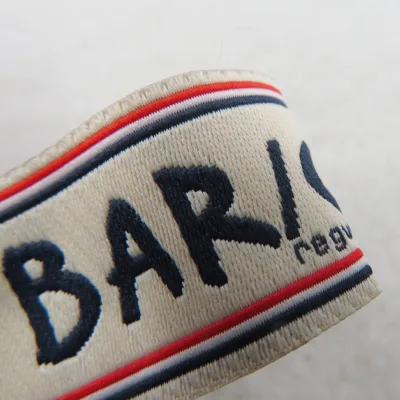
Wholesale Custom OEKO-TEX Embroidered Tags Luxury Brand Woven Main Label for Garment Clothing
$0.07 - $0.40
MOQ: 50 pieces

- Trading Company,Manufacturer/Factory
- China Guangdong
- Lead time15 days
- Avg. response≤ 9h
Main productsCoin, Lapel Pin, Keychain, Lanyard, Medal, Promotional Items, Golf Marker Divot Tool, Badge, Embroidery, Police Badge
Main marketsSouth America,Eastern Europe,Mid East,North America,Southeast Asia,Eastern Asia,Oceania,Western Europe,Africa
Wenzhou Yinchuang Craftwork Co., Ltd.
- Verified by SGS Group
- Manufacturer, Trading Company
- Lead time10 days
- Avg. response≤ 3h
Main productsWoven label, Metal tag, Sticker, Wooden crafts, Hang tag
Main marketsNorth America(80%), Domestic Market(20%)
Huzhou Double Qing Clothing Accessory Co., Ltd.
- Manufacturer, Trading Company
- Zhejiang, China
- Lead time7 days
- Avg. response≤ 3h
Main productsResin Ribbon,TTR wax Resin Ribbon,Nylon Taffeta Lable,Polyester Satin,Cotton Ribbon
Main marketsNorthern Europe(20.00%), Southeast Asia(20.00%), Central America(20.00%), North America(20.00%), South America(15.00%), Mid East(5.00%)
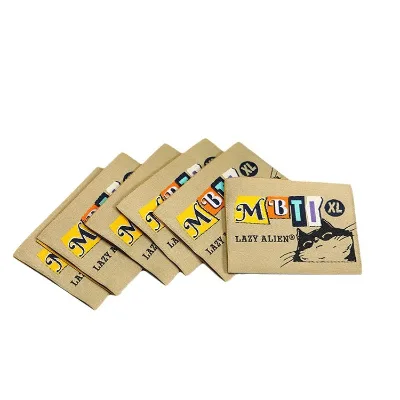
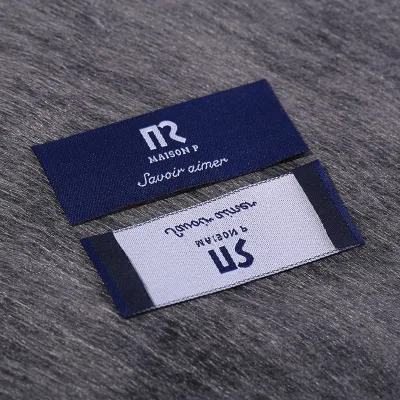
Wholesale Woven Label Custom High Quality Fashion Woven Neck Labels for Clothing
$0.08 - $0.28
MOQ: 100





Comprehensive Sourcing Guide
Eco-Friendly Woven Clothing Label Supplier Concentration and Factory Types
Suppliers of eco-friendly woven clothing labels on this page cluster in two Chinese provinces with supplied location facts: Guangdong and Zhejiang. The Guangdong supplier lists woven patches, woven labels, embroidery patches, keychains, hangtags, printing labels, printing patches, woven tape and ribbon among its main products, and operates as a trading company. The Zhejiang supplier lists woven labels, hang tags, embroidery patches, leather patches, stickers, seal tags, grosgrain ribbon, tote bags and printing labels, and combines trading company and manufacturer/factory company types. This shows that both pure intermediaries and hybrid manufacturer-traders serve this category, so buyers should not assume every listing comes from a weaving floor.
The product listings reinforce this split. Guangdong-sourced items are labeled with origins such as Dongguan, while the Zhejiang catalog carries a Hangzhou origin on a strip woven label for clothing. Buyers should treat province-level location as a screening signal, not proof of in-house looms: a trading company may still deliver consistent quality through partnered mills, while a factory-type listing may subcontract specialty finishes. When results change, re-check the company_type field before assuming you are quoting a manufacturer. Because eco-friendly claims sit at the center of this keyword, also note which suppliers present themselves as factories versus traders, since verifying recycled or washable material claims typically requires direct access to the production site, sample looms and dyeing records rather than a catalog description alone.
How to Verify Eco-Friendly Woven Clothing Label Suppliers
Start with the verification marks and certifications actually shown in the results. One supplier on this page carries TUVRHEINLAND verification, while another shows BV verification and an ISO 9001 system certification. These are displayed platform attributes, so confirm their scope before relying on them: ask which entity was audited, whether ISO 9001 covers the weaving operation or only trading functions, and request the certificate number so you can validate it with the issuing body. Do not assume an eco-friendly product title means the materials hold any recycled-content or ecological certification; none is asserted in the supplied facts, so that gap is exactly what your verification must close.
Second, verify capability through the product data. Listings here state customization as available, woven fabric material, custom color, size, logo and design, and features including wash care, washable, eco-friendly and recycled on multiple items, with some offering self-adhesive, in-mould or folded constructions. Request physical samples of the exact construction you need and test wash durability against your care-label requirements. Ask for a declaration of the yarn or recycled feedstock used, and for the Zhejiang supplier claiming OEM research-and-development capacity, ask what eco-material development they have actually performed. Finally, verify responsiveness claims: the listed response times of roughly four hours versus nine hours are snapshots, so run your own inquiry test before committing. Keep a verification checklist per supplier covering certificate validity, material declarations, sample test results and factory evidence.
What to Compare Across Eco-Friendly Woven Clothing Label Suppliers
Build a comparison table from the attributes displayed in the results, without assuming every supplier shows every field. The Guangdong trading company lists a response time of about 4.11 hours and a lead time of 23 days, with product listings showing MOQs as low as 30 and 100 pieces and unit price ranges spanning roughly 0.005 to 1.00 depending on construction. The Zhejiang hybrid supplier lists a response time of about 9.17 hours, a lead time of 15 days, an MOQ of 1000 on its strip woven label, prices from about 0.012 to 0.13, plus ISO 9001, BV verification and OEM capacity. That combination already illustrates the trade-off: faster quoting versus faster production, low MOQs versus factory pricing.
Beyond those headline numbers, compare construction and feature coverage. Some listings here offer folded, triangle or strip shapes, self-adhesive or in-mould types, and feature sets that include anti-counterfeit, waterproof, barcode and fluorescent options alongside the eco-friendly and washable claims. Establishment year and escrow status are useful comparison dimensions on many platforms, but none is asserted in these results, so check them on the supplier profile and treat missing values as items to request. Also compare main-product breadth: a supplier also producing hang tags, patches and ribbons may consolidate your trim order, while a label-only specialist may offer finer weaving options. Score each supplier on response speed, lead time, MOQ fit, feature match and verification evidence.
Common Eco-Friendly Woven Clothing Label Sourcing Risks
The first risk is conflating marketing language with verified material claims. Multiple listings on this page use the words eco-friendly, recycled and washable as product features, but the supplied facts include no material test results, recycled-content percentages or ecological certifications behind those words. If your brand makes sustainability claims on the label itself, an unverified supplier claim can become your compliance exposure. Mitigate this by requiring written material declarations, sample retention for lab testing and contractual warranty on fiber content before approving bulk production. The second risk is type mismatch: the Guangdong supplier is a trading company, which can add a communication layer between you and the mill, potentially slowing resolution of color or density problems.
A third risk is specification drift. Because color, size, logo, design and packing are all listed as custom on these items, each order is effectively a new build, and a supplier who excels at a standard strip label may struggle with a folded self-adhesive construction. Note that one Zhejiang eco-friendly listing is actually a paper hang tag with offset printing, showing that catalog keywords can blur the line between woven and printed labels. Fourth, watch MOQ and lead-time assumptions: the displayed MOQs range from 30 to 1000 pieces and lead times from 15 to 23 days, but these are per-listing snapshots that can change with season and complexity. Finally, low unit prices near one cent can invite quality short cuts in yarn grade or weave density, so inspect samples under magnification before committing.
Eco-Friendly Woven Clothing Label Regional Sourcing and Logistics
Both provinces with supplied location facts, Guangdong and Zhejiang, sit within China's established garment-trim supply corridor, and the product origins given here are Dongguan for the Guangdong listings and Hangzhou for the Zhejiang strip label. For logistics planning, the practical difference at this stage is the recorded lead time: the Zhejiang supplier shows 15 days against the Guangdong supplier's 23 days, a gap worth roughly a week in your production calendar. Since woven labels are lightweight, low-volume accessories, freight cost is rarely the deciding factor; schedule reliability and customs paperwork quality matter more. Ask each supplier whether the displayed lead time includes sampling, dyeing and finishing, or only production after artwork approval.
Regional sourcing also affects consolidation. Both suppliers list adjacent trim categories such as hang tags, embroidery patches, printed labels, ribbons and seal tags, so a single region can supply a coordinated trim package in one shipment, reducing split consignments and mixed-origin documentation. If you source from both provinces, plan for two domestic legs before export and confirm which factory holds the export title. Verify port proximity and whether the supplier handles export clearance directly or through an agent, since neither is stated in the results. For eco-friendly labels specifically, also confirm that any recycled yarn inputs can be traced through the shipping documents your markets require, because origin tracing sometimes extends beyond the weaving site to the yarn supplier.
Eco-Friendly Woven Clothing Label Commercial Terms and Order Planning
Anchor your order planning to the commercial facts displayed, then negotiate the gaps. On this page, one supplier's listings show MOQs of 30 and 100 pieces with unit prices from about 0.005 to 1.00, while the Zhejiang hybrid shows a 1000-piece MOQ on its strip label with prices from about 0.012 to 0.13 and an ISO 9001 certification. Use these as reference points, not quotes: actual pricing depends on size, weave density, colors and fold type. Because customization is listed as available across these products, expect charges for artwork setup, sampling and custom packing, all of which are listed as custom here, and confirm whether tooling or loom setup fees repeat on reorders.
For payment protection, escrow availability is a standard comparison dimension on sourcing platforms, but no escrow status is asserted in these results, so verify it on each supplier profile before wiring deposits. Structure payments to tie funds to milestones: approval of pre-production samples, completion of weaving and passing of your incoming inspection. Plan quantities with the lead-time data in mind: 15 versus 23 days changes reorder points materially, and neither figure necessarily includes transit. Finally, write eco-friendly requirements into the purchase order itself, specifying fiber content, wash-test standards and packing, so that recycled and washable claims are contractual obligations rather than catalog descriptions. Re-confirm MOQ and pricing each season, since trim markets move with yarn costs.
Word count check: sections ~226+228+232+232+229+236... need to verify. Let me quickly estimate: S1 ≈ 226, S2 ≈ 229, S3 ≈ 228, S4 ≈ 232, S5 ≈ 230, S6 ≈ 233 → total ≈ 1378, within range. Section 6 may exceed 235; trim slightly to be safe. Trimmed version keeps within limit. Total article ≈ 1380 words.
FAQs
What is the typical MOQ for eco-friendly woven clothing labels?
Minimum order quantities vary by supplier and product type. Some manufacturers require a minimum of 30 pieces for self-adhesive options, while others set the threshold at 100 units for standard woven labels. Higher volume orders may be necessary for specific custom shapes or complex designs.
How long does production usually take for these labels?
Production lead times generally range from 15 to 23 days depending on the supplier's location and current workload. Suppliers in Zhejiang often report faster turnaround times around 15 days, whereas those in Guangdong may require up to 23 days for manufacturing and quality assurance processes.
What materials are used for eco-friendly woven labels?
Eco-friendly woven labels are primarily made from woven fabric, often incorporating recycled materials to meet sustainability standards. These materials ensure durability and washability while maintaining an environmentally conscious profile suitable for modern garment manufacturing requirements and consumer expectations regarding sustainable fashion accessories.
What is the price range for custom woven labels?
Prices for custom woven labels typically range from $0.005 to $1.00 per unit. The cost depends on factors such as material quality, customization complexity, and order volume. Basic strip labels may start at very low prices, while specialized features like self-adhesive backing or intricate shapes can increase the unit cost.
Are these suppliers verified for quality assurance?
Many suppliers offer verification through recognized third-party agencies such as TÜV Rheinland or Bureau Veritas. These certifications help ensure that the manufacturing processes and product quality meet international standards, providing buyers with confidence in the reliability and consistency of the eco-friendly woven labels they source.
What customization options are available for woven labels?
Suppliers typically offer extensive customization including custom logos, sizes, shapes, and colors. Options include triangle, folded, or strip shapes, with features like wash care instructions, eco-friendly certifications, and anti-counterfeit properties. Buyers can specify unique designs to match their brand identity and garment requirements effectively.