Eco Friendly Wooden Serving Bowl Suppliers and Manufacturers
Compare 27 verified suppliers of eco friendly wooden serving bowls by location, lead time, and certifications. Review product attributes like FDA and LFGB standards, then request samples to verify quality and customization options; review the available evidence before requesting comparable quotations from suitable candidates.
Suppliers List

XIAMEN TWO CITY IMP AND EXP CO., LTD.
- Verified by SGS
- Trading Company
- China Fujian
- Lead time30 days
- Avg. response≤ 3h
Main productsBamboo Panel, Bamboo Plywood, Bamboo Cutting Board, Bamboo Chopping Board, Bamboo Products, Bamboo Kitchenware, Bamboo Tableware, Bamboo Furniture, Wood Product, Wood Root Carving Product
Main marketsSoutheast Asia/ Mideast,Europe,North America

Fujian Hoyee Household Items Co., Ltd.
- Verified by BV
- Manufacturer/Factory
- China Fujian
- Lead time0 days
- Avg. response≤ 11h
Main productsBamboo Products, Cutting Board, Bathtub Caddy, Bath Mat, Bath Towel Rack, Shoes Rack, Office Organizer, Desk Organizer, Cheese Board, Serving Tray

Shanxi Midas Industrial Co., Ltd.
- Verified by TUVRHEINLAND
- Trading Company
- China Shanxi
- Lead time15 days
- Avg. response≤ 5h
Main productsWine Glass, Glass Plate, Wooden Tray, Scented Candle, Plastic Water Bottle, Stainless Steel Water Bottle, Dinnerware Set, Beer Glass
Main marketsEurope,North America
Taixing JEYGO Import Export Co., Ltd.
- Verified by SGS
- Trading Company
- China Jiangsu
- Lead time30 days
- Avg. response≤ 6h
Main productsWooden Brush, Bath Product, Bath Brush, Pet Hair Comb, Bamboo and Wood Handicrafts, Brush Making Machinery, Bamboo and Wood Kitchenware
Main marketsDomestic

Shaowu City Nafu Bamboo and Wood Industry Co., Ltd.
- Manufacturer
- China Fujian
- Lead time15 days
- Avg. response≤ 19h
Main productsBamboo and Wood Cutting Board Cheese Board, Bamboo and Wood Storage Box, Bamboo and Wood Plate, Bamboo and Wood Tray, Marble Wood Cheese Board, Bamboo and Wood Table, Bamboo and Wood Bathroom Products, Bamboo and Wood Shelf, Bamboo and Wood Kitchen Utensil, Bamboo and Wood Bowl
Main marketsEast Asia(Japan/ South Korea),Domestic,Europe,Australia,North America
Dongguan Yunxiang Wooden Handicrafts Co., Ltd.
- Verified by TüVRheinland
- Manufacturer, Trading Company
- Lead time30 days
- Avg. response≤ 3h
Main productsWood Products, Wooden Lid, Wooden Box, Wooden Toy, Wood Kitchenware
Main marketsDomestic Market(39%), North America(20%), Southeast Asia(10%)

CAO COUNTY DAWANG ARTS AND CRAFTS CO., LTD.
- Verified by TUVRHEINLAND
- Manufacturer/Factory
- China Shandong
- Lead time23 days
- Avg. response≤ 25h
Main productsWooden Cabinet, Iron Furniture, Wall Shelf
Main marketsEastern Europe,North America,Western Europe

Xiamen Chengfengxin Industry & Trade Co., Ltd.
- Verified by BV
- Trading Company
- China Fujian
- Lead time23 days
- Avg. response≤ 15h
Main productsBamboo Cutting Board, Bamboo Bathtub Rack Caddy, Bamboo Tablet Computer Desk, Bamboo Kitchenwares Holder Organization, Bamboo Home Storage, Home Office Collection, Eco-Friendly Kitchen Products, Bamboo Kitchen Tools, Bamboo Diffuser, Eco-Friendly Green Products
Main marketsSoutheast Asia/ Mideast,Europe,Australia,North America

- Verified by TUVRHEINLAND
- Combined
- China Fujian
- Lead time15 days
- Avg. response≤ 20h
Main productsFridge Magnet, Decorative Hook, Metal Plaque, Wood Plaque, Wooden Photo Frame, Wood Chalkboard, Book Mark, Linen Painting, Canvas Box, Cup Coasters
Main marketsSouth America,Africa,Southeast Asia/ Mideast,East Asia(Japan/ South Korea),Europe,Australia,North America
Cao County Lianchuang Wood Craft Packaging Co., Ltd.
- Verified by SGS Group
- Manufacturer, Trading Company
- Lead time30 days
- Avg. response≤ 2h
Main productsWooden Pallets, Wooden Cutting Boards, Wooden Jars, Kitchen Storage Rack, Wooden Crafts
Main marketsDomestic Market(100%)
Xiamen Eco Go Industry Co., Ltd.
- Verified by Intertek
- Trading Company
- Lead time0 days
- Avg. response≤ 4h
Main productsBamboo and Wooden Kitchenware, Bamboo and Wooden Office Items, Bamboo and Wooden Bathroom Items, Bamboo and Wooden Household Items
Main marketsNorth America(50%), Western Europe(38%), Northern Europe(5%)
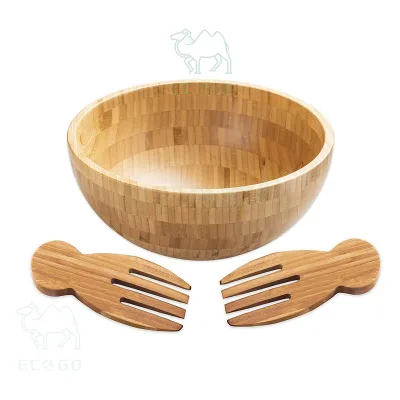
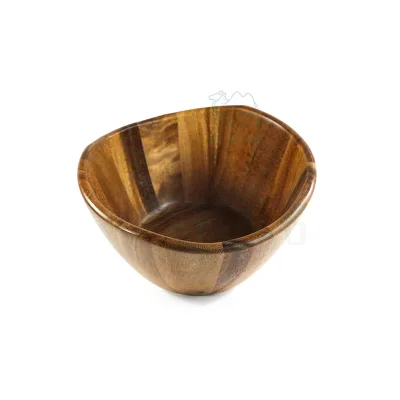
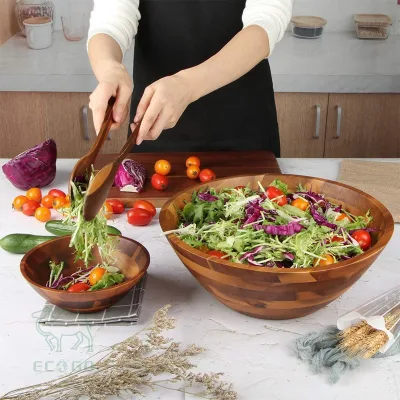
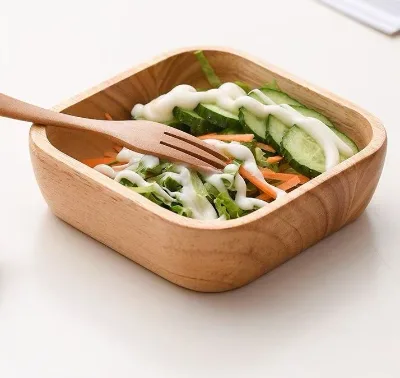
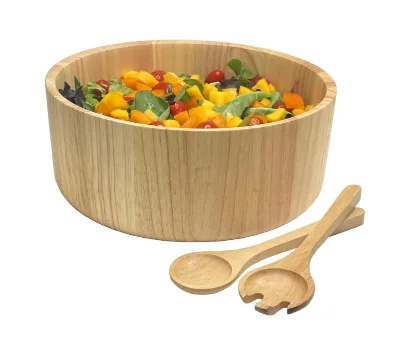
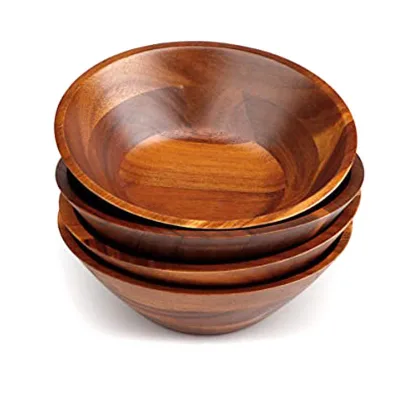
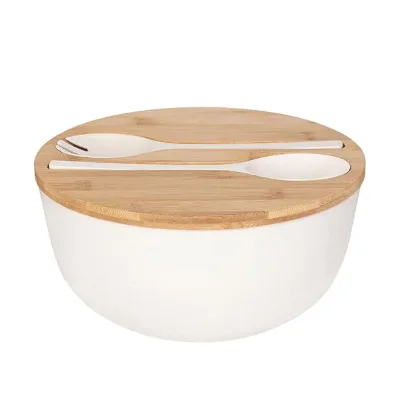
Custom Wooden Salad Bowl Serving Bowl for Salads, Fruits, Popcorn Eco-friendly Salad Bowl
Contact supplier
Moq: 500

Nanping Jianyang Heng Xinwang Bamboo and Wooden Products Co., Ltd.
- Verified by BV
- Combined
- China Fujian
- Lead time23 days
- Avg. response≤ 2h
Main productsBamboo Products, Wooden Products, Straw Products, Rattan Items, Straw and Willow Products
Main marketsSoutheast Asia/ Mideast,East Asia(Japan/ South Korea),Europe,Australia,North America
- Manufacturer, Trading Company
- Shandong, China
- Lead time0 days
- Avg. response≤ 1h
Main productsWooden Box,Wooden Shelf,Wooden Craft,cat tree,Wooden Furniture
Main marketsNorth America(50.0%), South America(20.0%), Mid East(10.0%), Southeast Asia(10.0%)
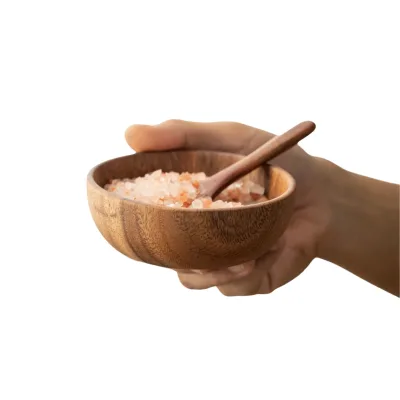
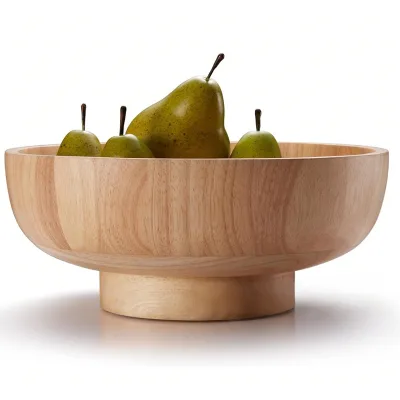
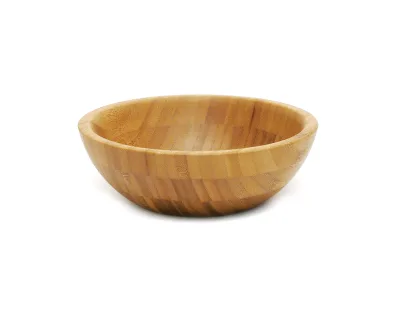
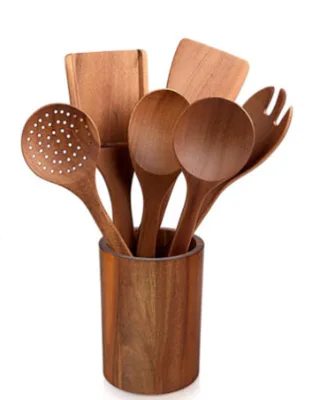
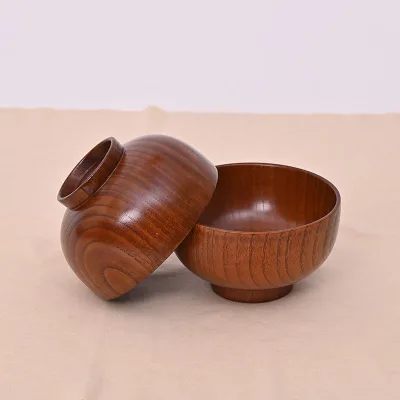
High Quality Eco-Friendly Wooden Rice Bowls Solid Wood Heat-Resistant and Insulated
$2.86 - $3.58
Moq: 100

Changsha Guan Sen Homeware Co., Ltd.
- Trading Company
- Hunan, China
- Lead time15 days
- Avg. response≤ 6h
Main productshand folding fan,Furniture table,Kitchenware,Wooden Homeware,Custom Craft Umbrella
Main marketsNorth America(67.0%), Eastern Europe(10.0%), Northern Europe(8.0%), Western Europe(5.0%), Southeast Asia(3.0%), Mid East(2.0%), Southern Europe(2.0%), Africa(1.0%), South America(0.3%), Central America(0.3%), Eastern Asia(0.3%), Domestic Market(0.2%), Oceania(0.1%), South Asia(0.1%)
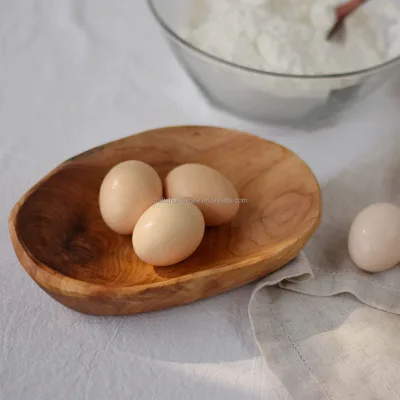
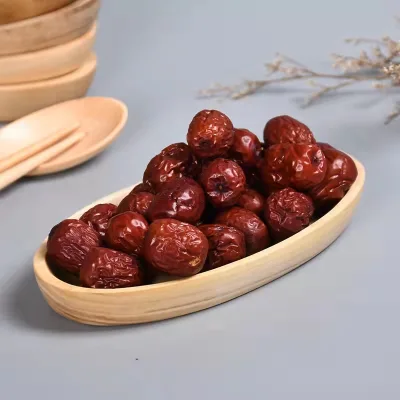
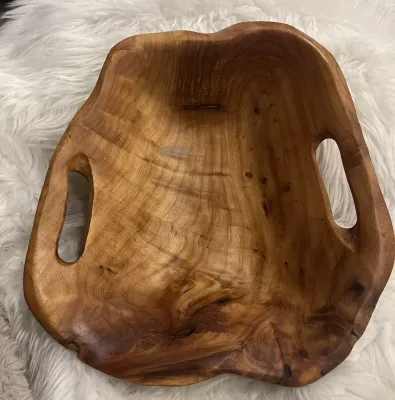
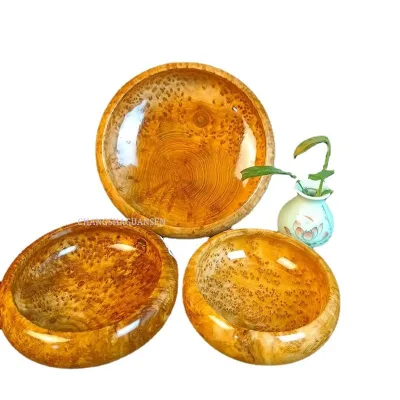
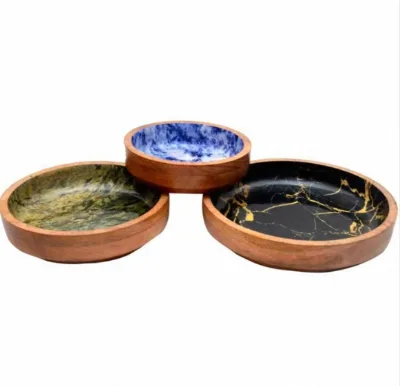
Wholesale High Quality Fruits Handcraft Wood Vintage Decorative Bowl Round Serving Bowl
Contact supplier
Moq: 50
Fujian Sanming Zhimei Houseware Co., Ltd.
- Verified by TüVRheinland
- Manufacturer, Trading Company
- Lead time40 days
- Avg. response≤ 3h
Main productsBamboo Household Products
Main marketsNorth America(85%), Western Europe(15%)

Hunan Mutoulao Craft Products Co., Ltd.
- Manufacturer, Trading Company
- Hunan, China
- Lead time7 days
- Avg. response≤ 3h
Main productsKitchen Utensils/Bamboo Cheese Board/Baking Tools/Wooden Tray/Wooden Tableware,serving tray,wood bowls,wood cups
Main marketsNorth America(30.0%), Oceania(10.0%), South America(10.0%), South Asia(5.0%), Southern Europe(5.0%), Northern Europe(5.0%), Central America(5.0%), Western Europe(5.0%), Eastern Asia(5.0%), Mid East(5.0%), Eastern Europe(5.0%), Africa(5.0%), Southeast Asia(5.0%)

Shaowu Han Well Import and Export Trade Co., Ltd.
- Trading Company
- China Fujian
- Lead time23 days
- Avg. response≤ 10h
Main productsChopping Boards, Serving Boards, Bamboo Skewer, Bamboo Stick, Tray, Cutting Board, Box, Utensil Tool, Bamboo Chopsticks, Coffee Stirrers
Main marketsEast Asia(Japan/ South Korea),Europe,Australia,North America
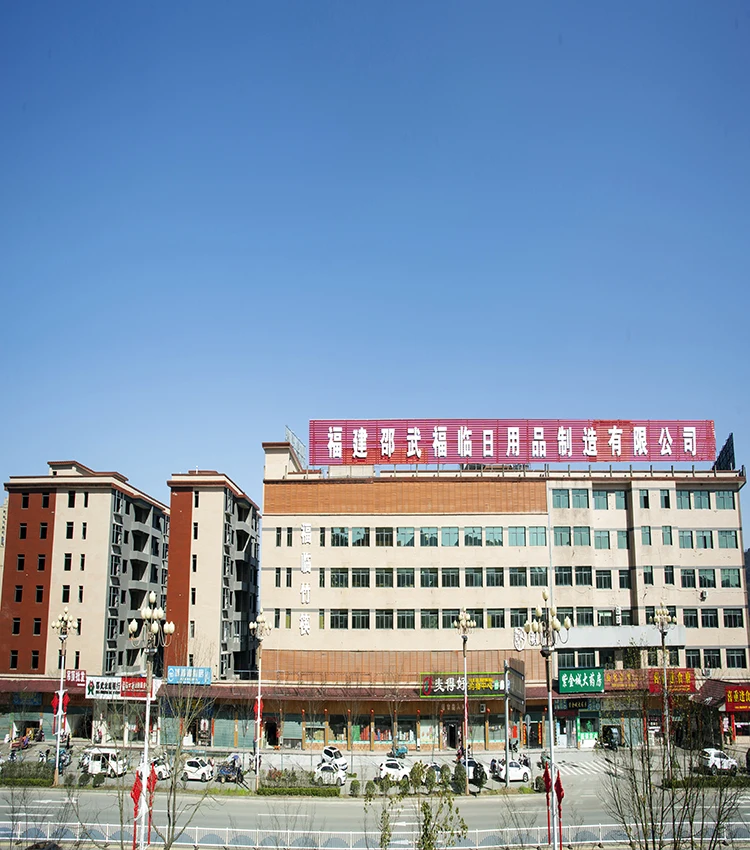
Fujian Shaowu Fulin Commodity Manufacturing Co., Ltd.
- Manufacturer, Trading Company
- Fujian, China
- Lead time21 days
- Avg. response≤ 5h
Main productsBamboo And Wooden Products
Main marketsDomestic Market(80.0%), Eastern Asia(8.0%), Western Europe(4.0%), Eastern Europe(4.0%), North America(4.0%)

- Manufacturer/Factory
- China Fujian
- Lead time45 days
- Avg. response≤ 13h
Main productsBamboo Chopping Board, Bamboo Box, Bamboo Tray, Bamboo Bottle, Bamboo Products, Bamboo Cutlery, Bamboo Plywood, Bamboo Furniture, Bamboo Plate, Bamboo Broom
Main marketsSouth America,Eastern Europe,Mid East,North America,Southeast Asia,Oceania,Western Europe,Africa

Xiamen Ebei Import & Export Co., Ltd.
- Verified by CTI
- Trading Company,Manufacturer/Factory
- China Fujian
- Lead time45 days
- Avg. response≤ 2h
Main productsEco-Friendly Products, Bamboo Tableware, Bamboo Furniture, Bamboo Kitchenware, Bamboo Office Supply, Bamboo Fibre Products, Biodegradable Products, Bamboo Towel, Solar Energy Products, Bamboo Garden Products
Main marketsSouth America,Eastern Europe,Mid East,North America,Southeast Asia,Eastern Asia,Oceania,Western Europe,Africa

Caoxian Zhongyi Wooden Co.,Ltd
- Verified by BV
- Combined
- China Shandong
- Lead time30 days
- Avg. response≤ 9h
Main productsWoodwork
Main marketsEurope

Shanghai Yongjia International Trading Co., Ltd.
- Trading Company
- China Shanghai
- Lead time30 days
- Avg. response≤ 12h
Main productsExhibition Booth, Light Box, Glasses, Trade Show Stands, Tent, Pop up Stands
Main marketsSouth America,Africa,Southeast Asia/ Mideast,East Asia(Japan/ South Korea),Domestic,Europe,Australia,North America

Ningbo Maxtor Houseware Manufacturing Co., Ltd
- Trading Company
- China Zhejiang
- Lead time30 days
- Avg. response≤ 11h
Main productsAluminum Pressed Cookware, Aluminum Forged Cookware, Full Induction Cookware, Fire Pit, Tri-Ply Stainless Steel Cookware, Stone Marble Cookware, Hard Anodized Cookware, Pressure Cooker
Main marketsSouth America,Africa,Southeast Asia/ Mideast,East Asia(Japan/ South Korea),Domestic,Europe,Australia,North America
Shuifu Huiyang Agricultural Technology Co., Ltd.
- Verified by SGS
- Trading Company
- China Yunnan
- Lead time23 days
- Avg. response≤ 2h
Main productsBamboo Products, Bamboo Crafts, Bamboo Chopsticks, Bamboo Skewers, Bamboo Weaving, Bamboo Tray, Bamboo Box, Bamboo Placemat, Bamboo Fruit Bowl, Lamp Shades
Main marketsDomestic
Youxi Xinghua Bamboo And Wood Product Co., Ltd.
- Manufacturer
- Fujian, China
- Lead time30 days
- Avg. response≤ 6h
Main productsWood & Bamboo Tableware
Main marketsWestern Europe(45.0%), Domestic Market(30.0%), North America(25.0%)
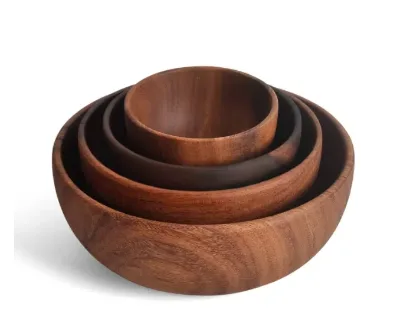
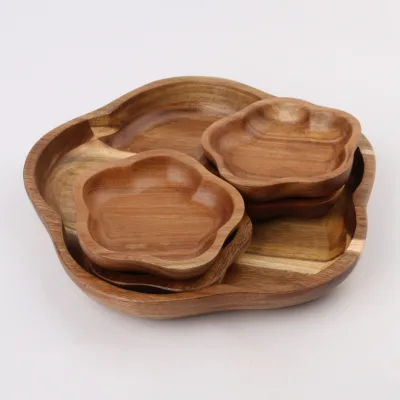
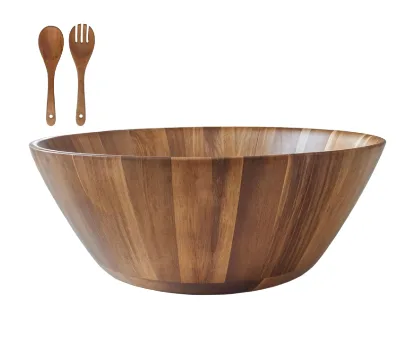
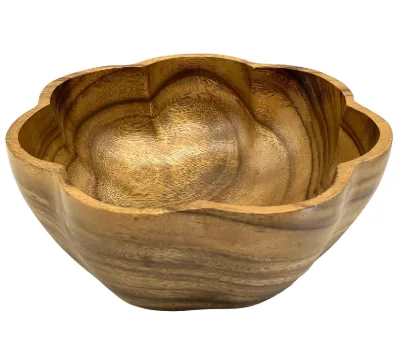
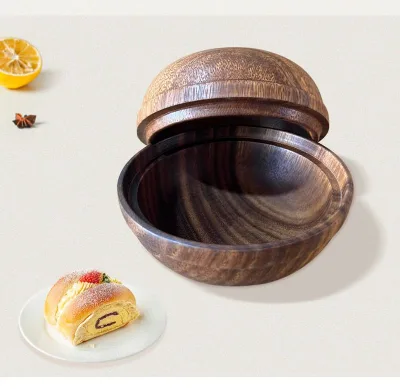
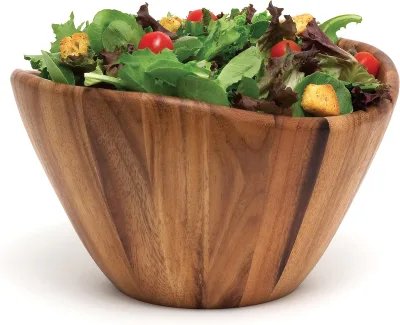
Wooden Serving Bowl Manufacturer New Design Custom Printed Acacia Wood Serving Bowl
$2.00 - $3.00
Moq: 2000
Shanghai Welland Home and Living Company Limited
- Verified by SGS
- Trading Company
- China Shanghai
- Lead time30 days
- Avg. response≤ 4h
Main productsTable, Stool, Chair, Wall Shelf, Wall Hook, Home Decor, Wood Vent, Cabinet, Storge Holder, Garden Furniture
Main marketsSoutheast Asia/ Mideast,Europe
Caoxian Dachuang Wood Art Co., Ltd.
- Verified by SGS Group
- Manufacturer, Trading Company
- Lead time0 days
Main productsGifts and Crafts, Wood Box, Wooden Fitness Products, Home Decor, Kitchen Supplies
Main marketsNorth America(35%), Western Europe(25%), Eastern Asia(10%)










Comprehensive Sourcing Guide
Eco Friendly Wooden Serving Bowl Supplier Concentration and Factory Types
Current data indicates a concentration of suppliers in the Fujian province of China, a region known for its extensive bamboo and wood processing capabilities. This location serves as a primary hub for manufacturers and trading companies specializing in bamboo panels, plywood, and various wooden kitchenware items. Buyers observing this geographic clustering should recognize that facilities in this area often possess established supply chains for raw materials like bamboo and acacia wood, which are essential for producing eco-friendly serving bowls. The presence of both trading companies and manufacturers in this specific region suggests a diverse ecosystem where some entities focus on sourcing and distribution while others handle direct production and customization.
When evaluating the factory types available, it is crucial to distinguish between trading companies and manufacturers based on their operational models. Trading companies often aggregate products from multiple sources, offering a wider variety of items such as cutting boards, tableware, and furniture alongside serving bowls. In contrast, manufacturers typically focus on specific production lines, offering capabilities like OEM and ODM services for custom designs. Some suppliers in the current results list themselves as manufacturers, while others identify as trading companies, which impacts their ability to control production costs and lead times. Buyers must verify the actual nature of the entity to ensure they are dealing with the source of production or a middleman, as this distinction influences pricing structures and communication efficiency during the sourcing process.
How to Verify Eco Friendly Wooden Serving Bowl Suppliers
Verification of supplier credibility relies heavily on third-party audit reports and specific certification claims found in product listings. Several suppliers in the current dataset display verification badges from recognized agencies such as SGS and BV, which serve as initial indicators of operational legitimacy. These badges suggest that the supplier has undergone external assessments regarding their business practices and facility standards. However, buyers should not assume that a verification badge covers all aspects of product quality or ethical compliance. It is essential to cross-reference these badges with specific product certifications, such as FDA, LFGB, or CE/EU, which are explicitly listed for certain wooden bowl models. These certifications confirm that the materials and finishes used in the bowls meet international safety standards for food contact, a critical requirement for eco-friendly kitchenware.
Beyond verification badges, buyers must scrutinize the specific product attributes and certification details provided in the listing data. For instance, some products explicitly state certifications like FDA and LFGB, while others may only list general system certifications or none at all. The presence of these specific food-grade certifications is a strong indicator that the supplier adheres to strict safety protocols for wooden and bamboo products. Buyers should request copies of these certificates directly from the supplier to ensure they are current and valid for the specific product model being ordered. Additionally, checking the response time and verification status can provide insight into the supplier's reliability. A supplier with a verified status and a documented response time, such as under three hours or within a specific range, demonstrates a commitment to communication and operational transparency, which are vital for successful sourcing relationships.
What to Compare Across Eco Friendly Wooden Serving Bowl Suppliers
When comparing suppliers, the minimum order quantity (MOQ) is a primary differentiator that significantly impacts procurement strategy. Current data reveals a wide range of MOQs, with some suppliers requiring as few as 200 pieces, while others set thresholds at 500 or even 1000 units. This variation allows buyers to select partners that align with their inventory needs and budget constraints. For smaller orders, suppliers with lower MOQs are preferable, whereas larger buyers might negotiate better unit prices with those requiring higher volumes. It is important to note that some suppliers offer negotiable MOQs based on stock availability, providing flexibility for buyers who need to test the market before committing to large production runs.
Lead times and response speeds are equally critical factors in the comparison process. The data shows lead times ranging from zero days for stock items to 30 or even 45-50 days for custom production runs. Suppliers with shorter lead times are advantageous for urgent orders, while those with longer lead times may offer more competitive pricing for bulk custom manufacturing. Response times also vary, with some suppliers responding within a few hours and others taking significantly longer. Buyers should prioritize suppliers who demonstrate quick response times and clear production timelines to ensure timely delivery. Additionally, comparing the range of main products offered, such as bamboo cutting boards or root carving products, can help identify suppliers with broader capabilities that might offer better value through bundled orders or diversified product lines.
Common Eco Friendly Wooden Serving Bowl Sourcing Risks
One significant risk in sourcing eco-friendly wooden bowls is the inconsistency in material quality and certification validity. While many listings claim eco-friendly features and specific certifications like FDA or LFGB, the actual material composition can vary, with some products using bamboo and wood blends while others rely solely on specific wood types like China Fir or Acacia. Buyers must be vigilant in verifying that the materials used match the product descriptions and that the certifications are genuine and applicable to the specific batch of goods. Relying solely on the supplier's word without independent verification can lead to receiving products that do not meet safety standards or environmental claims, potentially resulting in regulatory issues or customer dissatisfaction.
Another risk involves the discrepancy between quoted prices and final costs, particularly when customization is involved. The data indicates price ranges that can vary significantly based on size, design, and packaging requirements. Some suppliers list prices as low as $1.98, while others charge up to $15.00 for specialized items like root carving bowls. These variations often stem from differences in customization levels, such as logo printing, unique shapes, or specific packaging solutions. Buyers must ensure that all customization costs, including tooling fees and packaging adjustments, are clearly defined in the initial quotation to avoid unexpected expenses. Additionally, the risk of delayed shipments due to production bottlenecks or logistical issues in the supply chain cannot be overlooked, making it essential to establish clear communication channels and contingency plans with the supplier.
Eco Friendly Wooden Serving Bowl Regional Sourcing and Logistics
Sourcing from the Fujian region in China offers distinct logistical advantages due to its established infrastructure for exporting wooden and bamboo products. The concentration of suppliers in this area facilitates efficient transportation of goods to major ports, reducing transit times and shipping costs for international buyers. However, buyers must account for the specific logistics requirements associated with wooden products, which can be heavy and prone to damage during transit. Proper packaging, such as carton boxes or customized gift packing, is essential to protect the bowls during shipping. Suppliers in this region often have experience with international shipping standards, but buyers should verify the packaging details and ensure that the chosen method meets the durability requirements for the specific product type.
Logistics planning also involves understanding the lead times associated with different shipping methods and the impact of regional factors on delivery schedules. While some suppliers offer quick lead times for stock items, custom orders may require extended production periods, affecting the overall timeline from order placement to delivery. Buyers should coordinate closely with suppliers to align production schedules with shipping deadlines, ensuring that goods are ready for dispatch well in advance. Additionally, considering the environmental impact of shipping is crucial for eco-conscious buyers. Selecting suppliers who utilize sustainable packaging and efficient logistics practices can further enhance the eco-friendly profile of the sourcing process. Buyers should also be aware of potential customs regulations and duties that may apply to wooden products, ensuring compliance with import requirements in their target markets.
Eco Friendly Wooden Serving Bowl Commercial Terms and Order Planning
Commercial terms for eco-friendly wooden serving bowls often include specific payment structures and sample policies that buyers must carefully review. Many suppliers require a deposit, such as 30% upfront, with the balance due before shipment, a standard practice in international trade. Some listings also mention sample lead times of 5-7 days, allowing buyers to evaluate product quality before committing to a full order. Understanding these terms is vital for effective order planning, as they influence cash flow and the timeline for product development. Buyers should negotiate terms that align with their financial capabilities and risk tolerance, ensuring that payment schedules are clear and mutually agreeable.
Order planning also involves strategic decisions regarding customization and inventory management. Suppliers often offer customization options for logos, shapes, and packaging, which can add value but also extend production lead times. Buyers must balance the desire for unique branding with the need for timely delivery, especially for seasonal products or time-sensitive campaigns. Additionally, considering the MOQ requirements is essential for optimizing inventory levels and minimizing storage costs. By carefully analyzing the supplier's production capacity, lead times, and customization capabilities, buyers can develop a robust order plan that meets their business objectives while maintaining flexibility for future adjustments. Clear communication and detailed planning are key to navigating the complexities of commercial terms and ensuring a successful sourcing outcome.
FAQs
What certifications do eco friendly wooden serving bowls have?
Many products carry FDA, LFGB, and CE/EU certifications to ensure safety for food contact. These standards verify that materials like bamboo and acacia wood meet international health requirements. Buyers should confirm specific certification documents for each order to guarantee compliance with local regulations.
What is the minimum order quantity for wooden serving bowls?
Minimum order quantities typically range from 200 to 1000 pieces depending on the specific product model. Some suppliers offer negotiable MOQs if stock is available, while custom designs often require higher volumes. Buyers should check individual product listings to find the exact threshold for their needs.
How long does it take to receive custom wooden bowls?
Production lead times generally span 30 to 50 days after order confirmation. Sample preparation usually takes 5 to 7 days before mass production begins. Buyers should account for these durations when planning inventory, as shipping times from China may add further delays to the total delivery schedule.
Are custom logos and packaging options available for wooden bowls?
Customization is widely available for logos, packaging, and product shapes. Suppliers accept customized designs for branding and offer bulk carton or gift packing options. Buyers can request specific dimensions and eco-friendly features to align with their brand identity and sustainability goals.
What is the price range for wholesale wooden serving bowls?
Wholesale prices typically range from 1.98 to 15.00 USD per unit based on material and complexity. Simple bamboo bowls start at lower prices, while intricate root carving pieces cost more. Bulk orders often secure better rates, but final pricing depends on the specific model and customization requirements.
Where are these eco friendly wooden bowls manufactured?
Manufacturing locations are primarily in Fujian, China, where suppliers specialize in bamboo and wood products. This region offers established supply chains for raw materials like acacia and China fir. Buyers should verify the specific origin details on product pages to ensure alignment with their sourcing preferences.
Do suppliers offer OEM and ODM services for wooden bowls?
Yes, many suppliers provide both OEM and ODM capabilities for custom designs. Buyers can request unique shapes, sizes, and branding while leveraging existing manufacturing expertise. This flexibility allows businesses to create distinct product lines without needing to develop production processes from scratch.