Eco Friendly Wooden Breakfast Board Suppliers and Manufacturers
Source 30 verified suppliers for Eco Friendly Wooden Breakfast Board products. Compare key dimensions including lead times, MOQs, certifications, and response rates to identify suitable partners. Review detailed product specifications and pricing to streamline your procurement process; review the available evidence before requesting comparable quotations from suitable candidates.
Suppliers List

CAO COUNTY DAWANG ARTS AND CRAFTS CO., LTD.
- Verified by TUVRHEINLAND
- Manufacturer/Factory
- China Shandong
- Lead time23 days
- Avg. response≤ 23h
Main productsWooden Cabinet, Iron Furniture, Wall Shelf
Main marketsEastern Europe,North America,Western Europe


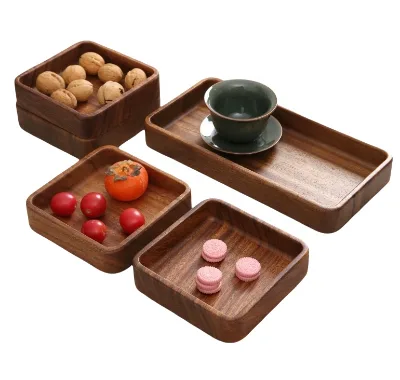
Custom Manufacture Wholesale Wood Breakfast Serving Organizing Wooden Tray
$2.50 - $3.50
MOQ: 1000 Sets


Fujian Bridge Style Furnishings Co., Ltd.
- Verified by TüVRheinland
- Manufacturer, Trading Company
- Lead time45 days
- Avg. response≤ 2h
Main productsCutting Board, Cheese Board, Bamboo Drawer Organizer, Bath Tray, Bamboo Storage Box
Main marketsNorth America(60%), Western Europe(40%)
Caoxian Smart And Thrive Woodwork Co., Ltd.
- Verified by SGS Group
- Manufacturer, Trading Company
- Lead time40 days
- Avg. response≤ 4h
Main productsWooden Crafts, Wooden Homeware and Garden Product, Wooden Office Culture Product
Main marketsNorth America(50%), Eastern Asia(15%), Domestic Market(13%)
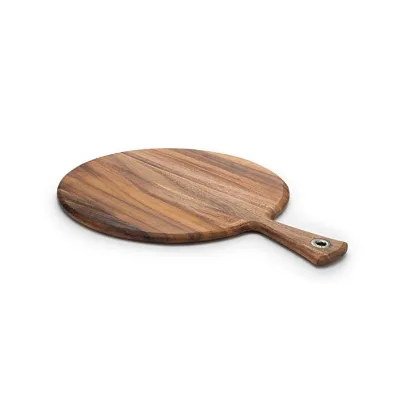
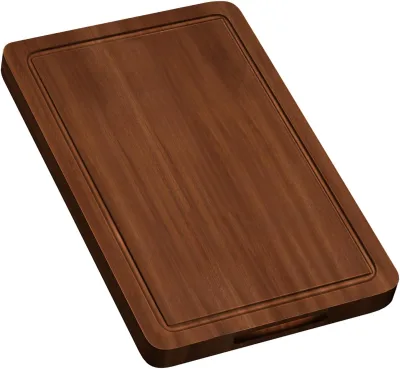
Wholesale Custom Kitchen Wood Cutting Board Breakfast Serving Wooden Chopping Board
$5.42 - $6.14
MOQ: 1000 units

Caoxian Xinjuyuan Arts Crafts Co., Ltd.
- Manufacturer, Trading Company
- Shandong, China
- Lead time30 days
- Avg. response≤ 1h
Main productsWoodwork,weaving,bamboo,wood cork,arts and crafts
Main marketsNorth America(40.0%), Eastern Europe(20.0%), South America(20.0%), Domestic Market(10.0%), Eastern Asia(10.0%)
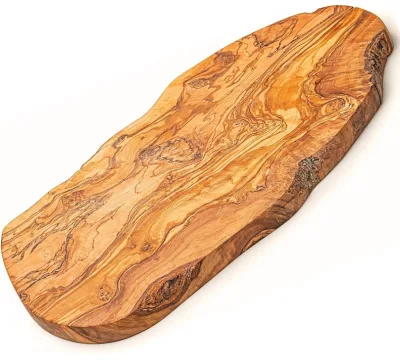
Fashionable Design, Elegant and Sustainable Wooden Breakfast Board, Cheese Board
$10.50 - $12.50
MOQ: 200
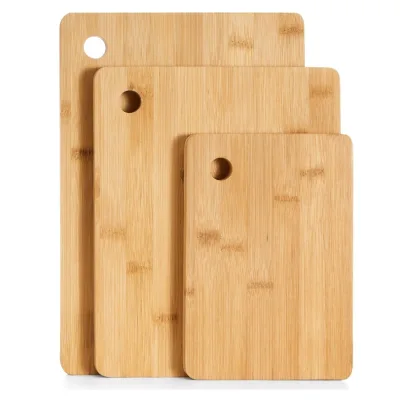
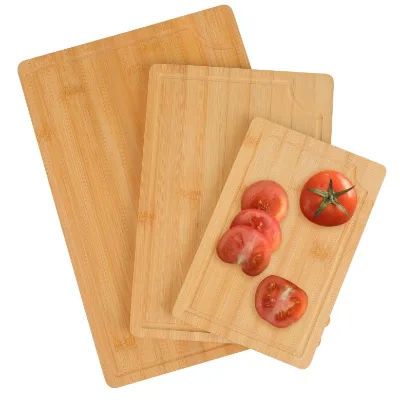
High Quality Wholesale Wooden Cutting Boards for Breakfast and Bread in the Factory
$7.50 - $8.80
MOQ: 200
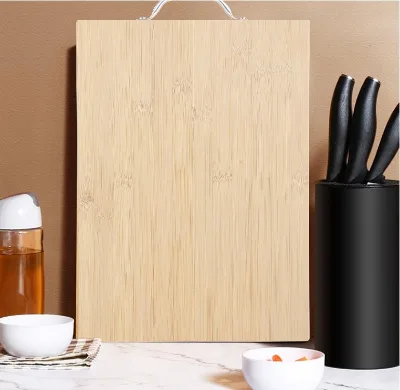
Shaowu City Nafu Bamboo and Wood Industry Co., Ltd.
- Manufacturer
- China Fujian
- Lead time15 days
- Avg. response≤ 18h
Main productsBamboo and Wood Cutting Board Cheese Board, Bamboo and Wood Storage Box, Bamboo and Wood Plate, Bamboo and Wood Tray, Marble Wood Cheese Board, Bamboo and Wood Table, Bamboo and Wood Bathroom Products, Bamboo and Wood Shelf, Bamboo and Wood Kitchen Utensil, Bamboo and Wood Bowl
Main marketsEast Asia(Japan/ South Korea),Domestic,Europe,Australia,North America

Wooden Tableware Wooden Serving Plate Wooden Tray for Coffee / Breakfast / Bread / Fruit
$1.20 - $2.20
MOQ: 300 Pieces

Eco-Friendly New Style Custom Acacia Wood Wood Pizza Board Pizza Serving Board
$4.00 - $5.00
MOQ: 300 Pieces


Oak Wood Cutting Board Bread Tray Snack Board Sushi Board Serving Board with Handle
$2.50 - $4.00
MOQ: 300 Pieces

- Verified by TUVRHEINLAND
- Combined
- China Fujian
- Lead time15 days
- Avg. response≤ 21h
Main productsFridge Magnet, Decorative Hook, Metal Plaque, Wood Plaque, Wooden Photo Frame, Wood Chalkboard, Book Mark, Linen Painting, Canvas Box, Cup Coasters
Main marketsSouth America,Africa,Southeast Asia/ Mideast,East Asia(Japan/ South Korea),Europe,Australia,North America
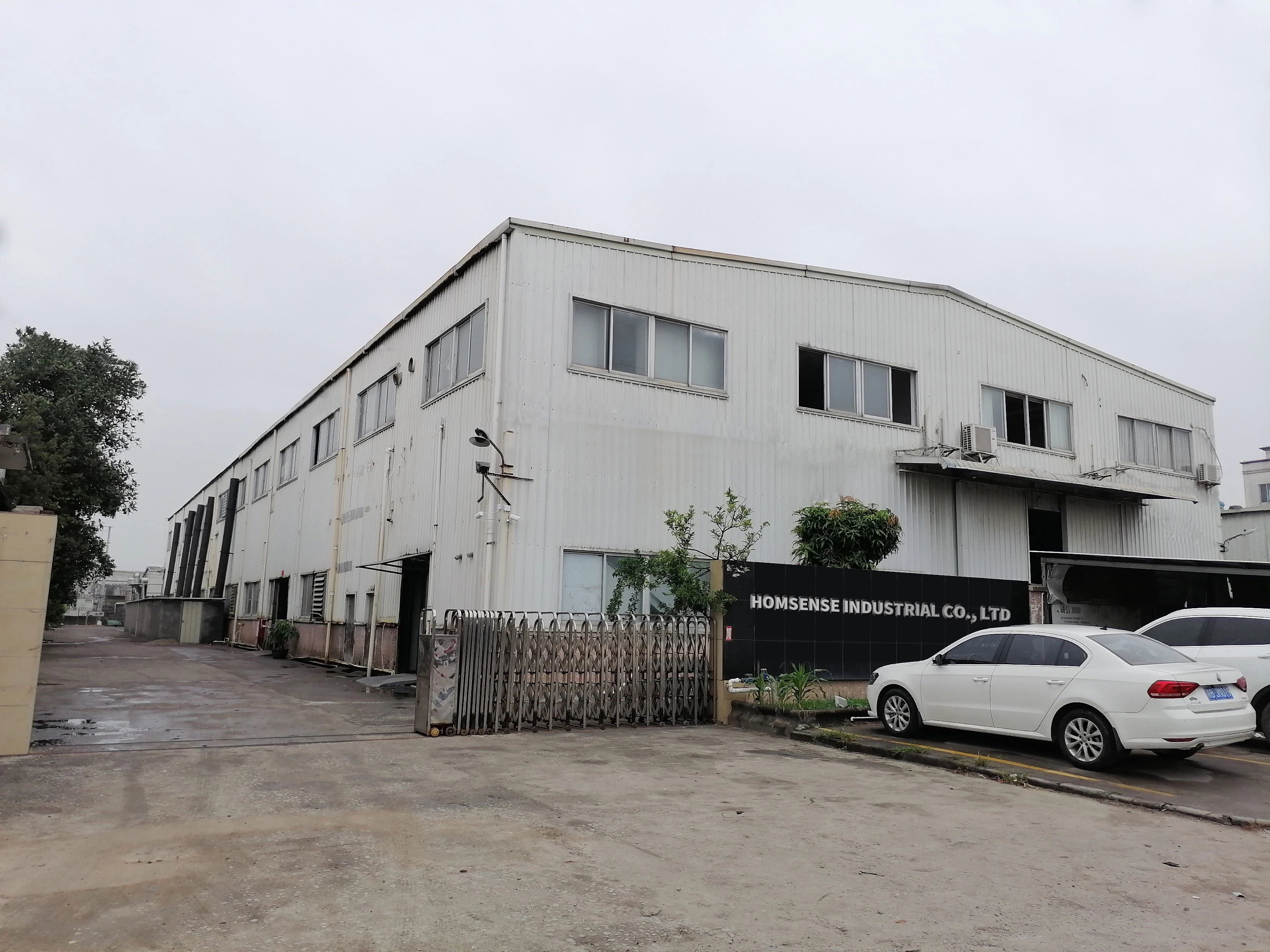
Yangjiang Yangdong Homsense Industrial Co., Ltd.
- Trading Company
- Guangdong, China
- Lead time45 days
- Avg. response≤ 7h
Main productsWooden Chopping Board/ Cheese Board and Knife/ Kitchen Utensils/ Kitchen Knife/ Kitchen Wood Accessories
Main marketsWestern Europe(42.0%), North America(23.0%), Eastern Europe(16.0%), Central America(11.0%), South America(4.0%), Northern Europe(2.0%), Domestic Market(2.0%)
- Manufacturer, Trading Company, Buying Office
- Fujian, China
- Lead time0 days
- Avg. response≤ 7h
Main productsWooden Phone Docking Station,Bamboo Kitchen Products,Bamboo wooden homeware,Bamboo chopsicks,bamboo skewers
Main marketsNorth America(25.0%), Western Europe(20.0%), Southeast Asia(10.0%), Southern Europe(5.0%), Northern Europe(5.0%), Central America(5.0%), South America(5.0%), Eastern Asia(5.0%), Mid East(5.0%), Oceania(5.0%), Africa(5.0%), Eastern Europe(5.0%)

Caoxian Zhongyi Wooden Co.,Ltd
- Verified by BV
- Combined
- China Shandong
- Lead time30 days
- Avg. response≤ 10h
Main productsWoodwork
Main marketsEurope


Wooden Serving Plate, Rectangular Kitchen Tray, Breakfast Tray, Bamboo Tray
$3.75 - $5.65
MOQ: 500 Pieces


BSCI Factory Breakfast Deep Baking Decorative Wooden Serving Food Wood Tray
$4.50 - $6.00
MOQ: 1000 Pieces

Kitchen Outdoor Camping Baking Pan Bamboo Wooden Wood Coffee Serving Food Tray
$8.00 - $10.00
MOQ: 1000 Pieces

Coffee Table Food Tea Wood Serving Bamboo Wooden Storage Trays Fruit Basket
$7.00 - $10.00
MOQ: 1000 Pieces

Shaowu Han Well Import and Export Trade Co., Ltd.
- Trading Company
- China Fujian
- Lead time23 days
- Avg. response≤ 8h
Main productsChopping Boards, Serving Boards, Bamboo Skewer, Bamboo Stick, Tray, Cutting Board, Box, Utensil Tool, Bamboo Chopsticks, Coffee Stirrers
Main marketsEast Asia(Japan/ South Korea),Europe,Australia,North America


High Quality Natural Colour Easy to Clean Efficient Storage Wooden Cutting Board for Kitchen
$2.40 - $2.90
MOQ: 500 Pieces

Shuifu Huiyang Agricultural Technology Co., Ltd.
- Verified by SGS
- Trading Company
- China Yunnan
- Lead time23 days
- Avg. response≤ 2h
Main productsBamboo Products, Bamboo Crafts, Bamboo Chopsticks, Bamboo Skewers, Bamboo Weaving, Bamboo Tray, Bamboo Box, Bamboo Placemat, Bamboo Fruit Bowl, Lamp Shades
Main marketsDomestic

Hai Yang International Limited
- Verified by SGS
- Trading Company,Manufacturer/Factory
- China Zhejiang
- Lead time60 days
- Avg. response≤ 5h
Main productsWooden Toy, Montessori Material, Wooden Educational Toys, Wooden Puzzle, Wooden Blocks, Wooden Train Set, Wooden Nutcrackers, Wooden Crafts, Wooden Dolls, Wooden Chess
Main marketsEastern Europe,Mid East,North America,Southeast Asia,Eastern Asia,Oceania

NINGBO XUANHENG OUTDOOR & HOME APPLIANCES CO., LTD.
- Trading Company,Manufacturer/Factory
- China Zhejiang
- Lead time45 days
- Avg. response≤ 4h
Main productsWooden Beach Chair, Beach Umbrella, Sling Chair, Wooden Beer Table, Bamboo Home Products, Bamboo Shelf, Canvas Bag, Outdoor Beach Furniture, Art Accessories, Wooden Box
Main marketsSouth America,Eastern Europe,Mid East,North America,Southeast Asia,Eastern Asia,Oceania,Western Europe,Africa
Fuzhou Bridge Trading Co., Ltd.
- Verified by TüVRheinland
- Manufacturer, Trading Company
- Lead time45 days
- Avg. response≤ 2h
Main productsCutting Board, Cheese Board, Bamboo Drawer Organizer, Bath Tray, Bamboo Storage Box
Main marketsNorth America(60%), Western Europe(40%)
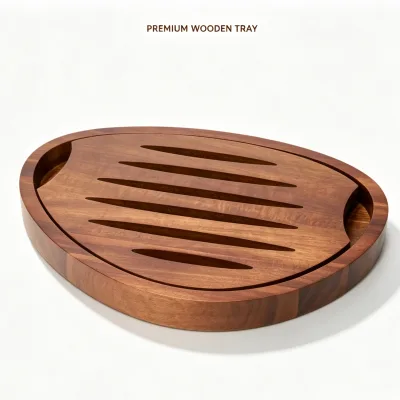
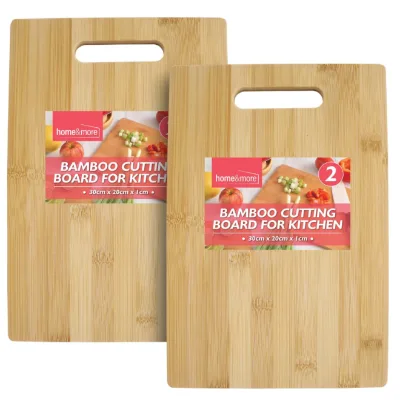
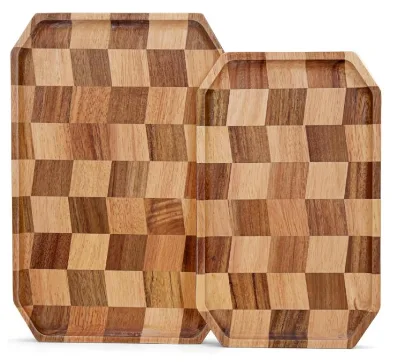
Breaking Bread Wooden Serving Bread Board
$3.89 - $4.99
Xiamen Ehang Household Products Co., Ltd.
- Trading Company
- zhejiang, China
- Lead time37 days
- Avg. response≤ 7h
Main productsKitchenware,bamboo and wooden products,Houseware,Kitchen gadgets,Garden
Main marketsSoutheast Asia(20.0%), North America(20.0%), Southern Europe(10.0%), Northern Europe(10.0%), Western Europe(10.0%), South America(10.0%), Eastern Europe(10.0%), Central America(5.0%), Domestic Market(1.0%), Mid East(1.0%), Oceania(1.0%), Eastern Asia(1.0%), Africa(1.0%)
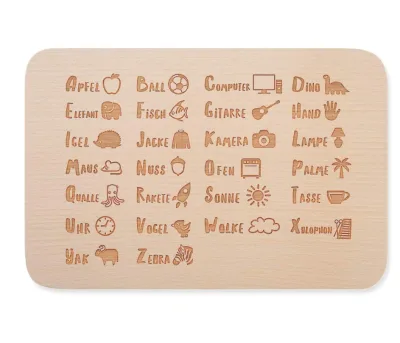
$1.02 - $9.20
MOQ: 500 Minimum
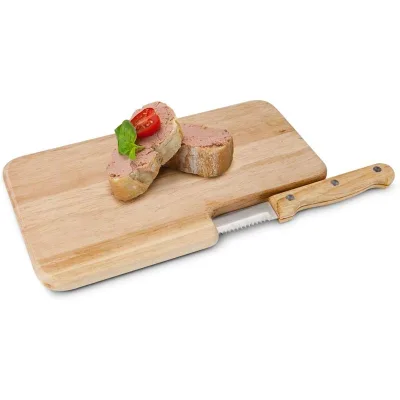
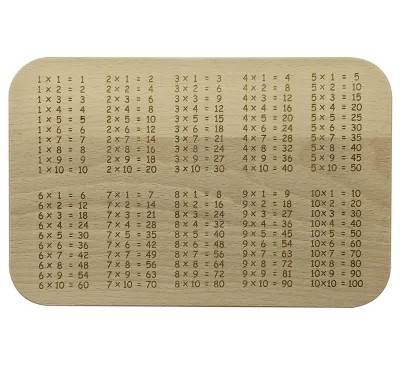
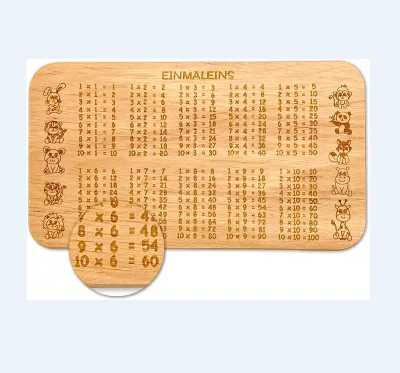
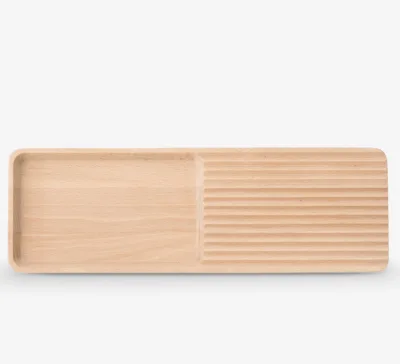

Wenzhou Cathylin International Trade Co., Ltd.
- Verified by TUVRHEINLAND
- Trading Company
- China Zhejiang
- Lead time15 days
- Avg. response≤ 14h
Main productsFlatware, Cutlery, Kitchen Tools, Tableware, Cookware, Bakeware, Drinkware
Main marketsNorth America

Yangjiang Yangdong Hwalli Hardware & Plastic Products Co.,Ltd
- Manufacturer, Trading Company
- guangdong, China
- Lead time45 days
- Avg. response≤ 2h
Main productsKitchen Knives,Cooking Wares,Baking Tools,Kitchen Utensils
Main marketsNorth America(20.0%), Mid East(15.0%), Africa(15.0%), Domestic Market(10.0%), Eastern Europe(10.0%), South America(10.0%), Oceania(10.0%), Southeast Asia(5.0%), Western Europe(5.0%)
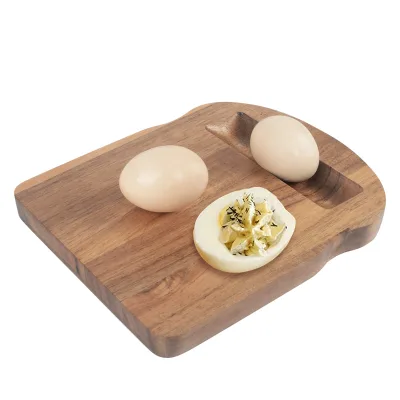
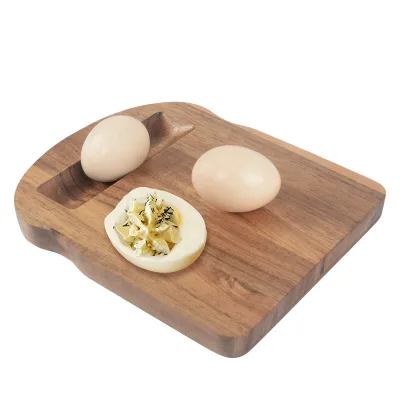
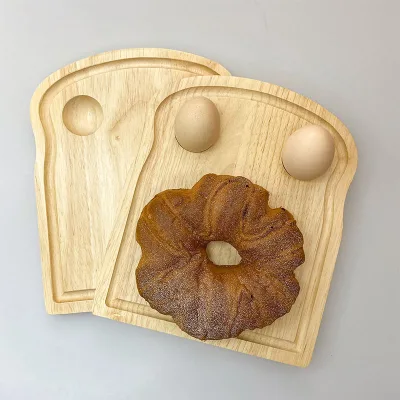
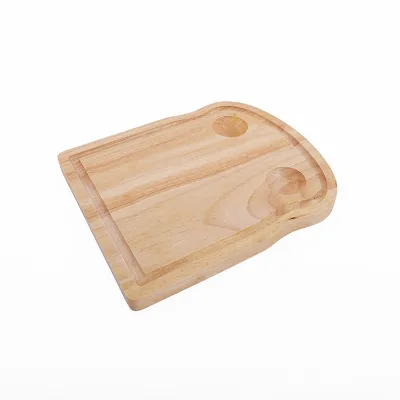
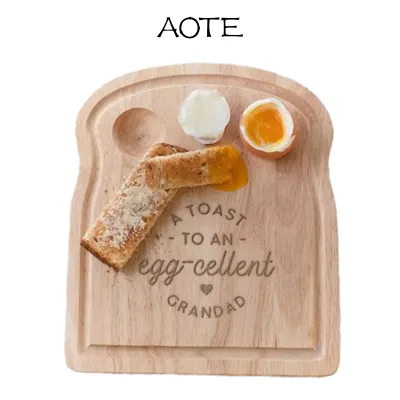
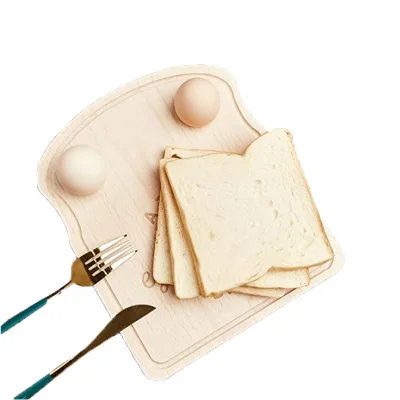
Toast Shaped Acacia Wood Breakfast Egg Bread Food Serving Board for Kitchen Restaurant
$2.55 - $3.25
MOQ: 300 pieces
Qingdao Shengxintian New Materials Co., Ltd.
- Verified by CTI
- Combined
- China Shandong
- Lead time15 days
- Avg. response≤ 16h
Main productsAluminum Foil Cardboard, Flame Retardant Paper, Paper Corner Protectors, Paper Pallets, Honeycomb Paperboards, Paper Slip Sheets, Honeycomb Meshpaper
Main marketsDomestic,Europe

- Manufacturer/Factory
- China Fujian
- Lead time45 days
- Avg. response≤ 13h
Main productsBamboo Chopping Board, Bamboo Box, Bamboo Tray, Bamboo Bottle, Bamboo Products, Bamboo Cutlery, Bamboo Plywood, Bamboo Furniture, Bamboo Plate, Bamboo Broom
Main marketsSouth America,Eastern Europe,Mid East,North America,Southeast Asia,Oceania,Western Europe,Africa


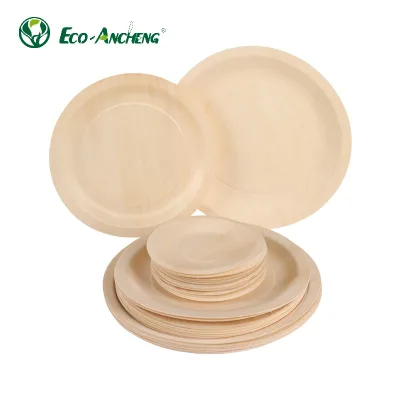
Reusable Bamboo Plate Eco-Friendly Reusable Bamboo Plate, Snack Cake Serving Bamboo Plate
$1.00 - $10.00
MOQ: 300 Pieces

Ecofriendly Bamboo Wooden Tray Woven Bamboo Serving Trays Cheap Wholesale Natural Tray
$1.00 - $5.40
MOQ: 300 Pieces
Fujian Hoyee Household Items Co., Ltd.
- Verified by BV
- Manufacturer/Factory
- China Fujian
- Lead time0 days
- Avg. response≤ 9h
Main productsBamboo Products, Cutting Board, Bathtub Caddy, Bath Mat, Bath Towel Rack, Shoes Rack, Office Organizer, Desk Organizer, Cheese Board, Serving Tray

Eco-Friendly Natural Bamboo Bread Cutting Board Chopping Board with Cutlery
$7.00 - $8.00
MOQ: 500 Pieces


Caoxian Kangyi Wood Products Co., Ltd.
- Manufacturer, Trading Company
- Shandong, China
- Lead time40 days
- Avg. response≤ 2h
Main productsChopping board,wood tray,wood box,Cheese board,wooden furniture
Main marketsDomestic Market(48.0%), Southeast Asia(30.0%), Eastern Asia(10.0%), Eastern Europe(2.0%), Southern Europe(2.0%), Africa(2.0%), Western Europe(2.0%), North America(1.0%), South Asia(1.0%), Mid East(1.0%), South America(1.0%)
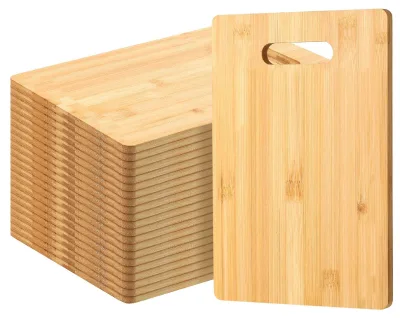
Eco-friendly Bamboo Wood Engraving Blanks Kitchen Serving Platter Wooden Cutting Boards
$3.86 - $4.69
MOQ: 500 sets
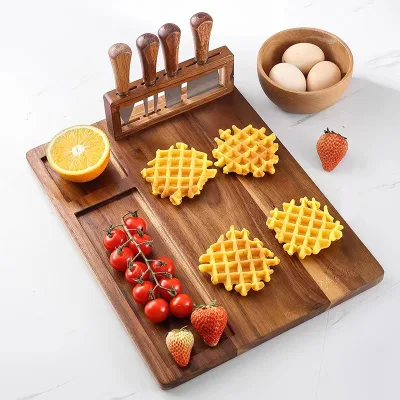
$4.39 - $7.21
MOQ: 200 pieces
Hefei Craft Tableware Co., Ltd.
- Verified by SGS Group
- Manufacturer, Trading Company
- Lead time30 days
- Avg. response≤ 2h
Main productsWooden Cutlery, Bamboo Skewers, Sugarcane Bagasse Containers, Wooden Stirrers, Bamboo Cutlery
Main marketsWestern Europe(30%), North America(16%), Oceania(12%)
Youxi Xinghua Bamboo And Wood Product Co., Ltd.
- Manufacturer
- Fujian, China
- Lead time30 days
- Avg. response≤ 6h
Main productsWood & Bamboo Tableware
Main marketsWestern Europe(45.0%), Domestic Market(30.0%), North America(25.0%)
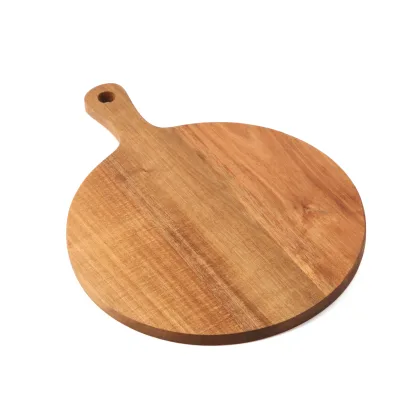
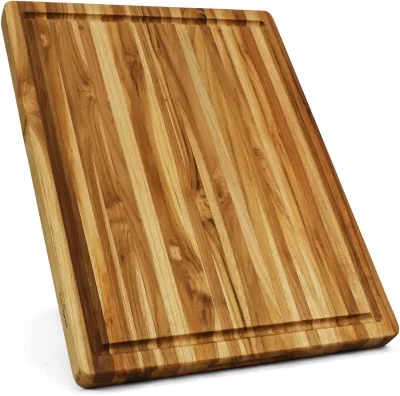
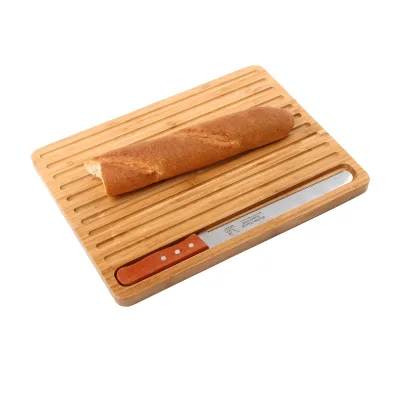
$2.80 - $3.30

Zhejiang Jihengkang (JHK) Door Industry Co., Ltd.
- Combined
- China Zhejiang
- Lead time30 days
- Avg. response≤ 10h
Main productsMold Door, Interior Door, Door Skin, MDF Door Skin, Mold Door Skin, Veneered Mould Door Skin, HDF Molded Door Skin, White Primer Door Skin, Melamine Door Skin
Main marketsSoutheast Asia/ Mideast,Europe,Australia,North America
Cao County Lianchuang Wood Craft Packaging Co., Ltd.
- Verified by SGS Group
- Manufacturer, Trading Company
- Lead time30 days
- Avg. response≤ 2h
Main productsWooden Pallets, Wooden Cutting Boards, Wooden Jars, Kitchen Storage Rack, Wooden Crafts
Main marketsDomestic Market(100%)
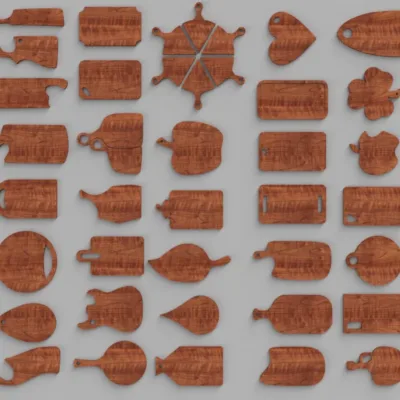
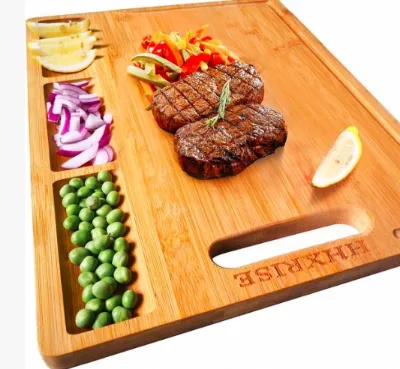
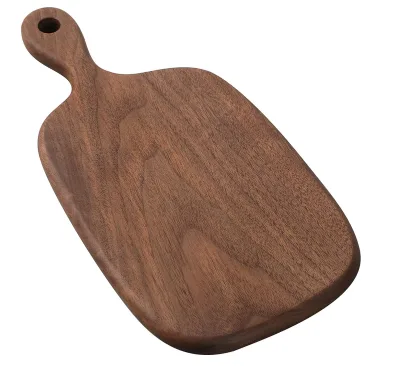
Eco-Friendly Walnut Wooden Chopping Boards Small Cutting Board with Handle for Kitchen
$3.20 - $3.80
MOQ: 200 pieces

Weishan Weilong Wood Product Co., Ltd.
- Trading Company
- China Shandong
- Lead time15 days
- Avg. response≤ 8h
Main productsWooden Tongue Depressor, Wooden Spoon Fork and Knife, Wooden Cutlery, Wooden Ice Cream Stick, Wooden Ice Cream Spoon, Wooden Coffee Stirrer, Wooden Craft Stick
Main marketsSouth America,Eastern Europe,Mid East,North America,Southeast Asia,Eastern Asia,Oceania,Western Europe,Africa

Yantai LSL Wood Arts &Crafts Co., Ltd.
- Trading Company
- Shandong, China
- Lead time30 days
- Avg. response≤ 3h
Main productsWooden Holder and Rack, Wooden Cutting Board, Wooden Photo Frame, Storage Box and Bin, Wooden Box
Main marketsNorth America(28.999999999999996%), South America(10.0%), Western Europe(10.0%), Southern Europe(10.0%), Northern Europe(10.0%), Eastern Europe(10.0%), Eastern Asia(5.0%), Oceania(5.0%), Mid East(5.0%), Africa(2.0%), Southeast Asia(2.0%), South Asia(1.0%), Central America(1.0%)

Fenghua Technology Development Co Ltd
- Verified by TUVRHEINLAND
- Combined
- China Zhejiang
- Lead time23 days
- Avg. response≤ 2h
Main productsAdhesive Paper, Lint Roller, Glue Trap, Serving Tray
Main marketsSouth America,Africa,Southeast Asia/ Mideast,East Asia(Japan/ South Korea),Domestic,Europe,North America
Cao County Hengyu Woods Co., Ltd.
- Manufacturer, Trading Company
- Lead time旺季: "1 - 100":30,"101 - 500":32,"501 - 1000":35,"> 1000":"To be negotiated", 淡季: "1 - 100":30,"101 - 500":32,"501 - 1000":35,"> 1000":"To be negotiated"
- Avg. response≤ 2h
Main productsWood Gifts and Crafts
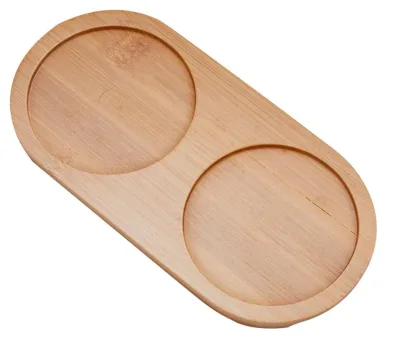
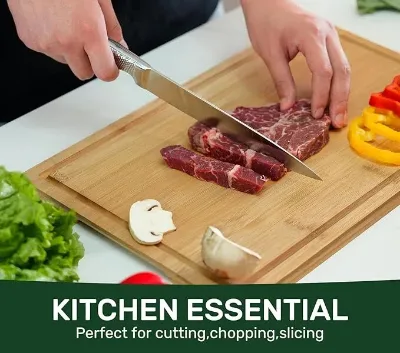
$10.25 - $12.36
MOQ: 200 pieces

XIAMEN SHUNSTONE HOMEWARE CO., LTD.
- Manufacturer/Factory
- China Fujian
- Lead time23 days
- Avg. response≤ 5h
Main productsWhiskey Gift Set, Whiskey Glass, Wine Glass, Cocktail Shaker, Cooking Steak Stone, Whiskey Decanter, Wine Decanter, Wine Opener
Main marketsSouth America,Eastern Europe,Mid East,North America,Southeast Asia,Eastern Asia,Oceania,Western Europe,Africa

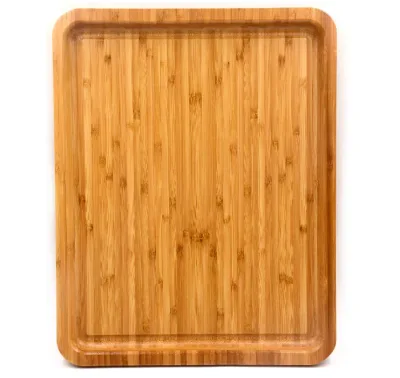
High Quality Home Kitchen Reusable Eco-Friendly Wooden Food Serving Tray Bamboo Tray
$1.80 - $2.30
MOQ: 500 Pieces

Ecofriendly Bamboo Wooden Tray Woven Bamboo Serving Trays Cheap Wholesale Natural Tray
$2.02 - $2.22
MOQ: 1000 Pieces








Comprehensive Sourcing Guide
Eco Friendly Wooden Breakfast Board Supplier Concentration and Factory Types
Current data indicates a concentration of manufacturers and factories located in China, specifically within the Shandong province, which produces items like wooden serving trays and breakfast boards. These suppliers often list their primary output as wooden cabinets, iron furniture, and wall shelves, suggesting a broader manufacturing capability that extends into kitchenware and home decor. The presence of verified entities such as those holding TÜV Rheinland verification suggests a baseline of operational legitimacy in this region. Buyers should note that while some suppliers are identified as manufacturers, others operate as a hybrid of manufacturer and trading company, which can influence the directness of communication and the flexibility of production adjustments.
When evaluating the factory types, it is crucial to distinguish between pure manufacturers and those that blend trading functions. The observed data shows companies offering OEM and ODM capabilities, indicating they can handle custom branding and design modifications for eco-friendly wooden products. Some suppliers explicitly state their capacity for sample processing and graphic customization, which is vital for buyers seeking unique designs. However, without specific establishment years for every entity, buyers must verify the longevity of the operation through direct inquiry. The focus should remain on identifying whether the supplier controls the entire production chain or relies on third-party workshops, as this impacts quality consistency and the ability to enforce eco-friendly standards during the manufacturing process.
How to Verify Eco Friendly Wooden Breakfast Board Suppliers
Verification of suppliers for eco-friendly wooden breakfast boards requires a rigorous check of system certifications and third-party audit results. The available data highlights specific credentials such as BSCI, ISO 9001, LFGB, FDA 21 CFR 178, and FSC, which are critical for ensuring that wooden products meet international safety and sustainability standards. Buyers must confirm that these certifications are current and directly applicable to the specific wooden items being sourced, rather than generic company-wide approvals. Additionally, verification badges like TÜV Rheinland provide an external layer of trust, confirming that the supplier has undergone independent assessment of their facilities and processes.
Beyond certifications, buyers should scrutinize the response time and verification status of the supplier to gauge their operational reliability. Observed response times vary, with some entities showing a response time of 22.58 hours while others respond within 2 hours, indicating significant differences in customer service efficiency. A faster response time often correlates with better communication channels and a more agile supply chain, which is essential when discussing custom eco-friendly specifications. Buyers should also verify the "is_verified" status directly on the platform to ensure the supplier has not lost their verified standing. It is imperative to request current copies of all mentioned certifications and to cross-reference them with the issuing bodies to prevent reliance on outdated or falsified documents.
What to Compare Across Eco Friendly Wooden Breakfast Board Suppliers
When comparing suppliers, the primary dimensions to evaluate include lead time, minimum order quantity (MOQ), and pricing structures, as these directly impact procurement planning and cash flow. The data reveals a wide range in lead times, with some suppliers offering a 23-day turnaround while others require up to 45 days for production. Similarly, MOQs vary significantly, with some suppliers requiring a minimum of 200 units while others demand 1,000 units or more. Buyers must align these constraints with their inventory needs and sales forecasts to avoid overstocking or stockouts. Price ranges also differ, with some products listed between $0.90 and $1.50, while others range from $2.50 to $4.50, reflecting variations in material quality, such as solid wood versus bamboo, and processing complexity.
In addition to logistical metrics, buyers should compare the specific product attributes and customization capabilities offered by each supplier. The observed product evidence shows variations in material, such as solid wood, beech wood, and bamboo, as well as differences in processing methods like polishing or embossing. Some suppliers offer customization for shape, size, and surface handling, which is essential for creating a unique brand identity. Buyers must also assess the packaging standards, noting that some use simple cartons while others utilize five-ply corrugated cartons for better protection. Comparing these detailed specifications ensures that the selected supplier can meet the exact functional and aesthetic requirements of the eco-friendly breakfast board market.
Common Eco Friendly Wooden Breakfast Board Sourcing Risks
One significant risk in sourcing eco-friendly wooden breakfast boards is the inconsistency in material sourcing and the potential for greenwashing regarding sustainability claims. While some suppliers list FSC certification, others may not provide clear evidence of where their wood originates, raising concerns about deforestation or illegal logging practices. Buyers must be vigilant in verifying the "eco-friendly" label, as it can be applied loosely without rigorous third-party validation. The presence of certifications like LFGB and FDA 21 CFR 178 is positive, but these primarily address food safety rather than the environmental impact of the wood harvest. Without explicit proof of sustainable forestry practices, buyers risk associating their brand with unethical sourcing, which can lead to reputational damage and consumer backlash.
Another critical risk involves the variability in production quality and the potential for delays due to supply chain disruptions. The observed lead times range from 23 to 45 days, and any delay in raw material availability or factory capacity can extend these timelines further. Suppliers with lower response times may be better equipped to handle urgent changes, but those with slower communication channels might struggle to address quality issues promptly. Additionally, the variation in MOQs can pose a financial risk for smaller buyers who may be forced to commit to larger inventory volumes than necessary. Buyers should also consider the risk of product damage during transit, as the packaging standards vary from simple cartons to more robust corrugated options, and inadequate packaging can lead to broken or damaged goods upon arrival.
Eco Friendly Wooden Breakfast Board Regional Sourcing and Logistics
Regional sourcing from China, particularly from the Shandong province, offers access to a dense network of manufacturers specializing in wooden crafts and kitchenware. The data indicates that products often originate from this region, which has developed a robust infrastructure for exporting wooden goods. However, buyers should also be aware of other potential manufacturing hubs, such as Fujian, which appears in product origin data for bamboo-based items. When sourcing from these regions, logistics planning must account for the distance and shipping routes, as well as the specific handling requirements for wooden products that may be sensitive to humidity and temperature changes. Understanding the regional strengths helps buyers select suppliers who are best positioned to deliver high-quality, eco-friendly products efficiently.
Logistics planning also involves evaluating the packaging and shipping methods to ensure product integrity during transit. The observed data shows that some suppliers use five-ply corrugated cartons, while others rely on standard cartons, which can affect the protection level of the wooden breakfast boards. Buyers should verify the packaging specifications to ensure they are sufficient for the chosen shipping method, whether by sea or air. Additionally, the origin location impacts customs clearance and import duties, so buyers must be prepared to navigate the regulatory requirements of their destination country. It is advisable to work with suppliers who have experience in international shipping and can provide accurate documentation to facilitate smooth customs processes and minimize the risk of delays at the port of entry.
Eco Friendly Wooden Breakfast Board Commercial Terms and Order Planning
Commercial terms for eco-friendly wooden breakfast boards often include specific payment structures, delivery schedules, and customization agreements that must be clearly defined before placing an order. The observed data indicates that suppliers offer various customization options, including OEM and ODM services, which require detailed specifications and potentially higher MOQs. Buyers should negotiate terms that allow for flexibility in order quantities and delivery dates to accommodate market fluctuations. It is also essential to clarify the pricing structure, as costs can vary based on material type, processing complexity, and order volume. Establishing a clear agreement on these terms helps prevent misunderstandings and ensures that both parties are aligned on the expectations for the final product.
Order planning for this category requires a strategic approach to inventory management and production scheduling. Given the varying lead times and MOQs, buyers should plan their orders well in advance to avoid stockouts and ensure a steady supply of products. The data shows that some suppliers have a response time of 2 hours, while others take over 22 hours, which can impact the speed of order processing and the ability to make last-minute adjustments. Buyers should also consider the establishment year and capacity of the supplier to gauge their ability to scale production as demand grows. By carefully planning orders and maintaining open communication with suppliers, buyers can mitigate risks and ensure a smooth procurement process for eco-friendly wooden breakfast boards.
FAQs
What materials are used for eco-friendly wooden breakfast boards?
Suppliers offer boards made from solid wood and bamboo. Some products feature beech wood or natural color finishes. These materials are selected for durability and eco-friendly properties suitable for daily kitchen use and serving.
What is the minimum order quantity for wooden serving trays?
Minimum order quantities vary by product type. Some wooden serving trays require 200 units, while others need 1000 units. Buyers should check specific product listings to confirm the exact MOQ before placing an order.
How long does it take to receive orders from China?
Lead times range from 23 to 45 days depending on the supplier. Some manufacturers in Shandong offer faster turnaround, while others in Fujian may require up to 45 days. Production capacity and customization needs affect these timelines.
Are these wooden breakfast boards customizable for branding?
Yes, customization is available for many wooden serving trays. Suppliers support OEM and ODM services with options for polishing and specific styles. Buyers can request custom sizes or designs to match their brand requirements.
What certifications do the suppliers hold for safety?
Suppliers hold various certifications including BSCI, ISO 9001, LFGB, and FDA 21 CFR 178. Some products are verified by TÜV Rheinland. These certifications ensure the wooden boards meet international safety and quality standards for food contact.
What is the price range for wooden breakfast serving trays?
Prices typically range from 0.90 to 4.50 per unit based on material and size. Bamboo trays often cost between 3.58 and 4.30, while solid wood options may range from 2.50 to 3.50. Final pricing depends on order volume and customization.
Where are the manufacturers of these wooden boards located?
Manufacturers are primarily located in Shandong and Fujian provinces in China. Products originate from these regions with specific attributes like natural color or beech wood. Buyers can verify the exact place of origin on individual product pages.