Vibrating Concrete Screed Machine Suppliers and Manufacturers
Source 27 verified suppliers for Vibrating Concrete Screed Machine units from China. Compare key dimensions including CE certification, ISO 9001 standards, lead times, and pricing ranges. Review product specifications and contact factories directly to secure competitive quotes for your construction projects.
Updated
Suppliers List

Ningbo Max Machinery Co., Ltd.
- Manufacturer/Factory
- China Zhejiang
- Lead time45 days
- Avg. response≤ 2h
Main productsConcrete Vibrator, Vibrator Motor, Power Trowel
Main marketsSouth America,Eastern Europe,Mid East,North America,Southeast Asia,Eastern Asia,Oceania,Western Europe,Africa

Concrete Screed Machines Concrete Power Screed Concrete Vibrating Screed
$450.00 - $600.00
MOQ: 5 Pieces


Henan Hongen Machinery Equipment Co., Ltd.
- Manufacturer, Trading Company
- Henan, China
- Lead time0 days
- Avg. response≤ 3h
Main productsConstruction machinery equipment,Engineering machinery equipment,Agricultural machinery equipment,Food processing equipment
Main marketsAfrica(40.00%), Western Europe(20.00%), South America(10.00%), Mid East(10.00%), North America(10.00%), Southeast Asia(10.00%)

Henan Xuanhua Machinery Co., Ltd.
- Trading Company,Manufacturer/Factory
- China Henan
- Lead time23 days
- Avg. response≤ 6h
Main productsWater Well Drilling Rig, Drilling Rig, Automatic Filling Machine, Shotcrete Machine, Rebar Bender, Rebar Cutter, Tamping Rammer, Compactor Plate, Road Cutter, Food Processing Machine
Main marketsSouth America,Eastern Europe,Mid East,North America,Southeast Asia,Eastern Asia,Oceania,Western Europe,Africa


Concrete Machinery Surface Finishing Screed Machine Concrete Screed Machine for Sale
$160.00 - $500.00
MOQ: 1 Pieces

Floor Screeding Levels Pump Concrete Machine Cement Sand Concrete Smooth Screed Machine
$160.00 - $500.00
MOQ: 1 Pieces

ANHUI GEWILSON MACHINERY MANUFACTURING CO., LTD.
- Verified by Intertek
- Manufacturer, Trading Company
- Lead time15 days
- Avg. response≤ 6h
Main productsConstruction Machinery, Light Tower
Main marketsSouth America(30%), Western Europe(30%), North America(25%)
Changge Kowloon Machinery Manufacturing Co., Ltd.
- Verified by TüVRheinland
- Manufacturer, Trading Company
- Lead time10 days
- Avg. response≤ 4h
Main productsSteel Bar Cutting Machine, Steel Bar Bending Machine, Power Trowel, Impact Rammer
Main marketsDomestic Market(40%), Africa(20%), South Asia(10%)
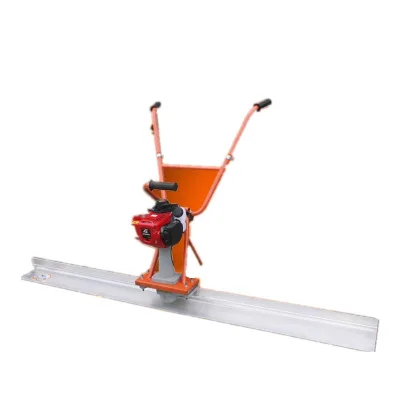
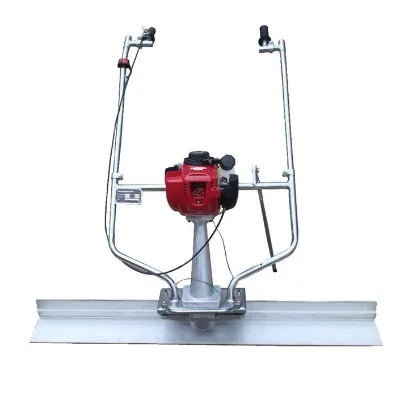
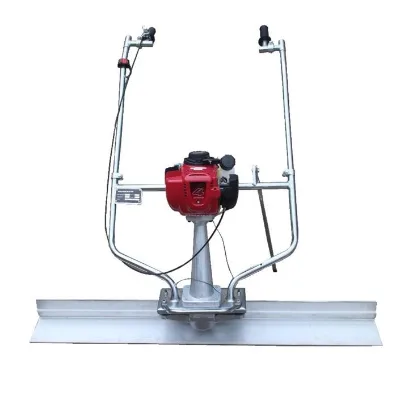
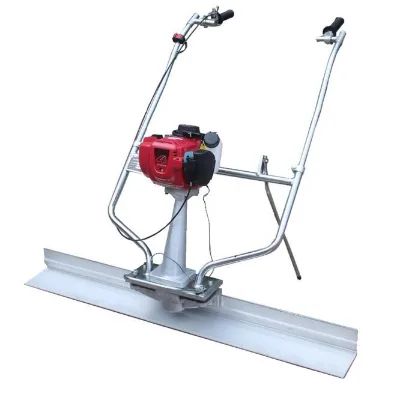
$80.00 - $270.00
MOQ: 1 Minimum
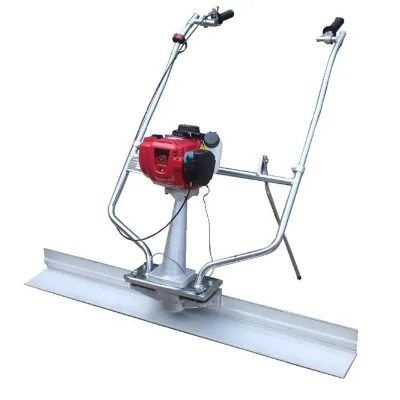
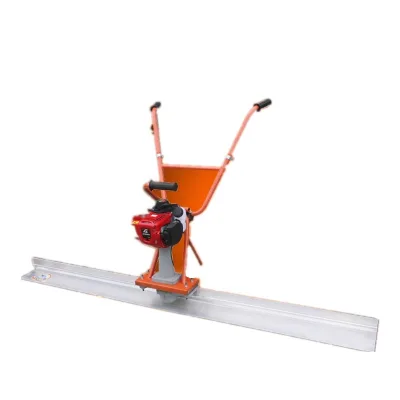

Changge Kowloon Machinery Manufacturing Co., Ltd.
- Verified by TUVRHEINLAND
- Trading Company,Manufacturer/Factory
- China Henan
- Lead time15 days
- Avg. response≤ 8h
Main productsSteel Bar Cutting Machine, Steel Bar Bending Machine, Steel Bar Straightening and Cutting Machine, Steel Bar Stirrup Bender Machine, Tamping Rammer Machine, Plate Rammer Machine, Concrete Power Trowel, Concrete Screed, Concrete Grinder, Portable Cutting Machine and Bending Machine
Main marketsSouth America,Eastern Europe,Mid East,North America,Southeast Asia,Eastern Asia,Oceania,Western Europe,Africa

Concrete Screed Machine Concrete Vibrating Screed Concrete Leveling Machine
$80.00 - $300.00
MOQ: 1 Pieces


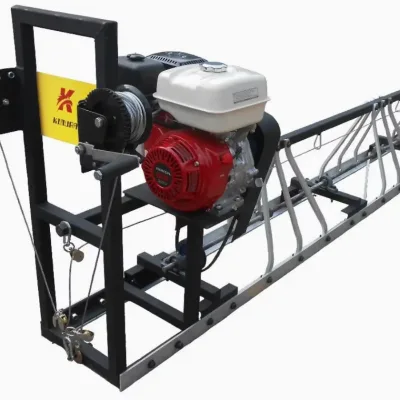
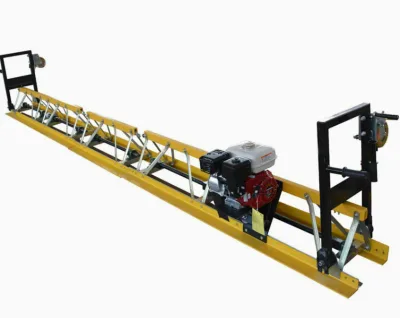
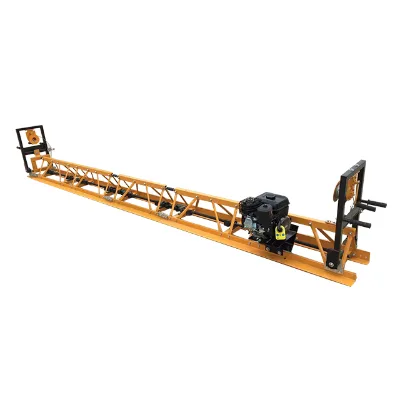
Vibrating Beam Concrete Vibratory Truss Power Screed Integrited Concrete Truss Screed Machine
$1320.00 - $1350.00
MOQ: 1 Pieces

Construction Machinery Vibrating Concrete Screed/ Concrete Finishing Screed Leveling Machine
$90.00 - $119.00
MOQ: 1 Pieces

Construction Machinery Vibrating Concrete Screed Finishing Screed Leveling Machine
$90.00 - $119.00
MOQ: 1 Pieces

Ningbo Ace Machinery Co., Ltd.
- Verified by BV
- Combined
- China Zhejiang
- Lead time30 days
- Avg. response≤ 11h
Main productsConcrete Vibrator Custom Factory, Plate Compactor Factory, Tamping Rammer Supplier, Power Trowel Wholesale, Concrete Cutter Factory Wholesale, Vibrator Shaft Custom Factory, OEM/ODM Concrete Mixer Factory, Steel Bar Cutting Machine, OEM/ODM Concrete Vibrator Motor, Vibratory Roller Factory Supplier
Main marketsSouth America,Africa,Southeast Asia/ Mideast,East Asia(Japan/ South Korea),Europe,Australia,North America


Vibrating Concrete Floor Leveling Machine, Concrete Surface Finishing Screed
$42.00 - $48.00
MOQ: 10 Pieces


Wuxi Fast Machinery Technology Co., Ltd.
- Manufacturer
- Jiangsu, China
- Lead time7 days
- Avg. response≤ 2h
Main productsPlate Compactor,Tamping Rammer,Concret Cutter,Power Trowel,Concrete Screed
Main marketsDomestic Market(20.00%), Africa(10.00%), North America(10.00%), South Asia(10.00%), Mid East(10.00%), Southeast Asia(5.00%), Eastern Europe(5.00%), Northern Europe(5.00%), Central America(5.00%), Western Europe(5.00%), Eastern Asia(5.00%), South America(5.00%), Oceania(5.00%)
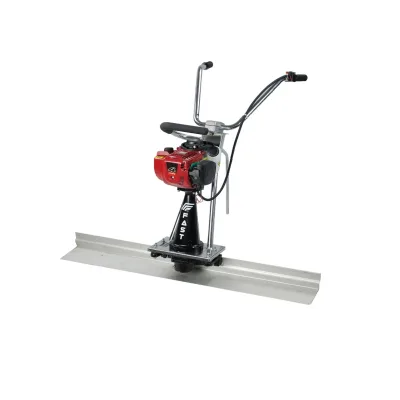
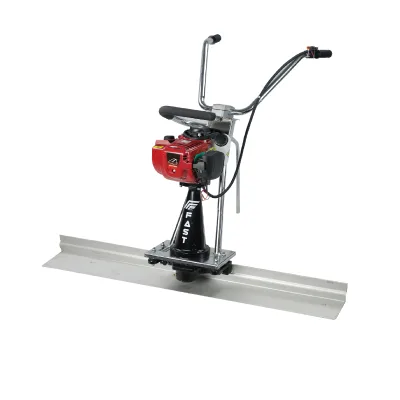
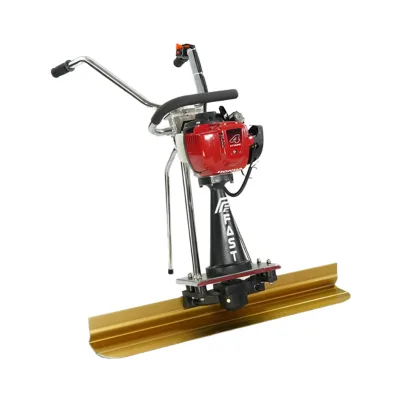
Concrete Vibratory Screed Machine Floor Leveler
$268.00 - $300.00
Changge Deleixi Machinery Equipment Co., Ltd.
- Verified by TüVRheinland
- Trading Company
- Lead time7 days
- Avg. response≤ 3h
Main productsPipe Bending Machine, Band Saw Machine, Stone Cutting Machine, Pipe Punching Machine, Ride-On Power Trowel
Main marketsNorth America(27%), South America(26%), Southeast Asia(15%)
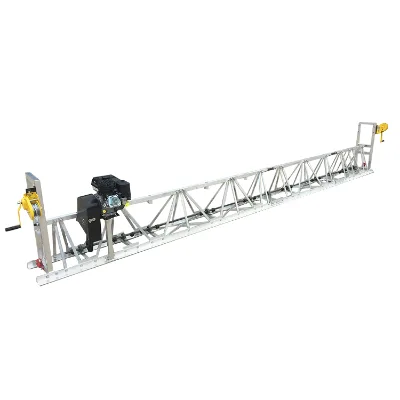
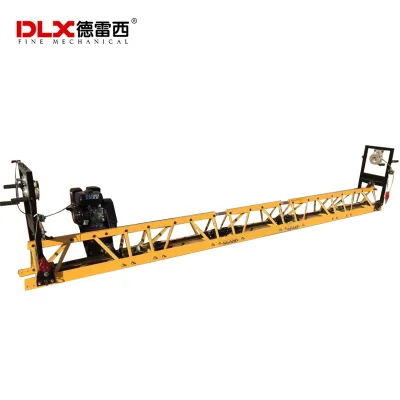
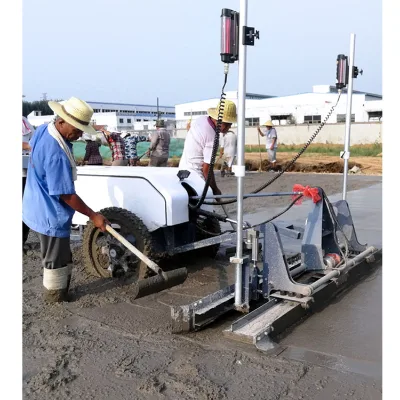
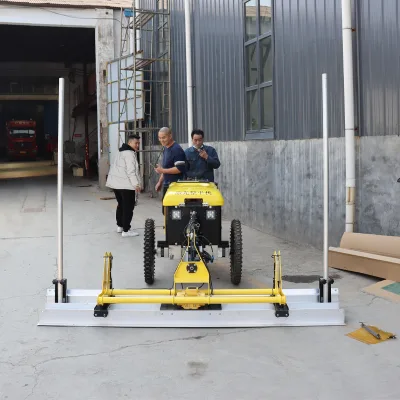
Land Concrete Leveling Laser Screed Machine for Sale Two Wheel Concrete Laser Screed
$8516.0087 - $8721.2137
MOQ: 1 sets
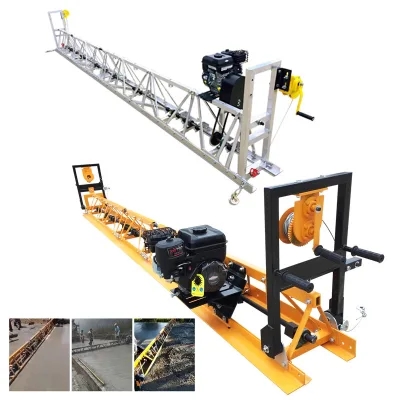

Henan Ideal Machinery Equipment Co., Ltd.
- Combined
- China Henan
- Lead time15 days
- Avg. response≤ 6h
Main productsSteel Bar Cutting Machine, Steel Bar Bending Machine, Steel Bar Straightening and Cutting Machine, Stirrup Bending Machine, Tamping Rammer, Plate Compactor, Trowelling Machine, Concrete Cutting Machine, Road Roller, Concrete Viabratory Screed
Main marketsSouth America,Africa,Southeast Asia/ Mideast,East Asia(Japan/ South Korea),Domestic,Europe,Australia,North America

2- 6m Concrete Screed Vibrating Screed Concrete Vibratory Screed Ruler Machine
$259.00 - $279.00
MOQ: 1 Pieces


Shanghai Jiezhou Engineering & Mechanism Co., Ltd.
- Verified by SGS Group
- Manufacturer, Trading Company
- Lead time30 days
- Avg. response≤ 3h
Main productsLaser Screed, Power Trowel, Floor Saw, Plate Compactor, Engineering Machine
Main marketsDomestic Market(65%), Eastern Europe(8%), North America(6%)
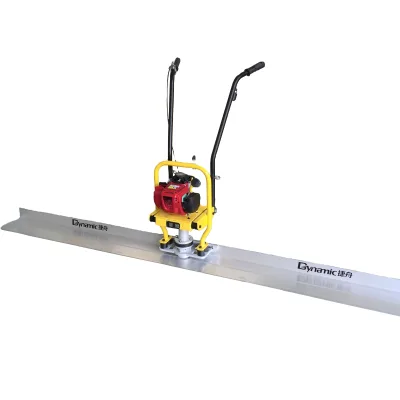
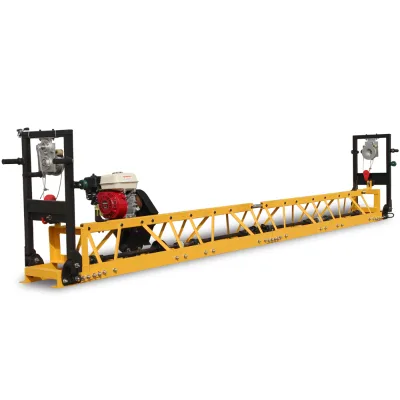
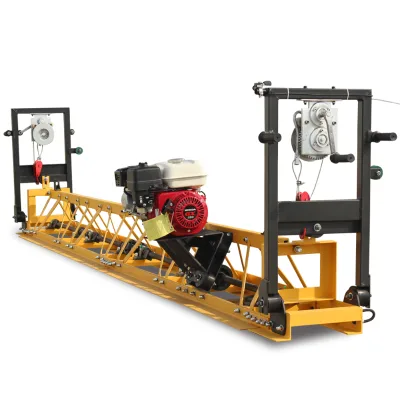
Factory Sale High Quality Concrete Vibrating Screed Machine
$360.00 - $399.00
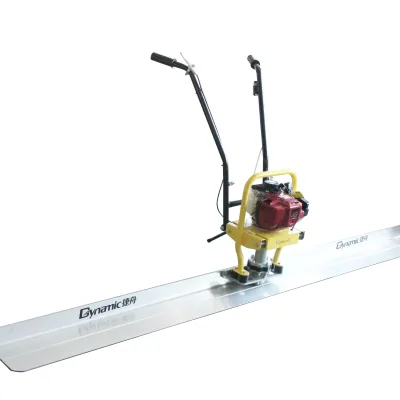
Henan Ideal Machinery Equipment Co., Ltd.
- Trading Company
- Henan, China
- Lead time7 days
- Avg. response≤ 5h
Main productsSteel Bar Cutting Machine/Steel Bar Bending Machine,Road Roller,Trowel Machine,Tamping Rammer
Main marketsSoutheast Asia(20.00%), South Asia(10.00%), Mid East(10.00%), Eastern Europe(10.00%), South America(10.00%), Africa(5.00%), Southern Europe(5.00%), Northern Europe(5.00%), Central America(5.00%), Western Europe(5.00%), Eastern Asia(5.00%), Oceania(5.00%), North America(5.00%)
$794.8553 - $813.1983
MOQ: 1 pieces

Henan Weiterui Machinery Co., Ltd.
- Verified by CTI
- Manufacturer/Factory
- China Henan
- Lead time23 days
- Avg. response≤ 2h
Main productsTroweling Machine, Road Roller, Steel Bar Cutter, Bending Machine, Straightener, Brick Cutter, Rebar Bending Machine, Dicing Saw, Pavement Machinery, Compacting Machine
Main marketsSouth America,Eastern Europe,Mid East,North America,Southeast Asia,Eastern Asia,Oceania,Western Europe,Africa

Vibratory Floor Finishing Level Vibrating Power Concrete Screed Machine for Sale
$95.00 - $115.00
MOQ: 1 Pieces


Zhengzhou Pioneer Machinery Co., Ltd.
- Trading Company
- Henan, China
- Lead time10 days
- Avg. response≤ 2h
Main productsConcrete Mixer,Concrete Mixing Plant,concrete pump,machine tools,Road Roller
Main marketsSouth Asia(12.00%), Eastern Asia(12.00%), Mid East(12.00%), Oceania(12.00%), Africa(12.00%), Southeast Asia(12.00%), Eastern Europe(12.00%), South America(12.00%), Domestic Market(4.00%)
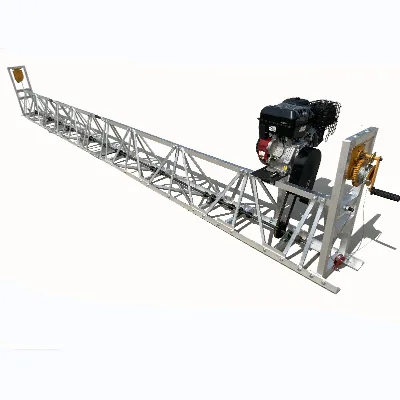
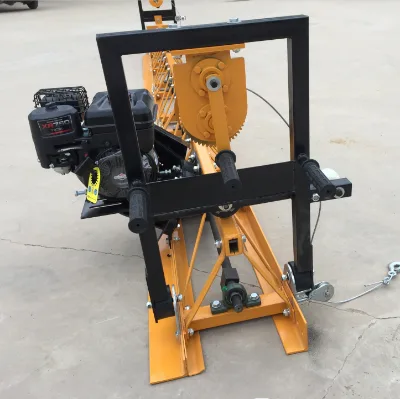
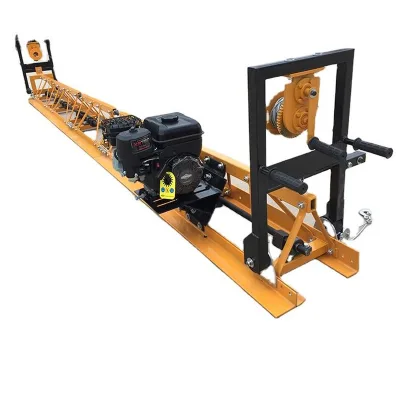
Automatic Vibrating Beam Machine Concrete Vibrating Screed Machine With Good Quality
$1072.923 - $1100.5132
MOQ: 1 sets
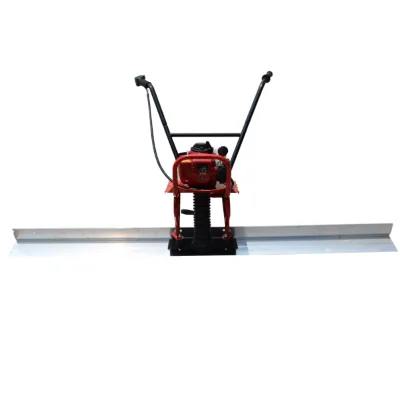
$1050.00 - $1077.00
MOQ: 1 sets
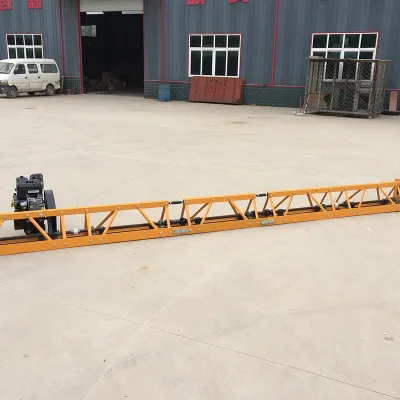
$1026.0251 - $1105.0297
MOQ: 1 sets
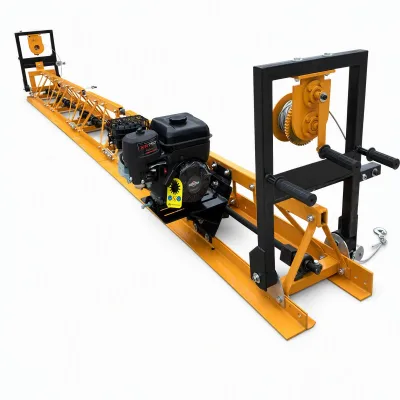
$1050.00 - $1077.00
MOQ: 1 sets
Henan Haotai Machinery Equipment Co., Ltd.
- Verified by Intertek
- Trading Company
- Lead time0 days
- Avg. response≤ 2h
Main productsConcrete Equipment, Rebar Equipment, Crushing Equipment, Road Machinery, Cutting Equipment
Main marketsNorth America(25%), Northern Europe(20%), South America(15%)
$6500.00 - $6800.00
MOQ: 1 sets
Luohe Ao Jianqing Intelligent Equipment Co., Ltd.
- Trading Company
- Henan, China
- Lead time15 days
- Avg. response≤ 3h
Main productstrowel,trephine,Cutting machine,backhoe,vibrators
Main marketsDomestic Market(40.00%), North America(10.00%), Africa(10.00%), South Asia(10.00%), Eastern Asia(10.00%), Oceania(5.00%), Southern Europe(5.00%), Southeast Asia(5.00%), South America(5.00%)
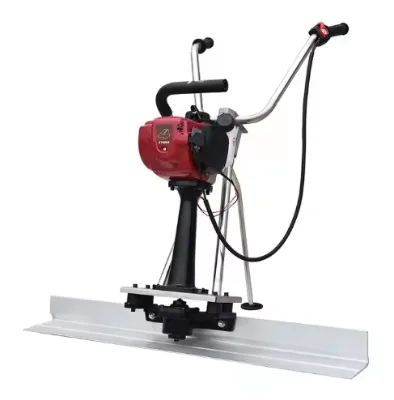
Competitive Price Concrete Vibration Ruler / Concrete Screed Machine Vibrating Concrete Ruler
$135.00 - $180.00
MOQ: 1 tons
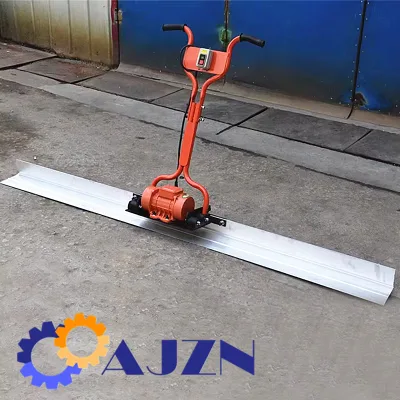
Electric Concrete Screed, Cement Screed, Hand-guided Vibrating Trowel, Road Surface Vibrating Screed
$49.00 - $55.00
MOQ: 1 bags
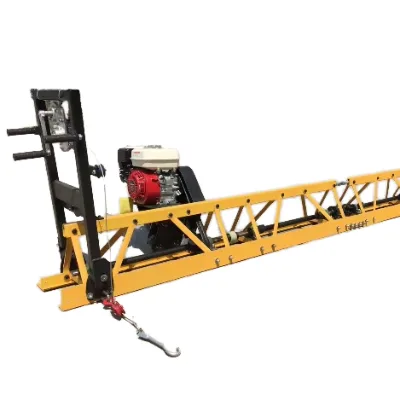
$699.00 - $899.00
MOQ: 1 pieces

Jining Dingye Heavy Industry Co., Ltd.
- Manufacturer
- Shandong, China
- Lead time7 days
- Avg. response≤ 2h
Main productsgas mask,road roller,excavator,tamping rammer,concrete screed
Main marketsSoutheast Asia(20.00%), North America(20.00%), South Asia(10.00%), Central America(10.00%), Western Europe(10.00%), Mid East(10.00%), South America(10.00%), Eastern Europe(10.00%)
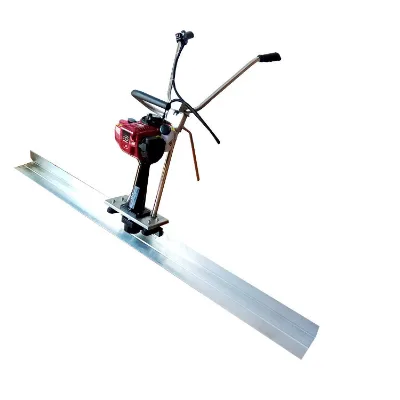
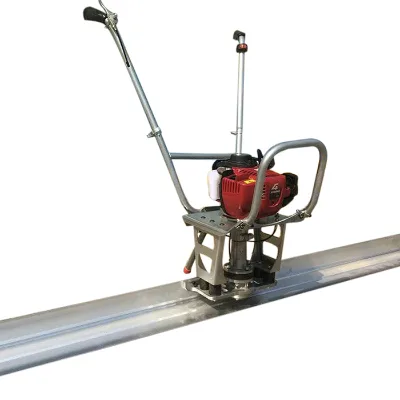
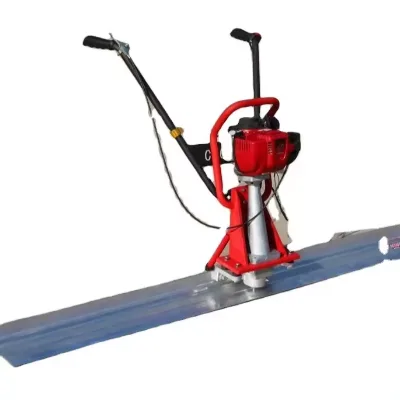
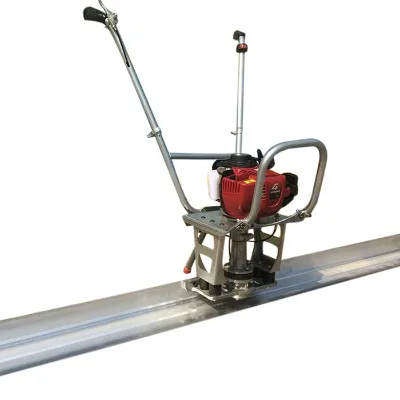
New Model Customized Float Handheld Gasoline Concrete Vibrating Screed Machine
$280.00 - $300.00
MOQ: 1 sets
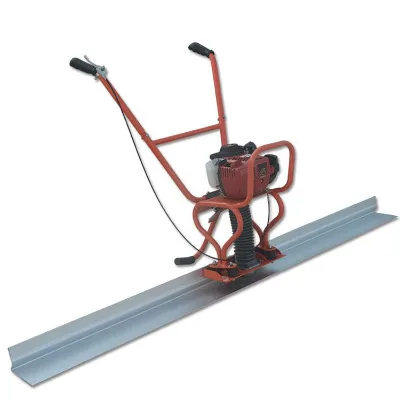
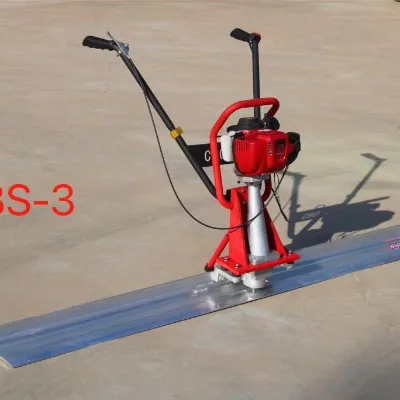
- Verified by TüVRheinland
- Trading Company
- Lead time20 days
- Avg. response≤ 2h
Main productsConcrete Mixer, Concrete Vibrator, Road Roller, Plate Compactor, Concrete Cutting Machine
Main marketsMid East(13%), Africa(12%), Southeast Asia(11%)

Puyang Yuwei Machinery Co., Ltd.
- Trading Company
- China Henan
- Lead time0 days
- Avg. response≤ 3h
Main productsSpider Crane, Horizontal Directional Drilling Rig, Egg Tray Machine, Rotary Drilling Rig, Core Drilling Rig, Slitting Machine, Hydroseeding Machine, Charging Pile, Excavator Attachments, Generator Set
Changge Xulaide Construction Machinery Co., Ltd.
- Manufacturer, Trading Company
- Henan, China
- Lead time0 days
- Avg. response≤ 2h
Main productsRoad machine, CNC steel bar straightening & cutting machine/CNC steel bar bending machine/Pipe bending machine
Main marketsSoutheast Asia(60.00%), South America(30.00%), Mid East(9.00%), Northern Europe(1.00%)
Henan Province Wires Electronic Technology Co., LTD.,
- Trading Company
- Henan, China
- Lead time3 days
- Avg. response≤ 1h
Main productsSteel bar bending machine,concrete floor grinder,Concrete screw pump,Tamping Rammer,Plate Compactor
Main marketsSoutheast Asia(25.00%), North America(21.00%), Africa(18.00%), South America(10.00%), South Asia(5.00%), Mid East(5.00%), Oceania(3.00%), Southern Europe(3.00%), Eastern Asia(3.00%), Northern Europe(3.00%), Eastern Europe(2.00%), Central America(1.00%), Western Europe(1.00%)
Zhengzhou Emoda Machinery Equipment Co., Ltd.
- Trading Company
- Henan, China
- Lead time10 days
- Avg. response≤ 5h
Main productsroad roller,plate compactor,power trowel,rebar cutter/bender,tamping rammer
Main marketsEastern Asia(40.00%), Mid East(40.00%), Domestic Market(9.00%), Africa(5.00%), Eastern Europe(1.00%), Southern Europe(1.00%), Northern Europe(1.00%)
$277.2169 - $462.0281
MOQ: 1 sets
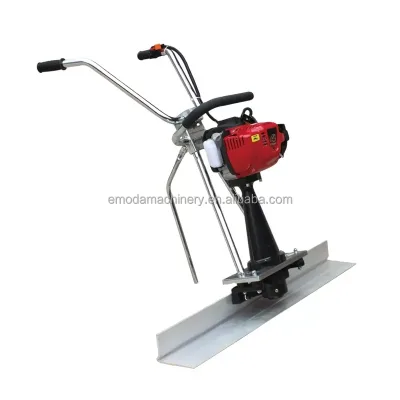
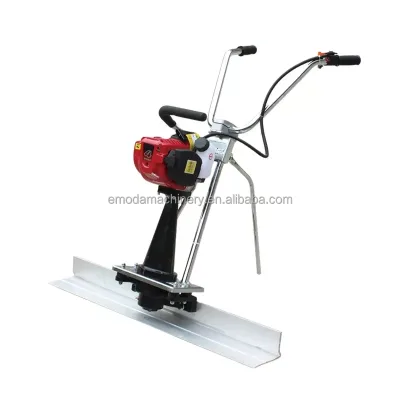
High Quality Concrete Vibratory Screeding / Vibratory Screeding Machine
$280.4855 - $467.4749
MOQ: 1 sets

Henan Tuowei Machinery Co., Ltd
- Verified by SGS
- Trading Company
- China Henan
- Lead time15 days
- Avg. response≤ 3h
Main productsRebar Bender, Rebar Cutter, Floor Leveling Machine, Power Trowel, Rolling Rebar Threading Machine, Rammer Compactor, Concrete Shotcrete Machine, Steel Bar Straightening and Cutting Machine, Mini Road Roller
Main marketsOthers(foreignTradeCapacity.exportBusinessCapacityMarketOther)

$109.00 - $129.00
MOQ: 1 Pieces


Shandong Roadway Construction Machinery Manufacturing Co., Ltd.
- Verified by TUVRHEINLAND
- Combined
- China Shandong
- Lead time15 days
- Avg. response≤ 8h
Main productsRoad Roller, Concrete Laser Screed, Ride on Power Trowel, Road Cutting Machine, Light Tower, Plate Compactor, Road Curb Paver, Concrete Scabbler, Concrete Truss Screed, Shot Blasting Machine
Main marketsAustralia

Jining Furuide Machinery Manufacturing Co., Ltd.
- Verified by TUVRHEINLAND
- Combined
- China Shandong
- Lead time23 days
- Avg. response≤ 4h
Main productsRoad Roller, Concrete Screed, Light Tower, Concrete Cutter, Plate Compactor, Concrete Trowel Machine
Main marketsAfrica,Europe


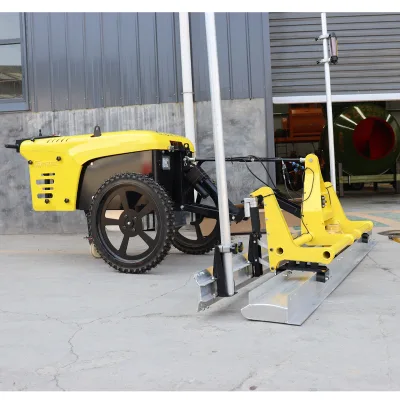
Four-Wheel Concrete Laser Screed Machine Road Construction Laser Screed Machine
$10000.00 - $11000.00
MOQ: 1 Pieces

- Combined
- China Anhui
- Lead time23 days
- Avg. response≤ 16h
Main productsTamping Rammer, Compactor, Concrete Cutter, Road Roller, Light Tower, Generator, Welding Generator, Gasoline Engine, Concrete Mixer, Water Pump
Main marketsSouth America,Africa,Southeast Asia/ Mideast,East Asia(Japan/ South Korea),Domestic,Europe,Australia,North America
Changge Oufeite Machinery Co., Ltd.
- Manufacturer, Trading Company
- Henan, China
- Lead time10 days
- Avg. response≤ 3h
Main productsPower Trowel,Compaction equipment,Road Machinery,Steel bar machine,Concrete Machine
Main marketsSoutheast Asia(15.00%), Mid East(15.00%), Africa(10.00%), South Asia(10.00%), North America(10.00%), South America(5.00%), Southern Europe(5.00%), Northern Europe(5.00%), Central America(5.00%), Western Europe(5.00%), Eastern Asia(5.00%), Eastern Europe(5.00%), Oceania(5.00%)
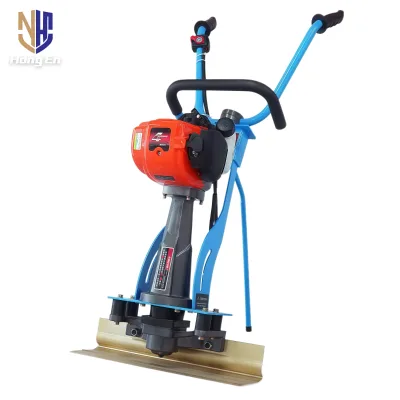
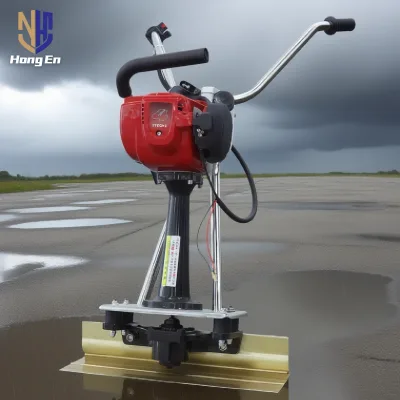
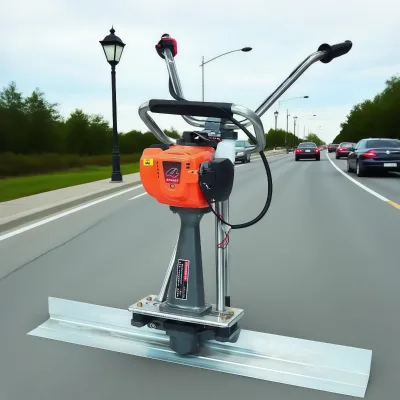




Comprehensive Sourcing Guide
Vibrating Concrete Screed Machine Supplier Concentration and Factory Types
Suppliers of vibrating concrete screed machines concentrate heavily in China, and the current supplier results point to two provinces in particular: Zhejiang and Henan. Zhejiang-based entries are tagged with concrete vibrators, vibrator motors and power trowels among their main products, and at least one manufacturer there lists its own brand alongside OEM and ODM capability. The Henan-based entries describe construction machinery equipment, engineering machinery, agricultural machinery and food processing equipment as their main product lines, with one company structured as a manufacturer and trading company combined. This matters because a Vibrating Concrete Screed Machine often sits within a broader concrete-machinery catalog rather than being a standalone specialty.
Factory types vary more than buyers expect. Some listings identify themselves as Manufacturer/Factory, while others are explicitly labeled Manufacturer and Trading Company, which affects who actually controls production, quality changes and spare-part supply. The Zhejiang entries carry ISO 9001 system certification, while the Henan entries show CE system certification, and product-level listings reference CE marks and video outgoing-inspection. When screening new results, classify each supplier by these two dimensions first: company type and product mix. A supplier whose main products center on concrete machinery is generally a different sourcing proposition from one that treats screeds as one line among many. Identify clusters by filtering results by province, then by main products, rather than assuming concentration from a single page.
How to Verify Vibrating Concrete Screed Machine Suppliers
Verification starts with the attributes actually displayed, not with assumptions. In the current results, supplier-level fields you can check include location, company type, main products, system certification, response time, lead time, and research-and-development capacity such as own brand, OEM and ODM status. The Zhejiang entries list ISO 9001 as system certification and manufacturer/factory status, while the Henan entries list CE certification and a combined manufacturer-and-trading-company structure. Neither of these system certificates by itself proves product safety, so treat them as starting points for deeper checks rather than final approvals.
Product-level verification should use the evidence attached to listings. Several screed listings state a machinery test report is provided and a video outgoing-inspection is provided, which are useful artifacts to request in full. Listed product attributes — engine type, power, blade length, vibrating amplitude, productivity and origin such as Zhejiang or Ningbo — should match what the supplier confirms on the contract. Where a listing is silent on a point, for example when a lead time field shows zero, ask the supplier to confirm the actual value in writing instead of assuming. Because several suppliers offer customization and OEM or ODM service, verify that the factory behind the brand name on the listing is the same entity that will manufacture your order, especially where a trading-company label appears. Keep a checklist of each displayed claim and the document that confirms it.
What to Compare Across Vibrating Concrete Screed Machine Suppliers
Comparison works best when you build a table using the dimensions suppliers themselves display. In the current results, response time ranges from about 1.9 hours to 3 hours, lead times run to 45 days for one supplier while another shows zero — a placeholder that must be confirmed, not trusted. Company type differs too: Manufacturer/Factory in Zhejiang versus Manufacturer and Trading Company in Henan, which affects pricing structure, quality control leverage and accountability when defects appear. Main products also differ, from concrete-focused catalogs to mixed construction, agricultural and food-processing equipment lines.
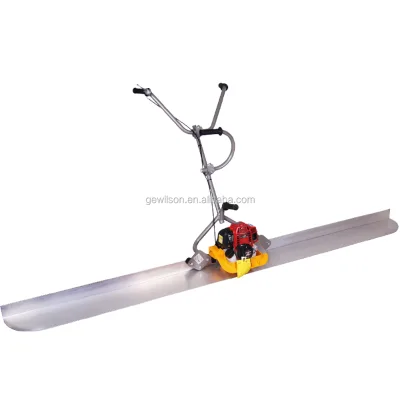
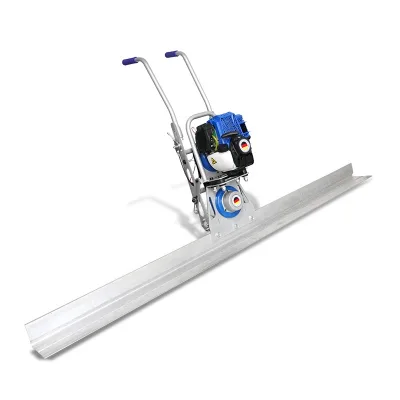
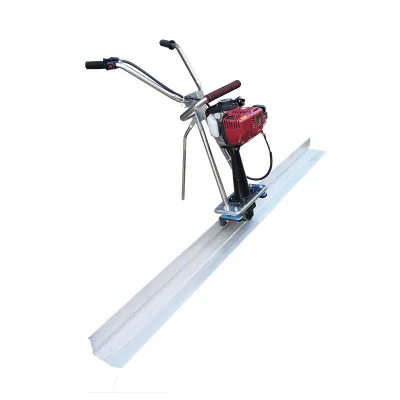
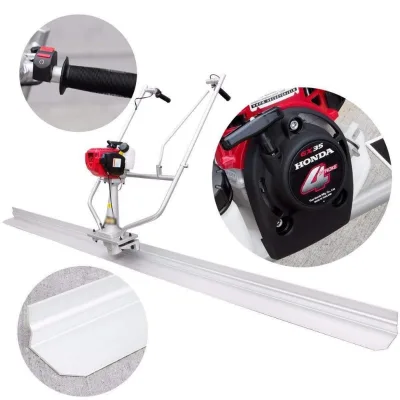
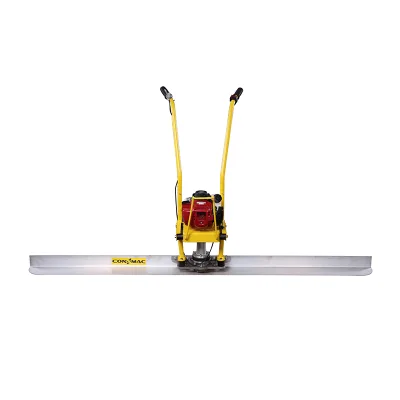
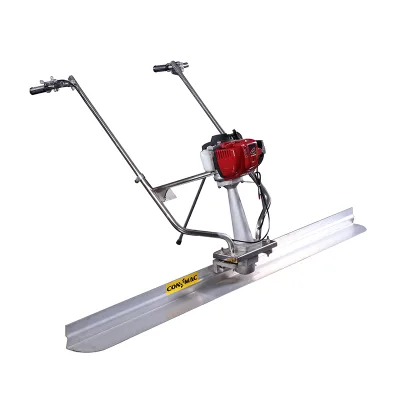
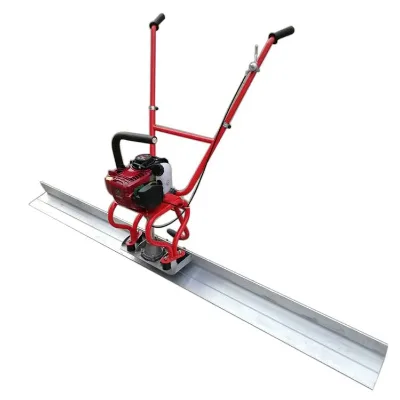
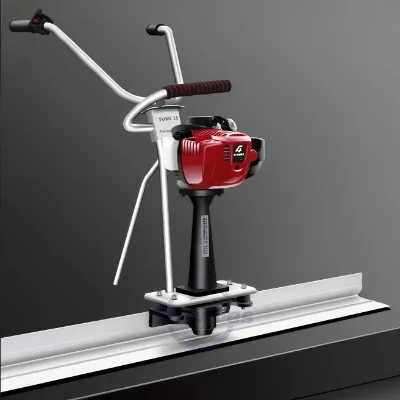
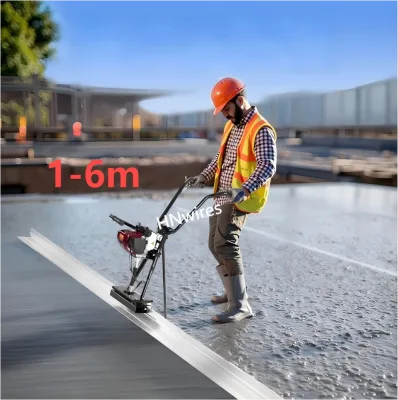
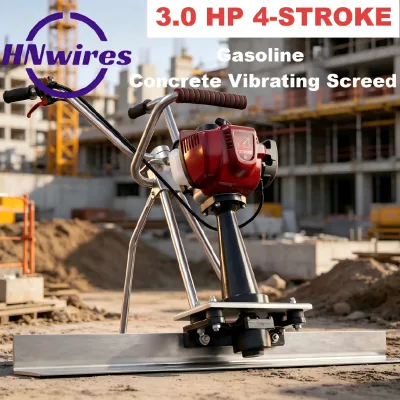
Product-level comparison is where this category gets concrete. Listed screed models vary widely: one handheld-style unit lists at a fixed $100 with a 20 kg weight and 1.5 kW power; another floor vibrator screed lists $360–$580 with a Honda GX35 or Chinese Huasheng engine, blade lengths from 1.2 to 6 meters and a 1.4 mm vibrating amplitude; a third 2–4 m blade model lists $200–$350 with 1.5 HP engine power and a 1–6 m blade range; a fourth power screed lists $450–$600 with a 1.2–4.8 m length, 1.2 mm amplitude and one-year warranty. MOQs differ too, from 5 units on one listing to 10 on another. Compare engine brand options, warranty coverage, after-warranty support such as video or online support, and packing dimensions, since these directly affect landed cost and service.
Common Vibrating Concrete Screed Machine Sourcing Risks
The most common risk in this category is confusing engine specifications. Several listings advertise a Honda GX35 engine, but at least one offers a choice between a Honda GX35 and a cheaper gasoline engine, and another mentions a Chinese Huasheng alternative. If your requirement specifies a branded engine and the quotation quietly substitutes a generic unit, vibration performance and service life can differ from the listing. Put the engine brand, model and power — listed values include 1.5 HP or 1.1 kW and 1.5 kW — directly into the purchase contract.
A second risk cluster involves mixed-role suppliers and placeholder data. The Henan supplier combines manufacturing with trading and sells across agricultural and food-processing lines, so the factory that will build your screed may not be the company you sign with. Some displayed lead times show zero, which is a data gap, not a promise; a 45-day lead time from one supplier should be benchmarked against written confirmations from others. Certification labels also need scrutiny: system-level ISO 9001 or CE certification is not the same as a CE mark on the specific machine, even though product listings do state CE certification attributes. Other listed risks include unusually low prices — one listing at a flat $100 sits far below the $200–$600 range elsewhere — packing that may be a simple carton or boardcard box, and warranty terms that only some listings specify at one year.
Vibrating Concrete Screed Machine Regional Sourcing and Logistics
The current evidence points to two Chinese provinces as sourcing bases. Zhejiang appears both as supplier location and as product origin — several screed listings state Zhejiang or Ningbo as origin — and the province's suppliers list concrete machinery such as concrete vibrators, power trowels and screed machines as main products. Henan appears as supplier location and origin for surface-finishing screed listings, with those units described at 18–20 kg each and packed in single cartons of roughly 70×40×35 cm. Knowing the origin province on the product listing, not just the supplier address, helps you align factory audits and freight planning.
Logistics planning should start from the packing data actually listed. Carton dimensions range from small 0.14 cbm units to a boardcard-boxed 2–4 m blade model at 114×114×86 cm, so volumetric weight and container utilization differ sharply between handheld-style screeds and long-blade machines. Blade length options of 1–6 meters mean some configurations need longer packing than others; confirm packed dimensions for the exact blade lengths you order. For delivery timing, one supplier displays a 45-day lead time while others show none, so request written lead times before booking freight. Because screed machines contain gasoline engines, check whether your forwarder treats them as powered equipment requiring special declaration. Finally, confirm after-warranty service channels — listings mention video technical support and online support — since remote support quality matters more when machines ship across regions.
Vibrating Concrete Screed Machine Commercial Terms and Order Planning
Commercial terms in this category are visible enough to negotiate from. Listed price ranges span roughly $100 for a basic handheld-style unit to $600 for a floor vibrator screed, with mid-range power screeds at $200–$350 and $450–$600. MOQs displayed include 5 units on one screed listing and 10 units on a 2–4 m blade model, so your order volume should be planned around the lowest MOQ tier that fits your test-market needs. One Zhejiang supplier supports OEM, ODM and its own brand, so branding and customization costs belong in your quotation request; listings also mark customization as available.
Order planning should lock down the variable attributes in writing. Specify engine type (Honda GX35 or the cheaper alternatives listed), blade length within the 1–6 m range, vibrating amplitude, working width of 1–3 m where stated, color, and packing format such as carton versus boardcard box. Ask for the warranty terms in the contract — one listing states one year with video and online support after warranty — and request the machinery test report and video outgoing-inspection evidence that some listings already promise. Confirm lead time explicitly where displayed values are zero or missing, using the 45-day figure seen in the results only as one data point. Finally, structure payment around inspection: release final payment only after the confirmed engine brand, packed dimensions and test documentation match the agreed specification sheet.
FAQs
What is the price range for concrete vibrating screed machines?
Prices typically range from $100 to $600 depending on specifications and engine type. Basic models start around $100, while advanced units with Honda engines or wider blades cost up to $600. Buyers should verify exact pricing based on blade length and customization needs.
What certifications do these machines usually have?
Most machines hold CE certification, and many also include ISO 9001 system certification. These standards ensure compliance with international safety and quality requirements. Buyers should confirm specific certification documents with suppliers before placing orders to ensure regulatory compliance in their target markets.
What is the typical lead time for manufacturing?
Standard lead times are approximately 45 days for production. Some suppliers may list zero days, but this often requires verification. Buyers should confirm actual production schedules with manufacturers to ensure timely delivery for their specific project timelines and logistical requirements.
What is the minimum order quantity for these machines?
Minimum order quantities vary between 5 and 10 units per supplier. Some manufacturers require ten units, while others accept five. Buyers should check specific supplier terms to determine the exact MOQ and negotiate bulk pricing based on their required order volume.
Where are these machines primarily manufactured?
Manufacturing locations are primarily in Zhejiang and Henan provinces in China. Suppliers in these regions offer concrete vibrators and power trowels. Buyers should verify specific factory locations to assess logistics costs and ensure alignment with their sourcing preferences and supply chain strategies.
What engine options are available for these machines?
Common engine options include Honda GX35 and Chinese Huasheng engines. Power ratings typically range from 1.1kW to 1.5HP. Buyers should specify their preferred engine brand to ensure compatibility with local fuel availability and maintenance support requirements for their operations.