Electric Hand Push Street Sweeper Suppliers and Manufacturers
Compare 29 verified Electric Hand Push Street Sweeper suppliers by location, response time, and certifications. Review product specs like cleaning width and battery capacity before requesting quotes from multiple factories to ensure the best fit for your operational needs; review the available evidence before requesting comparable quotations from suitable candidates.
Updated
Suppliers List

Anhui Tanjie Environmental Protection Technology Co., Ltd
- Verified by BV
- Combined
- China Anhui
- Lead time15 days
- Avg. response≤ 2h
Main productsFloor Scrubber, Sweeping Machine, Industrial VAC
Main marketsAfrica,Southeast Asia/ Mideast,Europe


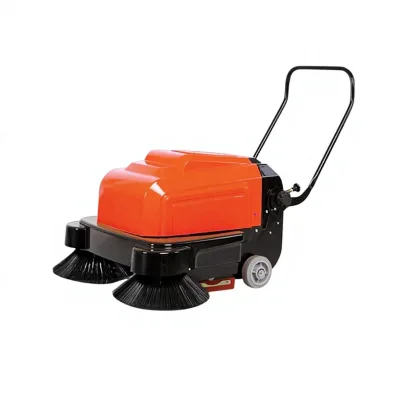
Sweeper Clean Machine Electric Walk-Behind Floor Cleaning Hand Push Sweeper
$650.00 - $950.00
MOQ: 1 Pieces

$650.00 - $950.00
MOQ: 1 Pieces


Henan Huayu Jujiu Vehicle Co., Ltd.
- Combined
- China Henan
- Lead time15 days
- Avg. response≤ 2h
Main productsSemi Trailer, Semi Trailer Parts, Trailer, Lowbed Semi Trailer, Van Box Semi Trailer, Skeleton Semi Trailer, Dump Semi Trailer, Fence Semi Trailer, Special Vehicle, Road Sweeper
Main marketsDomestic

Henan Pivot Machinery Co., Ltd.
- Verified by SGS
- Manufacturer/Factory
- China Henan
- Lead time15 days
- Avg. response≤ 14h
Main productsSweeper, Floor Sweeper, Floor Scrubber, Snow Sweeper, Snow Plow, Carpet Cleaner, Carpet Extractor, Floor Cleaning Machine, High Pressure Washer, Cleaning Machine
Main marketsSouth America,Eastern Europe,Mid East,North America,Southeast Asia,Eastern Asia,Oceania,Western Europe,Africa

Wuhu Anrunto Cleaning Equipment Technology Co., Ltd
- Manufacturer/Factory
- China Anhui
- Lead time45 days
- Avg. response≤ 5h
Main productsFloor Scrubber, Floor Sweeper, Floor Cleaning, Sweeper Machine, Road Sweeper, Floor Scrubber Machine, Tile Cleaning Machines, Floor Polishing Machine
Main marketsSouth America,Eastern Europe,Mid East,North America,Southeast Asia,Eastern Asia,Oceania,Western Europe,Africa

Jiangsu Huize Intelligent Technology Co., Ltd.
- Verified by SGS
- Manufacturer
- China Jiangsu
- Lead time15 days
- Avg. response≤ 3h
Main productsElectric Forklift, Lift Table, Reach Truck, Roll Lifter, Warehouse Forklift, Lifting Equipment, Tractor Truck, Electric Crane, Pallet Truck, Pallet Stacker


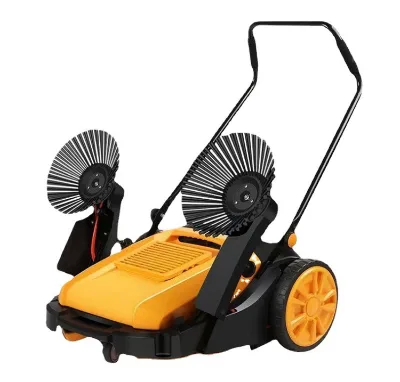
Industrial Push Cleaning Floor Cleaner Walk Behind Electric Hand Street Road Sweeper
$650.00 - $1500.00
MOQ: 1 Pieces

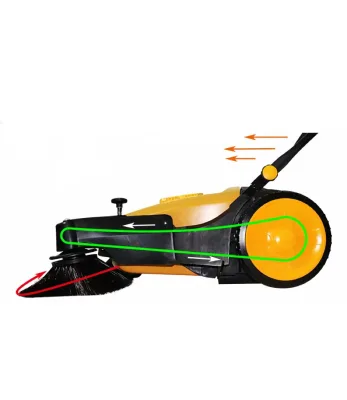
Commercial Manual Hand Push Floor Sweeper / Mini Road Sweeper Manual Sweeper
$650.00 - $1500.00
MOQ: 1 Pieces
Shanxi Cophilo Industry Co., Ltd.
- Manufacturer, Trading Company
- Shanxi, China
- Lead time30 days
- Avg. response≤ 1h
Main productsFloor Sweeper, Floor Scrubber, Pressure Washer
Main marketsNorth America(30.00%), Western Europe(28.00%), Mid East(25.00%), Southeast Asia(15.00%), Oceania(2.00%)
Shanghai Flying Fish Machinery Manufacturing Co., Ltd.
- Manufacturer, Trading Company
- Lead time旺季: "1 - 1":31,"> 1":"To be negotiated", 淡季: "1 - 1":31,"> 1":"To be negotiated"
- Avg. response≤ 2h
Main productsIndustrial Washer Extractor, Industrial Tumble Dryer, Stacked Washer Dryer, Flatwork Ironing Machine, Bed Sheet Folding Machine
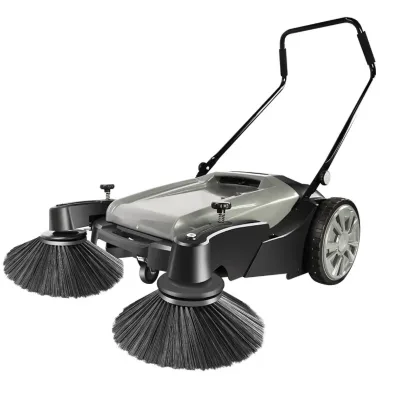
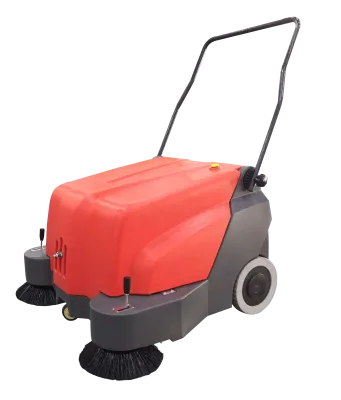
Hand Push Handheld Manual Sweeper Manual Floor Sweeper
$805.00 - $925.00
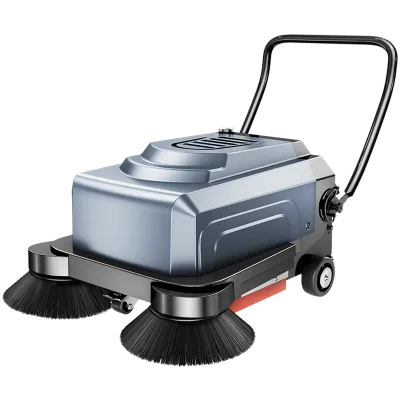
Industrial Floor Sweeper Walk Behind for Cleaning Road Street
$805.00 - $925.00
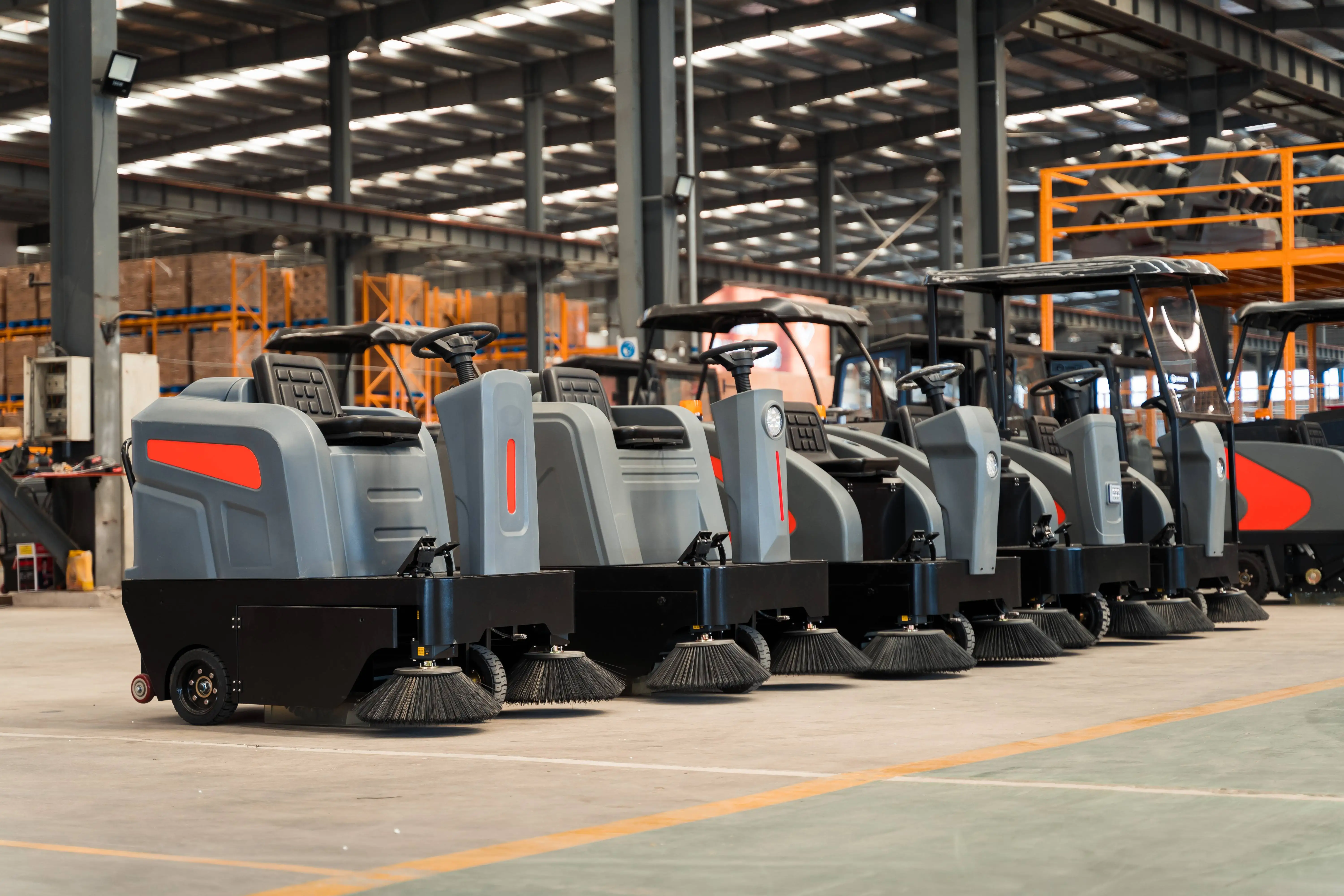
Anhui Aikerui Environmental Protection Technology Co., Ltd.
- Trading Company
- Anhui, China
- Lead time30 days
- Avg. response≤ 6h
Main productsFloor Scrubber/Floor Sweeper/Floor Polisher/Vacuum Cleaner/Cleaning Equipment
Main marketsOceania(43.00%), Southern Europe(13.00%), Northern Europe(13.00%), Western Europe(13.00%), Eastern Europe(12.00%), Africa(4.00%), South America(2.00%)
Henan Lvlon Industrial Co., Ltd.
- Verified by SGS Group
- Manufacturer, Trading Company
- Lead time0 days
- Avg. response≤ 1h
Main productsFeed Pellet Machine, Feed Production Line, Chaff Cutter, Hammer Mill, Extruder
Main marketsSoutheast Asia(30%), Africa(30%), Mid East(16%)
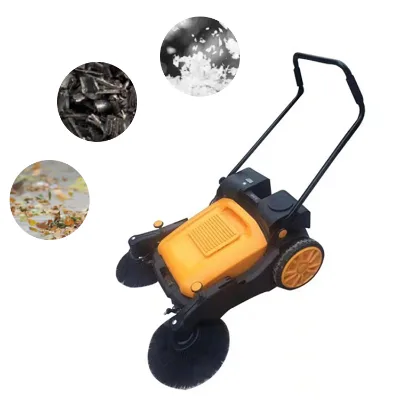
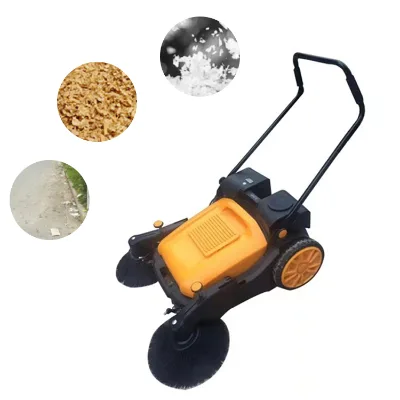
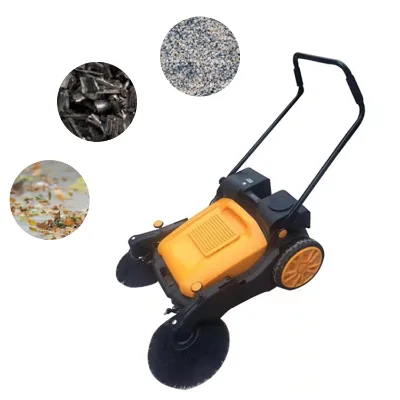
$145.0327 - $165.7519
MOQ: 1 pieces
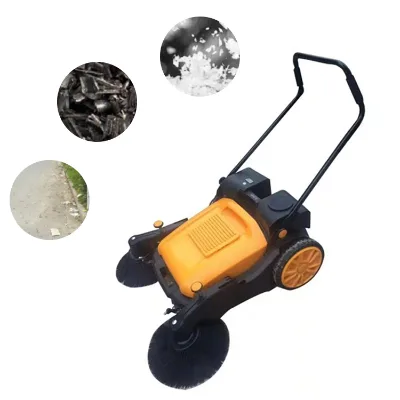
Road Manual Sweepers Pushing Floor Electric Sweeper for Public/park/street Sweeper
$146.1435 - $167.0201
MOQ: 1 pieces
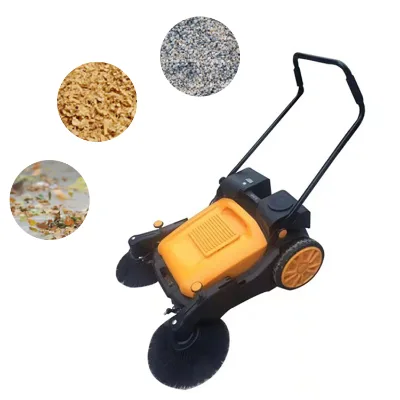
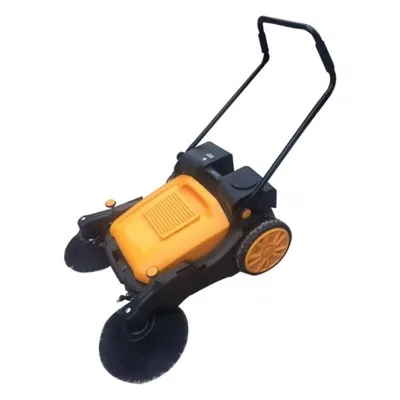
Walk Behind Hand Push Industrial Floor Sweeper Is Suitable for Courtyard Workshop Cleaning Equipment
$145.1317 - $165.8644
MOQ: 1 pieces

- Verified by BV
- Trading Company,Manufacturer/Factory,Group Corporation
- China Zhejiang
- Lead time0 days
- Avg. response≤ 5h
Main productsElectric Hoist, Lift Table, Electric Work Platform, Stacker, Pallet Truck, Mechanical Steel Jack, Order Picker
Main marketsSouth America,Eastern Europe,North America,Southeast Asia,Eastern Asia

Walk Behind Floor Sweeper Manual & Electric Hand Push Road Sweeper for Warehouse Yard Cleaning
$113.00 - $713.00
MOQ: 5 Pieces

Outdoor Hand Push Road Sweeper Manual Non-Electric and Battery Powered Walk Behind Floor Sweeper
$113.00 - $713.00
MOQ: 5 Pieces

Hand Push Type Road Sweeper Manual Sweeper and Electric Walk-Behind Sweeper for Parking Lot
$113.00 - $713.00
MOQ: 5 Pieces

Industrial Walk Behind Road Sweeper Manual Hand Sweeper & Electric Floor Sweeper for Outdoor Use
$113.00 - $713.00
MOQ: 5 Pieces
Baoding Hongruida Environmental Protection Equipment Manufacturing Co., Ltd.
- Manufacturer, Trading Company
- Hebei, China
- Lead time7 days
- Avg. response≤ 2h
Main productsIndustrial Sweeper,Floor Scrubber,High Pressure Washer Vehicle,Snowplow,Ice Resurfacer
Main marketsDomestic Market(50.00%), North America(15.00%), South Asia(15.00%), Western Europe(10.00%), Eastern Asia(10.00%)
Changzhou Hantechn Imp. & Exp. Co., Ltd.
- Verified by SGS Group
- Trading Company
- Lead time35 days
- Avg. response≤ 2h
Main productsPower Garden Tools, Cordless Tools, Agriculture Machinery, Garden Hand Tools, Gasoline Garden Tools
Main marketsWestern Europe(30%), South America(15%), North America(10%)
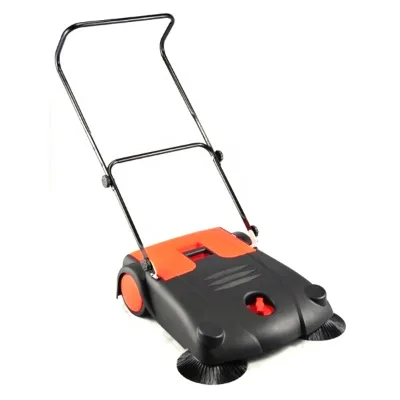
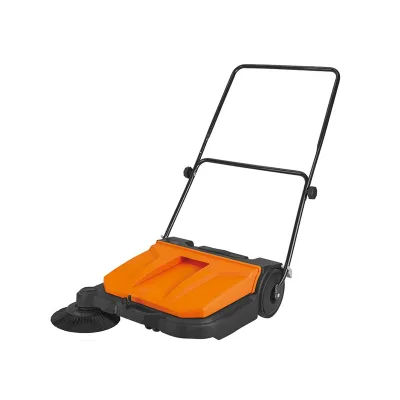
Hantechn Durable Mini Parking Garage Outdoor Hand Push Road Floor Sweeper
$50.04 - $54.28
MOQ: 500 pieces
- Verified by Intertek
- Trading Company
- Lead time7 days
- Avg. response≤ 1h
Main productsFruit Vegetable Machine, Meat Processing Machine, Pastry Bakery Machine, Snack Machine, Feed Processing Machine
Anhui Solvion Intelligent Manufacturing Co., Ltd.
- Verified by TüVRheinland
- Trading Company
- Lead time3 days
- Avg. response≤ 20h
Main productsFloor Scrubber, Floor Sweeper, Vacuum Cleaner, Sanitation Truck, Washing Machine
Main marketsSoutheast Asia(25%), Western Europe(15%), North America(10%)
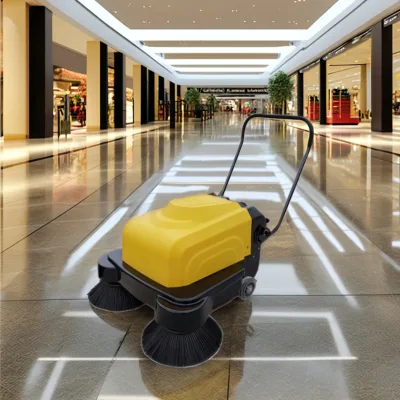
$557.5036 - $605.7594
MOQ: 1 pieces
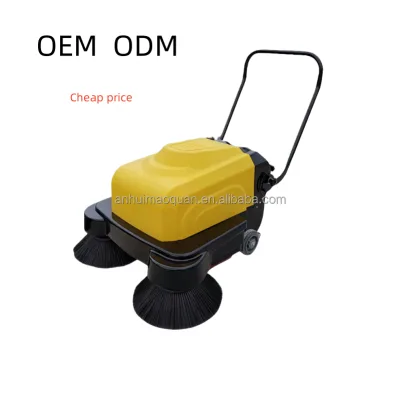
$543.00 - $590.00
MOQ: 1 pieces
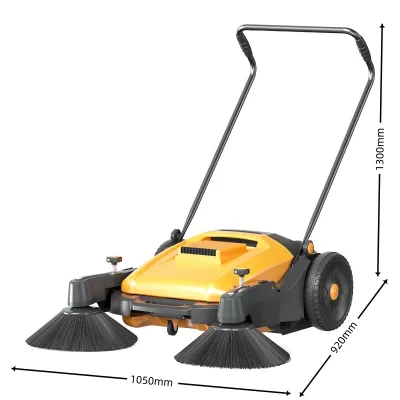
$58.524 - $69.8174
MOQ: 1 pieces
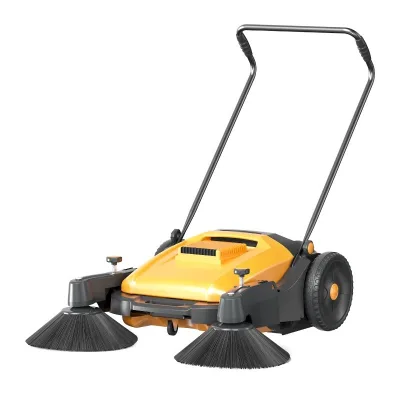
$58.524 - $69.8174
MOQ: 1 pieces
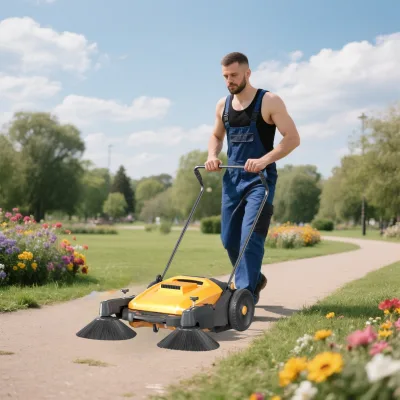
$58.524 - $69.8174
MOQ: 1 pieces
Hubei Chuanchu Import And Export Co., Ltd.
- Verified by SGS Group
- Trading Company
- Lead time20 days
- Avg. response≤ 3h
Main productsFuel Tanker Truck, Iso Tank Container, Chemical Tanker Truck, Environmental Sanitation Vehicle, Refrigerated Truck
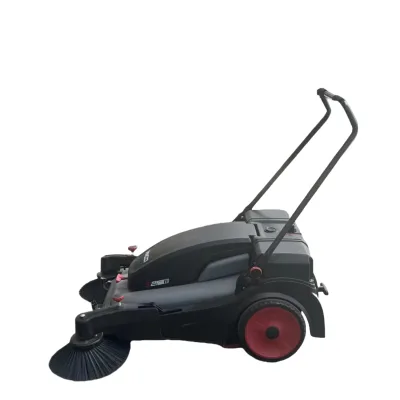
New Arrivals Cheap Price Hand Push Sweeper No Electric Sweeper With Cabin
$2500.00 - $3000.00
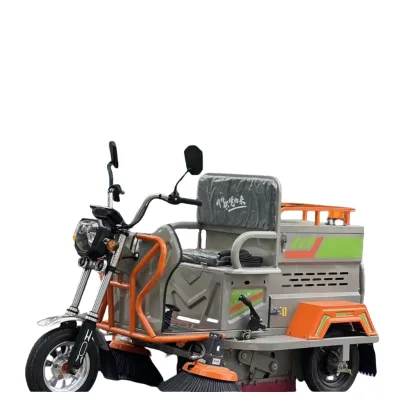
Hot-selling Small Electric Street Sweeper, Small Road Sweeper, Electric Street Sweeping Machine
$2572.0592 - $3086.471
MOQ: 1 units
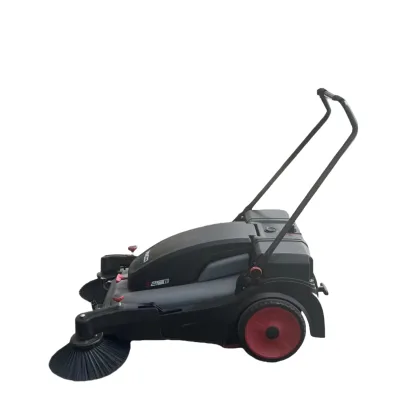
Cheap Mini Walk Behind Electric Road Sweeper Floor Sweeper For Sale
$2627.9719 - $3153.5662
MOQ: 1 units
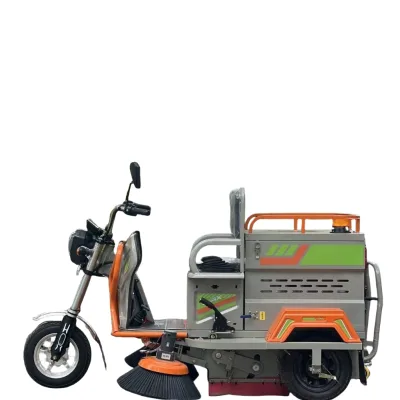
$2573.8205 - $3088.5846
MOQ: 1 units
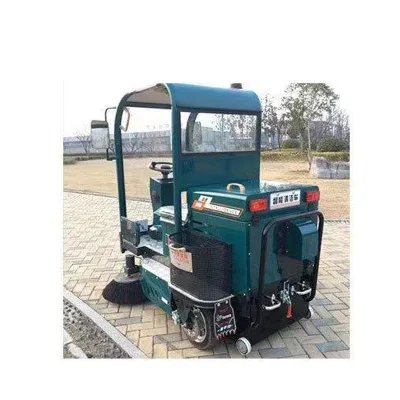
High Quality Electric Brushes Industrial Road Sweeper With Led Working Light
$2573.8205 - $3088.5846
MOQ: 1 units

Guangzhou Leo Cleaning Product Co., Ltd.
- Manufacturer, Trading Company, Distributor/Wholesaler
- Guangdong, China
- Lead time7 days
- Avg. response≤ 1h
Main productswet and dry vacuum cleaner,floor brush machine,air blower,floor scrubber,janitor cart
Main marketsEastern Europe(15.00%), Northern Europe(15.00%), Western Europe(15.00%), South America(10.00%), North America(10.00%), South Asia(5.00%), Central America(5.00%), Southeast Asia(5.00%), Eastern Asia(5.00%), Southern Europe(5.00%), Domestic Market(5.00%), Africa(2.00%), Mid East(2.00%), Oceania(1.00%)
Wuhu Anrunto Environmental Protection Equipment Co., Ltd.
- Manufacturer, Trading Company
- Anhui, China
- Lead time7 days
- Avg. response≤ 2h
Main productsFloor Scrubber,Floor Sweeper,Floor Polishers,High Pressure Cleaner,Vacuum Cleaners
Main marketsNorth America(15.00%), South America(15.00%), Eastern Europe(15.00%), Oceania(15.00%), Northern Europe(15.00%), Southern Europe(15.00%)
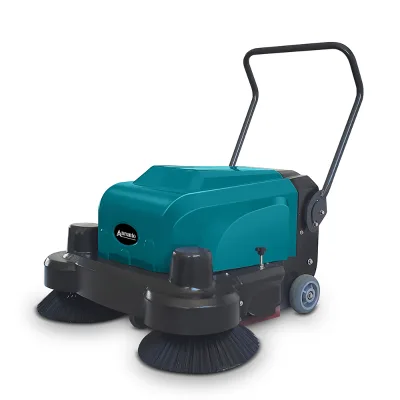
Excellent Quality Low Price Hand Push Garden Pavement Sweeper
$550.00 - $730.00
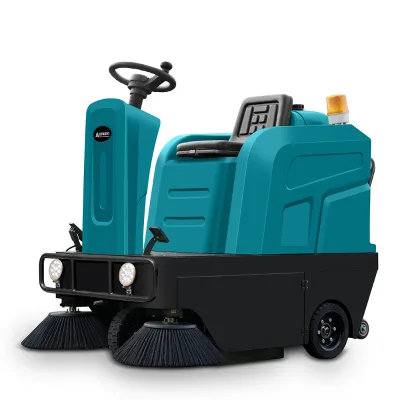
Anrunto Electric Battery Small Street Cleaning Floor Road Sweeper
$1100.00 - $1580.00

Nanjing Alton Technology Co., Ltd.
- Verified by SGS
- Combined
- China Jiangsu
- Lead time30 days
- Avg. response≤ 4h
Main marketsOthers(foreignTradeCapacity.exportBusinessCapacityMarketOther),Southeast Asia/ Mideast,Europe,North America

Shandong BONHUE Machinery Equipment Co., Ltd.
- Verified by CTI
- Combined
- China Shandong
- Lead time30 days
- Avg. response≤ 8h
Main productsLoader, Tractor, Sanitation Vehicle, Forklift, Truck, Sanitation Tricycle, Trash Can, Silage Film, Construction Machinery, Road Sweeper
Main marketsDomestic
Wuhu Anrunto Cleaning Equipment Technology Co., Ltd.
- Manufacturer, Trading Company
- Lead time旺季: "1 - 1000":7,"> 1000":"To be negotiated", 淡季: "1 - 1000":7,"> 1000":"To be negotiated"
- Avg. response≤ 7h
Main productsFloor Scrubber,Floor Sweeper,Vacuum Cleaner,Floor Polishing Machine,Floor Cleaning
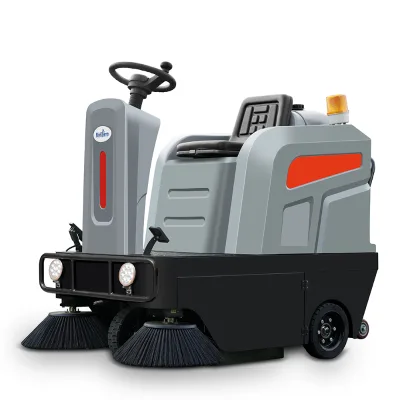
Hot Sale Factory Price Electric Sweeper Streets
$1100.00 - $1590.00
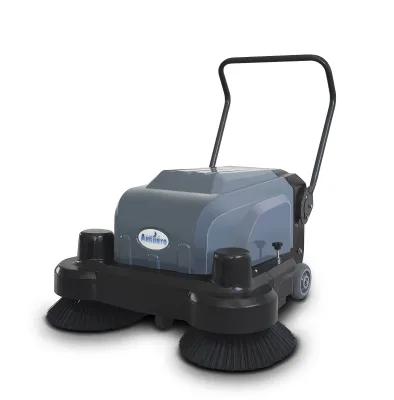
Fashionable Design Hot Sale Electric Driveway Floor Sweeper
$550.00 - $730.00
Qingdao Maytop International Trade Co., Ltd.
- Verified by TüVRheinland
- Trading Company
- Lead time0 days
- Avg. response≤ 2h
Main productsGolf Cart, Electric Car, ATV, ATV With Trailer, Buggy
Main marketsNorth America(55%), South America(20%), Eastern Europe(10%)
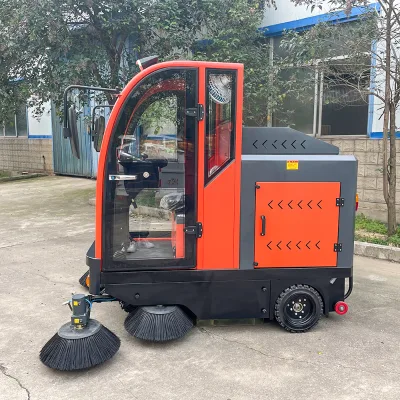
Industrial Sweeper Electric Electric Four-wheels Sweeper Factory Workshop Street Road
$5346.2195
MOQ: 1 Minimum
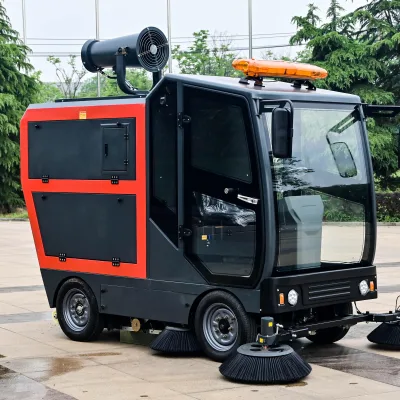
Electric Sweeper Carts Floor Sweeper Carts Sweepers Professional Floor Sweeper
$1840.3343 - $2765.6415
MOQ: 1 sets
Anhui Meiruichi Environmental Protection Technology Co., Ltd.
- Manufacturer
- Anhui, China
- Lead time30 days
- Avg. response≤ 5h
Main productsFloor scrubber,Sweeper,Ride-on Scrubber,Hand push floor scrubber,Mopping machine
Main marketsDomestic Market(40.00%), Western Europe(20.00%), North America(15.00%), Mid East(10.00%), Eastern Asia(5.00%), South Asia(5.00%), Africa(5.00%)
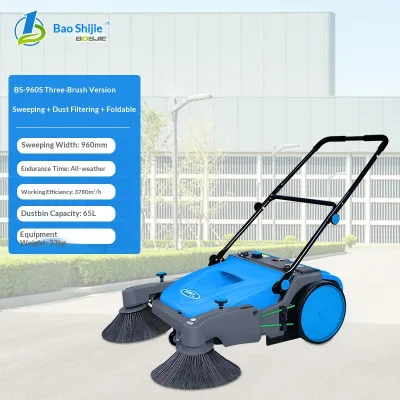
$310.5583 - $516.0907
MOQ: 1 Minimum
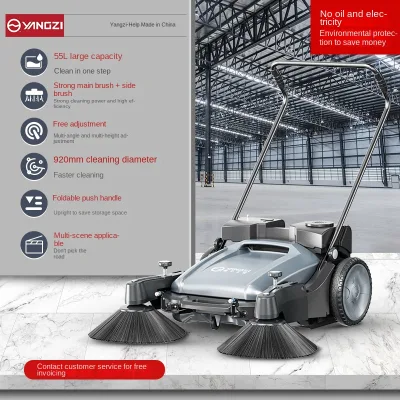
$98.6672 - $326.1554
MOQ: 1 Minimum
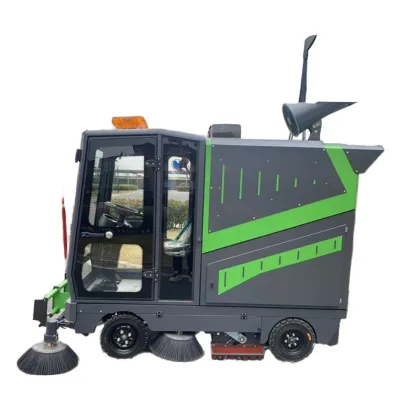
48V Electric Sit-down Road Sweeper Factory Outdoor Vacuum Street Sweeper
$5600.00 - $6500.00
Shandong keruide Heavy Machinery co.,ltd
- Verified by TüVRheinland
- Manufacturer, Trading Company
- Lead time3 days
- Avg. response≤ 4h
Main productsExcavator, Forklift, Skid Steer Loader, Tricycle, Road Roller
Main marketsDomestic Market(25%), North America(20%), Eastern Europe(20%)
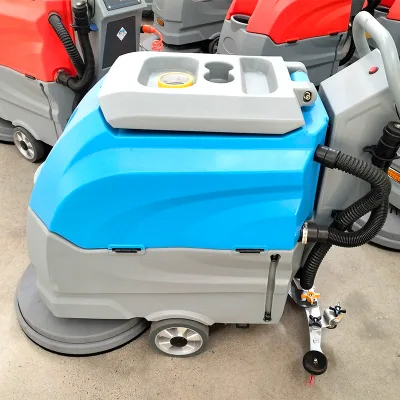
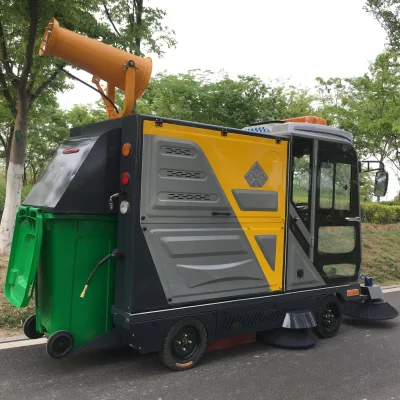
$688.00 - $770.00
MOQ: 1 pieces
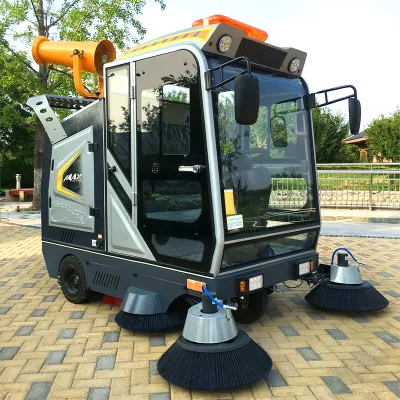
$3199.00 - $3299.00
MOQ: 1 sets
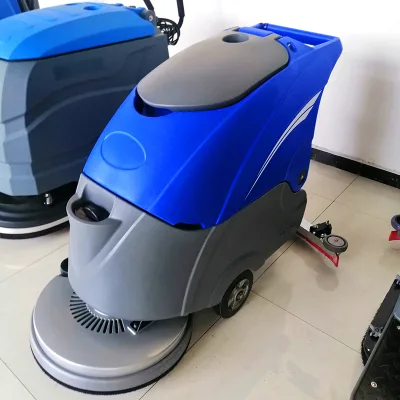
$3666.00 - $3999.00
MOQ: 1 pieces
Henan Ideal Machinery Equipment Co., Ltd.
- Trading Company
- Henan, China
- Lead time7 days
- Avg. response≤ 5h
Main productsSteel Bar Cutting Machine/Steel Bar Bending Machine,Road Roller,Trowel Machine,Tamping Rammer
Main marketsSoutheast Asia(20.00%), South Asia(10.00%), Mid East(10.00%), Eastern Europe(10.00%), South America(10.00%), Africa(5.00%), Southern Europe(5.00%), Northern Europe(5.00%), Central America(5.00%), Western Europe(5.00%), Eastern Asia(5.00%), Oceania(5.00%), North America(5.00%)
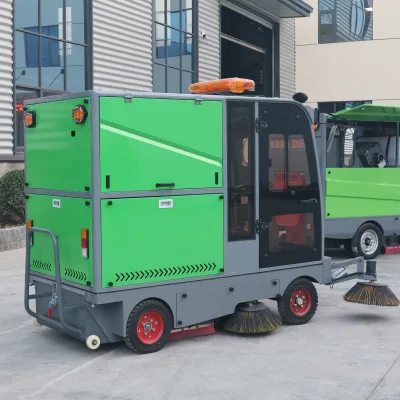
Commercial Three Wheeled Mini Electric Street Sweeper Industrial Cleaning Small Road Sweepers
$2560.00 - $3200.00
MOQ: 1 sets
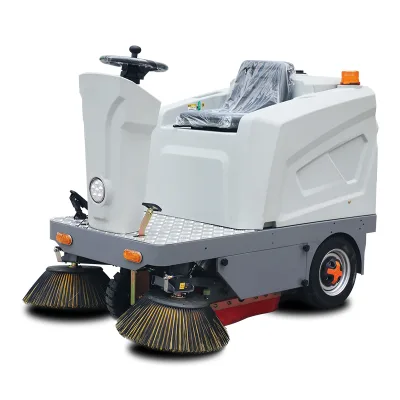
Mini Electric Street Sweeper Ride-on Floor Sweeper for Exhibition Halls Farms Roads Directly
$1126.2976 - $1279.8837
MOQ: 1 sets

Shandong Tengda Heavy Industry Machinery Co., Ltd.
- Verified by SGS
- Trading Company
- China Shandong
- Lead time15 days
- Avg. response≤ 2h
Main productsElectric Forklift, Fuel-Powered Forklift, Golf Cart, Crane, Photovoltaic Cleaning Machine, Sweeper
Main marketsSouth America,Africa,Europe,Australia,North America

High-Performance Electric Road Sweeper for Use Parks or Other Public Places Street Sweeper
$3750.00 - $3888.00
MOQ: 1 Pieces

Electric Road Sweeper 4 Wheel Battery Powered Street Sweeper for Municipal Use
$2000.00 - $2100.00
MOQ: 1 Pieces

Compact Electric Street Sweeper for Narrow Urban Roads and Community Use Floor Sweeper
$3750.00 - $3888.00
MOQ: 1 Pieces

Compact Electric Street Sweeper Mini Road Sweeper for Factory Floor & Warehouse Cleaning
$2000.00 - $2100.00
MOQ: 1 Pieces

Jinkung Industrial (Shandong) Corporation
- Verified by TUVRHEINLAND
- Combined
- China Shandong
- Lead time30 days
- Avg. response≤ 3h
Main productsPolyurethane Foam Machine, Mining Machinery, Construction Engineering Equipment, Excavators, Rollers, Agriculture Equipments, Loaders
Main marketsSouth America,East Asia(Japan/ South Korea),Europe,North America

Multifunctional Electric Sweeper Automatic Street Sweeper Industrial Sweeper
$4399.00 - $4686.00
MOQ: 1 Pieces

Hubei Chenyang Special Vehicles Co., Ltd.
- Trading Company
- Hubei, China
- Lead time0 days
- Avg. response≤ 5h
Main productssprinkler,Garbage truck,Refrigerator car,Concrete mixer truck,oil tank truck

Niuli Machinery Manufacture Co., Ltd.
- Verified by BV
- Trading Company,Manufacturer/Factory,Other
- China Guangdong
- Lead time0 days
- Avg. response≤ 4h
Main productsHand Pallet Truck, Stacker, Hydraulic Lift, Lift Table, Forklift, Forklift Truck, Powered Forklift Truck, Car Lift, Hand Stacker, Hydraulic Dock Ramp
Main marketsSouth America,Eastern Europe,Mid East,North America,Southeast Asia,Eastern Asia,Oceania,Western Europe,Africa

Advanced Electric Road Sweeper for Superior Street Cleaning Efficiency
$6560.00 - $6800.00
MOQ: 1 Pieces

Luohe Lemo Machinery Equipment Co., Ltd.
- Verified by TüVRheinland
- Trading Company
- Lead time15 days
- Avg. response≤ 4h
Main productsMeat Grinder, Bowl Cutter, Slicer, Beef Patty Machine
Main marketsNorth America(20%), Western Europe(20%), Eastern Europe(8%)
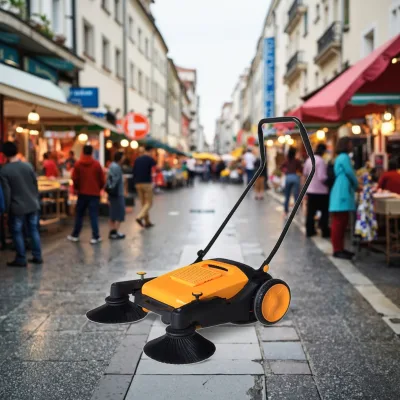
Manual Floor Sweeper for Road and Street Cleaning - New Condition Burnishing Use
$550.00 - $579.00
MOQ: 1 pieces
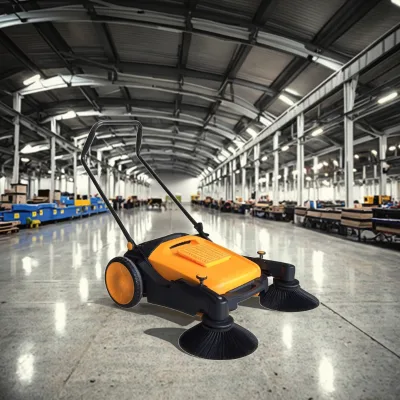
Manual Walk-Behind Floor Sweeper - Ideal for Road and Street Cleaning, New Condition
$245.00 - $269.00
MOQ: 1 pieces




Comprehensive Sourcing Guide
Electric Hand Push Street Sweeper Supplier Concentration and Factory Types
The current supplier landscape for electric hand push street sweepers reveals a distinct geographic concentration in China, with specific manufacturing hubs identified in Anhui and Henan provinces. Suppliers in Anhui are characterized as combined entities, indicating a blend of trading and manufacturing capabilities, which often allows for greater flexibility in product customization and brand representation. These facilities typically hold ISO9001:2015 and ISO14001:2015 certifications, suggesting a structured approach to quality management and environmental responsibility. In contrast, suppliers located in Henan province, particularly in Jiaozuo, present a different operational profile. While some Henan-based suppliers also offer OEM and ODM services, their certification status varies, with some displaying no listed system certifications in the current results. This divergence highlights the importance of verifying the specific factory type and compliance status of each potential partner, as the presence of a combined company type does not guarantee uniform quality standards across all regions.
Understanding the factory type is crucial for determining the level of control a buyer has over the production process. Combined companies often act as intermediaries or have integrated sales and production arms, which can streamline communication but may add layers to the supply chain. Pure manufacturing facilities, if identified, would typically offer more direct access to production lines and potentially lower costs due to the absence of trading margins. However, the current data shows a mix of capabilities, with suppliers offering everything from semi-automatic hand-push models to more complex ride-on units. Buyers must assess whether the supplier’s primary focus aligns with their specific needs, whether that be high-volume production of standard models or specialized customization for unique operational environments. The presence of main products like floor scrubbers and industrial vacuums alongside sweepers suggests a broader cleaning equipment portfolio, which can be advantageous for buyers seeking a consolidated supplier for multiple cleaning solutions.
How to Verify Electric Hand Push Street Sweeper Suppliers
Verification is a critical step in mitigating risk when sourcing electric hand push street sweepers, as the market contains a mix of verified and unverified entities. Buyers should prioritize suppliers who have undergone third-party verification processes, such as BV (Bureau Veritas) checks, which provide an additional layer of confidence regarding the supplier’s legitimacy and operational capacity. In the current results, at least one supplier in Anhui is marked as BV verified, indicating that their business licenses and factory conditions have been inspected by an independent agency. This verification status is a strong positive indicator, but it should not be the sole criterion for selection. Buyers must also scrutinize the supplier’s response time, which serves as a proxy for their operational efficiency and customer service quality. A response time of approximately 1.76 hours for verified suppliers suggests a responsive team, whereas a slightly higher response time of 1.89 hours for other suppliers may indicate a different operational pace or resource allocation.
Beyond verification badges and response metrics, buyers should actively request and review specific documentation to validate claims. This includes asking for copies of ISO9001:2015 and ISO14001:2015 certificates for suppliers who claim these certifications, ensuring they are current and issued by accredited bodies. For suppliers without listed certifications, buyers should inquire about their internal quality control processes and whether they conduct regular product testing. It is also essential to verify the origin of the products, as some listings may indicate a general origin of China while specifying a more precise location like Jiaozuo, Henan. Buyers should confirm that the stated origin matches the actual manufacturing site to avoid discrepancies in shipping costs or regulatory compliance. Additionally, checking the supplier’s main products list can help determine if they are a specialized manufacturer or a general trader, as a focused product line often correlates with deeper technical expertise and better after-sales support for electric hand push street sweepers.
What to Compare Across Electric Hand Push Street Sweeper Suppliers
When evaluating multiple suppliers, buyers must compare key operational metrics such as lead time, minimum order quantity (MOQ), and pricing to determine the best fit for their business model. The current data shows a lead time of 15 days for some suppliers, which is a standard benchmark for manufacturing and shipping, but buyers should confirm if this timeline includes production, testing, and logistics. MOQs vary significantly, with some suppliers offering an MOQ of just one unit, which is ideal for small-scale testing or niche applications, while others require a minimum of three units. This variation allows buyers to align their order size with their inventory strategy and cash flow constraints. Pricing is another critical factor, with ranges spanning from $650 to $950 for certain models and up to $1999 for more advanced units. Buyers should not only look at the lowest price but also consider the value proposition, including the inclusion of accessories, warranty terms, and the quality of components like batteries and brushes.
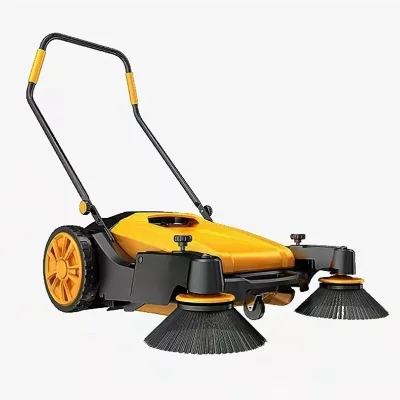
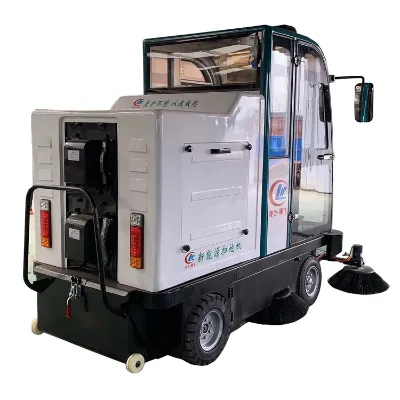
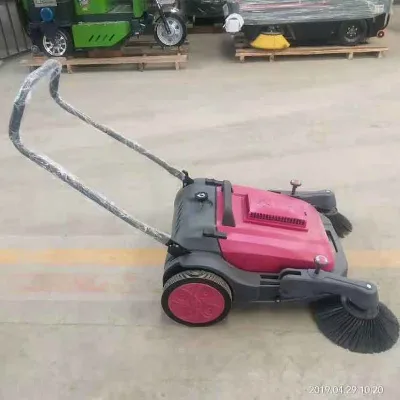
Technical specifications and customization options are equally important when comparing suppliers. Buyers should assess the automation level, with options ranging from semi-automatic to fully automatic systems, and the operation type, such as hand-push versus ride-on configurations. The cleaning width, brush structure, and power supply type are key differentiators that impact the sweeper’s performance in specific environments. For instance, a disc-type brush structure may be suitable for smooth indoor floors, while a drum-type brush might be better for rough outdoor surfaces. Buyers should also compare the battery capacity and water tank size, as these directly influence the sweeper’s runtime and cleaning efficiency. Customization availability is another point of comparison, with some suppliers offering ODM and OEM services, allowing for branded products or specific feature modifications. By systematically comparing these attributes, buyers can identify suppliers that offer the best balance of cost, performance, and flexibility for their specific operational requirements.
Common Electric Hand Push Street Sweeper Sourcing Risks
One of the primary risks in sourcing electric hand push street sweepers is the potential mismatch between advertised specifications and actual product performance. Buyers may encounter discrepancies in key metrics such as sweeping width, battery capacity, or dustbin volume, which can significantly impact the sweeper’s effectiveness in real-world applications. For example, a supplier might advertise a sweeping width of 1050mm, but the actual unit may perform differently due to variations in brush alignment or motor power. Another risk is the quality of the battery, which is a critical component for electric sweepers. Buyers should be cautious of suppliers who do not specify the battery type or capacity clearly, as low-quality batteries may have a short lifespan or fail to hold a charge, leading to increased maintenance costs and downtime. Additionally, the condition of the product, whether new or refurbished, should be explicitly stated to avoid receiving used or damaged equipment.
Regulatory compliance and certification validity are also significant risks that buyers must address. While some suppliers display CE, RoHS, or CB certifications, buyers must verify that these certifications are genuine and applicable to the specific model being purchased. Counterfeit or expired certifications can lead to customs delays, fines, or safety issues in the buyer’s home market. Furthermore, the lack of system certifications, such as ISO9001, for some suppliers may indicate weaker quality control processes, increasing the risk of inconsistent product quality. Buyers should also be aware of the potential for hidden costs, such as shipping fees, import duties, and assembly charges, which can inflate the total cost of ownership. To mitigate these risks, buyers should request detailed product datasheets, certification copies, and clear pricing breakdowns before finalizing any orders. Establishing a clear communication channel with the supplier to address any concerns promptly is also essential for managing expectations and ensuring a smooth transaction.
Electric Hand Push Street Sweeper Regional Sourcing and Logistics
Sourcing electric hand push street sweepers from China involves navigating regional logistics and shipping considerations that can impact delivery times and costs. Suppliers in Anhui and Henan provinces are the primary sources identified in the current results, each offering distinct logistical advantages. Anhui-based suppliers, often combined entities, may have established relationships with international shipping partners, facilitating smoother export processes. Henan-based suppliers, particularly those in Jiaozuo, may benefit from proximity to major transportation hubs, potentially reducing inland transportation costs. Buyers should consider the packaging method, as some suppliers offer paper box packaging while others use wooden box packaging or nude container loading. The choice of packaging can affect the protection of the sweeper during transit and the overall shipping volume, which in turn influences freight costs. For instance, a package size of 10201000700mm for a standard model will have different volumetric weight implications compared to a larger unit with a standard of 360024002300mm.
Logistics planning should also account for the lead time and the supplier’s ability to meet delivery deadlines. A lead time of 15 days is a common benchmark, but buyers should confirm if this includes production, quality control, and customs clearance. Delays can occur due to production bottlenecks, shipping container shortages, or regulatory inspections. Buyers should establish a clear timeline with the supplier, including milestones for production completion and shipment dispatch. Additionally, buyers should consider the impact of seasonal factors, such as holidays or peak shipping seasons, which can affect availability and pricing. It is advisable to book shipping space in advance, especially for larger orders, to ensure timely delivery. Buyers should also verify the supplier’s experience with international logistics, including their familiarity with export documentation and compliance requirements in the destination country. By proactively managing logistics, buyers can minimize disruptions and ensure that their electric hand push street sweepers arrive in optimal condition and on schedule.
Electric Hand Push Street Sweeper Commercial Terms and Order Planning
Commercial terms and order planning are essential components of a successful sourcing strategy for electric hand push street sweepers. Buyers should negotiate clear payment terms, such as a deposit followed by balance payment upon shipment, to protect their financial interests. It is also important to clarify the Incoterms, such as FOB or CIF, to determine who is responsible for shipping costs and insurance. The current data shows a wide range of prices, from $650 to $5500, depending on the model and specifications. Buyers should request detailed quotations that break down the cost of the unit, accessories, and any additional services, such as customization or extended warranties. MOQs vary, with some suppliers requiring a minimum of one unit and others three, so buyers should align their order quantity with their budget and inventory needs. For larger orders, buyers may be able to negotiate volume discounts or favorable payment terms.
Order planning should also include considerations for after-sales support and spare parts availability. Buyers should inquire about the warranty period and the supplier’s policy for handling defective units or providing replacement parts. Electric hand push street sweepers require regular maintenance, including battery replacement and brush wear, so having access to genuine spare parts is crucial for minimizing downtime. Buyers should also assess the supplier’s responsiveness to post-sale inquiries, as a quick response time indicates a commitment to customer satisfaction. Additionally, buyers should plan for the integration of the sweepers into their existing cleaning operations, considering factors such as charging infrastructure and storage space. By carefully planning the commercial terms and operational integration, buyers can ensure a smooth transition from procurement to deployment, maximizing the value and utility of their electric hand push street sweepers.
FAQs
What is the price range for electric hand push street sweepers?
Prices for these sweepers typically range from 650 to 5500 dollars depending on the model and specifications. Entry-level hand push units start around 650 dollars, while larger ride-on or high-capacity models can reach up to 5500 dollars. Buyers should verify specific pricing based on their required capacity and features.
What certifications do these sweepers usually have?
Many available models carry CE, RoHS, and CB certifications to ensure safety and compliance. Some suppliers also hold ISO9001:2015 and ISO14001:2015 system certifications for quality and environmental management. Buyers should confirm specific certification documents for each product listing before placing an order.
What is the minimum order quantity for these machines?
The minimum order quantity is often one unit for many Electric Hand Push Street Sweeper models. Some specific listings may require a minimum of three units for certain larger or specialized configurations. Always check the specific product page to confirm the exact MOQ before proceeding with a purchase.
How long does it take to receive these sweepers?
Lead times for these sweepers are generally around 15 days from order confirmation. Response times from suppliers are typically under two days, ensuring quick communication regarding order status. Buyers should confirm exact delivery schedules with the supplier as shipping times may vary based on destination.
Where are these sweepers manufactured?
These sweepers are primarily manufactured in China, with specific production hubs in Anhui and Henan provinces. Some listings specify origins like Jiaozuo in Henan Province. Buyers should verify the exact manufacturing location on the product details page to ensure it meets their sourcing preferences.
Can these sweepers be customized for specific needs?
Yes, customization is available for many models, including OEM and ODM services with own brand options. Buyers can request specific brush structures, battery capacities, or water tank sizes to fit their operational requirements. Confirm customization details and any additional costs directly with the supplier before finalizing the order.
What power supply options are available for these sweepers?
Most electric hand push street sweepers operate on battery power, with capacities like 12V70ah commonly found. Some models feature different battery configurations to suit varying operational durations. Buyers should check the specific battery capacity and continuous working hours listed for each model to ensure it meets their daily usage needs.