4HK1 4HF1 Engine Camshaft Suppliers and Manufacturers
Find 12 verified suppliers offering 4HK1 4HF1 Engine Camshaft parts with varying lead times, certifications, and prices. Compare response times, MOQs, and locations in China to source the right component for your needs today; review the available evidence before requesting comparable quotations from suitable candidates.
Updated
Suppliers List

Jinan Carman International Trade Co., Ltd.
- Verified by SGS
- Trading Company
- China Shandong
- Lead time15 days
- Avg. response≤ 3h
Main productsAuto Parts, Loaders, Fans, Excavator, Tire, Plastci Radiator Tanks, Plastic Fan Housing for Cars, Cooling Fan for Cars, Car Cooling System, Mechinery
Main marketsSouth America,Africa,Southeast Asia/ Mideast,Europe,North America


4HK1 6HK1 Excavator Accessories Direct Injection Efi Parts Crankshaft Camshaft
$70.00 - $75.00
MOQ: 10 Pieces

4HK1 6HK1 Excavator Accessories Truck Engine Spare Parts Camshaft Sensor
$12.00 - $15.00
MOQ: 10 Pieces

Jiangsu Sunlord Electronics & Machinery Co., Ltd.
- Trading Company,Manufacturer/Factory
- China Jiangsu
- Lead time38 days
- Avg. response≤ 11h
Main productsDiesel Engines, Auto Engines, Deutz Engines, Engines, Sofim Engines, Engine Diesel, Engine Parts, Auto Parts, Crankshaft&Camshaft
Main marketsSouth America,Eastern Europe,Mid East,North America,Southeast Asia,Eastern Asia,Oceania,Western Europe,Africa

Ruich Value (Shenyang) Tech Co., Ltd.
- Trading Company
- China Liaoning
- Lead time120 days
- Avg. response≤ 10h
Main productsCrankshaft, Turbocharger, Camshaft, Cylinder Head, LED Headlight, Brake, Piston and Rod, Liner, Cylinder Block
Main marketsEurope,Australia

Replacement Parts Camshaft for Isuzu 4hf1 Engine 4HK1/4HK1/4be1/4bc2/4bd1/4bc2
$10.00 - $25.00
MOQ: 1 Pieces


Shijiazhuang Mankai Auto Parts Sales Co., Ltd.
- Verified by SGS
- Trading Company
- China Hebei
- Lead time30 days
- Avg. response≤ 2h
Main productscamshaft
Main marketsDomestic

Huizhou Hompi Industrial Co., Ltd.
- Verified by SGS
- Trading Company
- China Guangdong
- Lead time15 days
- Avg. response≤ 3h
Main productsCylinder Head, Crankshaft, Camshaft, Turbo Charger, Connecting Rod, Cylinder Liner, Piston
Main marketsSouth America

- Verified by SGS
- Trading Company
- China Guizhou
- Lead time23 days
- Avg. response≤ 18h
Main productsMachine Tool, Auto Spare Parts, Crankshaft, Camshaft, Packing Machine, Labeling Machine, Filling Machine, Crown Wheel and Pinion, Connecting Rod, Piston Ring
Main marketsAfrica
Guangzhou Jupeng Trade Co., Ltd.
- Verified by TüVRheinland
- Trading Company
- Lead time7 days
- Avg. response≤ 5h
Main productsClutch, Flywheel, Water Pump, Crankshaft, Brake Drum
Main marketsSoutheast Asia(15%), Africa(15%), South America(10%)
Demahe (henan) Power Technology Co., Ltd.
- Trading Company
- Henan, China
- Lead time30 days
- Avg. response≤ 2h
Main productsEngine,Cylinder Block,Cylinder Head,Crankshaft,Camshaft
Main marketsAfrica(30.00%), Eastern Europe(20.00%), South America(20.00%), North America(10.00%), Southeast Asia(10.00%), Oceania(7.00%), Eastern Asia(2.00%), Central America(1.00%)
Guangzhou Dekai Auto Parts Co., Ltd.
- Trading Company
- Guangdong, China
- Lead time0 days
- Avg. response≤ 3h
Main productsISUZU NPR NQR Engine Parts,Brake Parts,Transmission Parts,ssis Parts,Body Parts
Main marketsEastern Europe(80.00%), Mid East(20.00%)
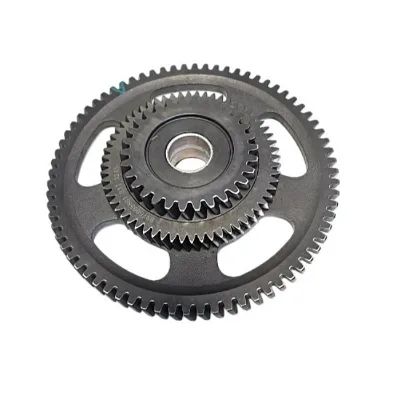
New Camshaft Double Gear 4HK1 for Engine Heavy Duty 1994-2001 Part WW10167 OE 8976005861
$18.6216 - $21.7255
MOQ: 10 pieces
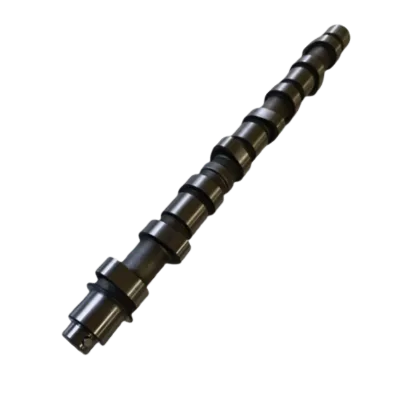
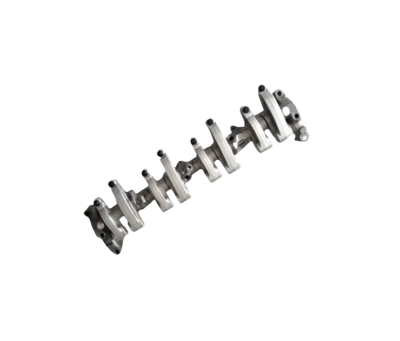
8971745880 Isuzu Heavy Duty 4HK1 Engine Camshaft Replacement Part for 1994-2001
$107.2928 - $122.6203
MOQ: 5 pieces

Hubei Kingland Industrial Co., Ltd.
- Verified by CTI
- Trading Company
- China Hubei
- Lead time15 days
- Avg. response≤ 6h
Main productsFuel Injector, Fuel Pump, Piston Kit, Liner Kit, Bearing, Gasket Set, Water Pump, Turbocharger, Sensor, Valve Kit
Main marketsSouth America,Africa,Southeast Asia/ Mideast,East Asia(Japan/ South Korea),Europe,North America

Shanghai Spb Industry Co., Ltd.
- Verified by SGS
- Trading Company,Manufacturer/Factory,Group Corporation
- China Shanghai
- Lead time30 days
- Avg. response≤ 5h
Main productsCar Spare Part, Suspension Parts, Ball Joint, Shock Absorber, C. V Joint, Brake Pad, Radiator, Stabilizer Bar, Oil Filter, Steering Rack
Main marketsSouth America,Eastern Europe,Mid East,North America,Southeast Asia,Eastern Asia,Oceania,Western Europe,Africa

High Quality Intake Engine Camshaft 058109022b 1.8t Exhaust Camshaft 058109022
$15.00 - $30.00
MOQ: 100 Pieces


Chengdu Zhijin Machinery Equipment Co., Ltd.
- Manufacturer/Factory
- China Sichuan
- Lead time0 days
- Avg. response≤ 6h
Main productsHydraulic Cylinder, Hydraulic RAM, Valve, Custom Made Metal Parts, Casting, Forging, Machining, Pulley, Pins, Fabricated Parts


High-Quality Engine Camshaft OE 06h198205A/06h198205c/5038419ab/12625436/038109101r/070109101p
$100.00 - $500.00
MOQ: 10 Pieces


High-Quality Engine Camshaft OE 5L1z6250bb/06f109101b/06f109102b/06h109021j/06h109022ba
$100.00 - $500.00
MOQ: 10 Pieces

High-Quality Engine Camshaft OE 03c109101DC/03c109101df/03f109101d/03L109021e/03p109021/ 5L1z6250AA
$100.00 - $500.00
MOQ: 10 Pieces


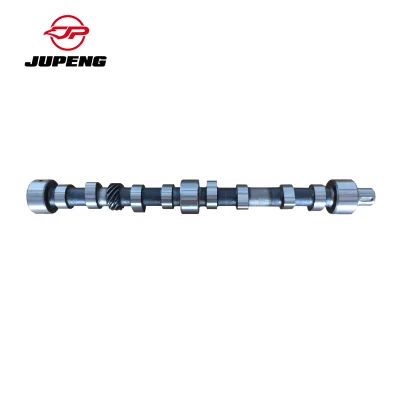
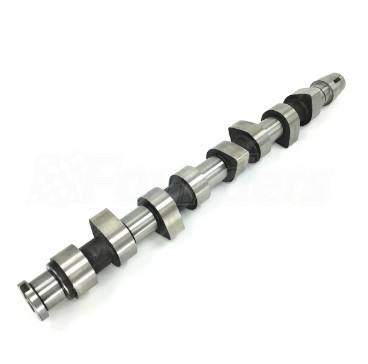
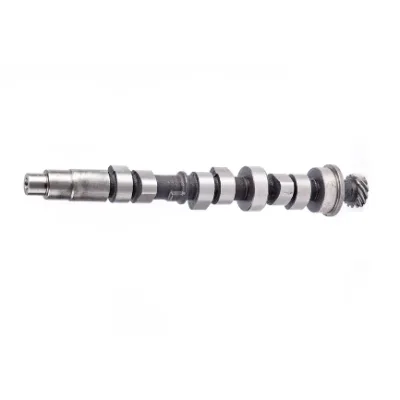


Comprehensive Sourcing Guide
4HK1 4HF1 Engine Camshaft Supplier Concentration and Factory Types
The current supplier landscape for 4HK1 and 4HF1 engine camshafts reveals a distinct geographic and operational concentration within China. Available data indicates that sourcing options are clustered in specific provinces, with notable presence in Shandong, Jiangsu, and Liaoning. Shandong suppliers often list a broad range of automotive components, including loaders, fans, and cooling systems, suggesting a diversified manufacturing base that supports engine part production. Jiangsu-based entities frequently highlight capabilities in diesel engines and auto engines, indicating a specialized focus on powertrain components. Meanwhile, Liaoning suppliers emphasize heavy-duty engine parts such as crankshafts, turbochargers, and cylinder heads, pointing to a robust industrial foundation for machining critical engine internals. This geographic distribution allows buyers to identify clusters based on regional industrial strengths, though specific factory locations must be verified through direct supplier inquiry. The concentration in these regions suggests established supply chains for raw materials like steel and iron, which are essential for camshaft manufacturing. Buyers should consider these regional hubs when evaluating potential partners, as proximity to raw material sources and specialized labor pools can influence both cost and quality consistency. Understanding these clusters helps in narrowing down the search to suppliers with relevant regional expertise and logistical advantages.
In terms of company structure, the market features a mix of trading companies and manufacturers. Some suppliers operate exclusively as trading entities, leveraging their networks to source parts from various factories, while others identify as manufacturers or factories with OEM capabilities. This distinction is crucial for buyers seeking either direct factory pricing or the flexibility of a trading company that can consolidate multiple part types. Trading companies may offer broader product ranges, such as complete engine assemblies or related accessories, whereas manufacturers might provide deeper technical customization and quality control over the production process. The presence of OEM capacity in some listings indicates that suppliers can produce parts to specific original equipment manufacturer specifications, which is vital for maintaining engine performance and compatibility. Buyers must carefully assess whether they require the direct manufacturing oversight of a factory or the logistical convenience of a trading company. This structural diversity means that sourcing strategies should be tailored to the specific needs of the order, whether it involves high-volume standard parts or specialized custom components. Evaluating the company type helps in predicting the level of direct involvement in production and the potential for technical support.
How to Verify 4HK1 4HF1 Engine Camshaft Suppliers
Verification of suppliers requires a multi-layered approach focusing on credentials, product evidence, and operational transparency. First, check for third-party verification badges such as SGS, which indicates that an independent agency has assessed the supplier’s business legitimacy. Additionally, review system certifications like ISO 9001 or ISO 9000, which demonstrate adherence to quality management standards. Product-level certifications are equally important; listings may display attributes such as DOT, ISO/TS, IATF, CE, or RoHS, which signal compliance with specific industry or regional standards. Buyers should request copies of these certificates and verify their validity with the issuing bodies. Furthermore, examine the product attributes closely, such as material composition (e.g., steel or iron), hardness ratings (e.g., HRC 45-60), and surface treatment specifications. These technical details provide insight into the manufacturing quality and durability of the camshafts. Suppliers that provide comprehensive product data, including packing standards and origin details, are generally more transparent and reliable. Cross-referencing these details with industry benchmarks helps in assessing whether the supplier’s claims align with expected quality levels for engine components.
Beyond documentation, direct communication and response metrics offer valuable insights into supplier reliability. Response times, such as those recorded at 2.50 or 10.23 hours, indicate how quickly a supplier engages with inquiries, which is critical for resolving technical questions or negotiating terms. A faster response time often correlates with better customer service and operational efficiency. Buyers should also inquire about warranty policies, with some suppliers offering 6 to 12 months of coverage, which reflects confidence in their product quality. Additionally, verify the supplier’s ability to provide pre-shipment testing, as some listings mention 100% testing before shipment, ensuring that defects are caught before delivery. It is also advisable to ask for sample units to physically inspect the camshaft’s finish, dimensions, and packaging. This hands-on verification helps confirm that the product matches the described specifications and quality standards. By combining document review, communication assessment, and physical inspection, buyers can build a comprehensive profile of each supplier’s reliability and capability, reducing the risk of partnering with unverified or underperforming vendors.
What to Compare Across 4HK1 4HF1 Engine Camshaft Suppliers
When evaluating multiple suppliers, key comparison dimensions include pricing, minimum order quantities (MOQ), lead times, and customization options. Pricing varies significantly based on the specific camshaft model and material; for instance, prices may range from $10 to $40 for certain aftermarket parts, while others can exceed $1000 for specialized or high-volume components. Buyers should compare these price points against the MOQ requirements, which can start as low as 10 units for some suppliers. Lower MOQs are advantageous for testing new suppliers or fulfilling small repair orders, while higher volumes may unlock better pricing tiers. Lead times are another critical factor, with some suppliers offering rapid delivery within 15 days, while others may require up to 120 days for complex or custom orders. Understanding these timelines helps in planning inventory and meeting customer delivery expectations. Additionally, assess the customization availability; some suppliers offer tailored solutions for specific engine models or performance requirements, which can be essential for niche applications. Comparing these factors side-by-side allows buyers to identify the best balance between cost, speed, and flexibility for their specific sourcing needs.
Other important comparison points include the supplier’s main product focus and geographic location. Suppliers specializing in auto parts and engine systems may offer deeper expertise and better quality control for camshafts compared to general trading companies. Geographic proximity to shipping ports can also impact logistics costs and transit times, with suppliers in Shandong, Jiangsu, and Liaoning offering different logistical advantages. Buyers should also compare the warranty terms, with some offering 6 months and others 12 months, which affects long-term risk management. Additionally, evaluate the packaging standards, such as carton boxes or neutral packaging, to ensure products arrive in good condition. Response speed is another differentiator, with faster responders often providing better support throughout the procurement process. By systematically comparing these attributes, buyers can create a weighted scoring matrix to objectively rank suppliers. This structured approach ensures that decisions are based on comprehensive data rather than isolated factors, leading to more informed and successful sourcing outcomes. It also helps in identifying suppliers that align best with the buyer’s specific operational requirements and strategic goals.
Common 4HK1 4HF1 Engine Camshaft Sourcing Risks
One significant risk in sourcing camshafts is the variability in product quality and material integrity. While some suppliers list certifications like ISO or ASTM, the actual material composition and hardness may not always match the specifications required for high-performance engines. Buyers must be cautious of suppliers who provide vague product descriptions or lack detailed technical data. Another risk is the discrepancy between quoted lead times and actual delivery dates. Suppliers may promise short lead times but fail to meet them due to production bottlenecks or supply chain disruptions. This can lead to inventory shortages and delayed customer deliveries, impacting business operations. Additionally, there is a risk of receiving counterfeit or substandard parts if the supplier lacks proper quality control measures. Some listings mention 100% testing, but without independent verification, this claim may not be reliable. Buyers should also be aware of the risk associated with trading companies that may not have direct oversight of the manufacturing process, potentially leading to inconsistencies in product quality. Understanding these risks allows buyers to implement mitigation strategies, such as requesting samples and conducting third-party inspections.
Another common risk is the lack of transparency in commercial terms and after-sales support. Suppliers may not clearly disclose warranty conditions or return policies, leaving buyers vulnerable to financial losses if products fail. Additionally, there is a risk of communication barriers, especially with suppliers in different regions, which can lead to misunderstandings regarding specifications or delivery instructions. Buyers should also be cautious of suppliers who do not provide detailed product attributes, such as engine type compatibility or model numbers, which can result in ordering incorrect parts. Furthermore, the risk of price fluctuations due to raw material costs, such as steel or iron, can impact the final cost of the camshafts. Buyers should negotiate fixed pricing or include clauses to address material cost changes. To mitigate these risks, buyers should conduct thorough due diligence, including verifying supplier credentials, requesting references, and establishing clear communication channels. Implementing strict quality control checks and maintaining open dialogue with suppliers can help minimize these risks and ensure a smoother sourcing process. By proactively addressing these potential issues, buyers can protect their interests and build more resilient supply chains.
4HK1 4HF1 Engine Camshaft Regional Sourcing and Logistics
Sourcing from specific regions in China offers distinct logistical advantages and challenges. Suppliers in Shandong, for instance, are often located near major ports, facilitating efficient export logistics for heavy machinery parts. This proximity can reduce inland transportation costs and shorten transit times to international destinations. Jiangsu suppliers, with their focus on diesel engines and auto parts, may benefit from a well-developed industrial infrastructure and skilled labor force, ensuring consistent production quality. Liaoning suppliers, specializing in heavy-duty engine components, may have access to specialized machining facilities and raw material sources, which can enhance production efficiency. Buyers should consider these regional strengths when selecting suppliers, as they can influence both cost and lead times. Additionally, regional logistics networks vary, with some areas offering more robust shipping options and customs clearance services. Understanding these regional dynamics helps buyers optimize their supply chain and reduce logistical bottlenecks. It is also important to consider the impact of regional weather patterns and holidays on production and shipping schedules, which can affect delivery timelines.
Logistics planning should also account for packaging and handling requirements. Camshafts are precision components that require careful packaging to prevent damage during transit. Suppliers may use carton boxes, pallets, or neutral packaging, each with different protective qualities. Buyers should ensure that the packaging meets international shipping standards to minimize the risk of damage. Additionally, consider the volume and weight of the shipments, as this affects freight costs and container utilization. For larger orders, sea freight is often the most cost-effective option, while air freight may be necessary for urgent or smaller shipments. Buyers should also evaluate the supplier’s experience with international logistics, including their ability to handle customs documentation and compliance requirements. Establishing clear logistics agreements with suppliers can help streamline the shipping process and reduce unexpected delays. By carefully planning regional sourcing and logistics, buyers can enhance supply chain efficiency and ensure timely delivery of high-quality camshafts. This strategic approach helps in building a reliable and responsive supply network that supports business growth.
4HK1 4HF1 Engine Camshaft Commercial Terms and Order Planning
Commercial terms play a crucial role in the procurement process, influencing cost, risk, and relationship dynamics. Buyers should negotiate clear payment terms, such as letters of credit or escrow services, to ensure financial security. Escrow can protect both parties by holding funds until the goods are received and verified. Additionally, clarify the Incoterms, such as FOB or CIF, to determine responsibility for shipping and insurance costs. Understanding these terms helps in accurately calculating the total landed cost of the camshafts. Buyers should also discuss pricing structures, including volume discounts and price validity periods, to avoid unexpected cost increases. Clear commercial terms reduce ambiguity and potential disputes,
FAQs
What is the price range for 4HK1 and 4HF1 camshafts?
Prices for these camshafts typically range from $10 to $1000 depending on the specific engine model and supplier. For example, 4HF1 replacement parts are listed between $10 and $25, while 4HK1 crankshaft and camshaft sets range from $70 to $75. Other 4HK1 camshafts are priced between $38 and $40, and sensors cost $12 to $15. Isuzu 4be1 models can range up to $1000.
What certifications are available for these engine parts?
Suppliers offer various certifications including ISO, ASTM, DOT, IATF, CE, RoHS, and TS16949. Specific listings show certifications like ISO/TS, ISO9001, CCC, and GSV. Buyers should verify the exact certification required for their market, as options vary by product type and manufacturer. Some parts also carry FSC, HACCP, and GMP labels depending on the supplier's capabilities.
What are the typical lead times for delivery?
Lead times vary significantly by supplier location and product type. One supplier in Shandong reports a lead time of 15 days, while another in Liaoning lists 120 days. Some listings specify a delivery window of 3 to 45 days. Buyers should confirm the exact timeline with the supplier, as manufacturing capacity and stock levels directly impact shipping schedules.
What is the minimum order quantity for these parts?
The minimum order quantity is typically 10 units for standard camshaft listings. Buyers should verify the specific MOQ with the supplier, as it may vary based on customization requirements or bulk pricing tiers. Some suppliers may offer different terms for OEM orders or specific engine models like 4HK1 or 4HF1.
Where are these suppliers located?
Suppliers offering these parts are located in China, specifically in provinces such as Shandong, Jiangsu, and Liaoning. Shandong suppliers handle various auto parts and excavator accessories. Jiangsu suppliers focus on diesel engines and camshafts for Isuzu and Deutz models. Liaoning suppliers specialize in crankshafts and camshafts for heavy machinery and trucks.
Do suppliers offer customization for these camshafts?
Yes, customization is available for many of these camshaft products. Suppliers explicitly list customization as an option for 4HK1 and 4HF1 parts. Buyers can request specific modifications to meet their engine requirements. It is advisable to discuss technical specifications and compatibility directly with the supplier to ensure the customized part fits the intended application.