Electric Toy Coffee Machine Suppliers and Manufacturers
Compare 35 verified Electric Toy Coffee Machine suppliers in Guangdong, China, evaluating response times, lead times, certifications, and pricing. Review product specifications and MOQs to select a suitable manufacturer for your needs; review the available evidence before requesting comparable quotations from suitable candidates.
Suppliers List
SHANTOU JUN FENG RONG TOYS CO., LTD.
- Manufacturer, Trading Company
- Guangdong, China
- Lead time15 days
- Avg. response≤ 1h
Main productsParty Favor Toys,Educational Toys,Baby Toys,Sport Toys,Doll Toys
Main marketsCentral America(37.00%), Northern Europe(20.00%), Southern Europe(15.00%), Western Europe(6.00%), North America(5.00%), South America(5.00%), Africa(4.00%), Eastern Europe(3.00%), Oceania(2.00%), South Asia(2.00%), Southeast Asia(1.00%)
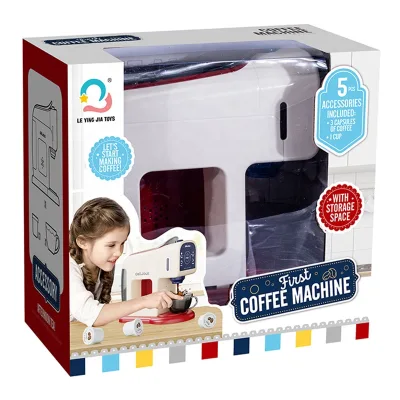
$3.84 - $4.21
MOQ: 108 sets
Guangdong Kidewan Toy Education And Culture Co.,Ltd.
- Manufacturer, Trading Company
- Guangdong, China
- Lead time14 days
- Avg. response≤ 4h
Main productsPretend Play,Science Kit,Black Doll,Kitchen Playsets,Outdoor Toys
Main marketsNorth America(55.00%), Western Europe(24.00%), Northern Europe(5.00%), Southeast Asia(5.00%), Southern Europe(4.00%), Eastern Europe(4.00%), Oceania(3.00%)
- Verified by TUVRHEINLAND
- Combined
- China Guangdong
- Lead time15 days
Main marketsSouth America,Southeast Asia/ Mideast,Europe,North America
Shantou Dio Toys Trade Co., Ltd.
- Verified by SGS Group
- Trading Company
- Lead time7 days
- Avg. response≤ 3h
Main productsDoll Toys, Track Toys, Educational Toys, RC Toys, Pretend Play Toys
Main marketsEastern Asia(12%), North America(10%), South America(10%)
- Verified by TüVRheinland
- Manufacturer, Trading Company
- Lead time18 days
- Avg. response≤ 5h
Main productsWooden Toys
Main marketsDomestic Market(30%), Western Europe(25%), North America(20%)

Shantou Chenghai Xaqi Toys Industrial Co., Limited
- Verified by BV
- Combined
- China Guangdong
- Lead time23 days
Main productsRemote Control Car, Educational Toy, Sport Toy, Pretend Play Toys, Remote Contro Toy, Baby Toy, Summer Toy, B/O Toy
Main marketsSoutheast Asia/ Mideast,Domestic,Europe
Shantou Jacko Toys Trading Co., Ltd.
- Verified by TüVRheinland
- Trading Company
- Lead time15 days
- Avg. response≤ 2h
Main productsR/C Toys, Educational Toys, Baby Toys, Track Car & Train, Pretend Play Toys
Main marketsWestern Europe(60%), North America(20%), Eastern Europe(20%)

Ruijin Baibaole E-Commerce Co., Ltd.
- Verified by BV
- Trading Company
- China Jiangxi
- Lead time15 days
Main productsToy, Educational Toy, Bubble Toy, Radio Control Toy, Building Block Toy, Children Toy, Plastic Toy, Outdoor Toy, Drawing Toy, DIY Toys
Main marketsNorth America
Shantou Maxland Trading Co., Ltd.
- Verified by SGS Group
- Trading Company
- Lead time15 days
- Avg. response≤ 3h
Main productsPlayhouse Toys, Remote Control Toys, Baby Toys, Educational Toys, Sport Toys
Main marketsMid East(30%), South America(10%), Eastern Europe(10%)
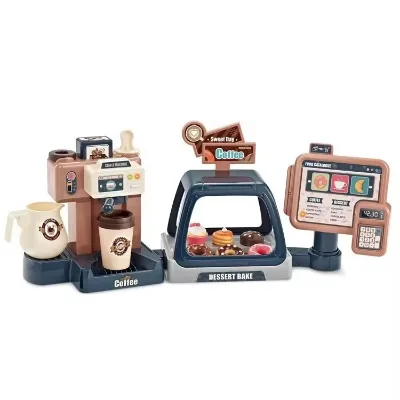
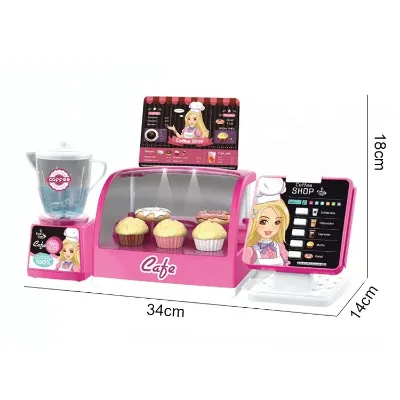
ITTL Home Play Electric Coffee Shop Set Happy Pretend Playing Kitchen Toys
$6.64 - $7.23
MOQ: 54 pieces
Shantou Combuy Toys&gifts Co., Ltd.
- Trading Company
- Guangdong, China
- Lead time30 days
- Avg. response≤ 3h
Main productsBaby Toys,Summer Toys,Pretend play toys,Educational Toys,RC TOYS
Main marketsNorth America(30.00%), Eastern Europe(20.00%), South America(20.00%), Western Europe(10.00%), Eastern Asia(10.00%), Mid East(10.00%)
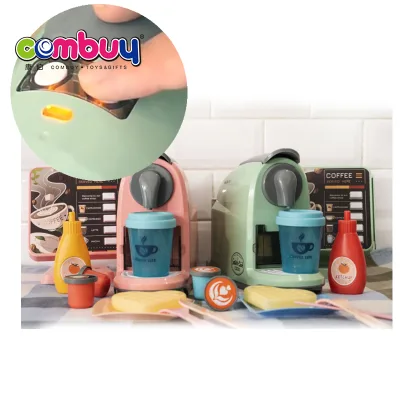
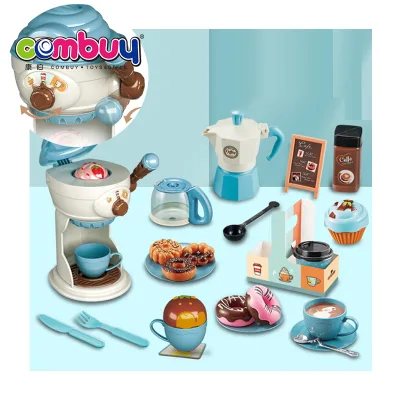
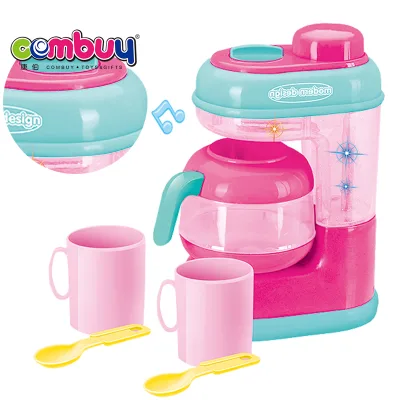
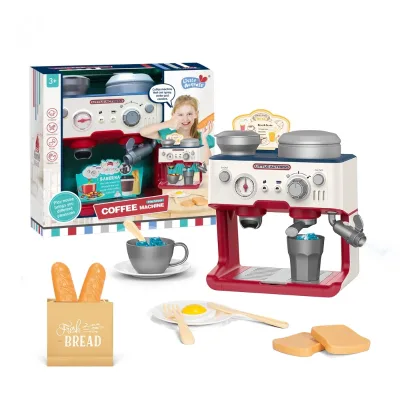
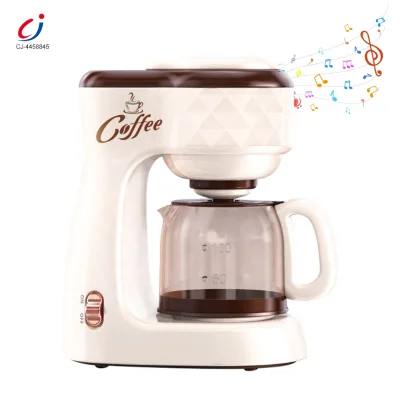
Happy House New Arrival Electric Light & Sound Pretend Play Kids Toy Plastic Coffee Making Machine
$2.67 - $2.75
MOQ: 120 pieces
Shantou Liansheng Toys Co., Ltd.
- Verified by TüVRheinland
- Trading Company
- Lead time15 days
- Avg. response≤ 4h
Main productsMontessori Toys, Play House Toys, Baby Toys, Building Block Toys, Sport Toys
Main marketsEastern Europe(30%), Western Europe(20%), South America(10%)
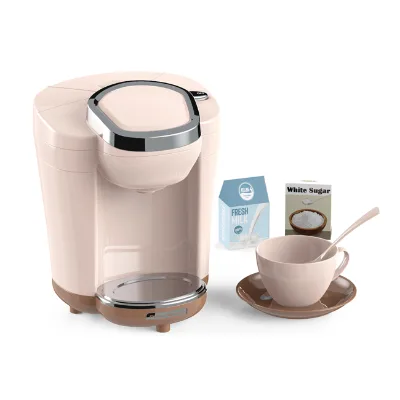
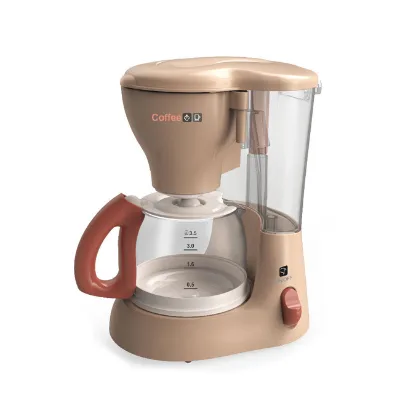
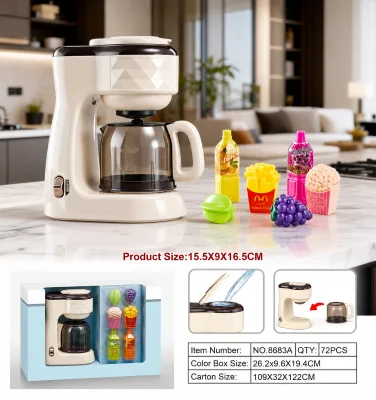
Mini Outflow Water Coffee Machine Toys Electric Sound Light Coffee Maker Toy Play Set
$4.69 - $4.83
MOQ: 72 pieces
Shantou Baoliurun Toys Co., Ltd.
- Trading Company
- Guangdong, China
- Lead time0 days
- Avg. response≤ 2h
Main productsEducational toys,Baby toys,Summer toys,Electric toys,R/C toy
Main marketsNorthern Europe(10.00%), Southern Europe(10.00%), Western Europe(10.00%), Southeast Asia(10.00%), Eastern Europe(10.00%), South America(10.00%), North America(10.00%), Eastern Asia(8.00%), Oceania(8.00%), Mid East(2.00%)

Ningbo Tonglu Children Products Co., Ltd.
- Manufacturer
- China Zhejiang
- Lead time30 days
Main productsKids Tricycle, Kids Furniture, Kids Table, Kids Chair, Kids Balance Bike, Kids Scooter, Kids Bookshelf, Kids Storage Cabinet, Kids Educational Toys, Kids Sofe
Main marketsSouth America,Europe,North America


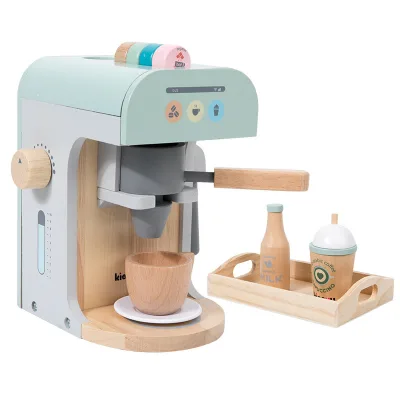
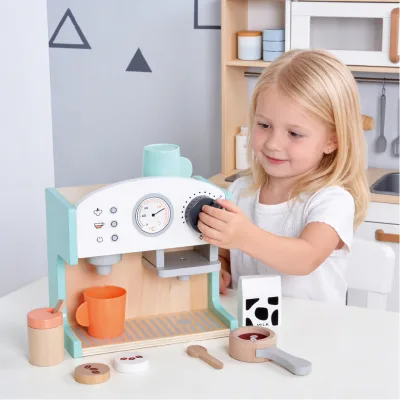
Chinese Manufacture Wooden Pretend Coffee Machine Kids Role Play Kitchen Toy Gift
$10.70 - $11.70
MOQ: 2 PCS


Guangzhou Qizhi Toys Co., Ltd.
- Verified by BV
- Combined
- China Guangdong
- Lead time15 days
Main productsPlayground Equipment, Climbing Nets, Chlidrens Slides, Educationaltoys, Outdoor Playground Equipment, Trampoline, Fitnessequipment, Playground Slide, Kindergarten Equipment, Swing
Main marketsDomestic

Educational Toys - Kids Pretend Espresso Coffee Machine Playset for Role Play Toys
$50.00 - $60.00
MOQ: 1 Pieces

Educational Toys Wooden Espresso Coffee Maker Playset Role Play Children Kindergarten Toy
$40.00 - $70.00
MOQ: 1 Pieces

Shantou Chenghai Pengcheng Toy Ind. Co., Ltd.
- Verified by BV
- Combined
- China Guangdong
- Lead time23 days
Main productsToys, Plastic Toy, Baby Toy, RC Toy, Educational Toys, Toy Car, Doll, RC Toys, Ride on Car, RC Helicopter
Main marketsSouth America,Africa,Southeast Asia/ Mideast,East Asia(Japan/ South Korea),Europe,Australia,North America

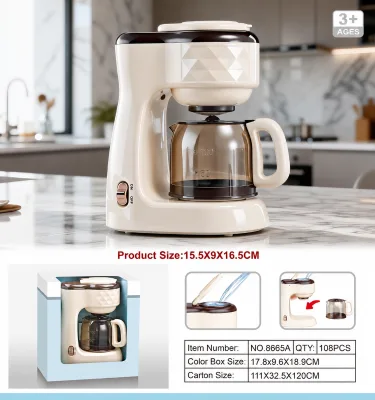
Hot Selling Kids Afternoon Tea Role Play Toy Realistic Kitchen Appliance Pretend Coffee Machine Toy
$7.20 - $7.90
MOQ: 60 Sets

Kids Pretend Play Mini Electric Spray Coffee Machine Simulation Household Appliance Toy
$6.90 - $7.30
MOQ: 80 Sets

Ningbo Wisdom Kids International Co., Ltd.
- Trading Company,Manufacturer/Factory
- China Zhejiang
- Lead time90 days
Main productsWooden Toy, Kid Toys, Children Toy, Toy, Game, Gift, Wooden Products, Eduction Toy; Intelletual Toy, Puzzle, Indoor Toy; Toddler Toys
Main marketsEastern Europe,North America,Southeast Asia,Oceania,Western Europe
Shantou Chengji Toys & Gifts Co., Ltd.
- Verified by TüVRheinland
- Manufacturer, Trading Company
- Guangdong, China
- Lead time5 days
- Avg. response≤ 4h
Main productsPretend Play Toys, Outdoor Toys, Baby Toys, Educational Toys, Gun Toys
Main marketsNorth America(12%), Southeast Asia(12%), Mid East(12%)
Hangzhou Joy Kitchen Equipment Co., Ltd.
- Verified by TüVRheinland
- Trading Company
- Lead time10 days
- Avg. response≤ 4h
Main productsFryer, Sushi Machine, Oven, Mixer, Warmer
Main marketsNorth America(30%), Mid East(13%), Western Europe(12%)
$950.00 - $1100.00

Ningbo Shone Med-Tech Co., Ltd.
- Verified by SGS
- Trading Company,Manufacturer/Factory,Group Corporation
- China Zhejiang
- Lead time23 days
Main productsWooden Games, Wooden Toys, Bingo Games, Wooden Sport Items, Wooden Box
Main marketsSouth America,Eastern Europe,Mid East,North America,Southeast Asia,Eastern Asia,Oceania,Western Europe,Africa
Shantou Cypress Toys Co., Ltd.
- Verified by TüVRheinland
- Trading Company
- Lead time25 days
- Avg. response≤ 2h
Main productsRole Play Toys, Educational Toys, Dinosaur Toys
Main marketsWestern Europe(35%), North America(20%), Southeast Asia(20%)
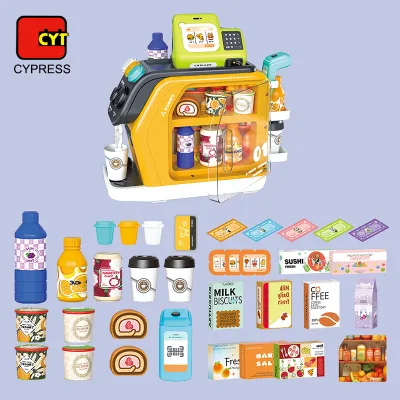
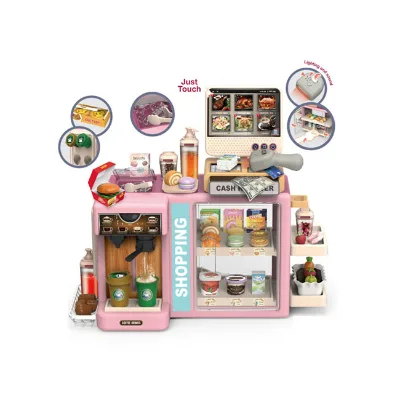
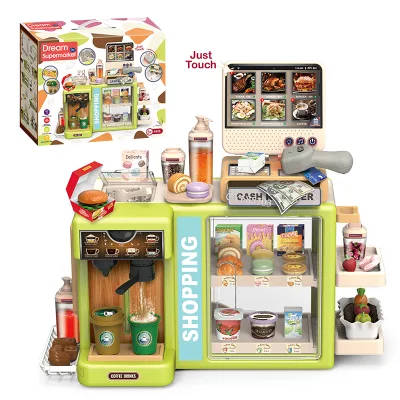
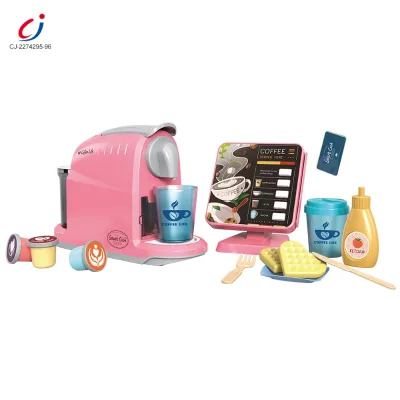
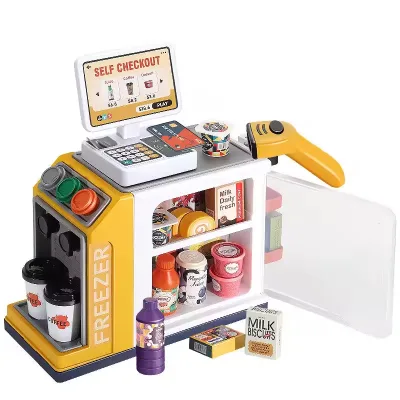
New Design Pretend Coffee Maker Role Play Toy Coffee Shop Cash Register Toy Coffee Machine Play Set
$7.13 - $7.98
MOQ: 120 pieces
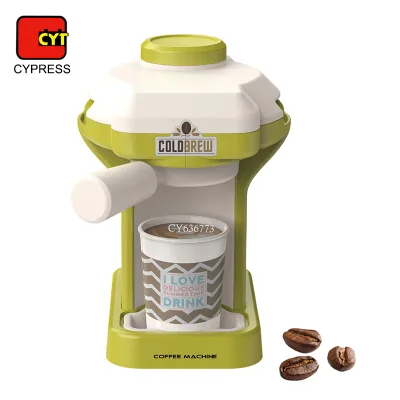
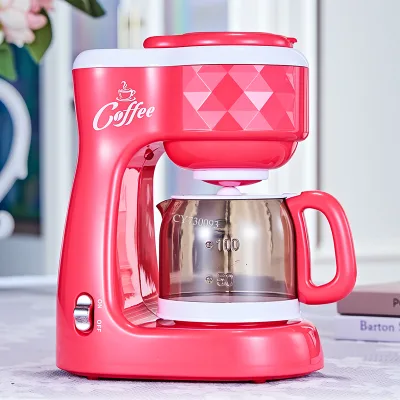
Wholesale Cute Mini Coffee Machine Toy for Kid Kitchen Play Set for Kids With Single Cup
$1.29 - $1.65
MOQ: 216 sets
Hangzhou Wenzhang Import And Export Co., Ltd.
- Trading Company
- Zhejiang, China
- Lead time0 days
- Avg. response≤ 4h
Main productsWooden toys,Cet toys
Main marketsNorth America(50.00%), Western Europe(50.00%)
- Verified by TUVRHEINLAND
- Trading Company
- China Zhejiang
- Lead time23 days
Main productstoys
Main marketsSoutheast Asia/ Mideast,Europe,Australia

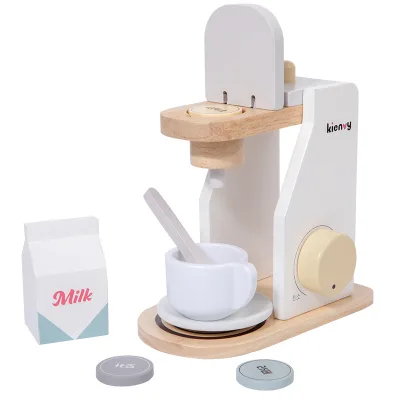
Wooden Coffee Machine Set Children Pretend Play Breakfast Stimulation Kitchen Food Kids Toy
$3.75 - $3.95
MOQ: 100 Sets

Wooden Coffee Machine Set Toy Breakfast Bread Milk Pretend Play Kitchen Food Toy Sets for Kid
$8.07 - $8.63
MOQ: 8 sets

Wooden Coffee Machine Set Toy Breakfast Make Shop Pretend Play Kitchen Food Toy Sets for Kid
$7.59 - $7.99
MOQ: 8 sets

Wooden Coffee Machine Set Children Pretend Play Breakfast Make Stimulation Kitchen Food Kids Toy
$3.75 - $3.95
MOQ: 100 sets
Hangzhou Xihuage Cultural Creativity Co., Ltd.
- Verified by Intertek
- Trading Company
- Lead time90 days
- Avg. response≤ 6h
Main productsEducational Toys, Building Block, Role Play & Pretend Play Toy, Stress-Relief Toys, Pen
Main marketsNorth America(50%), Western Europe(20%), Eastern Europe(15%)

- Verified by BV
- Trading Company
- China Zhejiang
- Lead time30 days
Main productsWooden Toys, Educational Toys, Indoor and Outdoor Game, Kitchen and Food, Role Play, Learning Toys, Ride on Cars, Blocks and Puzzles, Train Set, Doll House
Main marketsEurope

Guangzhou Colorful Park Animation Technology Co., Ltd
- Verified by SGS
- Combined
- China Guangdong
- Lead time15 days
Main productsGame Machine, Video Game, Arcade Game Machines, Vending Machine, Car Racing Game Machine, 5D 7D 9d Cinema, Key Master Machine, Claw Crane Machine, Kiddle Ride, Amusement Machine
Main marketsAfrica,Southeast Asia/ Mideast,Europe,North America


Electronic Game Machine Amusement Game Machine Kids Game Machine Indoor Amusement Game Machine
$13450.00 - $13500.00
MOQ: 1 Pieces


Electronic Game Machine Amusement Game Machine Kids Game Machine Soft Play Playground
$325.00 - $422.00
MOQ: 1 Pieces
Ningbo Yinzhou Smilebloomi Arts & Crafts Co., Ltd.
- Trading Company
- Zhejiang, China
- Lead time50 days
- Avg. response≤ 2h
Main productsWooden Toy
Main marketsDomestic Market(100.00%), South Asia(100.00%), Oceania(100.00%), Southeast Asia(100.00%), Central America(100.00%), Africa(100.00%), Western Europe(65.00%), North America(13.00%), Eastern Asia(9.00%), Eastern Europe(5.00%), Mid East(3.00%), South America(2.00%), Northern Europe(2.00%), Southern Europe(1.00%)
Guangzhou Future Smart Manufacturing Co., Ltd.
- Verified by BV
- Manufacturer
- China Guangdong
- Lead time15 days
Main productsAutomatic Vending Machine, Vending Machine, Snack Vending Machine, Commercial Popcorn Machine, Cotton Candy Vending Machine, Popcorn Vending Machine, Coffee Vending Machine, Self Vending Machine, Food Vending Machine, Helmet Cleaning Machine

Dongyi Yangshan Mechanical Equipment Co., Ltd.
- Verified by TUVRHEINLAND
- Manufacturer/Factory
- China Guangdong
- Lead time23 days
Main productsCoffee Roaster, Coffee Machine, Coffee Roaster Machine, 20kg Coffee Roaster Machine, Coffee Roasting Machine, Industrial Coffee Roaster, Electric Coffee Roaster, Espresso Coffee Machine, Professional Coffee Machine, Automatic Coffee Machine
Main marketsSouth America,Eastern Europe,Mid East,North America,Southeast Asia,Eastern Asia,Oceania,Western Europe,Africa


Reliable Coffee Machine with Temperature Control and Programmable Features
$819.00 - $1298.00
MOQ: 1 Pieces
Shantou Dadi Plastic Toys Industry Co., Ltd.
- Manufacturer, Trading Company
- Guangdong, China
- Lead time30 days
- Avg. response≤ 4h
Main productsEducational Toys,Water Gun,Baby Toys,Game Toys,Role Play Toys
Main marketsNorth America(17.00%), Western Europe(13.00%), Northern Europe(10.00%), Eastern Europe(10.00%), Domestic Market(5.00%), South Asia(5.00%), Southern Europe(5.00%), Southeast Asia(5.00%), Central America(5.00%), South America(5.00%), Eastern Asia(5.00%), Mid East(5.00%), Oceania(5.00%), Africa(5.00%)

- Verified by TUVRHEINLAND
- Trading Company
- China Zhejiang
- Lead time15 days
Main productsWooden Toy, Outdoor Product, Kitchen Item, Personal Care Tool, Painting Set, Disk Rack, Yoga, Garden
Main marketsSouth America,Europe,North America

WENZHOU TIMES ARTS&CRAFTS CO., LTD.
- Verified by SGS
- Manufacturer/Factory
- China Zhejiang
- Lead time23 days
Main productsToys, Montessori Toys, Wooden Toy, Educational Toy, Role Play Toys, Children Furniture, Puzzle, Kid Bike, Musical Toy, Wooden Blocks
Main marketsSouth America,Eastern Europe,Mid East,North America,Southeast Asia,Eastern Asia,Oceania,Western Europe,Africa

$4.00 - $15.00
MOQ: 1000 Pieces


Guangzhou EPARK Electronic Technology Co., Ltd.
- Verified by SGS
- Combined
- China Guangdong
- Lead time15 days
Main products9d Vr, Racing Game Machines, Boxing Machine, Kids Game Machine, Claw Machine, Arcade Game Machine, Vr Simulator Series, Kiddie Ride, Basketball Game Machine, Amusement Game Machine
Main marketsSouth America,Africa,Southeast Asia/ Mideast
Wenzhou Times Arts&Crafts Co., Ltd.
- Verified by SGS Group
- Trading Company
- Lead time20 days
- Avg. response≤ 3h
Main productsWooden Toys, Wooden Kids Furniture , Plastic Toys, Electric Toys
Main marketsNorth America(19%), Northern Europe(17%), Western Europe(15%)
Shantou Chenghai Huanuo Intelligent Technology Co., Ltd.
- Manufacturer, Trading Company
- Guangdong, China
- Lead time30 days
- Avg. response≤ 8h
Main productsGirl Make Up Toys,Girl princess toys,Building Blocks Toys,Pretend Play Toys,Kids Toys
Main marketsNorth America(50.00%), Domestic Market(10.00%), Southern Europe(10.00%), Western Europe(10.00%), Oceania(5.00%), Eastern Europe(5.00%), Northern Europe(5.00%), South America(5.00%)
Zhejiang Hengyuan Arts & Crafts Co., Ltd.
- Verified by SGS Group
- Manufacturer, Trading Company
- Lead time30 days
- Avg. response≤ 2h
Main productsWood Toy, Educational Toy, Wooden Educational Toy, Toy, Baby Toy


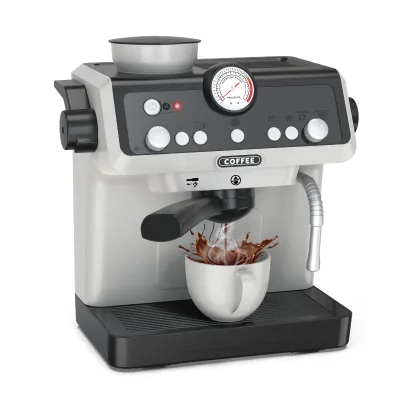
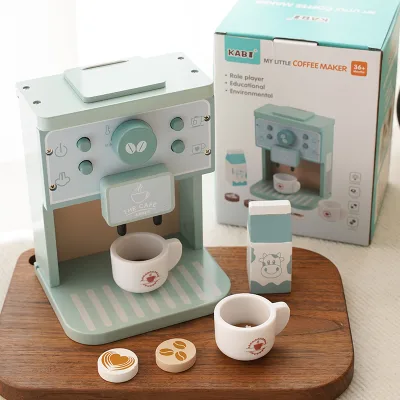
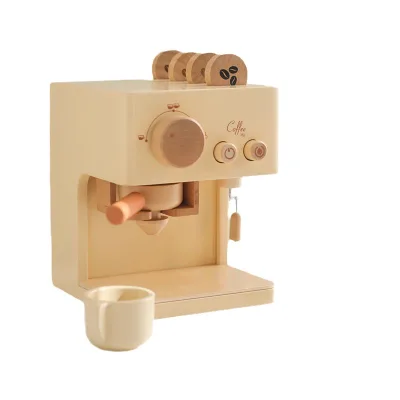
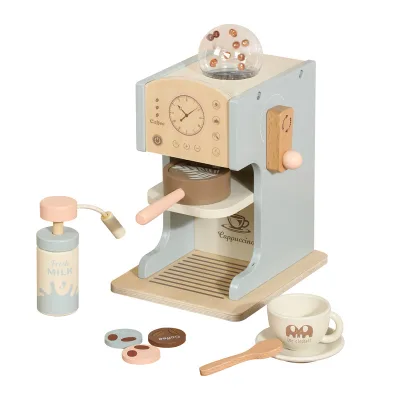














Comprehensive Sourcing Guide
Electric Toy Coffee Machine Supplier Concentration and Factory Types
The available data indicates a significant concentration of manufacturers and trading companies operating within Guangdong, China, for electric toy coffee machines. This region serves as a primary hub for plastic toy production, leveraging established supply chains for raw materials like PP and ABS. When evaluating potential partners, buyers should verify if the supplier's registered address aligns with this manufacturing cluster, as proximity often correlates with faster communication and lower logistics costs. The presence of both direct manufacturers and trading companies in the results suggests a diverse ecosystem where some entities handle production while others manage distribution and sales.
Buyers must distinguish between these two entity types to align with their specific sourcing strategy. Manufacturers typically offer greater control over customization, material selection, and production timelines, which is critical for branded orders requiring specific safety standards like CPC or CE. Trading companies, conversely, may provide a broader portfolio of related items such as kitchen playsets or educational toys, simplifying the procurement process for buyers seeking a single source for multiple product categories. It is essential to confirm the company type through official business registration documents rather than relying solely on platform labels, ensuring the partner can deliver the required quality and volume for electric toy coffee machines.
How to Verify Electric Toy Coffee Machine Suppliers
Verification begins with a rigorous check of system certifications and product safety compliance, as these are non-negotiable for children's products. The observed results list certifications such as CPC, CE, EN71, and ASTM HR4040, which are critical indicators of a supplier's commitment to safety standards. Buyers should request valid, up-to-date certificates for the specific model numbers being considered, ensuring the documentation matches the product's intended age groups and market destinations. Relying on a supplier's claim of compliance without physical proof exposes the buyer to significant legal and reputational risks, particularly when importing toys into regions with strict safety regulations.
Beyond certifications, buyers must validate the supplier's operational capacity and responsiveness through direct engagement. The data shows response times ranging from one to four hours, which serves as a preliminary metric for communication efficiency. A supplier that responds quickly to initial inquiries is more likely to provide timely updates on production status and resolve issues before they escalate. Additionally, verifying the establishment year and checking for escrow protection mechanisms can provide insight into the supplier's financial stability and transaction security. Buyers should ask for references from previous clients and request samples to physically inspect the build quality, material safety, and functionality of the electric components before committing to a larger order.
What to Compare Across Electric Toy Coffee Machine Suppliers
When comparing suppliers, the primary focus should be on lead times, minimum order quantities, and pricing structures, as these factors directly impact inventory planning and cash flow. The observed data reveals lead times varying between 14 and 15 days, with minimum order quantities ranging from 36 pieces to 240 pieces depending on the specific model and packaging configuration. Buyers must calculate the total landed cost by factoring in these MOQs, as a lower unit price might be offset by the need to purchase a larger volume of stock. It is crucial to understand how the supplier structures their pricing tiers and whether volume discounts are available for orders exceeding the standard minimums.
Another critical dimension for comparison is the product specifications and packaging details, which affect shipping efficiency and retail presentation. Differences in package sizes, such as single package dimensions ranging from 17x12x23cm to 51x21x82cm, and carton quantities like 24 to 48 pieces per carton, will significantly influence freight costs and warehouse space requirements. Buyers should also compare the functional attributes, such as whether the toy includes light and sound features, and the specific age groups targeted, as these determine the marketability of the product. Ensuring that the supplier's main product portfolio aligns with the buyer's brand strategy, whether focusing on pretend play or educational kits, is essential for long-term partnership success.
Common Electric Toy Coffee Machine Sourcing Risks
One of the most significant risks in sourcing electric toys is the potential for non-compliance with safety standards, which can lead to product recalls or customs seizures. Even if a supplier claims to hold certifications like CPC or CE, there is a risk that the specific batch produced may not meet the required specifications or that the documentation provided is outdated. Buyers must insist on third-party testing reports for every production run to ensure that the electrical components, battery safety, and plastic materials adhere to the strict regulations of the target market. Failure to verify these details can result in substantial financial losses and damage to the brand's reputation in the competitive toy industry.
Another prevalent risk involves supply chain disruptions and inconsistent quality control, particularly when dealing with manufacturers in high-volume production clusters. Variations in material quality, such as the use of different grades of plastic, can affect the durability and safety of the toy coffee machines. Additionally, discrepancies in packaging, such as incorrect carton sizes or missing labeling, can cause delays in shipping and increase logistics costs. Buyers should implement a robust quality assurance protocol that includes pre-shipment inspections and clear communication channels to address any deviations from the agreed-upon specifications. Establishing a clear contract with defined penalties for non-compliance can also help mitigate these risks and ensure accountability.
Electric Toy Coffee Machine Regional Sourcing and Logistics
The concentration of suppliers in Guangdong, China, offers logistical advantages but also presents specific challenges regarding shipping and customs clearance. Buyers should be aware that the port of dispatch for these products is often listed as Shenzhen or Shantou, which are major hubs for export but may experience congestion during peak seasons. Understanding the specific port of origin is crucial for calculating accurate freight costs and transit times, as different ports have varying levels of efficiency and connectivity to global shipping routes. Buyers must also consider the impact of seasonal weather patterns and local holidays on production schedules and shipping availability.
Logistics planning should also account for the packaging dimensions and weight, which directly influence freight charges and container utilization. The observed data shows varying single gross weights and carton sizes, meaning that optimizing the load plan is essential to minimize shipping costs. Buyers should work with their freight forwarders to determine the most cost-effective shipping method, whether by sea or air, based on the urgency of the order and the total volume of goods. Additionally, understanding the Incoterms agreed upon with the supplier is vital for clarifying who is responsible for insurance, duties, and taxes during transit. Proper logistics planning ensures that the electric toy coffee machines arrive on time and in good condition, ready for retail distribution.
Electric Toy Coffee Machine Commercial Terms and Order Planning
Commercial terms regarding payment, delivery, and after-sales support are fundamental to a successful sourcing relationship and must be clearly defined before placing an order. Buyers should negotiate payment terms that balance risk and cash flow, such as using escrow services or partial payments tied to production milestones. It is also important to clarify the lead time expectations and the consequences of delays, as these can disrupt the entire supply chain. Suppliers may offer different terms based on the order volume and the complexity of the product, so buyers should seek flexibility to accommodate their specific business needs while maintaining a fair agreement.
Order planning requires a strategic approach to inventory management and demand forecasting to avoid stockouts or overstocking. Buyers should analyze the minimum order quantities and pricing tiers to determine the optimal order size that maximizes profit margins while minimizing storage costs. Additionally, planning for potential variations in demand, such as seasonal spikes or promotional events, is essential to ensure a steady supply of electric toy coffee machines. Buyers should also establish a clear communication plan with the supplier to monitor production progress and address any issues promptly. By carefully managing commercial terms and order planning, buyers can build a resilient supply chain that supports long-term growth and customer satisfaction.
FAQs
What is the typical lead time for electric toy coffee machines?
Manufacturers in Guangdong, China typically require 14 to 15 days to produce and ship orders. This timeframe applies to standard production runs for pretend play kitchen appliances. Buyers should confirm specific delivery schedules with suppliers before finalizing purchase agreements to ensure timely arrival.
What certifications are required for these toys?
Suppliers generally provide CPC and CE system certifications to ensure product safety and compliance. Some listings also mention EN71, ASTM, and 13P standards. These documents verify that the plastic materials and electrical components meet international safety requirements for children's pretend play items.
What is the minimum order quantity for these products?
Minimum order quantities vary significantly, ranging from 36 pieces to 240 pieces per model. Specific items like the BR503525 require 108 units, while others may start at 120 or 240 units. Buyers must check the specific MOQ for each model number before placing an order.
What is the price range for wholesale electric coffee machine toys?
Wholesale prices typically range from approximately $2.32 to $8.37 per unit depending on the model and features. Basic plastic simulation machines start near $2.32, while larger sets with light and sound effects can reach $8.37. Prices are subject to order volume and customization requirements.
How quickly do suppliers respond to inquiries?
Response times for these suppliers are generally fast, with many responding within one to four hours. This rapid communication helps buyers clarify details about packaging, materials, and shipping logistics efficiently. Quick responses indicate active trading companies and manufacturers ready to support international wholesale orders.
What materials are used in these toy coffee machines?
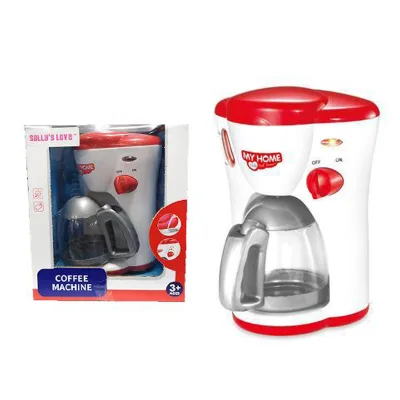
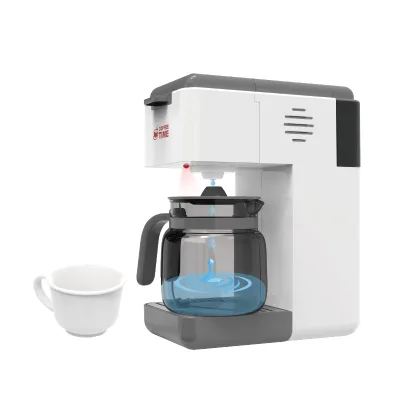
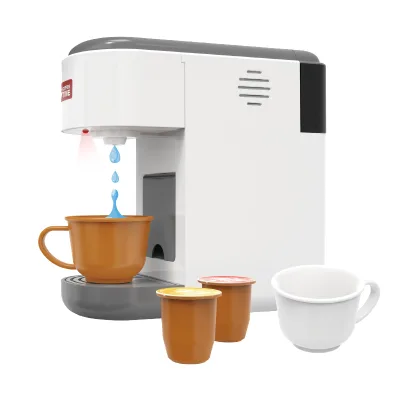
Most electric toy coffee machines are constructed from durable plastic materials such as PP. These materials are selected for safety and longevity in children's play environments. The products often feature realistic lighting and sound effects to enhance the pretend play experience for kids aged two to seven years.