Embossed Logo Custom Paper Envelope Suppliers and Manufacturers
Compare 25 verified suppliers offering embossed logo custom paper envelopes with varying lead times, MOQs, and certifications. Review response times and product attributes like material and customization options before requesting samples; review the available evidence before requesting comparable quotations from suitable candidates.
Updated
Suppliers List

Guangzhou Anzu Trading Co., Ltd.
- Manufacturer, Trading Company
- Guangdong, China
- Lead time15 days
- Avg. response≤ 3h
Main productstissue paper,custom package,Hang Tag,Wash Label,Garment Accessories
Main marketsEastern Europe(15.00%), North America(15.00%), Central America(12.00%), Northern Europe(10.00%), South America(10.00%), Southern Europe(10.00%), Mid East(10.00%), Oceania(10.00%), Western Europe(8.00%)

Anhui Nature Imp. & Exp. Co., Ltd.
- Verified by SGS
- Trading Company
- China Anhui
- Lead time15 days
- Avg. response≤ 2h
Main productsBamboo Products, Wooden Products, Multiple Knife Fork & Spoon, Bamboo Scissors Stick, Bamboo Sushi Curtain, Disposable Creative Bead Bamboo Stick, Bamboo Straw, Bamboo Stick, Wooden Cutlery, Wooden Knife Spoon Fork
Main marketsSoutheast Asia/ Mideast,Europe,North America


Premium Custom Paper Envelope Featuring Embossed Logo and Hot Stamping
$0.001 - $0.039
MOQ: 10000 Pieces


Custom Paper Envelope with Coated Paper and Unique Logo Hot Stamping
$0.001 - $0.039
MOQ: 10000 Pieces

Unique Custom Paper Envelope with Coated Paper and Embossing Options
$0.001 - $0.039
MOQ: 10000 Pieces


Hefei Hyde Environment Protection Technology Co., Ltd.
- Verified by TUVRHEINLAND
- Trading Company,Manufacturer/Factory
- China Anhui
- Lead time23 days
- Avg. response≤ 2h
Main productsPaper Cups, Ice Cream Paper Cup, Kraft Shopping Paper Bags, Ripple Wall Cup, Paper Bread Bags, Double Wall Cups, Paper Salad Bowl, Paper Pizza Box, Paper Soup Cup, Paper Plates
Main marketsSouth America,Eastern Europe,Mid East,North America,Southeast Asia,Eastern Asia,Oceania,Western Europe,Africa


Custom Logo Design Offset Print Various Size Document Mailing Kraft Paper Envelope
$0.015 - $0.025
MOQ: 50000 Pieces

Factory Direct Wholesale Business Paper Letter Envelope with Custom Logo
$0.0083 - $0.012
MOQ: 50000 Pieces


Hangzhou Fuhan Garment Accessories Co., Ltd.
- Verified by BV
- Combined
- China Zhejiang
- Lead time15 days
- Avg. response≤ 3h
Main productsGarment Woven Label Tag, Packaging Box, Embroidery Patch, PVC Rubber Patch, Garment Accessories, Adhesive Sticker Print Label, Packaging Bag, Leather Labels, Scented Sachet, Ribbon
Main marketsEurope

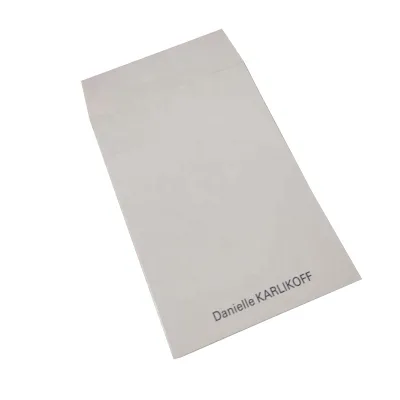
Custom Print Brand Logo Business Invitation Card Packaging Envelopes Custom Paper Envelope
$0.20 - $0.50
MOQ: 500 Pieces

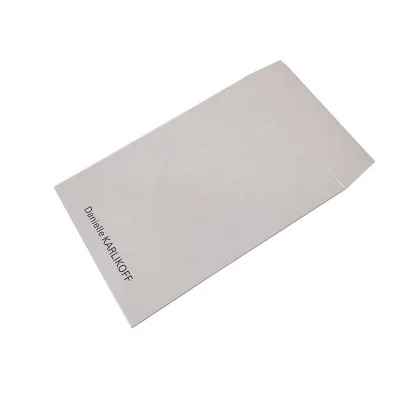
Custom Printing Logo VIP Membership Card Paper Packaging Envelopes for Gift Card Packaging
$0.20 - $0.52
MOQ: 500 Pieces

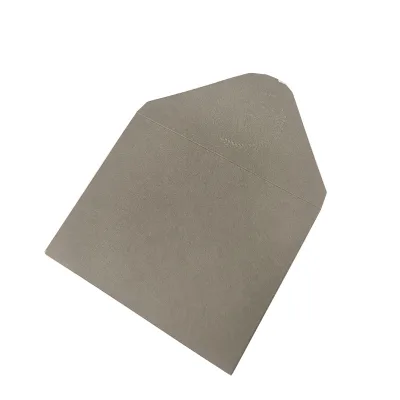
Recycled Custom Printed Design Luxury Gift Grey Paper Envelope Packaging Gift Envelopes with Logo
$0.25 - $0.31
MOQ: 1000 Pieces


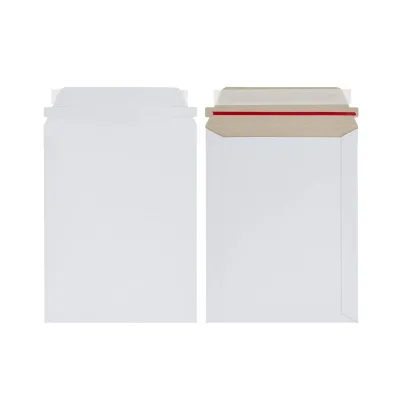
Customised High-Grade Glossy White Cardboard Envelopes with UV Logo Printing Paper Envelopes
$0.20 - $0.29
MOQ: 2000 Pieces

Luxury Custom Free Gift Card Holder VIP Membership Credit Card Packaging Gift Paper Envelopes
$0.65 - $0.85
MOQ: 500 Pieces
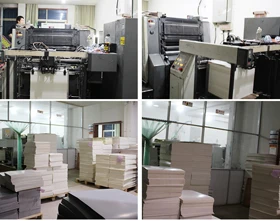
Yiwu Dilin Paper Products Co., Ltd.
- Trading Company
- zhejiang, China
- Lead time20 days
- Avg. response≤ 5h
Main productspaper bag,paper box,jewelry display card,paper tag,envelope
Main marketsNorth America(25.00%), South Asia(20.00%), Africa(10.00%), South America(8.00%), Southeast Asia(8.00%), Central America(6.00%), Western Europe(6.00%), Mid East(4.00%), Southern Europe(3.00%), Eastern Asia(3.00%), Eastern Europe(3.00%), Northern Europe(2.00%), Domestic Market(1.00%), Oceania(1.00%)
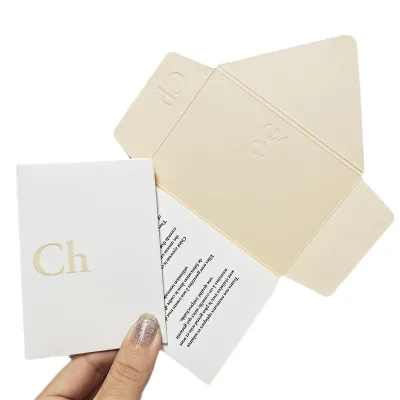
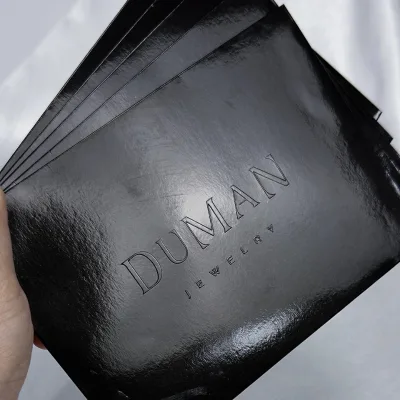

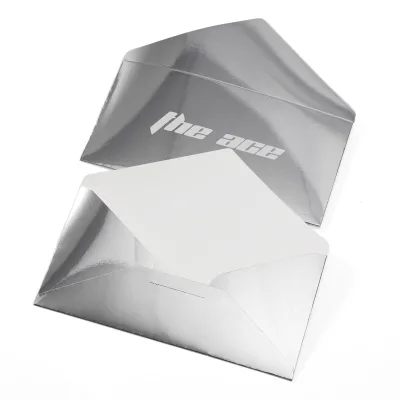
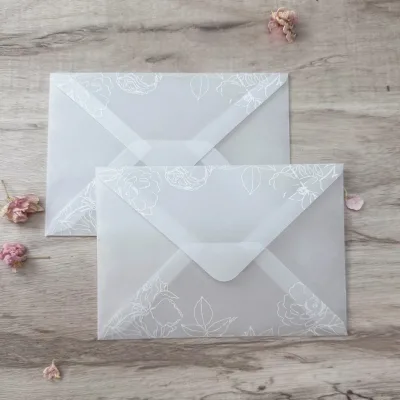
$0.0513 - $0.4114
MOQ: 500 Minimum
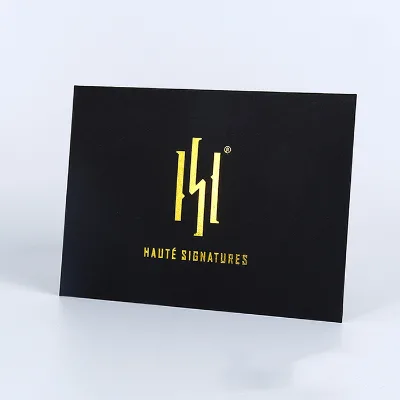
Xiamen Yzm Commerce And Trade Co., Ltd.
- Verified by Intertek
- Manufacturer, Trading Company
- Lead time7 days
- Avg. response≤ 2h
Main productsPaper Bags, Paper Boxes, Envelope, Sticker, Paper Card
Main marketsNorth America(50%), South America(9%), Eastern Europe(9%)
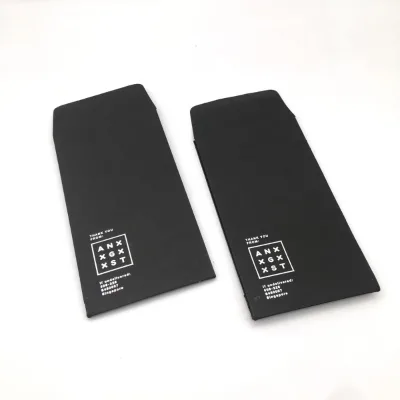
Sliver logo Printed Custom Design Black Printing Paper Packaging Envelope
$0.15 - $0.78
MOQ: 200 pieces
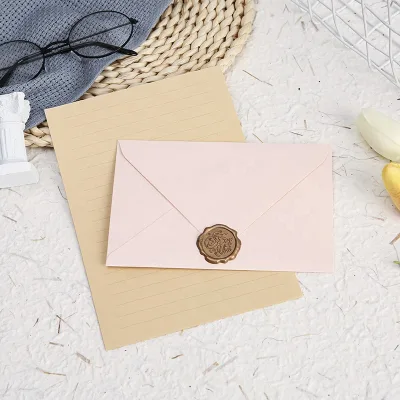
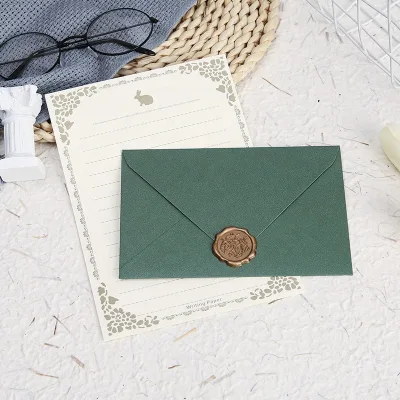
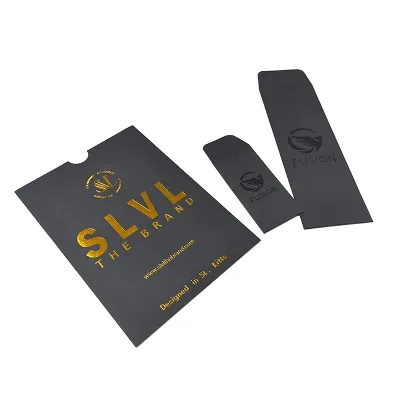
$0.05 - $0.78
MOQ: 200 pieces
Xiamen YZM Commerce & Trade Co., Ltd.
- Verified by Intertek
- Manufacturer, Trading Company
- Lead time15 days
- Avg. response≤ 2h
Main productsPaper Bag, Paper Box, Envelope, Sticker, Paper Card
Main marketsNorth America(50%), South America(9%), Eastern Europe(9%)

Anhui Jiushun Photoelectric Technology Co., Ltd.
- Verified by TUVRHEINLAND
- Manufacturer/Factory
- China Anhui
- Lead time38 days
- Avg. response≤ 4h
Main productsBidoegradable Paper Plates, Bidoegradable Paper Cups, Bidoegradable Paper Bowls, Bidoegradable Paper Bags, PLA Paper Cups, PLA Tableware, Paper Lunch Box, Paper Gift Box, PE Paper Container, Other Package
Main marketsEastern Europe,Mid East,North America,Western Europe,Africa


Custom Design High Quality Wedding Cards and Envelopes for Invitation Card
$0.02 - $0.08
MOQ: 10000 Pieces

Wenzhou Creative Paper Co., Ltd.
- Verified by TUVRHEINLAND
- Combined
- China Zhejiang
- Lead time30 days
- Avg. response≤ 16h
Main marketsEurope


Custom Printed Design Luxury Gift Paper Envelope Packaging Gift Envelopes with Logo
$0.01 - $0.02
MOQ: 30000 Pieces


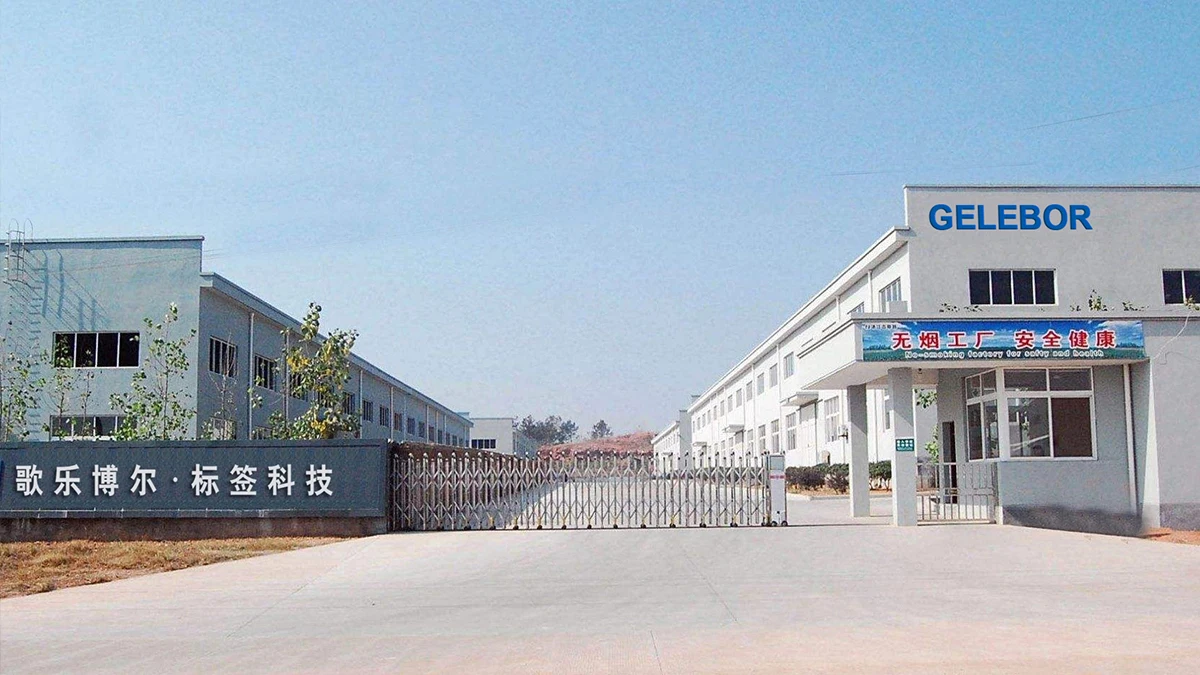
Hefei Gelebor Adhesive Products Co., Ltd.
- Manufacturer, Trading Company
- Anhui, China
- Lead time15 days
- Avg. response≤ 3h
Main productsSelf-Adhesive Labels,Packing Box,Hand Bags,Card Tags,Propaganda Album
Main marketsDomestic Market(95.00%), Eastern Asia(1.00%), North America(1.00%), Southern Europe(1.00%), Eastern Europe(1.00%), Mid East(1.00%), South Asia(0.00%), South America(0.00%), Oceania(0.00%), Western Europe(0.00%), Central America(0.00%), Northern Europe(0.00%), Africa(0.00%), Southeast Asia(0.00%)
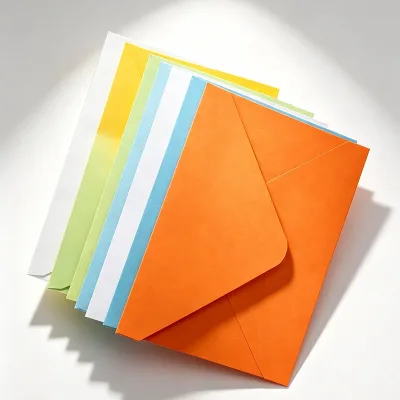
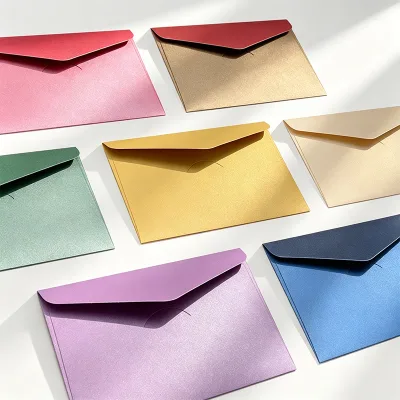
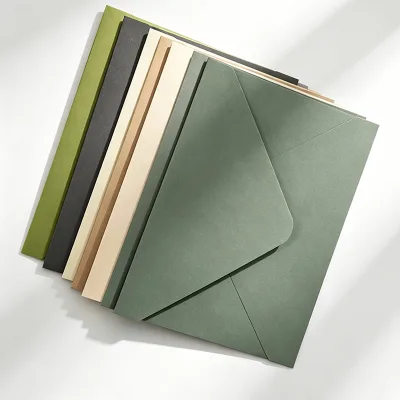
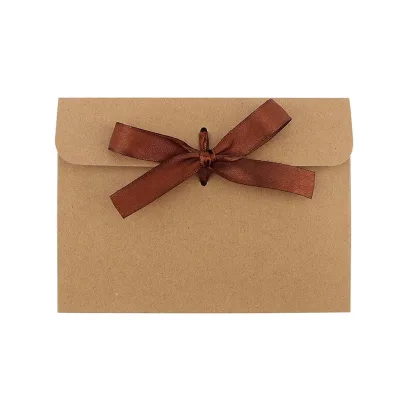
$0.0206 - $0.3201
MOQ: 500 pieces
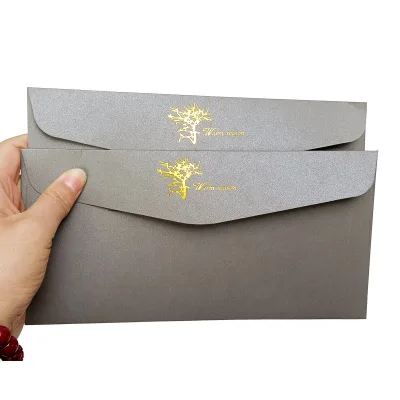
Dongguan Jiashuo Cultural Creativity Co., Ltd.
- Verified by Intertek
- Trading Company
- Lead time20 days
- Avg. response≤ 2h
Main productsNotepad, Sticky Notes, Notebook, Sticker Book, Paper Card
Main marketsNorth America(70%), Oceania(10%), Western Europe(10%)
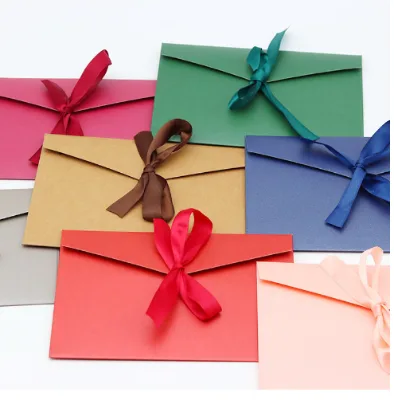
$0.1029 - $0.4129
MOQ: 500 Minimum
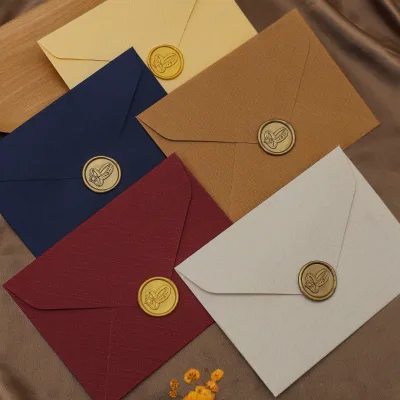
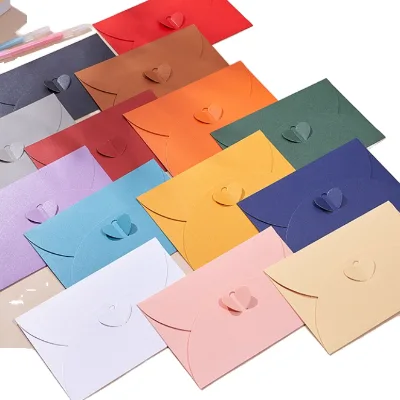
$0.10 - $0.40
MOQ: 1000 Minimum

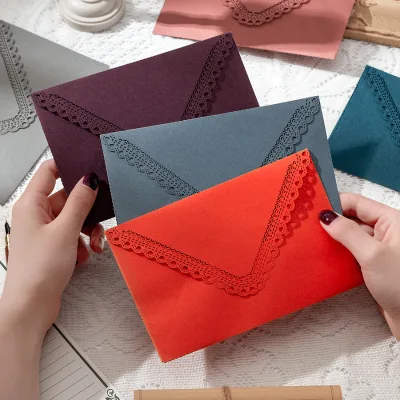
Hot Selling Lace-triangle Envelopes with Laser Engraving of Decorative Borders
$0.2678
MOQ: 500 Minimum

Guangzhou Igiftbox Printing & Packaging Co., Ltd
- Verified by SGS
- Trading Company
- China Guangdong
- Lead time15 days
- Avg. response≤ 6h
Main productsPaper Gift Box, Paper Box, Paper Bags, Gift Box, Packaging Box, Chocolate Box, Cosmetic Box, Sticker Label, Cardboard Box, Book Printing
Main marketsSouth America,Southeast Asia/ Mideast,Europe,North America


Recycled Folding Kraft Paper Envelope with Custom Logo for Letter/Greeting Cards
$0.03 - $0.25
MOQ: 500 Pieces

Custom Wholesale Exquisite Stamped Card Envelope/Wedding Invitation/Greeting Card Envelope
$0.009 - $0.25
MOQ: 500 Pieces


Wenzhou Edith Arts & Crafts Co., Ltd.
- Manufacturer
- Zhejiang, China
- Lead time10 days
- Avg. response≤ 2h
Main productsEnvelope,Gift Envelope,Offset Printing Paper Envelopes,Recyclable Paper Envelopes,Window Envelope
Main marketsNorth America(45.00%), South America(18.00%), Africa(8.00%), Southern Europe(5.00%), Western Europe(5.00%), Eastern Europe(5.00%), Northern Europe(5.00%), Oceania(3.00%), Mid East(2.00%), Southeast Asia(2.00%), Central America(2.00%)
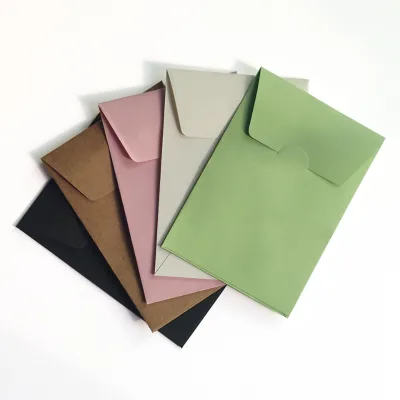
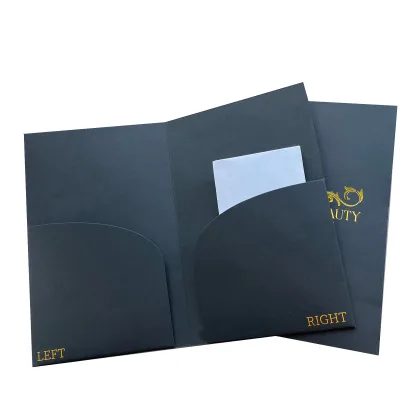
Custom Black Cardboard Recycled Envelope Hotel Key Card Envelopes with Gold Hot Stamping logo Letter
$0.1975 - $0.4039
MOQ: 1000 pieces
- Verified by Intertek
- Manufacturer, Trading Company
- Lead time15 days
- Avg. response≤ 5h
Main productsPaper Box, Cake Box, Paper Bag, Paper Coaster, Tissue Paper
Main marketsNorth America(15%), Eastern Europe(11%), South America(10%)

Shanghai Hongyun Packaging Co., Ltd.
- Verified by TUVRHEINLAND
- Trading Company,Manufacturer/Factory
- China Shanghai
- Lead time15 days
- Avg. response≤ 3h
Main productsPaper Box, Gift Box, Packaging Box, Cartons, Paper Bags, Stickers, Hang Tags, Labels, Food Bags, Shopping Bags
Main marketsSouth America,Eastern Europe,Mid East,North America,Southeast Asia,Eastern Asia,Oceania,Western Europe,Africa

Custom High Quality Brown Kraft Paper Envelopes Archive Packaging Envelope
$0.12 - $0.43
MOQ: 1000 Pieces

Custom Logo Hot Gold Stamping Black White Paper Packing Envelopes with Logo
$0.05 - $0.35
MOQ: 1000 Pieces

Personalised Printed Paper Kraft Packaging Paper Custom Printed Cardboard Envelope
$0.105 - $0.35
MOQ: 1000 Pieces

Guangzhou Highlight Packing & Printing Co., Ltd.
- Trading Company
- Guangdong, China
- Lead time0 days
- Avg. response≤ 17h
Main productsCloth Fabric Bag,Plastic Bag,Paper Card And Tags,Paper Bag
Main marketsDomestic Market(100.00%), North America(30.00%), Oceania(10.00%), Eastern Asia(8.00%), Southern Europe(8.00%), Western Europe(8.00%), Southeast Asia(8.00%), Northern Europe(8.00%), Mid East(5.00%), Africa(5.00%), Eastern Europe(3.00%), South Asia(3.00%), Central America(2.00%), South America(2.00%)
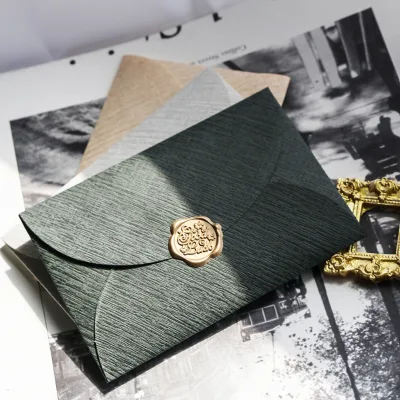
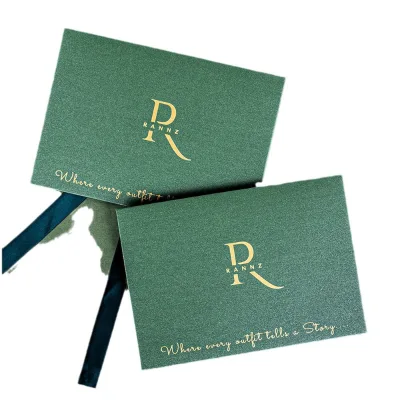
Factory Wholesale Custom logo Size Color Letter Envelopes Paper Envelope Envelopes
$0.1033 - $0.3112
MOQ: 100 pieces

Custom Ecofriendly A6 Letter Envelopes Paper Envelope for Cards Envelopes With logo
$0.1033 - $0.3112
MOQ: 100 pieces
Hengxinmao (quanzhou) Technology Co., Ltd.
- Verified by SGS Group
- Manufacturer, Trading Company
- Lead time3 days
- Avg. response≤ 2h
Main productsPaper Box, Paper Bag, Card, Sticker, Envelope
Main marketsDomestic Market(100%)
Xiamen Lutengda Printing Co., Ltd.
- Verified by Intertek
- Manufacturer, Trading Company
- Lead time14 days
- Avg. response≤ 4h
Main productsCorrugated Box, Gift Box, Paper Bag, Scrapbook Paper, Die-cuts
Main marketsNorth America(30%), Eastern Europe(20%), Africa(20%)
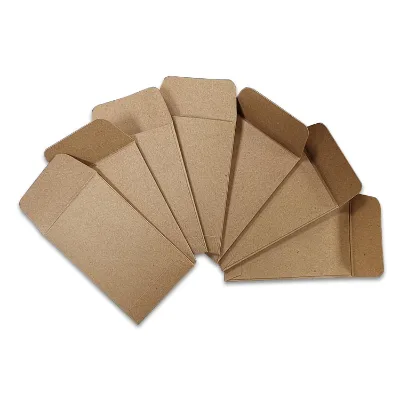
Custom Printing Packaging Brown Kraft Paper Envelope Mini Coin Envelope
$0.022 - $0.0296
MOQ: 2000 Minimum
Hangzhou Keteng Trade Co., Ltd.
- Verified by SGS Group
- Trading Company
- Lead time12 days
- Avg. response≤ 2h
Main productsStationery, Paper Box, Paper Bags, Packaging Bags, Promotion Gifts
Main marketsNorth America(50%), Oceania(15%), Western Europe(15%)
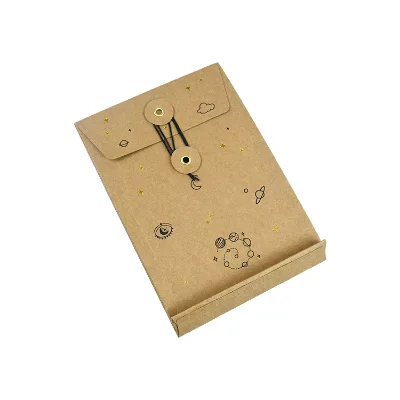
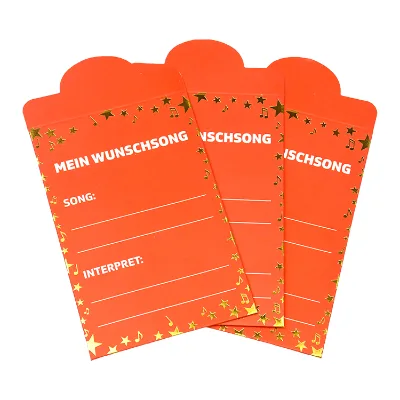
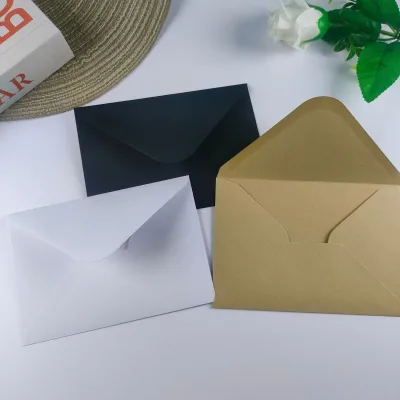
Custom A6 Logo Printed Wallet Envelope Secure and Stylish Business Packaging Pouch
$0.09 - $0.72
MOQ: 500
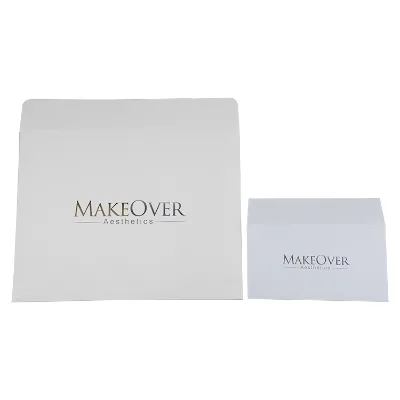
Brown Kraft Paper Envelopes for Boutique Packaging - Custom Logo & OEM Wholesale
$0.2064 - $0.38
MOQ: 500 pieces
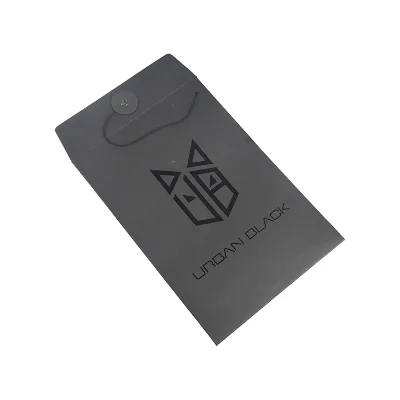

DONGYAODA (XIAMEN) TRADING CO., LTD.
- Verified by SGS
- Trading Company,Manufacturer/Factory
- China Fujian
- Lead time15 days
- Avg. response≤ 8h
Main productsGift Sets, Paper Bag, Paper Box, Label& Sticker, Calendar, Trophy Award, Envelope, Cards, Tags, Packing Bag
Main marketsSouth America,Eastern Europe,Mid East,North America,Southeast Asia,Eastern Asia,Oceania,Western Europe,Africa

Zhangzhou Mass Paper Printing Co., Ltd.
- Verified by SGS
- Combined
- China Fujian
- Lead time15 days
- Avg. response≤ 2h
Main marketsDomestic


Custom Printing Personalized Bespoke Custom - Design Stationery Envelopes
$0.55 - $2.00
MOQ: 1000 Pieces
Quanzhou Jiayunlai Trade Co., Ltd.
- Trading Company
- Fujian, China
- Lead time30 days
- Avg. response≤ 2h
Main productsOffice Stationeries,School Products,Backpacks,Pencil Cases,Promotion Gifts
Main marketsEastern Europe(20.00%), Southern Europe(20.00%), Western Europe(20.00%), South America(10.00%), Northern Europe(10.00%), Central America(10.00%), North America(10.00%)
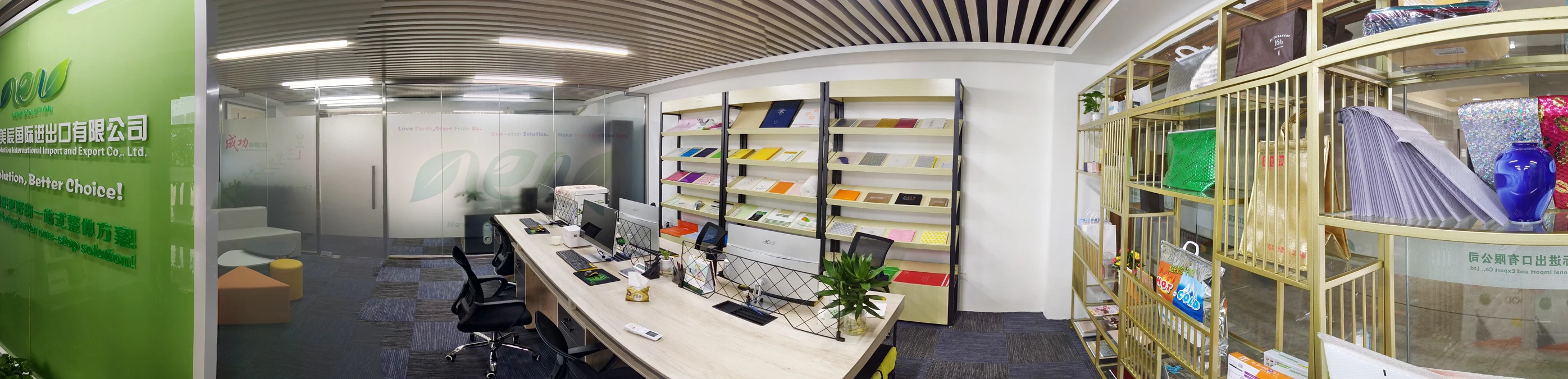
Shenzhen New Solution Co., Ltd.
- Trading Company
- Guangdong, China
- Lead time7 days
- Avg. response≤ 3h
Main productsBiodegradable Packaging Products, Recyclable Packaging Products, Thermal Packaging Products, Kraft Paper Bag
Main marketsNorth America(30.00%), Oceania(25.00%), South America(15.00%), Western Europe(5.00%), Central America(5.00%), Domestic Market(5.00%), Southeast Asia(3.00%), South Asia(2.00%), Eastern Asia(2.00%), Southern Europe(2.00%), Northern Europe(2.00%), Africa(2.00%), Eastern Europe(2.00%)

HonorHope (Zhengzhou) Technology Industrial Co., Ltd.
- Verified by CTI
- Manufacturer/Factory,Group Corporation
- China Henan
- Lead time0 days
- Avg. response≤ 13h
Main productsPacking Box and Bag, Gift and Craft Production, Office Supplier, Greeting Cards and Envelopes, Business Envelopes and Paper, Notebook and Pad, Hangtag and Label, Calenders, Printing Books and Catalogs, Custom Shopping Bag

Wenzhou Hongying Machinery Co., Ltd.
- Verified by CTI
- Combined
- China Zhejiang
- Lead time30 days
- Avg. response≤ 18h
Main productsPaper Bags Machine, Envelope Making Machine, Envelope Machine, Paper Bags Making Machine, Window Patching Machine, Envelope Folding Machine, Die Cuting Machine, Printing Machine, Envelope Gluing Machine
Main marketsSouth America,Africa,Southeast Asia/ Mideast
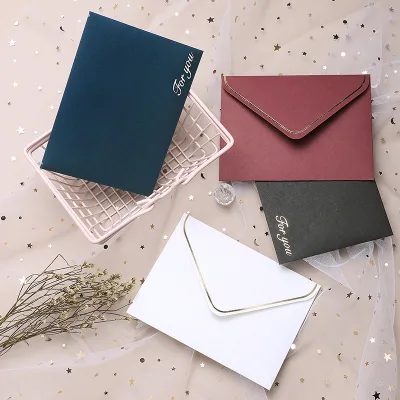
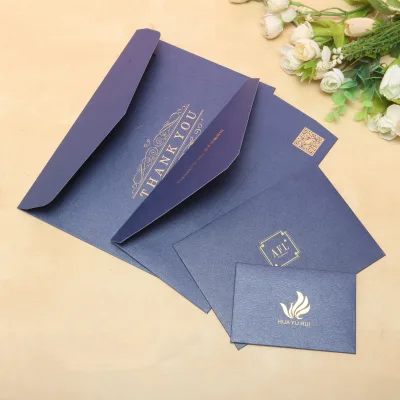




Comprehensive Sourcing Guide
Embossed Logo Custom Paper Envelope Supplier Concentration and Factory Types
The current supplier landscape for embossed logo custom paper envelopes reveals a distinct geographic and operational diversity that buyers must navigate carefully. Evidence indicates that manufacturing and trading entities are concentrated in specific regions, with Guangdong, China, and Anhui, China, emerging as key hubs for this category. Suppliers located in these areas often specialize in different aspects of the packaging industry, ranging from general logistics packaging to specialized gift and wedding stationery. For instance, some manufacturers in Guangdong focus on broader product lines including tissue paper and garment accessories, while others in Anhui may concentrate on bamboo products or specific paper envelope configurations. This regional clustering suggests that buyers can find specialized partners by targeting these known industrial zones, although the exact distribution of capabilities varies significantly between individual entities. Understanding this geographic spread is crucial for assessing logistics costs and supply chain resilience, as proximity to raw material sources or port facilities can influence both pricing and delivery speed.
In terms of company structure, the market is populated by a mix of manufacturers, trading companies, and hybrid entities that offer both OEM and ODM services. Some suppliers are verified as manufacturers with their own production facilities, while others operate as trading companies that source from multiple factories to offer a wider variety of designs. This distinction is vital for buyers who need to determine whether they are dealing with the direct source of production or an intermediary. Trading companies may offer more flexibility in terms of product variety and customer service, whereas manufacturers might provide better control over quality and pricing for large volume orders. Additionally, some suppliers display capabilities for both OEM and ODM, allowing buyers to choose between customizing existing designs or creating entirely new ones. The presence of these different company types means that buyers must clearly define their needs regarding intellectual property, production control, and minimum order quantities before engaging with potential partners.
How to Verify Embossed Logo Custom Paper Envelope Suppliers
Verifying the credibility and capabilities of suppliers requires a multi-layered approach that goes beyond simple profile reviews. Buyers should prioritize suppliers who have undergone third-party verification processes, such as those conducted by SGS or TÜV Rheinland, as these audits provide an independent assessment of the supplier’s business legitimacy and operational standards. For example, some suppliers in the current results hold SGS verification, indicating a level of scrutiny regarding their business practices. Additionally, system certifications like ISO 9001 and BSCI are critical indicators of a supplier’s commitment to quality management and social responsibility. These certifications suggest that the supplier has established standardized processes for production and ethical labor practices, which can reduce the risk of quality inconsistencies or supply chain disruptions. Buyers should request copies of these certificates and verify their validity through the issuing bodies to ensure they are current and applicable to the specific products being ordered.
Beyond certifications, buyers must assess the supplier’s responsiveness and communication efficiency, as these factors often correlate with overall service quality. Response times are a key metric, with some suppliers demonstrating rapid reply rates, such as under two hours, which is essential for resolving queries quickly and maintaining project momentum. Buyers should also look for evidence of sample availability, as many suppliers offer free samples to demonstrate their printing and embossing capabilities. This allows buyers to physically inspect the quality of the paper, the precision of the logo embossing, and the overall finish before committing to a large order. Furthermore, verifying the supplier’s production capacity and lead times is crucial; some suppliers may have specific production models or standards that affect their ability to meet tight deadlines. By combining verification of credentials with practical assessments of communication and sample quality, buyers can build a more accurate picture of a supplier’s reliability and suitability for their specific needs.
What to Compare Across Embossed Logo Custom Paper Envelope Suppliers
When evaluating multiple suppliers, buyers must systematically compare key operational metrics to identify the best fit for their project requirements. One of the most significant differentiators is the minimum order quantity (MOQ), which can vary widely across the market. Some suppliers may require MOQs as low as 10,000 pieces, making them suitable for smaller businesses or trial orders, while others may demand volumes of 200,000 pieces or more, catering to large-scale commercial needs. This disparity means that buyers must align their order volume with the supplier’s capacity to avoid excessive inventory costs or production delays. Additionally, pricing structures should be compared carefully, as costs can range from fractions of a cent to higher amounts depending on the complexity of the design, the type of paper used, and the finishing techniques employed. Buyers should request detailed quotes that break down costs for materials, printing, embossing, and packaging to ensure transparency and avoid hidden fees.
Lead times and response speeds are another critical area for comparison, as they directly impact the buyer’s ability to meet their own sales or distribution deadlines. Some suppliers may offer lead times of around 15 days, while others might require 23 to 30 working days, depending on the complexity of the order and current production loads. Buyers should also consider the supplier’s response time to initial inquiries, as faster responses often indicate a more organized and customer-focused operation. Furthermore, the range of main products offered by each supplier can provide insights into their expertise and flexibility. Suppliers who specialize in a narrow range of paper envelopes may offer higher quality and more specialized options, while those with broader product lines might provide more convenience for buyers seeking multiple packaging solutions. By comparing these metrics side-by-side, buyers can create a weighted scoring system to objectively rank suppliers based on their specific priorities, such as cost, speed, or quality.
Common Embossed Logo Custom Paper Envelope Sourcing Risks
Sourcing embossed logo custom paper envelopes involves several inherent risks that buyers must proactively manage to ensure a successful procurement process. One significant risk is the variability in product quality, particularly regarding the precision of the embossing and the consistency of the logo printing. Since these are custom features, minor deviations in pressure or alignment can result in a subpar final product that fails to meet brand standards. Buyers must mitigate this risk by requesting detailed pre-production samples and conducting thorough inspections upon receipt. Additionally, the choice of paper material, such as art paper, coated paper, or kraft paper, can affect the durability and appearance of the envelope. Buyers should verify that the specified materials match their requirements for strength, texture, and environmental impact, as some suppliers may substitute materials without notice if not explicitly contracted.
Another common risk is the potential for delays in production and delivery, which can disrupt supply chains and miss critical market windows. Lead times can be influenced by various factors, including raw material availability, production capacity, and logistical constraints. Buyers should establish clear communication channels with their suppliers to monitor production progress and address any issues promptly. Furthermore, payment terms and financial security are important considerations, as some suppliers may require upfront payments or specific payment methods that carry risk. Buyers should explore secure payment options, such as escrow services, to protect their funds until the goods are received and verified. Additionally, buyers must be aware of potential intellectual property risks, especially when dealing with custom logo designs. Ensuring that contracts include strict confidentiality and IP protection clauses is essential to prevent unauthorized use or replication of their branding. By identifying and addressing these risks early in the sourcing process, buyers can minimize disruptions and ensure a smoother procurement experience.
Embossed Logo Custom Paper Envelope Regional Sourcing and Logistics
The geographic location of suppliers plays a pivotal role in determining logistics costs, delivery times, and overall supply chain efficiency. Suppliers located in Guangdong, China, often benefit from proximity to major ports and established logistics networks, which can facilitate faster and more cost-effective shipping for international buyers. This region is known for its robust manufacturing infrastructure and access to raw materials, making it a hub for high-volume production. On the other hand, suppliers in Anhui, China, may offer different logistical advantages, such as lower labor costs or specialized local expertise in certain types of paper products. Buyers should consider the total landed cost, which includes not only the product price but also shipping, insurance, and customs duties, when evaluating suppliers from different regions. Understanding the logistical landscape helps buyers make informed decisions about where to source their products to optimize their supply chain.
Logistics planning also involves considering the packaging and handling requirements of the products, as embossed paper envelopes can be sensitive to moisture and physical damage during transit. Suppliers may offer different packaging options, such as paper tubes or cartons, to protect the goods during shipping. Buyers should verify that the packaging is adequate to prevent damage and ensure that the products arrive in pristine condition. Additionally, buyers must be aware of any regulatory requirements or restrictions in their destination markets, such as environmental standards or labeling requirements, which can impact the choice of supplier and logistics provider. By carefully evaluating the regional advantages and logistical implications of each supplier, buyers can develop a more resilient and efficient supply chain that meets their business needs while minimizing risks and costs.
Embossed Logo Custom Paper Envelope Commercial Terms and Order Planning
Effective order planning requires a thorough understanding of the commercial terms offered by suppliers, including payment methods, warranty policies, and after-sales support. Buyers should negotiate clear payment terms that align with their cash flow needs, such as partial payments upfront and the balance upon shipment or delivery. Some suppliers may offer flexible payment options, such as T/T or other secure methods, to facilitate smooth transactions. Additionally, buyers should inquire about the supplier’s policy on defective goods and returns, as this can provide valuable protection in case of quality issues. Understanding these commercial terms helps buyers manage their financial risks and ensures a fair and transparent business relationship.
Furthermore, buyers must plan their orders strategically to align with production cycles and market demands. This involves forecasting demand accurately and placing orders well in advance to account for lead times and potential delays. Buyers should also consider the scalability of their orders, as some suppliers may offer volume discounts or incentives for larger orders. By maintaining open communication with suppliers and staying informed about production schedules, buyers can optimize their inventory levels and avoid stockouts or excess inventory. Additionally, buyers should document all agreements and specifications in writing to prevent misunderstandings and ensure that both parties are aligned on expectations. By combining careful commercial negotiation with strategic order planning, buyers can achieve a more efficient and cost-effective sourcing process for embossed logo custom paper envelopes.
FAQs
What is the typical lead time for custom envelopes?
Manufacturers generally require 15 to 23 days to produce custom orders. Some suppliers offer faster turnaround times, while others may need up to 30 working days for complex designs. Buyers should confirm specific delivery schedules with their chosen vendor before placing bulk orders to ensure timely receipt.
What is the minimum order quantity for these envelopes?
Minimum order quantities vary significantly by supplier, ranging from 10,000 to 200,000 pieces. Most manufacturers set thresholds around 50,000 units for standard custom runs. Buyers seeking smaller batches should verify if any vendors offer lower MOQs or sample services to accommodate initial testing needs.
How quickly do suppliers respond to inquiries?
Response times typically range from 1.11 to 3 hours for active suppliers. Faster response rates often indicate higher operational efficiency and better customer service readiness. Buyers should prioritize vendors with quick reply times to ensure smooth communication throughout the customization and production process.
What certifications do envelope suppliers hold?
Reputable suppliers often hold ISO 9001, BSCI, SGS, and TÜV Rheinland certifications. These credentials verify quality management systems and ethical manufacturing practices. Buyers should request valid certificates to ensure compliance with international standards and safety requirements for their specific packaging needs.
What materials are used for custom envelopes?
Common materials include art paper, coated paper, duplex board, and fancy paper. Kraft paper is also popular for eco-friendly options. Suppliers offer various finishes like gloss lamination, matte lamination, and hot stamping to enhance the visual appeal and durability of the final product.
What is the price range for custom envelopes?
Prices generally range from $0.001 to $0.039 per unit depending on specifications. Higher customization levels, such as embossed logos or special finishes, may increase costs. Buyers should request detailed quotes based on their specific quantity and design requirements to get accurate pricing.