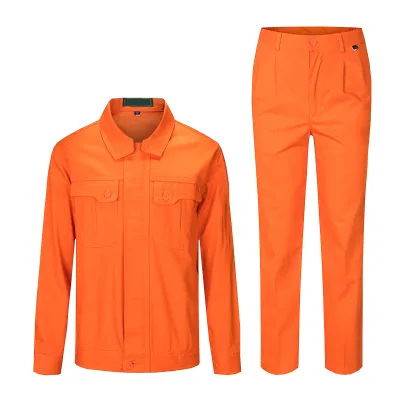
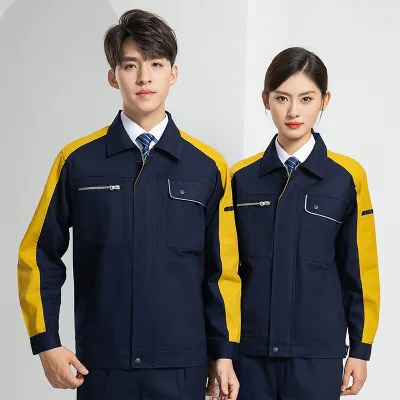
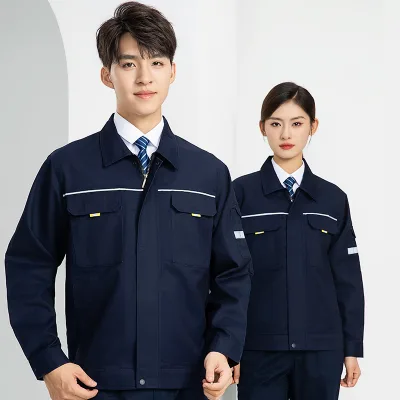
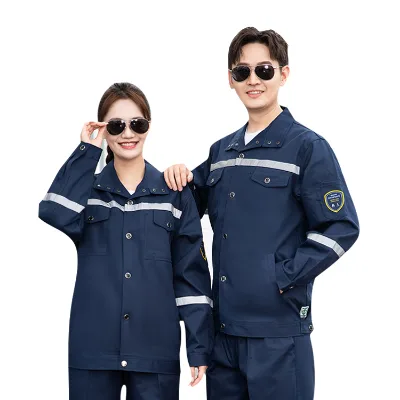
fireproof antistatic two-piece industrial workwear Suppliers and Manufacturers
Explore 30 verified options for fireproof antistatic two-piece industrial workwear from China Guangdong and Hubei. Compare response times, lead times, certifications, and pricing to find suitable factories. Request samples to verify quality before placing orders; review the available evidence before requesting comparable quotations from suitable candidates.
Updated
Suppliers List

Guangzhou Yabin Textile and Clothing Co., Ltd.
- Verified by TUVRHEINLAND
- Combined
- China Guangdong
- Lead time23 days
- Avg. response≤ 1h
Main productsShirt, Suit, Suit Set, Men Shirt, Hoodie, Jacket, Work Uniform, Polo Shirt, T Shirt, School Uniforms
Main marketsDomestic

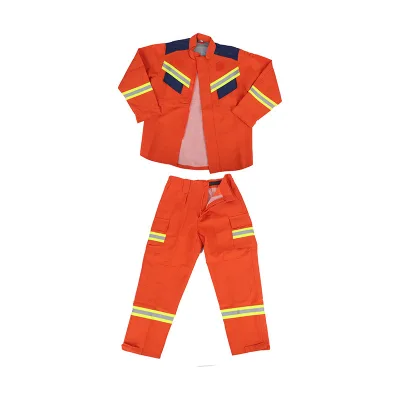
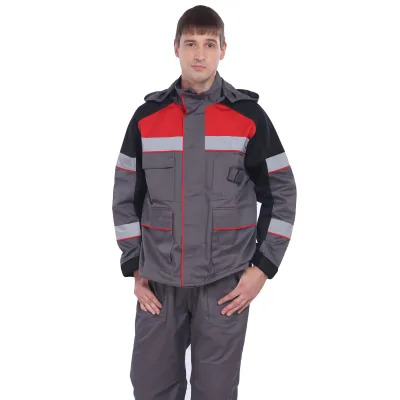
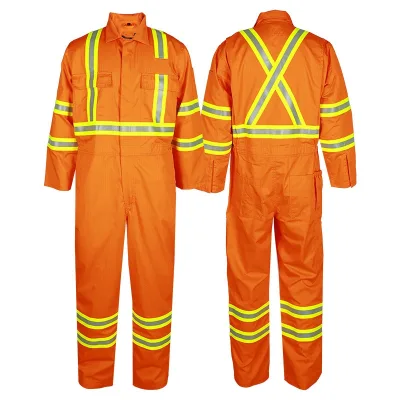
Flame Retardant Reflective Work Suit, Safety Protective Workwear for Industrial Workplace
$19.22 - $19.99
MOQ: 100 Pieces

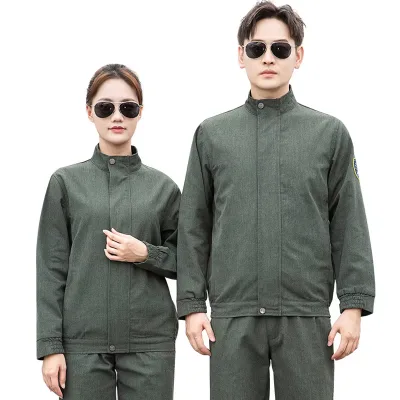
Cotton Flame Retardant Antistatic Protective Workwear Suit with Reflective Strips
$22.22 - $22.99
MOQ: 100 Pieces

Wuhan Enze Textile Technology Co., Ltd
- Verified by TUVRHEINLAND
- Trading Company
- China Hubei
- Lead time15 days
- Avg. response≤ 5h
Main marketsOthers(foreignTradeCapacity.exportBusinessCapacityMarketOther)

$8.50 - $11.50
MOQ: 500 Pieces

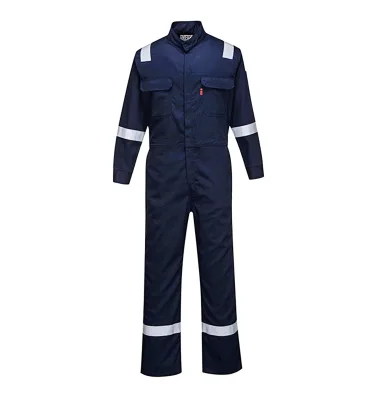
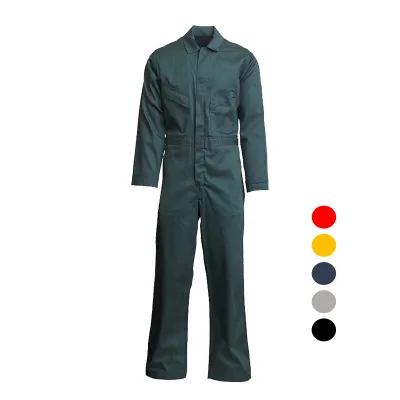
Flame Resistant Industrial Safety Workwear - Safety Coverall for Industrial Use
$14.00
MOQ: 500 Pieces
Ataraxia Personal Care Limited
- Verified by SGS Group
- Manufacturer, Trading Company
- Lead time0 days
- Avg. response≤ 2h
Main productsDisposable Face Towel, Disposable Towel, Disposable Four-piece Set, Disposable Protective Clothing, Disposable Medical Mask
Main marketsWestern Europe(50%), Domestic Market(40%), Southeast Asia(5%)

Guangdong Mingshun Labour Protective Products Co., Ltd
- Verified by SGS
- Combined
- China Guangdong
- Lead time15 days
- Avg. response≤ 4h
Main marketsDomestic


Factory Supply Fireproof Coverall Safety Industrial Oil and Gas Industry Workwear
$20.00 - $25.00
MOQ: 1000 Pieces

Shanghai China Commandos Co., Ltd.
- Verified by TUVRHEINLAND
- Manufacturer/Factory,Group Corporation
- China Shanghai
- Lead time45 days
- Avg. response≤ 4h
Main productsCustom Security Uniforms, Business Service Suits, Railway Uniforms, Industrial Workwear, Security Duty Belts, Safety & Formal Shoes, Uniform Hats & Berets, Uniform Supporting Accessories, Custom Uniform Full Sets, Etiquette Gloves
Main marketsSouth America,Eastern Europe,Mid East,North America,Southeast Asia,Eastern Asia,Oceania,Western Europe,Africa

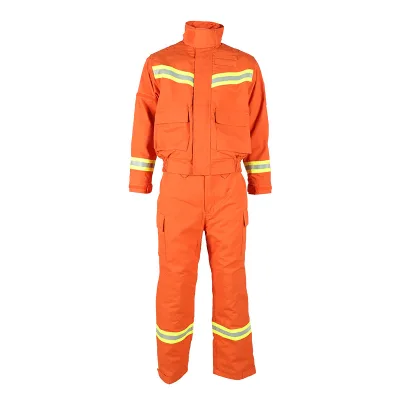
Workwear Suit Firefighter Clothes Flame-Retardant Coveralls Industrial Safety Work Uniform
$50.00 - $80.00
MOQ: 1000 SETS

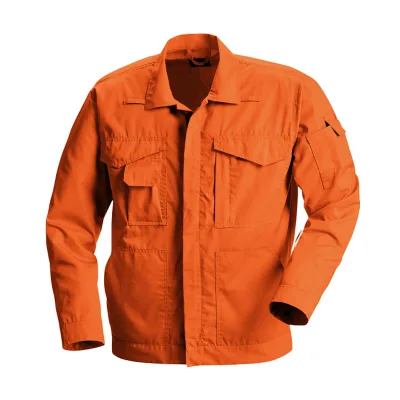
Safety Reflective Work Jacket Clothes Flame-Resistant/Flame-Retardant Uniform En ISO 11612/14116
$20.00 - $30.00
MOQ: 1000 PCS
Henan Eastman Protection Technology Co., Ltd.
- Verified by Intertek
- Manufacturer, Trading Company
- Lead time30 days
- Avg. response≤ 3h
Main productsFR Coverall, FR Shirt, FR Jacket, FR Pants, FR Bib Pants
Main marketsNorth America(40%), South America(20%), Western Europe(20%)
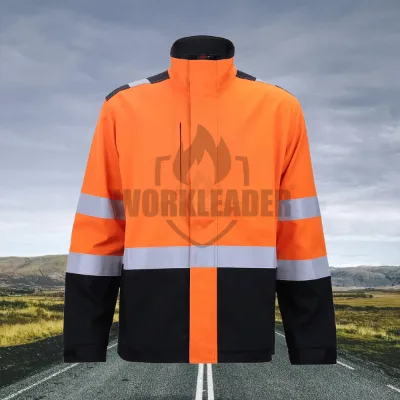
$25.6689 - $26.6957
MOQ: 500 pieces
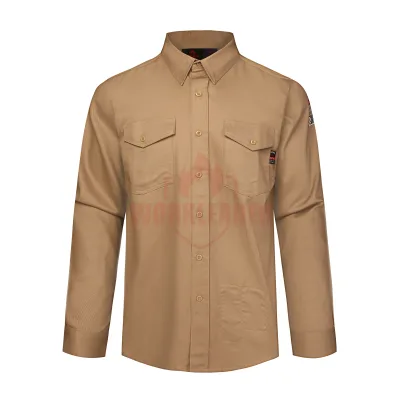
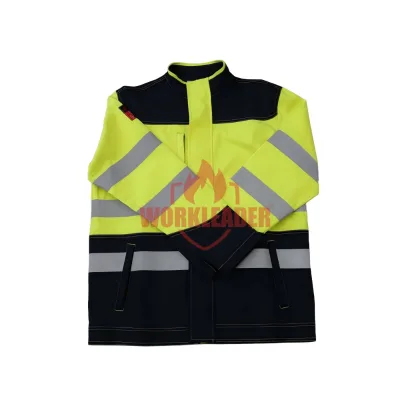
$27.80 - $32.10
MOQ: 500 pieces
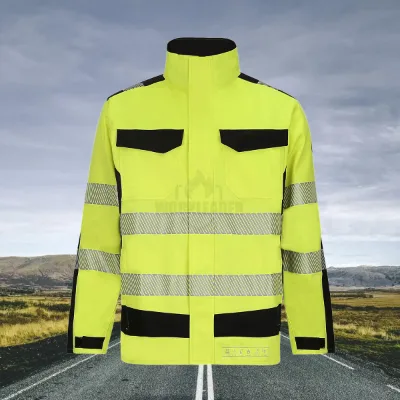
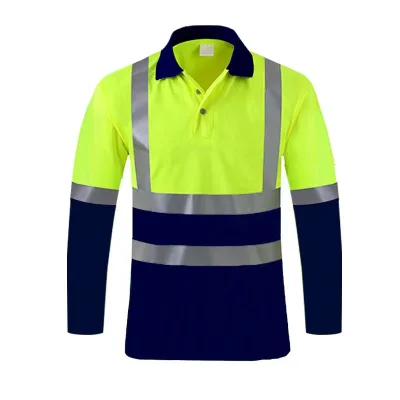
Customized Hi-Vis Flame Retardant Antistatic Workwear Jacket FR Workwear Parka
$35.00 - $36.00
MOQ: 500 pieces
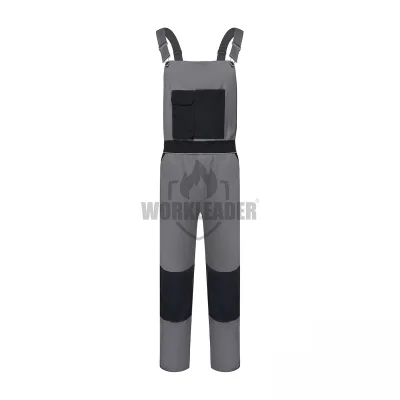
Factory Custom Flame Retardant Anti-Static Safety Workwear Bib Coverall for Oil & Gas Industry
$11.7057 - $14.6827
MOQ: 500 pieces
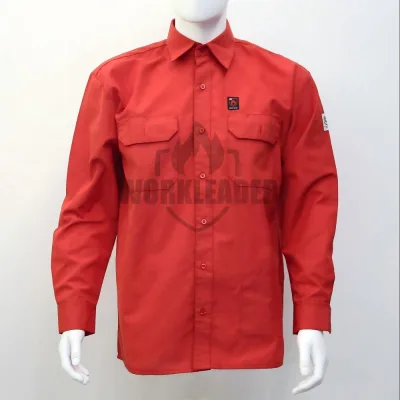
Lightweight IFR IIIA Woven Flame Retardant Shirt Oil Field Workwear Uniform for Safety
$25.30 - $29.20
MOQ: 500 pieces

Kinglong Protective Products (Hubei) Co., Ltd.
- Verified by TUVRHEINLAND
- Combined
- China Hubei
- Lead time60 days
- Avg. response≤ 2h
Main productsWork Clothes, Workwear, Coveralls, Work Garment, Uniforms, Pants, Cargo Pants, Leisure Pants, Outdoor Wear
Main marketsSouth America,Southeast Asia/ Mideast,Europe

Custom Fireproof Cotton Industrial Hi Vis Reflective Safety Workwear Suit
$8.56 - $10.68
MOQ: 3000 piece

$8.56 - $10.68
MOQ: 3000 piece


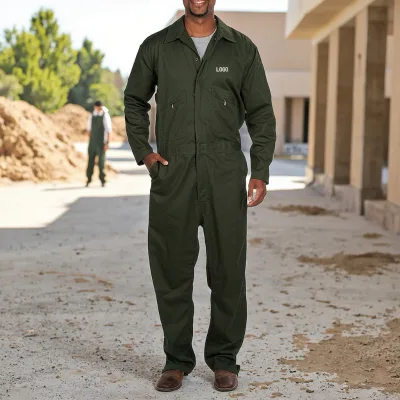
Workwear Welder Safety Work Frc Fr Clothing Flame Resistant Fire Retardant Coverall
$8.56 - $10.68
MOQ: 3000 piece

Flame Retardant Cotton Clothe Fire Resistant Uniform Workwear Working Coveralls Suit
$8.56 - $10.68
MOQ: 3000 piece

Xi'an Dunan Industry And Trade Co., Ltd.
- Manufacturer, Trading Company
- Shannxi, China
- Lead time30 days
- Avg. response≤ 3h
Main productsWorking Uniform/ Fire Resistant Coverall/ Fire Retardant Bib Overall/ FR Jeans/ FR Men Shirt,Lab Coat/ Multi Pockets Long Cargo Pants/ FR Winter Jacket/ FR Vest/ FR Short Cargo Pants/ FR Henly Shirt/ FR Coverall/ Fire Resistant Jacket/ Inherent FR Working Shirt/ Inherent FR Coverall,Personal Protective Equipment,Uniforms & Safety Clothing,Men's Clothing
Main marketsNorth America(30.00%), Domestic Market(20.00%), Mid East(11.00%), South America(10.00%), Southeast Asia(8.00%), Northern Europe(5.00%), Oceania(4.00%), Africa(3.00%), Eastern Europe(3.00%), Central America(2.00%), Western Europe(1.00%), South Asia(1.00%), Southern Europe(1.00%), Eastern Asia(1.00%)
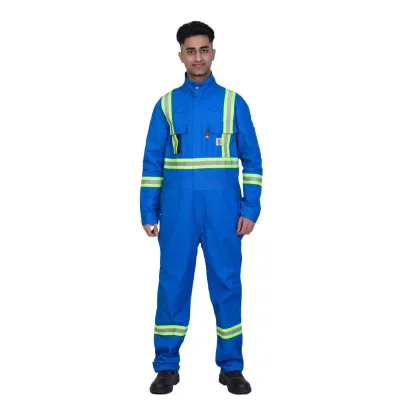
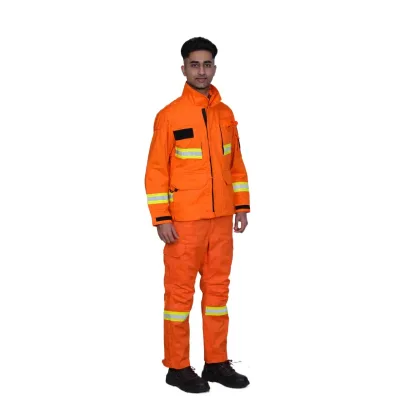
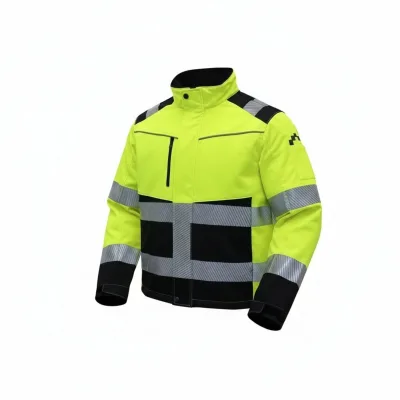
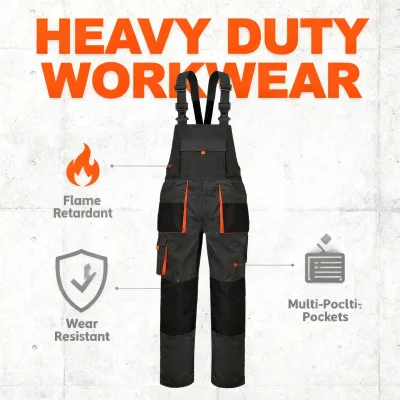
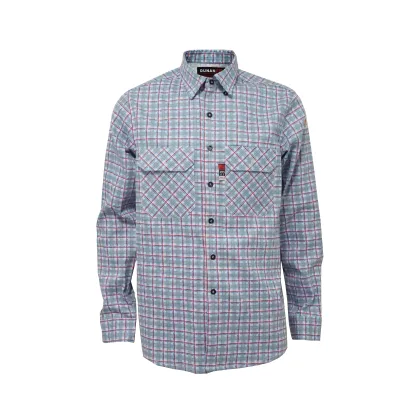
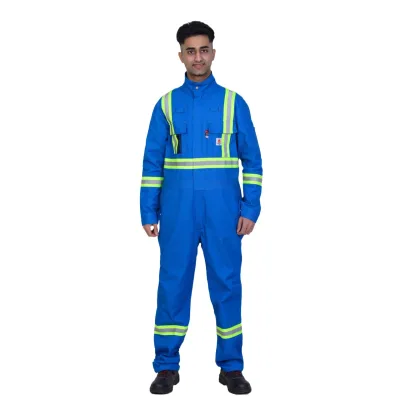
Oil Refinery Workwear Uniform Flame Retardant Coverall for Men Workwear
$27.9324 - $30.5181
MOQ: 100 pieces

Chibi Xiangyuan Special Fabric Co., Ltd.
- Verified by BV
- Trading Company,Manufacturer/Factory
- China Hubei
- Lead time23 days
- Avg. response≤ 8h
Main productsFlame Retardant Fabric, Antistatic Fabric, Acid & Alkali Resistant Fabric, Workwear Fabric, 100% Cotton Fabric, Fr Fabric, Textile, Function Fabric
Main marketsSouth America,Eastern Europe,Mid East,North America,Southeast Asia,Eastern Asia,Oceania,Western Europe,Africa

Flame-Resistant Oil-Resistant Industrial Workwear Uniform 100% Cotton Clothing
$2.55 - $2.99
MOQ: 2000 Meters


Fireguard Protwill Fabric Flame Retardant Water Repellent Durable Workwear
$2.55 - $2.99
MOQ: 2000 Meters
Hubei Yasoo Industrial Co., Ltd.
- Verified by SGS Group
- Manufacturer, Trading Company
- Lead time30 days
- Avg. response≤ 5h
Main productsUniform and Workwear, Waterproof Raincoat, Winter Puffer Jacket, Softshell and Fleece Jacket, Vests
Main marketsNorth America(20%), Western Europe(20%), Northern Europe(10%)

Guangzhou City Basic Clothing Co., Ltd.
- Trading Company, Buying Office, Distributor/Wholesaler
- Guangdong, China
- Lead time15 days
- Avg. response≤ 5h
Main productst shirt,hoodies,tracksuit,men suit,workwear
Main marketsNorth America(25.00%), Oceania(20.00%), Mid East(12.00%), Africa(10.00%), Southern Europe(7.00%), Eastern Europe(6.00%), Northern Europe(5.00%), Western Europe(5.00%), Central America(3.00%), Southeast Asia(2.00%), South America(2.00%), Domestic Market(1.00%), South Asia(1.00%), Eastern Asia(1.00%)

Shanxi Weimiao Textile & Garment Co., Ltd.
- Trading Company
- China Shanxi
- Lead time0 days
- Avg. response≤ 6h
Main productsWorkwear, Work Uniform, Coverall, Polyester Fabric, Garment Fabric, Fabric, Work Clothing, Cotton Fabric, Isolation Gown
Guangdong Lemingwei Clothing Co., Ltd.
- Verified by TüVRheinland
- Manufacturer, Trading Company
- Lead time30 days
- Avg. response≤ 2h
Main productsHospital Uniforms, Nurse Uniforms, Polo Shirts, Work Ware, Home Ware
Main marketsWestern Europe(40%), North America(30%), South America(10%)

Suzhou Jingshang Jingmei Electronic Technology Co., Ltd.
- Verified by SGS
- Manufacturer/Factory
- China Jiangsu
- Lead time23 days
- Avg. response≤ 1h
Main productsESD Workwear, Cleanroom Undergarment, Cleanroom Garments, ESD Smock, Cleanroom Shoes, ESD Shoes, Hospital Uniform, Cleanroom Suit, ESD Garment, Medical Scrubs
Main marketsSouth America,Eastern Europe,Mid East,North America,Southeast Asia,Eastern Asia,Oceania,Western Europe,Africa


Good Resistance to Static Suit Anti-Static Garment Protective Workwear
$10.30 - $11.60
MOQ: 200 Pieces

Good Resistance Anti-Static Clothing Protective Gown Multifunctional Dustproof Workwear
$8.20 - $9.60
MOQ: 200 Pieces

Customize Protective Workwear Waterproof Protective Clothing Anti Static Suit
$10.30 - $11.60
MOQ: 200 Pieces

Supplier Factory Flame-Resistant Anti-Static Safety Workwear for Chemical Manufacturing
$14.00 - $15.80
MOQ: 200 Sets

Hot Sale Customize Protective Workwear Waterproof Protective Clothing Anti Static Suit
$10.30 - $11.60
MOQ: 200 Pieces

Guangzhou Tianyuan Clothing Co., Ltd
- Verified by SGS
- Combined
- China Guangdong
- Lead time30 days
- Avg. response≤ 2h
Main productsPolo Shirt, Shirt, Suit, T-Shirt, School Uniform, Hooded Sweatshirt, Medical Uniform, Chef's Uniform, Trousers, Work Clothes
Main marketsDomestic

Industrial Long Sleeve Work Coveralls Flame Resistant Anti-Static Safety Uniform for Welding
$9.80 - $12.90
MOQ: 100 Pieces

Xinxiang Chuangwei Garment Co., Ltd.
- Manufacturer, Trading Company
- Henan, China
- Lead time60 days
- Avg. response≤ 3h
Main productsWork Coveralls, Work Jacket, Work Pants, Work Bib Pants, Work Suits
Main marketsSoutheast Asia(25.00%), Oceania(15.00%), Western Europe(10.00%), Domestic Market(10.00%), Mid East(10.00%), North America(5.00%), South America(5.00%), Central America(5.00%), Northern Europe(5.00%), Africa(5.00%), Eastern Europe(5.00%), South Asia(0.00%), Eastern Asia(0.00%), Southern Europe(0.00%)
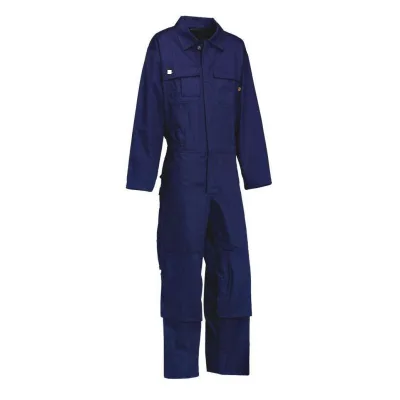
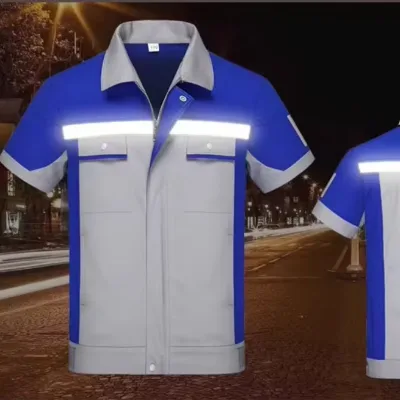
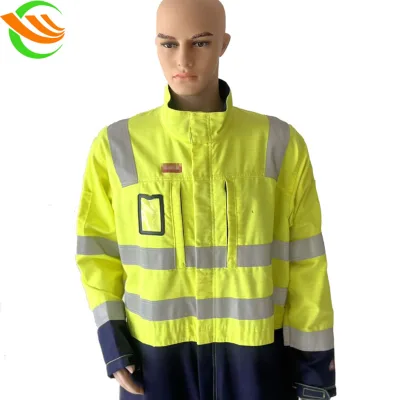
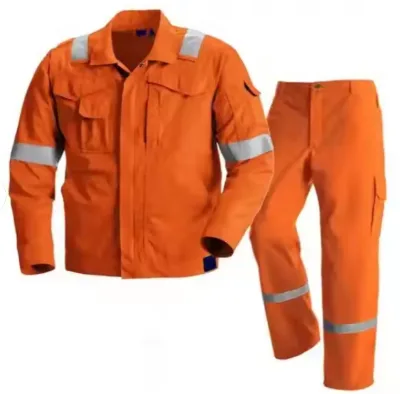
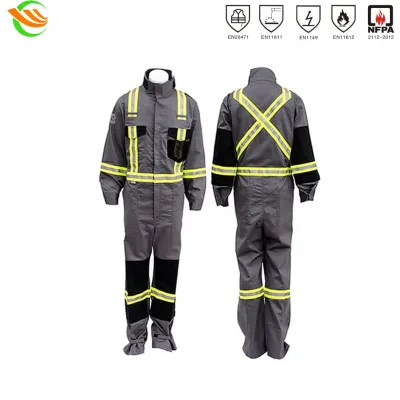
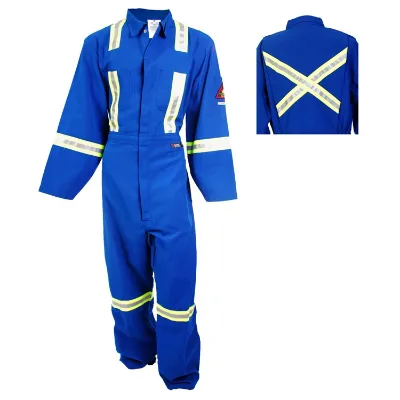
Electrician Safety Work Uniform Aramid Overalls WorkWear Industrial Fireproof Coverall
$18.00 - $27.00
MOQ: 1000
Wuhan Corhunter Garment Co., Ltd.
- Verified by Intertek
- Trading Company
- Lead time30 days
- Avg. response≤ 4h
Main productsTactical Uniform, Security Guard Uniform, Workwear, Camouflage Fabric, Tactical Gear
Main marketsAfrica(20%), North America(15%), South America(15%)

Henan Eastman Protection Technology Co., Ltd.
- Verified by TUVRHEINLAND
- Combined
- China Henan
- Lead time30 days
- Avg. response≤ 6h
Main productsFr Garments, Workwear, Anti Acid & Static, Scrubs, Trousers, Coverall, Working Clothes, Overall, Welding, Chaleco
Main marketsNorth America


$19.50 - $35.60
MOQ: 1000 Sets


Guangzhou Fuyu Information Technology Co., Ltd
- Verified by BV
- Trading Company
- China Guangdong
- Lead time15 days
- Avg. response≤ 2h
Main marketsEast Asia(Japan/ South Korea),Domestic,Europe

Anti-Static and Flame-Retardant Custom Work Clothes Anti-Arc Fire-Proof One-Piece Work Clothes
$51.95 - $74.22
MOQ: 3 Pieces

Labor Protection Work Clothes, Flame Retardant, Anti-Arc Shirts, Wear-Resistant Work Clothes
$36.21 - $51.73
MOQ: 3 Pieces

$56.68 - $80.97
MOQ: 3 Pieces

Customized Flame Retardant Work Clothes, Anti-Static Coveralls, Anti-Arc Work Clothes
$44.08 - $62.98
MOQ: 3 Pieces

Nuolang (Guangdong) Garment Industry Co., Ltd.
- Verified by BV
- Combined
- China Guangdong
- Lead time15 days
- Avg. response≤ 2h
Main productsT-Shirt, Polo Shirt, Shirt, Coverall, Suit, Uniform, Sportswear, Casual Wear
Main marketsSoutheast Asia/ Mideast
Jianyang Huayu Clothing Co., Ltd.
- Manufacturer
- Sichuan, China
- Lead time25 days
- Avg. response≤ 5h
Main productsWorking Clothes,Labor Protection,T-Shirt,Suits,Shirt
Main marketsDomestic Market(100.00%)

Shijiazhuang Beiduoyin International Trade Co., Ltd.
- Verified by SGS
- Combined
- China Hebei
- Lead time15 days
- Avg. response≤ 4h
Main productsWork Wear, Work Vest, Polo Shirts, Outdoor Jackets, Uniforms, Work T Shirts, Safety Shoes, Hoodie, Vest
Main marketsSoutheast Asia/ Mideast,Europe,Australia,North America

Flame-Retardant Workwear Reflective Working Clothes Suit Anti-Static Fire Retardant Work Coveralls
$20.88 - $26.15
MOQ: 200 Pieces

Professional Flame Retardant Work Uniforms Suits Reflective Safety Fr Workwear
$20.15 - $24.82
MOQ: 200 Pieces

SHANDONG SEAWELL INDUSTRIAL ENGINEERING CO., LTD.
- Verified by TUVRHEINLAND
- Trading Company
- China Shandong
- Lead time15 days
- Avg. response≤ 3h
Main productsExcavator, Bulldozer, Forklift, Mini Crawler Crane, Aerial Working Platform, Marine Product, Spare Parts, Building Material
Main marketsOthers(foreignTradeCapacity.exportBusinessCapacityMarketOther),Southeast Asia/ Mideast

Ningbo Leaders Imp. & Exp. Co., Ltd.
- Verified by SGS
- Trading Company
- China Zhejiang
- Lead time23 days
- Avg. response≤ 7h
Main productsSafety Vest, Fr Coverall, Safety T-Shirt, Safety Jacket, Safety Rain Jacket, Safety Rain Pants, Fr Shirt, Fr Pants, Fr Jacket, Safety Sweatshirt
Main marketsEurope,North America
Hubei Xinduo Industry And Trade Co., Ltd.
- Verified by SGS Group
- Manufacturer, Trading Company
- Lead time15 days
- Avg. response≤ 2h
Main productsBaseball Caps, Trucker Hat, Snapback, Bucket Visor And Winter Hat, T-shirt And Polo

Jiangsu Huibaicheng Group Co., Ltd.
- Verified by SGS
- Trading Company
- China Jiangsu
- Lead time23 days
- Avg. response≤ 6h
Main productsSafety Helmet, Safety Vest, Reflective Clothing, Hard Hat, Safety Gloves
Main marketsSouth America,Eastern Europe,Mid East,North America,Southeast Asia,Eastern Asia,Oceania,Western Europe,Africa
Shenzhen Huikang Apparel Technology Co., Ltd.
- Verified by SGS Group
- Manufacturer, Trading Company
- Lead time0 days
- Avg. response≤ 4h
Main productsWork Pants, Reflective Shirt, Safety Coverall, Safety Jackets, Polo Shirt
Main marketsNorth America(30%), Domestic Market(20%), Southeast Asia(15%)
Ganzhou Jinjia Clothing Co., Ltd.
- Verified by SGS Group
- Manufacturer, Trading Company
- Lead time40 days
- Avg. response≤ 1h
Main productsWorking Protective Raincoats, Outdoor Activities Waterproof Rainwear, Reflective Safety Rain Gears, Adults And Children Fashion Outerwear Rain Coats, Other waterproof products
Main marketsNorth America(20%), South America(20%), Africa(15%)

Shanghai Sky Industrial Products Co., Ltd
- Verified by SGS
- Trading Company
- China Shanghai
- Lead time30 days
- Avg. response≤ 18h
Main productsMilitary Uniform, Military Boot, Military Backpack, Belt, Buckle, T-Shirt, Badge
Main marketsDomestic
- Verified by SGS Group
- Manufacturer, Trading Company
- Shanghai, China
- Lead time旺季: "1 - 300":45,"> 300":"To be negotiated", 淡季: "1 - 300":45,"> 300":"To be negotiated"
- Avg. response≤ 3h
Main productsArc Flash Clothing, Flight Suit, Flame Resistant Clothing, Fall Protection Series, Respiratory Protection Products
Main marketsSoutheast Asia(25%), Mid East(15%), Africa(15%)
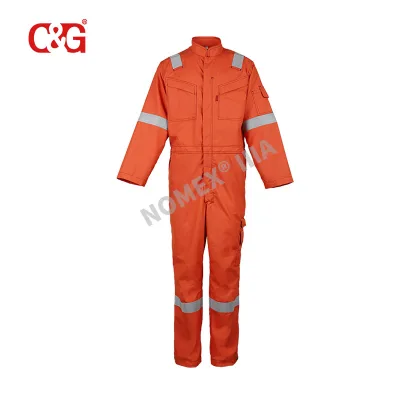
Nomex IIIA Fire Retardant Clothing Oil and Gas Workwear
$93.00 - $180.00
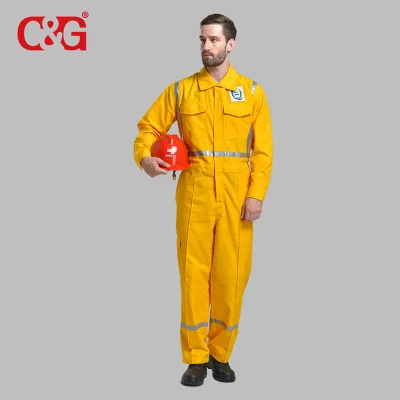
Industry Oil Field Fire Retardant Coverall Working Uniforms Workwear
$24.3722 - $40.6874
MOQ: 10 pieces




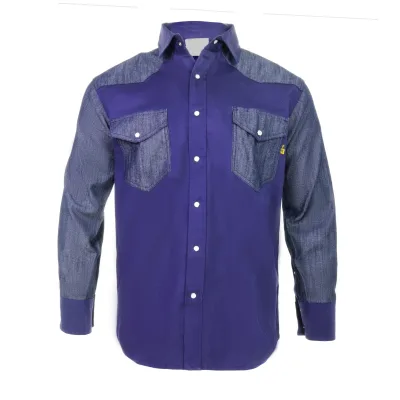


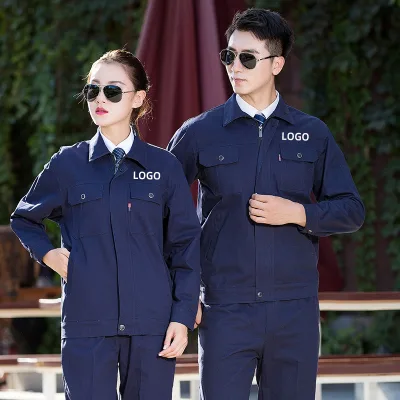
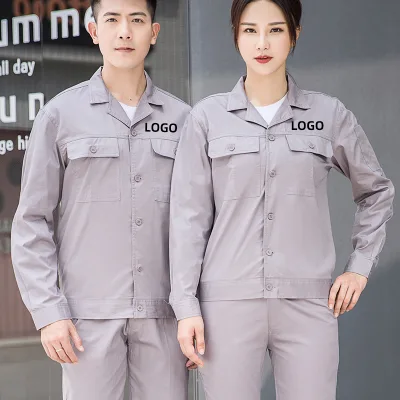
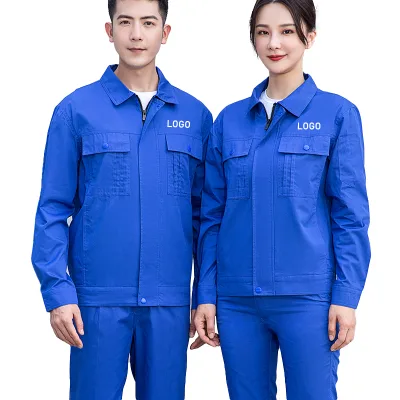


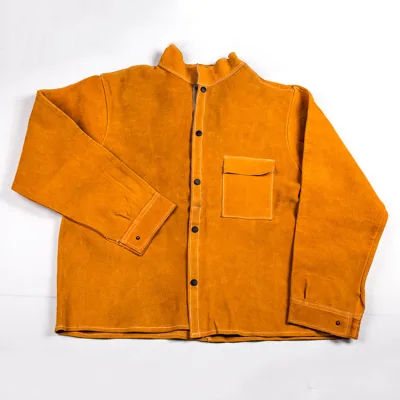
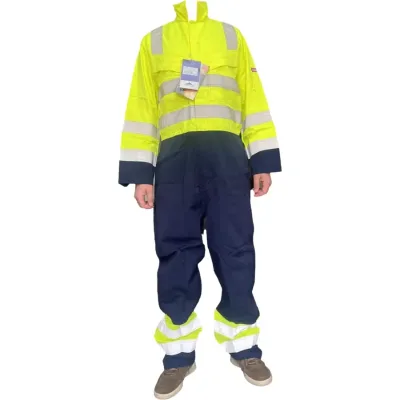
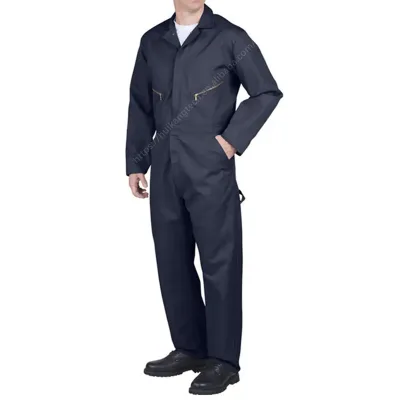
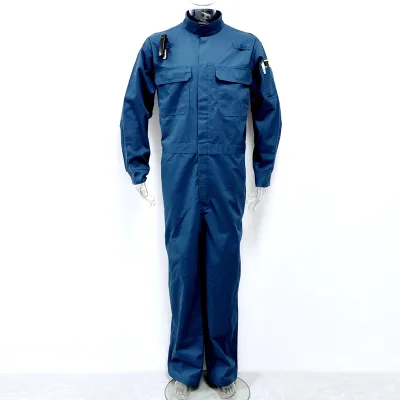


Comprehensive Sourcing Guide
Fireproof Antistatic Two-Piece Industrial Workwear Supplier Concentration and Factory Types
The current supplier landscape for fireproof antistatic two-piece industrial workwear reveals a diverse mix of manufacturing capabilities and business models, primarily concentrated in specific Chinese provinces. Data indicates that suppliers are located in regions such as Guangdong and Hubei, with Guangdong specifically noted as a hub for combined entities that handle both production and trading functions. These combined companies often offer a broader range of apparel, including shirts, suits, and hoodies, alongside specialized workwear, suggesting a versatile production infrastructure capable of handling varied textile demands. In contrast, suppliers in Hubei are identified as trading companies, which may act as intermediaries rather than direct manufacturers, potentially affecting the directness of communication and the transparency of the supply chain. Understanding this distinction is crucial for buyers seeking either direct factory pricing or the logistical support of a trading partner. The presence of both manufacturer and trading company types in the results highlights the importance of verifying the actual source of production to ensure quality control and cost efficiency.
Furthermore, the types of companies available range from pure manufacturers to those offering OEM and ODM services, indicating a high degree of customization potential in the market. Some suppliers explicitly state their ability to provide high-end custom services, allowing buyers to tailor specifications such as color, logo, and fabric composition to their specific industrial needs. This flexibility is particularly valuable for companies requiring branded uniforms or specialized protective gear that meets unique safety standards. The availability of customization options, including anti-wrinkle, quick-dry, and anti-static features, suggests that suppliers are equipped to handle complex technical requirements. Buyers should assess whether the supplier’s primary focus aligns with their volume and customization needs, as trading companies might offer faster access to a wider variety of existing stock, while manufacturers might provide better long-term scalability for large orders. The geographic distribution also implies that logistics and shipping costs may vary depending on the supplier’s location, with Guangdong potentially offering more established export infrastructure due to its proximity to major ports.
How to Verify Fireproof Antistatic Two-Piece Industrial Workwear Suppliers
Verifying the credibility and capabilities of suppliers requires a multi-layered approach that goes beyond basic company profiles. One critical step is to check for third-party verification badges, such as those from TÜV Rheinland or SGS Group, which indicate that the supplier has undergone independent audits for business legitimacy and operational standards. These verifications provide a baseline level of trust, confirming that the entity exists and operates within legal frameworks. However, verification alone does not guarantee product quality, especially for safety-critical items like fireproof and antistatic workwear. Buyers must therefore dig deeper into the supplier’s technical certifications and compliance records. While some suppliers display certifications like ISO13485, which is typically associated with medical devices, it is essential to confirm whether they hold relevant safety standards for industrial protective clothing, such as EN or NFPA certifications, which are not explicitly listed in the current data. Buyers should request these specific certificates directly and verify their validity with the issuing bodies to ensure the products meet the required safety levels for their intended use.
In addition to certifications, assessing the supplier’s response time and communication efficiency is a practical method for gauging their professionalism and reliability. The data shows varying response times, with some suppliers responding within 0.34 hours and others taking up to 4.56 hours. A faster response time often correlates with a more active sales team and better customer service, which is vital for resolving issues quickly during the sourcing process. Buyers should also inquire about the supplier’s sample production capabilities, as the ability to provide samples within 10-20 days indicates a streamlined production process. It is advisable to order samples from multiple suppliers to compare the quality of materials, stitching, and protective features firsthand. This hands-on evaluation is the most reliable way to assess whether the supplier can deliver the specific performance characteristics required for fireproof and antistatic workwear. Additionally, buyers should verify the supplier’s main products to ensure they have specialized expertise in workwear rather than just general apparel, as specialization often leads to better quality control and technical knowledge.
What to Compare Across Fireproof Antistatic Two-Piece Industrial Workwear Suppliers
When evaluating multiple suppliers, buyers should systematically compare key operational metrics such as lead times, minimum order quantities (MOQs), and pricing structures to determine the best fit for their procurement strategy. The available data reveals a wide range in lead times, with some suppliers offering production within 15 days and others taking up to 23 days. This difference can significantly impact inventory management and order fulfillment, especially for time-sensitive projects. Similarly, MOQs vary considerably, with some suppliers requiring as few as 10 pieces for custom orders, while others mandate 500 pieces. This disparity allows buyers with smaller initial orders or testing needs to engage with more flexible suppliers, whereas those planning large-scale deployments might benefit from the economies of scale offered by suppliers with higher MOQs. Pricing also differs, with ranges from approximately $8.50 to $22.99 per unit, depending on the product specifications, materials, and customization levels. Buyers should request detailed quotes that break down costs for materials, labor, and customization to understand the value proposition of each supplier.
Beyond operational metrics, buyers should compare the specific features and customization options offered by each supplier to ensure alignment with their technical requirements. The data highlights various features such as flame retardant, anti-static, rip-stop, and reflective properties, which are critical for industrial safety. Buyers should verify which combinations of these features are available and whether they are standard or require additional customization. Additionally, the availability of OEM and ODM services should be compared, as some suppliers may offer more comprehensive design and development support than others. The ability to customize colors, logos, and packaging is another important factor, particularly for companies that need branded uniforms. Buyers should also assess the supplier’s product range to see if they offer complementary items, such as disposable protective clothing or other safety gear, which could simplify the sourcing process. By comparing these dimensions, buyers can identify suppliers that not only meet their price and volume requirements but also provide the technical flexibility and service quality needed for long-term success.
Common Fireproof Antistatic Two-Piece Industrial Workwear Sourcing Risks
One of the primary risks in sourcing fireproof antistatic two-piece industrial workwear is the potential mismatch between claimed safety features and actual product performance. Suppliers may advertise products as flame retardant or antistatic, but without verified test results or recognized certifications, these claims may not hold up under rigorous safety standards. Buyers must be cautious of suppliers who lack clear documentation of their product testing and compliance with international safety standards. This risk is particularly acute when dealing with trading companies that may not have direct control over the manufacturing process or quality assurance protocols. To mitigate this risk, buyers should insist on third-party testing reports for the specific products they intend to purchase, ensuring that the materials and construction meet the required safety levels. Additionally, buyers should be wary of suppliers with inconsistent or vague product descriptions, as this may indicate a lack of technical expertise or transparency.
Another significant risk is the variability in supply chain reliability, which can lead to delays or quality inconsistencies. The data shows that some suppliers have a lead time of zero, which may indicate they are drop-shipping or holding inventory, while others have longer lead times due to custom production. This variability can make it difficult for buyers to plan their inventory and fulfill orders on time. Furthermore, the use of different packaging standards, such as standard packaging versus carton packaging, can affect the condition of the goods during transit. Buyers should also consider the risk of communication barriers, especially when working with suppliers in different regions or those with slower response times. Misunderstandings regarding specifications, delivery dates, or payment terms can lead to costly errors. To address these risks, buyers should establish clear communication channels, request regular updates on production status, and consider using escrow services or other secure payment methods to protect their financial interests. It is also advisable to conduct regular audits or inspections of the supplier’s facilities and processes to ensure ongoing compliance and quality.
Fireproof Antistatic Two-Piece Industrial Workwear Regional Sourcing and Logistics
The geographic location of suppliers plays a crucial role in determining logistics costs, shipping times, and overall supply chain efficiency. Suppliers located in Guangdong, a major manufacturing hub in China, often benefit from proximity to international ports and established logistics networks, which can facilitate faster and more cost-effective shipping. This region is known for its robust textile and apparel industry, offering a wide range of suppliers with varying capabilities. In contrast, suppliers in Hubei, while also a significant industrial region, may have different logistical advantages and challenges. Buyers should consider the distance between the supplier’s location and their destination port when calculating total landed costs. Additionally, the type of supplier, whether a manufacturer or a trading company, can influence logistics management. Manufacturers may have more control over production schedules and packaging, while trading companies may offer consolidated shipping options from multiple sources.
Logistics planning should also account for the specific requirements of fireproof antistatic workwear, which may have special handling or storage needs. For instance, some products may require specific packaging to protect against moisture or damage during transit. Buyers should verify the supplier’s packaging standards and ensure they are adequate for the intended shipping method. Furthermore, the lead time provided by the supplier should be factored into the overall logistics timeline, including customs clearance and inland transportation. Buyers should also consider the impact of seasonal factors and global supply chain disruptions on shipping availability and costs. It is advisable to work with suppliers who have experience in exporting to the buyer’s region, as they are likely to be more familiar with the relevant regulations and documentation requirements. By carefully evaluating the regional and logistical aspects of each supplier, buyers can optimize their supply chain for efficiency, cost-effectiveness, and reliability.
Fireproof Antistatic Two-Piece Industrial Workwear Commercial Terms and Order Planning
Effective order planning for fireproof antistatic two-piece industrial workwear requires a clear understanding of commercial terms, including payment conditions, warranty policies, and after-sales support. Buyers should negotiate terms that protect their interests, such as using escrow services for secure transactions or establishing clear penalties for late delivery or quality issues. The data indicates that some suppliers offer flexible MOQs, which can be advantageous for initial orders or testing phases. However, buyers should also consider the potential for volume discounts and long-term partnership benefits when planning larger orders. It is important to clarify the supplier’s return and exchange policies in case of defects or non-conformance, as this can significantly impact the total cost of ownership. Additionally, buyers should inquire about the supplier’s capacity for handling rush orders or changes in specifications, as flexibility in this area can be crucial for responding to market demands.
Furthermore, buyers should assess the supplier’s ability to provide ongoing support and maintenance for their products. This includes access to technical support for troubleshooting issues, availability of spare parts or replacement components, and the supplier’s responsiveness to customer inquiries. The data shows that some suppliers offer OEM and ODM services, which can be beneficial for companies looking to develop unique product lines. Buyers should evaluate the supplier’s design and development capabilities to ensure they can support their long-term product strategy. Additionally, buyers should consider the supplier’s financial stability and reputation in the market, as these factors can affect their ability to fulfill orders consistently. By carefully planning commercial terms and order logistics, buyers can build a resilient and efficient supply chain that supports their operational needs and minimizes risks. This proactive approach ensures that the sourcing process is not only cost-effective but also aligned with the company’s broader strategic goals.
FAQs
What is the typical lead time for fireproof antistatic two-piece industrial workwear?
Lead times vary by supplier, ranging from 15 to 23 days for standard orders. Some manufacturers offer faster turnaround, while others require longer production windows. Buyers should confirm specific delivery schedules before placing bulk orders to ensure timely arrival.
What are the minimum order quantities for flame retardant work suits?
Minimum order quantities differ significantly across suppliers, with options starting at 10 pieces for custom items. Other vendors require 100 or 500 units per order. Buyers must check individual product listings to find the specific MOQ that matches their procurement needs.
Which certifications do suppliers of industrial protective workwear hold?
Some suppliers hold ISO13485 certification for medical-grade protective clothing, while others display TUVRHEINLAND verification. Many manufacturers do not list specific system certifications. Buyers should verify the exact credentials of each supplier directly before finalizing any purchase agreements.
Where are manufacturers of flame resistant coveralls located?
Manufacturers are primarily located in China, specifically in Guangdong and Hubei provinces. Products often originate from Guangzhou or Hubei regions. Buyers should confirm the exact factory location to assess shipping logistics and potential tariffs for their specific import requirements.
What features are included in fireproof antistatic two-piece industrial workwear?
These suits typically include flame retardant, anti-static, and rip-stop features. Additional attributes often involve quick-dry capabilities, anti-wrinkle properties, and high-visibility reflective strips. Some models offer thermal insulation and wearproof construction for demanding industrial environments.
How quickly do suppliers respond to inquiries about safety workwear?
Response times vary, with some suppliers replying within 0.34 hours and others taking up to 4.56 hours. Faster response rates are common among verified manufacturers. Buyers should expect varying reply speeds depending on the specific vendor and their current workload.
What is the price range for industrial flame retardant work suits?
Prices range from approximately 8.50 to 22.99 USD per unit depending on the model and features. Specific items like cotton suits may cost around 22.22 USD, while basic coveralls start near 8.50 USD. Buyers should compare specific product listings for accurate pricing.