Flame Resistant Fire Suit Suppliers and Manufacturers
Compare 29 verified suppliers offering flame resistant fire suits with varying lead times, certifications, and customization options. Review response times, MOQs, and material specs to select the right partner for your safety needs; review the available evidence before requesting comparable quotations from suitable candidates.
Updated
Suppliers List

- Verified by SGS
- Combined
- China Zhejiang
- Lead time15 days
- Avg. response≤ 12h
Main productsAnti Riot Suit, Anti Riot Shield, Anti Riot Helmt, Gas Mask, Bullet Proof Vest, Stab Proof Vest, Handcuff, Knee Pad, Elbow Pad
Main marketsSouth America,Africa,Others(foreignTradeCapacity.exportBusinessCapacityMarketOther),Southeast Asia/ Mideast,Domestic,Europe,North America

Jiangsu Ankailong Fire Equipment Industrial Co., Ltd
- Verified by BV
- Combined
- China Jiangsu
- Lead time15 days
- Avg. response≤ 10h
Main productsFirefighting Clothing
Main marketsDomestic


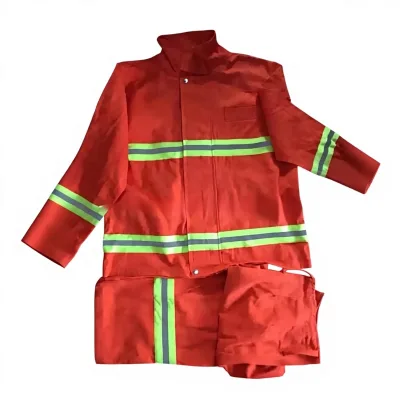
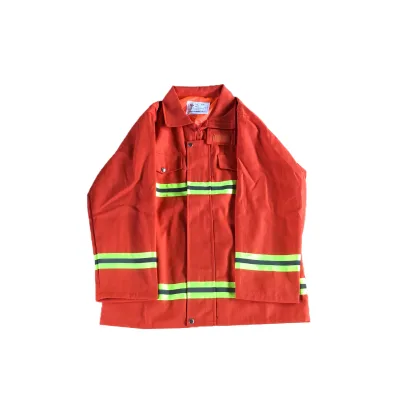
Wholesale Anti-Static Fire Resistant Fireproof Suit Flame Retardant Fabric Fire Fighting Suit
$70.00 - $220.00
MOQ: 100 Pieces


Ataraxia Personal Care Limited
- Verified by SGS Group
- Manufacturer, Trading Company
- Lead time0 days
- Avg. response≤ 2h
Main productsDisposable Face Towel, Disposable Towel, Disposable Four-piece Set, Disposable Protective Clothing, Disposable Medical Mask
Main marketsWestern Europe(50%), Domestic Market(40%), Southeast Asia(5%)
Qingdao Meikang Fireproof Technology Co., Ltd.
- Manufacturer, Trading Company
- Shandong, China
- Lead time15 days
- Avg. response≤ 3h
Main productsfire fighting suit,fireman gloves,Aluminum suit,Chemical protective suit,fireproof Fabric
Main marketsDomestic Market(68.00%), Eastern Asia(6.50%), South Asia(6.30%), Africa(3.30%), Western Europe(2.60%), Mid East(2.60%), Southeast Asia(2.50%), Eastern Europe(2.10%), South America(1.50%), North America(1.50%)
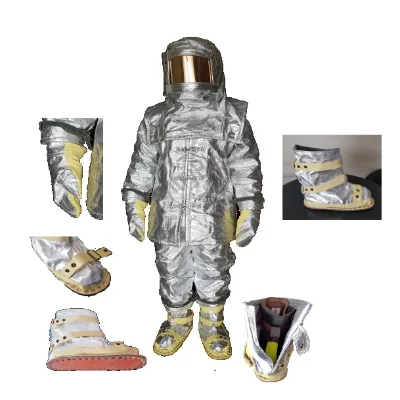
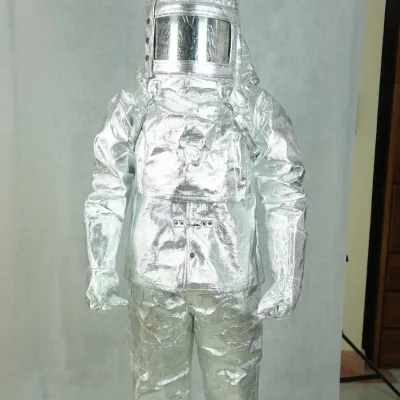
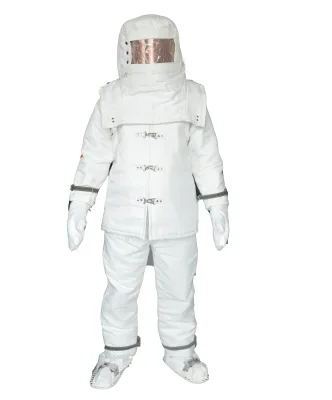
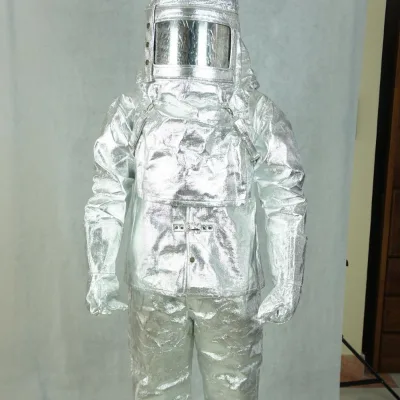
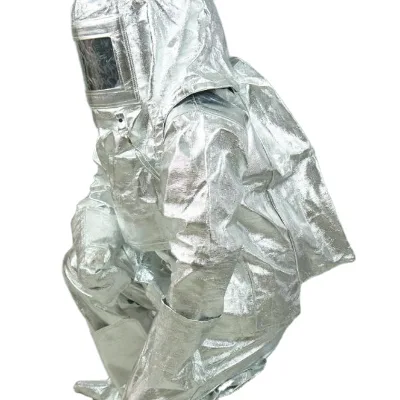
$125.6912 - $154.5379
MOQ: 2 sets
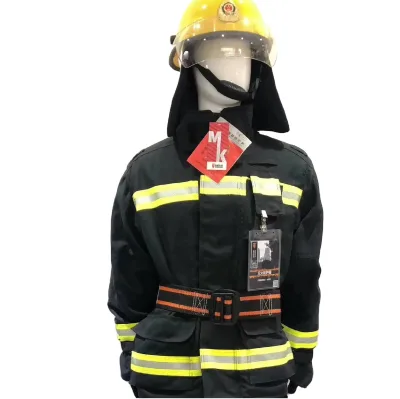

NINGBO MERCE TECHNOLOGY CO., LTD.
- Verified by TUVRHEINLAND
- Trading Company,Manufacturer/Factory
- China Zhejiang
- Lead time23 days
- Avg. response≤ 2h
Main productsLifejacket, Floating Pontoon, Inflatable Fender, Lifebuoy, Pilot&Embarkation Ladder, Liferaft, Breathing Apparatus, Load Test Waterbag, Lifeline, Used Marine Appliance
Main marketsSouth America,Eastern Europe,Mid East,North America,Southeast Asia,Eastern Asia,Oceania,Western Europe,Africa

Fireman Firefighting Equipment Protective Clothes Flame Resistant Fire Suit
$900.00 - $1200.00
MOQ: 1 Sets


Fireman Overall Fire Fighting Clothing Fireproof Flame Retardant Fire Suit
$50.00 - $76.00
MOQ: 10 Pieces


Personal Protective Fire Fighting equipment Firefighter Suit for Fireman Suit
$50.00 - $76.00
MOQ: 10 Pieces
Fujian Quanzhou Guangmin Technology Industry And Trade Co., Ltd.
- Manufacturer, Trading Company
- Fujian, China
- Lead time30 days
- Avg. response≤ 3h
Main productsFire Monitor,Fire Hose reel,Fire Hose,Fire Sprinklers,Fire Hydrant
Main marketsSoutheast Asia(15.00%), Eastern Asia(11.00%), South America(10.00%), Mid East(10.00%), Oceania(8.00%), South Asia(8.00%), Eastern Europe(7.00%), Domestic Market(5.00%), Africa(5.00%), Central America(5.00%), Western Europe(5.00%), North America(5.00%), Southern Europe(3.00%), Northern Europe(3.00%)

Huaian Construction New Material CO., LTD.
- Verified by SGS
- Trading Company
- China Jiangsu
- Lead time15 days
- Avg. response≤ 5h
Main productsOrthopedic Cast Tape, Cast Padding, Elastic Bandage, Ice Cold Pack, Self Adhesive Bandage, Kinesiology Tape, Hot Water Bottle, Petrolatum Tape, Pipe Wrapping Tape, Pipe Repair Tape
Main marketsEurope,North America


High Temperature Standard Fire Fighter Fireman Fire Fighting Firefighter Suits
$30.00 - $500.00
MOQ: 100 Pieces

Xinghua Jinmao Fire Equipment Co., Ltd.
- Verified by SGS Group
- Manufacturer, Trading Company
- Lead time0 days
- Avg. response≤ 1h
Main productsFire Monitor, Fire Nozzle, Fire Interface, Water Divider, Fire Protection Accessoties
Main marketsDomestic Market(100%)
Quzhou Anben Firefighting Equipment Co., Ltd.
- Verified by SGS Group
- Trading Company
- Lead time15 days
- Avg. response≤ 5h
Main productsFirefighter Suits, Firefighter Helmet, Firefighter Gloves, Fire Escape Mask, SCBA
Main marketsDomestic Market(30%), Mid East(20%), Southeast Asia(17%)
Jiangxi Dingfeng Equipment Technology Co., Ltd.
- Manufacturer, Trading Company
- Jiangxi, China
- Lead time3 days
- Avg. response≤ 1h
Main productspersonal protective equipment,forcible entry equipment,escape and rescue equipment,geological and natural disaster rescue equipment,other equipment
Main marketsDomestic Market(70.00%), Southeast Asia(5.00%), South Asia(5.00%), Eastern Asia(3.00%), Mid East(3.00%), North America(3.00%), Eastern Europe(3.00%), Africa(2.00%), South America(2.00%), Central America(2.00%), Western Europe(2.00%)

Jiangsu Baizhou Safety Technology Co., Ltd.
- Combined
- China Jiangsu
- Lead time15 days
- Avg. response≤ 4h
Main productsLife Jacket, Inflatable Life Jacket, Life Buoy, Rescue Tube, FRP Box, Fire Hose Box, Scba
Main marketsSouth America,Africa,Southeast Asia/ Mideast,East Asia(Japan/ South Korea),Domestic,Europe,Australia,North America

Safety Heat Resistant Fire Extinguishing Heat Insulation Firefighter Suit for Sale
$279.00 - $399.00
MOQ: 5 Pieces

High Quality Aramid Fabric Fire-Fighting Retardant Suit Fire Safety Suits
$279.00 - $399.00
MOQ: 5 Pieces

Wofu Fire & Security Equipment Co., Ltd.
- Verified by TUVRHEINLAND
- Trading Company
- China Hunan
- Lead time30 days
- Avg. response≤ 17h
Main productsFire Extinguisher, Fire Blanket, Extinguisher Accessories, Fire Hose Reel, Fire Fighting, Fire Hose, Fire Sprinkler, Fire Suppression, Foam Extinguisher, Fire Alarm
Main marketsSouth America,Southeast Asia/ Mideast,Europe,North America
Jiangsu Baizhou Safety Technology Co., Ltd.
- Verified by Intertek
- Manufacturer, Trading Company
- Lead time20 days
- Avg. response≤ 5h
Main productsLife Jacket, GFRP, Life Buoy, Rescue Tube, Hardware
Main marketsDomestic Market(50%), North America(18%), Africa(17%)
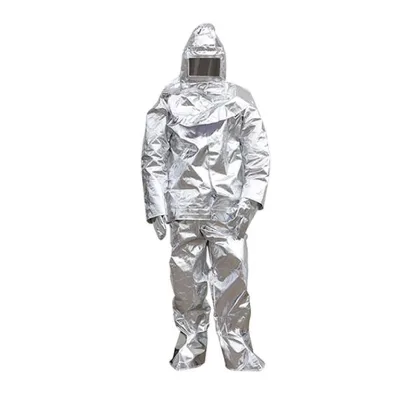
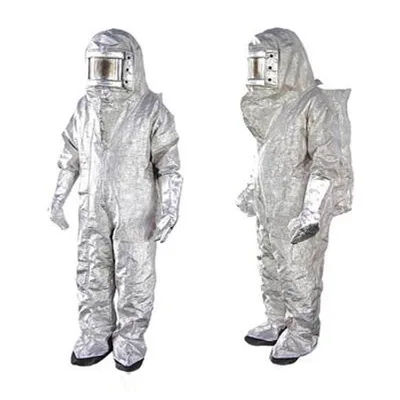
High Quality Aluminum Foil Fire Resistant Rescue Suit Firefighting Suit for Sale
$194.00 - $202.00
MOQ: 10
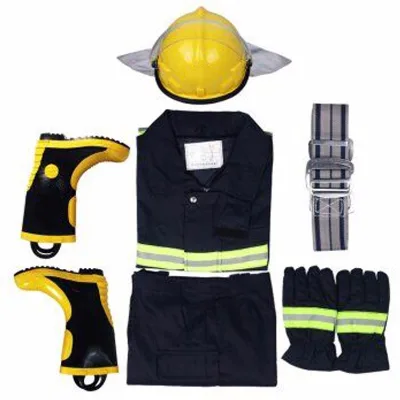
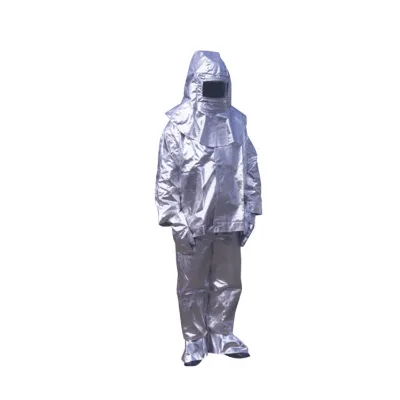
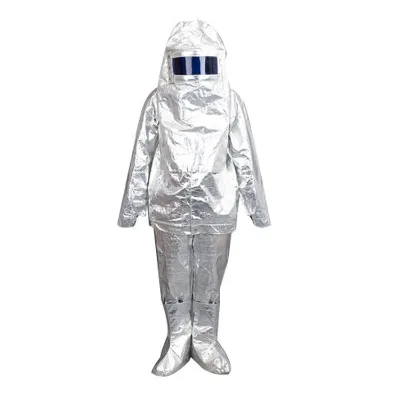
Hot Sale Custom Aluminized Fire Retardant Suit
$194.00 - $202.00
Zhangjiagang City Leabon Textile & Technology Co., Ltd.
- Manufacturer, Trading Company
- Jiangsu, China
- Lead time0 days
- Avg. response≤ 1h
Main productsfire extinguisher,valve,protective gloves,Safety harness
Main marketsSouthern Europe(24.00%), North America(14.00%), Eastern Europe(7.00%), Domestic Market(6.00%), South Asia(5.00%), South America(5.00%), Northern Europe(5.00%), Central America(5.00%), Southeast Asia(5.00%), Eastern Asia(5.00%), Mid East(5.00%), Oceania(5.00%), Africa(5.00%), Western Europe(4.00%)
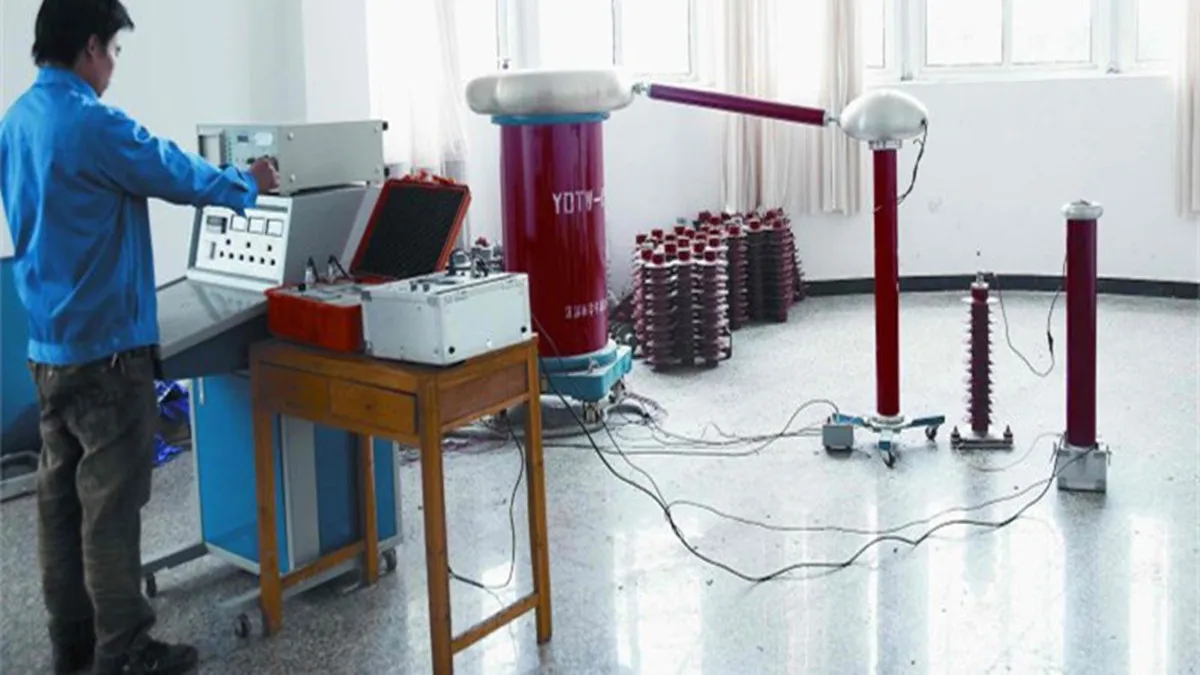
Hebei Jiubai Technology Co., Ltd.
- Trading Company
- Tianjin, China
- Lead time20 days
- Avg. response≤ 2h
Main productsground earthing wire set,high voltage hot stick,fiberglass tube,Hydraulic tools,Bird Repeller
Main marketsSouth Asia(20.00%), Mid East(10.00%), Oceania(10.00%), Africa(10.00%), Eastern Asia(10.00%), Northern Europe(10.00%), Domestic Market(10.00%), Southeast Asia(5.00%), North America(3.00%), Eastern Europe(3.00%), South America(3.00%), Western Europe(3.00%), Southern Europe(2.00%), Central America(1.00%)

Qingdao Yosion Intelligent Technology Co., Ltd.
- Manufacturer/Factory
- China Shandong
- Lead time38 days
- Avg. response≤ 12h
Main productsPulveriser, Crucible, Container Laboratory, Bottle Roller, Crusher, Dust Collector, Rotary Sample Divier, Fusion Furnace, Drying Oven, Cupellation Furnace
Main marketsSouth America,Eastern Europe,Mid East,North America,Southeast Asia,Eastern Asia,Oceania,Western Europe,Africa

En Standard 1050 Degree Aluminized Fire Fighting Heat Resistant Fire Fighting Suit
$130.00 - $140.00
MOQ: 1 Sets

Environmental Protection Jacket Repair Aluminized Fire Suit Aluminium Proximity Fire Suits
$130.00 - $140.00
MOQ: 1 Sets
Changsha Hongdun Fire Equipment Co., Ltd.
- Verified by TüVRheinland
- Trading Company
- Lead time0 days
- Avg. response≤ 1h
Main productsFire Extinguishers, Firefighting Equipment & Accessories, Safety Products, Fire Blankets, Firefighter Suits
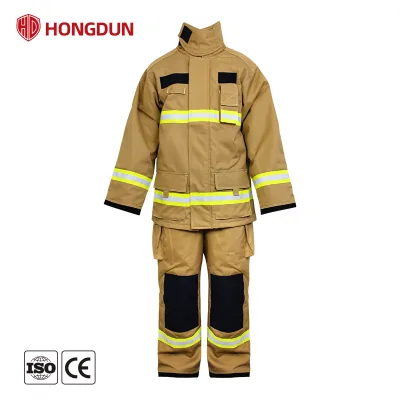
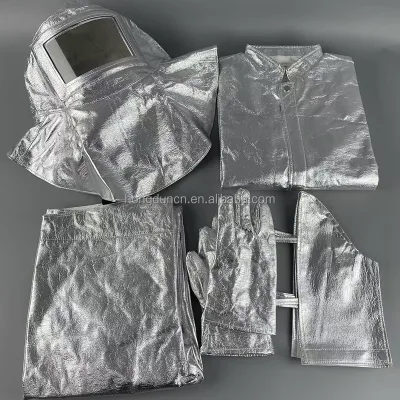
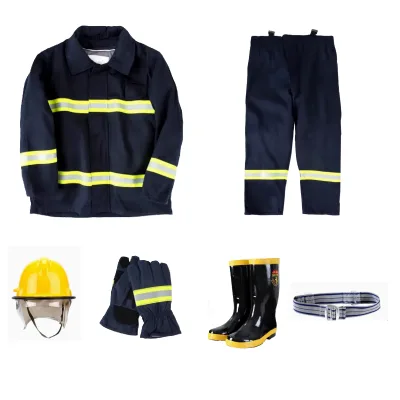
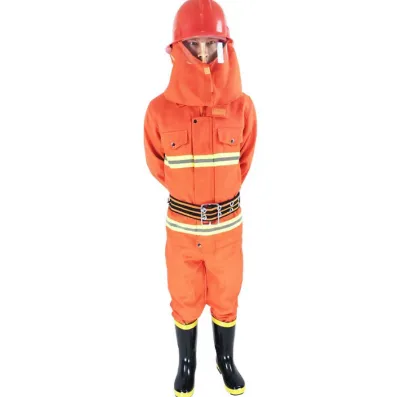
Custom Size Fire Retardant Firefighter Suit with Pantsuit/gloves/non-slip Boots Set
$72.4662 - $82.8183
MOQ: 200 combos
Fenan Safety (Shanghai) Co., Ltd.
- Verified by SGS Group
- Manufacturer, Trading Company
- Lead time10 days
- Avg. response≤ 7h
Main productsSCBA, Compressed Air Trolley Respirator, Long Tube Respirator, Gas Mask, EEBD
Main marketsDomestic Market(60%), Mid East(10%), Southeast Asia(6%)

Shenzhen Winan Industrial Development Co., Ltd.
- Verified by TUVRHEINLAND
- Manufacturer/Factory
- China Guangdong
- Lead time23 days
- Avg. response≤ 6h
Main productsFoam Bladder Tank, Fire Monitor, Fire Hydrant, Sprinkler, Foam Equipment, Valves, Foam Generater Foam Making, Fire Hose Reel, Foam Generator, Fire Fighting Foam
Main marketsMid East,North America,Southeast Asia,Eastern Asia,Africa


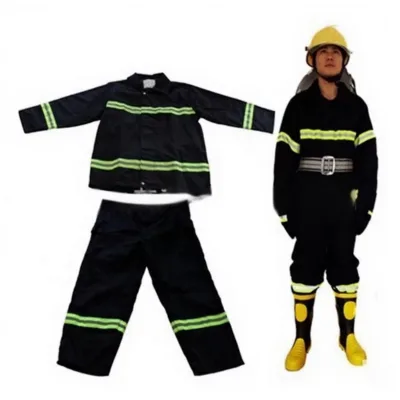
Firefighter Suits High Quality Fire Firefighting Retardant Men Clothing Firefighter Uniform Suit
$50.00 - $100.00
MOQ: 10 Pieces


Jiangsu Bright Trading Co., Ltd.
- Trading Company
- Jiangsu, China
- Lead time15 days
- Avg. response≤ 8h
Main productsPollution prevention equipment,Fire fighting equipment,Life-saving equipment,Diving equipment,Marine equipment
Main marketsDomestic Market(50.00%), Southeast Asia(7.00%), South Asia(7.00%), Mid East(6.00%), North America(5.00%), Eastern Asia(5.00%), Oceania(5.00%), Eastern Europe(3.00%), Southern Europe(3.00%), Western Europe(3.00%), Central America(2.00%), Northern Europe(2.00%), Africa(1.00%), South America(1.00%)
Jiangxi Suihua Fiberglass Co., Ltd.
- Verified by TüVRheinland
- Manufacturer, Trading Company
- Lead time45 days
- Avg. response≤ 2h
Main productsFire Blankets, Fireproof Bags, Welding Blanket, Car Fire Blankets, Fiberglass Cloth Tape
Main marketsNorth America(30%), Eastern Asia(20%), Western Europe(15%)
Jiangshan Diyi Fire Equipment Co., Ltd.
- Verified by TüVRheinland
- Manufacturer, Trading Company
- Lead time15 days
- Avg. response≤ 2h
Main productsDry Powder Fire Extinguisher, CO2 Fire Extinguisher, Foam Fire Extinguisher, Automatic Fire Extinguisher, Fire Extinguisher Cylinder
Main marketsSoutheast Asia(30%), Africa(30%), Mid East(23%)
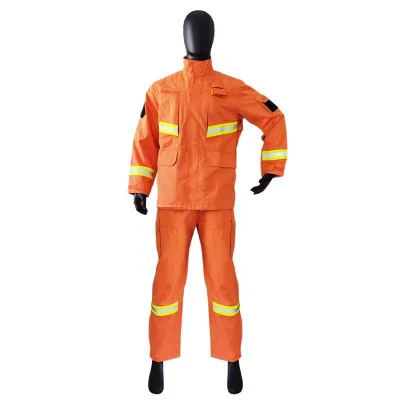
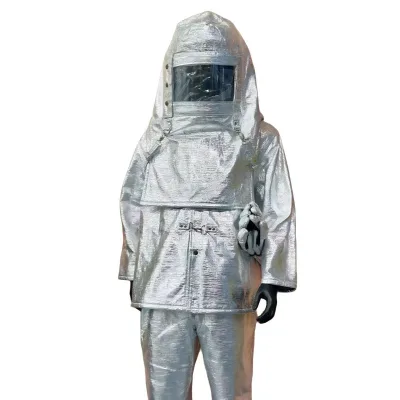
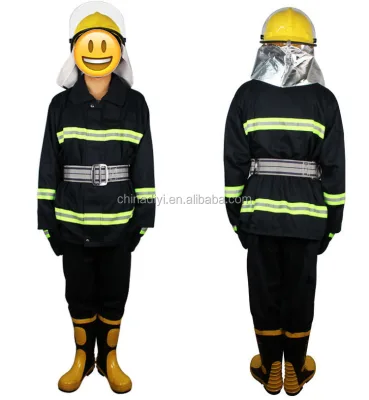
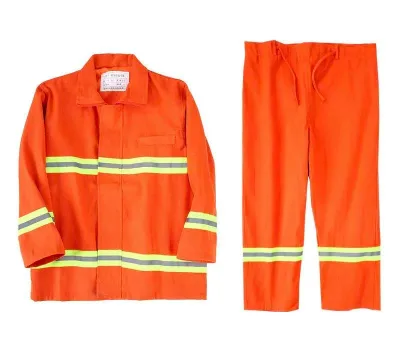
Howdy Hot Sale Fire Fighting Suit Fire Clothes for Fireman
$12.14 - $12.50
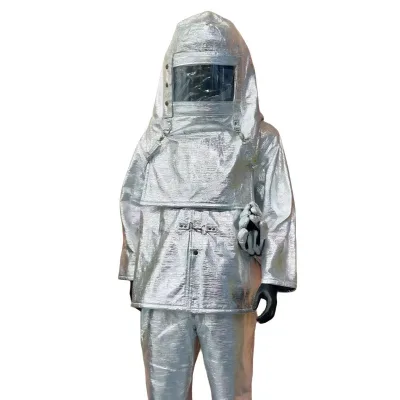
$203.4878 - $220.41
MOQ: 20 sets
Shenzhen Feiny Clothing Co., Ltd.
- Manufacturer
- Guangdong, China
- Lead time30 days
- Avg. response≤ 2h
Main productsHospital uniforms,Workwear,Scurb Uniforms,Work shirts,Work pants
Main marketsNorth America(40.00%), South America(20.00%), Africa(10.00%), Southern Europe(5.00%), Northern Europe(5.00%), Western Europe(5.00%), Eastern Asia(5.00%), Mid East(5.00%), Eastern Europe(5.00%)
Jiangshan Anbao Firefighting Equipment Co., Ltd.
- Verified by SGS Group
- Manufacturer, Trading Company
- Lead time0 days
Main productsfire extinguisher, Fire ball, Fire blanket, Fire escape mask, Fire Extinguisher Sticker
Main marketsSouth America(20%), Eastern Asia(15%), Central America(15%)
Xinxiang Chuangwei Garment Co., Ltd.
- Manufacturer, Trading Company
- Henan, China
- Lead time60 days
- Avg. response≤ 3h
Main productsWork Coveralls, Work Jacket, Work Pants, Work Bib Pants, Work Suits
Main marketsSoutheast Asia(25.00%), Oceania(15.00%), Western Europe(10.00%), Domestic Market(10.00%), Mid East(10.00%), North America(5.00%), South America(5.00%), Central America(5.00%), Northern Europe(5.00%), Africa(5.00%), Eastern Europe(5.00%), South Asia(0.00%), Eastern Asia(0.00%), Southern Europe(0.00%)
Anhui JUAN Technology Co., Ltd.
- Trading Company
- Anhui, China
- Lead time0 days
- Avg. response≤ 5h
Main productsFlame Resistant Clothing,Fire Blanket,Self-Activating Fire Suppression Pad,Safety Signs,Safety Gloves
Main marketsDomestic Market(48.00%), Southeast Asia(30.00%), Mid East(10.00%), Eastern Asia(5.00%), South Asia(5.00%), North America(1.00%), Africa(1.00%)
Jiujiang Fire Fighting Equipment Co., Ltd.
- Manufacturer, Trading Company
- Jiangxi, China
- Lead time30 days
- Avg. response≤ 2h
Main productsPersonal Protection Equipment; Fire Extinguishing Equipment; Fire Rescue Equipment; Broken And Dismantling Equipment; Smoke Exhausting And Lighting Equipment
Main marketsDomestic Market(70.00%), Africa(6.00%), Mid East(6.00%), Southeast Asia(6.00%), South Asia(4.00%), North America(2.00%), South America(2.00%), Eastern Europe(2.00%), Western Europe(1.00%), Southern Europe(1.00%)
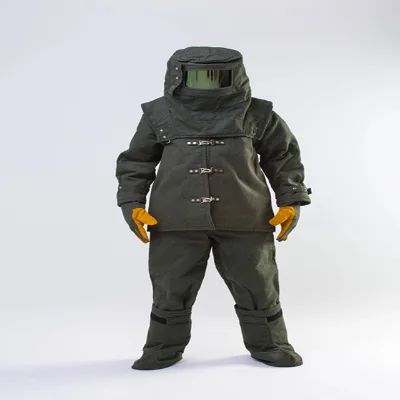
New Hot Sale 7 Layers Fire Entry Suit Fire Proximity Suit Fire Fighting Entry Clothing
$680.00 - $690.00
MOQ: 2 sets
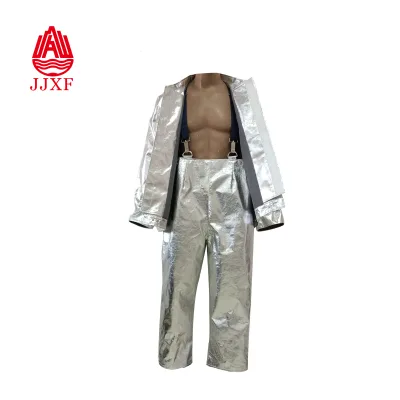
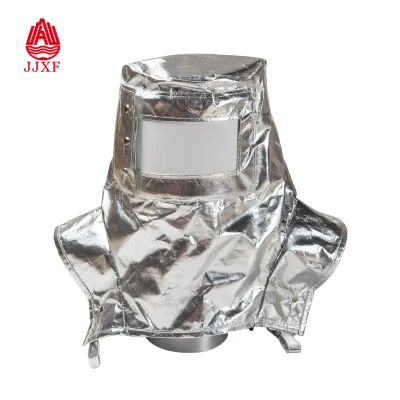
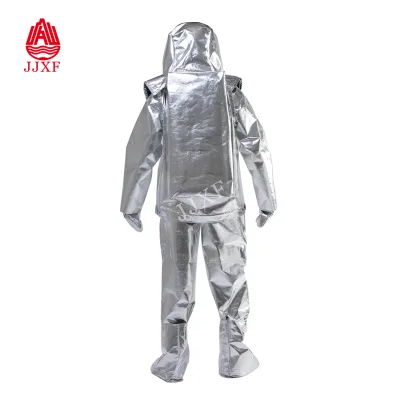
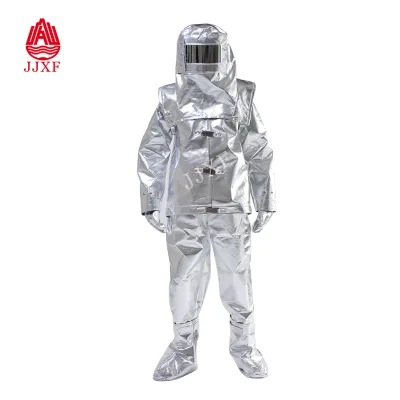
Fireman's Thermal Protective Suit Static Dissipative 1000°C Heat Resistance
$120.00 - $150.00
MOQ: 2 pieces

Chongqing Gathering Marine Equipment Co., Ltd.
- Verified by BV
- Trading Company,Manufacturer/Factory
- China Chongqing
- Lead time45 days
- Avg. response≤ 4h
Main productsLifesaving, Marine Equipment, Fire Fighting Equipment, Bow Thruster, Diesel Engine, Azimuth Thruster, Fifi System, Water Treatment Equipment, Oily Water Separator, Marine Sewage Treatment Equipment
Main marketsSouth America,Eastern Europe,Mid East,North America,Southeast Asia,Eastern Asia,Oceania,Western Europe,Africa
Ayon Safety (shanghai) Co., Ltd.
- Verified by SGS Group
- Manufacturer, Trading Company
- Shanghai, China
- Lead time1 days
- Avg. response≤ 3h
Main productsSCBA SET, Gas Mask, PAPR SET, Firefighting Suit, Firefighting Helmet
Main marketsSouth America(40%), Southeast Asia(10%), Mid East(10%)
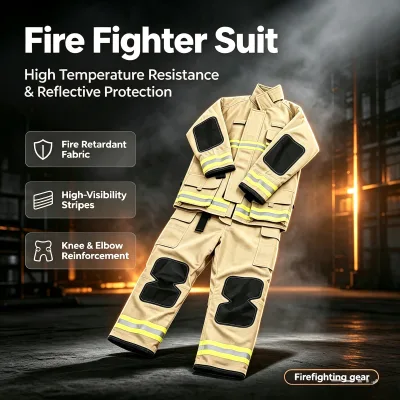
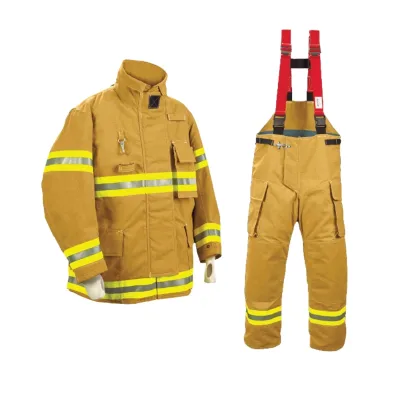
High Quality Fire Fighter Thermal Insulation Fire Safety Suit Rescue Uniform
$498.9736 - $519.7633
MOQ: 2 sets
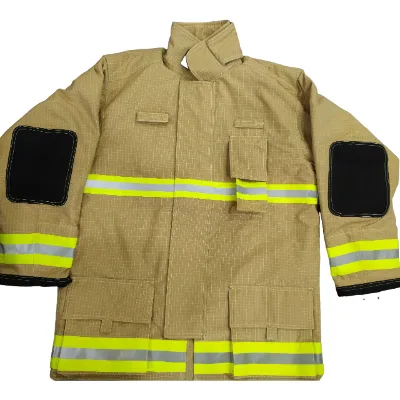
$449.0764 - $467.7869
MOQ: 2 sets


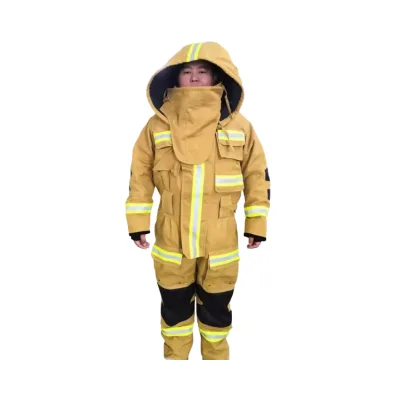
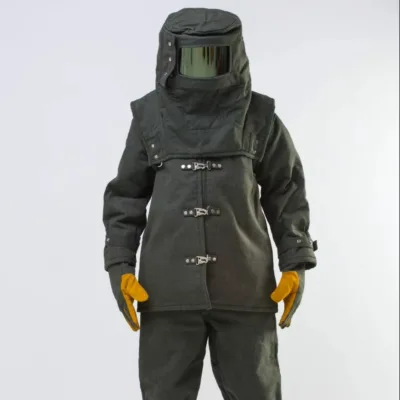


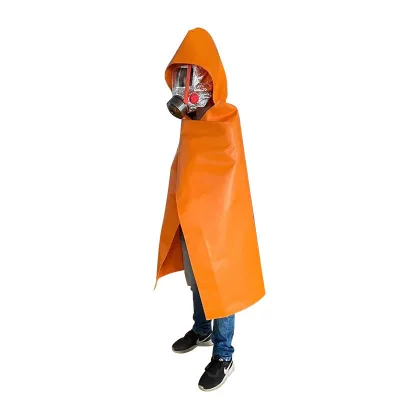
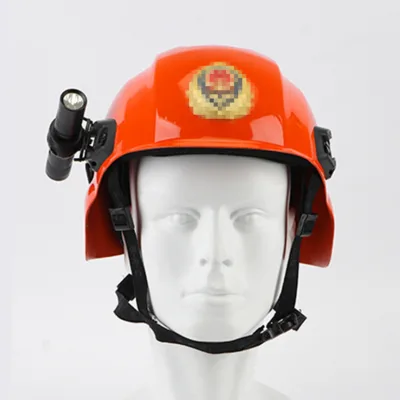
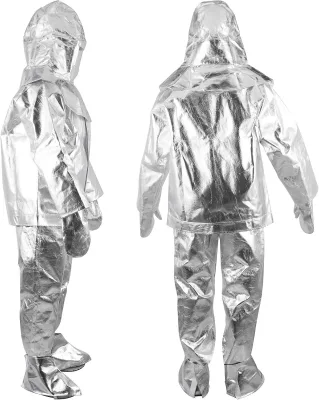
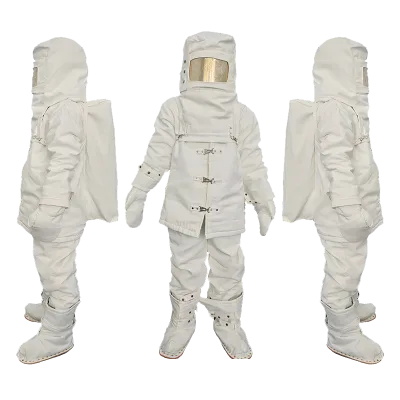
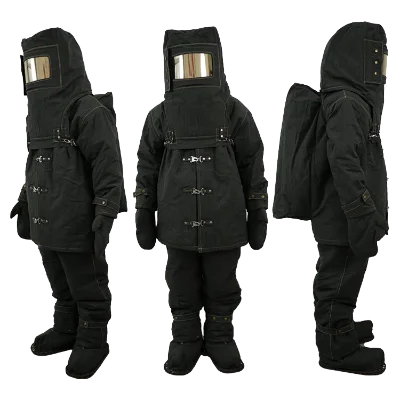
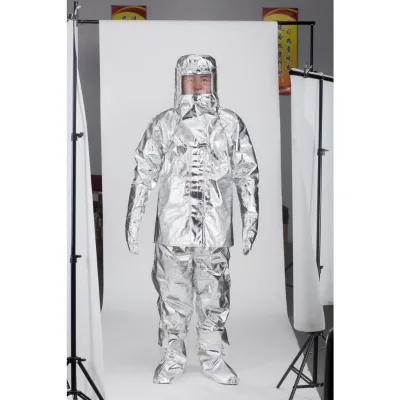
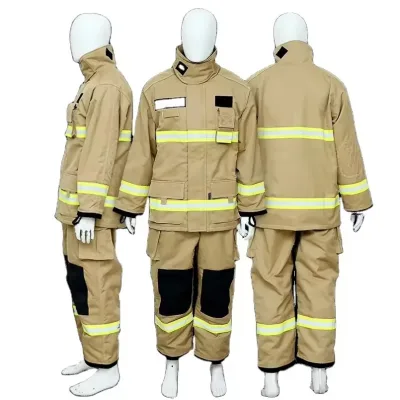
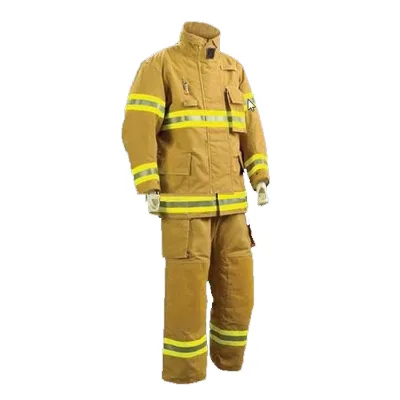
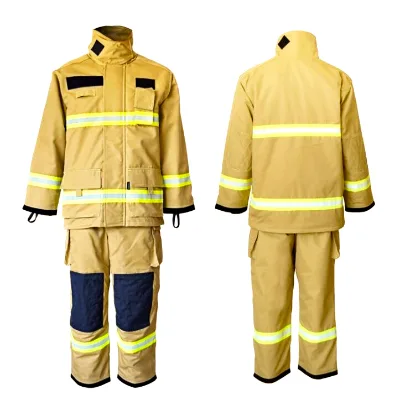
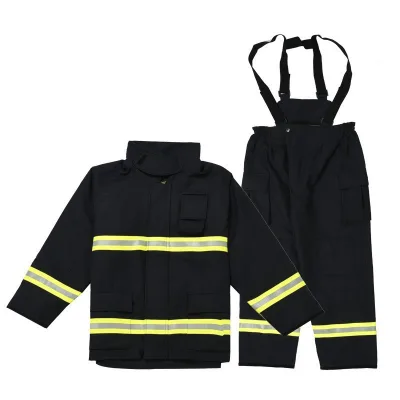


Comprehensive Sourcing Guide
Flame Resistant Fire Suit Supplier Concentration and Factory Types
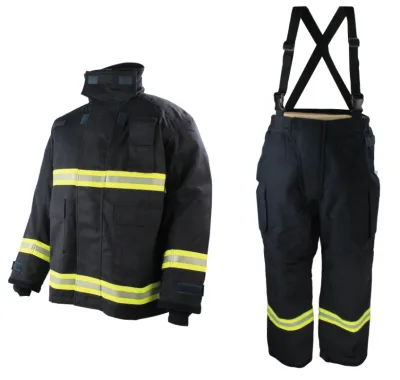
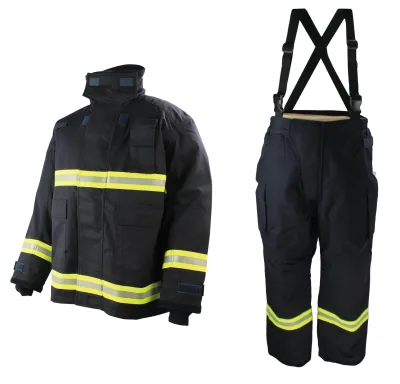
The current supplier landscape for flame resistant fire suits reveals a distinct geographic concentration in China, with specific manufacturing hubs identified in Zhejiang and Jiangsu provinces. Suppliers in Zhejiang are often categorized as combined entities, meaning they may operate as both manufacturers and trading companies, offering a blend of direct factory production and broader sourcing capabilities. These Zhejiang-based suppliers frequently list main products that include anti-riot suits, gas masks, and bulletproof vests alongside their fire-resistant offerings, suggesting a diversified protective equipment portfolio. In contrast, suppliers located in Jiangsu province tend to specialize more narrowly in firefighting clothing, with some holding specific system certifications like ISO9001:2015 and ISO14001:2015, which indicates a focus on quality management and environmental standards within their production processes. This regional distinction helps buyers identify whether they are dealing with a specialized factory or a generalist trading company, as the latter may offer a wider variety of unrelated safety gear while the former provides deeper expertise in specific textile treatments and structural suit designs.
Factory types vary significantly across these regions, influencing the buyer’s ability to customize products and manage inventory. Many suppliers in this sector offer both OEM and ODM services, allowing buyers to request custom branding, specific material compositions, or unique design modifications to meet local regulatory requirements. Some Jiangsu-based suppliers also maintain their own brands, which can be an indicator of established market presence and consistent quality control processes. Meanwhile, Zhejiang suppliers often highlight their capacity for sample processing and graphic customization, catering to buyers who need rapid prototyping or small-batch initial orders. The presence of combined company types in Zhejiang suggests that buyers might encounter intermediaries who aggregate products from multiple factories, which can simplify logistics but may reduce direct communication with the actual production line. Understanding these factory types is crucial for determining the level of control a buyer has over the manufacturing process, from material sourcing to final assembly, and helps in selecting a partner that aligns with their specific operational needs and scale of procurement.
How to Verify Flame Resistant Fire Suit Suppliers
Verifying the credibility of Flame Resistant Fire Suit suppliers requires a close examination of their verification badges and system certifications, which serve as primary indicators of operational legitimacy. Suppliers in this category often display verification from recognized third-party agencies such as SGS or BV, which confirms that their business licenses and basic operational capabilities have been audited. For instance, some Zhejiang-based suppliers hold SGS verification, while Jiangsu-based counterparts may feature BV verification, providing buyers with a baseline level of trust regarding the supplier’s existence and legal standing. Beyond basic verification, system certifications like ISO13485 for medical-related protective gear or ISO9001:2015 for general quality management are critical for assessing the supplier’s commitment to standardized processes. Buyers should prioritize suppliers who not only display these badges but also provide accessible documentation or audit reports, as these documents offer deeper insights into the supplier’s internal controls and compliance with international standards. The presence of specific certifications can also indicate the supplier’s ability to meet stringent regulatory requirements in different markets, such as the European Union or North America, which is essential for ensuring that the purchased suits are legally compliant and safe for end-users.
In addition to certifications, buyers should assess the supplier’s response time and product evidence to gauge their operational efficiency and transparency. Suppliers with faster response times, such as those reporting response times under ten hours, are often more responsive to inquiries and better equipped to handle urgent procurement needs. Product evidence, including detailed specifications like material composition, weight, and protective area, provides tangible proof of the supplier’s product knowledge and manufacturing capability. For example, some suppliers provide detailed attributes such as TPP values, waterproof performance levels, and specific fabric types like Nomex or Aramid, which are critical for evaluating the suit’s protective qualities. Buyers should cross-reference these product details with industry standards to ensure that the claims made by the supplier are accurate and verifiable. Furthermore, checking for evidence of customization capabilities, such as available logo printing or size adjustments, can help buyers determine if the supplier can meet their specific branding and sizing requirements. By combining verification badges, certifications, response metrics, and detailed product evidence, buyers can build a comprehensive profile of each supplier’s reliability and suitability for their procurement needs.
What to Compare Across Flame Resistant Fire Suit Suppliers
When evaluating multiple suppliers for flame resistant fire suits, buyers should systematically compare key operational metrics such as lead times, minimum order quantities (MOQs), and pricing structures to identify the most cost-effective and efficient partners. Lead times vary significantly, with some suppliers offering production cycles as short as fifteen days, while others may have longer turnaround times depending on the complexity of the order and customization requirements. MOQs also differ, ranging from small batches of ten pieces to larger orders of one hundred pieces or more, which impacts inventory management and cash flow for buyers. Suppliers with lower MOQs are often more suitable for initial market testing or small-scale deployments, whereas those with higher MOQs may offer better unit economies of scale for large-scale procurement. Pricing is another critical factor, with costs ranging from approximately twelve dollars to over two hundred dollars per unit, depending on the material quality, protective features, and certification levels of the suit. Buyers should request detailed quotes that break down costs by material, labor, and shipping to ensure transparency and avoid hidden fees.
Beyond operational metrics, buyers should compare the range of main products and customization options offered by each supplier to ensure alignment with their broader procurement strategy. Suppliers that offer a wide range of protective gear, such as anti-riot suits, gas masks, and handcuffs, may provide convenience for buyers looking to consolidate their supply chain, but this diversification might come at the cost of specialized expertise in fire-resistant textiles. Conversely, suppliers who focus exclusively on firefighting clothing may offer deeper technical knowledge and higher quality control for their specific products. Customization options, including available sizes, colors, and material compositions, should be carefully evaluated to ensure that the supplier can meet the specific needs of the end-users. For instance, some suppliers offer suits with specific protective areas, weights, and materials like 600d Polyester Cloth or EVA, which may be crucial for certain operational environments. By comparing these factors across suppliers, buyers can make informed decisions that balance cost, quality, and operational flexibility, ensuring that they select partners who can deliver the right products at the right time and price.
Common Flame Resistant Fire Suit Sourcing Risks
One of the primary risks in sourcing flame resistant fire suits is the potential mismatch between claimed protective standards and actual product performance, which can lead to safety hazards and regulatory non-compliance. Suppliers may advertise suits with specific certifications or material compositions, such as Nomex or Aramid fabrics, without providing verifiable test results or third-party validation. This discrepancy can be particularly dangerous in high-risk environments where the suit’s ability to withstand heat, flames, and chemical exposure is critical. Buyers must be vigilant in requesting detailed test reports, such as TPP values, flame retardancy ratings, and thermal insulation data, to ensure that the suits meet the required safety standards. Additionally, some suppliers may use generic terms like "fire-resistant" without specifying the exact level of protection, which can lead to confusion and inadequate protection for end-users. To mitigate this risk, buyers should prioritize suppliers who provide transparent and verifiable product evidence, including detailed specifications and certification documents, and consider conducting independent testing or audits to validate the supplier’s claims.
Another significant risk is the variability in quality control and production consistency, which can result in defective products or delayed deliveries. Suppliers with combined company types or those acting as intermediaries may have less direct control over the manufacturing process, leading to inconsistencies in material quality, stitching, and overall durability. This risk is exacerbated when buyers place large orders with suppliers who have limited production capacity or poor supply chain management. Furthermore, the lack of standardized packaging and labeling can lead to logistical challenges and difficulties in inventory management. Buyers should assess the supplier’s production capacity, quality control processes, and logistics capabilities to ensure that they can deliver consistent quality and timely shipments. It is also important to establish clear communication channels and contractual agreements that outline quality standards, delivery schedules, and penalty clauses for non-compliance. By proactively identifying and addressing these risks, buyers can protect their interests and ensure that they receive high-quality flame resistant fire suits that meet their operational and safety requirements.
Flame Resistant Fire Suit Regional Sourcing and Logistics
Sourcing flame resistant fire suits from China offers significant logistical advantages due to the country’s well-established manufacturing infrastructure and efficient export networks. Suppliers in Zhejiang and Jiangsu provinces benefit from proximity to major ports and transportation hubs, which facilitates faster and more cost-effective shipping to global destinations. Buyers can choose between air and sea freight options, depending on their urgency and budget constraints, with sea freight being more economical for large orders and air freight suitable for urgent or smaller shipments. The lead times for production and shipping should be carefully coordinated to ensure that the suits arrive in time for deployment or sale. Some suppliers offer flexible shipping terms, such as by air or sea, allowing buyers to select the most appropriate method based on their specific needs. Additionally, buyers should consider the impact of regional trade policies and tariffs on the final cost of the suits, as these factors can significantly affect the overall procurement budget.
Logistics planning also involves managing packaging and handling requirements to ensure that the suits arrive in good condition. Suppliers typically use carton or pallet packaging, which provides adequate protection during transit, but buyers should verify the packaging standards to prevent damage from moisture, impact, or compression. For suits with specific size or material requirements, such as those made from delicate fabrics like Nomex or Aramid, additional protective measures may be necessary to maintain their integrity. Buyers should also consider the environmental impact of their shipping choices, as sustainable logistics practices are becoming increasingly important in global supply chains. By leveraging the logistical advantages of sourcing from China and carefully planning the shipping and handling processes, buyers can ensure that their flame resistant fire suits are delivered efficiently and safely, minimizing delays and reducing the risk of product damage. This approach not only optimizes costs but also enhances the reliability of the supply chain, ensuring that the suits are available when and where they are needed.
Flame Resistant Fire Suit Commercial Terms and Order Planning
Effective order planning for flame resistant fire suits requires a thorough understanding of commercial terms, including payment methods, warranty policies, and after-sales support, to ensure a smooth procurement process. Buyers should negotiate clear payment terms, such as partial upfront payments and balance upon shipment, to manage cash flow and mitigate financial risks. It is also important to establish warranty policies that cover defects in materials and workmanship, ensuring that buyers can return or replace faulty suits without incurring additional costs. After-sales support, including technical assistance and spare parts availability, should be clearly defined to address any issues that may arise during the use of the suits. Suppliers with strong customer service capabilities can provide valuable support in troubleshooting problems and ensuring that the suits perform as expected in the field. By establishing robust commercial terms, buyers can protect their interests and build long-term relationships with reliable suppliers.
Order planning should also consider the scalability of the procurement process, allowing buyers to adjust order quantities based on market demand and operational needs. Suppliers with flexible MOQs and customization options can accommodate changes in order size and specifications, providing buyers with the agility to respond to market fluctuations. Buyers should also plan for inventory management, ensuring that they have sufficient stock to meet demand while avoiding excess inventory that ties up capital. By integrating commercial terms and order planning into their procurement strategy, buyers can optimize their supply chain, reduce costs, and enhance operational efficiency. This holistic approach ensures that the procurement of flame resistant fire suits is not only cost-effective but also aligned with
FAQs
What is the price range for flame resistant fire suits?
Prices for flame resistant fire suits range from 12.80 to 220.00 USD depending on the specific model and material composition. Some basic suits start at 60.00 USD while specialized thermal protection gear can reach higher price points. Buyers should verify exact costs based on their required protection level and customization needs.
What are the minimum order quantities for these suits?
Minimum order quantities vary significantly between suppliers, ranging from 10 pieces to 100 pieces for standard models. Some specialized fire-resistant acid-resistant clothing requires a minimum of 10 pieces, while tactical gear often starts at 100 units. Buyers must check specific product listings to confirm the exact MOQ before placing an order.
How long does it take to receive these fire suits?
Lead times for flame resistant fire suits typically range from 0 to 15 days depending on the supplier and product availability. Some manufacturers offer immediate processing with zero lead time, while others require up to two weeks for production and shipping. Buyers should confirm the specific delivery schedule with the supplier before finalizing the purchase.
Are these suits customizable for specific safety requirements?
Yes, customization is available for many flame resistant fire suits including size, color, and specific protective features. Suppliers offer options for custom logos, tailored dimensions between 165-190cm, and specialized materials like aluminized or aramid fabrics. Buyers can request modifications to meet unique industrial safety standards or personal protective equipment needs.
What certifications do these fire suits hold?
Suppliers offer suits backed by various certifications including ISO9001:2015, ISO14001:2015, and ISO13485 for medical applications. Verification services like SGS and BV are also utilized to ensure product quality and safety compliance. Buyers should request specific certification documents to confirm that the suits meet their industry's regulatory requirements.
Where are these fire resistant suits manufactured?
These suits are manufactured in China, specifically in provinces like Zhejiang and Jiangsu. The production facilities in these regions specialize in safety equipment, firefighting clothing, and personal protective gear. Buyers can expect products to originate from these established manufacturing hubs known for producing high-quality industrial safety apparel.
What materials are used in these fire resistant suits?
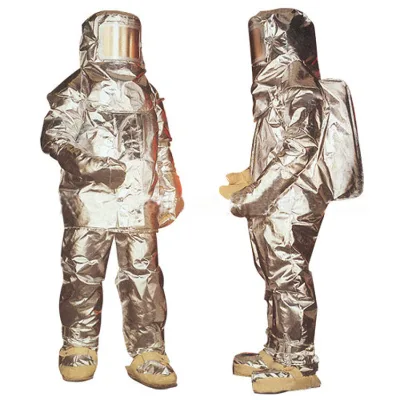
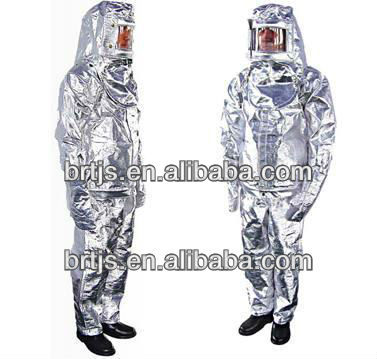
Materials include 600d Polyester Cloth, EVA, Nylon Aluminum Plate, Polyester Spandex, and Aramid fabrics. Some suits feature aluminized layers for thermal radiation protection while others use flame-retardant cotton or Nomex blends. The specific material composition depends on the intended use, such as chemical resistance or high-temperature exposure scenarios.