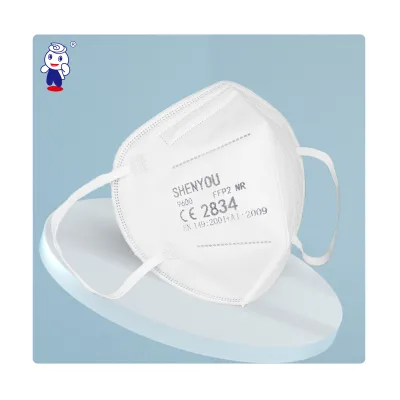
white non-woven disposable respirator mask Suppliers and Manufacturers
Compare 29 verified suppliers offering white non-woven disposable respirator masks with varying lead times, certifications, and response speeds. Review product specs like material and MOQ to select the right factory for your needs; review the available evidence before requesting comparable quotations from suitable candidates.
Updated
Suppliers List

Changzhou Shengkang Medical Instrument Co., Ltd.
- Verified by SGS
- Trading Company,Manufacturer/Factory
- China Jiangsu
- Lead time23 days
- Avg. response≤ 7h
Main productsDental Bib, Saliva Ejector, Micro Applicator, Disposable Dental Kit, Cotton Roll, Cheek Retractors, Disposable Impression Tray, Self-Sealing Sterilization Pouch, Disposable Ded Sheet, Cotton Gauze
Main marketsSouth America,Eastern Europe,Mid East,North America,Southeast Asia,Eastern Asia,Oceania,Western Europe,Africa

- Combined
- China Anhui
- Lead time30 days
- Avg. response≤ 5h
Main productsNitrile Gloves, Vinyl Glove, Disposable Gloves, Examination Glove, Medical Gloves, Food Gloves, Dental Consumables, Specimen Transportation Bag, Sterilisation Pouch, Absorbent Pouches
Main marketsSouth America,Africa,Southeast Asia/ Mideast,East Asia(Japan/ South Korea),Domestic,Europe,Australia,North America


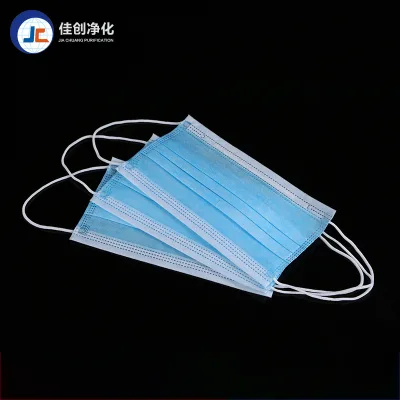
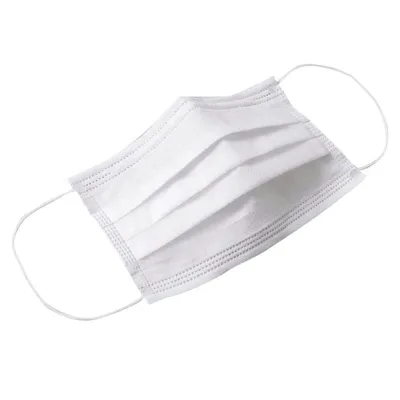
Non-Sterile Respiratory Protection Disposable 3 Layers Nonwoven Masks with Earloops
$0.10 - $0.20
MOQ: 10000 Pieces


- Verified by CTI
- Trading Company
- China Zhejiang
- Lead time15 days
- Avg. response≤ 3h
Main productsWarning Vests, Safety Glasses, Welding Mask, Rain Coat, Work Wear, Gloves, Safety Shoes, Respirator
Main marketsSoutheast Asia/ Mideast,Europe,North America

Dongguan Jiachuang Purification Technology Co., Ltd.
- Manufacturer, Trading Company
- Guangdong, China
- Lead time10 days
- Avg. response≤ 1h
Main productsFACE MASK,CLEAN ROOM WIPERS,NON-WOVEN WIPERS,PE GLOVES,NITRILE GLOVES
Main marketsDomestic Market(60.00%), North America(5.00%), Southeast Asia(5.00%), South Asia(5.00%), Central America(5.00%), Mid East(3.00%), South America(3.00%), Africa(2.00%), Eastern Europe(2.00%), Southern Europe(2.00%), Northern Europe(2.00%), Oceania(2.00%), Western Europe(2.00%), Eastern Asia(2.00%)
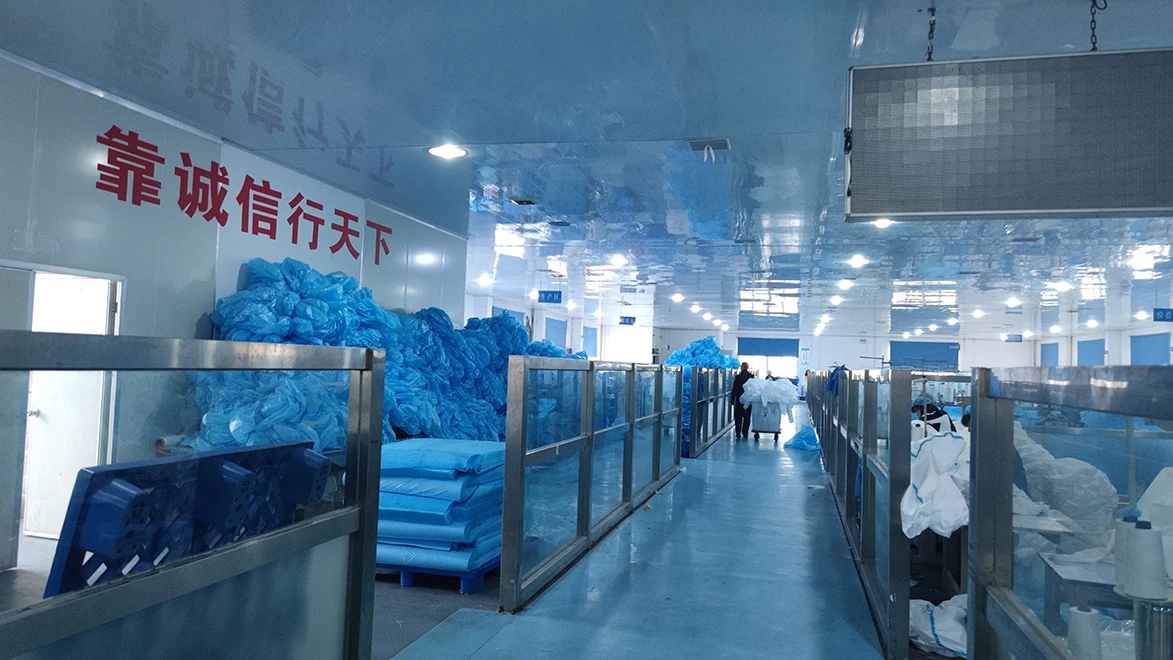
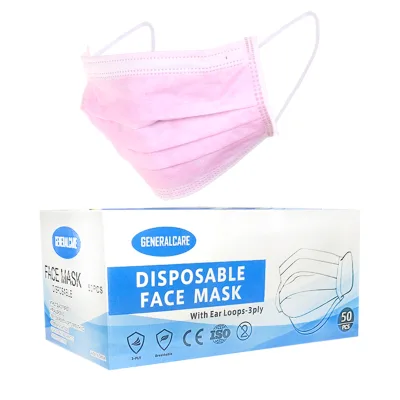
Xiantao Generalcare Protection Products Co., Ltd.
- Manufacturer, Trading Company
- Hubei, China
- Lead time7 days
- Avg. response≤ 4h
Main productsdisposable pedicure liner,disposable mob cap,disposable clip cap,disposable face mask,disposable coveralls
Main marketsSouth Asia(15.00%), North America(15.00%), Eastern Asia(10.00%), Northern Europe(10.00%), Western Europe(10.00%), South America(10.00%), Africa(6.00%), Southern Europe(6.00%), Central America(5.00%), Eastern Europe(5.00%), Oceania(3.00%), Southeast Asia(3.00%), Mid East(2.00%)

Wellmien Healthcare Tech. (Suzhou) Co., Ltd.
- Verified by BV
- Trading Company
- China Jiangsu
- Lead time15 days
- Avg. response≤ 3h
Main productsUnderpads, Surgical Pack, Wound Care, Emergency Blanket, Face Masks, Surgical Masks, Shoe Cover, First Aid Product, Emergency Transfer Sheet, Body Bag
Main marketsSouth America,Southeast Asia/ Mideast,Europe


Disposable 3-Ply Surgical Non-Woven Medical Respirator Mask with High Bacterial Filtration
$0.016 - $0.019
MOQ: 200000 Pieces

Disposable Medical Surgical Breathing 3-Ply Nonwoven Protective Mask
$0.015 - $0.019
MOQ: 200000 Pieces


Xiamen Safety Plus Group Co., Ltd
- Verified by TUVRHEINLAND
- Combined
- China Fujian
- Lead time23 days
- Avg. response≤ 10h
Main productsMask Respirator, Coverall, Other PPE
Main marketsSouth America,Southeast Asia/ Mideast,Europe


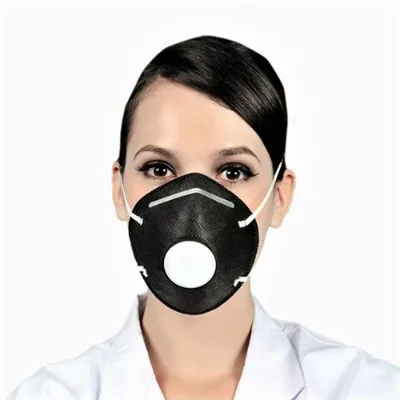
Disposable Respirator Face Mask with Valve Nonwoven Protetive Wholesale Mask
$0.10 - $0.30
MOQ: 10000 Pieces

Xiantao Fushi Protective Products CO.,LTD.
- Verified by BV
- Combined
- China Hubei
- Lead time23 days
- Avg. response≤ 25h
Main productsFace Mask, Cap, Isolation Gown, Coverall, Lab Coat, Shoe Cover/Sleeve Cover, Shopping Bag, Glove, Scrub Suit, Bouffant
Main marketsSouth America,Europe,North America
Hubei Yinshun Protective Equipment Co., Ltd.
- Manufacturer
- Hubei, China
- Lead time30 days
- Avg. response≤ 6h
Main productsDisposable Shoe Covers,Disposable Isolation Gowns,Disposable Protective Clothing,Disposable Strip Caps,Disposable Sleeve Covers
Main marketsNorth America(30.00%), Eastern Asia(25.00%), South America(5.00%), Western Europe(5.00%), Mid East(5.00%), Oceania(5.00%), Africa(5.00%), Southern Europe(5.00%), Southeast Asia(5.00%), Northern Europe(3.00%), Central America(3.00%), South Asia(2.00%), Eastern Europe(2.00%)

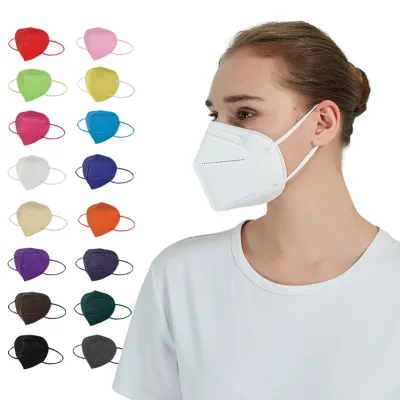
China Manufactory Disposable 10-Piece Pack White KN 95 Face Masks Respirators & Masks
$0.0414 - $0.0621
MOQ: 2500 pieces

Best Price Disposable 3ply White Face Mask with Adhesive Muscles for Respirators & Masks
$0.0205 - $0.0308
MOQ: 2500 pieces

$0.0205 - $0.0308
MOQ: 2500 pieces

China Big Factory Good Price Flat Ribs Nonwoven Non Woven Disposable Face Mask Facemask Mask
$0.02 - $0.03
MOQ: 2500 pieces

Hot Selling Disposable 3-Ply Blue Rubber Band Face Mask Respirators & Masks Product
$0.0205 - $0.0308
MOQ: 2500 pieces

Hubei Mingerkang Health & Safety Appliances Co., Ltd.
- Verified by SGS
- Trading Company,Manufacturer/Factory
- China Hubei
- Lead time23 days
- Avg. response≤ 5h
Main productsFace Mask, Shoe Cover, Protective Clothing, Isolation Gown, Bouffant Cap, Surgical Gown, Lab Coat, Disposable Coverall, Disposable Face Mask, Medical Face Mask
Main marketsSouth America,Eastern Europe,Mid East,North America,Southeast Asia,Eastern Asia,Oceania,Western Europe,Africa
Xiamen Coeffort Import And Export Co., Ltd.
- Verified by TüVRheinland
- Trading Company
- Lead time7 days
- Avg. response≤ 2h
Main productsGas Mask, Labor Shoes, Safety Helmet, Safety Harness, Earplugs
Main marketsNorth America(45%), South America(30%), Western Europe(15%)

Ningbo Sintrue Medical Instruments Co., Ltd.
- Trading Company
- China Zhejiang
- Lead time30 days
- Avg. response≤ 12h
Main productsMedical Device, Diagnostic Products, Medical Tubes, Wound Dressing, Surgical Instruments, Hospital Uniform, Laboratory Instruments
Main marketsSouth America,Africa,Southeast Asia/ Mideast,East Asia(Japan/ South Korea),Europe,Australia,North America

Shijiazhuang Yide Medical Device Manufacturing Co., Ltd.
- Combined
- China Hebei
- Lead time15 days
- Avg. response≤ 13h
Main productsPortable Suction Machine, Anti-Bedsore Air Mattress, Nebulizer, Isolation Gown, Isolation Shoe Cover, Protective Clothing, Infrared Thermometer, Digital Thermometer, Medical Mask, Pulse Oximeter
Main marketsSouth America,Africa,Southeast Asia/ Mideast,East Asia(Japan/ South Korea),Domestic,Europe,Australia
SPRO Medical Products (Xiamen) Co., Ltd.
- Verified by TüVRheinland
- Manufacturer, Trading Company
- Lead time15 days
- Avg. response≤ 2h
Main productsParticle Filtering Half Mask, Non-woven Mask, KN95 Mask, Isolation Gown, Protective Clothing
Main marketsEastern Asia(70%), North America(15%), Western Europe(15%)
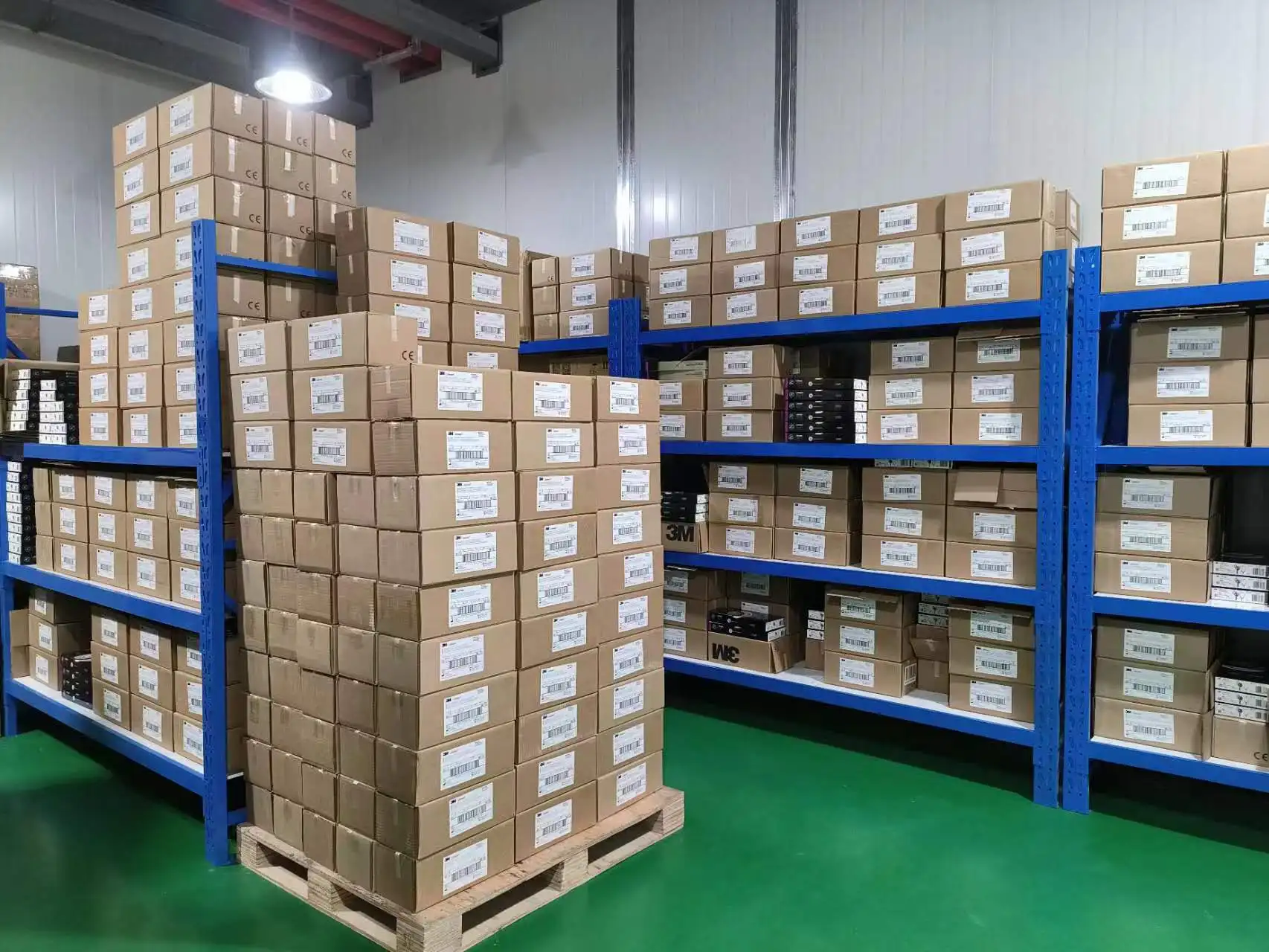
Ningbo Chaosheng Import And Export Co., Ltd.
- Manufacturer, Trading Company
- Zhejiang, China
- Lead time60 days
- Avg. response≤ 2h
Main products3M Littmann stethoscope,3M dressing tape,YLCSH Stethoscope,Octagonal patent stethoscope
Main marketsNorth America(40.00%), Southeast Asia(15.00%), Western Europe(10.00%), Central America(10.00%), South America(10.00%), Eastern Europe(10.00%), Mid East(5.00%)

Anhui Jinye Industrial Co., Ltd.
- Verified by SGS
- Trading Company,Manufacturer/Factory
- China Anhui
- Lead time120 days
- Avg. response≤ 5h
Main productsFace Mask, Nitrile Glove, PE Glove, PE Apron, CPE Gown, Coveralls, Disposable Isolation Gown, Shoe Cover, Lab Coat, Clip Cap
Main marketsSouth America,Eastern Europe,Mid East,North America,Southeast Asia,Eastern Asia,Oceania,Western Europe,Africa


Black Face Mask Disposable Face Mask Non-Woven Fabric Mask for Health Protection
$0.007 - $0.011
MOQ: 100000 Pieces
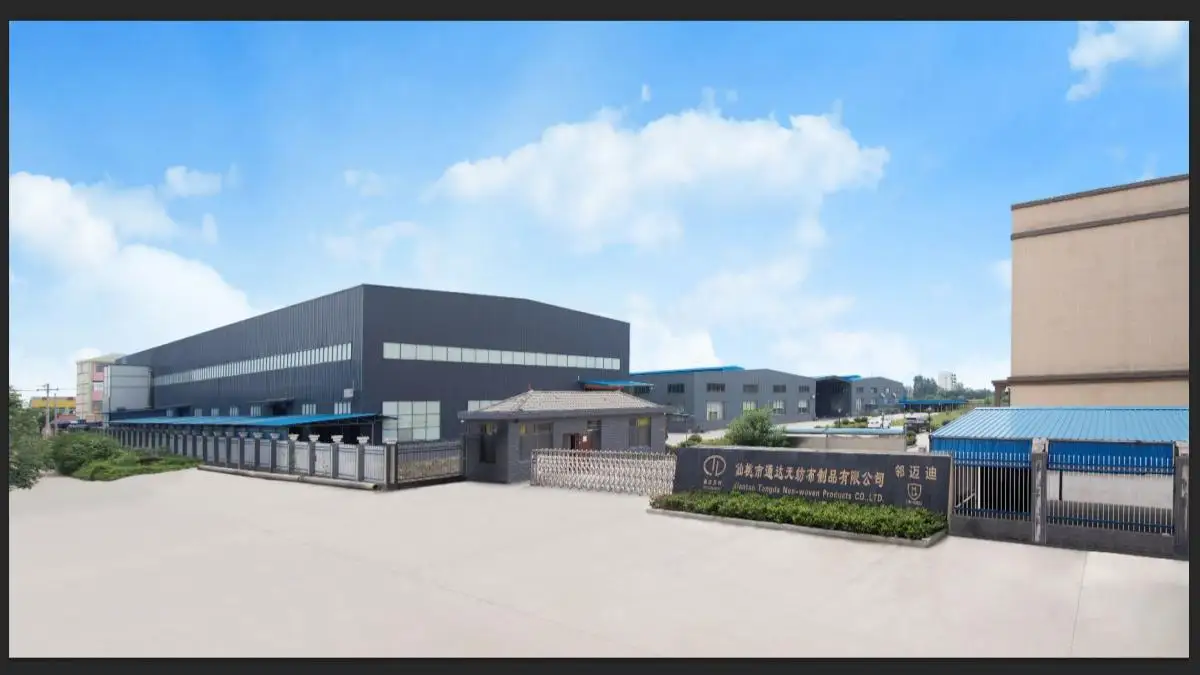
Anhui Lin-Med Imp & Exp Co., Ltd.
- Trading Company
- Anhui, China
- Lead time10 days
- Avg. response≤ 5h
Main productsface mask,isolation gown,surgical gown,clip cap,coverall
Main marketsSouth America(30.00%), North America(30.00%), Southeast Asia(20.00%), Mid East(10.00%), Africa(10.00%)

Guangzhou Maya Medical Equipment Co., Ltd.
- Verified by BV
- Combined
- China Guangdong
- Lead time15 days
- Avg. response≤ 6h
Main productsMedical Equipment, Medical X-ray Machine, B Ultrasound Scanner, Hemodialysis Machine, Patient Monitor, Anesthesia Machine, Medical Disposable Material, Dental Equipment, Laboratory Equipment, Hospital Furniture
Main marketsAfrica
Hubei Wanli Protective Products Co., Ltd.
- Verified by SGS Group
- Manufacturer, Trading Company
- Lead time15 days
- Avg. response≤ 4h
Main productsDisposable Coverall, Surgical Gown, Isolation Gown, Face Mask, Nonwoven Fabric
Main marketsDomestic Market(30%), Western Europe(15%), Northern Europe(10%)

Fujian Angel Nonwoven Fabric Tech Co., Ltd.
- Verified by SGS
- Manufacturer
- China Fujian
- Lead time15 days
- Avg. response≤ 7h
Main productsNonwoven Fabric, Disposable Bed Sheet, Meltblown, Nonwoven Bag, Mattress Cover, Earloop/Nose Wire for Mask, PLA/Pet Nonwoven Fabric, Landscape Cover, Weed Control, TNT Table Cloth
Main marketsSoutheast Asia/ Mideast,Europe
Xiamen Xiangyu Camphill Technology Co., Ltd.
- Verified by SGS Group
- Manufacturer, Trading Company
- Lead time14 days
- Avg. response≤ 1h
Main productsDisposable Coverall, Facemask, Disposable Gloves, Cleanroom Wipes, ESD Coats
Main marketsDomestic Market(80%), Southeast Asia(15%), Western Europe(5%)
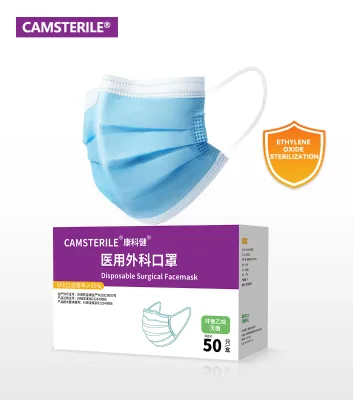
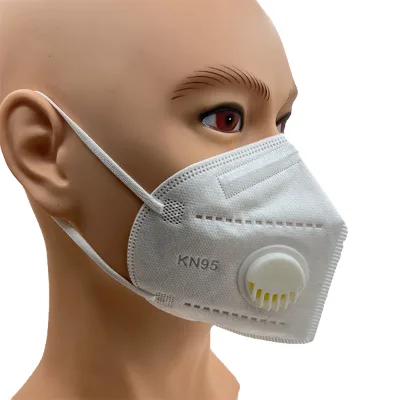
High Quality Comfortable KN95 Face Mask Disposable Non-Woven Meltblown Respirator Filter
$0.0618 - $0.0927
MOQ: 200 pieces

Jinhua Toper Safety Equipment Co., Ltd.
- Combined
- China Zhejiang
- Lead time15 days
- Avg. response≤ 19h
Main productsSafey Helmet, Safety Glasses, Safety Goggle, Welding Helmet, Welding Goggle, Face Shield, Dust Mask, Half-Face Respirator, Earmuff, Earplugs
Main marketsDomestic

Hubei Ruichen Protective Products Co., Ltd
- Verified by CTI
- Combined
- China Hubei
- Lead time23 days
- Avg. response≤ 3h
Main marketsDomestic,Europe

Disposable Non Woven Face Mask Breathable Medical Surgical Protective Mask
$0.0068 - $0.012
MOQ: 500000 Pieces

Jining Jianda Medical Device Technology Co., Ltd.
- Verified by Intertek
- Manufacturer, Trading Company
- Lead time15 days
- Avg. response≤ 2h
Main productsSurgical pack, Surgical gown, Medical surgical mask, Underpad, Wound dressing

Hubei Qianjiang Kingphar Medical Material Co., Ltd.
- Combined
- China Hubei
- Lead time30 days
- Avg. response≤ 10h
Main productsGauze Swabs, Laparotomy Sponge, Sterile Gauze Ball, Gauze Roll, Non Woven Swabs, Mask, Bandage, Sterile Cotton Ball, Cotton Dental Wool, Disposable Facial Towel
Main marketsEurope


Masque Medical Disposable 3ply Face Mask Customized Facemask Surgical Masks
Negotiable
MOQ: 100000 Pieces
Hefei Fast Nonwoven Products Co., Ltd.
- Trading Company
- Anhui, China
- Lead time15 days
- Avg. response≤ 3h
Main productsMeltblown nonwoven,Elastic earloop,nose wire,Spunbond Nonwoven,Activated Carbon Nonwoven
Main marketsSoutheast Asia(90.00%), Domestic Market(5.00%), South America(5.00%)
Guangzhou Yian Labor Protection Products Co., Ltd.
- Verified by Intertek
- Trading Company
- Lead time0 days
- Avg. response≤ 1h
Main productsSafety Gloves, Safety Equipment, Personal Protective Equipment, Household Gloves
Main marketsDomestic Market(60%), Mid East(15%), Southeast Asia(10%)

Yangzhou Super Union Import & Export Co., Ltd.
- Verified by SGS
- Trading Company,Manufacturer/Factory
- China Jiangsu
- Lead time15 days
- Avg. response≤ 5h
Main productsGauze Swab, Gauze Roll, Gauze Ball, Lap Sponge, Paraffin Gauze, Cotton Roll, Non Woven Sponge, Medical Bandage, Medical Tape, Dressing Products
Main marketsSouth America,Mid East,Southeast Asia,Africa

Ningbo Yiyuankang International Trade Co., Ltd.
- Combined
- China Zhejiang
- Lead time30 days
- Avg. response≤ 23h
Main productsMedical Bandage, Tape, Medical First Aid, Alcohol Pad, Face Mask, Adhesive Bandage, Bandage
Main marketsSouth America,Africa,Southeast Asia/ Mideast,East Asia(Japan/ South Korea),Europe,Australia,North America
















Comprehensive Sourcing Guide
White Non-Woven Disposable Respirator Mask Supplier Concentration and Factory Types
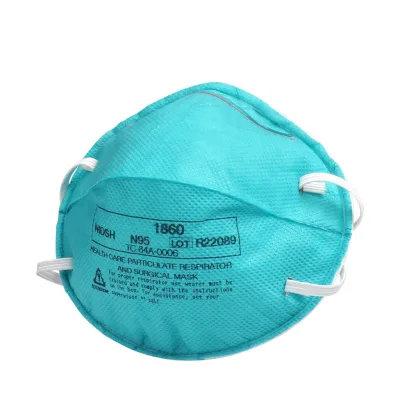
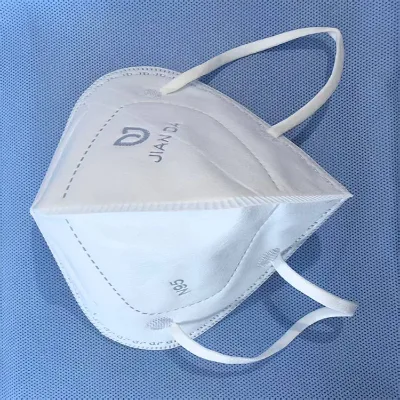
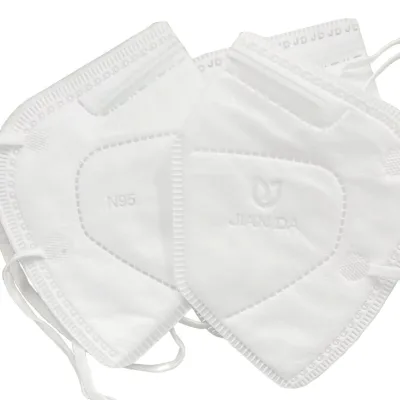
The current supplier landscape for white non-woven disposable respirator masks reveals a distinct geographic concentration in China, with specific manufacturing hubs identified in Jiangsu and Anhui provinces. These regions serve as primary centers for production, indicating that buyers seeking direct factory access should prioritize sourcing from these verified locations to ensure supply chain stability. The presence of suppliers in Jiangsu suggests a mature industrial ecosystem capable of supporting high-volume output, while Anhui-based entities offer alternative sourcing options within the same national framework. Understanding this geographic distribution is critical for logistics planning, as proximity to ports in these eastern provinces can significantly reduce shipping times and costs for international orders. Buyers should recognize that while the core keyword focuses on respirator masks, the actual product evidence shows a diverse range of items, including standard dust masks and N95-style respirators, all falling under the broader category of non-woven protective equipment. This variety implies that many factories possess flexible production lines capable of switching between different mask types based on order requirements, providing buyers with greater flexibility in product selection.
Supplier types in this sector are predominantly categorized as either Trading Companies or Manufacturer/Factory entities, with some listings identified as Combined operations. This distinction is vital for buyers evaluating their procurement strategy, as manufacturers typically offer lower unit costs and direct control over production quality, whereas trading companies may provide broader product assortments and simplified communication channels. The data indicates that many suppliers hold OEM and ODM capabilities, allowing for significant customization of the white non-woven disposable respirator masks, including logo printing and packaging adjustments. This flexibility is particularly valuable for brands looking to establish a unique market presence. Additionally, the presence of both trading companies and manufacturers suggests a competitive market where buyers can negotiate terms based on their volume commitments. It is essential for buyers to clarify the exact nature of their supplier relationship early in the negotiation process to avoid misunderstandings regarding pricing structures, quality control responsibilities, and intellectual property rights associated with custom designs.
How to Verify White Non-Woven Disposable Respirator Mask Suppliers
Verification of suppliers for white non-woven disposable respirator masks requires a rigorous examination of their certifications and third-party audit results to ensure product safety and regulatory compliance. The available data highlights that some suppliers hold ISO 13485 certification, which is a critical standard for medical device quality management systems, indicating a higher level of manufacturing discipline and quality control. Buyers should prioritize suppliers with this specific certification when sourcing masks intended for medical or healthcare environments, as it demonstrates adherence to stringent regulatory requirements. Additionally, verification badges such as SGS and CTI provide an extra layer of confidence, confirming that the supplier has undergone independent inspection and validation processes. These third-party verifications are essential for mitigating risk, as they offer objective evidence of the supplier’s operational integrity and product quality. Buyers should request copies of these certificates and verify their validity through the issuing bodies to ensure they are current and applicable to the specific products being ordered.
Beyond certifications, buyers must assess the supplier’s response time and communication efficiency as indicators of their reliability and customer service quality. The observed response times vary, with some suppliers demonstrating rapid engagement capabilities, which is crucial for resolving issues quickly and maintaining smooth order processing. A supplier with a faster response time is more likely to be proactive in addressing production delays or quality concerns, thereby reducing the risk of supply chain disruptions. Buyers should also inquire about the supplier’s internal quality control procedures, including testing protocols for filtration efficiency and material safety, to ensure that the white non-woven disposable respirator masks meet the required performance standards. It is advisable to request sample products for independent testing before committing to large orders, allowing buyers to verify the physical attributes and performance of the masks firsthand. This due diligence process helps establish a foundation of trust and ensures that the selected supplier can consistently deliver products that meet the buyer’s specifications and regulatory requirements.
What to Compare Across White Non-Woven Disposable Respirator Mask Suppliers
When evaluating suppliers for white non-woven disposable respirator masks, buyers should meticulously compare key operational metrics such as lead time, minimum order quantity (MOQ), and pricing structures to determine the best fit for their procurement needs. The data indicates that lead times can range from approximately fifteen to thirty days, depending on the supplier’s location and production capacity. Buyers with urgent requirements should prioritize suppliers with shorter lead times, while those with flexible schedules may opt for suppliers offering more competitive pricing. Similarly, MOQs vary significantly, with some suppliers requiring orders as low as one thousand units, while others demand volumes exceeding one hundred thousand units. This disparity allows buyers to align their orders with their inventory management strategies, whether they prefer smaller, frequent shipments or larger, cost-effective bulk purchases. Understanding these variations is essential for optimizing cash flow and minimizing storage costs, as it enables buyers to select suppliers whose operational parameters match their business model.
In addition to operational metrics, buyers should compare the specific product attributes and customization options offered by each supplier to ensure alignment with their brand requirements. The available product evidence shows that customization is widely available, allowing for adjustments in material composition, packaging design, and branding elements. Buyers should inquire about the specific materials used, such as non-woven fabric or cotton yarn, and verify that these materials meet their desired quality and comfort standards. Furthermore, comparing the packaging options, such as individual OPP bags or bulk carton packing, can help buyers determine the most efficient logistics solution for their distribution channels. It is also important to assess the supplier’s ability to provide consistent product quality across large orders, as variations in manufacturing processes can lead to inconsistencies in mask performance. By systematically comparing these factors, buyers can make informed decisions that balance cost, quality, and operational efficiency, ultimately selecting a supplier that best supports their long-term business objectives.
Common White Non-Woven Disposable Respirator Mask Sourcing Risks
Sourcing white non-woven disposable respirator masks involves several inherent risks that buyers must proactively manage to ensure supply chain integrity and product quality. One significant risk is the potential for quality inconsistencies, particularly when dealing with suppliers who lack robust quality control systems or relevant certifications. Without proper verification, buyers may receive masks that do not meet the specified filtration efficiency or material standards, leading to customer dissatisfaction and potential regulatory issues. This risk is exacerbated by the diverse range of products offered by many suppliers, which may indicate a lack of specialization in respirator mask manufacturing. Buyers should mitigate this risk by conducting thorough due diligence, including requesting detailed product specifications and independent test reports, to verify that the masks meet the required performance criteria. Additionally, establishing clear quality expectations in the purchase agreement can provide legal recourse in the event of non-compliance, protecting the buyer from financial losses associated with defective products.
Another critical risk is the variability in supplier reliability, which can impact delivery schedules and overall supply chain stability. The observed lead times and response times suggest that some suppliers may experience delays or communication gaps, which can disrupt production schedules and customer fulfillment. This risk is particularly acute for buyers who rely on just-in-time inventory systems or have strict delivery deadlines. To mitigate this risk, buyers should diversify their supplier base and maintain open lines of communication with multiple vendors to ensure continuity of supply. It is also advisable to include penalty clauses for late deliveries in the contract, incentivizing suppliers to adhere to agreed-upon schedules. Furthermore, buyers should monitor supplier performance metrics, such as response time and order fulfillment rates, to identify potential issues early and take corrective action. By proactively addressing these risks, buyers can build a more resilient supply chain and ensure the consistent availability of high-quality white non-woven disposable respirator masks for their customers.
White Non-Woven Disposable Respirator Mask Regional Sourcing and Logistics
Regional sourcing of white non-woven disposable respirator masks from China, particularly from provinces like Jiangsu and Anhui, offers distinct logistical advantages due to their proximity to major international shipping ports. These locations are well-integrated into global trade networks, facilitating efficient export processes and reducing transit times for international buyers. The concentration of suppliers in these regions also enables economies of scale, potentially lowering transportation costs per unit for large orders. Buyers should consider the specific port of departure when negotiating shipping terms, as this can impact freight rates and delivery schedules. Additionally, the presence of established manufacturing clusters in these areas often means that suppliers have access to a reliable network of raw material providers and logistics partners, further enhancing supply chain efficiency. Understanding the regional logistics landscape is crucial for optimizing shipping strategies and minimizing the overall cost of goods sold, as it allows buyers to select suppliers who can offer the most competitive freight solutions.
Logistics planning for white non-woven disposable respirator masks must also account for the specific packaging requirements and weight specifications of the products, which can influence shipping costs and container utilization. The available data indicates that masks are typically packed in cartons with specific dimensions and weights, such as carton sizes of 53.538.534cm and gross weights around 8.5kgs. These specifications are critical for calculating the optimal number of units per container, ensuring maximum space utilization and cost efficiency. Buyers should work closely with their suppliers to determine the most efficient packing configuration, taking into account the destination port’s handling capabilities and storage constraints. Furthermore, considering the shelf life of the products, which is reported to be three years for some items, buyers can plan their inventory levels more effectively, reducing the risk of product expiration. By integrating regional logistics insights with product-specific packaging data, buyers can develop a robust shipping strategy that minimizes costs and ensures timely delivery of white non-woven disposable respirator masks to their target markets.
White Non-Woven Disposable Respirator Mask Commercial Terms and Order Planning
Commercial terms for white non-woven disposable respirator masks vary significantly based on order volume, customization requirements, and supplier policies, making it essential for buyers to negotiate favorable terms that align with their financial objectives. The observed price ranges indicate that unit costs can be as low as $0.012 for standard masks, while specialized respirators may command higher prices, reflecting the additional manufacturing complexity and material costs. Buyers should leverage their order volume to negotiate better pricing, particularly when placing large MOQs that exceed the supplier’s minimum requirements. Additionally, understanding the payment terms, such as the availability of escrow services or letter of credit options, can provide financial security and mitigate the risk of non-payment or non-delivery. Buyers should also inquire about any additional costs associated with customization, such as logo printing or special packaging, to ensure accurate budgeting and avoid unexpected expenses. By carefully reviewing and negotiating these commercial terms, buyers can optimize their procurement costs and enhance their overall profitability.
Order planning for white non-woven disposable respirator masks requires a strategic approach that balances inventory management with production lead times and market demand fluctuations. Buyers should establish a clear forecast of their requirements, taking into account seasonal variations and potential supply chain disruptions, to ensure they place orders in a timely manner. Given the observed lead times of fifteen to thirty days, buyers should initiate orders well in advance of their expected delivery dates to avoid stockouts. Furthermore, considering the customization options available, buyers should allow sufficient time for design approvals and sample production to ensure that the final products meet their specifications. It is also advisable to maintain a buffer stock of standard masks to mitigate the risk of sudden demand spikes or supply chain delays. By integrating these planning considerations into their procurement strategy, buyers can ensure a steady supply of white non-woven disposable respirator masks, supporting their business operations and customer satisfaction goals.
FAQs
What types of white non-woven disposable respirator masks are available?
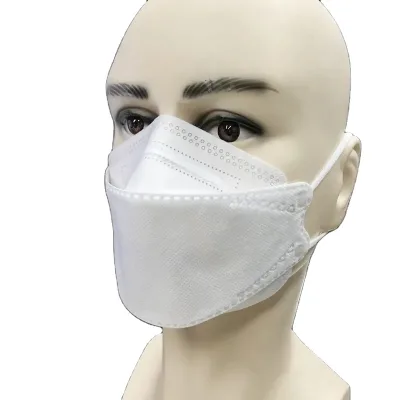
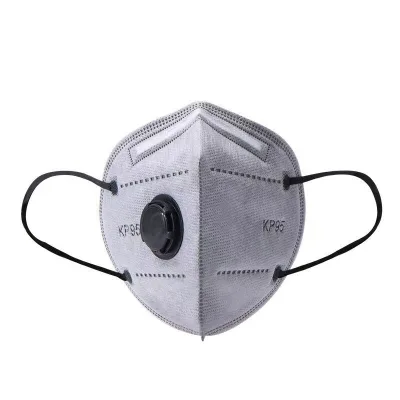
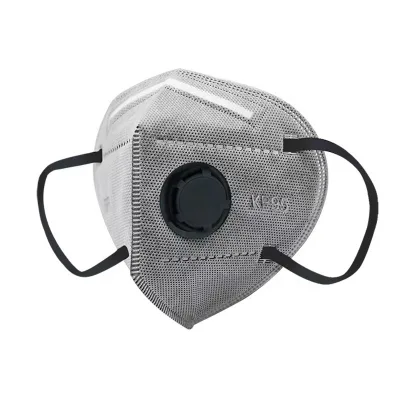
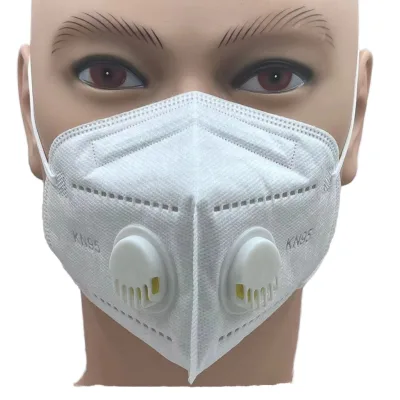
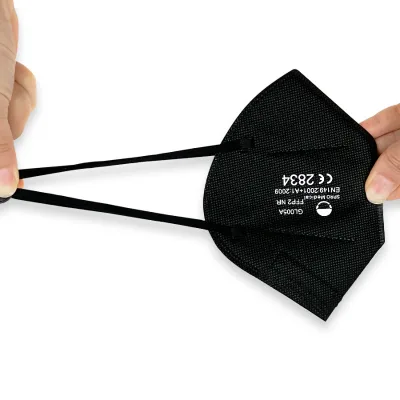
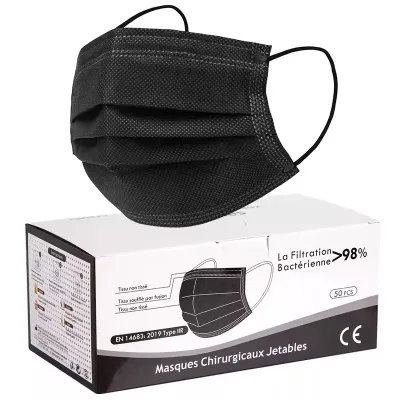
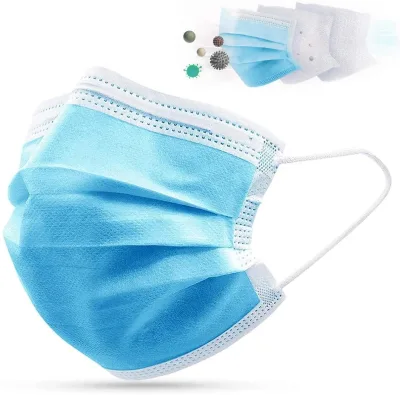
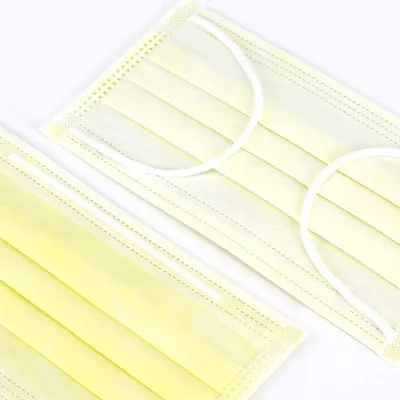
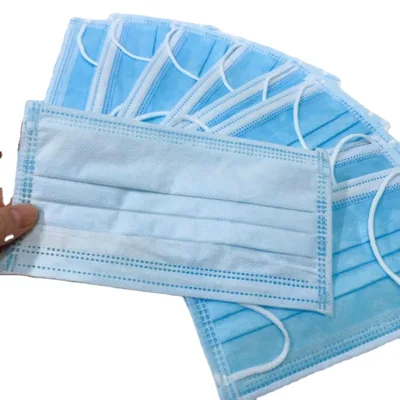
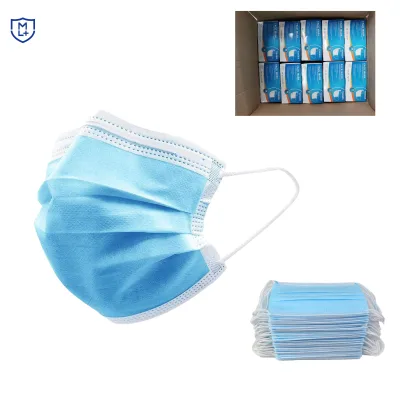
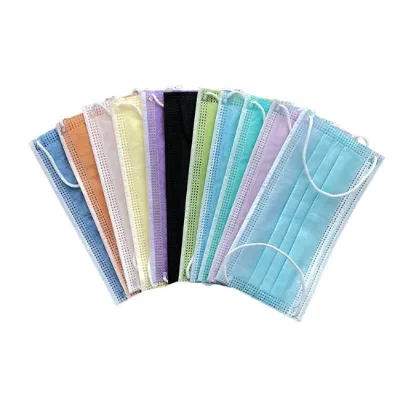
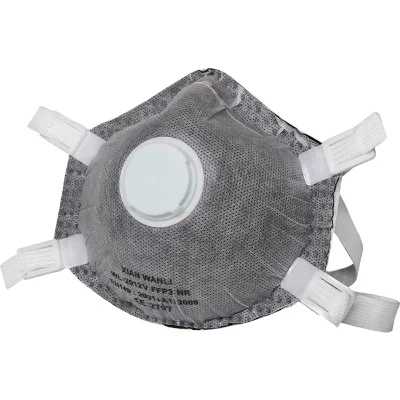
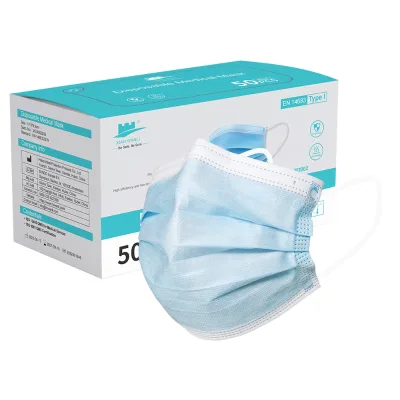
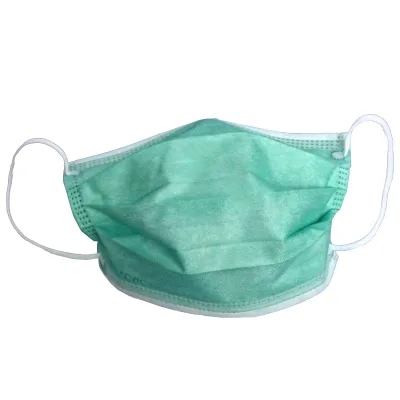
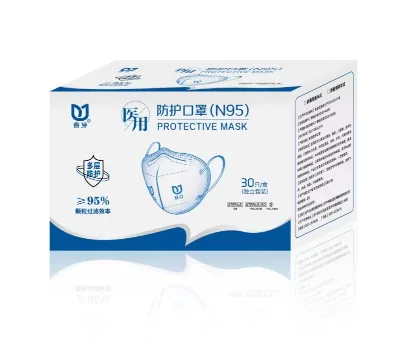
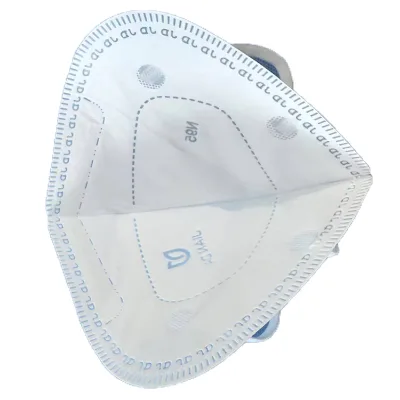
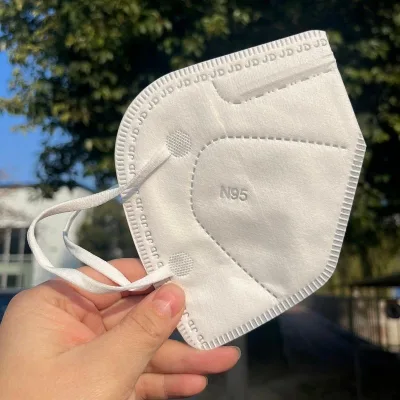
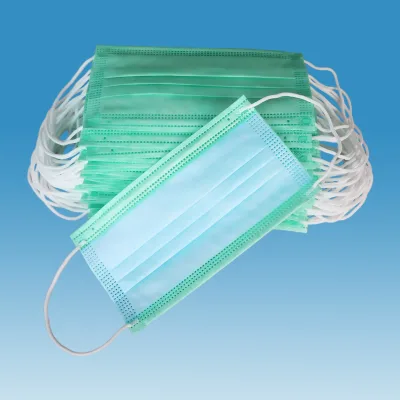
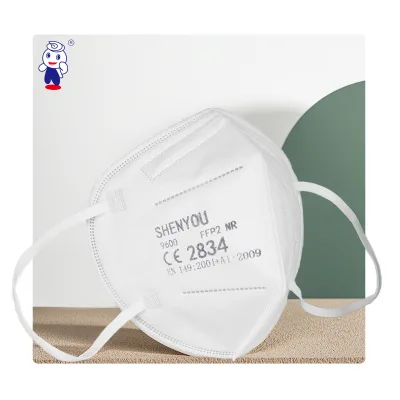
Listed products include 3-ply disposable non-woven flat masks with earloop or tie design, KN95/N95 style respirators with valves, folded civilian protective masks, and children's non-sterile 3-layer masks. Sizes commonly run 17.5x9.5cm for adult earloop styles. Materials are non-woven fabric, with some respirator models listed using cotton yarn. Buyers should confirm filter ratings and applicable standards with each supplier before ordering.
Where are the suppliers of these masks located?
The suppliers in these results are based in China, specifically in Jiangsu, Anhui, and Zhejiang provinces. Jiangsu suppliers list dental consumables alongside masks, Anhui suppliers cover disposable gloves and masks, and Zhejiang suppliers focus on safety products including respirators. Location affects shipping cost and port choice, so confirm export experience and preferred incoterms with each supplier you shortlist.
What are typical MOQs for disposable non-woven respirator masks?
Minimum order quantities vary widely by product and supplier. One 3-ply adult mask is listed at 100,000 pieces, a civilian protective mask at 4,000 pieces, a children's 3-layer mask at 10,000 pieces, and an N95-style respirator at 1,000 pieces. Higher MOQs usually mean lower unit prices, so match the MOQ to your demand forecast and confirm it in writing before sampling.
How much do these disposable masks cost per piece?
Listed unit prices range from about $0.012 to $0.030 for 3-ply non-woven earloop masks, while one civilian disposable mask is listed at $0.100. An N95-style respirator is priced between $2.650 and $3.550 per unit. Prices depend on layer count, valve inclusion, customization, and order volume, so request quotes based on your exact specification and quantity.
What is the usual lead time for mask orders?
Lead times shown in the results range from 15 to 30 days depending on the supplier. The Zhejiang safety-products trading company lists about 15 days, the Jiangsu supplier about 23 days, and the Anhui combined supplier about 30 days. Actual production time depends on order quantity, customization, and raw material availability, so confirm the schedule against your delivery deadline before committing.
Do suppliers offer customization such as logos or packaging changes?
Yes, customization is marked as available on the listed mask products, and several suppliers list OEM and ODM capability. Options include logo printing, packaging changes, and model variations, although some products are listed without logo printing by default. Specify your artwork, packaging format, and quantity early, because custom orders typically require longer production time than standard stock products.
Which certifications should buyers verify before ordering masks?
One supplier holds ISO 13485 medical device certification and is SGS verified, while a Zhejiang supplier holds an ISO9001:2015 certificate and is CTI verified. Filter ratings and product standards are not consistently stated in the listings. Before ordering respirator-grade masks, ask each supplier for certificates covering your target market's requirements and verify document authenticity directly with the issuing body.
How quickly do these mask suppliers respond to inquiries?
Average response times in the results range from about 2.4 to 6.7 hours. The Zhejiang trading company responds fastest at roughly 2.43 hours, followed by the Anhui supplier at about 4.46 hours and the Jiangsu supplier at about 6.74 hours. Fast response helps when resolving specification questions, so include your target quantity, mask standard, and destination port in your first inquiry.