Inline Competition Ceramic Bearings Suppliers and Manufacturers
Compare 33 verified suppliers offering Inline Competition Ceramic Bearings with CE certification and varied lead times. Review response times, stock levels, and material specs like ZrO2 before requesting samples or custom quotes; review the available evidence before requesting comparable quotations from suitable candidates.
Updated
Suppliers List
Jinan Shenglei Bearing Co., Ltd.
- Verified by SGS Group
- Manufacturer, Trading Company
- Lead time15 days
- Avg. response≤ 1h
Main productsDeep Groove Ball Bearing, Stainless Steel Bearing, Ceramic Bearing, Pillow Block Bearing, Taper Roller Bearing
Main marketsNorth America(30%), Mid East(15%), Eastern Europe(9%)
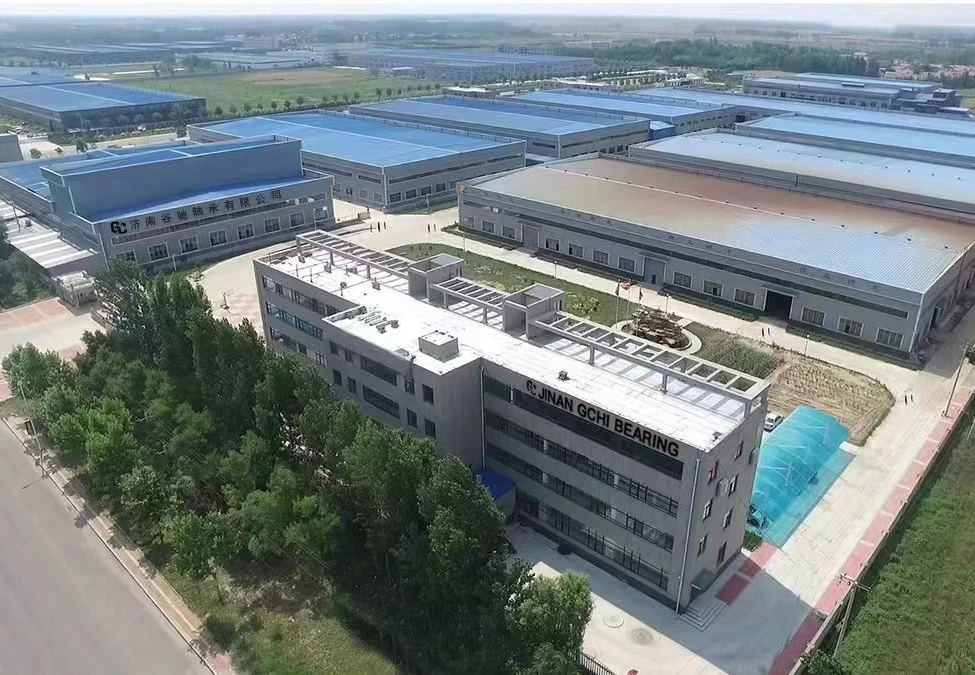
Jinan Gchi Bearing Company Ltd.
- Manufacturer, Trading Company
- Shandong, China
- Lead time7 days
- Avg. response≤ 2h
Main productsSkate Bearings and Parts,Wheel Bearings,Agricultural Bearings,Deep Groove Ball Bearings,Taper Roller Bearings
Main marketsNorth America(20.00%), Domestic Market(10.00%), Western Europe(10.00%), Eastern Asia(10.00%), Mid East(10.00%), Southern Europe(10.00%), Northern Europe(10.00%), Eastern Europe(10.00%), South America(10.00%), Central America(5.00%), South Asia(5.00%), Africa(5.00%), Southeast Asia(5.00%)

Shanghai Gongtao Ceramics Co., Ltd.
- Verified by TUVRHEINLAND
- Combined
- China Shanghai
- Lead time15 days
- Avg. response≤ 4h
Main productsCeramic Tube, Crucible, Ceramic Mill Pot, Ceramic IR Heater, Ceramic Connector, Mortar and Pestle, Ceramic Rod, Ceramic Igniter Electrode, Mica Plate, Ceramic Parts
Main marketsSouth America,Southeast Asia/ Mideast,Europe,Australia,North America

Linqing Liaofan Bearing Co., Ltd.
- Combined
- China Shandong
- Lead time15 days
- Avg. response≤ 25h
Main productsBearing Roller Bearing
Main marketsDomestic
- Verified by Intertek
- Manufacturer, Trading Company
- Lead time0 days
- Avg. response≤ 2h
Main productsPillow Block bearing, Taper Roller bearing, Cylindrical Roller bearing, Bearing Steel balls, Stainless Steel balls
Main marketsDomestic Market(35%), Eastern Europe(10%), Southeast Asia(10%)

Ningbo NBVO Seiko Bearing Co., Ltd.
- Verified by BV
- Combined
- China Zhejiang
- Lead time38 days
- Avg. response≤ 4h
Main productsStainless Steel Ball Bearing, Thin Section Ball Bearings, Deep Groove Ball Bearing, Auto Ball Bearings, Electronic Motor Bearing, Ceramic Bearings, Fishing Reel Bearings, Vacuum Cleaner Bearing, Robot Bearing, High Speed Bearing
Main marketsEurope
Shandong Dena Bearing Co., Ltd.
- Verified by Intertek
- Manufacturer, Trading Company
- Lead time15 days
- Avg. response≤ 1h
Main productsWheel Bearing, Pillow Block Ball Bearing, Spherical Roller Bearing, Taper Roller Bearing, Deep Groove Ball Bearing
Main marketsSouth America(30%), Africa(30%), North America(28%)
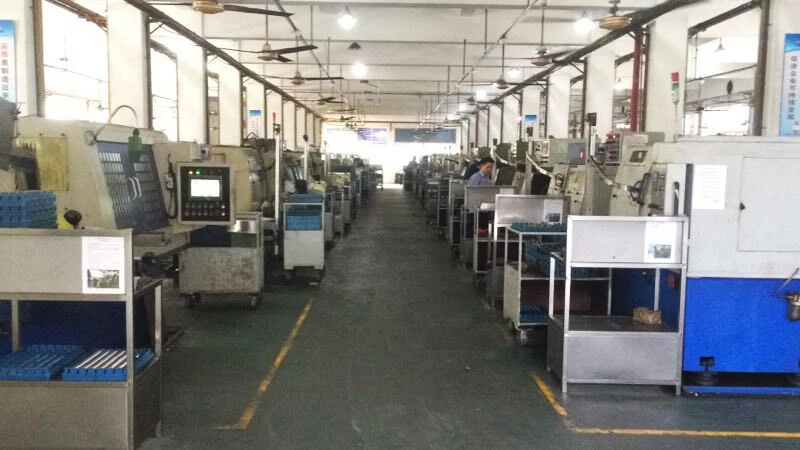
Ningbo Panye Bearing Co., Ltd.
- Manufacturer, Trading Company
- Zhejiang, China
- Lead time7 days
- Avg. response≤ 7h
Main productsSkateboard bearing,Thin-walled bearing,Skateboard ceramic bearing,skatebearing,skatebearingABEC-7
Main marketsWestern Europe(20.00%), Southeast Asia(20.00%), Eastern Europe(20.00%), South America(20.00%), North America(20.00%)
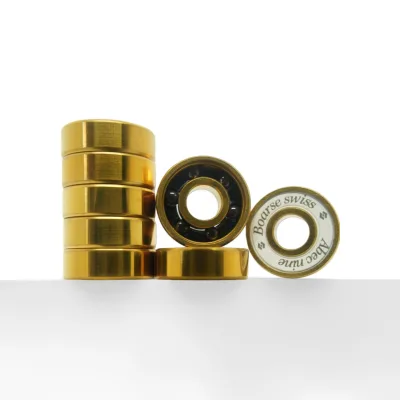
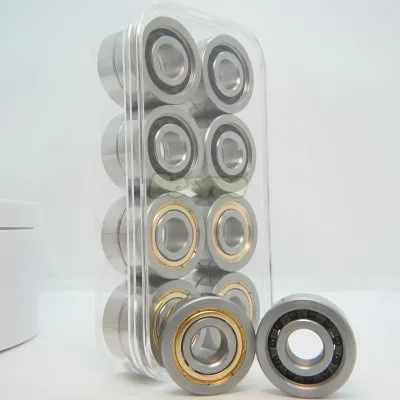
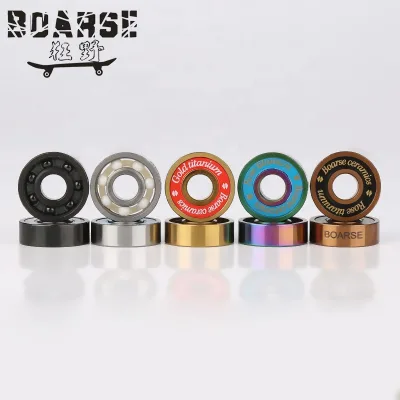
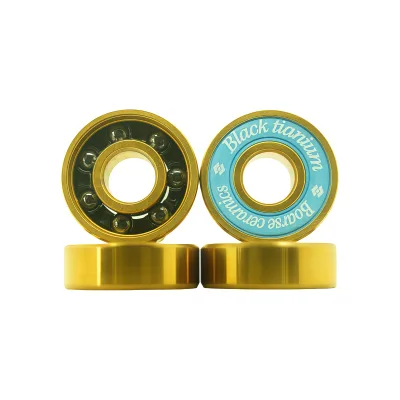
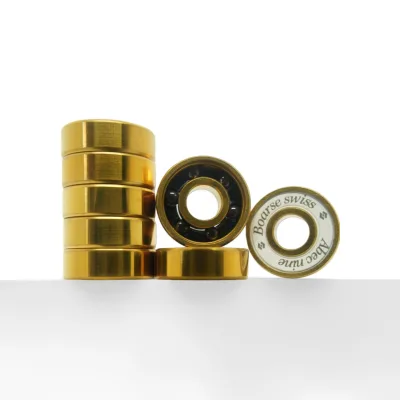
Swiss Gold 11 Ceramic Ball Bearings608RS ABEC11 for Inline Skates-Long-Lasting Idling Factory Direct
$1.0801 - $1.1834
MOQ: 100 pieces
Chengdu Shenglong Tengfei Electromechanical Equipment Co., Ltd.
- Trading Company
- Sichuan, China
- Lead time15 days
- Avg. response≤ 7h
Main productsBearing,Imported bearings,Automotive bearings,Deep groove ball bearing,Tapered roller bearing
Main marketsDomestic Market(50.00%), North America(20.00%), South America(10.00%), Africa(10.00%), Eastern Europe(10.00%)

Shandong Shunwei Bearing Co., Ltd.
- Verified by TUVRHEINLAND
- Trading Company,Manufacturer/Factory
- China Shandong
- Lead time15 days
- Avg. response≤ 2h
Main productsBearing, Ball Bearing, Roller Bearing, Pillow Block Bearing, Deep Groove Ball Bearing, Auto Bearing, Wheel Bearing, Guide Slide, Linear Guide, Thrust Ball Bearing
Main marketsSouth America,Eastern Europe,Mid East,North America,Southeast Asia,Eastern Asia,Oceania,Western Europe,Africa

Manufacturer Customized, Multi-Brand, High Quality, Long Life, Ceramic Bearings
$0.50 - $2.00
MOQ: 100 Pieces

Manufacturer Customized, Multi-Brand, High Quality, High Load, Ceramic Bearing
$0.50 - $2.00
MOQ: 100 Pieces


Spot Promotion, High Quality, Wear-Resistant, High Speed, Ceramic Bearings for Aviation Equipment
$0.50 - $2.00
MOQ: 100 Pieces


Changzhou ZHH Bearing Co., Ltd.
- Verified by SGS
- Trading Company
- China Jiangsu
- Lead time15 days
- Avg. response≤ 16h
Main productsNeedle Bearing, Needle Roller Bearing, Roller Bearing, Rolling Bearing, Cam Follower Bearing, One Way Bearing, Needle Rolling Bearings, Needle Bearings, Bearing, Thrust Bearing
Main marketsAfrica,Europe

Shandong Leicester Bearing Technology Co., Ltd.
- Verified by BV
- Combined
- China Shandong
- Lead time15 days
- Avg. response≤ 2h
Main productsBearing, Spherical Roller Bearings, Self-Aligning Ball Bearing, Angular Symmetrical Bearing, Deep Groove Ball Bearing, Cylindrical Roller Bearing, Tapered Roller Bearing, Pillow Blockball Bearing
Main marketsAfrica,Southeast Asia/ Mideast,North America

Luoyang Bearing Research Institute Co., Ltd.
- Manufacturer
- China Henan
- Lead time30 days
- Avg. response≤ 15h
Main productsBearings, Spindles, Precision Bearing Instruments, Bearing Testing Machines, Bearing Manufacturing Machines, Bearing Relevant Materials, Slewing Bearing, Bearing for Wind Turbine Generator, Large Size Bearing, Bearing Ball
Main marketsEurope
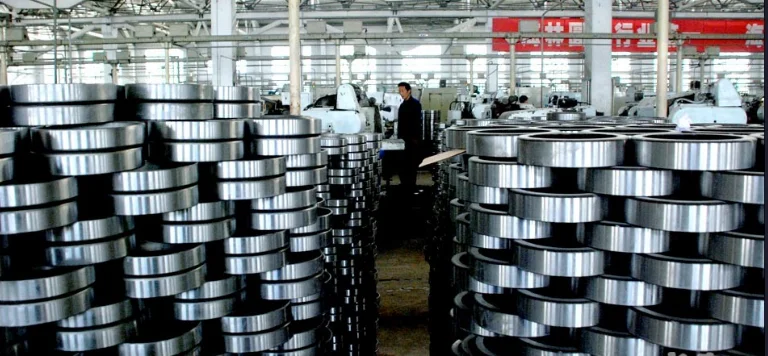
Huizhou City Huitong Bearing Mechanical & Electrical Co., Ltd.
- Trading Company
- Guangdong, China
- Lead time3 days
- Avg. response≤ 3h
Main productsbearing,Stainless steel bearing,guide rail,Stainless steel bearing with seat,ball screw spline
Main marketsNorth America(25.00%), South America(16.00%), Mid East(9.00%), Oceania(9.00%), Southeast Asia(8.00%), Africa(7.00%), South Asia(7.00%), Eastern Asia(5.00%), Southern Europe(3.00%), Central America(3.00%), Western Europe(3.00%), Eastern Europe(2.00%), Northern Europe(2.00%), Domestic Market(1.00%)

Ningbo Demy (D&M) Bearings Co., Ltd.
- Trading Company
- China Zhejiang
- Lead time30 days
- Avg. response≤ 10h
Main productsBearing, Emq Bearing, Ball Bearing, Belts, Spark Plug, Motorcycle Parts, Chains, Auto Parts, Auto Bearing, Motor Bearing
Main marketsSouth America,Africa,Southeast Asia/ Mideast,East Asia(Japan/ South Korea),Domestic,Europe,Australia,North America

Weifang Dainuotu International Trade Co., Ltd.
- Trading Company
- China Shandong
- Lead time0 days
- Avg. response≤ 2h
Main productsBearing, Deep Groove Ball Bearing, Tapered Roller Bearing, Cylindrial Roller Bearing, Angular Contact Ball Bearing, Ceramic Bearing, Spherical Roller Bearing, Wheel Hub Bearing, Thrust Ball Bearing, Auto Bearing

- Trading Company
- China Shanghai
- Lead time15 days
- Avg. response≤ 4h
Main productsCeramic Balls, Ceramic Bearings, Thin Section Bearings, Stainless Steel Bearing, Hybrid Bearings, Angular Contact Bearings, Full Ceramic Bearings, Slew Ring Bearings, Bearing Ball, Deep Groove Ball Bearing
Main marketsEurope,North America

Ceramic 6308 Bearing Hot Sale High Temperature Resistance Deep Groove Ball Ceramic Ball Bearing
$1.00 - $2.00
MOQ: 1 Pieces


Best Quality Best Sell Good Performance Ceramic Insert Bearing Zirconia Bearing
$19.00 - $29.00
MOQ: 10 Pieces
Luoyang E-Find Precision Bearing Manufacturing Co., Ltd.
- Verified by TüVRheinland
- Manufacturer, Trading Company
- Lead time20 days
- Avg. response≤ 2h
Main productsCross Roller Bearing, YRT Rotary Table Bearinig, Slewing Bearings, Customized Bearings
Main marketsDomestic Market(40%), North America(25%), Western Europe(13%)

Linxi County Weishida Bearing Manufacture Co., Ltd
- Verified by SGS
- Trading Company
- China Hebei
- Lead time23 days
- Avg. response≤ 2h
Main productsBearing Unit, Pillow Block Bearing, Insert Bearing, Ball Bearing, Mounted Bearing, Stainless Steel Bearing, Bearing
Main marketsSoutheast Asia/ Mideast,North America

Techemer Composites (Guangdong) Co., Ltd.
- Verified by BV
- Combined
- China Guangdong
- Lead time30 days
- Avg. response≤ 7h
Main productsBlade Seal, Stern Tube Bearing, Rudder Bearing, Water Seal, Water Guide Bearing, Lip Seal, Guide Vane Bushing, Main Shaft Seal - Oil Deflector, Main Shaft Seal -Piston, Guide Vane Sleeve
Main marketsSoutheast Asia/ Mideast
Shandong Langdun Bearing Manufacturing Co., Ltd.
- Trading Company
- Shandong, China
- Lead time0 days
- Avg. response≤ 1h
Main productsDeep groove ball bearing,Tapered roller bearing,Spherical Roller Bearings,NSK Bearings,NTN bearings
Main marketsNorth America(15.00%), Eastern Asia(10.00%), Mid East(10.00%), South Asia(10.00%), Africa(10.00%), Eastern Europe(10.00%), South America(10.00%), Southern Europe(5.00%), Northern Europe(5.00%), Central America(5.00%), Western Europe(5.00%), Domestic Market(3.00%), Oceania(2.00%)

- Verified by BV
- Trading Company
- China Jiangsu
- Lead time15 days
- Avg. response≤ 5h
Main productsThin Section Bearing, Slewing Bearing, Deep Groove Ball Bearing, Angular Contact Bearing, Thrust Ball Bearing, Spherical Plain Bearing, Taper Roller Bearing, Ceramic Bearing, Guide Rail, Linear Bearing
Main marketsSouth America,Africa,Others(foreignTradeCapacity.exportBusinessCapacityMarketOther),Southeast Asia/ Mideast,East Asia(Japan/ South Korea),Domestic,Europe,Australia,North America
Shandong Beilaide Bearing Co.,Ltd.
- Manufacturer, Trading Company
- Shandong, China
- Lead time0 days
- Avg. response≤ 3h
Main productsDeep groove ball bearing,Outer spherical bearing,Tapered Roller Bearings,Angular Contact Bearings,Joint bearing
Main marketsSoutheast Asia(50.00%), North America(50.00%)

Wuxi Lowifar Technology Co., Ltd
- Verified by CTI
- Trading Company
- China Jiangsu
- Lead time23 days
- Avg. response≤ 1h
Main productsCeramic Bearings, Stainless Steel Bearings, Needle Bearings, Hybrid Ceramic Ball Bearing, Ceramic Structural Component, Roller Bearing, Sliding Bearing, Fasteners, CNC Part, Graphite Product
Main marketsSouth America,Southeast Asia/ Mideast,Europe,North America
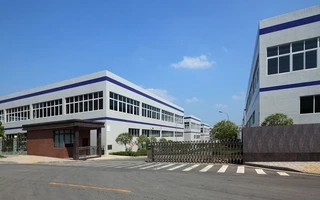
Zaozhuang Yiding Bearing Co., Ltd.
- Trading Company
- Shandong, China
- Lead time3 days
- Avg. response≤ 3h
Main productsBall Bearing,Linear Bearing,Needle Bearing,Guide Rail and Ball Screw,Roller Bearing
Main marketsWestern Europe(55.00%), North America(20.00%), Eastern Asia(10.00%), Oceania(10.00%), South America(5.00%)

Shandong TFN Bearing Industry Co., Ltd.
- Trading Company,Manufacturer/Factory
- China Shandong
- Lead time15 days
- Avg. response≤ 4h
Main productsBearing, Roller Bearing, Ball Bearing, Tapered Roller Bearing, Spherical Roller Bearing, Cylindrical Roller Bearing, Thrust Roller Bearing, Wheel Hub Bearing, Deep Groove Ball Bearing, Ceramic Bearing
Main marketsSouth America,Eastern Europe,Mid East,North America,Southeast Asia,Eastern Asia,Oceania,Western Europe,Africa


61902 Ceramic Bearing Manufacturer From China Factory with Competitive Price
$16.21 - $19.23
MOQ: 1 Pieces

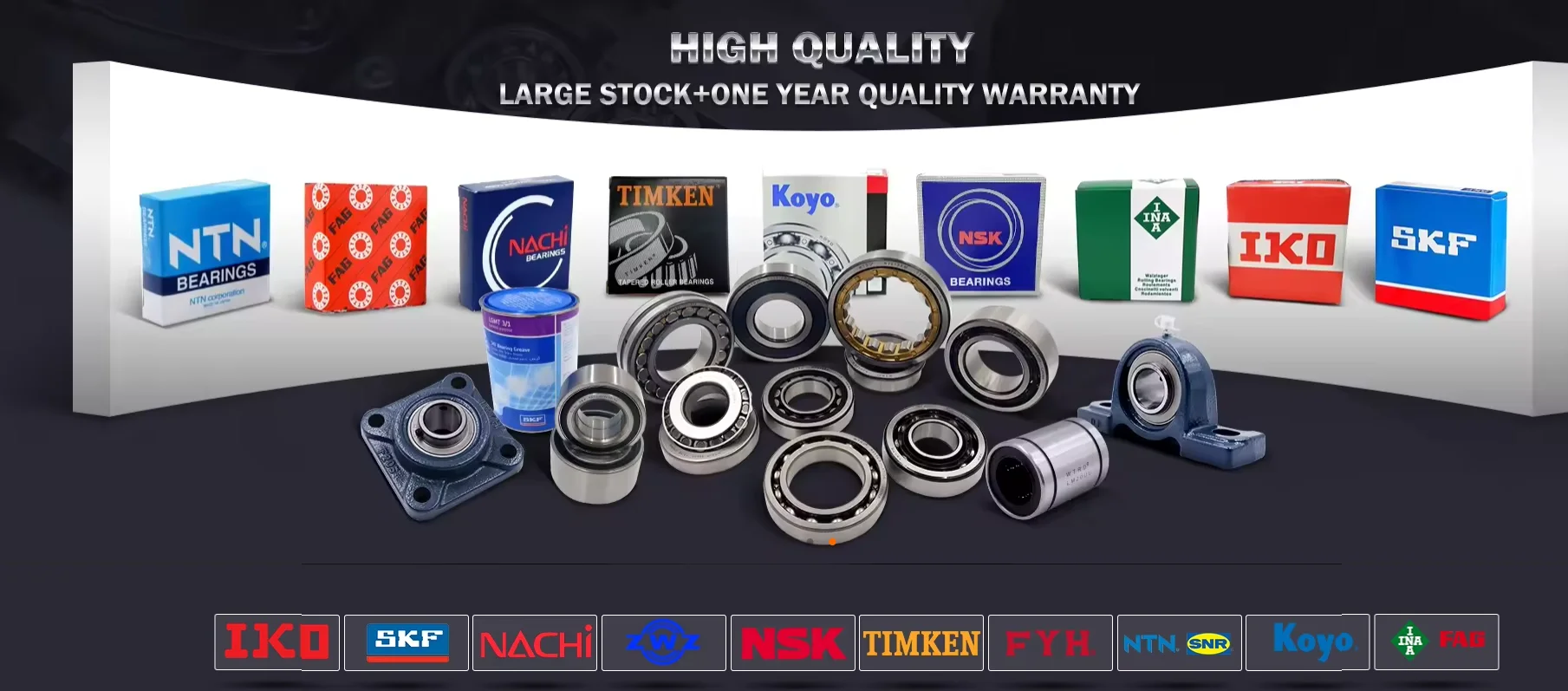
Shandong Brgro Bearing Co., Ltd.
- Manufacturer, Trading Company
- Shandong, China
- Lead time7 days
- Avg. response≤ 3h
Main productsdeep groove ball bearings,pillow block bearings,taper roller bearings,skf tools,Linear Guideways
Main marketsSouth America(11.80%), Southeast Asia(11.00%), Western Europe(8.50%), Domestic Market(8.50%), Mid East(8.10%), Northern Europe(8.00%), Eastern Europe(8.00%), South Asia(6.50%), Eastern Asia(6.00%), North America(6.00%), Central America(4.50%), Africa(4.50%), Southern Europe(4.40%), Oceania(4.20%)

WUXI AMC POWER MACHINERY CO., LTD.
- Verified by SGS
- Trading Company
- China Jiangsu
- Lead time15 days
- Avg. response≤ 4h
Main productsBall Bearing, Roller Bearing, Pillow Block Bearing, Slewing Bearing, Linear Bearing, Roller Chain, Sprocket, Gear, Angular Contact Ball Bearing, Thrust Ball Bearing
Main marketsSoutheast Asia/ Mideast,Domestic,Europe
Shandong Bearing Machinery Technology Co., Ltd.
- Verified by TüVRheinland
- Manufacturer, Trading Company
- Lead time7 days
- Avg. response≤ 2h
Main productsTaper Roller Bearing, Deep Groove Ball Bearing, Cylindrical Roller Bearing, Pillow Block Bearing, Spherical Roller Bearing
Main marketsEastern Europe(40%), South America(25%), Southeast Asia(8%)
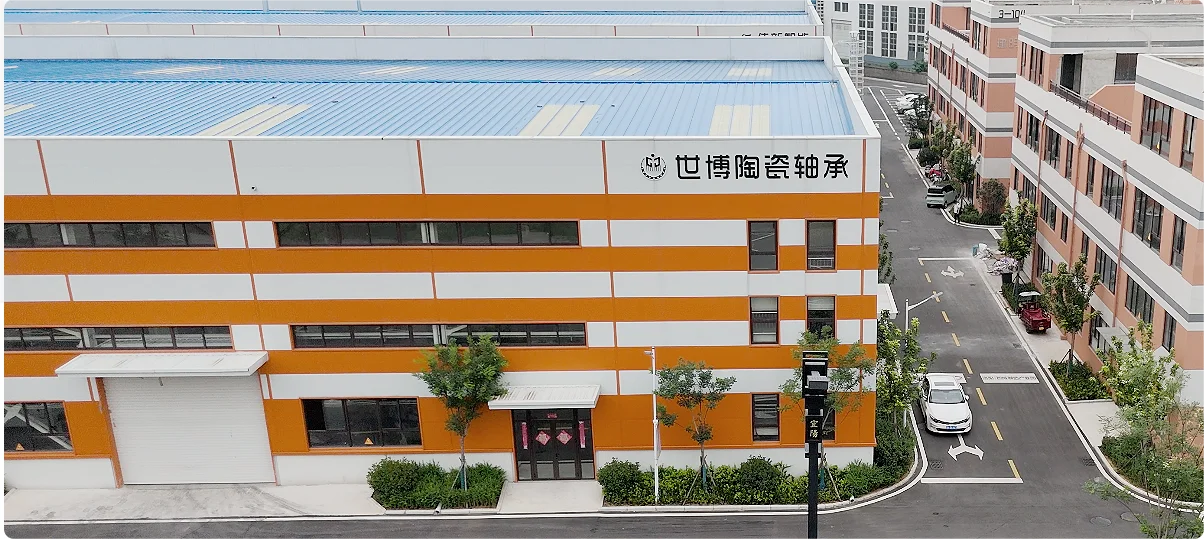
Luoyang Shibo Precision Bearing Co., Ltd.
- Manufacturer, Trading Company
- Henan, China
- Lead time0 days
- Avg. response≤ 2h
Main productsZirconia Ceramic Bearings, Silicon Nitride Ceramic Bearings, Hybrid Ceramic Ball Bearings, All-Steel Bearings
Main marketsDomestic Market(80.00%), North America(10.00%), Eastern Asia(5.00%), South America(3.00%), Oceania(1.00%), Mid East(1.00%)
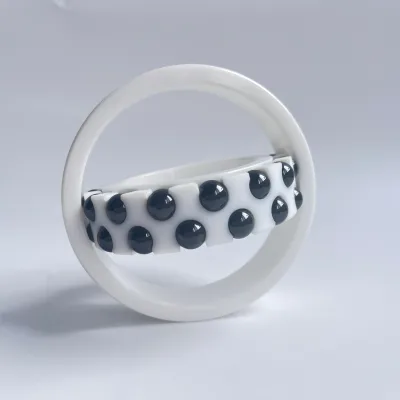
Full Ceramic Self-Aligned Ball Bearing 1204 1205 1206 2204 2205 2206 2306 2307 2208 Double Row
$8.50 - $10.00
MOQ: 10 pieces
$17.00 - $19.00
MOQ: 100 pieces
Qingdao Autos Ball Bearing Co., Ltd.
- Manufacturer, Trading Company
- Shandong, China
- Lead time30 days
- Avg. response≤ 6h
Main productsauto bearings,roller bearing,ball bearing,wheel hub bearing,steel balls
Main marketsDomestic Market(25.00%), North America(15.00%), Eastern Europe(15.00%), Eastern Asia(15.00%), Northern Europe(10.00%), South America(5.00%), Oceania(5.00%), Africa(3.00%), Central America(2.00%), Southeast Asia(1.00%), South Asia(1.00%), Southern Europe(1.00%), Mid East(1.00%), Western Europe(1.00%)
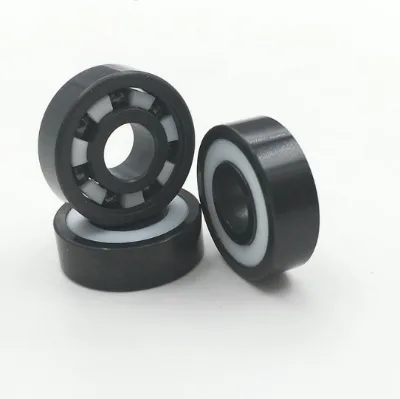
$10.2748 - $51.3724
MOQ: 2 pieces
$10.3961 - $51.9776
MOQ: 5 pieces
$10.2748 - $51.3724
MOQ: 5 pieces
Shenzhen Apple Vista Technology Ltd.
- Manufacturer
- Guangdong, China
- Lead time30 days
- Avg. response≤ 4h
Main productsPiezoelectric Ceramic,Ultrasonic Transducer,Piezo Element,Ultrasonic Cleaning Transducer,Zirconia Ceramic
Main marketsEastern Asia(30.00%), Southeast Asia(20.00%), North America(15.00%), Eastern Europe(15.00%), South Asia(10.00%), Southern Europe(10.00%)
Dezhou Drillstar Cutting Tool Co., Ltd.
- Verified by Intertek
- Trading Company
- Lead time20 days
- Avg. response≤ 3h
Main productsLathe, Deep hole cutting tools, Tungsten carbide
Main marketsDomestic Market(55%), Mid East(7%), North America(5%)
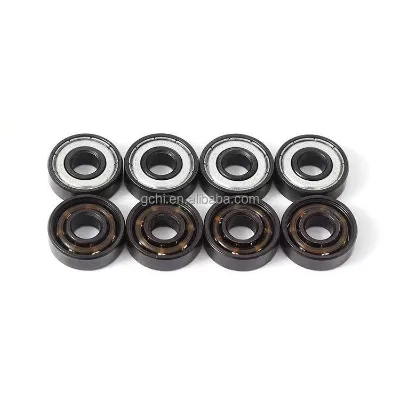
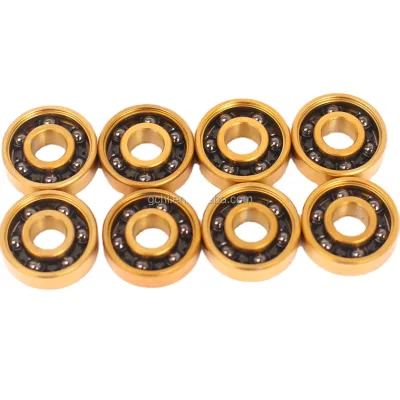
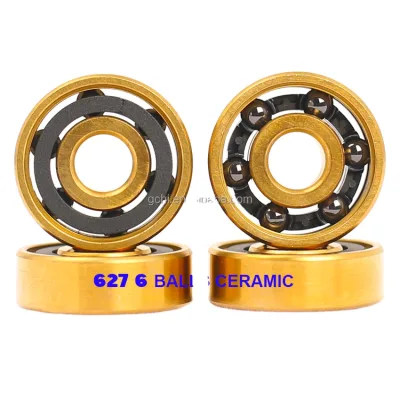
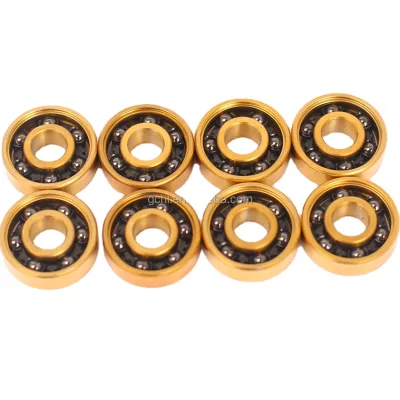






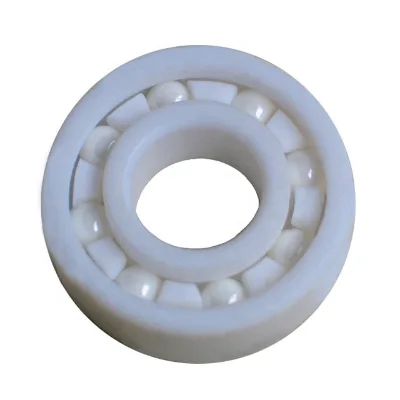


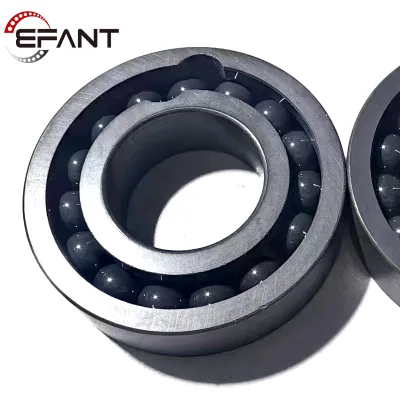


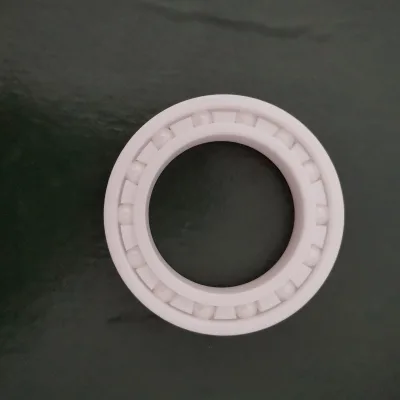


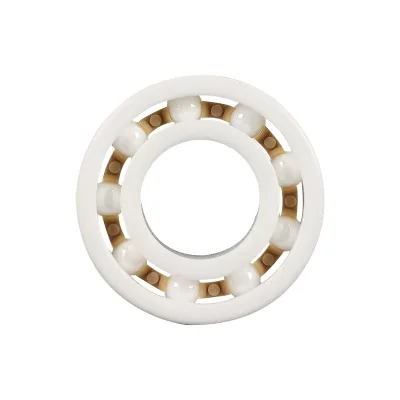
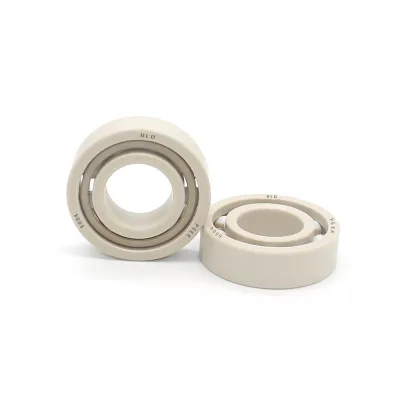
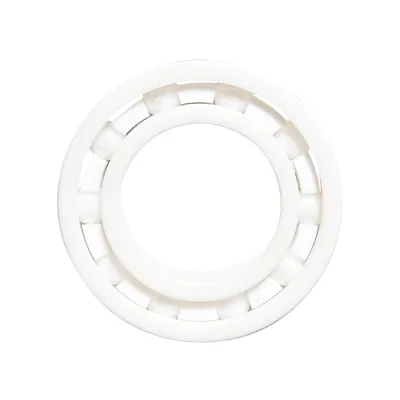


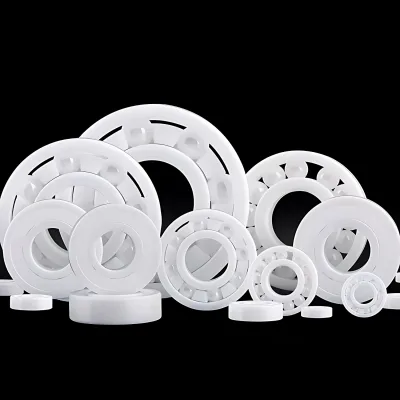


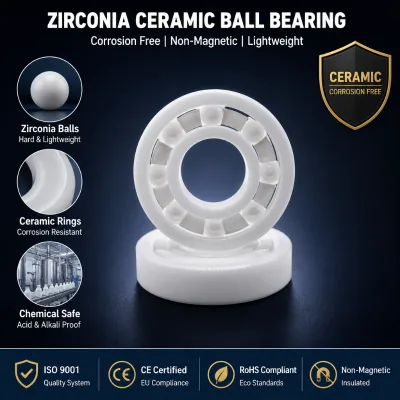
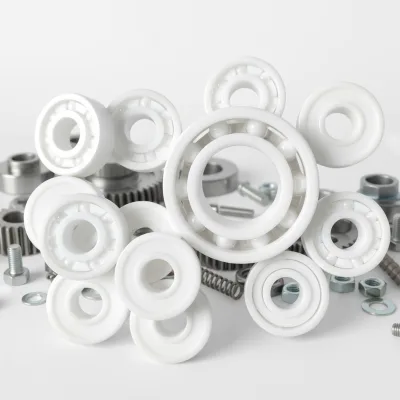
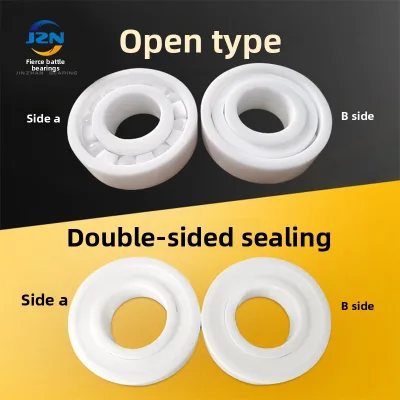
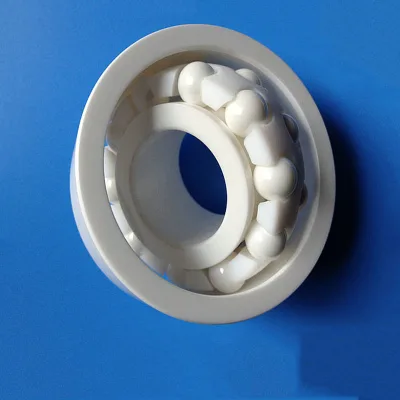
Comprehensive Sourcing Guide
Inline Competition Ceramic Bearings Supplier Concentration and Factory Types
The current supplier landscape for Inline Competition Ceramic Bearings reveals a mix of manufacturing capabilities and trading structures that buyers must navigate carefully. Evidence indicates that the primary production hubs are located in Shandong, China, a region known for its industrial manufacturing base. This geographic concentration suggests that buyers sourcing these specific high-performance components will likely encounter suppliers operating from this province. The presence of manufacturers alongside trading companies means that the supply chain can vary significantly in terms of direct factory access versus intermediary services. Buyers should recognize that while some entities are verified manufacturers, others may function primarily as trading companies, which can impact pricing structures and communication efficiency. Understanding this distinction is crucial for determining whether a supplier offers direct factory pricing or includes a margin for their intermediary role. The verification status of suppliers, such as those confirmed by SGS Group, provides a layer of trust regarding their operational legitimacy, but it does not automatically confirm their manufacturing capacity. Therefore, buyers must look beyond basic verification badges to assess whether a supplier is a true factory or a trading entity. This distinction affects not only the cost but also the ability to request custom modifications or access detailed production timelines. The concentration in Shandong implies that logistics and shipping routes may be standardized for this region, potentially offering consistent transit times for international orders. However, buyers should not assume that all suppliers in this region operate under identical standards or quality controls. The diversity in company types means that some suppliers may specialize in specific bearing models, such as the 608 or 627 series, while others offer a broader range of power transmission products. This specialization can be advantageous for buyers seeking specific performance characteristics for competitive skating. It is essential to evaluate each supplier’s primary product focus to ensure alignment with the buyer’s specific needs for inline competition equipment. The presence of both deep groove ball bearings and ceramic bearings in supplier portfolios indicates a versatile manufacturing or sourcing capability. Buyers should leverage this information to identify suppliers who have a proven track record in producing the exact bearing types required for high-speed applications. The mix of manufacturer and trading company types also suggests that there is room for negotiation and customization, depending on the supplier’s operational model. Understanding these dynamics allows buyers to tailor their sourcing strategy to either prioritize direct factory relationships or leverage the flexibility of trading companies for smaller, more varied orders.
How to Verify Inline Competition Ceramic Bearings Suppliers
Verifying suppliers for Inline Competition Ceramic Bearings requires a multi-layered approach that goes beyond surface-level claims. Buyers should prioritize suppliers who have undergone third-party verification processes, such as those conducted by SGS Group, as this provides an independent assessment of the supplier’s business legitimacy. However, verification alone is not sufficient; buyers must also examine the specific product evidence provided to ensure it matches their technical requirements. For instance, checking the material specifications is critical, as ceramic bearings often use ZrO2 (zirconia) balls, which offer distinct advantages in speed and corrosion resistance compared to steel. Buyers should request detailed product attributes, including the cage material, which can be PTFE, PEEK, or nylon, as this affects friction and durability. The precision rating is another vital verification point, with ratings like P0 or P5 indicating the tolerance levels that are essential for competitive performance. Additionally, buyers should verify the vibration standards, such as V1 or Z1V1, which are indicative of the bearing’s smoothness and noise levels during high-speed rotation. These technical details must be cross-referenced with the supplier’s stated capabilities to ensure consistency. If a supplier claims to offer custom logo services or OEM customization, buyers should confirm the feasibility of these services through direct communication or by reviewing past product examples. The availability of samples is another key verification step, as it allows buyers to physically inspect the quality before committing to a larger order. Buyers should also check the stock status, as suppliers indicating "rich" stock may offer faster delivery times for standard items. Furthermore, verifying the place of origin is important for understanding the manufacturing context and potential logistical advantages. Buyers should be cautious of suppliers who provide vague or incomplete product information, as this may indicate a lack of transparency or expertise. It is also advisable to check for any certifications, such as CE, which may be relevant for certain market regulations. By systematically verifying these technical and operational details, buyers can mitigate the risk of sourcing substandard components that could compromise the performance of their inline skates. This thorough verification process ensures that the selected supplier can meet the rigorous demands of competitive skating applications.
What to Compare Across Inline Competition Ceramic Bearings Suppliers
When evaluating multiple suppliers for Inline Competition Ceramic Bearings, buyers should focus on key operational metrics that directly impact their procurement efficiency and cost-effectiveness. One of the most critical factors to compare is the lead time, which can vary significantly between suppliers. For example, some suppliers may offer a lead time of 15 days, while others might provide a faster turnaround of 7 days. This difference can be crucial for buyers who need to replenish inventory quickly or meet tight production schedules. Another important metric is the response time, which indicates how quickly a supplier communicates with potential buyers. A response time of 1 or 2 days suggests a high level of customer service engagement, which can facilitate smoother negotiations and problem resolution. Buyers should also compare the main products offered by each supplier to ensure they align with their specific needs. Some suppliers may specialize in deep groove ball bearings, while others might focus on ceramic bearings or pillow block bearings. This specialization can influence the quality and expertise a supplier brings to the table. Additionally, buyers should look at the customization capabilities, such as the ability to provide graphic processing, light customization, or customized on-demand services. These capabilities are particularly important for buyers who want to brand their products or modify bearing specifications for unique applications. The price range is another significant factor, with some ceramic bearings priced around $4.41 to $4.52 per unit, while standard steel bearings may be available for as low as $0.90 to $1.00. Buyers should weigh these costs against the performance benefits of ceramic materials. Furthermore, comparing the applicable industries for each product can help buyers assess the supplier’s experience and reliability. Suppliers who serve industries like retail, manufacturing, or sports equipment may have a better understanding of the quality standards required for competitive skating. By systematically comparing these operational and product-related metrics, buyers can make informed decisions that balance cost, speed, and quality. This comparative analysis helps identify suppliers who offer the best overall value proposition for Inline Competition Ceramic Bearings.
Common Inline Competition Ceramic Bearings Sourcing Risks
Sourcing Inline Competition Ceramic Bearings involves several potential risks that buyers must actively manage to ensure a successful procurement process. One significant risk is the variability in product quality, particularly regarding the material composition and precision ratings. While some suppliers offer bearings with ZrO2 ceramic balls and high precision ratings like P0, others may provide lower-grade materials that do not meet the demands of competitive skating. Buyers must be vigilant in verifying these specifications to avoid receiving substandard components that could lead to premature wear or failure during use. Another risk is the discrepancy between advertised lead times and actual delivery schedules. Suppliers may claim a 7-day lead time, but external factors such as production delays or logistical issues can extend this period. Buyers should establish clear communication channels and request regular updates to mitigate the impact of such delays. Additionally, the risk of counterfeit or mislabeled products is a concern, especially when dealing with trading companies that may not have direct control over manufacturing. Buyers should insist on third-party verification and detailed product documentation to ensure authenticity. The lack of standardized pricing across suppliers can also pose a risk, as buyers may inadvertently pay more for similar products due to insufficient market research. It is essential to compare prices across multiple suppliers to ensure competitive rates. Furthermore, the risk of inadequate after-sales support is prevalent, particularly if a supplier does not offer clear warranty terms or return policies. Buyers should verify the supplier’s commitment to customer service before finalizing any orders. Another potential risk is the limitation in customization options, which may restrict a buyer’s ability to brand products or modify specifications. Buyers should assess the supplier’s customization capabilities early in the sourcing process to avoid disappointment later. By identifying and addressing these risks proactively, buyers can enhance the reliability and success of their sourcing efforts for Inline Competition Ceramic Bearings.
Inline Competition Ceramic Bearings Regional Sourcing and Logistics
The regional sourcing of Inline Competition Ceramic Bearings is heavily influenced by the geographic concentration of suppliers, particularly in Shandong, China. This region serves as a major manufacturing hub for bearings, offering buyers access to a dense network of factories and trading companies. Sourcing from this region can provide logistical advantages, such as established shipping routes and competitive freight rates due to the high volume of exports. Buyers should consider the implications of this geographic concentration when planning their supply chain, as it may affect lead times and transportation costs. The proximity of suppliers to major ports in Shandong can facilitate faster export processes, reducing the overall time from order placement to delivery. However, buyers must also be aware of potential logistical challenges, such as customs clearance delays or fluctuations in shipping availability. It is advisable to work with suppliers who have experience in international logistics to ensure smooth transit. Additionally, the regional focus on specific bearing types, such as the 608 and 627 models, means that buyers can benefit from specialized manufacturing expertise in this area. This specialization can lead to higher quality products and more consistent performance, which is critical for competitive skating applications. Buyers should also consider the environmental and regulatory aspects of sourcing from this region, as compliance with local and international standards is essential. Understanding the regional logistics landscape allows buyers to optimize their supply chain for efficiency and cost-effectiveness. By leveraging the advantages of sourcing from Shandong, buyers can secure a reliable supply of high-quality Inline Competition Ceramic Bearings while minimizing logistical risks.
Inline Competition Ceramic Bearings Commercial Terms and Order Planning
Effective order planning for Inline Competition Ceramic Bearings requires a thorough understanding of the commercial terms offered by suppliers. Buyers should pay close attention to the minimum order quantities (MOQs) and pricing structures, as these can vary significantly between suppliers. For instance, ceramic bearings may be priced around $4.41 to $4.52 per unit, while standard steel bearings can be as low as $0.90 to $1.00. Buyers must balance these costs against their budget and volume requirements to determine the most cost-effective sourcing strategy. Additionally, buyers should clarify the payment terms, including any requirements for deposits or escrow services, to ensure financial security. The availability of samples is another critical commercial term, as it allows buyers to test product quality before committing to a larger order. Suppliers who offer sample availability provide an opportunity to verify specifications such as material, precision, and performance. Buyers should also consider the customization options available, such as OEM services or logo printing, and understand any associated costs or lead time extensions. Clear communication regarding these terms is essential to avoid misunderstandings and ensure a smooth transaction process. Furthermore, buyers should establish a clear timeline for order placement and delivery, taking into account the supplier’s lead time and any potential logistical delays. By carefully planning their orders and negotiating favorable commercial terms, buyers can optimize their procurement process for Inline Competition Ceramic Bearings. This strategic approach helps ensure that buyers receive high-quality products on time and within budget, supporting their competitive skating needs.
FAQs
What is the typical lead time for ceramic inline bearings?
Manufacturers generally require 7 to 15 days to process and ship ceramic inline bearings. This timeframe depends on stock availability and customization needs. Suppliers with rich stock may deliver faster, while custom orders require additional processing time for graphic or sample adjustments.
What is the price range for 608 ceramic bearings?
Prices for 608 ceramic bearings typically range from $0.90 to $4.52 per unit. Basic steel-ceramic hybrid options start near $0.90, while full ceramic models with specific grades or branding cost more. Prices vary based on material composition, cage type, and order volume.
Are ceramic bearings available with custom branding?
Yes, many suppliers offer OEM customized services for ceramic bearings. You can request custom logos or specific packaging for inline skate applications. Suppliers support light customization and graphic processing to meet your brand requirements, ensuring the final product aligns with your market identity.
What certifications do these bearing suppliers hold?
Verified suppliers often hold CE system certification and undergo SGS Group verification. These credentials indicate adherence to specific quality and safety standards. Buyers should verify current certification status directly with the supplier to ensure compliance with regional regulations and industry requirements for sports equipment.
Where are these inline bearings manufactured?
These bearings are primarily manufactured in Shandong, China. The region is known for producing various bearing types, including deep groove and ceramic models. Buyers can expect consistent supply chains from this location, with products meeting metric system standards and specific dimensional tolerances for inline skating.
What is the minimum order quantity for ceramic bearings?
Specific minimum order quantities are not explicitly stated in the current data. Buyers should verify MOQ requirements directly with suppliers, as policies vary by manufacturer and trading company. Some suppliers may offer samples or small batches for testing, while others require larger volumes for pricing.