China Leather Working Gloves Suppliers and Manufacturers
Source from 30 verified suppliers of China Leather Working Gloves. Compare key dimensions including lead times, MOQs, response speeds, and certifications like En 388. Review product specs and request quotes to streamline your procurement process; review the available evidence before requesting comparable quotations from suitable candidates.
Updated
Suppliers List

Linyi Golden Dragon Source Safety Technology Co., Ltd.
- Verified by CTI
- Combined
- China Shandong
- Lead time60 days
- Avg. response≤ 6h
Main productsWork Glove, Latex Gloves, Nitrile Gloves, Cotton Gloves, PVC Dots Gloves, Cut Resistant Gloves, PU Gloves, Industrial Gloves, Washing Gloves
Main marketsSouth America,Africa,Southeast Asia/ Mideast,Domestic,Europe,North America

SHANDONG DONGTIE LABOUR SUPPLIES CO., LTD.
- Verified by BV
- Combined
- China Shandong
- Lead time30 days
- Avg. response≤ 3h
Main productsCowhide Gloves, Goatskin/Pigskin Golve, Garden Glove, Driver Glove, Winter Glove, Security & Protection Production, General Work Gloves, Cut Resistant Gloves, Leather Gloves, Working Gloves
Main marketsDomestic


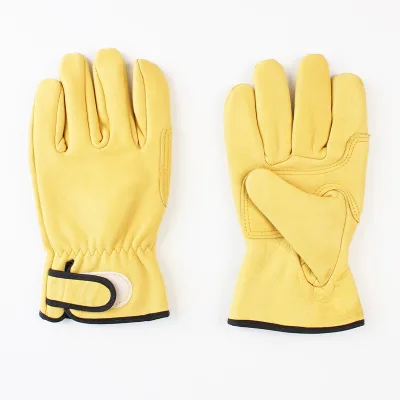
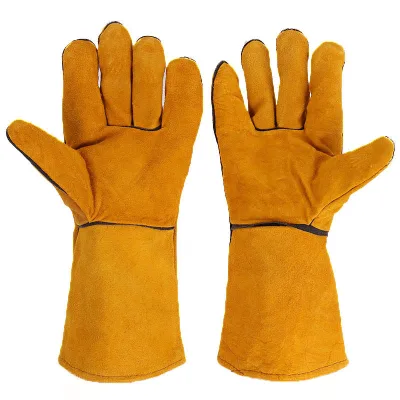
Working Gloves Standard Quality Leather Work Leather Construction Welding
$1.50 - $2.00
MOQ: 5000 Pairs

Chongqing Bweiser Industry Company Limited
- Verified by CTI
- Trading Company,Manufacturer/Factory,Group Corporation
- China Chongqing
- Lead time45 days
- Avg. response≤ 5h
Main productsGarden Tools, Pizza Tools, Roadway Safety, BBQ, Raincoat, Handcrafts, Bait, Grillware, Cleaning Brush, Bar Shaker
Main marketsSouth America,Eastern Europe,Mid East,North America,Southeast Asia,Eastern Asia,Oceania,Western Europe,Africa
Shandong Deely Gloves Co., Ltd.
- Verified by Intertek
- Manufacturer, Trading Company
- Lead time25 days
- Avg. response≤ 4h
Main productsPU Palm Coated Glove, Cut-Resistance Glove, ESD Glove, NBR Glove, TPR Glove
Main marketsEastern Asia(50%), South Asia(17%), Southeast Asia(10%)
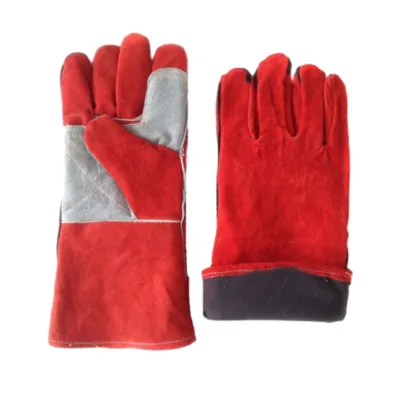
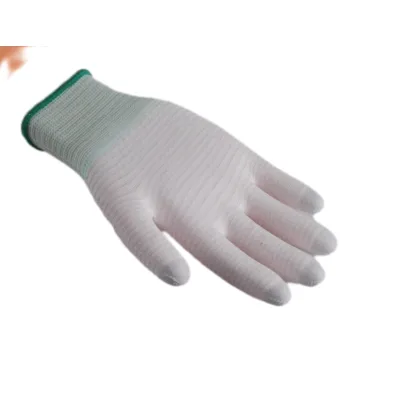
Good Price Impact Resistant Work Gloves Industrial Work Leather Gloves Safety Mens Work Gloves
$0.1663 - $0.1768
MOQ: 1000 pairs
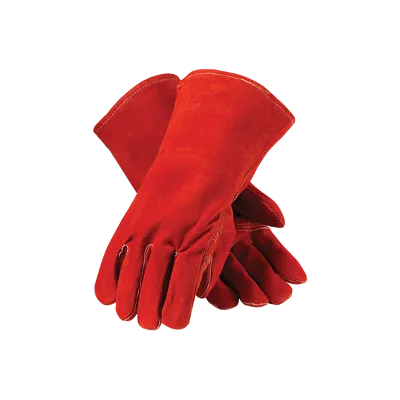

Qingdao Uneed Safety Products Co., Ltd.
- Verified by SGS
- Trading Company,Manufacturer/Factory
- China Shandong
- Lead time45 days
- Avg. response≤ 2h
Main productsWorking Glove, Work Glove, Safety Glove, Safety Shoes, Labor Glove, Cotton Glove, Protective Glove, PU Glove
Main marketsSouth America,Eastern Europe,Mid East,Southeast Asia,Eastern Asia,Western Europe

Fuzhou Golden Moral Imp & Exp Co., Ltd.
- Verified by CTI
- Trading Company
- China Fujian
- Lead time23 days
- Avg. response≤ 5h
Main productsMiner Lamp, Water Well Drill, Construction Machinery, Safety Protection Product, Mining Machine, Air Compressor, Drilling Tools, Detector Instrument, Steel Rails, Chemical Products
Main marketsSouth America,Southeast Asia/ Mideast,North America

Qingdao Meiji Labor Products Co., Ltd.
- Trading Company,Manufacturer/Factory
- China Shandong
- Lead time0 days
- Avg. response≤ 5h
Main productsSafety Gloves, Work Gloves, Safety Shoes, Safety Glasses, Other PPE
Main marketsSouth America,Eastern Europe,Mid East,North America,Southeast Asia,Eastern Asia,Oceania,Western Europe,Africa
Linyi Tongfu Safety Products Co., Ltd.
- Verified by TüVRheinland
- Manufacturer, Trading Company
- Lead time20 days
- Avg. response≤ 2h
Main productsLabor Protection Articles
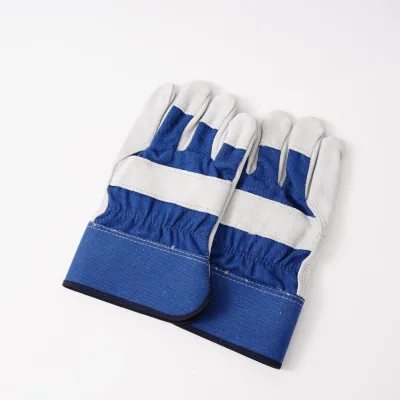
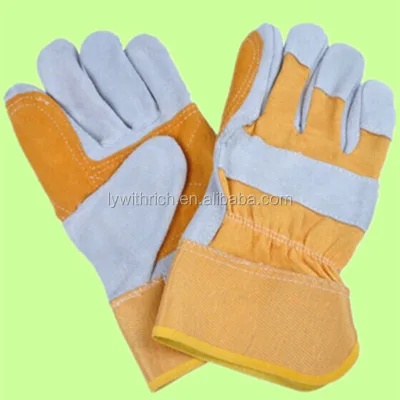
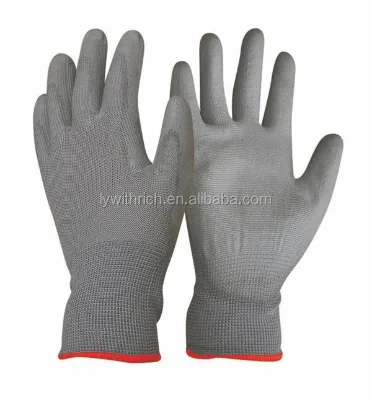
Cowhide Leather Work Gloves CE EN388 Reinforced Palm Non-Slip Heavy Duty Leather Gloves
$1.20 - $1.22
MOQ: 120 pairs
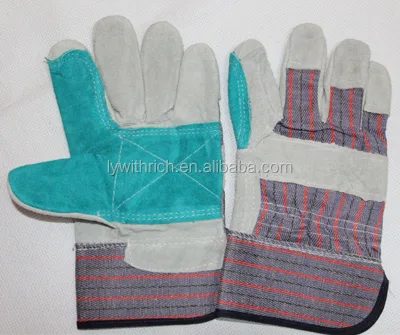
$0.80 - $0.86
MOQ: 120 pairs
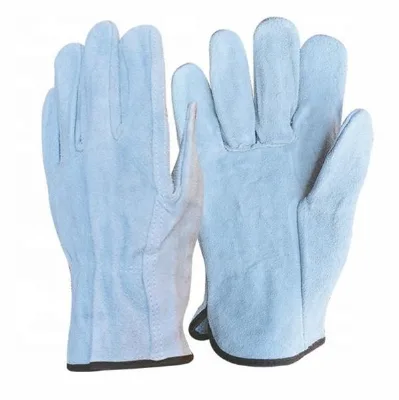
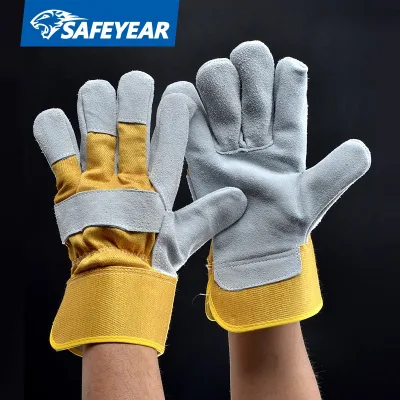
Safety Glove Split Leather Reinforced Palm Leather High Quality Leather Fashion Gloves
$1.20 - $1.22
MOQ: 120 pairs
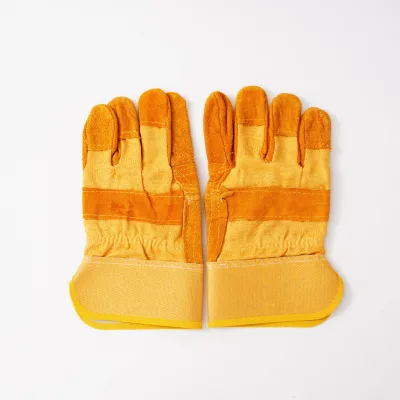
$0.70 - $0.73
MOQ: 120 pairs

Linyi Feifan Imp. & Exp. Co., Ltd.
- Verified by TUVRHEINLAND
- Trading Company
- China Shandong
- Lead time30 days
- Avg. response≤ 12h
Main productsEnamel Mug/Cup, Enamel Bowl, Enamel Basin, Enamel Plate/Tray/Kettle, Enamel Casserole/Pot, Enamel Bucket, Safety Shoe/Boot, Safety Gloves
Main marketsSoutheast Asia/ Mideast,Domestic


Labor Protection Gloves Anti-Scratch Safety Working Gloves/Safety Glove
$1.42 - $1.74
MOQ: 2000 Pieces


Shijiazhuang Luhe International Trade Co., Ltd.
- Trading Company
- Hebei, China
- Lead time15 days
- Avg. response≤ 5h
Main productsReal leather,Genuine leather gloves,Genuine leather,Natural leather gloves,Labor leather gloves
Main marketsSouth Asia(10.00%), Southern Europe(10.00%), Northern Europe(10.00%), Central America(10.00%), Western Europe(10.00%), Eastern Asia(10.00%), Mid East(10.00%), Southeast Asia(10.00%), Eastern Europe(10.00%), South America(10.00%), North America(10.00%)
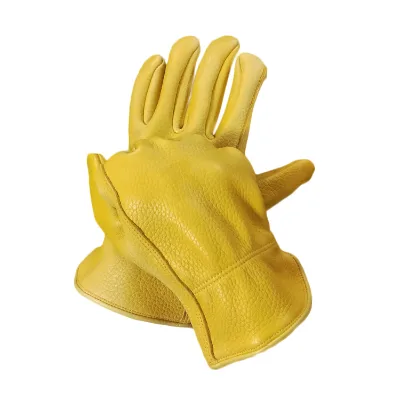
Factory Price Heavy Work Protection Glove Classic Safty Leather Working Gloves
$12.2521 - $14.1052
MOQ: 1200 pairs
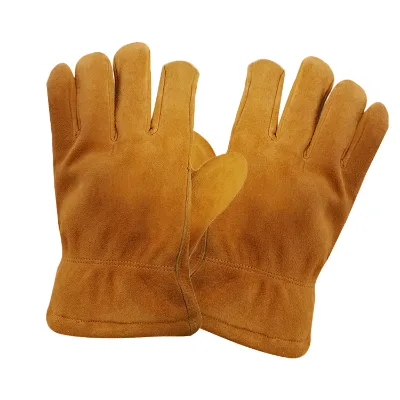
Hot Sale Cheap Price Short Size Safety Industria Labor Work Real Leather Gloves
$11.80 - $13.40
MOQ: 1200 pairs

Shijiazhuang Runlei Labour Protection Supplies Co., Ltd.
- Verified by CTI
- Manufacturer/Factory
- China Hebei
- Lead time0 days
- Avg. response≤ 15h
Main productsLeather Ski Gloves, Heat Resistance Gloves, Leather Firefighter Gloves, Leather TPR Gloves, Fishing Wader
Main marketsSouth America,Eastern Europe,Mid East,North America,Southeast Asia,Eastern Asia,Western Europe,Africa

Factory Direct Custom Hand Labor Protection Industry Leather Working Gloves
$2.00 - $6.00
MOQ: 600 Pairs

Industrial Work Construction Industrial Anti-Smashing Labor Leather Gloves
$1.10 - $3.40
MOQ: 1000 Pairs

Shandong Xingyao Labor Gloves Co., Ltd.
- Verified by TUVRHEINLAND
- Combined
- China Shandong
- Lead time15 days
- Avg. response≤ 10h
Main productsWork Glove, Safety Gloves, PU Gloves, Latex Gloves, Nitrile Glove, PVC Gloves, Glove, Work Gloves, Nitrile Gloves, Gloves
Main marketsSoutheast Asia/ Mideast

China Factory Latex Foam Coated Resistant Leather Working Gloves Safety Industrial Work Glove
$0.17 - $0.25
MOQ: 12000 Pairs


Wear Resistant Leather Safety Working Gloves with CE Certificated Cheap Price
$0.17 - $0.25
MOQ: 12000 Pairs

Commonly Used Leather Safety Working Gloves for Protection with Good Price
$0.17 - $0.25
MOQ: 12000 Pairs

Foshan Deyuzhong Labor Protection Products Co., Ltd.
- Verified by TüVRheinland
- Trading Company
- Lead time30 days
- Avg. response≤ 2h
Main productsSafety Boots, Safety Shoes, Protective Gloves, Refective Safety Clothing, Safety Helmets
Main marketsSoutheast Asia(20%), Domestic Market(20%), Eastern Europe(15%)
Quanzhou Jiasheng Gloves Co., Ltd.
- Manufacturer, Trading Company
- Fujian, China
- Lead time50 days
- Avg. response≤ 17h
Main productsLabor Protection Gloves, Riding Gloves, Garden Gloves, Outdoor Gloves, Warm Gloves
Main marketsNorth America(75.00%), Eastern Europe(10.00%), South America(5.00%), Oceania(5.00%), Mid East(5.00%)
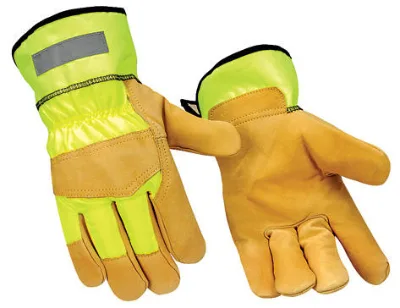
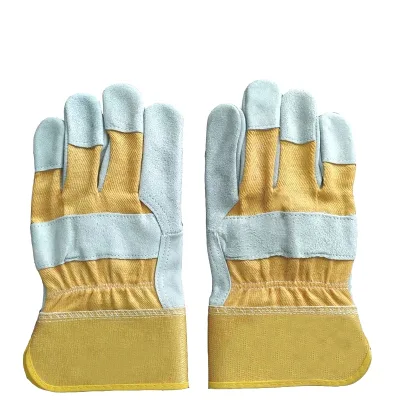
$2.85 - $3.30
MOQ: 1000 pairs
Gaozhou SID Leather Products Co., Ltd.
- Verified by Intertek
- Manufacturer, Trading Company
- Lead time30 days
- Avg. response≤ 2h
Main productsLeather Gloves, Gardening Gloves, Driver Gloves, BBQ Leather Gloves , Welding Gloves
Main marketsAfrica(60%), Mid East(15%), North America(5%)
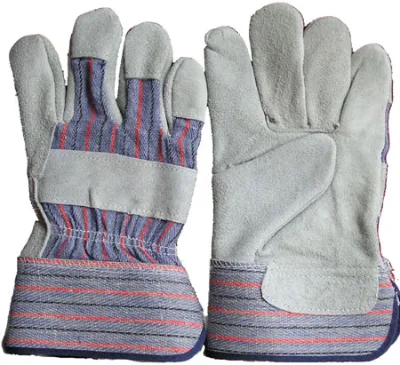
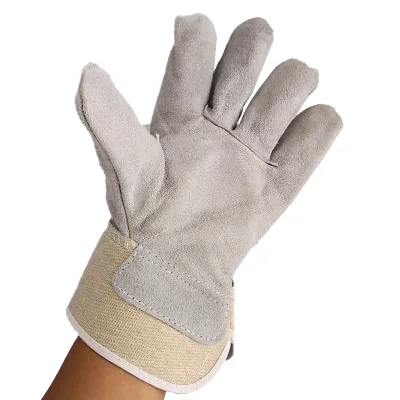
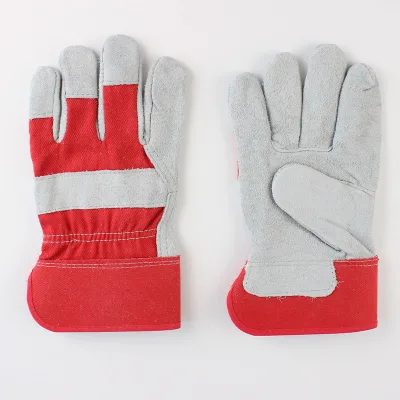
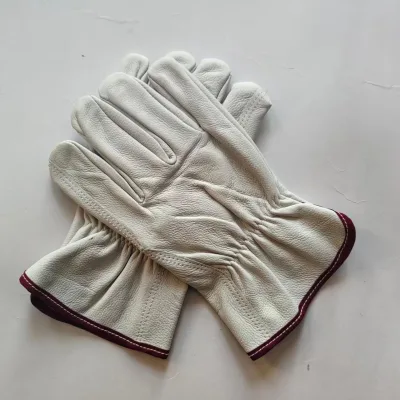
Wholesale Grey Cowhide Leather Safety Work Gloves for General Purpose Work
$1.0216 - $1.9684
MOQ: 500 pairs
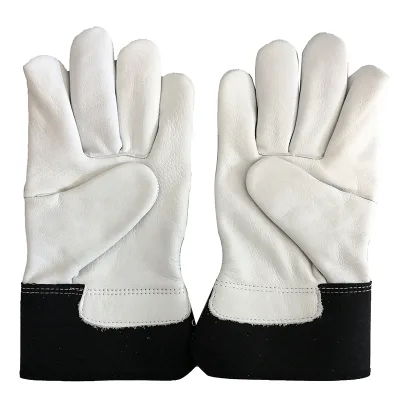
High Quality Industrial Work Gloves Thorn Proof Heat Resistant Cow Grain Leather Hand Gloves
$2.39 - $2.79
MOQ: 3000 pairs
Qingdao Bengood Industry And Trade Co., Ltd.
- Manufacturer, Trading Company
- Shandong, China
- Lead time25 days
- Avg. response≤ 4h
Main productswork gloves,safety gloves,coating gloves,leather gloves,safety shoes
Main marketsNorth America(20.00%), Southeast Asia(15.00%), South America(12.00%), Africa(10.00%), Western Europe(10.00%), Domestic Market(8.00%), Oceania(5.00%), Southern Europe(5.00%), Northern Europe(5.00%), Eastern Europe(5.00%), Mid East(5.00%)
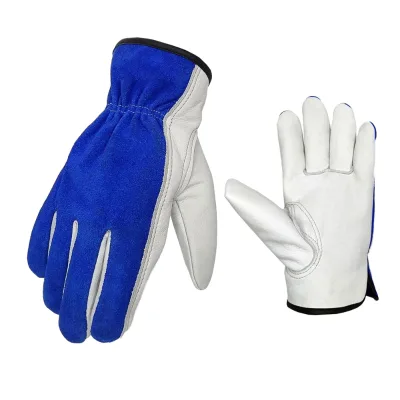
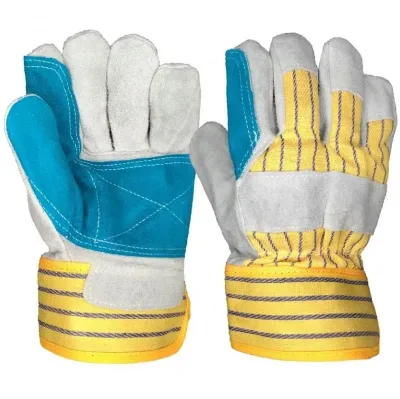
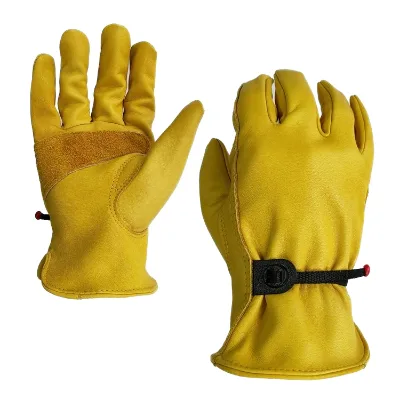
Durable Leather Work Gloves for Men Women - Multipurpose for Yard, Motorcycle, Wood Cutting
$2.3504 - $2.8102
MOQ: 1 pieces
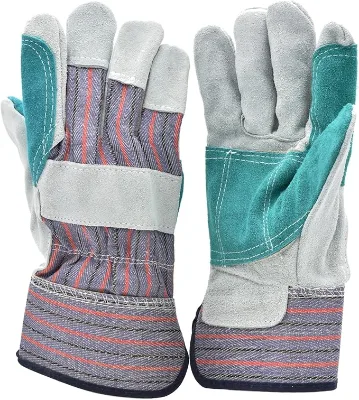
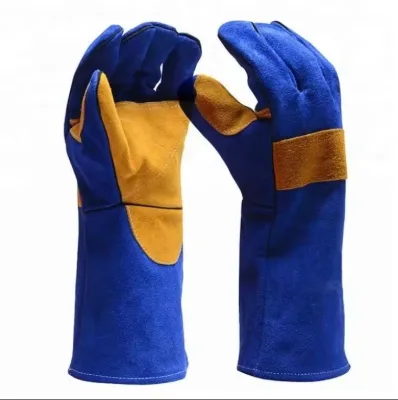
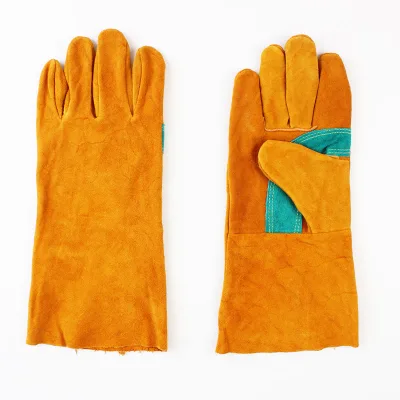
Anti-heat Hand Protective Leather Palm Industrial Gloves Safety for High Temperature
$2.18 - $4.25
MOQ: 500 pairs

Ningbo East Packaging Technology Co., Ltd.
- Verified by BV
- Trading Company
- China Zhejiang
- Lead time23 days
- Avg. response≤ 3h
Main productsDisposable Gloves, Nitrile Gloves, Vinyl Gloves, Latex Gloves, Food Packaging, Disposable Tableware, PPE Products, Packaging & Labels, Flashlights, General Consumer Products
Main marketsDomestic


Yellow Working Gloves High Quality Multi Color Custom Leather Material Cowhide Gloves
$2.50 - $2.80
MOQ: 300000 pieces
Linyi Furunda Imp & Exp Co., Ltd.
- Verified by SGS Group
- Trading Company
- Lead time15 days
- Avg. response≤ 4h
Main productsLatexs Gloves, Cotton Gloves, Leather Gloves, PVC Gloves, PU Gloves
Main marketsSoutheast Asia(28%), Eastern Asia(24%), North America(16%)
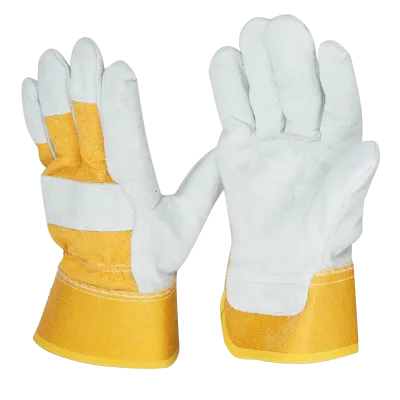
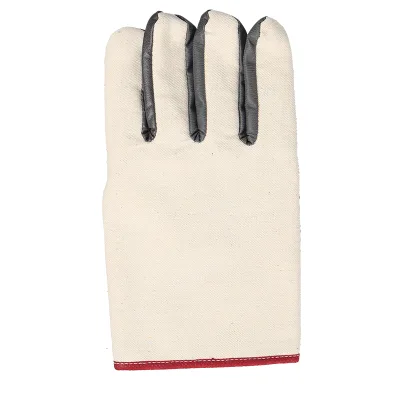
$0.4614 - $0.5123
MOQ: 3000 pairs
Jinhua Dingfeng Tool Manufacturing Factory
- Manufacturer
- Zhejiang, China
- Lead time30 days
- Avg. response≤ 3h
Main productselectrode welding holder,electrode welding pliers,welding gloves,contour gauge,welding protection clothes
Main marketsMid East(30.00%), South America(26.00%), Central America(5.00%), Eastern Asia(5.00%), Domestic Market(5.00%), Africa(5.00%), South Asia(5.00%), Southeast Asia(5.00%), Southern Europe(5.00%), North America(5.00%), Western Europe(1.00%), Oceania(1.00%), Eastern Europe(1.00%), Northern Europe(1.00%)

Gaomi Jinhu Security Technology Co., Ltd.
- Manufacturer, Trading Company
- Shandong, China
- Lead time35 days
- Avg. response≤ 5h
Main productssafety working gloves,construction gloves,cut resistant gloves,latex gloves,pu gloves
Main marketsNorth America(20.00%), Western Europe(15.00%), Eastern Europe(15.00%), South America(15.00%), Northern Europe(10.00%), Southern Europe(5.00%), Africa(5.00%), Eastern Asia(5.00%), South Asia(5.00%), Southeast Asia(2.00%), Mid East(1.00%)
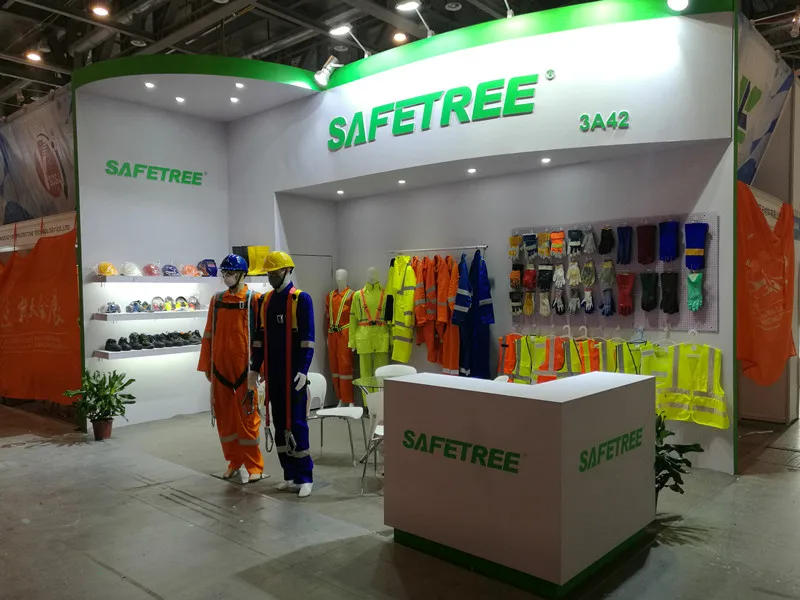
Zhejiang Safetree Industry Tech Co., Ltd.
- Trading Company
- Zhejiang, China
- Lead time35 days
- Avg. response≤ 6h
Main productsPPE & safety related products,safety helmet,safety glasses,safety gloves,safety shoes
Main marketsNorth America(20.00%), Western Europe(15.00%), Northern Europe(15.00%), Southern Europe(10.00%), Africa(10.00%), South America(10.00%), Oceania(5.00%), Eastern Europe(5.00%), Central America(2.50%), Mid East(2.50%), Eastern Asia(2.00%), South Asia(2.00%), Southeast Asia(1.00%)
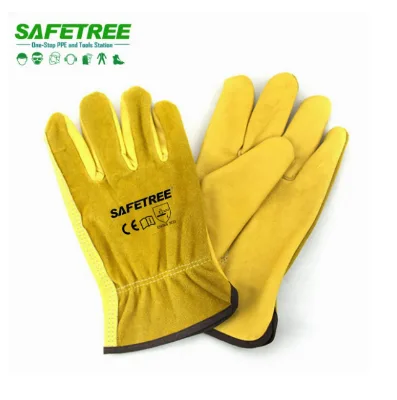
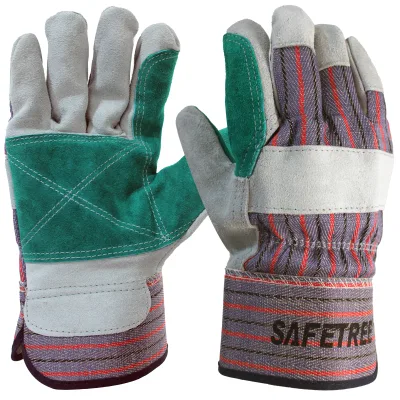
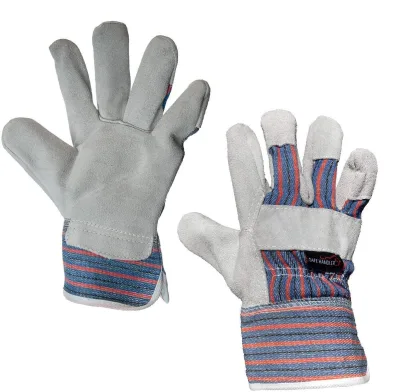
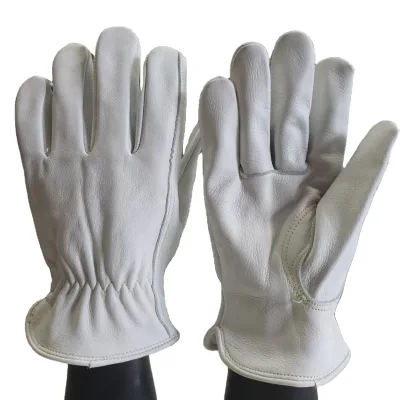
CE EN388 Split Leather Working Driver Gloves PPE Hand Protection Leather Gloves
$2.3953 - $2.5226
MOQ: 2400 pairs
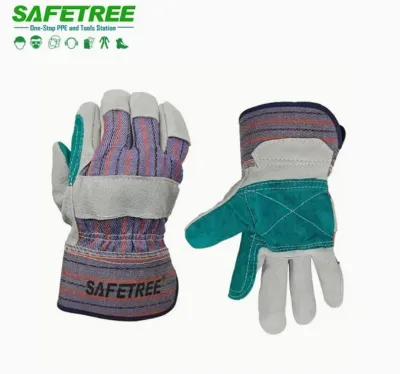
$1.119 - $1.5399
MOQ: 100 pairs
Hangzhou Jin Tian Yin Tech Co., Ltd.
- Trading Company
- Zhejiang, China
- Lead time30 days
- Avg. response≤ 3h
Main productsgloves,safety gloves,work gloves,latex gloves,cut resistant gloves
Main marketsSouth America(40.00%), North America(37.00%), Southeast Asia(7.00%), Northern Europe(5.00%), Southern Europe(3.00%), Eastern Europe(3.00%), Western Europe(3.00%), Domestic Market(2.00%)
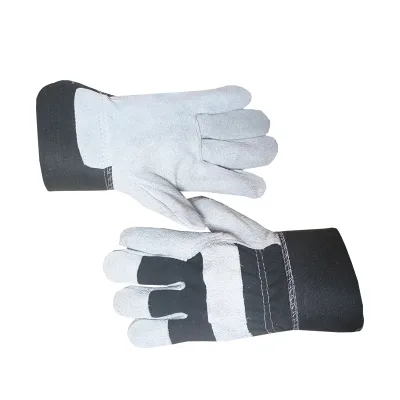
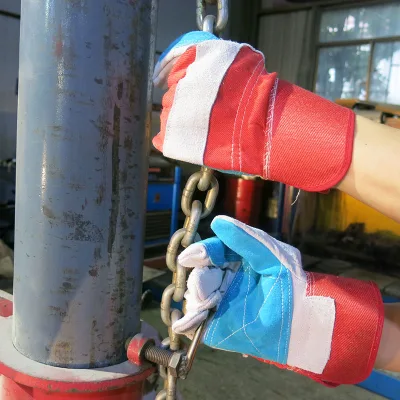
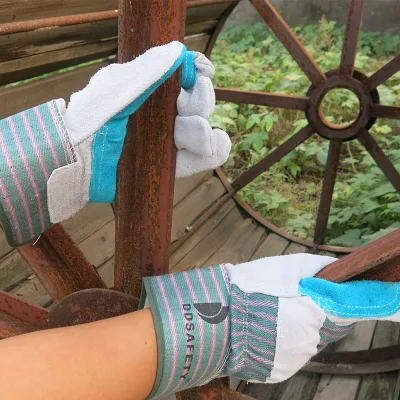
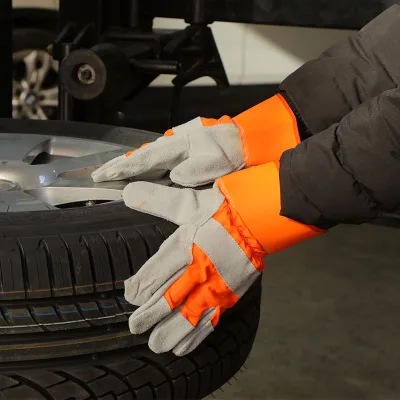
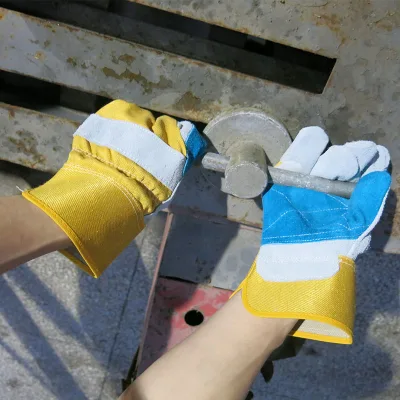
Heavy Duty Palm Work Gloves with Leather Palm, Cowhide Leather Suede Finish Rubberized Cuff
$0.7775 - $0.9258
MOQ: 2400 pairs
Dezhou Jingcai Glove-Making Co., Ltd.
- Verified by Intertek
- Manufacturer, Trading Company
- Lead time30 days
- Avg. response≤ 1h
Main productsPVC Gloves, Work Gloves, Safety Gloves
Main marketsDomestic Market(50%), North America(6%), South America(5%)
Shanghai Langfeng Industrial Co., Ltd.
- Manufacturer, Trading Company
- Shanghai, China
- Lead time25 days
- Avg. response≤ 4h
Main productsSafety Shoes, Safety Gloves, Safety Goggles, Safety Helmet, Earmuff
Main marketsMid East(25.00%), Africa(20.00%), Southeast Asia(15.00%), South Asia(5.00%), Central America(5.00%), Domestic Market(5.00%), North America(4.00%), South America(4.00%), Oceania(4.00%), Eastern Asia(3.00%), Western Europe(3.00%), Eastern Europe(3.00%), Southern Europe(2.00%), Northern Europe(2.00%)

- Verified by CTI
- Trading Company
- China Zhejiang
- Lead time15 days
- Avg. response≤ 3h
Main productsWarning Vests, Safety Glasses, Welding Mask, Rain Coat, Work Wear, Gloves, Safety Shoes, Respirator
Main marketsSoutheast Asia/ Mideast,Europe,North America

- Combined
- China Guangdong
- Lead time23 days
- Avg. response≤ 18h
Main productsMetal Stamping Parts, Stamping Parts, Metal Sheet Parts, CNC Parts, Metal Spare Parts, Turning Parts, CNC Machining Parts, Laser Cutting Metal Parts, Metal Brackets, Pressed Parts
Main marketsSoutheast Asia/ Mideast,East Asia(Japan/ South Korea),Europe,Australia,North America

- Verified by BV
- Trading Company,Manufacturer/Factory
- China Jiangsu
- Lead time23 days
- Avg. response≤ 5h
Main productsPPE, Work Wear, PVC Boots, Nitrile Gloves, Uniform, Safety Glassess, Coveralls, Scrub, Lab Coat, Safety Harness
Main marketsSouth America,Eastern Europe,Mid East,North America,Southeast Asia,Eastern Asia,Oceania,Western Europe,Africa


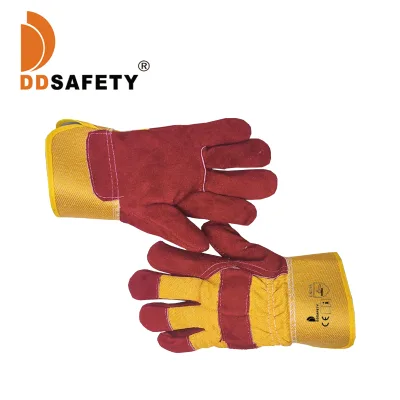
Gray Working Gloves High Quality Multi Color Custom Leather Material En388
$1.99 - $3.99
MOQ: 1000 Pairs

Yellow Working Gloves High Quality Multi Color Custom Leather Material En388
$1.99 - $3.99
MOQ: 1000 Pairs
Huarui Protective Products (Guangxi) Co., LTD.
- Verified by SGS Group
- Trading Company
- Guangxi, China
- Lead time15 days
- Avg. response≤ 2h
Main productsProtective Mask, Safety Helmet, Protective Clothing, Safety Gloves, Safety Shoes

Guangzhou Zheda Trading Co., Ltd.
- Trading Company
- Guangdong, China
- Lead time5 days
- Avg. response≤ 4h
Main productsBOPP Adhesive Tape OEM,Masking Paper,Nano Tape,Aluminum Tape,Stretch Film
Main marketsAfrica(10.00%), Southeast Asia(10.00%), Eastern Europe(10.00%), Mid East(10.00%), South America(10.00%), North America(10.00%), Domestic Market(5.00%), South Asia(5.00%), Oceania(5.00%), Southern Europe(5.00%), Northern Europe(5.00%), Central America(5.00%), Western Europe(5.00%), Eastern Asia(5.00%)

Yingkou Yuanmech Machinery Co., Ltd.
- Verified by SGS
- Combined
- China Liaoning
- Lead time23 days
- Avg. response≤ 3h
Main productsTire Changer, Tyre Changer Machine, Wheel Balancer, Wheel Balancing, Car Lift, Automotive Tire Service Tools
Main marketsSouth America,Southeast Asia/ Mideast,East Asia(Japan/ South Korea),Domestic,Europe,Australia,North America


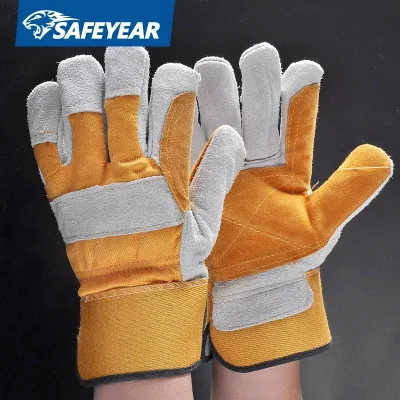


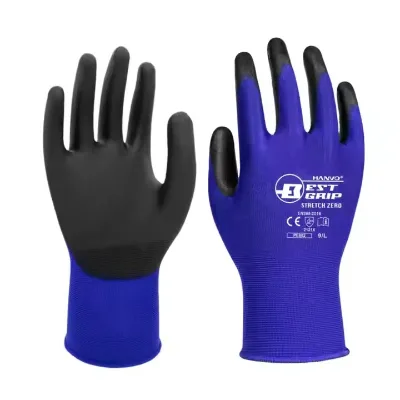
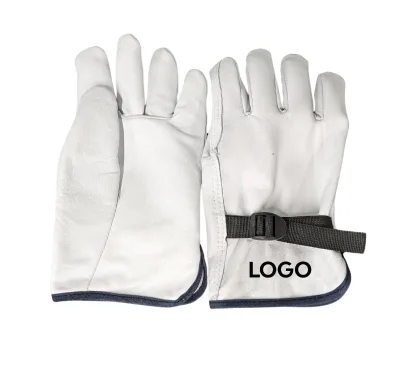
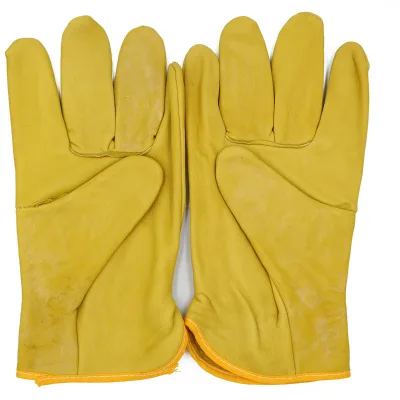
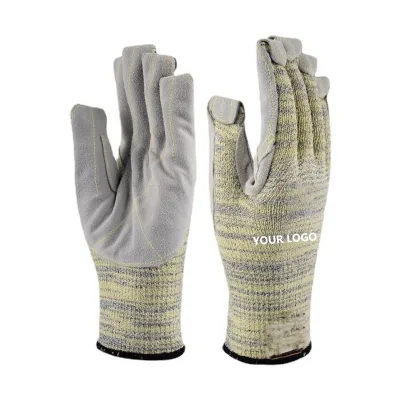


Comprehensive Sourcing Guide
China Leather Working Gloves Supplier Concentration and Factory Types
The current supplier landscape for leather working gloves is heavily concentrated in specific industrial hubs within China, with Shandong province emerging as a primary manufacturing base for these protective handwear products. This regional focus allows buyers to identify clusters of factories that specialize in the tanning, cutting, and assembly of leather safety gear, reducing logistical friction for bulk orders. When evaluating potential partners, it is crucial to distinguish between pure manufacturing entities and combined trading companies that may offer broader product assortments. The data indicates a mix of company types, including those that handle both production and sales, which can influence pricing structures and communication efficiency. Buyers should prioritize suppliers located in established industrial zones like Shandong, as these areas often possess the necessary infrastructure for handling raw leather materials and producing standardized safety equipment. Understanding the geographic concentration helps in assessing the reliability of supply chains and the potential for factory audits.
Factory types vary significantly in their operational focus, ranging from specialized glove manufacturers to general personal protective equipment (PPE) producers. Some suppliers list main products that include a wide array of glove types, such as nitrile, latex, and cotton gloves, alongside leather options, suggesting a diversified production capability. Others may focus more narrowly on leather-specific items like cowhide or goatskin gloves, indicating deeper expertise in material handling and finishing techniques. The presence of OEM and ODM capabilities among some suppliers suggests that customization is a viable option for buyers seeking branded or specification-specific products. However, not all suppliers offer the same level of manufacturing flexibility, so it is essential to verify whether a factory can accommodate custom designs or if they are limited to stock items. This distinction is vital for buyers who require unique features, such as specific cuff tightness or reinforced palm areas, to meet their operational safety standards.
How to Verify China Leather Working Gloves Suppliers
Verification is a critical step in mitigating risk when sourcing leather working gloves from China, as the quality of leather and the durability of stitching can vary widely between manufacturers. Buyers should look for suppliers that have undergone third-party verification processes, such as those conducted by CTI or BV, which provide an additional layer of confidence regarding the supplier's legitimacy and operational capacity. These verification badges indicate that an independent agency has inspected the supplier's business license, factory premises, and quality control systems. However, verification alone does not guarantee product quality, so it should be combined with other due diligence measures. Buyers are encouraged to request detailed company profiles and cross-reference the stated business scope with the actual products offered. This helps in identifying any discrepancies between the supplier's claimed expertise and their actual manufacturing capabilities, ensuring that the partner is genuinely equipped to produce high-quality leather gloves.
In addition to third-party verification, buyers should assess the supplier's responsiveness and transparency as indicators of their reliability. A quick response time, such as those observed in the range of 2.23 to 5.61 hours, can signal a well-stocked customer service team that is ready to address inquiries and resolve issues promptly. This responsiveness is particularly important during the negotiation phase, where clear communication about specifications, pricing, and delivery schedules is essential. Buyers should also inquire about the supplier's internal quality control processes, including how they inspect leather for defects and how they ensure consistency in stitching and assembly. Requesting samples before placing a large order is a standard practice that allows buyers to physically assess the material quality, fit, and finish of the gloves. By combining verification badges with direct communication and sample evaluation, buyers can build a more comprehensive picture of a supplier's trustworthiness and capability.
What to Compare Across China Leather Working Gloves Suppliers
When comparing suppliers, lead time is a key metric that impacts inventory planning and project timelines. The observed lead times for leather working gloves range from 30 to 60 days, reflecting the complexity of leather processing and the volume of orders. Suppliers with shorter lead times may have more streamlined production processes or maintain higher levels of finished goods inventory, which can be advantageous for urgent orders. However, buyers should also consider the minimum order quantity (MOQ) requirements, which can vary significantly based on the supplier's production model. Some suppliers may have MOQs as low as 2,000 pairs, while others may require 12,000 pairs or more, depending on the customization level and material availability. Understanding these constraints helps buyers determine which suppliers can accommodate their order sizes without incurring excessive costs or delays.
Price and product specifications are another critical area for comparison, as they directly affect the total cost of ownership and the suitability of the gloves for specific applications. Prices for leather working gloves can range from approximately $1.10 to $3.47 per pair, depending on factors such as leather type, thickness, and additional features like cut resistance or heat insulation. Buyers should carefully review product attributes, including cuff tightness, weight, and certification standards, to ensure that the gloves meet their safety requirements. For instance, some gloves may be certified to EN 388 and EN 420 standards, which are important for compliance in certain industries. Additionally, buyers should compare the packaging options and customization availability, as these can influence branding and logistics efficiency. By systematically evaluating lead times, MOQs, prices, and technical specifications, buyers can identify suppliers that offer the best balance of cost, quality, and service for their specific needs.
Common China Leather Working Gloves Sourcing Risks
One of the primary risks in sourcing leather working gloves is the inconsistency in material quality, which can lead to premature wear and reduced protection for workers. Leather is a natural material, and variations in grain, thickness, and tanning processes can result in products that do not meet the expected durability standards. Buyers may encounter issues such as stiff leather that causes discomfort, or weak stitching that fails under heavy use. These quality inconsistencies can be exacerbated if the supplier lacks rigorous quality control measures or if they substitute materials without notice. To mitigate this risk, buyers should establish clear quality specifications in their purchase agreements and conduct regular inspections during production. Requesting detailed material certificates and testing reports can also help ensure that the leather meets the required safety and performance standards.
Another significant risk is the potential for miscommunication regarding product specifications and delivery schedules. Leather gloves often require customizations, such as specific sizes, colors, or branding, which can be prone to errors if not clearly documented. Suppliers may interpret requirements differently, leading to the production of gloves that do not match the buyer's expectations. Additionally, delays in production can occur due to raw material shortages or logistical bottlenecks, which can disrupt the buyer's supply chain. To address these risks, buyers should maintain open and frequent communication with their suppliers, providing detailed technical drawings and samples whenever possible. It is also advisable to include penalty clauses for late deliveries or non-conforming products in the contract, which can incentivize suppliers to adhere to agreed-upon timelines and quality standards. By proactively managing these risks, buyers can reduce the likelihood of costly errors and ensure a smoother sourcing process.
China Leather Working Gloves Regional Sourcing and Logistics
Sourcing leather working gloves from Shandong province offers logistical advantages due to the region's established manufacturing infrastructure and proximity to major shipping ports. This concentration of suppliers in a specific geographic area can simplify the process of conducting factory audits and managing multiple orders. Buyers can benefit from the economies of scale that often exist in industrial clusters, where suppliers may share resources and expertise, leading to more competitive pricing and faster production times. However, buyers should also consider the potential for regional disruptions, such as weather events or local policy changes, that could impact production and shipping. Diversifying suppliers across different regions within China can help mitigate these risks and ensure a more resilient supply chain. Understanding the logistical landscape of Shandong and other manufacturing hubs is essential for planning efficient transportation and minimizing transit times.
Logistics planning also involves selecting the appropriate shipping method and managing customs clearance procedures. Leather gloves are typically shipped in cartons, with packaging specifications varying by supplier, such as 12 pairs per poly bag and 120 pairs per carton. Buyers need to calculate the volume and weight of their orders to determine the most cost-effective shipping option, whether by sea or air. Sea freight is generally more economical for large orders, while air freight may be necessary for urgent shipments. Additionally, buyers should be aware of the import regulations and duties applicable in their destination country, as these can affect the total landed cost of the gloves. Working with experienced freight forwarders who specialize in PPE products can help navigate these complexities and ensure that the goods arrive on time and in good condition. Proper logistics planning is crucial for maintaining inventory levels and meeting customer demand without incurring excessive shipping costs.
China Leather Working Gloves Commercial Terms and Order Planning
Commercial terms such as payment methods and warranty policies play a crucial role in the financial security of the sourcing transaction. Buyers should negotiate clear payment terms, such as a deposit followed by balance payment upon shipment, to balance risk between both parties. Some suppliers may offer escrow services, which provide an additional layer of protection by holding funds until the buyer confirms receipt and quality of the goods. Understanding the supplier's return and refund policies is also important, as it defines the recourse available in case of defective products. Buyers should ensure that these terms are explicitly stated in the purchase contract to avoid disputes later. Additionally, buyers should consider the total cost of ownership, including shipping, insurance, and customs duties, when evaluating the supplier's quoted prices. This holistic view helps in making informed decisions that align with the buyer's budget and risk tolerance.
Order planning requires careful consideration of production cycles and inventory management strategies. Given the lead times of 30 to 60 days, buyers should place orders well in advance of their anticipated demand to avoid stockouts. It is advisable to maintain a buffer stock of popular sizes and styles to account for variability in customer preferences. Buyers should also establish a regular ordering schedule with their suppliers to streamline the procurement process and build a stronger partnership. Regular communication about sales forecasts and market trends can help suppliers adjust their production plans accordingly, ensuring that the buyer receives the required quantities on time. By integrating commercial terms with strategic order planning, buyers can optimize their supply chain efficiency and reduce the operational risks associated with sourcing leather working gloves from China. This proactive approach supports long-term sustainability and growth in the protective equipment market.
FAQs
What is the price range for leather working gloves from China?
Prices for leather working gloves from China typically range from $1.10 to $3.47 per pair. Specific models like split leather gloves start around $1.10, while high-quality impact protection variants cost approximately $2.23. Buyers should verify exact pricing based on customization needs and order volume to ensure accurate budgeting for their procurement requirements.
What are the minimum order quantities for these gloves?
Minimum order quantities vary by product type, generally ranging from 2,000 to 12,000 pairs. Standard safety protective gear often requires a minimum of 2,000 pairs, whereas specialized sheepskin accessories may require 12,000 pairs. Buyers must confirm the specific MOQ with suppliers before placing orders to align with their inventory planning and logistical capabilities.
How long does production take for leather gloves?
Production lead times for leather working gloves typically range from 30 to 60 days. Some suppliers offer faster turnaround times of 30 days, while others may require up to 60 days for complex orders. Buyers should discuss specific timelines with manufacturers to ensure delivery schedules meet project deadlines and avoid potential supply chain disruptions.
Are these gloves certified for safety standards?
Certain leather working gloves carry CE certificates compliant with EN 388 and EN 420 standards. These certifications indicate resistance to abrasion, cut, tear, and puncture, ensuring suitability for industrial applications. Buyers should request valid certification documents from suppliers to verify compliance with regional safety regulations and ensure the gloves meet specific occupational health requirements.
What materials are used in these safety gloves?
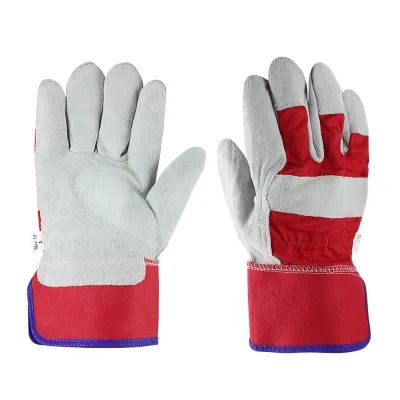
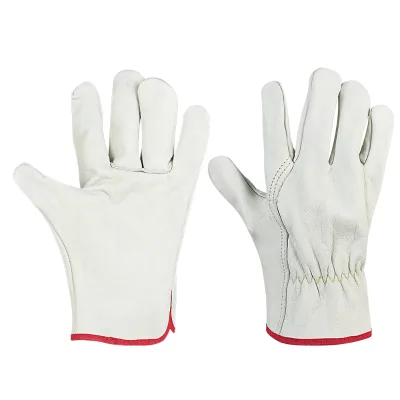
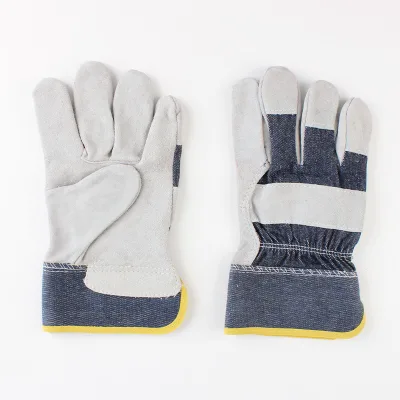
Materials include genuine leather, cowhide, goatskin, pigskin, and cotton linings. Some gloves feature textured grips, slide resistance, and cut tear resistance for enhanced durability. Buyers can choose from various combinations based on application needs, such as welding or gardening, ensuring optimal protection and comfort for workers in demanding industrial environments.
Where are these gloves manufactured?
These gloves are primarily manufactured in Shandong, China. This region is known for its robust leather processing industry and competitive manufacturing capabilities. Buyers sourcing from this location can benefit from established supply chains and efficient logistics, ensuring timely delivery and consistent quality for their global procurement needs.