Portable Folding Anti-Slip Wheelchair Ramp Suppliers and Manufacturers
Explore 25 verified options for portable folding anti-slip wheelchair ramp products from China. Compare dimensions, lead times, certifications, and prices to find suitable suppliers. Contact vendors directly to request quotes; review the available evidence before requesting comparable quotations from suitable candidates.
Updated
Suppliers List

Jinhua Yongqiang Vehicles Factory
- Verified by BV
- Combined
- China Zhejiang
- Lead time30 days
- Avg. response≤ 8h
Main productsTrailer, Box Trailer, Cage Trailer, ATV Trailer, Utility Trailer, Car Trailer, Tandem Trailer, Boat Trailer, Jet Ski Trailer, Hydraulic Trailer
Main marketsSouth America,Southeast Asia/ Mideast,Europe,Australia,North America


Heavy Duty 3FT Aluminum Portable Non-Slip Folding Wheelchair Ramp for Disabled
$31.00 - $87.00
MOQ: 100 Pieces


Shandong Jincheng Building Materials Co., Ltd
- Verified by TUVRHEINLAND
- Manufacturer/Factory
- China Shandong
- Lead time23 days
- Avg. response≤ 3h
Main productsHospital Handrail, Wall Protection Guard, Wall Protection Sheet, Bathroom Grab Bar, Hospital Curtain, Tactile Indicator, Stair Nosing, Bedhead Unit, Medical Products, Wall Skirting
Main marketsEastern Europe,Mid East,North America,Western Europe,Africa

Aluminum Mobility Ramp Foldable Wheelchair Ramp Portable Handicap Ramp Anti-Slip Design
$80.00 - $180.00
MOQ: 250 Sets

$80.00 - $180.00
MOQ: 250 Sets

$80.00 - $180.00
MOQ: 250 Sets

Folding Aluminum Wheelchair Ramp Portable Mobility Ramp Non-Slip Lightweight Handicap Ramp
$80.00 - $180.00
MOQ: 250 Sets

Heavy-Duty Aluminum Wheelchair Ramp Multi-Fold Mobility Ramp Portable Foldable Access Ramp
$80.00 - $180.00
MOQ: 250 Sets

$80.00 - $180.00
MOQ: 250 Sets
Shanghai Eroson Traffic Facility Co., Ltd.
- Verified by SGS Group
- Trading Company
- Lead time7 days
- Avg. response≤ 7h
Main productsSpeed Bump, Traffic Cone, Convex Mirror, Warning Post, Road Stud
Main marketsSoutheast Asia(18%), Western Europe(12%), Oceania(11%)
- Manufacturer, Trading Company
- Jiangsu, China
- Lead time25 days
- Avg. response≤ 5h
Main productsWheelchair,wheelchair power attachment,electric wheelchair,Electric Wheelchair Handcycle,Electric Bicycle Battery
Main marketsNorth America(35.00%), Western Europe(30.00%), Oceania(5.00%), Africa(5.00%), Eastern Europe(5.00%), Southern Europe(4.00%), Northern Europe(4.00%), Domestic Market(3.00%), South America(3.00%), Central America(2.00%), Eastern Asia(2.00%), Mid East(2.00%)
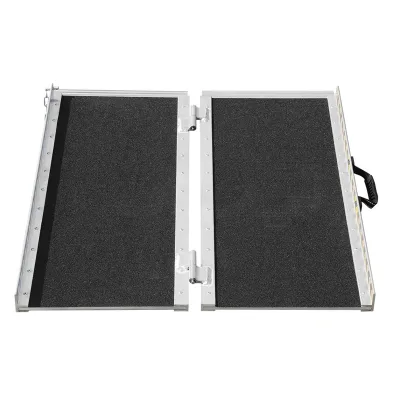
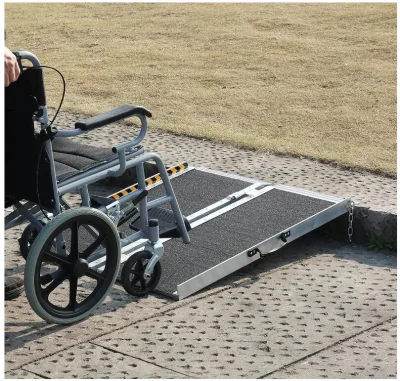
$46.2666 - $51.4067
MOQ: 2 pieces
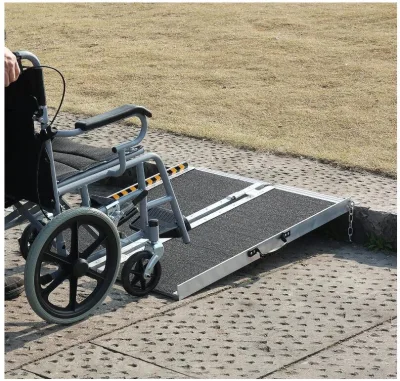
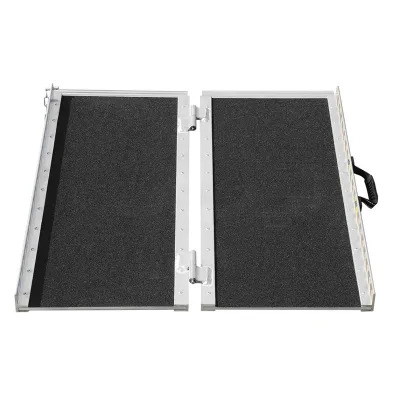
Professional Manufacture Nice Price Wheelchair Ramp Loading Aluminium Ramp
$46.2666 - $51.4067
MOQ: 2 pieces

Hangzhou Justry Technology Co., Ltd.
- Trading Company
- Zhejiang, China
- Lead time30 days
- Avg. response≤ 7h
Main productsOutdoor bench & table,Bike rack,Speed bump,Expandable barrier,Street bollard
Main marketsOceania(54.95%), Western Europe(40.11%), North America(4.94%)

Zhejiang Enze Vehicle Co., Ltd.
- Verified by BV
- Combined
- China Zhejiang
- Lead time45 days
- Avg. response≤ 3h
Main productsE-Bike, Road Bike, MTB, Electric Bicycle, Folding Bike, City Bike, Bike Frame, ATV Ramps, Aluminum Ramp, Adult
Main marketsSouth America,North America


Non-Slip Wheelchair Ramp, Portable Aluminum Ramp for Wheelchairs Single Fold 600lbs
$65.00 - $90.00
MOQ: 50 Pieces


Qingdao Ecosino Industry Co., Ltd.
- Verified by Intertek
- Manufacturer, Trading Company
- Lead time25 days
- Avg. response≤ 2h
Main productsFolding Wagon, Shelf, Lawn Mower, Tool Cart Wheel, Kids Cart
Main marketsEastern Asia(22%), Oceania(18%), North America(15%)
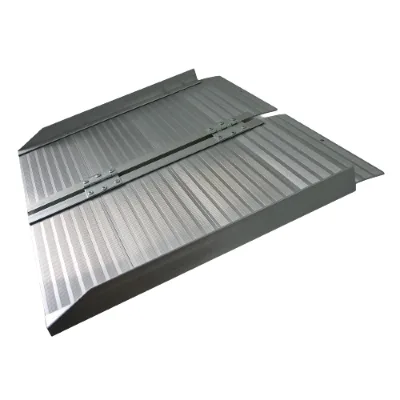
$22.7593 - $25.8637
MOQ: 200 pieces

Tormays Technology (Hebei) Co., Ltd.
- Verified by SGS
- Trading Company,Manufacturer/Factory
- China Hebei
- Lead time0 days
- Avg. response≤ 3h
Main productsL Track, E Track, Track Fitting, Ratchets, Forged Hook, Flat Hook, Wire Hook, Pan Fitting, Cargo Bar
Main marketsSouth America,Eastern Europe,Mid East,North America,Southeast Asia,Eastern Asia,Oceania,Western Europe,Africa
Shanghai Brother Medical Products Manufacturer Co., Ltd.
- Verified by Intertek
- Trading Company
- Lead time25 days
- Avg. response≤ 12h
Main productsWheelchair, Commode Chair, Shower Chair, Walker, Crutch
Main marketsSouth America(35%), North America(20%), Eastern Europe(10%)
Ningbo Jinchi Machinery Company
- Manufacturer, Trading Company
- Zhejiang, China
- Lead time45 days
- Avg. response≤ 2h
Main productscar bike carrier,wheelchair ramp,motorcycle carrier,cargo carrier,roof rack
Main marketsNorth America(70.00%), Oceania(10.00%), Northern Europe(10.00%), South America(5.00%), Western Europe(5.00%)
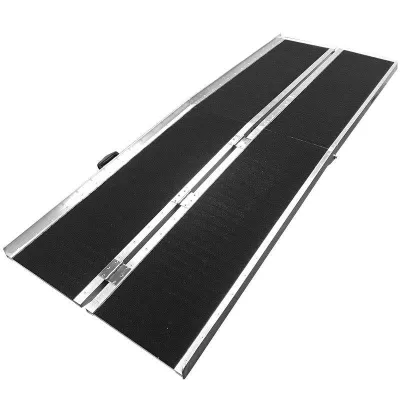
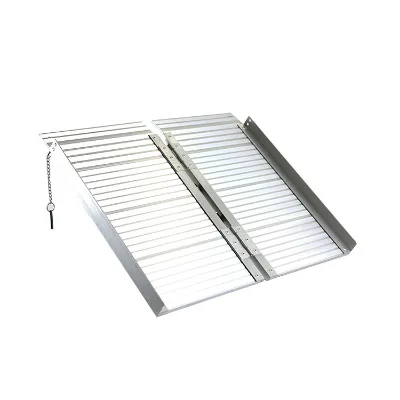
$65.2635 - $70.3616
MOQ: 100 pieces
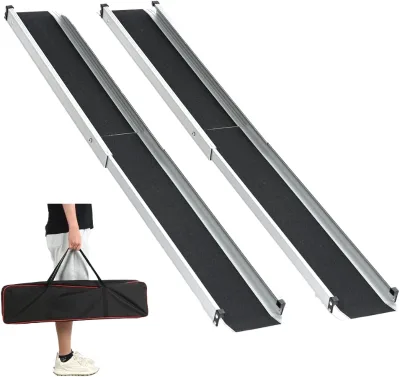
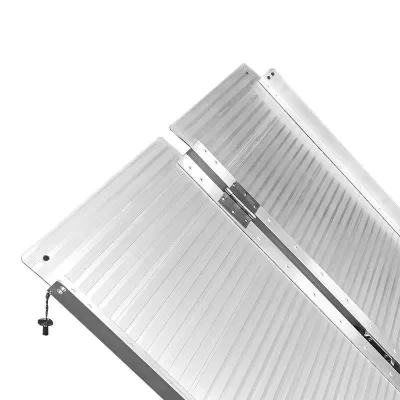
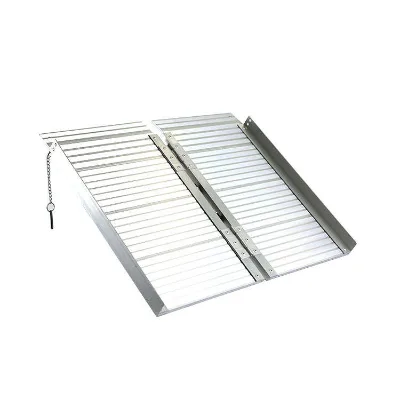
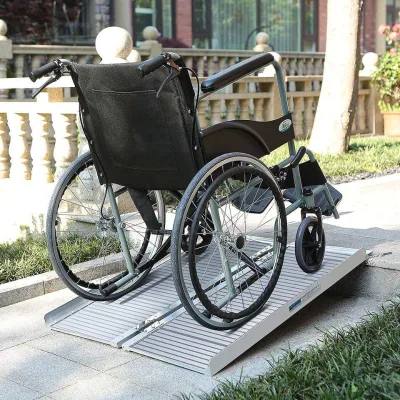
- Manufacturer, Trading Company
- Lead time旺季: "1 - 500":30,"> 500":"To be negotiated", 淡季: "1 - 500":30,"> 500":"To be negotiated"
- Avg. response≤ 4h
Main productsAluminum Ramp, Shower Chair
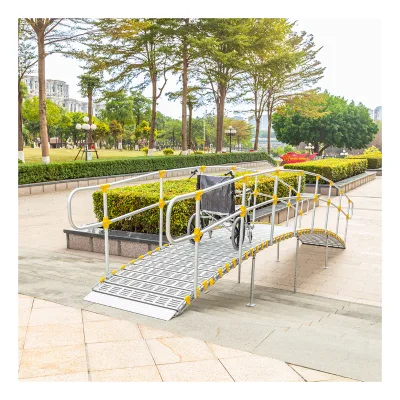
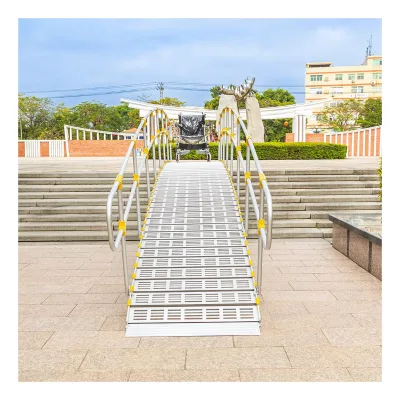
$866.00 - $972.00
MOQ: 2 pieces
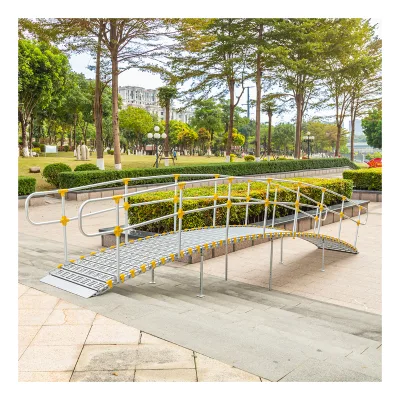
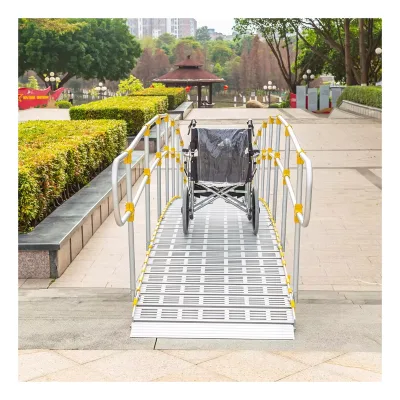
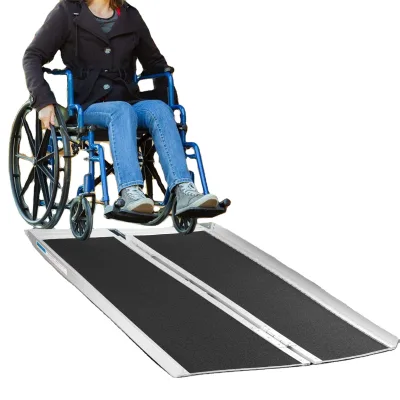
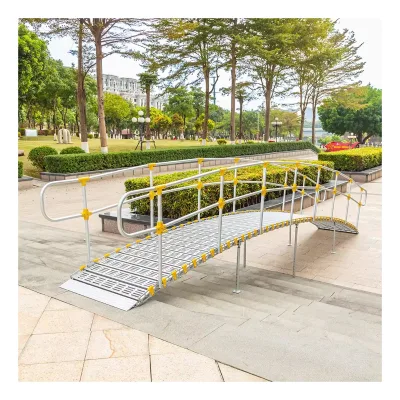
$847.00 - $952.00
MOQ: 2 pieces

QINGDAO ANTAI HENGXIN MACHINERY TECHNOLOGY CO., LTD.
- Verified by TUVRHEINLAND
- Manufacturer/Factory
- China Shandong
- Lead time23 days
- Avg. response≤ 4h
Main productsHeavy Duty Ramp, Motorcycle Ramp, Mini Excavator, Skid Steer Loader, Wheelchair Ramp, Pet Ramp, Track, Skid Steer Loader Attachments, Mini Excavator Attachments
Main marketsSouth America,Eastern Europe,North America,Southeast Asia

Anti-Slip Design Durable and Portable Foldable Aluminum Wheelchair Ramp for The Disabled
$31.00 - $35.00
MOQ: 20 Pieces

Easy Use Strong Lightweight Aluminium Folding Portable Wheelchair Ramp
$30.00 - $34.00
MOQ: 100 Pieces

Aluminum Portable Folding Disabled Ramp Wheelchair Ramp with Carrying Handles
$27.00 - $82.00
MOQ: 100 Pieces

Aluminum Handicap Ramp Adjustable Telescopic Wheelchair Ramp Foldable Ramps for Wheelchairs Portable
$30.00 - $34.00
MOQ: 100 Pieces

Aluminum Ramp Adjustable Telescopic Wheelchair Ramp Foldable Ramps for Wheelchairs Portable
$30.00 - $34.00
MOQ: 100 Pieces

Aluminum Manual Folding Wheelchair Ramp 270kg Capacity for Disabled Users
$72.00 - $76.00
MOQ: 100 Pieces
Chongqing Muniu Power Technology Co., Ltd.
- Verified by SGS Group
- Trading Company
- Lead time30 days
- Avg. response≤ 3h
Main productsWheelchair, Wheelchair Parts , Mobility Scooter, Patient Lift, Hand Control
Main marketsOceania(30%), South America(20%), Eastern Europe(15%)
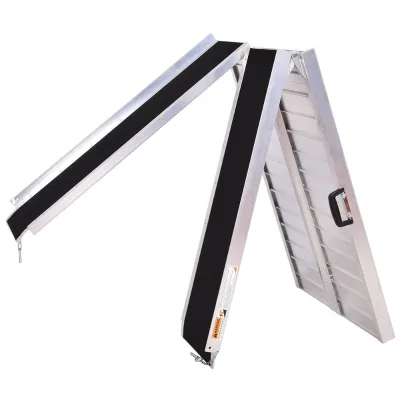
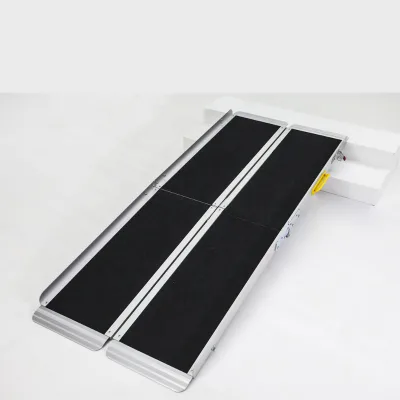
High Quality Aluminium Folding Wheelchair Ramp for Wheel Chair Access
$86.6767 - $117.2698
MOQ: 10 pieces
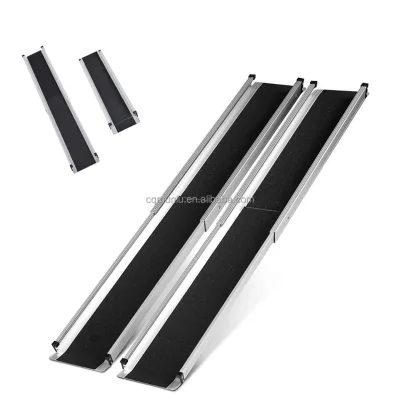
Changshu Changsheng Aluminium Products Co., Ltd.
- Verified by TüVRheinland
- Manufacturer, Trading Company
- Lead time30 days
Main productsAluminum Pallet, Aluminum Scaffolding, Aluminum CNC Machining Parts, Aluminum Welding Service, Aluminum Ladder
Main marketsNorth America(72%), Eastern Asia(8%), Domestic Market(8%)
- Verified by TüVRheinland
- Trading Company
- Lead time45 days
- Avg. response≤ 3h
Main productsShower Chair, Commode Chair, Wheelchair, Walker Aid, Lift And Transfer Aids
Main marketsNorth America(34%), Southern Europe(10%), South America(8%)
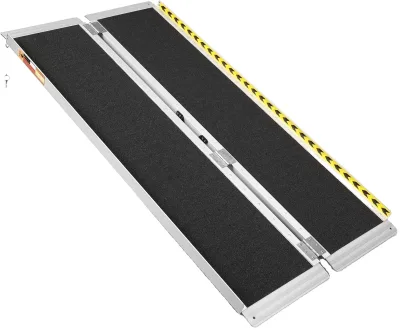
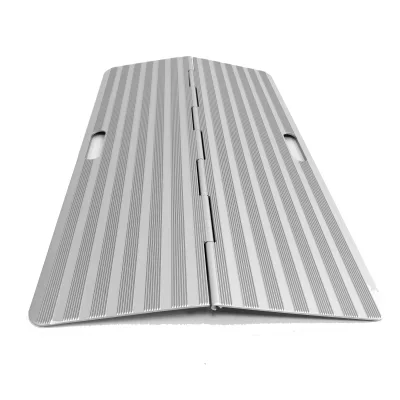
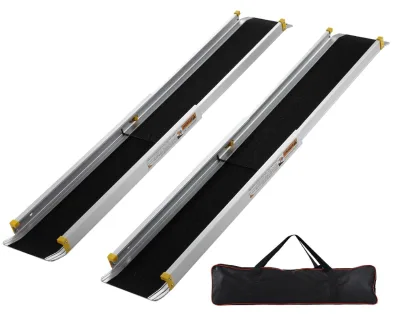
Aluminum Custom Ride Folding Ramp 62 Inch Portable Thresholds Ramp for Wheelchair
$22.88 - $29.88
MOQ: 100

YONGKANG JEK INDUSTRY AND TRADE CO., LTD
- Verified by SGS
- Combined
- China Zhejiang
- Lead time30 days
- Avg. response≤ 4h
Main marketsSouth America,Southeast Asia/ Mideast,Europe

1360kg max load anti slip wheelchair aluminum foldable Folding Ramp, Aluminium Ramp, Loading Ramp
$35.88 - $38.88
MOQ: 100 Pieces

$35.88 - $38.88
MOQ: 100 Pieces

$35.88 - $38.88
MOQ: 100 Pieces

$35.88 - $38.88
MOQ: 100 Pieces
Boao Medical Technology Co., Limited
- Trading Company
- Hong Kong S.A.R.
- Lead time45 days
- Avg. response≤ 2h
Main productselectric wheelchair,manual wheelchair,leisure wheelchair,sport wheelchair,hospital bed
Main marketsSouth America(20.00%), Western Europe(15.00%), Southern Europe(10.00%), Oceania(10.00%), North America(10.00%), Northern Europe(10.00%), Eastern Europe(10.00%), Central America(8.00%), Mid East(5.00%), Eastern Asia(1.00%), Africa(1.00%)

Guangdong Baosong Industry Technology Co., Ltd.
- Verified by TUVRHEINLAND
- Trading Company,Manufacturer/Factory
- China Guangdong
- Lead time45 days
- Avg. response≤ 5h
Main productsAluminum Extrusion, Podwer Coating Aluminium Profile, Aluminum Pool Fence, Aluminum Windows and Doors, Aluminum Die Casting, Fabricated Aluminum Products, CNC Machined Aluminium Parts, Aluminium Frame, Aluminium Curtain Wall, LED Aluminium Profile
Main marketsSouth America,Eastern Europe,Mid East,North America,Southeast Asia,Eastern Asia,Oceania,Western Europe,Africa

Durable Portable Aluminium Folding Threshold Ramp Non-Slip Wheelchair Access Ramp
$70.00 - $80.00
MOQ: 50 Pieces

Safety Portable Aluminium Scooter Wheelchair Ramp Foldable Loading Ramp for Disabled
$70.00 - $80.00
MOQ: 50 Pieces
Tiantai Yongsheng Traffic Facilities Co.,ltd.
- Verified by Intertek
- Manufacturer, Trading Company
- Lead time20 days
- Avg. response≤ 7h
Main productsSpeed Bump, Wheel Stopper, Curb Ramp, Dock Bumper, Cable Protector
Main marketsNorth America(30%), Oceania(25%), Mid East(10%)

JIANGYIN NUOHENG METAL PRODUCTS CO., LTD
- Trading Company,Manufacturer/Factory
- China Jiangsu
- Lead time23 days
- Avg. response≤ 3h
Main productsAluminium Profile, Solar Frame&Bracket, Assembly Line Profile, Exhibition Profile, Elevator Profile, CNC Machining, Solar Mounting Structure, LED Lighting Profle, Aluminium Radiator, Auto Parts
Main marketsSouth America,Eastern Europe,Mid East,North America,Southeast Asia,Eastern Asia,Oceania,Western Europe


Lightweight Folding Aluminium Threshold Wheelchair Ramp for Safe Mobility Access
$3.22 - $3.77
MOQ: 500 kg

Zhejiang Altertool Technology Inc.
- Manufacturer, Trading Company
- Zhejiang, China
- Lead time30 days
- Avg. response≤ 2h
Main productsCar Jack, Car Lift, Shop Press, Motorcycle Tools, Tyre Repair Tools
Main marketsWestern Europe(32.00%), Eastern Europe(32.00%), South America(21.00%), North America(8.00%), Southeast Asia(4.00%), Africa(2.00%), Oceania(1.00%)
Qingdao Antai Hengye Machinery Technology Co., Ltd.
- Manufacturer, Trading Company
- Shandong, China
- Lead time35 days
- Avg. response≤ 2h
Main productsAluminum ramp,Garden tools,Lawn roller,Fishing cart
Main marketsNorth America(35.00%), Western Europe(15.00%), Southern Europe(15.00%), Eastern Europe(15.00%), Oceania(10.00%), Southeast Asia(5.00%), Northern Europe(5.00%)
Anhui Beauway Machinery Manufacturing Co., Ltd.
- Manufacturer, Trading Company
- Anhui, China
- Lead time15 days
- Avg. response≤ 2h
Main productstail lift,Hydraulic Cylinder,tailgate,power unit,Wing system
Main marketsMid East(10.00%), Central America(10.00%), Africa(10.00%), Southeast Asia(10.00%), South Asia(10.00%), South America(10.00%), North America(10.00%), Domestic Market(5.00%), Northern Europe(5.00%), Oceania(5.00%), Eastern Europe(5.00%), Eastern Asia(5.00%), Western Europe(3.00%), Southern Europe(2.00%)
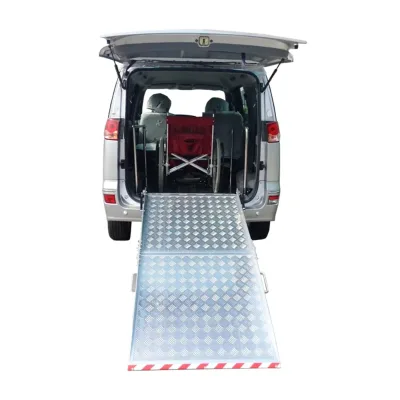
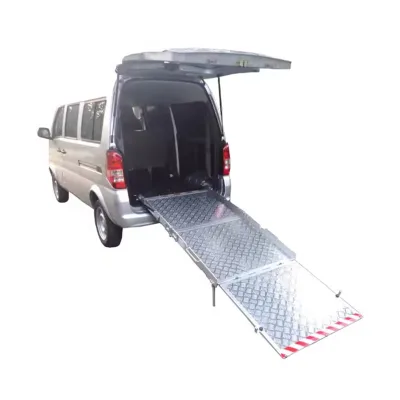
350kg Portable Folding Handcap Loading Metal Aluminium Wheelchair Ramp for Cargo Mini Van
$1000.00 - $1280.00
MOQ: 1
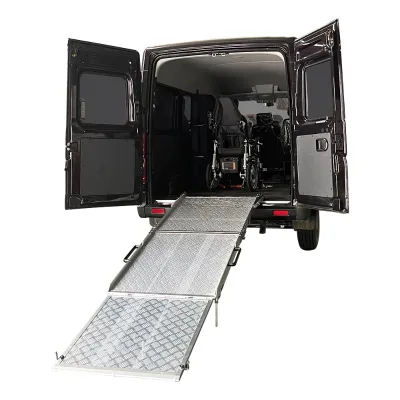
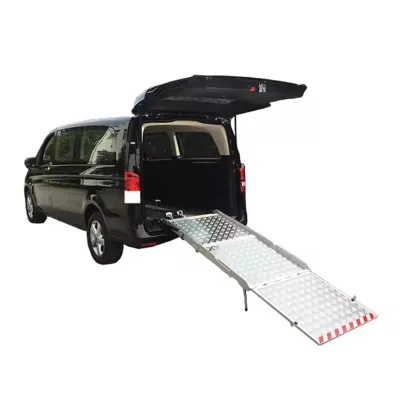
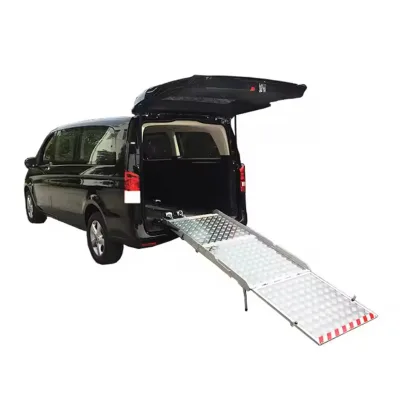
350kg Aluminum Wheelchair Loading Ramps Lightweight and Convenient Easier to Carry
$1000.00 - $1280.00
MOQ: 1 sets
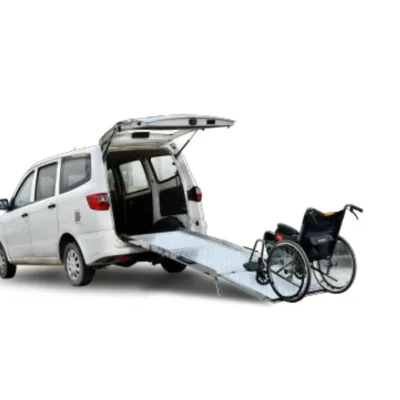
350kg 500kg Two Way Operation Wheelchair Lift Lifting Ramp - up and Down Function
$1000.00 - $1280.00
MOQ: 1 sets
Xiangyang Beizhen Medical Equipment Co., Ltd.
- Verified by SGS Group
- Manufacturer, Trading Company
- Hubei, China
- Lead time0 days
- Avg. response≤ 1h
Main productsElectric Wheelchair, Manual Wheelchair, Rollator, Moblity Scooter, Lower Extremity Exoskeleton Rehabilitation Robot
Main marketsDomestic Market(50%), North America(10%), South America(10%)
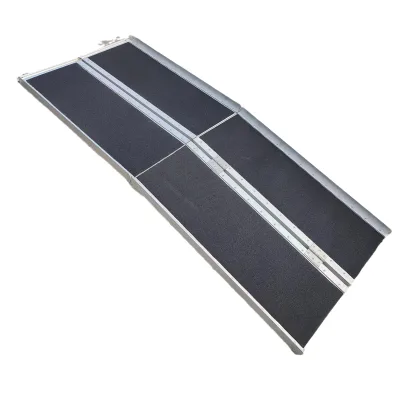
$144.3342 - $150.5191
MOQ: 1 sets
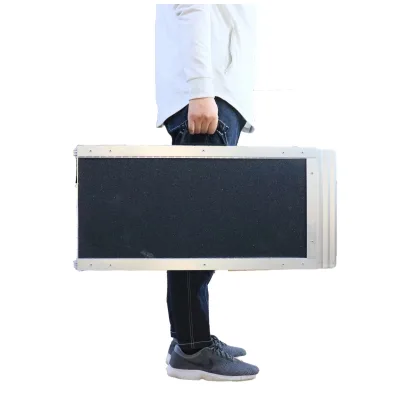
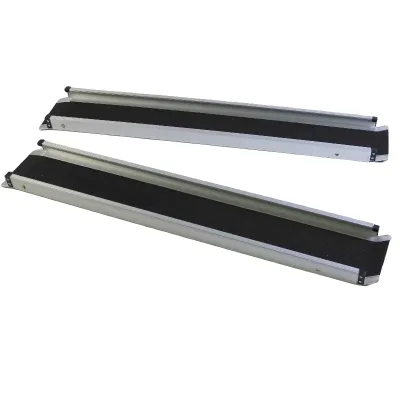
$61.6029 - $88.2971
MOQ: 1 sets
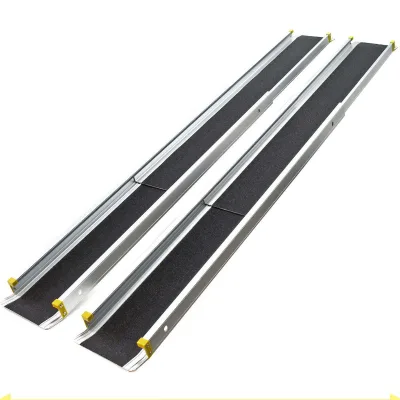

Changzhou Hao Lan Import & Export Trading Co., LTD.
- Verified by TUVRHEINLAND
- Manufacturer/Factory
- China Jiangsu
- Lead time15 days
- Avg. response≤ 6h
Main productsTonneau Cover, Side Step, Fender Flare, Mudflap, Head Light, Bumper, Bedmat, Grille
Main marketsSouth America,Eastern Europe,Mid East,North America,Southeast Asia,Africa

Factory Wholesale Non-Slip Folding Portable Wheelchair Ramps, Road Safety Ramps
$58.00 - $158.00
MOQ: 1 Pieces

Handicapped Disabled Aluminium Folding Wheelchair Ramps. Ramps for Motorcycle
$58.00 - $158.00
MOQ: 1 Pieces
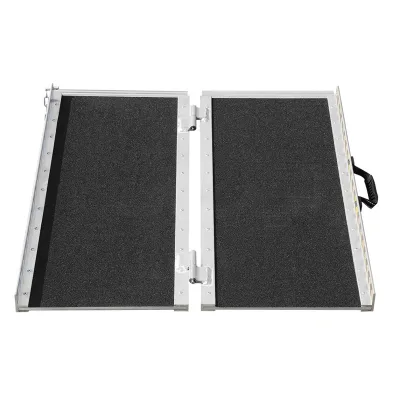
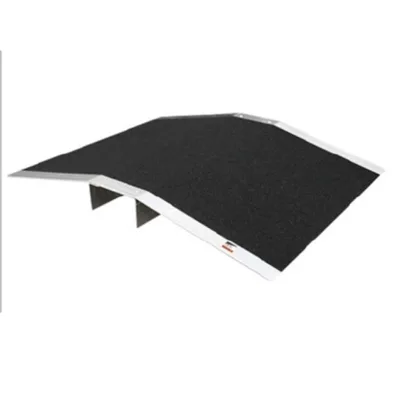
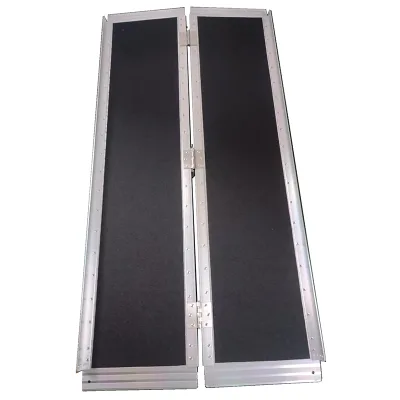
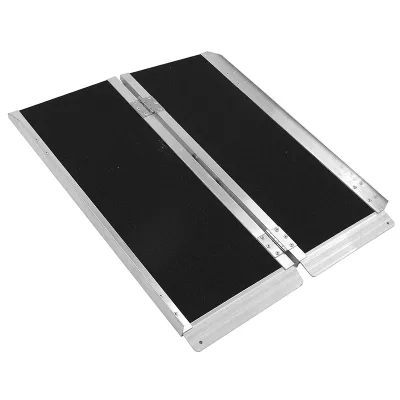


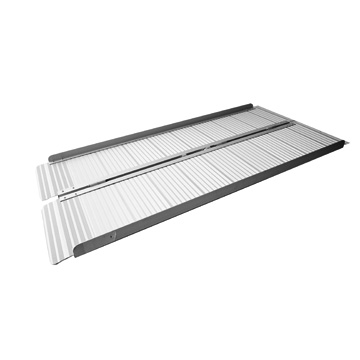
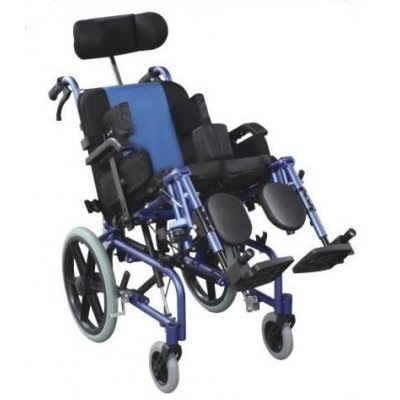
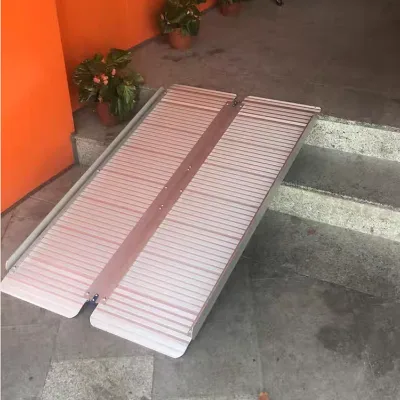
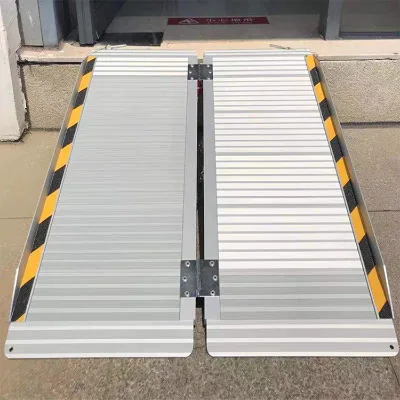
Comprehensive Sourcing Guide
Portable Folding Anti-Slip Wheelchair Ramp Supplier Concentration and Factory Types
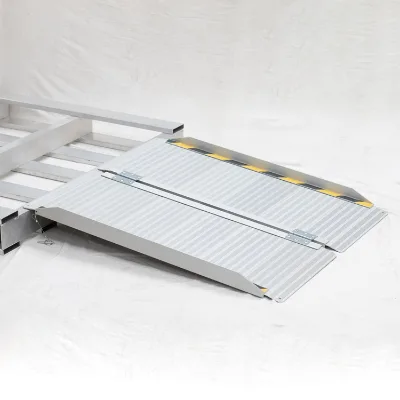
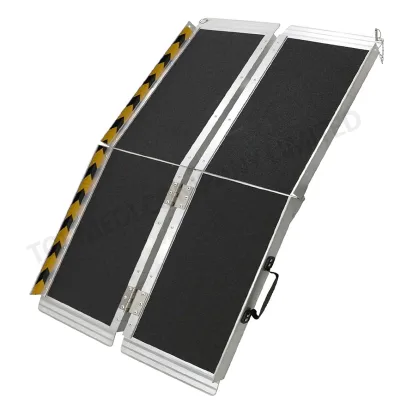
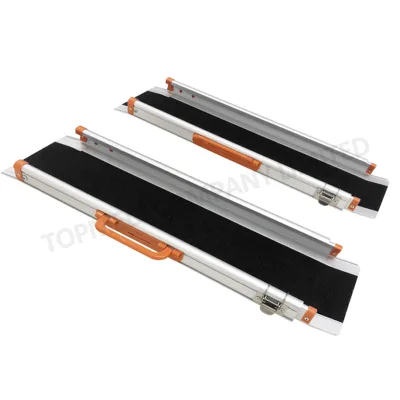
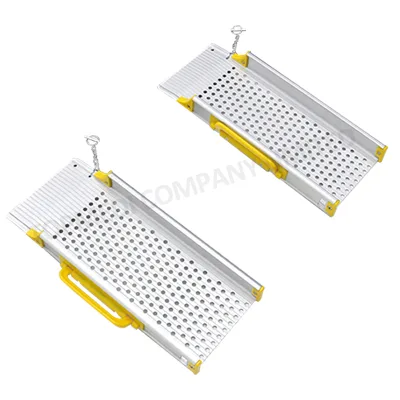
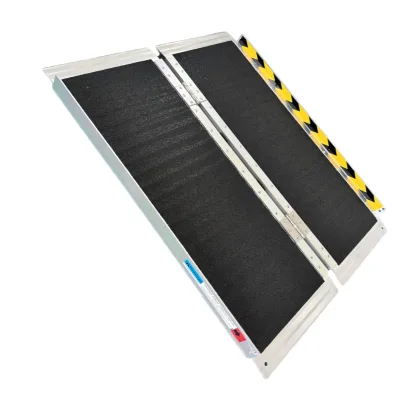
The current supplier landscape for portable folding anti-slip wheelchair ramps reveals a distinct concentration of manufacturing activity within specific Chinese provinces, most notably Zhejiang and Shandong. Suppliers located in Zhejiang often operate as combined entities, blending trading capabilities with manufacturing resources, which allows them to offer a diverse range of trailer and utility products alongside mobility accessories. This structural flexibility is evident in their product portfolios, which frequently include items like aluminum wheelchair ramps with specific model numbers such as AR-WR01 and AR-WR02. These suppliers typically emphasize customization options, offering foldable designs made from aluminum materials that meet specific standard dimensions like 610720mm or 910720mm. The presence of Zhejiang-based suppliers suggests a mature industrial cluster where supply chain efficiency for aluminum processing and folding mechanisms is well-established, providing buyers with access to lightweight yet durable ramp solutions.
In contrast, suppliers based in Shandong often present themselves as dedicated manufacturers or factories, focusing heavily on medical and safety infrastructure products. These entities may list main products such as hospital handrails, wall protection guards, and bathroom grab bars, indicating a specialized expertise in medical-grade aluminum fabrication and safety standards. This specialization can be a significant advantage for buyers seeking wheelchair ramps that adhere to strict durability and safety protocols, as the underlying manufacturing processes for medical equipment often overlap with those required for high-quality mobility ramps. The distinction between combined companies in Zhejiang and dedicated manufacturers in Shandong allows buyers to choose based on their specific needs, whether they prioritize a broad product range and trading support or specialized medical-grade manufacturing precision and quality control.
How to Verify Portable Folding Anti-Slip Wheelchair Ramp Suppliers
Verifying the credibility of suppliers requires a close examination of their third-party verification badges and system certifications, which serve as objective indicators of operational legitimacy. Many suppliers in this category display verification from recognized bodies such as BV, TÜV Rheinland, or SGS Group, which confirms that their business licenses and operational capabilities have been independently audited. For instance, some manufacturers hold ISO 9001 or ISO9001:2015 certificates, demonstrating a commitment to standardized quality management systems that are crucial for producing consistent and safe mobility products. Buyers should prioritize suppliers with these verifications, as they provide a layer of assurance regarding the supplier’s financial stability and adherence to international business practices. The presence of these badges reduces the risk of engaging with fraudulent entities and ensures that the supplier has met baseline requirements for professional operation.
Beyond verification badges, buyers must assess the supplier’s responsiveness and transparency in product detailing to gauge their reliability. A supplier’s response time, such as the 2.25-hour average observed among some manufacturers, can indicate their operational efficiency and willingness to engage with potential buyers promptly. Additionally, detailed product attributes, including specific model numbers like SJ-AR or IN0617, precise dimensions, and clear material specifications like aluminum alloy, are strong indicators of a professional supplier. Buyers should look for suppliers who provide comprehensive product properties, such as loading capacity, single package size, and gross weight, as this level of detail suggests a mature supply chain capable of handling complex logistics. Suppliers who fail to provide such granular information may lack the technical expertise or transparency required for a successful long-term partnership.
What to Compare Across Portable Folding Anti-Slip Wheelchair Ramp Suppliers
When evaluating multiple suppliers, comparing key operational metrics such as lead times, minimum order quantities, and response speeds is essential for aligning supplier capabilities with your procurement timeline. Lead times can vary significantly, with some suppliers offering a 7-day turnaround while others may require up to 30 days for production. This variance often correlates with the supplier’s capacity and current order volume, so buyers should request updated lead time estimates before finalizing orders. Similarly, minimum order quantities (MOQs) range from 100 units to 250 units, depending on the product model and customization requirements. Suppliers with lower MOQs may be more suitable for initial market testing or smaller distribution networks, while those with higher MOQs might offer better economies of scale for large-scale deployments.
Price ranges and customization capabilities also play a critical role in supplier selection, as they directly impact your total cost of ownership and product differentiation. Prices for portable folding anti-slip wheelchair ramps can range from approximately $23 to $180 per unit, depending on factors such as material thickness, folding mechanism complexity, and surface treatment. Suppliers that offer OEM or ODM capabilities allow for greater customization, enabling buyers to tailor products to specific brand identities or functional requirements. Additionally, comparing the main products offered by each supplier can reveal their broader expertise; for example, a supplier specializing in traffic safety products might offer ramps with enhanced durability features, while a medical equipment manufacturer might focus on ergonomic design. Buyers should create a comparison matrix to weigh these factors against their specific business needs.
Common Portable Folding Anti-Slip Wheelchair Ramp Sourcing Risks
One of the primary risks in sourcing portable folding anti-slip wheelchair ramps is the potential discrepancy between advertised product specifications and the actual delivered goods. Buyers must be cautious of suppliers who provide vague product descriptions or lack detailed technical drawings, as this can lead to misunderstandings regarding critical dimensions, load-bearing capacities, and material grades. For instance, a ramp advertised as "heavy-duty" may not meet the required loading capacity of 360kg if the aluminum alloy thickness is insufficient. To mitigate this risk, buyers should request physical samples or detailed third-party test reports that verify the ramp’s structural integrity and anti-slip performance. Ensuring that the product standards, such as specific model numbers and packing details, are explicitly agreed upon in the contract is crucial to avoiding disputes.
Another significant risk involves the reliability of shipping and logistics, particularly when dealing with suppliers who have varying export experiences. Some suppliers may list Ningbo as their shipping port, while others do not specify their logistics partners, which can lead to delays or increased freight costs. Buyers should verify the supplier’s experience in exporting to their target market and ensure that they have a robust packaging strategy to prevent damage during transit. The single package size and gross weight provided by suppliers are essential for calculating accurate freight charges and warehouse storage requirements. Additionally, buyers should be aware of potential customs clearance issues related to product certifications and ensure that the supplier provides all necessary documentation, including certificates of origin and material safety data sheets, to facilitate smooth import processes.
Portable Folding Anti-Slip Wheelchair Ramp Regional Sourcing and Logistics
Sourcing from specific regions in China offers distinct logistical advantages and challenges that buyers must consider when planning their supply chain. Suppliers located in Zhejiang benefit from proximity to major ports like Ningbo, which can streamline export processes and reduce inland transportation costs. This geographic advantage is particularly relevant for suppliers offering products with specific shipping port designations, as it ensures faster turnaround times for ocean freight. Buyers should leverage this regional concentration by consolidating orders from multiple Zhejiang-based suppliers to maximize container utilization and negotiate better freight rates. The established infrastructure in Zhejiang also supports efficient handling of aluminum products, reducing the risk of damage during pre-shipment inspections and loading.
In contrast, sourcing from Shandong-based suppliers may involve different logistical considerations due to their location in northern China. While these suppliers often specialize in medical and safety products, their distance from major southern ports may result in longer inland transit times. Buyers should evaluate the total landed cost, including inland freight and port fees, when comparing Shandong suppliers against their Zhejiang counterparts. Additionally, the choice of shipping port can impact the overall delivery timeline, so buyers should coordinate closely with their freight forwarders to optimize routing. Understanding the regional logistics landscape allows buyers to make informed decisions about supplier selection, balancing the benefits of specialized manufacturing expertise with the efficiency of regional shipping networks.
Portable Folding Anti-Slip Wheelchair Ramp Commercial Terms and Order Planning
Effective order planning requires a thorough understanding of the commercial terms offered by suppliers, including payment structures, warranty policies, and after-sales support. Buyers should negotiate clear terms regarding payment milestones, such as deposits and balance payments upon shipment, to manage cash flow and mitigate financial risk. Additionally, it is crucial to establish a comprehensive warranty policy that covers defects in materials and workmanship, ensuring that any issues with the folding mechanism or anti-slip surface are addressed promptly. Suppliers who offer customization services should provide detailed timelines for sample approval and production, allowing buyers to align their marketing and distribution schedules accordingly. Clear communication of these commercial terms helps prevent misunderstandings and fosters a collaborative relationship with the supplier.
Furthermore, buyers should plan for ongoing supply chain resilience by diversifying their supplier base and maintaining open lines of communication. Regularly reviewing supplier performance metrics, such as response times and order fulfillment accuracy, can help identify potential issues before they escalate. Buyers should also consider the scalability of their orders, ensuring that the supplier has the capacity to handle increased volumes during peak seasons. By establishing a robust order planning process that includes regular reviews and adjustments, buyers can maintain a steady supply of high-quality portable folding anti-slip wheelchair ramps. This proactive approach not only ensures product availability but also strengthens the buyer’s negotiating position and long-term partnership with their suppliers.
FAQs
What is the price range for portable folding anti-slip wheelchair ramps?
Prices typically range from $23 to $180 per unit depending on specifications. Aluminum models start around $23 for basic 610mm versions, while heavy-duty 910mm or 1220mm options cost between $31 and $87. Premium multi-fold or suitcase-style ramps from Shandong suppliers may reach $180. Costs vary based on material thickness, load capacity, and customization needs.
What are the minimum order quantities for these ramps?
MOQs generally range from 100 to 250 units. Zhejiang suppliers often require 100 units for standard 910mm models and 200 units for 610mm variants. Shandong manufacturers typically set a higher threshold of 250 units for their aluminum mobility ramps. Buyers should confirm specific MOQs with suppliers, as customized orders or different packing methods may alter these baseline requirements.
How long does production take for these ramps?
Lead times vary by supplier location and type. Zhejiang combined companies and trading firms typically require 30 days for production. Shandong manufacturers offer faster turnaround times of approximately 23 days. Trading companies may complete orders in just 7 days. Buyers should verify current production schedules, as peak seasons or custom specifications can extend these standard delivery windows.
What certifications do these wheelchair ramp suppliers hold?
Suppliers commonly hold ISO 9001 or ISO 9001:2015 quality management certifications. Some trading companies also possess CE certification for product safety standards. Verification badges include BV, TÜV Rheinland, and SGS Group, indicating third-party audits. Buyers should request valid certificate copies to ensure compliance with international quality and safety requirements for medical or mobility equipment.
Where are these ramps manufactured?
Manufacturing primarily occurs in China, with key hubs in Zhejiang and Shandong provinces. Zhejiang suppliers often ship from Ningbo port. Shandong-based manufacturers produce ramps locally. Buyers should verify the specific factory location to assess logistics costs and shipping times. Origin details are usually listed in product attributes, confirming the exact province of production for each supplier.
What materials are used for these ramps?
Most ramps are constructed from aluminum or aluminum alloy for lightweight durability. Some models feature anti-slip surfaces for safety. Materials are chosen for corrosion resistance and portability. Buyers can find options with specific load capacities, such as 360kg limits. Customization is often available for material thickness or surface texture to meet specific accessibility or environmental requirements.