Flexible Rubber Jeep Antenna Suppliers and Manufacturers
Compare 16 verified Flexible Rubber Jeep Antenna suppliers by location, response time, and lead time. Review product specifications like material and fitment before contacting factories for quotes. Check certifications and MOQs to ensure the right match for your specific vehicle needs and budget requirements.
Updated
Suppliers List
Shenzhen Lantsun Electronic Technology Co., Ltd.
- Trading Company
- Guangdong, China
- Lead time3 days
- Avg. response≤ 4h
Main productsJeep Wrangler JK,Jeep Wrangler JL,Car LED Headlights,LED Work Lamps,Jeep Wrangler Accessories
Main marketsWestern Europe(35.00%), North America(30.00%), Eastern Europe(8.00%), South America(5.00%), Southeast Asia(5.00%), Mid East(4.00%), Africa(3.00%), Oceania(3.00%), Eastern Asia(2.00%), Domestic Market(1.00%), South Asia(1.00%), Southern Europe(1.00%), Northern Europe(1.00%), Central America(1.00%)
Dongguan Jiaxing Precision Machinery Co., Ltd.
- Verified by SGS Group
- Manufacturer, Trading Company
- Lead time15 days
- Avg. response≤ 4h
Main productsOxygen Sensor Spacer, Auto Parts, Exterior Accessories, Pipe Fittings, Car Antenna
Main marketsNorth America(79%), Mid East(5%), Domestic Market(5%)
Dongguan Jiajiaxing Hardware Co., Ltd.
- Verified by Intertek
- Manufacturer, Trading Company
- Lead time7 days
- Avg. response≤ 6h
Main productsAuto Parts, Oxygen Sensor Spacer, Thread Adapter, Custom Machining Parts, CNC Turning Parts
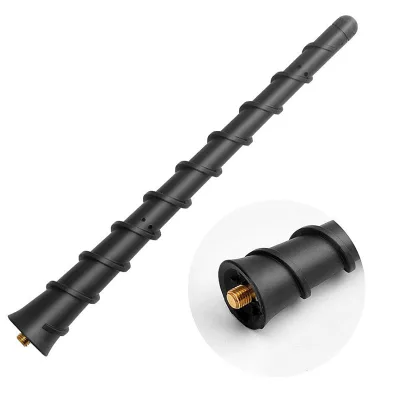
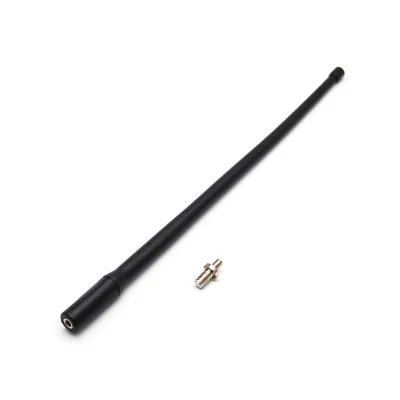
$2.6322 - $3.2363
MOQ: 10 pieces
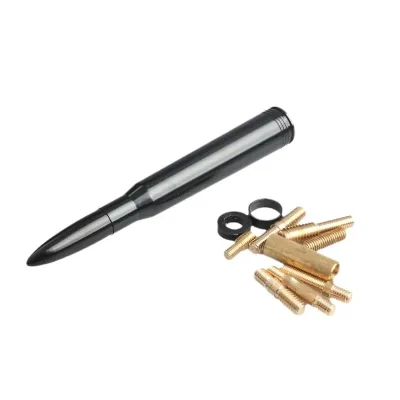
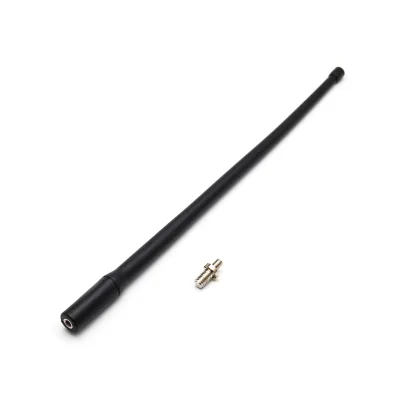
Shenzhen Cartaoo Technology Co., Ltd.
- Manufacturer, Trading Company
- Guangdong, China
- Lead time8 days
- Avg. response≤ 10h
Main productscar accessories,utv accessories,off road accessories,bronco parts,jeep wrangler accessories
Main marketsNorth America(60.00%), Central America(5.00%), Domestic Market(5.00%), Southern Europe(5.00%), Northern Europe(5.00%), Eastern Europe(5.00%), South America(5.00%), Mid East(2.00%), Western Europe(2.00%), Eastern Asia(2.00%), Oceania(1.00%), South Asia(1.00%), Africa(1.00%), Southeast Asia(1.00%)
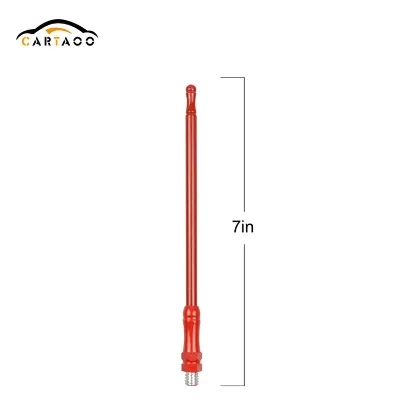
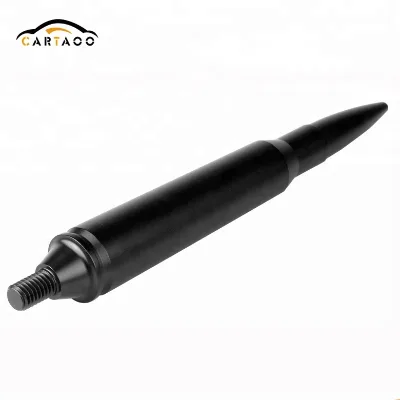
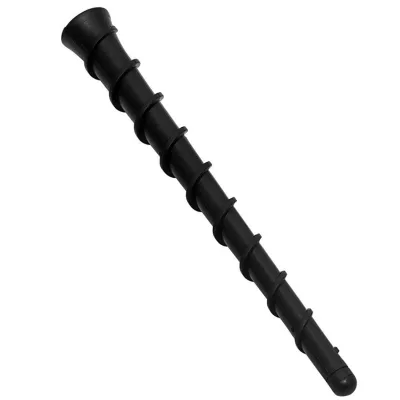
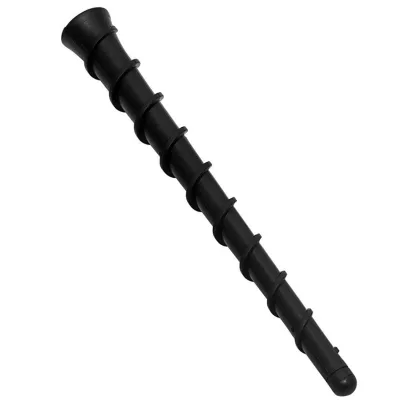
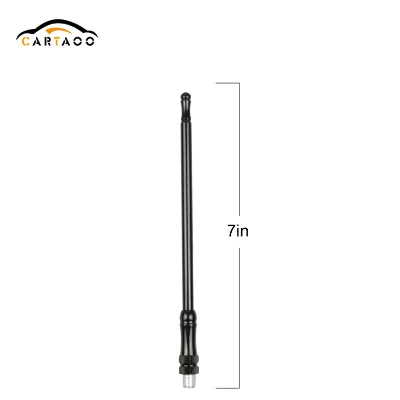
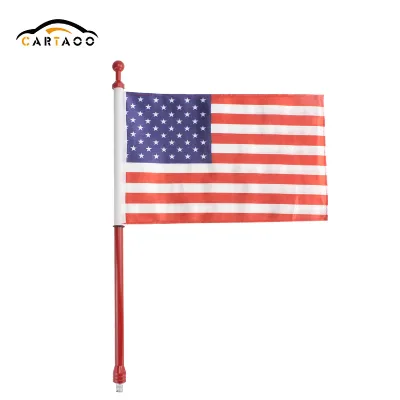
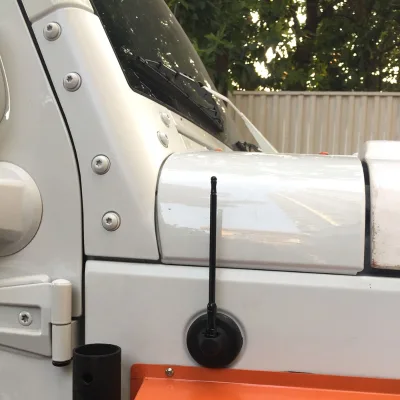
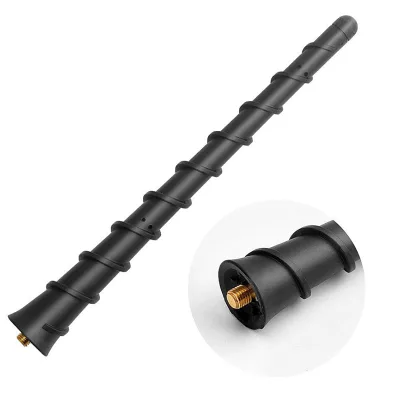
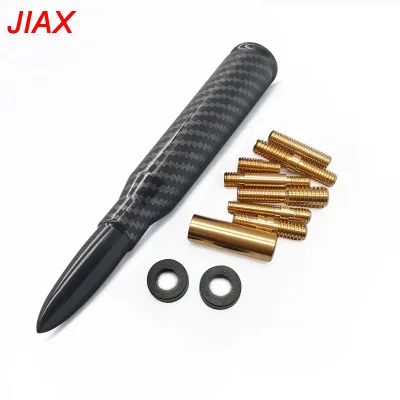
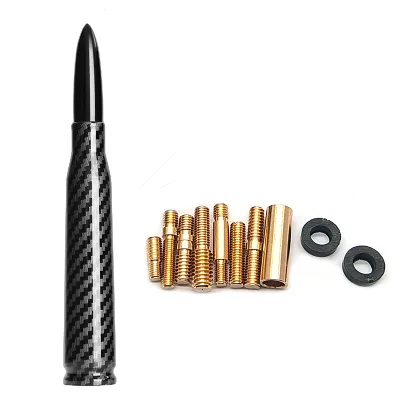
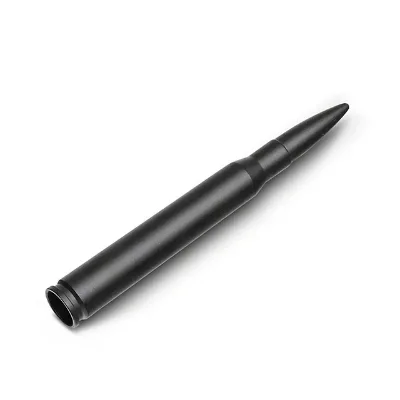
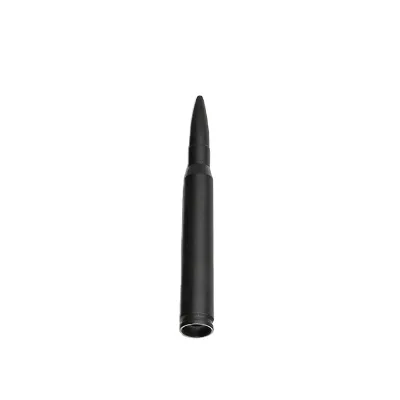
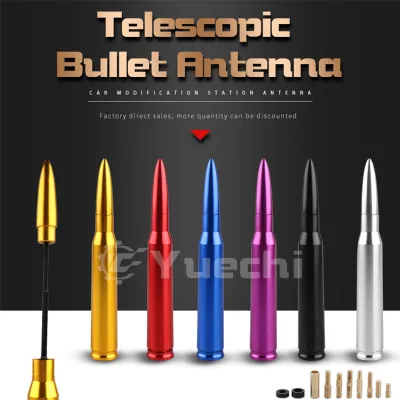
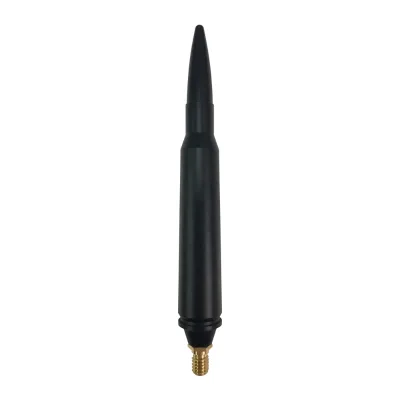
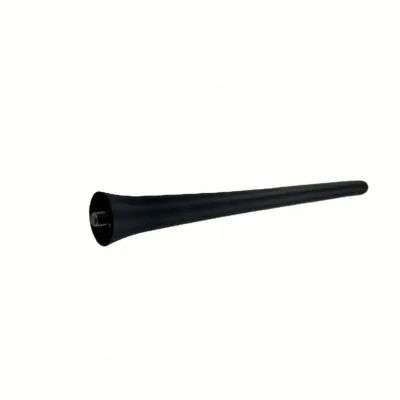
Cartaoo Black Short 15CM Aluminum Bullet Antenna Accessories for Jeep Wrangler JK 2007-2018
$7.00 - $8.00
MOQ: 1 pieces
NINGBO AUTOSPEED AUTO PARTS CO., LTD.
- Verified by Intertek
- Trading Company
- Lead time0 days
- Avg. response≤ 9h
Main productsBumper, Roof Rack
Main marketsNorth America(65%), Southeast Asia(27%), Northern Europe(8%)
Guangzhou Yuechi Automotive Supplies Co., Ltd.
- Trading Company
- guangdong, China
- Lead time7 days
- Avg. response≤ 5h
Main productsCar Exhausted Muffler Pipe,Car Exhausted,Car Gear Shift Knob,Car Spoiler,Exhaust Downpipe
Main marketsNorth America(40.00%), Southeast Asia(20.00%), South America(20.00%), Western Europe(10.00%), Mid East(10.00%)

Shanghai Sanfu Auto Parts Co., Ltd.
- Trading Company
- Shanghai, China
- Lead time0 days
- Avg. response≤ 3h
Main productsLED,LED work light,LED light bar,LED work lamp,auto LED
Main marketsNorth America(30.00%), Eastern Europe(15.00%), Western Europe(10.00%), Northern Europe(6.00%), Southeast Asia(5.00%), South Asia(5.00%), South America(5.00%), Eastern Asia(5.00%), Mid East(5.00%), Oceania(5.00%), Southern Europe(5.00%), Africa(3.00%), Central America(1.00%)

Shenzhen Gorrwix Electronics Co., Ltd.
- Verified by SGS
- Trading Company
- China Guangdong
- Lead time15 days
- Avg. response≤ 2h
Main productsCommunication Antenna, Fpv Antenna, Fpv Motor, Drone Accessories, 4G/5g Antenna
Main marketsNorth America

Flexible Rubber Gooseneck Antenna Bendable High Gain Antenna for Two Way Radio
$10.80 - $16.80
MOQ: 10 Pieces


Shanghai Saintenna Wireless Technology Co., Ltd.
- Manufacturer, Trading Company
- Shanghai, China
- Lead time15 days
- Avg. response≤ 19h
Main productsGPS Antenna,WIFI Antenna,3G & 4G Antenna,External Router Antenna,5G Antenna
Main marketsDomestic Market(100.00%)
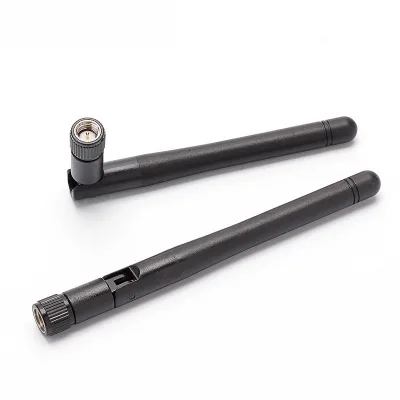
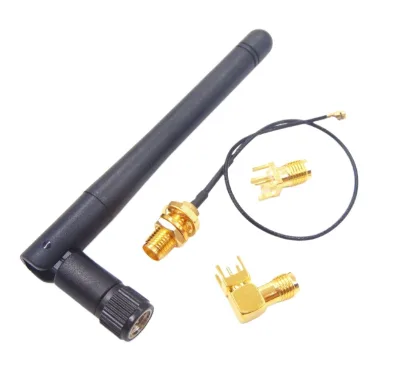
With -MALE Connector,4G lte External Rubber Antenna
$0.38 - $1.12
Guangzhou Bisitai Auto Accessories Co., Ltd.
- Manufacturer
- Guangdong, China
- Lead time30 days
- Avg. response≤ 8h
Main products4x4 Fender Flares,4x4 Roof trays,4x4 Grilles,4x4 Bumpers,Pickup Trucks Accessories
Main marketsNorth America(80.00%), Northern Europe(10.00%), Mid East(10.00%)

Shenzhen Lincho Communication Co., Ltd.
- Manufacturer
- Guangdong, China
- Lead time20 days
- Avg. response≤ 3h
Main productsantenna,walkie talkie earphone,cable,RF connector,antenna mount
Main marketsNorth America(22.32%), South America(19.64%), Eastern Europe(17.86%), Oceania(15.36%), Southeast Asia(10.68%), Southern Europe(3.57%), Mid East(2.68%), Northern Europe(2.68%), South Asia(2.68%), Western Europe(2.14%)
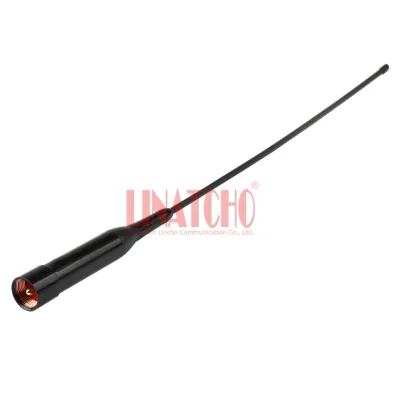
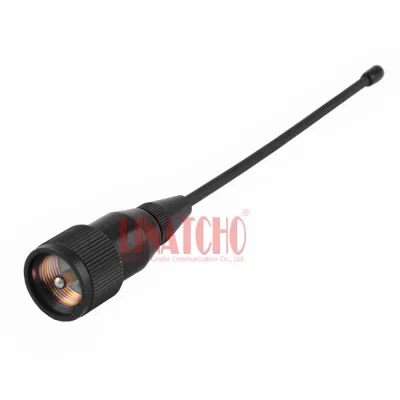
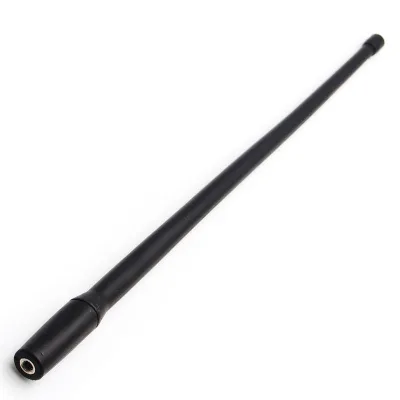
Black 400-470MHz UHF Flexible 18cm Short PL259 Rubber Car Radio Antennas
$1.8962 - $2.4973
MOQ: 5 pieces

Quanzhou Hanxun Electronic Technology Co., Ltd.
- Trading Company
- Fujian, China
- Lead time0 days
- Avg. response≤ 1h
Main productsCommunication Antenna,Antenna base,Fiberglass antenna,vehicle mounted antenna,Mobile radio antenna
Main marketsSoutheast Asia(20.00%), Mid East(20.00%), North America(20.00%), Africa(15.00%), South America(10.00%), Eastern Europe(5.00%), Domestic Market(5.00%), Western Europe(5.00%)

Shenzhen Keesun Technology Co., Ltd.
- Trading Company,Manufacturer/Factory
- China Guangdong
- Lead time15 days
- Avg. response≤ 2h
Main productsCommunication Antennas, WiFi Antennas, RF Connectors, Cable, Fiberglass Antenna, 5GHz Antenna
Main marketsSouth America,Eastern Europe,Mid East,North America,Southeast Asia,Eastern Asia,Oceania,Western Europe,Africa


2.4G LTE 2dBi WiFi 2.4GHz Rubber Duck Antenna with SMA/RP-SMA Male Connector
$0.65 - $2.96
MOQ: 100 Pieces

Beijing Boya Haotong Trading Co., Ltd.
- Verified by Intertek
- Trading Company
- Lead time30 days
- Avg. response≤ 4h
Main productsIgnition Coils, Car Bumpers, Brake Pads, Ball Joints
Main marketsNorth America(20%), South America(20%), Eastern Europe(20%)

Beijing Corelogic Communication Co., Ltd.
- Verified by TUVRHEINLAND
- Trading Company,Manufacturer/Factory
- China Beijing
- Lead time45 days
- Avg. response≤ 1h
Main productsVDSL Splitter, ADSL Splitter, Network Transformer, Gnss, Gnss Timing, Power Divider, Antenna, Gnss Atenna, Transformer, Splitter
Main marketsSouth America,Eastern Europe,Mid East,North America,Southeast Asia,Eastern Asia,Oceania,Western Europe,Africa
Guangzhou Carest Auto Parts Co., Ltd.
- Manufacturer, Distributor/Wholesaler, Business Service (Transportation, finance, travel, Ads, etc)
- guangdong, China
- Lead time10 days
- Avg. response≤ 9h
Main productsCar Conditioning sysytem,Automobile braking system,Car decoration parts,Auto lighting system,Automotive electronics
Main marketsEastern Europe(30.00%), North America(20.00%), Mid East(15.00%), South America(15.00%), South Asia(12.00%), Southeast Asia(5.00%), Africa(3.00%)
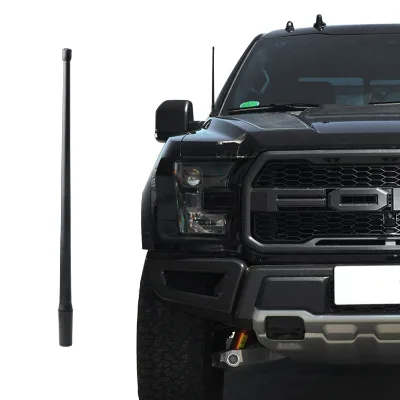
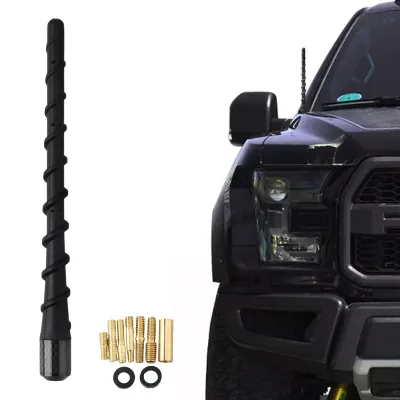
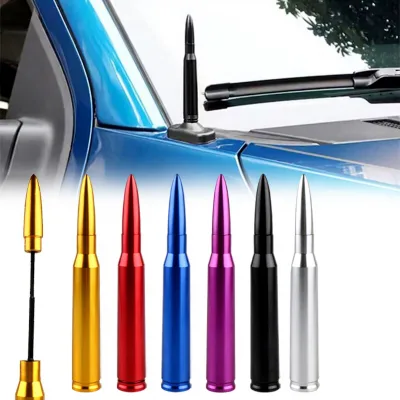
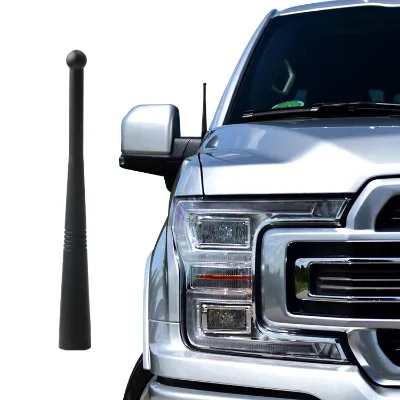


Comprehensive Sourcing Guide
Flexible Rubber Jeep Antenna Supplier Concentration and Factory Types
The current supplier landscape for flexible rubber jeep antennas reveals a distinct concentration of manufacturing and trading entities within Guangdong, China. This regional clustering is significant for buyers seeking efficient logistics and established supply chains, as the majority of observed results originate from this specific province. The presence of suppliers in this area suggests a mature ecosystem for automotive exterior accessories, where raw material sourcing and specialized labor are readily available. Buyers evaluating these options should note that the location data provided is a high-confidence fact, indicating that most viable partners for this specific product category are geographically grouped. This concentration allows for potentially faster communication and easier quality control visits, although it also means that competition within this region is likely intense. Understanding this geographic reality helps buyers narrow their search parameters effectively, focusing on suppliers who can leverage local infrastructure to offer competitive pricing and reliable delivery schedules. The dominance of Guangdong in the results underscores the importance of regional verification when assessing supplier capabilities and logistical feasibility for bulk orders.
Within this regional cluster, the types of companies offering flexible rubber jeep antennas vary between pure trading companies and those that combine manufacturing with trading functions. Some suppliers are identified strictly as trading companies, which may offer a broader range of accessories but potentially less direct control over production quality. Others are listed as both manufacturers and trading companies, suggesting they have in-house production capabilities alongside sales operations. This distinction is crucial for buyers who prioritize direct factory communication or require custom modifications to standard antenna designs. The presence of companies with dual roles indicates a market segment that values vertical integration, potentially offering better price stability and lead time management. Buyers should carefully review the company type declarations to understand the supply chain structure they are engaging with. Whether dealing with a trading entity or a manufacturer-trader hybrid, the key is to align the supplier’s operational model with the buyer’s specific needs for customization, volume, and direct oversight. This variation in company structure directly impacts how orders are processed and how issues are resolved during production.
How to Verify Flexible Rubber Jeep Antenna Suppliers
Verifying the authenticity and reliability of Flexible Rubber Jeep Antenna suppliers requires a multi-layered approach that goes beyond simple profile reviews. One critical step is to check for third-party verification badges, such as those from SGS Group, which provide an additional layer of trust regarding the supplier’s business legitimacy. These verifications are not universal across all suppliers, so buyers must actively look for these indicators to distinguish between highly vetted partners and those with less rigorous background checks. The presence of such certifications can significantly reduce the risk of engaging with fraudulent entities or those lacking the necessary operational standards. Buyers should prioritize suppliers who display these verified credentials, as they have undergone external audits that confirm their business practices and physical existence. This step is particularly important in the automotive accessories sector, where quality consistency and business stability are paramount for long-term sourcing relationships. Relying on these verified markers helps buyers filter out low-quality options early in the sourcing process.
Beyond verification badges, buyers should assess the supplier’s responsiveness and product documentation to gauge their operational professionalism. A response time of four hours, as observed in some results, indicates a high level of customer service readiness, which is essential for resolving queries quickly and maintaining project momentum. Buyers should test this responsiveness by sending detailed inquiries about material specifications, such as the rubber and copper composition often cited in product attributes. Additionally, examining the detailed product attributes, including model numbers like JXOP090 and specific fitment details for Jeep Wrangler JK and JL models, helps confirm that the supplier has specialized knowledge of the product line. Suppliers that provide comprehensive data on weight, package size, and frequency range demonstrate a higher level of transparency. Buyers should also look for evidence of quality control processes, such as claims of professional testing, to ensure the antennas meet performance standards. This thorough verification process ensures that the selected supplier is not only legitimate but also capable of meeting specific technical requirements.
What to Compare Across Flexible Rubber Jeep Antenna Suppliers
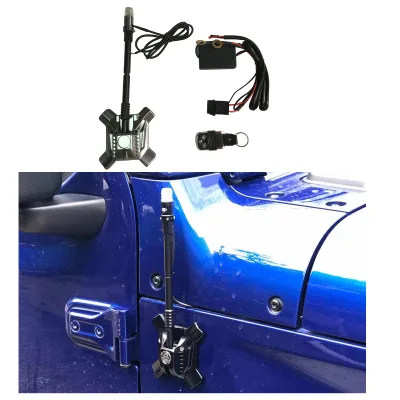
When comparing suppliers, buyers must evaluate a range of commercial and operational metrics to determine the best fit for their specific needs. One of the most critical factors is the minimum order quantity, or MOQ, which can vary significantly between providers. Some suppliers offer an MOQ of just one piece, which is ideal for small-scale testing or niche custom orders, while others may have higher thresholds that suit bulk purchasing. Understanding these MOQ differences allows buyers to align their order volumes with supplier capabilities, avoiding unnecessary costs or inventory issues. Additionally, the price range for these antennas can fluctuate based on material quality and customization options. For instance, basic rubber antennas may be priced lower, while those with specific features like LED scintillation or aluminum alloy components command higher prices. Buyers should compare these price points against the specified MOQ to calculate the true cost per unit for their intended order size. This financial analysis is essential for maintaining healthy profit margins and budget accuracy.
Lead times and response speeds are equally important comparative metrics that impact supply chain efficiency. Suppliers with a lead time of three days offer rapid turnaround, which is beneficial for urgent restocking or quick market entry, whereas those with a fifteen-day lead time may be better suited for planned, larger-scale production runs. Buyers should match these lead times with their inventory management strategies to avoid stockouts or excess holding costs. Furthermore, the supplier’s response time, such as the four-hour average observed, indicates how quickly they can address issues or provide quotes. A faster response time often correlates with better overall service quality and problem-solving capabilities. Buyers should also compare the main products offered by each supplier to ensure they have the breadth of inventory needed for a comprehensive Jeep accessory line. Suppliers offering a wide range of items, from antennas to oxygen sensor spacers, may provide more convenience for buyers seeking a one-stop solution. This holistic comparison ensures that the selected supplier aligns with both immediate operational needs and long-term strategic goals.
Common Flexible Rubber Jeep Antenna Sourcing Risks
One of the primary risks in sourcing flexible rubber jeep antennas is the potential mismatch between product specifications and actual delivery. Buyers must be vigilant about verifying material compositions, as some products may claim to be rubber and copper but deliver inferior alternatives. The risk is compounded by the fact that not all suppliers provide detailed material certifications or test results for every batch. Buyers should request samples to physically inspect the flexibility, durability, and connector quality before committing to large orders. This step is crucial because the performance of the antenna, particularly its signal reception capabilities, is directly tied to the quality of its internal components. Failure to verify these aspects can lead to customer complaints and returns, damaging the buyer’s reputation in the market. Additionally, buyers should be aware that some suppliers may list generic fitment details that do not accurately reflect compatibility with specific Jeep model years. This discrepancy can result in installation issues for end-users, highlighting the need for precise fitment verification.
Another significant risk involves the reliability of lead times and the consistency of supply ability. While some suppliers advertise short lead times, external factors such as raw material shortages or production bottlenecks can cause delays. Buyers should not rely solely on advertised lead times but should establish clear communication channels to monitor production progress. The risk of supply chain disruption is higher with suppliers who have limited capacity or who are primarily trading companies without direct manufacturing control. Buyers should assess the supplier’s supply ability claims, such as the stated capacity for specific antenna models, to ensure they can meet peak demand periods. Furthermore, the lack of standardized packaging or labeling across different suppliers can lead to logistical complications, especially when integrating products into existing distribution networks. Buyers should verify packaging details, such as the use of neutral hard paper boxes, to ensure products arrive in good condition and are ready for resale. Mitigating these risks requires proactive due diligence and continuous monitoring of supplier performance throughout the sourcing process.
Flexible Rubber Jeep Antenna Regional Sourcing and Logistics
Sourcing flexible rubber jeep antennas from Guangdong, China, offers distinct logistical advantages due to the region’s established export infrastructure. The proximity to major ports, such as Shenzhen, facilitates efficient shipping and reduces transit times for international buyers. This geographic benefit is a key factor in the concentration of suppliers in this area, as it allows for streamlined logistics and lower freight costs. Buyers should leverage this regional advantage by coordinating with suppliers who have experience in exporting to their specific destination markets. Understanding the port of dispatch is crucial for calculating accurate landed costs and delivery schedules. The availability of multiple shipping options from this region provides flexibility in choosing between air and sea freight, depending on the urgency and volume of the order. Buyers should work closely with their suppliers to determine the most cost-effective shipping method that aligns with their inventory requirements. This strategic approach to logistics can significantly enhance supply chain efficiency and reduce overall procurement costs.
However, buyers must also consider the complexities of international shipping and customs clearance when sourcing from this region. While Guangdong offers logistical benefits, buyers should be prepared to handle the administrative aspects of importing, including documentation and tariff calculations. Suppliers who are experienced in export procedures can assist with providing necessary paperwork, such as commercial invoices and packing lists, to smooth the customs process. Buyers should verify that their suppliers are familiar with the import regulations of their target markets to avoid delays or additional fees. Additionally, the packaging details provided by suppliers, such as the use of cartons and specific dimensions, play a critical role in optimizing shipping space and protecting products during transit. Buyers should review these packaging specifications to ensure they align with their storage and handling capabilities. By understanding and planning for these logistical factors, buyers can minimize disruptions and ensure a smooth flow of goods from the supplier to their final destination.
Flexible Rubber Jeep Antenna Commercial Terms and Order Planning
Effective order planning for flexible rubber jeep antennas requires a clear understanding of the commercial terms offered by suppliers. Buyers should pay close attention to the pricing structure, which may vary based on order volume and customization requirements. Some suppliers offer fixed prices for standard items, while others may provide tiered pricing for larger quantities. Understanding these pricing models helps buyers negotiate better deals and forecast their costs accurately. Additionally, buyers should clarify the payment terms, including any requirements for deposits or escrow services, to ensure financial security throughout the transaction. The availability of escrow services can provide an added layer of protection, ensuring that funds are only released upon satisfactory delivery of the goods. Buyers should prioritize suppliers who offer secure payment options to mitigate financial risks. This attention to commercial terms is essential for maintaining healthy cash flow and protecting the buyer’s investment.
Beyond pricing and payment, buyers must plan for post-order activities such as quality inspection and after-sales support. Establishing clear expectations for quality control processes, including the option for third-party inspections, can help ensure that the delivered products meet the agreed-upon standards. Buyers should also inquire about the supplier’s warranty policies and return procedures for defective items. A supplier with a robust after-sales support system can resolve issues quickly, minimizing downtime and customer dissatisfaction. Additionally, buyers should consider the supplier’s capacity for light customization, such as graphic processing or sample processing, if they require branded or modified products. This flexibility can provide a competitive edge in the market by offering unique products to customers. By carefully planning these commercial and operational aspects, buyers can build a resilient and efficient sourcing strategy for flexible rubber jeep antennas. This comprehensive approach ensures that all facets of the procurement process are managed effectively, from initial inquiry to final delivery.
FAQs
What is the MOQ for flexible rubber Jeep antennas?
The minimum order quantity is typically one piece for most flexible rubber antenna listings. This low threshold allows buyers to test product quality and fitment before committing to larger wholesale orders. It supports small-scale procurement needs for specific Jeep Wrangler JK or JL models without requiring bulk inventory investment.
How long does delivery take for these antennas?
Standard lead times for these items range from three to fifteen days depending on the supplier. Some manufacturers offer faster turnaround times of three days for stock items, while others with larger production capacities may require up to fifteen days. Buyers should confirm specific delivery windows with the supplier before placing orders.
What materials are used in flexible rubber antennas?
Flexible rubber antennas are primarily constructed using rubber combined with copper for optimal signal transmission. Some variations may include aluminum alloy components for durability. These materials ensure reliable AM/FM radio signal reception while maintaining flexibility to withstand road vibrations and harsh weather conditions common in off-road Jeep driving environments.
Which Jeep models are compatible with these antennas?
These antennas are compatible with Jeep Wrangler JK models from 2007 to 2017 and JL models from 2018 onwards. Some universal rubber antennas also fit other vehicles like Dodge Journey or Cherokee. Buyers should verify the specific model year and fitment details provided in the product attributes to ensure proper installation.
Where are these antennas manufactured?
The majority of these flexible rubber antennas are manufactured in Guangdong, China. This region is a known hub for automotive accessories and electronics. Buyers sourcing from this location can expect standardized packaging and consistent quality control measures, often supported by verified supplier credentials such as SGS group certification for manufacturing processes.
What is the price range for these antennas?
Prices for flexible rubber antennas typically range from approximately 2.87 to 87.00 per unit. Basic rubber versions are on the lower end, while specialized aluminum alloy or LED-integrated models command higher prices. The cost varies based on material quality, brand reputation, and specific features like scintillation lights or enhanced gain.