Foldable Aluminum Pet Carrier with 4 Wheels Suppliers and Manufacturers
Source 32 verified suppliers for Foldable Aluminum Pet Carrier with 4 Wheels. Compare dimensions, MOQs, lead times, and certifications to find the right partner. Request samples to verify quality and fit for your specific pet travel needs; review the available evidence before requesting comparable quotations from suitable candidates.
Updated
Suppliers List
- Verified by TüVRheinland
- Manufacturer, Trading Company
- Lead time15 days
- Avg. response≤ 5h
Main productsPet Stroller, Pet Seat Cover, Pet Bed, Pet Accessories
Main marketsEastern Asia(36%), Domestic Market(27%), North America(12%)
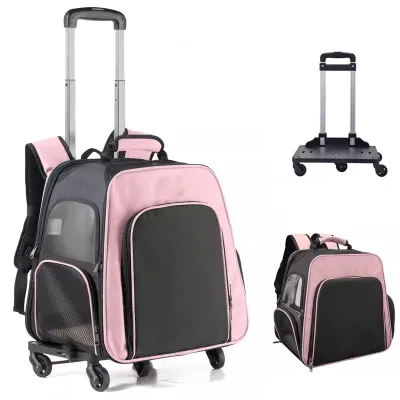
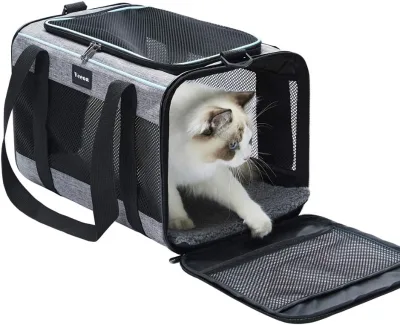
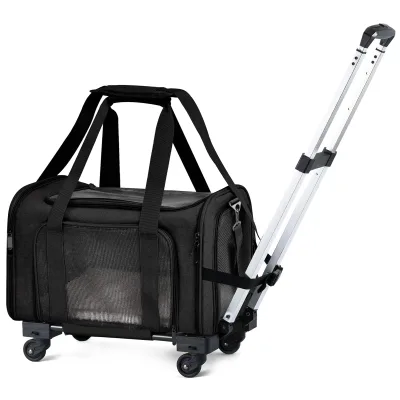
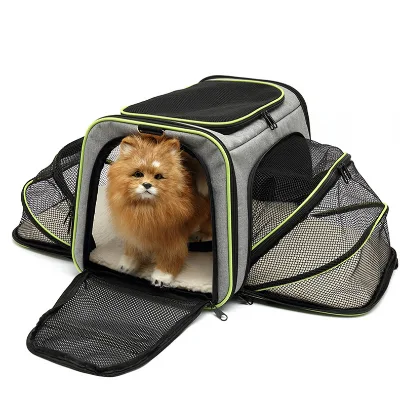
Custom Pet Rolling Carrier Dog Backpack Expandable Folding Cat Carrier with Wheels
$30.00 - $36.80
MOQ: 20
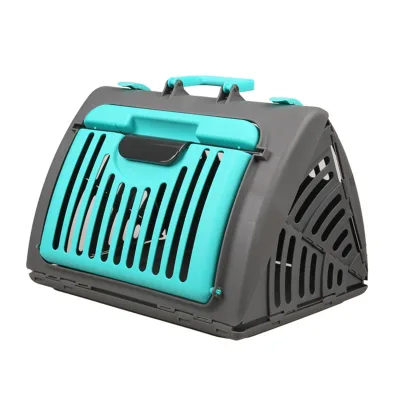
$11.55 - $13.13
MOQ: 10 pieces
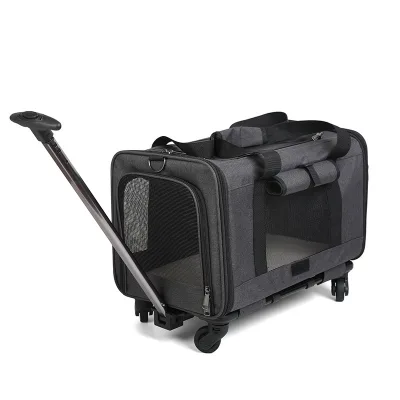
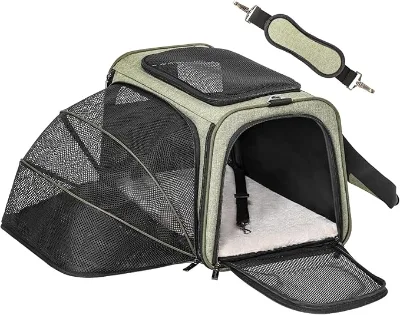

Xiamen Minghui Import and Export Co., Ltd.
- Verified by BV
- Manufacturer/Factory
- China Fujian
- Lead time30 days
- Avg. response≤ 11h
Main productsBag, Sport Bag, Duffel Bag, Travel Bag, School Bag, Backpack, Rucksack, Laptop Bag, Cosemtic Bag, Document Bag
Main marketsSouth America,Eastern Europe,Mid East,North America,Southeast Asia,Eastern Asia,Oceania,Western Europe,Africa

Jiangxi Xiyun E-Commerce Co., Ltd.
- Trading Company
- Jiangxi, China
- Lead time0 days
- Avg. response≤ 2h
Main productsPet toys,Pet Carriers & Travel Products,Pet Cleaning & Grooming Products,Pet Bowls & Feeders,Pet Collars & Leashes
Main marketsSouth America(16.00%), North America(16.00%), Mid East(14.00%), Southeast Asia(10.00%), Western Europe(6.00%), Southern Europe(6.00%), Eastern Europe(6.00%), Northern Europe(6.00%), South Asia(5.00%), Eastern Asia(5.00%), Oceania(5.00%), Central America(5.00%)
Ninghai Dougez Pet Product Co., Ltd.
- Verified by TüVRheinland
- Manufacturer, Trading Company
- Lead time20 days
- Avg. response≤ 1h
Main productsPet Products
Main marketsSouth America(30%), Western Europe(12%), Southeast Asia(10%)

Tianjin Maynas International Trade Co.,Ltd
- Verified by SGS
- Trading Company
- China Tianjin
- Lead time15 days
- Avg. response≤ 9h
Main productsPet Stroller, Pet Bed, Pet Toy, Cat Tree, Pet Carrier Bag, Pet Bowl, Pet Collar, Pet Harness & Leash, Pet Cage, Pet Grooming
Main marketsSoutheast Asia/ Mideast,Europe,North America
Yiwu Comeon Household Goods Co., Ltd.
- Verified by SGS Group
- Trading Company
- Lead time0 days
- Avg. response≤ 6h
Main productsDiaper Bag Backpack/ Pet Backpack/ Pet Bed
Main marketsNorth America(50%), Western Europe(30%), Eastern Asia(20%)
Linying Changsheng Baby Carriage Manufacturing Co., Ltd.
- Verified by TüVRheinland
- Manufacturer, Trading Company
- Lead time30 days
- Avg. response≤ 2h
Main productsStroller, Baby Walker, Dining Chair, Pet Car
Main marketsDomestic Market(51%), Southeast Asia(25%), South America(13%)

HEBEI GREENSKY INDUSTRY GROUP CO., LTD
- Combined
- China Hebei
- Lead time23 days
- Avg. response≤ 18h
Main productsBaby Stroller, Kids Tricycle, Kids Balance Bike, Carseat, Kids Bike, Baby Walker
Main marketsSouth America

Amazon Pet Travel Carrier Foldable Portable 4 Wheels Cat Dog Pet Stroller
$27.00 - $28.00
MOQ: 100 Pieces

Folding Pet Dog Cat out Door Stroller Pet Travel Trolley Carrier with Large Wheels
$62.00 - $74.00
MOQ: 260 Pieces

Easy Foldable Four Wheels Pet Carrier Outdoor Use for Cats Dogs Light Weight Pet Pram
$27.00 - $28.00
MOQ: 100 Pieces

- Verified by TUVRHEINLAND
- Trading Company
- China Fujian
- Lead time23 days
- Avg. response≤ 5h
Main productsYoga Set, Pet Supplies, Sneakers, Sportswear, Underwear, Swimsuit, Sports Equipment, Packaging, Outdoor Product, Solar Energy
Main marketsSoutheast Asia/ Mideast
Ningbo Bachoo Children Products Co., Ltd.
- Trading Company
- Zhejiang, China
- Lead time0 days
- Avg. response≤ 2h
Main productsbaby high chair,baby bed,baby car seat,baby walker,baby stroller
Main marketsEastern Europe(20.00%), South America(20.00%), North America(20.00%), Western Europe(10.00%), Southern Europe(10.00%), Southeast Asia(10.00%), Domestic Market(5.00%), Mid East(5.00%)
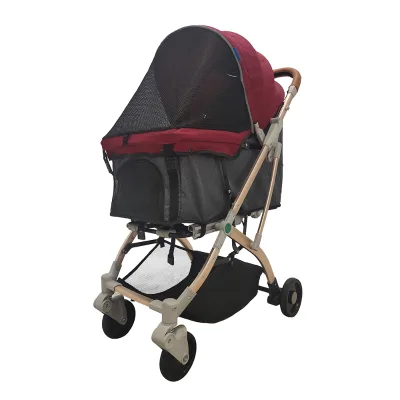
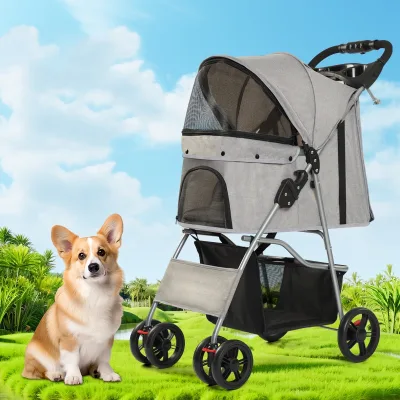
Pet Stroller for Dogs Foldable Breathable 4-Wheel with Storage Space Aluminum Frame Oxford Fabric
$53.283 - $55.3326
MOQ: 200 pieces
$53.283 - $55.3326
MOQ: 200 pieces
Yiwu Changrong Pet Products Co., Ltd.
- Manufacturer
- Zhejiang, China
- Lead time15 days
- Avg. response≤ 4h
Main productsPet Products
Main marketsNorth America(65.00%), Eastern Europe(15.00%), Domestic Market(10.00%), Northern Europe(10.00%)

Rizhao Spring Trading Co., Ltd.
- Verified by CTI
- Manufacturer/Factory
- China Shandong
- Lead time15 days
- Avg. response≤ 4h
Main productsWalnut, Pet House, Peanut, Cat Litter, Pet Products, Pet Food, Cat Food, Pet Treats, Dog Food, Pet Toys
Main marketsMid East,North America,Western Europe

4-Wheel Gliding Pet Transport Stroller Foldable Cat Dog Carrier with Smooth-Rolling Casters
$9.99 - $11.99
MOQ: 10 Pieces

Portable Breathable Travel Stroller Trolley Dog Cat Backpack Pet Carrier with Wheels
$16.90 - $17.14
MOQ: 300 Pieces


$9.99 - $11.99
MOQ: 10 Pieces

- Verified by TUVRHEINLAND
- Trading Company
- China Zhejiang
- Lead time0 days
- Avg. response≤ 12h
Main productsCat Litter Box, Pet Feeder, Pet Toy, Pet Cloth, Pet Bed, Pet Carrier, Storage Bucket, Plastic Storage, Storage Rack, Lunch Box

Custom Breathable Portable Travel Cat Pet Trolley Dog Carriers with Wheels
$27.50 - $36.30
MOQ: 100 Pieces


Ningbo V. K. Industry and Trading Co., Ltd.
- Verified by BV
- Trading Company
- China Zhejiang
- Lead time30 days
- Avg. response≤ 6h
Main productsIce Bath Tub, Cosmetic Glass Bottle, Hydroponics Grow Box, Baby Bottle, Inflatable Tent, Cream Jar, Reed Diffuser Bottle, Jewish Products, Mezuzah Case
Main marketsSouth America,Europe,Australia,North America
Hainan Drichpet Import and Export Co., Ltd
- Verified by BV
- Manufacturer/Factory
- China Hainan
- Lead time23 days
- Avg. response≤ 1h
Main productsSmart Pet Feeder, Smart Pet Products, Smart Cat Litter Box, Smart Pet Dispenser
Main marketsSouth America,Eastern Europe,Mid East,North America,Southeast Asia,Eastern Asia,Oceania,Western Europe,Africa
Shanghai Holley International Trading Co., Ltd.
- Trading Company
- Shanghai, China
- Lead time10 days
- Avg. response≤ 5h
Main productsPet Products
Main marketsWestern Europe(40.00%), North America(25.00%), South America(15.00%), Southeast Asia(10.00%), Mid East(10.00%)
$13.3219 - $16.3947
MOQ: 30 pieces
Hefei Longnew Pet Products Co., Ltd.
- Verified by TüVRheinland
- Manufacturer, Trading Company
- Lead time10 days
- Avg. response≤ 4h
Main productsCat Tree, Cat Scratcher, Cat Toy, Pet House, Pet Bed
Main marketsSouthern Europe(22%), Western Europe(18%), Domestic Market(16%)
Zhongshan Cooler Baby Product Co., Ltd.
- Verified by SGS Group
- Manufacturer, Trading Company
- Lead time20 days
- Avg. response≤ 1h
Main productsBed rail, Portable bed rail, Foldable bed rail, Baby rocking chair, Baby stroller
Main marketsDomestic Market(25%), Eastern Europe(20%), Western Europe(15%)
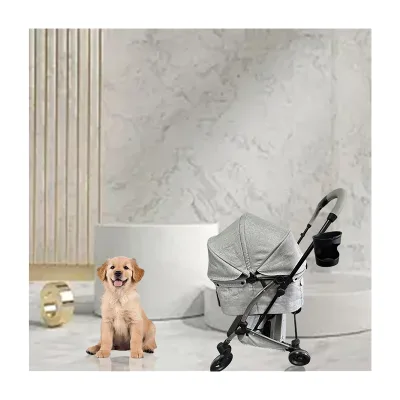
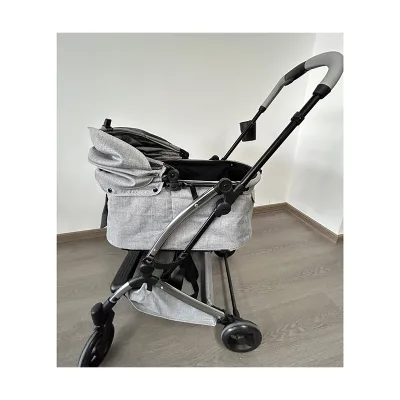
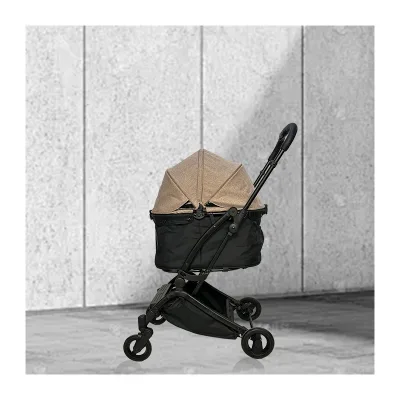
Travel-Friendly Pet Stroller,Foldable Frame with Mesh Panels All-Terrain Wheels For,Dogs/Cats
$52.85 - $58.85
MOQ: 100 pieces
Zhongshan Old Captain Daily Products Co., Ltd.
- Verified by SGS Group
- Trading Company
- Lead time45 days
- Avg. response≤ 2h
Main productsBaby Crib, Baby Stroller, Baby Bouncer, Baby High Chair, m
Main marketsWestern Europe(40%), Mid East(10%), Northern Europe(10%)
Hebei Guanzhou Children Products Co., Ltd.
- Verified by SGS Group
- Trading Company
- Lead time10 days
- Avg. response≤ 1h
Main productsKids Scooter, Kids Toy Car, Kids Bike, Baby Stroller, Baby Walker
Main marketsSouth America(25%), Southeast Asia(15%), Central America(15%)
- Verified by SGS Group
- Trading Company
- Lead time15 days
- Avg. response≤ 3h
Main productsPet Cages House Carriers, Pet Collars Harness Leashes, Pet Toys, Pet Bowls Feeder, Pet Beds
Main marketsNorth America(35%), Western Europe(15%), Mid East(15%)
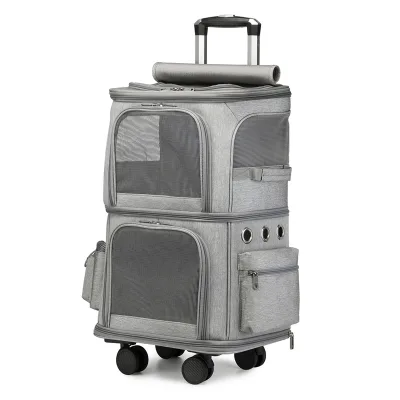
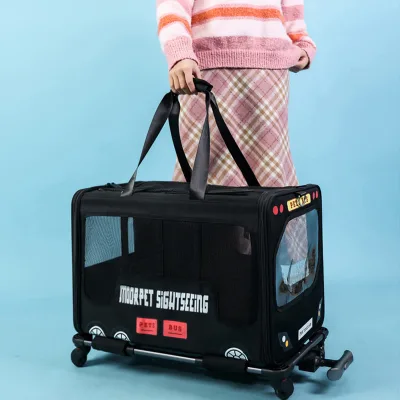
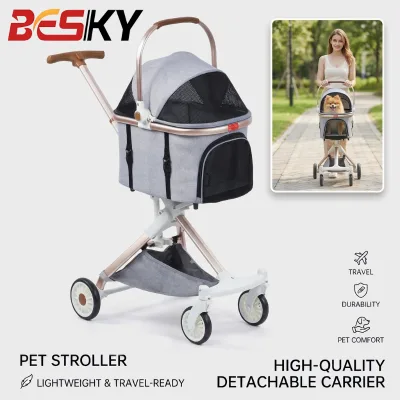
Modern Large Capacity Portable Pet Srtoller Breathable Pet Carrier Foldable Cats Carrier
$25.83 - $29.35
MOQ: 30 pieces
Guangzhou Doglemi Pet Product Ltd.
- Manufacturer, Trading Company
- Lead time旺季: "1 - 300":20,"> 300":"To be negotiated", 淡季: "1 - 300":20,"> 300":"To be negotiated"
- Avg. response≤ 6h
Main productsPet Clothes, Pet Toys, Pet Snuffle Training, Pet Care Grooming, Pet Carrier

- Verified by TUVRHEINLAND
- Trading Company
- China Jiangsu
- Lead time30 days
- Avg. response≤ 3h
Main productsPet Products, Pet Food, Pet House, Pet Plush Toy, Pet Clothes, Pet Collar, Cat Litter, Pet Leash, Pet Harness
Main marketsNorth America

Factory Custom Quality Pet Stroller Big Size Foldable Outdoor Dog Trolley Cat Carrier
$78.10 - $81.30
MOQ: 300 Pieces

Wholesale Customized Pet Stroller Detachable Dog Carrier with Wheels Cat Trolley
$45.80 - $48.50
MOQ: 300 Pieces

Hot Selling PU Cage Pet Stroller Customized Detachable Dog and Cat Carrier
$61.70 - $64.10
MOQ: 300 Pieces
Henan Benedict Pet Products Co., Ltd.
- Manufacturer, Trading Company
- Henan, China
- Lead time30 days
- Avg. response≤ 3h
Main productspet stroller,pet trolley,dog stroller,pet carriers,pet gates
Main marketsSoutheast Asia(35.00%), South America(30.00%), Mid East(20.00%), Oceania(10.00%), Africa(5.00%)

- Verified by CTI
- Manufacturer/Factory
- China Fujian
- Lead time45 days
- Avg. response≤ 7h
Main productsBackpack, Duffle Bag, Cooler Bag, Medical Bag, Canvas Bag, Pet Carrier, Tote Bag, Tool Bag, Makeup Bag, Drawstring Bag
Main marketsSouth America,Eastern Europe,Mid East,North America,Southeast Asia,Eastern Asia,Oceania,Western Europe,Africa

WOR-BIZ INDUSTRAL PRODUCT CO., LIMITED (ANHUI)
- Verified by TUVRHEINLAND
- Trading Company
- China Anhui
- Lead time45 days
- Avg. response≤ 7h
Main productsPet Products, Pet Harness, Pet Collar, Pet Leash, Pet Carrier, Pet Toy, Pet Bed, Pet Clothes, Pet Accessory, Pet Feeder
Main marketsSouth America


Pet Travel Carrier Bag Folding Fabric Pet Carrier Lightweight Carrier Suitable for Pet
$2.50 - $3.50
MOQ: 2000 Pieces


Pet Carriers, Cat Carriers Dog Carrier Pet Carrier Travel Carrier for Small Medium Cats Small Dogs
$2.50 - $3.50
MOQ: 2000 Pieces

Hubei Douhaha Technology Co., Ltd.
- Verified by TüVRheinland
- Manufacturer, Trading Company
- Lead time0 days
- Avg. response≤ 4h
Main productsPet Stroller
Main marketsEastern Asia(50%), North America(30%), Domestic Market(10%)

Tianjin Star Pet Tech Co., Ltd.
- Verified by TUVRHEINLAND
- Manufacturer/Factory
- China Tianjin
- Lead time23 days
- Avg. response≤ 4h
Main productsDog Harness, Dog Bed, Bird Cage, Dog Bowl, Dog Cage, Pet Toys, Dog Clothes, Pet Carrier, Pet Product, Cat Product
Main marketsSouth America,Eastern Europe,Mid East,North America,Southeast Asia,Eastern Asia,Oceania,Western Europe,Africa
Guangzhou Bestopet Pet Products Co., Ltd.
- Manufacturer, Trading Company, Distributor/Wholesaler
- Guangdong, China
- Lead time30 days
- Avg. response≤ 1h
Main productsDog Show Essentials,Pet Strollers,Pet Carriers,Pet Crates Kennels Pens & Tents,Pet Beds & Blankets
Main marketsNorthern Europe(60.00%), Southern Europe(20.00%), Western Europe(10.00%), North America(10.00%)

Shengzhou Tuoke Industry and Trade Co., Ltd.
- Verified by SGS
- Trading Company
- China Zhejiang
- Lead time30 days
- Avg. response≤ 3h
Main productsDog Crate, Pet Cages, Pet Playpens, Pet Beds, Pet House, Cat Trees, Cat Scratchers, Dog Collar, Dog Leash, Dog Harness
Main marketsSouth America,Southeast Asia/ Mideast,Europe,Australia

Hangzhou Chosen Textile Co., Ltd
- Verified by CTI
- Trading Company
- China Zhejiang
- Lead time45 days
- Avg. response≤ 7h
Main productsOutdoor Products, Textile Products, Home Textile, Weighted Products, Promotional Products, Gift Products
Main marketsAfrica,Southeast Asia/ Mideast,East Asia(Japan/ South Korea),Europe,Australia,North America

Xiamen Ederbou Industry&Trade Co., Ltd.
- Verified by CTI
- Combined
- China Fujian
- Lead time30 days
- Avg. response≤ 5h
Main productsCooler Insulated Bags, Backpacks, Delivery Bags, Travel Bags, Sports Bags, Picnic Bags
Main marketsSouth America,Southeast Asia/ Mideast,East Asia(Japan/ South Korea),Europe,Australia,North America

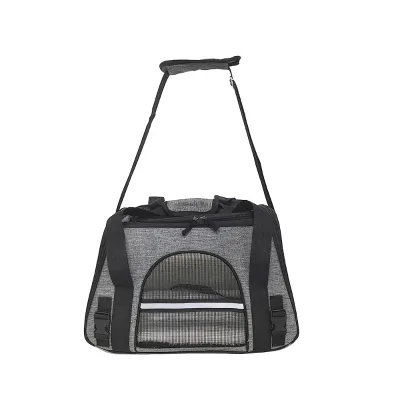
Soft Pet Carrier for Cats Puppy Travel Dogs Carrier Bags Durable Portable
$7.25 - $8.49
MOQ: 300 Pieces








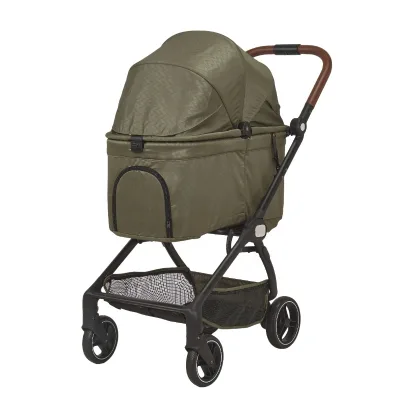
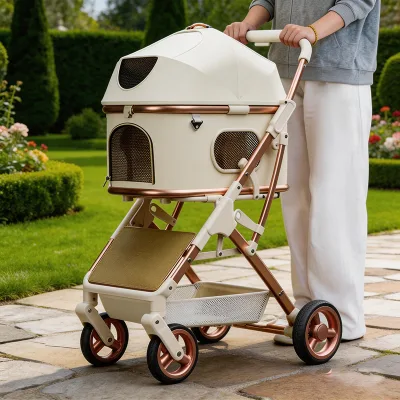
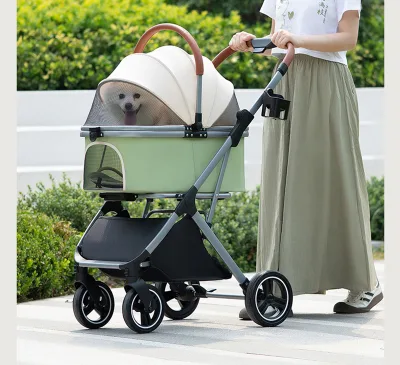
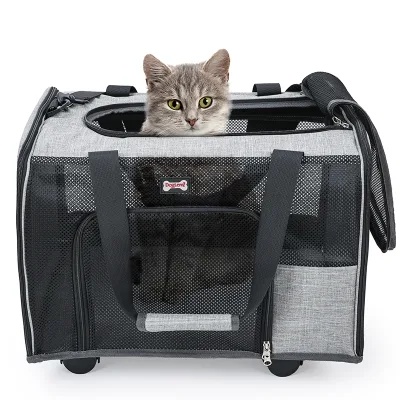
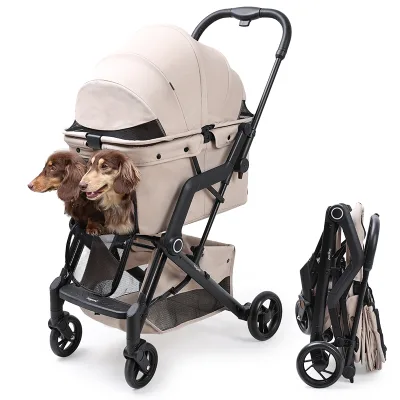
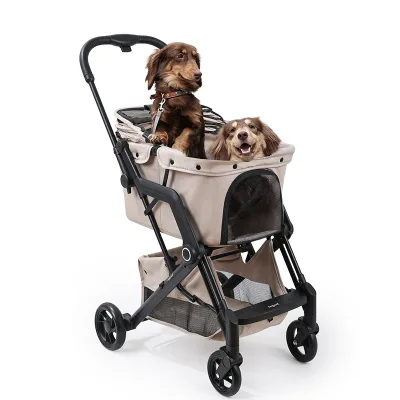
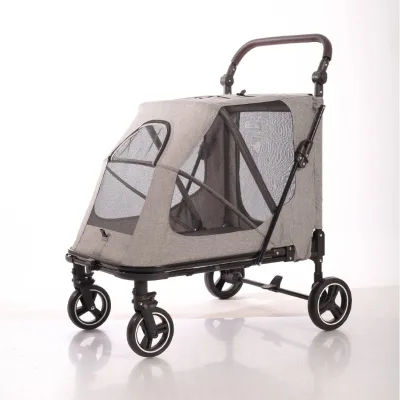
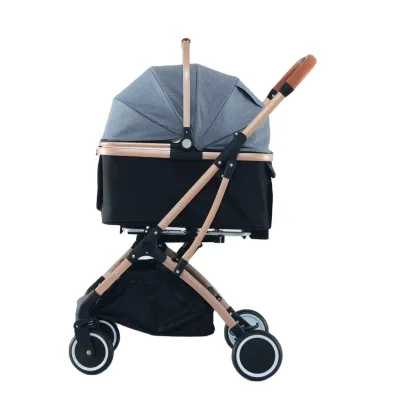






Comprehensive Sourcing Guide
Foldable Aluminum Pet Carrier with 4 Wheels Supplier Concentration and Factory Types
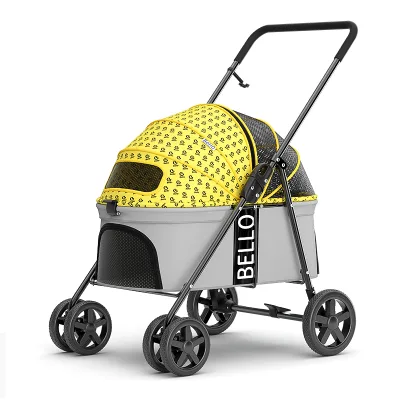
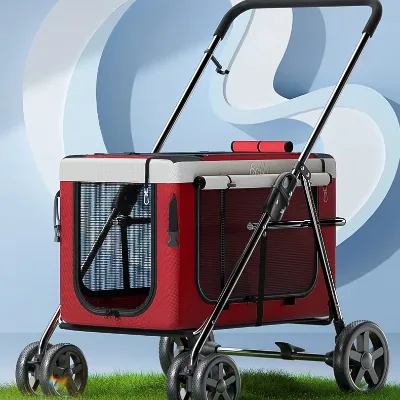
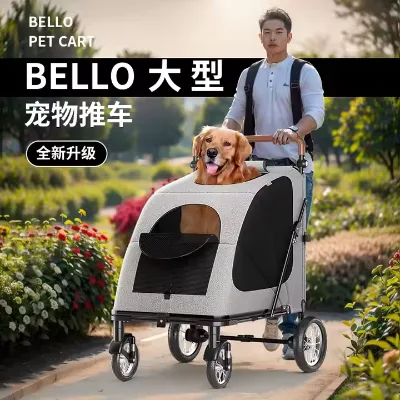
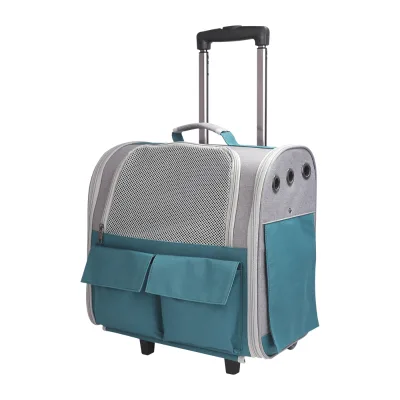
When sourcing a Foldable Aluminum Pet Carrier with 4 Wheels, understanding where relevant suppliers cluster helps you shortlist efficiently. The supplier results in this category show production concentrated in Anhui, China, where factories list pet carriers, rolling carriers, and travel crates among their main products. Company profiles in these results identify themselves as both manufacturers and trading companies, which matters because a manufacturer can typically support frame modifications and wheel assembly changes, while a trading company may consolidate carriers with other pet travel accessories. Before assuming a supplier can produce an aluminum-framed folding carrier, confirm whether their current catalog covers soft-sided oxford carriers with wheels, plastic airline-style crates, or genuinely metal-framed folding units, since these are distinct constructions.
Beyond the confirmed Anhui cluster, you should independently identify other manufacturing regions by filtering supplier searches by place of origin shown in product attributes, then triangulating with main-product listings such as pet carriers, pet beds, seat covers, and pet accessories. Suppliers whose core line is carriers and travel products are more credible for a wheel-and-frame build than generalist exporters. Note that company type labels can overlap; some listings combine manufacturing and trading roles. Treat supplier concentration as a starting hypothesis rather than a conclusion, and verify factory status directly through business licenses, production photos, and video walkthroughs before committing engineering drawings or samples to a prospective partner.
How to Verify Foldable Aluminum Pet Carrier with 4 Wheels Suppliers
Verification should begin with the credentials each supplier displays, then move to evidence you generate yourself. In the current results, at least one supplier carries TÜV Rheinland verification and lists FCC as a system certification, which you can treat as a screening signal but not as proof of product-level compliance for an aluminum pet carrier. Ask any shortlisted supplier for documents tied specifically to the carrier you intend to buy: material certificates for the aluminum frame, load test records for the stated maximum weight, and wheel durability or brake test reports. Product listings in these results show detailed attributes such as model numbers, dimensions, closure types, and maximum loading weights of around 8 to 10 kilograms; request that any quoted model match those attributes exactly in a signed specification sheet.
Next, verify operational claims that appear in supplier profiles, including response time, lead time, and sample availability. Results here show sample processing and customized on-demand capability as listed research and development services, plus sample availability on specific carrier products, so test both by ordering a sample of the closest existing model. Sample lead times of five to seven working days appear in one listing; use your own sample order to confirm whether quoted turnaround holds. Check place of origin, company registration, and whether the entity is a manufacturer or trading company through independent registry lookups. A supplier unable to produce consistent factory documentation for an aluminum-frame build should be dropped early.
What to Compare Across Foldable Aluminum Pet Carrier with 4 Wheels Suppliers
Build a comparison matrix using the attributes suppliers actually display, without assuming every supplier publishes every field. Useful dimensions in this category include minimum order quantity, price range, lead time, response speed, location, company type, and main products. In the observed results, MOQs on pet carriers range from 10 pieces to 50 pieces depending on the model, and unit prices on comparable carriers span roughly the low teens to the mid-thirties in US dollars, so price alone should never decide the comparison. One supplier lists a 15-day lead time and a 5-hour response time, and another lists sample turnaround of 5 to 7 working days; benchmark these figures against other candidates and against your own sample experience rather than accepting profile numbers at face value.
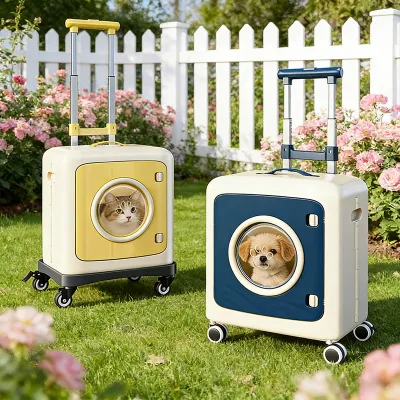
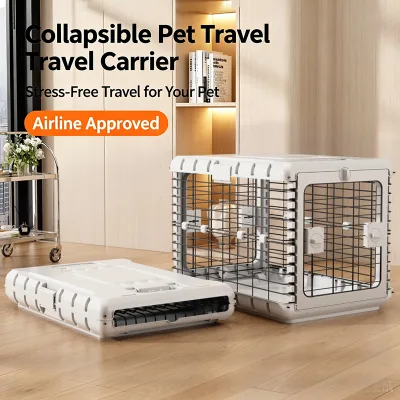
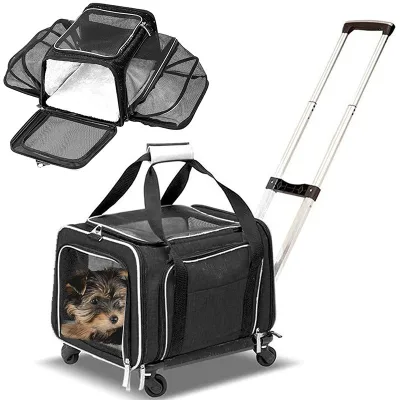
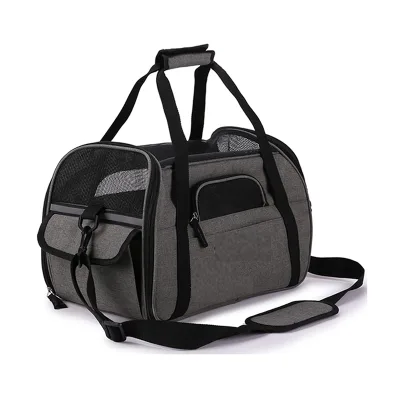
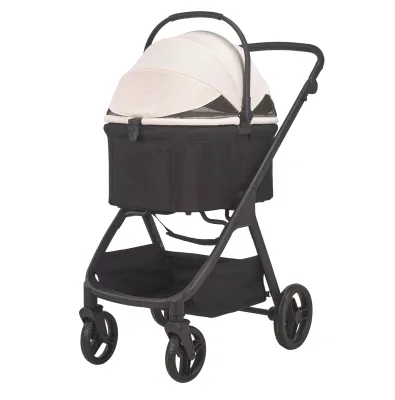
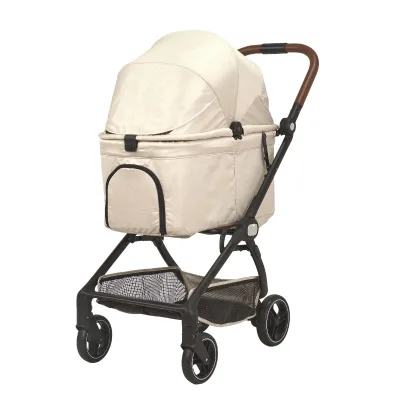
Compare product-level specifics next, since these determine whether a supplier can actually deliver a foldable aluminum carrier with 4 wheels. Examine frame material, folding mechanism, wheel type and detachability, maximum loading weight, dimensions, and closure type across each quoted model. Results show suppliers offering oxford-fabric rolling carriers with detachable wheels alongside plastic airline-approved crates, so clarify which construction each quote covers. Also compare customization capability, including OEM and ODM availability, logo customization, and color options, plus sample policies and available research and development services such as sample processing and graphic processing. Weight the comparison toward suppliers whose main products center on pet carriers and travel accessories, because product focus usually predicts faster iteration on frame, wheel, and hinge details.
Common Foldable Aluminum Pet Carrier with 4 Wheels Sourcing Risks
The most frequent risk in this category is specification drift: a supplier quotes one carrier model but ships a lighter frame or smaller wheel set. Product listings here include several similarly named carriers sharing model numbers and brand names, which increases the chance of receiving a different variant than the one sampled. Protect yourself by locking the model number, dimensions, material, maximum loading weight, and wheel configuration into the purchase contract, and by retaining a sealed golden sample. A second risk is mislabeled construction, where soft-sided fabric carriers with wheels are marketed as aluminum-frame products; demand photographs of the bare frame before and after folding, since the foldable requirement is the easiest point of failure.
Other risks concentrate around quality and logistics assumptions. Max loading weights in the results range from about 7 to 10 kilograms, but listed values are not test evidence, so independently load-test samples beyond the stated maximum to observe frame and wheel behavior. Certification claims such as airline approval appear in some listings without supporting documentation, so request the basis for any such claim rather than repeating it in your own marketing. Watch for hidden costs around packaging, since single gross weights of 1.5 to 4 kilograms per unit meaningfully affect freight. Finally, avoid overcommitting on a first order; even verified suppliers may outsource wheel or frame components, so confirm which production steps happen in-house before scaling volume.
Foldable Aluminum Pet Carrier with 4 Wheels Regional Sourcing and Logistics
The confirmed regional signal in this category is Anhui, China, where the listed carriers originate, including both fabric rolling carriers and plastic collapsible crates. Sourcing from Anhui means you should plan logistics around the province's inland position: goods typically move by truck to a coastal port for ocean freight, so ask suppliers to quote on FOB terms at the port they actually use and confirm which port that is. Carriers in the results weigh roughly 1.5 to 4 kilograms gross per unit with package sizes such as 42 by 41 by 20 centimeters, which makes them suitable for consolidated sea freight or, for samples and small pilot runs, express air. Ask how folding affects packed volume, because a flat-folded aluminum carrier can compress cartons substantially compared with rigid crates.
For buyers sourcing outside the confirmed cluster, map additional regions by examining place-of-origin attributes across many listings, then request proof of factory address before visiting. Logistics questions to put to every supplier include carton packing configuration, units per carton, pallet type, and whether wheels are shipped detached to reduce volume, since the results show both detachable-wheel and attached-wheel designs. Confirm lead time assumptions against the listed 15-day figure, then add buffer for peak season and pre-shipment inspection time. Finally, align your shipping mode with your order size: low-MOQ trial orders of 10 to 20 pieces rarely justify sea freight economics, while volume orders should be planned around carton dimensions and container utilization.
Foldable Aluminum Pet Carrier with 4 Wheels Commercial Terms and Order Planning
Commercial planning should start from the MOQ and price structure visible in category listings. Observed carrier MOQs run from 10 pieces on a plastic crate to 20 pieces on rolling carriers and 50 pieces on a multi-function model, with quoted unit prices from roughly 11.55 to 36.80 US dollars, so expect price to move with frame material and wheel hardware. Negotiate tiered pricing tied to volume, and require the quotation to itemize the aluminum frame, four-wheel set, folding mechanism, fabric or liner, and packaging, which prevents later substitution of cheaper components. Confirm whether customization, such as logo application or color changes, raises the MOQ, and whether samples are chargeable and credited against the first bulk order.
Order planning should respect the operational numbers suppliers publish and the ones you verify yourself. With a listed lead time of 15 days and sample turnaround of 5 to 7 working days, a realistic timeline from sample approval to shipment is longer once quality checks and revisions are included, so build in buffer weeks. Clarify payment terms early, favoring methods that provide escrow or milestone protection rather than large upfront transfers, and confirm that the certification status displayed on a profile, such as FCC, applies to the goods being ordered. Finally, define acceptance criteria in writing: dimensions, fold-flat profile, loading test at and above the stated maximum weight, wheel function, and packaging, with agreed remedies for failed inspection before any deposit changes hands.
Word count check: sections at ~230 each, six sections ≈ 1380 words. Total article approximately 1385 words.
FAQs
What is the minimum order quantity for pet carriers?
The minimum order quantity varies by product type. Some soft-sided carriers require a minimum of 20 pieces, while hard plastic models may start at 10 pieces. Other options have a higher threshold of 50 pieces. Buyers should check specific product listings to confirm the exact MOQ before placing an order.
How long does production take for custom orders?
Standard lead times are approximately 15 days for most pet carrier orders. Sample processing times typically range from 5 to 7 working days. These timelines apply to customized requests involving graphic processing or specific design adjustments. Buyers should confirm exact dates with suppliers to ensure timely delivery for their schedules.
Are these carriers suitable for airline travel?
Yes, several models are explicitly designed to be airline approved. Soft-sided carriers often feature expandable designs to meet cabin size requirements. Hard plastic carriers also meet specific travel standards. Buyers should verify the exact dimensions and airline regulations for their destination to ensure compliance before purchasing for international travel.
What materials are used in these pet carriers?
Manufacturers primarily use Oxford fabric for soft-sided carriers due to its durability and breathability. Hard carriers utilize plastic frames, sometimes combined with stainless steel components. Materials are selected for water resistance and lightweight properties. Buyers can choose between fabric or plastic based on their specific usage needs and aesthetic preferences.
What is the price range for these carriers?
Prices vary significantly based on material and features. Soft-sided carriers range from approximately 18 to 37 USD per unit. Hard plastic carriers are more affordable, ranging from 11 to 13 USD. Prices depend on order volume and customization. Buyers should request quotes for specific models to get accurate pricing for their quantity.
Can I get a sample before bulk ordering?
Samples are generally available for most pet carrier products. Buyers can request samples to check quality and design before committing to bulk orders. Sample processing usually takes 5 to 7 working days. This allows buyers to verify material quality, zipper durability, and overall construction before placing a larger purchase order.