Portable Glass Tea Pot with Filter Suppliers and Manufacturers
Compare 20 verified manufacturers offering Portable Glass Tea Pot with Filter options from Guangdong and Hebei. Review response times, lead times, and certifications like ISO 9000 to select a supplier. Contact suppliers directly to request samples and confirm MOQs; review the available evidence before requesting comparable quotations from suitable candidates.
Suppliers List
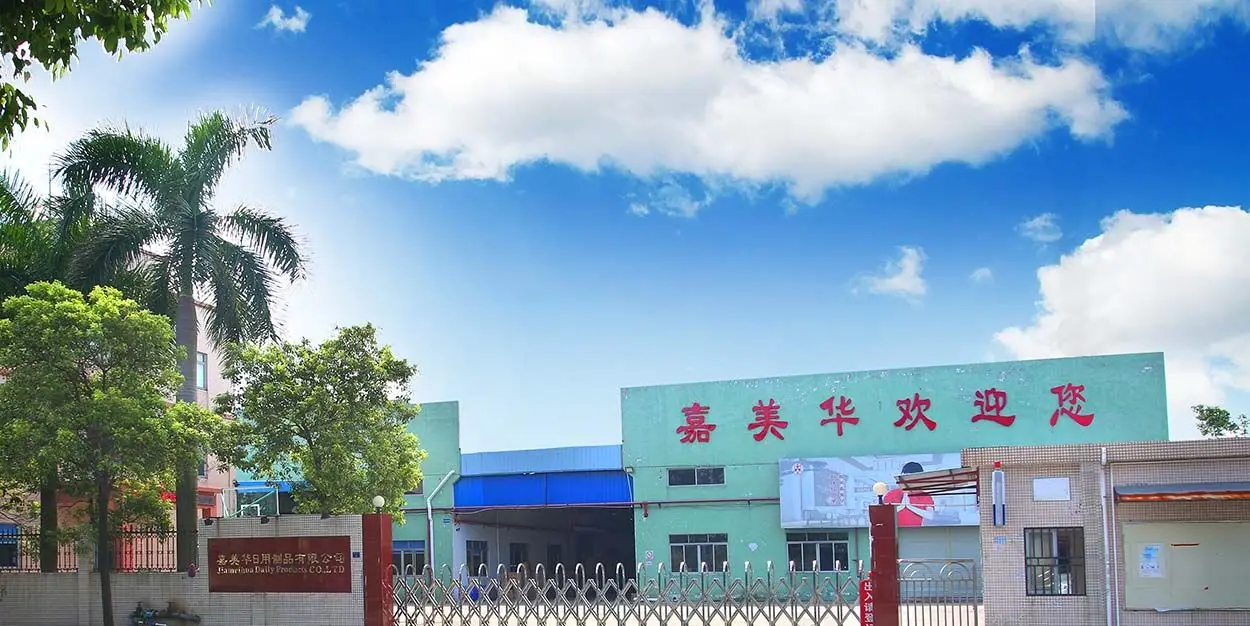
Zhongshan Jiameihua Daily Products Co., Ltd.
- Manufacturer
- Guangdong, China
- Lead time35 days
- Avg. response≤ 21h
Main productsGlass Teapot,Glass Coffee Press,Glass Carafe,Glass Cup,Glass Jar
Main marketsEastern Europe(35.00%), North America(10.00%), Western Europe(10.00%), Mid East(10.00%), Eastern Asia(10.00%), Northern Europe(10.00%), Central America(5.00%), Domestic Market(5.00%), South Asia(5.00%)

Hebei Zhuozhongxi Glass Products Co., Ltd.
- Verified by BV
- Manufacturer/Factory
- China Hebei
- Lead time15 days
- Avg. response≤ 5h
Main productsGlass Cup, Glass Teapot, Coffee Appliance, Tea Set, Glass Crafts, Glass Jug, Glass Food Storage Jar, Wine Glass, Candle Holders, Double Wall Glass
Main marketsSouth America,Eastern Europe,Mid East,North America,Southeast Asia,Eastern Asia,Oceania,Western Europe,Africa


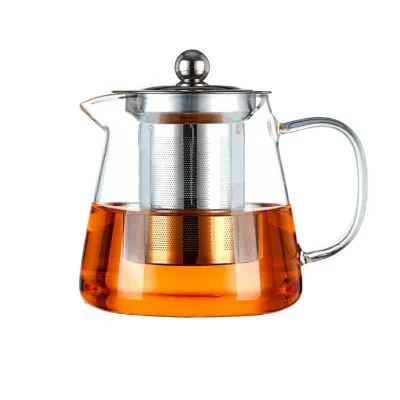
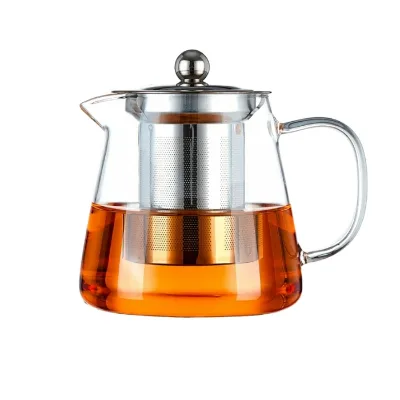
Stovetop Safe Glass Teapot High Temperature Resistance Tea Pot with Filter
$4.35 - $4.97
MOQ: 48 Pieces

Grey Glass Teapot with Wooden Handle Stove-Safe Boiling Kettle with Glass Filter
$10.95 - $11.68
MOQ: 48 Pieces


Hejian Longteng Plastic Products Co., Ltd.
- Verified by CTI
- Combined
- China Hebei
- Lead time30 days
- Avg. response≤ 10h
Main productsGlass Cup
Main marketsDomestic


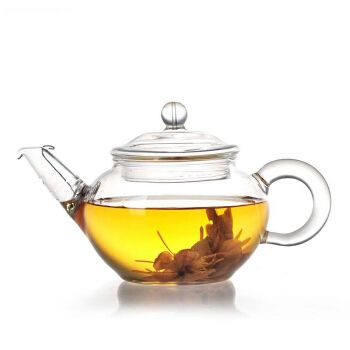
Wholesale Heat-Resistant Glass Flower Tea Pot with Filter Small Flower Drinking Kettle
$1.40 - $1.80
MOQ: 100 Pieces

Hebei Xingchen Glass Technology Co., Ltd.
- Verified by CTI
- Combined
- China Hebei
- Lead time30 days
- Avg. response≤ 11h
Main productsGlass Cup, French Press, Coffee Pot, Glass Jar, Teapot, Syphon Coffee Maker, Glass Cooking Pot, Glass Pitcher, Glass Straw, Glass Teacup
Main marketsSouth America,Africa,Others(foreignTradeCapacity.exportBusinessCapacityMarketOther),Southeast Asia/ Mideast,East Asia(Japan/ South Korea),Europe,Australia,North America

Wholesale Glass Tea Pot with Tea Strainer Pots with Strainer Lids Glass Infuser Tea Pots
$2.55 - $3.35
MOQ: 500 Pieces

Borosilicate Glass Tea Pot with Filter Clear Household Heatable Glass Teapot with Handle Lid
$1.30 - $1.90
MOQ: 500 Pieces

Borosilicate Glass Teapot with Glass Filter Glass Jug Teapot with Glass Strainer
$2.10 - $4.41
MOQ: 500 Pieces

Tea Pot with Infuser Glass Teapot with Infuser, Heat Resistant Borosilicate Glass Teapot
$2.10 - $3.15
MOQ: 500 Pieces


- Trading Company
- China Zhejiang
- Lead time30 days
- Avg. response≤ 11h
Main productsHome Appliance, Cookware Set, Thermos, Home Storage, Furniture, Pet Supplies, Garden Tools, Outdoor Supplies, Baby Supplies, Houesehold Items
Main marketsSouth America,Africa,Southeast Asia/ Mideast,East Asia(Japan/ South Korea),Domestic,Europe,Australia,North America

Weifang Easylife Ware Co., Ltd.
- Trading Company
- China Shandong
- Lead time0 days
- Avg. response≤ 5h
Main productsGlass Cup, Coffee Cup, Coffee Mug, Coffee Pot, Tea Cup, Teapot, Whiskey Glass Cup, Decanter, Cocktail Glass Cup, Wine Glass Cup

Glass Teapot Leaf Tea Pot Set with Removable Infuser, Stovetop Safe Tea Kettle
$2.79 - $4.49
MOQ: 500 Pieces


Classical Design High Borosilicate Glass Teapot Set, Tea Pot with Filter
$2.79 - $4.49
MOQ: 500 Pieces

Thickened Glass Teapot High Temperature Resistant Stainless Steel Filter Tea Pot
$2.79 - $4.49
MOQ: 500 Pieces

Hemera (Tianjin) Technology Development Limited
- Verified by TUVRHEINLAND
- Manufacturer/Factory
- China Tianjin
- Lead time38 days
- Avg. response≤ 4h
Main productsGlass Cup, Glass Teapot, Glass Jar&Container, Glass Pitcher&Carafe, Water Jug, Coffee Set, Wine Set, Glass Cooking Ware
Main marketsSouth America,Eastern Europe,Mid East,North America,Southeast Asia,Eastern Asia,Oceania,Western Europe,Africa

Glass Tea Pot with Removable Glass Infuser and Steeper Tea Maker for Blooming Teapots
$2.99 - $3.25
MOQ: 500 Pieces


$2.99 - $3.25
MOQ: 500 Pieces
Hebei Zhuo Zhongxi Glass Products Co., Ltd.
- Manufacturer, Trading Company
- Hebei Province, China
- Lead time0 days
- Avg. response≤ 2h
Main productsjuice cups,coffee cups,beer cups,double-layer glass cups
Main marketsNorth America(300.00%), Domestic Market(29.00%), Eastern Europe(21.00%), Oceania(10.00%), Southeast Asia(5.00%), South Asia(5.00%)

Guangzhou Garbo International Trading Co., Ltd.
- Verified by TUVRHEINLAND
- Trading Company,Manufacturer/Factory
- China Guangdong
- Lead time45 days
- Avg. response≤ 6h
Main productsGlassware, Glass Cup, Glass Mug, Glass Bowl, Glass Candy Jar, Glass Pitcher, Glass Ice Cream Cup and Ice Bucket, Opal Glassware, Stainless Steel Cutlery, Ceramic Dinnerware
Main marketsSouth America,Eastern Europe,Mid East,North America,Southeast Asia,Eastern Asia,Oceania,Western Europe,Africa

- Verified by TUVRHEINLAND
- Trading Company
- China Hunan
- Lead time45 days
- Avg. response≤ 1h
Main productsCeramic Mug, Vacuum Flask, Dinner Set, Cup, Mug, Thermal Bottle, Ceramic Dinner Set, Glass Jar, Glass Cup, Wine Cup
Main marketsSoutheast Asia/ Mideast

Qingdao Jianhai International Trade Co., Ltd.
- Verified by BV
- Trading Company,Manufacturer/Factory
- China Shandong
- Lead time23 days
- Avg. response≤ 4h
Main productsGlassware, Cosmetic Bottle, Mason Jar, Storage Bottle, Vase, Wine Bottle, High Borosilicate Glass, Glass Bottle, Cup, Glass Craft
Main marketsSouth America,Eastern Europe,Mid East,North America,Southeast Asia,Eastern Asia,Oceania,Western Europe,Africa


Three Size Heat Resistant High Quality Glass Coffee Pot with Filter Cup
$1.00 - $7.00
MOQ: 1000 Pieces

- Verified by TUVRHEINLAND
- Trading Company
- China Anhui
- Lead time30 days
- Avg. response≤ 16h
Main productsCoffee Syphon, Coffee Grinder, Coffee Tampers, Coffee Dripper, Iced Brewer, Coffee Mugs, Coffee Pitcher, Tamper Mat, Coffee Mug, Coffee Maker
Main marketsSoutheast Asia/ Mideast,North America
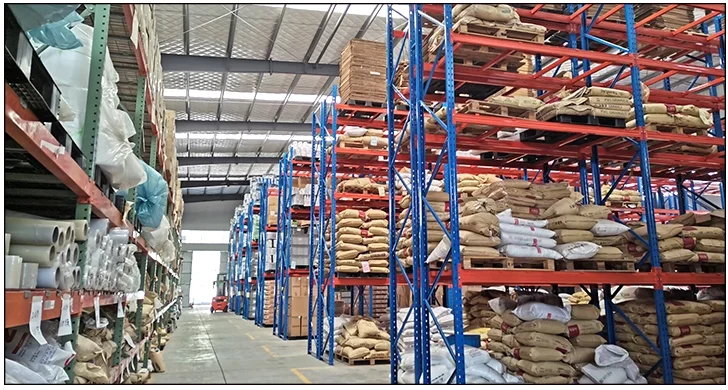
Zhengzhou Estarlink coffee Co., Ltd
- Trading Company
- Henan, China
- Lead time0 days
- Avg. response≤ 4h
Main productsCoffee Grinder,Coffee Pot,Coffee Machine,Coffee Makers,Coffee Tools
Main marketsNorth America(21.00%), Mid East(17.00%), Western Europe(15.00%), Oceania(10.00%), Southeast Asia(10.00%), Domestic Market(7.00%), Northern Europe(5.00%), Eastern Asia(5.00%), South America(4.00%), Eastern Europe(3.00%), Southern Europe(3.00%)
Shenzhen Bogart Kitchenware Co., Ltd.
- Verified by TüVRheinland
- Trading Company
- Guangdong, China
- Lead time15 days
- Avg. response≤ 2h
Main productsCoffee & Tea Sets, Matcha Tools, Portable Coffee Maker, Coffee Tumbler & Mugs, Coffee Accessories
Main marketsMid East(30%), North America(20%), Western Europe(13%)

Tianjin Jiaming Technology Co., Ltd.
- Verified by SGS
- Trading Company
- China Tianjin
- Lead time15 days
- Avg. response≤ 9h
Main productsGlass Jar, Glass Cup, Kitchen Utensils, Teapot, Glass Pitcher
Main marketsOthers(foreignTradeCapacity.exportBusinessCapacityMarketOther)
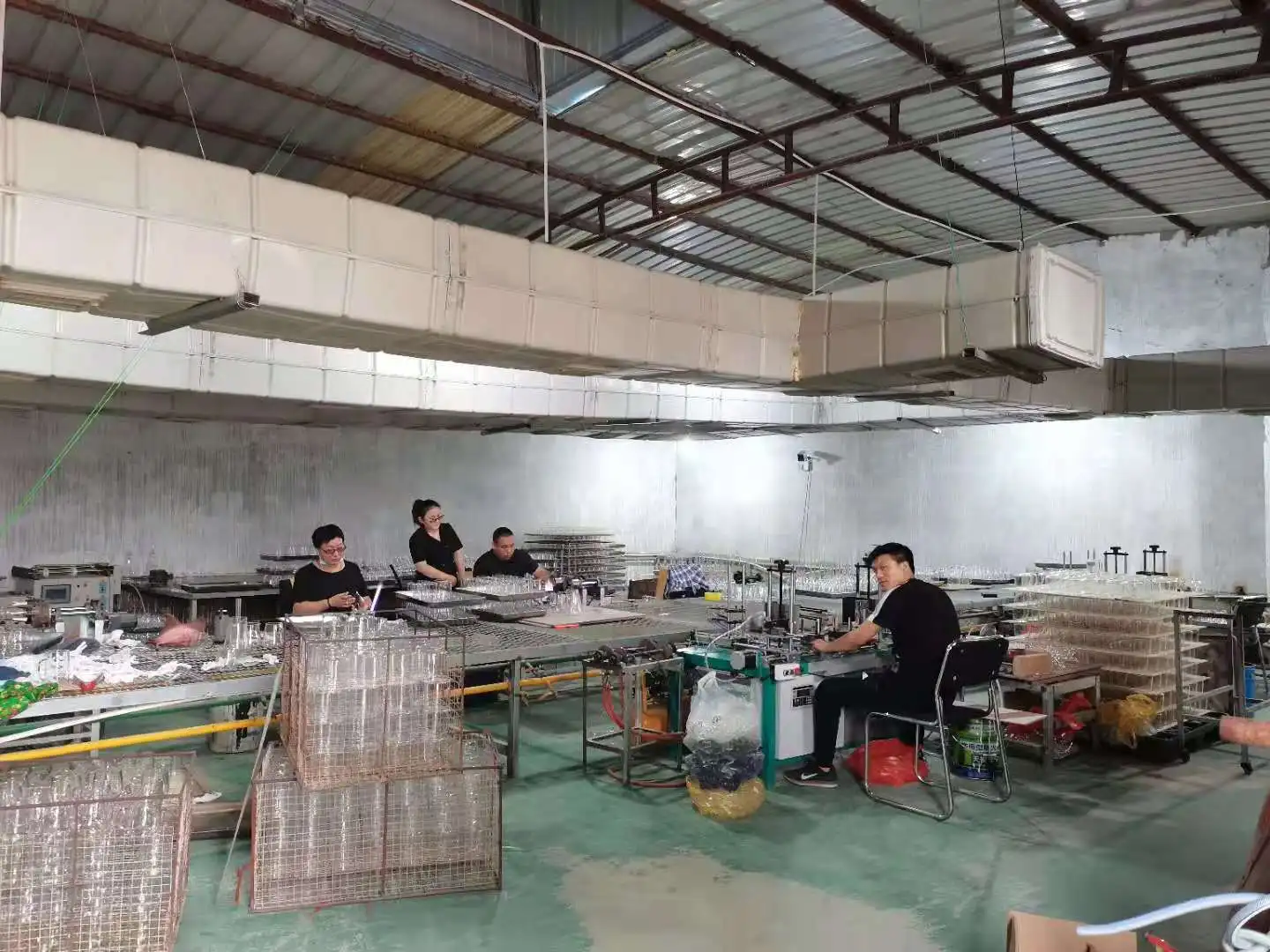
Hejian Hengyang Glassware Co., Ltd.
- Trading Company
- Hebei, China
- Lead time15 days
- Avg. response≤ 12h
Main productsglass jar,glass cup,juice /water jug,tea pot,tea cups
Main marketsOceania(30.00%), North America(30.00%), Northern Europe(20.00%), Domestic Market(10.00%), Western Europe(4.00%), Central America(3.00%), Mid East(3.00%)
Hebei Zhonglong Glassware Co., Ltd.
- Verified by SGS Group
- Manufacturer, Trading Company
- Lead time25 days
- Avg. response≤ 3h
Main productsDecanter, Liquor Glassware, Coffee Glassware, Tea Glassware, Glass Cup
Main marketsDomestic Market(60%), North America(20%), Western Europe(20%)

Zhejiang Haoda Electrical Appliance Co., Ltd.
- Combined
- China Zhejiang
- Lead time30 days
- Avg. response≤ 4h
Main productsFloor Cleaner, Deep Fryer, Infrared Ceramic Cooker, Electric Hotplate, Electric Buffet Warmer, Electric BBQ, Electric Chopper, Vacuum Cleaner, Air Fryer
Main marketsSoutheast Asia/ Mideast,Europe,North America
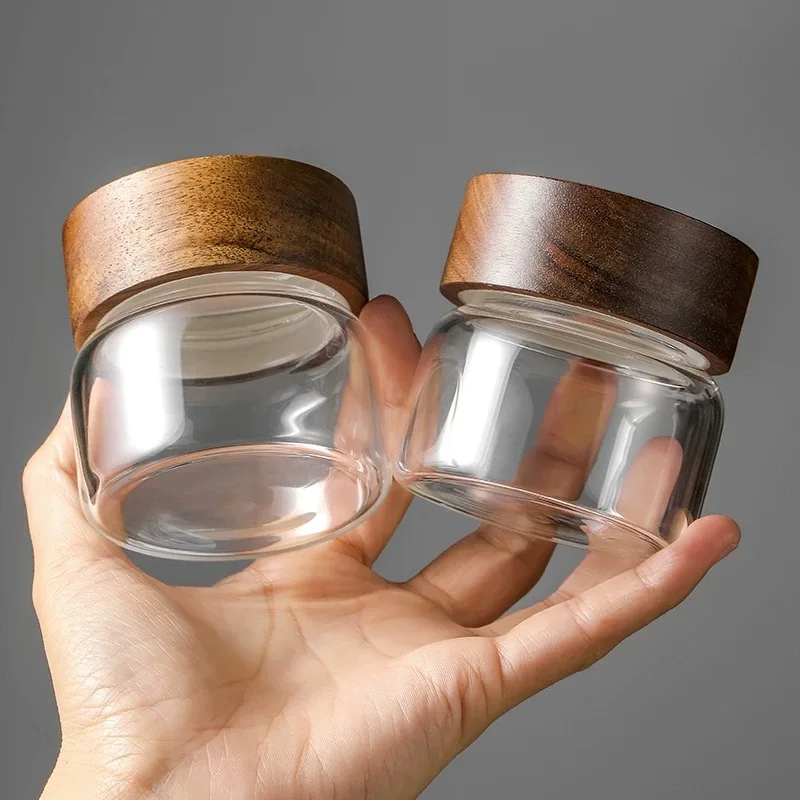
Tianjin Hanleibo International Trade Co., Ltd.
- Trading Company
- Tianjin, China
- Lead time10 days
- Avg. response≤ 4h
Main productsglass cup,glass jar,glass tea pot,glass teapot,high borosilicate glass tea set
Main marketsSouth Asia(10.00%), Southern Europe(10.00%), Southeast Asia(10.00%), Central America(10.00%), Mid East(10.00%), North America(10.00%), Domestic Market(5.00%), Oceania(5.00%), Africa(5.00%), Northern Europe(5.00%), Eastern Europe(5.00%), Western Europe(5.00%), Eastern Asia(5.00%), South America(5.00%)

- Verified by SGS
- Trading Company,Manufacturer/Factory,Other
- China Zhejiang
- Lead time38 days
- Avg. response≤ 18h
Main productsBath Mat, Cushion, Wooden Toys, Fitness Equipment, Cosmetic Bag, Luggage, Festival Products, Gym Items, Face Mask, Paracord Bracelet
Main marketsSouth America,Eastern Europe,Mid East,North America,Southeast Asia,Eastern Asia,Oceania,Western Europe,Africa

Wholesale Household Pyrex Teapot Tea Maker Single Pot Filter Flower Teapot Glass Coffee Pot
$12.00 - $13.10
MOQ: 80 Pieces

Wholesale Personal Use Borosilicate Glass Single Filter Coffee Cup Coffee Make Pot with Handle
$5.20 - $5.70
MOQ: 180 Pieces



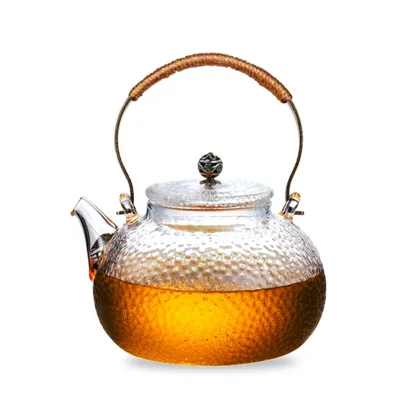
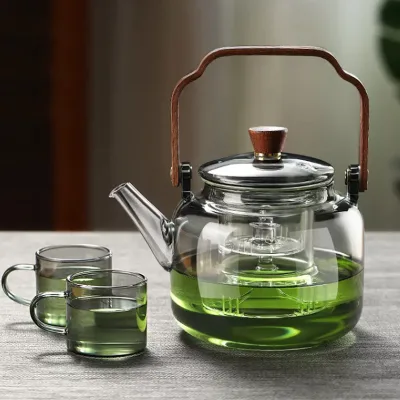
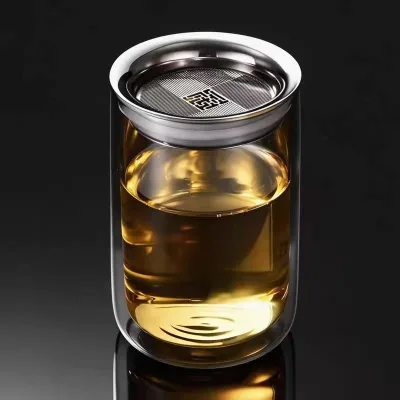








Comprehensive Sourcing Guide
Portable Glass Tea Pot with Filter Supplier Concentration and Factory Types
Manufacturers specializing in glass tea pots with filters are currently concentrated in specific industrial zones within China, with Guangdong and Hebei emerging as primary hubs based on available supplier data. Suppliers in Guangdong often list main products including glass teapots, coffee presses, and carafes, indicating a mature ecosystem for heat-resistant glassware. These facilities frequently operate as direct manufacturers, offering OEM and ODM capabilities for custom branding and design modifications. The presence of established factories in this region suggests a supply chain optimized for high-volume production of borosilicate glass items, which are essential for the thermal stability required in tea brewing equipment.
In contrast, suppliers located in Hebei also demonstrate significant manufacturing capacity, with some entities holding ISO 9000 system certifications and BV verification status. These factories often produce a broader range of glass crafts, including double-wall glasses and candle holders alongside tea pots, suggesting versatile production lines capable of handling diverse glassware orders. When evaluating factory types, buyers should distinguish between pure manufacturers and trading companies by checking the company type field, as direct factories typically offer more flexibility on customization and pricing structures. Identifying the specific factory type is crucial for understanding the depth of technical support available for complex filter mechanisms or custom lid designs.
How to Verify Portable Glass Tea Pot with Filter Suppliers
Verification of suppliers requires a rigorous check of their operational credentials and product evidence to ensure reliability. Buyers should prioritize suppliers who display clear certification marks, such as ISO 9000, which indicates adherence to quality management standards. Additionally, third-party verification badges like BV provide an external layer of trust regarding the company's business legitimacy. It is essential to confirm that the supplier's stated location matches their production base, as discrepancies can signal potential logistical issues or misrepresentation of manufacturing capabilities. Cross-referencing the supplier's main product list with the specific item requested ensures they possess the necessary expertise in glassware production.
Product evidence serves as another critical verification tool, where detailed specifications like material composition and capacity must align with buyer requirements. For instance, confirming that a supplier offers borosilicate glass with specific capacities, such as 800ML or 1200ML, validates their ability to produce the exact portable tea pot needed. Buyers should also examine the response time metrics provided in supplier profiles, as a faster response often correlates with better communication and project management. Verifying that a supplier accepts OEM orders and provides sample availability further confirms their readiness to engage in a custom manufacturing relationship.
What to Compare Across Portable Glass Tea Pot with Filter Suppliers
Comparing suppliers involves analyzing key operational metrics such as lead times, minimum order quantities, and response speeds to determine the best fit for specific project needs. Available data indicates that lead times can vary significantly, with some suppliers offering delivery within 15 days while others require up to 40 days after order confirmation. This variance directly impacts inventory planning and market launch schedules, making it a primary factor in supplier selection. Similarly, minimum order quantities (MOQ) range from as low as 50 units to 2000 units, requiring buyers to assess their volume requirements against the supplier's production thresholds to avoid unnecessary capital expenditure.
Response times and pricing structures also play a vital role in the comparison process, as they influence the overall cost of ownership and project agility. Suppliers with response times measured in hours rather than days can facilitate quicker decision-making and problem resolution during the sourcing phase. Price comparisons should consider the unit cost alongside the MOQ, as a lower unit price might be offset by a higher minimum order requirement. Additionally, evaluating the range of main products offered by a supplier can reveal their capacity to handle future product line expansions or complementary items like matching glass cups or coffee presses.
Common Portable Glass Tea Pot with Filter Sourcing Risks
One significant risk in sourcing portable glass tea pots with filters is the potential for inconsistent product quality, particularly regarding the thermal resistance of the glass material. Without verified test results or specific material certifications, buyers may receive products that fail under high-temperature conditions, leading to safety hazards and product returns. It is imperative to verify that the glass used is indeed borosilicate, as standard glass may crack during boiling or rapid temperature changes. Relying solely on product descriptions without requesting physical samples or third-party test reports can expose buyers to substantial quality control failures.
Another critical risk involves supply chain disruptions caused by inaccurate lead time estimates or production bottlenecks. Some suppliers may quote optimistic delivery windows that do not account for raw material shortages or factory capacity constraints, resulting in delayed shipments. The variability in lead times observed, ranging from 15 to 40 days, highlights the need for conservative planning and buffer stock. Furthermore, discrepancies in packaging standards, such as the use of EPE foam versus standard cartons, can lead to breakage during transit if not explicitly agreed upon in the contract. Buyers must ensure that packaging specifications are clearly defined to mitigate these logistical risks.
Portable Glass Tea Pot with Filter Regional Sourcing and Logistics
Regional sourcing strategies should leverage the specific strengths of manufacturing clusters like Guangdong and Hebei to optimize logistics and cost efficiency. Suppliers in Guangdong often benefit from proximity to major ports, which can streamline export processes for international buyers. This location advantage may result in faster shipping times and lower freight costs for goods destined for global markets. When selecting a supplier based on location, buyers should consider the distance to the nearest port and the availability of reliable freight forwarders who specialize in handling fragile glassware to ensure safe transit.
Logistics planning must also account for the specific packaging requirements of glass products to prevent damage during long-distance shipping. Suppliers in Hebei, for example, may utilize different packaging standards, such as EPE foam and carton combinations, which need to be evaluated for their protective capabilities. Buyers should verify that the supplier's packaging meets international shipping standards and includes adequate cushioning for the fragile nature of glass tea pots. Additionally, understanding the local customs and import regulations of the destination country is essential to avoid delays or additional duties that could arise from improper documentation or labeling.
Portable Glass Tea Pot with Filter Commercial Terms and Order Planning
Commercial terms and order planning require careful attention to payment structures, sample policies, and customization agreements to ensure a smooth transaction. Many suppliers offer free samples, which is a valuable opportunity for buyers to verify product quality before committing to a large order. However, buyers must clarify whether shipping costs for samples are covered or if they need to be paid upfront. Understanding the sample policy helps in budgeting for the initial evaluation phase and ensures that the final product meets the expected standards before mass production begins.
Order planning should also incorporate the supplier's capacity for OEM and ODM services, as these capabilities affect the timeline and cost of custom branding. Suppliers that accept OEM orders can provide custom logos and packaging, but this may extend the lead time due to the additional setup required. Buyers should confirm the specific model numbers and production capabilities to ensure the supplier can meet the desired specifications. Additionally, establishing clear communication channels and response time expectations is crucial for managing the order lifecycle, from initial inquiry to final delivery, ensuring that any issues are resolved promptly and efficiently.
FAQs
What is the price range for portable glass tea pots with filters?
Prices for these items typically range from $1.00 to $2.62 per unit depending on specifications. Some models are priced at $1.60 to $1.70, while others with specific features cost around $2.50. Buyers should check individual product listings for exact pricing based on volume and customization needs.
What is the minimum order quantity for these glass tea pots?
Minimum order quantities vary by supplier and product model. Some manufacturers require a minimum of 2000 pieces, while others accept orders as low as 50 units. Buyers must verify the specific MOQ for each product listing to ensure it aligns with their procurement volume and budget constraints.
How long does delivery take for these glass tea pots?
Lead times generally range from 15 to 40 days after order confirmation. Some suppliers offer faster turnaround times of 15 days, while others may require up to 40 days for production and shipping. Buyers should confirm the exact delivery schedule with the supplier before placing an order.
Where are these glass tea pots manufactured?
These products are primarily manufactured in Guangdong, China, and Hebei, China. Suppliers in these regions offer various glass tea pot models with different capacities and styles. Buyers can filter search results by location to find suppliers in specific Chinese provinces that meet their logistical requirements.
Do suppliers offer OEM and ODM services for glass tea pots?
Yes, many suppliers accept OEM and ODM customization requests. Manufacturers in Guangdong and Hebei offer services such as custom logos, packaging, and design modifications. Buyers should verify the specific customization options available, including material choices and capacity adjustments, directly with the supplier to ensure their brand requirements are met.