Foldable USB LED Desk Lamp Suppliers and Manufacturers
Explore 32 verified Foldable USB LED Desk Lamp options from Zhejiang, China. Compare response times, lead times, certifications, and prices to find suitable partners. Contact suppliers directly to request samples and confirm specifications; review the available evidence before requesting comparable quotations from suitable candidates.
Updated
Suppliers List

Ningbo Yinzhou Wonderful Lighting Co., Ltd.
- Verified by SGS
- Trading Company
- China Zhejiang
- Lead time45 days
- Avg. response≤ 5h
Main marketsEurope


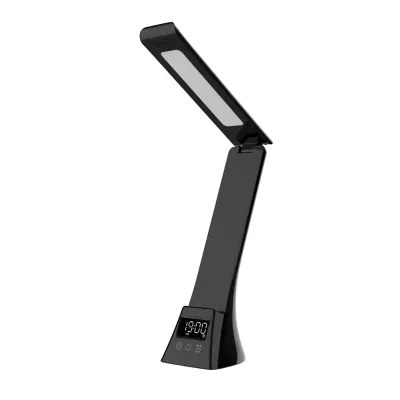
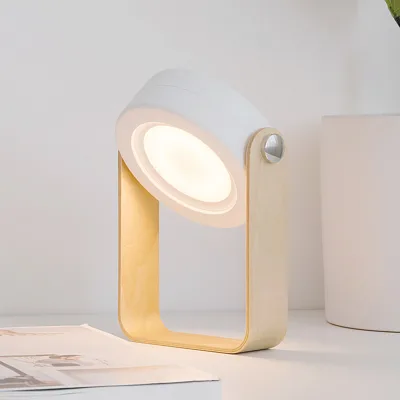
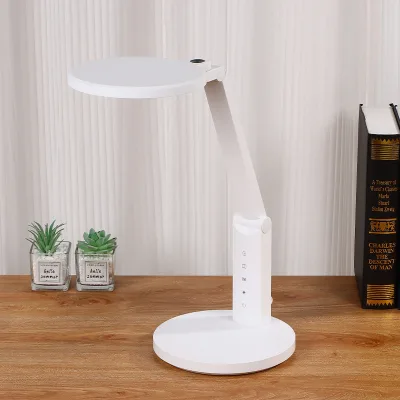
Folding Table Lamp USB Touch Dimmable Night Light Student Reading Desk Lamp
$4.49 - $5.16
MOQ: 500 Pieces

Ningbo Lu Wei Electronic Technology Co., Ltd.
- Trading Company
- Zhengjiang, China
- Lead time30 days
- Avg. response≤ 3h
Main productsFlashlight,Camping Lantern,Headlamp,Work Light,mirror light
Main marketsEastern Europe(40.00%), Southeast Asia(15.00%), North America(10.00%), Mid East(5.00%), Eastern Asia(5.00%), South America(3.00%)

NINGBO HAISHU HOPE-U INTERNATIONAL TRADING CO., LTD.
- Manufacturer/Factory
- China Zhejiang
- Lead time45 days
- Avg. response≤ 25h
Main productsGift, Beauty Device, Bluetooth Speaker, Skin Care, Cosmetics, Promotional Products, Camping Lamp, Fan, Keyboard and Mouse, Humidifier
Main marketsSouth America,Eastern Europe,North America,Southeast Asia,Western Europe

Xuzhou Risen Industry and Supply Co., Ltd
- Verified by TUVRHEINLAND
- Trading Company
- China Jiangsu
- Lead time30 days
- Avg. response≤ 3h
Main productsHousehold Adornment, Household Supplies, Home Decoration, Compressed Sofa, Dining Furniture, Bothroom Organizer, Kitchen Storage, Glass Ornaments, Ceramic Tableware, Home Fragrance
Main marketsSouth America
Foshan Aitong Lighting Appliance Co., Ltd.
- Manufacturer, Trading Company
- Guangdong, China
- Lead time0 days
- Avg. response≤ 3h
Main productsTable Lamp,Floor Lamp
Main marketsDomestic Market(100.00%), South Asia(100.00%), Southern Europe(100.00%), Northern Europe(100.00%), Central America(100.00%), Western Europe(100.00%), Eastern Asia(100.00%), Mid East(100.00%), Oceania(100.00%), Africa(100.00%), Southeast Asia(100.00%), North America(100.00%), Eastern Europe(100.00%), South America(100.00%)
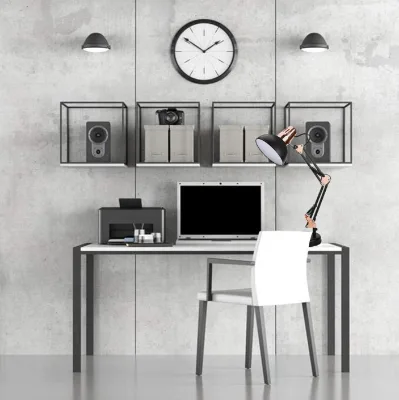
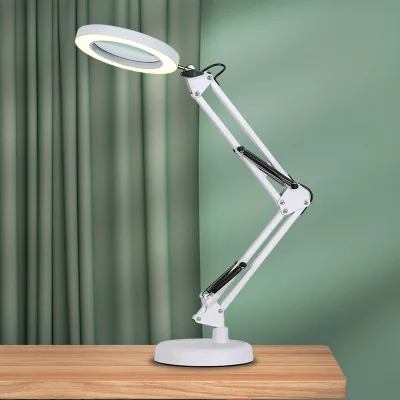
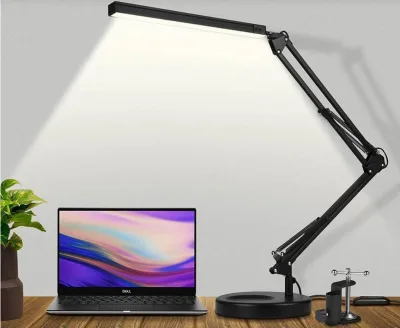
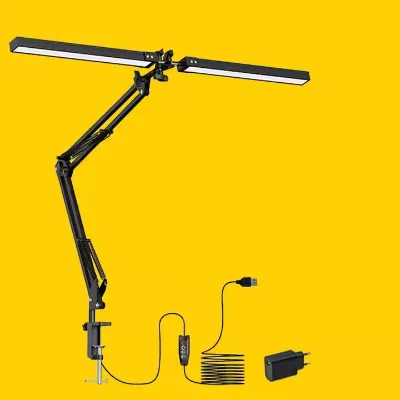
Flexible Led Desk Lamp with Adjustable Arm for Reading Room Office Sdudy Room
$7.0903
MOQ: 500 Minimum

Wenzhou Jssan Electric Co., Ltd.
- Verified by SGS
- Combined
- China Zhejiang
- Lead time23 days
- Avg. response≤ 7h
Main productsElectric Toothbrush, Oral Irrigator, UV Sterilizer, Ultrasonic Scaler, Electric Face Washer, Electric Nail Clipper, Hair Straightening Comb, Hair Straightener, Shaver, Hair Clipper
Main marketsSouth America,Southeast Asia/ Mideast,East Asia(Japan/ South Korea),Domestic,Europe,Australia,North America

Huanyu Electronics Industrial Co., Limited
- Verified by BV
- Trading Company,Manufacturer/Factory
- China Guangdong
- Lead time15 days
- Avg. response≤ 8h
Main productsPower Bank, Wireless Charger, Bluetooth Speaker, Bluetooth Earphone/Earbuds/Headphone, Smart Watch, Drone, Charger/Adapter, Solar Radio, USB Cable, Other Mobiles& Computer Accessoriess
Main marketsSouth America,Eastern Europe,Mid East,North America,Southeast Asia,Eastern Asia,Oceania,Western Europe,Africa

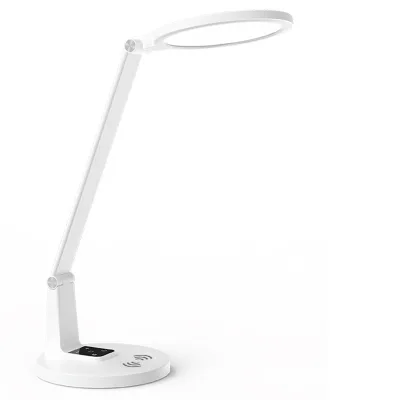
Folding Touch LED Eye-Protection Dimming Table Lamp Qi Wireless Charging LED Desk Lamp
$18.70 - $23.00
MOQ: 10 Pieces

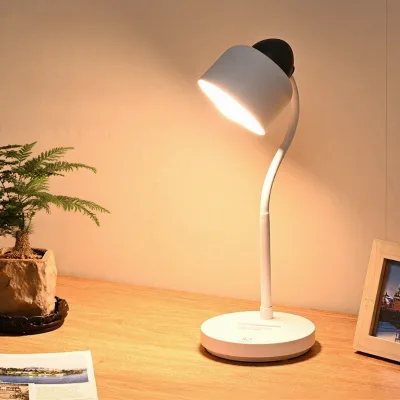
Modern LED Study Table Dual-Function Reading Light USB Rechargeable Desk Lamp
$4.90 - $5.56
MOQ: 100 Pieces


Shantou Baojiayuan Technology Co., Ltd.
- Verified by CTI
- Combined
- China Guangdong
- Lead time30 days
- Avg. response≤ 6h
Main marketsSouth America,Domestic,Europe
Guangzhou Jingpeng Electronic Technology Co., Ltd.
- Manufacturer, Trading Company
- Guangdong, China
- Lead time7 days
- Avg. response≤ 4h
Main productsnight light,table lamp,solar lamp,grow light,led strip
Main marketsNorth America(60.00%), South Asia(5.00%), Southern Europe(5.00%), Northern Europe(5.00%), Western Europe(5.00%), Eastern Asia(5.00%), Southeast Asia(5.00%), Eastern Europe(5.00%), South America(5.00%)

Ningbo Qingyang Import and Export Co., Ltd.
- Verified by SGS
- Trading Company
- China Zhejiang
- Lead time45 days
- Avg. response≤ 2h
Main productsLED Lights, Table Lamp, Night Light, Solar Garden Light, LED Sensor Light, LED String Light, Decorative Light, LED Work Light, Camping Lantern, LED Candle
Main marketsEast Asia(Japan/ South Korea),Europe,North America


$1.95 - $2.20
MOQ: 3000 Pieces


- Verified by CTI
- Trading Company
- China Zhejiang
- Lead time23 days
- Avg. response≤ 15h
Main productsEarring, Vase, Scented Candles, Hair Ties, Bags
Main marketsSouth America,Europe,North America

Foldable and Portable LED Desk Lamp for Office Home Rechargeable and Battery Operated Reading Lamp
$1.60 - $3.00
MOQ: 100 Pieces


- Verified by TUVRHEINLAND
- Trading Company
- China Zhejiang
- Lead time15 days
- Avg. response≤ 13h
Main productsLED Solar Light, Festival Lights, Table Lamp, LED Grow Lights, LED Light Strip, Smart Lights, LED Light String, Decorative Light, LED Head Light, LED Professional Lights
Main marketsSouth America,Europe,North America
Shantou Baojiayuan Technology Co., Ltd.
- Verified by SGS Group
- Manufacturer, Trading Company
- Lead time0 days
- Avg. response≤ 3h
Main productsReading Lamps, Magnetic Lamps, Night Lights, Gift Lamps
Main marketsDomestic Market(70%), South Asia(6%), Mid East(5%)
Shenzhen Kingms Technology Co., Ltd.
- Manufacturer, Trading Company
- Guangdong, China
- Lead time0 days
- Avg. response≤ 6h
Main productsled light,led strip,led mirror lamp,Led reading lamp,Business gifts and crafts
Main marketsNorth America(30.00%), Northern Europe(10.00%), Western Europe(10.00%), Africa(10.00%), Eastern Europe(10.00%)

- Verified by BV
- Manufacturer/Factory
- China Zhejiang
- Lead time30 days
- Avg. response≤ 10h
Main productsLED Light, Tail Light, Work Light, Ceiling Light, Flash Light, Projector, Cabinet Light, Mirror Light, LED Strip, Festival Light
Main marketsSouth America,Eastern Europe,North America,Western Europe,Africa
Ezhou Knute E-Commerce Co., Ltd.
- Trading Company
- Hubei, China
- Lead time0 days
- Avg. response≤ 3h
Main productsnight light,phone accessories
Main marketsNorth America(50.00%)
Shantou Jinyafa Electronics Co., Ltd.
- Manufacturer, Trading Company
- Guangdong, China
- Lead time30 days
- Avg. response≤ 3h
Main productsLED,HID,Searchlight,Flashlight,Head lamp
Main marketsNorth America(20.00%), Africa(15.00%), Southeast Asia(10.00%), Domestic Market(5.00%), South Asia(5.00%), Southern Europe(5.00%), Northern Europe(5.00%), Central America(5.00%), Western Europe(5.00%), Eastern Asia(5.00%), Mid East(5.00%), Oceania(5.00%), South America(5.00%), Eastern Europe(5.00%)
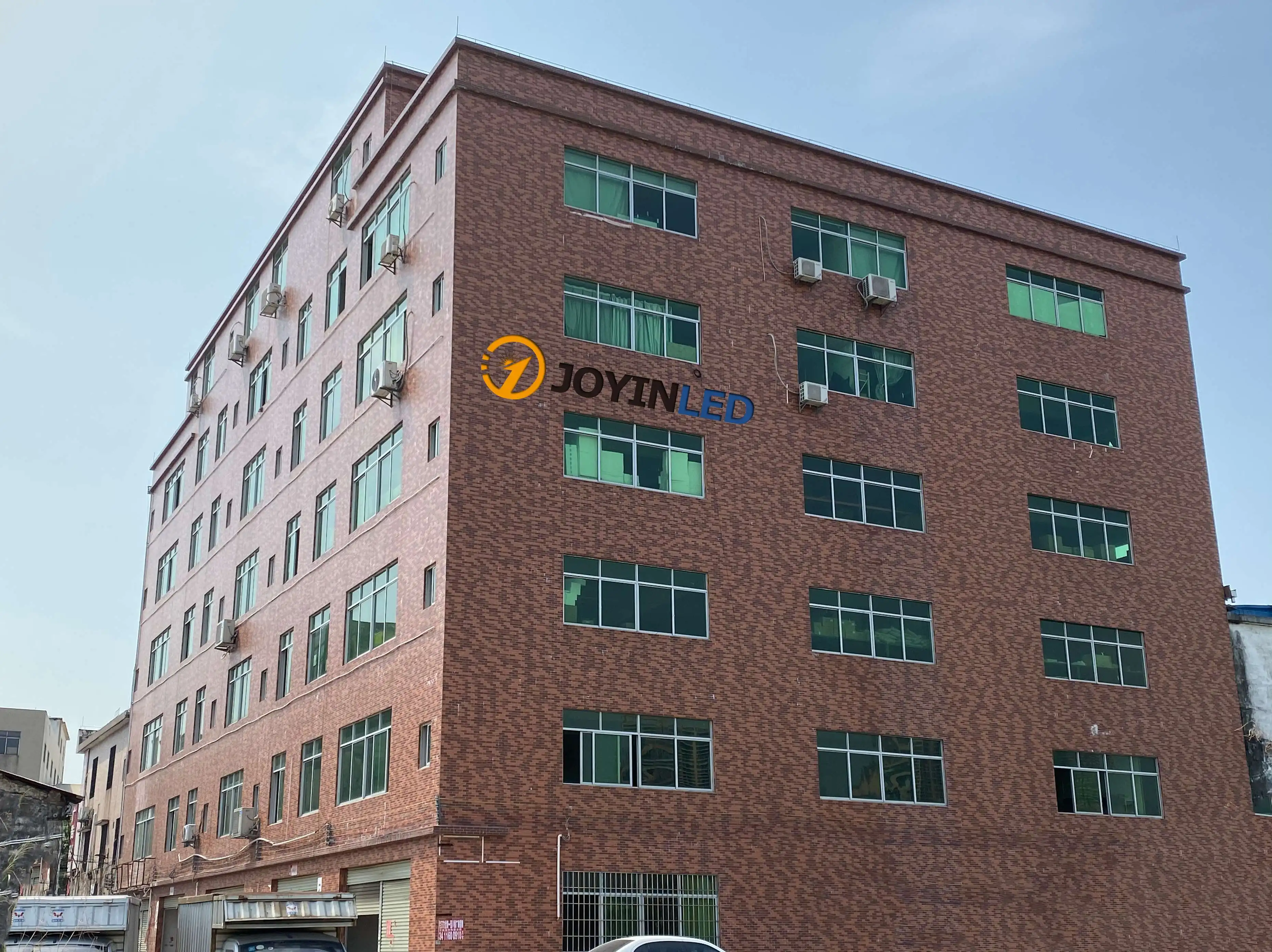
Shenzhen Joyinled Technology Co., Ltd.
- Manufacturer, Trading Company
- Guangdong, China
- Lead time25 days
- Avg. response≤ 8h
Main productsPendant Hanging Lamp, LED Lamp Fitting, LED Downlight, LED Wall Washer, LED Ceiling Lamp
Main marketsWestern Europe(30.00%), Northern Europe(20.00%), Southern Europe(15.00%), Southeast Asia(10.00%), North America(8.00%), Eastern Europe(5.00%), Domestic Market(5.00%), South America(3.00%), South Asia(2.00%), Mid East(2.00%)
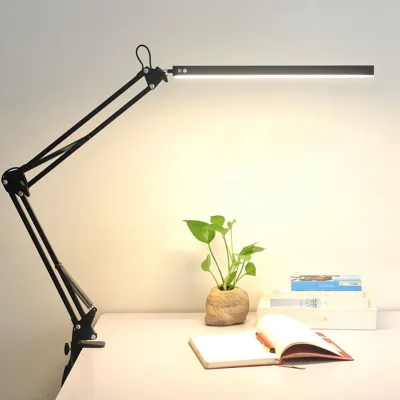
$6.1714 - $7.1098
MOQ: 2 pieces
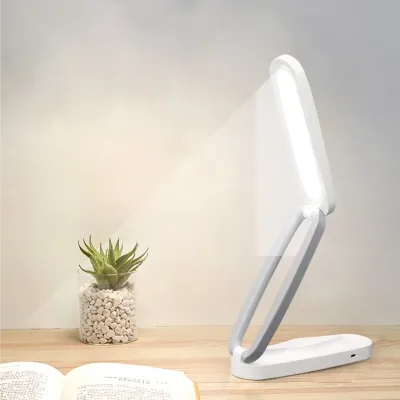
$2.2125 - $3.2828
MOQ: 2 pieces
- Verified by SGS Group
- Manufacturer, Trading Company
- Lead time20 days
- Avg. response≤ 6h
Main productsLED Bulb, LED Filament Bulb, LED Desk Night Light, LED Strip Light, LED Solar Light
Main marketsWestern Europe(20%), North America(15%), Eastern Asia(15%)

Jianbian Lighting Technology (Zhongshan) Co., Ltd.
- Verified by CTI
- Combined
- China Guangdong
- Lead time15 days
- Avg. response≤ 2h
Main productsTable Lamp, Cordless Table Lamp, Rechargeable Table Lamp
Main marketsSouth America,Domestic,Europe,North America

Fuzhou Colshine Electric Co., Ltd.
- Verified by SGS
- Trading Company,Manufacturer/Factory
- China Fujian
- Lead time23 days
- Avg. response≤ 14h
Main productsLED Corn Light, LED Street Light, LED Yard Light, LED Dusk to Dawn Light, Sauna Lamp, Pendant Light, Porcelain Lampholder, Metal Lampholder, Halogen Lampholder, Retro Switch & Socket
Main marketsSouth America,Eastern Europe,Mid East,North America,Southeast Asia,Eastern Asia,Oceania,Western Europe,Africa

Shanxi Dingdangcat Technology Co., Ltd
- Verified by CTI
- Combined
- China Shanxi
- Lead time30 days
- Avg. response≤ 4h
Main products3D Printed Toys, Steam Educational Toy, Custom 3D Printing Services, Custom 3D Printed Characters, Custom Model Parts, 3D Printed Lamps, Squeeze Toys, Electronic Components
Main marketsSouth America,Africa,Southeast Asia/ Mideast,East Asia(Japan/ South Korea),Domestic,Europe,Australia,North America
- Trading Company
- China Guangdong
- Lead time120 days
- Avg. response≤ 16h
Main productsScent Machine, Humidifier, Aroma Diffuser Machine, Fragrance, Essential Oil
Main marketsSouth America,Eastern Europe,Mid East,North America,Southeast Asia,Eastern Asia,Oceania,Western Europe

Huzhou Hengqi Electric Factory
- Verified by TUVRHEINLAND
- Combined
- China Zhejiang
- Lead time15 days
- Avg. response≤ 3h
Main productsGrille Lamp, Lamp Bracket
Main marketsDomestic

$1.99 - $2.99
MOQ: 500 Pieces

LED Desk Lamp for Home Office Dorm LED Desk Light with Pen Holder Eye-Caring Table Lamp USB
$1.99 - $2.99
MOQ: 500 Pieces

LED Desk Lamp for Home Office with Pen Holder Eye-Caring Table Lamp USB Rechargeable
$1.33 - $1.57
MOQ: 500 Pieces

$1.99 - $2.99
MOQ: 500 Pieces

- Verified by BV
- Trading Company
- China Zhejiang
- Lead time30 days
- Avg. response≤ 7h
Main productsElectric Kettle, Massager, Hair Dryer, Heater, Electric Grill, Humidifier, Hair Straightener, Mixer, Beauty Instrument, Electronics
Main marketsAfrica,Southeast Asia/ Mideast,Europe,North America

Versatile LED Desk Lamp with Eye Protection and Rechargeable Flashlight
$3.55 - $4.00
MOQ: 1000 Pieces


Guangzhou Jiguang Lighting Co., Ltd.
- Verified by SGS Group
- Manufacturer, Trading Company
- Lead time15 days
- Avg. response≤ 5h
Main productsLED Light
Main marketsNorth America(80%), Eastern Asia(10%), Southeast Asia(5%)

Zhuhai DB-Way Technology Co.,Ltd.
- Manufacturer, Trading Company
- Guangdong, China
- Lead time7 days
- Avg. response≤ 2h
Main productsLED Table Lamp,LED Desk Lamp,Night Light
Main marketsWestern Europe(81.00%), North America(18.00%), Oceania(1.00%)
Guangzhou Bluesky Electronic Technology Co., Ltd.
- Verified by TüVRheinland
- Trading Company
- Lead time10 days
- Avg. response≤ 2h
Main productsTable Lamp, Floor Lamp, Led Sign, Light Guide Plate, Led Light
Main marketsNorth America(24%), Eastern Asia(24%), Domestic Market(20%)
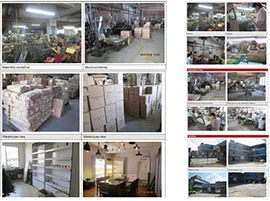
Guangzhou Huibo Lighting Co., Ltd.
- Manufacturer
- Guangdong, China
- Lead time15 days
- Avg. response≤ 5h
Main productsled lighting,led bulbs,led panel light,led string light,led down light
Main marketsEastern Europe(20.00%), Northern Europe(20.00%), Western Europe(20.00%), South Asia(5.00%), Southern Europe(5.00%), South America(5.00%), North America(5.00%), Eastern Asia(5.00%), Mid East(5.00%), Africa(5.00%), Southeast Asia(5.00%)
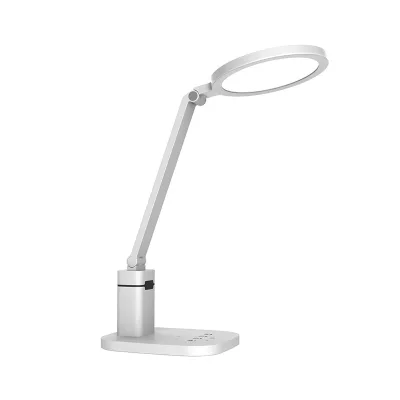
LED Desk Lamp Adjustable Folding Design Touch Control for Study Home Office
$22.5629 - $27.5996
MOQ: 500 Minimum
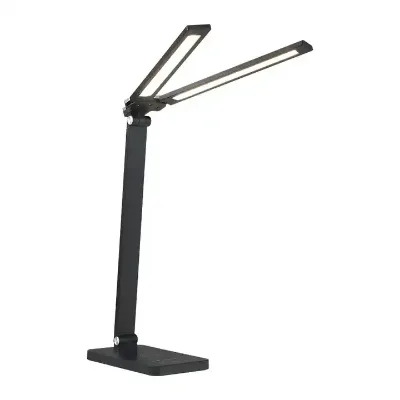
$8.60 - $12.90
MOQ: 1000 Minimum

How Bright Electronics Limited
- Trading Company
- China Guangdong
- Lead time23 days
- Avg. response≤ 3h
Main productsWall Lamp, Ceiling Lamp, Pendant Lamp, Spot Light, Down Light, Track Light
Main marketsSouth America,Africa,Southeast Asia/ Mideast,East Asia(Japan/ South Korea),Europe,Australia,North America

Zhongshan Kamable Lighting Co., Ltd.
- Verified by SGS
- Trading Company
- China Guangdong
- Lead time30 days
- Avg. response≤ 6h
Main productsChandelier, Custom Made Lighting, LED Lighting Fixtures, Pendant Lamp, Table Lamp, Wall Lamp, Floor Lamp, Decorative Lighting, Light, Crystal Chandelier
Main marketsSoutheast Asia/ Mideast

Xiamen JieMiGao Import and Export Trading Co., Ltd
- Verified by SGS
- Trading Company
- China Fujian
- Lead time15 days
- Avg. response≤ 2h
Main productsSilicone Night Light, Night Lamp
Main marketsEurope,North America


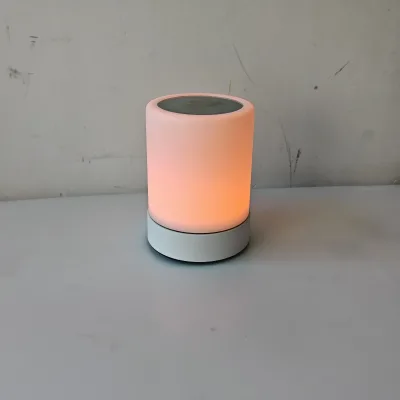
Custom Modern USB Rechargeable Mini LED Desk Lamp Creative Portable Night Light
$5.77 - $6.97
MOQ: 60 Pieces








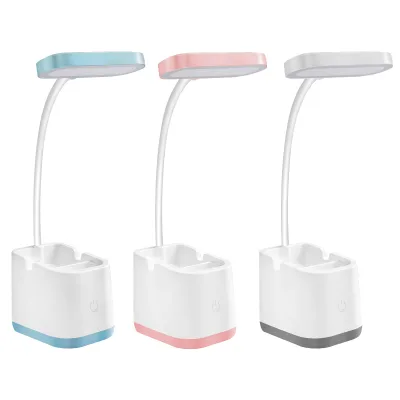
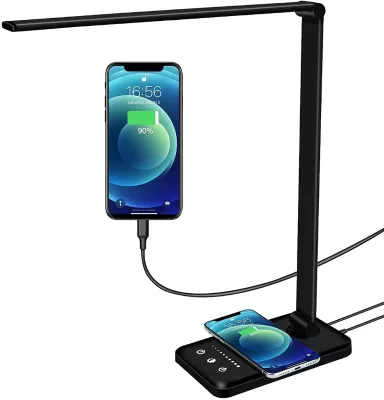
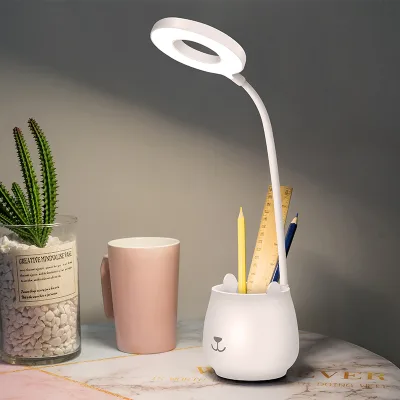


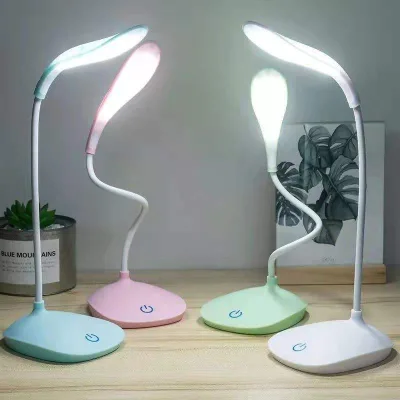


Comprehensive Sourcing Guide
Foldable USB LED Desk Lamp Supplier Concentration and Factory Types
The current supplier landscape for foldable USB LED desk lamps reveals a distinct concentration of manufacturing and trading entities within specific geographic regions in China. Evidence indicates that suppliers are located in Zhejiang, including areas such as Zhengjiang, which serves as a notable hub for this category of lighting products. This regional clustering suggests a mature supply chain ecosystem where raw materials, component sourcing, and assembly operations are geographically proximate, potentially reducing logistical friction for bulk orders. Buyers evaluating these suppliers should recognize that the presence of a Zhejiang location often correlates with established industrial clusters for electronics and lighting, though the specific city or district may vary among individual vendors. The concentration in this area does not guarantee uniform quality or pricing across all listings, but it does provide a baseline for understanding where the majority of production capacity for these specific items is currently situated.
In terms of organizational structure, the available data highlights a mix of company types, with Trading Companies explicitly identified among the results. This distinction is critical for buyers who must decide between dealing directly with manufacturers or engaging intermediaries who may offer broader product assortments but potentially higher margins. The presence of trading companies suggests that some suppliers may aggregate products from multiple smaller factories, which can simplify sourcing for buyers seeking diverse SKUs but may complicate direct communication regarding production modifications. Conversely, other suppliers in the same region may operate as direct manufacturers, offering more control over customization and quality assurance processes. Understanding this structural diversity is essential for aligning procurement strategies with specific business needs, whether the priority is cost efficiency through direct factory engagement or convenience through a trading partner’s consolidated logistics and customer service.
How to Verify Foldable USB LED Desk Lamp Suppliers
Verification of suppliers requires a multi-layered approach that goes beyond surface-level profile information, focusing on tangible credentials and operational transparency. One key indicator observed in the current results is the SGS verification status, which provides a third-party validation of the supplier’s business legitimacy and operational capabilities. Buyers should prioritize suppliers who display such verified badges, as they indicate a higher level of scrutiny regarding business licenses and physical existence. However, verification should not be limited to this single metric; buyers must also cross-reference other claims, such as establishment years and specific certifications, to ensure consistency across the supplier’s profile. The absence of system certifications in some listings, marked as NIL, does not necessarily disqualify a supplier but warrants further inquiry into their internal quality management systems and whether they rely on product-level certifications like RoHS and CE for compliance.
Beyond verification badges, buyers should assess the responsiveness and technical competence of the supplier’s communication channels. Response times, such as the 4.83 hours observed in some cases, serve as a proxy for operational efficiency and customer service readiness. A slower response time may indicate a high volume of inquiries or less dedicated support staff, which could impact the speed of issue resolution during production or shipping. Additionally, buyers should verify the authenticity of product-specific claims, such as the presence of RoHS and CE certifications on the actual products, rather than relying solely on profile assertions. This involves requesting test reports or certificates of conformity that match the specific model numbers, such as WDF132-2401 or WDF82-DE97811, to ensure that the products meet the required safety and environmental standards for the target market. This diligence helps mitigate the risk of receiving non-compliant goods that could face regulatory hurdles in the buyer’s country.
What to Compare Across Foldable USB LED Desk Lamp Suppliers
When evaluating multiple suppliers, buyers must systematically compare key operational metrics to identify the most suitable partner for their specific volume and timeline requirements. Lead time is a critical differentiator, with observed values ranging from 30 days to 45 days, reflecting variations in production capacity and inventory management. Suppliers offering shorter lead times, such as 30 days, may be better suited for urgent orders or just-in-time inventory strategies, while those with longer lead times might offer more competitive pricing or greater flexibility for large-scale customizations. Buyers should also compare Minimum Order Quantities (MOQs), which vary significantly, with some suppliers requiring 500 units and others demanding 1000 units. This comparison is essential for aligning supplier capabilities with the buyer’s sales forecast and storage capacity, ensuring that the order size is economically viable and logistically manageable.
Price and customization options are equally important factors in the comparison process. Price ranges for similar products, such as bedside desk lamps and folding table lamps, can vary from approximately $3.41 to $6.31 per unit, depending on features like dimming capabilities, battery capacity, and material quality. Buyers should analyze these price points in conjunction with the specified features, such as LED light sources, touch control switches, and rechargeable battery options, to determine the true value proposition of each supplier. Additionally, the availability of customization services, including logo printing and color options, should be assessed to ensure that the supplier can meet branding requirements. Suppliers that offer flexible customization, such as acceptable logo printing and customizable colors, provide greater opportunities for brand differentiation, which can be a significant competitive advantage in the retail market. Comparing these elements holistically allows buyers to make informed decisions that balance cost, quality, and service.
Common Foldable USB LED Desk Lamp Sourcing Risks
Sourcing foldable USB LED desk lamps involves several inherent risks that buyers must proactively manage to ensure a smooth procurement process. One significant risk is the variability in product specifications and quality, particularly when dealing with suppliers who offer extensive customization options. While customization is available, it can lead to inconsistencies if the supplier’s quality control processes are not robust. Buyers must ensure that the customized elements, such as specific color temperatures or battery capacities, are clearly defined in the contract and verified through pre-production samples. The lack of system certifications in some supplier profiles, indicated as NIL, may also suggest gaps in standardized quality management, increasing the risk of defects or non-compliance with international safety standards. This risk is compounded by the fact that some products may have limited or no dimming support, which could be a critical feature for end-users, leading to potential dissatisfaction if not properly communicated and agreed upon.
Another common risk is the discrepancy between advertised lead times and actual delivery schedules, which can disrupt supply chain planning. Suppliers may quote attractive lead times, such as 30 days, but fail to meet these deadlines due to production bottlenecks or material shortages. This risk is particularly relevant for buyers who rely on timely deliveries for seasonal promotions or new product launches. Additionally, the reliance on third-party logistics and the complexity of international shipping can introduce delays and additional costs that are not always transparent in the initial quotation. Buyers should also be cautious of suppliers who do not provide clear information on warranty terms or after-sales support, as this can leave them vulnerable to unresolved issues with defective products. The absence of detailed information on battery lifespan or charging times in some product listings further highlights the need for thorough due diligence to avoid unexpected operational challenges post-delivery.
Foldable USB LED Desk Lamp Regional Sourcing and Logistics
The geographic concentration of suppliers in Zhejiang, China, offers both advantages and challenges for international buyers regarding logistics and supply chain management. Sourcing from this region can benefit from established infrastructure and a dense network of logistics providers, which may facilitate efficient shipping and reduced transit times to major global markets. However, buyers must also consider the potential for congestion and competition for logistics capacity, especially during peak seasons, which can impact delivery reliability. The specific location within Zhejiang, such as Zhengjiang, may influence the choice of port and shipping route, affecting both cost and transit duration. Buyers should work closely with their suppliers to determine the most cost-effective and reliable shipping methods, whether by sea, air, or express courier, depending on the urgency and volume of the order. Understanding the local logistics landscape is crucial for optimizing the overall supply chain and minimizing disruptions.
Furthermore, the regional sourcing strategy should account for the varying capabilities of different suppliers in handling export documentation and compliance requirements. Suppliers in Zhejiang may have varying levels of experience with international trade regulations, which can impact the smoothness of the customs clearance process. Buyers should verify that their suppliers are proficient in preparing necessary export documents, such as commercial invoices, packing lists, and certificates of origin, to avoid delays at the destination port. Additionally, the choice of supplier may influence the packaging and labeling requirements, which must comply with the regulations of the target market. For instance, products with specific battery types, such as lithium batteries, require special handling and documentation for safe transport. Buyers should ensure that their suppliers are aware of these requirements and can provide the necessary certifications and labels to facilitate seamless international shipping and regulatory compliance.
Foldable USB LED Desk Lamp Commercial Terms and Order Planning
Effective order planning for foldable USB LED desk lamps requires careful attention to commercial terms, including payment structures, warranty policies, and after-sales support. Buyers should negotiate clear payment terms that align with their cash flow needs and risk tolerance, such as using escrow services for secure transactions. The availability of escrow protection can provide an additional layer of security, ensuring that funds are only released upon satisfactory delivery and inspection of the goods. Additionally, buyers should clarify the warranty terms, such as the three-year warranty observed in some product listings, to understand the scope of coverage and the process for claiming repairs or replacements. This clarity is essential for managing long-term customer satisfaction and minimizing the financial impact of product failures. Understanding these commercial terms helps buyers establish a stable and predictable procurement process, reducing the risk of disputes and ensuring a positive supplier relationship.
Order planning must also consider the scalability of production and the flexibility of the supplier to accommodate changes in demand. Suppliers with varying MOQs, such as 500 or 1000 units, offer different levels of flexibility for buyers with fluctuating sales volumes. Buyers should assess their ability to absorb inventory risks and determine whether they can benefit from larger orders to secure better pricing or if smaller, more frequent orders are more suitable for their business model. Additionally, buyers should plan for potential lead time variations by maintaining a buffer stock or establishing a relationship with multiple suppliers to mitigate the risk of supply disruptions. The ability to customize products, including logo printing and color options, should be integrated into the order planning process to ensure that branding and marketing strategies are aligned with production schedules. By carefully managing these commercial and logistical aspects, buyers can optimize their sourcing strategy and achieve greater efficiency and profitability in the Foldable USB LED Desk Lamp market.
FAQs
What is the price range for foldable USB LED desk lamps?
Prices typically range from $3.41 to $6.31 per unit depending on specifications. Basic plastic models start around $3.41, while rechargeable telescopic versions cost up to $6.31. Buyers should verify exact pricing based on order volume and customization needs.
What is the minimum order quantity for these lamps?
Minimum order quantities vary by supplier, generally starting at 500 units for standard models. Some suppliers require 1000 units for specific rechargeable or telescopic designs. Buyers must confirm the exact MOQ with the supplier before placing an order.
How long does production take for these lamps?
Lead times typically range from 30 to 45 days after order confirmation. Faster production may be available for standard stock items, while custom designs require longer processing. Buyers should confirm the specific lead time with the supplier for their order.
Are these lamps certified for safety and compliance?
Many models carry RoHS and CE certifications for safety and environmental compliance. Buyers should verify specific certification documents with the supplier. Some suppliers are also SGS verified, adding an extra layer of trust for international trade transactions.
What features do these foldable lamps offer?
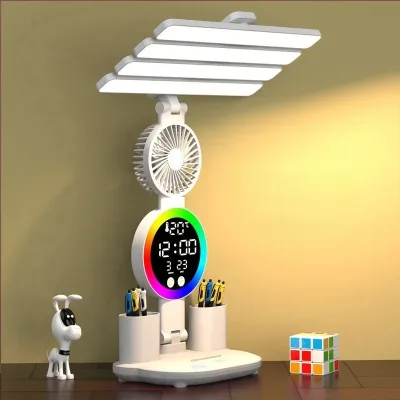
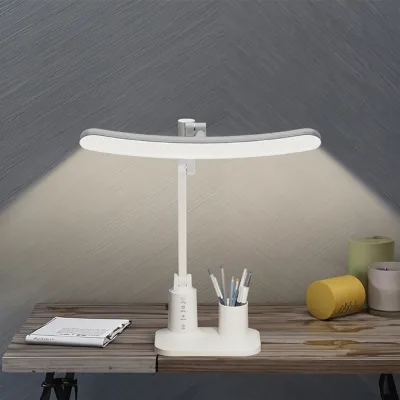
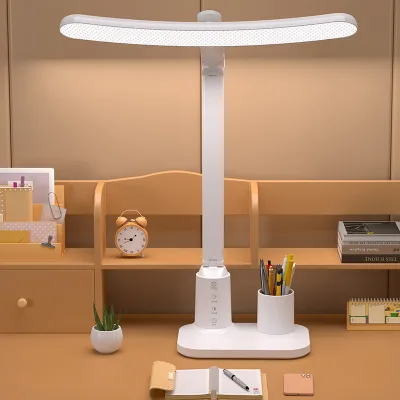
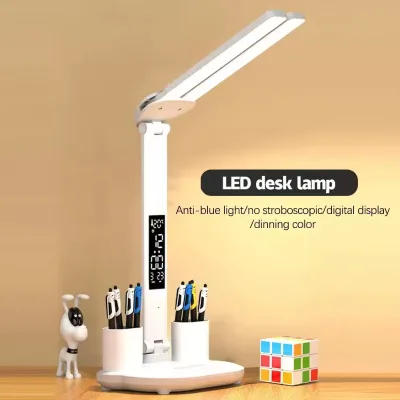
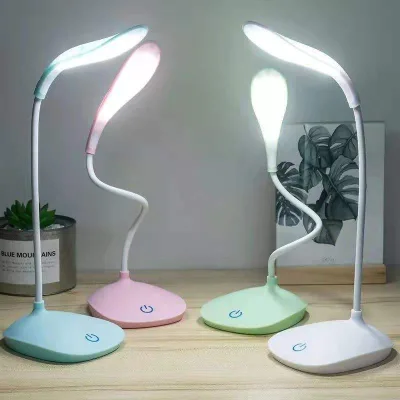
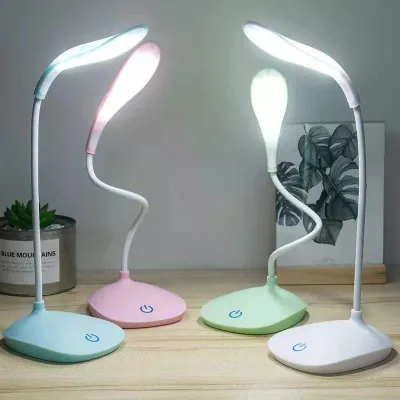
Features include touch control dimming, flexible necks, and USB charging capabilities. Options range from clip-on designs to portable rechargeable models with lithium batteries. Buyers can choose from various color temperatures and styles to suit their specific lighting needs.
Where are these lamps manufactured?
These lamps are primarily manufactured in Zhejiang, China. This region is known for its lighting industry and efficient supply chains. Buyers should confirm the exact place of origin and any specific manufacturing details with the supplier.