Folding T Handle Tool Box with 2 Keys Suppliers and Manufacturers
Compare 29 verified suppliers offering Folding T Handle Tool Box with 2 Keys from Zhejiang and Shandong regions. Review response times, lead times, and certifications like ISO 9001 before requesting quotes for your specific tool storage needs; review the available evidence before requesting comparable quotations from suitable candidates.
Updated
Suppliers List
Huzhou Foxwoll International Trade Co., Ltd.
- Manufacturer, Trading Company
- Zhejiang, China
- Lead time15 days
- Avg. response≤ 15h
Main productshand tools,outdoor furnitures,screwdriver setss,socket sets,pliers
Main marketsNorth America(35.00%), Eastern Europe(10.00%), Southeast Asia(10.00%), Domestic Market(5.00%), South America(5.00%), South Asia(5.00%), Southern Europe(5.00%), Northern Europe(5.00%), Western Europe(5.00%), Eastern Asia(5.00%), Mid East(5.00%), Oceania(5.00%)

Shandong Herui Mechanical Equipment Co., Ltd.
- Verified by SGS
- Trading Company,Manufacturer/Factory
- China Shandong
- Lead time30 days
- Avg. response≤ 4h
Main productsHorse Trailer, Aluminum Storage Box, Toolbox, Aluminum Box, Aluminum Tool Box, Rooftop Tent, Aluminum Ute Canopy, Ute Canopy, Aluminum Project Box, Aluminum Enclosure
Main marketsMid East,Southeast Asia,Oceania,Africa


High Quality Tool Box Tool Box with Stainless Steel Material China Supplier
$19.00 - $499.00
MOQ: 1 Pieces

- Verified by TUVRHEINLAND
- Combined
- China Jiangsu
- Lead time30 days
- Avg. response≤ 2h
Main productsAluminum Case, Tool Bag, Tool Case, Flight Case, Cosmetic Case, Briefcase, Poker Chip Case, Road Case, Tool Kit, Equipment Case
Main marketsSoutheast Asia/ Mideast,Europe,North America

Ningbo Sunyoung Enclosure Co., Ltd.
- Verified by TUVRHEINLAND
- Manufacturer/Factory
- China Zhejiang
- Lead time15 days
- Avg. response≤ 5h
Main productsPlastic Case, Aluminum Case, Rotomolded Case, Tool Storage Case, Aluminum Enclosure, Plastic Enclosure, Tool Box, Organizer Box, Cooler Box, EVA Case
Main marketsSouth America,Eastern Europe,Mid East,North America,Southeast Asia,Eastern Asia,Oceania,Western Europe,Africa
Maxxtools (suzhou) Corp., Ltd.
- Trading Company
- Jiangsu, China
- Lead time45 days
- Avg. response≤ 2h
Main productsPlier, Screw Driver, Wrench, Hand Tools Set, Hammer
Main marketsNorth America(51.00%), Western Europe(21.00%), South America(10.00%), Southeast Asia(10.00%), Africa(6.00%), Eastern Europe(2.00%)

Jiaxing Lifede Imp. & Exp. Co., Ltd.
- Verified by TUVRHEINLAND
- Trading Company
- China Zhejiang
- Lead time30 days
- Avg. response≤ 5h
Main productsHydraulic Jack, Car Jack, Motorcycle Lift Tools, Jack Stands, Floor Jacks, Shop Press, Engine Crane, Engine Stands, Hydraulic Vehicle Positioning Jack
Main marketsEurope,North America

$12.50 - $13.50
MOQ: 200 Pieces


LUOYANG SALOFER FURNITURE CO., LTD.
- Verified by CTI
- Trading Company,Manufacturer/Factory
- China Henan
- Lead time23 days
- Avg. response≤ 4h
Main productsBunk Bed Steel Bed Single Bed, Office Desk Office Table Computer Table, Tool Cabinet Workbench Tool Chest Tool Box, Monitoring Command Desk, Mobile Shelving Storage Rack, Filing Cabinet Drawer Filing Cabinet, Lateral Filing Cabinet Vertical Filing Cabinet, Storage Locker Folding Locker Cellphone Locker, Student Desk and Chair Book Shelf, Safe Box Electronic Locker
Main marketsSouth America,Eastern Europe,Mid East,North America,Southeast Asia,Eastern Asia,Oceania,Western Europe,Africa

Changshu Xingyu Hardware Products Co., Ltd.
- Verified by SGS
- Manufacturer
- China Jiangsu
- Lead time15 days
- Avg. response≤ 2h
Main productsToolbox Cabinet, Metal Fittings
Main marketsDomestic

Hangzhou Great Star Industrial Co., Ltd.
- Manufacturer, Trading Company
- Zhejiang, China
- Lead time7 days
- Avg. response≤ 5h
Main productsHand Tools,Power Tools,Mechanic Tools,Laser Tools,Tool Storage
Main marketsNorth America(60.00%), Western Europe(20.00%), Eastern Asia(10.00%), Mid East(10.00%), Oceania(10.00%), Domestic Market(10.00%), South Asia(10.00%), Africa(10.00%), Southeast Asia(10.00%), Central America(10.00%), Southern Europe(5.00%), Eastern Europe(5.00%), Northern Europe(5.00%), South America(5.00%)
Ningbo Guanjiang Tools Co., Ltd.
- Verified by SGS Group
- Manufacturer, Trading Company
- Lead time25 days
- Avg. response≤ 7h
Main productsTools Set, Tools Trolley, Tools Box, Socket Wrench, Combination Wrench
Main marketsNorth America(35%), Eastern Europe(20%), Southeast Asia(15%)
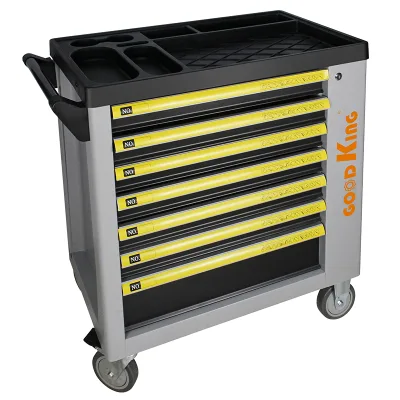
Oem Professional 7 Drawers Plastic Top Tool Box/tool Cabinet With Wheels
$136.2776 - $408.8327
MOQ: 1 sets
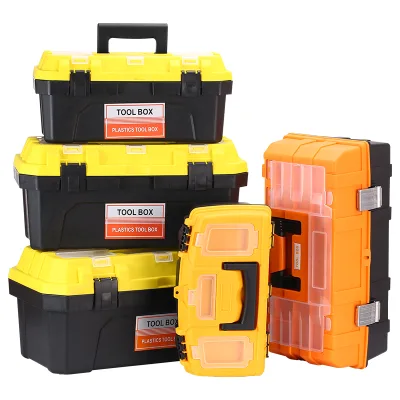
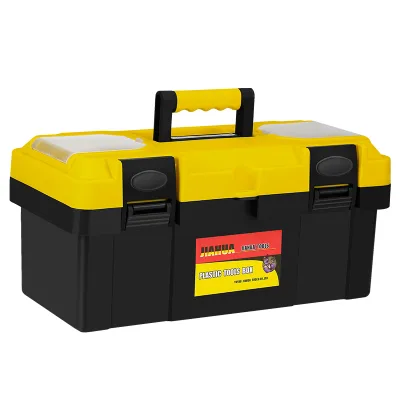
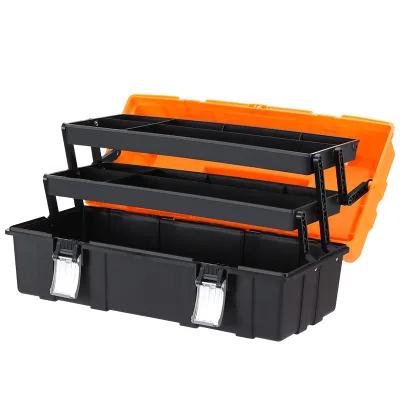
Yong Kang City Yunteng Tools Co., Ltd.
- Manufacturer, Trading Company
- Zhejiang, China
- Lead time15 days
- Avg. response≤ 15h
Main productsTool Case,Tool Box,Folding Tool Box,handle tool kit,storage tool carbinet
Main marketsSouthern Europe(9.09%), Northern Europe(9.09%), Central America(9.09%), Western Europe(9.09%), Eastern Asia(9.09%), Mid East(9.09%), Africa(9.09%), Southeast Asia(9.09%), Eastern Europe(9.09%), South America(9.09%), North America(9.09%)
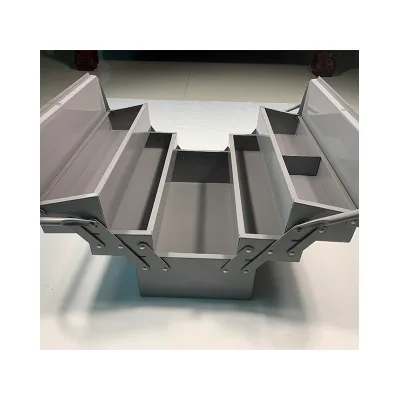
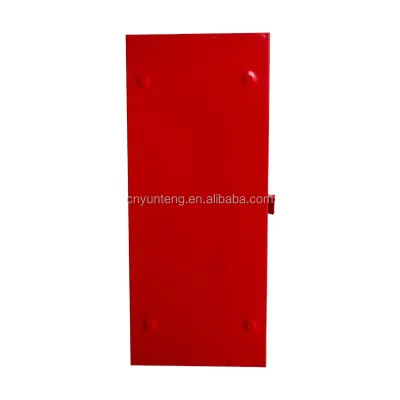
Metal tool box Hot sale foldable tool boxes hardware toolbox Iron jobsite tool boxes hand tool box
$9.20 - $15.00
MOQ: 1 pieces
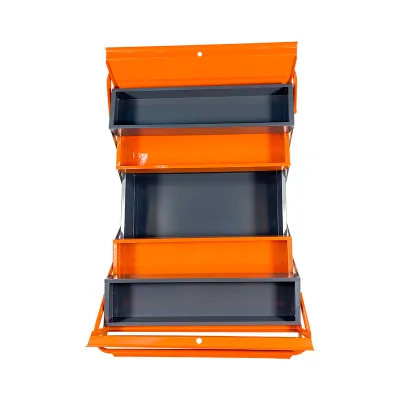
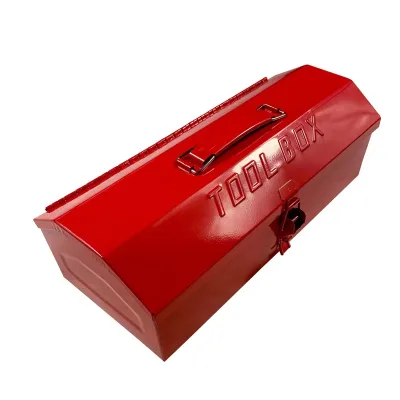
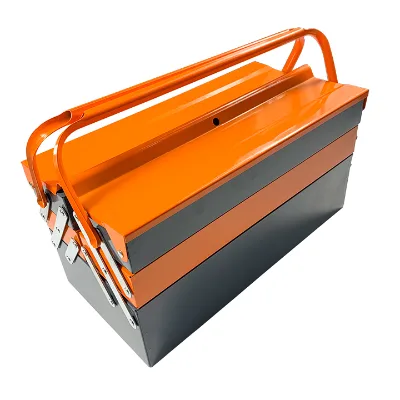
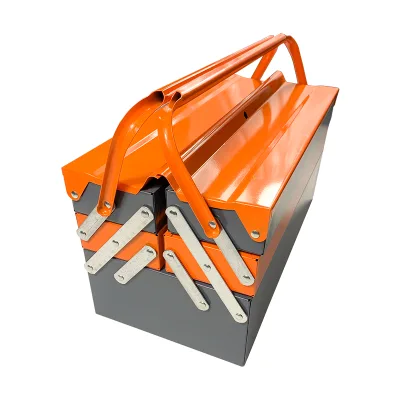
Metal tool box hot sell small cheap one layer handle metal truck tool kit hand tool box
$4.60 - $15.00
MOQ: 1 pieces

Shandong Jinshengde Intelligent Equipment Co., Ltd.
- Verified by BV
- Combined
- China Shandong
- Lead time15 days
- Avg. response≤ 1h
Main productsMetal Bending Parts, Sheet Metal Fabrication, Metal Bracket
Main marketsDomestic

FUZHOU CONIC INDUSTRIAL CO., LTD.
- Verified by BV
- Trading Company
- China Fujian
- Lead time23 days
- Avg. response≤ 15h
Main productsHand Tools, Hardware, Measuring Tools, Insulator, Cutting Tools, Vernier Caliper, Micrometer, Furniture
Main marketsSouth America,Africa,Southeast Asia/ Mideast,East Asia(Japan/ South Korea),Europe,Australia,North America

Suzhou Quanhao Metal Products Technology Co., Ltd.
- Verified by SGS
- Trading Company
- China Jiangsu
- Lead time15 days
- Avg. response≤ 2h
Main productsOutdoor Furniture, Camping Products, Impellers, Garden Tools, Bollards, Brackets, Dog Kennels, Manhole Covers, Bike Racks, Metal Fabrication Services
Main marketsAfrica,Southeast Asia/ Mideast,Europe,North America

Baoding So Luen Import&Export Co., Ltd.
- Verified by BV
- Trading Company
- China Hebei
- Lead time60 days
- Avg. response≤ 5h
Main productsHydraulic Fittings and Agricultural Machinery, Boom Sprayer, Grass Mower, Hydraulic Cyliner and Link, Multi-Way Control Valve, Soil Grader and Leveller, Air Blast Sprayer, Grass Tedder, Hay Rake, Fertilizer Spreader
Main marketsDomestic


Heavy Duty Metal Iron Folding Toolbox Multi-Layer Portable Hardware Tool Storage Box
$3.00 - $5.00
MOQ: 200 Pieces
Meizhou Meta San Metal Product Industries Co., Ltd.
- Verified by SGS Group
- Trading Company
- Lead time20 days
- Avg. response≤ 3h
Main productsKitchen Storage Rack, Bathroom Accessories, Metal Bracket, Buffet Stove, Garden Bicycle Shed
Main marketsNorth America(20%), Southeast Asia(15%), Eastern Europe(10%)

Nanjing KELISAIKE Safety Equipment Co., Ltd.
- Verified by BV
- Combined
- China Jiangsu
- Lead time15 days
- Avg. response≤ 18h
Main productsGas Detector, Multi Gas Detector, Online Gas Analyzer, Air Breathing Apparatus, Personal Protection Equipment, Gas Detector Remote Controller, Alcohol Tester, Gas Sensor, Gas Monitor, Continuous Emission Monitoring System
Main marketsSouth America,Africa,Southeast Asia/ Mideast,East Asia(Japan/ South Korea),Domestic,Europe,Australia,North America
Ningbo Bafuluo International Trading Co., Ltd.
- Manufacturer, Trading Company
- Zhejiang, China
- Lead time45 days
- Avg. response≤ 10h
Main productsfoldable trolley,foldable crate,foldable basket,plastic crate,storage box
Main marketsSoutheast Asia(50.00%), South America(20.00%), Northern Europe(10.00%), Central America(10.00%), North America(10.00%)

Changzhou Junye Aluminum Case Co., Ltd.
- Verified by TUVRHEINLAND
- Trading Company,Manufacturer/Factory
- China Jiangsu
- Lead time23 days
- Avg. response≤ 17h
Main productsAluminum Case, Aluminium Case, Tool Case, Aluminum Tool Box, Gun Case, Aluminium Box, Travel Case, Aluminum Instrument Case, Makeup Box, Medical Case
Main marketsSouth America,Eastern Europe,Mid East,North America,Southeast Asia,Eastern Asia,Western Europe,Africa
Changchun Walter Storage Equipment Co., Ltd.
- Verified by Intertek
- Trading Company
- Lead time15 days
- Avg. response≤ 2h
Main productsTool Cabinet, Tool Cart, Racking, Plastic Box, Container House
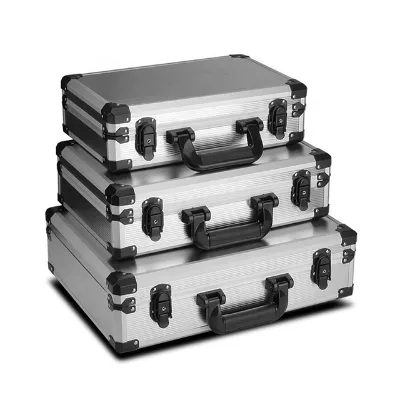
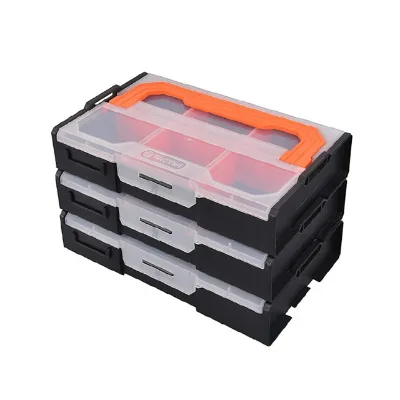
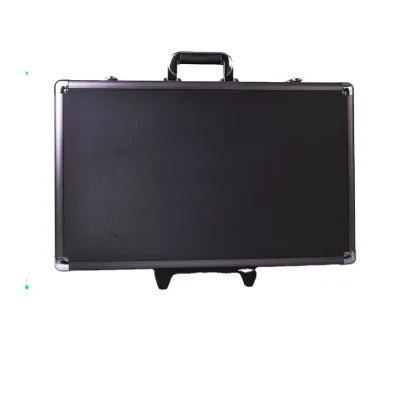
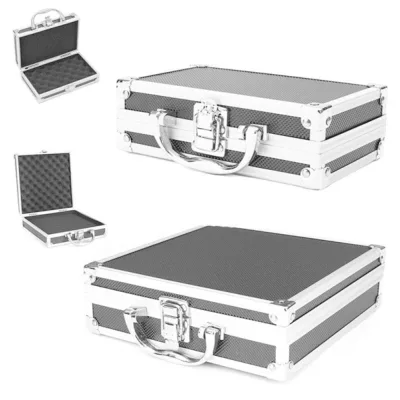
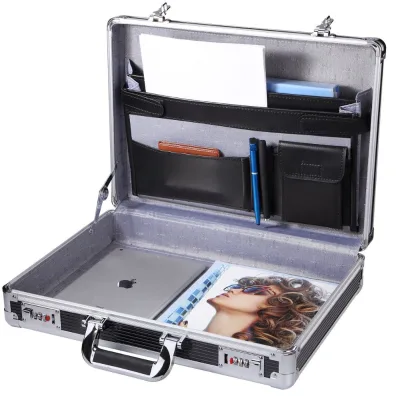
Hardware Tool Box Hard Briefcase Carrying Case With Lock
MOQ: 1 Minimum
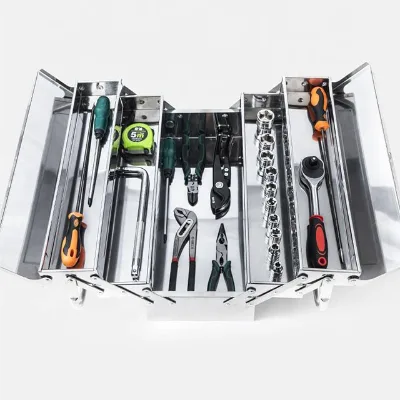
Yongkang Jmst Import And Export Co., Ltd.
- Verified by TüVRheinland
- Manufacturer, Trading Company
- Lead time25 days
- Avg. response≤ 2h
Main productsTool Cabinet, Tool Box, Workbench, Hand Tool Sets, Car Creeper
Main marketsNorth America(27%), Western Europe(26%), Eastern Europe(15%)

Ningbo Jingyan Tools Co., Ltd.
- Verified by SGS
- Manufacturer/Factory
- China Zhejiang
- Lead time45 days
- Avg. response≤ 9h
Main productsWorkbench, Tool Box, Saw Horse, Foldable Trolley, Storage Cart, Plastic Mould, Storage Carts, Moratr Spray Gun, Hardware Tools, Auto Repair Tool
Main marketsSouth America,Eastern Europe,Mid East,North America,Southeast Asia,Eastern Asia,Oceania,Western Europe,Africa


Hot Sale Foldable 18" 3 Layers 5 Trays Hardware Tool Plastic Case Toolbox with Double Handle
$9.50 - $12.15
MOQ: 2 Pieces

Customized Foldable 18 Inches 3 Layers 5 Trays Hardware Tool Tools Storage Box with Double Handle
$9.50 - $12.15
MOQ: 2 Pieces
Jinhua Maorong Technology Co., Ltd.
- Verified by SGS Group
- Manufacturer, Trading Company
- Lead time20 days
- Avg. response≤ 1h
Main productsTool Cabinets; Tool Cart, Garden Pots; Aluminum Fence; Barbecue Gril
Hangzhou Good Industry Co., Ltd.
- Verified by SGS Group
- Manufacturer, Trading Company
- Lead time30 days
- Avg. response≤ 12h
Main productsDIY Hand Tools, Household Tools, Hardware Tools, Automotive Tool, Hardware Storage Boxes
Main marketsWestern Europe(45%), North America(20%), Eastern Europe(5%)

- Verified by BV
- Trading Company
- China Zhejiang
- Lead time30 days
- Avg. response≤ 7h
Main productsOEM/ODM Hard Plastic Tool Cases, OEM/ODM Aluminum Cases, OEM/ODM Bags
Main marketsSouth America,Southeast Asia/ Mideast,Europe,North America

Storage Box Plastic Hard Tool Case Tool Case with Handle Portable Tool Box
$12.00 - $15.00
MOQ: 10 Pieces

Quality Guarantee 23 Inch Separated Tool Storage Case/ Tool Box with Trolley
$42.00 - $48.00
MOQ: 10 Pieces


Yancheng Biaosin Import&Export Co., Ltd.
- Trading Company
- Jiangsu, China
- Lead time0 days
- Avg. response≤ 7h
Main productsPaint Spray Booth, Retractable Spray Paint Booth, Powder Coating Line, Car Washing Equipment, Car Lift Machine
Main marketsSoutheast Asia(55.00%), Eastern Europe(20.00%), Domestic Market(10.00%), Mid East(10.00%), Oceania(5.00%)
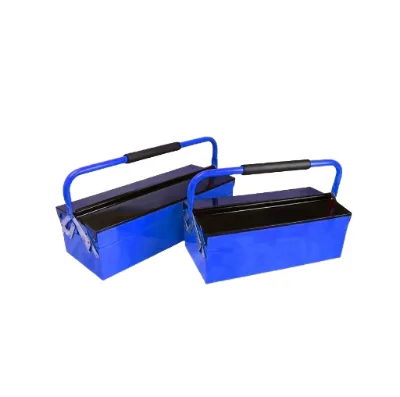
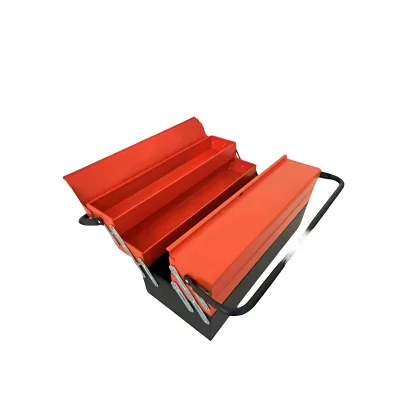
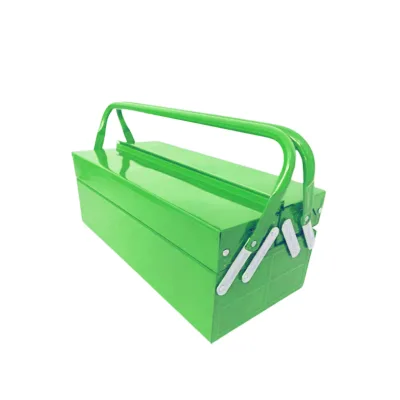
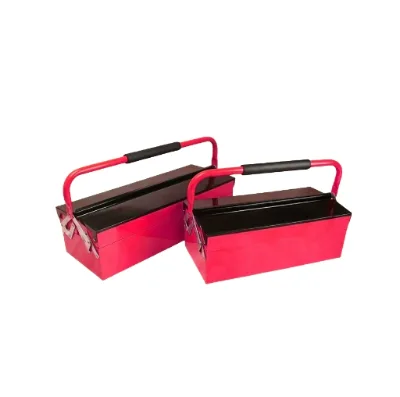
High Quality 3 Tiers Tool Chest Portable Sheet Iron Metal Tool Box Hand Set Organizer Metal Tool Box
$6.1523 - $6.6646
MOQ: 1 pieces

Foshan Qisi Case And Bag Co., Ltd.
- Manufacturer, Trading Company, Buying Office
- Guangdong, China
- Lead time0 days
- Avg. response≤ 6h
Main productsaluminum case,makeup case,cosmetic bag,storage case,custom case
Main marketsWestern Europe(15.00%), Mid East(15.00%), North America(15.00%), Southeast Asia(10.00%), Southern Europe(8.00%), Domestic Market(5.00%), Eastern Europe(5.00%), Eastern Asia(5.00%), Northern Europe(5.00%), Oceania(5.00%), Central America(3.00%), South Asia(3.00%), Africa(3.00%), South America(3.00%)
Tongxiang Hengxing Metal Products Co., Ltd.
- Manufacturer, Trading Company
- Zhejiang, China
- Lead time20 days
- Avg. response≤ 3h
Main productsAluminum Toolbox,Truck Toolbox,Canopy,ute Toolbox,Dog Box
Main marketsOceania(50.00%), Western Europe(10.00%), Eastern Europe(10.00%), North America(10.00%), Southern Europe(5.00%), Northern Europe(5.00%), Africa(5.00%), South America(5.00%)
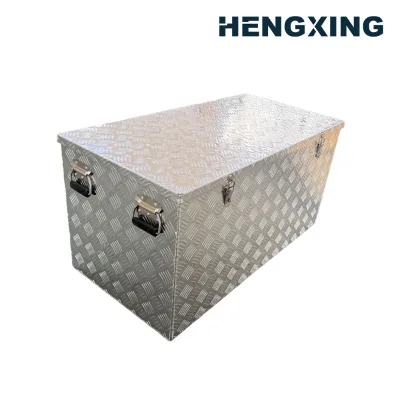
Waterproof Aluminum Truck Tool Storage Box with Metal Lock Outdoor Tools Durable and Practical OEM
$112.708 - $117.8312
MOQ: 5 pieces
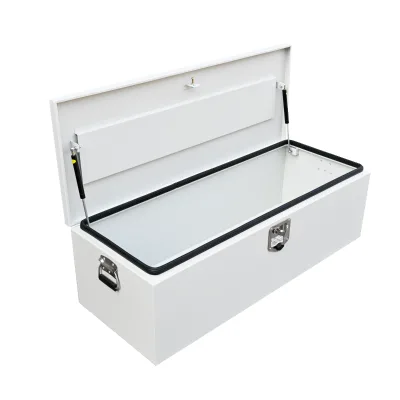
Ningbo Dongrun Imp & Exp Co., Ltd.
- Verified by SGS Group
- Trading Company
- Lead time25 days
- Avg. response≤ 5h
Main productsHand Tools; Outdoor Equipment; Hardware; Power Tools
Main marketsNorth America(20%), South America(20%), Eastern Europe(10%)
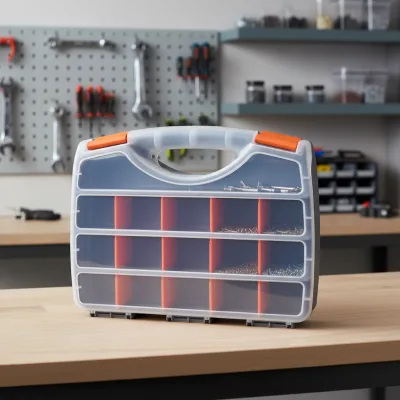
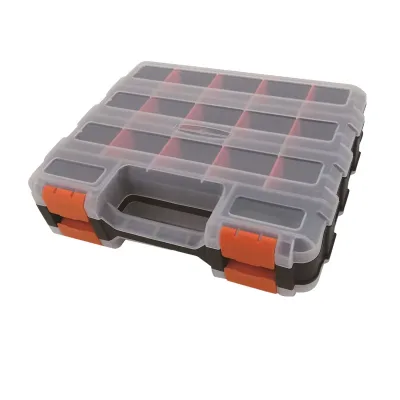
Hardware Tool Box General Tool Box Family Organization Storage Tool Box
$3.0065 - $3.3555
MOQ: 500 pieces
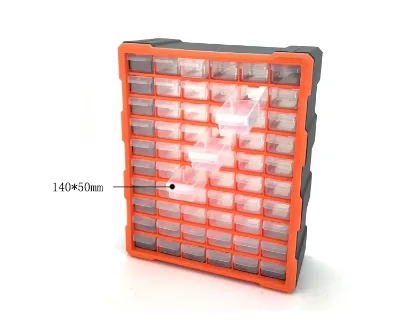
Hardware Replacement Parts Storage Box Plastic Case Tool Case Storage Box With Cubicle
$11.90
MOQ: 2000 pieces
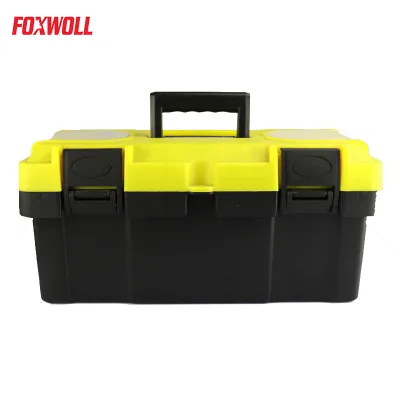


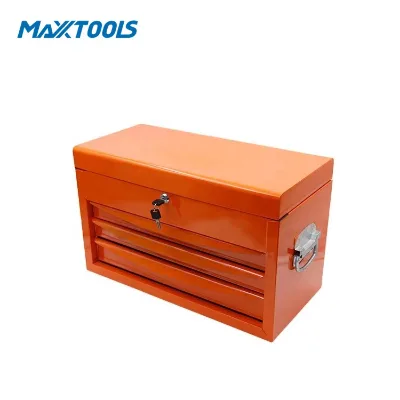
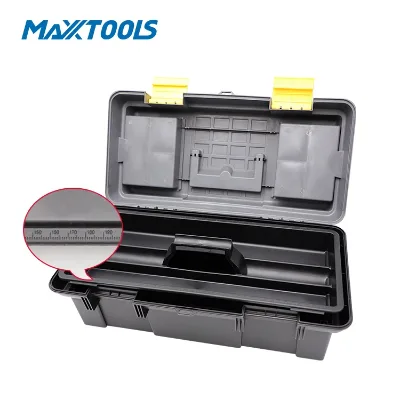


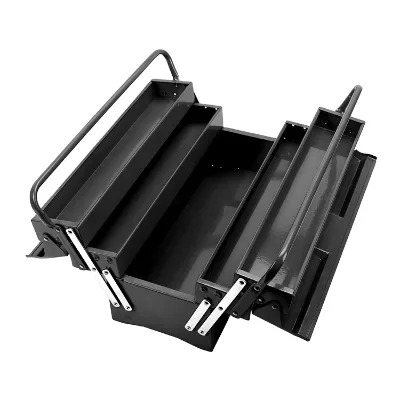
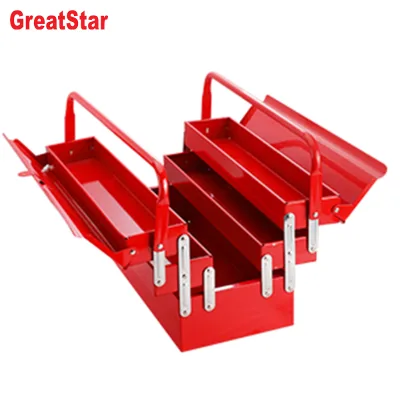


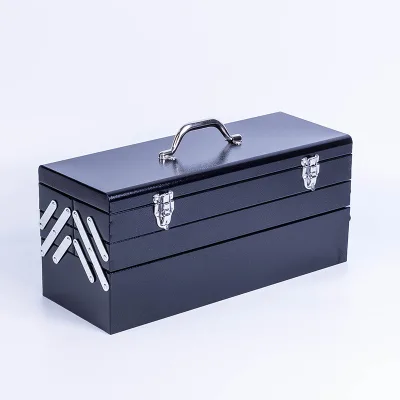
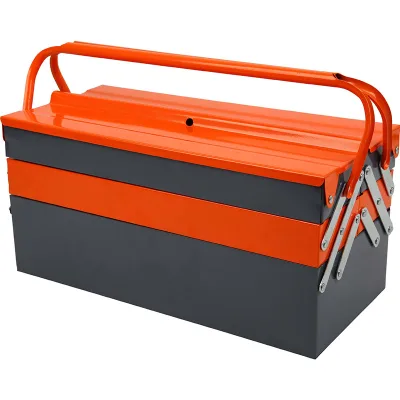


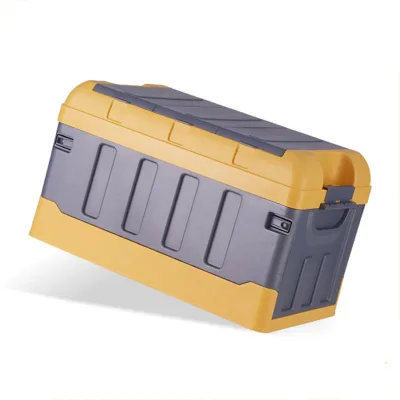
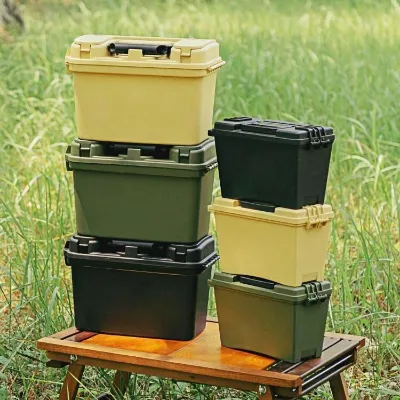


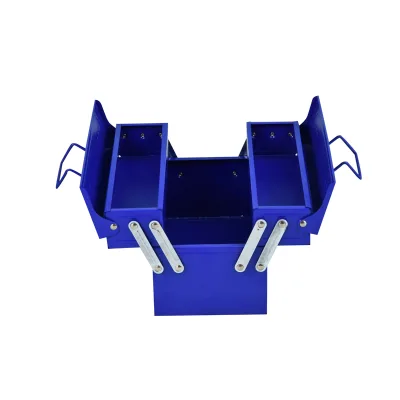
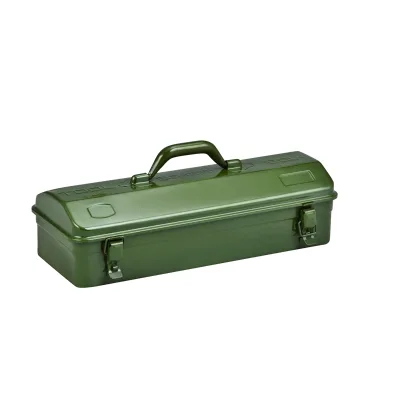
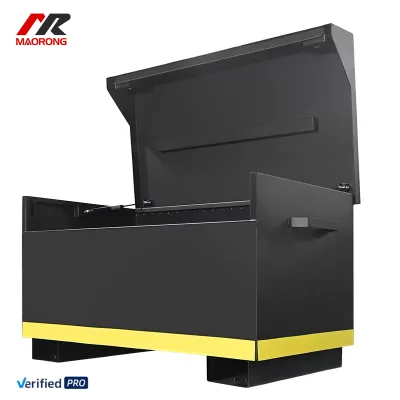
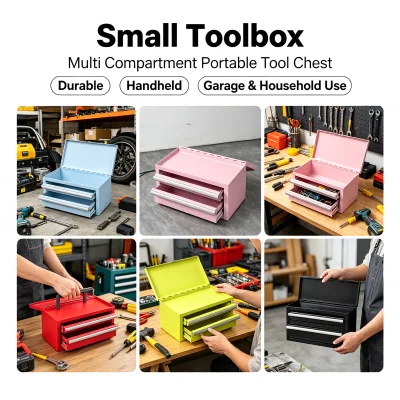
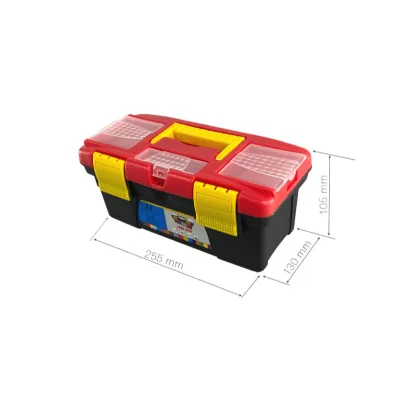
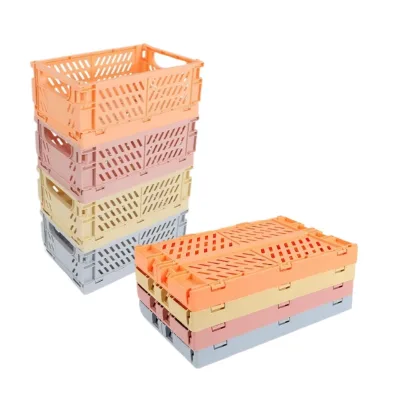
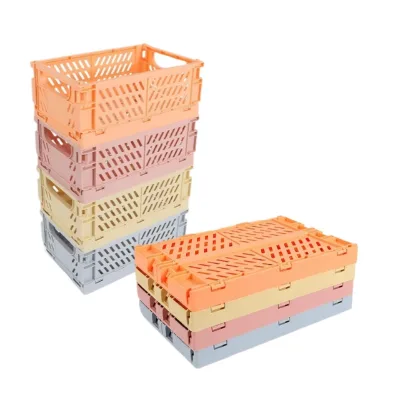
Comprehensive Sourcing Guide
Folding T Handle Tool Box with 2 Keys Supplier Concentration and Factory Types
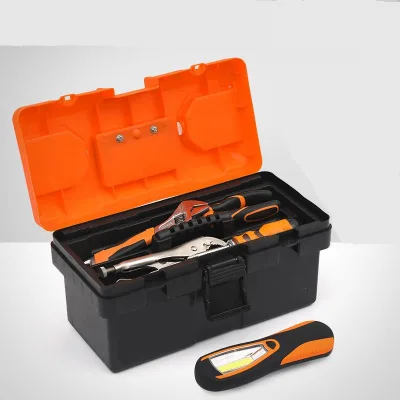
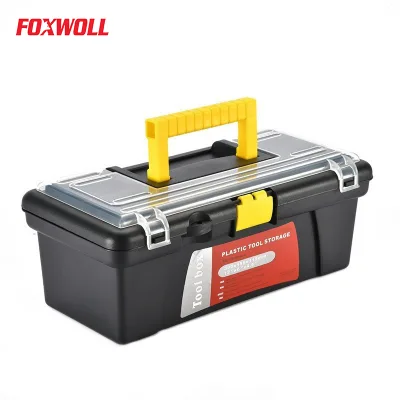
The available data indicates a significant concentration of manufacturing activity in Zhejiang, China, where specific product attributes like plastic construction and aluminum alloy handles are documented. This region hosts suppliers offering diverse product lines that include hand tools, outdoor furniture, and various storage solutions, suggesting a robust ecosystem for tool box production. Buyers should note that the primary output in this area often involves plastic hardware tool boxes with removable trays and specific model numbers like FGD10 or FGD04, which align with the functional requirements of folding t handle designs. The presence of these specific product attributes confirms that Zhejiang is a verified hub for this category, allowing buyers to focus their search efforts on this geographic cluster for immediate availability.
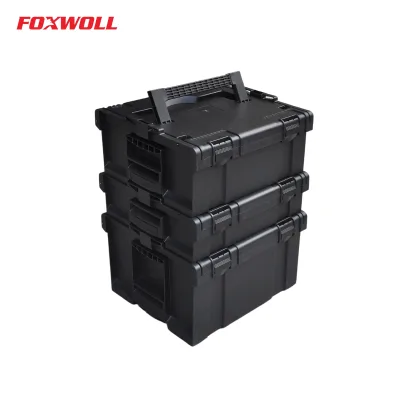
In addition to the Zhejiang cluster, evidence points to a secondary manufacturing presence in Shandong, China, where suppliers specialize in aluminum storage boxes and heavy-duty toolboxes. These facilities often operate as both trading companies and manufacturers, providing a dual-channel approach to sourcing that can benefit buyers seeking flexibility. The Shandong-based entities frequently list certifications such as ISO 9001 and verification statuses like SGS, which serve as tangible indicators of operational maturity. While the specific product names in this region may vary, the core capability to produce aluminum toolboxes with features like side openings and waterproof functions is clearly established. Buyers evaluating suppliers should prioritize those explicitly listing these regional origins to ensure alignment with the documented supply chain realities.
How to Verify Folding T Handle Tool Box with 2 Keys Suppliers
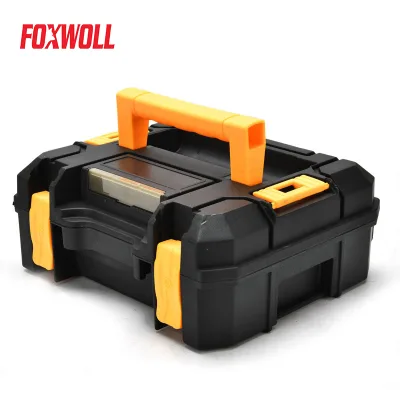
Verification begins with scrutinizing the specific product attributes listed in supplier catalogs, such as the presence of a metal buckle, customized logo options, and specific dimensions like 33x18x18cm or 40x21x19cm. These details confirm that the supplier has the actual inventory or production capacity for the Folding T Handle Tool Box with 2 Keys rather than merely listing generic items. Buyers must cross-reference the stated place of origin, such as Zhejiang or Shandong, against the product specifications to ensure consistency. For instance, a supplier claiming to be from Shandong should ideally showcase aluminum-based products, while those from Zhejiang might focus on plastic variants with aluminum handles. This alignment between location and material composition is a critical first step in validating the authenticity of the supplier's capabilities.
Beyond product details, buyers should rigorously check for system certifications and verification badges, such as ISO 9001 or SGS status, which are explicitly mentioned in the data for certain suppliers. These credentials are not merely marketing fluff but represent third-party validations of the supplier's quality management systems and business legitimacy. A supplier lacking these specific verifications should be treated with caution, as the absence of such data does not imply a lack of quality but rather a lack of documented proof. Additionally, the response time metric, which can range from 3.84 to 15 hours, serves as a proxy for operational efficiency and communication reliability. Buyers should prioritize suppliers with faster response times, as this often correlates with better project management and a higher likelihood of resolving issues promptly during the sourcing process.
What to Compare Across Folding T Handle Tool Box with 2 Keys Suppliers
When comparing suppliers, the lead time is a primary differentiator, with observed values ranging from 15 days to 30 days depending on the specific factory and order volume. A supplier offering a 15-day lead time may be better suited for urgent orders, while those with a 30-day lead time might be optimizing for larger batch productions or more complex customizations. Buyers must also evaluate the minimum order quantity, which can vary significantly, with some suppliers accepting orders as low as one unit while others may have higher thresholds. This flexibility is crucial for buyers testing the market or those with smaller inventory needs, as it directly impacts the initial capital outlay and risk exposure.
Another critical comparison point is the supply ability and customization support, which are explicitly detailed in product attributes like OEM and ODM availability. Suppliers offering both OEM and ODM services provide greater flexibility for branding and design modifications, which is essential for buyers looking to differentiate their product offerings. The warranty period, consistently noted as three years for specific plastic tool boxes, is another key metric that reflects the supplier's confidence in their product durability. Buyers should also compare the port of dispatch options, such as Shanghai, Ningbo, or Yiwu, as these affect shipping costs and transit times. By systematically evaluating these dimensions, buyers can identify suppliers that best match their specific operational requirements and strategic goals.
Common Folding T Handle Tool Box with 2 Keys Sourcing Risks
One significant risk involves the discrepancy between advertised product features and actual delivery, particularly regarding material quality and structural integrity. While product attributes list materials like plastic or aluminum, the thickness specifications, such as 3mm, 5mm, or 8mm, can vary widely and impact the durability of the final product. Buyers must verify these thickness claims through samples or third-party testing, as the absence of detailed thickness data in a listing can lead to receiving substandard goods. Additionally, the claim of a "heavy-duty" classification may not always align with the actual weight or load-bearing capacity, necessitating careful review of the single gross weight and package dimensions to ensure the product meets the intended use case.
Another risk stems from the variability in response times and lead times, which can disrupt supply chain planning if not managed correctly. A supplier with a 15-day lead time might suddenly extend this period due to unforeseen production bottlenecks, while a supplier with a 30-day lead time might be more predictable but less agile. Buyers should also be wary of suppliers who do not clearly state their customization support capabilities, as this can lead to delays in branding and packaging approvals. The lack of explicit warranty terms or unclear return policies further exacerbates these risks, leaving buyers vulnerable to defects or non-conforming products. Mitigating these risks requires a proactive approach to supplier vetting and the establishment of clear contractual terms regarding performance expectations.
Folding T Handle Tool Box with 2 Keys Regional Sourcing and Logistics
Logistics planning must account for the specific ports of dispatch associated with different regional clusters, such as Shanghai, Ningbo, and Yiwu for Zhejiang-based suppliers, or other major ports for Shandong entities. These ports influence the shipping route, transit time, and overall cost structure, making it essential for buyers to factor them into their total landed cost calculations. Suppliers in Zhejiang often utilize Ningbo or Shanghai, which are major international hubs with extensive connectivity, while Shandong suppliers might leverage ports closer to their manufacturing base. Understanding these logistical nuances allows buyers to optimize their shipping strategies and minimize delays caused by port congestion or routing inefficiencies.
The packaging details, including inner box cartons and specific single package sizes like 33x18x18cm or 40x21x19cm, also play a critical role in logistics efficiency. Buyers should calculate the number of units per container based on these dimensions to maximize shipping space and reduce freight costs. The single gross weight, often listed as 2.0 kg or 0.5 kg, further impacts the total weight of the shipment, which can affect freight charges and handling requirements. By carefully analyzing these packaging and weight specifications, buyers can negotiate better shipping rates and ensure that their inventory arrives in optimal condition. This attention to logistical detail is vital for maintaining a competitive edge in the global market.
Folding T Handle Tool Box with 2 Keys Commercial Terms and Order Planning
Commercial terms regarding pricing and payment structures are fundamental to successful order planning, with observed price points ranging from $1.50 to $71.00 depending on the product model and specifications. Buyers must carefully analyze these price ranges to understand the cost drivers, such as material type, size, and customization level, and ensure that the quoted price aligns with their budget constraints. The minimum order quantity, which can be as low as one unit, offers flexibility for small-scale orders but may come with higher per-unit costs. Buyers should negotiate volume discounts based on their projected order sizes to optimize their overall procurement costs and improve profit margins.
Order planning should also incorporate the warranty terms and customization support options, which are critical for long-term supplier relationships. A three-year warranty, as seen in specific product listings, provides a safety net against defects and demonstrates the supplier's commitment to quality. Buyers should ensure that the warranty terms are clearly defined in the purchase agreement, including the process for claims and replacements. Additionally, the availability of OEM and ODM services allows buyers to tailor the product to their specific brand requirements, enhancing market differentiation. By integrating these commercial terms into their order planning, buyers can build a resilient supply chain that supports their business growth and mitigates potential risks.
FAQs
What is the price range for plastic tool boxes?
Plastic tool boxes are available at prices ranging from $1.50 to $71.00 per unit. Specific models like the FGD02 are priced at $1.50, while larger heavy-duty options can reach $71.00. Buyers should verify exact pricing based on the selected model number and order quantity.
Where are these tool boxes manufactured?
The primary manufacturing location for these tool boxes is Zhejiang, China. Some suppliers also operate in Shandong, China. Buyers can confirm the specific place of origin for each product listing to ensure alignment with their sourcing preferences and logistics requirements.
What is the typical response time for suppliers?
Supplier response times vary, with some reporting a response time of 15 hours and others as fast as 3.84 hours. Buyers should check the specific response time listed for each supplier to gauge communication speed and ensure timely inquiries regarding product details and order status.
What is the minimum order quantity for these items?
The minimum order quantity (MOQ) for these tool boxes is 1 unit. This low MOQ allows buyers to sample products easily before committing to larger orders. It is advisable to confirm the MOQ directly with the supplier, as terms may vary by product model.
Do suppliers offer OEM and ODM services?
Yes, many suppliers offer customized support including OEM and ODM services. Buyers can request customized logos, colors, and packaging details. This flexibility allows businesses to brand the tool boxes according to their specific market needs and design preferences.
What certifications do the suppliers hold?
Some suppliers hold ISO 9001 system certification and are verified by SGS. Buyers should verify specific certifications for each supplier to ensure compliance with quality standards. These credentials indicate a commitment to quality management and product reliability in the manufacturing process.
What is the lead time for production?
Lead times for production vary, with some suppliers reporting 15 days and others up to 30 days. Buyers should confirm the exact lead time with the supplier based on order volume and customization requirements. Planning for these timelines ensures timely delivery for project needs.