Fruity Soy Wax Scented Candle Suppliers and Manufacturers
Explore 33 verified options for Fruity Soy Wax Scented Candle products from China. Compare locations, response times, lead times, certifications, and pricing to find the right partner. Review product details and request quotes directly; review the available evidence before requesting comparable quotations from suitable candidates.
Updated
Suppliers List

Outstanding Design & Manufacture Co., Ltd.
- Verified by BV
- Combined
- China Shanghai
- Lead time30 days
- Avg. response≤ 13h
Main productsScented Candle, Reed Diffuser, Car Air Freshener, Aroma Diffuser, Incense Gift Set, Scented Sachet, Oil Burner, Fragrance Oil, Essential Oil, Fragrance Lamp
Main marketsEurope,Australia,North America


$3.80 - $10.00
MOQ: 50 Pieces


Qingdao Art Fortune Imp/Exp Co., Ltd.
- Verified by TUVRHEINLAND
- Trading Company
- China Shandong
- Lead time30 days
- Avg. response≤ 4h
Main productsScented Candle, Reed Diffuser, Glass Jar Candle, Flameless LED Wax Candle, Candle and Home Fragrance, Tealight Candle, Candle Holder, Candle Gift Set, Handmade Pillar Candle, Tin Candle
Main marketsAfrica

Guangxi Bobai Quansheng Household Products Co., Ltd.
- Verified by TUVRHEINLAND
- Combined
- China Guangxi
- Lead time15 days
- Avg. response≤ 5h
Main productsReed Diffuser Sticks, Reed Diffuser Set, Rattan Sticks
Main marketsEurope


Aromatherapy Candle Wholesale Soy Wax Aromatherapy Ins Fragrance Candle Glass
$1.53 - $1.59
MOQ: 50 Pieces

Scented Candle Soy Wax Wedding Decoration Candle Lamp Fragrance Customization Suport
$1.53 - $1.59
MOQ: 50 Pieces

Shanghai Zhihong Electronic Co., Ltd.
- Verified by TUVRHEINLAND
- Manufacturer/Factory
- China Shanghai
- Lead time0 days
- Avg. response≤ 6h
Main productsScented Candle, Perfume, Reed Diffuser, Fireless Aromatherapy, Aromatherapy Essential Oils


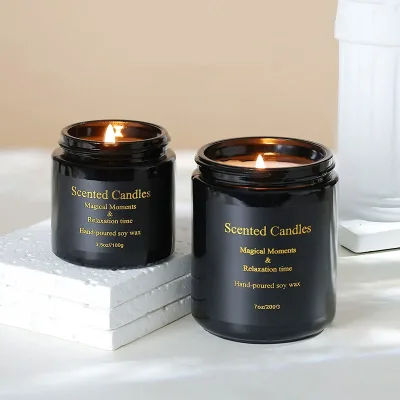
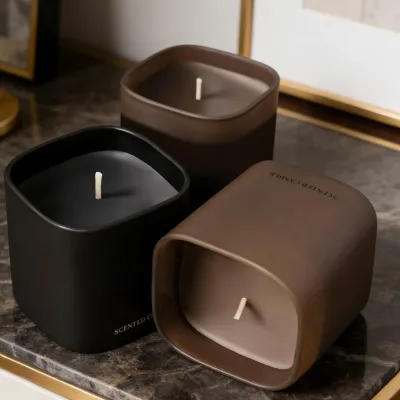
Premium Neutral Scented Candle Black Glass Candle Soy Wax Scented Candle
$1.24 - $1.39
MOQ: 100 Pieces


- Verified by TüVRheinland
- Trading Company
- Lead time15 days
- Avg. response≤ 4h
Main productsHouseware, Pet Products, Toys
Main marketsNorth America(30%), Eastern Europe(13%), Mid East(12%)
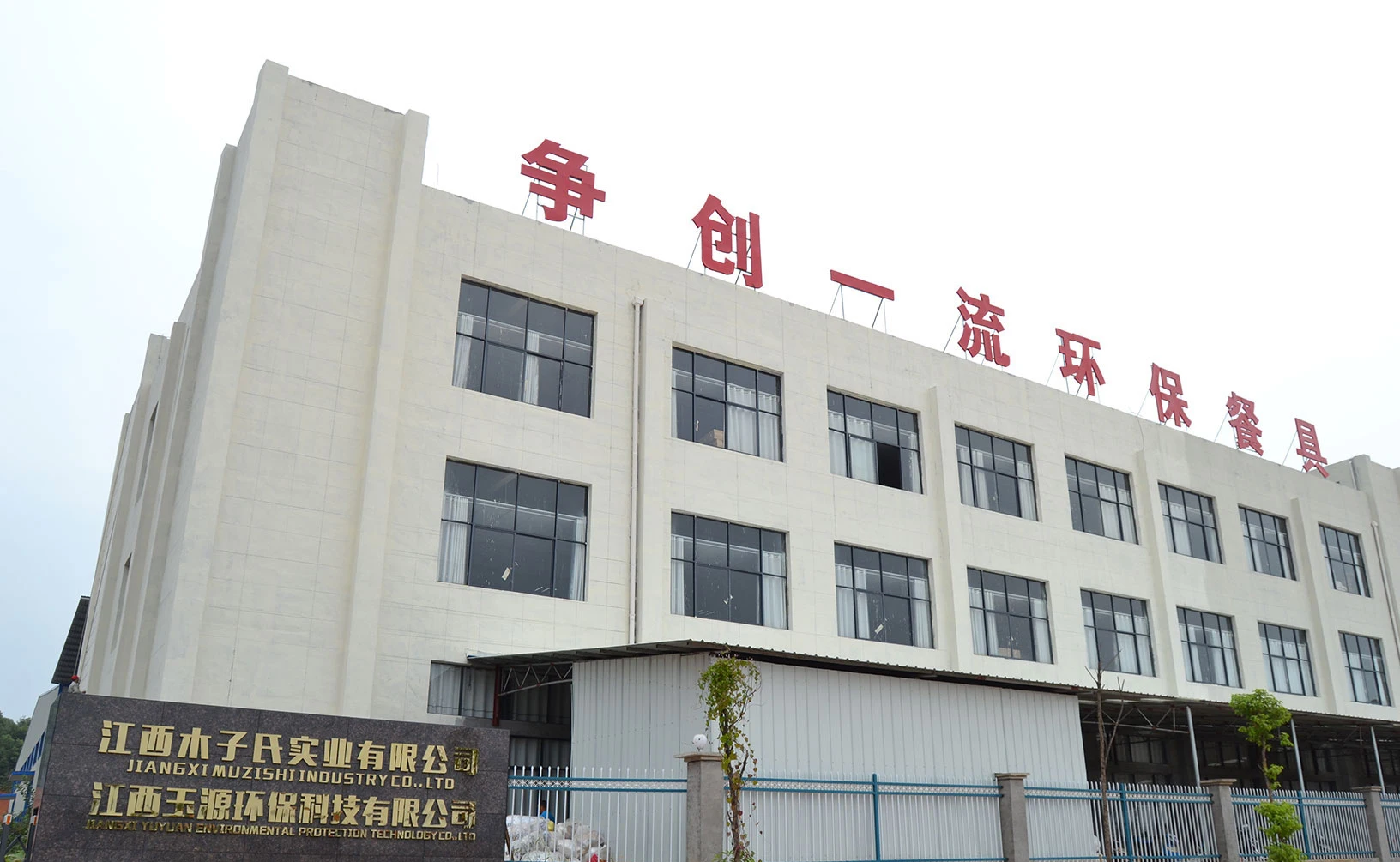
Jiangxi Muzishi Bamboo Industry Co., Ltd.
- Manufacturer, Trading Company
- Jiangxi, China
- Lead time15 days
- Avg. response≤ 13h
Main productsCeramic tableware,False flower,Tableware,wedding chair
Main marketsDomestic Market(39.00%), North America(9.80%), Southern Europe(8.70%), Western Europe(8.10%), Eastern Europe(7.90%), Central America(7.70%), South America(6.40%), Northern Europe(6.30%), South Asia(2.10%), Southeast Asia(1.60%), Eastern Asia(0.80%), Africa(0.70%), Mid East(0.50%), Oceania(0.40%)

Aoyin Xingtang Candle Co., Ltd.
- Verified by SGS
- Combined
- China Hebei
- Lead time15 days
- Avg. response≤ 5h
Main productsCandle, White Candle, Color Candle, Tealight Candle, Fluted Candle, Pillar Candle, Candles, Religious Candles, Lighting Candle, Festival Candle
Main marketsAfrica,Europe,North America

MEICHEN (HEBEI) TECHNOLOGY CO., LTD.
- Trading Company
- Hebei, China
- Lead time25 days
- Avg. response≤ 3h
Main productsScented Candles,Tealight Candle,Household Candle,Candle Accessories,Candle Wax
Main marketsEastern Europe(20.00%), South America(20.00%), North America(20.00%), Northern Europe(10.00%), Mid East(10.00%), Africa(10.00%), Southeast Asia(10.00%)
Guangxi Jinxing Household Products Co., Ltd.
- Verified by TüVRheinland
- Manufacturer, Trading Company
- Lead time15 days
- Avg. response≤ 2h
Main productsReed Diffuser, Air Fresheners, Rattan Sticks, Fiber Diffuser Sticks, Scented Candles
Main marketsNorth America(25%), Western Europe(24%), Oceania(12%)
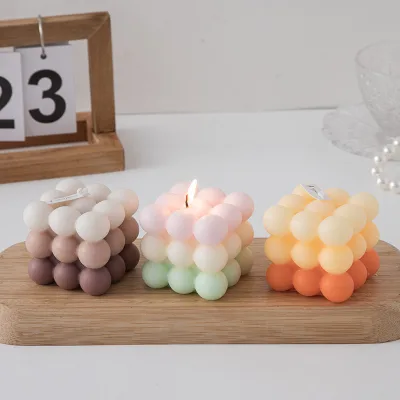
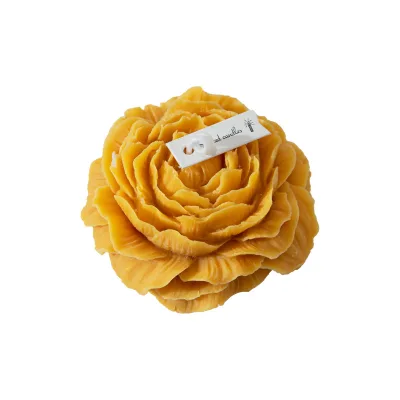
Competitive Price Fruit Scented Candle Manufacturer Low Price Scented Candle with Box
$0.79 - $0.99
MOQ: 100 pieces

Hebei Huaming Laye Limited Company
- Verified by CTI
- Combined
- China Hebei
- Lead time23 days
- Avg. response≤ 1h
Main productsCandle, Scented Candles, Birthday Candles, Taper Candles, Pillar Candles, Art Candles, Party Candles, Aromatherapy Candles, Home Decor Candles, Gift Candles
Main marketsSouth America,Africa,Domestic,Europe,North America

Wholesale Ceramic Scented Candle Soy Wax Decorative Scented Soy Wax Candle
$2.30 - $2.50
MOQ: 1000 Pieces


Huaming Candle Scented Candles Festive Christmas Soy Wax Candle for Home Decoration
$0.99 - $6.99
MOQ: 1000 Pieces


$3.80 - $4.00
MOQ: 1000 Pieces

Factory Directly Wholesale Aromatherapy Luxury Design Soy Wax Scented Candles
$2.30 - $2.50
MOQ: 1000 Pieces

Baoding Luban Crafts Co., Ltd.
- Manufacturer, Trading Company
- Hebei, China
- Lead time35 days
- Avg. response≤ 1h
Main productsBeeswax Candles,Sculpture Crafts,Crafts And Creative Candles,Scented Soy Wax Candles,Scented Candle Gift Set
Main marketsNorth America(30.00%), Oceania(20.00%), Domestic Market(20.00%), Western Europe(15.00%), Eastern Asia(4.00%), Mid East(3.00%), Northern Europe(3.00%), South America(3.00%), Southern Europe(2.00%)
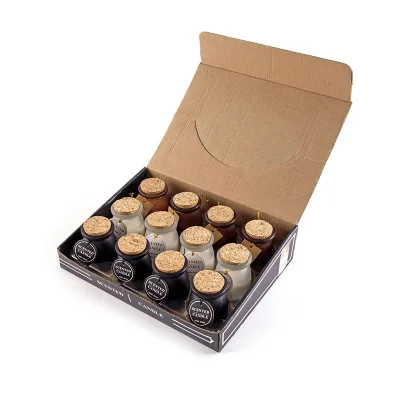
LB01M Mini Size Vanilla Aromatherapy Candle for Wedding Favors Scented Soy Wax Candle
$0.86 - $1.25
MOQ: 1000 pieces
Ma'anshan Jiuyan Trading Co., Ltd.
- Trading Company
- Anhui, China
- Lead time0 days
- Avg. response≤ 1h
Main productsCar supplies & accessories,Household goods,Car decoration,kitchenware,Daily necessities
Main marketsDomestic Market(10.00%), South Asia(10.00%), Northern Europe(10.00%), Central America(10.00%), Eastern Asia(10.00%), Mid East(10.00%), Africa(10.00%), Southeast Asia(10.00%), South America(10.00%), North America(10.00%)
Changchun Meycheng Technology Co., Ltd.
- Trading Company
- Jilin, China
- Lead time5 days
- Avg. response≤ 1h
Main productsPromotional Gifts,Custom Cups,Promotional Caps,Kitchenware,Drinkware
Main marketsNorth America(50.00%), Northern Europe(10.00%), Western Europe(5.00%), Oceania(5.00%), South Asia(5.00%), Eastern Asia(5.00%), South America(5.00%), Southeast Asia(4.00%), Mid East(3.00%), Southern Europe(2.00%), Eastern Europe(2.00%), Central America(2.00%), Domestic Market(1.00%), Africa(1.00%)
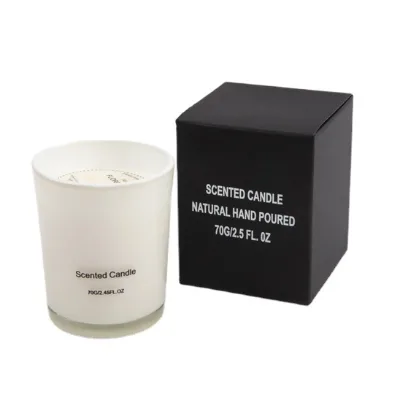
OEM Luxury Custom Logo Vanilla 70g Soy Wax Glass Aromatherapy Scented Candles Hot Sale
$1.3644 - $1.4975
MOQ: 60 pieces
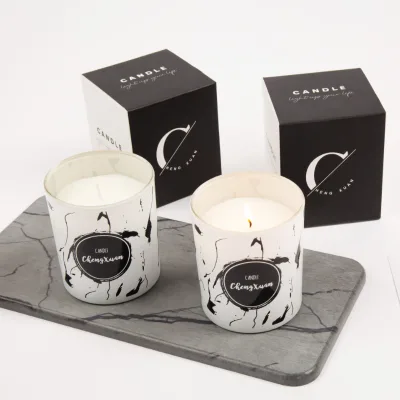
Fragrance Glass Hand Made Soy Wax Wholesale Customized Candles Eco-friendly Luxury Scented Candle
$0.944 - $0.9844
MOQ: 60 pieces
Ningbo General Union Co., Ltd.
- Trading Company
- Lead time旺季: "1 - 10000":60,"> 10000":"To be negotiated", 淡季: "1 - 10000":60,"> 10000":"To be negotiated"
- Avg. response≤ 10h
Main productsHousehold Products, Cleaning Tools, Disposable Tableware, Kitchen Tableware, Kitchen Accessories

Shijiazhuang Tabo Candles Sales Co., Ltd.
- Verified by BV
- Combined
- China Hebei
- Lead time15 days
- Avg. response≤ 4h
Main productsCandle
Main marketsSoutheast Asia/ Mideast,East Asia(Japan/ South Korea),Europe,Australia,North America


Soya Candle Manufacturers Wholesale Custom Soya Wax Candles Scented Candle
$5.33 - $7.76
MOQ: 500 Pieces

Juneng (Shaoxing) Network Technology Co., Ltd.
- Trading Company
- Zhejiang, China
- Lead time0 days
- Avg. response≤ 4h
Main productscup,Table setting,Daily necessities,Toys
Main marketsNorth America(40.00%), Africa(20.00%), Eastern Europe(20.00%), South America(20.00%)

Dongguan Ylam Candles Co., Ltd.
- Manufacturer, Trading Company
- Guangdong, China
- Lead time20 days
- Avg. response≤ 2h
Main productsCandle, Candle Gifts, LED Candle, Scented Candle, Soybean Wax Scented Candle
Main marketsNorth America(40.00%), Western Europe(30.00%), South America(10.00%), Oceania(5.00%), Africa(5.00%), Mid East(5.00%), Southeast Asia(5.00%)
Qingdao Kevin Home Products Co., Ltd.
- Trading Company
- Shandong, China
- Lead time15 days
- Avg. response≤ 1h
Main productsLow temperature Candles,Massage Oil candles,Scented candles,Natural Candle,Soy wax candles
Main marketsNorth America(39.00%), South America(19.00%), Western Europe(15.00%), Northern Europe(15.00%), Central America(8.00%), Eastern Europe(4.00%)


$0.5655 - $1.0173
MOQ: 500 pieces

Suzhou Runfan Home Decoration Co., Ltd.
- Verified by SGS
- Combined
- China Jiangsu
- Lead time60 days
- Avg. response≤ 5h
Main productsReed Diffuser, Scented Candle, Air Freshener, Car Diffuser, Room Spray
Main marketsSouth America,Southeast Asia/ Mideast,East Asia(Japan/ South Korea),Europe,North America

Shenzhen Goldenwell Intelligent Technology Co., Ltd.
- Trading Company
- Guangdong, China
- Lead time7 days
- Avg. response≤ 6h
Main productsCandle,Reed Diffuser,Perfume,Soap
Main marketsWestern Europe(22.00%), Oceania(20.00%), Mid East(16.03%), Central America(15.91%), Northern Europe(10.06%), North America(10.00%), Domestic Market(6.00%)
Henan Willan E-Commerce Co., Ltd.
- Trading Company
- Henan, China
- Lead time30 days
- Avg. response≤ 2h
Main productsScented candles,Wax materials,Tools,OEM,Cool cup
Main marketsWestern Europe(30.00%), North America(30.00%), Southern Europe(10.00%), South America(10.00%), Eastern Asia(10.00%), Eastern Europe(10.00%)
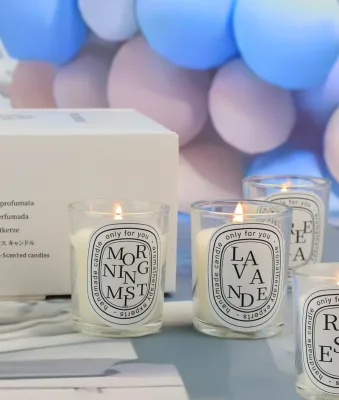
Transparent Aromatherapy Soy Wax Candle for Birthdays Handmade Gift for Christmas Halloween
$12.143 - $12.6038
MOQ: 60 pieces
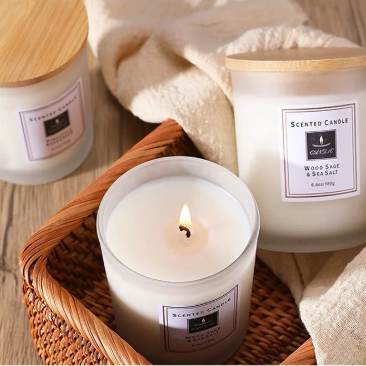
$2.9232 - $3.1596
MOQ: 10 pieces
Liaoning Esun Science And Technology Development Co., Ltd.
- Manufacturer, Trading Company
- Liaoning, China
- Lead time0 days
- Avg. response≤ 2h
Main productsScented Candles,Jar Candles,Tealight Candles,Flower Candles,Votive Candles
Main marketsDomestic Market(80.00%), North America(12.00%), Eastern Europe(4.00%), Southeast Asia(4.00%)
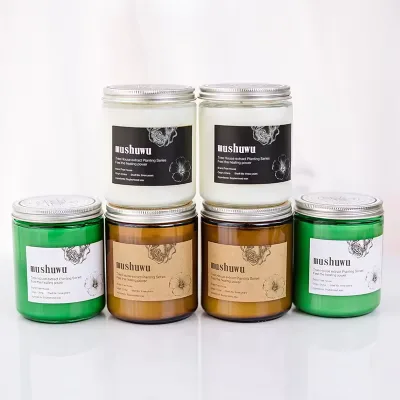
$1.8206 - $2.0585
MOQ: 1 pieces
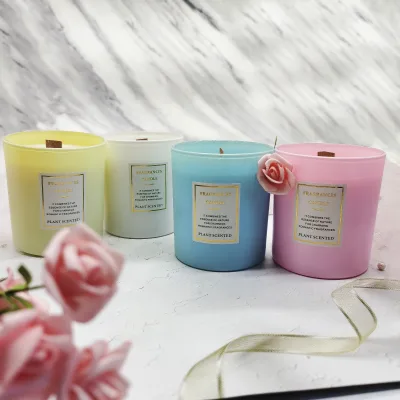
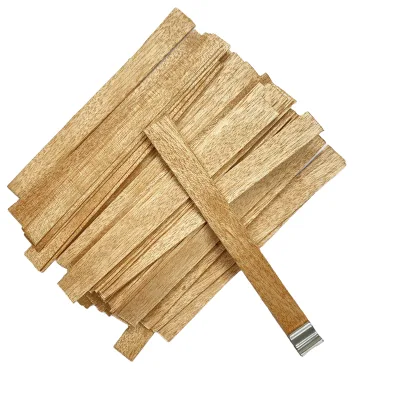
Customized High-quality Handmade Soybean Long-lasting Scented Candle with Wood Core
$1.99 - $3.20
MOQ: 50 pieces

Knows(Xiamen)Aroma Crafts Co., Ltd.
- Verified by BV
- Combined
- China Fujian
- Lead time23 days
- Avg. response≤ 1h
Main productsScented Candles, Aroma Reed Diffuser, Car Air Freshener, Incense Sticks, Fragrance Oil Burner, Potpourri
Main marketsSouth America,Africa,Southeast Asia/ Mideast,East Asia(Japan/ South Korea),Europe,Australia,North America
Full Aroma (Shanghai) Arts & Crafts Co., Ltd.
- Verified by SGS Group
- Manufacturer, Trading Company
- Lead time30 days
- Avg. response≤ 9h
Main productsScented Candle, Reed Diffuser, Room Spray, Car Air Freshener
Main marketsDomestic Market(30%), North America(20%), South America(10%)
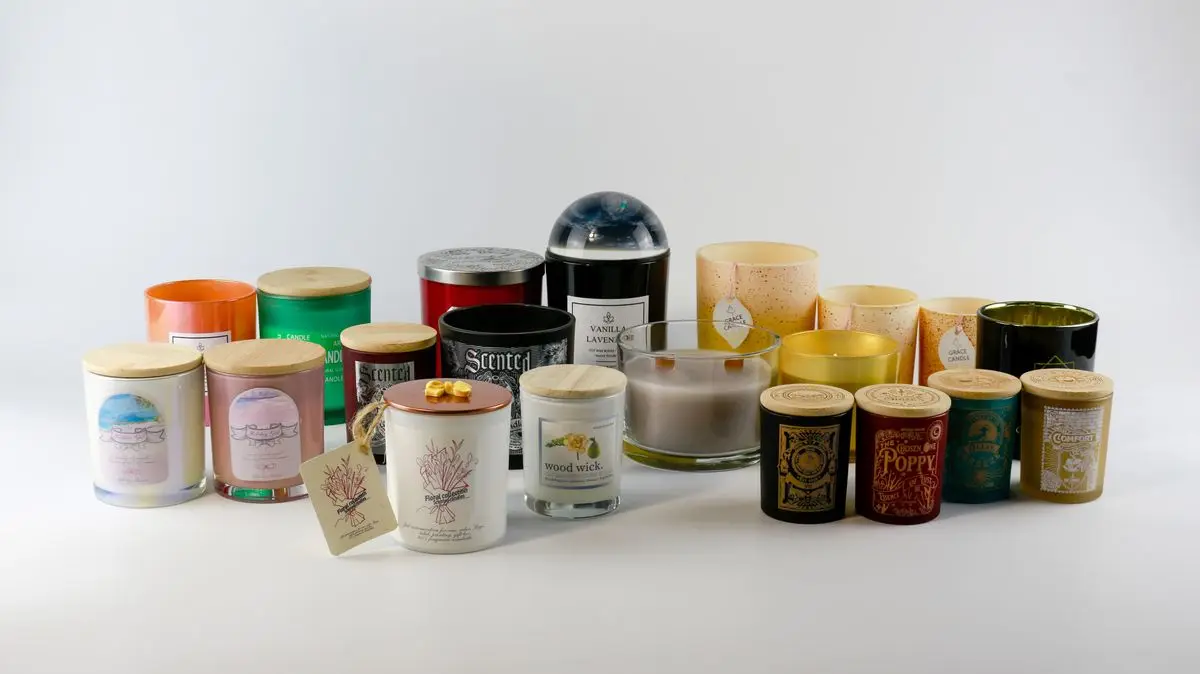
- Manufacturer, Trading Company
- Hebei, China
- Lead time60 days
- Avg. response≤ 2h
Main productsCustom Scented Candle,Beeswax Candle,Candle Jars,Soy Wax,Candle Tools
Main marketsNorth America(50.00%), Western Europe(15.00%), Northern Europe(15.00%), Oceania(15.00%), Eastern Asia(5.00%)
Aoyin Xingtang Candle Co., Ltd.
- Verified by SGS Group
- Manufacturer, Trading Company
- Lead time20 days
- Avg. response≤ 2h
Main productsTealight Candles, Scented Candles, Stick Candles, LED Candles, Glass Candles, Pillar Candles, Soy Candles, Art Candle, Religious Candles
Main marketsAfrica(40%), North America(10%), South America(10%)

Qingdao Huanxi Homeware Co., Ltd
- Verified by SGS
- Trading Company
- China Shandong
- Lead time15 days
- Avg. response≤ 7h
Main productsPerfume Bottle, Perfume Refill Bottle, Spray Bottle, Glass Bottle, Craft Candle, Candle Holder, Diffuser Bottle, Tin Candle, Mini Perfume Bottle, Perfume Cap
Main marketsAfrica,North America

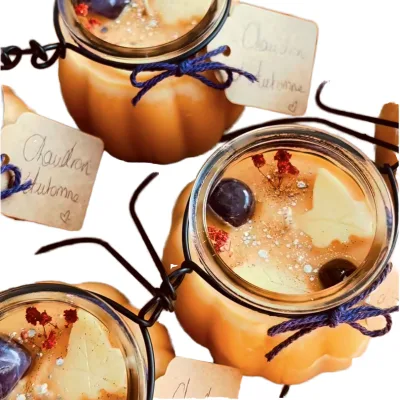
Premium Tin Scented Soy Wax Candle with Dry Flowers Scented Candles in Gift Box
$1.50 - $4.99
MOQ: 1000 Pieces

Handmade Soy Wax Candle Creative Romantic Smokeless Glass Scented Candle
$0.23 - $2.90
MOQ: 1000 Pieces

Shenzhen E-Yue Manufacturer Co., Ltd.
- Verified by TUVRHEINLAND
- Manufacturer/Factory
- China Guangdong
- Lead time23 days
- Avg. response≤ 5h
Main productsCar Air Freshener, Paper Packaging Box, Can Air Freshener, Paper Flower, Promotion Gifts, Cotton Shopping Bag, Plaster Pendant Aroma Diffuser, Scetned Candles, Scented Bag for Home & Car, Gift Box
Main marketsSouth America,Mid East,North America,Southeast Asia,Eastern Asia,Oceania,Western Europe,Africa

Shandong Lechao Biotechnology Co., Ltd.
- Verified by SGS
- Combined
- China Shandong
- Lead time30 days
- Avg. response≤ 12h
Main productsScented Candle, Aromatherapy Candle, Candle, Aromatherapy Oil, Butter Lamp
Main marketsDomestic


Customizable Logo High-Quality Appearance Handmade Soy Wax Scented Candles
$1.39 - $1.69
MOQ: 500 Pieces
Chengdu Eno Biology Technology Co., Ltd.
- Verified by SGS Group
- Manufacturer, Trading Company
- Lead time15 days
- Avg. response≤ 2h
Main productsReed Diffuser, Scented Candle, Room Spray, Essential Oil, Car Air Freshener
Main marketsDomestic Market(40%), North America(15%), Eastern Europe(8%)
Suzhou Enjoy Home Products Co., Ltd.
- Verified by SGS Group
- Manufacturer, Trading Company
- Lead time30 days
- Avg. response≤ 2h
Main productsScented Candles/Reed Diffuser/Candle Warmer, Plastic Product
Main marketsNorth America(40%), Western Europe(20%), South America(5%)

Changchun Ai Kun Technology Co., Ltd.
- Trading Company
- Jilin, China
- Lead time30 days
- Avg. response≤ 3h
Main productsScented Candles,Reed Diffuser
Main marketsNorth America(50.00%), Eastern Europe(10.00%), South America(10.00%), Western Europe(5.00%), Mid East(5.00%), Oceania(5.00%), Southern Europe(5.00%), Northern Europe(5.00%), Southeast Asia(3.00%), Africa(2.00%)
Hangzhou Xianglanji Technology Co., Ltd.
- Trading Company
- Zhejiang, China
- Lead time0 days
- Avg. response≤ 2h
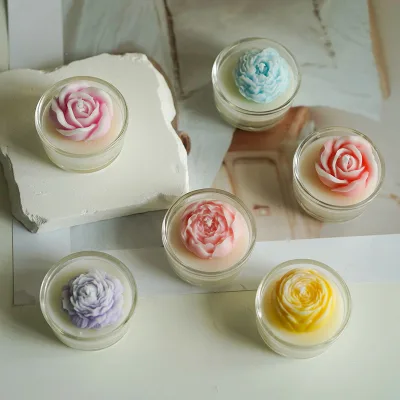
Main productsScented candles,Handmade candles,Novelty candles,Rose candle,Jar candles
Main marketsWestern Europe(30.00%), North America(30.00%), Eastern Asia(10.00%), Mid East(10.00%), Southern Europe(10.00%), Oceania(5.00%), Eastern Europe(5.00%)













Comprehensive Sourcing Guide
Fruity Soy Wax Scented Candle Supplier Concentration and Factory Types
The current supplier landscape for fruity soy wax scented candles reveals a distinct geographic and structural concentration that buyers must navigate carefully. Evidence indicates that active suppliers are primarily located in China, with specific clusters identified in Shanghai and Shandong provinces. These locations are not arbitrary; they represent established manufacturing hubs where the supply chain for glass jars, wax processing, and fragrance blending is highly integrated. Shanghai-based entities often operate as combined companies, meaning they may blend manufacturing capabilities with trading functions, allowing for greater flexibility in product customization and order management. This hybrid model is particularly relevant for buyers seeking fruity scents, which often require precise fragrance oil blending and specialized packaging to prevent leakage or scent degradation during transit. The presence of ISO14001:2015 certification among some Shanghai suppliers suggests a focus on environmental management systems, which is increasingly important for soy-based products given the agricultural sourcing of soybean wax. Buyers should recognize that this certification does not automatically guarantee product quality but indicates a structured approach to operational compliance.
In contrast, suppliers located in Shandong province appear to lean more heavily toward trading company structures, as evidenced by the specific classification of one major Shandong-based entity. Trading companies often act as intermediaries, aggregating products from multiple smaller factories to offer a broader catalog of fruity soy wax candles. This structure can be advantageous for buyers who need diverse SKUs, such as varying jar sizes or unique fruity blends, without managing multiple direct factory relationships. However, it introduces a layer of complexity in communication and quality control. The main products listed for these suppliers include a wide array of home fragrance items, from reed diffusers to flameless LED candles, indicating that many suppliers are not specialized exclusively in soy wax candles. This diversification means that while they can source fruity soy wax candles, their core competency might lie in general home decor rather than niche fragrance innovation. Buyers must therefore assess whether the supplier’s primary focus aligns with their specific need for high-quality, fruity-scented soy products or if they are simply one of many categories offered by a generalist trading firm. Understanding this distinction is crucial for determining the level of expertise and dedication a supplier will bring to a fruity soy wax candle project.
How to Verify Fruity Soy Wax Scented Candle Suppliers
Verifying the legitimacy and capability of Fruity Soy Wax Scented Candle suppliers requires a multi-layered approach that goes beyond simple profile reviews. The first critical step is to examine the verification badges provided by third-party inspection agencies. In the current results, suppliers display verifications from BV (Bureau Veritas) and TÜV Rheinland. These are reputable international inspection and certification bodies, and their presence indicates that the supplier has undergone some level of on-site audit. However, buyers should not assume that verification equates to product-specific quality assurance. A BV verification might confirm the existence of the factory and its general business practices, but it does not necessarily validate the specific fragrance profile or wax purity of a fruity soy candle. Buyers must dig deeper into the verification reports if available, looking for details on production capacity, quality control processes, and employee working conditions. The response time metrics, such as 12.96 hours for one supplier and 3.90 hours for another, can also serve as a proxy for operational efficiency. A faster response time often correlates with a more organized sales and customer service team, which is essential for handling the nuances of custom fruity scent orders.
Beyond verification badges, buyers should scrutinize the product evidence and attributes provided in the supplier listings. For fruity soy wax candles, specific details such as the wax type, fragrance percentage, and burning time are critical. Some suppliers list "Soybean Wax" as the material, while others may list "Paraffin Wax" or blends, which is a significant discrepancy for buyers seeking pure soy products. The product attributes also reveal processing methods, such as "Filling" or "Mold," which can impact the final appearance and quality of the candle. Buyers should look for suppliers who provide detailed product specifications, including weight, dimensions, and packaging details. For instance, one supplier lists a gross weight of 560g for a 210g wax candle, indicating the weight of the glass jar and packaging, which is important for logistics planning. Additionally, the presence of customization options, marked as "Available" in several listings, suggests that these suppliers can accommodate specific fruity scent requests. However, buyers should verify the minimum order quantities (MOQ) for custom scents, as these are often higher than standard product orders. It is also advisable to request samples to verify the actual scent throw and wax quality, as online descriptions can be misleading. The combination of third-party verification, detailed product attributes, and responsive communication provides a robust framework for assessing supplier reliability.
What to Compare Across Fruity Soy Wax Scented Candle Suppliers
When evaluating multiple suppliers for fruity soy wax scented candles, buyers must compare a range of operational and commercial metrics to identify the best fit for their business needs. One of the most critical factors is the minimum order quantity (MOQ). The current data shows a wide variance in MOQs, ranging from as low as 50 units to as high as 1000 units. This disparity is significant for buyers who are testing the market or have limited storage space. Suppliers with lower MOQs, such as those offering 50 units, may be more suitable for initial trials or smaller boutique orders, while those requiring 1000 units are better suited for large-scale retail distribution. Buyers should also compare the price ranges, which vary from approximately $0.62 to $10.00 per unit depending on the product specifications. Higher prices often correlate with premium materials, such as pure soybean wax, or more complex packaging, like glass jars with silk gold printing. However, buyers must ensure that the price includes all relevant costs, such as packaging and potential customization fees, to avoid hidden expenses.
Another key area for comparison is the lead time and response speed. Lead times of around 30 days are common, but this can vary based on the complexity of the order and the supplier’s current production load. Suppliers with faster response times, such as those responding within 3.90 hours, may be more agile in handling urgent requests or changes to the order. Buyers should also consider the supplier’s capacity for original design manufacturing (ODM) and original equipment manufacturing (OEM). The presence of ODM and OEM capabilities indicates that the supplier can create custom fruity scents or package products under the buyer’s brand. This is particularly important for buyers looking to differentiate their fruity soy wax candles in a competitive market. Additionally, the main products listed by each supplier can provide insight into their specialization. Suppliers focusing heavily on scented candles and home fragrance may offer more expertise and variety in fruity scents compared to those with a broader home decor catalog. By systematically comparing MOQs, prices, lead times, response speeds, and manufacturing capabilities, buyers can make a more informed decision and select a supplier that aligns with their specific business requirements and growth strategy.
Common Fruity Soy Wax Scented Candle Sourcing Risks
Sourcing fruity soy wax scented candles from international suppliers introduces several specific risks that buyers must proactively manage to ensure product success and supply chain stability. One of the primary risks is the inconsistency in wax composition. While buyers may request pure soy wax, some suppliers may blend soy with paraffin or other cheaper waxes to reduce costs, which can affect the burn quality, scent throw, and overall customer satisfaction. The product evidence shows that some listings specify "Soybean Wax," while others list "Paraffin Wax" or do not specify the type clearly. This ambiguity can lead to receiving products that do not meet the buyer’s quality standards. Another significant risk is the accuracy of the fruity scent profile. Fruity scents are complex and can be difficult to replicate consistently. Variations in fragrance oil quality or blending ratios can result in candles that smell artificial or lack the desired intensity. Buyers must rely on samples and detailed specifications to mitigate this risk, but even samples can sometimes differ from bulk production.
Packaging and logistics also pose considerable risks for fruity soy wax candles. The glass jars used for these candles are fragile and susceptible to breakage during transit, especially if not packed properly. The product evidence indicates various packaging methods, such as "350g Paper Box" or "5-Ply Carton," but the adequacy of these packages for international shipping is not always guaranteed. Breakage can lead to significant financial losses and customer complaints. Additionally, the weight and dimensions of the candles, including the jar and packaging, impact shipping costs. Suppliers listing gross weights and dimensions, such as 560g gross weight for a 210g wax candle, provide useful data for calculating freight costs, but buyers should verify these figures with actual shipments. Another risk is the reliability of the supplier’s communication and order fulfillment. While some suppliers show fast response times, others may be slower, leading to delays in order processing and shipping. Buyers should establish clear communication channels and set expectations for order updates to minimize disruptions. Finally, regulatory compliance is a concern, as different markets have varying standards for candle safety and labeling. Buyers must ensure that their suppliers can provide necessary certifications, such as SGS, to meet these regulatory requirements and avoid customs issues.
Fruity Soy Wax Scented Candle Regional Sourcing and Logistics
The geographic location of suppliers plays a crucial role in the logistics and cost structure of sourcing fruity soy wax scented candles. The current results highlight suppliers in China, specifically in Shanghai and Shandong provinces. Shanghai, as a major port city, offers logistical advantages for international shipping, with access to extensive maritime and air freight networks. This can result in faster transit times and more flexible shipping options for buyers. Suppliers in Shanghai may also benefit from a more developed infrastructure for packaging and export documentation, streamlining the shipping process. However, buyers should consider that proximity to the port does not guarantee lower shipping costs, as freight rates fluctuate based on global demand and fuel prices. The lead time of 30 days mentioned for some suppliers includes production time, but buyers must also account for the time required for customs clearance and inland transportation at both the origin and destination.
Shandong province, while also in China, may have different logistical considerations. As a manufacturing hub, it may offer competitive production costs, but the distance to major ports could add to the overall logistics timeline and expense. Buyers sourcing from Shandong-based trading companies should verify the supplier’s experience with international shipping and their ability to coordinate effectively with freight forwarders. The type of supplier, whether a combined company or a trading company, also influences logistics. Trading companies may have established relationships with logistics providers, potentially offering better rates or more reliable service. However, they may also add a layer of complexity to the supply chain, requiring buyers to manage communication between the trading company and the actual factory. Buyers should request detailed shipping quotes that include all costs, such as inland transportation, customs duties, and insurance. Understanding the regional logistics landscape helps buyers anticipate potential delays and costs, allowing for more accurate inventory planning and customer delivery expectations. It is also advisable to consider the supplier’s ability to handle different shipping methods, such as sea freight for bulk orders and air freight for urgent or smaller shipments, to ensure flexibility in meeting market demands.
Fruity Soy Wax Scented Candle Commercial Terms and Order Planning
Effective order planning for fruity soy wax scented candles requires a thorough understanding of the commercial terms offered by suppliers, including pricing structures, payment terms, and customization policies. The price ranges observed, from $0.62 to $10
FAQs
What is the price range for fruity soy wax scented candles?
Prices for these candles typically range from $0.62 to $10.00 per unit depending on size and customization. Lower-cost options around $0.62 to $2.10 are available for standard glass jar varieties. Premium or larger capacity candles can reach up to $10.00. Buyers should verify specific pricing based on their chosen wax weight and packaging requirements.
What is the minimum order quantity for these candles?
Minimum order quantities vary significantly by supplier and product type. Some suppliers require a minimum of 50 units for specific aromatherapy styles. Others set the threshold at 500 units for decorative pillar candles. Standard glass jar options may have an MOQ of 1000 units. Buyers must check the specific product listing to confirm the exact minimum order requirement.
How long does production take for these orders?
Production lead times are generally around 30 days for standard orders. This timeframe allows for material preparation, filling, and quality control processes. Buyers should confirm the exact schedule with their chosen supplier as lead times can fluctuate based on order volume and customization complexity. Early communication ensures timely delivery for events or seasonal demands.
Are these candles handmade or machine produced?
Many available options are explicitly marked as handmade, particularly those featuring natural design styles and specific aromatherapy uses. However, some products utilize filling or mold processing techniques which may involve machinery. Buyers should review the specific product attributes to determine if the item is fully handmade or utilizes automated processing for consistency.
What certifications do these suppliers hold?
Suppliers in this category often hold ISO14001:2015 system certification for environmental management. Product-specific certifications like SGS are also available for certain candle lines. Verification badges such as BV or TÜV Rheinland indicate third-party assessments of the supplier's operations. Buyers should request current certificates to ensure compliance with their market regulations.
Where are these suppliers located?
Manufacturers and traders for these candles are primarily located in China, specifically in Shanghai and Shandong provinces. Shanghai-based suppliers often offer combined trading and manufacturing capabilities. Shandong-based entities may focus on trading company models. Buyers can filter results by these locations to align with logistics preferences and regional supply chain advantages.
Can I customize the candle design and scent?
Customization is widely available for both design and scent profiles. Suppliers offer OEM and ODM services to create unique products. Buyers can specify materials like soybean wax or paraffin, choose jar types, and select fragrance percentages. Custom packaging options, such as paper boxes with foil stamping, are also common. Confirm specific customization capabilities with the supplier before placing an order.