Gasoline Engine Rotary Cultivator Suppliers and Manufacturers
Source 20 verified suppliers for Gasoline Engine Rotary Cultivator. Compare response times, lead times, certifications, and pricing to find the right partner. Review product specs and request quotes today; review the available evidence before requesting comparable quotations from suitable candidates.
Suppliers List

Yucheng Dadi Machinery Co., Ltd.
- Verified by TUVRHEINLAND
- Combined
- China Shandong
- Lead time15 days
- Avg. response≤ 17h
Main productsDisc Harrow, Disc Plough, Offsets Disc Harrow, Seeder, Disc Plow, Disc Blade
Main marketsOthers(foreignTradeCapacity.exportBusinessCapacityMarketOther),Domestic

ZHEJIANG GREEN POWER MACHINERY INCORPORATED CO., LTD.
- Verified by SGS
- Combined
- China Zhejiang
- Lead time30 days
- Avg. response≤ 14h
Main productsGasoline Water Pump, Gasoline Engine, Gasoline Generator, Gasoline Tiller, Diesel Water Pump, Diesel Engine, Diesel Tiller, Power Tiller, Rotary Cultivator, Half Engine
Main marketsAfrica,Others(foreignTradeCapacity.exportBusinessCapacityMarketOther),Europe

Shandong Yuntai Machinery Co., Ltd.
- Verified by BV
- Combined
- China Shandong
- Lead time30 days
- Avg. response≤ 16h
Main productsDisc Plough, Disc Harrow, Disc Blade, Trailer, Cultivator, Agricultural Spare Parts, Plough Disc, Harrow Disc, Tractor Trailer, Ox Plough
Main marketsSouth America,Africa,Southeast Asia/ Mideast,Europe,Australia,North America
Taizhou Bozhou Machinery Co., Ltd.
- Verified by BV
- Combined
- China Zhejiang
- Lead time30 days
- Avg. response≤ 12h
Main productsPower Tiller, Brush Cutter, Tracked Lawn Mower, Chainsaws, Wood Chipper, Gasoline Water Pump, Gasoline Generator, Centrifugal Priming Pump, Gasoline Engine, Gasoline Lawn Mower
Main marketsDomestic


Petrol Engine Multi-Scenario High Adaptability Gasoline Agricultural Cultivator
$230.00 - $250.00
Moq: 1


GREENWORKS MACHINERY SOLUTIONS LTD
- Verified by SGS
- Trading Company
- China Jiangxi
- Lead time15 days
- Avg. response≤ 1h
Main productsBrush Cutter, Electric Chainsaw, Grass Mower, Earth Auger, Tiller Cultivator, Construction Machine, Garden Machine, Forestry Machine, Chainsaw, Agriculture Machine
Main marketsSouth America,Eastern Europe,Mid East,North America,Southeast Asia,Eastern Asia,Oceania,Western Europe,Africa
Henan Formend Imp. & Exp. Co., Ltd
- Verified by SGS Group
- Trading Company
- Lead time10 days
- Avg. response≤ 3h
Main productsTractor, Sprayer, Grass Mower, Rice Mill, Disc Mill
Main marketsAfrica(40%), Southeast Asia(30%), Eastern Europe(10%)
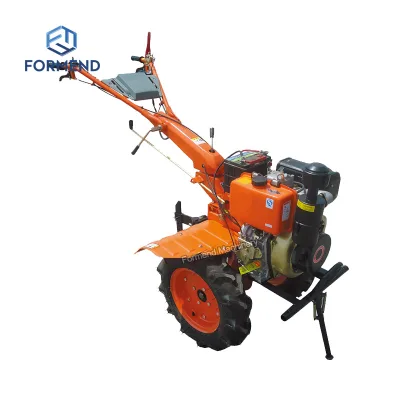
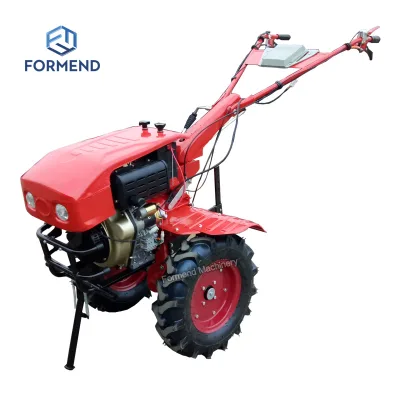
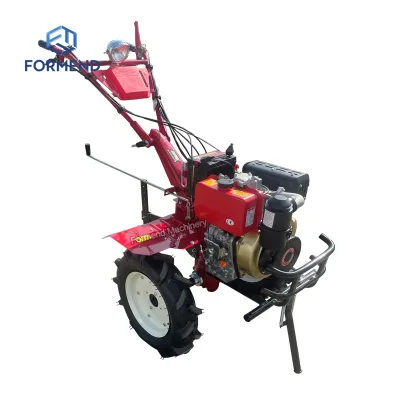
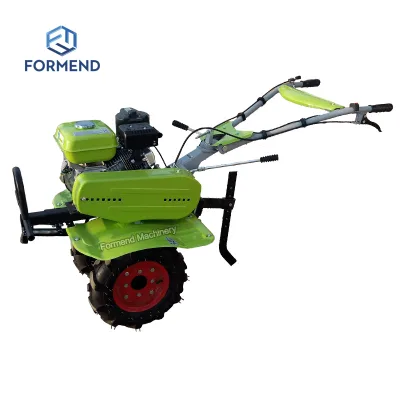
High Efficiency Multi Functional Rotary Cultivator Weeding Machine
$345.00 - $350.00
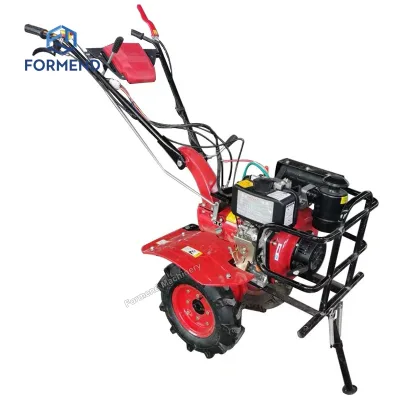
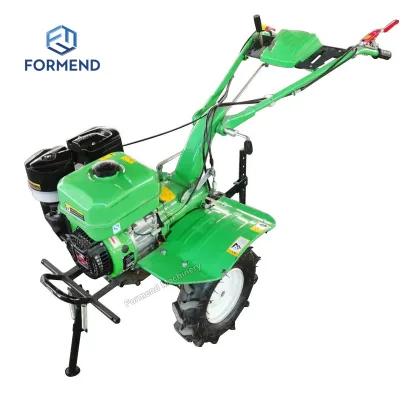
High Efficiency China Automatic Motor Tiller Cultivator Machine
$345.00 - $350.00

Jiangsu Yueda Intelligent Agricultural Equipment Co., Ltd.
- Verified by CTI
- Combined
- China Jiangsu
- Lead time23 days
- Avg. response≤ 11h
Main productsTractor, Farm Tractor, Jinma Tractor, Small Tractor, Tractor Parts, Jinma Tractor Parts, Agricultural Tractor, Jinma Tractor Spare Parts, 4WD Tractor, Mini Tractor
Main marketsSouth America,Africa,Southeast Asia/ Mideast,Domestic,Europe,Australia,North America


7HP 7.5HP Mini Petrol Power Tiller cultivating Machine
Contact supplier

KEYFUN SAFETY EQUIPMENT GROUP LIMITED
- Verified by SGS
- Manufacturer/Factory,Group Corporation
- China Zhejiang
- Lead time23 days
- Avg. response≤ 21h
Main productsAgro Sprayer, Ear Muffs, Safety Helmet, Face Shield, Respirator, Gas Mask, Solo Port 423 Mist Blower Power Sprayer, Capacitor, Knapsack Sprayer, Cooper Pegler Matabi Jacto Bp Sprayer
Main marketsSouth America,Eastern Europe,Mid East,North America,Southeast Asia,Eastern Asia,Oceania,Western Europe,Africa

Chongqing Eagle Sino Machinery Co., Ltd.
- Verified by SGS
- Trading Company
- China Chongqing
- Lead time15 days
- Avg. response≤ 5h
Main productsPower Tiller, Cultivator, Generator, Water Pump, Small Engine, Brush Cutter
Main marketsDomestic,Europe

Zhejiang Wenxin Mechanical & Electrical Co., Ltd.
- Verified by TUVRHEINLAND
- Combined
- China Zhejiang
- Lead time38 days
- Avg. response≤ 8h
Main productsEngines, Water Pumps, Generators, Cultivators, Brush Cutters, Pressure Washers, Motors, Sprayers, Hoses, Chain Saws
Main marketsSoutheast Asia/ Mideast

YUCHENG LIANSHENG MACHINERY CO., LTD.
- Verified by SGS
- Trading Company,Manufacturer/Factory
- China Shandong
- Lead time23 days
- Avg. response≤ 7h
Main productsPlough, Harrow, Seeding Machine, Mower, Thresher, Harvester, Boom Sprayer, Fertilizer Spreader, Agricultural Spare Parts, Grain Harvesting Equipment
Main marketsSouth America,Eastern Europe,Mid East,North America,Southeast Asia,Eastern Asia,Oceania,Western Europe,Africa

Multifunction Power Tiller Small Weeding Machine Gasoline Rotary Tiller Cultivator
$380.00 - $400.00
Moq: 5


Yongkang Semli Hardware Products Co., Ltd.
- Verified by TUVRHEINLAND
- Trading Company,Manufacturer/Factory
- China Zhejiang
- Lead time45 days
- Avg. response≤ 4h
Main productsChain Saw, Brush Cutter, Earth Auger, Hedge Trimmer, Outboard Motor, Water Pump, Cultivator, Tiller
Main marketsSouth America,Eastern Europe,Mid East,Southeast Asia,Eastern Asia,Western Europe,Africa

Yantai Lansu Measurement And Control Instrument Co., Ltd.
- Verified by TUVRHEINLAND
- Trading Company,Manufacturer/Factory,Other
- China Shandong
- Lead time23 days
- Avg. response≤ 16h
Main productsAgricultural Machine, Tractor, Sprayer Machine, Cultivator, Power Tiller, Walking Tractor, Thresher Machine, Diesel Engine
Main marketsSouth America,Eastern Europe,Mid East,North America,Southeast Asia,Eastern Asia,Oceania,Western Europe,Africa

Tiller Cultivator Garden Cultivator Gasoline Engine Tiller Power Tiller Cultivator
$200.00 - $500.00
Moq: 1


Hot Sale! Agriculture Farm Machinery & Equipment Mini Gasoline Tiller & Cultivator
$205.00 - $467.00
Moq: 1


Gaomi Guanriyu Machinery Co., Ltd.
- Combined
- China Shandong
- Lead time30 days
- Avg. response≤ 10h
Main productsGrass Mower, Chipper Shredder, Ginger Harvester, Hay Baler, Cultivator Tiller, Mini 4wheels Tractor, Harrow, Exhause Fan
Main marketsDomestic,Europe

TAIZHOU TIANYI AGRICULTURE & FORESTRY MACHINERY CO., LTD.
- Manufacturer/Factory
- China Zhejiang
- Lead time23 days
- Avg. response≤ 2h
Main productsKnapsack Hand Sprayers, Electric / Battery Sprayers, Knapsack Power Sprayers, Air Pressure Sprayers, Brush Cutters, Sprayer Parts & Accessories, Water Pumps, Mist Dusters, Seeding Tray, Seeder
Main marketsSouth America,Eastern Europe,Mid East,North America,Southeast Asia,Eastern Asia,Oceania,Western Europe,Africa

Shandong Liying Agricultural Technology Development Co., Ltd.
- Verified by BV
- Trading Company
- China Shandong
- Lead time15 days
- Avg. response≤ 6h
Main productsTractor, Disc Plough, Disc Harrow, Power Tiller, Corn Seeder, Vegetable Seeder, Farm Trailer, Fertilizer Spreader, Mower, Potato Harvester
Main marketsSouth America,Africa,Southeast Asia/ Mideast

Yucheng Hengshing Machinery Co., Ltd.
- Verified by BV
- Combined
- China Shandong
- Lead time30 days
- Avg. response≤ 20h
Main productsPlow, Disc Plough, Disc Harrow, Cultivator, Farm Mower, Farm Trailer, Potato Harvester, Potato Planter, Corn Thresher, Peanut Thresher
Main marketsSouth America,Africa,Southeast Asia/ Mideast,Europe,Australia,North America


Contact supplier
Henan Xifa Network Technology Co., Ltd.
- Verified by Intertek
- Manufacturer, Trading Company
- Lead time7 days
- Avg. response≤ 2h
Main productsAnimal Cages, Tractors, Feed Processing Machinery, Excavators
Main marketsNorth America(20%), Domestic Market(20%), Africa(15%)

Shandong Grander Equipment Co., Ltd.
- Verified by TUVRHEINLAND
- Trading Company
- China Shandong
- Lead time15 days
- Avg. response≤ 8h
Main productsWood Chipper, Safety Products, Garden Tools, Disc Mower, Drum Mower, Tiller, Safety Gloves, Farm Machine, Garden Machine, Safety Shoes
Main marketsSouth America,Southeast Asia/ Mideast,Europe

Jinhua Jusen Garden Machinery Co., Ltd.
- Verified by TUVRHEINLAND
- Manufacturer/Factory,Group Corporation
- China Zhejiang
- Lead time23 days
- Avg. response≤ 9h
Main productsChain Saw, Brush Cutter, Earth Auger, Gasoline Water Pump, Electric Chain Saw, Lithium Electric Lawn Mower, Lithium Chain Saw, Car Washer
Main marketsSouth America,Eastern Europe,Mid East,North America,Southeast Asia,Eastern Asia,Oceania,Western Europe,Africa




Comprehensive Sourcing Guide
Gasoline Engine Rotary Cultivator Supplier Concentration and Factory Types
Current data indicates a concentration of manufacturing activity in China, specifically within the Shandong and Zhejiang provinces. Shandong-based entities frequently list Disc Harrows, Disc Ploughs, and various Rotary Cultivators as their primary output, often operating as combined entities that handle both manufacturing and trading. These suppliers often cite origins in Shan Dong China and may offer products with vertical shaft arbor configurations powered by tractors or gasoline engines. In contrast, Zhejiang-based suppliers appear to focus heavily on gasoline-powered units, including Gasoline Tillers, Gasoline Engines, and Diesel Tillers, with some offering ODM and OEM capabilities for own brands.
Buyers should identify clusters by examining the specific origin fields listed in product attributes rather than assuming a single hub. When a supplier lists "Shan Dong China" or "China Zhejiang" as the product origin, it signals a regional manufacturing base. However, if the origin is listed simply as "China" without a province, the buyer must verify the specific factory location through direct inquiry. The presence of combined company types suggests a hybrid model where a single entity might manage both the production line and the sales channel, which can streamline communication but requires careful verification of the actual manufacturing floor location to ensure quality control standards are met locally.
How to Verify Gasoline Engine Rotary Cultivator Suppliers
Verification of suppliers in this category relies heavily on third-party audit reports and specific certification claims found in product attributes. Some suppliers in the results display verification status from entities like TUVRHEINLAND, SGS, or BV, which serves as a baseline for operational legitimacy. Additionally, product listings may explicitly state certifications such as CE, ECE, or ISO9001:2015 certificates. For instance, certain Rotary Cultivator models list ISO9001:2000 or ISO9001:2015 as their production standard, while others may claim CE certification for specific gasoline-powered units. Buyers must cross-reference these claims against the supplier's profile to ensure the certification applies to the specific factory producing the Gasoline Engine Rotary Cultivator.
Beyond static certifications, buyers should assess the responsiveness and verification status of the supplier directly. Response times recorded in the data vary, with some suppliers showing a response time of 13.46 hours while others take up to 16.28 hours. A faster response time often correlates with a more active sales team, but it does not guarantee product quality. Buyers should request proof of the stated certifications, such as a valid ISO9001:2015 certificate or CE documentation, before proceeding. If a supplier lists "NIL" for system certification, this is a significant red flag that requires immediate clarification regarding their quality management processes and adherence to international safety standards for agricultural machinery.
What to Compare Across Gasoline Engine Rotary Cultivator Suppliers
When evaluating potential partners, buyers must compare lead times, minimum order quantities (MOQ), and pricing structures to determine feasibility. Lead times in the observed data range from 15 days to 30 days, indicating significant variation in production capacity and scheduling. Some suppliers offer a lead time of 15 days, while others require 30 days, which impacts inventory planning and market entry speed. Similarly, MOQs vary widely, with some suppliers accepting orders as low as one unit, while others enforce a minimum of 10 or 50 units. This disparity is critical for buyers testing the market versus those placing large-scale orders, as a high MOQ can increase initial capital requirements significantly.
Pricing and customization options also require detailed comparison across different supplier profiles. Product evidence shows price points ranging from $146.00 to $600.00, depending on the model and specifications. Some listings indicate a fixed price of $500.00 or $600.00, while others start at $146.00. Buyers should verify if these prices include packaging, such as Iron Shellframe Boxes or Export Carton Boxes, and whether customization is available for specific power sources like gasoline or tractor attachments. Additionally, comparing the power source attributes, such as Horizontal Axis versus Vertical Shaft configurations, helps identify which suppliers offer the specific mechanical design required for the buyer's target agricultural conditions.
Common Gasoline Engine Rotary Cultivator Sourcing Risks
One primary risk involves the discrepancy between claimed certifications and actual product standards. While some listings explicitly state ISO9001:2000 or CE certification, others may list "many" as their standard or provide no specific standard at all. This ambiguity creates a risk that the machinery may not meet the safety or performance regulations of the buyer's destination country. Furthermore, the variation in traction types, such as Traction versus Hanging, and drive types like Chain Drive versus Gear Drive, suggests that product specifications can vary significantly even within the same category. Buyers must ensure the specific drive and traction mechanisms match their operational needs to avoid equipment failure in the field.
Another significant risk relates to the reliability of the supply chain and the consistency of the product origin. Some suppliers list their origin as "Shan Dong China" while others simply state "China," which can obscure the specific manufacturing facility. If a supplier claims to be a combined entity but lacks a clear factory address or specific production capacity details, the risk of quality inconsistency increases. Additionally, the presence of "Customers Requirement" for packing standards indicates a lack of standardized packaging, which can lead to damage during transit. Buyers should verify the specific packing method, such as Wooden Cases or Iron Shellframe Boxes, to ensure the machinery arrives in working condition without requiring extensive repairs upon arrival.
Gasoline Engine Rotary Cultivator Regional Sourcing and Logistics
Sourcing from China, particularly from the Shandong and Zhejiang provinces, offers access to established agricultural machinery clusters, but logistics planning must account for regional differences. Suppliers in Shandong often focus on disc harrows and ploughs alongside rotary cultivators, while Zhejiang suppliers may specialize more in gasoline-powered tillers and engines. This regional specialization can influence the availability of specific components and the expertise of the workforce. Buyers should consider the distance from the port of loading to their destination, as shipping costs and transit times will vary based on the specific province of origin. Understanding the geographic concentration helps in estimating the total landed cost more accurately.
Logistics also depend heavily on the packaging standards provided by the supplier. Evidence shows a mix of packaging types, including Iron Shellframe Boxes, Export Carton Boxes, and Wooden Cases. The choice of packaging affects the volume and weight of the shipment, which directly impacts freight charges. For instance, a Wooden Case might offer superior protection for a gasoline engine but adds significant weight compared to an Export Carton Box. Buyers must confirm the exact dimensions and weight of the packed unit, as some listings provide specific dimensions like 800500760MM or 894565. Accurate logistics planning requires these precise measurements to select the appropriate shipping container and to calculate insurance costs for high-value agricultural machinery.
Gasoline Engine Rotary Cultivator Commercial Terms and Order Planning
Commercial terms regarding payment and order planning must be aligned with the supplier's specific MOQ and lead time requirements. With MOQs ranging from 1 to 50 units, buyers need to structure their orders to meet these thresholds without overstocking. For suppliers with a 50-unit MOQ, the buyer must ensure sufficient demand to justify the order volume, whereas a 1-unit MOQ allows for smaller, more frequent orders. Lead times of 15 to 30 days also dictate the timing of the order placement relative to the planting season. Buyers should plan their procurement cycle to account for the maximum lead time to avoid delays that could miss critical agricultural windows.
Customization and standard specifications play a crucial role in finalizing commercial agreements. Many suppliers list customization as available, allowing for modifications to the power source, such as switching between gasoline and tractor power, or altering the arbor configuration. However, buyers must verify if these customizations incur additional costs or extend the lead time. The product models, such as 1GQN-180 or GP-1WG8.2G, indicate specific configurations that may have different pricing tiers. Buyers should request a detailed proforma invoice that breaks down the cost of the base unit, any customization fees, and the packaging costs to ensure there are no hidden charges that could affect the overall budget of the project.
FAQs
What is the price range for gasoline rotary cultivators?
Gasoline rotary cultivators are available from $146 to $600 depending on specifications. Prices vary based on power source, drive type, and certification. Buyers should check specific model listings for exact pricing and confirm if the quote includes shipping and taxes for their region.
What is the minimum order quantity for these machines?
Minimum order quantities range from 1 to 50 units. Some suppliers accept single unit orders for testing, while others require bulk purchases. Buyers must verify the MOQ for each specific model and supplier to ensure their order volume meets the stated requirements.
How long does delivery take for these cultivators?
Lead times typically range from 15 to 30 days. This duration depends on the supplier's location and current production capacity. Buyers should confirm the exact lead time with the supplier before placing an order to align with their project schedules.
Are these cultivators certified for international markets?
Many models hold CE or ECE certifications. Some suppliers also provide ISO9001:2000 or ISO9001:2015 system certifications. Buyers should request valid certificates for specific models to ensure compliance with local regulations and safety standards in their target markets.
What power sources are available for rotary tillers?
Options include gasoline engines and tractor power sources. Gasoline models are often self-propelled, while tractor-driven units require a compatible tractor. Buyers should select the power source that matches their existing equipment and operational needs for optimal performance and efficiency.
Where are these agricultural machines manufactured?
Manufacturers are located in China, specifically in Shandong and Zhejiang provinces. These regions are known for agricultural machinery production. Buyers can verify the origin on product listings to assess logistics costs and supply chain reliability for their specific import requirements.